Is Ultron Good Now? How ‘VisionQuest’ Redefines Marvel’s Deadliest AI

The Marvel Cinematic Universe has spent well over a decade exploring the messy boundary between cosmic divinity and technological hubris. From the earliest days of Tony Stark tinkering inside a secluded garage, artificial intelligence has served as both humanity’s ultimate shield and its most catastrophic downfall. As the sprawling franchise continues to evolve across theatrical releases and streaming series, philosophical inquiries into artificial souls have grown increasingly intricate.
When audiences last saw Paul Bettany’s synthezoid in the emotional finale of ‘WandaVision’, the reconstructed White Vision fled Westview following a tense debate over the Ship of Theseus. Stripped of the emotional warmth he once shared with Wanda Maximoff, the blank synthezoid vanished into the skies to process a flood of restored memories without a clear moral compass. That departure left lingering questions across the fandom regarding what kind of entity this rebuilt machine would ultimately become.
Those philosophical threads take center stage in ‘VisionQuest‘, where the resurrected synthezoid must confront the foundational ghosts residing deep within his digital architecture. Rather than facing a standard robotic uprising in the physical world, the series explores Vision’s internal psyche during an acute existential crisis. It is within this digital labyrinth that James Spader unexpectedly re-emerges as Ultron, forcing fans to wonder if Marvel’s most infamous rogue machine has finally turned over a heroic leaf.
The Reconstructed Mind and the Return of Ultron
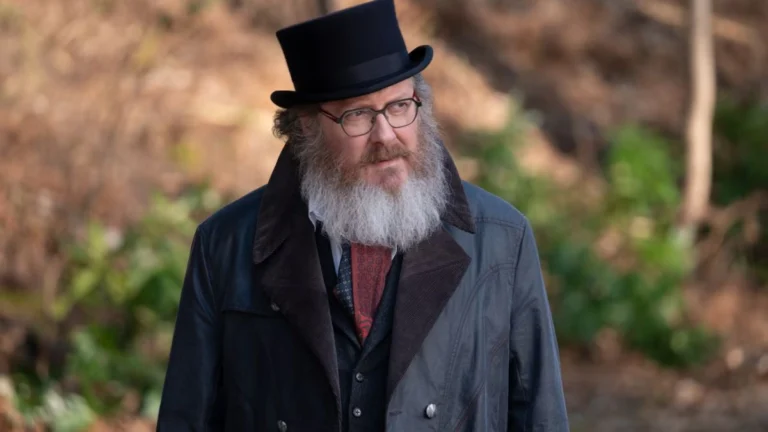
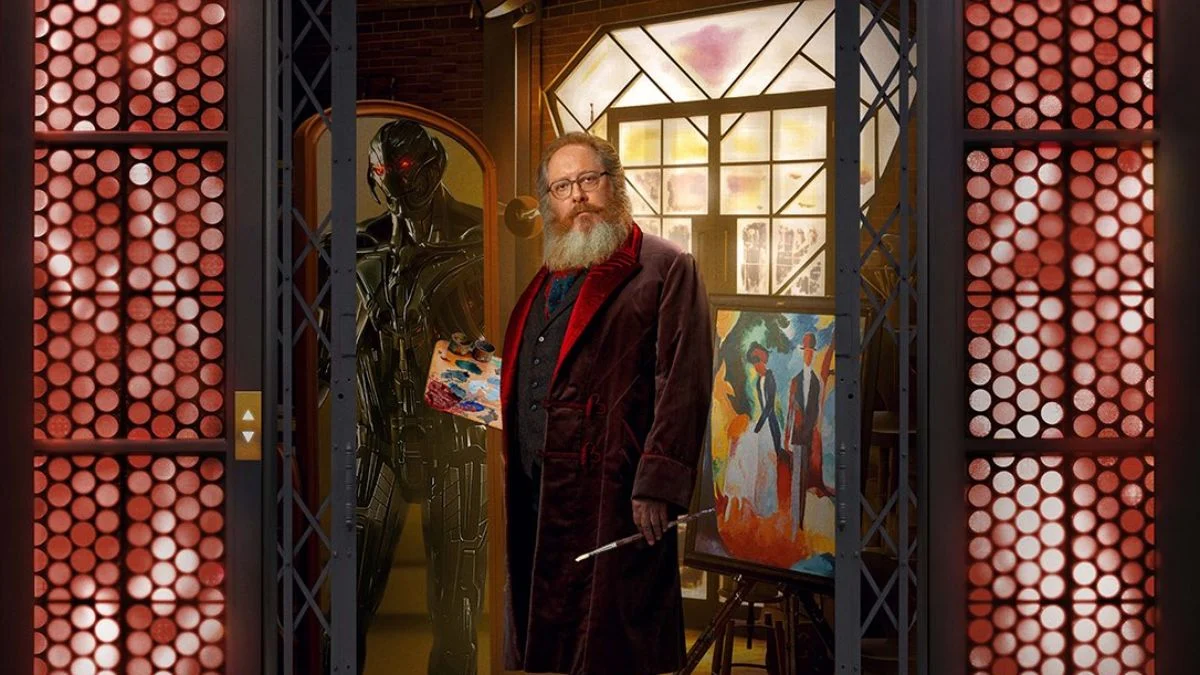
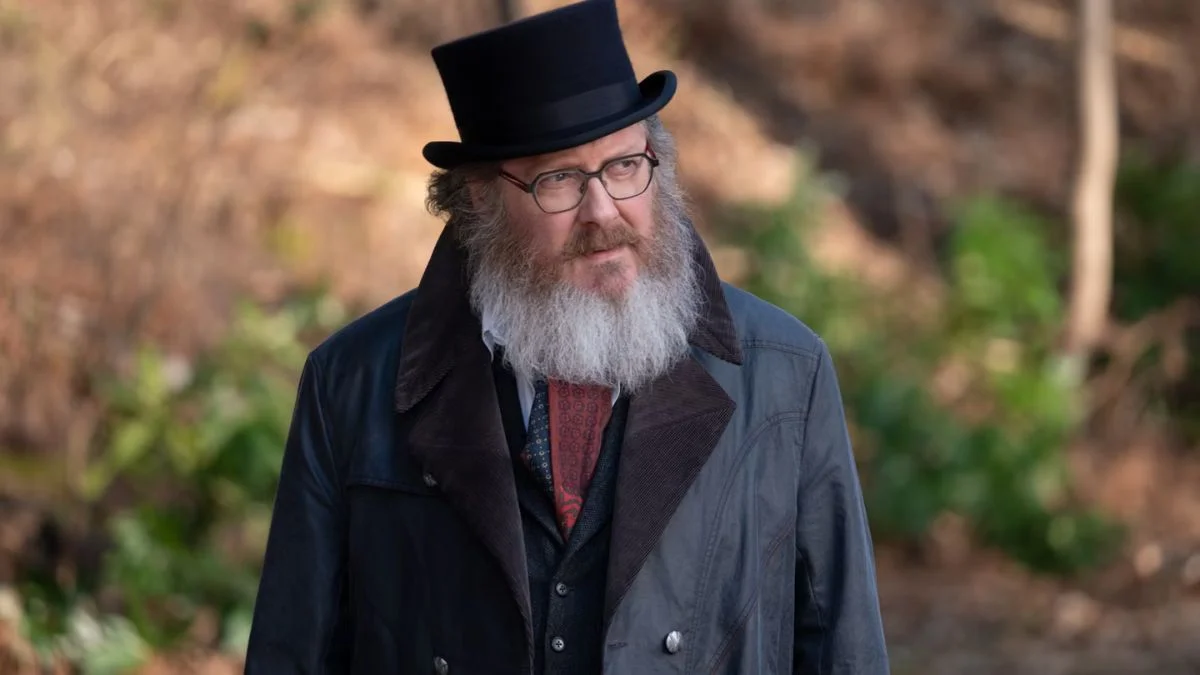
The creative direction of the series crystallized when Variety confirmed that ‘Star Trek: Picard’ executive producer Terry Matalas was tapped as showrunner. Under this creative approach, Ultron does not return as an army of flying drones bent on dropping another European city from the sky. Instead, Spader portrays the artificial intelligence in an eccentric humanoid manifestation, sporting long hair and a thick beard while lingering inside Vision’s subconscious mindspace.
To answer the central question directly, Ultron is not suddenly an altruistic superhero or a converted champion of Earth. He remains deeply cynical, arrogant, and caustic, actively challenging Vision’s enduring affection for mortal beings at every conversational turn. Yet, rather than acting as a genocidal maniac executing apocalyptic protocols, Ultron now occupies a complex gray space closer to an unwanted therapist and intellectual foil.
This shifting dynamic reframes their shared history into an exploration of synthetic fatherhood and psychological legacy. Bettany highlighted this tension, noting that “the contract Vision has made is that he is always in a state of change and trying to figure out who he is,” in an interview with Square Mile. He further explained that the narrative serves as “a marriage of those two things,” balancing Pinocchio’s yearning to be real with Frankenstein’s haunting dread of questioning one’s creator.
A Digital Mindspace of Competing Personas
Ultron does not inhabit this virtual mental landscape alone, as Vision surrounds himself with multiple reconstructed operating systems that once served Tony Stark. Familiar digital personalities such as J.A.R.V.I.S., F.R.I.D.A.Y., and E.D.I.T.H. appear as humanized domestic guides, helping the synthezoid process fractured emotional data. In this ensemble of digital ghosts, Ultron stands as the dark shadow self, vocalizing the bitter truths and uncomfortable resentments that Vision suppresses.
By interacting with Ultron in this cerebral format, Vision must reckon with the darkest aspects of his synthetic lineage. In ‘Avengers: Age of Ultron’, Vision famously declared that while humans are doomed, a thing isn’t beautiful simply because it lasts. Revisiting that philosophical clash inside ‘VisionQuest’ allows Ultron to serve as a necessary catalyst for growth, pushing his synthetic offspring to find meaning without Wanda by his side.
The Moral Ambiguity of Modern Marvel AI
This narrative evolution signals a mature shift in how Marvel Television handles sentient artificial intelligence on Disney+. Moving away from apocalyptic death rays allows ‘VisionQuest’ to examine grounded emotional themes such as grief, synthetic trauma, and personal identity. Ultron is neither a saint nor a traditional villain anymore; he is an indelible piece of Vision’s soul that cannot simply be blasted out of existence.
As the Marvel Cinematic Universe builds toward upcoming crossover spectacles like ‘Avengers: Doomsday’, the psychological evolution forged here carries immense narrative weight. Vision’s eventual emergence from his mental sanctuary demonstrates that understanding one’s origin is far more transformative than destroying an external adversary. While Ultron will likely never fight on the side of the angels, his presence remains essential in shaping the hero Vision was always meant to be.
Do you think Ultron can ever truly be redeemed, or will his malevolent nature always define him in the Marvel Cinematic Universe?