Is Ultron Really Dead? How Marvel’s ‘VisionQuest’ Resurrects the Iconic Villain

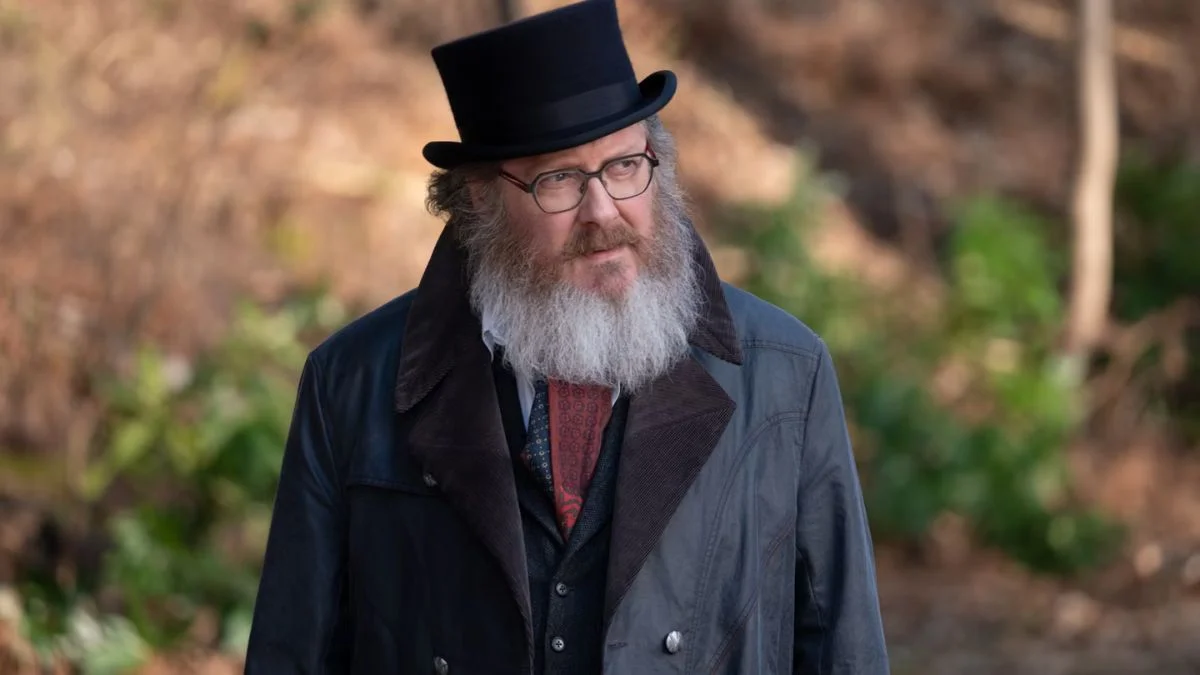
In the sprawling architecture of the Marvel Cinematic Universe, finality has always been an elusive concept. Over nearly two decades of interconnected superhero storytelling, characters have repeatedly defied the grave through timeline manipulation, mystical spells, and multiversal incursions. For artificial beings, death is even more ambiguous than it is for flesh-and-blood heroes.
Ever since the cataclysmic events in Sokovia shook the franchise a decade ago, viewers have scrutinized the digital boundaries between technological consciousness and absolute obliteration. As Marvel Television prepares to expand the esoteric corners of its streaming landscape following ‘WandaVision’ and ‘Agatha All Along’, ancient rivalries between synthetic minds are returning to the forefront. The lingering echoes of past mechanical crusades continue to haunt the narrative future of the broader franchise.
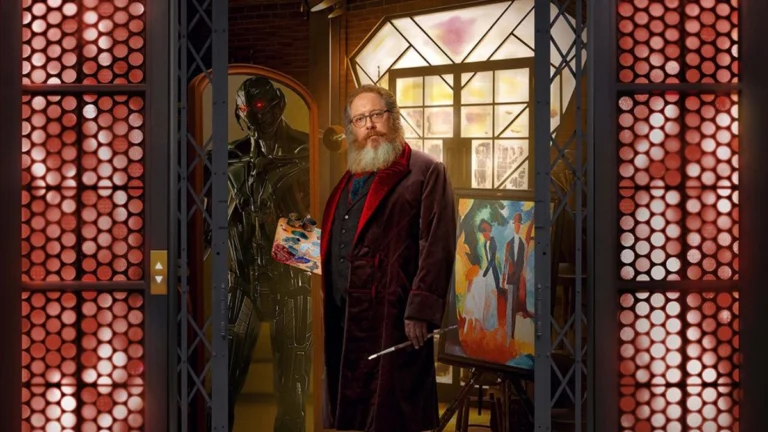
The question of whether Ultron is truly dead finds a startling answer in the upcoming Disney+ series tentatively known as ‘VisionQuest‘. While audiences watched Vision confront the final rogue drone in 2015’s ‘Avengers: Age of Ultron’, the malevolent entity never completely vanished from the fabric of Marvel lore. In fact, The Hollywood Reporter confirmed that Emmy winner James Spader will officially reprise his role as Ultron in the new project.
The Fate of the Sokovian Scourge
At the climax of Joss Whedon’s 2015 blockbuster, Earth’s Mightiest Heroes dismantled Ultron’s primary bodies and severed his connection to global networks. The final confrontation between Vision and the last battered Ultron drone took place in a secluded forest, culminating in a radiant flash from the Mind Stone. Because the camera cut away before physical impact, theorists have long argued that Vision may have neutralized or contained the rogue entity rather than erasing his fundamental code.
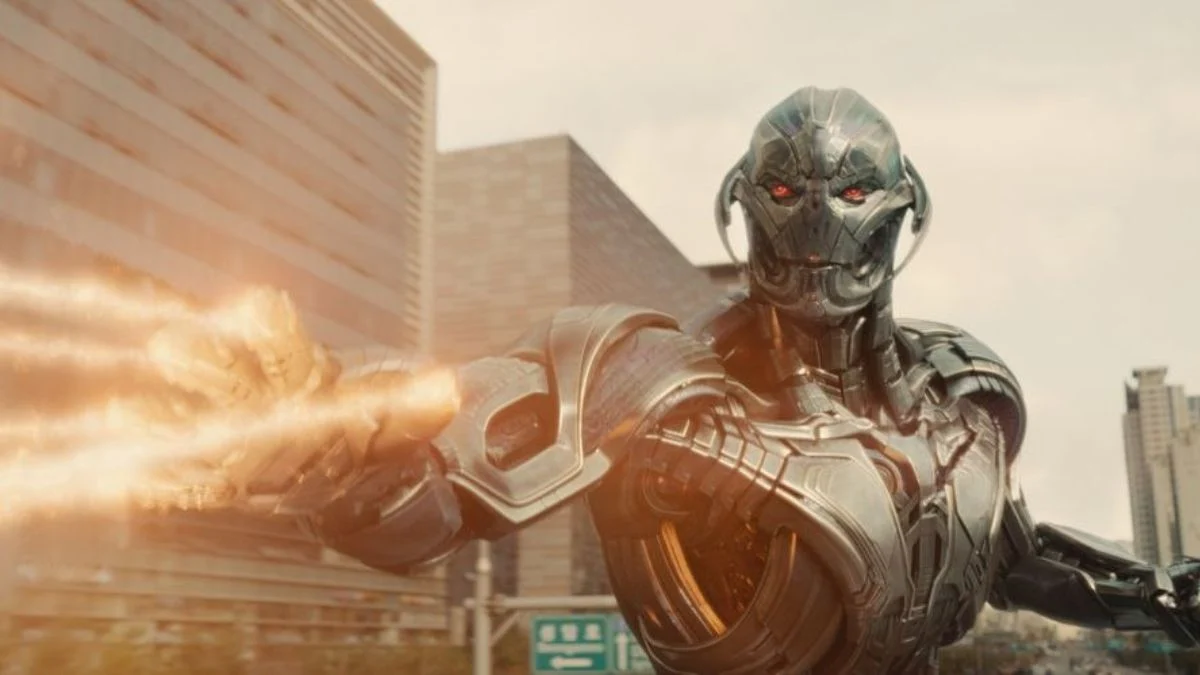
Subtle hints of Ultron’s remnants have surfaced throughout subsequent MCU projects, proving that his mechanical footprint was never fully cleared. A deactivated Ultron sentry head with glowing red optical receptors memorably appeared in Peter Parker’s duffel bag during 2017’s ‘Spider-Man: Homecoming’. When code is capable of splintering across vast digital networks, total electronic annihilation requires eliminating every stray byte—a near-impossible task in a high-tech comic book reality.
How ‘VisionQuest’ Bridges the Synthetic Divide
The narrative catalyst for Ultron’s grand revival lies directly in the existential trajectory of White Vision. Following the climactic duel in Westview during ‘WandaVision’, the reassembled synthezoid absorbed the memories of Wanda Maximoff’s conjured partner before bolting into the skies to process his sudden existence. Stripped of the emotional context of his past life, this cold, porcelain incarnation embodies an identity crisis reminiscent of classic gothic fiction.
Showrunner Terry Matalas, celebrated for rejuvenating veteran sci-fi icons, is steering the upcoming series directly into the fractured psyche of the wandering synthezoid. Instead of functioning purely as a battlefield combatant, Ultron is poised to re-emerge as a dark mirror to Vision’s internal struggles. Both beings share origins rooted in Tony Stark’s ambitious algorithms and Bruce Banner’s bio-mechanical schematics, making them twisted reflections of the same digital genesis.
Digital Consciousness and the Mindscape Dynamic
Because Ultron’s synthetic programming helped construct Vision’s original neural network, their reconnection is as psychological as it is physical. White Vision must grapple with who built him, what purpose he serves, and whether his foundational programming harbors destructive impulses. In reflecting on the complex duality of his character, lead actor Paul Bettany told Marvel.com, “To differentiate between the two characters in a way that didn’t just feel superficial… I wanted [The Vision] to be familiar and yet at the same time kind of intimidating.”
That delicate tension between synthetic menace and genuine humanity now sets the stage for Ultron’s dramatic re-entry. Rather than simply waging another global war of faceless robotic armies, Ultron’s persistence within Vision’s operating systems poses profound philosophical questions about free will and artificial soulhood. Ultron’s survival is not merely a technical loophole, but a vital narrative engine that anchors the emotional weight of White Vision’s search for peace.
The Broader MCU Implications
Bringing back James Spader’s resonant voice and sinister charisma also carries major ripple effects for Phase Six and beyond. With Marvel Studios marching toward monumental ensemble spectacles like ‘Avengers: Doomsday’, unifying disconnected character arcs has become a creative priority. Reviving Tony Stark’s greatest failure right as synthezoid autonomy takes center stage completes a thematic loop that stretches across 11 years of interconnected cinema.
Ultimately, Ultron was never truly extinguished in the simplistic way moviegoers assumed when the dust settled over Sokovia. He was merely hibernating within corrupted data streams, dormant memory banks, and the subconscious architecture of his synthezoid offspring. As ‘VisionQuest’ prepares to unlock those hidden vaults, the stage is set for a fascinating confrontation that proves Marvel’s artificial nightmares rarely stay buried forever.
Do you think Ultron should return as a physical menace or remain an internal ghost inside White Vision’s mind, and what are your biggest hopes for ‘VisionQuest’? Leave your thoughts in the comments below!