Keanu Reeves Steps In as ‘47 Ronin’ Director Faces Prison Over Netflix Fraud Case

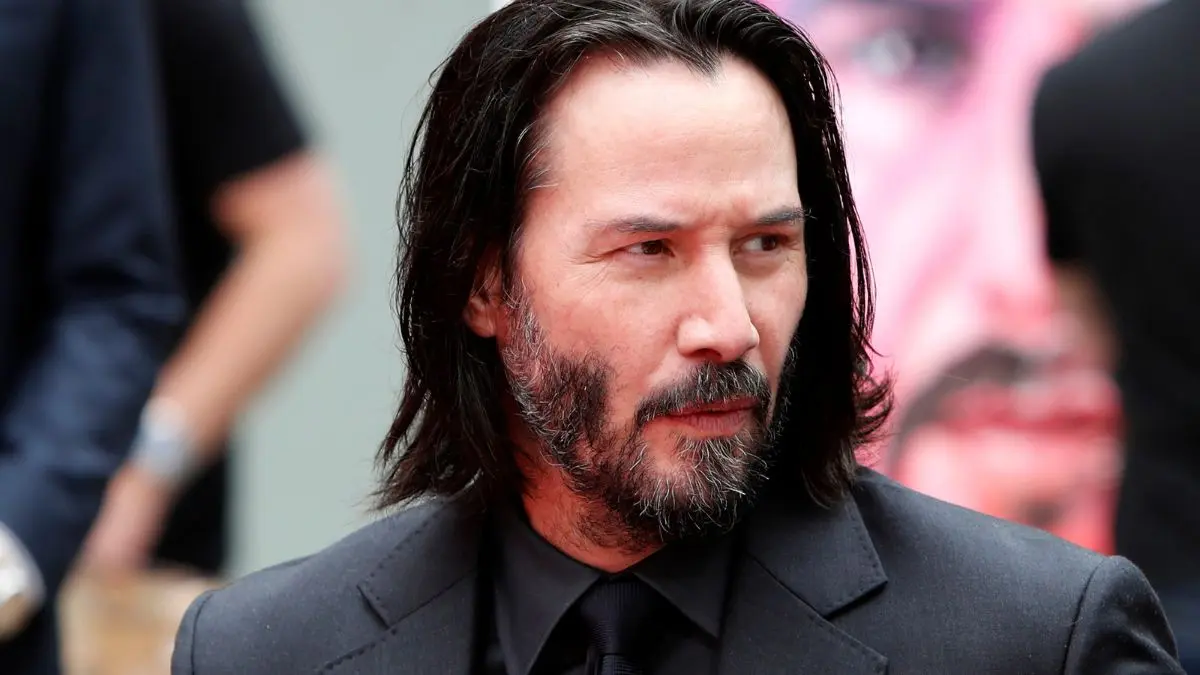

The legal case around the sci-fi project “White Horse” has taken a new turn, and it now includes a public appeal from actor Keanu Reeves.
The case is about filmmaker Carl Rinsch, who once worked on the film “47 Ronin” with Reeves. Rinsch is now facing serious prison time after being convicted on federal charges. These include wire fraud, money laundering, and illegal financial transactions. The court found that he took millions of dollars from Netflix that were meant to fund the production of his science fiction series “White Horse”.
The story has become widely discussed because of both the scale of the money involved and the unusual way the project collapsed.
Netflix had invested heavily in “White Horse.” According to Business Insider, the company spent about 55 million dollars in total on the project. This included an initial payment of 44 million dollars in 2018 and another 11 million dollars later in 2020. At the time, Netflix gave Rinsch full creative control. The company expected a large, ambitious sci-fi series in return.
The series itself was about a strange concept called “Organic Intelligence.” In the story, these beings look human but are not human. When their existence becomes known, they form hidden private cities to protect themselves. It was an unusual idea that attracted attention early on. Netflix executives even said in court that some of the early footage looked very impressive.
However, things started to fall apart during production. Prosecutors said Rinsch did not use the money as intended. Instead of finishing the series, he allegedly spent large amounts of Netflix funds on personal luxury items, expensive cars, high-end furniture, and cryptocurrency investments. This became the center of the fraud case.
The jury agreed with the prosecution and found Rinsch guilty on all counts. With the conviction complete, the case moved to sentencing. He is expected to be sentenced on June 29. Prosecutors are planning to give their official recommendation by June 16. Under federal sentencing guidelines, he could face around 8 to 10 years in prison.
Despite the guilty verdict, Rinsch’s legal team is asking the court for a lighter sentence. They argue that he is a first-time offender and that he has already suffered major damage to his career. They also say he should receive a punishment below the guideline range.
On top of prison time, the court is expected to order him to repay about 11 million dollars to Netflix. The company is also asking for an additional 4.4 million dollars in legal fees. These costs came from arbitration and legal proceedings connected to the case.
Rinsch’s defense argues that the legal fees are too high and should not be fully charged to him. His lawyers also say he has been declared indigent, meaning he does not have the financial ability to pay large amounts. Because of that, he was assigned a court-appointed lawyer during the trial.
One of the more unexpected parts of the case is the involvement of Keanu Reeves. Reeves wrote a letter to the judge, Judge Jed Rakoff, asking for leniency. In the letter, he described Rinsch as an “exceptional artist” and asked the court to show mercy during sentencing.
Reeves was not just a colleague on “47 Ronin.” He also acted as a mentor and early supporter of “White Horse.” His connection to the project gave his statement extra attention in the media.
In his letter, Reeves admitted that he is not a psychologist or therapist. Still, he shared his personal view of Rinsch as an artistic peer. He suggested that Rinsch sometimes “self-sabotages” his own work by expanding ideas too far and creating conflict with partners.
Reeves wrote, “In my opinion, Carl can self-sabotage by amplifying the scale, scope and landscape of what had been negotiated, accordingly placing himself and his counterparties at odds.” He added that he was not trying to excuse the behavior, but wanted to offer context for the judge.
He also wrote, “I do not intend to share this as a diminishment of what he has been found to have done, but offer this solely as perhaps an insight into why.”
These statements show that Reeves is not denying the seriousness of the case. Instead, he is asking the court to consider Rinsch’s personality and creative behavior when deciding the sentence.
The case has become even more notable because of how “White Horse” ended up. What started as a high-budget Netflix sci-fi series turned into a legal dispute and a criminal conviction. According to reporting from Variety and Business Insider, the show was never completed and is now likely abandoned.
Netflix once hoped the series would be a major success. Instead, it became one of the company’s most expensive and controversial production failures.
As the sentencing date approaches, attention is now focused on what punishment the judge will decide. The court must balance the financial damage, the fraud conviction, and the character references, including the letter from Reeves.
For now, “White Horse” remains unfinished, and its future looks uncertain. What was meant to be a groundbreaking science fiction project has instead become a cautionary story about trust, money, and creative control in the streaming era.
Have something to add? Let us know in the comments!