‘Leviticus’ Is the Queer Horror Film That Has Been Haunting Audiences Since Sundance

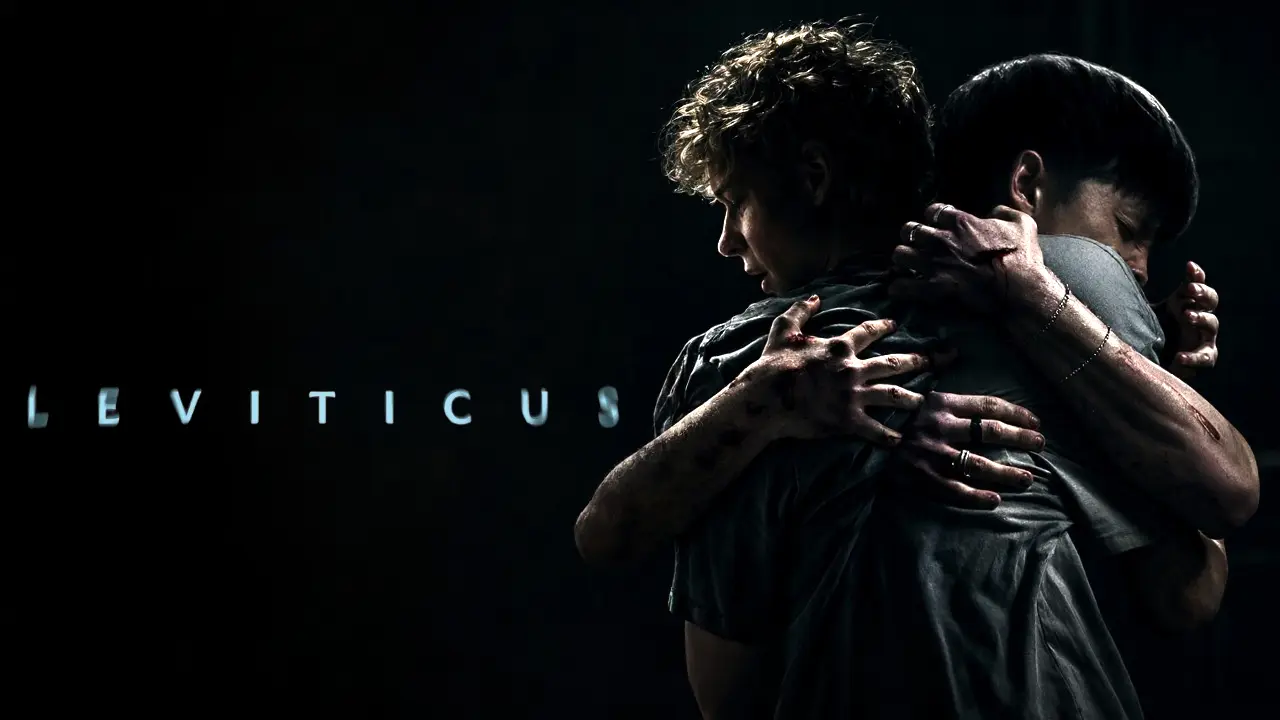

The short answer is yes, and the longer answer is that ‘Leviticus’ is one of the most boldly, purposefully queer films to hit theaters in years. Written and directed by Adrian Chiarella, the Australian supernatural horror follows two star-crossed teenage boys who must escape a violent entity that takes the form of the person they desire most, which turns out to be each other. That premise alone signals exactly what kind of film this is, and Chiarella is not shy about it.
Titled after the book of the Bible that features what some devotees interpret as a condemnation of homosexuality, the film combines gripping horror with social commentary, set in a small and desolate Australian town shaped by a close-knit and deeply Christian community. From its name to its setting to every frame of its visual language, ‘Leviticus’ wears its queerness as both identity and armor.
A Queer Horror Film Built From Real-World Fear
Premiering in the Midnight section at the Sundance Film Festival, the film quickly became one of the most talked-about genre entries of the year. That response was not accidental. The film taps into something real and present, not just genre history.
Director Adrian Chiarella, who came out as a teen in Australia and married his husband after same-sex marriage became legal there in 2017, has spoken about the anxiety and excitement of releasing a queer film this wide. He has made clear that the material comes from an urgent, personal place rather than from genre calculation.
Speaking to PEDESTRIAN.TV, Chiarella said ‘Leviticus’ was inspired by observations he has made in everyday life, where it appears society is regressing in its acceptance of the queer community. The horror on screen is, in many ways, a direct mirror of the horror happening off it.
Roy Morgan data observed that from 2024 to 2025, about 21 per cent of Australians believed homosexuality is immoral, which represented an increase from previous years. That statistic, sitting quietly behind the film’s supernatural dread, gives ‘Leviticus’ a weight that goes far beyond conventional genre entertainment.
Joe Bird and the Cast Bringing the Story to Life
Joe Bird delivers what has been described as a sucker punch of a performance as the closeted gay teen Naim, a shy high schooler who recently moved to an intensely religious Australian small town with his mother. Bird is not a new name to genre fans, but this is his moment to lead.
The actor had a significant role in the horror hit ‘Talk to Me’ in 2022, which he filmed when he was 14, and has a few additional TV and film credits, but ‘Leviticus’ marks his first leading role. That transition from supporting player to full dramatic anchor is one the film’s early reviews have celebrated without reservation.
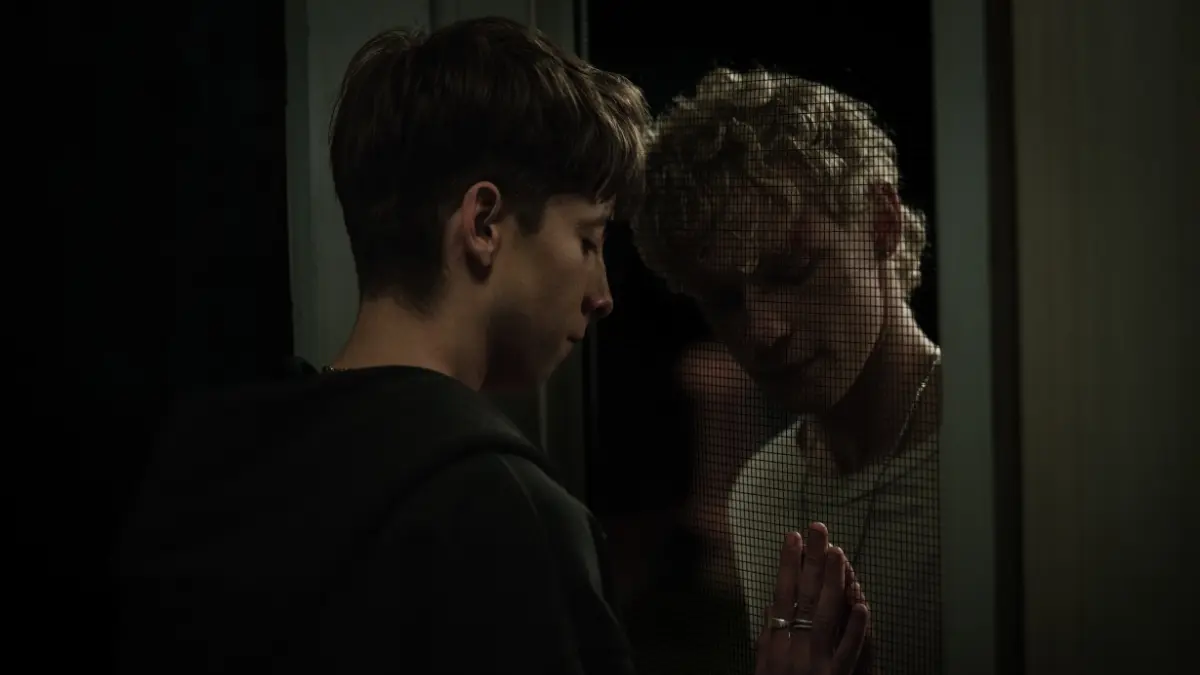
Alongside Bird, the film stars Stacy Clausen as Ryan, with Mia Wasikowska returning to screens after a three-year absence in the role of Naim’s emotionally stunted mother, joined by Jeremy Blewitt, Ewen Leslie, Davida McKenzie, and Nicholas Hope. Wasikowska’s presence signals the kind of prestige the production was reaching for from day one.
Critics have singled out Clausen specifically as bewitching, with one reviewer noting he steals the film outright. For a debut feature built around two young leads, that kind of breakout attention is exactly what the project needed.
Conversion Therapy Horror and What the Critics Are Saying
The film’s central threat comes from a pastor in the small town who is hellbent on ridding its boys of homosexual urges, framing the supernatural horror as an extension of real-world conversion therapy practices. That framing has struck critics as both timely and genuinely terrifying.
Variety’s review described ‘Leviticus’ as a tightly conceived, gripping queer horror that reaches for unassuming brilliance through a supernatural premise that is as terrifying as it is thematically relevant, and went so far as to call it a Critic’s Pick for 2026, predicting it seems bound to earn a place in the pantheon of notable queer horror.
Other critics noted how carefully the film walks a tightrope in making gay teenagers the primary target for terror, risking the tired tropes that have plagued queer horror before, while ultimately grounding the story in resilience and survival rather than exploitation. That balance is what separates ‘Leviticus’ from the crowd.
IndieWire’s own coverage compared it to ‘It Follows’ in its approach to invisible entities and furtive desire, while simultaneously insisting that comparison is reductive for a film this wholly original. Genre shorthand only gets you so far here.
What to Expect When ‘Leviticus’ Opens in Theaters
Neon acquired worldwide distribution rights excluding Australia and New Zealand in a deal worth around five million US dollars shortly after the film’s world premiere at Sundance on January 23, 2026. That acquisition figure made waves in the independent film world and set expectations high.
Chiarella has noted that ‘Leviticus’ faces the unique uphill challenge of being a queer movie entering national theaters at a fractured moment for LGBTQ rights, but that this is precisely why he feels the film needs to exist and be seen widely. The cultural timing of the release feels anything but coincidental.
The film is rated R for bloody violent content, language, some sexual content, and teen drug use, and opens in limited theatrical release on June 19, 2026, distributed by Neon. It arrives into a summer horror landscape that is already generating serious conversation.
With a runtime of 88 minutes, ‘Leviticus’ moves with the efficiency of a film that knows exactly what it is, described by one reviewer as mercilessly upsetting yet emotionally resonant and a fresh entry in the queer horror scene poised to cement itself as a modern classic. That is not small praise for a first feature.
Whether ‘Leviticus’ becomes the queer horror landmark critics are already calling it, or simply a vital and painful piece of genre filmmaking that deserves a wider audience, feels like a question worth debating. What’s your read on how horror is handling queer stories right now, and does ‘Leviticus’ sound like the film that finally gets it right?