


LGBT+ Actors Who Are Atheists

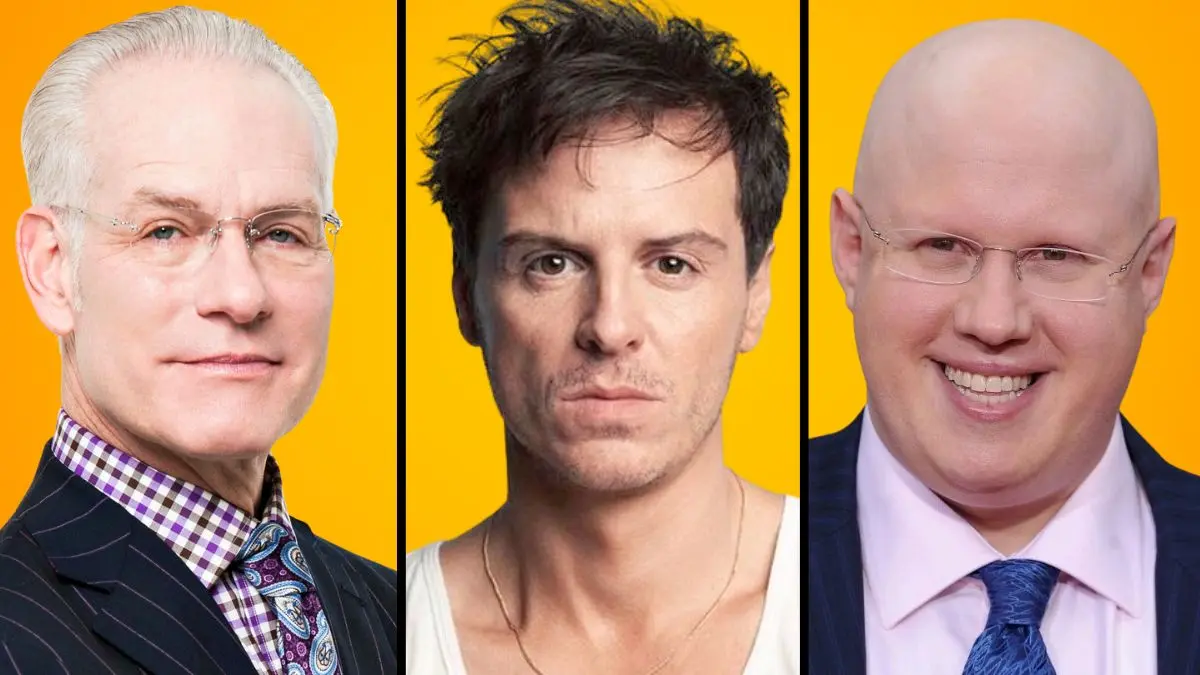


The intersection of LGBTQ+ identity and religious belief is a complex subject, leading many individuals to explore secular philosophies or atheism. For some performers, distancing themselves from organized religion has been a crucial part of their personal journey toward self-acceptance and authenticity. These talented men have publicly discussed their lack of belief in a deity, often citing reason, science, or humanism as their guiding principles. They have found success in Hollywood and beyond while maintaining a secular worldview. Here are notable gay male actors who identify as atheists.
Ian McKellen
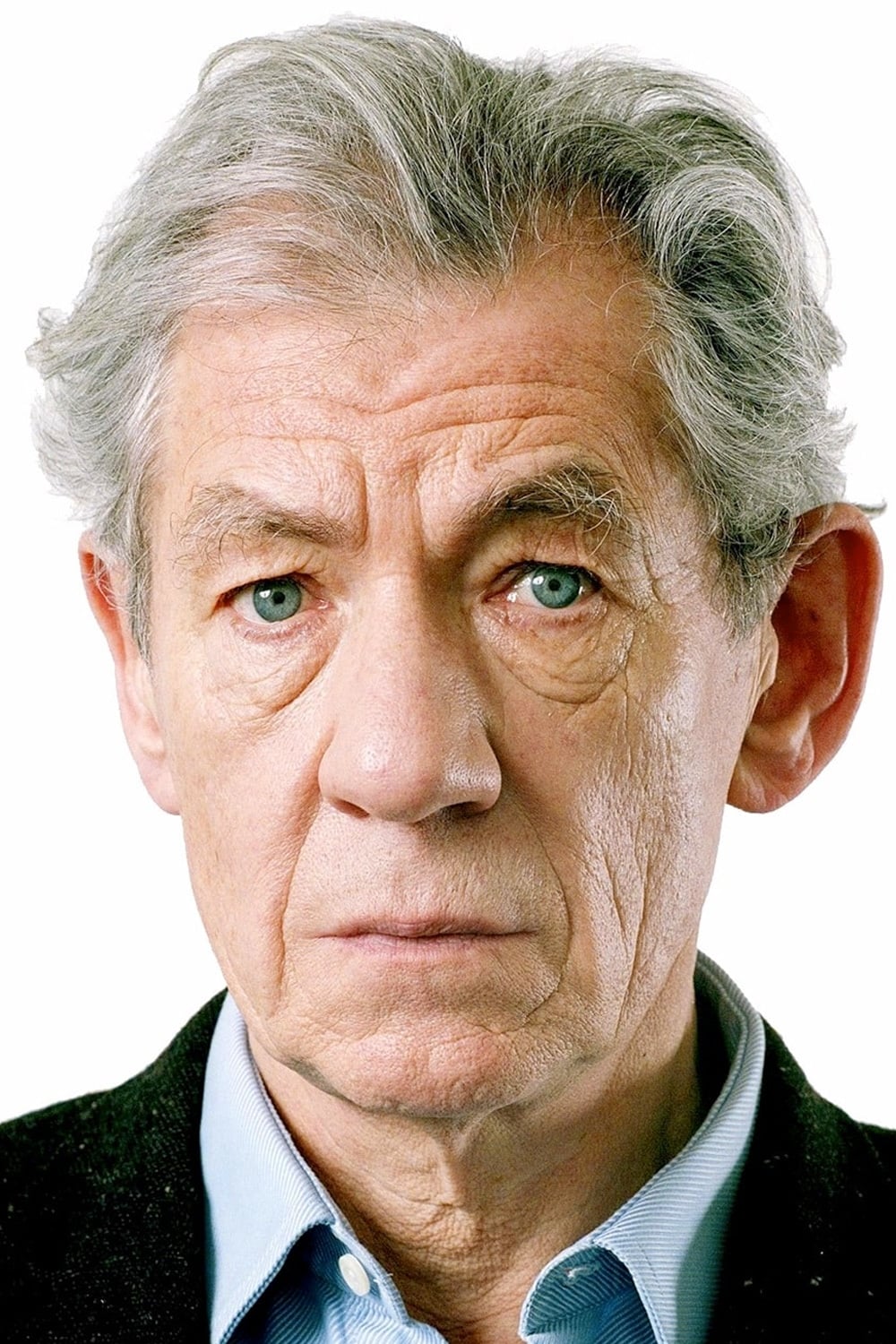
Sir Ian McKellen is a legendary figure in cinema and theatre, best known for his iconic roles in ‘The Lord of the Rings’ and ‘X-Men’. He has been an outspoken activist for gay rights since coming out in 1988 and is equally vocal about his atheism. McKellen has frequently criticized organized religion for its historical treatment of LGBTQ+ individuals. He famously admitted to tearing pages out of bibles in hotel rooms to protest the condemnation of homosexuality found within certain passages.
Stephen Fry
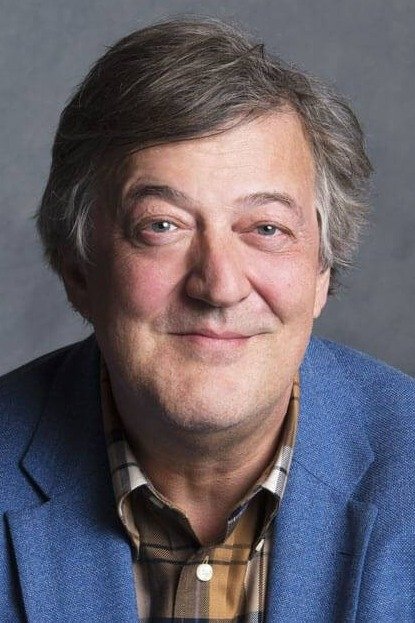
This celebrated British actor, comedian, and writer is a staunch humanist and one of the most visible atheists in the entertainment industry. Known for his work in ‘V for Vendetta’ and ‘Wilde’, Fry has participated in numerous public debates arguing against the necessity of a god for moral behavior. He often speaks about the importance of logic, science, and empathy over religious dogma. Fry combines his intellect with wit to challenge theological claims and advocate for a secular society.
Alan Cumming
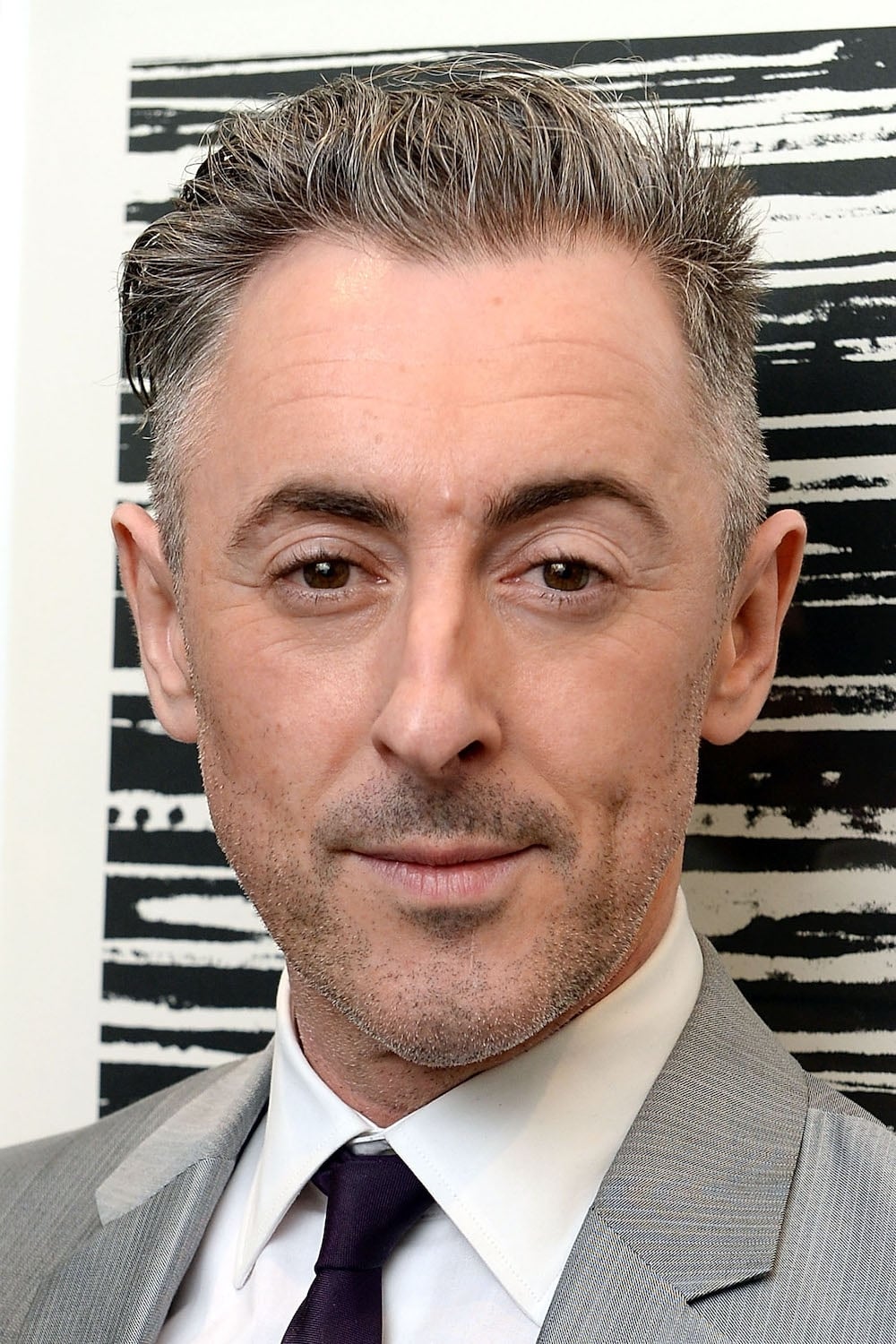
Scottish actor Alan Cumming has captivated audiences with his performances in ‘The Good Wife’ and ‘Cabaret’. He identifies as an atheist and has spoken openly about leaving the religious environment of his childhood behind. Cumming believes that individuals should take responsibility for their own actions rather than attributing them to a higher power. His memoir details the abuse he suffered in his youth and how he moved away from the church to find his own path.
Rupert Everett
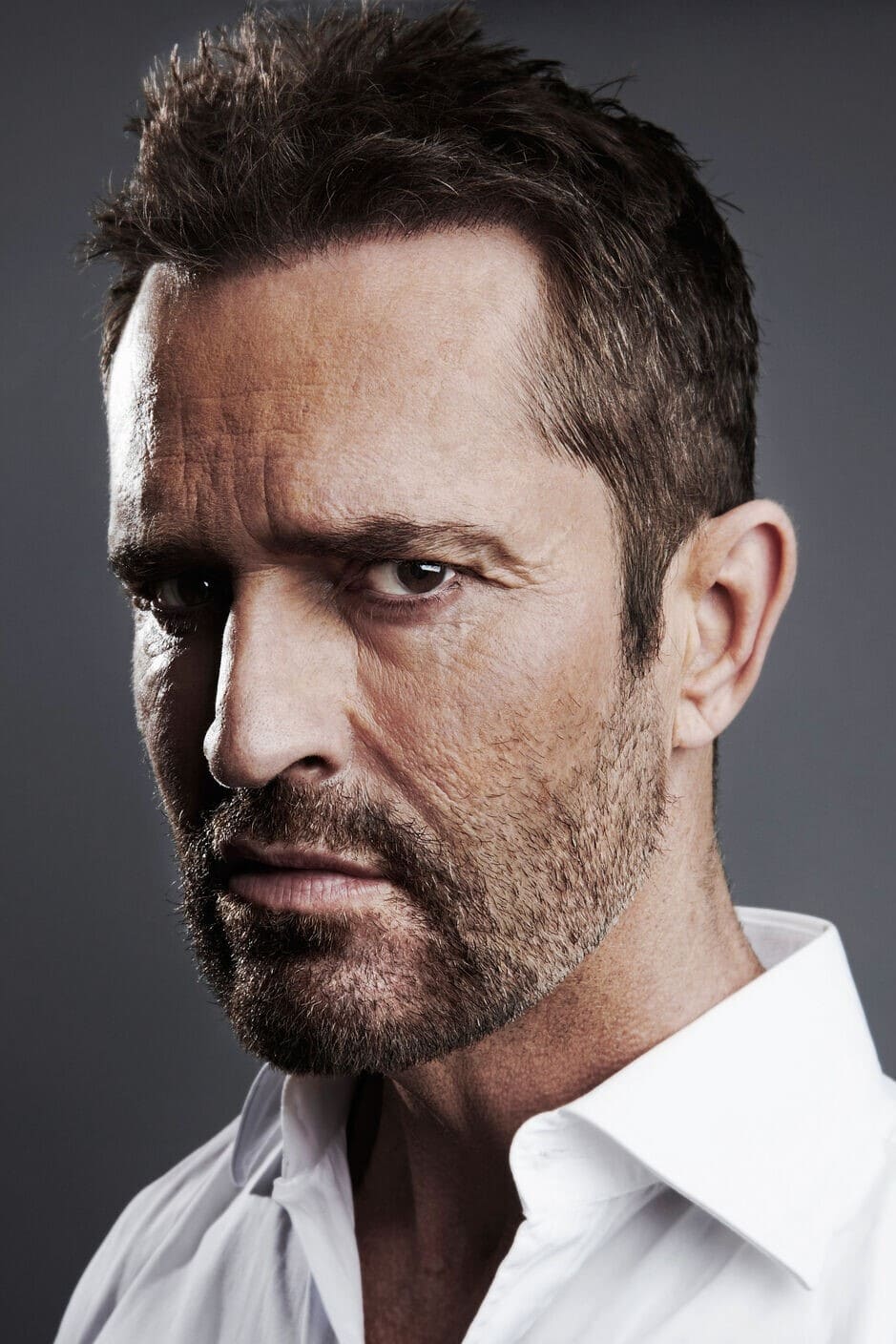
Rupert Everett gained international fame with his role in ‘My Best Friend’s Wedding’ and has enjoyed a prolific career in film and theatre. He has described himself as having no religion and has been a vocal critic of the Catholic Church. Everett often views religious institutions as antiquated systems that have historically caused harm to the gay community. He prefers to navigate his life and career without the constraints of theological belief.
Mark Gatiss
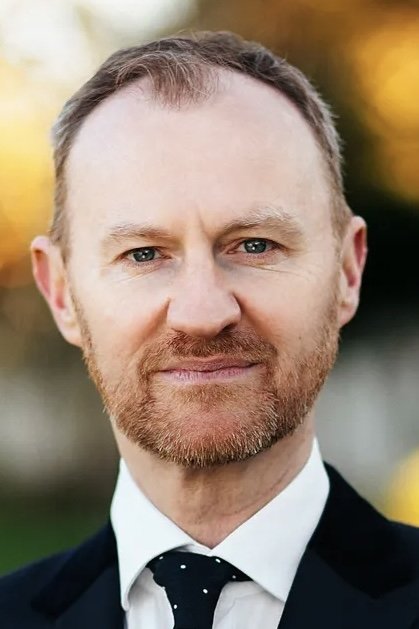
As a co-creator and actor in ‘Sherlock’ and ‘Doctor Who’, Mark Gatiss is a prominent figure in British television. He has described himself as a rationalist who does not believe in the supernatural or divine intervention. Gatiss often incorporates themes of science, skepticism, and human curiosity into his creative projects. He views the universe through a materialist lens and finds wonder in the scientific understanding of reality.
Harvey Fierstein
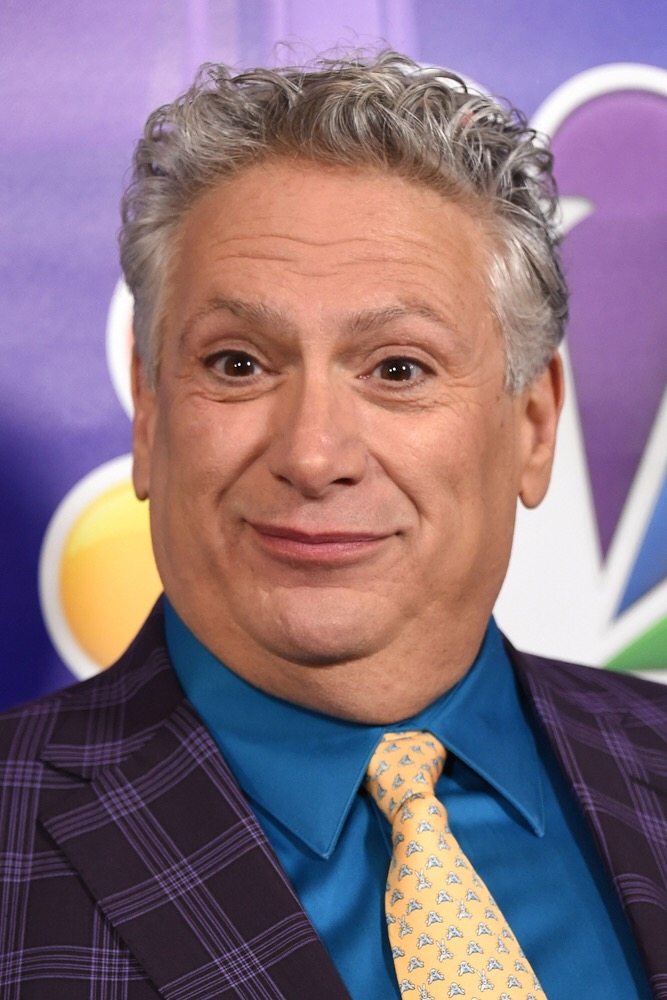
Tony Award-winning actor and playwright Harvey Fierstein is known for his distinctive voice and works like ‘Torch Song Trilogy’. Although he was raised in a Jewish family, he has stated that he does not believe in God, heaven, or hell. Fierstein focuses his worldview on the tangible human experience and the connections people build with one another. He remains a powerful advocate for LGBTQ+ representation and secular values in the arts.
Denis O’Hare
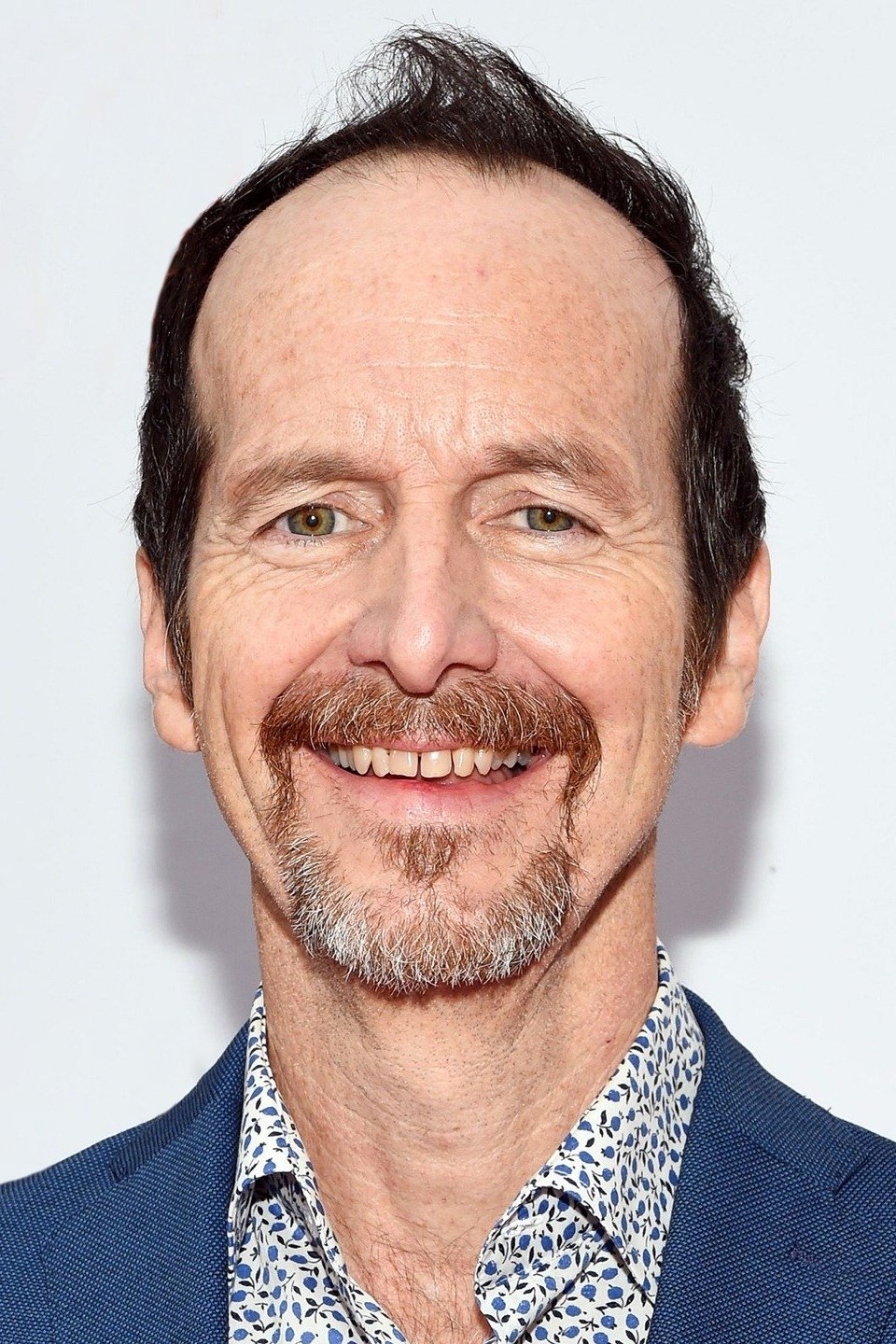
Denis O’Hare is a versatile character actor recognized for his roles in ‘True Blood’ and ‘American Horror Story’. He identifies as an atheist and has explored the origins of the Bible in his stage work from a historical and secular perspective. O’Hare has expressed that while he appreciates the literary value of religious texts, he does not subscribe to their supernatural claims. His approach to life is grounded in intellectual curiosity and the here and now.
John Waters
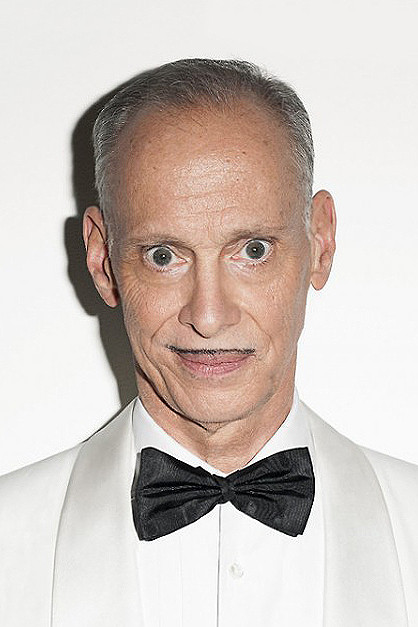
Filmmaker and actor John Waters is famous for his transgressive cult films like ‘Pink Flamingos’ and ‘Hairspray’. Waters has long identified as an atheist and uses his work to challenge societal norms, including religious piety. He often employs humor and shock value to critique the moral rigidity associated with conservative religious groups. His career is a testament to the power of secular creativity and countercultural expression.
Matt Lucas
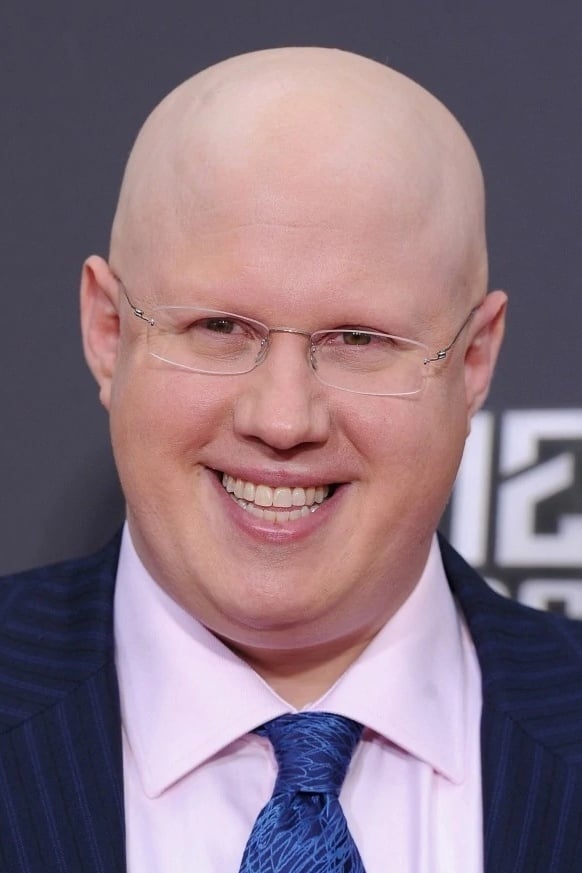
British comedian and actor Matt Lucas rose to fame with the sketch show ‘Little Britain’ and has appeared in films like ‘Bridesmaids’. He has publicly identified as an atheist and has discussed his lack of belief in interviews. Lucas approaches life with a focus on comedy and human interaction rather than spiritual observance. He values the freedom that comes with a secular lifestyle and the ability to question established norms.
Derren Brown
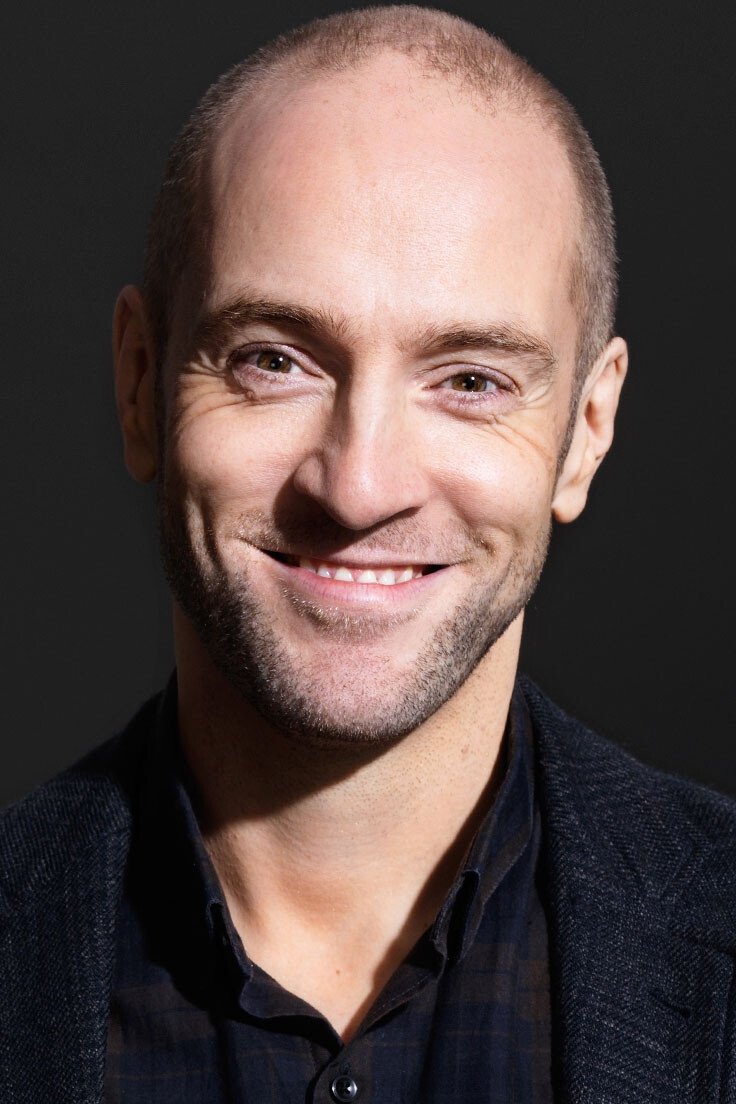
While primarily known as an illusionist and mentalist, Derren Brown has appeared in television specials and stage shows that often debunk supernatural claims. He is a “devout atheist” who uses his understanding of psychology to explain phenomena often attributed to spirits or miracles. Brown’s work encourages audiences to think criticaly and question their perceptions of reality. He actively promotes skepticism and rational thought as tools for navigating the world.
Simon Callow
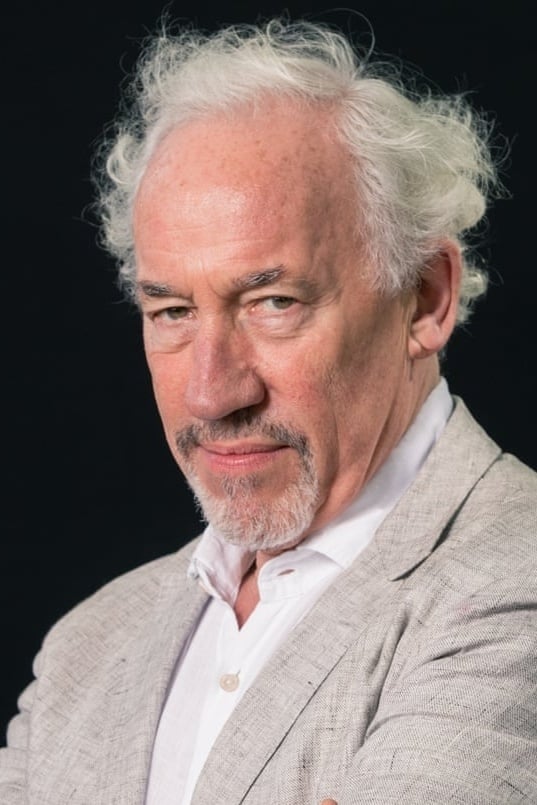
Simon Callow is a prolific actor and writer who appeared in ‘Four Weddings and a Funeral’ and ‘Amadeus’. He is a humanist and atheist who has written extensively about the human condition without resorting to religious explanations. Callow believes that art and literature provide the spiritual nourishment that many others seek in religion. He argues that human beings are capable of profound morality and creativity without the influence of a god.
Graham Chapman
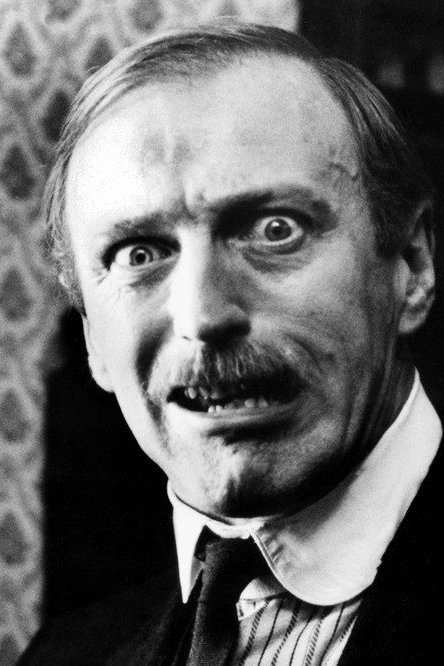
As a member of the Monty Python troupe, the late Graham Chapman starred as the lead in ‘Life of Brian’, a film that satirized religious fervor. Chapman was openly gay and an unashamed atheist during an era when both were considered controversial. His work with Python frequently poked fun at organized religion and highlighted the absurdities of blind faith. He remained a vocal advocate for gay rights and secularism until his death.
Andrew Scott
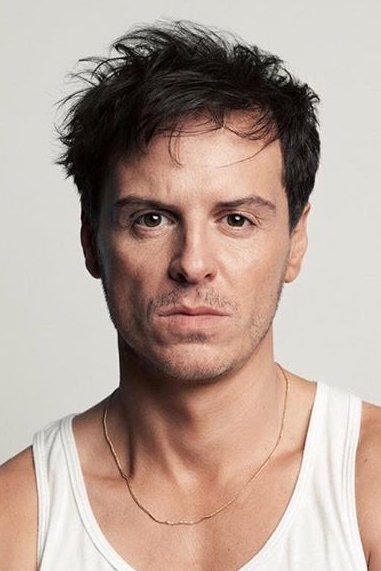
Irish actor Andrew Scott gained a massive following for his role as Moriarty in ‘Sherlock’ and the “Hot Priest” in ‘Fleabag’. Despite playing a clergyman, Scott is a lapsed Catholic who has expressed a lack of religious belief in real life. He has spoken about the relief of stepping away from the guilt and dogma often associated with his religious upbringing. Scott focuses on the human aspects of his characters and the emotional truth of storytelling.
Simon Amstell
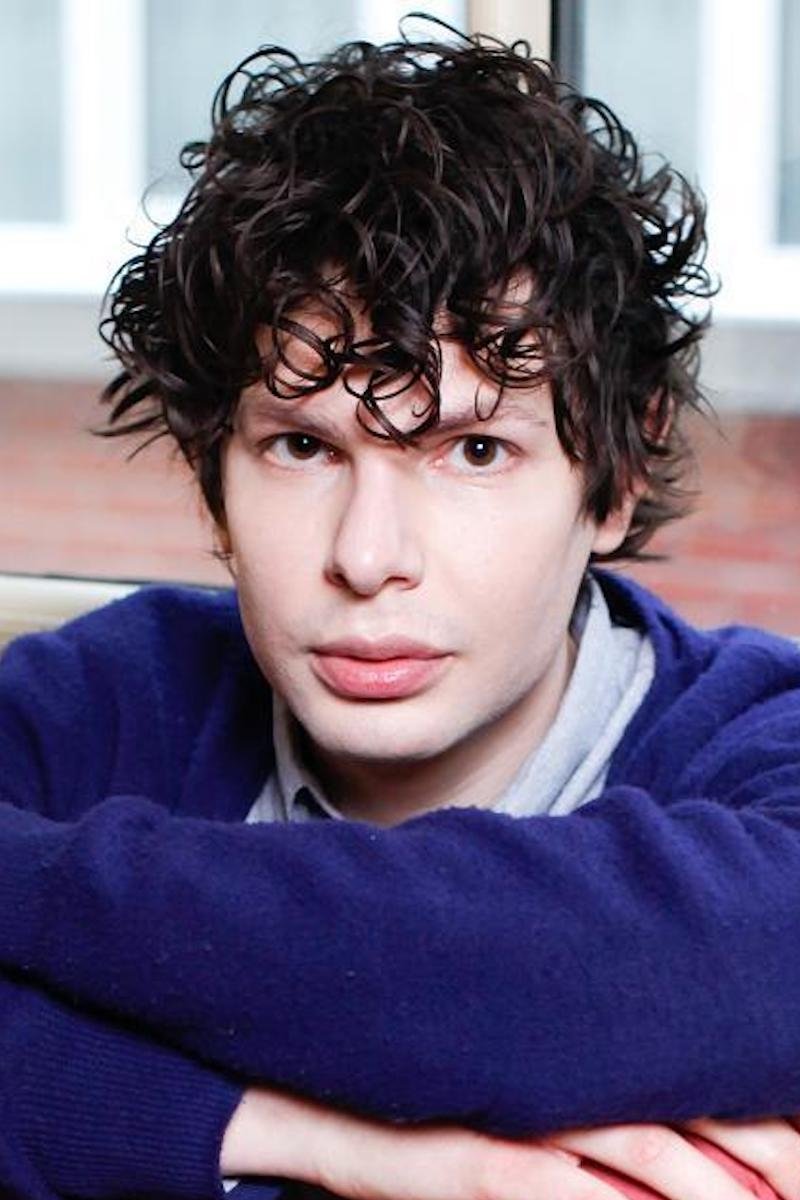
Comedian and filmmaker Simon Amstell is known for his introspective stand-up and the film ‘Benjamin’. He frequently discusses his atheism and homosexuality in his routines, often exploring the anxiety and liberation of a godless existence. Amstell uses humor to deconstruct religious ideas and existential dread. His work is characterized by a raw honesty about the human experience without spiritual filters.
Tim Gunn
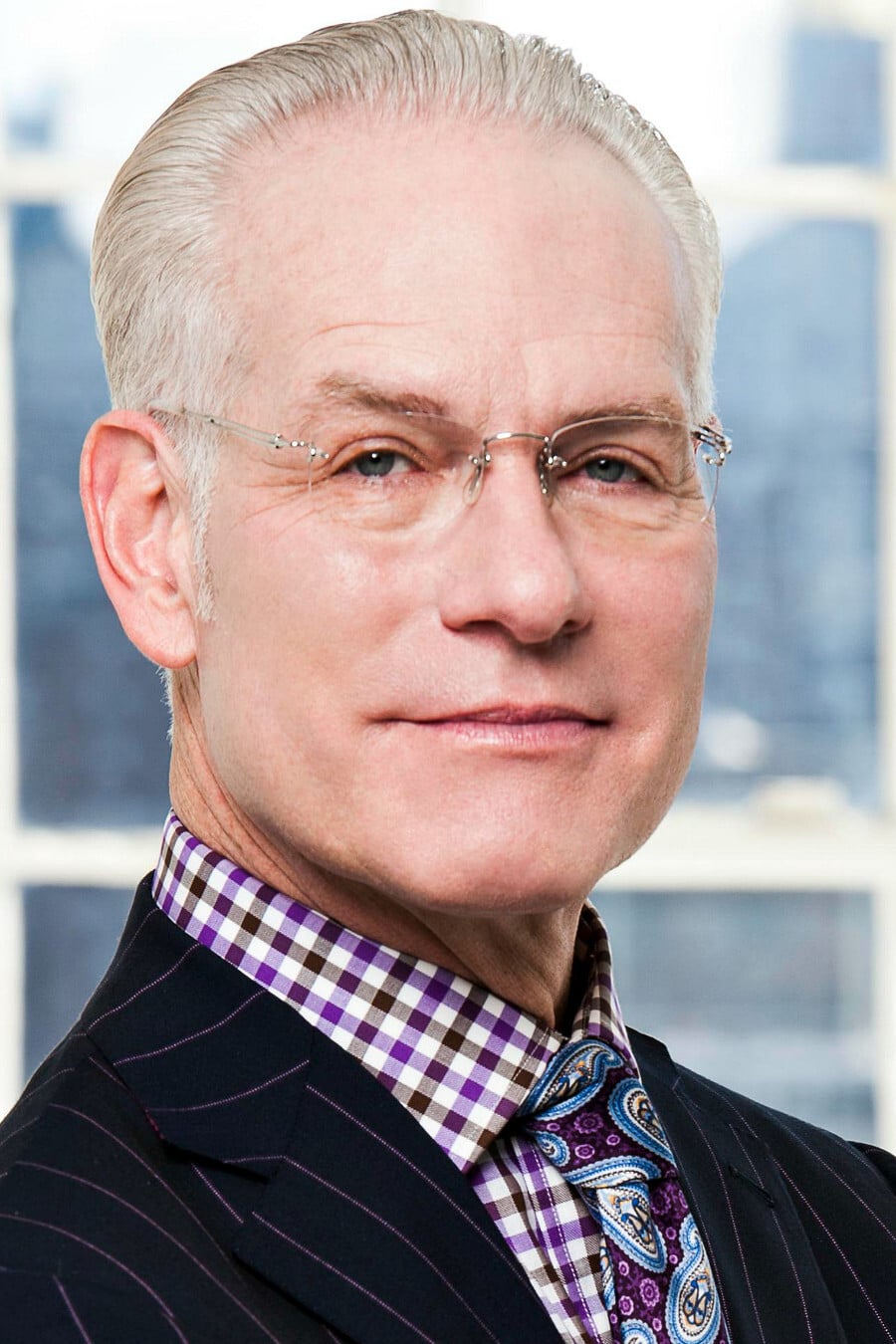
While best known as a mentor on ‘Project Runway’, Tim Gunn has acted in various television series and voiced characters in animation. He has stated that he does not believe in God and relies on his own moral compass to guide his decisions. Gunn advocates for personal integrity and kindness without the need for religious motivation. His secular worldview informs his approach to mentorship and his advocacy for the LGBTQ+ community.
Troye Sivan
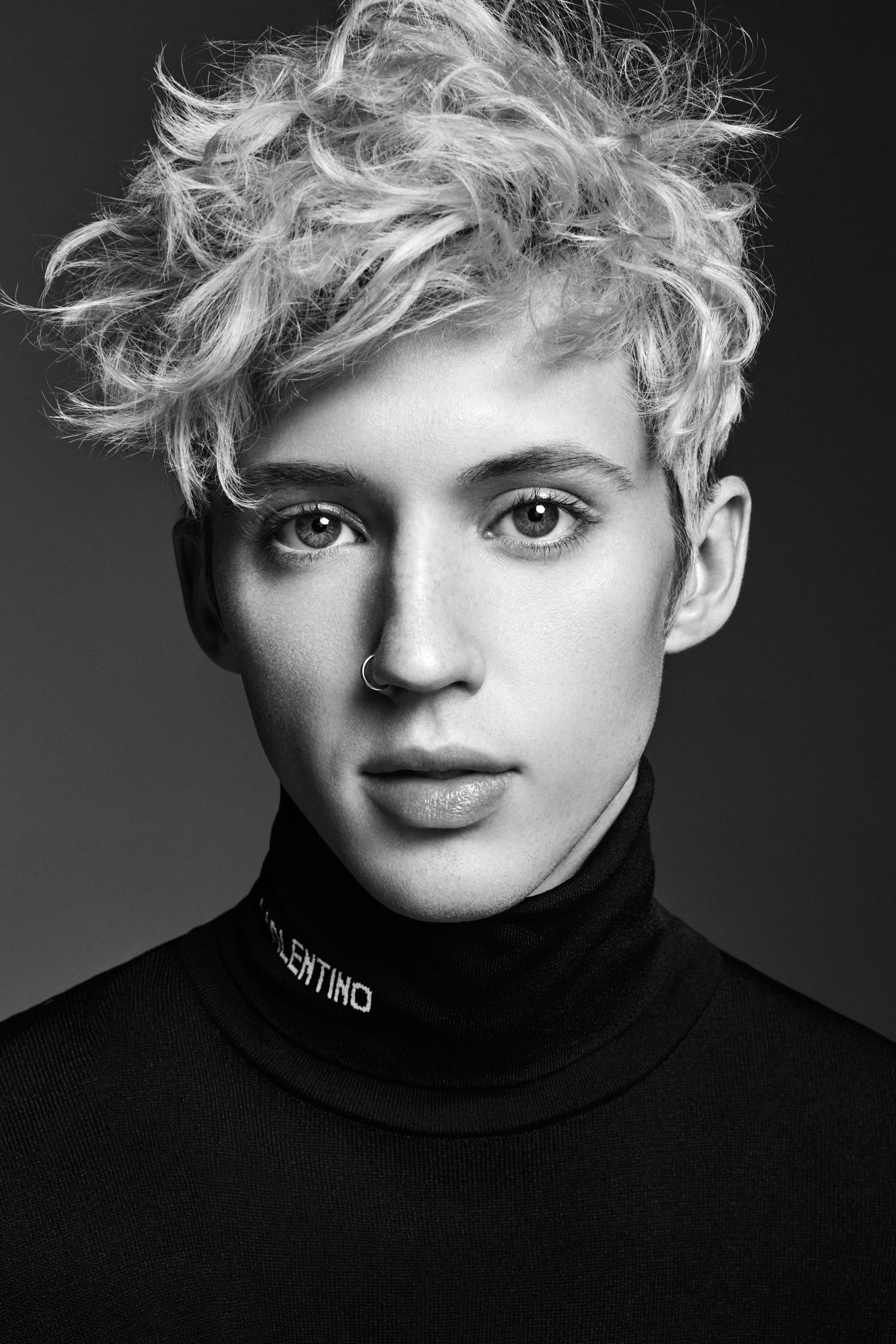
Troye Sivan is an Australian singer and actor who gained fame on YouTube and starred in the film ‘Boy Erased’. Raised in a Jewish family, he has since stated that he is not religious and identifies with a secular worldview. Sivan’s work often deals with the struggles of coming out and finding one’s identity outside of traditional expectations. He represents a younger generation of artists who are comfortable living without religious labels.
Billy Porter
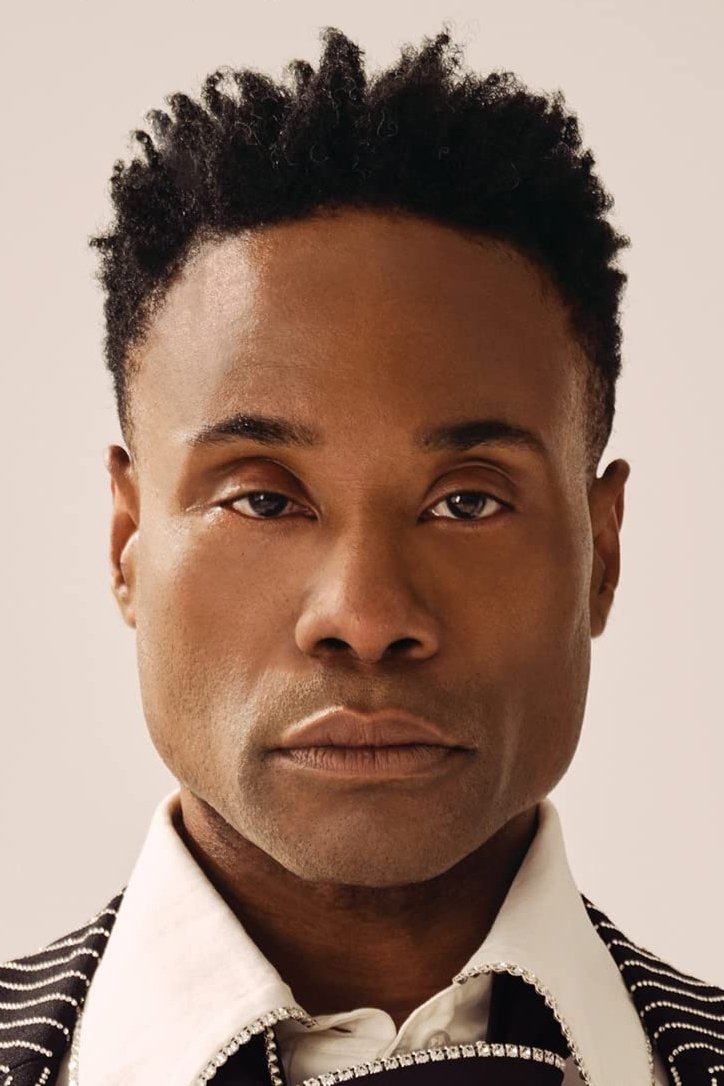
Billy Porter is a Tony and Emmy award-winning actor known for his electrifying performance in the series ‘Pose’. He has spoken about his difficult relationship with the church during his upbringing and his eventual departure from organized religion. Porter focuses on the power of authenticity and self-expression as his guiding forces. He champions the idea that liberation comes from within rather than from external spiritual authority.
Alejandro Amenábar
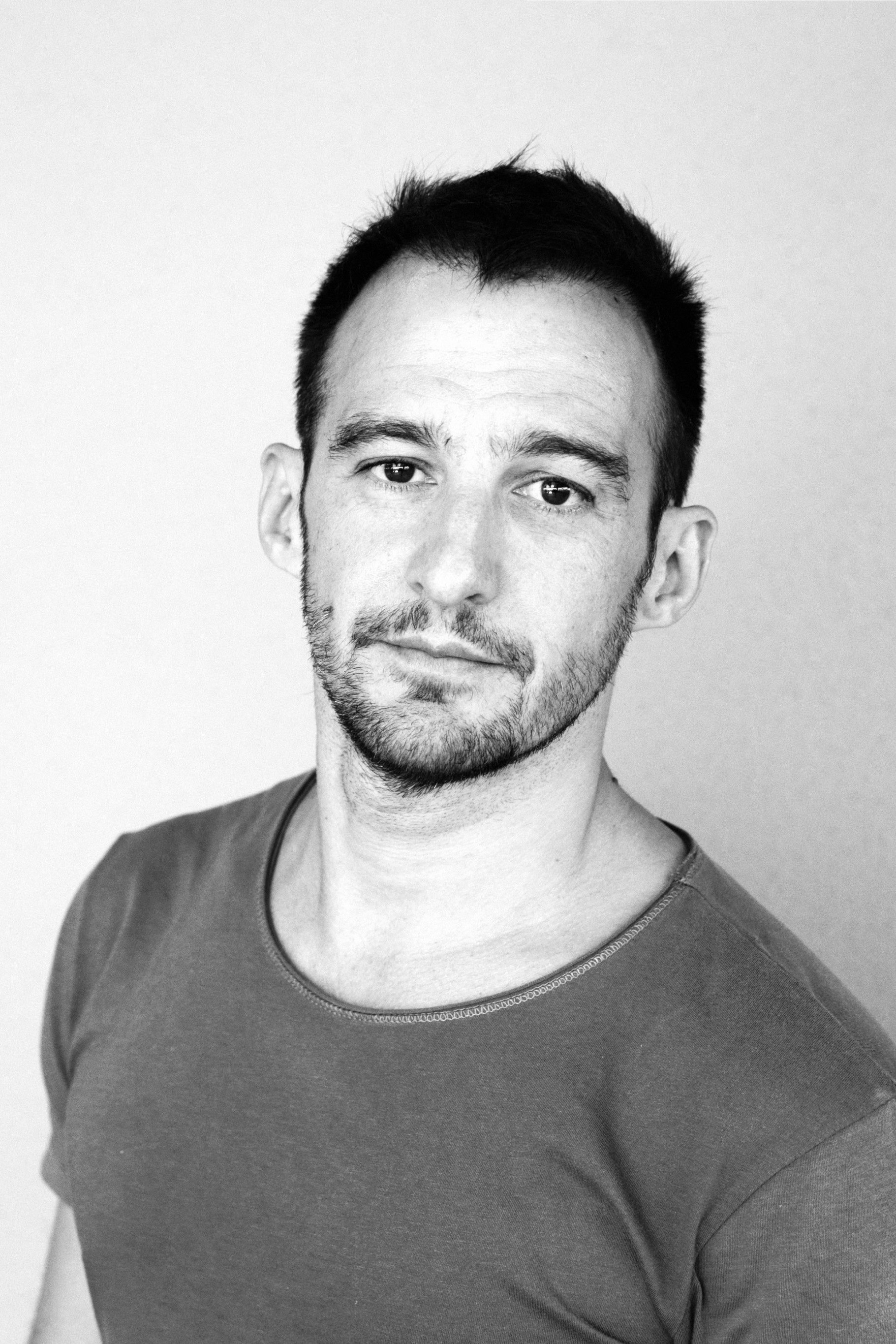
This Chilean-Spanish director and writer has also acted in his own projects and is known for films like ‘The Others’ and ‘The Sea Inside’. Amenábar is openly gay and an atheist, often exploring themes of mortality and existentialism in his work. He uses cinema to examine the human condition through a rational and often philosophical lens. His storytelling avoids religious redemption in favor of humanistic resolutions.
Pier Paolo Pasolini
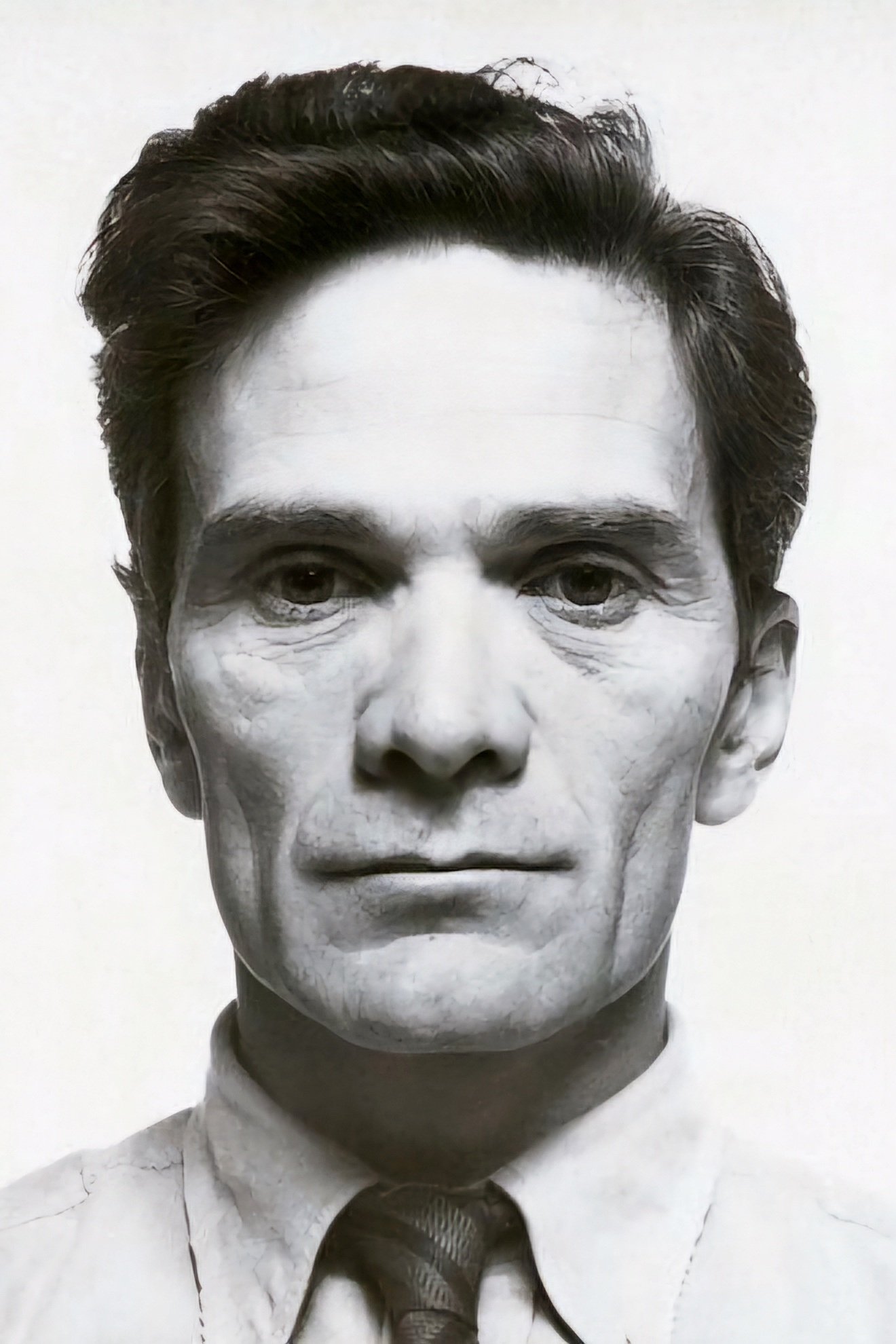
The late Italian director and actor Pier Paolo Pasolini was a controversial figure known for films like ‘Salò, or the 120 Days of Sodom’. He was an outspoken atheist and Marxist who frequently criticized the Catholic Church and Italian society. Pasolini’s work was deeply political and often used shocking imagery to challenge religious and bourgeois values. He remains a significant figure in the history of queer and secular cinema.
Derek Jarman
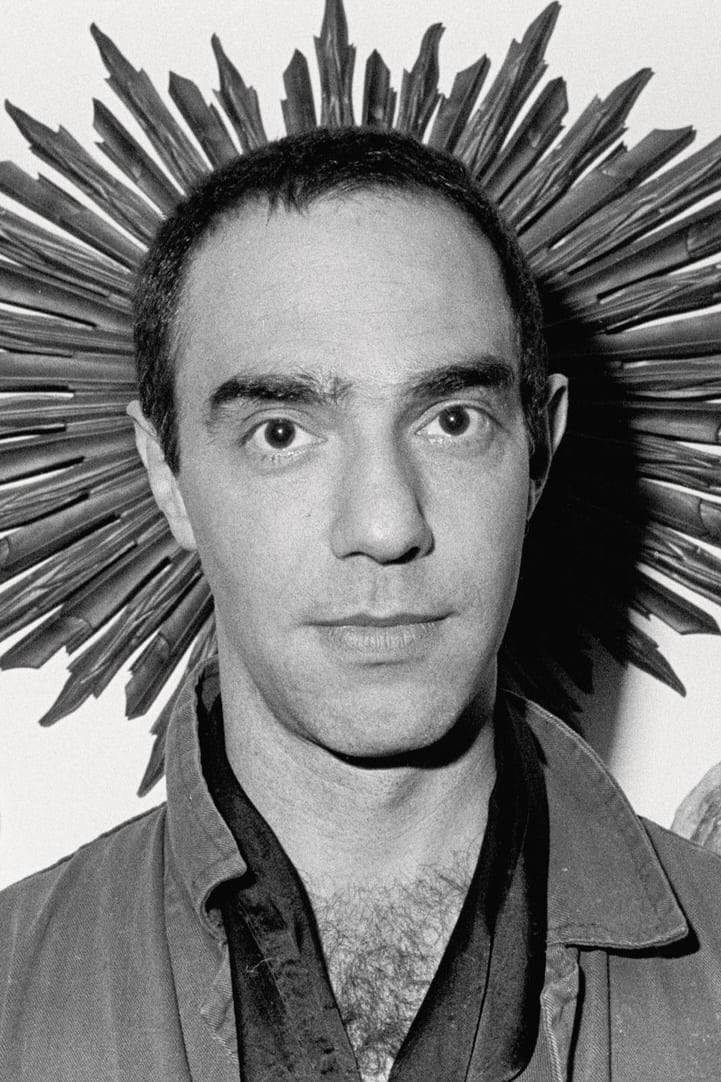
Derek Jarman was an avant-garde filmmaker and actor who directed and starred in films like ‘Jubilee’ and ‘Caravaggio’. He was an atheist who found spiritual resonance in nature and gardening rather than organized religion. Jarman used his films to explore gay identity and challenge the conservative religious values of his time. He faced his battle with AIDS with a secular stoicism and a commitment to his art.
Gore Vidal
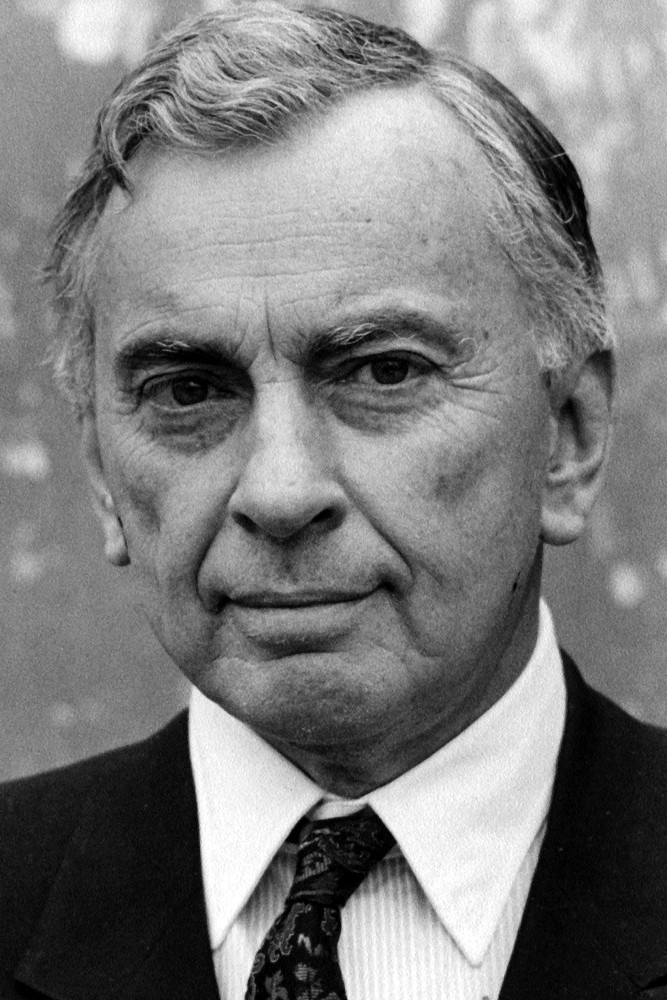
Although primarily a writer and intellectual, Gore Vidal appeared in films like ‘Gattaca’ and ‘Bob Roberts’. He was a militant atheist who viewed monotheism as a major source of human conflict and oppression. Vidal was open about his same-sex relationships and spent his life challenging the moral hypocrisy of the American political and religious establishment. His wit and intellect made him a formidable critic of faith-based thinking.
Share your thoughts on these actors and their perspectives in the comments.

