


LGBTQ+ Actors Who Had Mental Health Problems

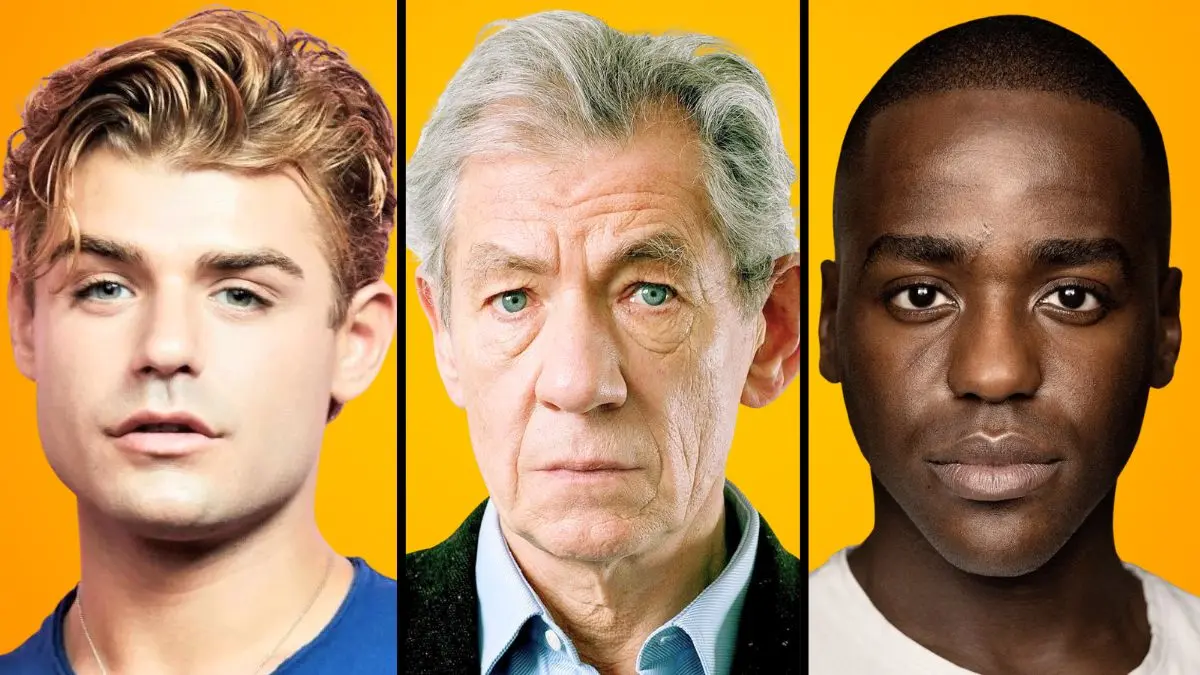


Many talented performers have faced significant personal battles while entertaining audiences around the world. The pressure of public life often compounds the challenges of navigating sexual identity and mental well-being in the entertainment industry. The following list highlights male actors who have openly discussed their struggles with mental health issues such as depression or addiction. These individuals have used their platforms to raise awareness and reduce the stigma surrounding these conditions.
Stephen Fry
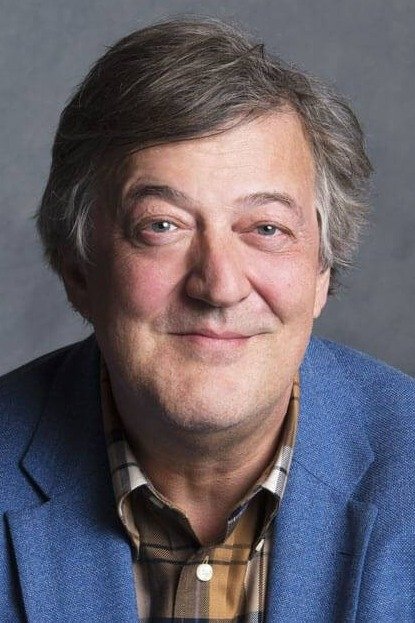
This celebrated British actor and comedian has been one of the most vocal advocates for mental health awareness. He was diagnosed with bipolar disorder and has spoken extensively about his manic and depressive episodes. His documentary ‘The Secret Life of the Manic Depressive’ explored the condition in great depth. He has also candidly discussed his past suicide attempts and the importance of seeking professional help. Fry continues to work in film and television while supporting various mental health charities.
Wentworth Miller
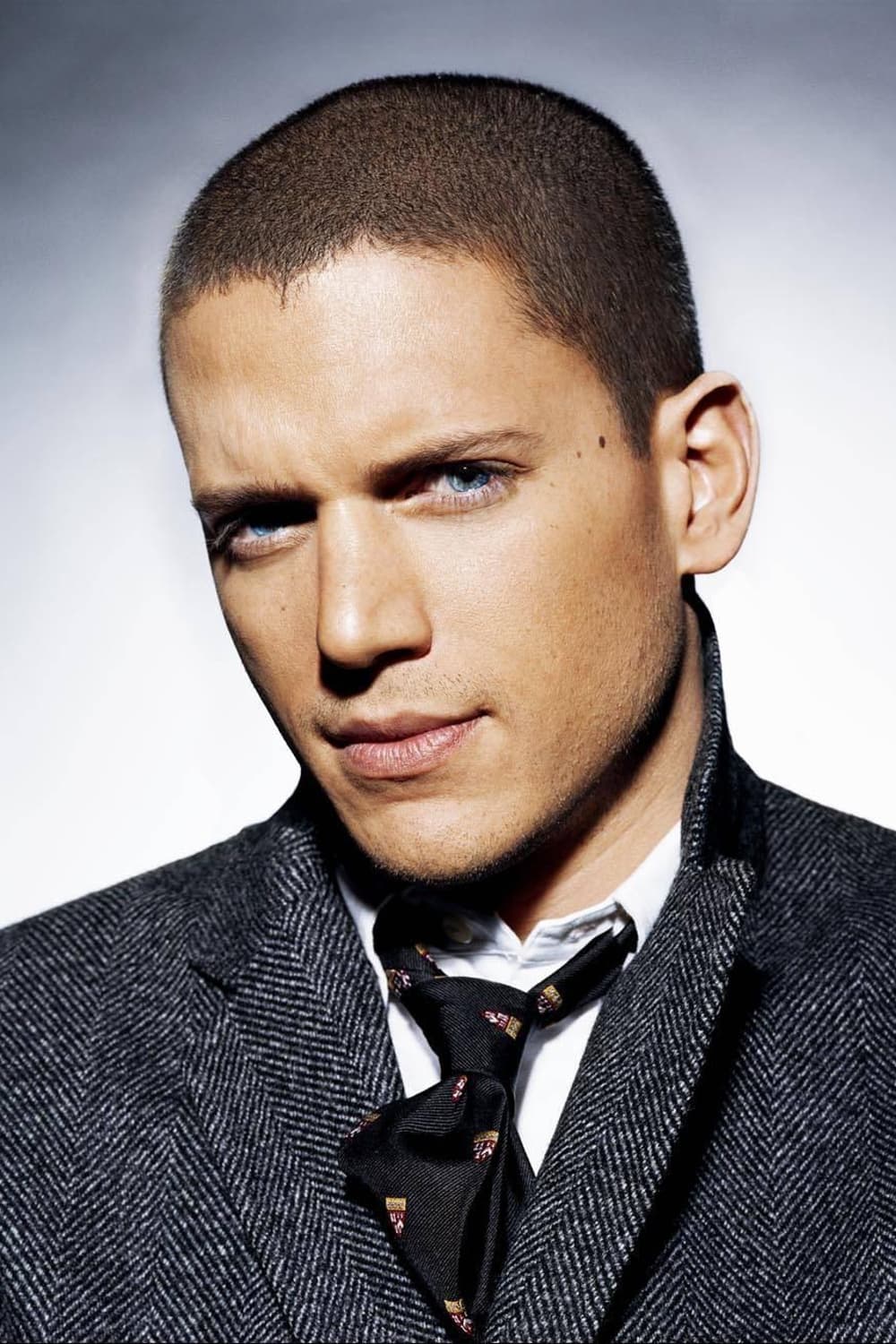
Best known for his role in ‘Prison Break’, this actor has been open about his long history with depression. He revealed that his struggles began in childhood and led to multiple suicide attempts before he came out publicly. Miller often uses his social media presence to share resources and encouragement for others facing similar darkness. He stepped away from acting at times to prioritize his mental well-being. His honesty has helped many fans feel less alone in their own battles.
Colton Haynes

The star of ‘Arrow’ and ‘Teen Wolf’ has publicly documented his journey with severe anxiety and addiction. Haynes faced intense pressure to remain closeted early in his career which exacerbated his mental health struggles. He has shared photos from his time in the hospital to show the reality of his recovery process. The actor eventually sought treatment and has been sober for several years. He now speaks openly about the dangers of the curated lives often presented on social media.
Elliot Page
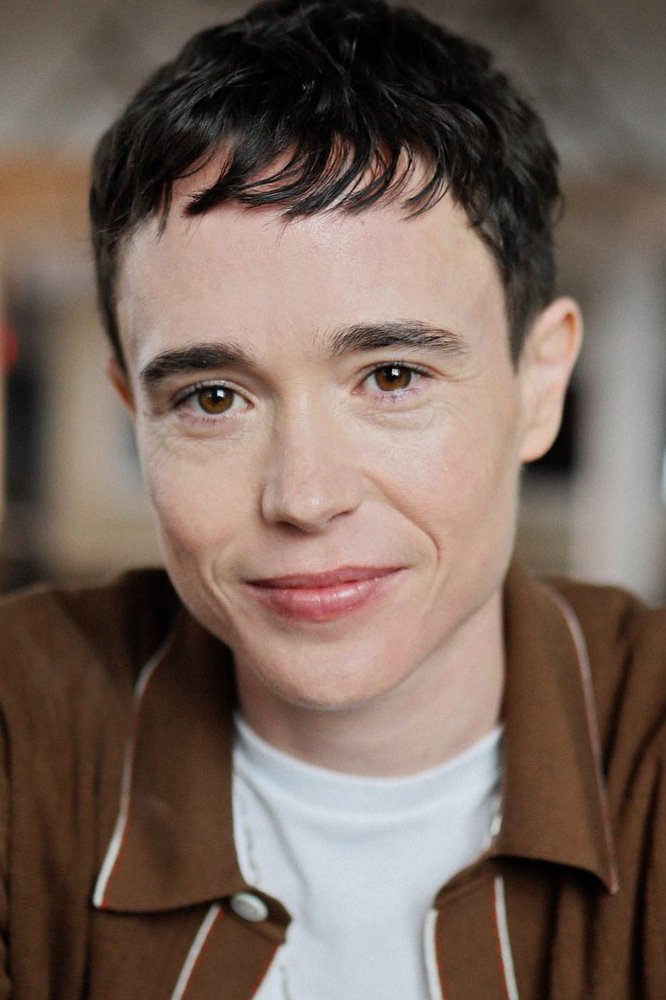
After starring in projects like ‘The Umbrella Academy’ and ‘Juno’, this actor shared his journey as a trans man with the world. Page has spoken about the severe depression and panic attacks he experienced while being forced to wear feminine clothing on red carpets. He described a sense of disconnect from his body that caused immense distress for years. Since transitioning he has expressed feeling a newfound joy and mental clarity. Page advocates for trans rights and access to gender-affirming care as a mental health necessity.
Dan Levy
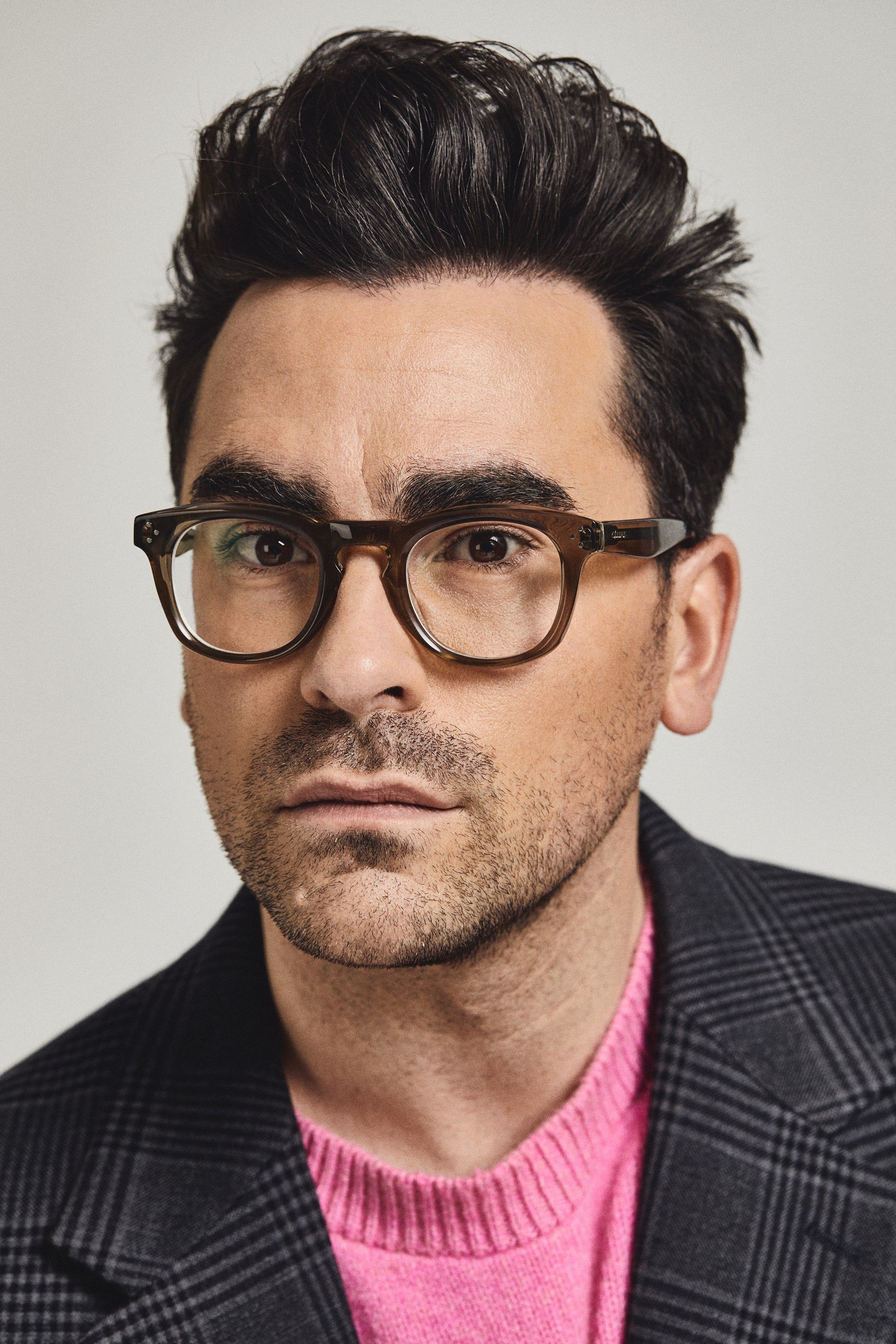
The creator and star of ‘Schitt’s Creek’ experienced debilitating anxiety during the filming of his hit show. Levy revealed that the pressure to perform and run the series caused his body to react physically with intense neck tension. He had to wear a neck brace at times because the stress locked up his muscles. The actor has since been open about his need to manage anxiety through therapy and self-care. He emphasizes the importance of listening to physical warning signs from your body.
Olly Alexander
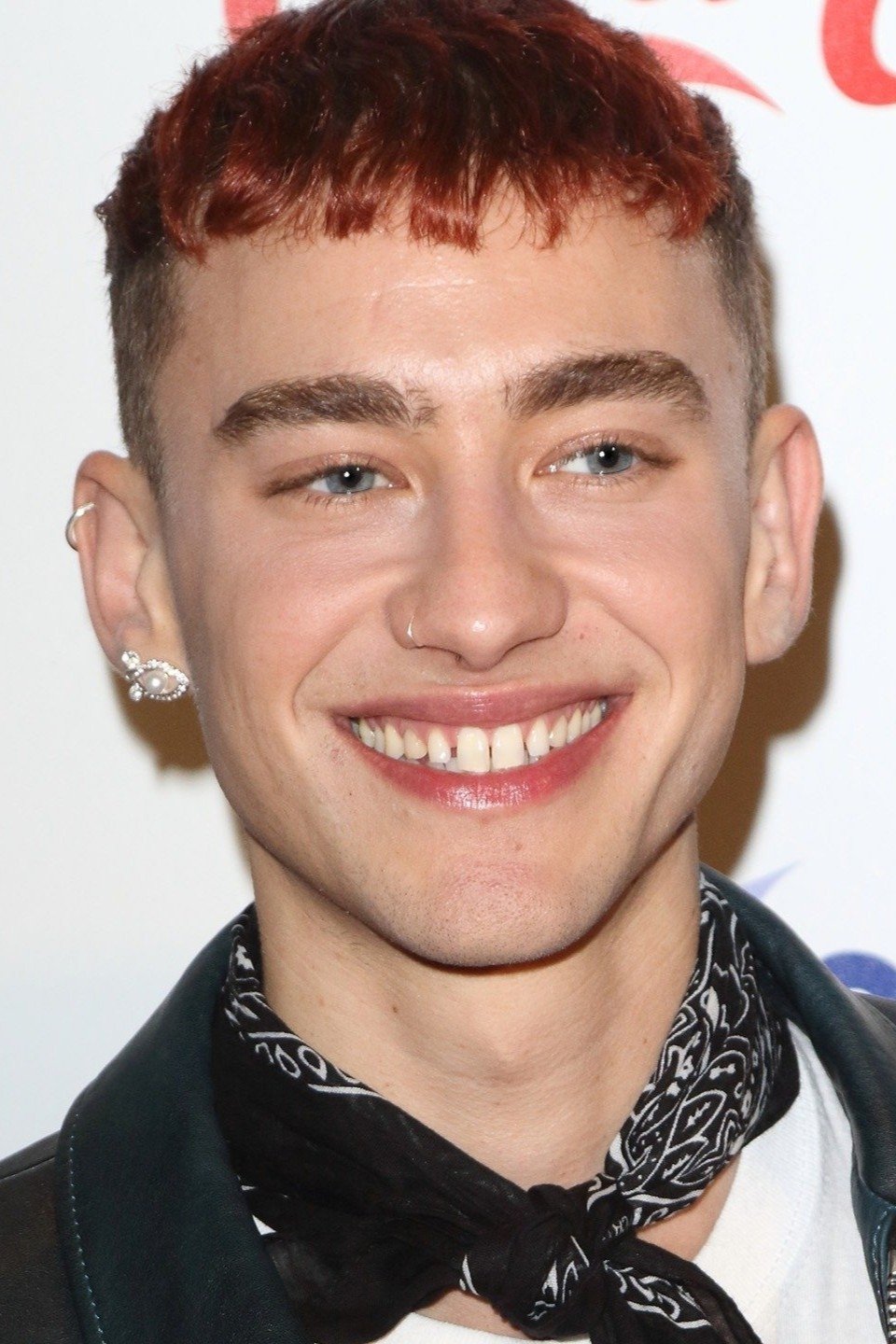
Known for his lead role in the drama ‘It’s a Sin’, this actor and musician has frequently discussed his experiences with depression and anxiety. Alexander struggled with disordered eating and self-harm during his younger years as he grappled with his sexuality. He has worked with the BBC on documentaries exploring gay mental health issues. The artist advocates for better support systems for LGBTQ+ youth who face similar challenges. He continues to use his music and acting to express these complex emotions.
Kit Connor

The young star of ‘Heartstopper’ faced intense public scrutiny regarding his sexuality which took a toll on his mental health. Connor spoke about the anxiety caused by fans pressuring him to label himself before he was ready. This forced outing led to a period of distress that he eventually addressed on social media. He has since spoken about the importance of privacy and allowing young people to explore their identities at their own pace. Connor aims to be a role model for boundaries in the digital age.
Ncuti Gatwa
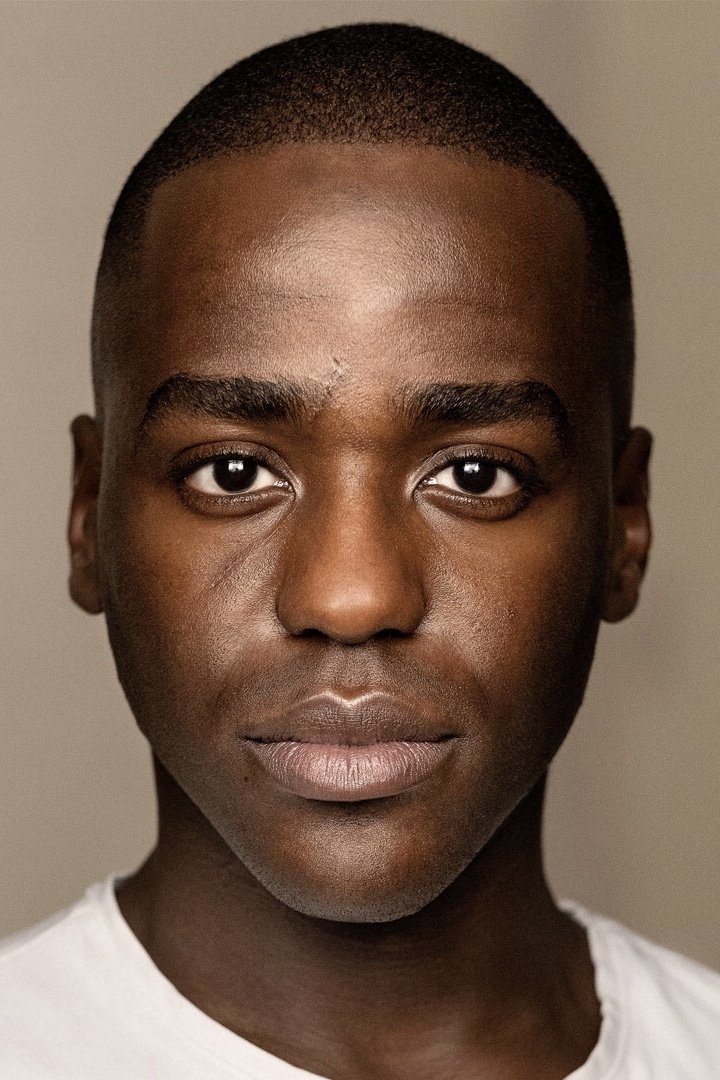
Before landing his breakout role in ‘Sex Education’, this actor experienced homelessness and depression. Gatwa struggled to find work and slept on friends’ couches while dealing with significant financial stress. He has described the mental toll of feeling like a burden and losing weight due to a lack of food. The actor credits his friends and eventual casting for helping him regain his footing. He now speaks about the hidden crisis of homelessness among young performers.
Billy Porter
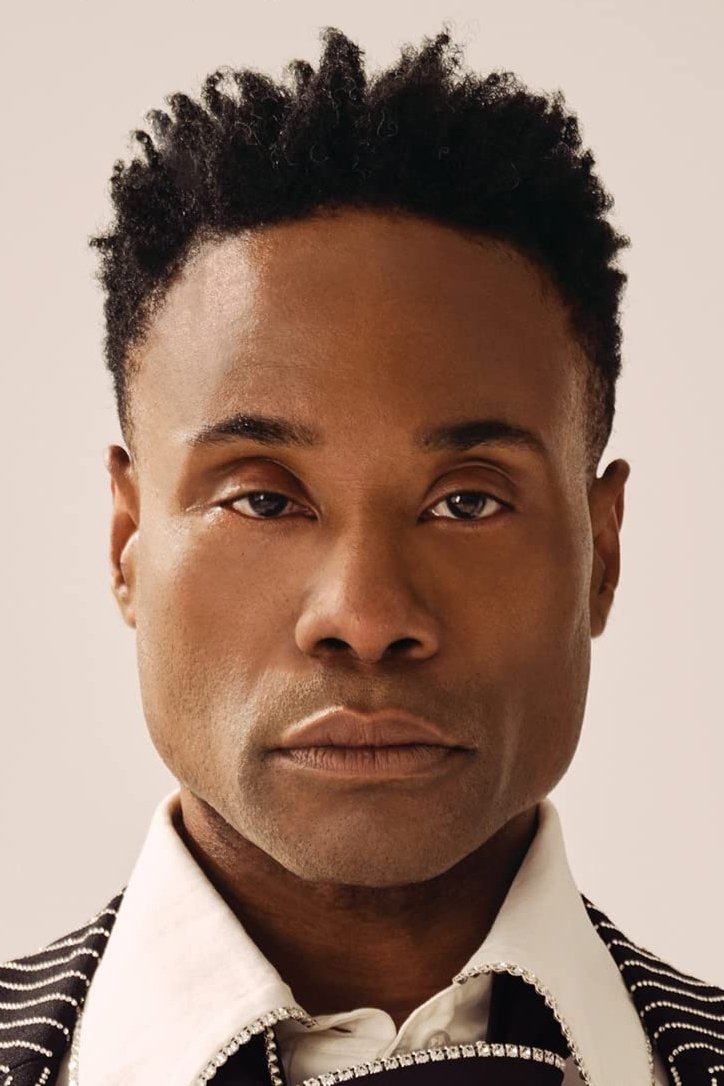
The ‘Pose’ actor lived with the secret of his HIV status for over a decade which caused him immense shame and trauma. Porter utilized the character of Pray Tell to process his own grief and eventually found the courage to go public. He has discussed how therapy helped him heal from childhood abuse and the stigma surrounding his diagnosis. The actor now lives authentically and encourages others to release the toxic shame that binds them. His story is one of resilience and the healing power of art.
Cheyenne Jackson
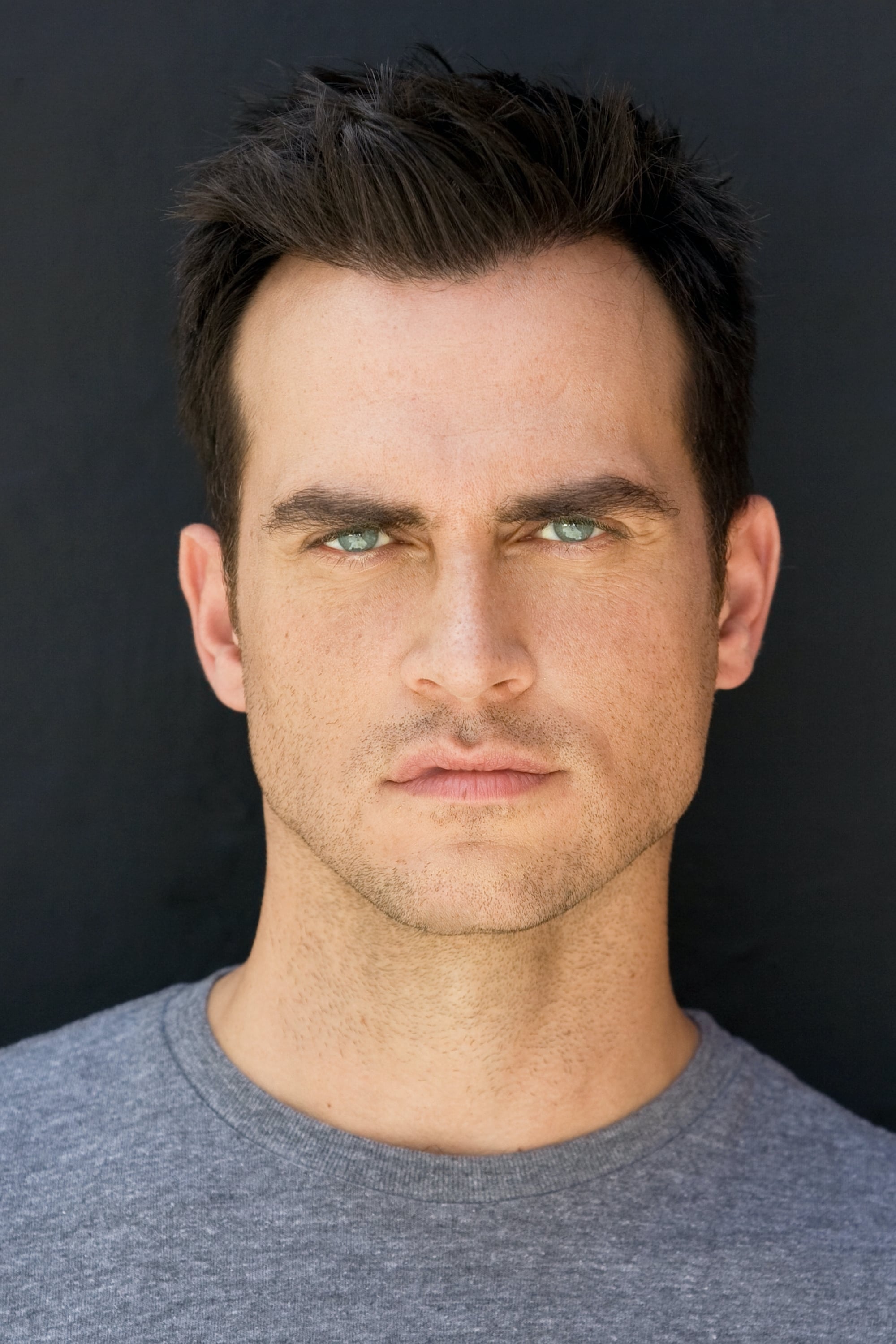
This ‘American Horror Story’ and Broadway veteran has been sober since 2013 and openly discusses his past addiction to alcohol and meth. Jackson admitted that he was a high-functioning addict who hid his struggles from his co-workers and fans. He realized he needed to change his life to be a present father and husband. The actor now mentors others in recovery and speaks about the freedom found in sobriety. He highlights that addiction can affect anyone regardless of their professional success.
Charlie Carver
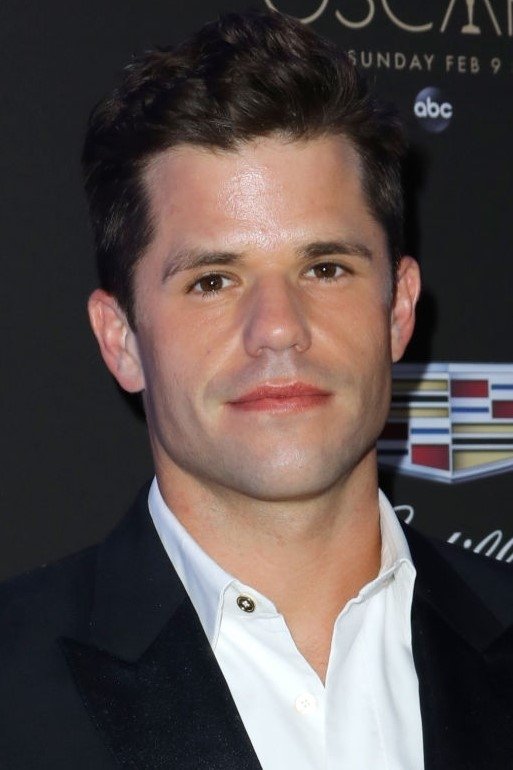
Known for ‘Teen Wolf’ and ‘The Boys in the Band’, Carver published a personal essay detailing his struggle with addiction and his father’s closeted history. He sought sobriety to address the coping mechanisms he developed while grappling with his identity. The actor has been open about the difficulties of maintaining recovery in Hollywood. He uses his platform to discuss the intersection of LGBTQ+ identity and substance abuse. Carver emphasizes that seeking help is a sign of strength rather than weakness.
Brandon Flynn
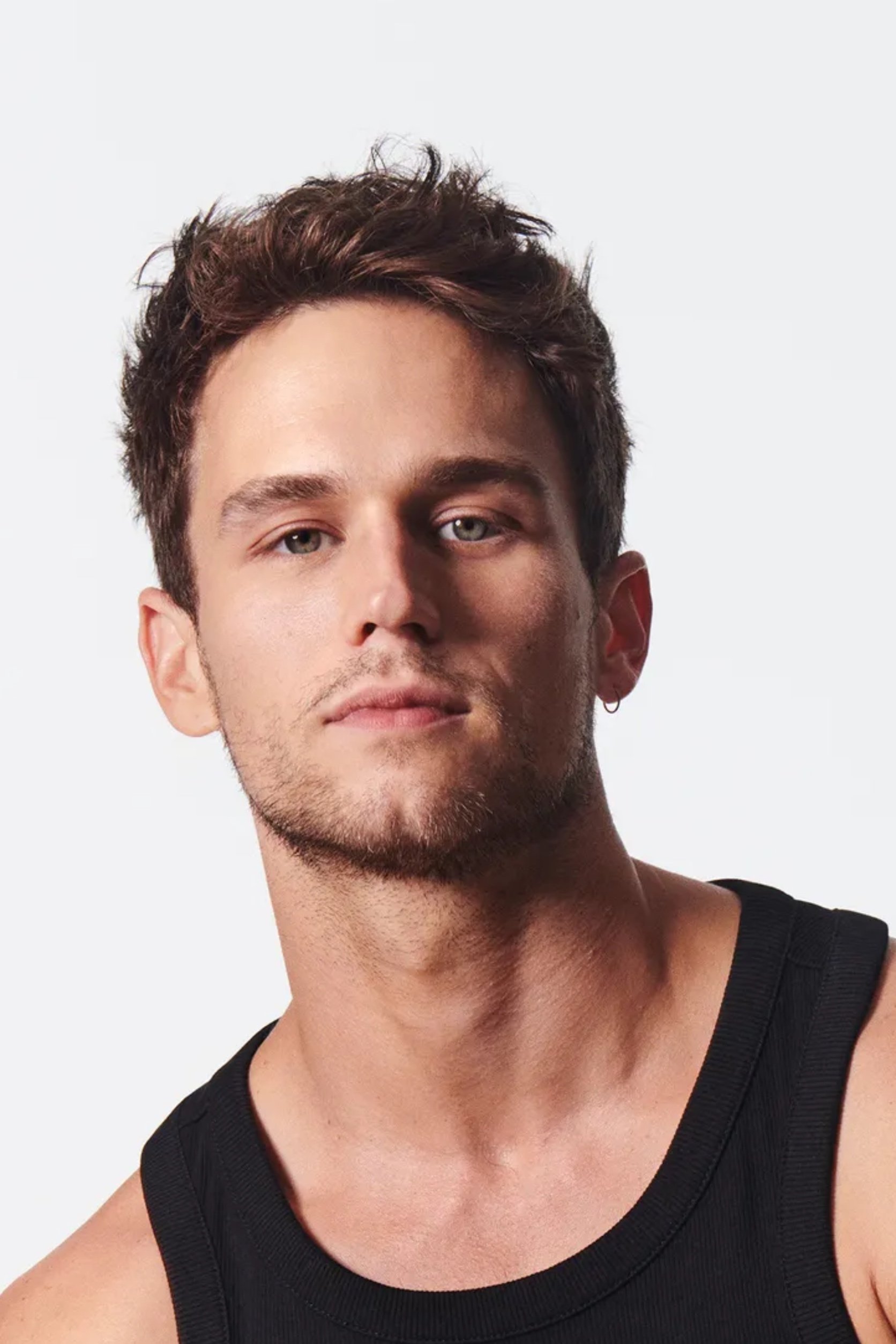
The ’13 Reasons Why’ actor has shared his battles with addiction and mental health issues that began in his teenage years. Flynn has spoken about using substances to numb the pain of not feeling accepted. He eventually entered recovery and has been a vocal advocate for sobriety. The actor frequently posts about the importance of self-love and mental health maintenance. He aims to destigmatize the conversation around addiction for his young fanbase.
Ben Platt
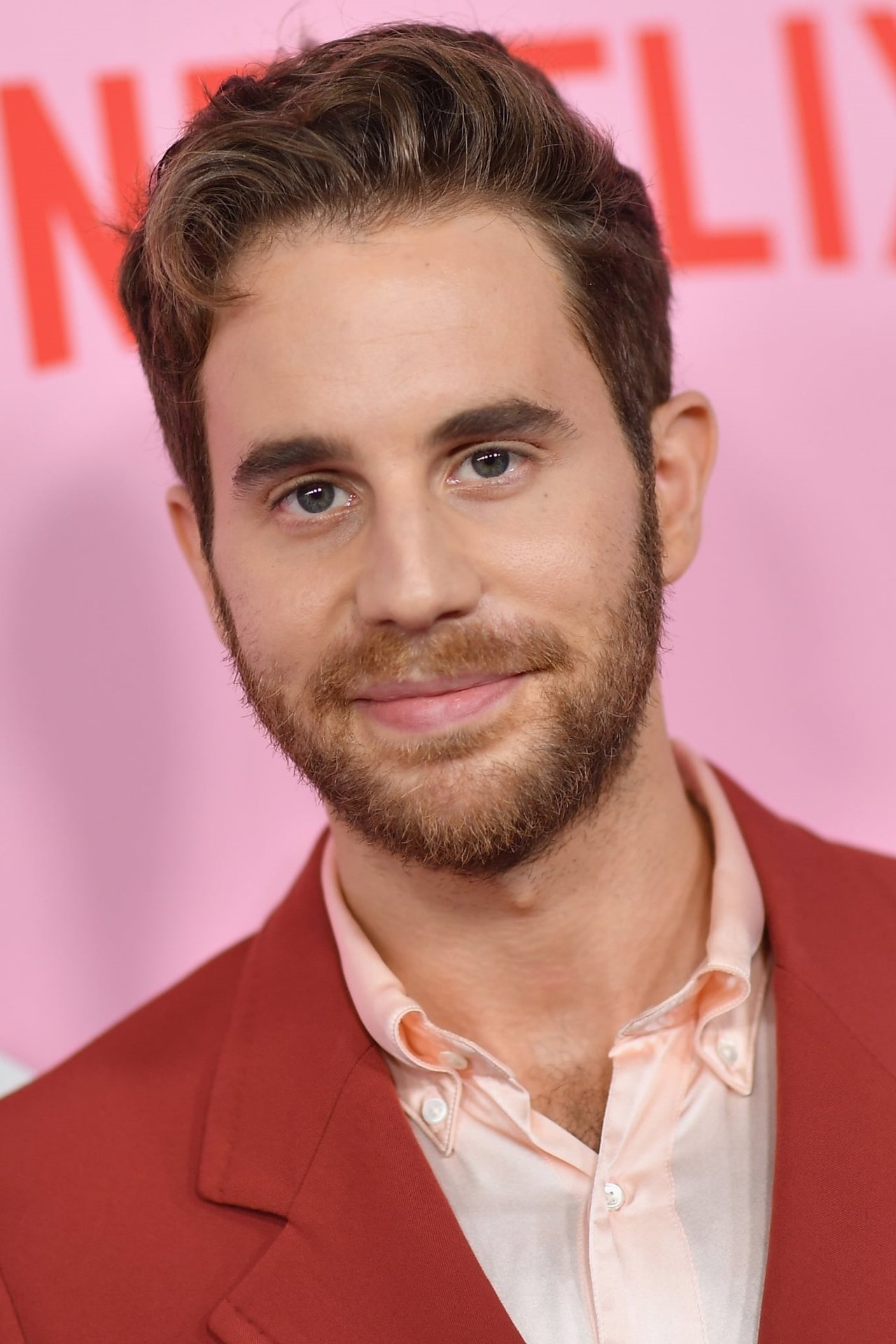
The star of ‘Dear Evan Hansen’ has dealt with anxiety for much of his life and takes medication to manage it. Platt opened up about the terror he felt during live performances and the pressure to be perfect. He found that medication and therapy provided him with the stability needed to continue his career. The actor believes in being transparent about his treatment to normalize psychiatric help. He encourages others not to suffer in silence or shame.
Ricky Martin
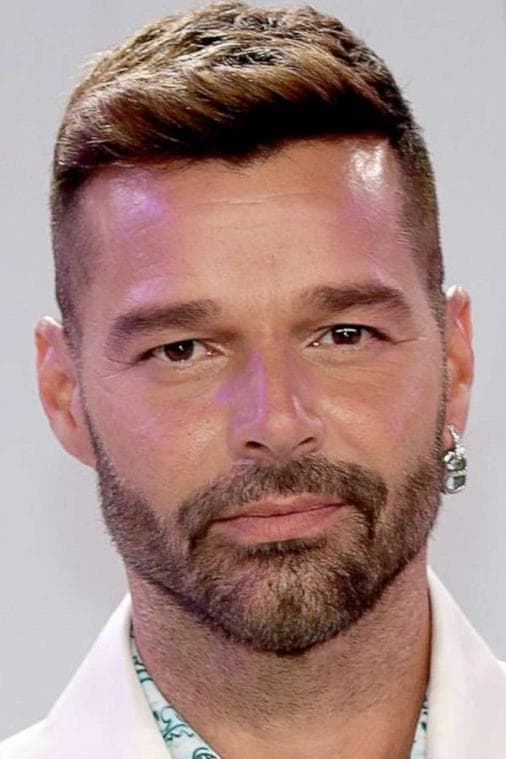
While primarily known as a musician, Martin has acted in projects like ‘The Assassination of Gianni Versace: American Crime Story’ and struggled with intense anxiety while in the closet. He experienced PTSD-like symptoms due to the fear of being outed during the height of his fame. The performer has described the exhaustion of maintaining a false public persona for decades. Since coming out he has found peace and advocates for the mental well-being of LGBTQ+ people. Martin credits his children as the catalyst for finally embracing his truth.
Leslie Jordan

The late ‘Will & Grace’ actor was very transparent about his past battles with substance abuse and internal homophobia. Jordan used humor to cope with the pain of growing up gay in a conservative religious environment. He achieved sobriety in the late 1990s and spent the rest of his life sharing his recovery story. The actor became a beacon of light during the pandemic by sharing uplifting videos despite his own history of struggles. His legacy includes a message of resilience and self-acceptance.
Rupert Everett
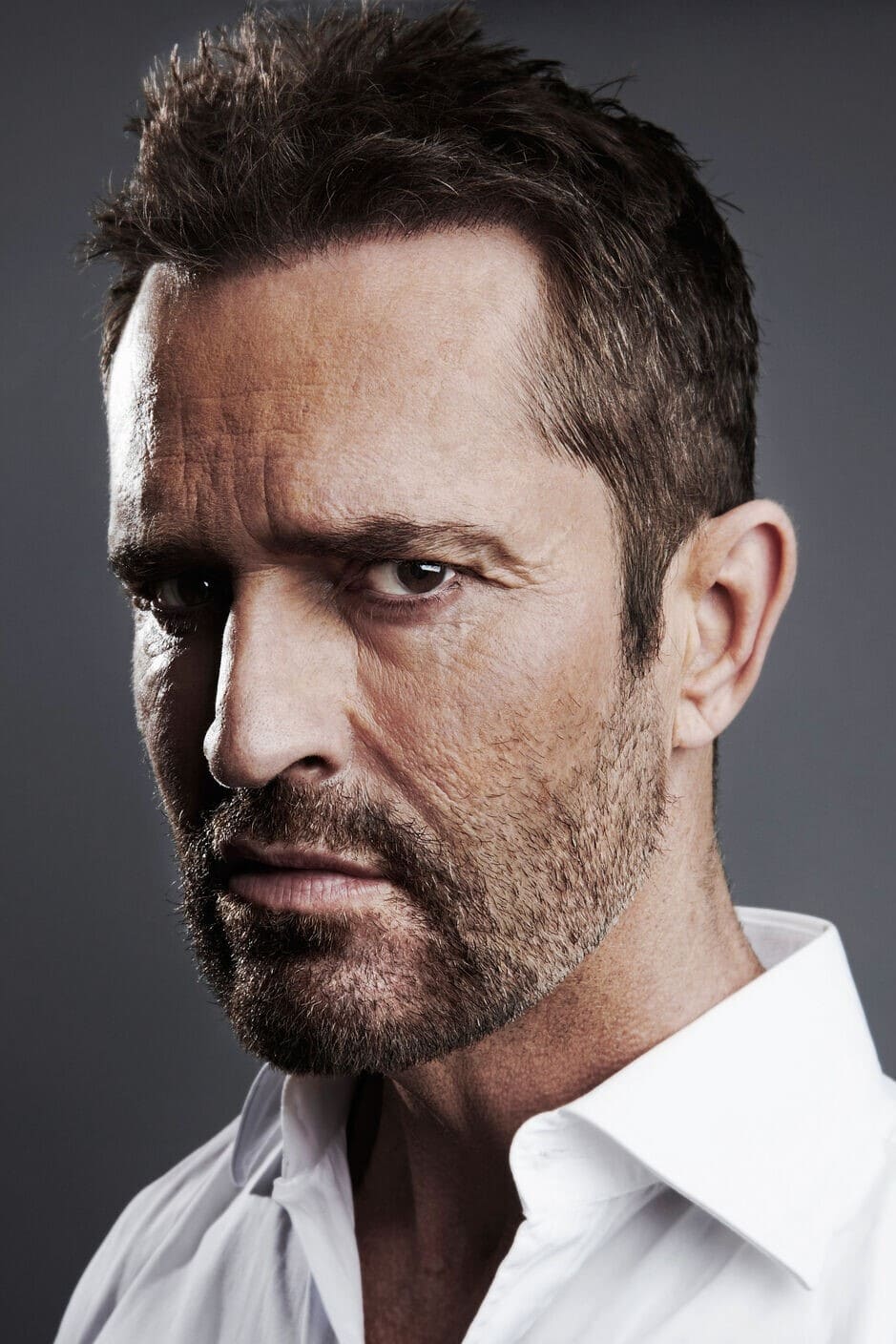
This British actor known for ‘My Best Friend’s Wedding’ has spoken about his struggles with depression throughout his career. Everett described feeling marginalized by the industry after coming out early in his career. He has detailed the loneliness and emotional highs and lows associated with the entertainment business. The actor found that writing and creating his own projects helped him manage his mental health. He continues to work steadily while maintaining a candid outlook on life.
Russell Tovey
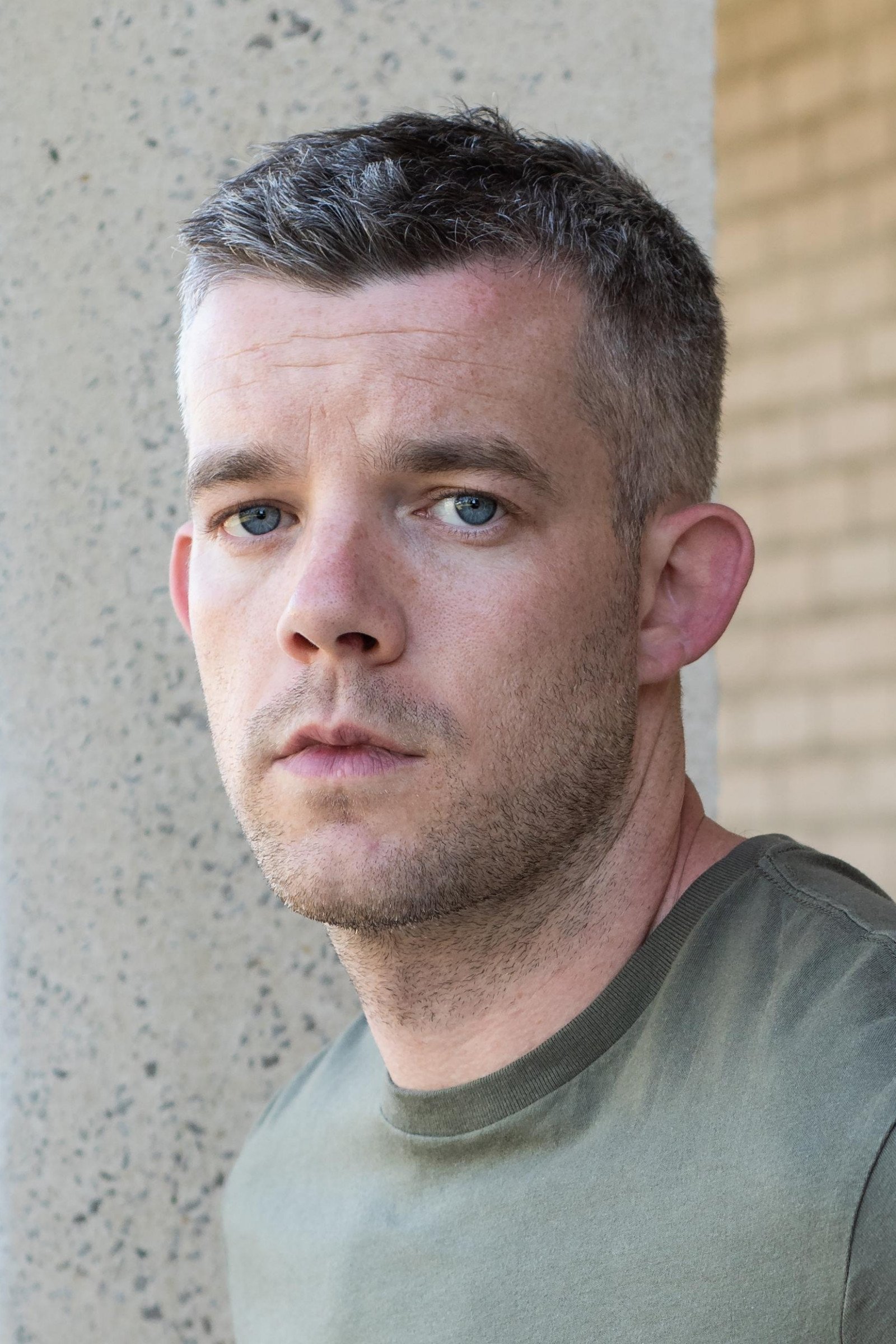
The star of ‘Being Human’ and ‘Looking’ has discussed his experiences with anxiety and the benefits of therapy. Tovey admitted that he used to carry a lot of shame and internal conflict regarding his sexuality. He found that speaking to a professional helped him unpack years of repressed emotions. The actor is now a patron for charities supporting LGBTQ+ youth facing homelessness and mental health crises. He advocates for open communication as a key to mental wellness.
Gus Kenworthy
After transitioning from Olympic skiing to acting in ‘American Horror Story’, Kenworthy opened up about the depression he faced while closeted in the sports world. He described the mental exhaustion of editing his life and speech to fit into a masculine athletic ideal. The loss of his dog and personal relationship struggles also contributed to difficult periods of mental health. He has since become a mental health advocate and emphasizes the importance of authenticity. Kenworthy uses his dual platform in sports and entertainment to reach a wide audience.
Daniel Newman

Known for his role in ‘The Walking Dead’, Newman struggled with depression and the pressure to remain closeted for his career. After coming out he faced industry pushback but felt a massive weight lifted from his shoulders. He eventually decided to pursue a career in the medical field to help others more directly. Newman is now a therapist and nurse practitioner who focuses on mental health care. He uses his experience in Hollywood to relate to clients dealing with high-pressure situations.
Alan Cumming
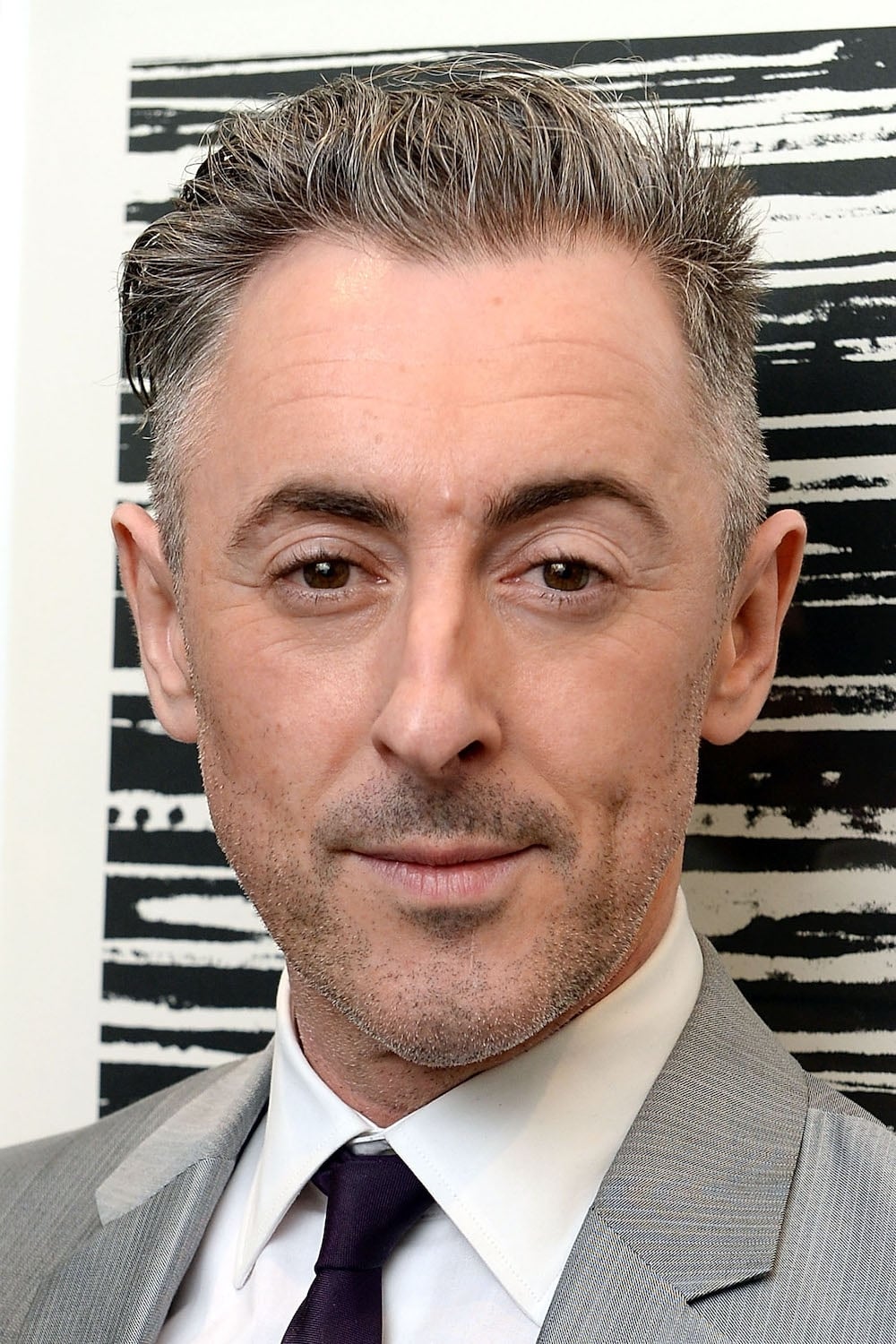
This versatile actor has written extensively about the abuse he suffered at the hands of his father and the resulting mental health struggles. Cumming dealt with suppressed memories and a period of deep depression in his adult life. He used writing ‘Not My Father’s Son’ as a way to process the trauma and find closure. The actor is a strong proponent of therapy and breaking the cycle of abuse. He remains a vibrant figure in the industry despite his difficult past.
Keiynan Lonsdale
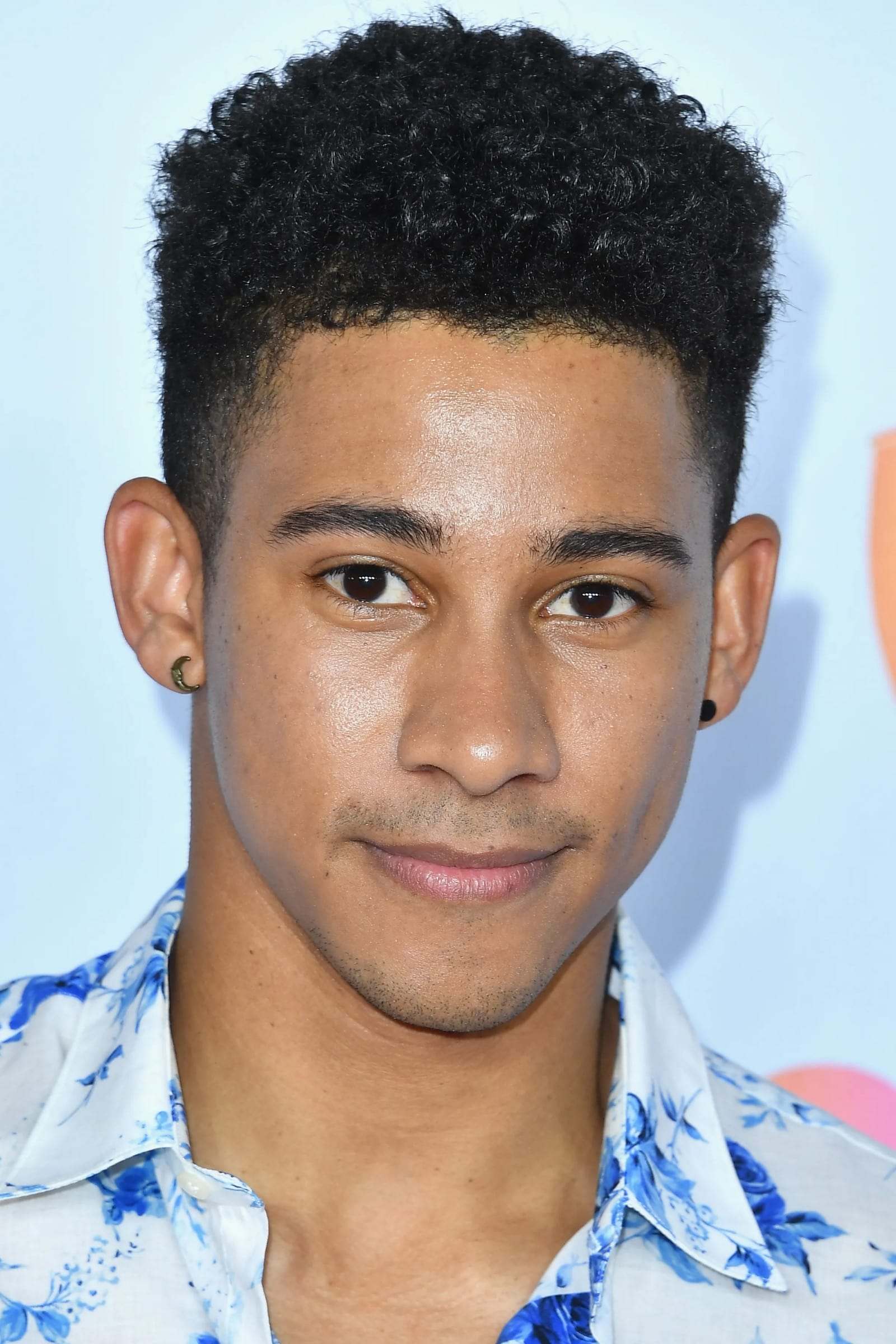
The ‘Love, Simon’ and ‘The Flash’ actor has been open about his journey with anxiety and self-acceptance. Lonsdale stepped away from some professional commitments to focus on his spiritual and mental growth. He rejected traditional labels to find a sense of peace with his identity. The actor frequently shares messages about releasing fear and embracing one’s true self. His approach to mental health focuses heavily on mindfulness and personal freedom.
Wilson Cruz
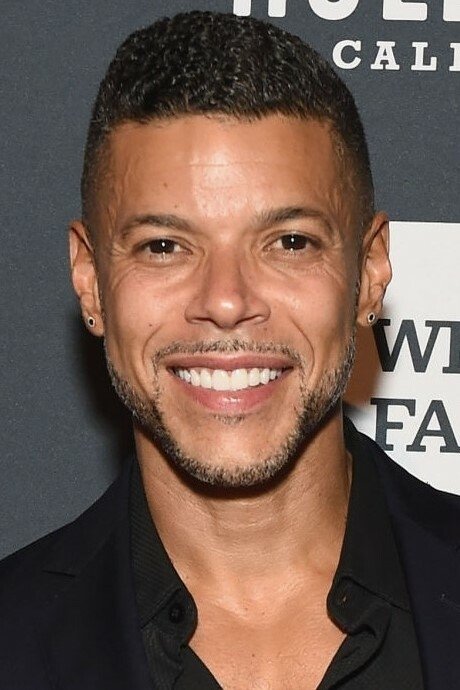
As the first openly gay actor to play a gay teen on TV in ‘My So-Called Life’, Cruz has been a lifelong advocate for LGBTQ+ mental health. He has spoken about the trauma of being kicked out of his home after coming out to his father. This lived experience fuels his work with organizations that support homeless queer youth. Cruz emphasizes that mental health support is a critical component of survival for marginalized communities. He continues to act in shows like ‘Star Trek: Discovery’ while championing these causes.
Lucas Hedges

The ‘Manchester by the Sea’ actor has discussed the anxiety and confusion he felt regarding his sexuality during his formative years. Hedges has spoken about the fluidity of his attraction and the stress of trying to fit into specific boxes. He acknowledged that this internal conflict contributed to his overall mental state. The actor chooses to live a private life to protect his peace of mind. He focuses on choosing roles that allow him to explore complex human emotions.
Justice Smith
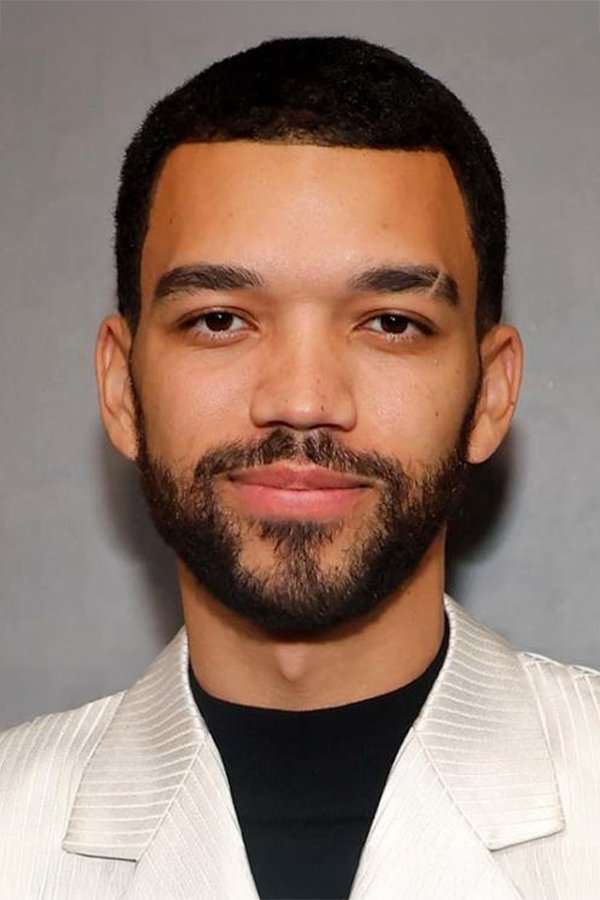
Known for ‘Detective Pikachu’ and ‘Jurassic World’, Smith has posted about his struggles with anxiety and the importance of valid emotional expression. He has defended his relationship and identity against online trolls which caused him significant stress. The actor advocates for the right to exist without constant public commentary. He emphasizes that social media breaks are necessary for his mental health. Smith continues to take on diverse roles while maintaining his personal boundaries.
Troye Sivan
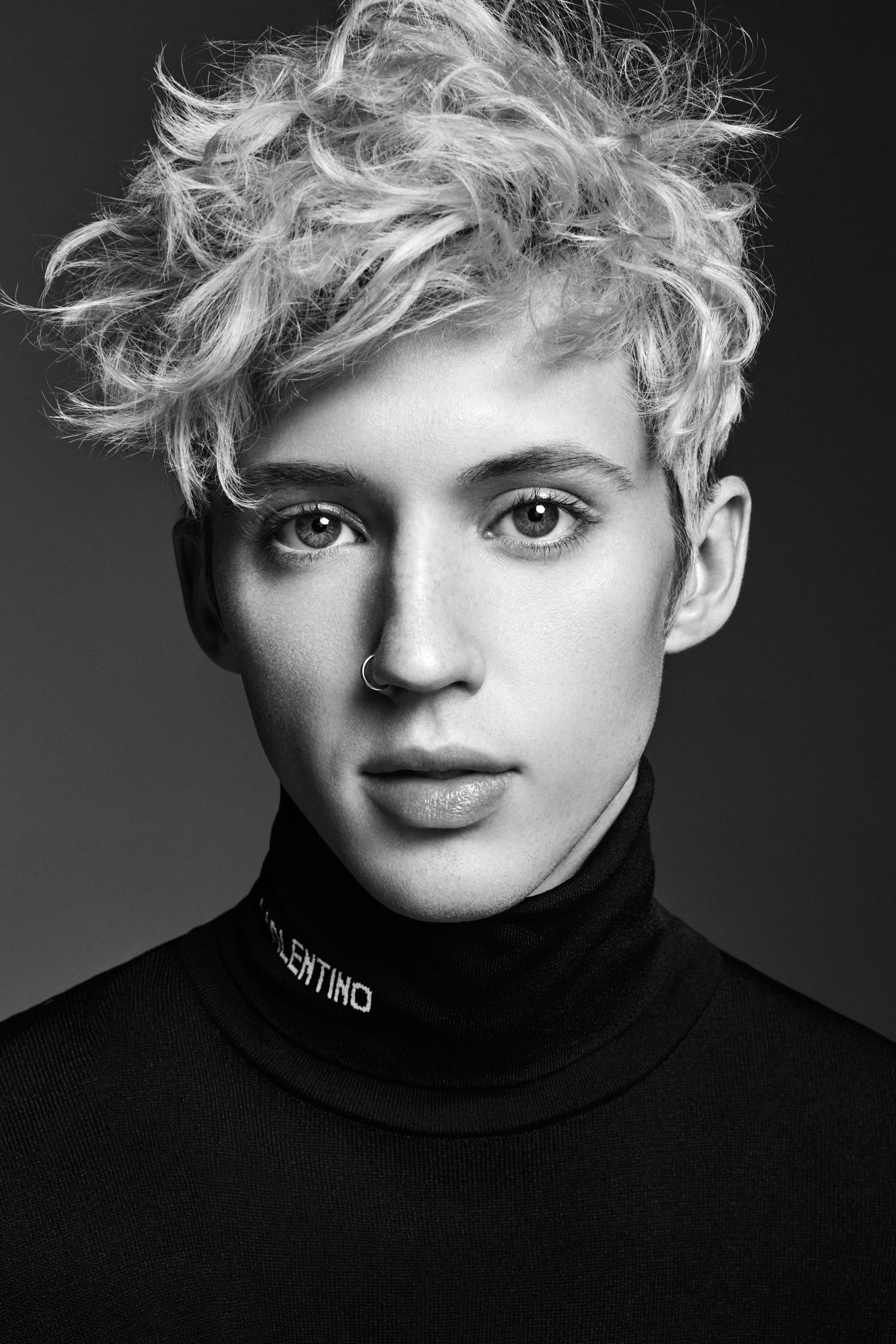
While launching his career as a singer and actor in films like ‘Boy Erased’, Sivan struggled with body image issues and anxiety. He has spoken about the pressure to look a certain way and the impact it had on his self-esteem. Sivan used his art to express the vulnerabilities of growing up gay and dealing with loneliness. He advocates for body positivity and open conversations about male insecurities. His work resonates with young fans dealing with similar self-image struggles.
Sean Hayes
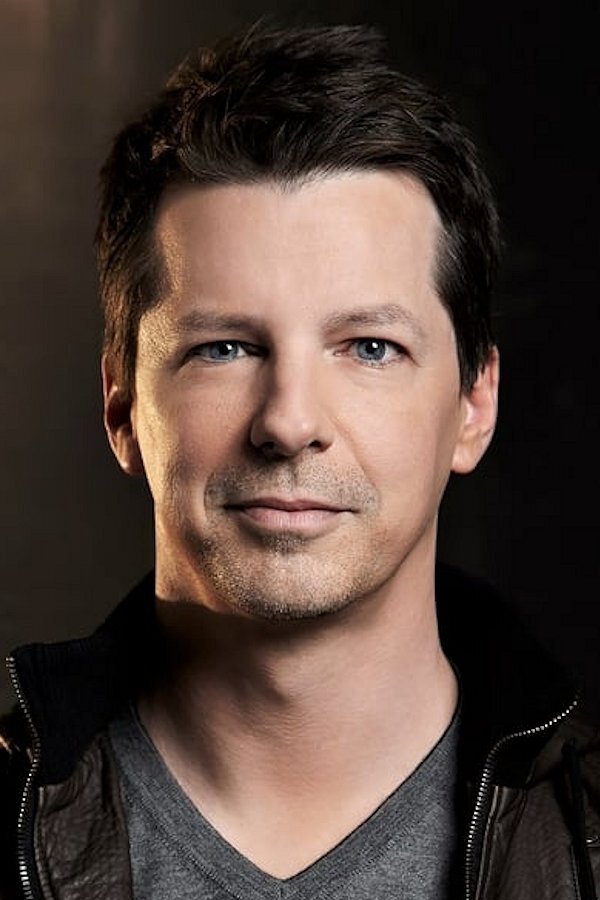
The ‘Will & Grace’ star has discussed how his anxiety often manifests in physical symptoms such as stomach issues. Hayes revealed that he was incredibly nervous during the early years of his sitcom fame. He often worried about his health and performance which created a cycle of stress. The actor now manages his anxiety through humor and professional support. He hosts a podcast where he frequently touches on the human side of fame and anxiety.
Simon Amstell
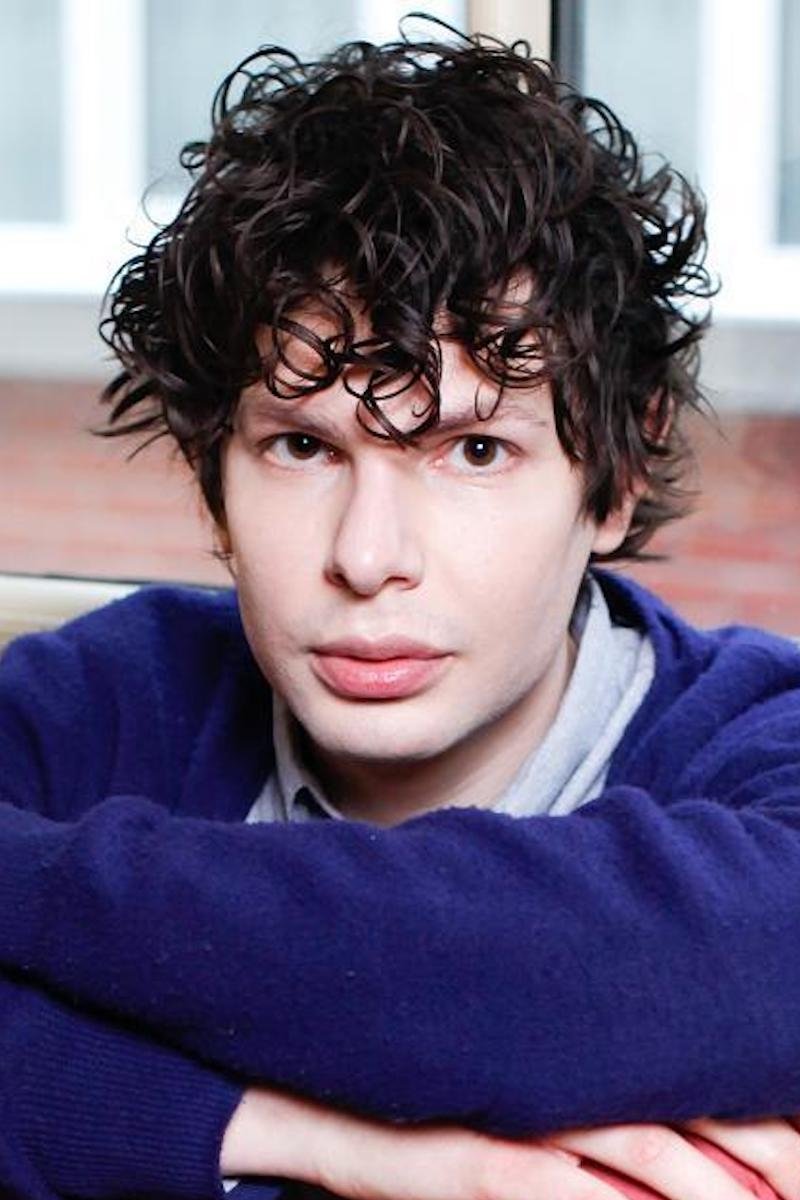
This British comedian and actor created ‘Grandma’s House’ which explored his own neuroses and depression. Amstell has written about his inability to feel joy and his journey to find a cure for his depression. He famously directed a documentary about his experience with Ayahuasca as a treatment for his mental struggles. He credits the ceremony with helping him let go of his ego and pain. Amstell’s work is characterized by a deep, vulnerability regarding his mental state.
Matt Lucas
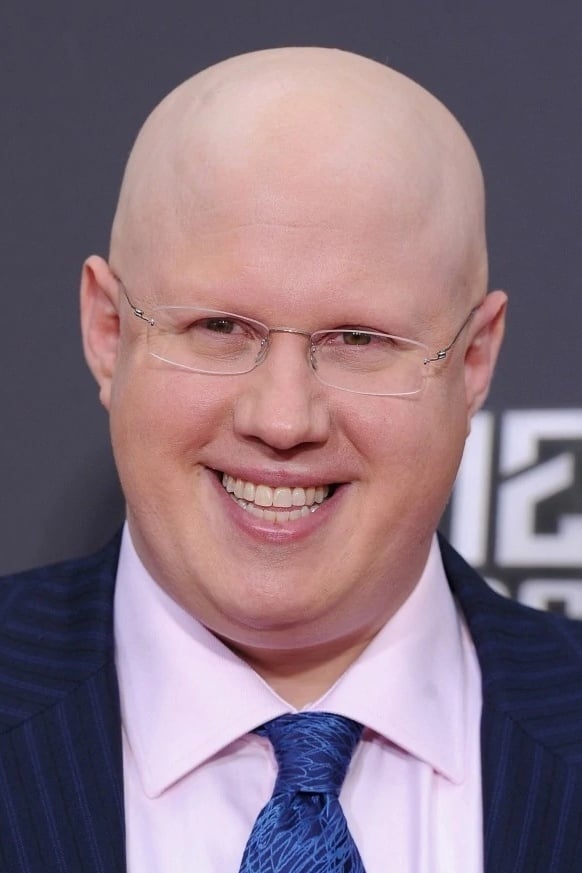
The ‘Little Britain’ star developed alopecia universalis as a child after a traumatic event which led to significant self-esteem issues and depression. Lucas has spoken about how losing his hair at a young age made him feel alienated and insecure. He used comedy as a defense mechanism to cope with the bullying and stares. The actor has since embraced his appearance but acknowledges the deep emotional scars it left. He has written about learning to love himself despite not fitting traditional standards of beauty.
Montgomery Clift

One of Hollywood’s original method actors, Clift suffered from severe depression and addiction following a disfiguring car accident. He struggled with his sexuality in an era that was entirely unaccepting of gay men. The pain of his physical injuries and the stress of the closet led to a heavy reliance on alcohol and pills. His “longest suicide in Hollywood history” is often cited as a tragic example of the toll of mental anguish. Clift remained a brilliant actor until his untimely death.
Rock Hudson
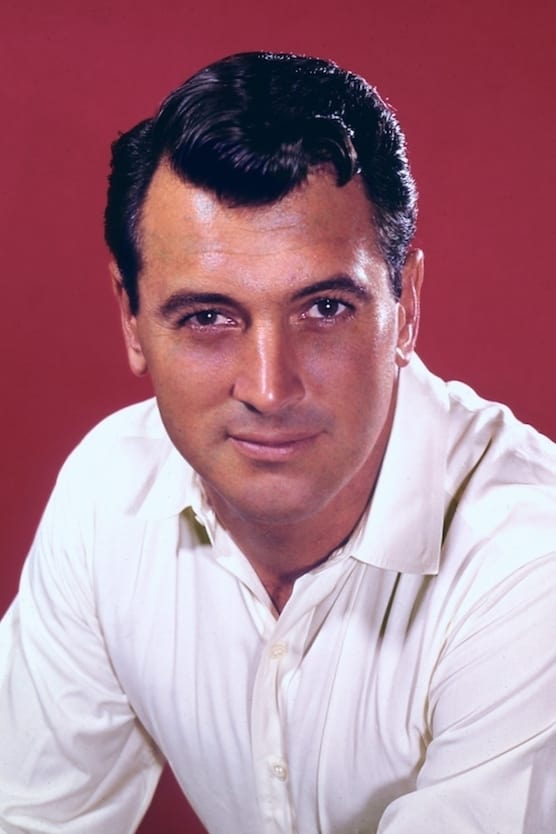
The screen legend faced immense stress and anxiety while maintaining his heteronormative image for decades. Hudson’s mental anguish was compounded when he was diagnosed with AIDS and had to hide his illness from the world. The fear of being discovered as both gay and ill created a terrifying environment for the actor in his final years. His eventual disclosure changed the public perception of the disease but came at a great personal cost. Hudson’s story highlights the mental toll of the closet during the Golden Age of Hollywood.
Anthony Perkins
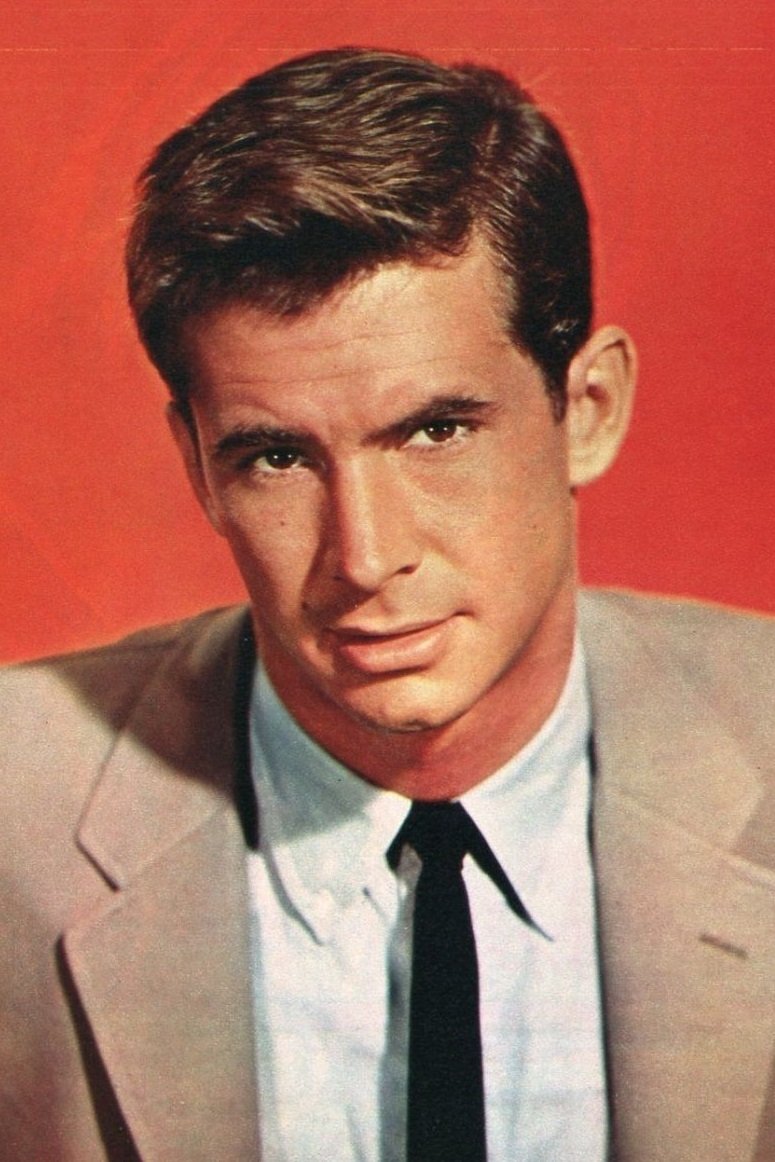
Best known for ‘Psycho’, Perkins suffered from severe anxiety and trauma related to his sexuality and his father’s absence. He underwent conversion therapy attempts which caused significant psychological harm. The actor lived in constant fear of exposure and struggled to form lasting relationships for many years. He eventually married a woman but continued to have complex struggles with his identity. Perkins worked until his death from AIDS-related complications.
Ben Whishaw
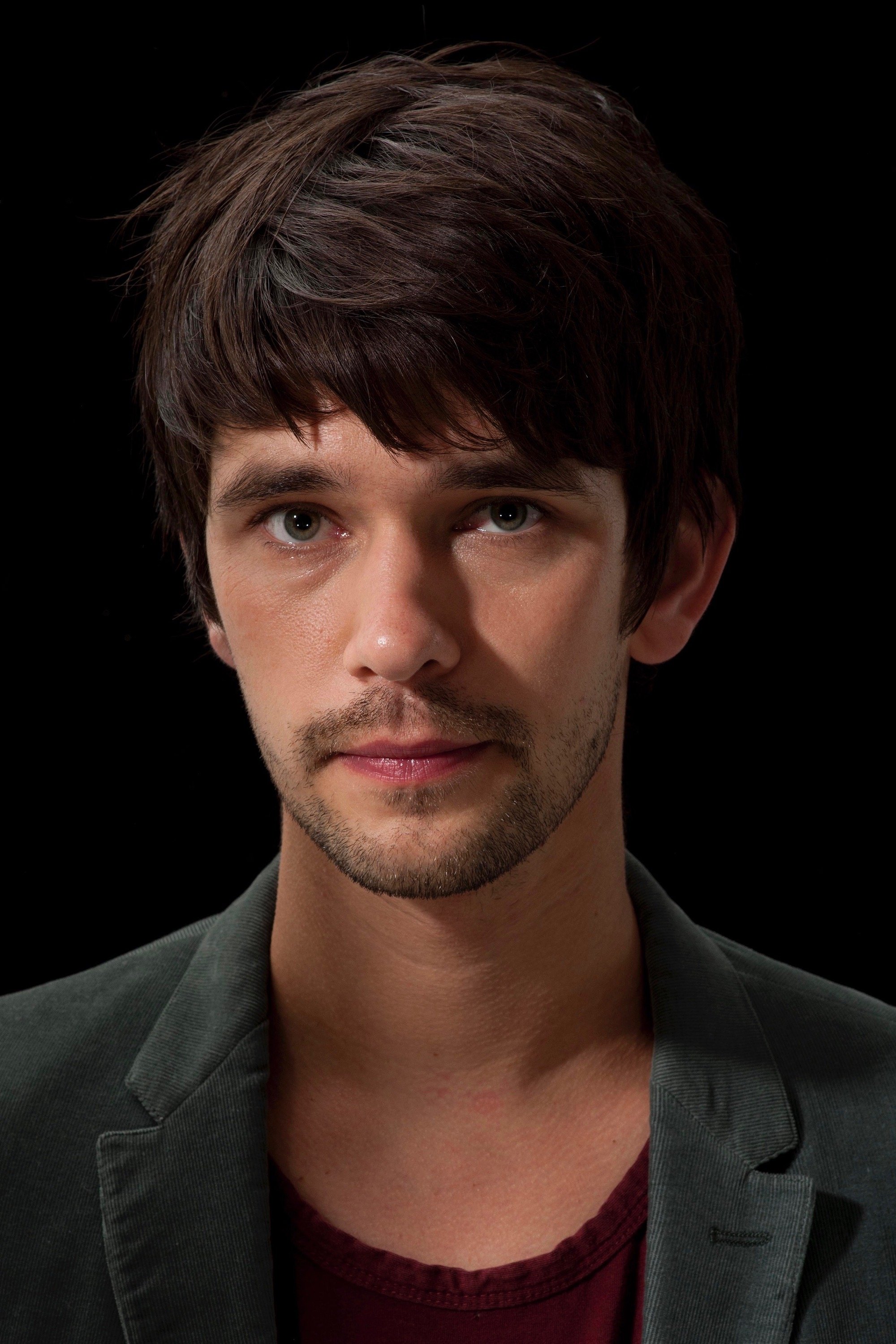
The voice of Paddington and star of ‘Skyfall’ has spoken about his need for therapy to manage the uncertainty of an acting career. Whishaw described himself as having a very anxious nature that can be overwhelming. He finds that talking to a therapist helps him ground himself and separate his work from his real life. The actor values privacy highly as a way to protect his mental equilibrium. He continues to deliver critically acclaimed performances while managing his sensitivity.
Ian McKellen
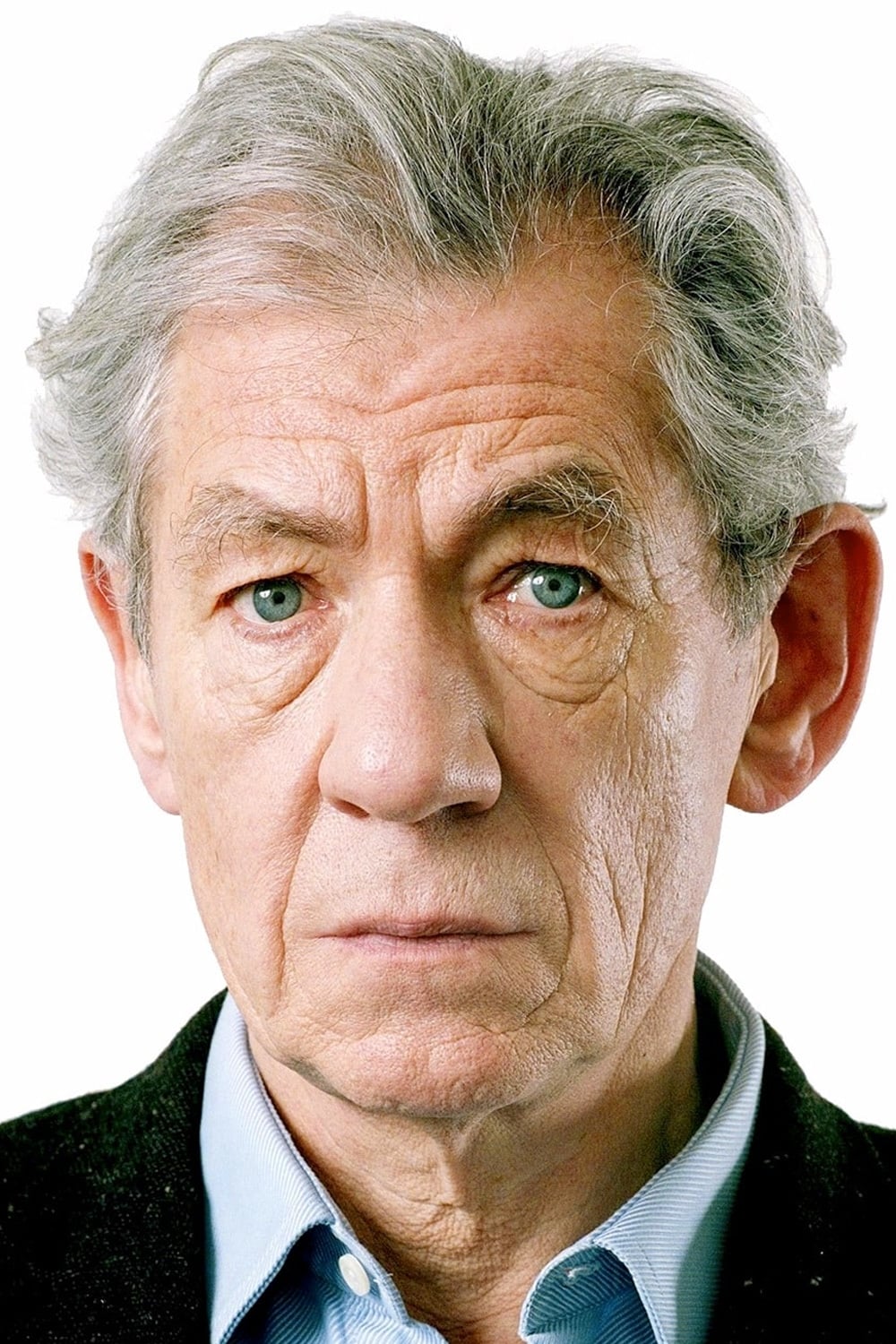
While now a confident icon, McKellen has spoken about the depression and emotional distance he felt as a young man in the closet. He described the pain of not being able to be his authentic self during the first half of his life. The actor found that coming out in his 40s released a massive burden and improved his mental health significantly. He advocates for coming out as a way to improve personal well-being. McKellen uses his experience to support younger generations.
Brian Michael Smith
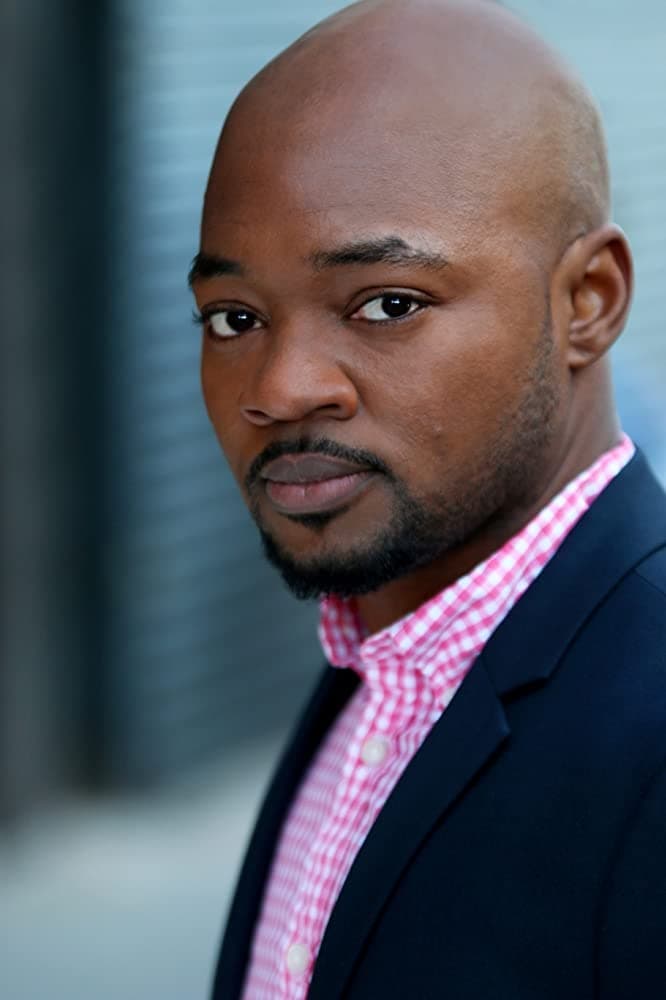
As the first out Black trans man in a series regular role on ‘9-1-1: Lone Star’, Smith advocates for mental wellness in the trans community. He has spoken about the toll that transitioning and societal transphobia can take on a person’s mental health. Smith emphasizes the joy of living authentically as a counter to the tragedy often depicted in trans narratives. He promotes fitness and community support as vital tools for mental resilience. The actor works to ensure better representation to help others feel seen.
Joe Locke
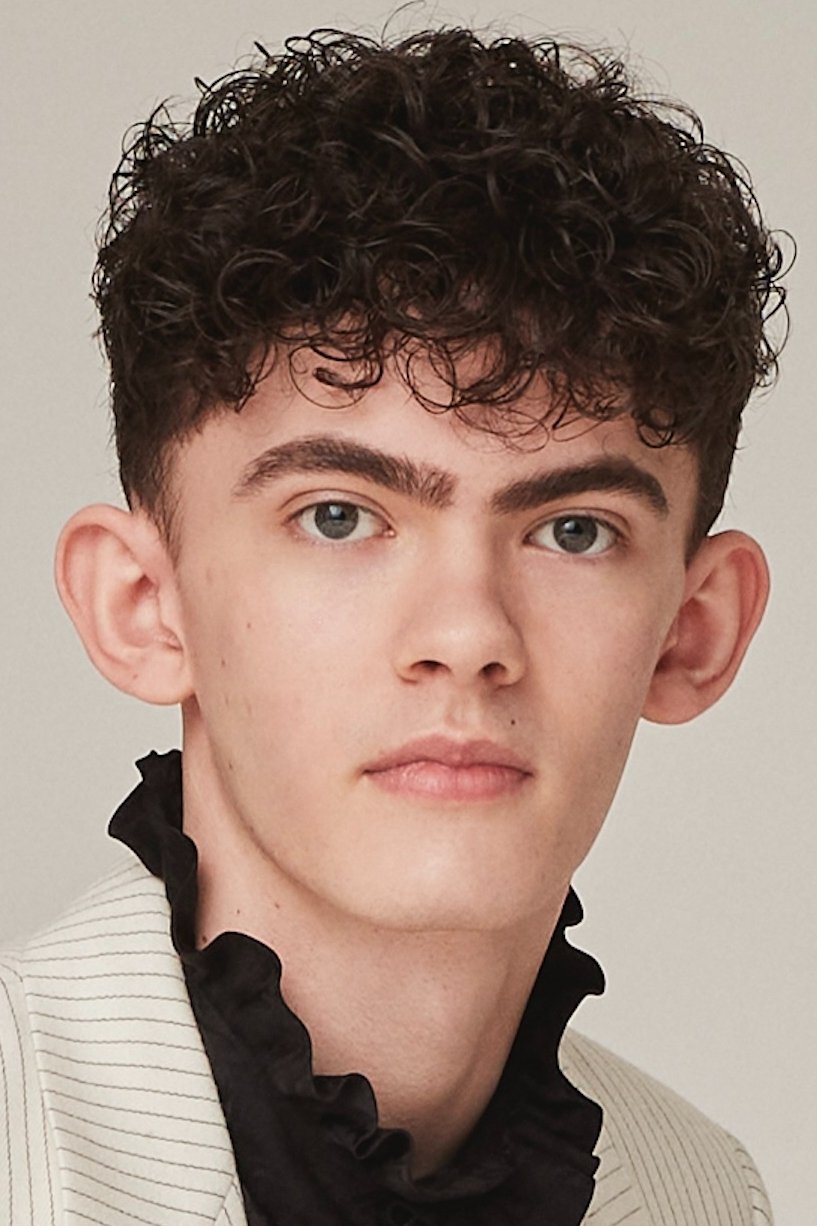
Catapulted to fame by ‘Heartstopper’, Locke has discussed the anxiety associated with sudden global fame and social media toxicity. He has been open about the pressure to look a certain way and the invasiveness of internet culture. Locke relies on his castmates and family to keep him grounded amidst the chaos. He advocates for mental health boundaries online. The young actor continues to navigate his rising career with a focus on self-preservation.
Noah Galvin
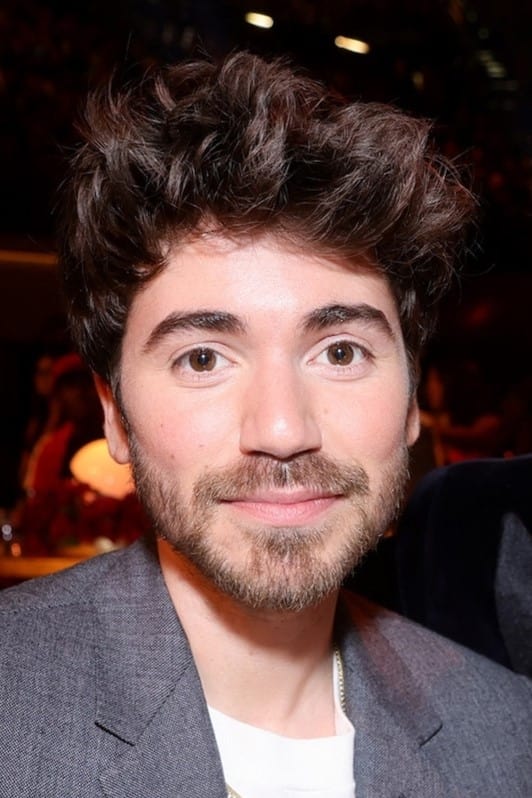
The star of ‘The Real O’Neals’ and ‘The Good Doctor’ has spoken about the anxiety of taking over the lead role in ‘Dear Evan Hansen’. Galvin dealt with the pressure of filling big shoes and the grueling schedule of Broadway. He has been open about the need for mental rest and the difficulties of being a young gay actor in the industry. Galvin uses humor and honesty to connect with fans about his struggles. He continues to be a vocal presence in the theater and TV worlds.
Garrett Clayton

Known for ‘Teen Beach Movie’, Clayton faced severe depression and suicidal thoughts due to the pressure to remain closeted while working for Disney. He eventually came out in an emotional post to advocate for a film addressing youth suicide. The actor has since spoken about the relief of living his truth and the importance of mental health resources for queer youth. He continues to work in independent films and theater. Clayton’s story is a powerful example of the dangers of forced silence.
Thomas Dekker
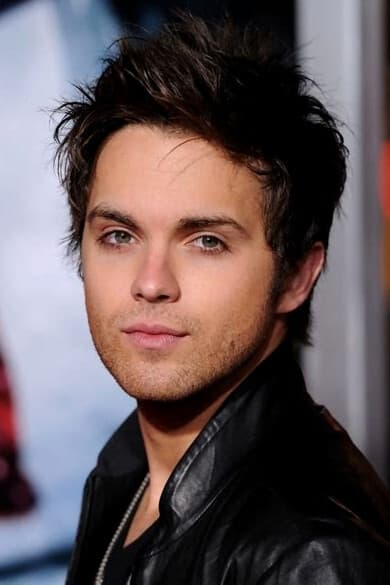
The ‘Heroes’ and ‘Terminator: The Sarah Connor Chronicles’ actor was outed by a prominent producer which caused him significant distress. Dekker later reclaimed his narrative and spoke about the trauma of having his agency taken away. He has discussed the mental strain of living in a glass closet in Hollywood. The actor is now happily married and focuses on his family and craft. His experience highlights the mental health impact of non-consensual outings.
Please share your thoughts on these stories in the comments.

