


Male Latino Actors Who Have Faced Body Shaming

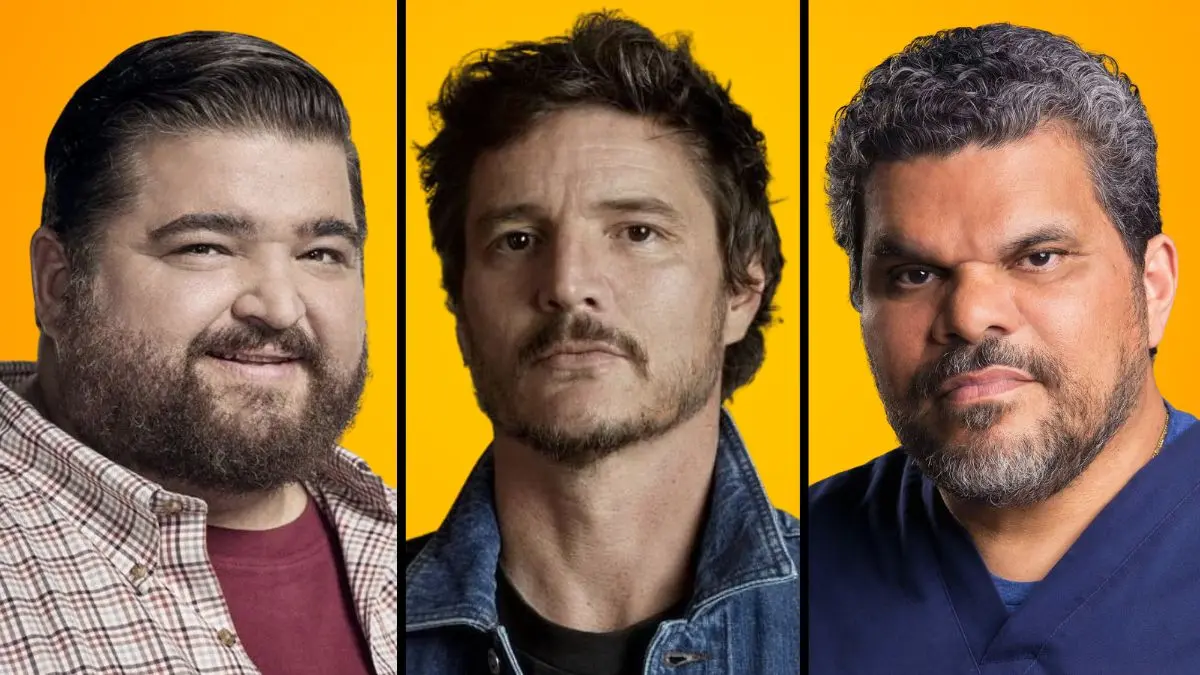


Hollywood has long imposed rigorous physical standards on its stars, and Latino men are often subjected to specific stereotypes regarding their weight, height, and features. These actors have faced scrutiny ranging from direct insults about their size to systemic pressure to conform to hyper-masculine or caricature-like roles. The industry frequently boxes these performers into narrow categories that demand they be either effortlessly ripped heartthrobs or comedic relief based on their physique. The following list highlights the experiences of Latino actors who have navigated public criticism and industry pressure regarding their bodies.
Jorge Garcia
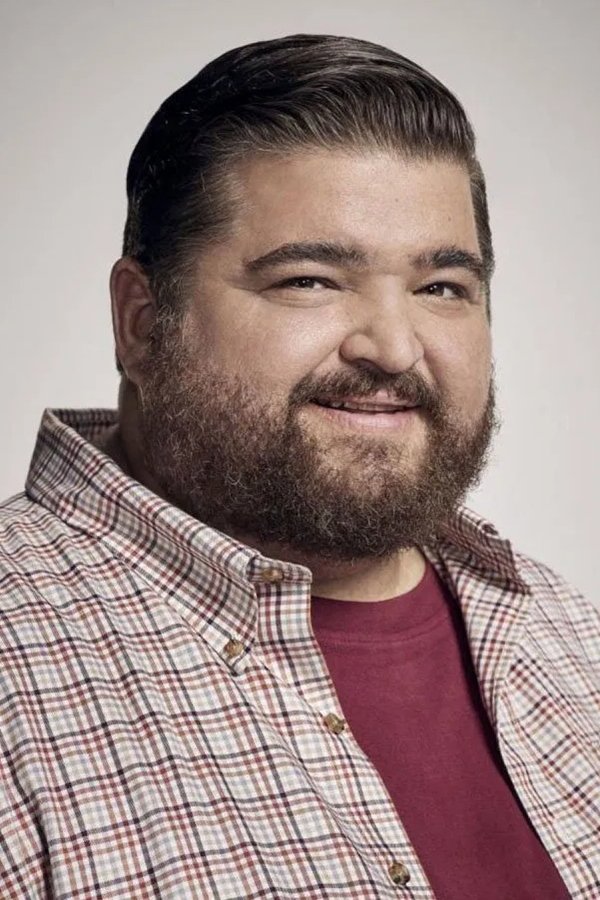
Best known for his role as Hurley on ‘Lost’, Garcia faced relentless public scrutiny regarding his weight throughout the show’s run. Tabloids frequently published concern-trolling articles that speculated on his health and employment status based solely on his size. The actor has discussed how his weight became a central topic of conversation rather than his dramatic performance in the groundbreaking series. despite the criticism, he has continued to work steadily in major projects like ‘Hawaii Five-0’ while navigating a fat-phobic industry.
Harvey Guillén
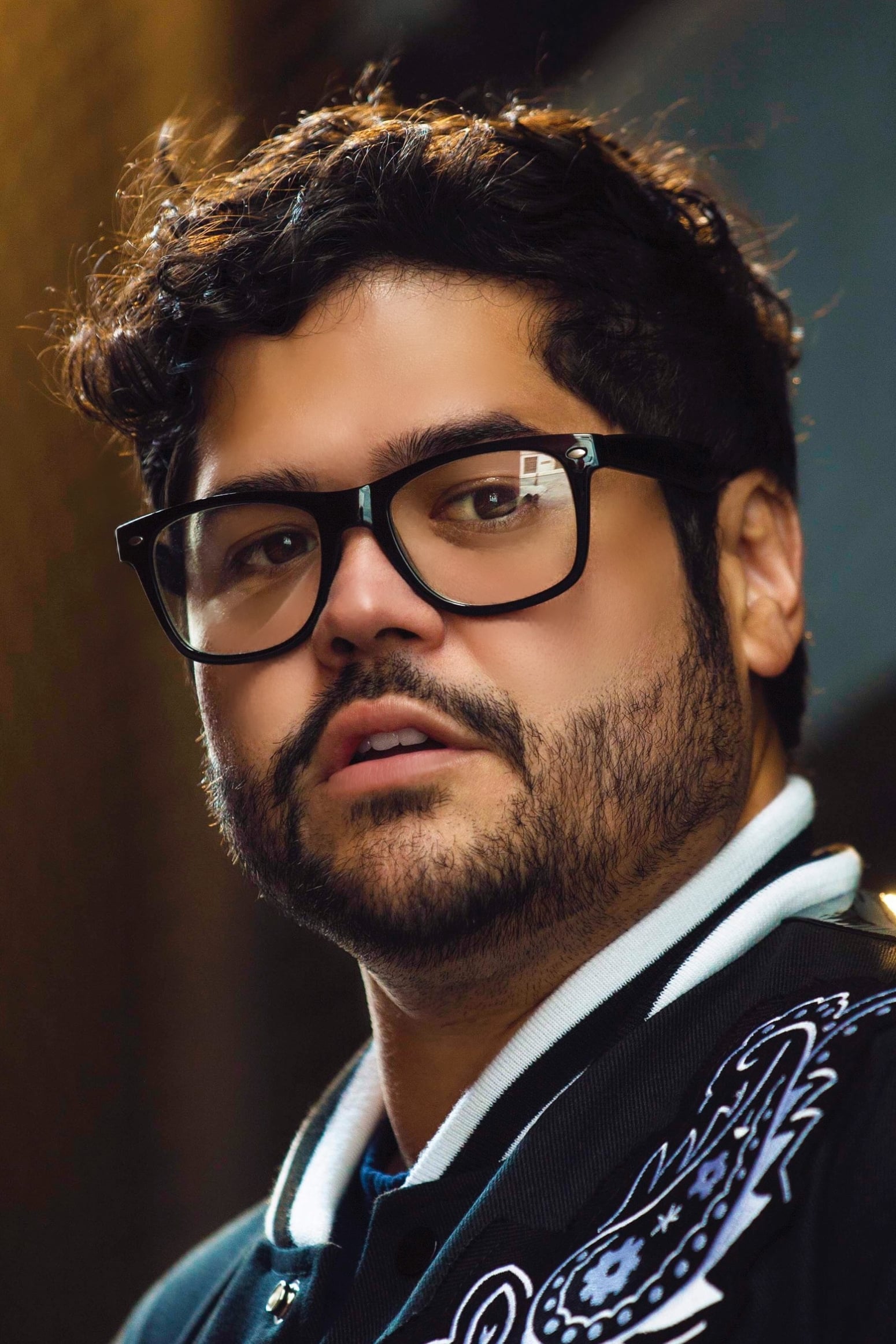
The breakout star of ‘What We Do in the Shadows’ has been vocal about the rejection he faced early in his career due to his plus-size frame. Guillén revealed that agents told him he would never work in Hollywood because of his weight and encouraged him to lose pounds to fit into background roles. He reclaimed terms like “gordito” that were used to belittle him and transformed them into a source of empowerment. His success as Guillermo de la Cruz challenged the industry standard that plus-size Latino men could not be action heroes or romantic leads.
Pedro Pascal
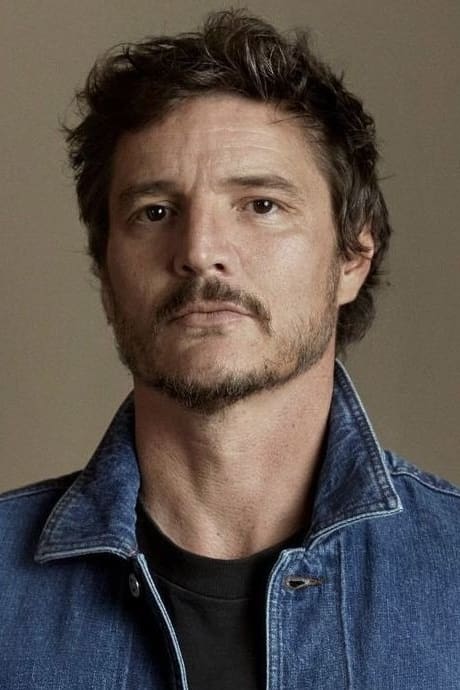
Despite being hailed as a sex symbol, Pascal has not been immune to internet scrutiny regarding his changing body as he ages. Following the announcement of his casting in ‘The Fantastic Four’, social media users criticized him for not possessing the hyper-muscular build of a comic book illustration. The actor has also been the subject of objectifying comments that reduce his career to his physical appeal under the “daddy” moniker. Pascal has notably addressed the physical toll of wearing heavy armor for ‘The Mandalorian’ and the discomforts that come with action-heavy roles in his late forties.
Danny Trejo
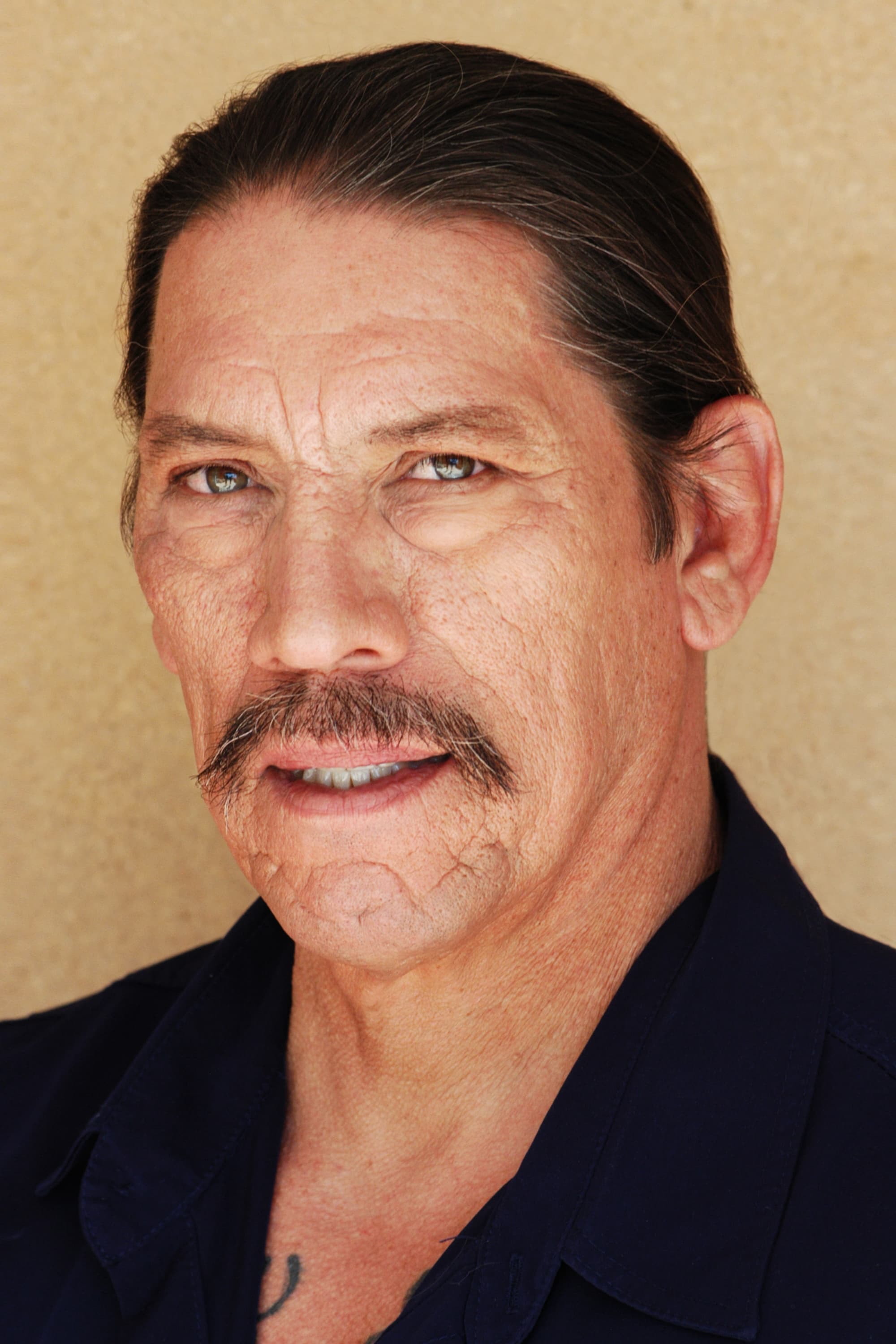
Trejo’s rugged appearance and acne scars initially led casting directors to typecast him exclusively as dangerous inmates or thugs. While he embraced these roles, the industry’s fixation on his “rough” look is a form of appearance policing that equates specific physical traits with criminality. He was often judged as unmarketable for sympathetic roles until he proved his range in films like ‘Machete’. Trejo has since used his platform to redefine what a leading man can look like, moving beyond the polished aesthetic usually required by studios.
Edward James Olmos
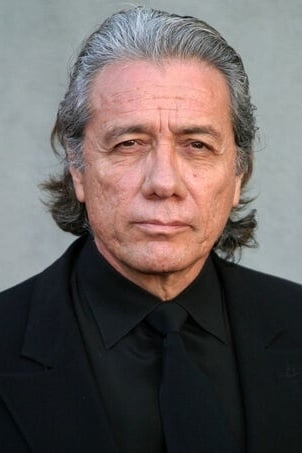
Early in his career, Olmos was told that his pockmarked skin and distinct features would prevent him from ever achieving leading man status. Casting agents frequently suggested he fix his skin to fit the smooth-faced standard of Hollywood actors. He refused to alter his appearance, eventually delivering iconic performances in ‘Stand and Deliver’ and ‘Battlestar Galactica’. His success forced the industry to look past superficial beauty standards and value raw talent and presence.
William Levy
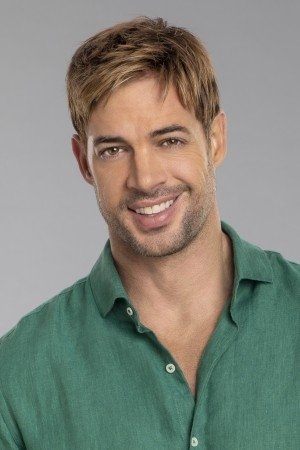
Often labeled the “Brad Pitt of Cuba”, Levy has expressed frustration with being objectified solely as a physical specimen rather than a serious actor. He has faced criticism from critics who dismiss his acting abilities by focusing entirely on his muscular build and looks. This form of body shaming reduces an actor to a piece of meat and limits the types of roles they are offered. Levy has worked to produce his own projects to escape the constraints of the shirtless “Latin Lover” stereotype.
Gabriel Iglesias
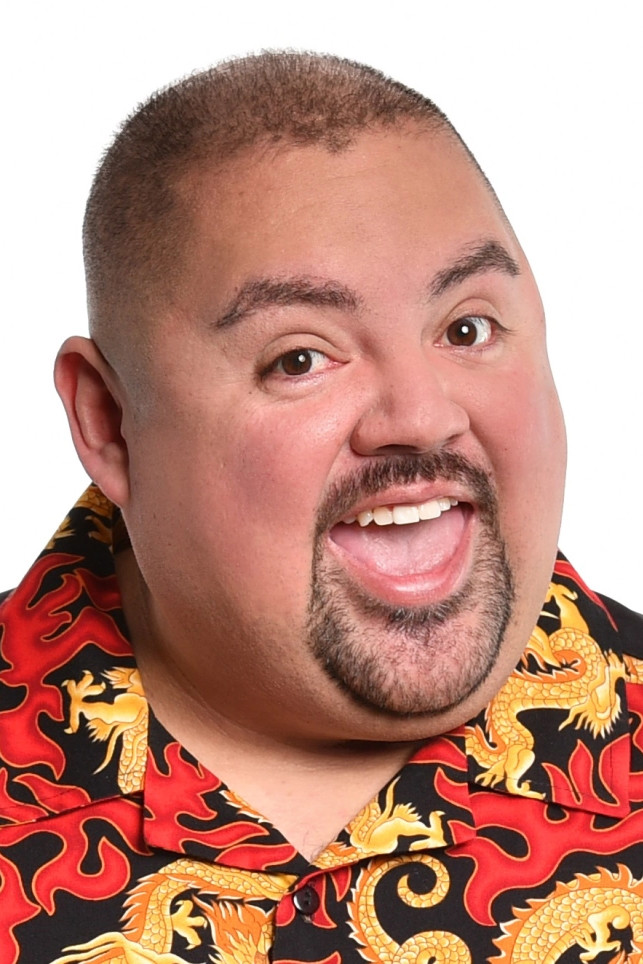
The comedian known as “Fluffy” has built an empire discussing his weight, but he has also faced the darker side of public health scrutiny. Iglesias has had to navigate “concern trolling” from the media regarding his size while managing genuine health scares like diabetes. The pressure to remain the “funny big guy” for his brand while trying to get healthy created a complex public image battle. He has since lost weight for his health, facing mixed reactions from fans who associated his comedy with his former size.
Raul de Molina
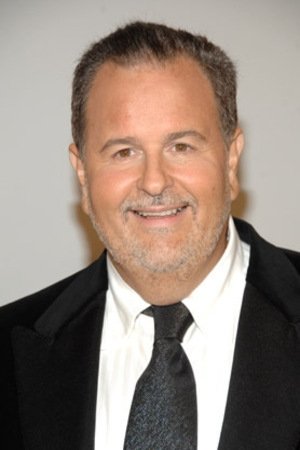
As the co-host of ‘El Gordo y la Flaca’, de Molina’s entire brand was built around his weight, subjecting him to decades of fat jokes on national television. While the show is lighthearted, the premise relies on the caricature of the “fat man” in contrast to the “skinny woman”. This dynamic perpetuates the idea that a larger man is inherently comedic or ridiculous. De Molina has navigated this public identity while dealing with personal battles regarding his health and weight loss.
Laz Alonso
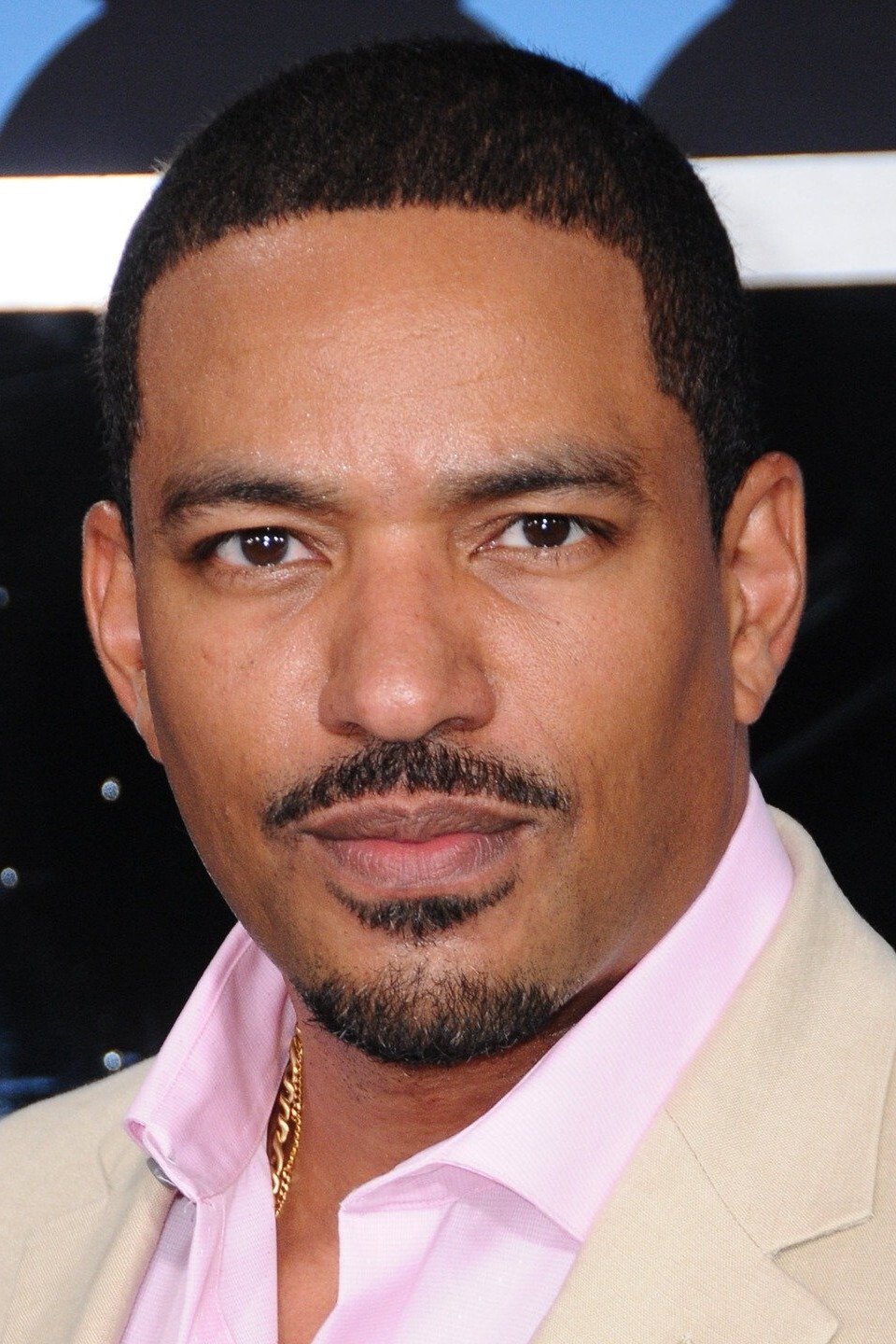
The ‘The Boys’ star recently faced a wave of body shaming and speculation after appearing significantly leaner in the show’s fourth season. Fans took to social media to express shock and disapproval of his weight loss, with some claiming he looked “sick” or had lost his appeal. Alonso had to clarify that he had simply trimmed down and shaved his beard, highlighting how audiences feel entitled to an actor’s body remaining static. The backlash demonstrated that men are also subject to intense scrutiny when they deviate from their established muscular image.
Michael Peña
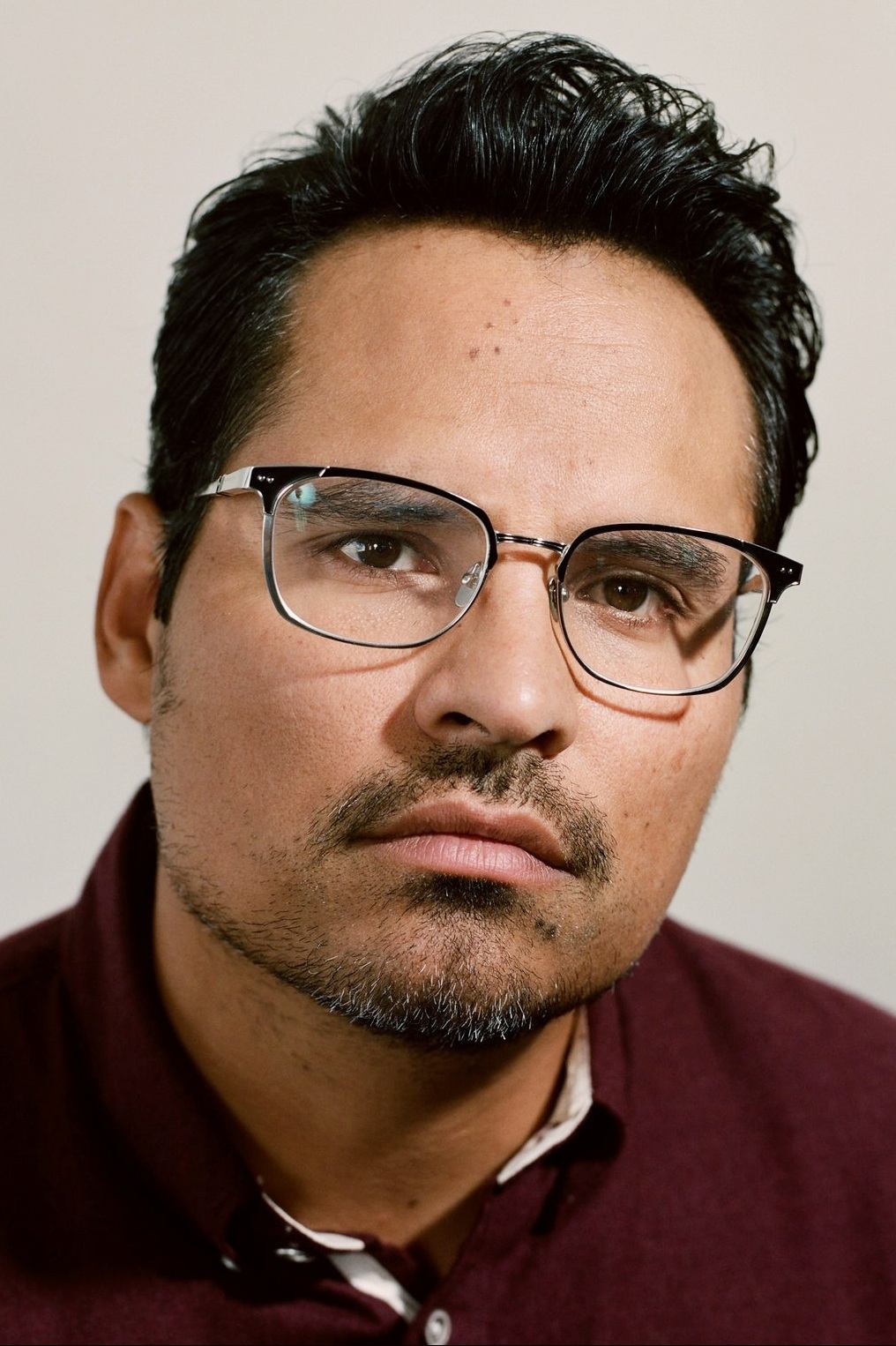
Peña has discussed the challenges of not fitting the traditional mold of a Latino leading man due to his height and build. He has frequently been cast in supporting roles or as the comic relief sidekick rather than the hero, despite his dramatic range. The industry often overlooks actors with average body types for blockbuster leads, reserving those spots for those with superhero physiques. Peña’s consistent scene-stealing proves that charisma and talent outweigh the need for a stereotypically chiseled jawline.
Luis Guzmán
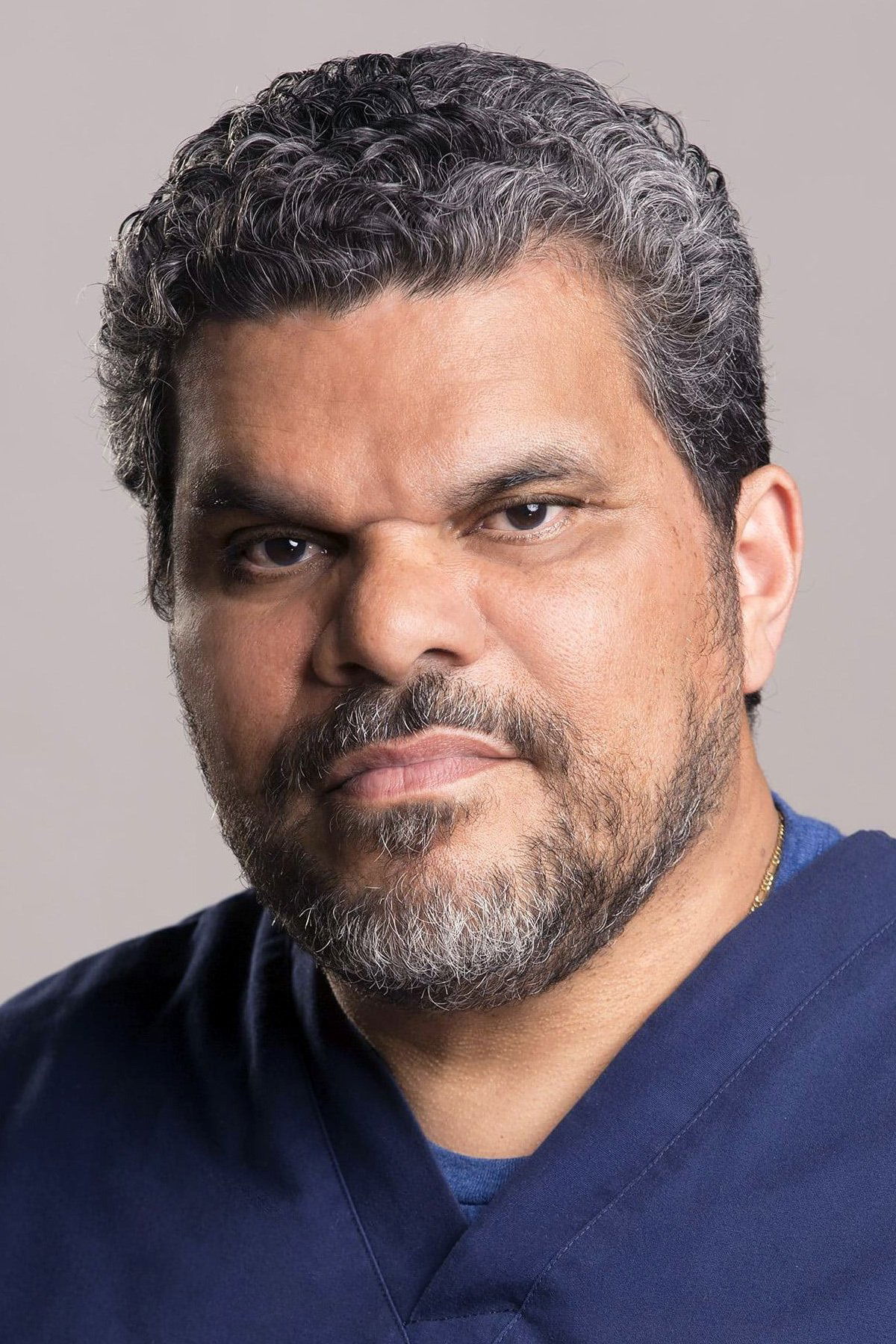
Guzmán is one of the most recognizable character actors in the world, yet his career is built on roles that emphasize his distinct, non-conforming look. He has often played the sidekick or the thug, with scripts frequently making reference to his appearance in a derogatory manner. The actor has taken these roles in stride, but they reflect Hollywood’s reluctance to cast men with unconventional features as romantic leads. His enduring popularity is a testament to his ability to transcend the limited visual boxes the industry places on Latino men.
Oscar Isaac
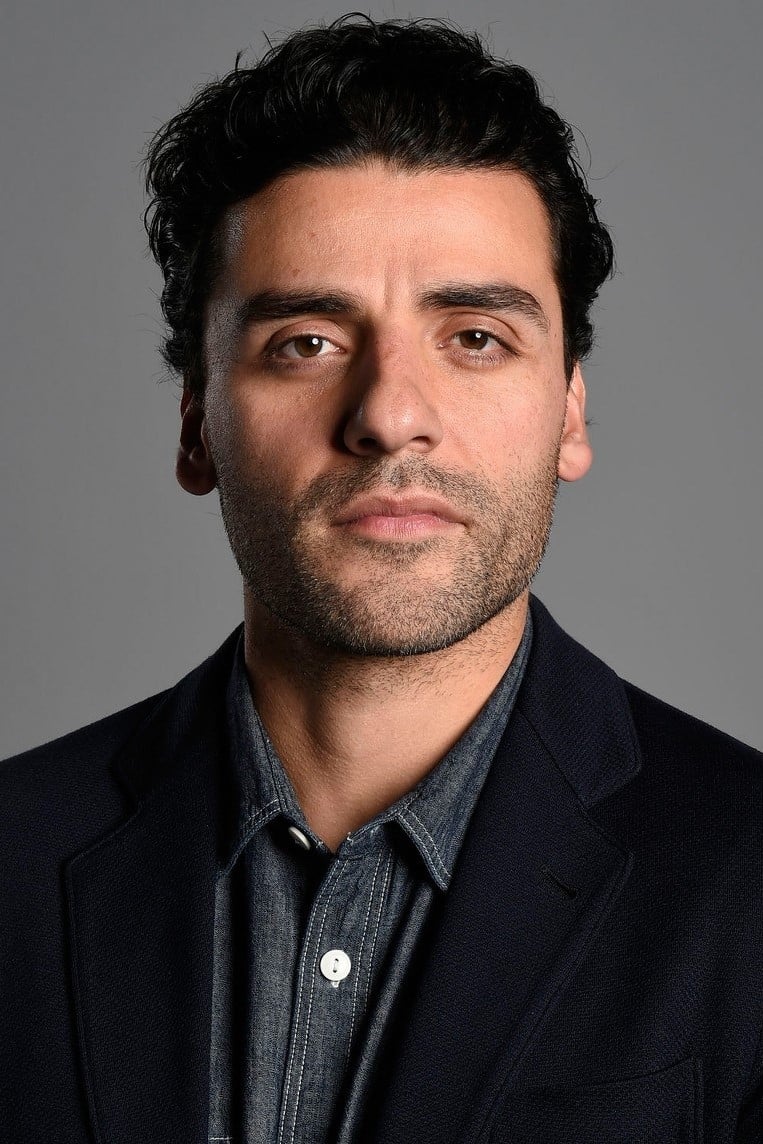
While generally praised for his looks, Isaac has faced the unique pressure of internet objectification that reduces him to a sexual object. During the press tour for ‘Star Wars’ and ‘Dune’, commentary focused heavily on his body and “daddy” energy rather than his craft. Additionally, he faced scrutiny to achieve a specific superhero physique for ‘Moon Knight’, adhering to the Marvel standard. This intense focus on his physical appeal can overshadow the nuanced work he brings to his roles.
Ricky Martin
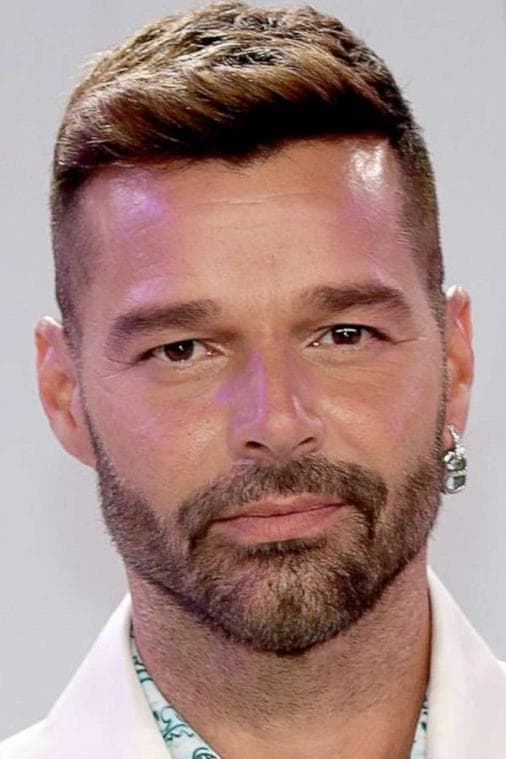
During the height of his fame in the late 90s, Martin faced immense pressure to maintain the image of the heteronormative “Latin Lover”. This archetype demanded a specific level of fitness and sexual availability that commodified his body for mass consumption. The scrutiny over his appearance and mannerisms was intense, with the media dissecting his every move. Breaking free from this manufactured image allowed him to live authentically, though the pressure on his physical appearance remains high in the music industry.
John Leguizamo
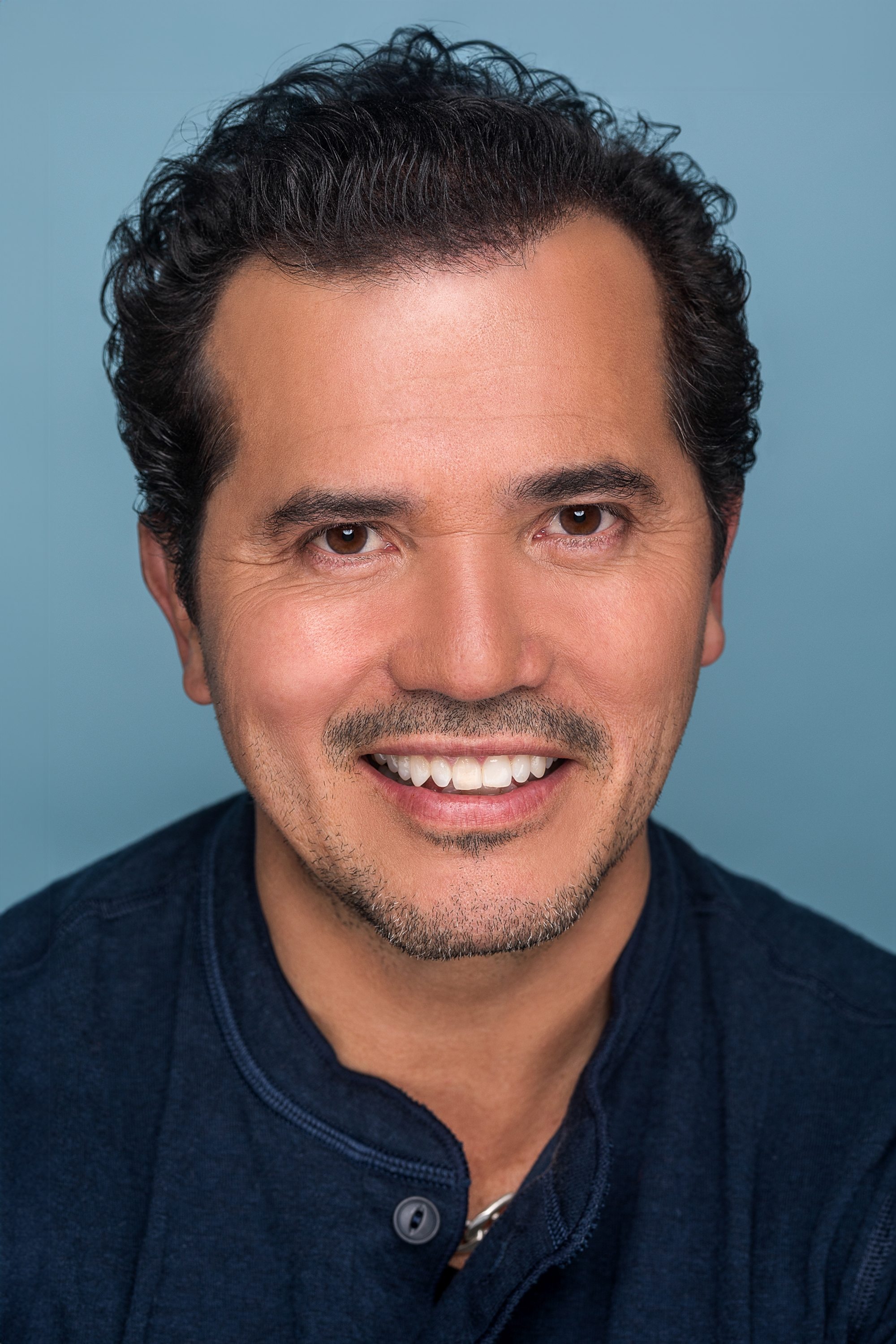
Leguizamo has been a vocal critic of the colorism and height discrimination present in Hollywood casting. He has shared stories of being told he was too short or not “Latin enough” for certain roles, or conversely, “too Latin” for others. These critiques are a form of body policing that judges an actor’s ethnicity based on physical stereotypes. Leguizamo has fought these barriers by creating his own stage shows that deconstruct these very prejudices.
Horatio Sanz
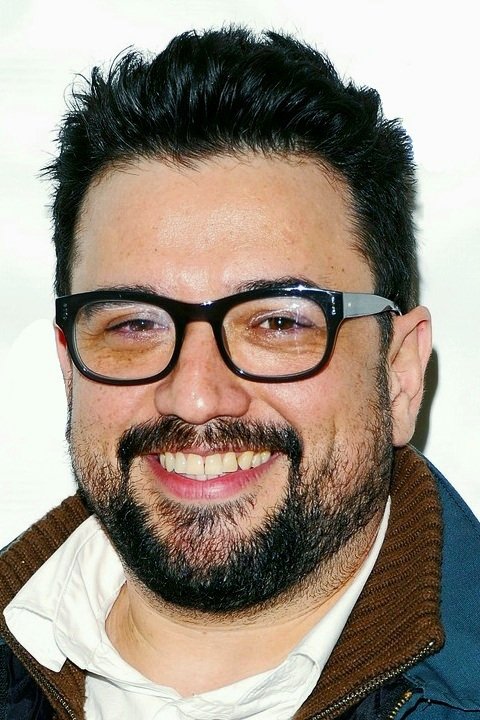
During his tenure on ‘Saturday Night Live’, Sanz was frequently the butt of jokes regarding his weight and was often cast in sketches that utilized his size for physical comedy. The pressure to be the “funny fat guy” is a common trope that limits the range of roles available to talented comedians. After leaving the show, Sanz lost a significant amount of weight, which shifted the public’s perception of him but did not erase the years of typecasting. His experience highlights the narrow lane that exists for plus-size performers in sketch comedy.
Guillermo del Toro
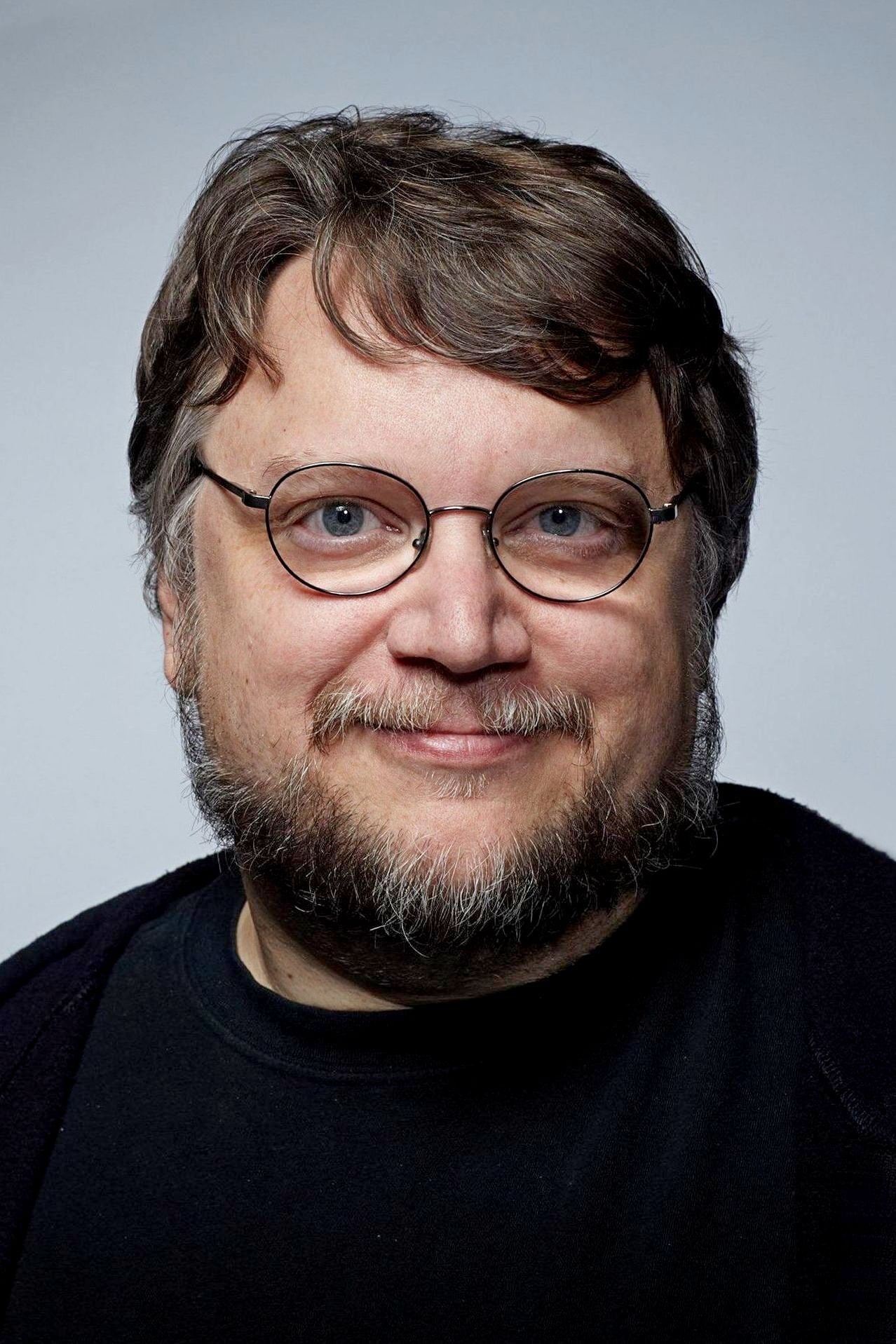
The acclaimed director and occasional actor has often been self-deprecating about his weight, but he has also faced cruel comments from the media. Del Toro has spoken about how society dismisses people of size, assuming they are lazy or undisciplined despite their achievements. He actively combats this by presenting monsters in his films as sympathetic and complex, often mirroring his feelings of being an outsider. His presence as a titan of industry challenges the shallow aesthetics of Hollywood.
Diego Boneta
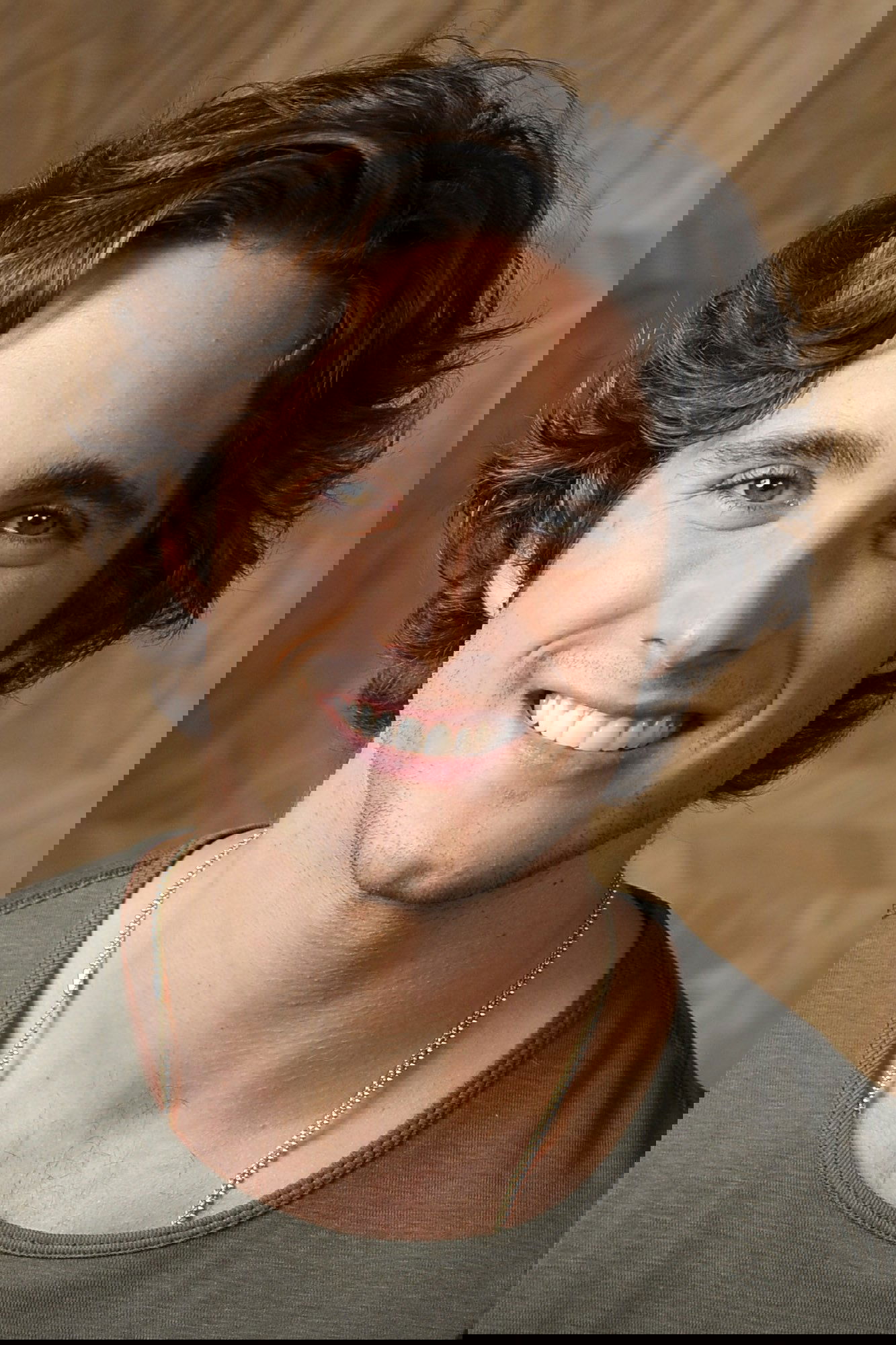
To play the role of Luis Miguel, Boneta underwent a grueling physical transformation to match the singer’s appearance at different life stages. He has spoken about the difficulty of altering his body rapidly, including dental procedures to mimic a gap in his teeth. This level of physical manipulation highlights the demand for actors to treat their bodies as malleable commodities. The pressure to embody a national icon brought intense scrutiny to his physical accuracy.
Wilmer Valderrama
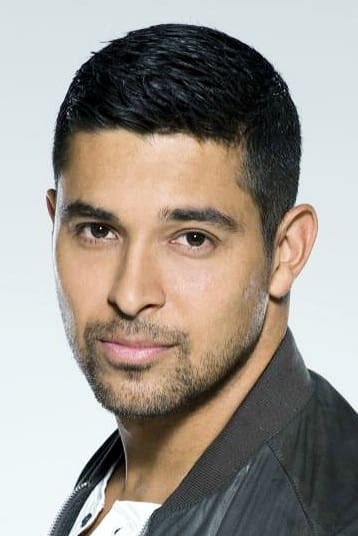
Best known as Fez on ‘That 70s Show’, Valderrama was initially defined by his accent and a specific, non-threatening physical type. As he transitioned to adult roles in ‘NCIS’, he had to undergo a massive fitness transformation to be taken seriously as an action star. The industry initially struggled to see him as a physically imposing figure due to his sitcom origins. This shift required him to conform to the muscular standard of procedural dramas to change audience perception.
Tyler Posey
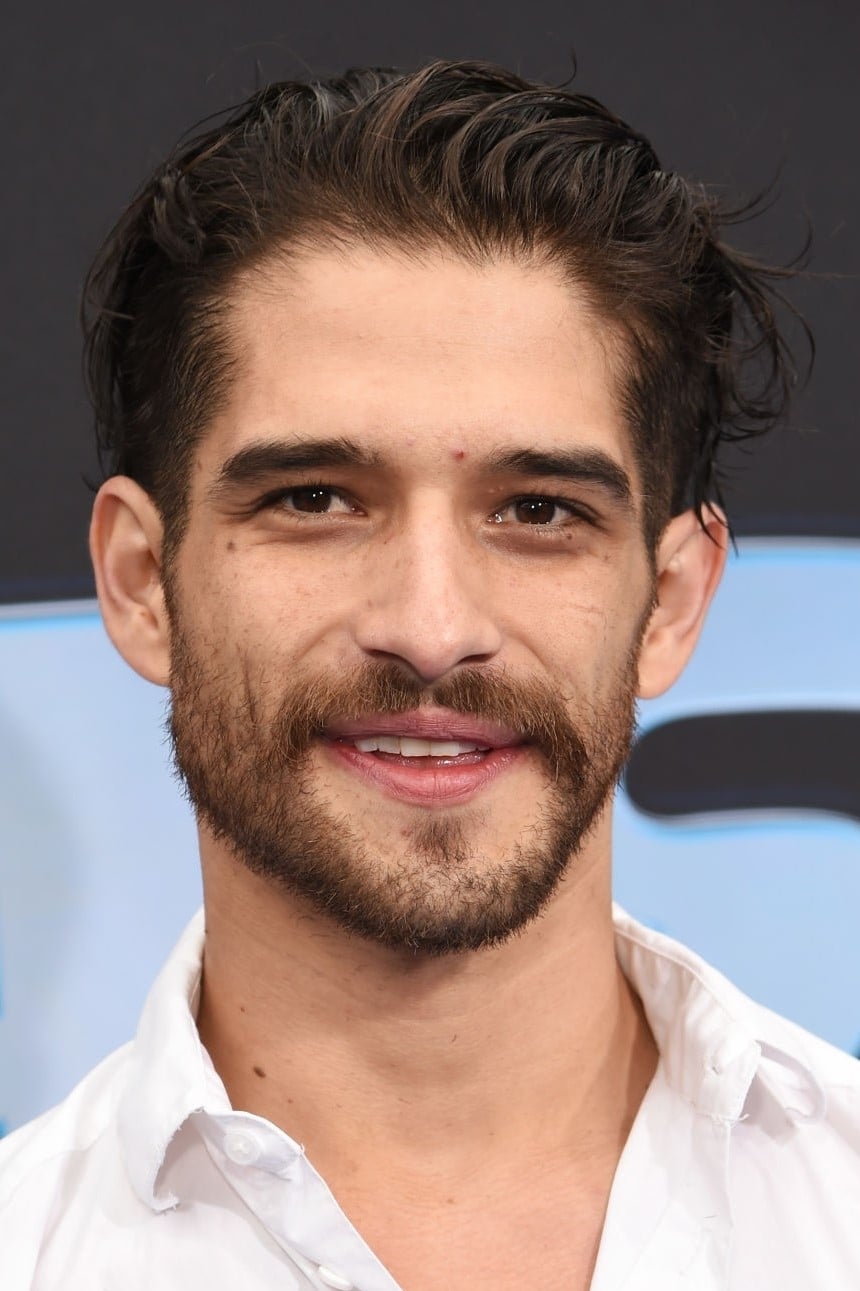
The ‘Teen Wolf’ star has opened up about the objectification he faced as a young actor who was frequently required to be shirtless. Posey noted that the show’s emphasis on his body created a sense of pressure to maintain an unrealistic physique while dealing with the natural changes of growing up. He has since spoken about body dysmorphia and the mental toll of being a teen idol. His experience reflects the specific commodification of young Latino men in supernatural teen dramas.
Ryan Guzman
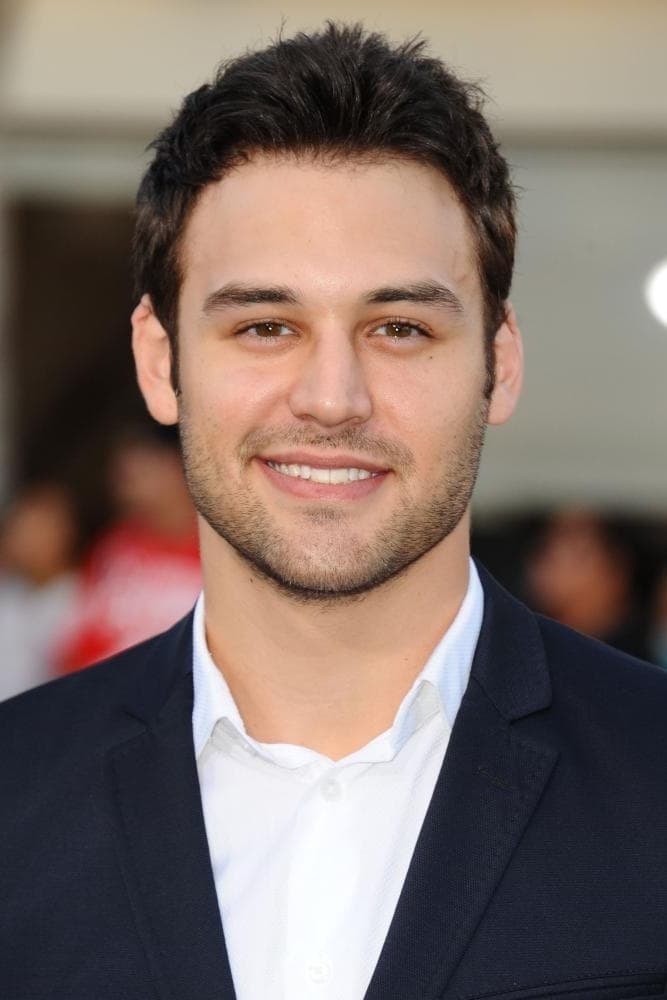
Guzman broke into the industry with the ‘Step Up’ franchise, where his background as an MMA fighter and model was the primary focus. He has discussed the constant pressure to stay lean and ripped for roles that value physicality over dialogue. The actor has noted that male objectification is rampant in Hollywood, with casting often hinging on the ability to show a six-pack. Navigating this has required him to push for roles that allow him to keep his shirt on and act.
Jay Hernandez

When Hernandez took over the role of Magnum in the ‘Magnum P.I.’ reboot, he faced immediate comparisons to Tom Selleck’s legendary physique and height. Critics and fans scrutinized his lack of a mustache and his physical stature, claiming he didn’t fit the imposing mold of the original character. This type of body shaming stems from nostalgia and rigid expectations of what a leading action hero should look like. Hernandez had to win over audiences by proving that a modern, Latino Magnum didn’t need to be a carbon copy of the 1980s ideal.
Richard Cabral
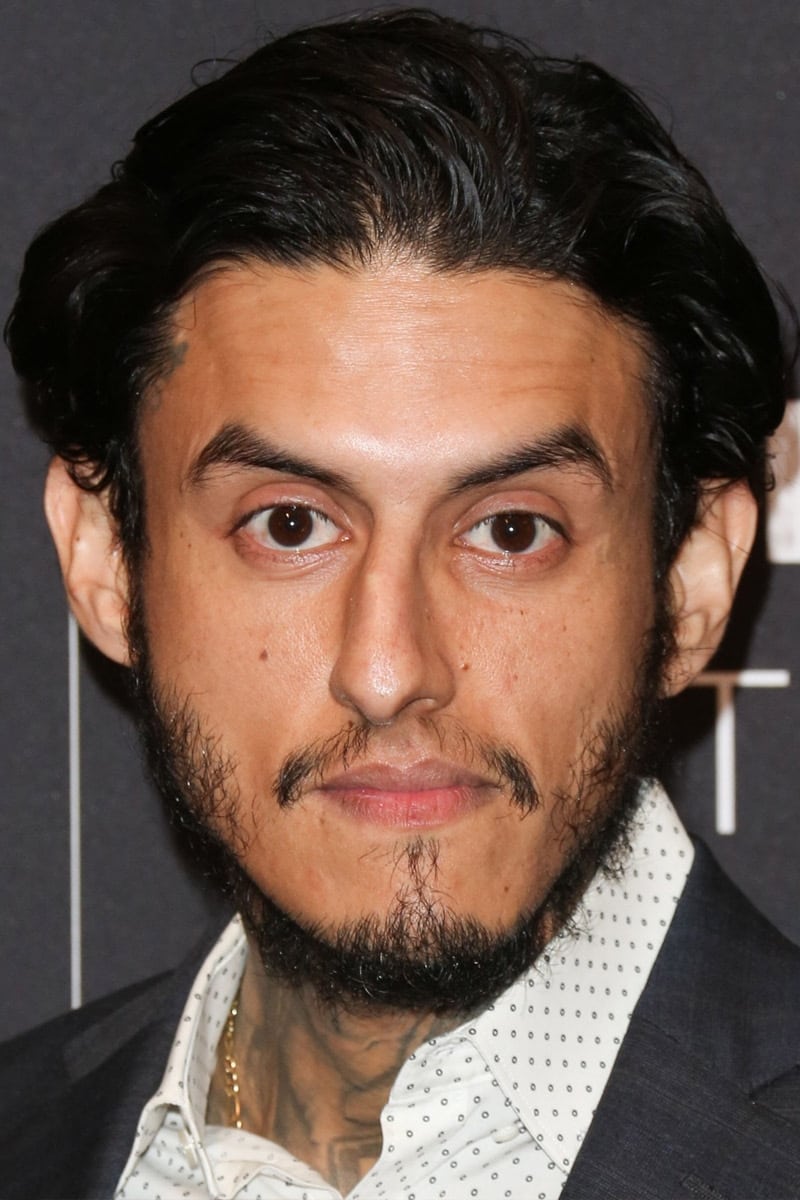
Cabral’s distinct look, including extensive tattoos from his past, initially limited him to roles as gang members and criminals. While these roles offered a foot in the door, they also trapped him in a stereotype that equated his physical appearance with violence. He has worked hard to show his range in critically acclaimed series like ‘American Crime’, proving he is more than his ink. The industry’s bias against visible tattoos is a form of body policing that disproportionately affects actors from specific backgrounds.
Noel Gugliemi
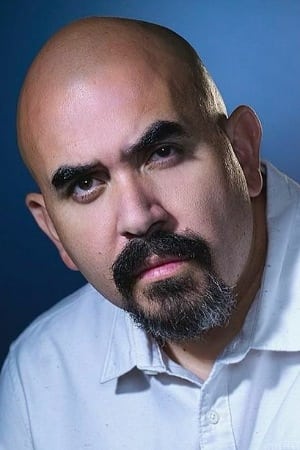
Known to many simply as “Hector”, Gugliemi has played a gang member in dozens of films and TV shows due to his specific look. The industry has typecast him so effectively based on his bald head and demeanor that he rarely gets the chance to play outside this archetype. This creates a feedback loop where audiences only accept him in one specific visual context. While he has made a lucrative career from it, it underscores Hollywood’s reliance on visual profiling.
Jacob Vargas
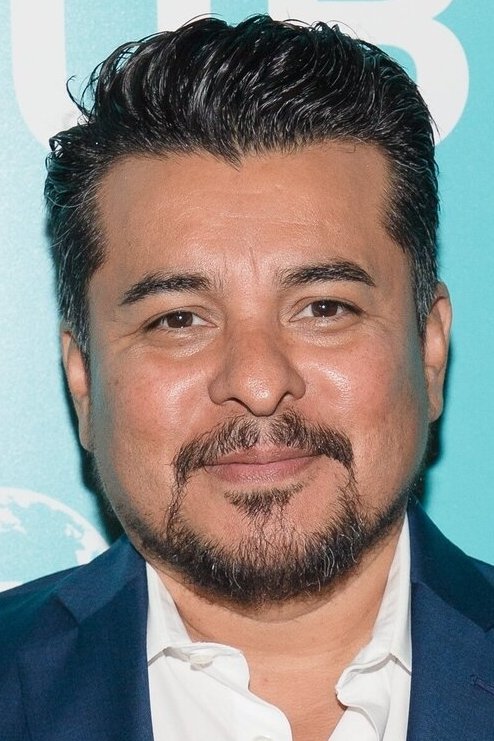
Vargas has been working in Hollywood for decades but has often been relegated to the “little guy” roles due to his height. Scripts frequently include jokes at the expense of his stature or pair him with much larger actors for visual contrast. This height discrimination is a common hurdle for many Latino actors who do not meet the tall, leading-man standard. Despite this, Vargas has delivered powerful performances that defy the limitations of his physical casting.
Jesse Borrego
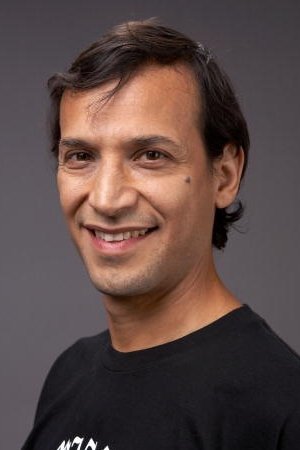
Since his role in ‘Blood In Blood Out’, Borrego has navigated an industry that often views his indigenous features through a narrow lens. He has faced the challenge of being typecast in roles that emphasize poverty or criminality based on his look. The actor has consistently pushed for roles that portray the artistic and intellectual side of the Latino experience. His career highlights the struggle against the colorist preferences of casting directors.
Esai Morales
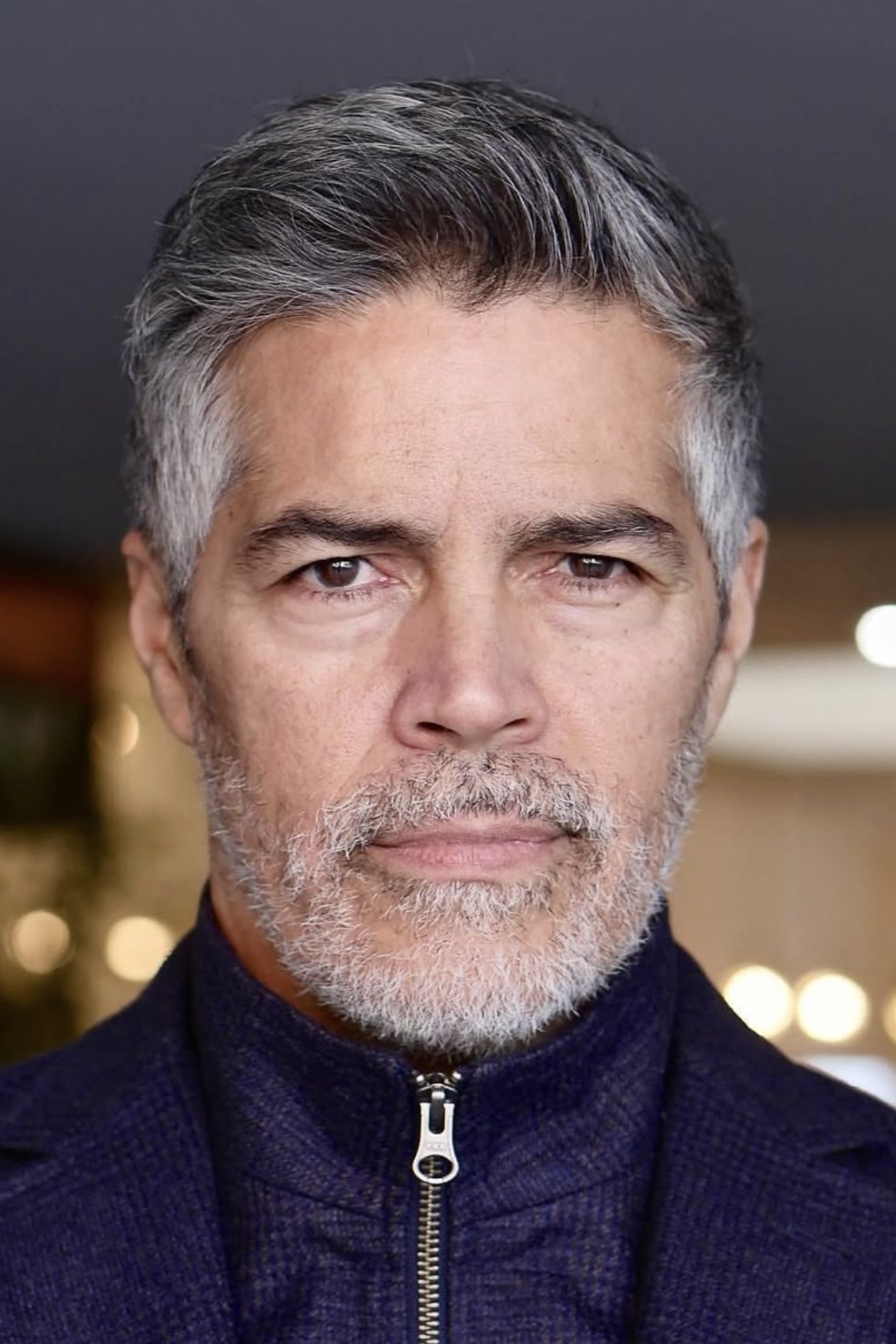
Morales burst onto the scene as a heartthrob in ‘La Bamba’, but facing the aging process in Hollywood brought its own pressures. He has spoken about the difficulty of transitioning from the “pretty boy” roles to mature characters in an industry that fetishizes youth. The expectation for Latino actors to remain eternally youthful and seductive is a heavy burden. Morales has successfully pivoted to authoritative roles, challenging the expiration date often placed on sex symbols.
Benjamin Bratt
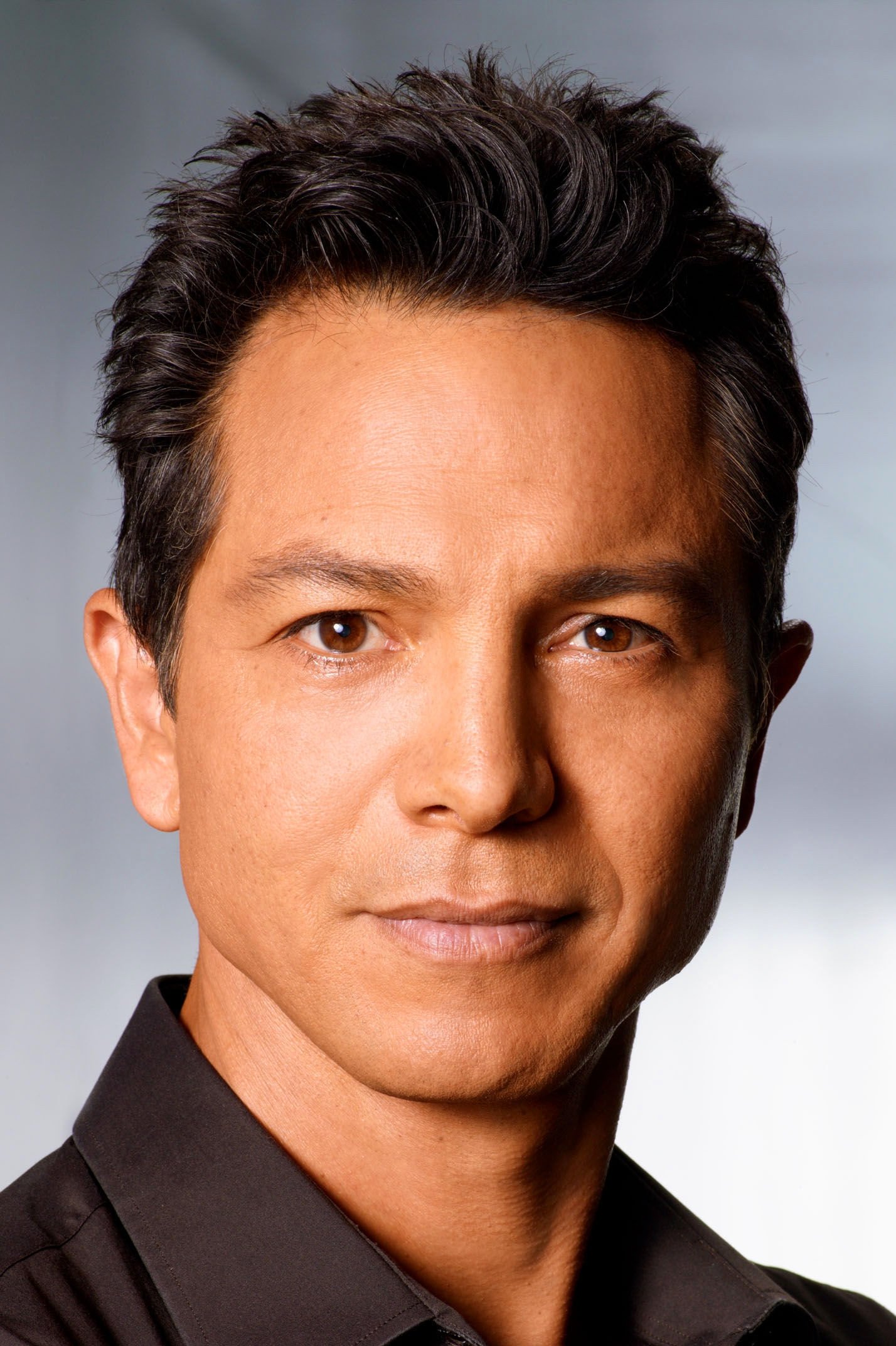
Bratt has often been cast for his ambiguous “exotic” looks, playing characters of various ethnic backgrounds based on his physical features. While this has provided work, it also commodifies his race and treats his body as a canvas for whatever ethnicity the studio needs. He has faced scrutiny regarding whether he is “Latino enough” for certain roles or too polished for others. This constant analysis of his phenotype highlights the industry’s obsession with racial performance.
Jimmy Smits
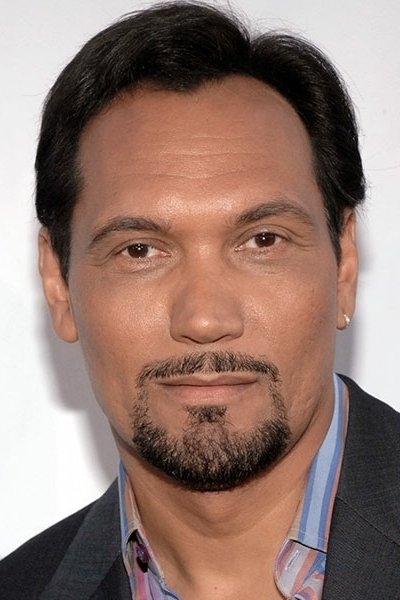
As a tall, dark, and handsome leading man, Smits broke many barriers, but he also faced the pressure of being the “model minority” representation. The industry placed the weight of representing an entire demographic on his shoulders, expecting him to maintain a flawless, dignified image at all times. This policing of his presentation meant he had little room for physical error or experimental roles that might tarnish that image. He successfully navigated this to become a TV legend, but the pressure was constant.
David Zayas
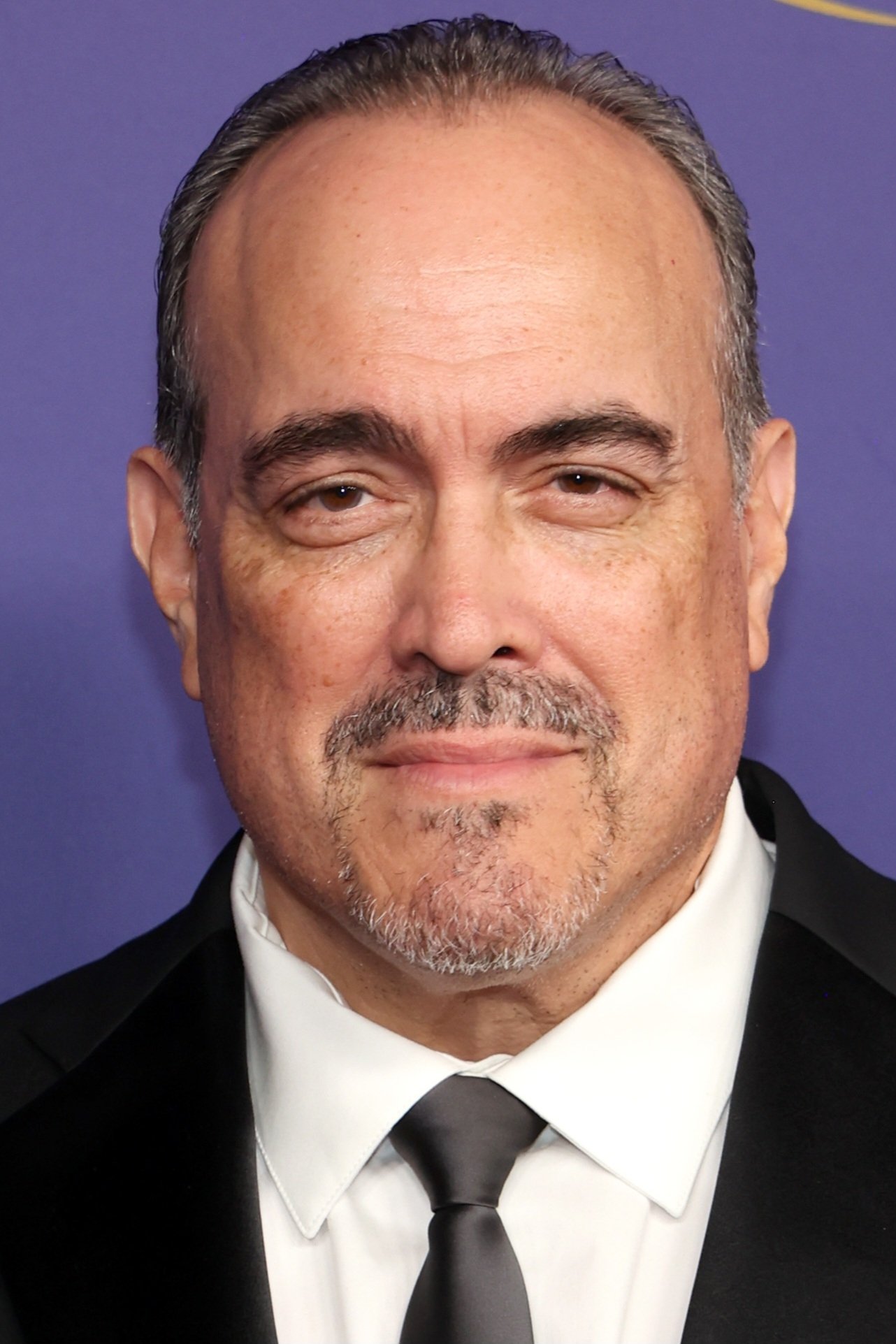
Best known as Angel Batista on ‘Dexter’, Zayas is frequently cast as law enforcement or tough guys due to his stocky build and New York intensity. The industry rarely offers roles that require vulnerability or softness to men with his physical type. This typecasting reinforces the notion that men of a certain size are only suited for authoritative or violent roles. Zayas has brought immense heart to these characters, subverting the stoic stereotype.
Emilio Rivera
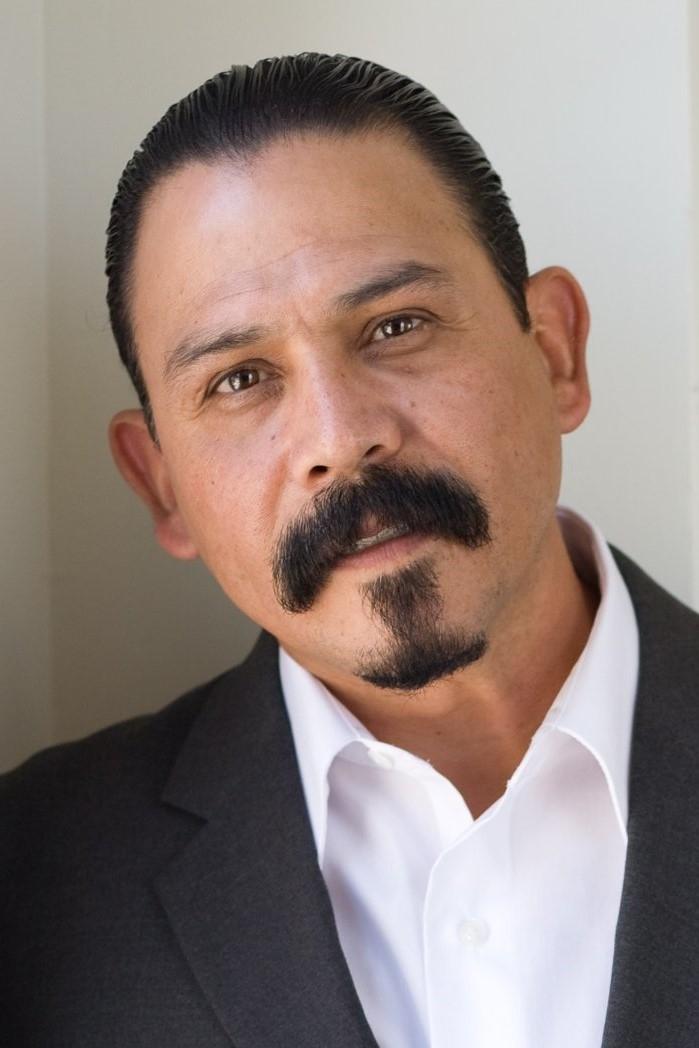
Rivera is the face of the “biker” or “cartel boss” in Hollywood, largely due to his commanding physical presence and facial features. While he brings gravitas to these roles, the industry’s refusal to see him in domestic or professional settings is a form of appearance-based exclusion. He has spoken about the desire to play fathers, lawyers, or doctors, roles often denied to actors with his “rough” aesthetic. His work in ‘Mayans M.C.’ allowed him to add layers to the archetype he is forced to inhabit.
Clayton Cardenas
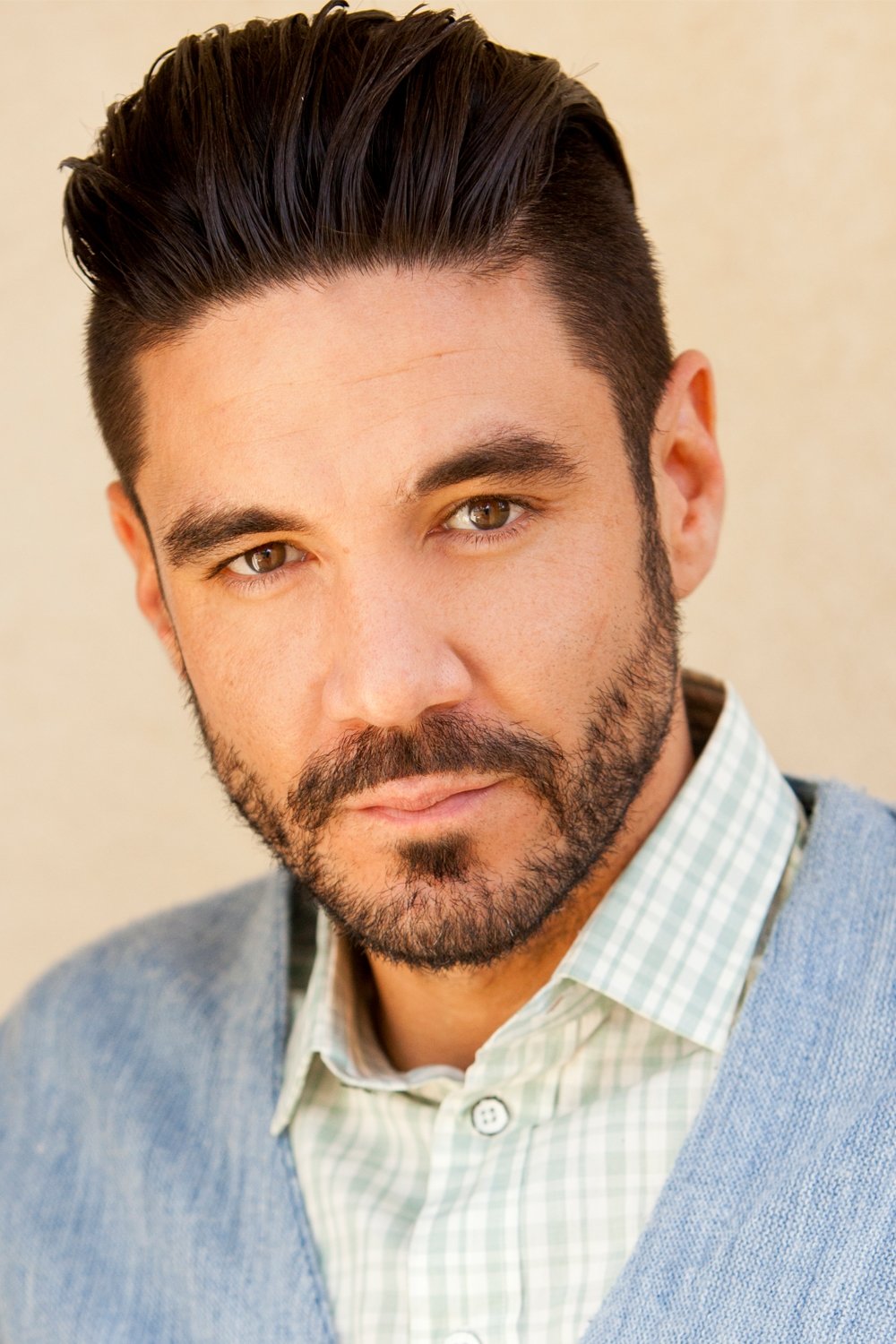
Pardo’s co-star Cardenas also faced the physical demands of the “biker” aesthetic, which requires a specific mix of muscle and grit. Cardenas has spoken about the mental health aspects of acting and the pressure to perform masculinity. The industry’s expectation for Latino men in these roles is often one of stoicism and physical dominance. Breaking that mold to show vulnerability requires fighting against the physical expectations of the audience.
Arturo Castro
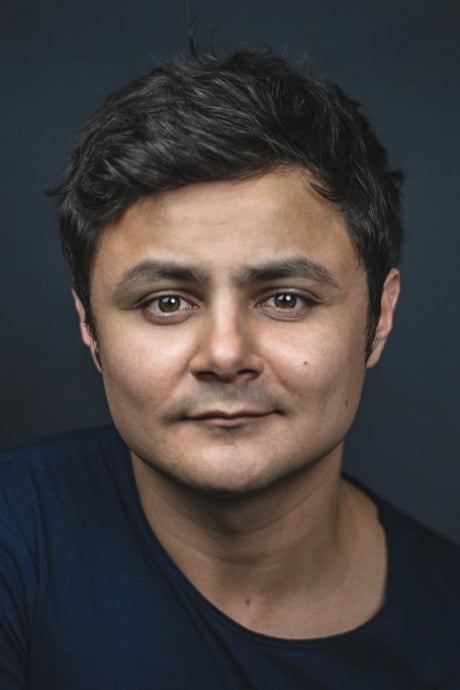
Castro, known for ‘Broad City’ and ‘Narcos’, has played with and subverted the expectations of what a Latino man looks like. He often plays characters that are softer or more eccentric, challenging the hyper-masculine stereotype. However, he still faces the industry’s confusion when a Latino actor does not fit the “gangster” or “lover” physical profile. His success lies in his ability to make his unique look a strength rather than a limitation.
George Lopez
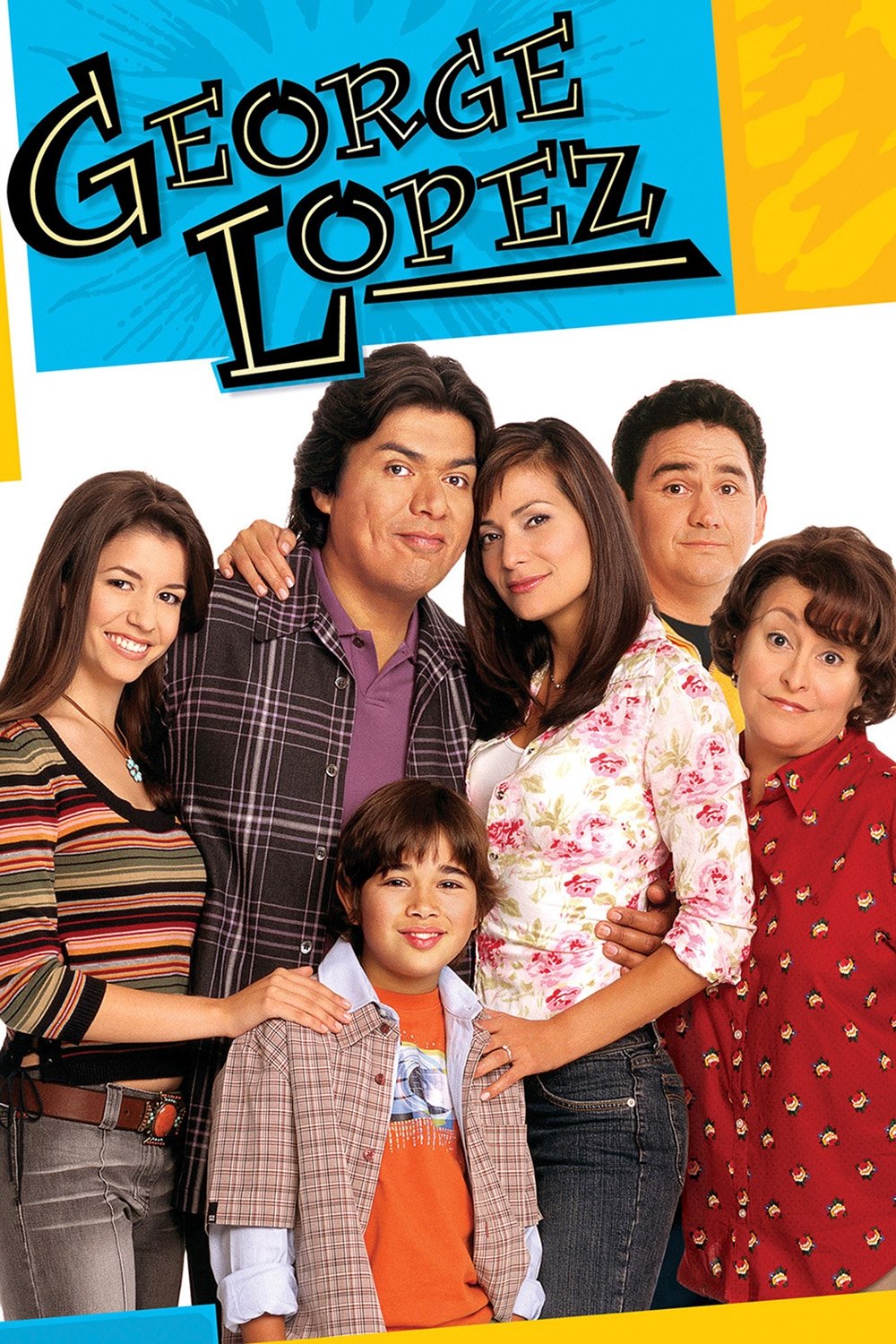
The sitcom legend has made his own head size and weight a running gag in his comedy, preempting the bullying he faced from others. However, Lopez has also faced serious health scrutiny regarding his kidney transplant and weight fluctuations over the years. The public nature of his health battles invited commentary on his body that went beyond his comedy routines. He has used his platform to raise awareness about health issues in the Latino community, turning the scrutiny into advocacy.
Colman Domingo
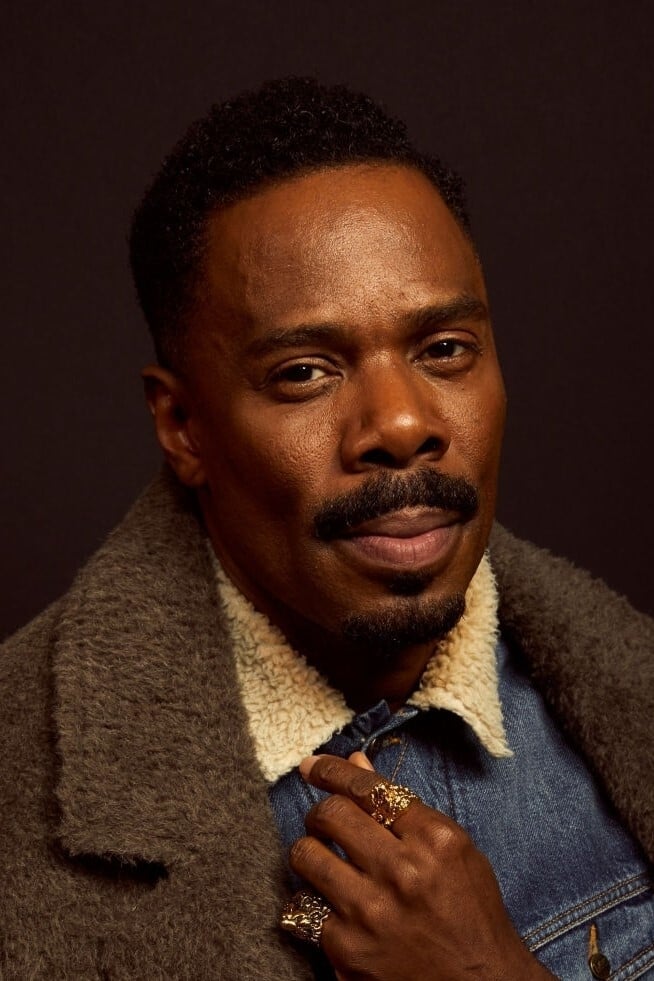
As an Afro-Latino actor, Domingo has spoken candidly about the colorism and look-based discrimination he faced for years. He was often told he didn’t “look” the part for certain Latino roles or was boxed into specific racial stereotypes. His recent rise to leading man status in his fifties challenges the industry’s obsession with youth and Eurocentric beauty standards. Domingo’s elegance and style have redefined what a Latino icon looks like on the red carpet.
Bobby Cannavale
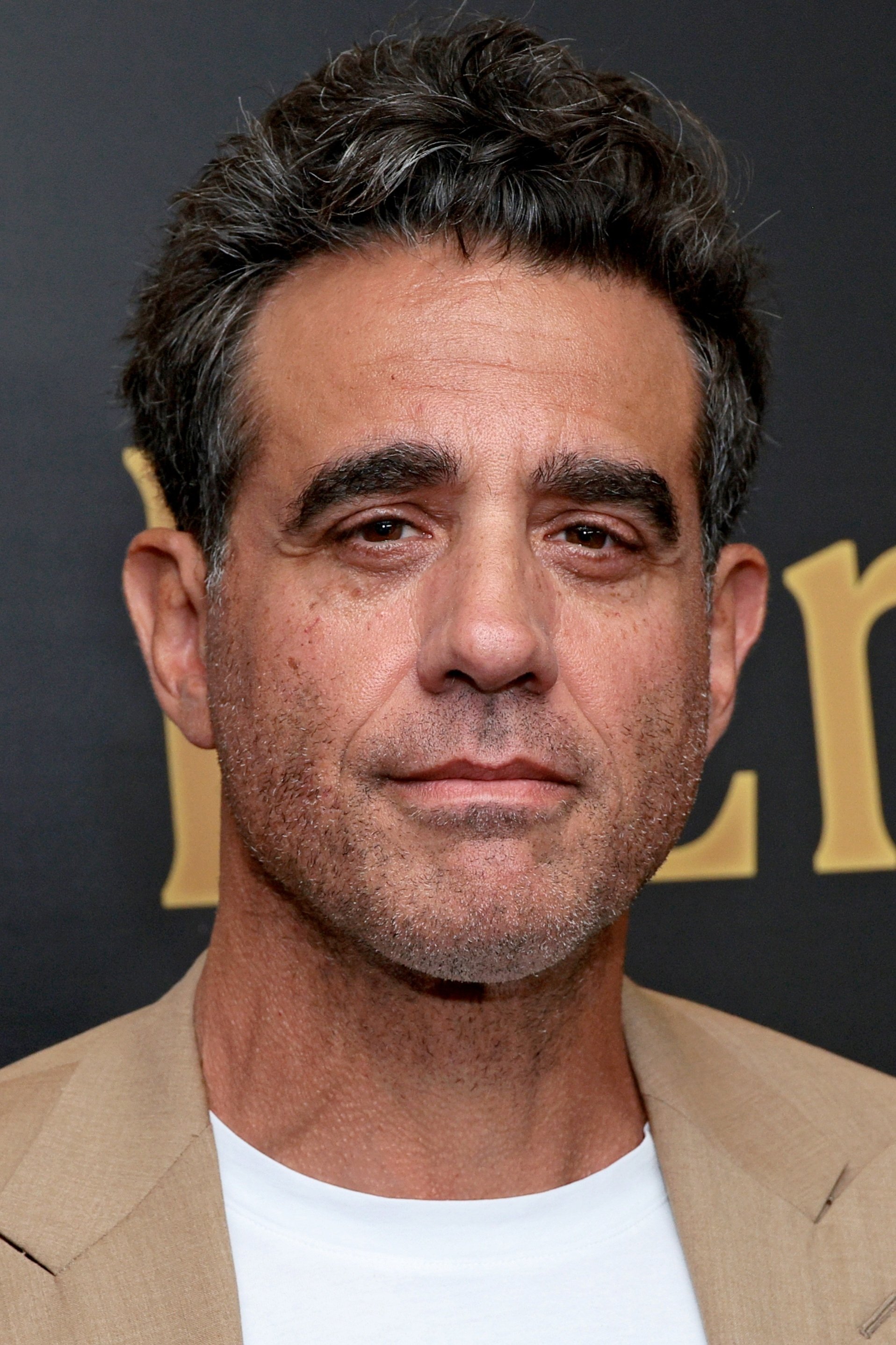
Cannavale’s imposing height and broad build have often seen him cast as the intimidating boyfriend or the heavy. While he has won Emmys for his work, the physical typecasting limits the opportunities for him to play intellectual or passive characters. He has discussed the reality of being a “character actor” in a leading man’s body. His ability to bring vulnerability to these “tough guy” roles subverts the physical expectations placed on him.
Michael Trevino
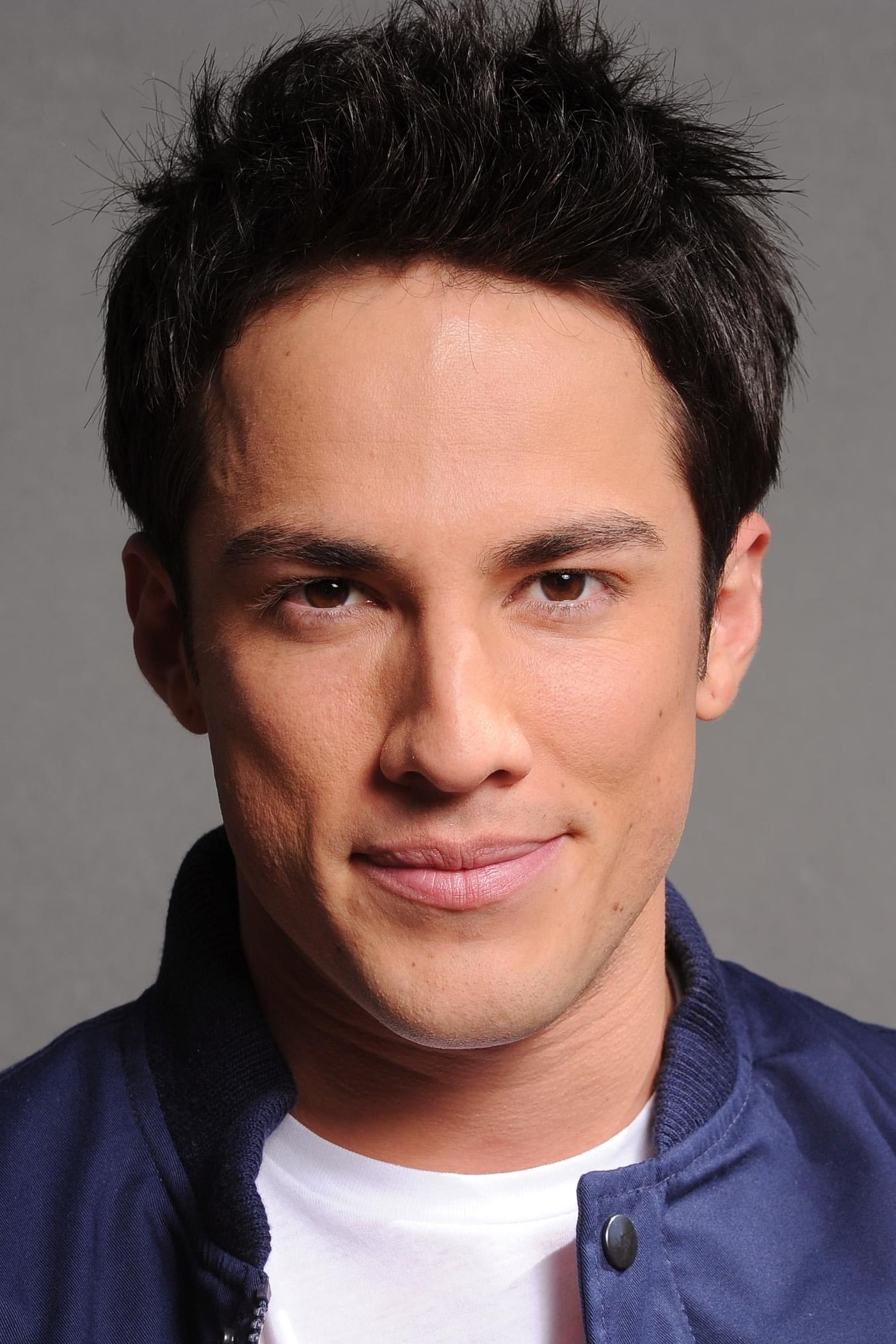
During his time on ‘The Vampire Diaries’, Trevino was part of a cast known for its attractiveness, which came with the pressure to be shirtless and toned constantly. The “CW standard” of beauty enforces a strict gym culture on its male stars. Trevino had to maintain this physique for years, often at the expense of a normal lifestyle. This objectification contributed to the show’s success but placed a heavy burden on the actors to remain visually perfect.
Mark Consuelos
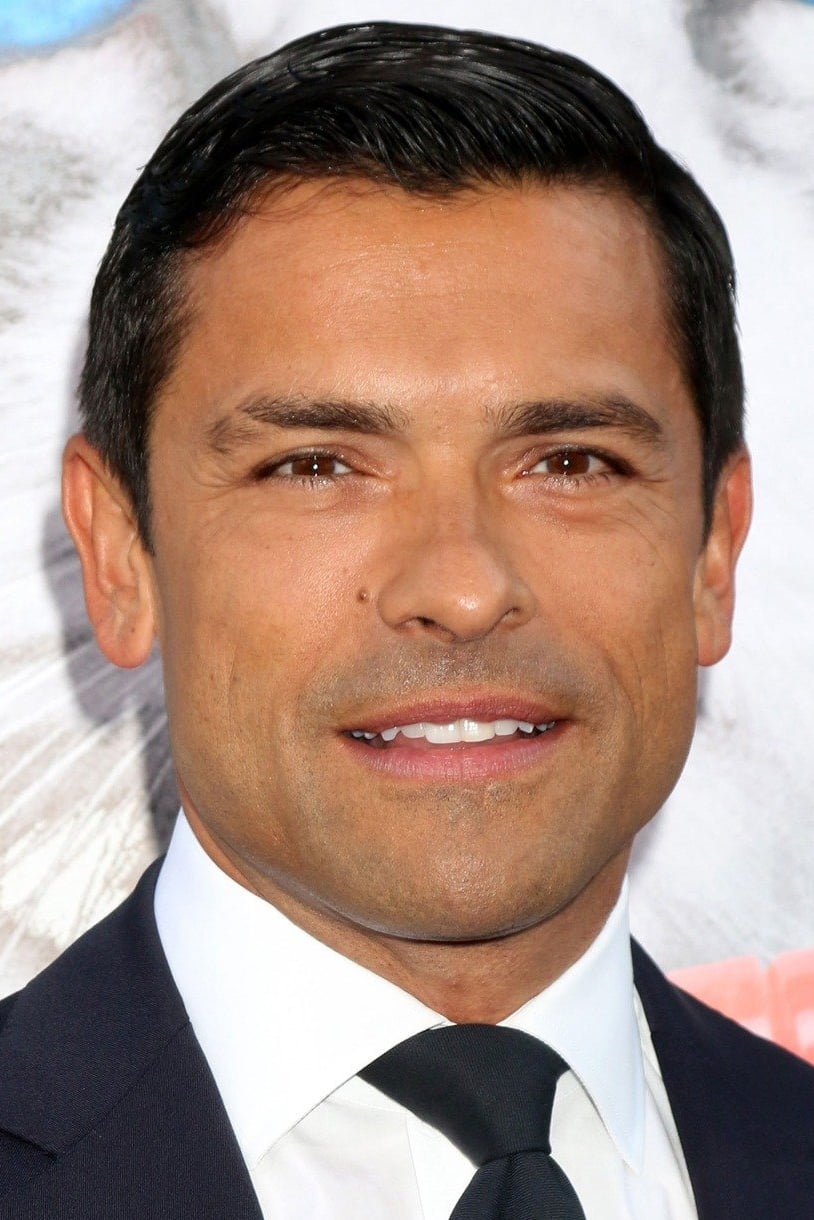
Consuelos has defied aging for decades, but this comes with an intense dedication to fitness that borders on obsession. He has often been the subject of admiration that objectifies his body, with his shirtlessness being a recurring theme in ‘Riverdale’. The pressure to look the same in his fifties as he did in his twenties is a unique burden placed on soap opera alumni. He continues to maintain this standard, reinforcing the high bar for Latino men in TV.
Frankie J. Alvarez
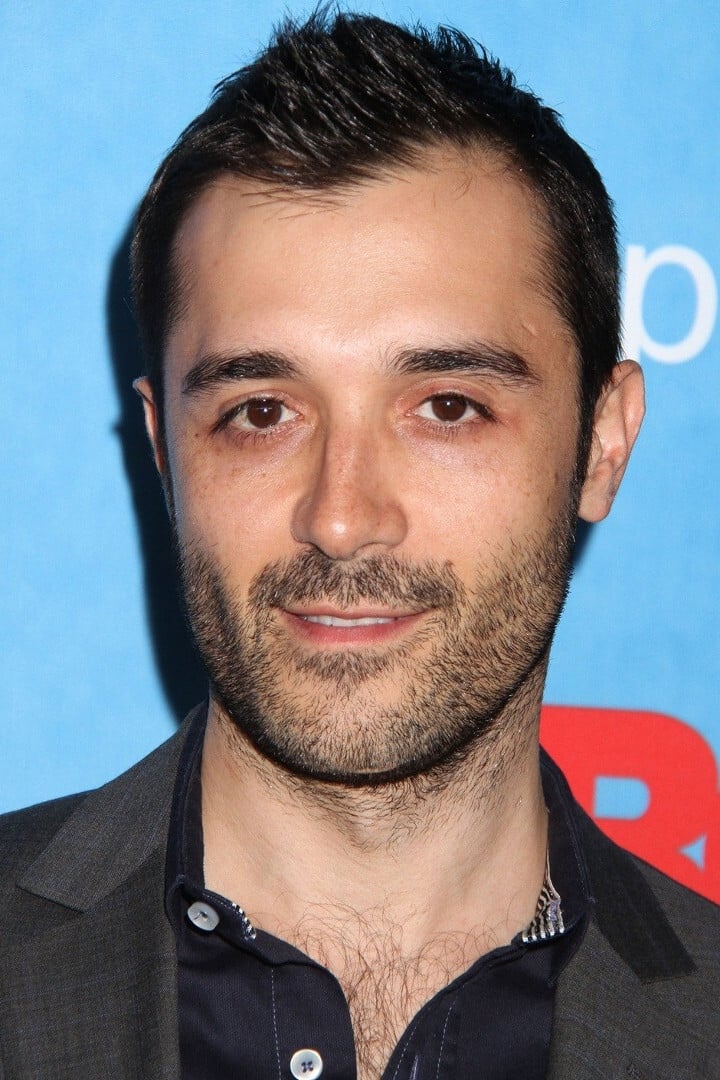
The ‘Looking’ actor has been open about the body image pressures within the gay community and Hollywood simultaneously. Playing a character in a show centered on gay life meant his body was subject to the specific gaze of that demographic. He dealt with the expectations of what a “desirable” Latino man should look like in that context. His performance was praised for its authenticity, even as he navigated these layered physical expectations.
Juan Pablo Di Pace
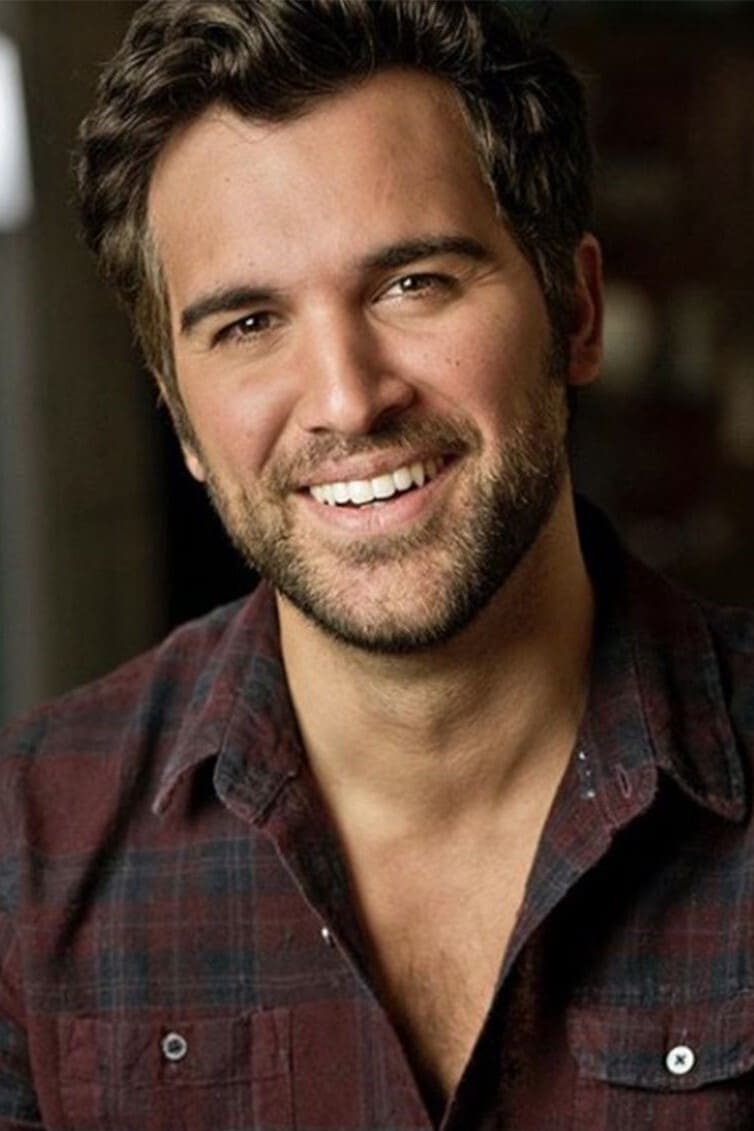
Di Pace played the “Latin Lover” Fernando in ‘Fuller House’, a role that explicitly parodied and reinforced the stereotype. He was required to be the accent-heavy, sexy foreigner, a trope that reduces the actor to a fetishized object. While he played the role with charm, it highlights the limited scope of roles available to men with his look. He has since worked to showcase his directing and writing skills to move beyond the handsome caricature.
Rico Rodriguez
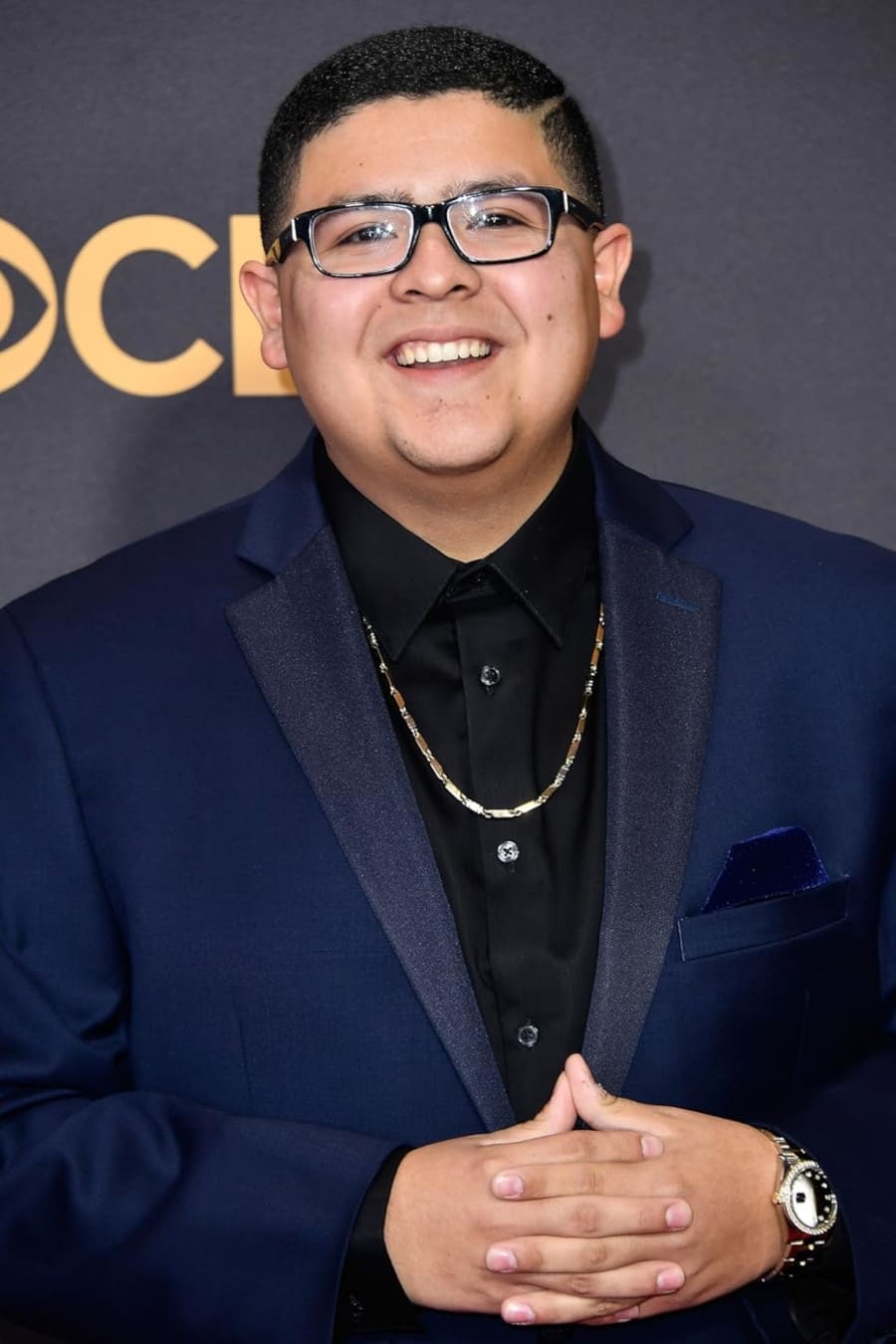
Growing up as Manny Delgado on ‘Modern Family’, Rodriguez faced vicious online bullying regarding his weight throughout his childhood and adolescence. Social media users frequently targeted the child actor with hateful comments as he went through puberty on camera. The writers eventually incorporated his unique personality into the show, but the external abuse was a heavy burden for a young performer. His resilience in the face of such public shaming remains an inspiration for young actors who do not fit the traditional mold.
The pressure to conform to Hollywood’s physical standards affects actors of all backgrounds, but Latino men face a unique intersection of stereotypes and expectations. Share your thoughts on how these actors have handled these challenges in the comments.

