Mark Ruffalo Tells California’s Attorney General: ‘Don’t You Dare’ Settle the Paramount Megamerger Suit


Hollywood’s fight over media consolidation has simmered for months, but it rarely spills into the kind of direct, public confrontation actors typically avoid with sitting government officials. That’s exactly what’s happening now, as one of the industry’s most consistently outspoken stars decided the moment called for something louder than a quiet statement.
The target of his message wasn’t a studio executive or a fellow celebrity, but California’s own attorney general, whose office has spent months leading the legal fight against one of the largest media mergers in recent memory. With reports suggesting a settlement could be close, the pressure campaign just got a major boost in visibility.
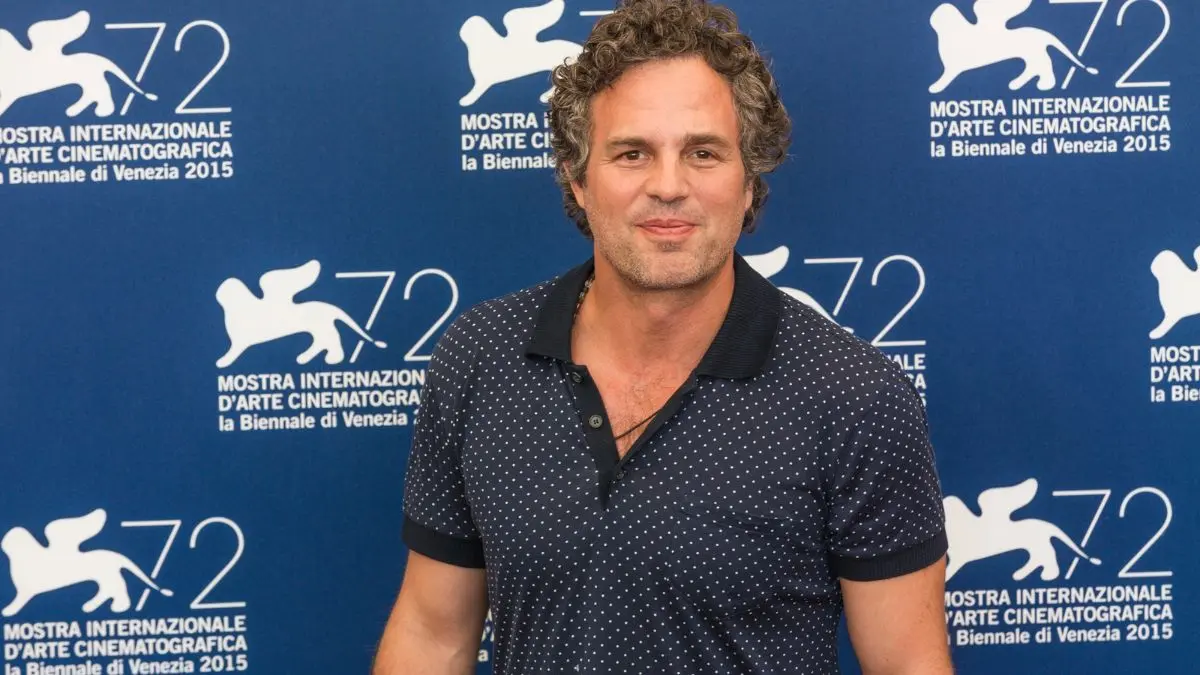
Mark Ruffalo is encouraging California Attorney General Rob Bonta not to settle the antitrust lawsuit against Paramount Skydance, posting, “Don’t you dare, [Rob Bonta], do not cave. 5,670 filmmakers put their necks on the line for you to fight this merger. Another 75,000+ and counting have signed to tell you not to concede in just 3 weeks. You work for the people — the very people who will be hurt if you let this lousy deal filled with empty promises go forward. Please sign to send a message to the AGs and Paramount. Reject the deal. The people don’t want it!”
Ruffalo’s message leaned heavily on specific figures meant to demonstrate broad industry opposition to the deal, citing 5,670 filmmakers who have publicly spoken out against the merger alongside more than 75,000 additional petition signatures gathered in just three weeks. Those numbers are being used to frame settling the case as a politically costly move for an elected official who, as Ruffalo put it, “works for the people.”
That kind of organized pressure campaign is designed to make continuing litigation feel like the safer path for Bonta’s office, rather than accepting a negotiated settlement that critics argue would let Paramount avoid real judicial scrutiny. Whether that pressure translates into an actual change in strategy remains to be seen.
Don’t you dare @AGRobBonta, do not cave. 5670 film makers put their necks on the line for you to fight this merger. Another 75,000+ and counting have signed to tell you not to concede in just 3 weeks. You work for the people — the very people who will be hurt if you let this…
— Mark Ruffalo (@MarkRuffalo) September 19, 2026
The underlying lawsuit centers on Paramount Skydance’s proposed $111 billion acquisition of Warner Bros. Discovery, with Bonta leading a coalition of 12 state attorneys general challenging the deal under antitrust law. The suit alleges the merger would substantially lessen competition across wide-release theatrical film distribution, top-grossing blockbuster films, and basic cable channel licensing.
Bonta’s office has argued that a combined Paramount-Warner Bros. would control roughly 27 percent of wide-release theatrical distribution, leaving just three distributors in control of 75 percent of the market. In a statement, Bonta warned the merger “would lead to higher prices, lower quality, and less content for film and television, harming movie theaters, basic cable distributors, and ultimately, audiences on every sofa and movie theater seat in the U.S.”
Reports of advanced settlement negotiations between Paramount Skydance and Bonta’s office have raised concerns among the merger’s opponents that a deal could bypass the trial altogether, currently scheduled for March 2027 in Oakland federal court. Critics like Ruffalo argue that a trial would force Paramount to actually prove in court that the merger wouldn’t harm competition, while a settlement would let the company negotiate its own concessions without that same level of scrutiny.
Notably, the U.S. Department of Justice cleared the merger back in June, meaning the state-level lawsuit currently represents the primary remaining legal obstacle standing in the deal’s way. That dynamic has raised the stakes considerably for whichever path Bonta’s office ultimately chooses.
Ruffalo isn’t alone in pushing back against a potential settlement, with Senator Elizabeth Warren also publicly urging Bonta not to settle, citing broader concerns about media consolidation and its competitive harms. That combination of political and celebrity pressure adds an unusual layer of public scrutiny to a case that would otherwise likely be playing out largely behind closed doors.
With settlement talks reportedly advancing and a trial date still months away, the coming weeks could prove decisive in determining whether this fight plays out in a courtroom or ends through negotiation instead.
Should California’s attorney general take the Paramount-Warner Bros. Discovery merger case to trial rather than settle?
Have something to add? Let us know in the comments.