


Method Acting Transformations That Went Too Far

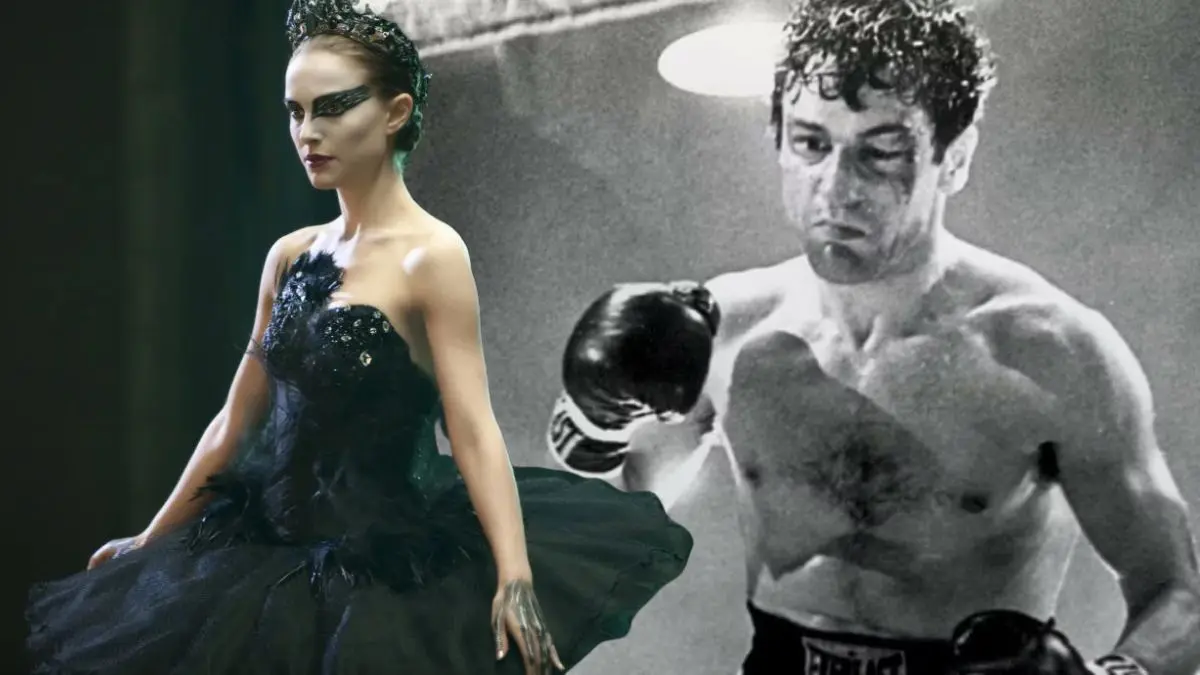


Method acting has a long history in film, and some performers push their preparation into places that become hard to ignore. The results often show up on screen in striking ways, but the steps taken to get there can involve intense weight changes, risky stunts, or behavior that blurs the line between performance and everyday life. These are the cases that drew attention for the toll they took on bodies, schedules, and crews.
Each entry below focuses on concrete choices actors made and the practical effects of those choices. You will see details on diets, training, on set incidents, and recovery, along with a quick note on who brought each film to theaters. The aim is to document what happened so readers can understand the scale of the commitment.
Christian Bale in ‘The Machinist’ (2004)
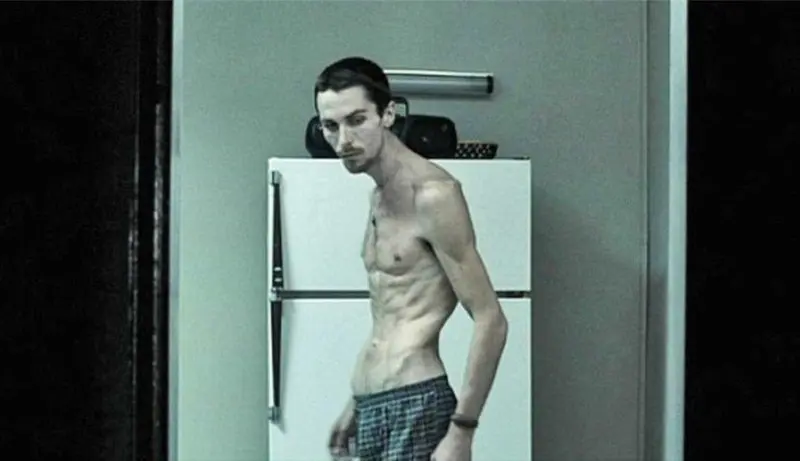
Christian Bale adopted a near starvation routine for months to play insomniac Trevor Reznik in ‘The Machinist’. He reportedly limited himself to minimal daily calories and dropped to an emaciated frame, which created challenges for continuity, wardrobe, and health monitoring during production. His scenes emphasize pronounced clavicles and a gaunt face that came from real weight loss rather than prosthetics. In the United States, the film was released by Paramount Classics.
Production managed short shooting days and frequent medical check ins to keep the schedule intact while the actor maintained his reduced weight. Bale later had to rebuild mass quickly to prepare for his next role, which required careful supervision to avoid long term effects. The transformation became a frequent reference point for extreme physical preparation, and the film’s release by Paramount Classics helped bring a small independent project to wider attention.
Joaquin Phoenix in ‘Joker’ (2019)

Joaquin Phoenix undertook a strict weight loss plan to play Arthur Fleck in ‘Joker’. He worked with medical oversight while dropping dozens of pounds, which altered his posture, gait, and facial structure. The production timed rehearsal and shooting to match his diet plan so scenes that depended on a particular look were grouped together. Warner Bros. Pictures released the film in theaters.
Phoenix also developed a contorted dance and physical vocabulary that came from practicing in rehearsal rooms with mirrors, which required additional camera testing to capture safely. Crew members adjusted blocking to accommodate his reduced stamina during the most demanding takes. The combination of weight loss and intense physical control became central to the film’s unsettling mood, which reached audiences worldwide through Warner Bros. Pictures.
Leonardo DiCaprio in ‘The Revenant’ (2015)
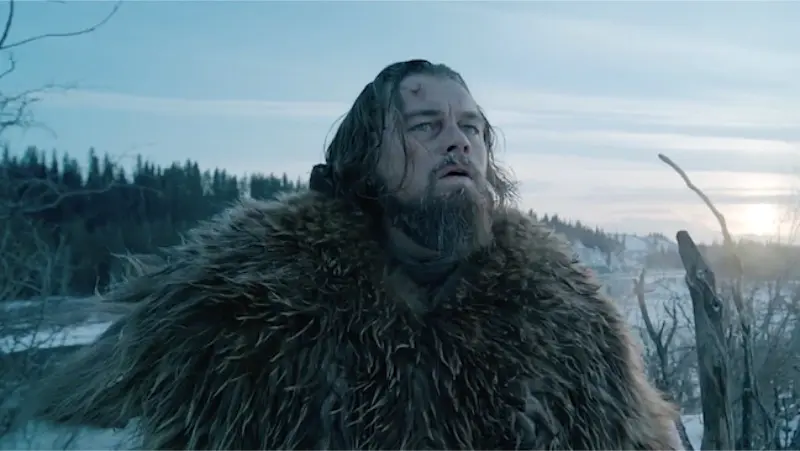
Leonardo DiCaprio carried out a survival regimen for ‘The Revenant’ that included wading into freezing rivers, wearing heavy wet furs, and eating a raw bison liver for authenticity. The shoot took place in remote locations with natural light, which extended days and required contingency plans for hypothermia and injury. The film was released to theaters by 20th Century Fox.
The crew scheduled safety briefings for river crossings and staged long treks that demanded repeated takes in subzero conditions. DiCaprio’s physical strain is evident in breath plumes and chapped skin captured in close ups, which came from the real environment rather than effects. This approach aligned with the production’s documentary like realism and reached a wide audience through the Fox distribution pipeline.
Robert De Niro in ‘Raging Bull’ (1980)
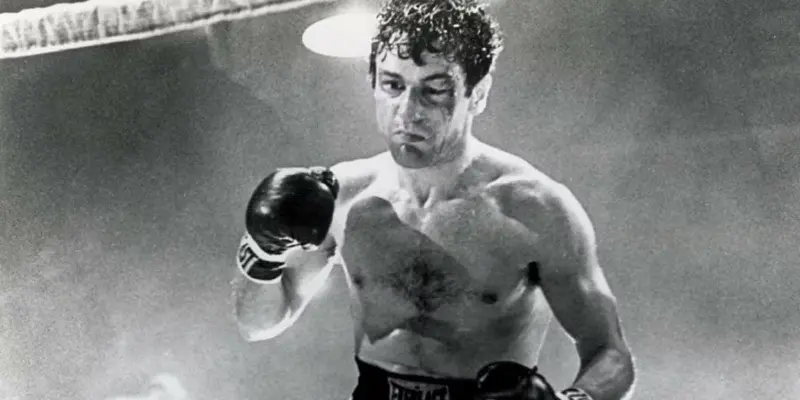
Robert De Niro gained a significant amount of weight between fight sequences and later life scenes in ‘Raging Bull’. Production paused for months so he could transition from a trained boxer’s build to the heavier look of an aging Jake LaMotta, which introduced scheduling and budget complications. United Artists handled the film’s theatrical release.
The makeup team updated facial features and wardrobe to match the added weight, while camera teams reworked lens choices to maintain continuity with earlier scenes. Trainers and medical staff monitored the return to a normal routine after the shoot. The visible contrast across the film reflects choices made in real time, and United Artists brought that challenging structure to screens across the country.
Robert De Niro in ‘Taxi Driver’ (1976)

For ‘Taxi Driver’, Robert De Niro obtained a taxi license and drove cabs in New York City to learn routes and habits. He trained with firearms under supervision and studied journals to shape the routine of a night shift driver. The production balanced these preparations with a tight schedule in busy urban locations. Columbia Pictures released the film in theaters.
Shooting on actual streets required coordination with city authorities while De Niro stayed close to the character’s isolation between setups. The actor’s preparation influenced the pacing of scenes inside the cab, where improvisation came from knowledge of the vehicle and the job. Columbia Pictures’ release helped carry an uncompromising urban portrait to a national audience.
Daniel Day-Lewis in ‘My Left Foot’ (1989)
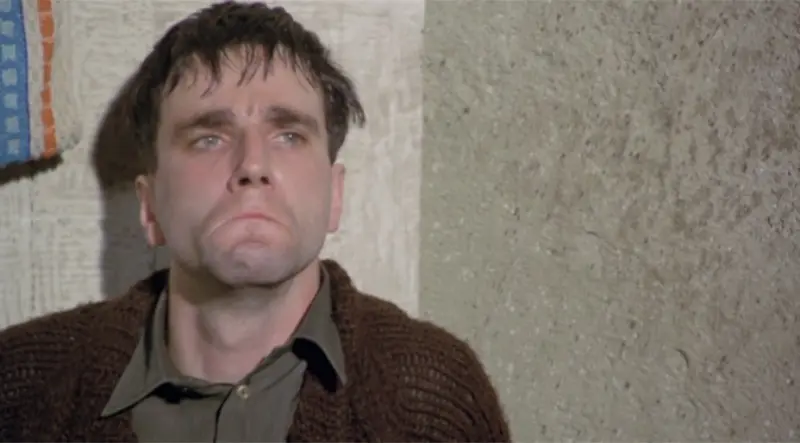
Daniel Day-Lewis remained in a wheelchair on and off camera for ‘My Left Foot’ and spoke only in character. Crew members moved him between setups, and he ate meals as the character would, which slowed production but preserved consistency in performance. Miramax Films released the film in the United States.
Extended time in a twisted posture led to physical strain that required medical attention during and after the shoot. The production arranged additional breaks and modified sets to accommodate the chair and the actor’s limited mobility. The level of immersion shaped every scene, and Miramax Films’ release brought a small biographical drama to a wider audience.
Natalie Portman in ‘Black Swan’ (2010)
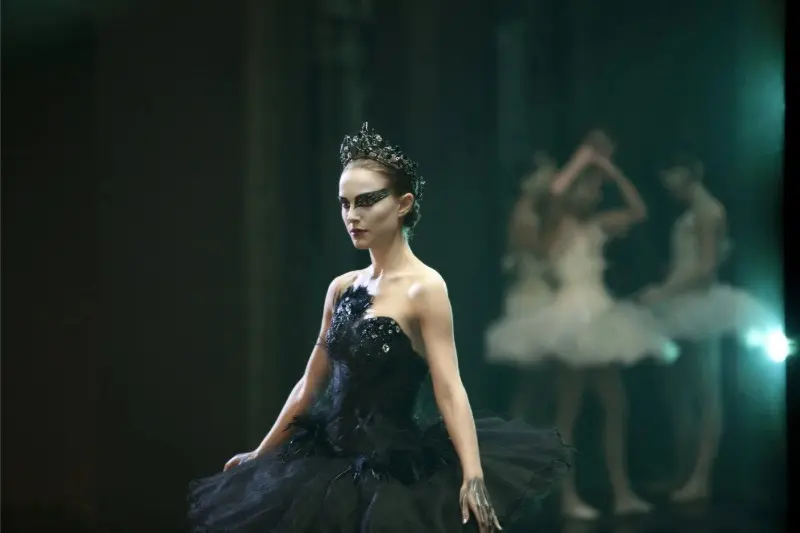
Natalie Portman trained for months with ballet coaches and reduced her weight for ‘Black Swan’. She rehearsed several hours a day and practiced pointe work to perform extended takes without a stand in for many shots. The film reached theaters through Fox Searchlight Pictures.
The intense schedule resulted in injuries that included a rib issue, and production adjusted choreography and shooting order while she recovered. Camera operators adapted to long takes that preserved breath patterns and muscle tremors that came from real exertion. Fox Searchlight Pictures supported a platform release that helped the film grow by word of mouth.
Jake Gyllenhaal in ‘Nightcrawler’ (2014)
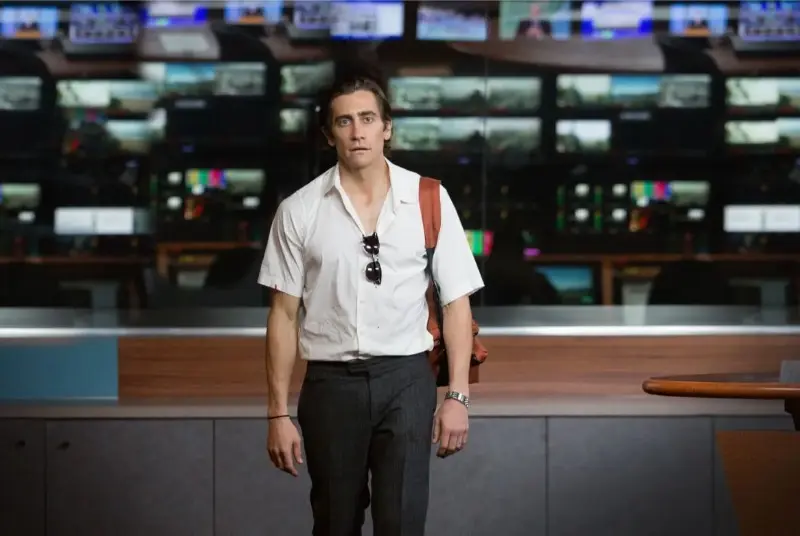
Jake Gyllenhaal lost weight through rigorous exercise and calorie restriction to play Lou Bloom in ‘Nightcrawler’. He adopted a nocturnal routine that matched the character’s overnight work, arriving on set with minimal sleep to keep his eyes sunken and his energy wired. Open Road Films released the movie in the United States.
During one scene he punched a mirror, cut his hand, and required stitches, after which production quickly reset to minimize downtime. The crew also adjusted lighting to accentuate his sharper cheekbones and restless movements. The lean look and real injury became part of the film’s texture, which Open Road Films carried into wide release.
Jim Carrey in ‘Man on the Moon’ (1999)
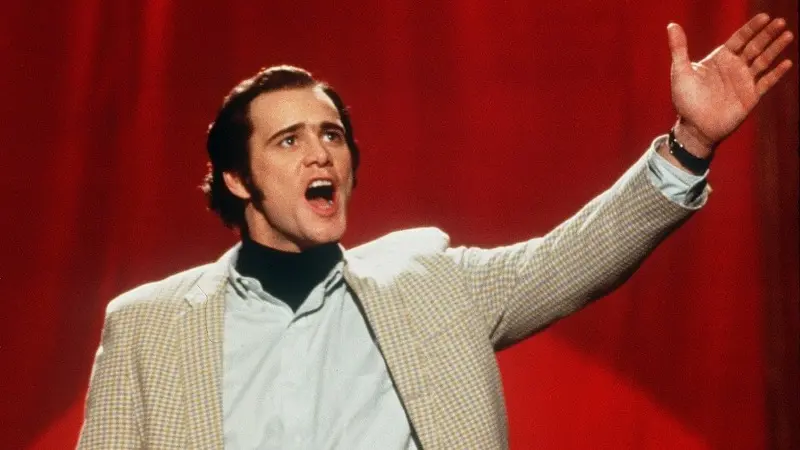
Jim Carrey stayed in character as Andy Kaufman and alter ego Tony Clifton for ‘Man on the Moon’. He asked cast and crew to address him as Andy and maintained character between takes, which affected scheduling and interactions on set. Universal Pictures released the film in theaters.
The production navigated surprise appearances by Tony Clifton at locations and press events, which required additional security and contingency plans. Carrey’s approach extended into post production publicity where he continued to present as Kaufman for interviews. Universal Pictures supported these choices while coordinating a mainstream release strategy.
Matthew McConaughey and Jared Leto in ‘Dallas Buyers Club’ (2013)
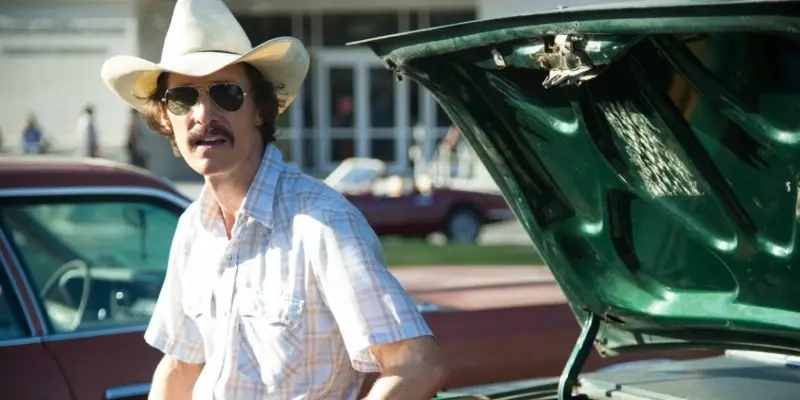
Matthew McConaughey and Jared Leto pursued extensive weight loss for ‘Dallas Buyers Club’. McConaughey followed a strict diet to portray Ron Woodroof’s decline, while Leto lost a substantial amount of weight and removed body hair to portray Rayon. Focus Features released the film in the United States.
The shoot used precise wardrobe sizing and frequent fittings to reflect changes in body shape across the timeline. Makeup teams tracked lesions and pallor with continuity charts to match medical progression scene by scene. Focus Features paired the difficult subject matter with a careful platform rollout.
Share the transformation that surprised you most in the comments and tell us which other method performances you think belong here.

