


15 Most Disturbing TV Character of All Time




Television has introduced characters whose actions reshape entire stories and leave lasting cultural footprints. Many of them are central to crime arcs, political power plays, or psychological thrillers, and their choices push plots into territory that is hard to forget. These roles often sit at the center of investigations, trials, and coverups, and they draw on real world procedures, forensics, and institutional responses.
This list gathers TV characters known for acts that include manipulation, coercion, serial violence, and systemic abuse. Each entry focuses on concrete details such as occupations, relationships, criminal methods, and key story beats within their shows. You will find casting information, narrative functions, and the ways each character influences other major players across seasons.
Hannibal Lecter from ‘Hannibal’
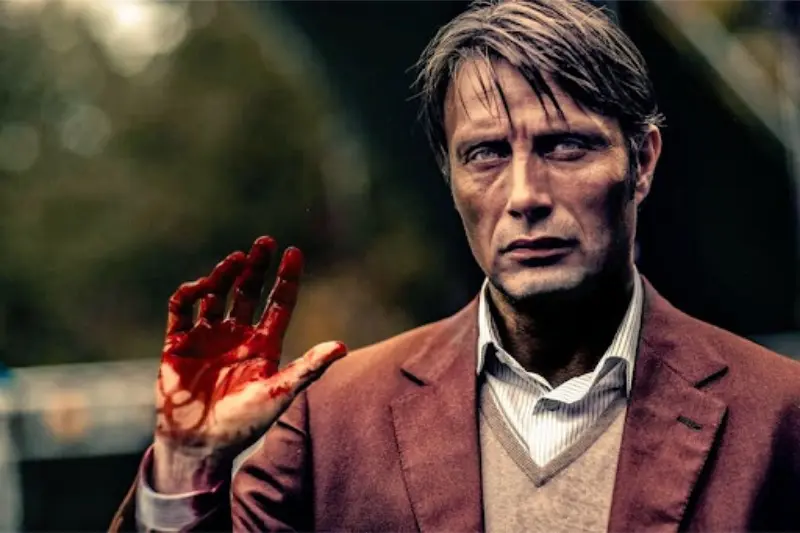
Hannibal Lecter is a forensic psychiatrist who secretly operates as a cannibalistic serial killer in the NBC series ‘Hannibal’. Played by Mads Mikkelsen, the character is adapted from Thomas Harris novels and placed into a procedural framework where he works with FBI profiler Will Graham under the supervision of Jack Crawford. The show explores therapy sessions, crime scene analysis, and the use of profiling techniques while the doctor maintains a double life.
Across the series he prepares elaborate meals using human remains, manipulates patients and colleagues, and engineers scenarios that compromise investigations. Storylines follow his influence over Will, his complex ties to Abigail Hobbs, and his careful planning during escapes and relocations. The production emphasizes culinary design, classical music, and surgical knowledge to document his methods.
Kilgrave from ‘Jessica Jones’
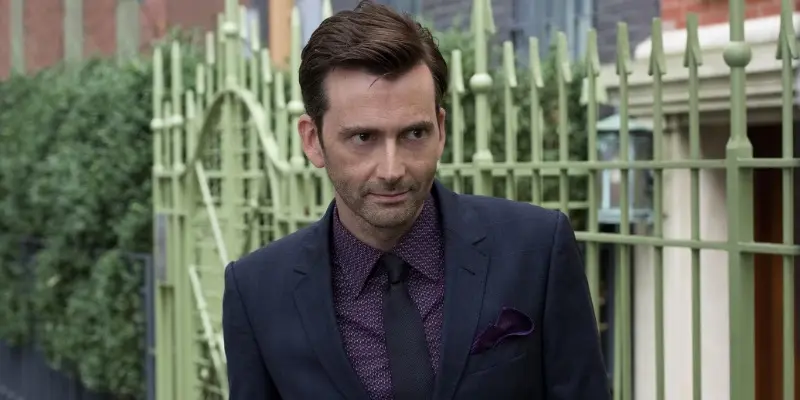
Kilgrave is a man with the ability to control others through commands in ‘Jessica Jones’. Portrayed by David Tennant, the character grew up as Kevin Thompson and underwent medical experiments that amplified his condition. The series shows police procedures, witness statements, and the challenge of building a case when victims have been compelled to act against their will.
His fixation on Jessica drives major arcs that involve hostage scenarios, coerced crimes, and citywide threats. Episodes document the use of audio recordings, antidote research, and containment strategies as the team tries to limit his range. The show presents the legal and ethical hurdles that arise when consent is removed by a biological effect.
Joffrey Baratheon from ‘Game of Thrones’

Joffrey Baratheon is crowned King of the Seven Kingdoms in ‘Game of Thrones’ and is played by Jack Gleeson. His parentage and claim to the throne are key to power shifts in King’s Landing. He orders public punishments and executions that change the balance among noble houses and the City Watch.
His scenes track the use of crossbows, court hearings, and royal decrees that impact hostages and alliances. A pivotal wedding feast brings his reign to an abrupt end through poisoning, which triggers investigations and retaliations that reach across several regions. The fallout drives trials, escapes, and changes in regency.
Ramsay Bolton from ‘Game of Thrones’
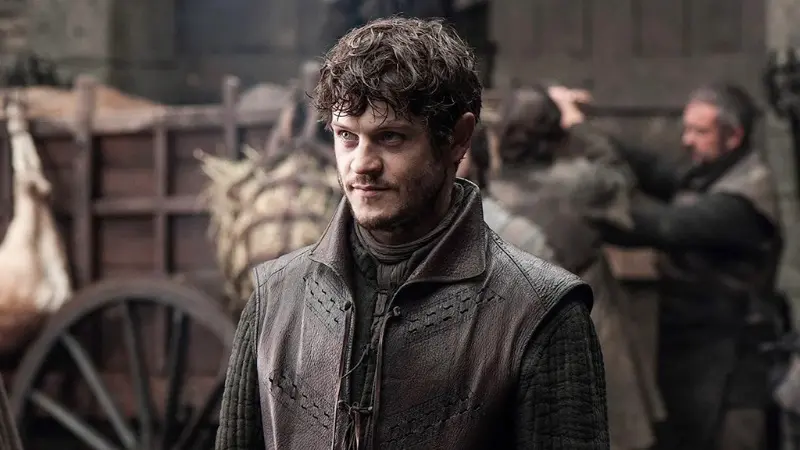
Ramsay Bolton, portrayed by Iwan Rheon, rises from bastard status to become a lord in ‘Game of Thrones’. His tactics include torture, forced identity changes, and the use of hunting hounds, all of which are depicted within the laws and customs of the North. He consolidates power through arranged marriages and strategic betrayals.
Key plotlines involve the capture and breaking of Theon Greyjoy, the murder of rivals within his own house, and the use of psychological warfare before battles. His actions impact control of Winterfell and shape the military response of several armies. The show documents how his choices affect supply lines, morale, and civilian safety.
Lorne Malvo from ‘Fargo’
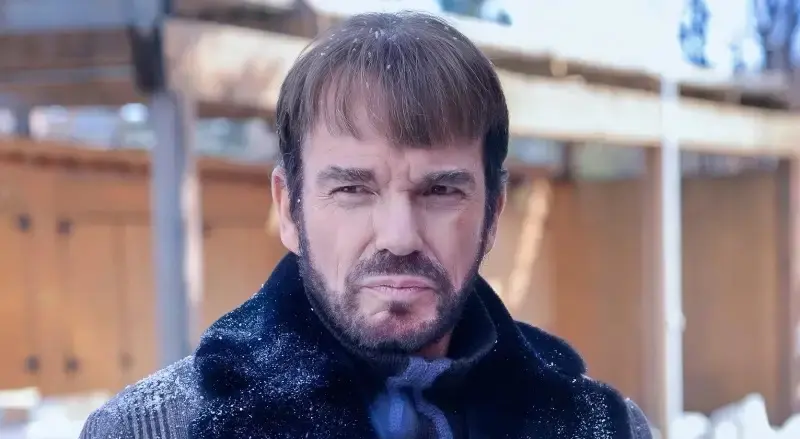
Lorne Malvo is a contract killer and drifter played by Billy Bob Thornton in ‘Fargo’. He arrives in Minnesota and sets off a chain of crimes that involve insurance fraud, corporate theft, and multi state pursuit. The character assumes false identities and uses social engineering to bypass security.
Investigators such as Molly Solverson and Gus Grimly track his movements through traffic stops, case files, and surveillance. The story records how Malvo exploits gaps between jurisdictions and how a single meeting with Lester Nygaard cascades into murders and coverups. His return under a new identity demonstrates long term planning that outlasts initial investigations.
Arthur Mitchell from ‘Dexter’
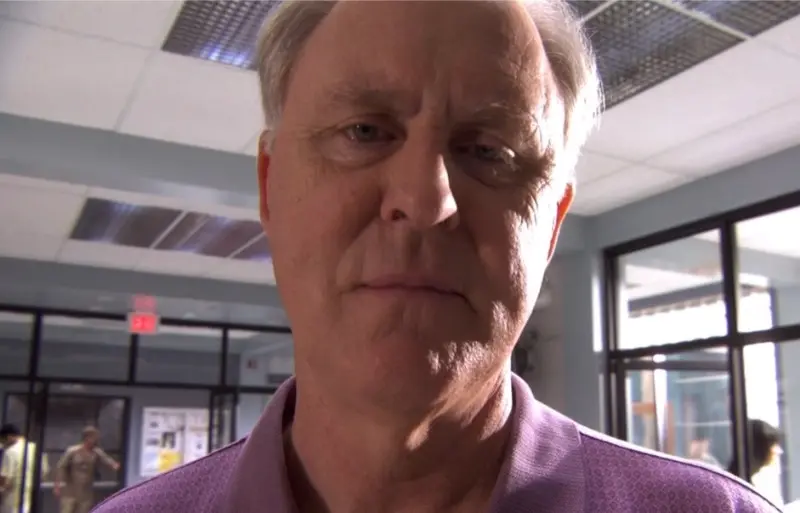
Arthur Mitchell, known as the Trinity Killer, is a church volunteer and family man in ‘Dexter’ played by John Lithgow. He follows a ritual pattern that repeats across cities, with sequences that mirror trauma from his youth. Law enforcement identifies cycles and timelines through cold case reviews and interagency cooperation.
His interactions with Dexter Morgan bring him into community projects and charity work that mask travel and stalking. The season documents victimology, crime scene signatures, and the use of forensics to connect distant murders. A final act inside Dexter’s home life becomes one of the show’s most consequential turning points.
Lalo Salamanca from ‘Better Call Saul’
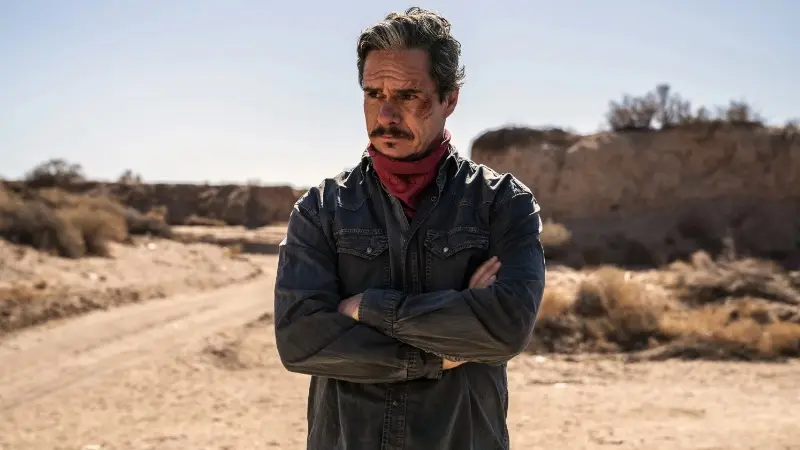
Lalo Salamanca, portrayed by Tony Dalton, is a cartel lieutenant in ‘Better Call Saul’. He enters the story during a leadership struggle and quickly targets anyone linked to Gustavo Fring. The character uses charm, legal maneuvers, and sudden violence to disrupt construction of an underground meth lab.
Major episodes follow his trip to Germany, his search for Werner Ziegler’s crew, and his confrontation with Jimmy McGill and Kim Wexler. A pivotal night ends with the death of Howard Hamlin in an apartment visit that is later concealed. The final showdown places him in the excavation site where he attempts to document the lab before a shootout.
Gustavo Fring from ‘Breaking Bad’ and ‘Better Call Saul’
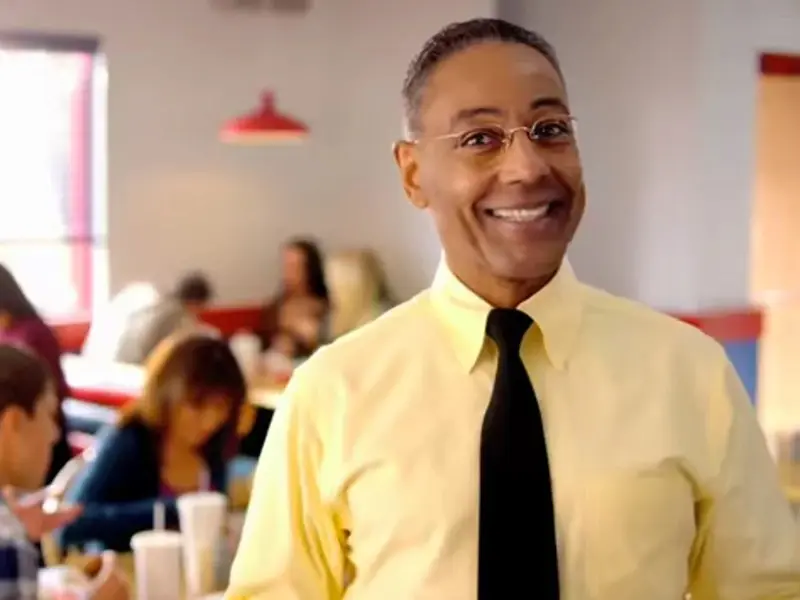
Gustavo Fring is a fast food executive and drug distributor played by Giancarlo Esposito in ‘Breaking Bad’ and ‘Better Call Saul’. He operates Los Pollos Hermanos and a distribution network that spans multiple states. His public donations and community ties provide cover while he builds a high capacity superlab.
Key sequences include the box cutter killing of an employee to enforce discipline and the poisoning of cartel leadership. In the prequel he supervises engineers, manages supply chains, and evades surveillance from the Salamancas and law enforcement. His feud with Hector Salamanca concludes with an explosive device placed in a nursing home visit.
Homelander from ‘The Boys’
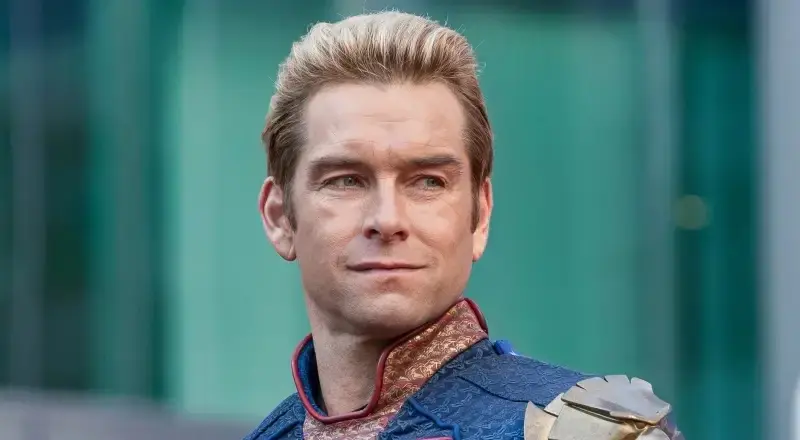
Homelander, portrayed by Antony Starr, leads the superhero team known as The Seven in ‘The Boys’. He flies, projects heat vision, and maintains a media image managed by Vought International. The show details how corporate marketing, nondisclosure agreements, and staged rescues shield the team from consequences.
Notable arcs include the crash of Flight 37, the death of executive Madelyn Stillwell, and the politicization of his public rallies. The series tracks his relationship with his son Ryan and the impact on government oversight. Evidence handling, leaks, and court efforts appear as recurring tools used by those who resist him.
Villanelle from ‘Killing Eve’

Villanelle is a multilingual contract killer played by Jodie Comer in ‘Killing Eve’. She works for a network known as The Twelve and completes assignments across Europe using disguises and unconventional weapons. Her handler Konstantin mediates contacts and payments while she navigates safe houses and new identities.
Her cat and mouse dynamic with investigator Eve Polastri drives task force operations, prison transfers, and joint missions. Background episodes reference a Russian orphanage and a training history under mentors such as Dasha. The show records her use of travel routes, false documents, and surveillance evasion.
Killer BOB from ‘Twin Peaks’
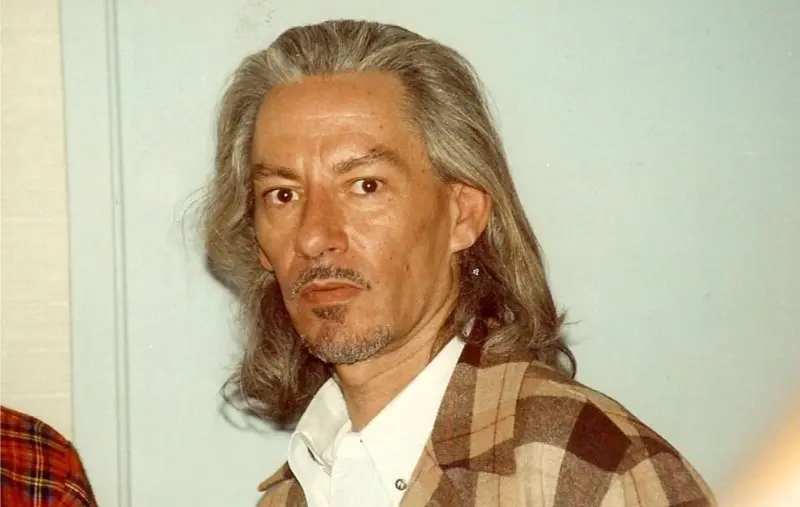
Killer BOB is a malevolent entity in ‘Twin Peaks’ associated with the Black Lodge and played on screen by Frank Silva. The character possesses Leland Palmer and drives acts that lead to the death of Laura Palmer. The investigation draws in FBI Special Agent Dale Cooper and the sheriff’s department.
The mythology explains BOB as a parasitic force that can move between hosts during moments of weakness. Appearances include visions, mirror shots, and lodge sequences that link to owls and symbolic imagery. The Return expands the cosmology with new manifestations and artifacts that connect to earlier crimes.
Paul Spector from ‘The Fall’

Paul Spector is a bereavement counselor and father who operates as a serial killer in ‘The Fall’. Jamie Dornan portrays him as he balances family life with stalking and attacks on women in Belfast. Detective Superintendent Stella Gibson leads the task force that studies his patterns and builds a profile.
Evidence includes notebooks, trophies, and surveillance of victim routines. The show covers arrest procedures, psychiatric evaluations, and courtroom strategy. Interviews and memory gaps become central to whether he can stand trial or manipulate outcomes during hospital stays and transfers.
Joe Goldberg from ‘You’
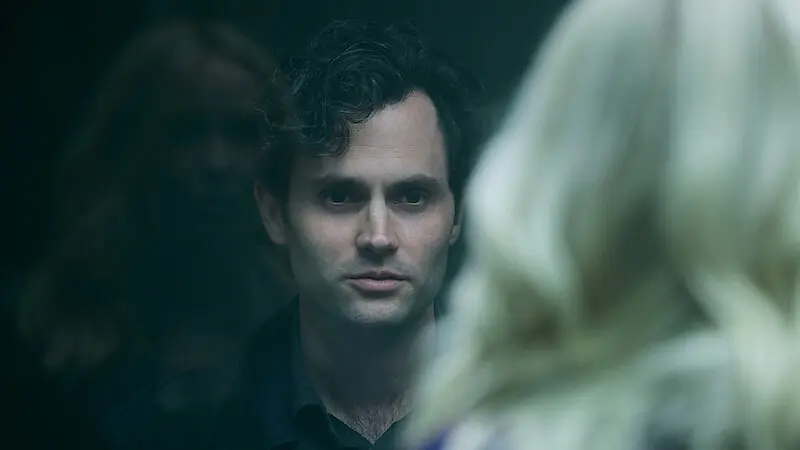
Joe Goldberg is a bookstore manager and later a teacher who stalks partners and rivals in ‘You’. Played by Penn Badgley, he uses social media, stolen phones, and open source research to track targets. A glass cage appears in multiple seasons as a controlled environment for interrogation and captivity.
The character relocates between cities under new names, including a move to Europe with an academic cover. Each season adds new obstacles such as suburban neighborhood watch groups, tech entrepreneurs, and university colleagues. Voiceover narration reveals how he rationalizes actions while he disposes of evidence and manages alibis.
Tate Langdon from ‘American Horror Story’
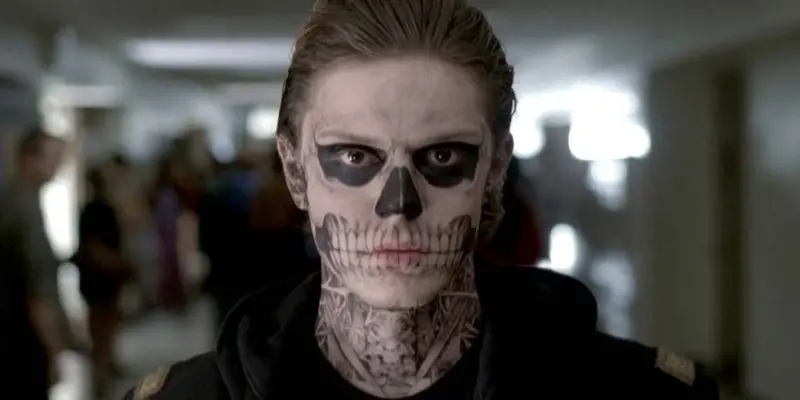
Tate Langdon, portrayed by Evan Peters, is a central figure in the first season of ‘American Horror Story’. He is tied to a school shooting and becomes a ghost within the Murder House setting. His relationship with Violet Harmon threads through family conflict, therapy sessions, and police investigations.
The Rubber Man suit connects him to assaults inside the house, which adds to property lore and real estate disclosures for future owners. The season uses flashbacks, house rules for spirits, and timelines that reveal how deaths bind occupants to specific rooms. The narrative shows how prior crimes continue to affect later residents.
The Governor from ‘The Walking Dead’

The Governor, known as Philip Blake and played by David Morrissey, leads the fortified town of Woodbury in ‘The Walking Dead’. He presents order with walls, guards, and ration systems while secretly maintaining rooms filled with walker heads. His private quarters also contain his walker daughter Penny, whom he tries to keep restrained.
Conflicts with Rick Grimes and the prison group escalate into raids, betrayals, and shifting alliances with smaller camps. He loses an eye during a fight with Michonne and later returns with a new militia. The storyline tracks negotiations, ambushes, and the collapse of settlements after failed ceasefires.
Share which TV character you think belongs on this list in the comments.

