


Most Expensive TV Seasons of All Time

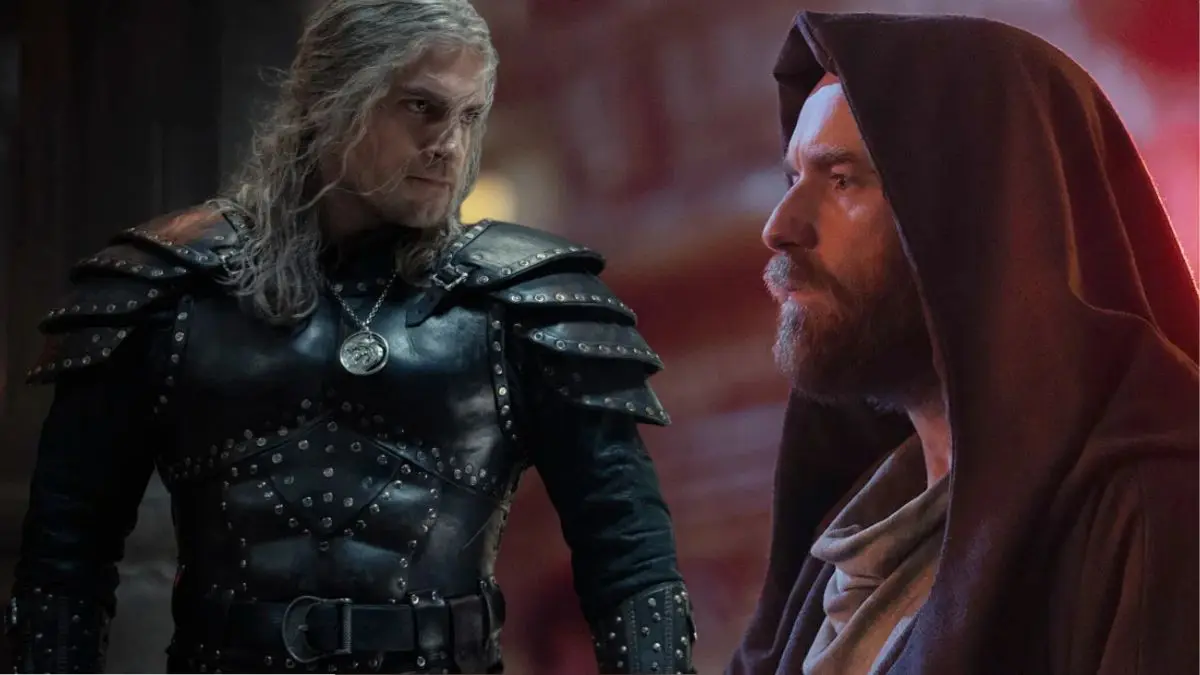


Studios have poured staggering sums into certain seasons to push scale, effects, and star power to cinematic levels. Below are the seasons that reportedly commanded the biggest budgets, with concise context about what drove the costs and where each show debuted so you know where those investments landed on screen.
‘The Lord of the Rings: The Rings of Power’ Season 1 (2022– )
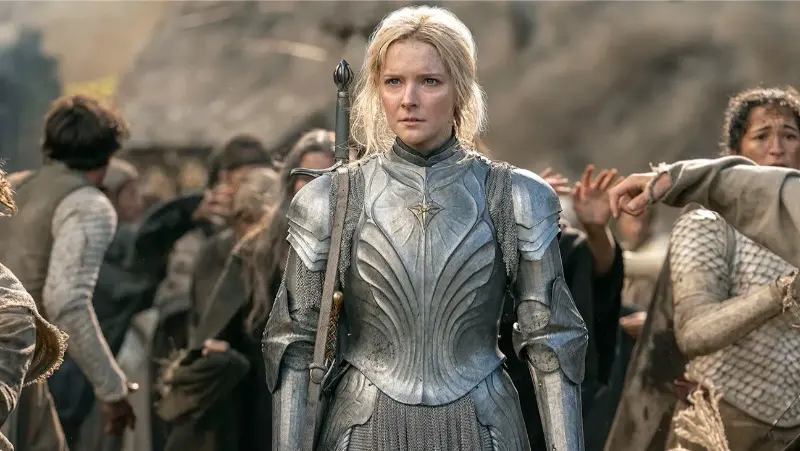
Season 1 carried a production tab that soared into the hundreds of millions, with per episode spending widely reported around the high fifties. Extensive location work, cutting edge VFX, and large ensemble casts drove the figure. The season premiered on Prime Video, which backed massive world building from armor to languages. Filming centered in New Zealand with expansive sets that were reused across episodes.
‘Stranger Things’ Season 4 (2016– )
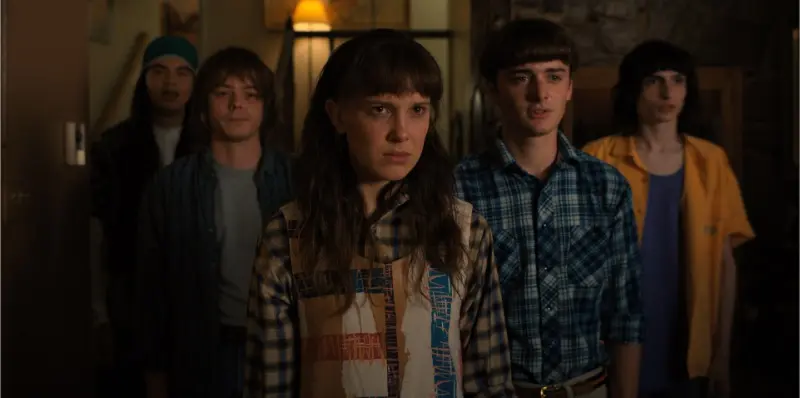
Season 4 ramped up to roughly thirty million dollars per episode thanks to heavy effects, multiple unit shoots, and international locations. The longer episode runtimes also added crew and postproduction days. Netflix supported elaborate creature work and large scale set pieces across the Hawkins and Russia storylines. The season released in two volumes which helped complete finishing at that level.
‘Citadel’ Season 1 (2023– )

Season 1 spent into the twenty million per episode range after reshoots and an extended post schedule. The series used global units and large stunt teams with elaborate action design. Prime Video positioned it as a franchise starter with planned spinoffs in multiple countries. Complex de aging and digital environments added to final costs.
‘WandaVision’ Season 1 (2021)
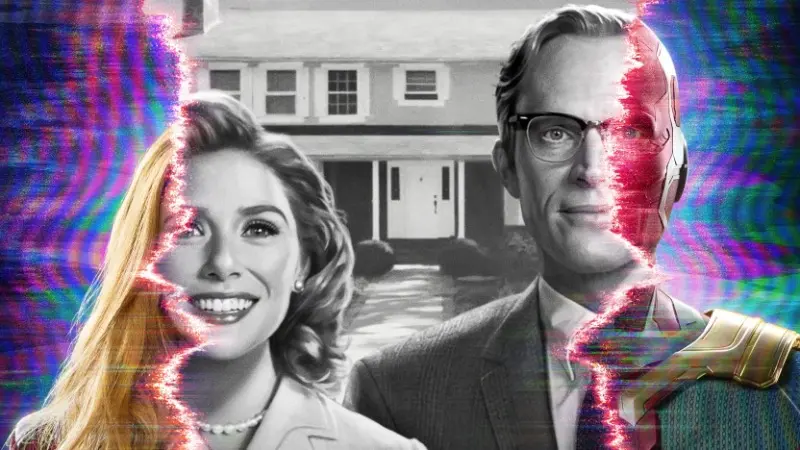
Nine episodes landed in the low to mid twenties per episode with MCU level VFX and period perfect art direction. The sitcom homage sets required frequent rebuilds and tailored practical effects. Disney+ carried theatrical grade color and compositing across the run. Marvel’s shared asset pipeline further increased costs through integration and approvals.
‘The Falcon and the Winter Soldier’ Season 1 (2021)
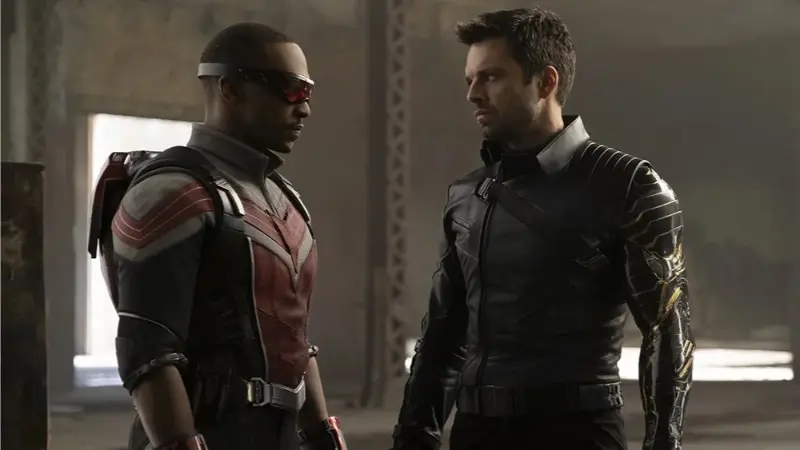
Six episodes reached about twenty five million each due to location action, wire work, and CG augmentation. The show relied on large stunt crews and vehicle sequences across multiple countries. Disney+ released it weekly with a feature film mix and finish. Pandemic scheduling changes also increased holding and testing costs.
‘Loki’ Season 1 (2021– )
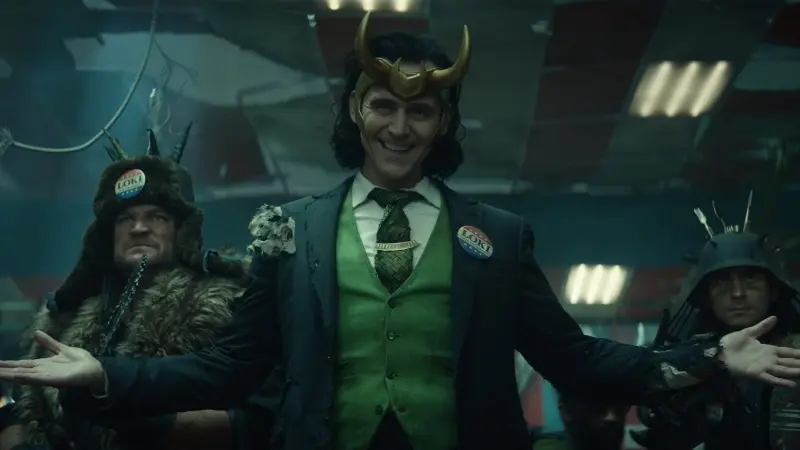
Season 1 budgeted in the mid twenties per episode for virtual production, creature builds, and time bending set design. The show leaned on heavy CG environment work and intricate props. Disney+ delivered HDR masters with extensive color pipelines. A planned reshoot window helped keep continuity for multiverse plotting.
‘Hawkeye’ Season 1 (2021)
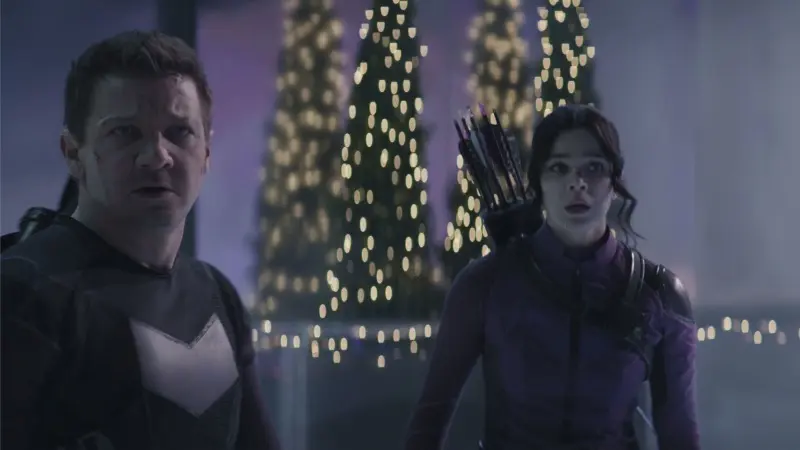
Per episode spending hovered near the mid twenties thanks to holiday set pieces, practical chases, and CG arrows. On location New York shoots required street closures and specialty rigs. Disney+ premiered the season during the year end window with theatrical sound deliverables. Specialty costumes and trick effects increased turnaround times.
‘House of the Dragon’ Season 1 (2022– )
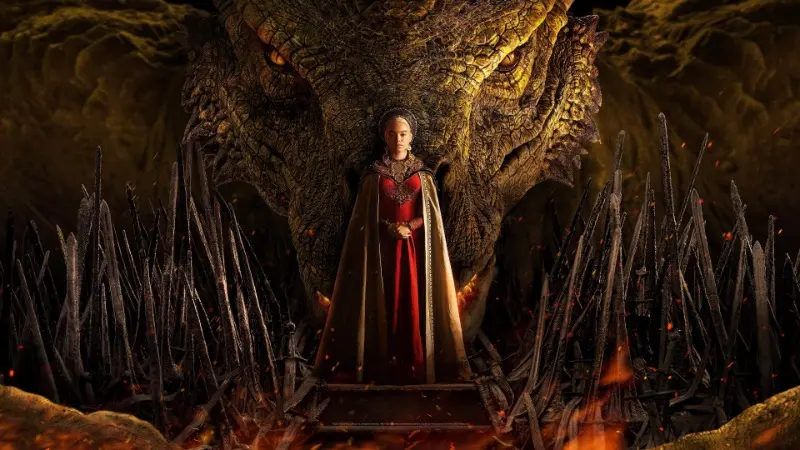
Season 1 averaged around twenty million per episode, focused on large scale sets and expanded dragon VFX. The production built new stages and updated creature rigs for closer interaction. HBO supported a medieval world with intricate costumes and props across multiple time jumps. Extensive previs streamlined battles while keeping realism high.
‘The Pacific’ Season 1 (2010)

Ten episodes totaled around two hundred million, reflecting period war gear, amphibious sequences, and large extras counts. Practical pyrotechnics combined with CG to depict island campaigns. HBO invested in ocean work and replica equipment at scale. Multiple countries were used to stage the theater of war with accurate terrain.
‘Game of Thrones’ Season 8 (2011–2019)
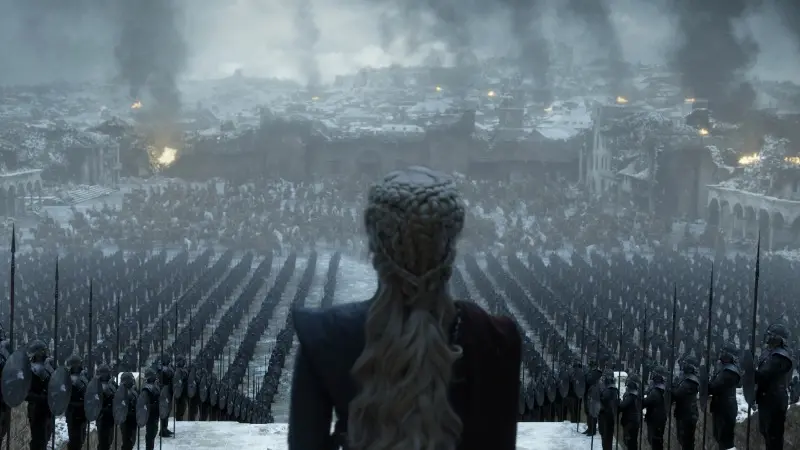
Season 8 spent roughly fifteen million per episode to deliver city sized battles and dragon work. Night shoots with thousands of extras required extensive logistics and safety teams. HBO coordinated multi unit photography and months of postproduction per episode. Earlier seasons escalated gradually as creature and environment pipelines matured.
‘The Mandalorian’ Season 1 (2019– )

Early seasons averaged around fifteen million per episode using real time LED stage technology and dense VFX composites. The Volume enabled location replacement at cinematic quality with many CG creatures. Disney+ prioritized theatrical sound and image standards. Practical animatronics like the Child required specialized teams.
‘Masters of the Air’ Season 1 (2024)

This limited series reached into the high hundreds of millions with airborne combat sequences and vast digital crowds. Large scale aerial VFX and period aircraft builds dominated spending. Apple TV+ released the series with premium finishing and sound. Research and costume replication supported authenticity across multiple bases.
‘The Crown’ Season 5 (2016–2023)
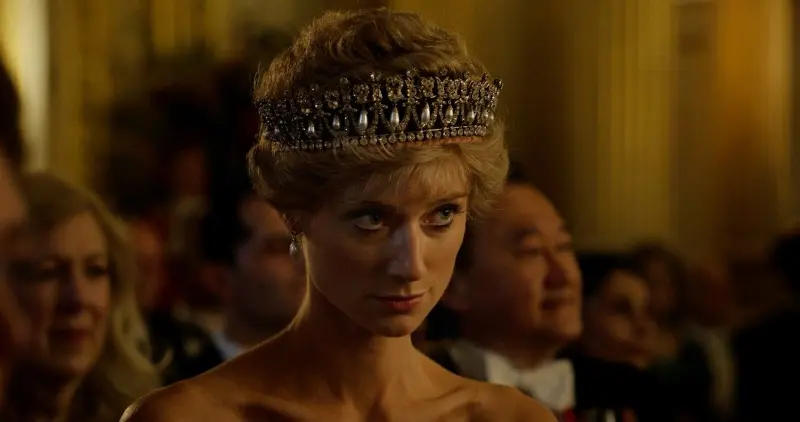
Season 5 maintained eight figure episode costs due to lavish period sets, wardrobe, and frequent location moves. Cast changes for the new era required fresh fittings and bespoke designs. Netflix backed meticulous reproduction of residences and motorcades. Permissions and security arrangements for sensitive sites added recurring costs.
‘Westworld’ Season 3 (2016–2022)
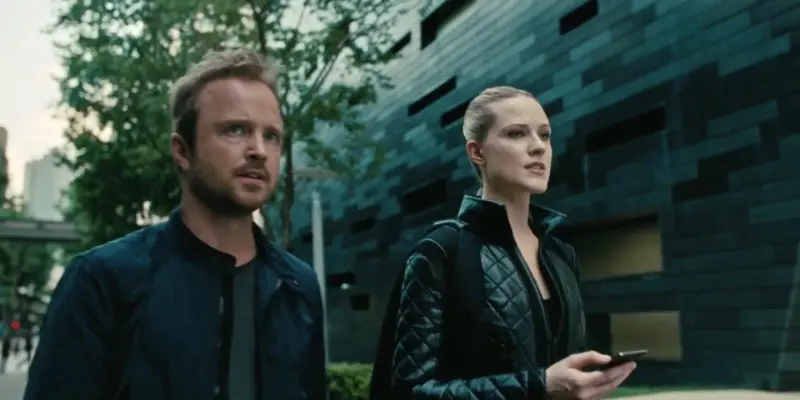
Season 3 crossed the ten million mark per episode as settings expanded into large scale city environments. Practical effects interfaced with CG for hosts and staged destruction. HBO funded multi unit shoots and extensive stunt coordination. Vehicle gimbals and specialty props increased prep and wrap windows.
‘The Morning Show’ Season 1 (2019– )

Season 1 reportedly ran around fifteen million per episode driven by top tier cast deals and newsroom builds. The show required multiple functional studio sets and live control room gear. Apple TV+ supported a premium broadcast look across handheld and studio setups. Travel and location permits added to recurring costs.
‘Foundation’ Season 1 (2021– )

Season 1 operated in the eight figure per episode range thanks to galaxy spanning environments and heavy CG. Virtual production and model work combined for starships and cities. Apple TV+ backed long post pipelines to stabilize complex composites. Large costume teams handled numerous cultures and time periods.
‘See’ Season 1 (2019–2022)
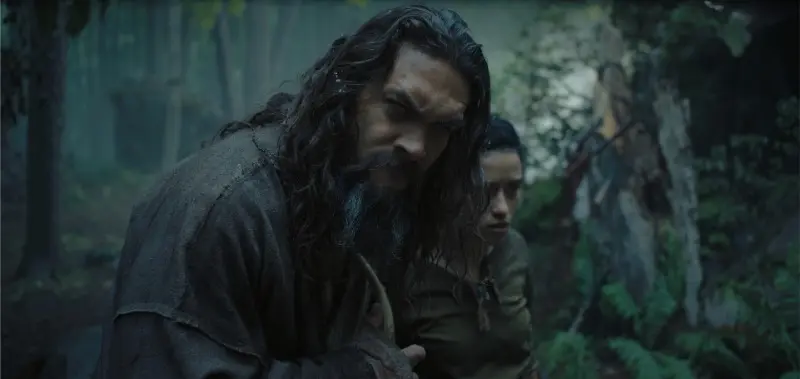
Per episode spending settled near the mid teens due to challenging outdoor locations and stunt driven combat. The series featured specialized choreography and safety for low vision movement. Apple TV+ used wide format lenses and natural settings that required added logistics. Large tribal sets and detailed props increased prep days.
‘The Witcher’ Season 2 (2019– )
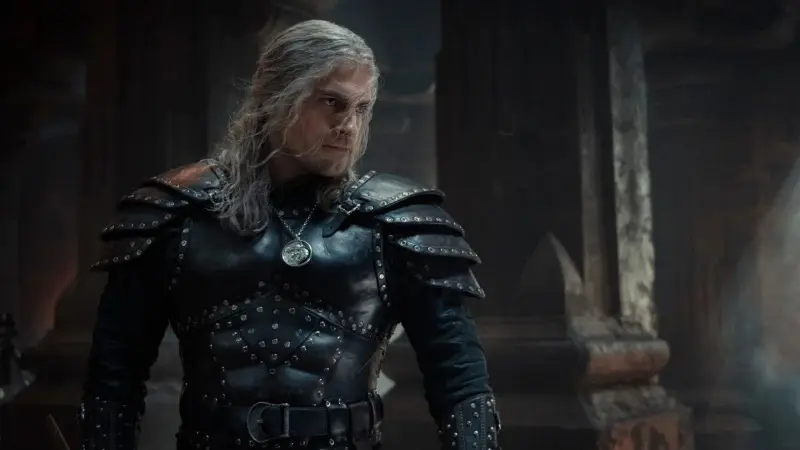
Season 2 costs reached around ten million per episode with creature builds and heavy VFX. The production relied on stunt teams for sword work and large prosthetics departments. Netflix handled complex color and effects deliveries across multiple vendors. Expanded sets like Kaer Morhen pushed construction budgets higher.
‘The Boys’ Season 3 (2019– )
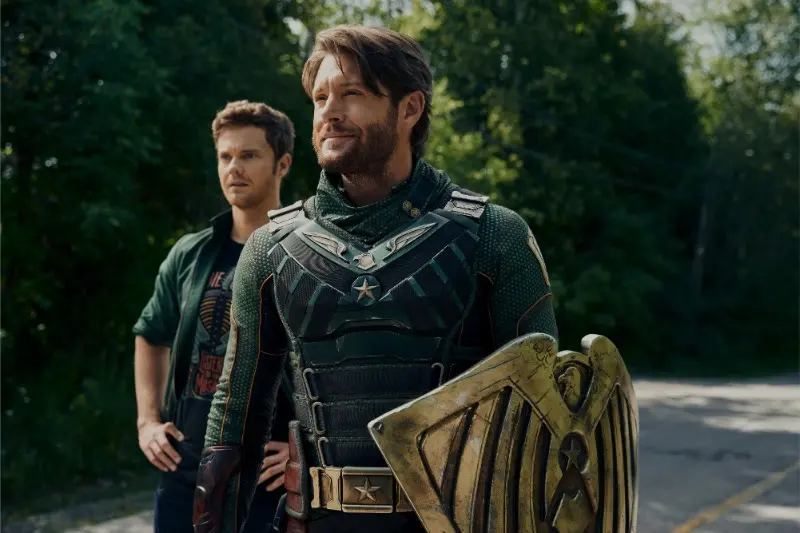
Season 3 moved into low eight figure per episode territory to deliver superhero destruction and large crowd scenes. Practical gore effects combined with CG augmentations across sequences. Prime Video supported big scale set pieces and complicated wire rigs. Location shoots often required major street closures.
‘Tom Clancy’s Jack Ryan’ Season 1 (2018–2023)
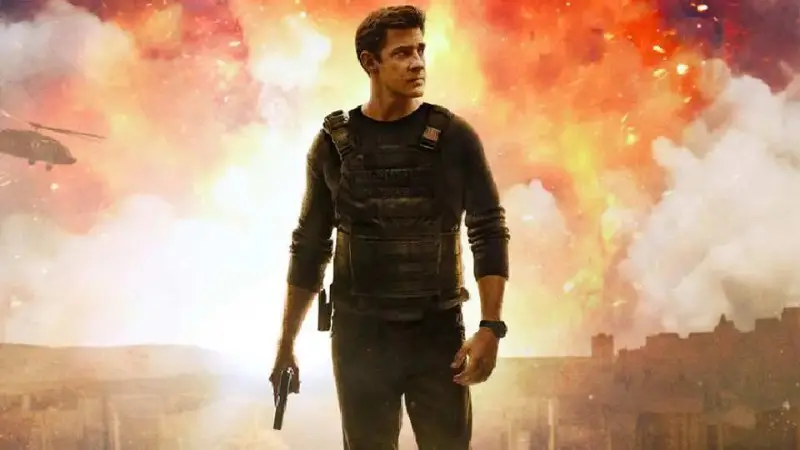
Season 1 approached ten million per episode with international locations and military hardware rentals. Aerial units and convoy work raised the stunt footprint. Prime Video backed multilingual shoots with extended security plans. Post schedules included heavy dialogue and effects mixing from multiple regions.
‘Marco Polo’ Season 1 (2014–2016)

Season 1 cost roughly nine million per episode for period sets, armor, and large extras. The show constructed extensive palaces and encampments to stage court life and battles. Netflix coordinated shoots across Asia with significant travel logistics. Horse teams and animal handling added specialized crew needs.
‘Sense8’ Season 1 (2015–2018)
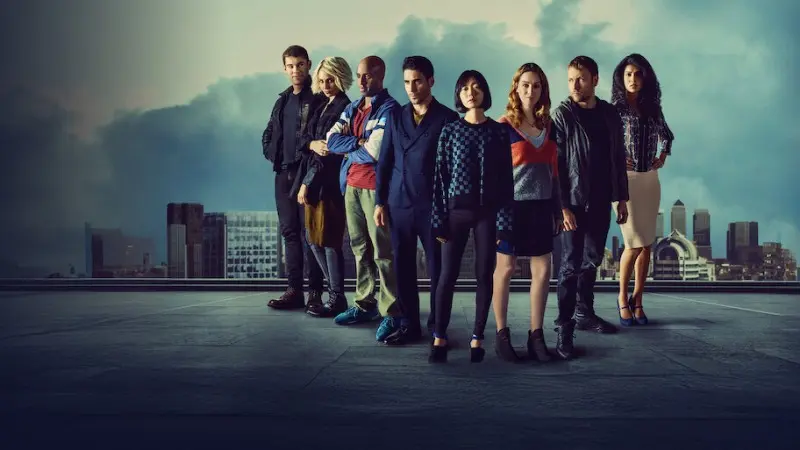
Budgets ran about nine million per episode owing to globe spanning shoots with multiple cities in a single hour. The production filmed on location to keep cross cutting authentic. Netflix juggled permits and local crews across continents. Complex audio and post workflows unified material from many countries.
‘The Get Down’ Part 1 Season 1 (2016–2017)
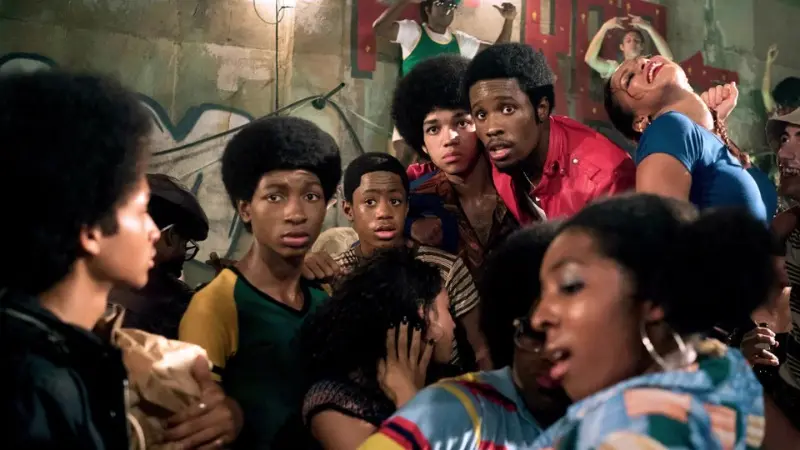
The first part of Season 1 carried a very high spend with detailed period recreations across sets and costumes. Music clearances and original performances added significant licensing and recording costs. Netflix supported large ensemble numbers and elaborate builds for Bronx block parties. Practical recreations of venues and subway spaces required extensive art direction.
‘Obi-Wan Kenobi’ Season 1 (2022)
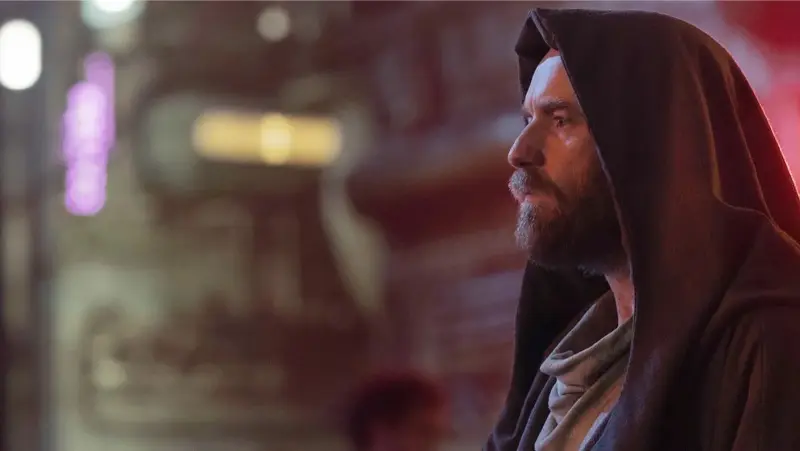
This limited run operated in the low to mid twenties per episode with extensive virtual production and creature work. The show balanced practical sets with LED stages for planetary backdrops. Disney+ carried a cinematic finish and multi channel sound. Stunt teams handled saber fights with careful previs and rehearsal.
‘The Book of Boba Fett’ Season 1 (2021–2022)
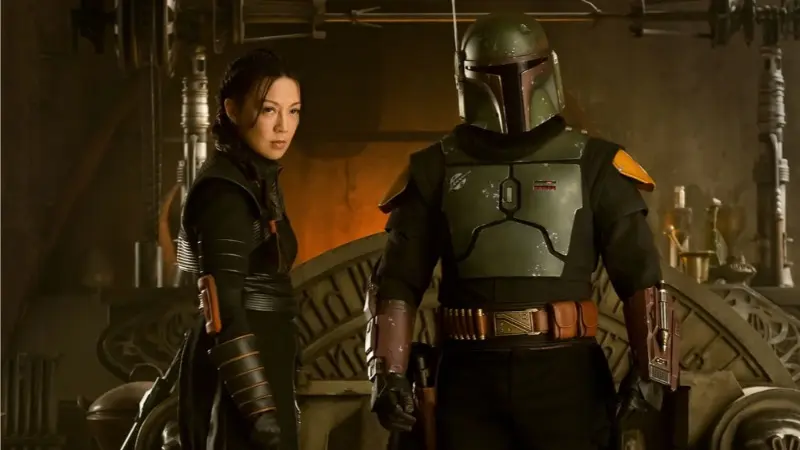
Episodes landed around the mid teens per hour using the same real time stage tech as its parent series. Creature shops delivered new animatronics alongside CG characters. Disney+ continued a premium pipeline for effects and color. Western style action required vehicle rigs and specialty stunt coordination.
Share which season shocked you most in the comments so we can compare notes on just how far studios are willing to go.

