


The Most Hated Movies of All Time

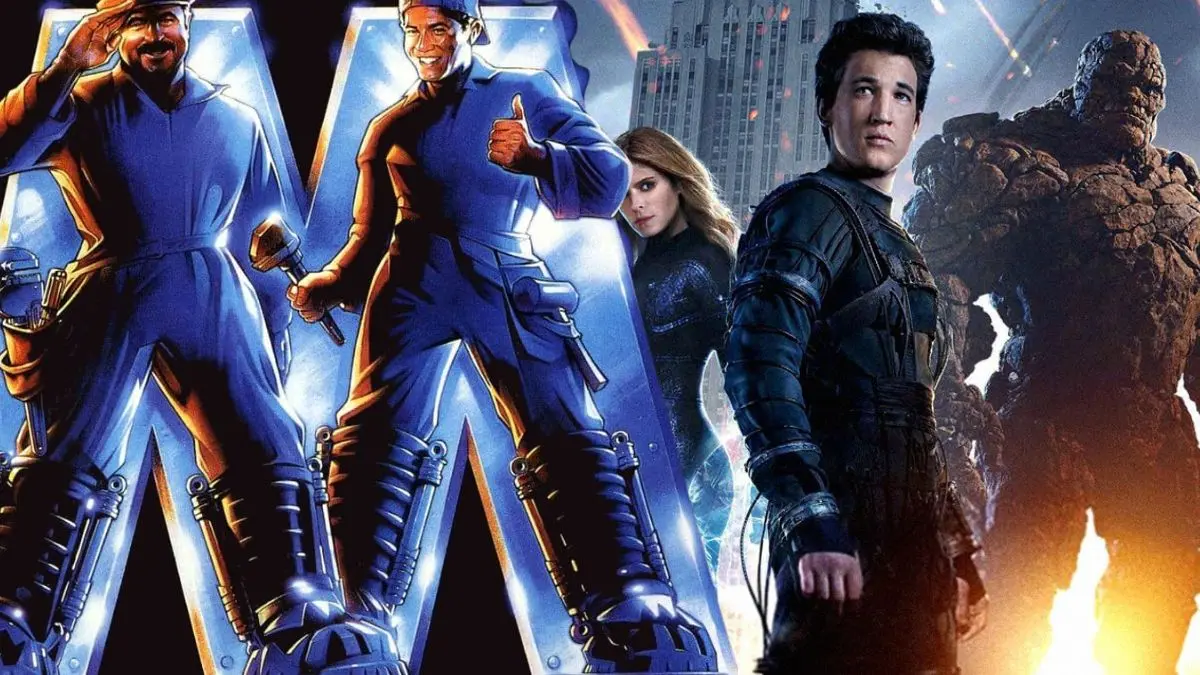


Some movies ignite passionate conversations for all the wrong reasons. Maybe the story did not land with audiences, or beloved source material felt mishandled, or the production ran into problems that showed on screen. Whatever the cause, these titles drew big attention and bigger backlash, and they continue to come up whenever people trade tales of notorious cinema.
This list looks at films that earned a lasting reputation for frustration and disappointment. You will find box office stumbles, critical pile ons, franchise misfires, and a few cult curiosities that became famous for their flaws. Each entry gives useful background so you can see how these movies came to be and why viewers still talk about them.
‘Plan 9 from Outer Space’ (1959)
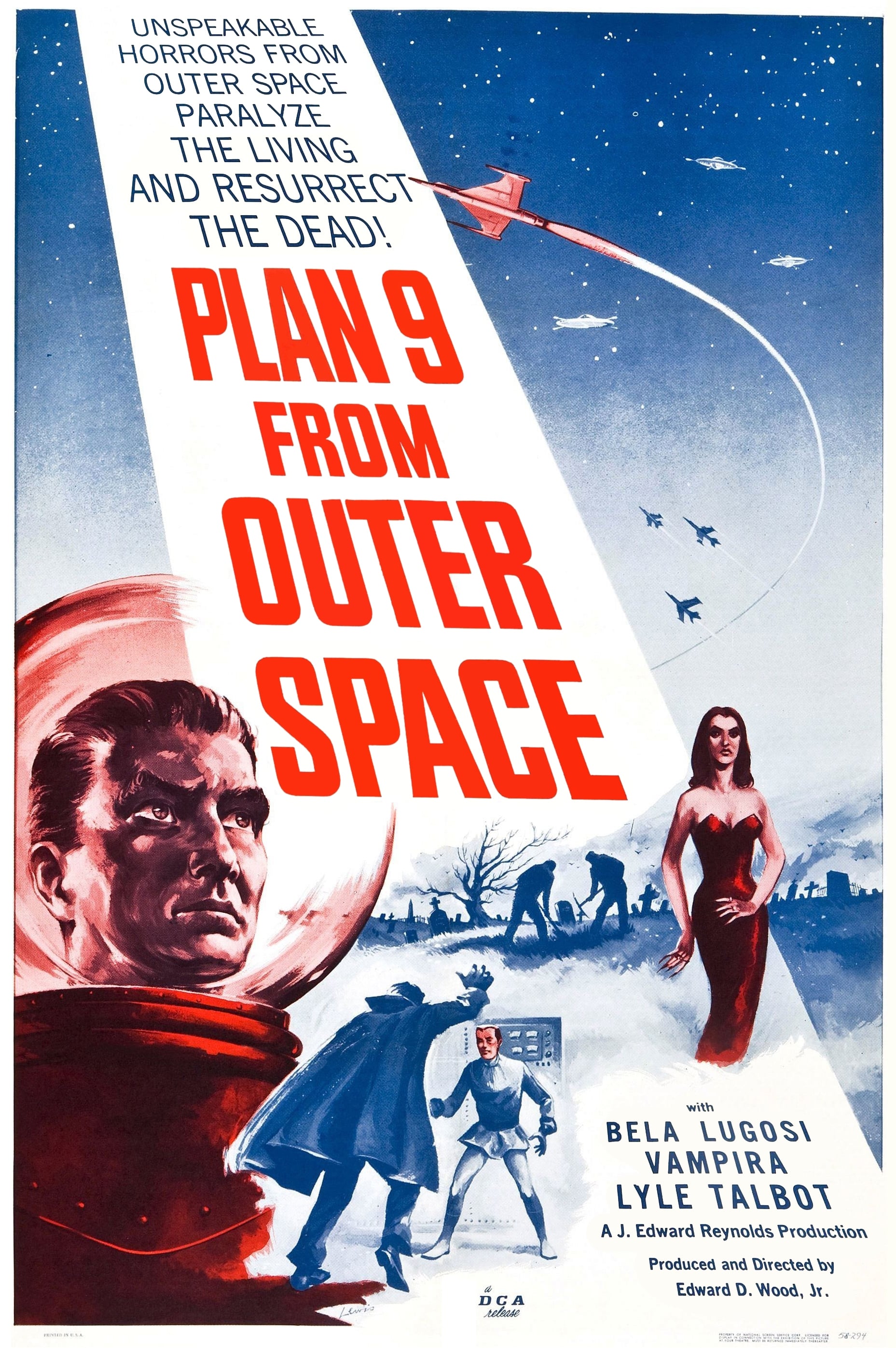
Ed Wood wrote and directed this low budget sci fi feature that combined aliens, zombies, and reused stock footage. The production famously stitched in shots of Bela Lugosi captured before the actor died, with a stand in covering his face in later scenes.
The film used cardboard sets, visible strings, and day to night continuity errors that became part of its legend. Over time it turned into a midnight movie staple, studied in film schools as an example of resource strapped filmmaking and accidental camp appeal.
‘Battlefield Earth’ (2000)
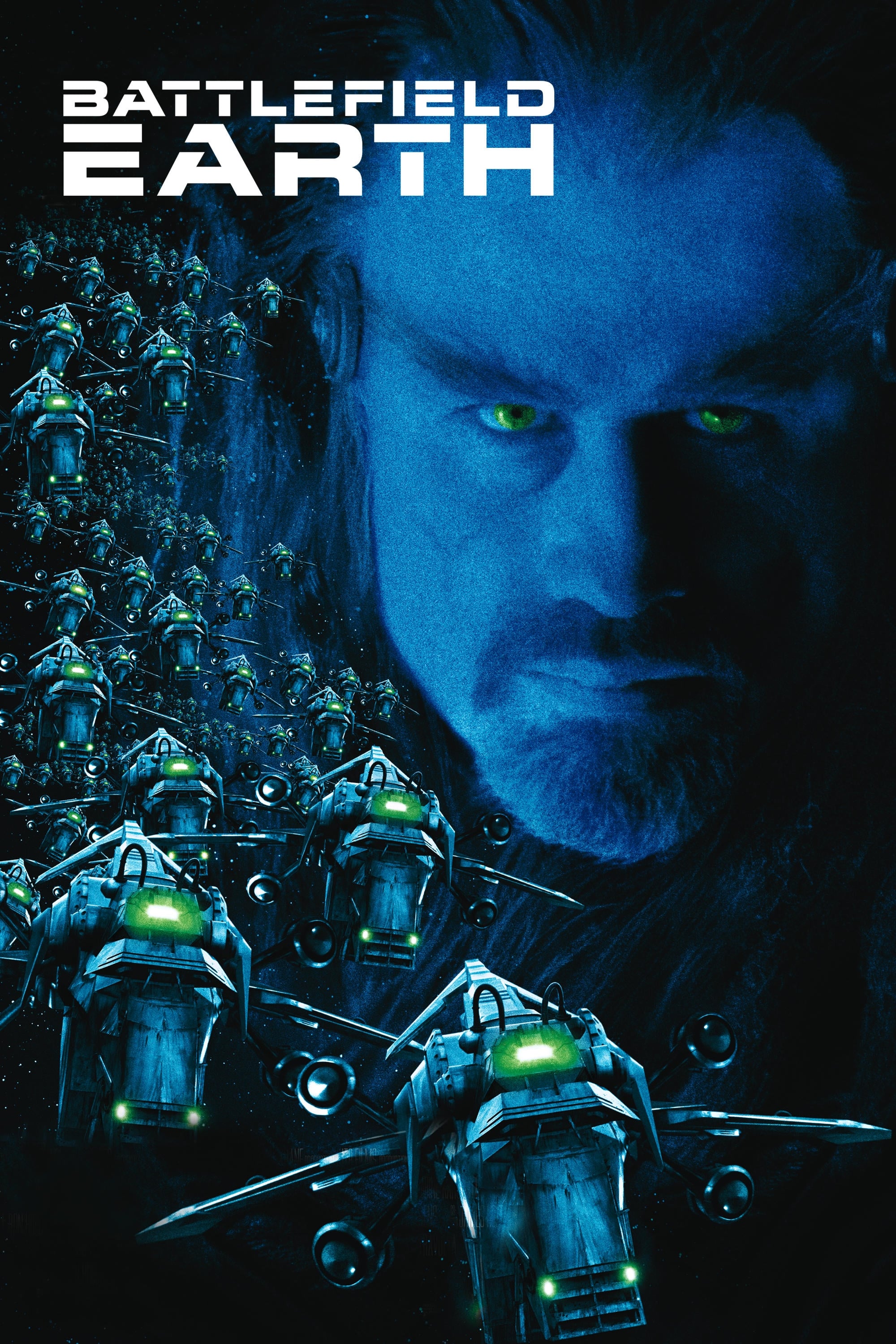
Based on the L Ron Hubbard novel, this science fiction film starred John Travolta and Barry Pepper. It featured a story about humans rebelling against an alien race that had ruled Earth for a millennium.
The movie drew attention for extreme Dutch angles, green tinted cinematography, and elaborate production design that did not connect with audiences. Its large budget contrasted with weak domestic earnings, and it picked up multiple Razzie awards.
‘Gigli’ (2003)
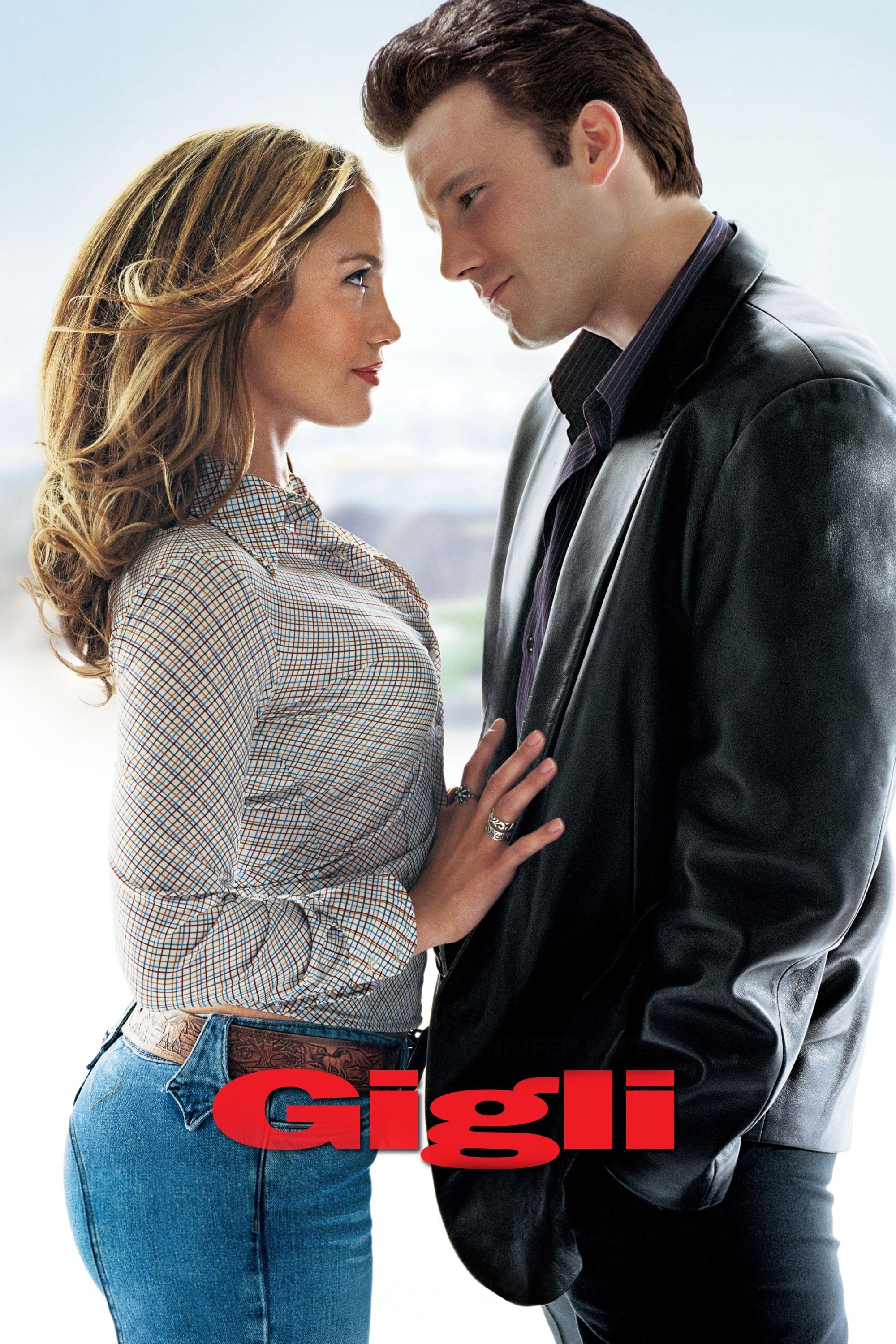
This romantic crime comedy paired Ben Affleck and Jennifer Lopez and went through high profile script rewrites. It was produced by Revolution Studios and directed by Martin Brest, whose earlier hits raised expectations.
The film had a wide marketing push but opened soft and dropped quickly in theaters. Its performance affected plans for potential sequels and became a case study in star driven projects that falter when tone and story clash.
‘Catwoman’ (2004)
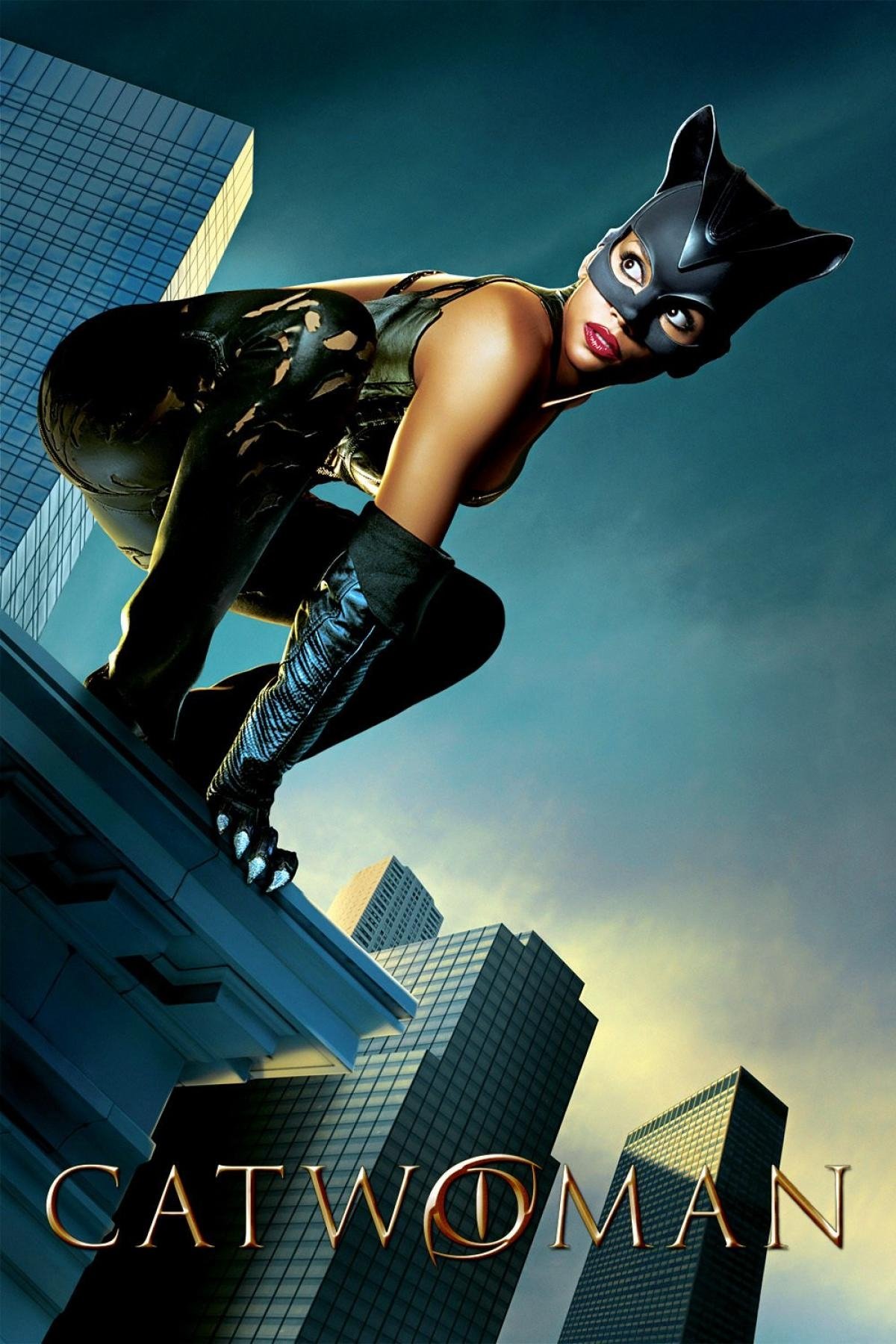
Halle Berry headlined this comic book spin off unrelated to the Gotham continuity from the Batman films. The character received a new origin that centered on a cosmetics company conspiracy.
The movie relied heavily on early era CGI and quick cut action editing that drew complaints from viewers. Despite a notable lead performance commitment, the film underperformed and prompted Warner Bros to rethink solo character strategies for a time.
‘Movie 43’ (2013)
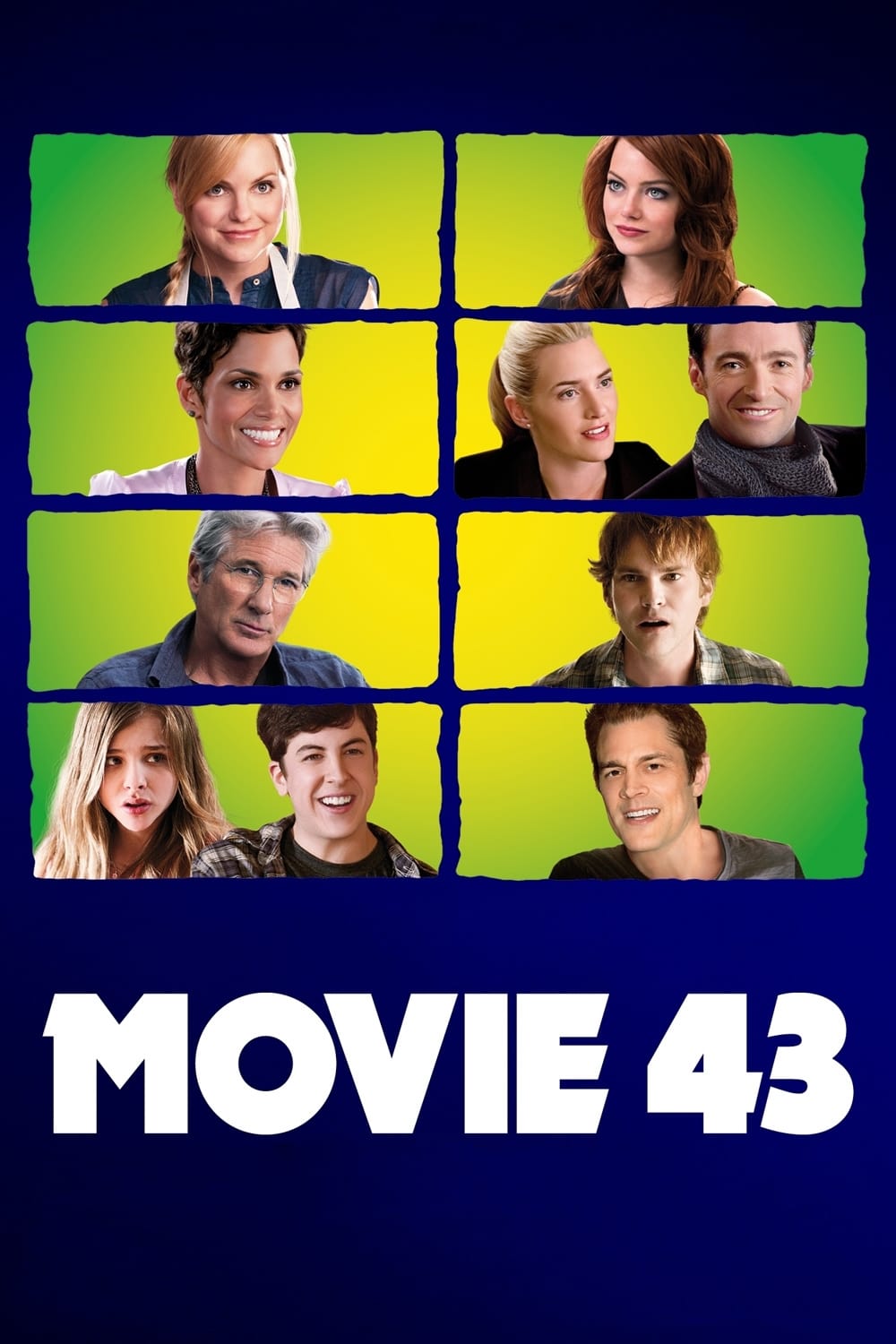
This anthology comedy featured a large ensemble cast across a set of loosely connected sketches. The production shot segments over an extended period with different directors.
The film faced criticism for gross out humor that overshadowed the star power on display. Marketing focused on the cast list, but the release saw sharp weekend to weekend declines and numerous worst of the year mentions.
‘The Room’ (2003)
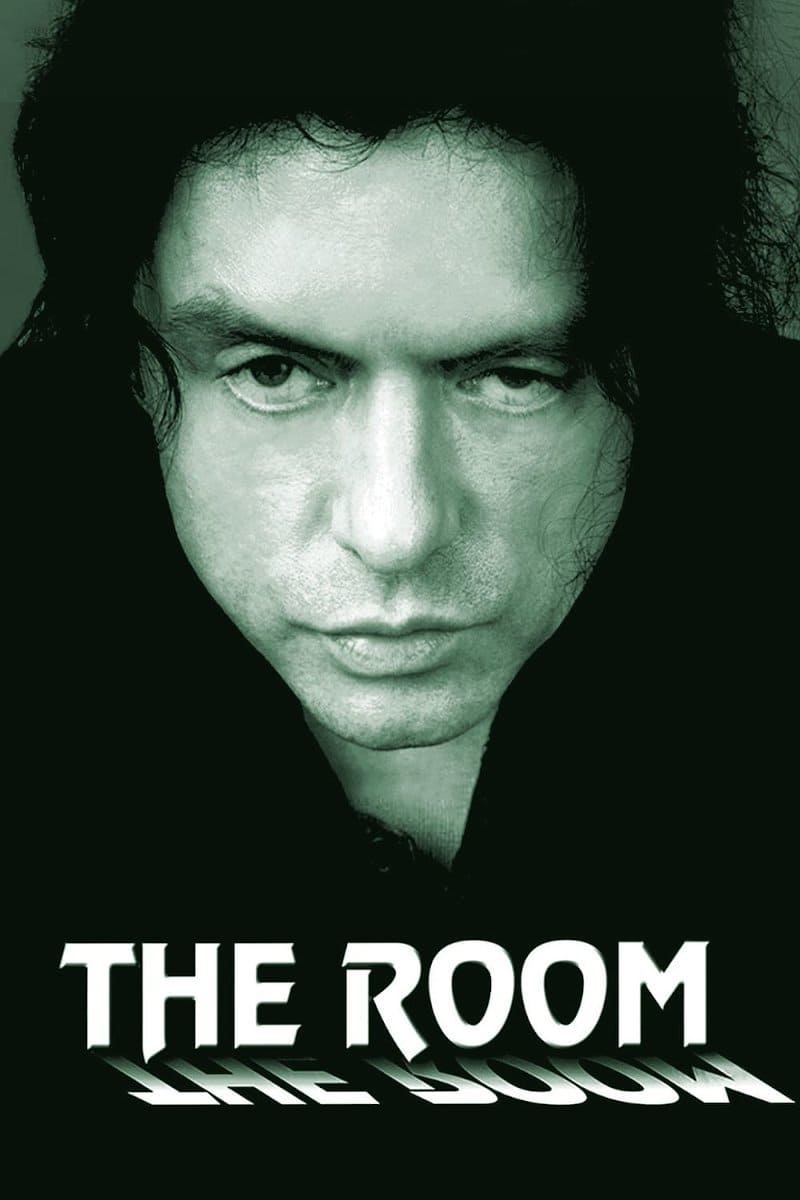
Tommy Wiseau wrote, directed, financed, and starred in this drama set around a love triangle. Its earnest approach and unconventional dialogue became a hallmark of late night screenings.
Fans organized audience participation events with specific cues and costumes. The movie inspired a memoir and a later film about its making, turning a box office nonstarter into a long running cult phenomenon.
‘Howard the Duck’ (1986)
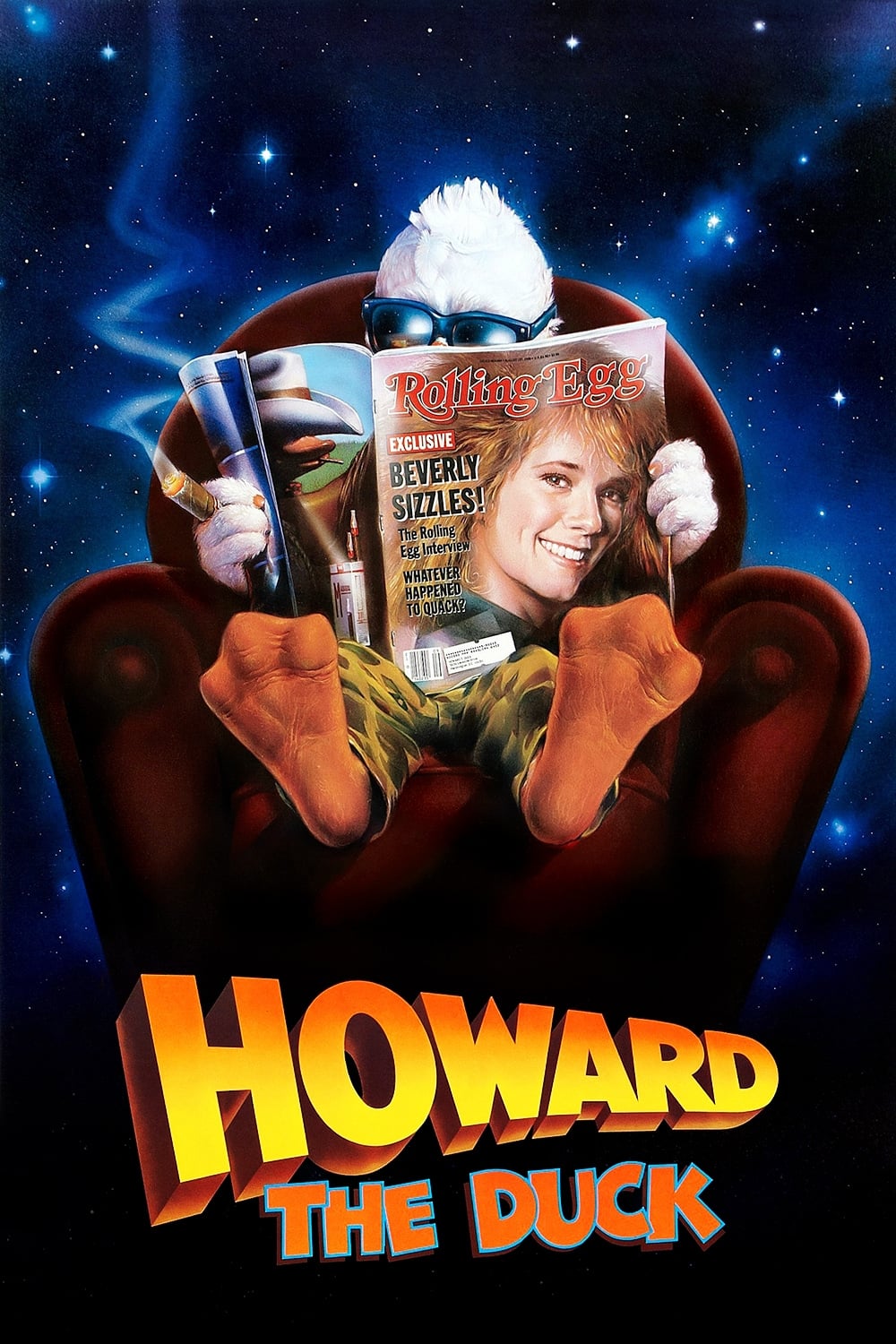
Produced by George Lucas, this adaptation brought a Marvel character to the big screen long before the modern superhero boom. It blended animatronics, suit work, and optical effects to realize the talking duck.
The tonal mix of adult jokes and family adventure confused marketing and audiences. While it gained a curious afterlife through home video, its theatrical performance curtailed plans for immediate follow ups.
‘Super Mario Bros.’ (1993)
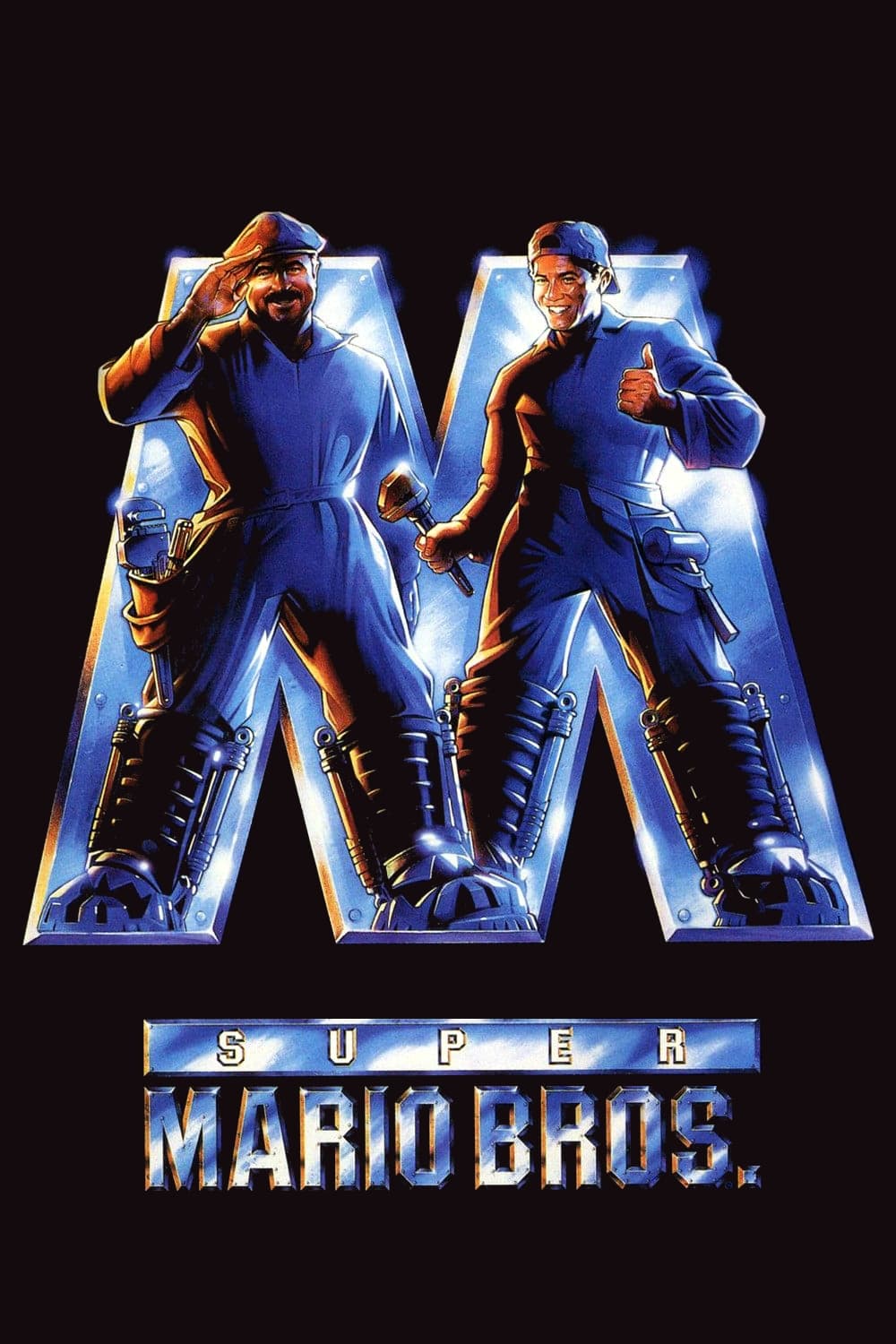
This live action take on the game franchise starred Bob Hoskins and John Leguizamo as the Mario brothers. The production designed a dystopian alternate world and introduced original characters not found in the games.
Reports of on set turmoil and last minute rewrites followed the shoot. The film struggled to find a target audience and became an early example of the challenges in adapting interactive properties to film.
‘Jack and Jill’ (2011)
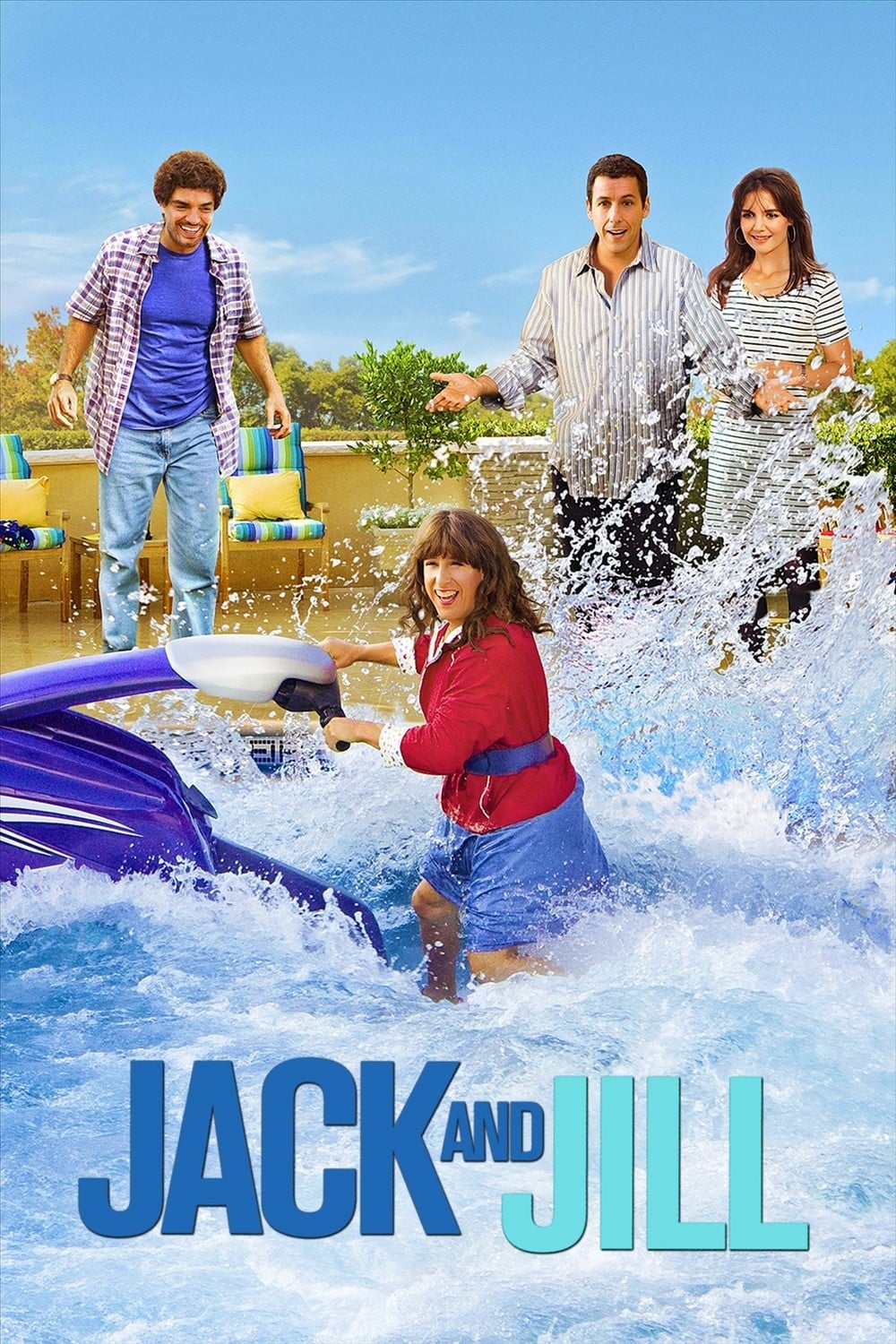
Adam Sandler played dual roles as twin siblings in this holiday set comedy. The cast included notable cameos and a prominent brand tie in that ran across multiple scenes.
The movie was a regular at the Razzie awards where it collected a sweep in major categories. Despite harsh reviews, it drew curious viewers on streaming and cable, keeping it in the public conversation.
‘The Last Airbender’ (2010)
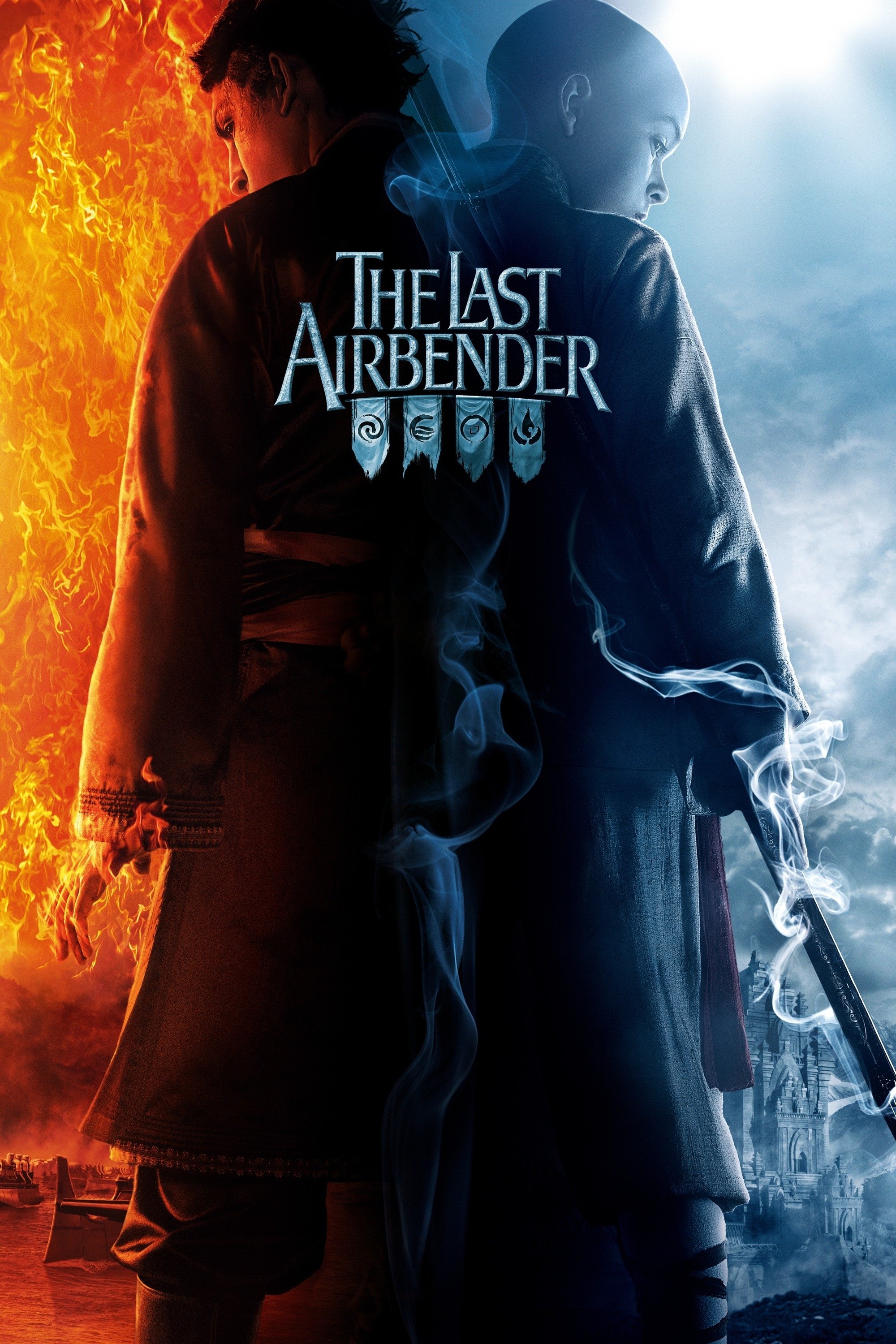
This adaptation of the animated series condensed the first season into a single feature. M Night Shyamalan wrote and directed, and the cast introduced live action versions of Aang, Katara, and Sokka.
The film faced criticism for compressed storytelling and heavy reliance on exposition. Visual effects created large scale bending set pieces, yet the reception halted plans for immediate continuation of the trilogy.
‘Dragonball Evolution’ (2009)
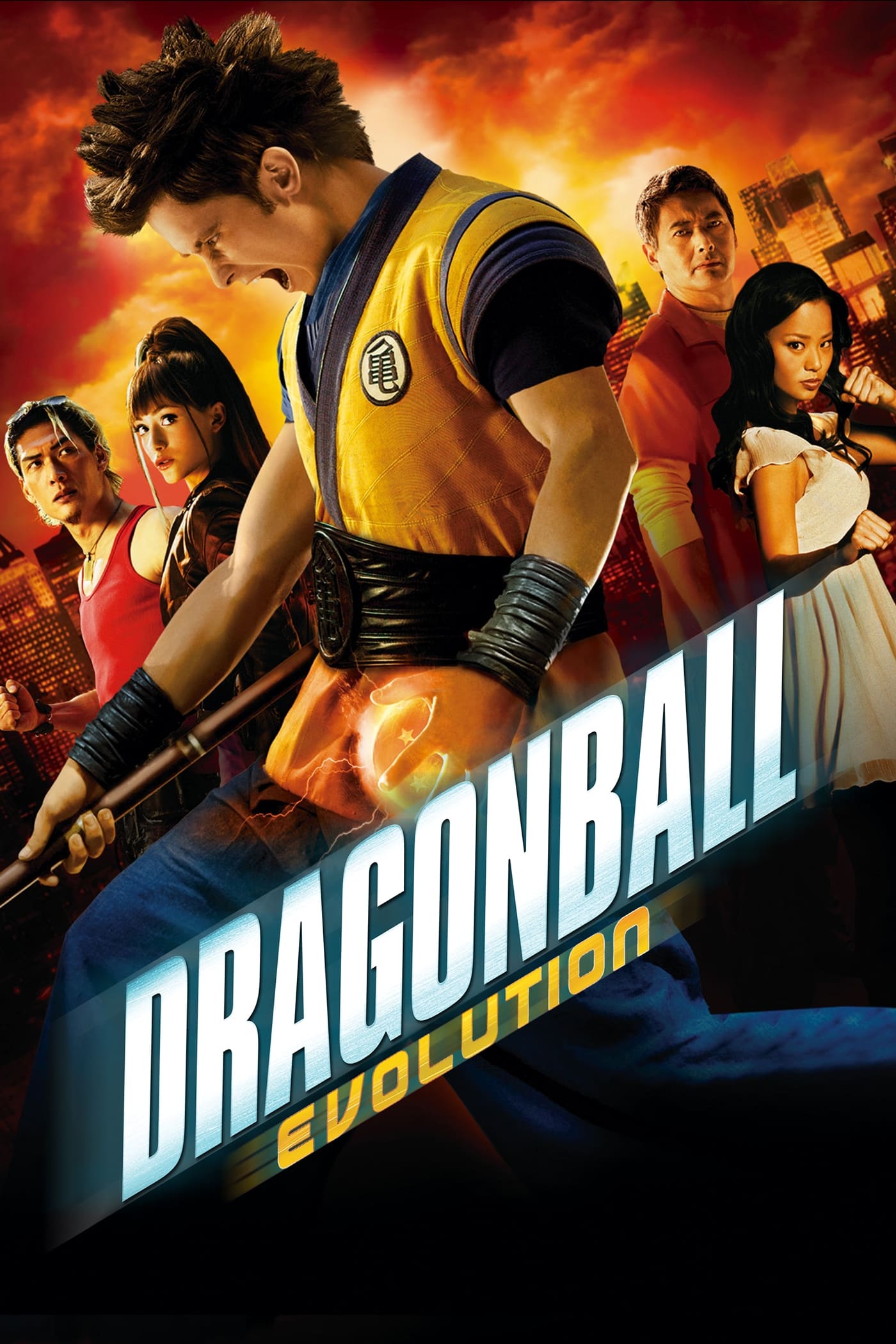
This film reimagined the long running manga and anime for a contemporary American high school setting. It introduced Goku, Bulma, and Piccolo with a streamlined plot and new character dynamics.
Fans objected to changes in lore, characterization, and power scaling. The movie’s performance led studios to reassess strategies for adapting long running Japanese franchises to Western live action.
‘The Love Guru’ (2008)
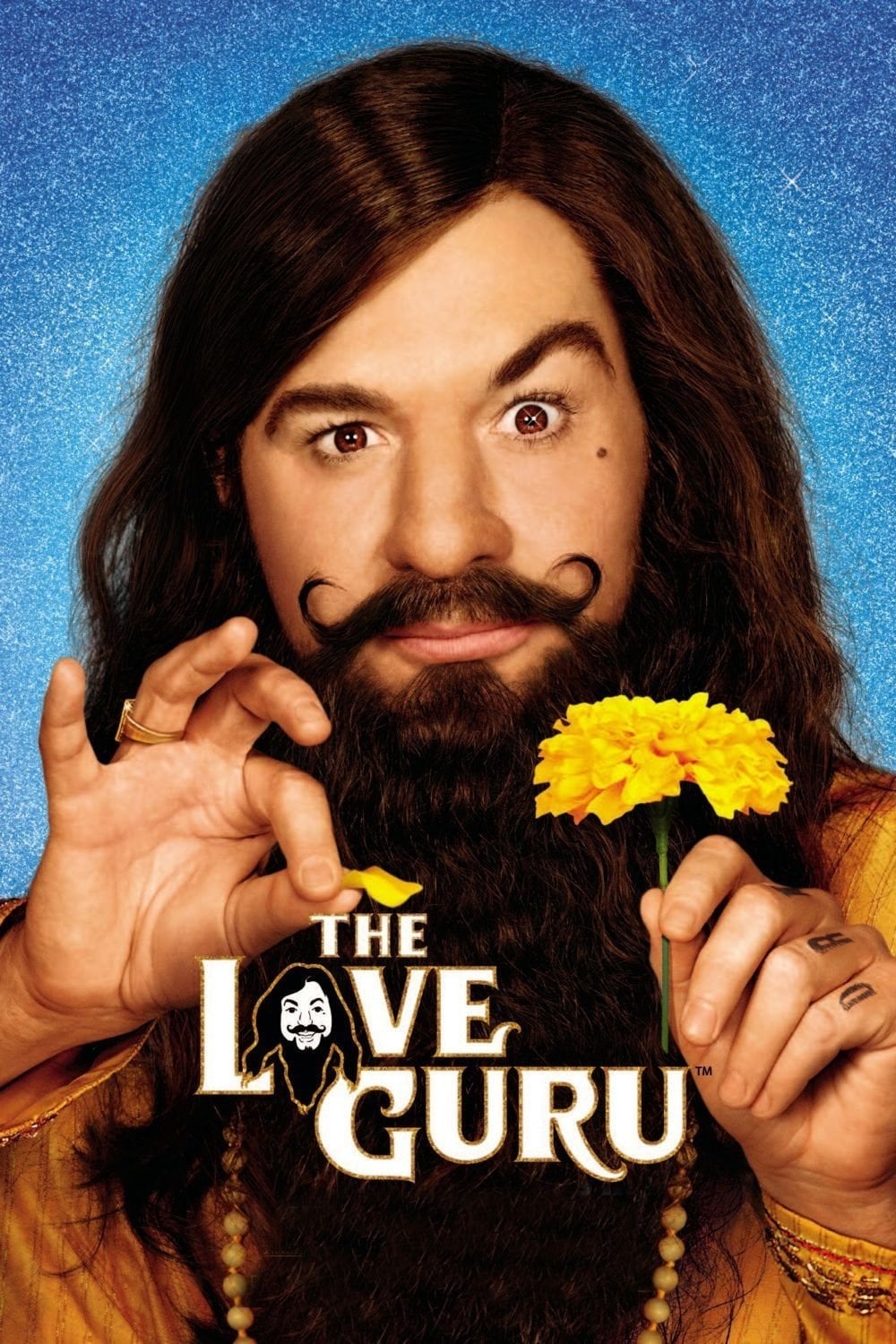
Mike Myers returned to a new original character after success with earlier comedies. The plot involved a self help figure advising a hockey player through personal and professional troubles.
The humor relied on recurring wordplay and running gags that did not land with large audiences. Its reception cooled momentum for further installments with the character and reduced the star’s live action output for a period.
‘Jaws: The Revenge’ (1987)
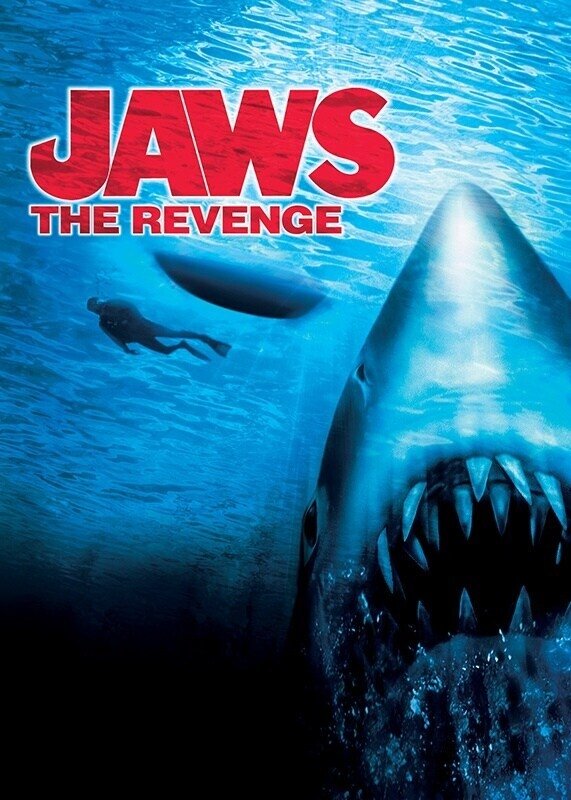
The fourth entry in the series followed the Brody family to the Bahamas. It used an animatronic shark and practical effects for the ocean action.
Continuity questions and an implausible premise drew negative attention. The movie’s alternate endings appeared in different releases, creating confusion among viewers about what happened in the finale.
‘Batman & Robin’ (1997)
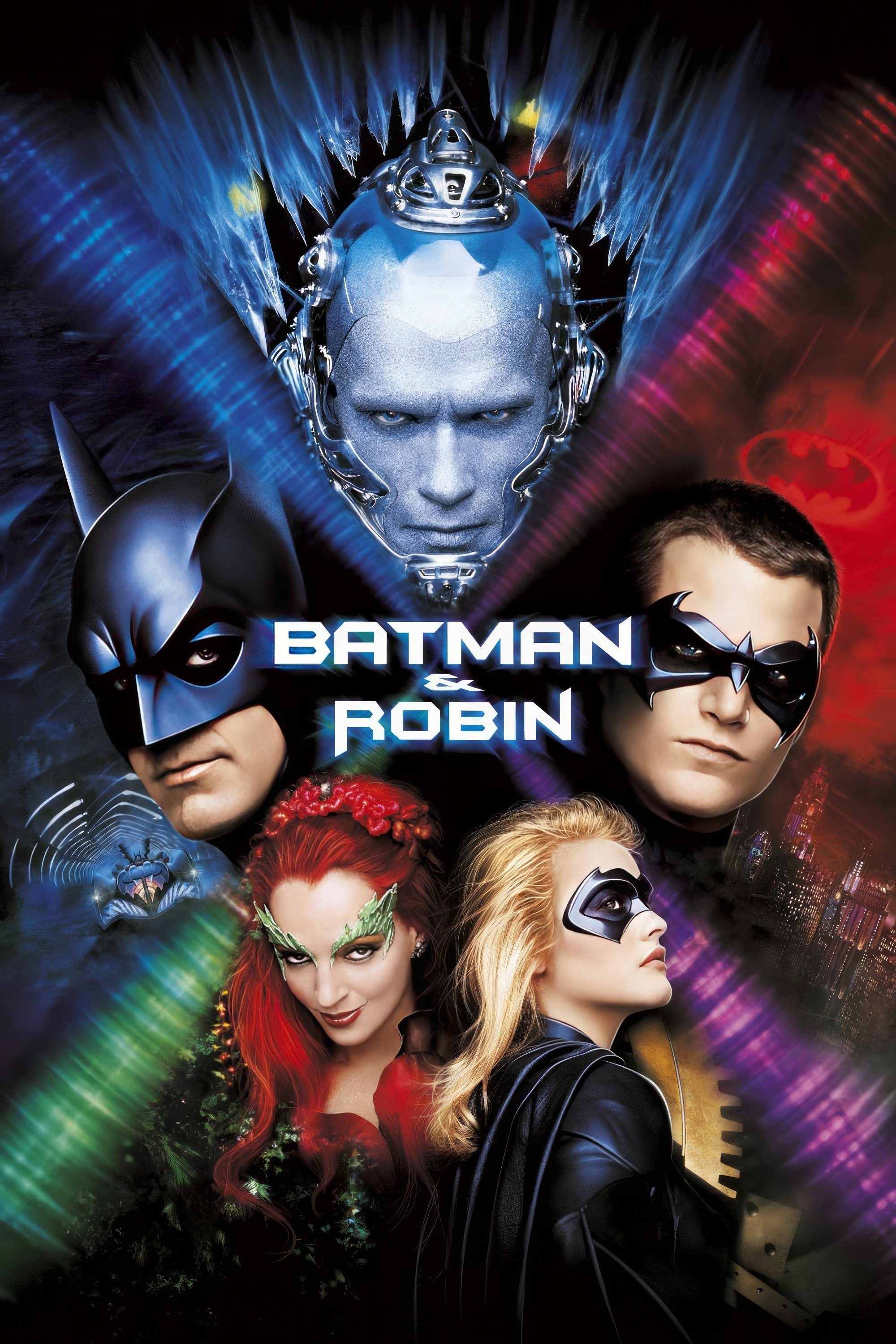
Joel Schumacher’s sequel leaned into a colorful aesthetic with a large toy line presence. George Clooney took over as Batman with Chris O’Donnell returning as Robin and new additions including Batgirl and Mr Freeze.
The film featured prominent ice puns and elaborate set pieces that became widely referenced. Its results led the studio to pause the franchise before eventually pivoting to a darker reboot.
‘Son of the Mask’ (2005)
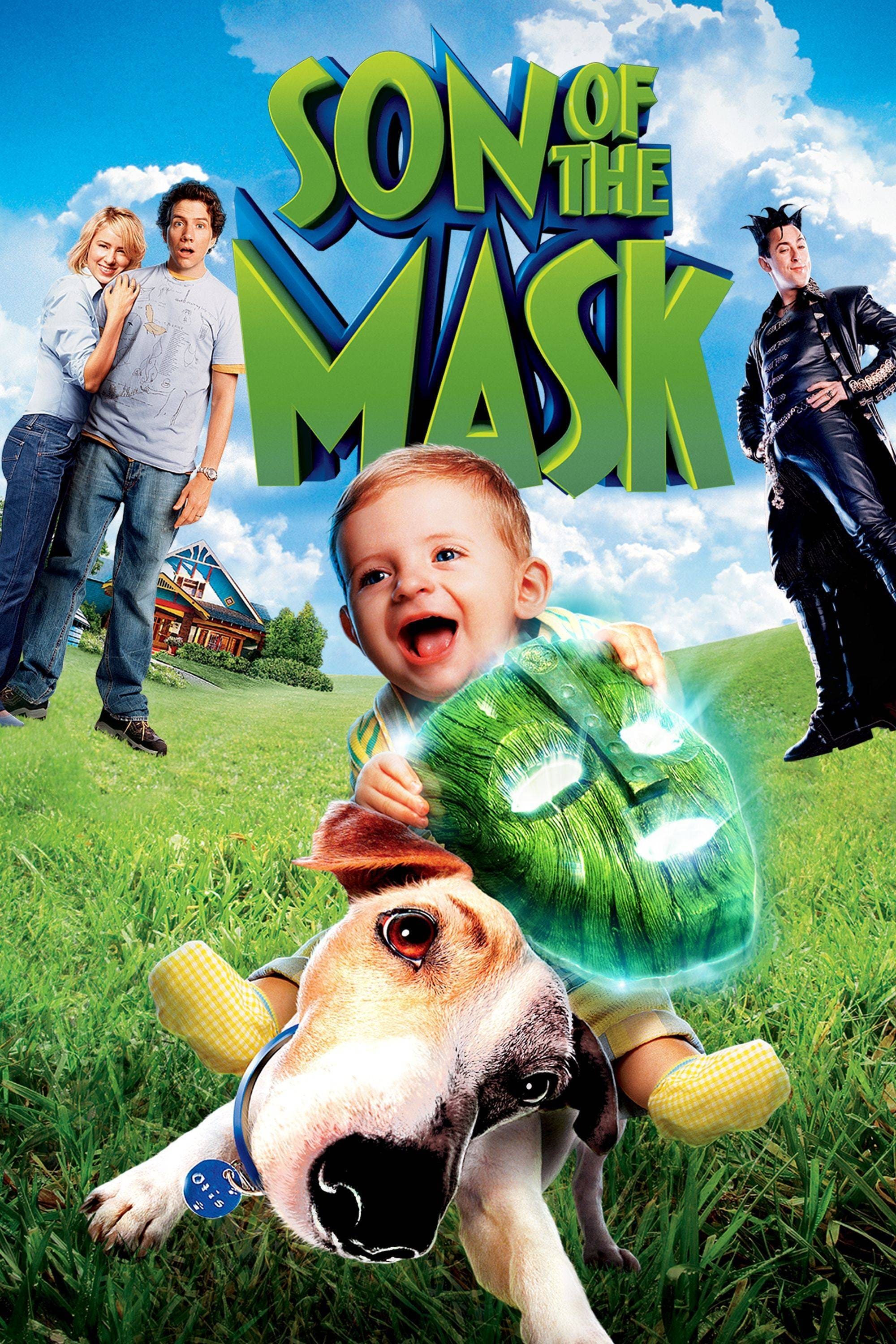
This follow up to the Jim Carrey hit introduced a new lead and a different story centered on Norse mythology. The signature mask powers returned with cartoon style effects.
Without the original star, the movie leaned on CGI driven slapstick and family themes. The change in tone and cast resulted in weak word of mouth and limited box office legs.
‘Cats’ (2019)
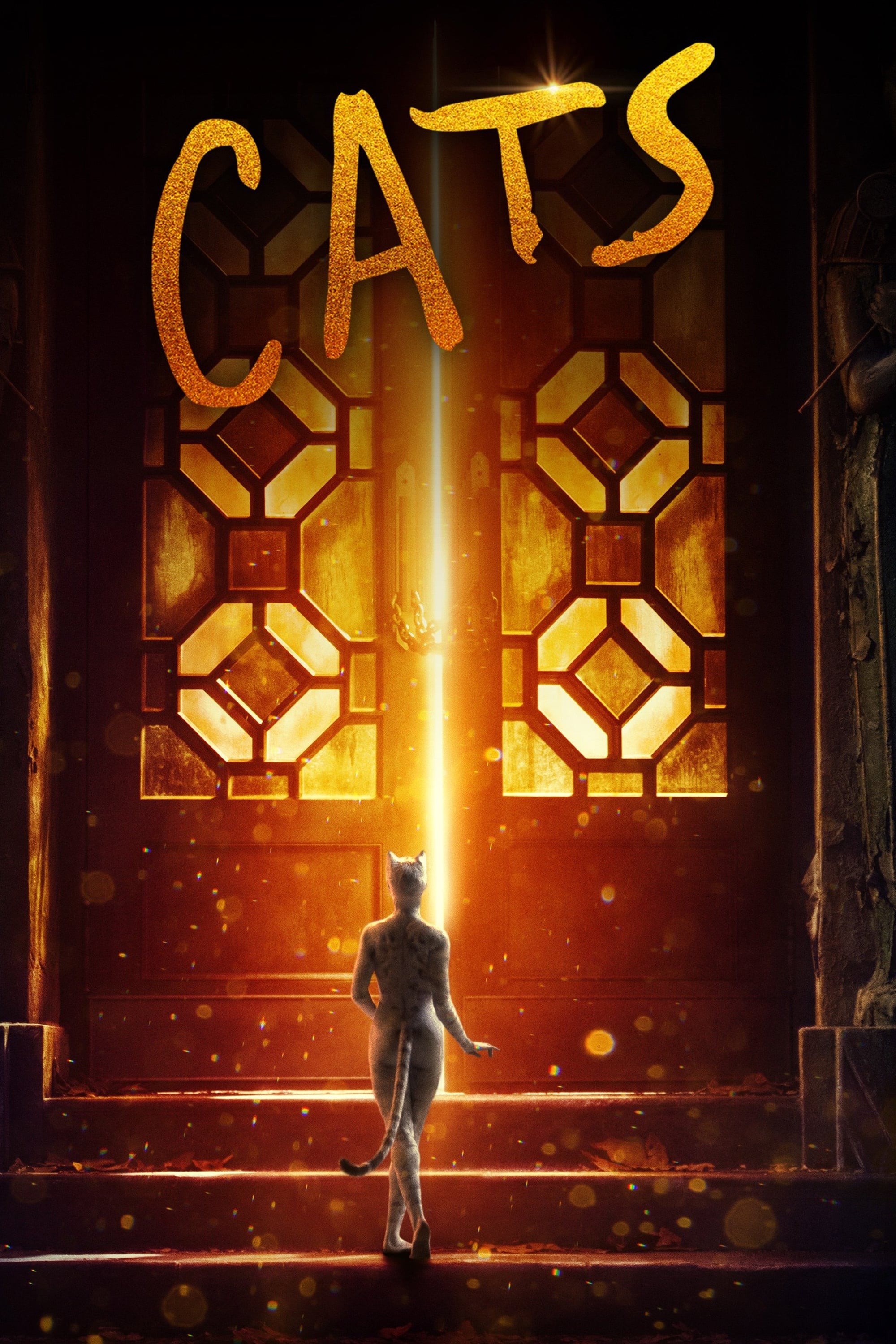
The musical adaptation used digital fur technology to blend actors with feline features. The production included large scale sets and choreography to bring stage numbers to film.
A rushed effects schedule led to a widely publicized patched version after release. The movie struggled during the holiday corridor and became a case study in ambitious visual experimentation that misses the mark.
‘The Emoji Movie’ (2017)
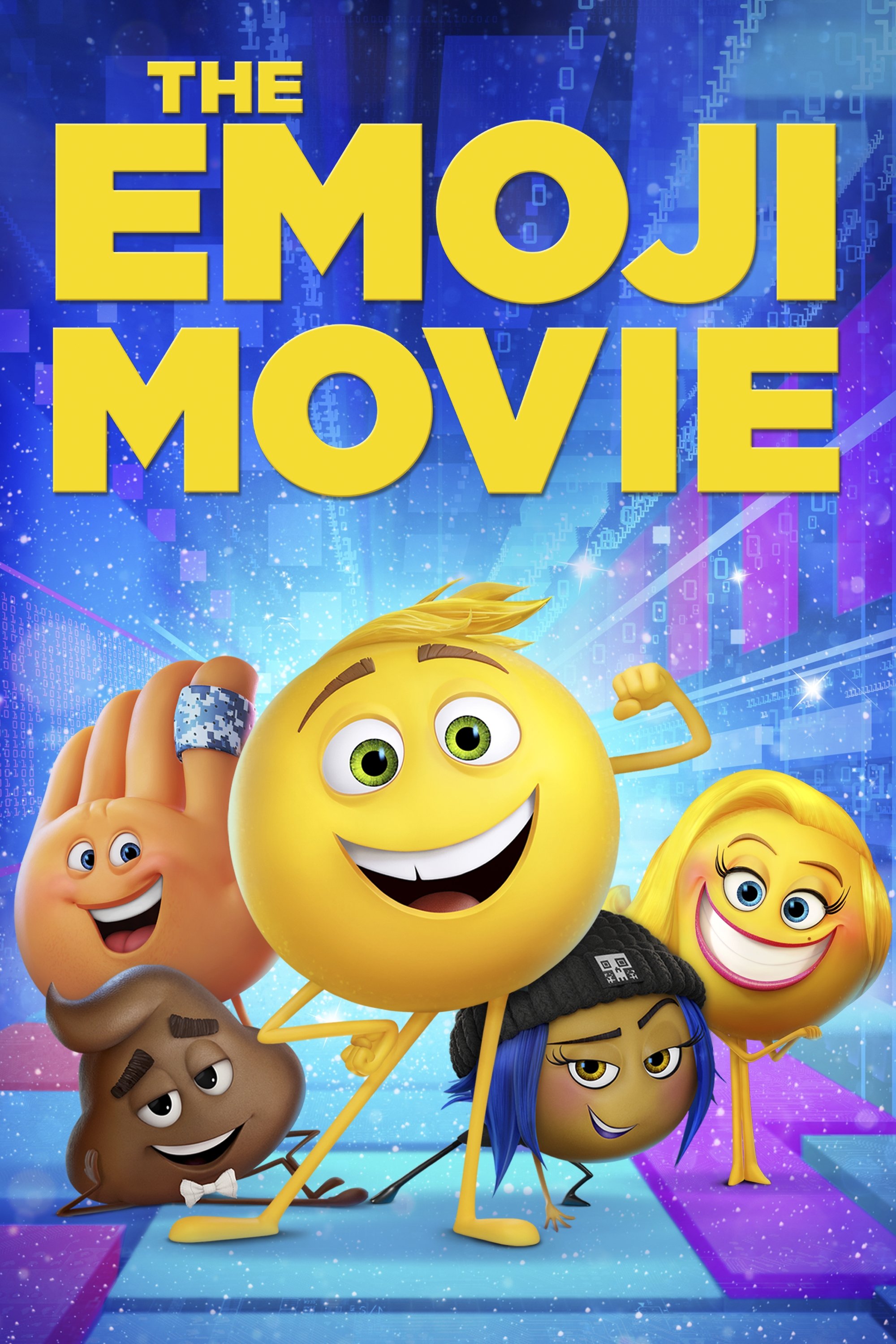
Set inside a smartphone, this animated feature followed a multi expression emoji on a quest. The cast included well known voice actors and incorporated recognizable app brands.
Critics and parents questioned the storytelling focus on product worlds and simple jokes. Despite strong merchandising hooks, the film received low audience scores and heavy online mockery.
‘Birdemic: Shock and Terror’ (2010)
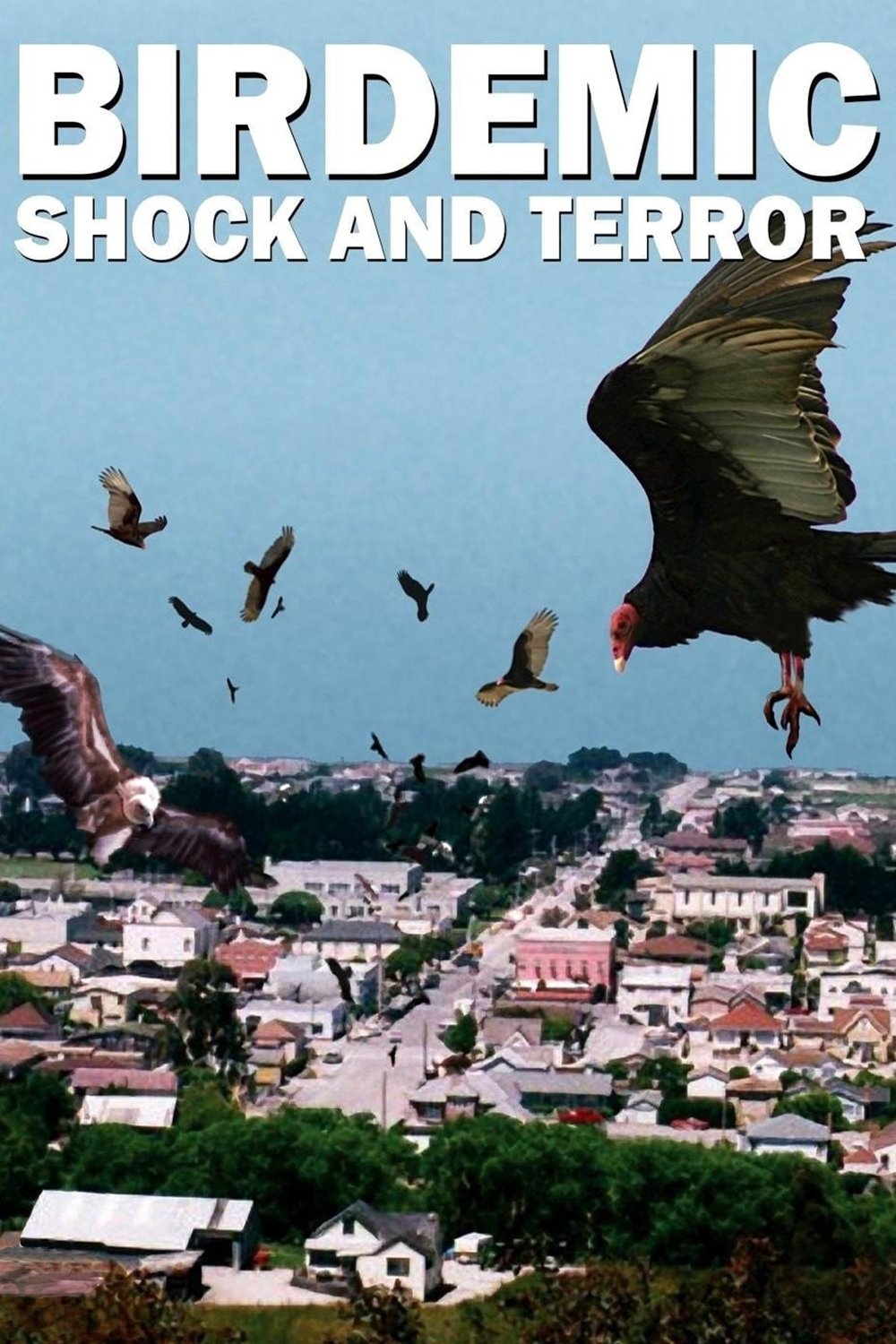
Independent filmmaker James Nguyen produced this thriller about a town attacked by killer birds. The movie used basic CGI overlays and long driving scenes that filled out the runtime.
Word of mouth spread through festivals and special screenings. It later spawned a sequel and became a staple of so bad it is good programming blocks.
‘Saving Christmas’ (2014)
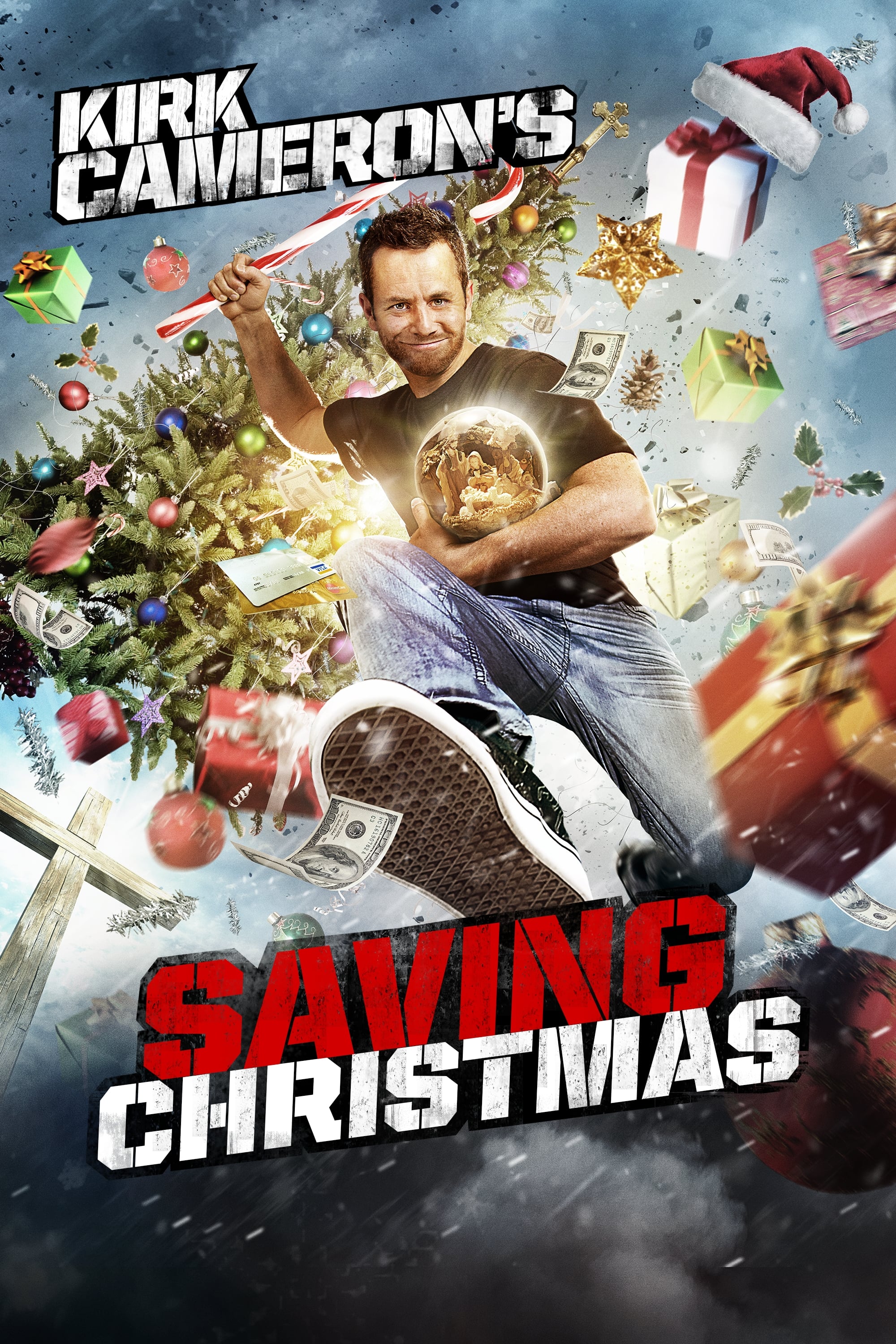
This micro budget holiday film framed a conversation about faith and seasonal traditions. It mixed staged scenes with a narrative about a family party.
The release became known for an audience score campaign that drew press coverage. Its theatrical run was brief, and the movie found most of its viewership on home formats.
‘Fifty Shades of Grey’ (2015)
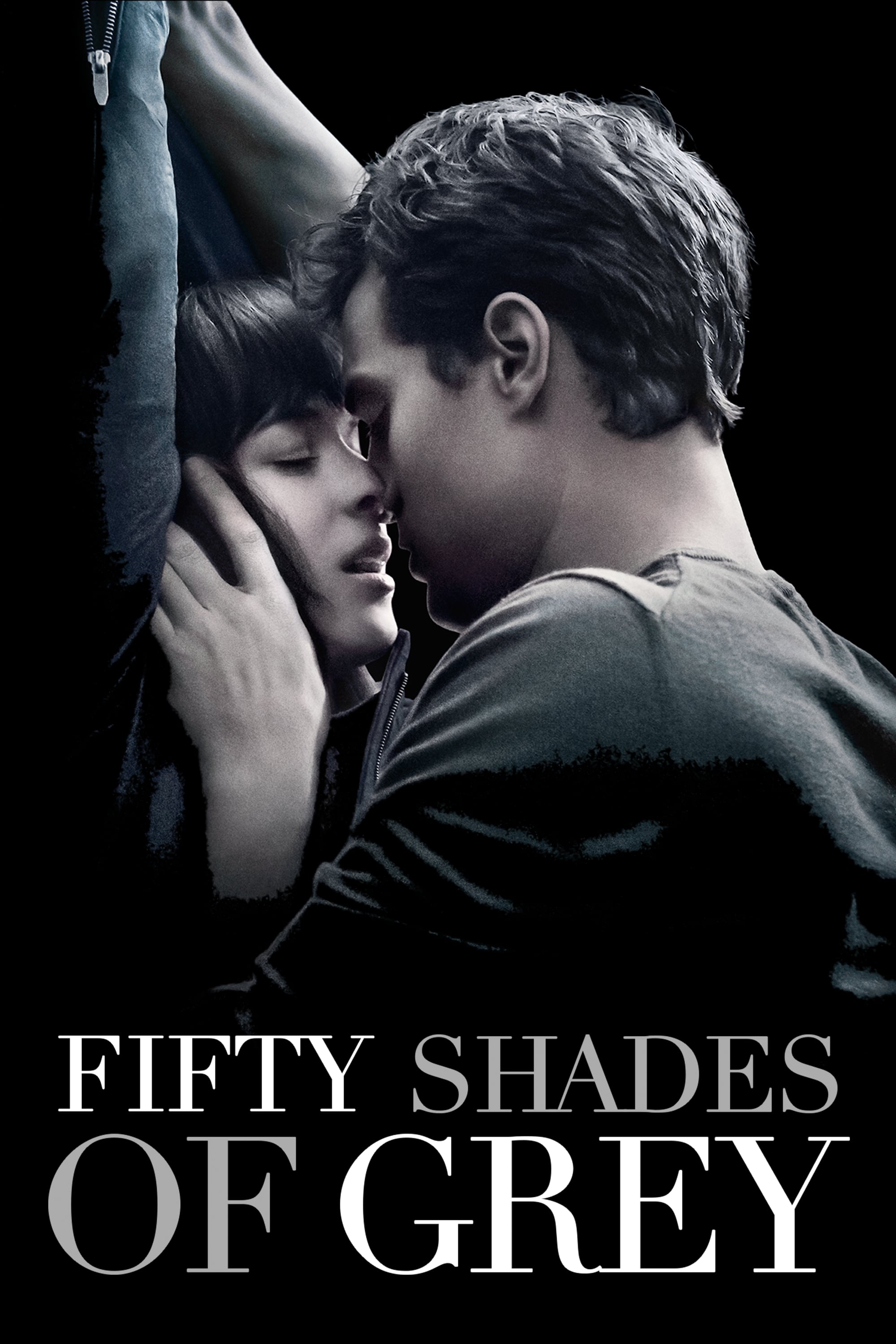
Adapted from the bestselling novel, this romance starred Dakota Johnson and Jamie Dornan. The production kept a restrained visual style and centered many scenes in contained locations.
The film drew large crowds but polarized viewers who wanted different levels of intensity and character development. Sequels followed quickly, turning the property into a modern studio franchise.
‘Transformers: Revenge of the Fallen’ (2009)
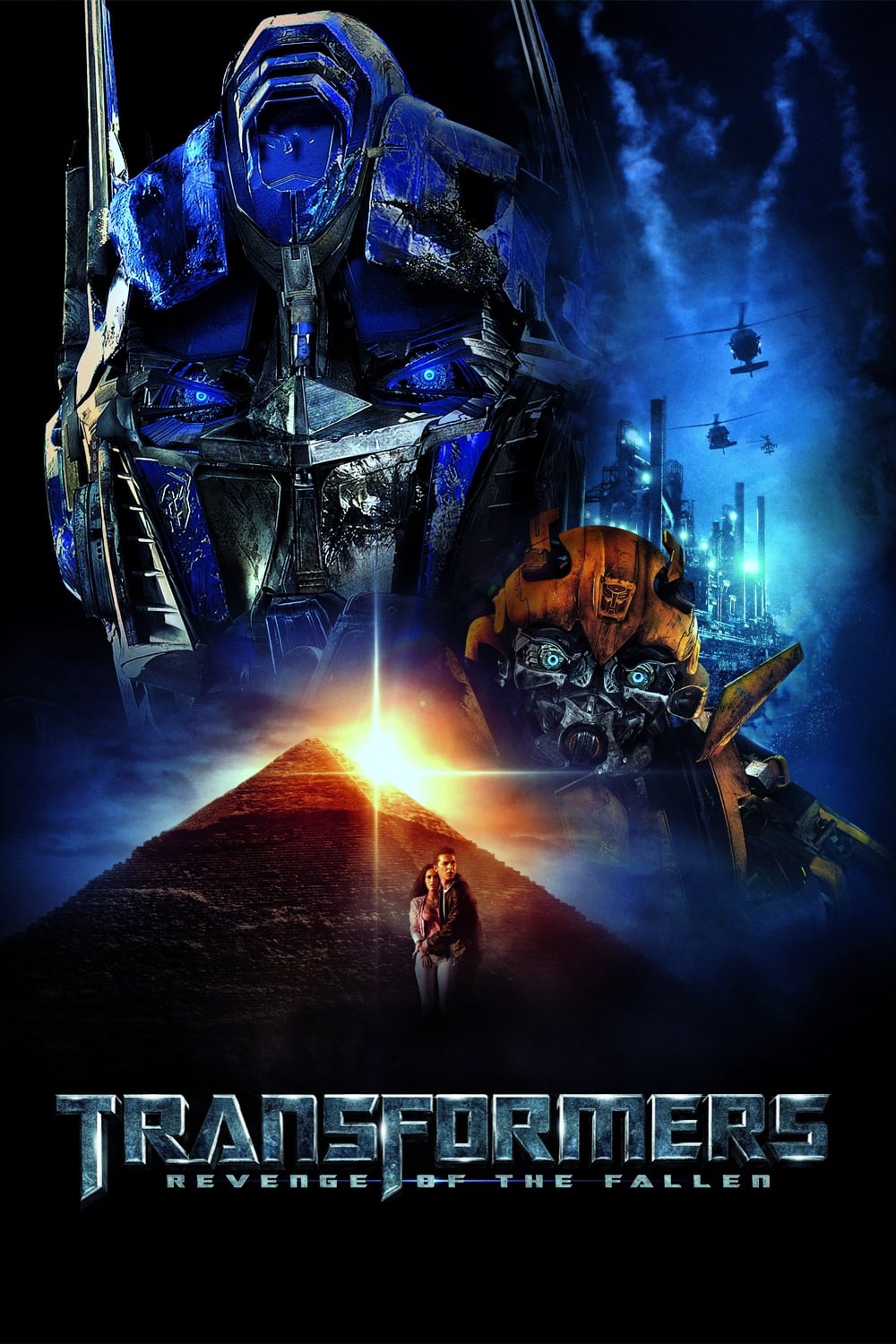
This sequel expanded the robot roster and pushed action to larger global locations. The production faced a compressed writing window that affected the script process.
Audiences saw an escalation in visual effects and destruction while critics flagged thin character work. The movie still posted massive worldwide grosses, encouraging the studio to continue annualized releases.
‘X-Men Origins: Wolverine’ (2009)
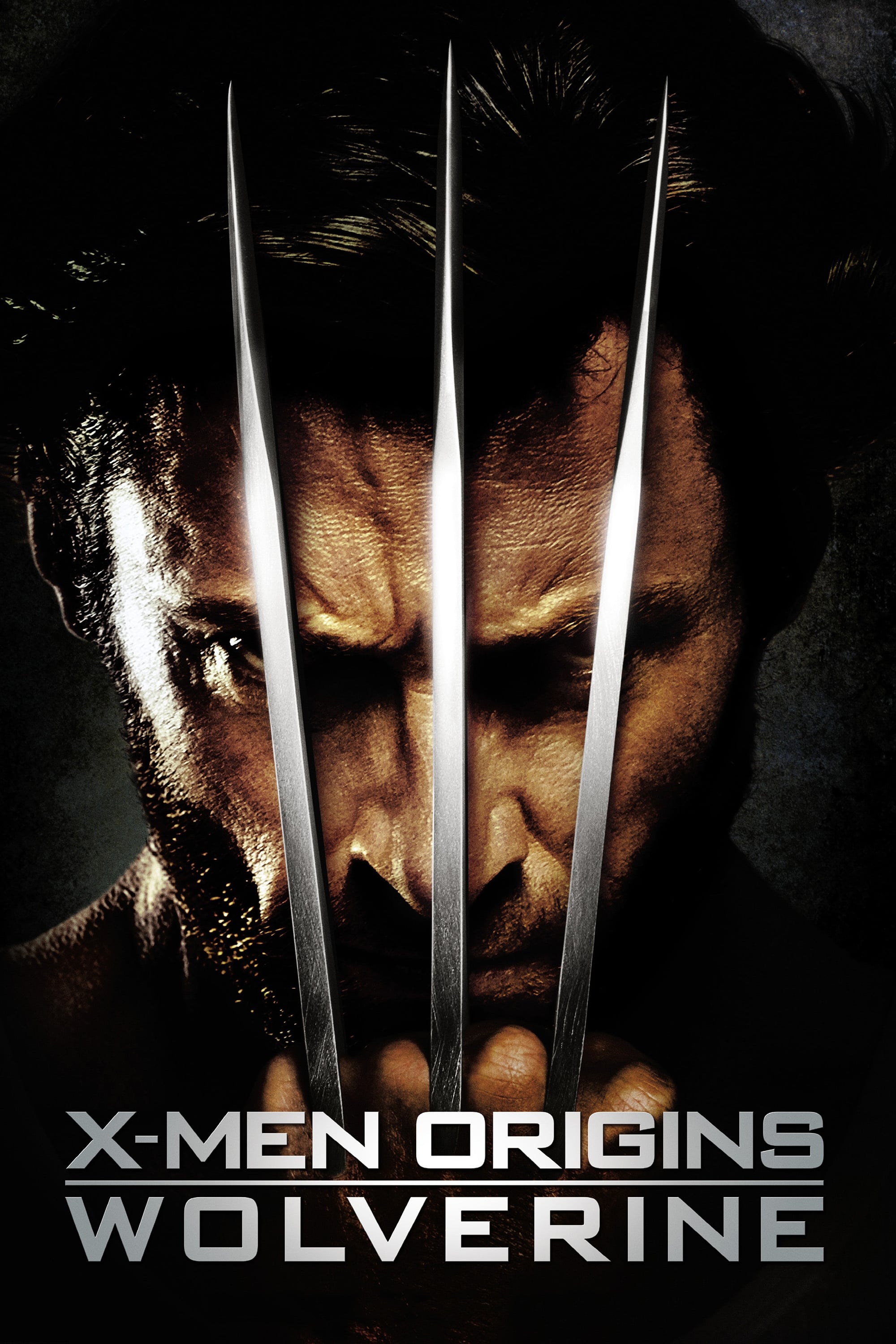
Intended as a launchpad for character centric spin offs, this entry explored the early life of Logan. A widely circulated workprint leak hurt marketing control and revealed unfinished effects shots.
Fans reacted to creative liberties with Deadpool and other mutants. The mixed response prompted a course change with a grounded follow up that reset the character’s solo path.
‘Star Wars: Episode I – The Phantom Menace’ (1999)
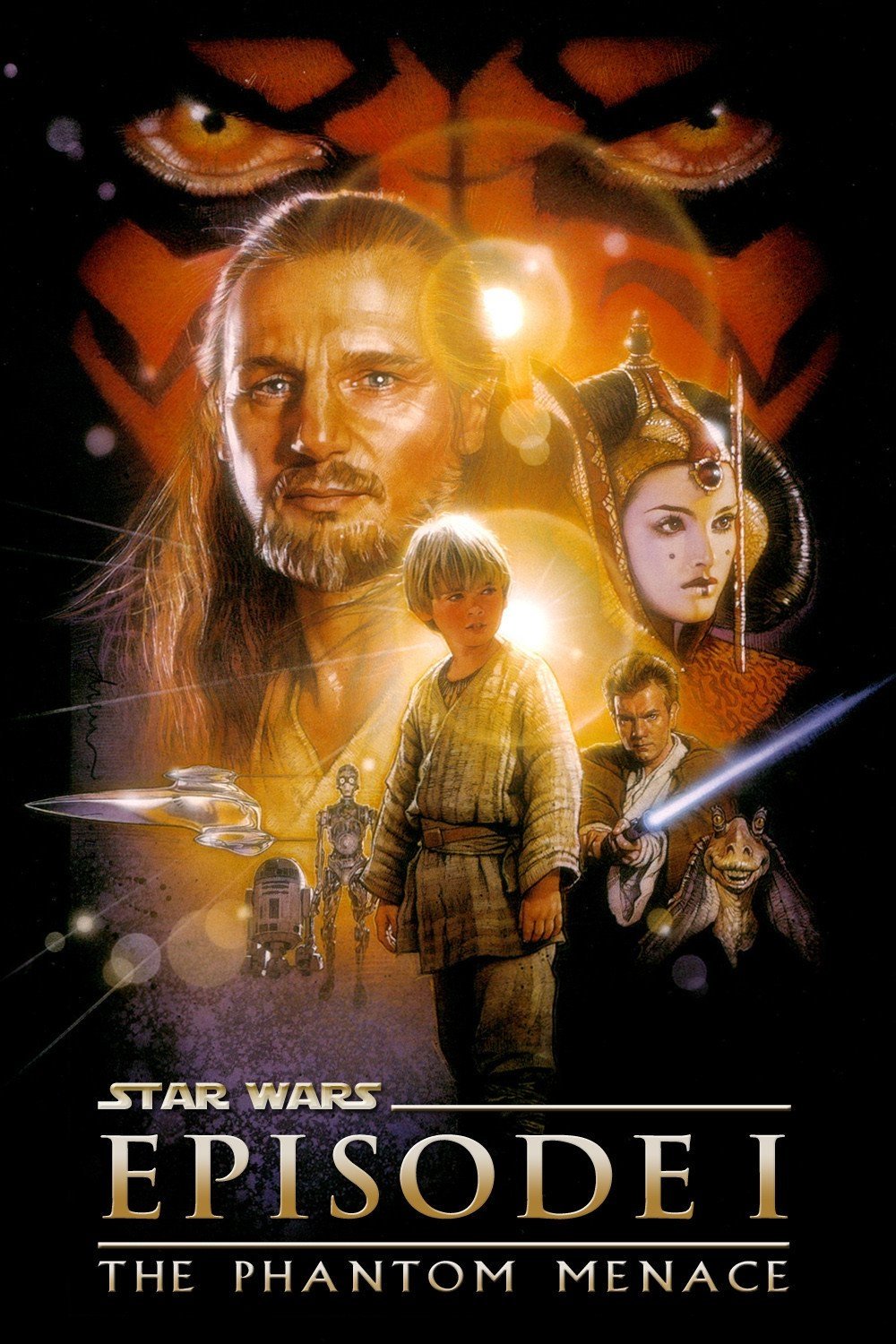
The first prequel introduced the Galactic Republic, the Jedi Council, and the rise of a young Anakin Skywalker. It pushed digital effects and virtual environments to new levels for the time.
The film achieved record breaking ticket sales and robust merchandising. Debates about pacing, dialogue, and certain characters continued for years, making it one of the most discussed blockbusters ever.
‘Indiana Jones and the Kingdom of the Crystal Skull’ (2008)
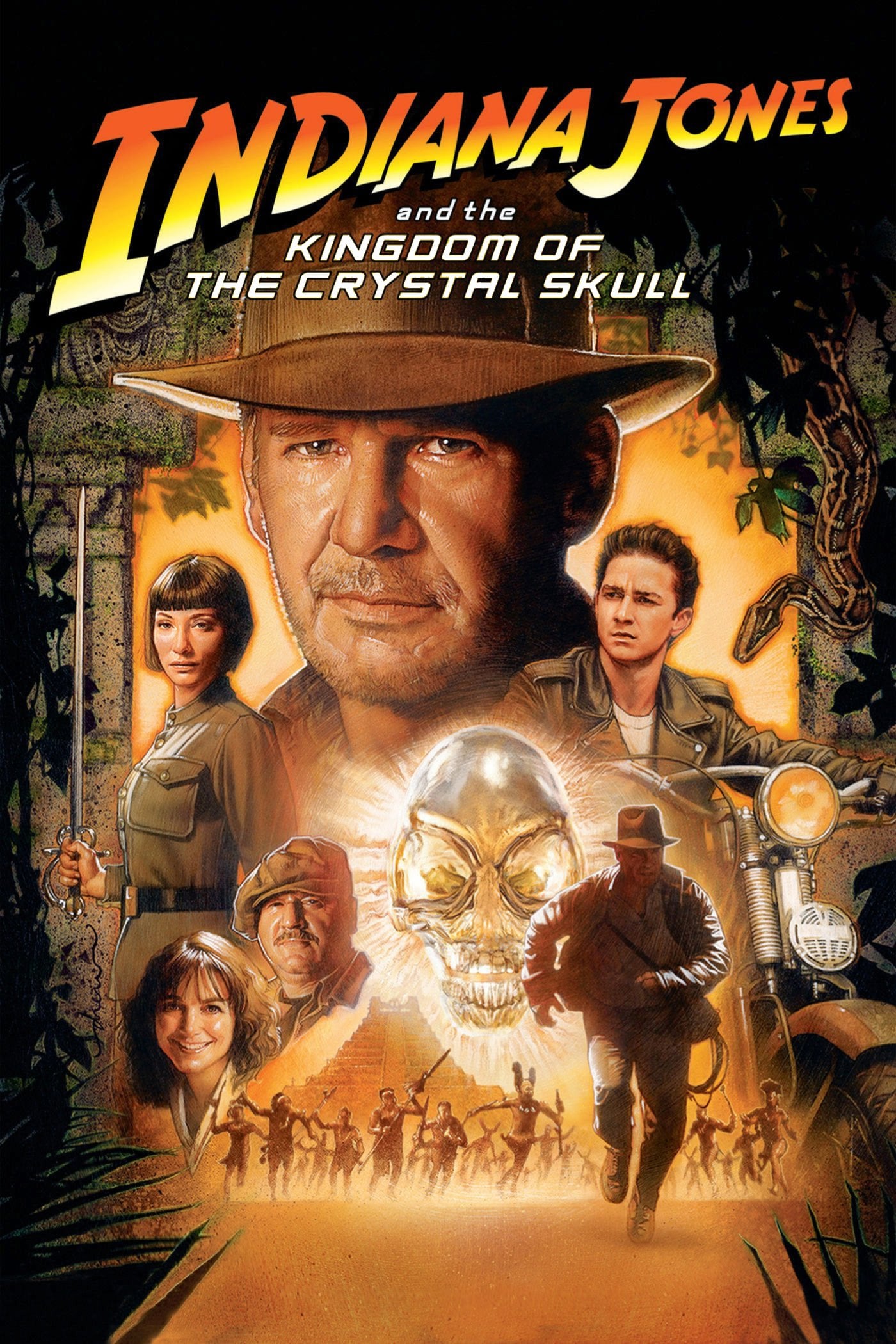
Harrison Ford returned to the iconic role with Steven Spielberg directing and George Lucas producing. The story moved the timeline forward and brought Cold War elements into the series.
The movie combined practical stunts with extensive CGI that drew mixed reactions. It earned strong opening numbers but faced ongoing conversation about specific set pieces and tonal choices.
‘Suicide Squad’ (2016)
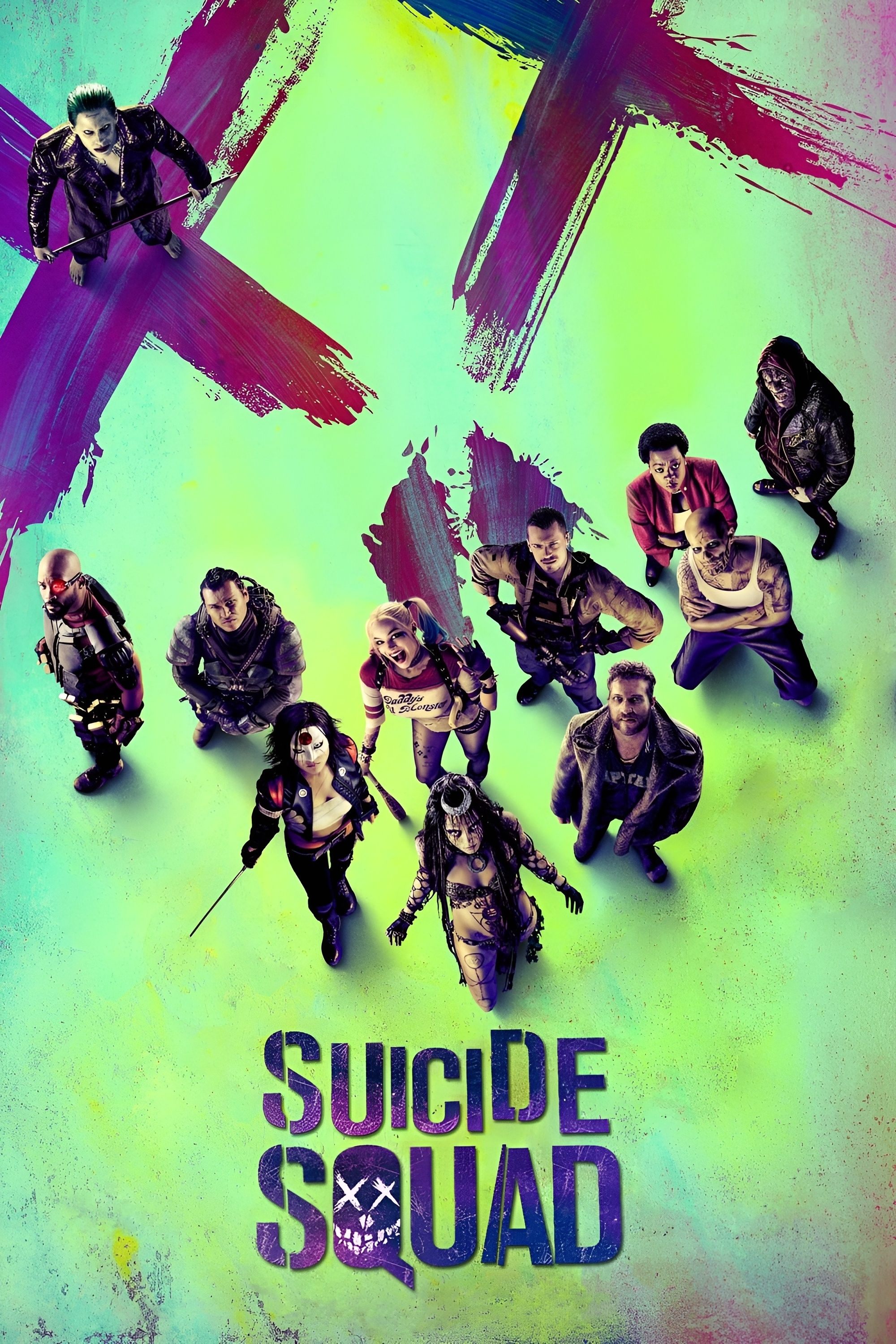
This comic book ensemble introduced a team of imprisoned villains sent on a dangerous mission. Warner Bros reworked the cut after trailer reactions, resulting in a version shaped by multiple editorial passes.
The soundtrack became a hit and several characters gained large fan bases. Editing choices, plot cohesion, and the portrayal of certain roles generated criticism that fueled calls for alternate cuts and later reimaginings.
‘Fantastic Four’ (2015)
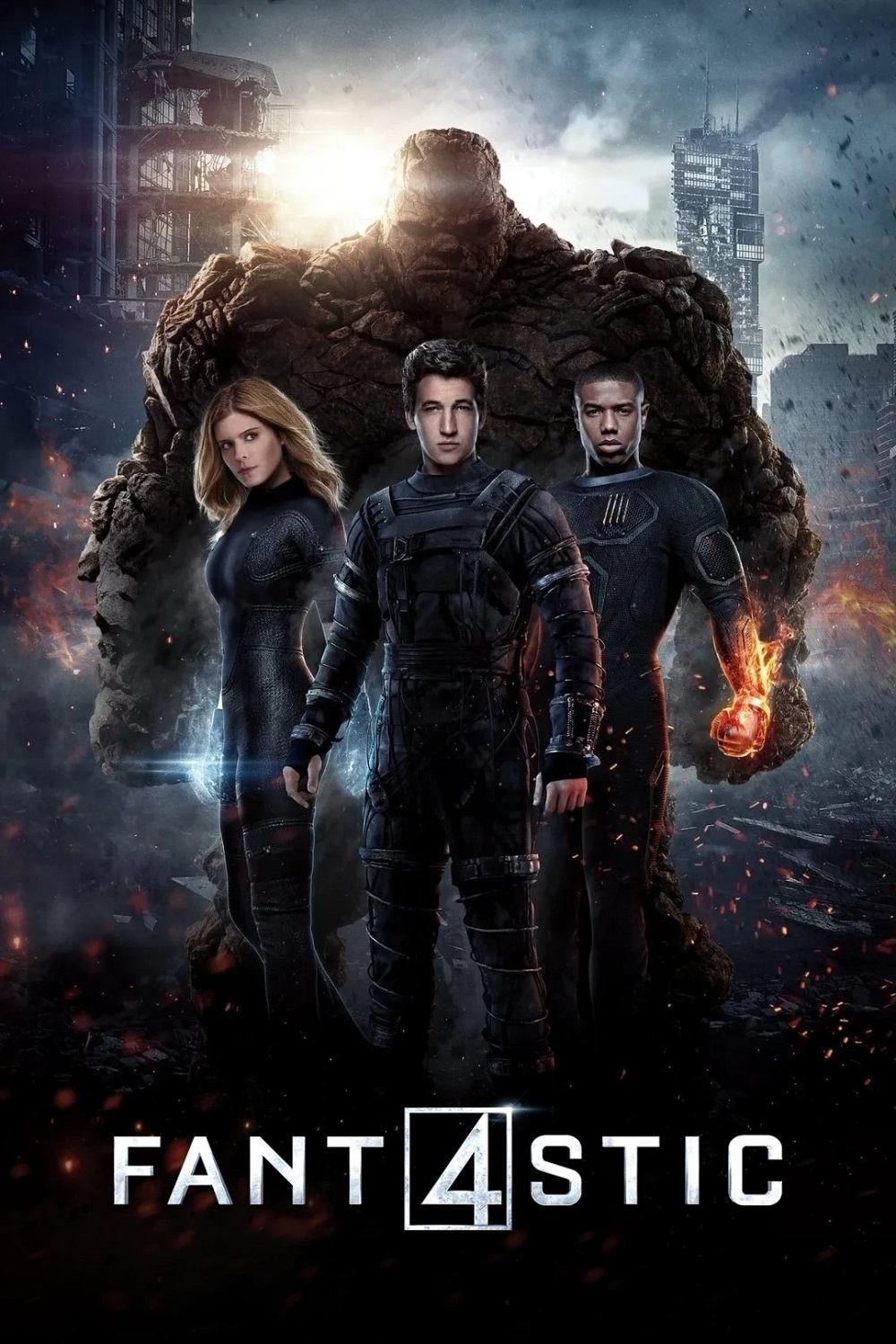
This reboot of Marvel’s first family introduced a younger team and a new origin story. Josh Trank directed and the project went through publicized reshoots with changes to character arcs and the final act.
Marketing teased a grounded tone that differed from earlier versions. The release came amid a crowded superhero slate, and negative word of mouth limited the run and stalled plans for sequels.
‘The Happening’ (2008)
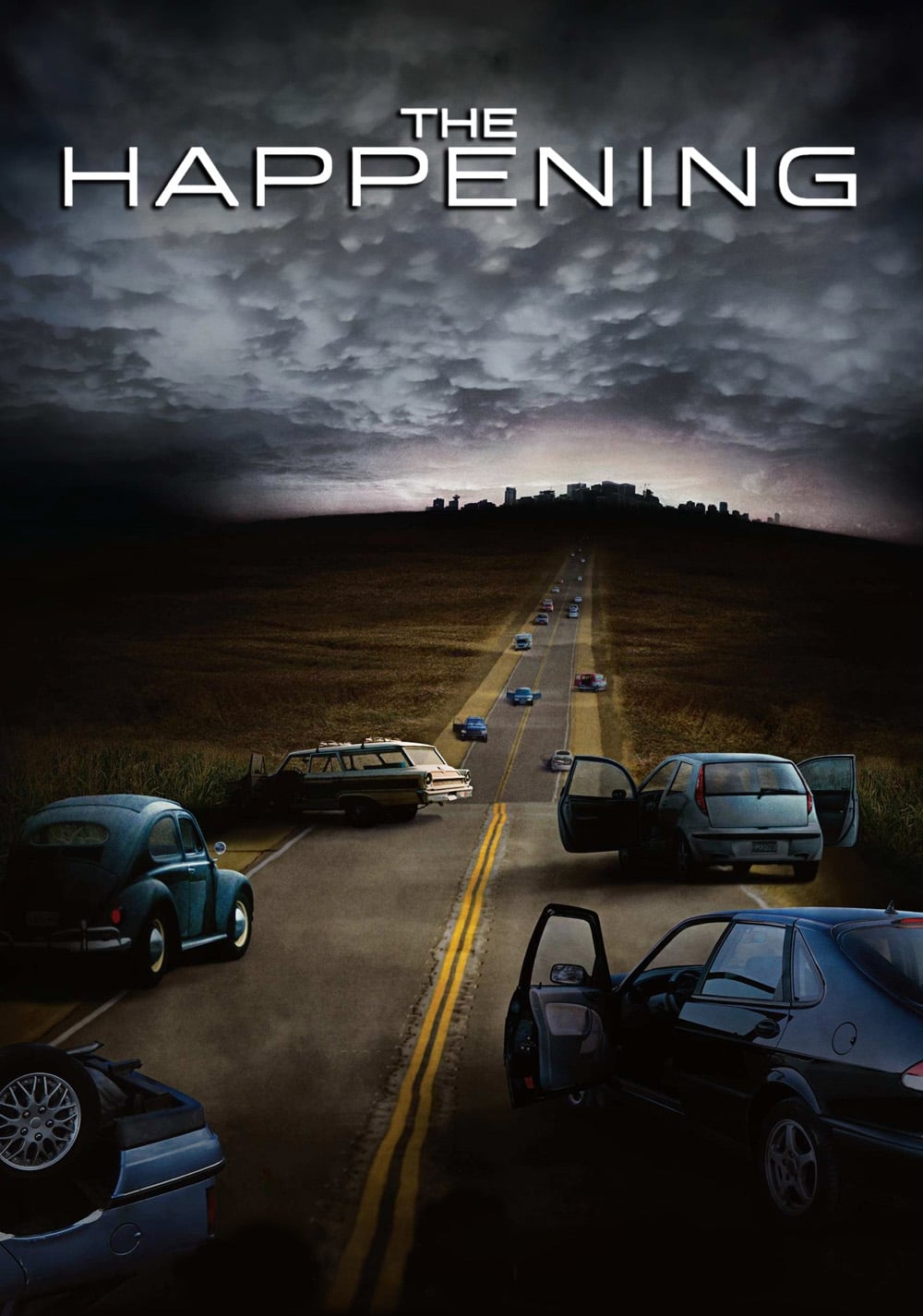
M Night Shyamalan wrote and directed this thriller about a mysterious threat moving through the Northeast. Mark Wahlberg and Zooey Deschanel led the cast with sequences built around sudden mass panic.
Trailers highlighted a high concept hook, but viewers cited awkward dialogue and uneven performances. The movie was financially successful, though critical reaction was poor and the reputation remained shaky.
‘Green Lantern’ (2011)
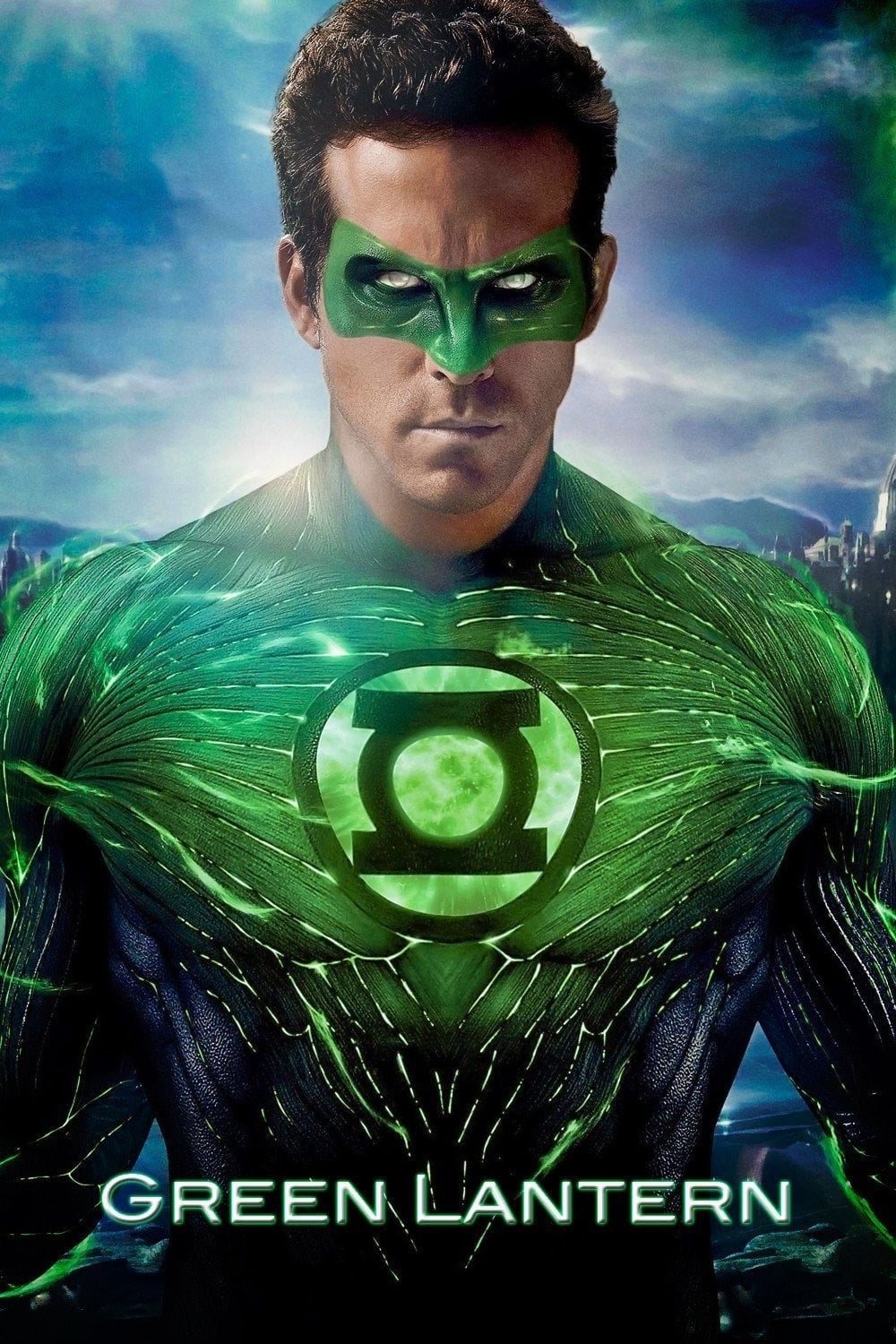
Ryan Reynolds starred as Hal Jordan with a story that introduced the Corps and the villain Parallax. The production leaned heavily on digital suits and large scale CGI environments.
The effects work and origin plot drew criticism for looking unfinished and rote. Box office totals fell short of expectations, and the studio shifted its approach to building a shared universe.
‘After Earth’ (2013)
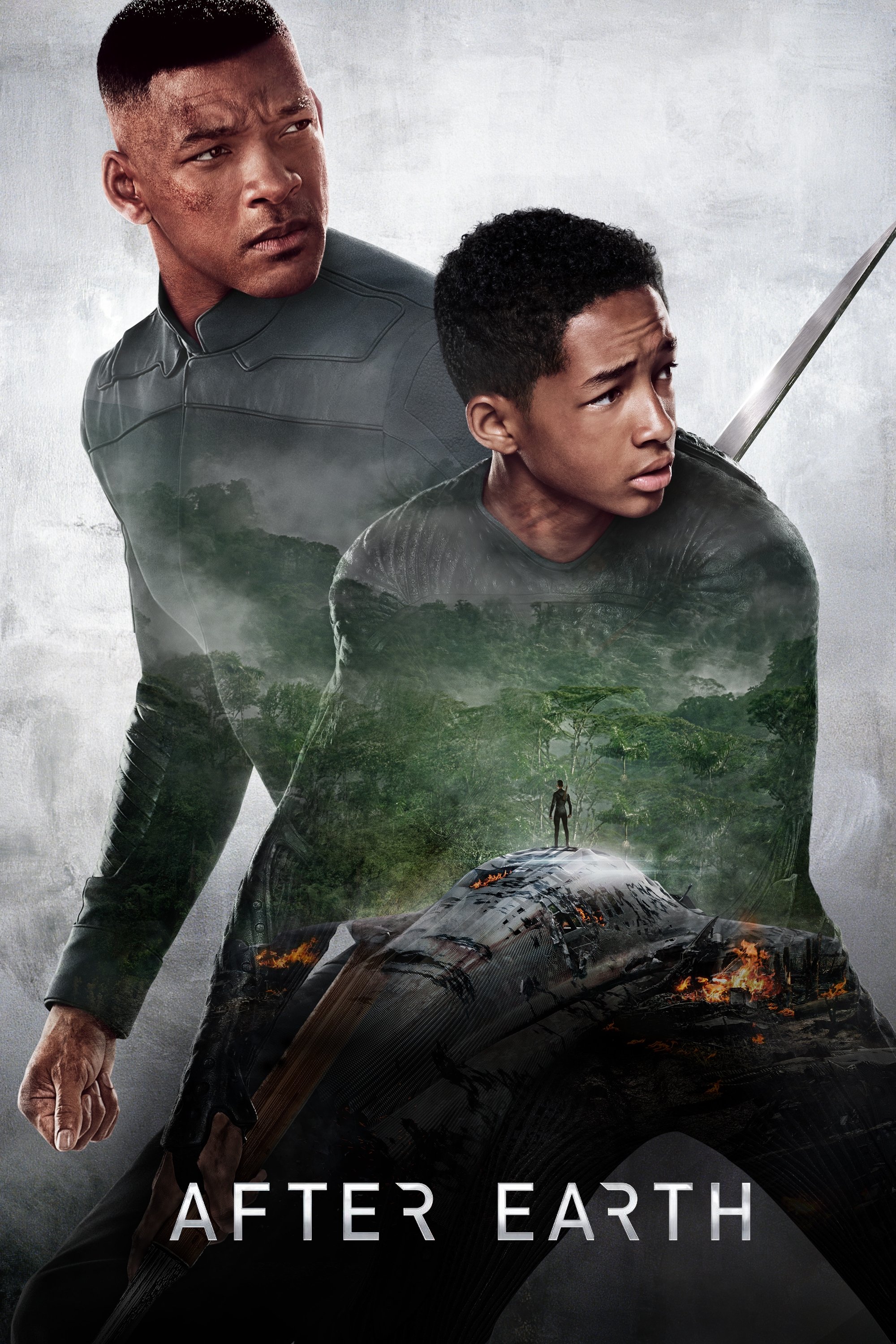
Will Smith produced this sci fi adventure that paired him with Jaden Smith as a father and son stranded on a hostile planet. The film emphasized survival training and a focus on fear control.
Pre release coverage focused on the family collaboration and a broad marketing push. The movie struggled to connect with audiences and became an example of star driven projects that miss market alignment.
‘Speed 2: Cruise Control’ (1997)
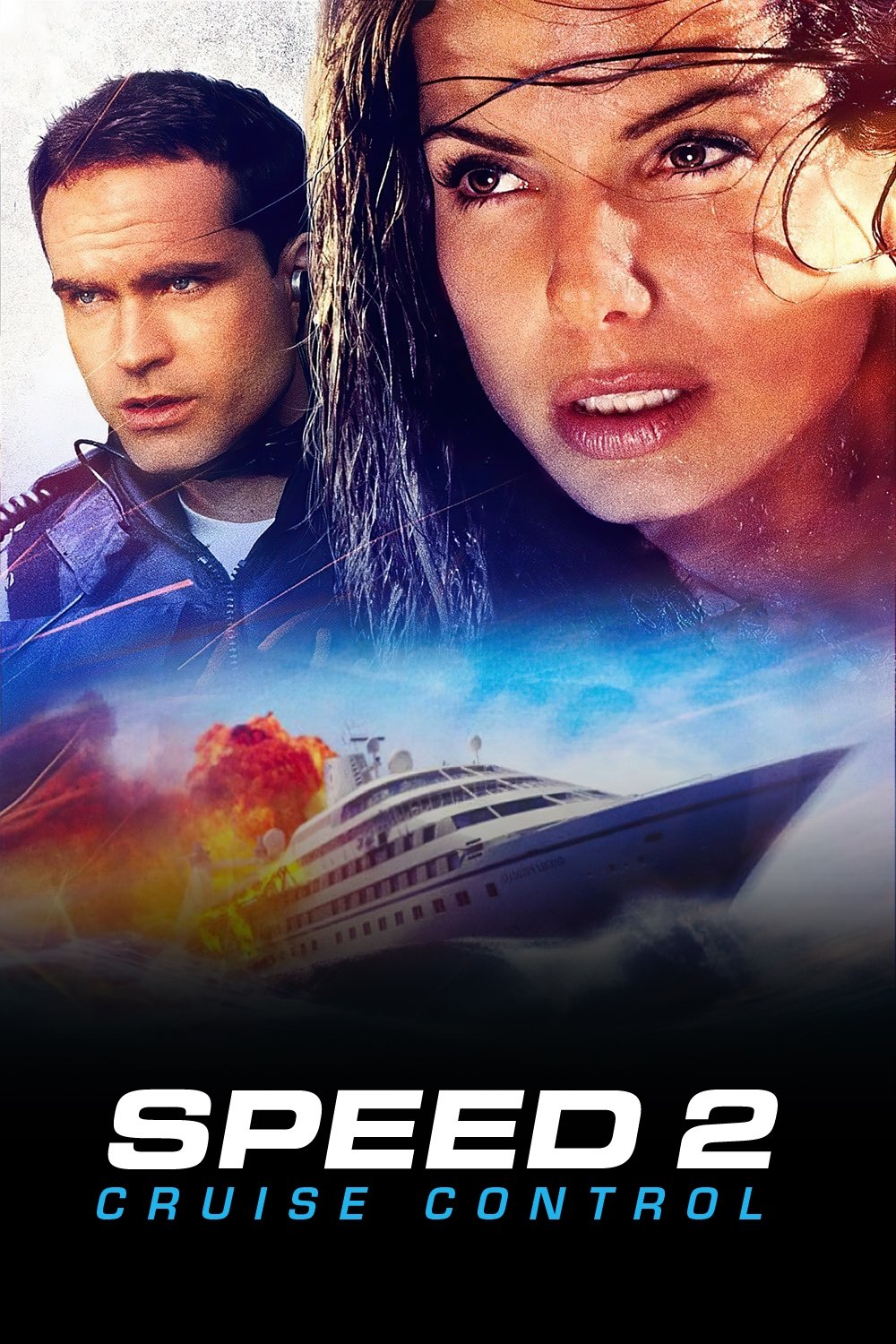
Sandra Bullock returned with Jason Patric taking the male lead. The story moved from a city bus to a luxury cruise ship with an antagonist who hijacks the vessel.
Action set pieces focused on shipboard stunts and an extended port collision finale. Without Keanu Reeves and with a slower setting, the sequel underperformed and drew unfavorable comparisons to the original.
‘Wild Wild West’ (1999)
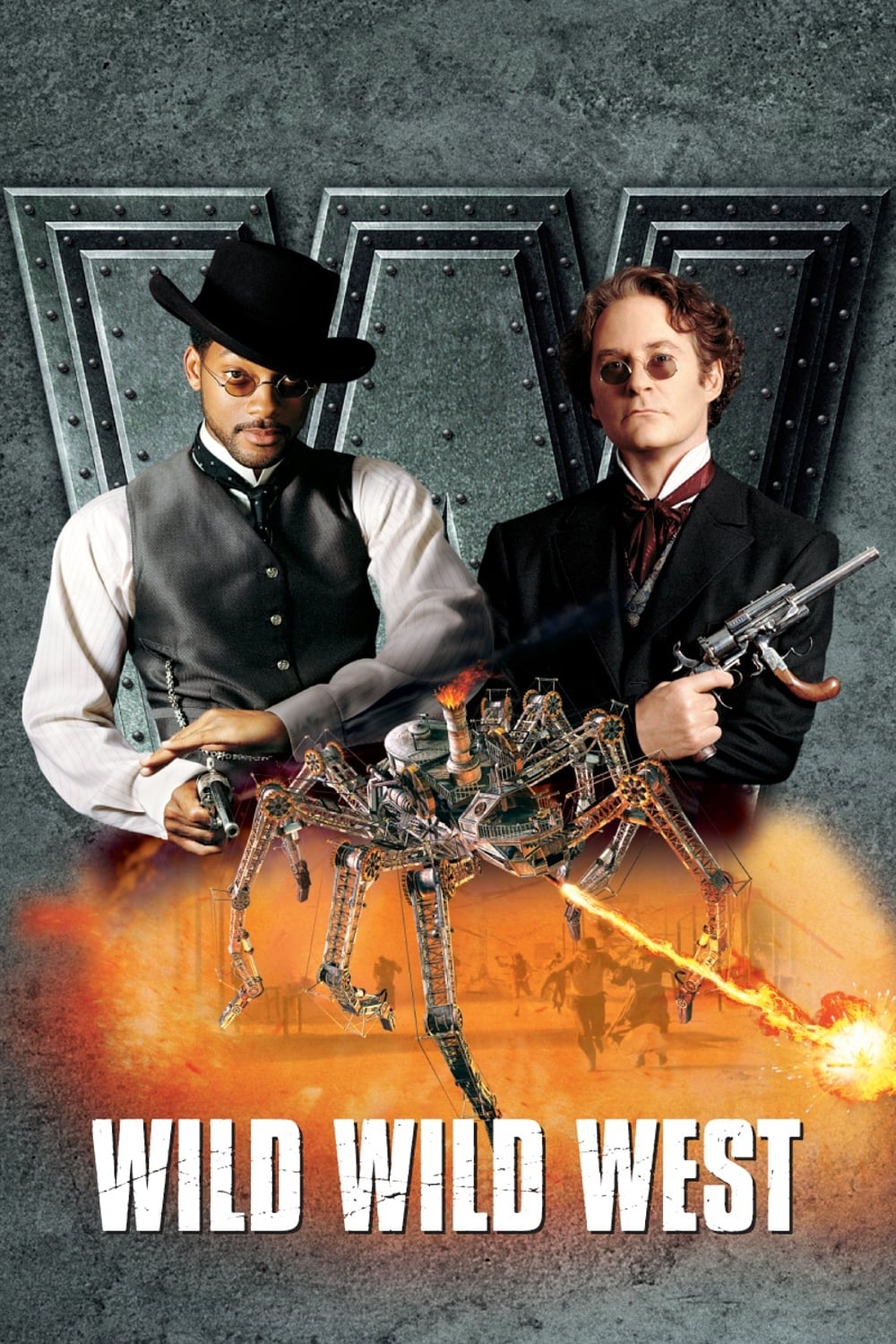
Barry Sonnenfeld directed this steampunk inspired action comedy starring Will Smith and Kevin Kline. The production invested in elaborate mechanical designs including a giant spider climax.
The tonal mix of buddy comedy and retro tech adventure confused audience expectations. Merchandising and a hit tie in single did not offset weak reception, and the film became a cautionary tale for brand based remakes.
‘The Mummy’ (2017)
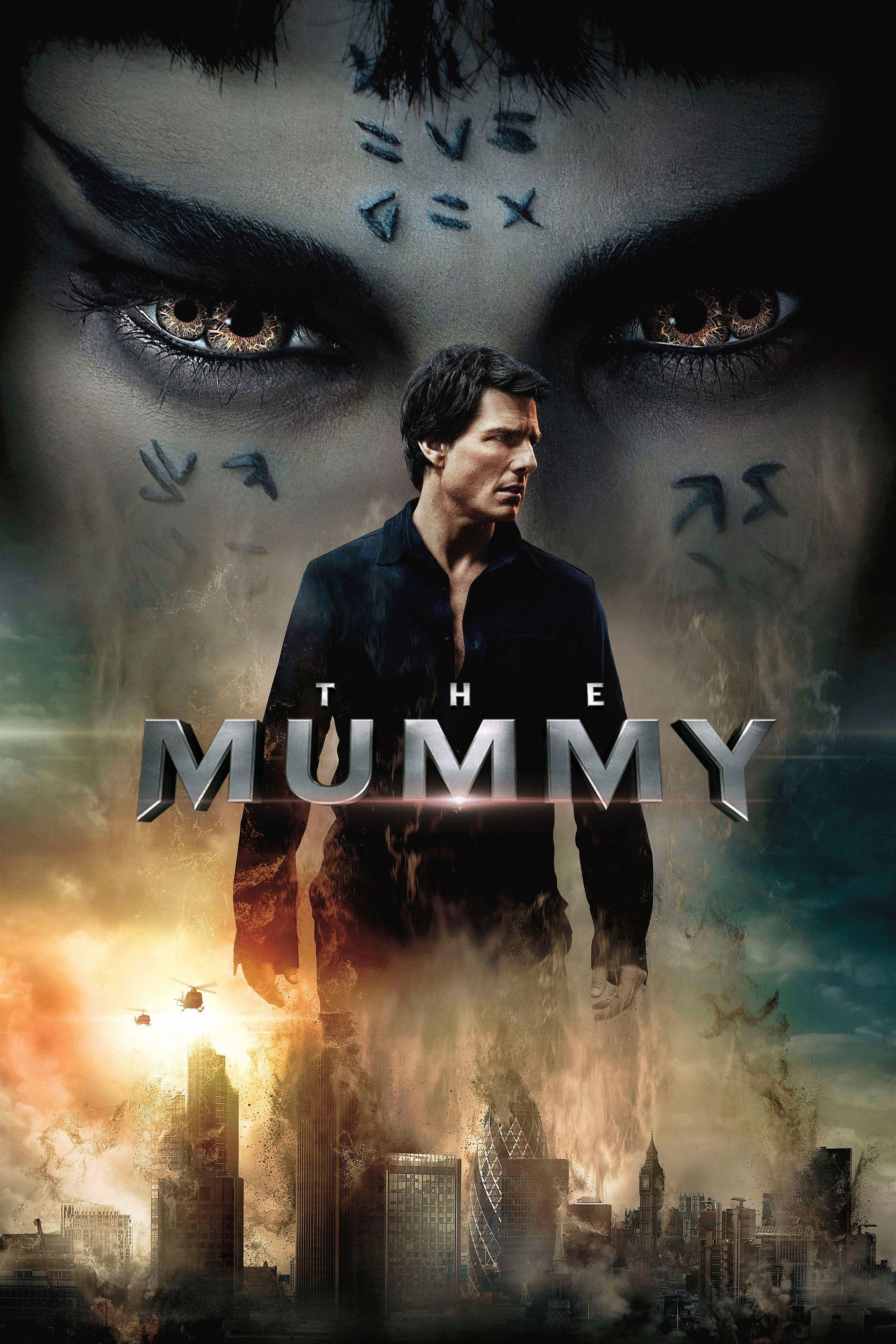
Universal positioned this Tom Cruise vehicle as the start of a monster based shared universe. Sofia Boutella played the title villain with a plot that linked ancient curses to a modern secret society.
Extensive location work and plane crash stunts were central to promotion. The film opened wide but momentum faded, and the studio abandoned its immediate franchise blueprint.
‘Morbius’ (2022)
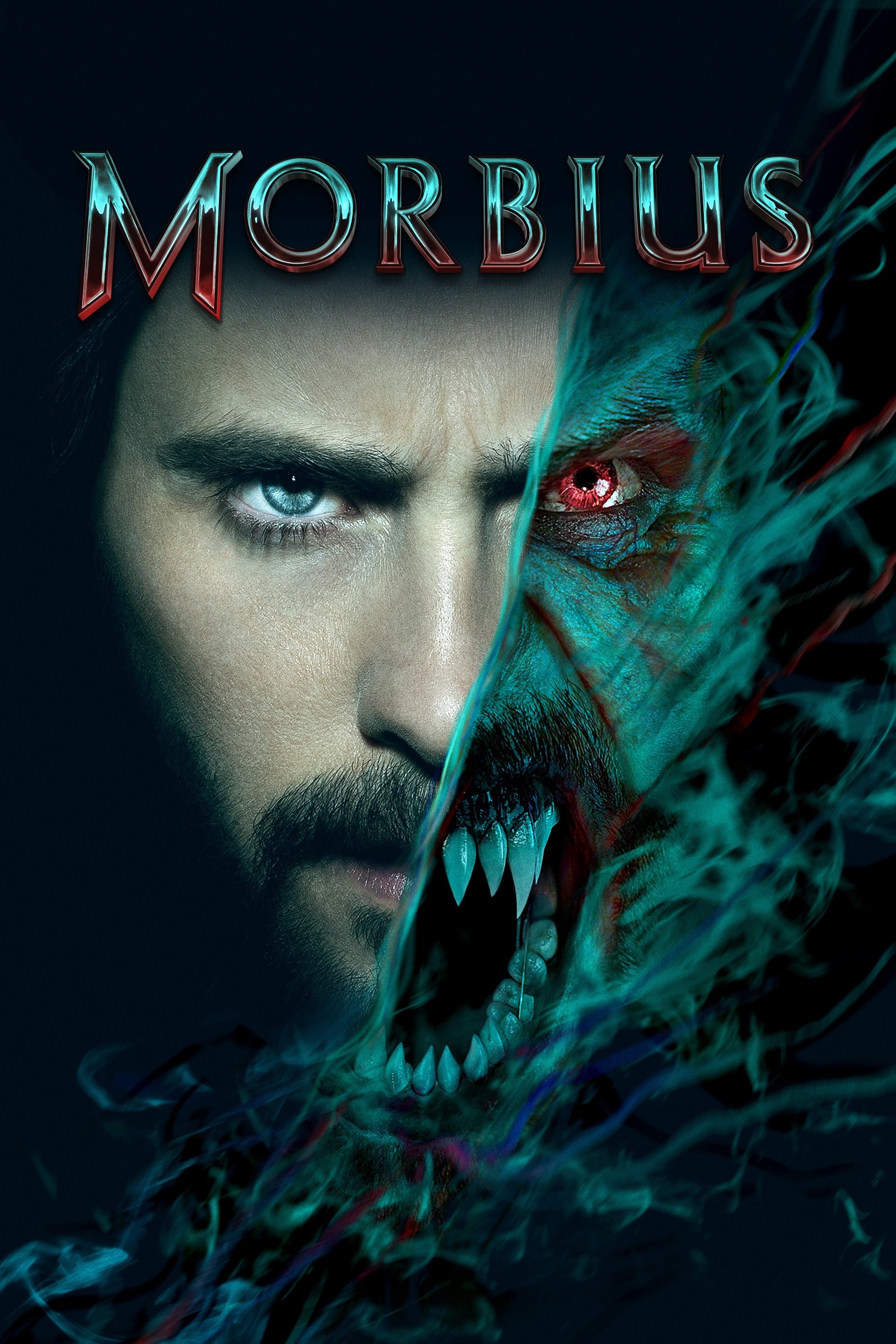
Jared Leto starred as the Marvel antihero in a Sony produced spin off. The story followed a scientist who gains vampiric abilities after an experimental treatment.
The release experienced multiple date changes and leaned on dark superhero imagery. Social media mockery became a running joke, and a re release failed to generate renewed interest.
‘Terminator Genisys’ (2015)
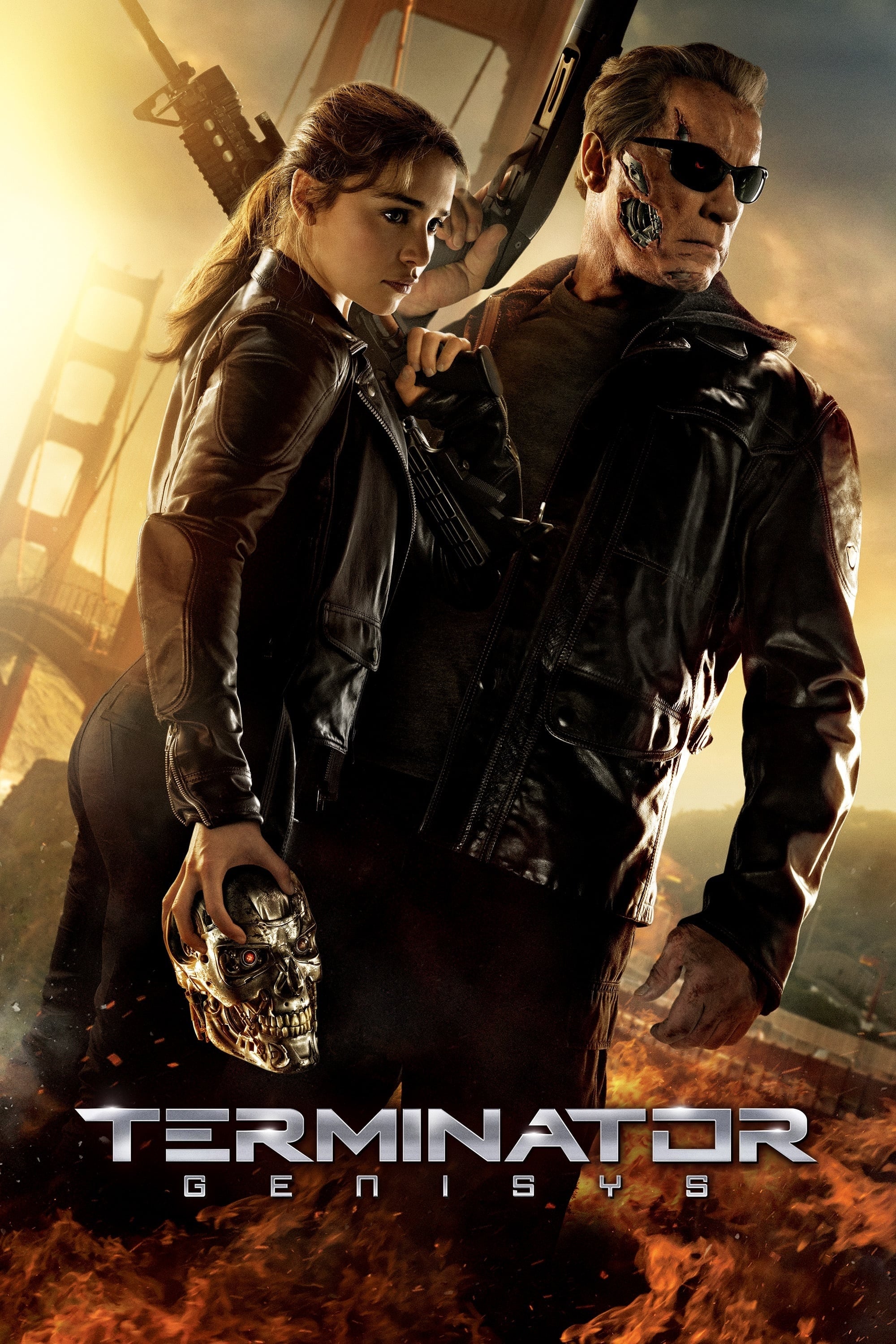
This entry reset the timeline with Emilia Clarke as Sarah Connor and Arnold Schwarzenegger returning. It combined callbacks to earlier scenes with alternate continuity reveals.
Despite a strong international haul, the domestic response was muted. Plans for a trilogy were paused as creative direction shifted again for the franchise.
‘Star Wars: The Rise of Skywalker’ (2019)
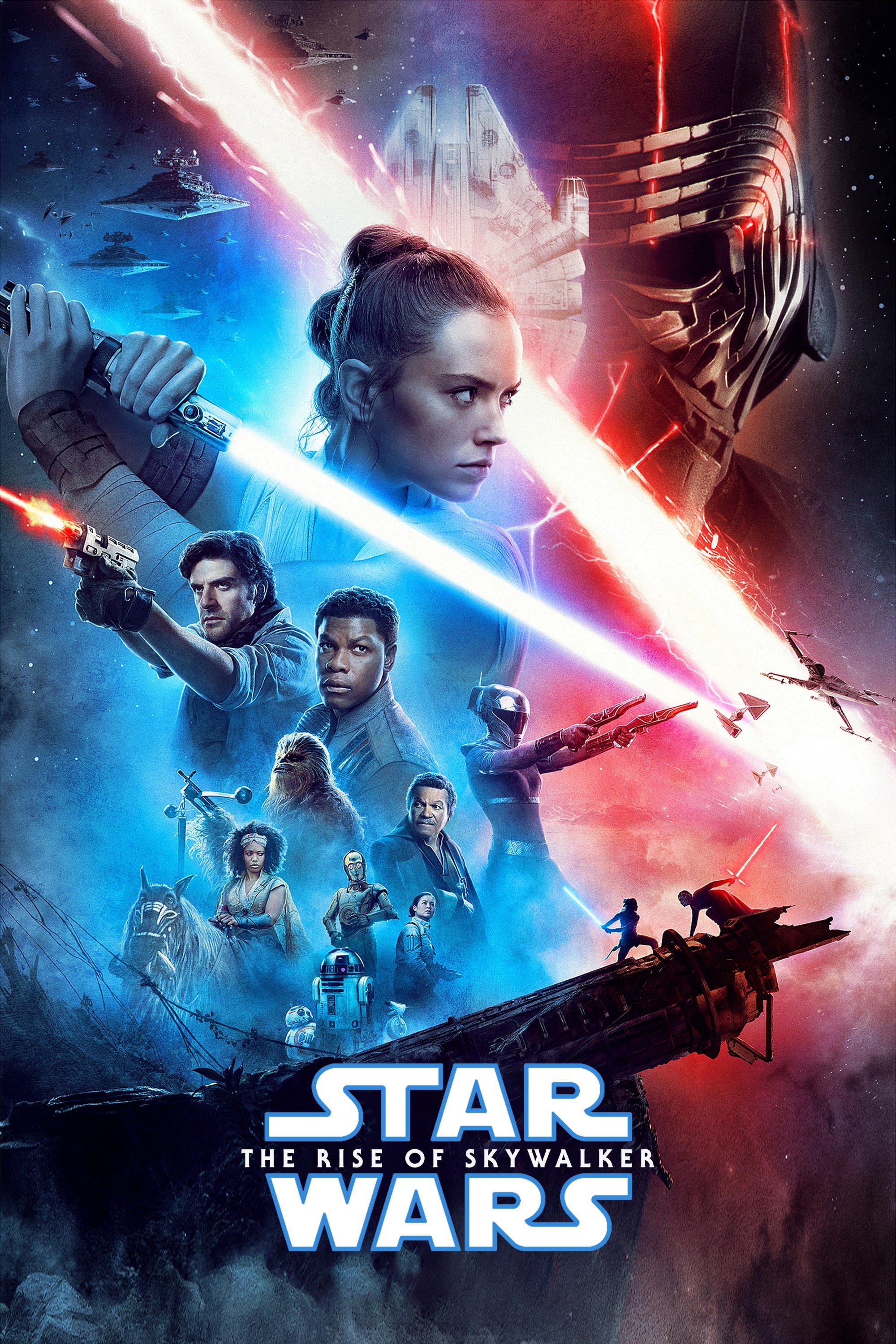
The final chapter of the sequel trilogy brought back Emperor Palpatine and focused on Rey’s lineage. J J Abrams returned to direct with a story that moved quickly through multiple planets and artifacts.
Editing choices and lore reversals drew heavy debate among fans. The film earned large global numbers yet closed the trilogy with unresolved arguments about character choices.
‘Star Wars: The Last Jedi’ (2017)
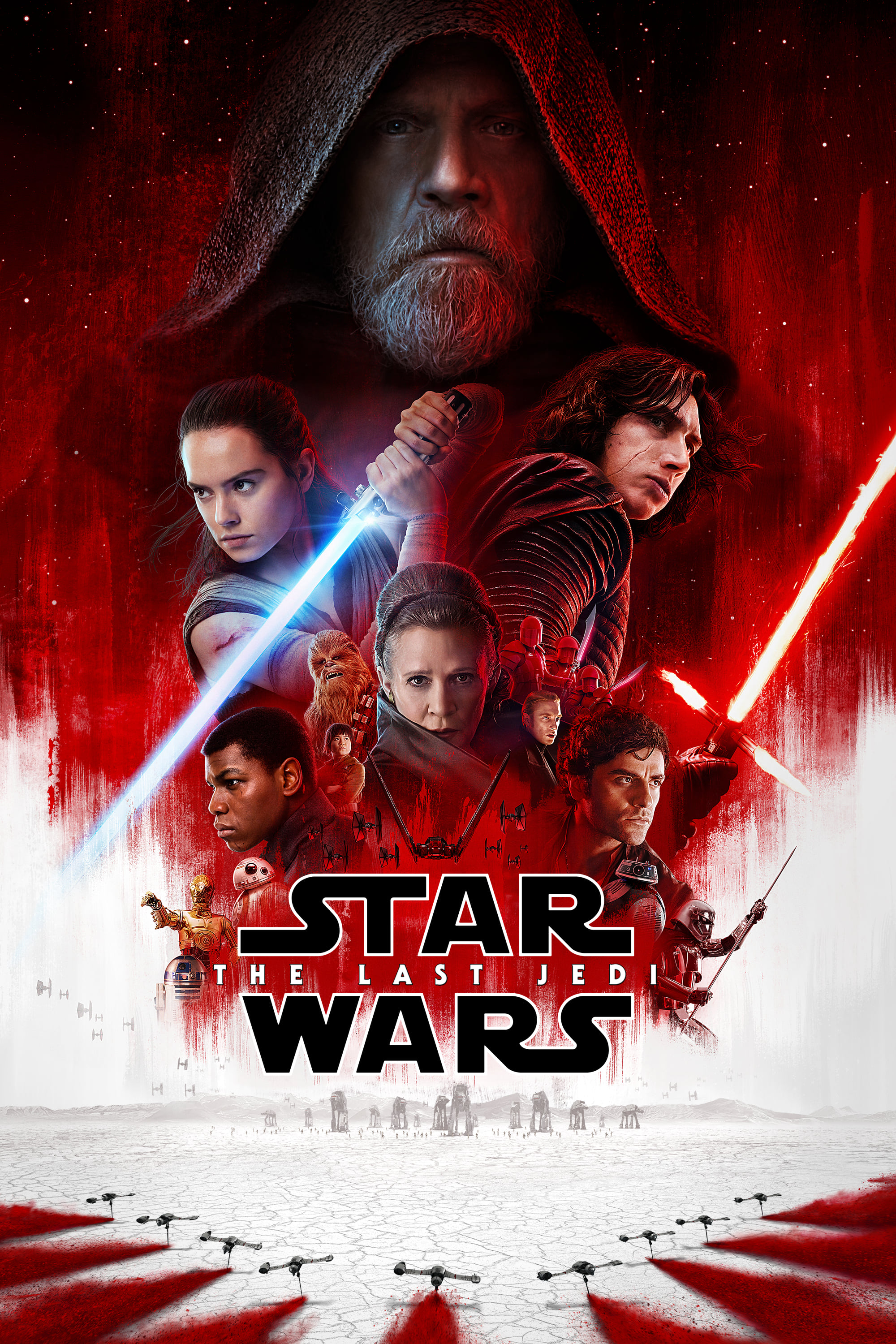
Rian Johnson wrote and directed a middle chapter that emphasized subverting expectations. The narrative split key characters across separate missions and broadened the Force mythos.
Audience reaction polarized into praise for bold swings and frustration with character direction. The ongoing discourse shaped how the next film approached plot threads and tone.
‘Batman v Superman: Dawn of Justice’ (2016)
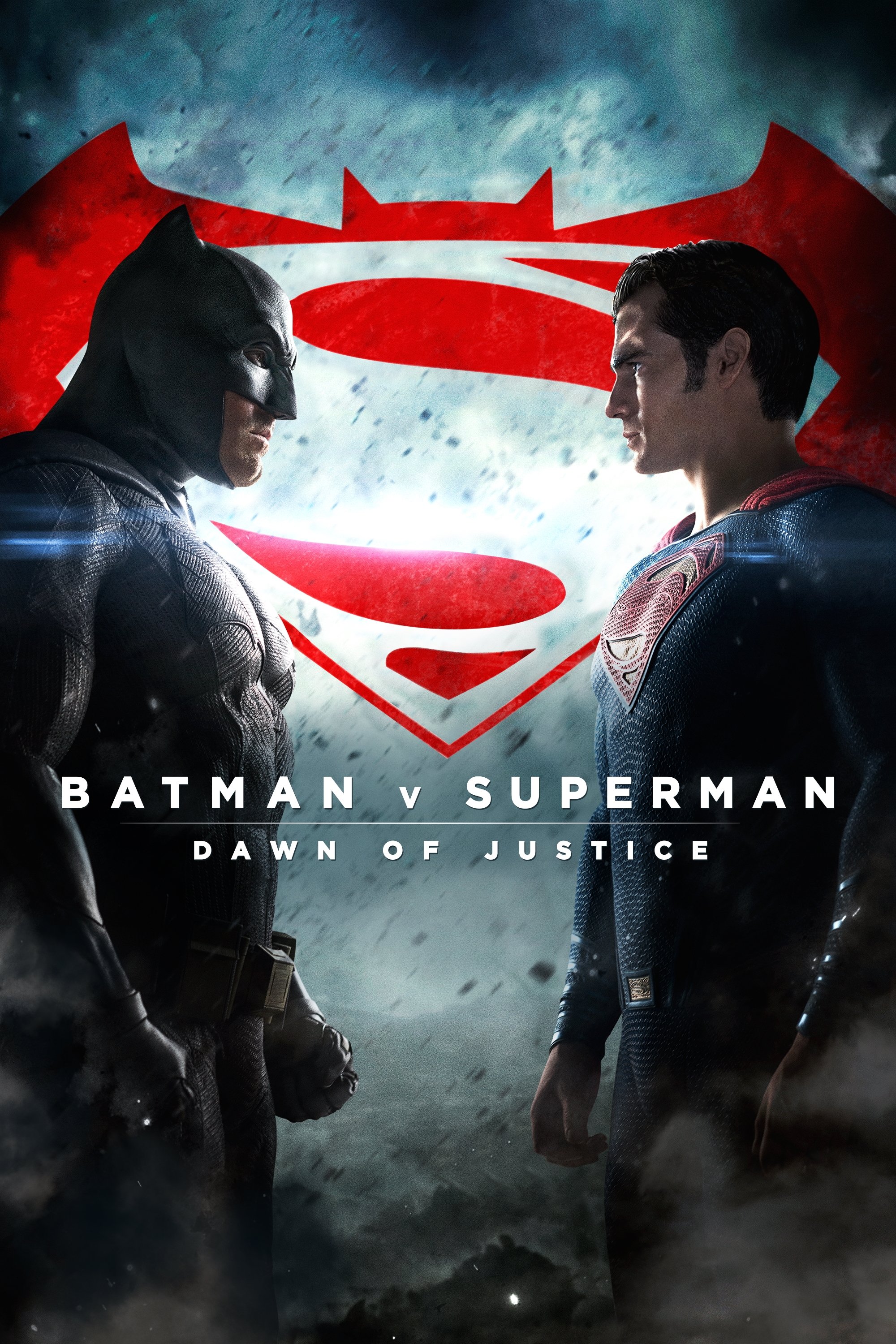
Zack Snyder’s crossover introduced a conflict between Bruce Wayne and Clark Kent while setting up a larger team. The extended cut later added context and rearranged scenes.
Marketing highlighted the first live action confrontation of the two icons. The theatrical version received criticism for pacing and plot clarity, and the studio accelerated a universe wide pivot.
‘Justice League’ (2017)
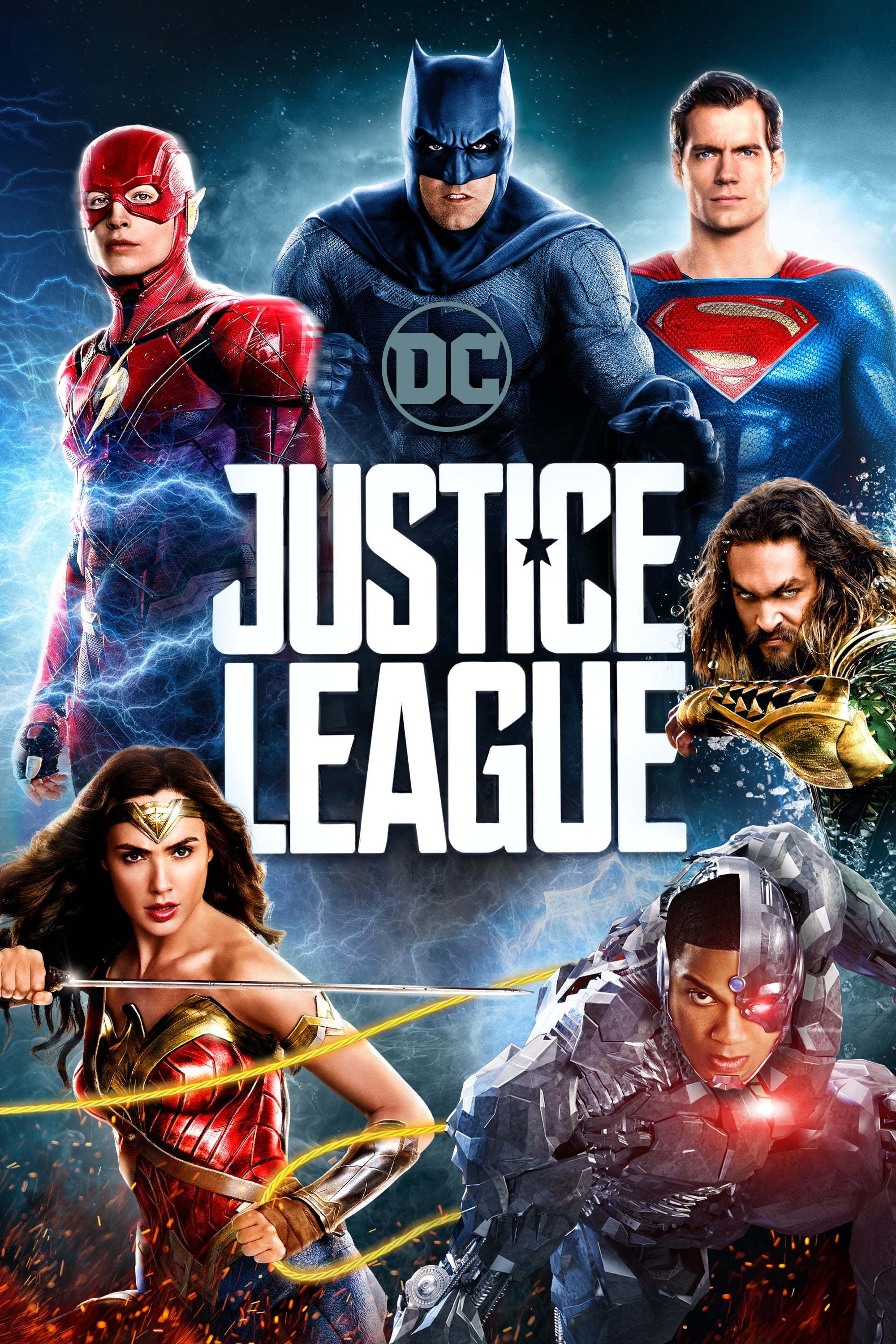
This ensemble brought together Batman, Wonder Woman, Aquaman, Flash, and Cyborg. Production changes led to a hybrid cut that mixed different directing styles and tones.
Visual effects completion and reshot footage became part of the narrative around the release. Fan campaigns later pushed for an alternate version that arrived years afterward and reignited debate.
‘Alien³’ (1992)
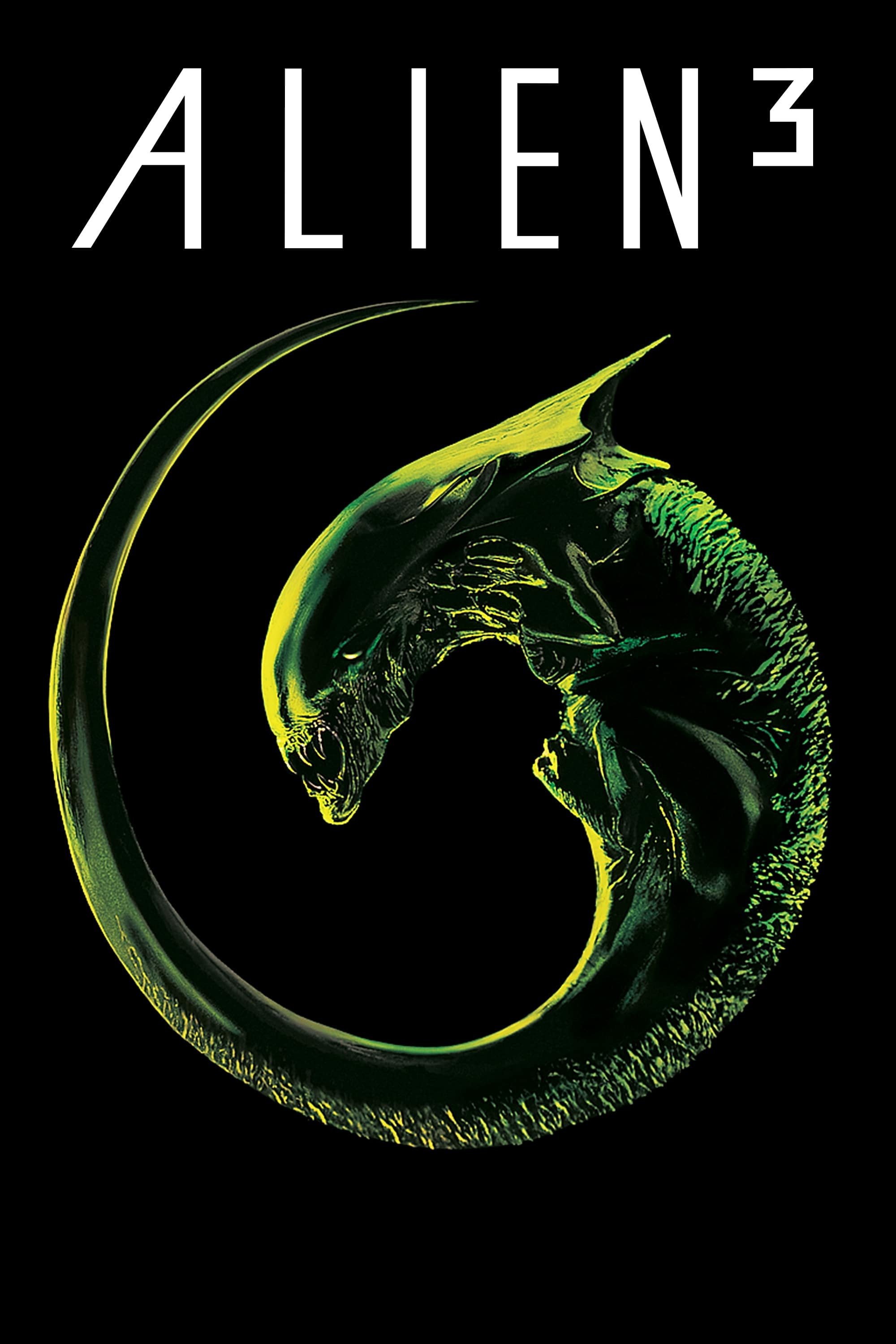
David Fincher’s feature debut continued Ripley’s story on a prison planet. Studio interference and an arduous shoot resulted in multiple edits and a later assembly cut.
Viewers missed earlier characters and noted abrupt story turns. The bleak setting and narrative choices kept the movie in a contentious spot within the franchise.
‘Alien Resurrection’ (1997)
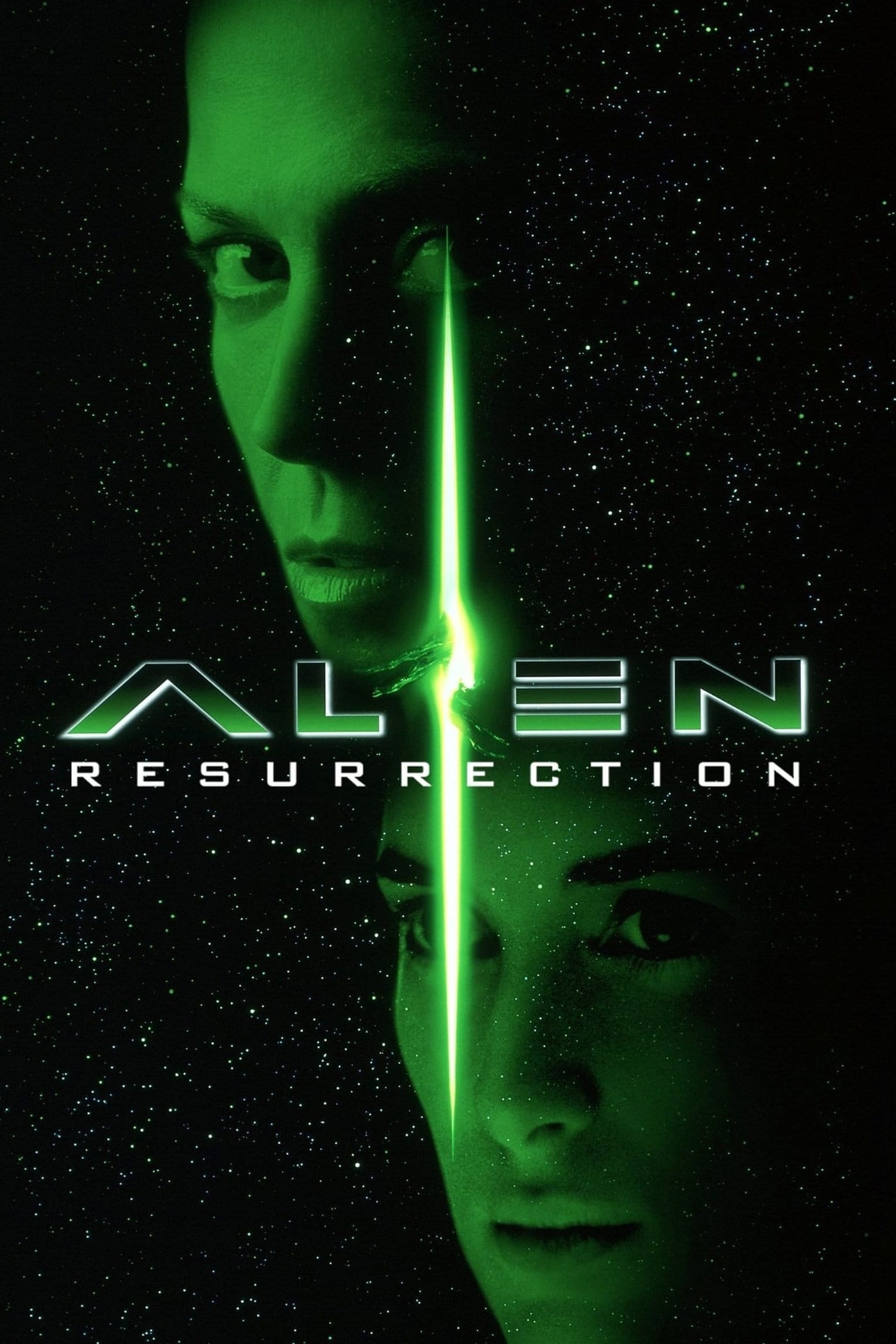
Jean-Pierre Jeunet took the helm with a plot that revived Ripley through cloning. The cast included Winona Ryder as a mysterious crew member with hidden ties.
A different visual style and dark humor split audiences. Creature design changes and a polarizing finale left many fans cold and limited long term enthusiasm.
‘Jurassic World Dominion’ (2022)
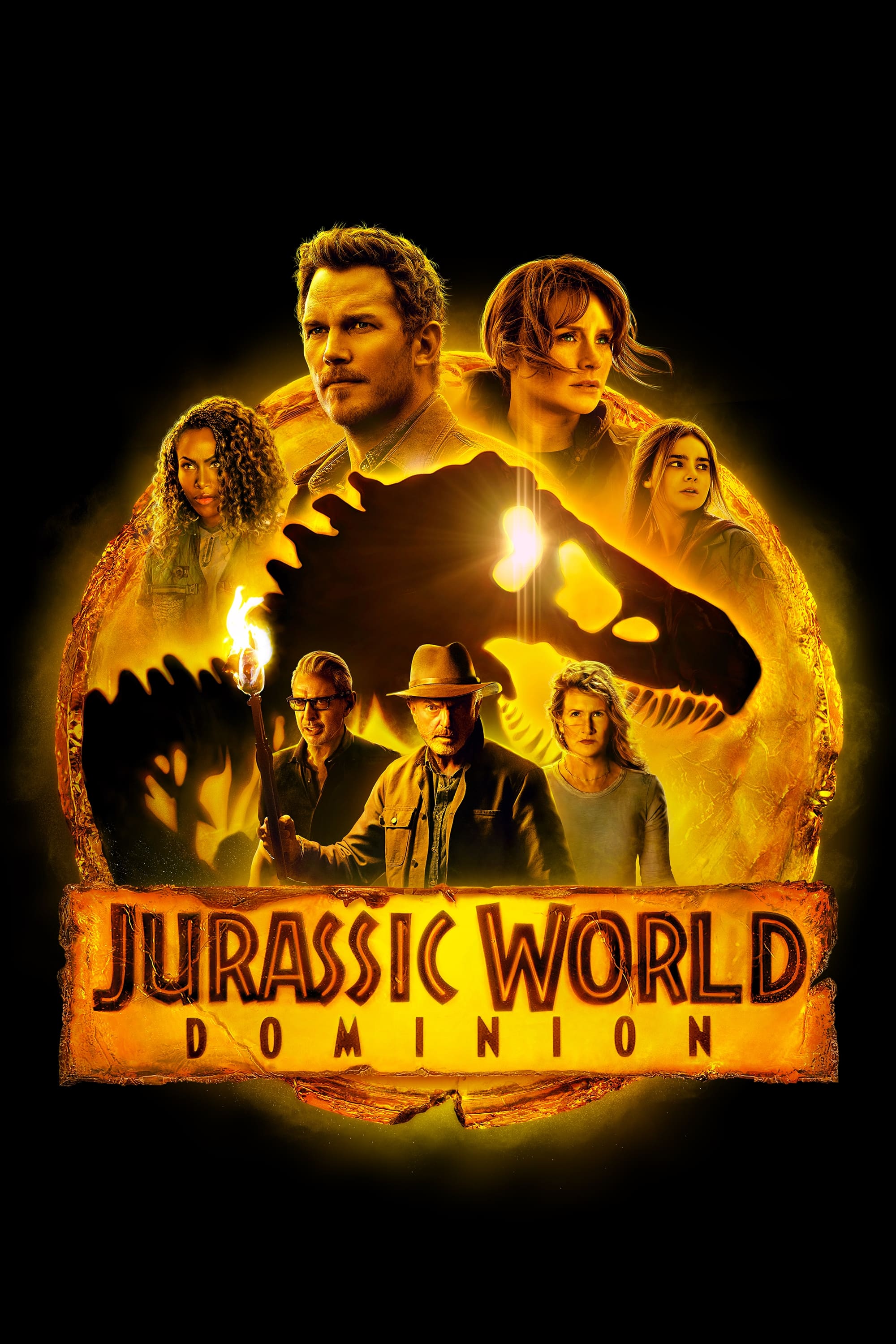
This sequel united legacy characters with the newer leads. The story expanded beyond park settings into a global adventure involving corporate bioengineering.
Marketing leaned on nostalgia and practical dinosaur effects combined with CGI. Reception called out a busy plot and thin character work, and the film became a frequent target in franchise ranking conversations.
‘Transformers: The Last Knight’ (2017)
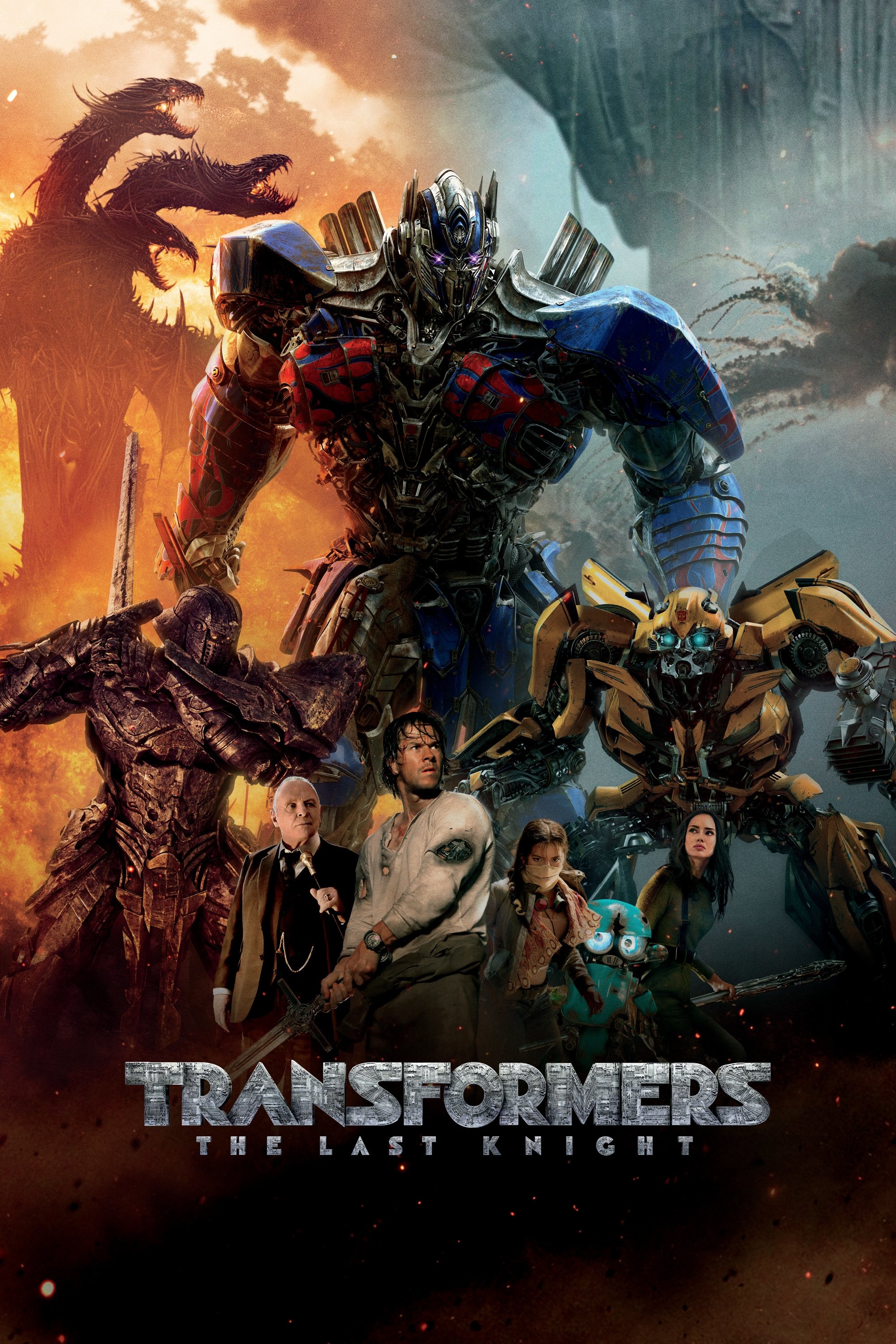
Michael Bay’s fifth entry pushed mythology into ancient history connections. The cast mixed returning stars with new heroes and a mentor figure played by Anthony Hopkins.
Action sequences were large and frequent with aspect ratio shifts that drew attention. The sprawling runtime and lore additions strained patience and weakened domestic earnings compared to earlier films.
‘Pearl Harbor’ (2001)
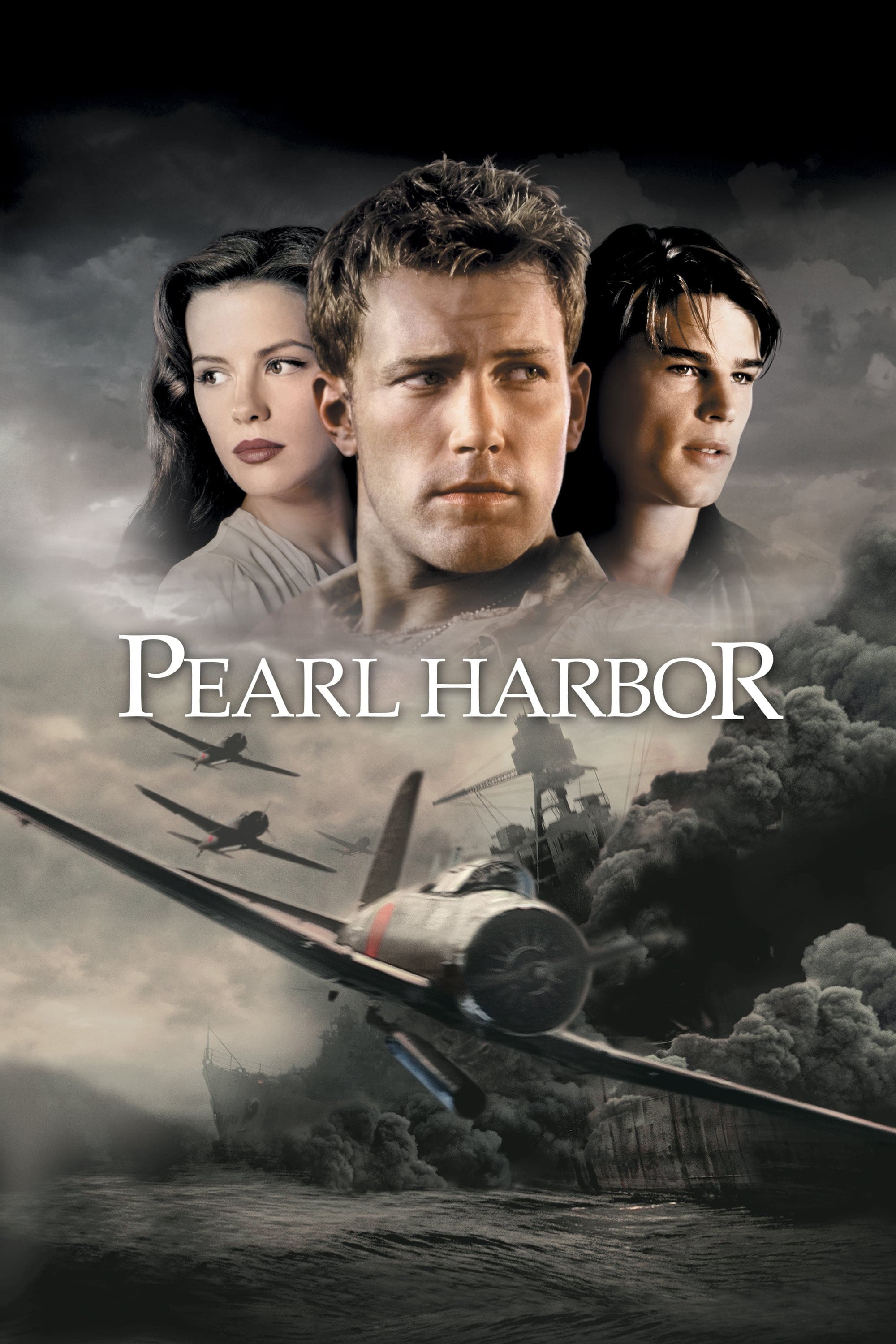
Michael Bay directed this wartime romance that framed historical events around a love triangle. The production staged large scale practical explosions and coordinated aerial sequences.
The film drew big interest for its spectacle and soundtrack tie ins. Historical liberties and melodramatic focus led to heavy criticism despite strong international sales.
‘Spider-Man 3’ (2007)
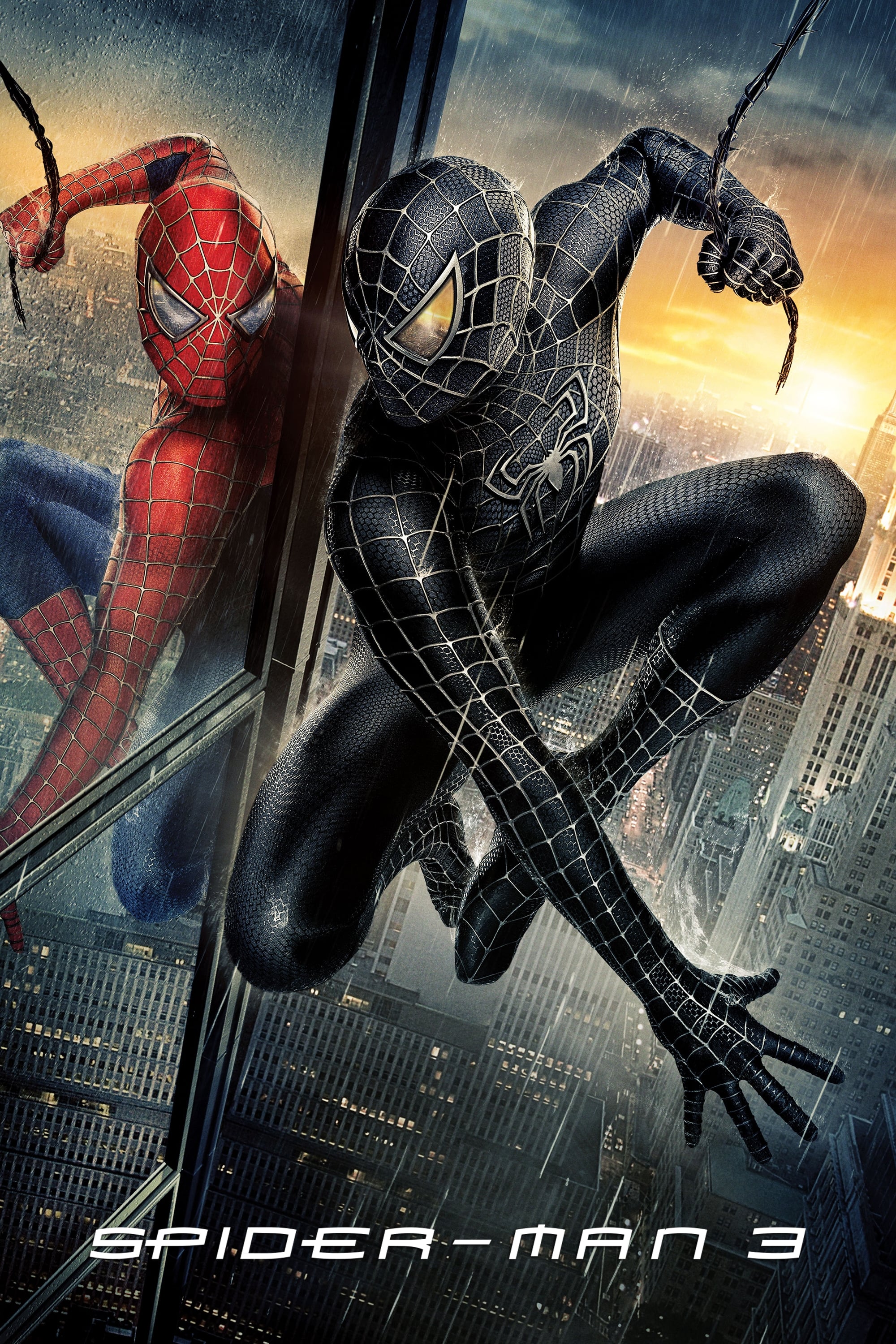
Sam Raimi’s third outing introduced Venom, Sandman, and a new Green Goblin arc. Studio pressure added villains that the director did not initially plan to include.
The crowded plot and the black suit storyline became widely discussed points. Box office was strong, but creative disagreements ended this iteration and halted a planned fourth chapter.
‘The Dark Tower’ (2017)
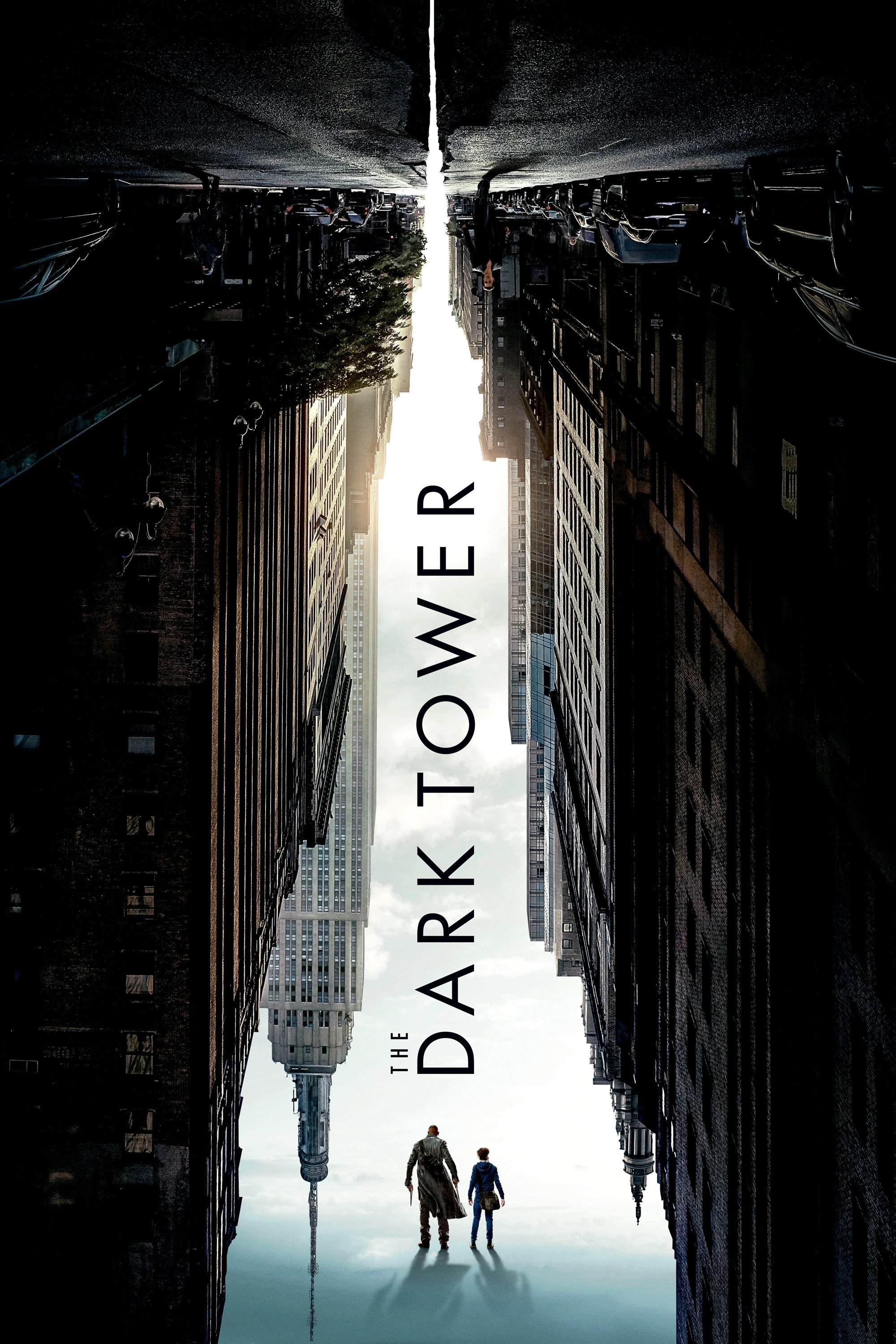
This adaptation condensed multiple novels into a single feature. Idris Elba and Matthew McConaughey played the Gunslinger and the Man in Black.
Ambitions for a cross media franchise were scaled back after the opening. Fans of the books felt key elements were missing, and newcomers found the mythology under explained.
‘The Lone Ranger’ (2013)
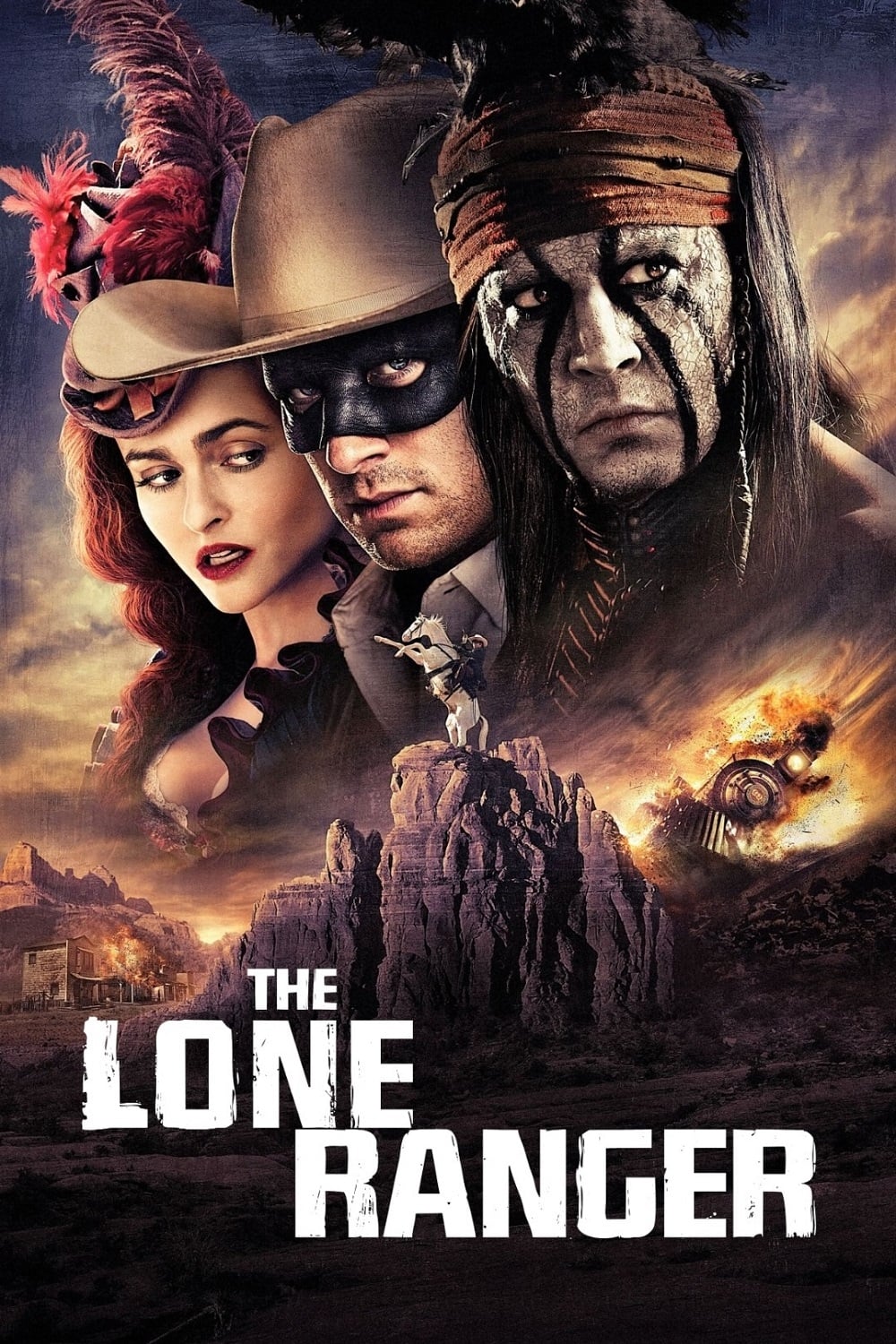
Gore Verbinski directed with Johnny Depp and Armie Hammer in the lead roles. The production faced budget swings, location challenges, and extensive train stunt work.
A long runtime and tonal shifts made marketing difficult. The film’s cost overshadowed receipts and it became a modern example of a blockbuster that could not recoup investment.
‘The Matrix Resurrections’ (2021)
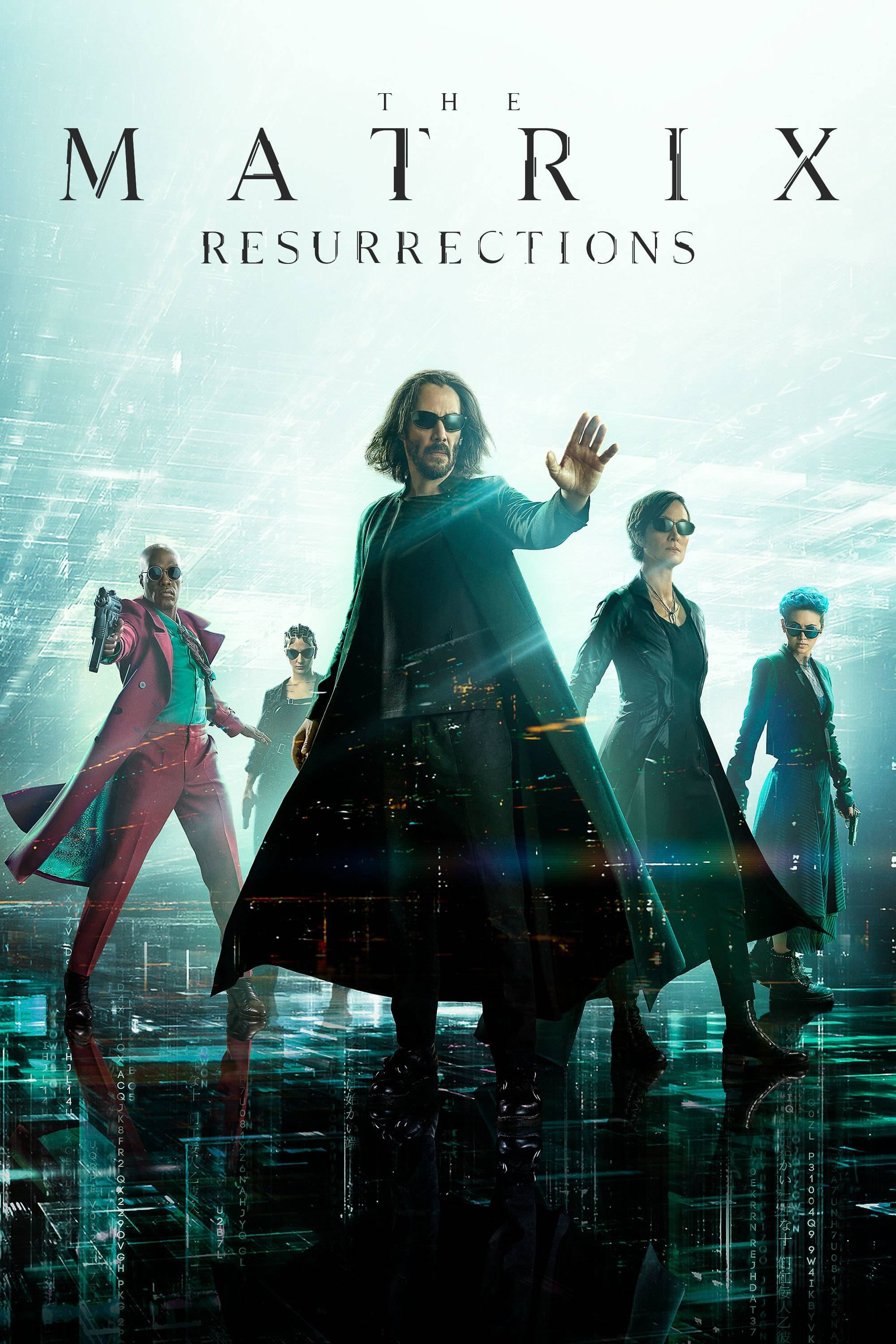
Lana Wachowski returned to continue Neo and Trinity’s story. The narrative used meta commentary and a new take on the simulation’s rules.
Audience expectations for action scale met a more introspective approach. Debate centered on the shift in style and the reuse of familiar imagery, which kept discussion active long after release.
‘Eternals’ (2021)
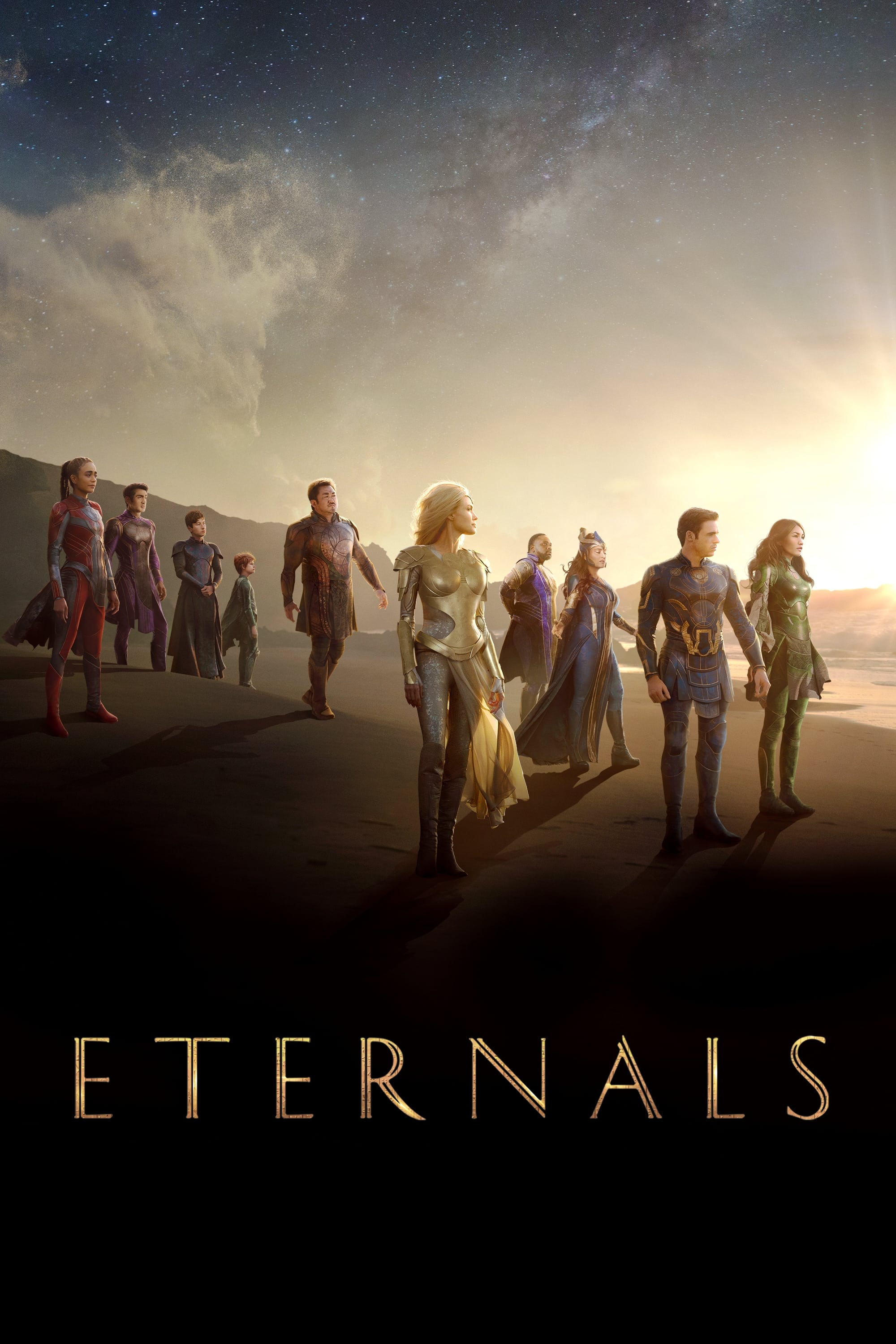
Chloé Zhao directed this ensemble about immortal protectors living quietly among humans. The movie introduced a large cast with centuries of backstory and multiple locations.
The slow burn structure and muted palette differed from the usual studio formula. Reactions were mixed and the film became a talking point in conversations about brand fatigue.
‘Independence Day: Resurgence’ (2016)
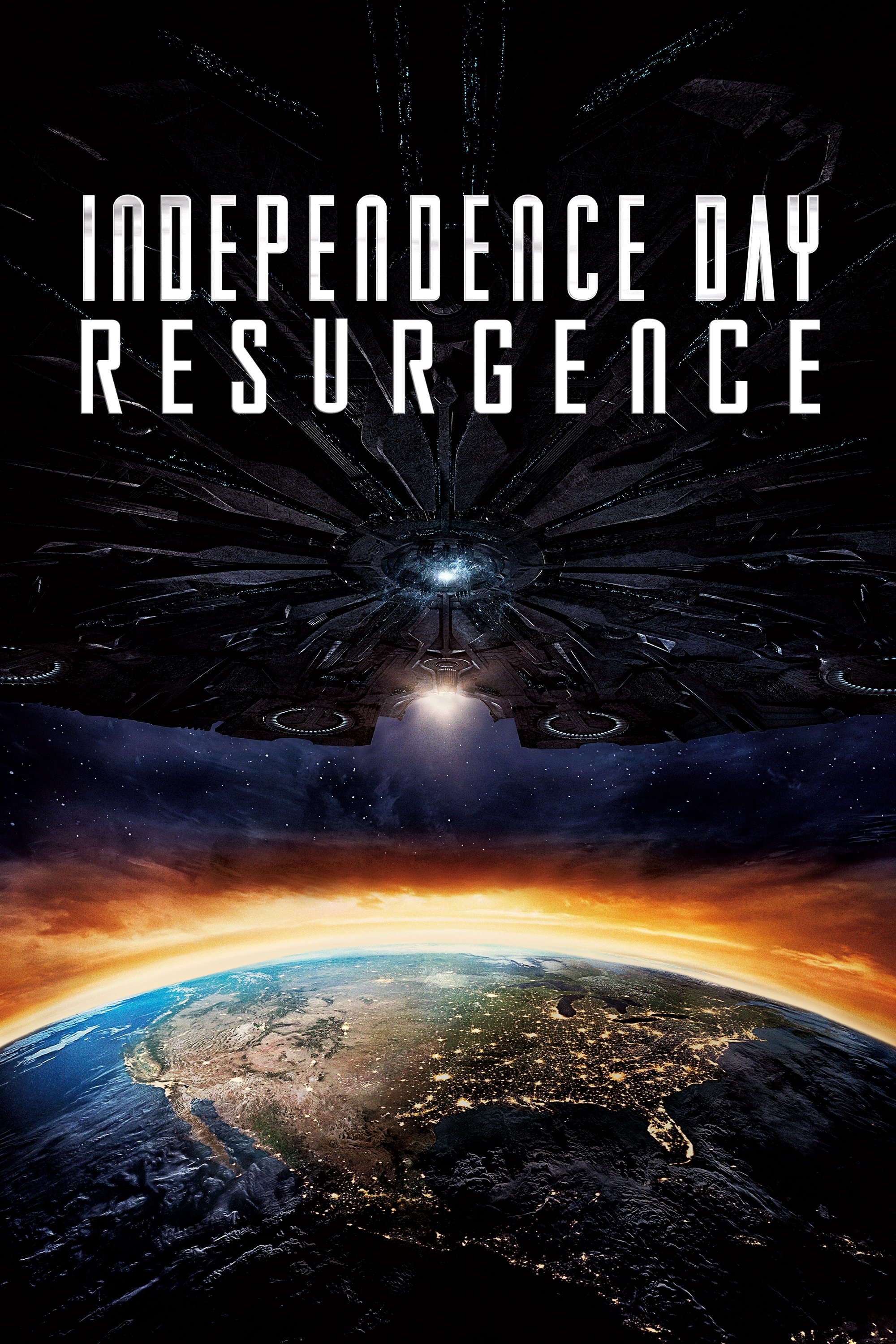
This sequel advanced the timeline with humans using reverse engineered alien tech. Much of the original cast returned alongside new pilots and scientists.
The absence of a key star from the first film loomed over marketing. Despite large scale effects work, attendance lagged and plans for another sequel cooled.
‘Gods of Egypt’ (2016)
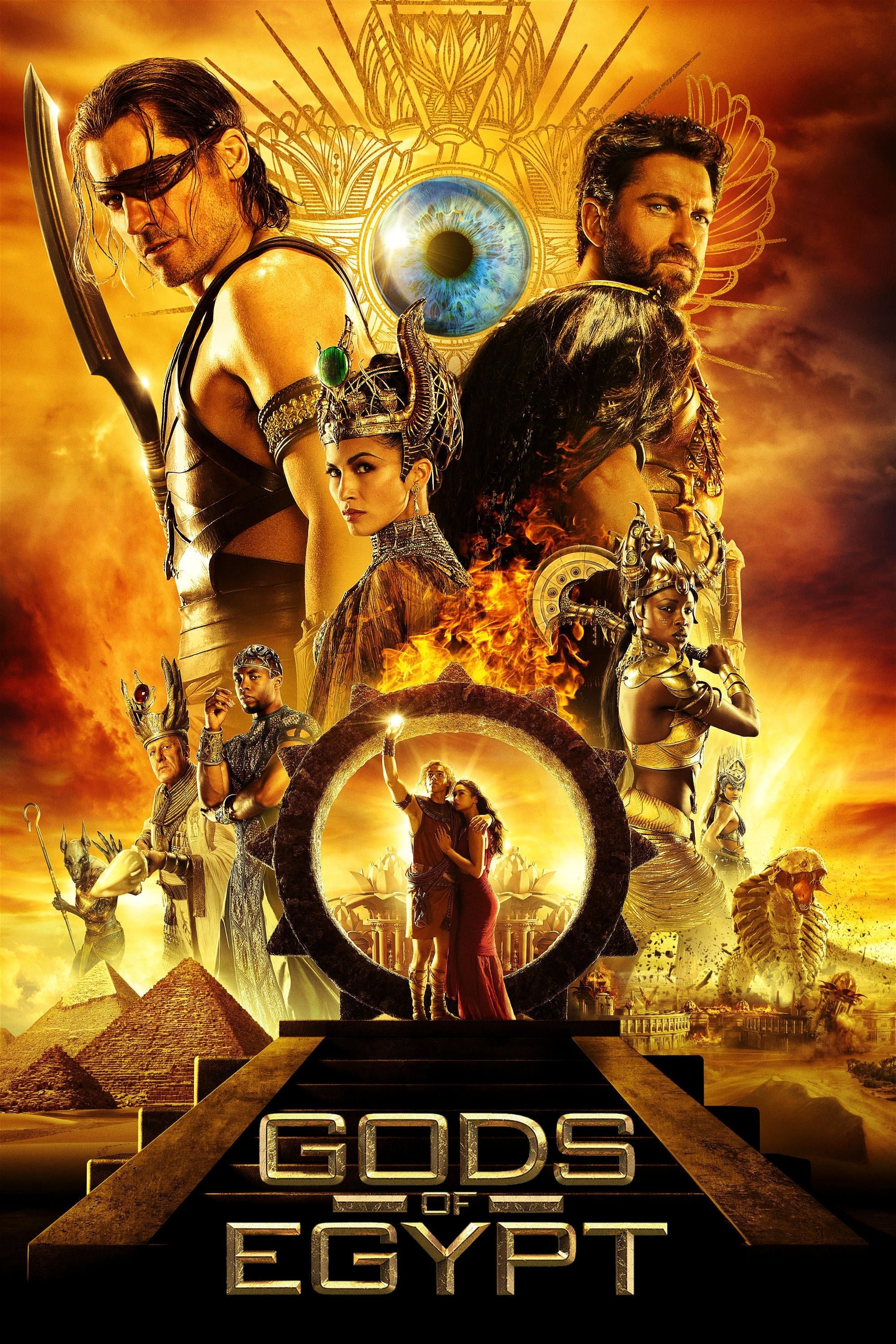
Alex Proyas directed this fantasy adventure set among deities and mortals. The film relied on heavy CGI, oversized creature battles, and stylized production design.
Casting choices prompted public criticism that dominated pre release coverage. The movie opened soft and quickly faded, becoming a reference point for misjudged epic fantasy launches.

