Most Legendary Comedy Stars Who Have Passed Away


Comedy has been shaped by performers whose work redefined how audiences find funny—onstage, on television, and on film—and whose legacies still set the bar for timing, writing, and character work. The figures below built careers that blended innovation with mainstream appeal, leaving behind catalogs of specials, series, and movies that continue to be studied and enjoyed. Many were multi-hyphenates who wrote, directed, produced, or trailblazed formats that others later adopted. Their careers spanned sketch groups, studio systems, late-night circuits, and global tours, showing how durable and adaptable great comedy can be.
Charlie Chaplin
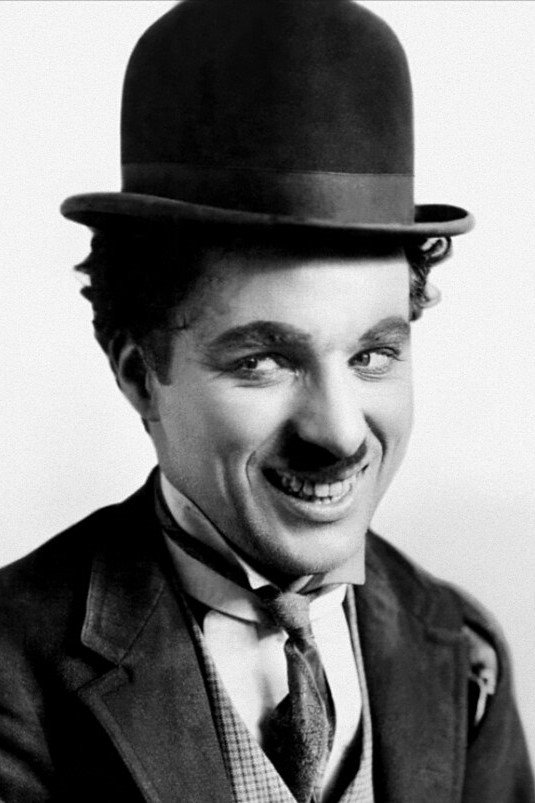
Charlie Chaplin created the Tramp character and produced, directed, wrote, scored, and starred in many of his features. His films, including ‘The Kid’, ‘City Lights’, ‘Modern Times’, and ‘The Great Dictator’, blended visual gags with social themes. He co-founded United Artists, gaining unusual creative control over distribution and production. His approach to physical storytelling set patterns later filmmakers adopted in both comedy and drama.
Lucille Ball
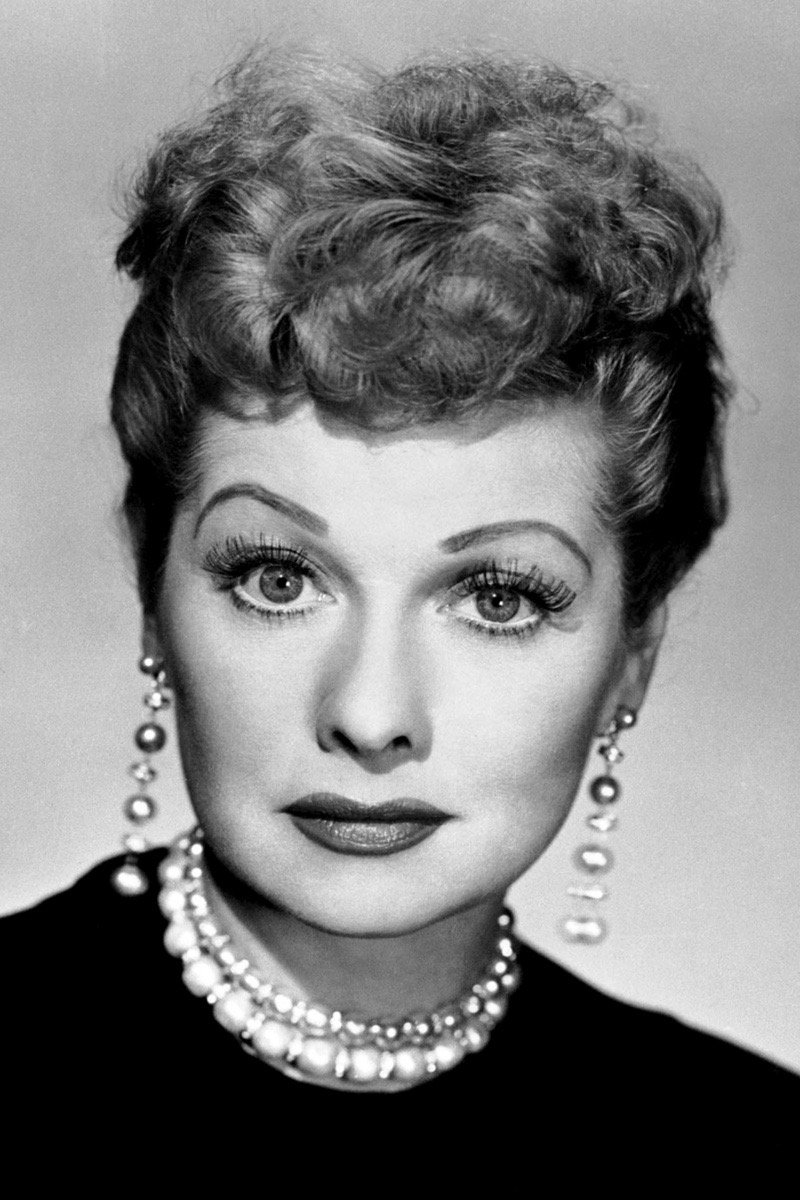
Lucille Ball fronted the landmark sitcom ‘I Love Lucy’, which popularized the three-camera setup before a live studio audience and helped establish syndication. With Desi Arnaz, she launched Desilu Productions, which produced influential series and advanced filming methods for television. She balanced physical comedy with tightly scripted scenarios that became templates for later sitcoms. Her executive leadership opened opportunities for performer-producers across the industry.
Richard Pryor
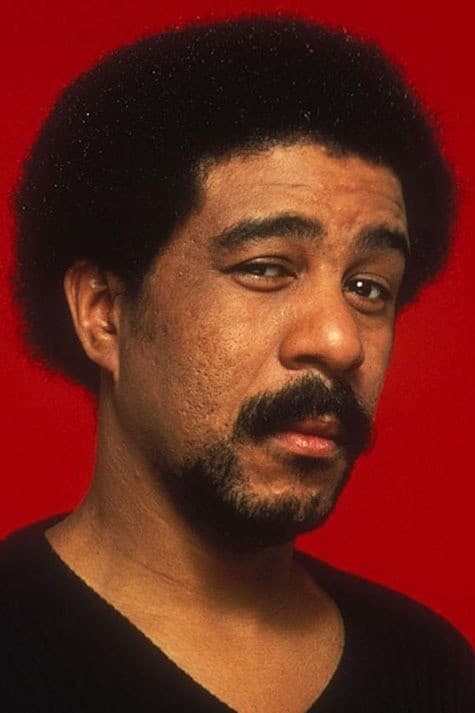
Richard Pryor reshaped stand-up by drawing directly on personal experience and American social realities. He released best-selling comedy albums and headlined concert films such as ‘Richard Pryor: Live in Concert’. Pryor co-wrote for television and films and starred in hits alongside Gene Wilder, including ‘Stir Crazy’. His material influenced club, album, and televised stand-up formats that followed.
Robin Williams
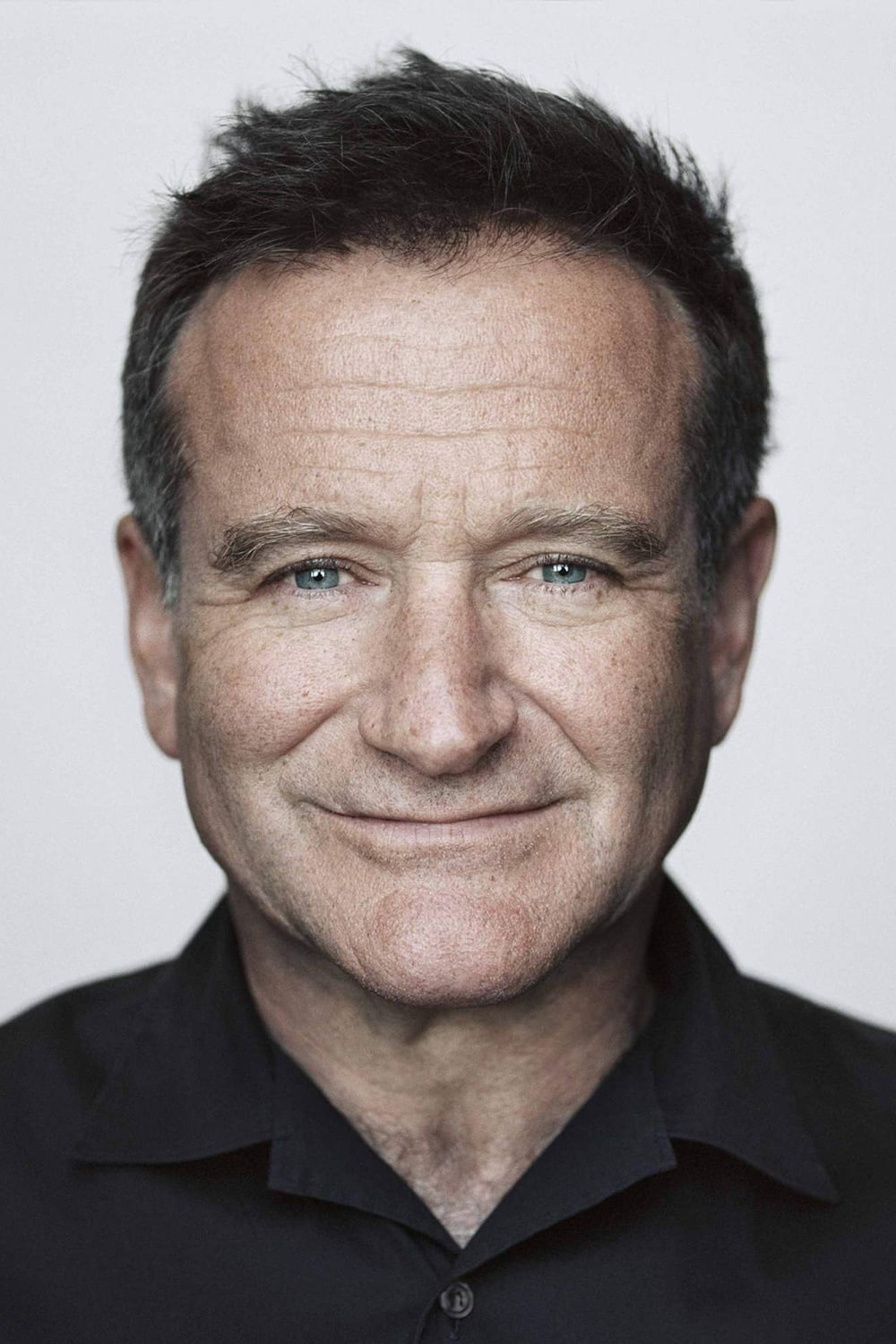
Robin Williams broke through with high-velocity improvisation and character voices on ‘Mork & Mindy’. He moved into major films including ‘Good Morning, Vietnam’, ‘Mrs. Doubtfire’, ‘Aladdin’, and ‘Good Will Hunting’. Williams continued stand-up tours and cable specials while alternating between comedic and dramatic roles. His work in animation, television, and film demonstrated a broad range of performance techniques.
George Carlin
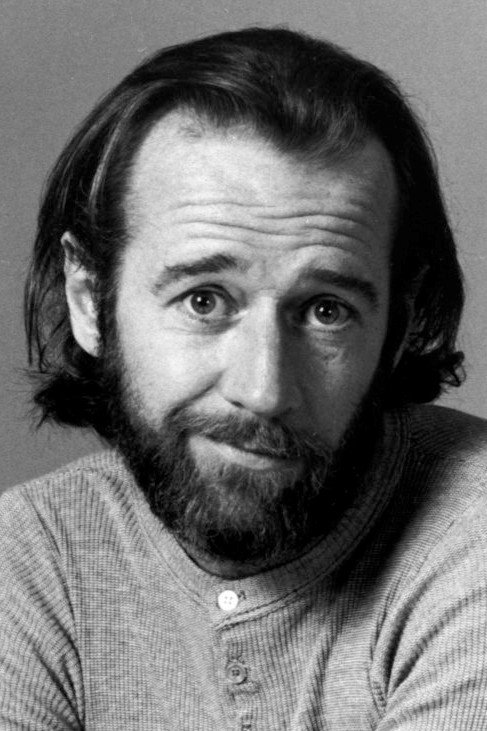
George Carlin specialized in stand-up that examined language, culture, and civic life, captured in numerous HBO specials and albums. His ‘Seven Words’ routine intersected with broadcast-standards history and a Supreme Court case on indecency. Carlin published books and toured extensively, refining long-form, idea-driven sets. His catalogs offer detailed examples of wordplay, cadence, and conceptual structuring in stand-up.
Joan Rivers
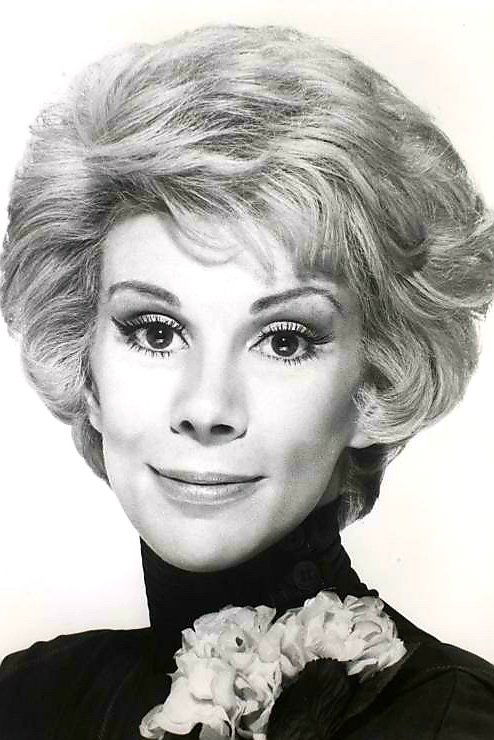
Joan Rivers built a multi-decade career across stand-up, talk shows, books, and red-carpet coverage. She served as a frequent guest host of ‘The Tonight Show’ and later anchored her own programs. Rivers’ joke-dense monologues and interviews documented a high-output writing process. Her work on ‘Fashion Police’ helped codify a recurring format for comedic style commentary.
John Belushi
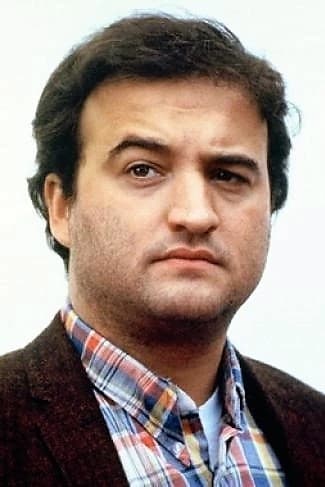
John Belushi came from The Second City to ‘Saturday Night Live’, where he co-created standout characters and musical sketches. He starred in ‘National Lampoon’s Animal House’ and co-led ‘The Blues Brothers’, extending sketch personas into music and film. Belushi’s projects linked TV sketch, touring bands, and features in a coordinated way. His performances highlighted how ensemble and music can integrate with screen comedy.
Gilda Radner
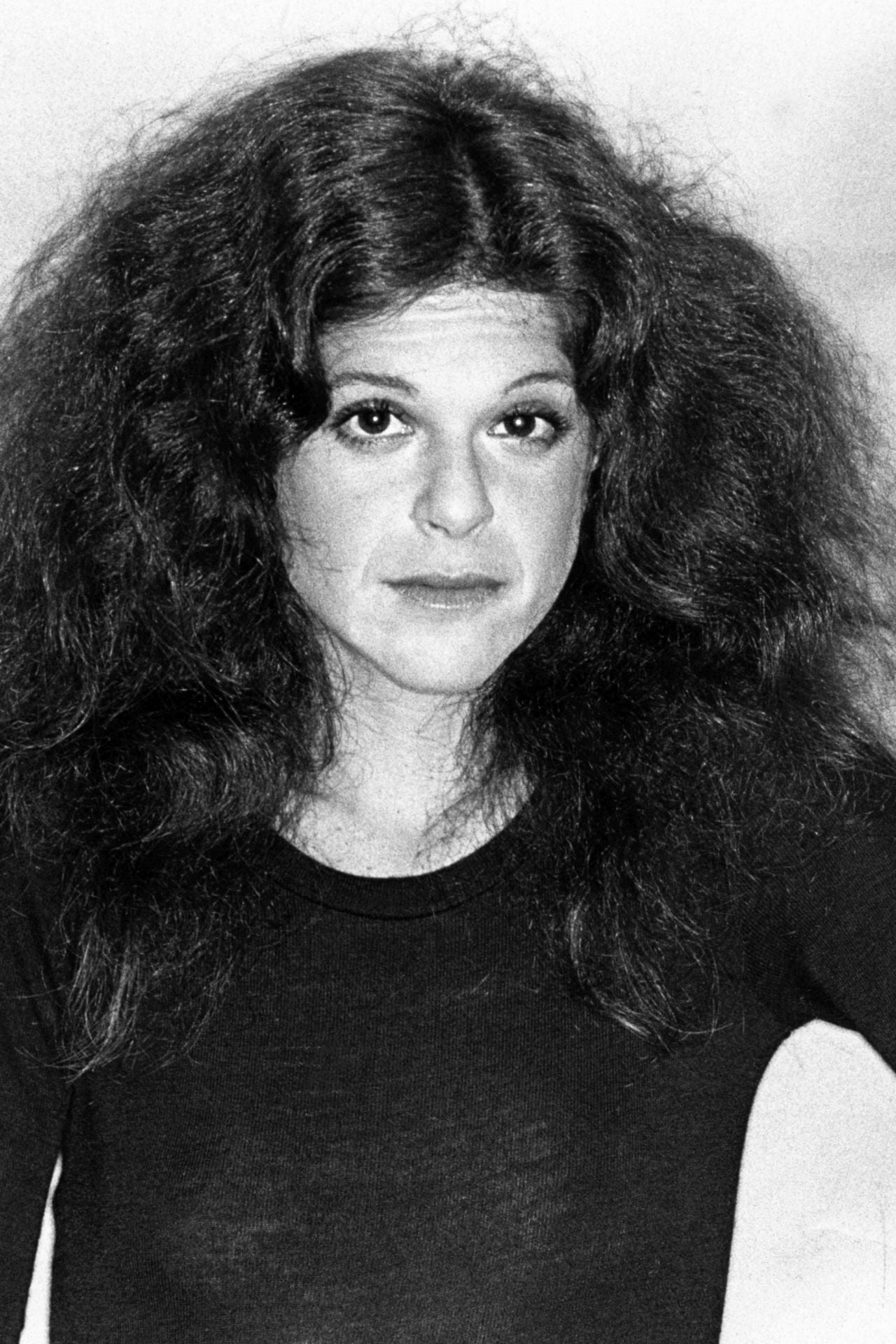
Gilda Radner was an original ‘Saturday Night Live’ cast member known for characters like Roseanne Roseannadanna and Emily Litella. She staged the Broadway show ‘Gilda Radner: Live From New York’ and published a memoir. Radner’s sketches emphasized point-of-view and catchphrases grounded in specific character traits. Her legacy includes Gilda’s Club, a community network supporting people impacted by cancer.
Peter Sellers
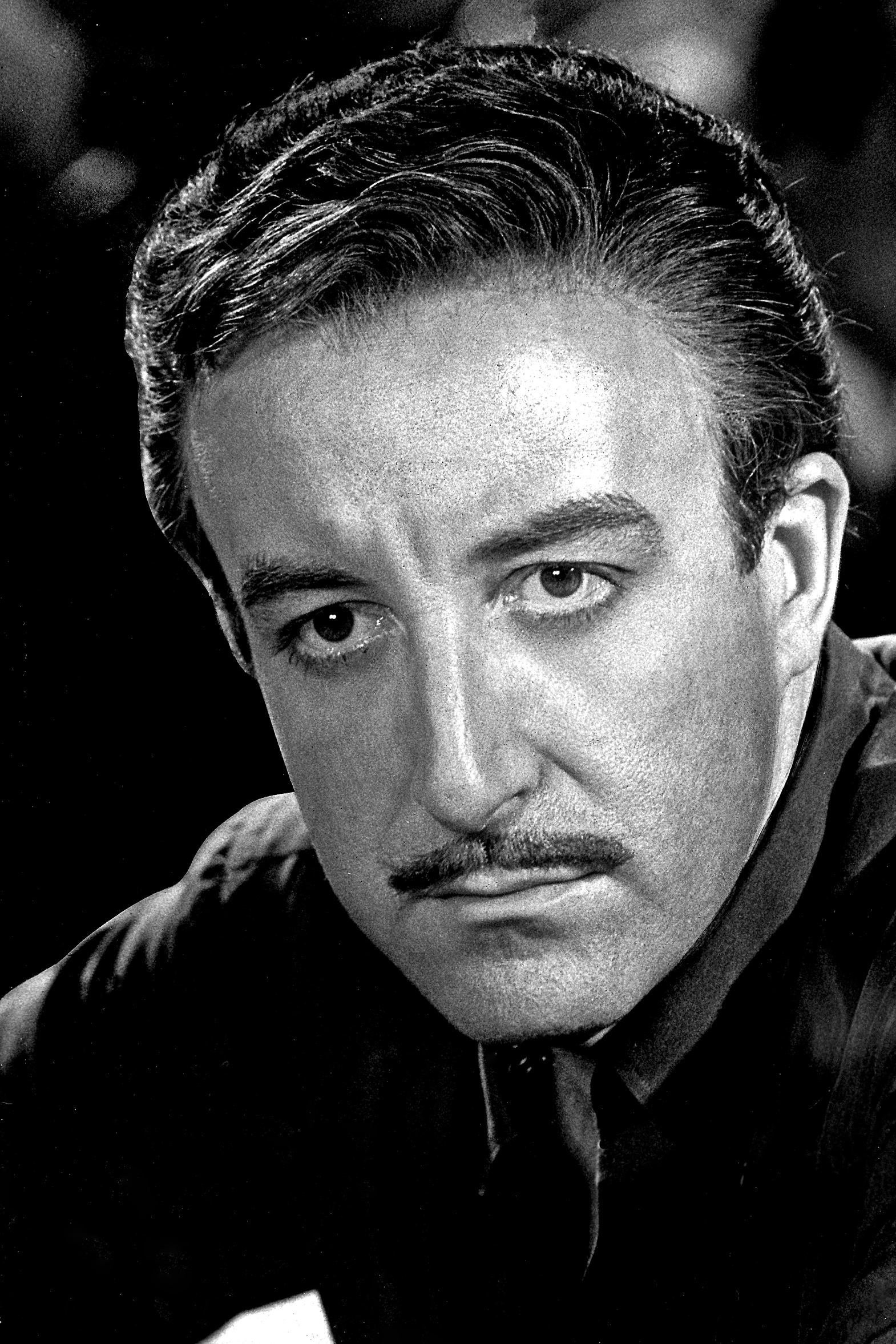
Peter Sellers gained global recognition for multi-role performances, notably Inspector Clouseau in ‘The Pink Panther’ series. He collaborated with Blake Edwards and Stanley Kubrick on films such as ‘Dr. Strangelove’ and ‘Being There’. Sellers’ background in radio and recording informed his voice work and character variations. His methods showcase accent control, timing, and transformation across genres.
Gene Wilder
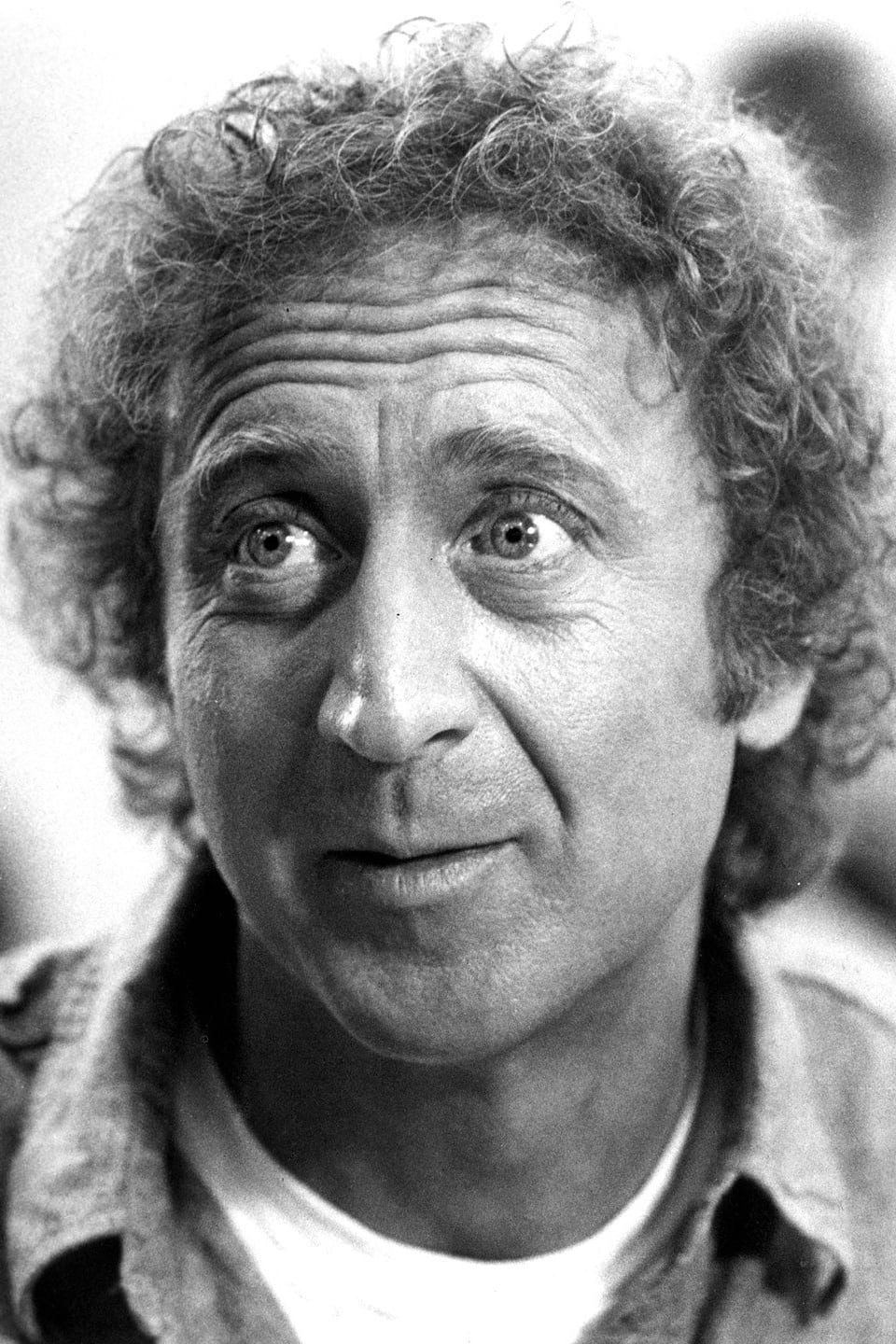
Gene Wilder collaborated with Mel Brooks on ‘The Producers’, ‘Blazing Saddles’, and ‘Young Frankenstein’, combining farce with precise dialogue. He co-wrote scripts and directed features, adding a writer’s structure to his roles. Wilder’s portrayal in ‘Willy Wonka & the Chocolate Factory’ became a widely referenced cultural performance. His career illustrates how script development and performance choices align in comic storytelling.
Jerry Lewis
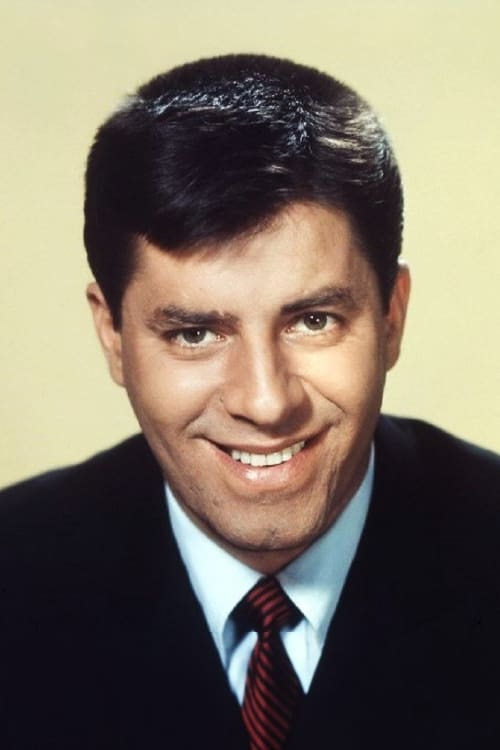
Jerry Lewis rose with Dean Martin before becoming a solo star and filmmaker. He directed ‘The Nutty Professor’ and introduced video-assist monitoring on sets, changing how directors review takes. Lewis also hosted nationally televised telethons that raised significant funds for medical research. His films and technologies influenced slapstick staging and production workflows.
Phil Hartman
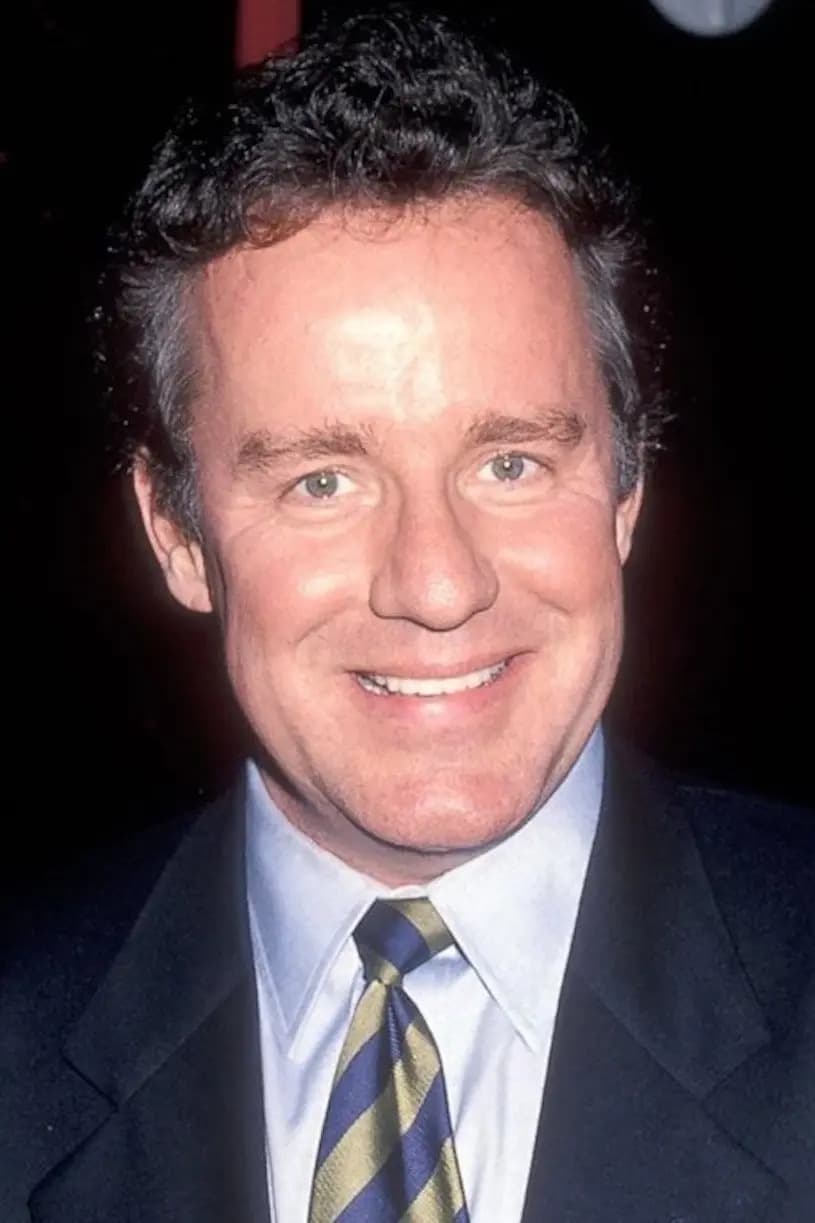
Phil Hartman earned a reputation on ‘Saturday Night Live’ for technically precise impressions and ensemble support. He co-wrote ‘Pee-wee’s Big Adventure’ and later starred on ‘NewsRadio’. Hartman voiced multiple roles on ‘The Simpsons’, showcasing range in animation. His body of work demonstrates how consistent structure and timing support sketch and sitcom ensembles.
Chris Farley
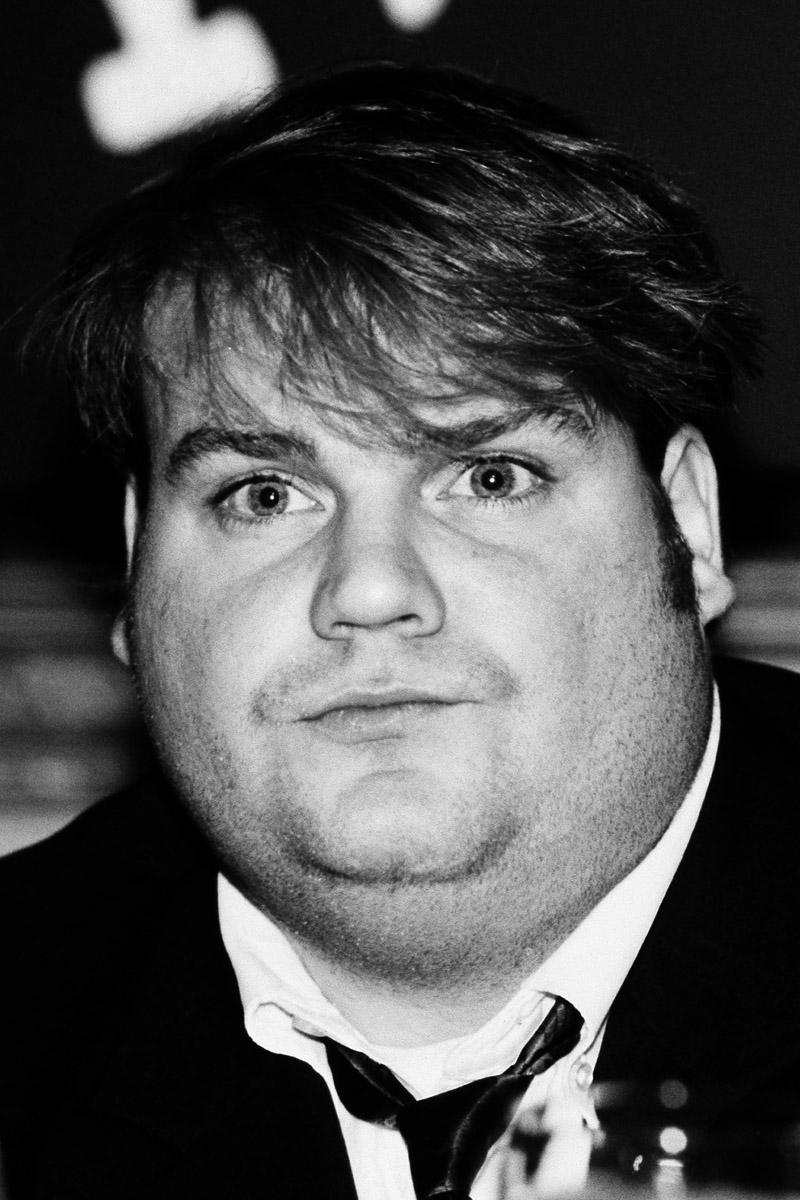
Chris Farley, a Second City alum, became a central physical comedian on ‘Saturday Night Live’, creating characters such as Matt Foley. He led films including ‘Tommy Boy’ and ‘Black Sheep’, translating sketch energy to features. Farley’s projects frequently paired him with fellow SNL writers and performers. His approach highlights stunt-level commitment within character-driven scenes.
Leslie Nielsen
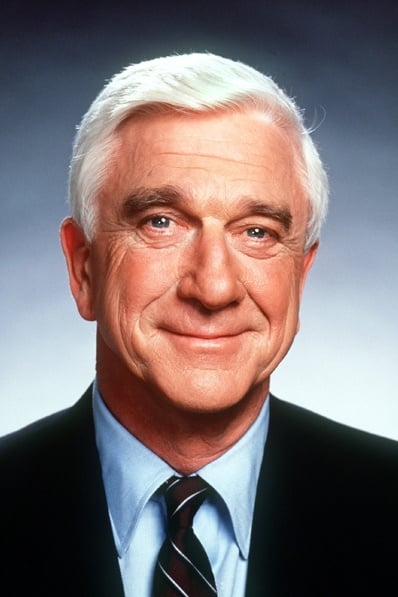
Leslie Nielsen transitioned from dramatic roles to deadpan parody with ‘Airplane!’ and ‘The Naked Gun’ series. He maintained the same straight-faced delivery while scripts escalated absurd premises. Nielsen’s sustained collaboration with parody creators helped define a repeatable spoof framework. His earlier dramatic image increased contrast and comic payoff in later roles.
Don Rickles
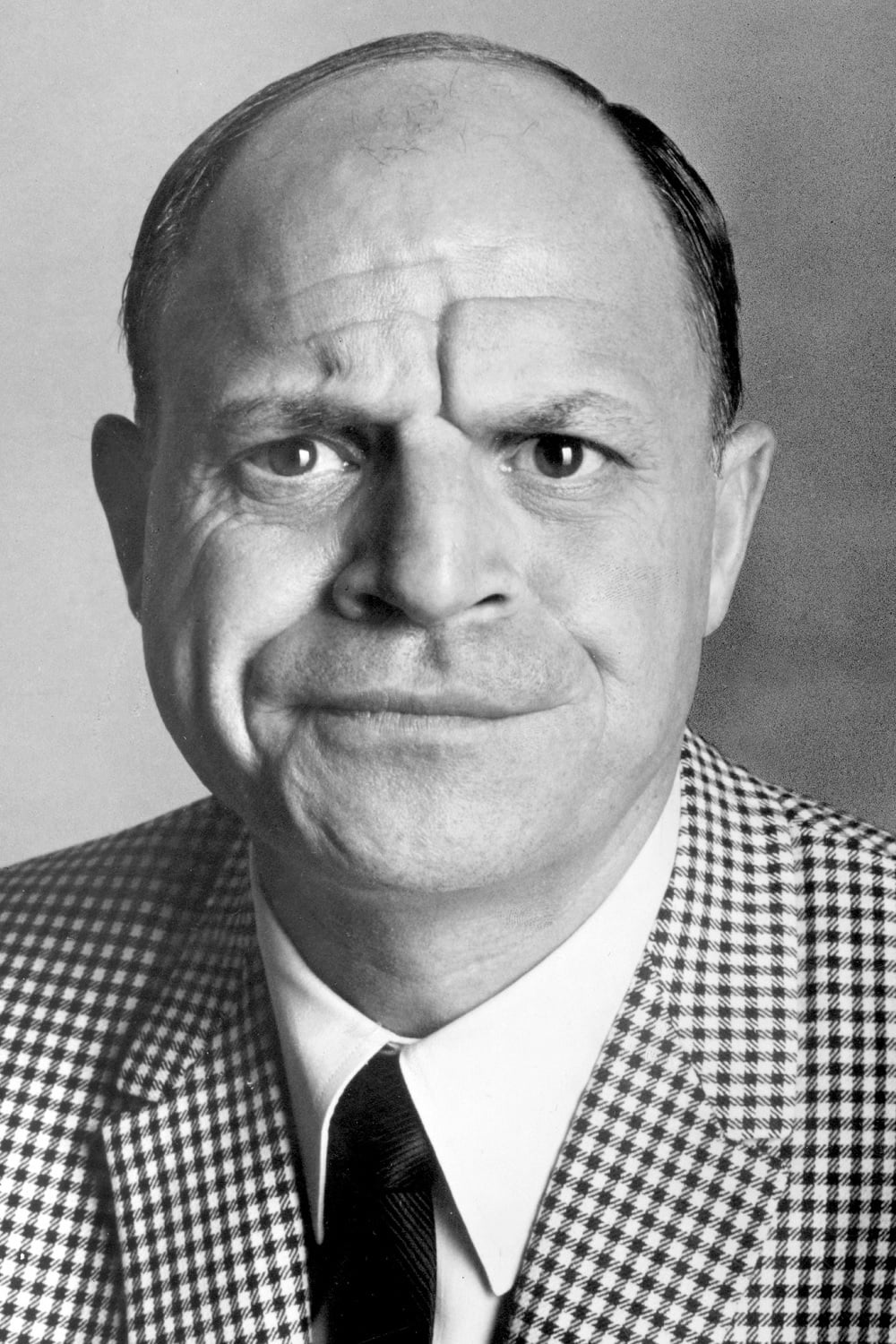
Don Rickles became synonymous with insult comedy, working nightclubs, casinos, and television for decades. He appeared frequently on late-night programs and performed in films, plus voice work in ‘Toy Story’. Rickles’ albums and televised roasts document a highly interactive, crowd-responsive style. His methods informed modern roast formats and approaches to audience engagement.
Andy Kaufman
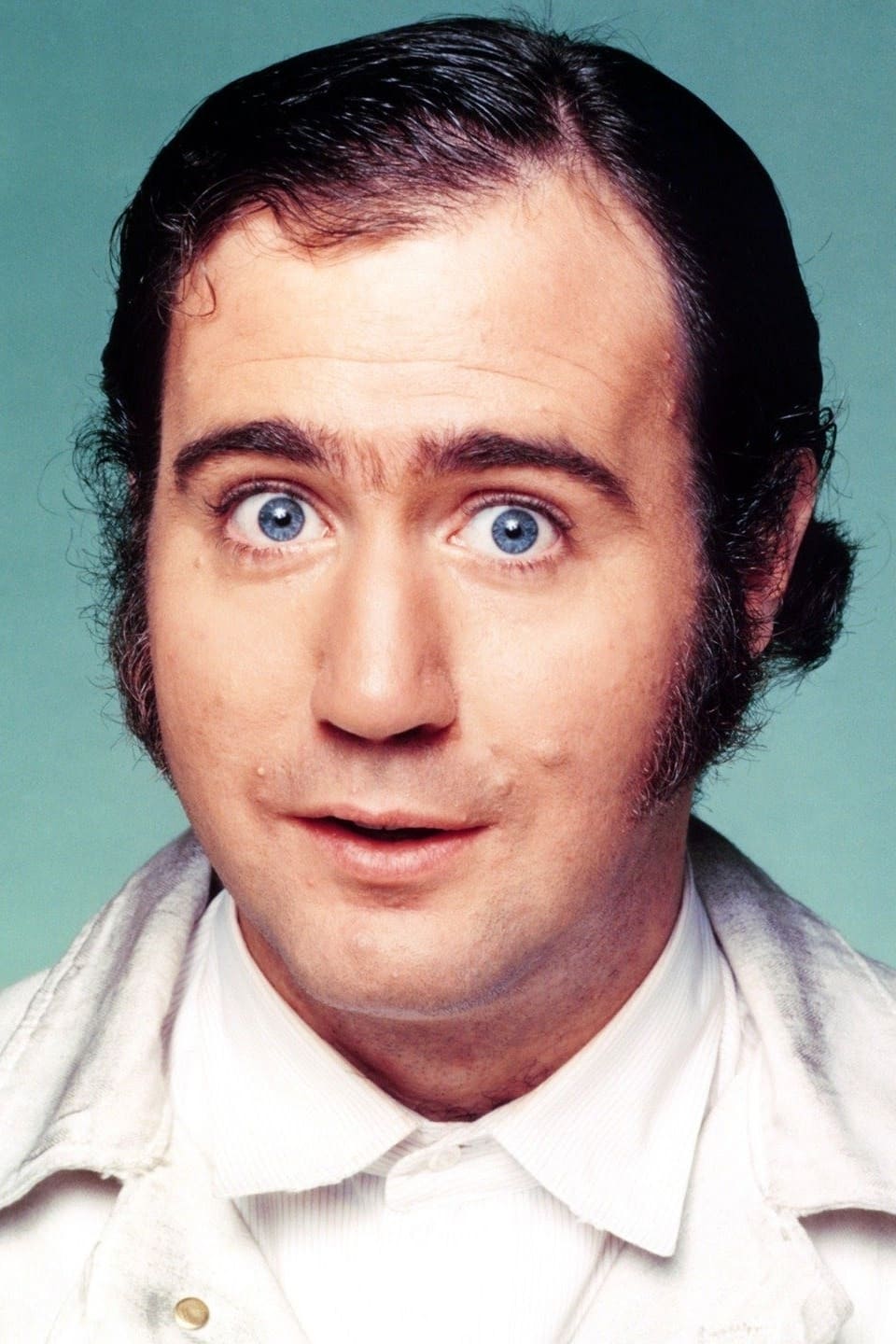
Andy Kaufman blended performance art with comedy by building layered personas and staged confrontations. He performed on ‘Taxi’ while maintaining unconventional acts like the Foreign Man/Tony Clifton construct. Kaufman developed kayfabe-style narratives, including televised wrestling storylines. His work remains a reference for experimental structures and audience-expectation play.
Benny Hill
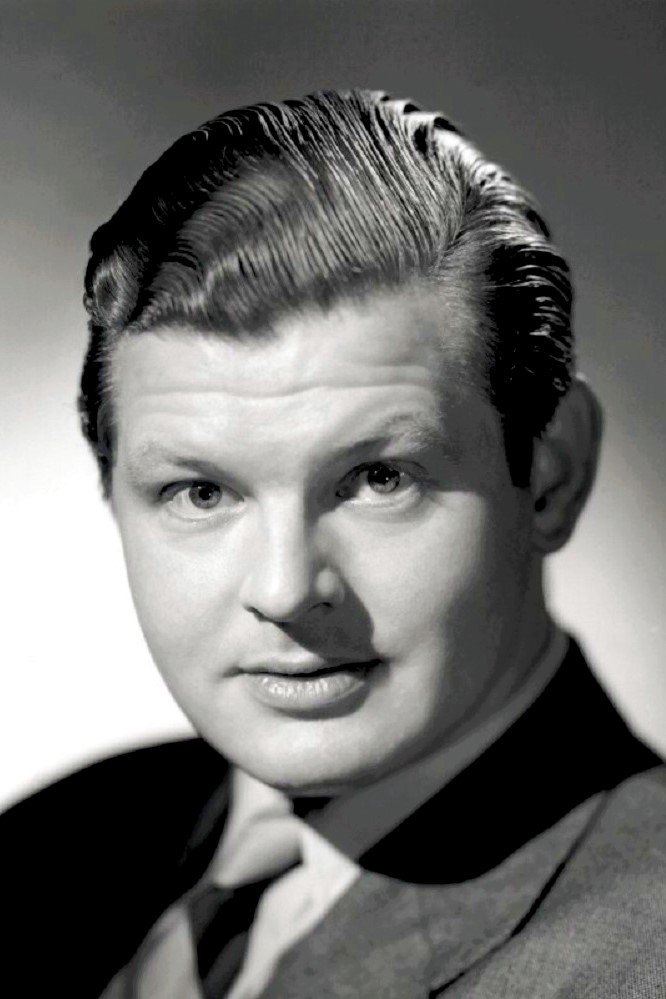
Benny Hill headlined ‘The Benny Hill Show’, built on visual gags, chase sequences, and musical interludes. The series sold internationally and reached broad audiences with minimal dialogue. Editing rhythms and recurring bits shaped the show’s sketch flow. Its export success illustrates how visual humor scales across language and market boundaries.
Norm Macdonald

Norm Macdonald anchored ‘Weekend Update’ on ‘Saturday Night Live’ and released stand-up specials and a best-selling memoir. He developed long-form jokes and misdirection that played out on late-night appearances. Macdonald produced digital-era shows and podcasts that extended his stand-up sensibility. His catalog provides examples of joke architecture and pacing across platforms.
Bob Hope
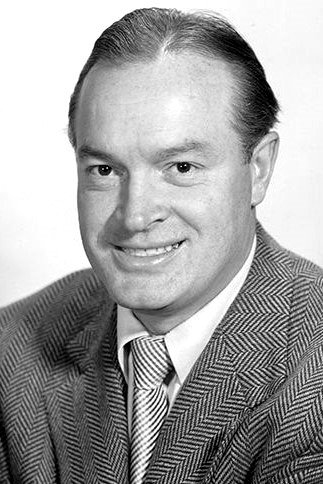
Bob Hope worked across vaudeville, radio, film, and television while performing hundreds of shows for service members on USO tours. He hosted major award broadcasts and anchored high-rating specials for network TV. Hope’s movie partnerships included the ‘Road to…’ series, which paired comedy and travelogue elements. His cross-medium career documents strategies for longevity and mass-audience reach.
Betty White
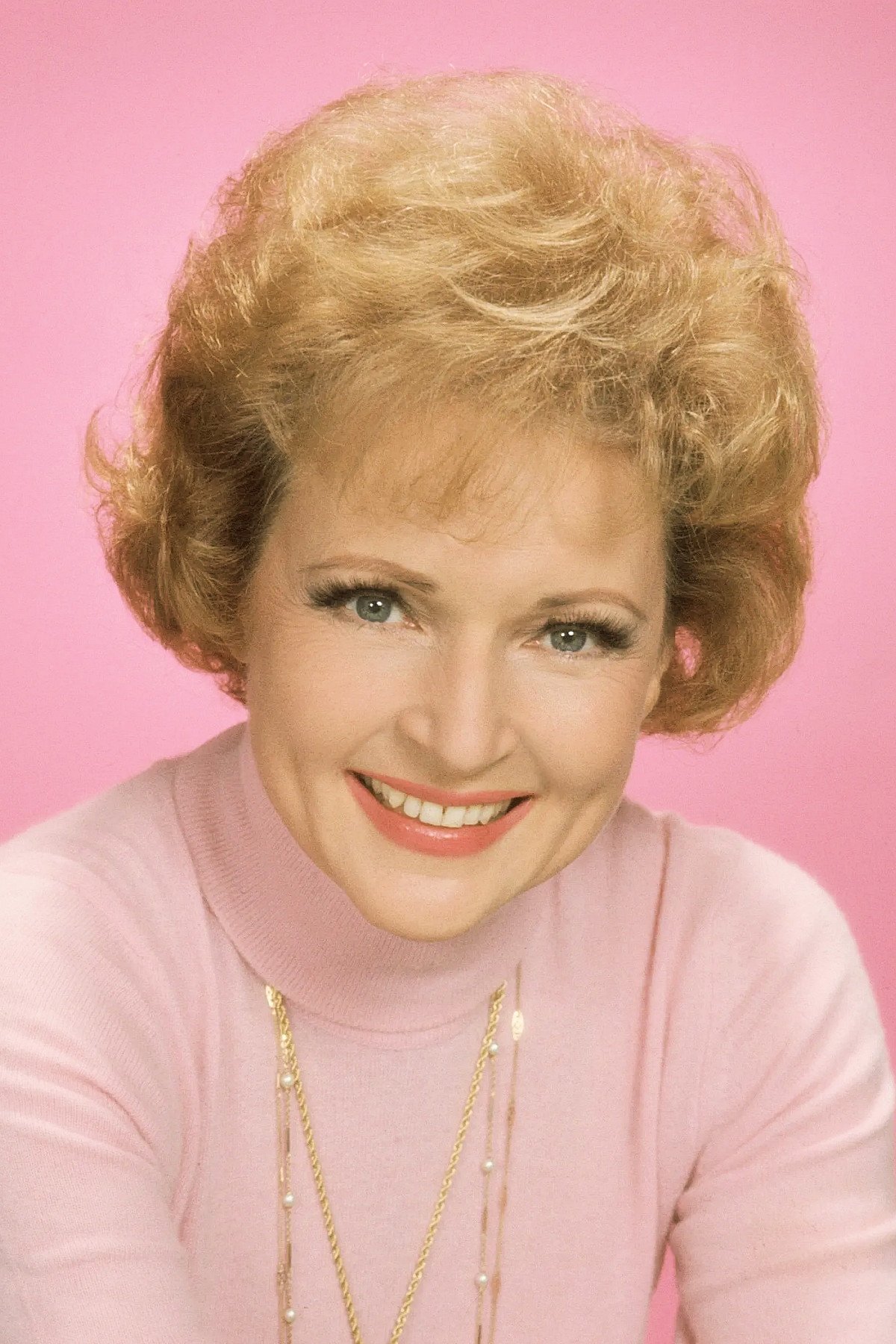
Betty White built one of television’s longest careers, starring in ensemble comedies such as ‘The Mary Tyler Moore Show’, ‘The Golden Girls’, and ‘Hot in Cleveland’. She hosted and appeared on game shows, winning multiple awards and setting participation records for the medium. White published books and maintained recurring guest roles that connected classic and contemporary TV eras. Her work maps the evolution of sitcom ensembles and intergenerational audience appeal.
John Candy
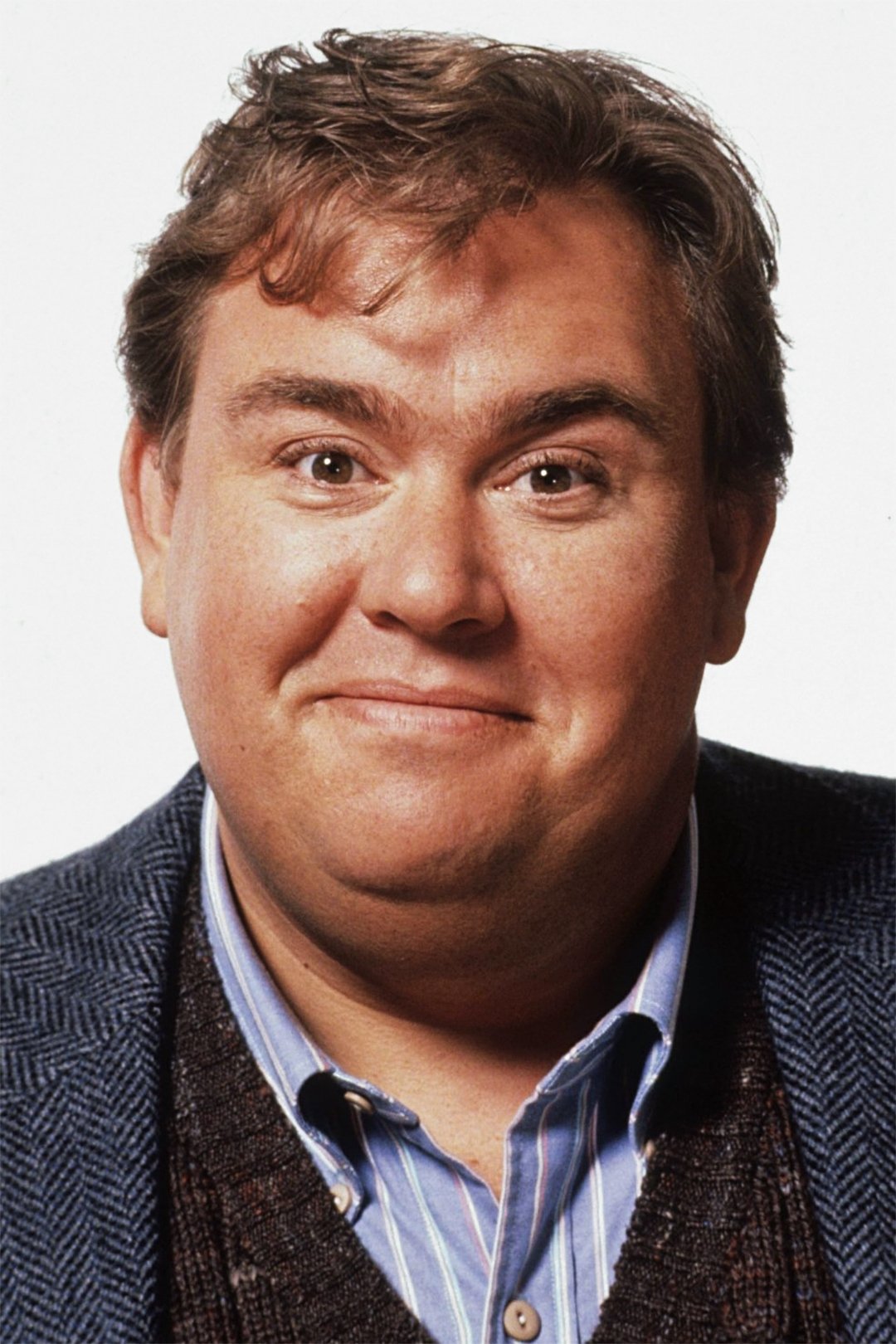
John Candy moved from SCTV to film stardom with roles in ‘Planes, Trains and Automobiles’, ‘Uncle Buck’, and ‘Spaceballs’. He alternated between leading and supporting parts, balancing slapstick with character warmth. Candy collaborated with directors across studio and independent projects, often within ensemble casts. His sketch background informed timing, reaction beats, and collaborative scene construction.
Buster Keaton
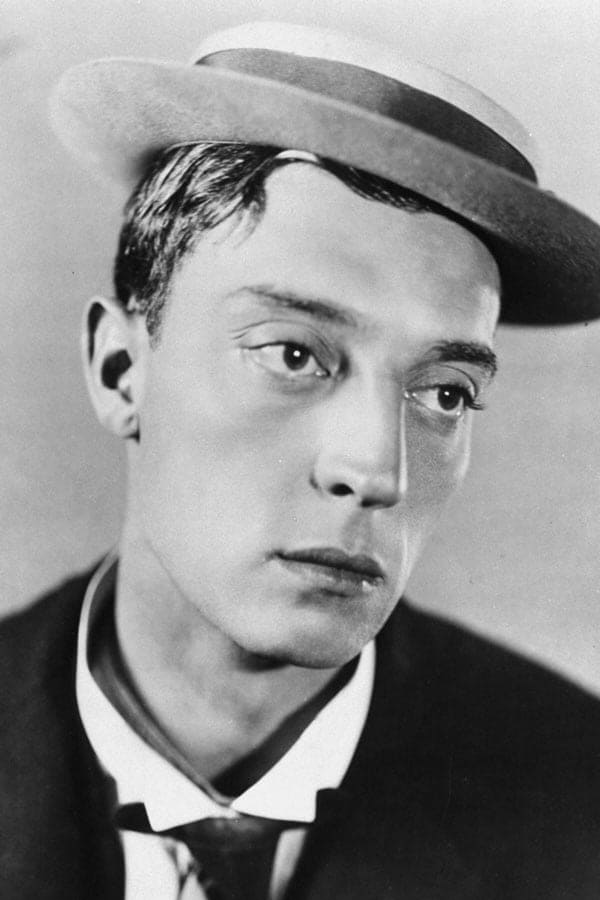
Buster Keaton, known as “The Great Stone Face,” was a silent film icon whose stoic expression contrasted sharply with his elaborate, often dangerous physical comedy. He wrote, directed, and starred in classics like The General and Sherlock Jr., pioneering visual effects and stunt work that remain influential in action and comedy cinema today. His ability to perform precise physical gags without a hint of emotion defined his unique screen persona.
Stan Laurel
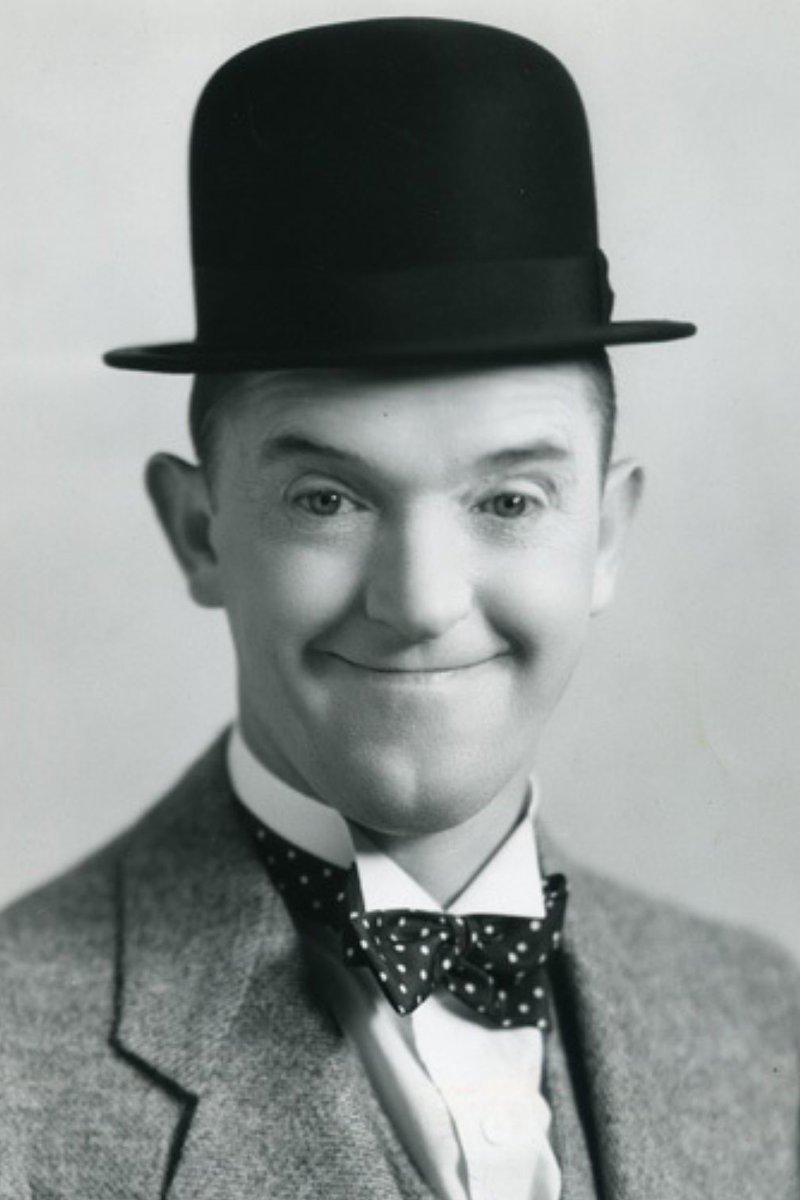
Stan Laurel was the creative force and the “thin” half of the legendary duo Laurel and Hardy. A master of pantomime and slapstick, he often played the well-meaning but confused friend to Oliver Hardy’s pompous character. Laurel was deeply involved in the writing and editing of their films, crafting the intricate gag sequences that made their partnership one of the most enduring in film history.
Oliver Hardy
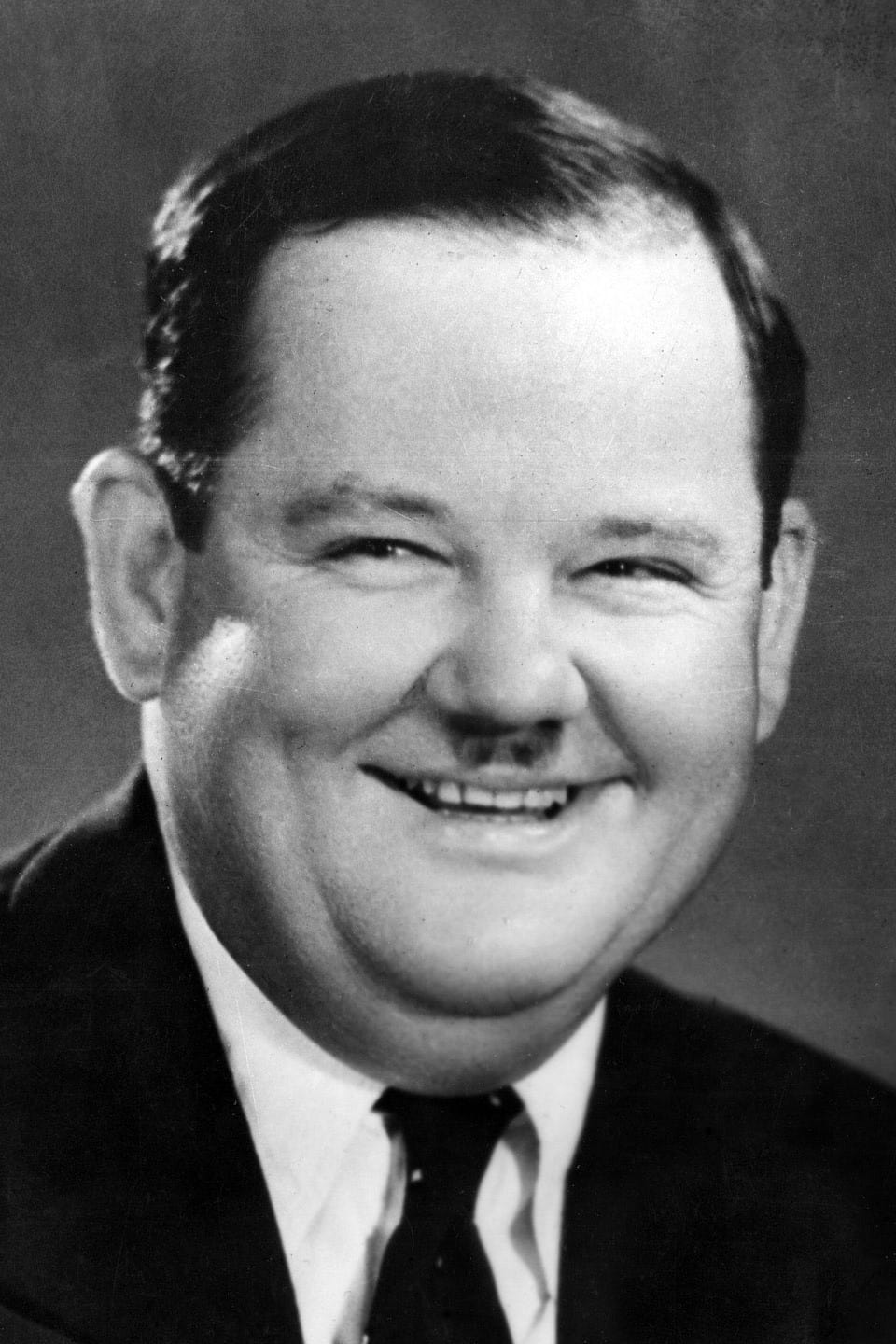
Oliver Hardy brought a commanding presence and impeccable comic timing to the screen as the “heavy” half of Laurel and Hardy. Known for his camera-breaking looks of exasperation and his “tie twiddle” mannerism, he played the perfect foil to Stan Laurel. His background as a singer also allowed him to bring a surprisingly gentle and melodic voice to their musical numbers.
Bud Abbott
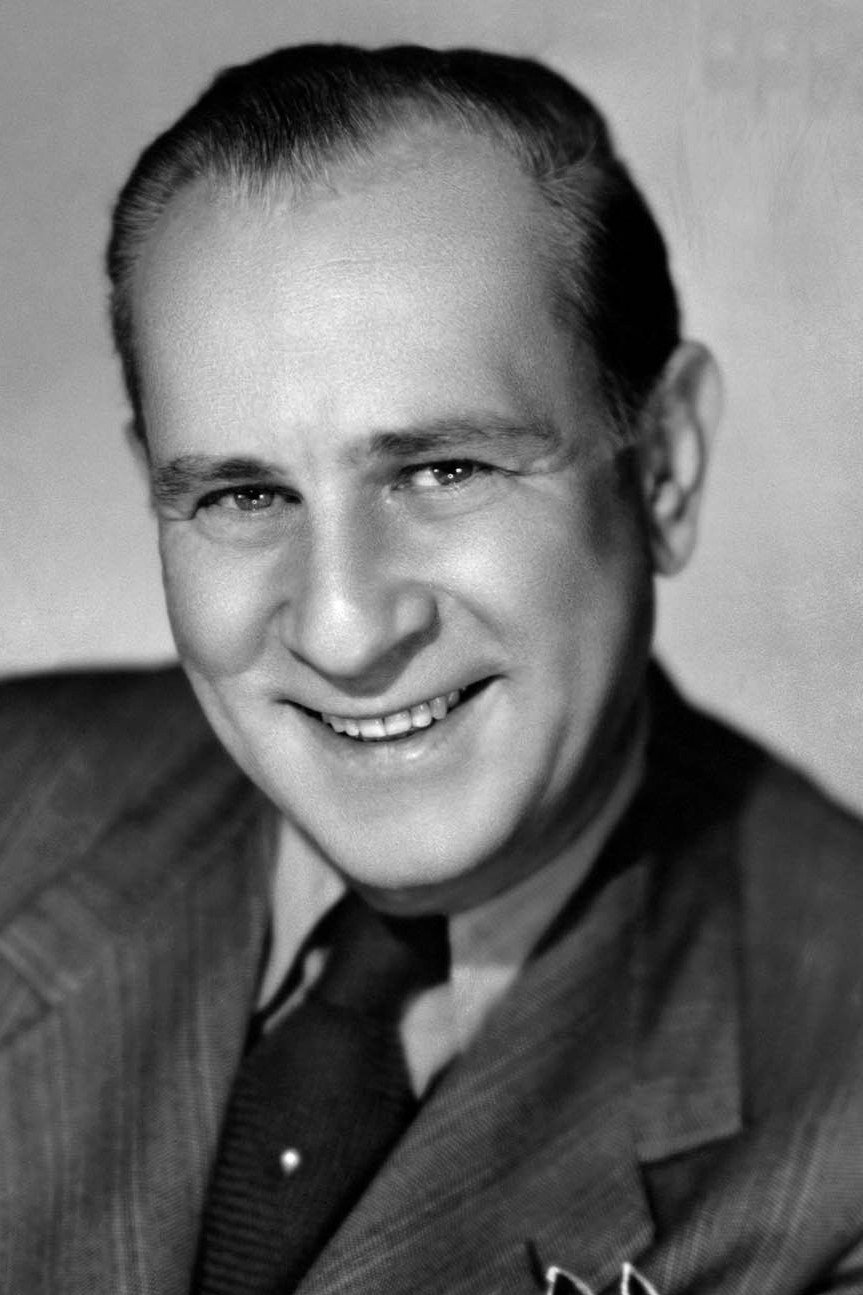
Bud Abbott is widely considered one of the greatest straight men in comedy history. As the partner of Lou Costello in the team Abbott and Costello, his sharp, fast-talking delivery drove their famous routines, including the “Who’s on First?” sketch. Abbott’s ability to control the pace of a scene and set up Costello’s reactions was essential to their success across radio, film, and television.
Lou Costello
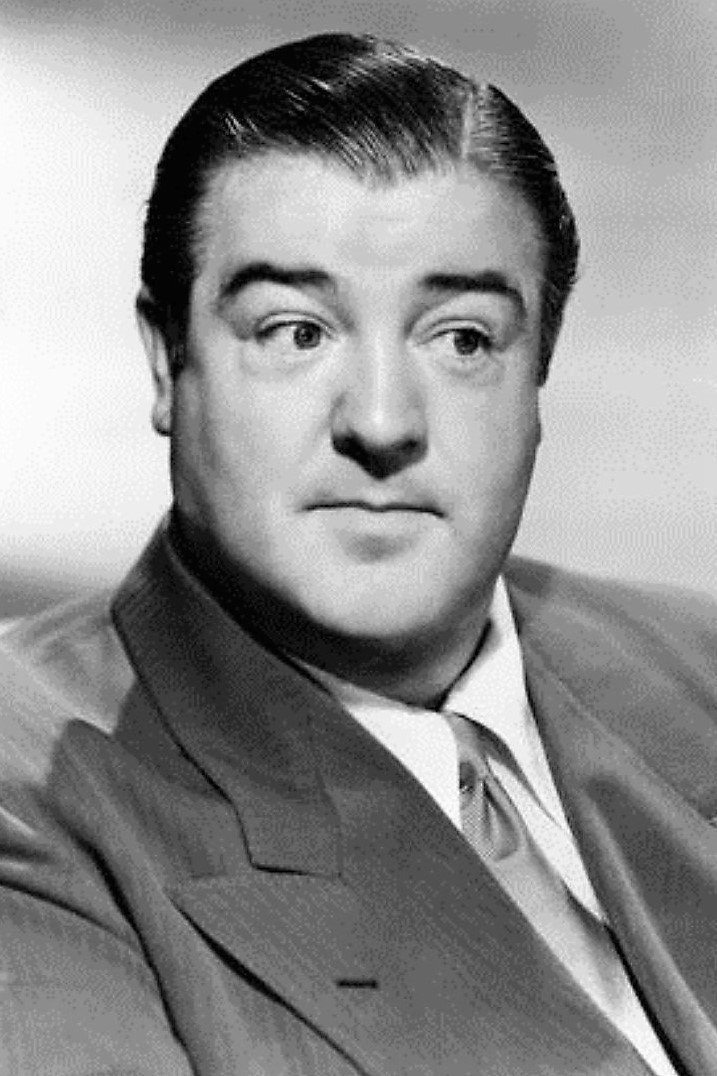
Lou Costello was the childlike, high-energy comic foil in the Abbott and Costello duo. Known for his catchphrase “I’m a baaaaad boy!” and his mastery of physical slapstick, he became one of the biggest box office draws of the 1940s. Costello’s vulnerability and frantic reactions to Abbott’s bullying created a dynamic that resonated with audiences for decades.
Sid Caesar
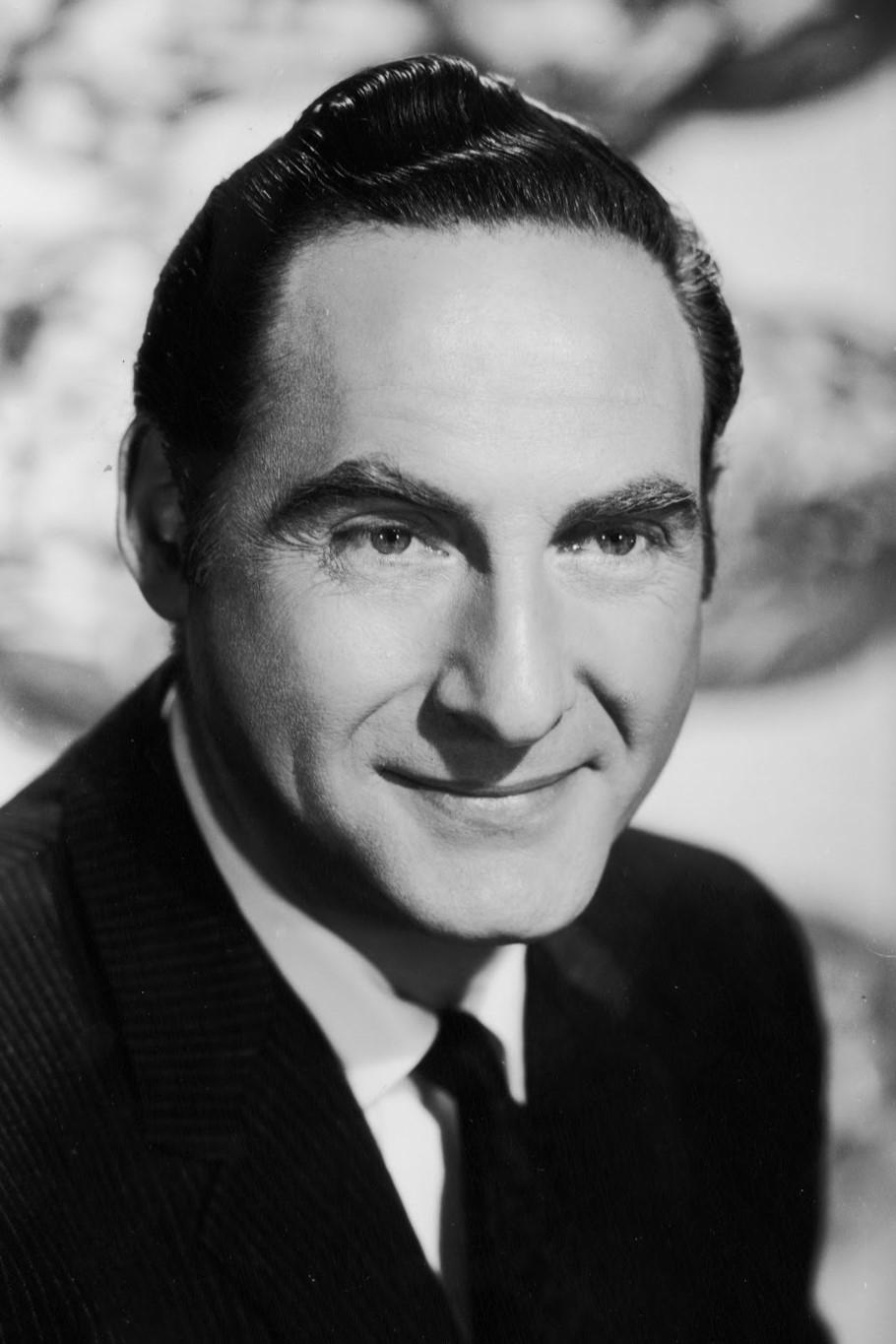
Sid Caesar was a pioneer of television sketch comedy, best known for Your Show of Shows. He presided over one of the greatest writing rooms in history, which included Mel Brooks, Carl Reiner, and Neil Simon. Caesar’s ability to perform pantomime, dialects, and monologues allowed him to dominate live television in the 1950s, setting the standard for the variety sketch format.
Imogene Coca
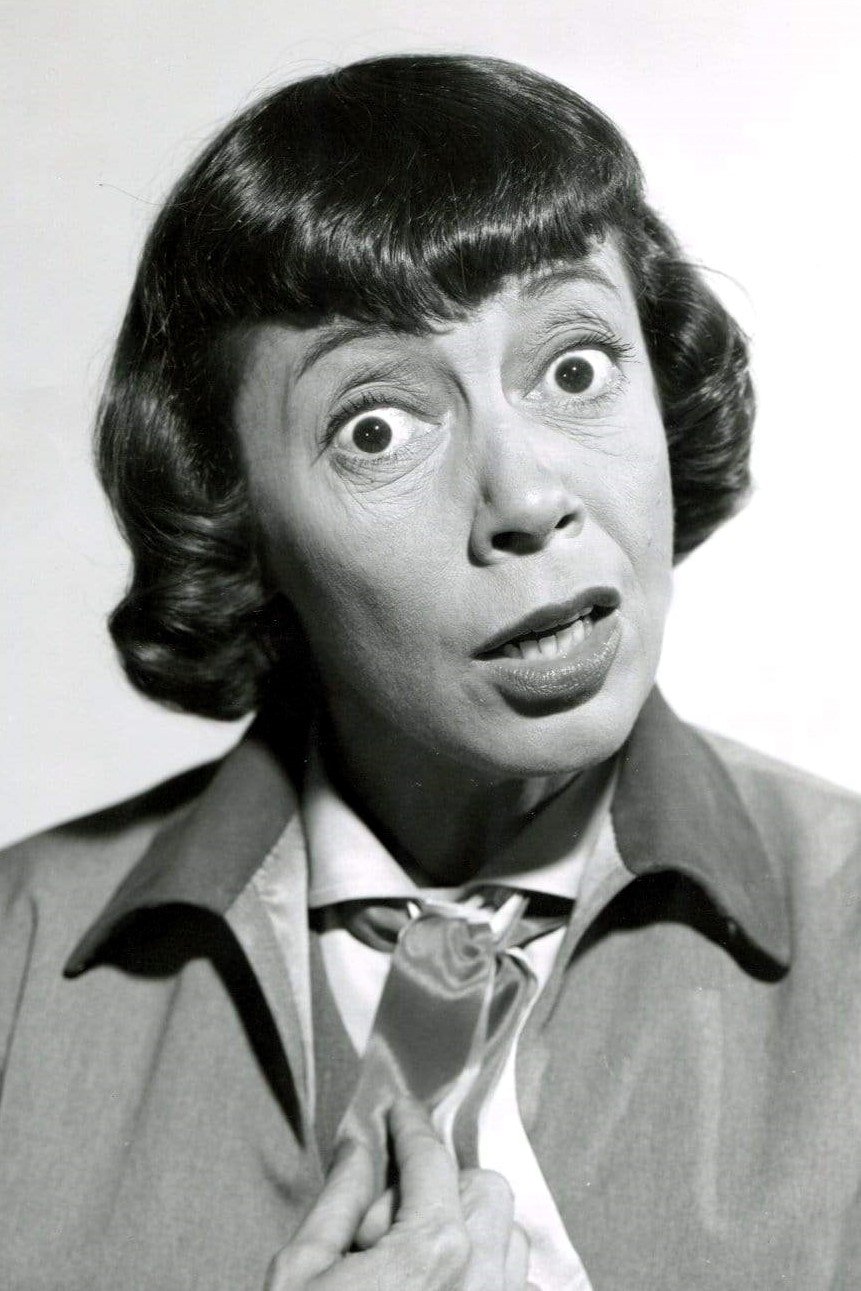
Imogene Coca was the comedic partner of Sid Caesar on Your Show of Shows, where her expressive face and versatility made her a television icon. She could transition seamlessly between high-society satire and eccentric character work. Her chemistry with Caesar was a cornerstone of the show’s success, earning her a Primetime Emmy Award and a lasting place in TV history.
Carl Reiner
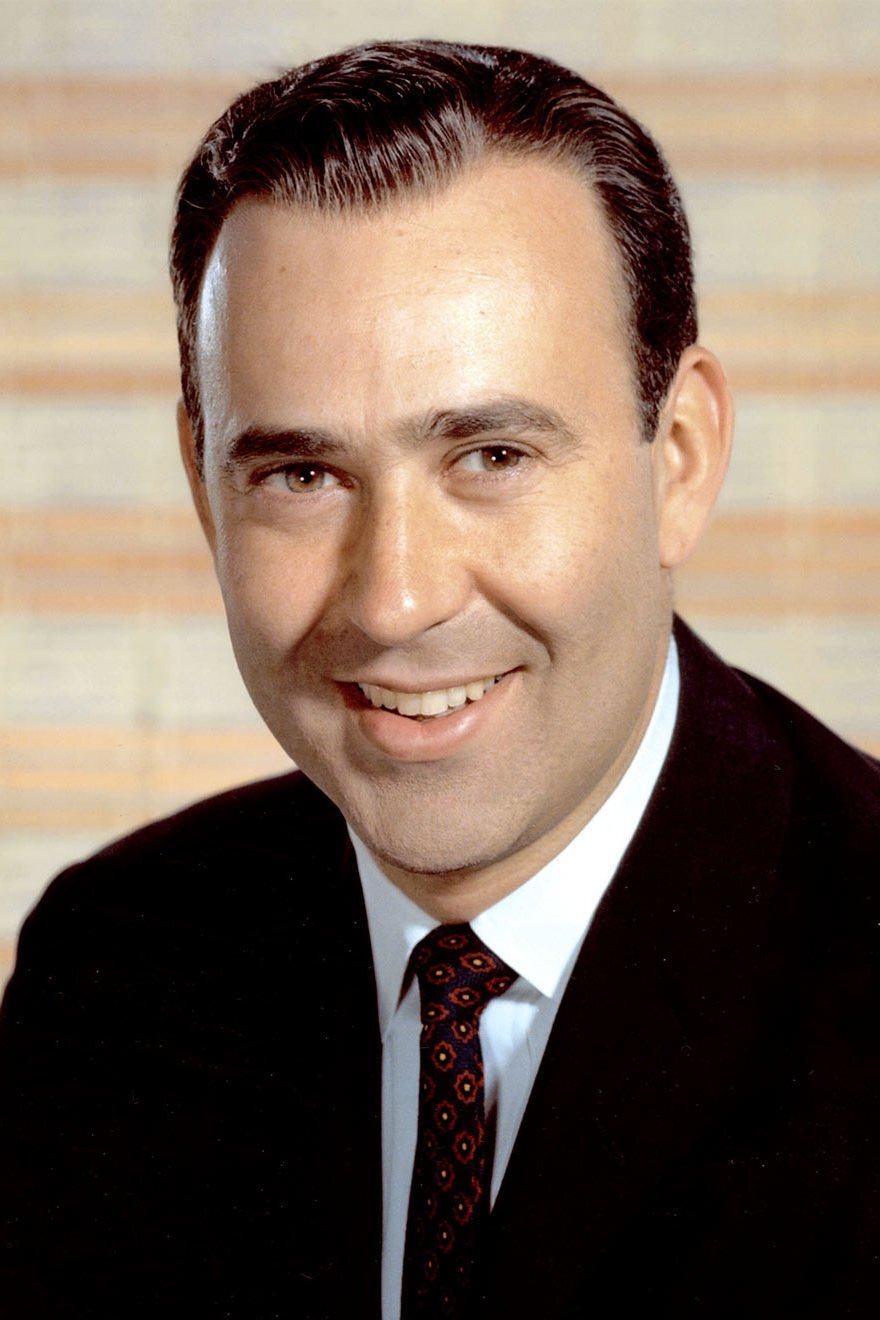
Carl Reiner was a prolific writer, director, and performer who created The Dick Van Dyke Show, arguably one of the greatest sitcoms of all time. As a performer, he is famously known as the straight man to Mel Brooks in the “2000 Year Old Man” sketches. His career spanned seven decades, during which he influenced generations of comedians through his mentorship and creative output.
Buddy Hackett
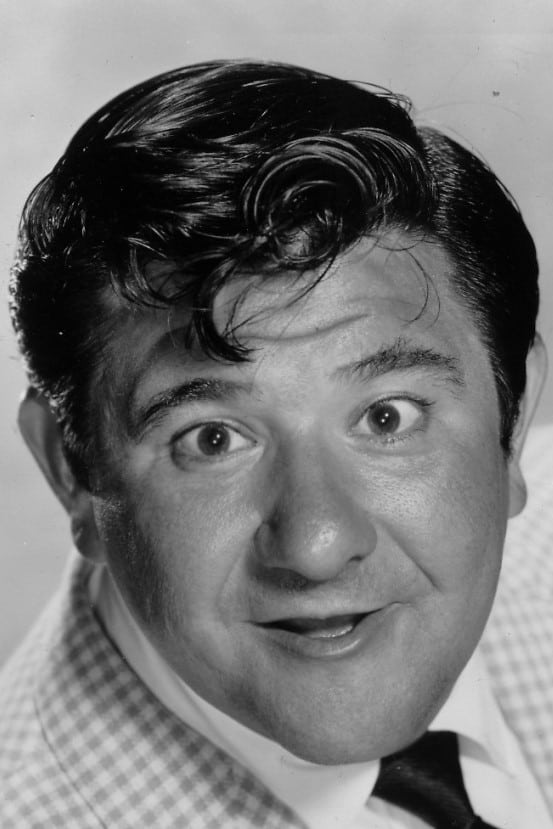
Buddy Hackett was a nightclub and film comedian known for his distinct delivery, side-of-the-mouth speech, and rubbery facial expressions. He became a favorite on late-night talk shows and starred in films like The Music Man and It’s a Mad, Mad, Mad, Mad World. Hackett’s comedy often blurred the lines between blue material in clubs and family-friendly performances on screen.
Moe Howard
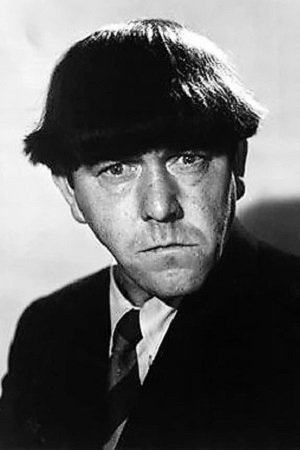
Moe Howard was the aggressive leader of The Three Stooges, recognizable by his bowl cut and scowl. He functioned as the group’s enforcer, dishing out slaps, eye pokes, and bonks to his partners. Moe’s commitment to the physical brutality of their act kept the act grounded, allowing the chaos of Larry and Curly to flourish around him.
Larry Fine
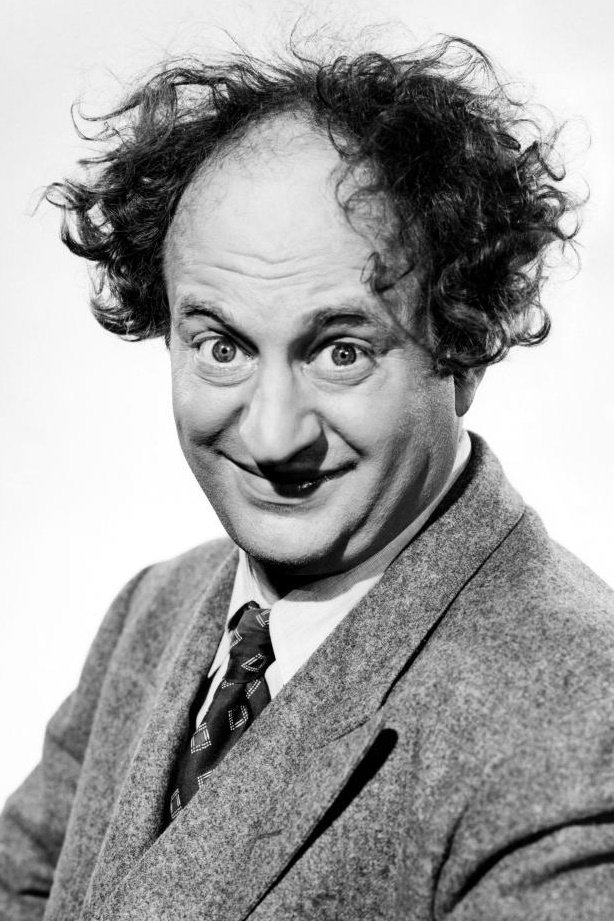
Larry Fine was the frizz-haired “middle” Stooge, often caught in the crossfire between Moe and Curly. A talented violinist in real life, his on-screen persona was that of a reactor, taking physical abuse with a durability that became his trademark. Larry’s bewildered expressions and ability to absorb punishment were vital to the trio’s rhythm.
Curly Howard
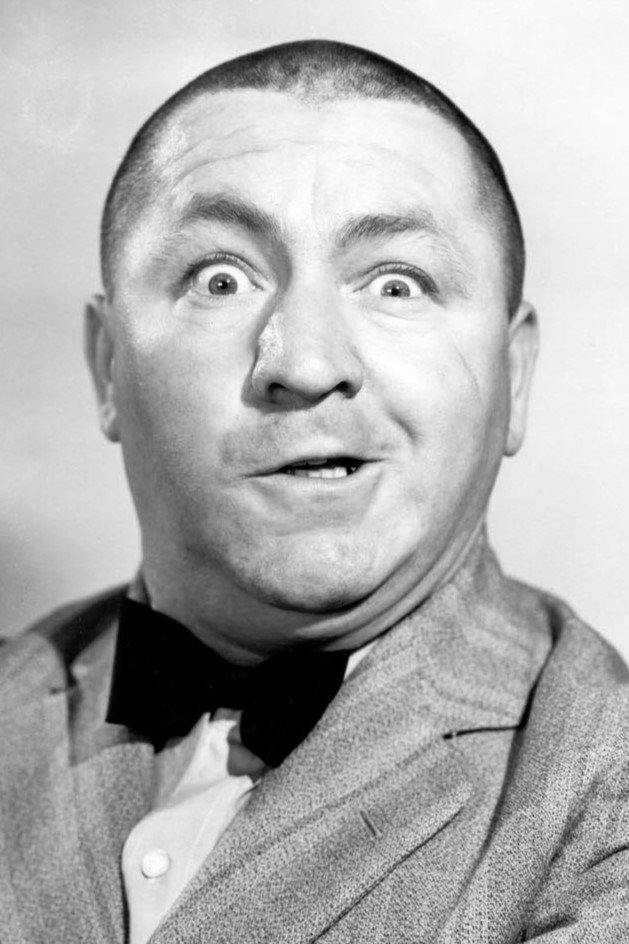
Curly Howard is widely regarded as the most popular member of The Three Stooges, known for his high-pitched voice, physical agility, and catchphrases like “Nyuk-nyuk-nyuk” and “Woob-woob-woob.” His childlike energy and surreal physical improvisation made him a unique force in comedy. Despite a short career cut off by illness, his work remains the defining element of the Stooges’ legacy.
Milton Berle
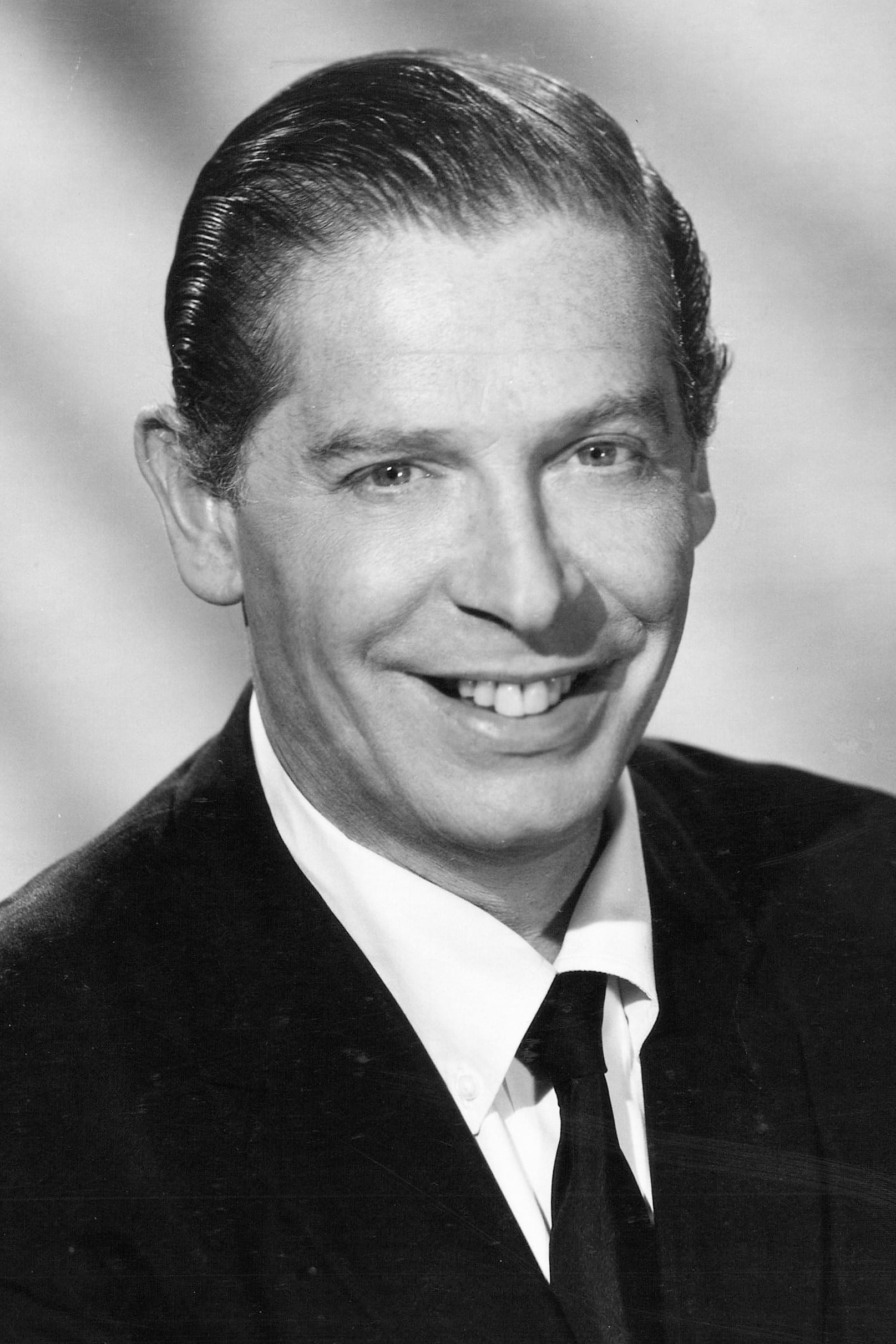
Milton Berle, known as “Mr. Television,” was the first major star of the TV era. His show, Texaco Star Theater, drove the sales of television sets in the late 1940s. Berle was known for his broad, vaudevillian style, frequent costume changes, and willingness to do anything for a laugh. He remained a fixture in show business for decades, bridging the gap between vaudeville and modern broadcasting.
George Burns
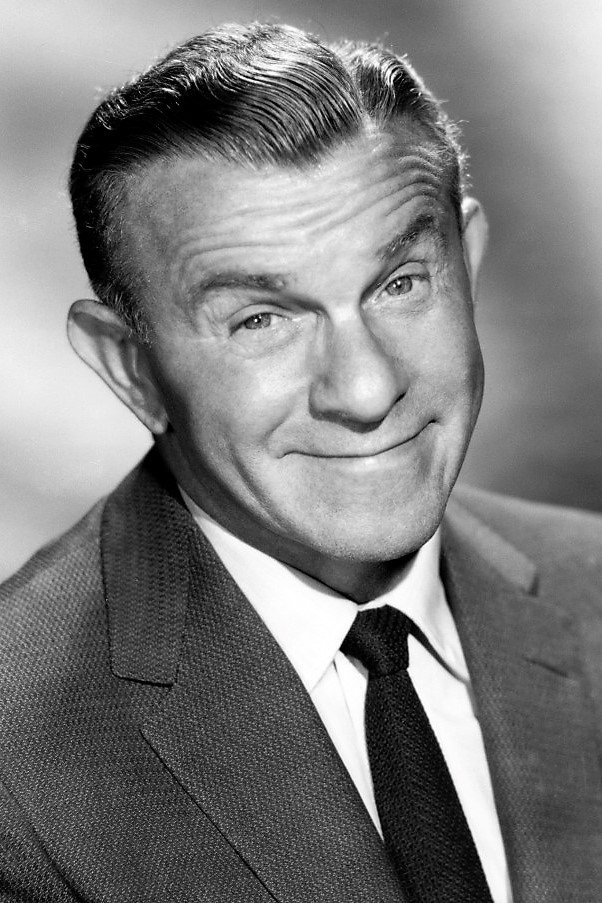
George Burns enjoyed a career that spanned vaudeville, radio, television, and film, famously partnering with his wife, Gracie Allen. As the straight man, his dry, cigar-smoking delivery perfectly complemented her “dizzy” logic. After her passing, Burns enjoyed a massive career resurgence, winning an Oscar for The Sunshine Boys and playing God in the Oh, God! films.
Gracie Allen
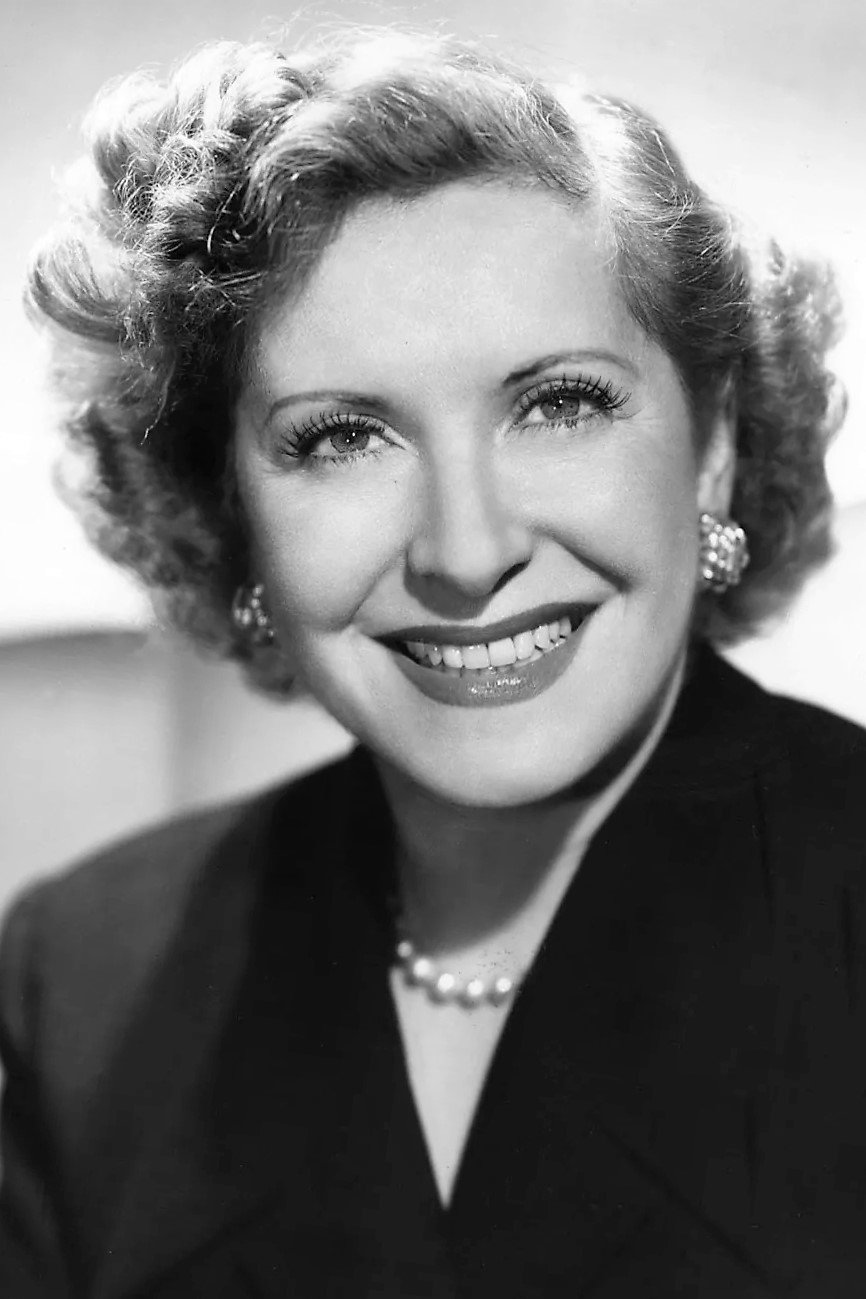
Gracie Allen was a comedic genius of the “illogical logic” style, performing as half of Burns and Allen. Her character wasn’t stupid; rather, she operated on a unique wavelength that baffled everyone around her, especially George. Her work in radio and the television series The George Burns and Gracie Allen Show established her as one of the premier comediennes of the 20th century.
W.C. Fields
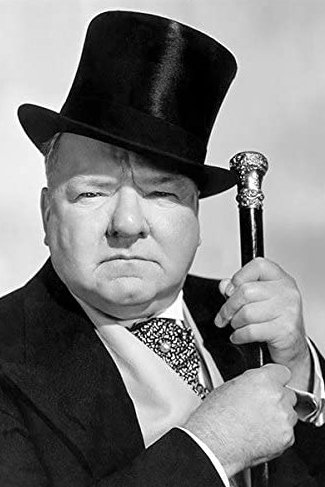
W.C. Fields created a persona of a misanthropic, hard-drinking egoist who hated children and dogs. A former juggler, he incorporated physical dexterity into his films, but he is best remembered for his rasping voice and flowery, cynical dialogue. Films like The Bank Dick and It’s a Gift showcase his unique brand of anti-hero comedy.
Joe E. Brown
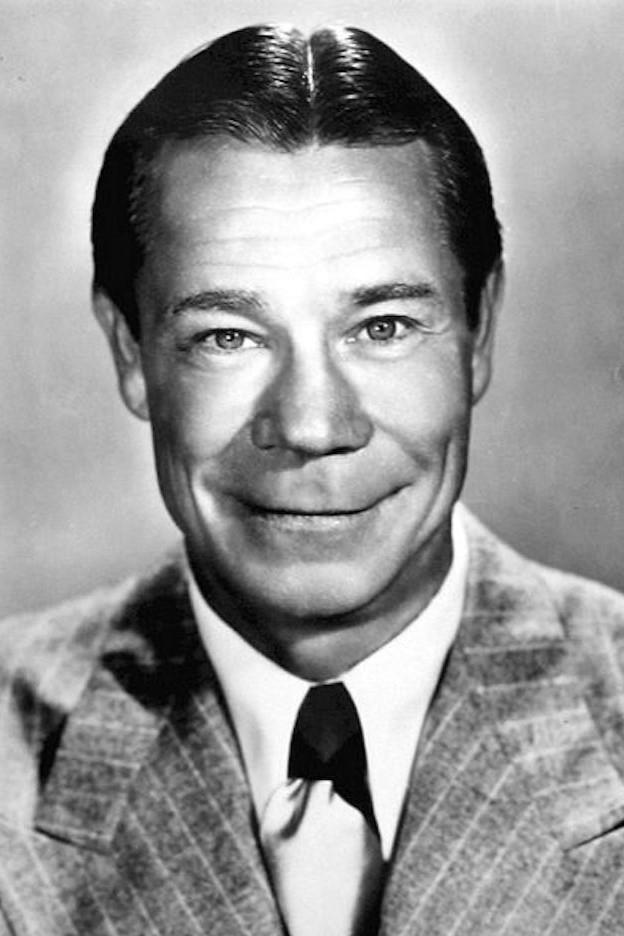
Joe E. Brown was a popular film comedian in the 1930s and 40s, famous for his enormous infectious smile and wide mouth. He often played the lovable underdog in sports comedies. Modern audiences know him best for his role as Osgood Fielding III in Some Like It Hot, where he delivered the film’s famous final line, “Well, nobody’s perfect.”
Jimmy Durante

Jimmy Durante, nicknamed “The Schnozzola” for his prominent nose, was a beloved entertainer in jazz, radio, and film. Known for his gravelly voice and butchering of the English language, he was a warm, engaging presence who often closed his performances with the mysterious sign-off, “Goodnight, Mrs. Calabash, wherever you are.”
Phil Silvers
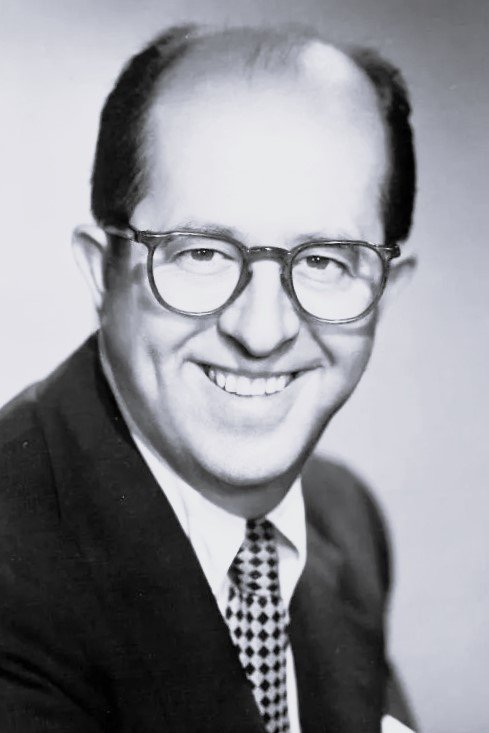
Phil Silvers created the archetypal con man character in The Phil Silvers Show (often called Sgt. Bilko). His fast-talking, scheming persona became a template for television comedy, influencing shows from The Flintstones to Seinfeld. Silvers won multiple Tony and Emmy awards, dominating any scene with his rapid-fire delivery and manic energy.
Bob Newhart

Bob Newhart was a master of deadpan delivery and the “telephone monologue,” where the audience heard only one side of a conversation. He starred in two legendary sitcoms, The Bob Newhart Show and Newhart, both of which showcased his stammering, reactive style. His comedy was clean, intellectual, and timeless, relying on timing rather than volume or shock.
Lenny Bruce

Lenny Bruce was a counterculture icon who pushed the boundaries of what could be said in a comedy club. His open-form satire tackled politics, religion, race, and obscenity, leading to numerous arrests and legal battles. Bruce’s fight for free speech paved the way for the modern era of uninhibited stand-up comedy, influencing generations of comics like George Carlin and Richard Pryor.
Mort Sahl
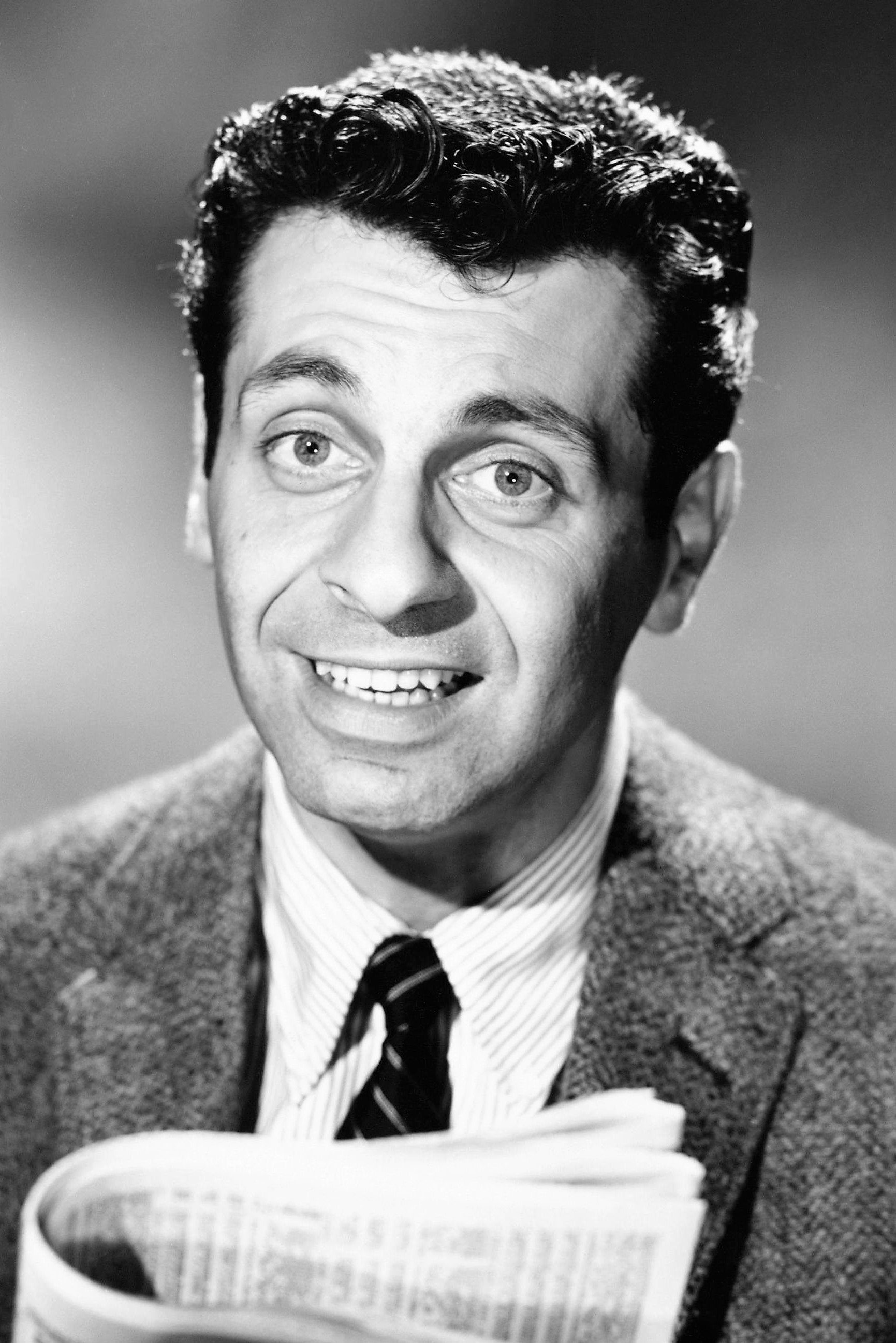
Mort Sahl revolutionized stand-up by bringing a newspaper onto the stage and satirizing current events and politics. Dressed in a V-neck sweater, he moved comedy away from punchlines and mother-in-law jokes toward social commentary and intellectual discourse. He was the first comedian to record a modern live comedy album and was a key figure in the “sick comedy” wave of the 1950s.
Johnny Carson
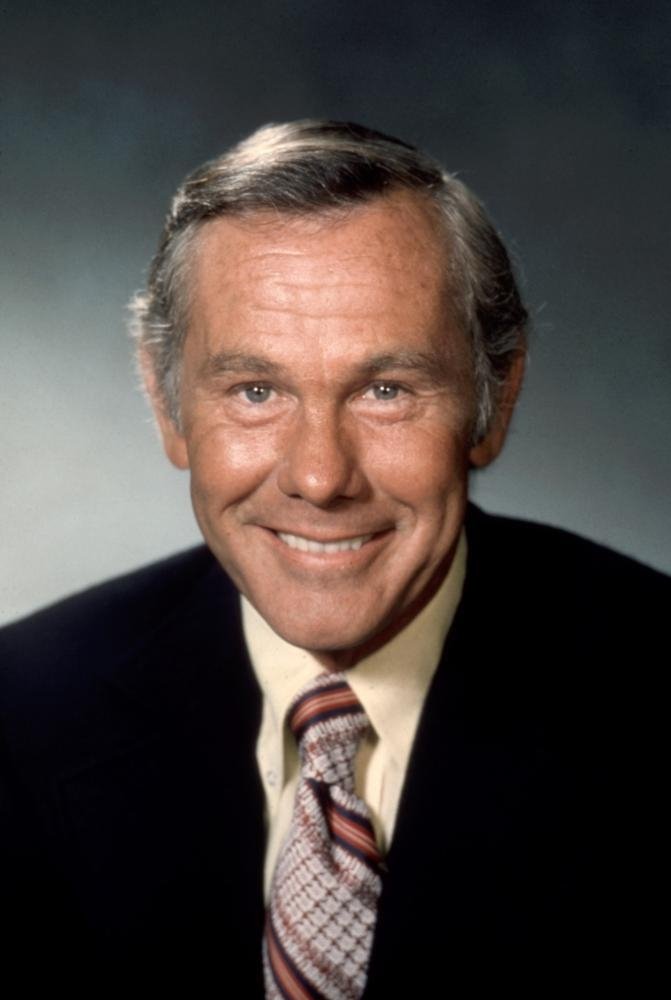
Johnny Carson hosted The Tonight Show for 30 years, becoming the undisputed king of late-night television. His monologue set the national mood, and his interviews could make or break a career. Carson’s cool demeanor, quick wit, and ability to recover from a bad joke made him the gold standard for television hosts.
Mae West
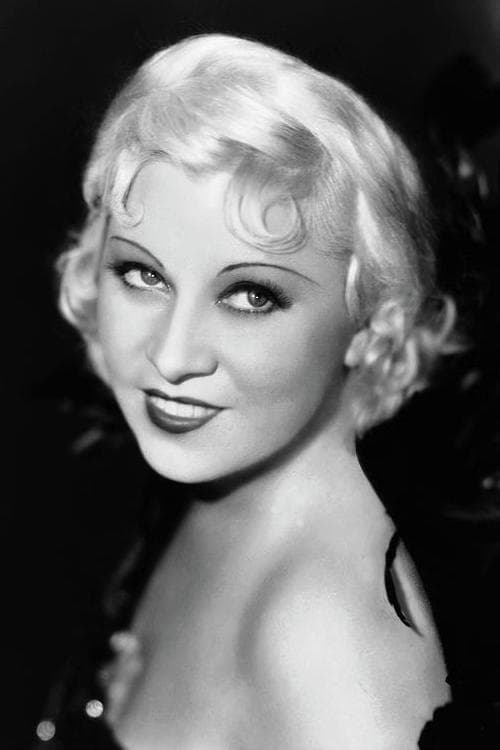
Mae West was a playwright, screenwriter, and sex symbol who used double entendres and bawdy humor to challenge censorship and social norms. She wrote many of her own plays and films, maintaining total control over her image. Lines like “Come up and see me sometime” became cultural touchstones, and she remains a symbol of confident, subversive femininity.
Anne Meara
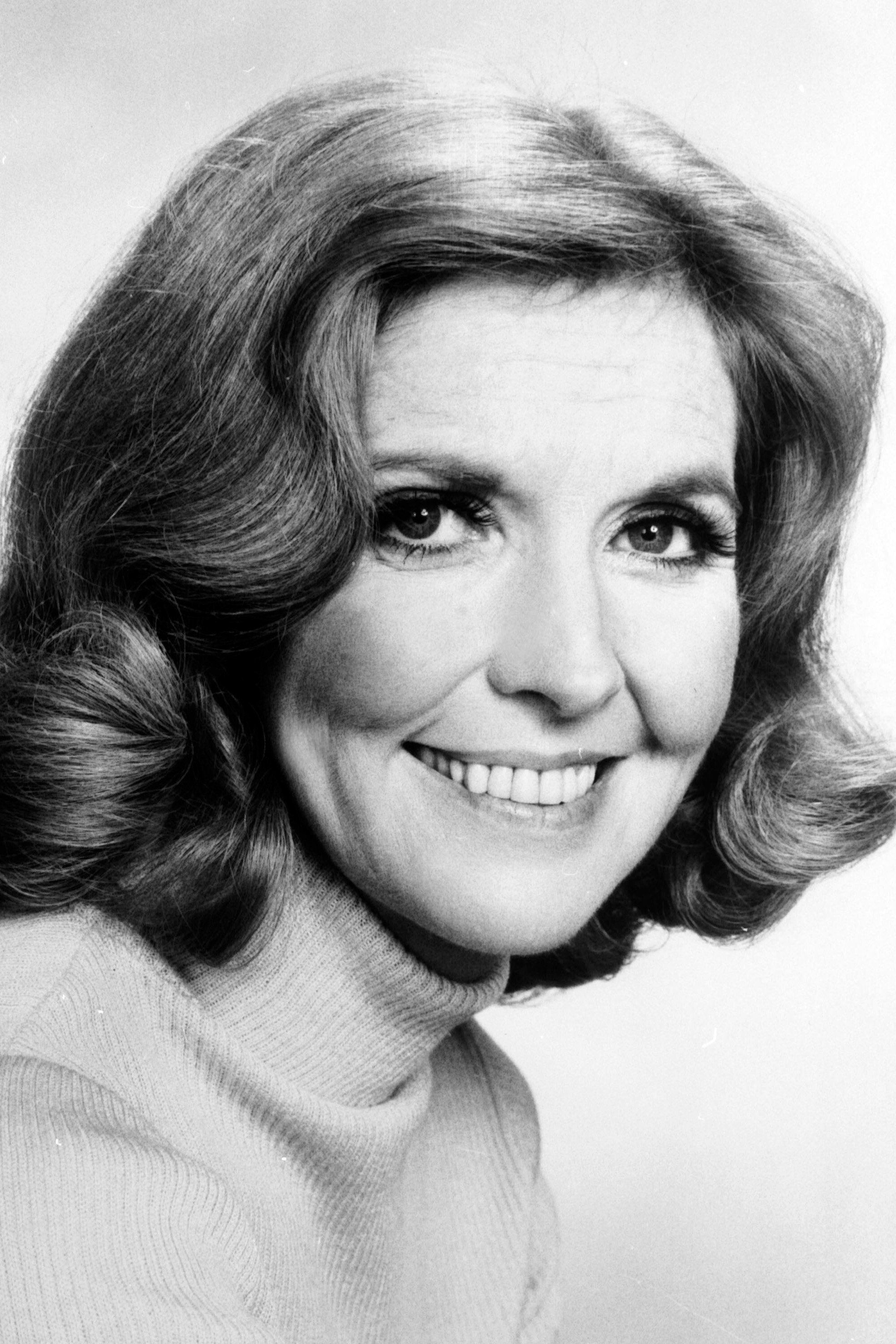
Anne Meara found fame as half of the comedy duo Stiller and Meara, alongside her husband Jerry Stiller. They gained popularity in the 1960s with sketches that played on their differences—she was tall and Irish Catholic, he was short and Jewish. Meara later had a successful acting career in television and film, including roles on Archie Bunker’s Place and Sex and the City.
Jerry Stiller
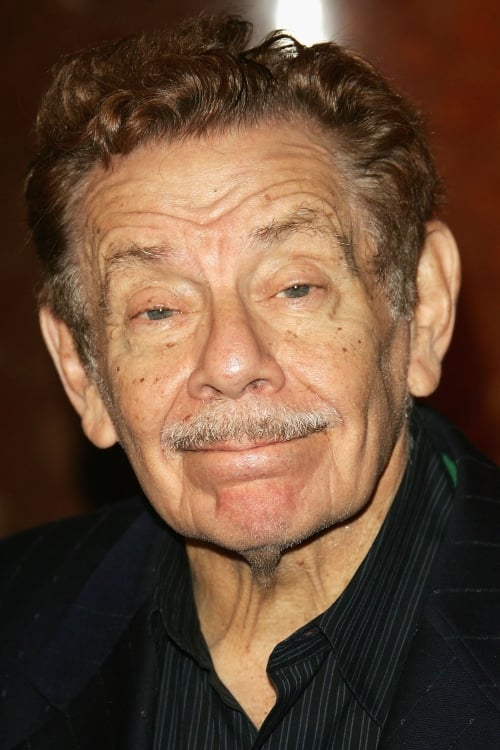
Jerry Stiller began his career in the duo Stiller and Meara but found a massive second wave of fame as Frank Costanza on Seinfeld and Arthur Spooner on The King of Queens. His hallmark was his high-volume, apoplectic delivery, often shouting lines with a distinct cadence that stole every scene he was in. He was the father of actor Ben Stiller.
Share the comedy legends you’d add—and your favorite roles or sketches of theirs—in the comments!