


Most Overrated Gaming Franchises of All Time

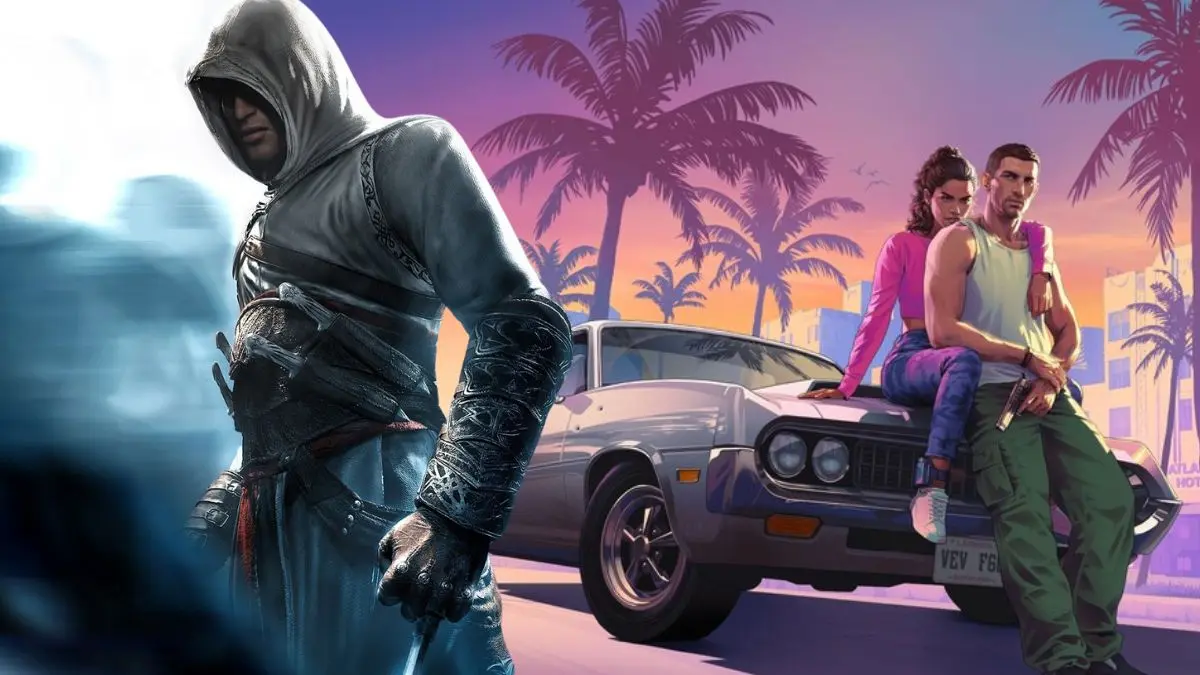


Some game series are everywhere you look. They get huge launches, massive marketing, and a spot in pop culture that most titles never reach. This list looks at those long running franchises that dominate conversations and store shelves year after year. You will find background on how each series grew, what kinds of games it offers, and who steers it behind the scenes.
The goal here is to give context that helps you understand how these brands became fixtures. You will see the studios that build them, the release patterns that keep them in the spotlight, and the business choices that shaped their identities. Think of it as a quick tour through the biggest names and the machine that keeps them moving.
Call of Duty
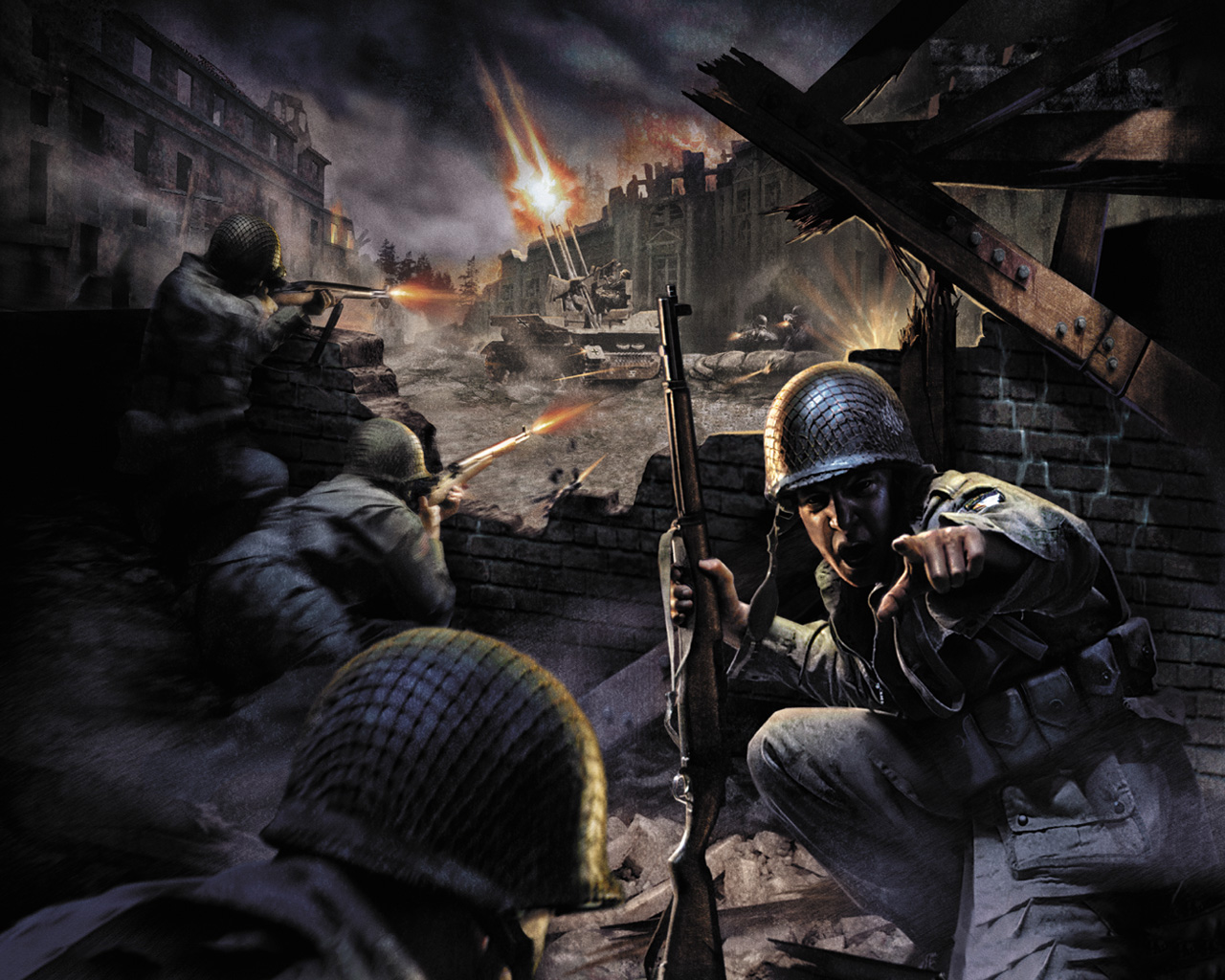
This first person shooter began on PC and consoles with World War settings and later moved into modern and futuristic warfare. The series rotates development across multiple teams such as Infinity Ward, Treyarch, and Sledgehammer Games to maintain frequent releases. Activision produces the franchise and coordinates technology, engines, and shared features across studios.
Annual entries often share progression systems, seasonal updates, and cross platform multiplayer. Large scale modes, battle royale experiments, and remastered campaigns appear alongside mainline releases to keep players engaged between new titles. Ongoing content plans are organized centrally by Activision while each studio delivers its own campaign and multiplayer flavor.
Assassin’s Creed
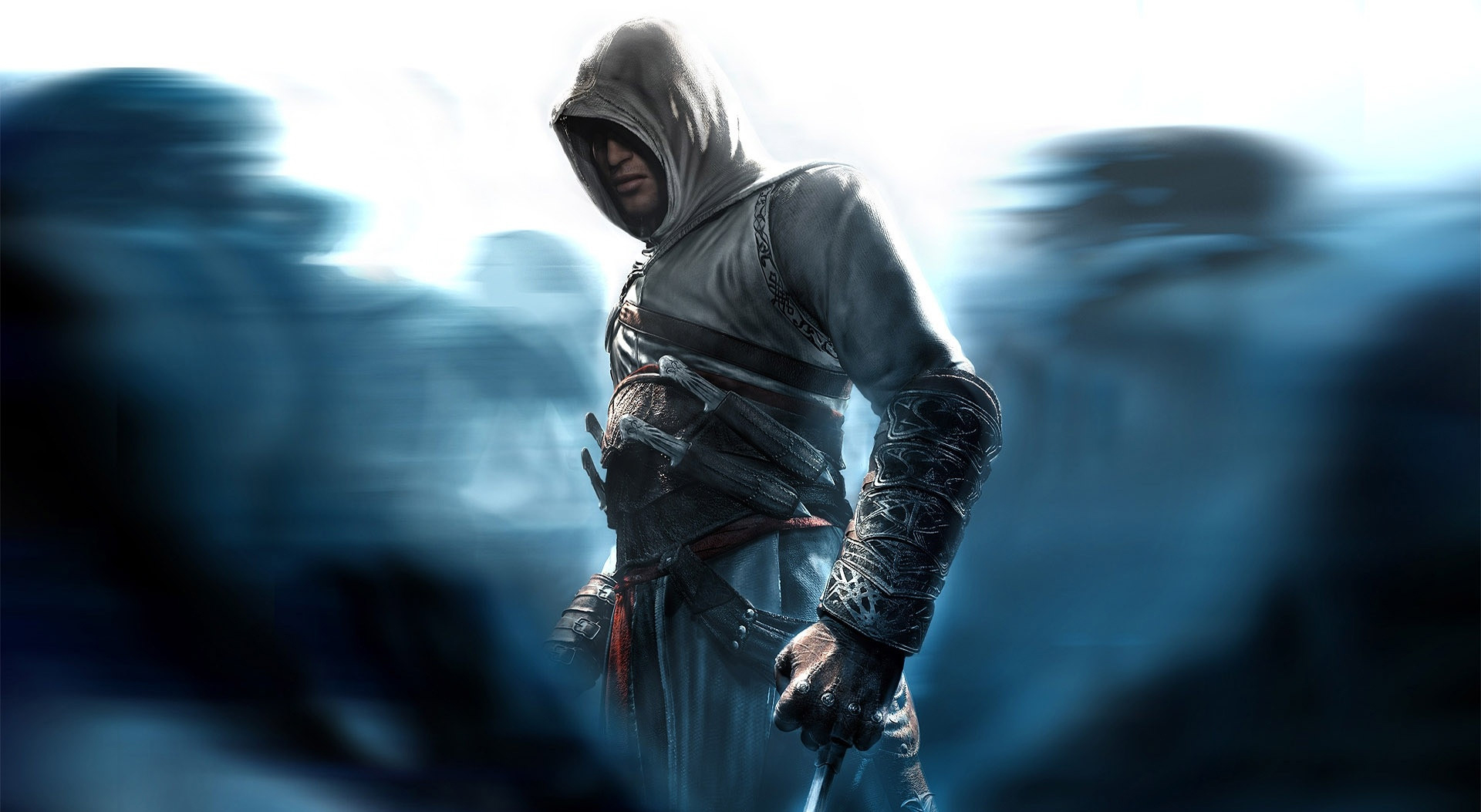
Ubisoft’s historical action series started with stealth focused parkour and expanded into open world role playing systems. The brand is produced within Ubisoft’s global network, with Ubisoft Montreal and Ubisoft Quebec leading many main entries. Each game uses a different time period with a recurring present day frame.
The series relies on signature traversal, synchronized viewpoints, and collectible heavy maps. Ship combat, skill trees, and gear rarity arrived over time. Cross studio production pipelines allow massive worlds and frequent post launch content, with Ubisoft producing transmedia projects and tie in extras that connect the eras.
EA Sports FC
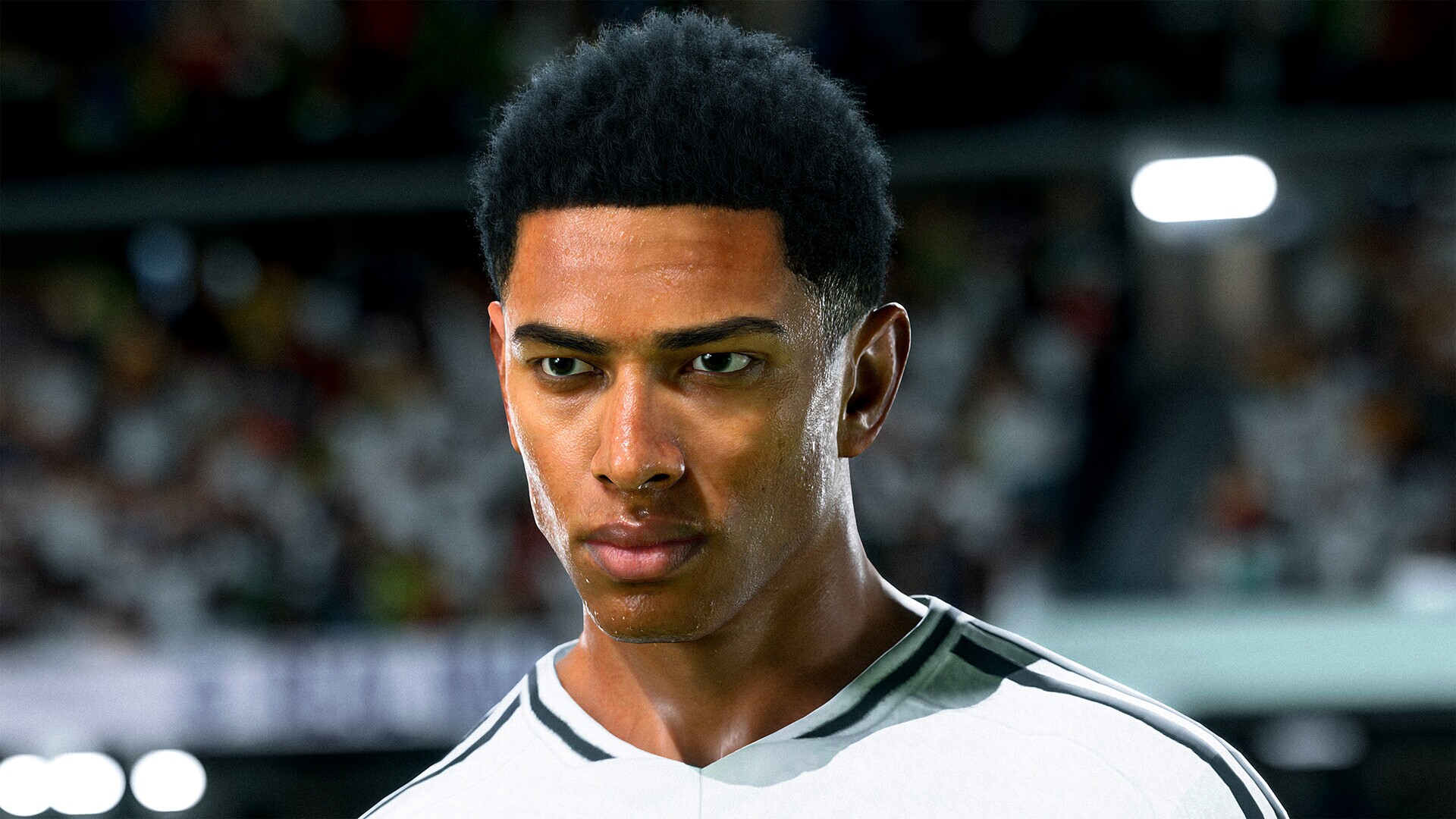
This football franchise formerly carried the FIFA name and now continues under EA Sports FC. EA produces the series through EA Vancouver and EA Romania, combining officially licensed leagues, clubs, and players with its own Ultimate Team mode. Annual installments update rosters, kits, and stadiums alongside gameplay tuning.
Online seasons, weekend competitions, and seasonal objectives keep modes active year round. New features typically roll out alongside broadcast style presentation upgrades and incremental engine changes. EA coordinates global partnerships for cover stars, leagues, and tournaments while internal teams maintain live service operations.
Madden NFL
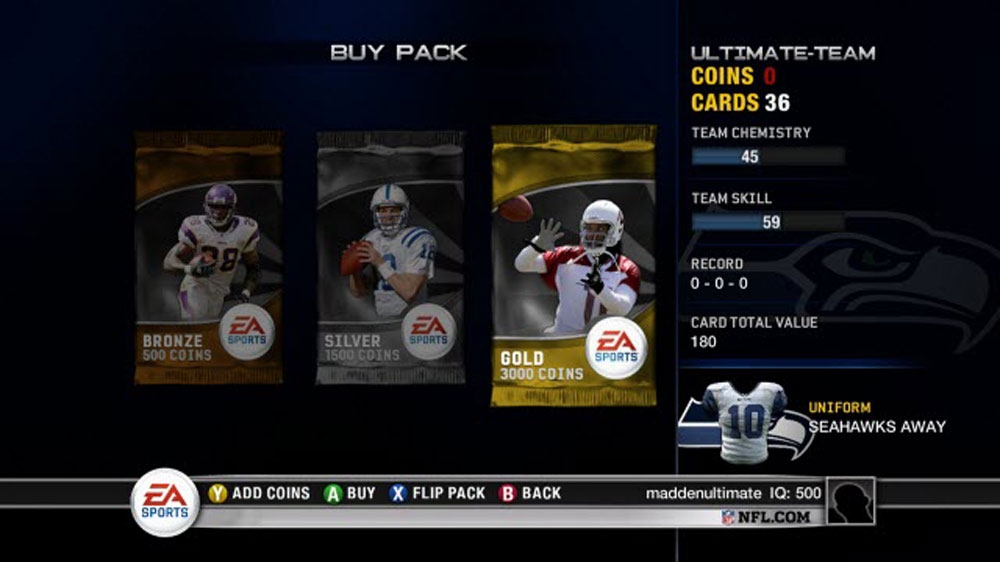
EA produces this American football series through EA Tiburon, pairing the NFL license with year to year updates. The game includes simulation modes, franchise management, and competitive online play. Motion data capture and playbook updates mirror real world trends.
Ultimate Team style card collecting, seasonal challenges, and roster updates arrive throughout the calendar. Presentation packages emulate television broadcasts and reflect changes in commentary teams. The production cycle is aligned to the NFL season with EA coordinating league wide branding, events, and marketing beats.
Pokémon
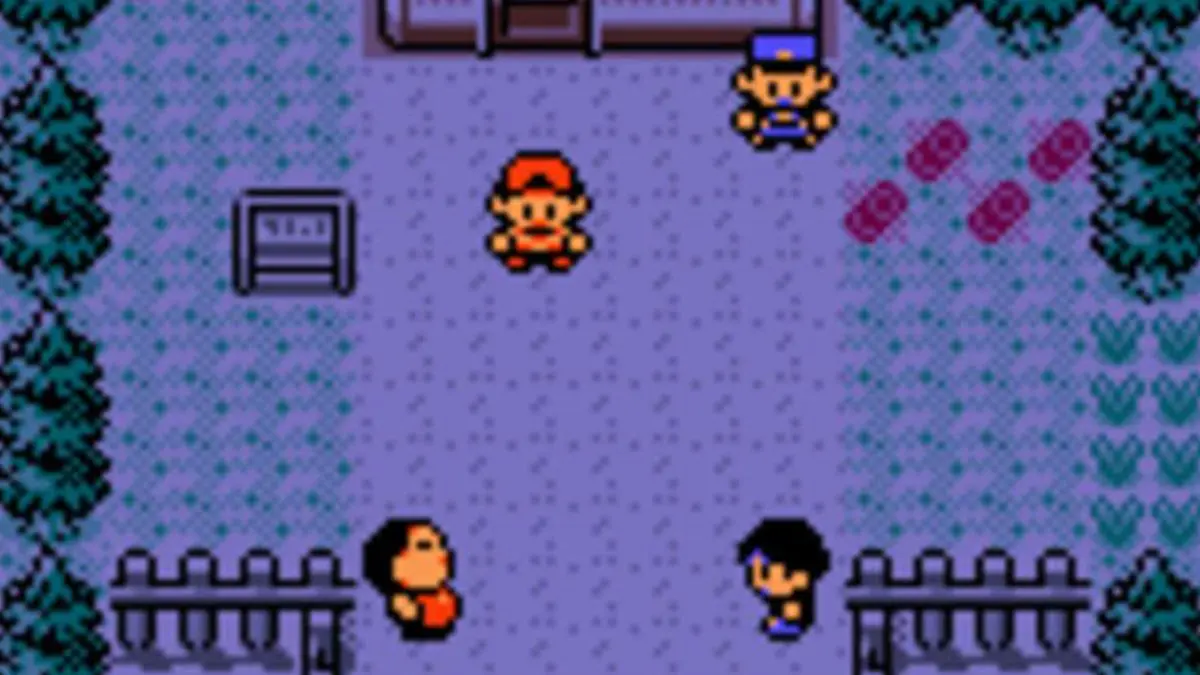
This role playing franchise is developed by Game Freak with production support from The Pokémon Company and Nintendo. Main entries release in pairs with version exclusive creatures and trading as a core feature. Turn based battles, elemental types, and evolution systems define progression.
Regional variants, remakes, and spin offs appear regularly on Nintendo platforms. Cross media strategy spans animation, merchandise, and events that connect to the games. Production planning brings together Game Freak, Creatures, and Nintendo, with The Pokémon Company coordinating branding and international releases.
Final Fantasy
Square Enix produces this long running role playing series with each numbered title presenting a new world, cast, and combat system. The franchise spans single player epics and online entries with persistent worlds. Signature elements include summons, crystals, and recurring jobs.
Remasters, expansions, and experimental battle systems arrive between major releases. Film quality cinematics and licensed music performances support global launches. Square Enix manages multi team production, engine choices, and staggered content rollouts for long tail support.
The Elder Scrolls
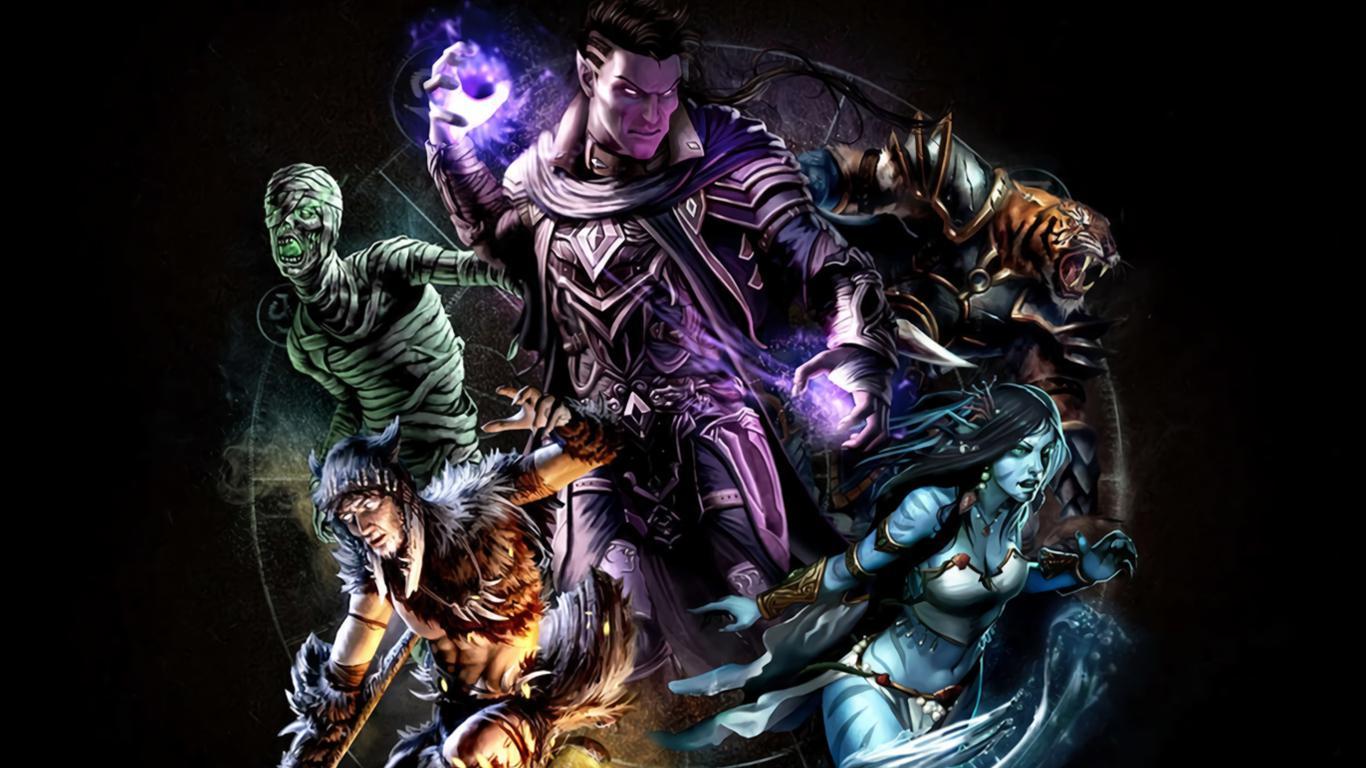
Bethesda Game Studios leads this open world role playing brand with production managed by Bethesda and its parent company. The series is known for first person exploration, flexible character builds, and extensive mod support on PC. Each entry centers on a province within Tamriel with deep lore and guild questlines.
Special editions, downloadable content packs, and ongoing online chapters extend the life of releases. Creation tools and community mods keep older entries active for years. Bethesda produces expansions, performance updates, and platform ports on a long timeline aligned with internal engine development.
Grand Theft Auto
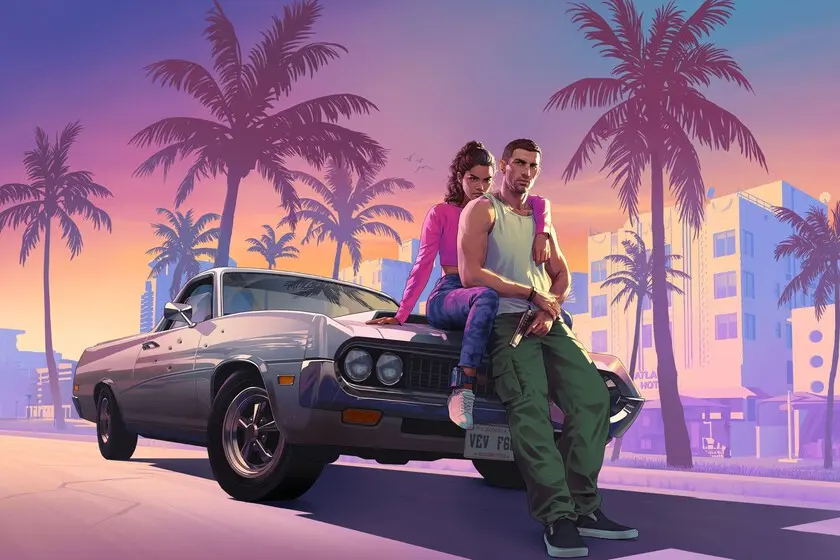
Rockstar Games produces this open world crime series with Rockstar North as a key studio. The games focus on large cities, narrative missions, and a mix of driving and third person action. Satirical radio, in game television, and licensed music build a distinct atmosphere.
Online components include heists, creator tools, and recurring events that run for years after launch. Rockstar coordinates global voice and motion capture, writing teams, and technical pipelines across multiple offices. Production spans long development cycles with major marketing pushes and post launch content schedules.
Far Cry
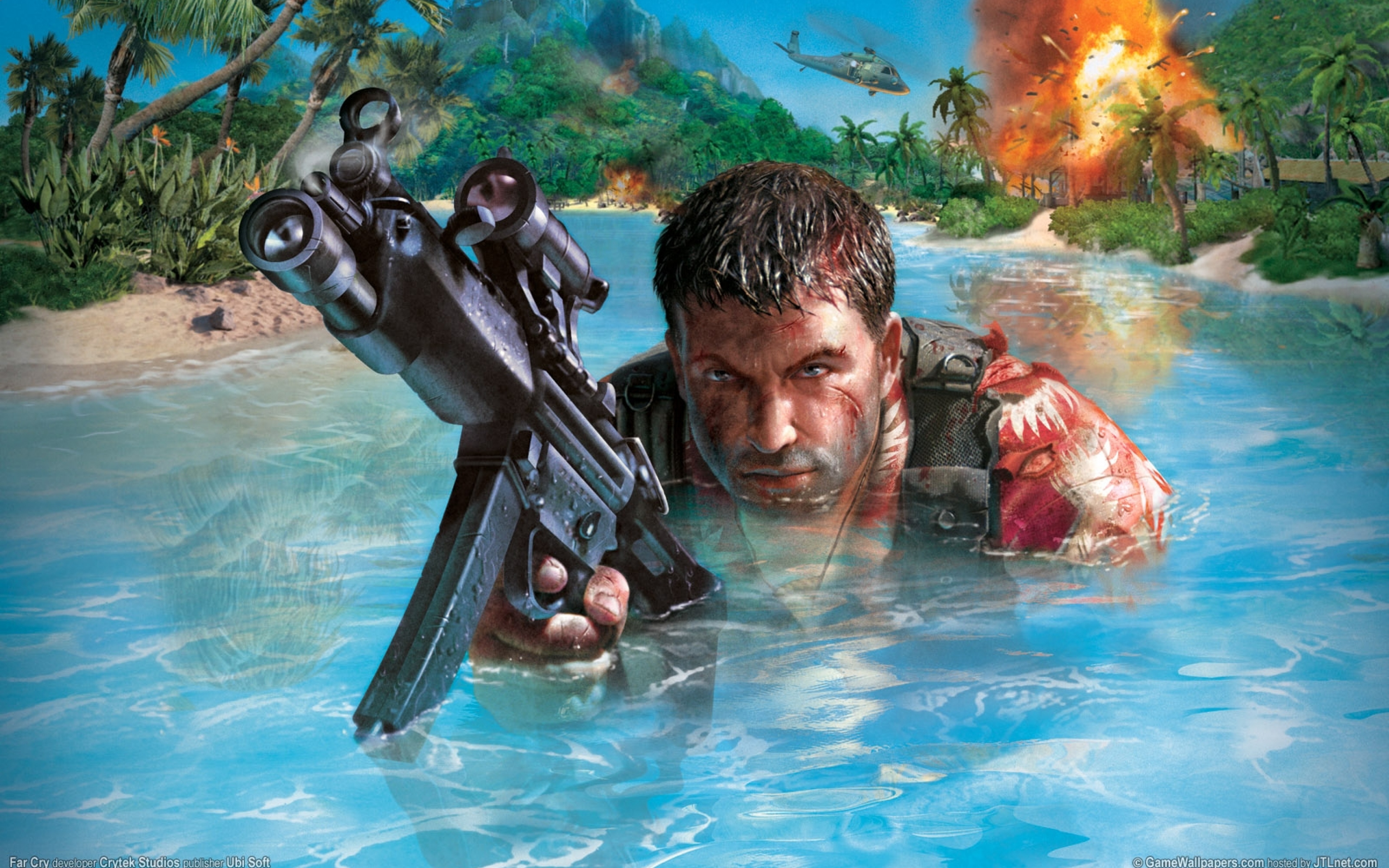
Ubisoft produces this first person open world series with entries led by studios such as Ubisoft Montreal. Core elements include outpost capture, wildlife systems, and improvised combat tools. Each game introduces a new setting with a self contained story.
Standalone expansions and spin offs reuse technology to deliver shorter adventures between numbered releases. The brand leverages a consistent UI and progression loop across entries. Ubisoft’s production network enables quick content turnaround and shared assets that link the games behind the scenes.
Halo
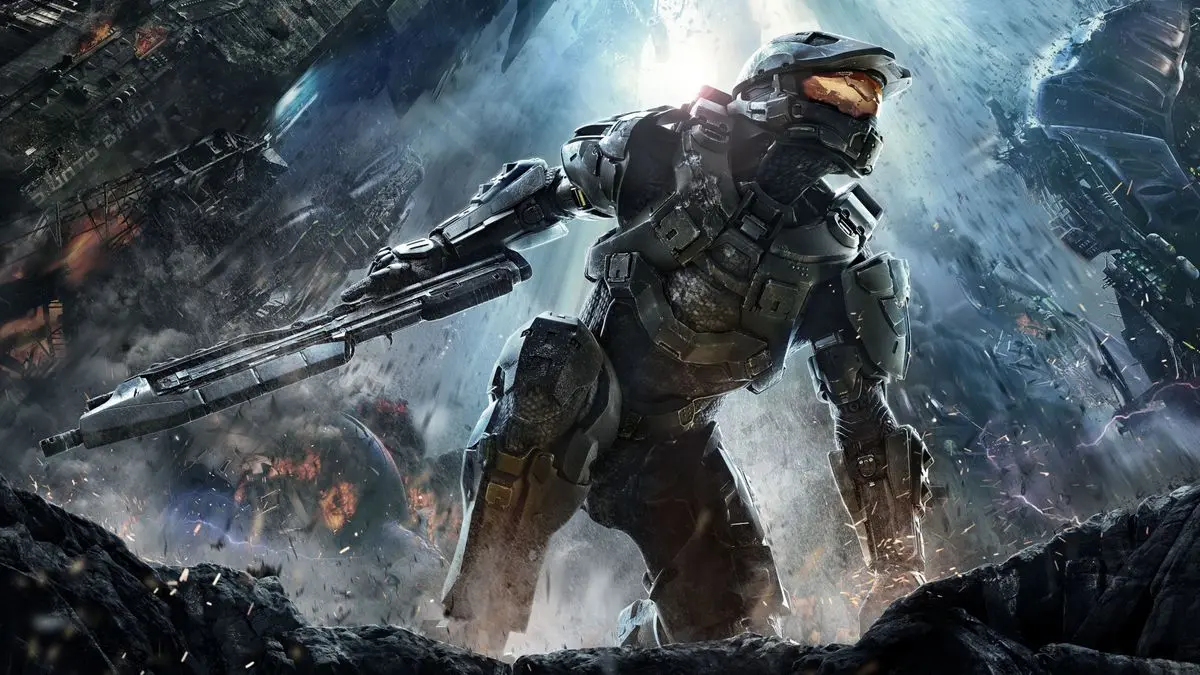
This science fiction shooter franchise began at Bungie and moved to 343 Industries under Xbox Game Studios. Microsoft produces the series and oversees engine transitions, cross platform features, and esports partnerships. The gameplay centers on precise gunplay, vehicles, and sandbox experimentation.
Campaigns feature large scale battles against alien factions while multiplayer offers ranked modes and custom games. Forge tools, seasonal updates, and narrative events support long term engagement. Microsoft coordinates merchandising, television adaptations, and cross promotion within the Xbox ecosystem.
Resident Evil

Capcom produces this survival horror brand with numbered entries and frequent remakes. The series blends resource management, puzzle solving, and third person or first person combat depending on the era. Iconic settings include the Spencer Mansion and Raccoon City.
Modern releases use Capcom’s proprietary engine with photoreal character models and cinematic presentation. Expansions, timed demos, and crossovers with other Capcom titles appear during each cycle. Production planning includes collector editions and post release mode updates that extend replay value.
The Sims
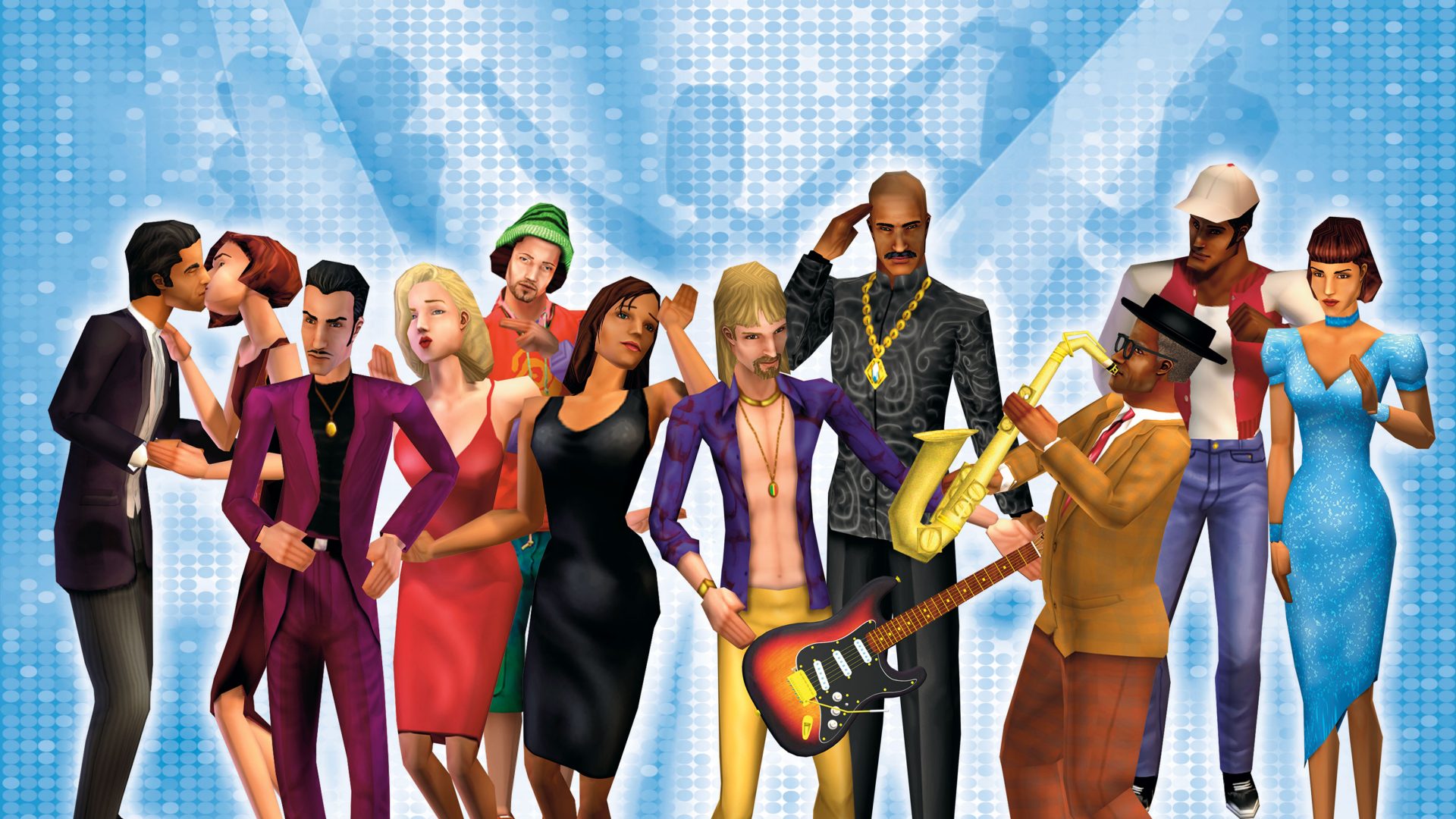
Maxis develops this life simulation series with EA producing and publishing. Players manage households, build homes, and guide careers across numerous expansions. The franchise emphasizes creative tools, trait systems, and open ended play.
Content arrives through expansion packs, game packs, and kits that add themes and mechanics. Community creations and gallery sharing keep the ecosystem active. EA coordinates collaborations, brand tie ins, and patch updates that maintain compatibility across a large catalog of add ons.
Sonic the Hedgehog
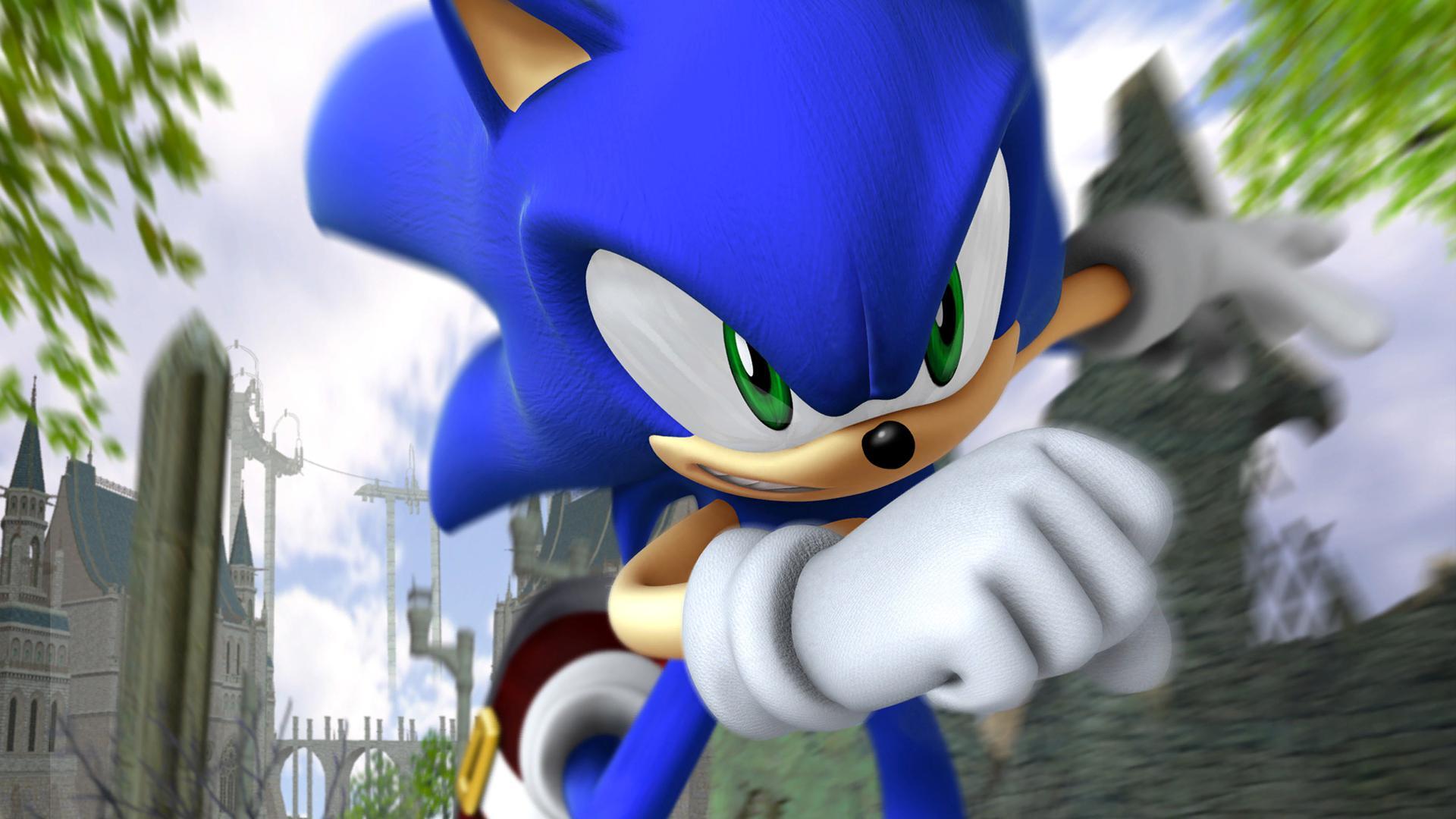
Sega produces this platforming series with entries from internal teams and partner studios. The brand includes 2D side scrolling and 3D adventures with high speed level design. Spin offs extend to racing, fighting, and mobile games.
Remasters and retro collections bring classic titles to new platforms. Animated projects and licensed merchandise run alongside new releases. Sega manages production across multiple teams while maintaining recurring characters, music styles, and visual identity.
Mario Kart
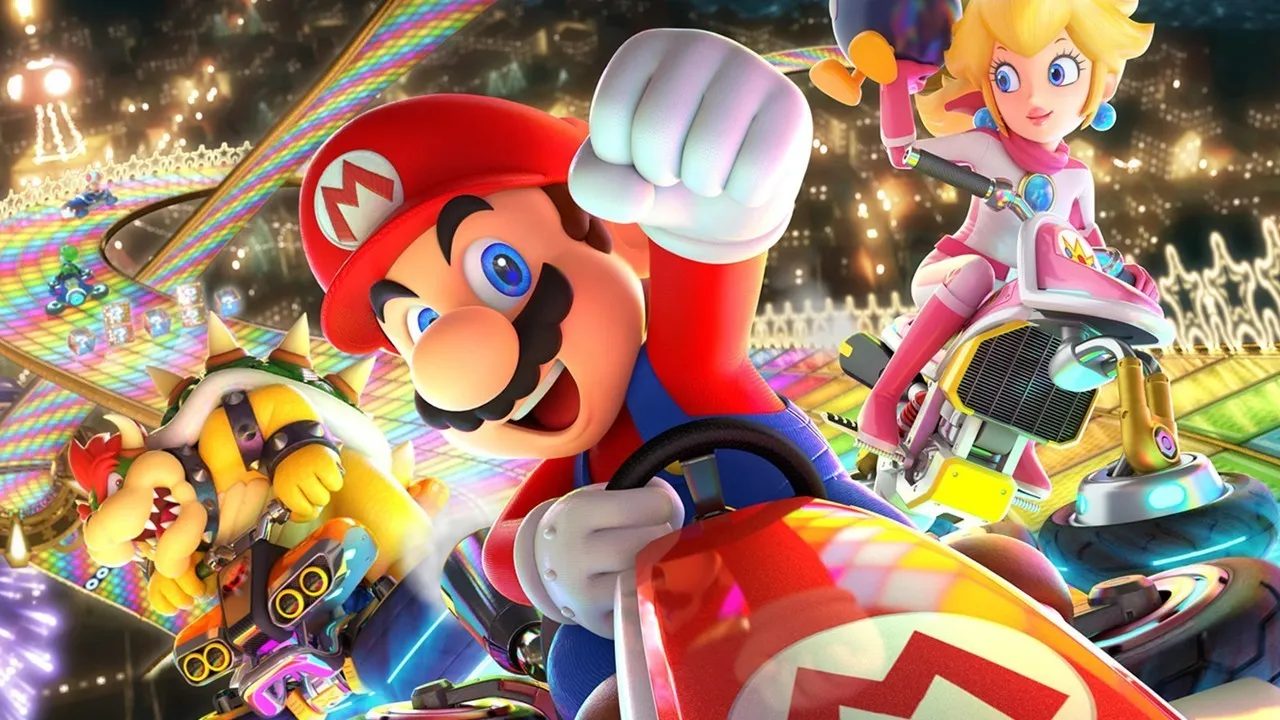
Nintendo produces this arcade style racing series through Nintendo EPD. The games feature item based competition, drift mechanics, and tracks inspired by Mario locations. Local and online multiplayer have been priorities across handheld and console entries.
Content updates add new tracks, vehicles, and characters over time. Hardware features such as motion input and portable play shape each version. Nintendo coordinates global tournaments, promotional events, and cross game cosmetic tie ins that keep the series active.
Battlefield
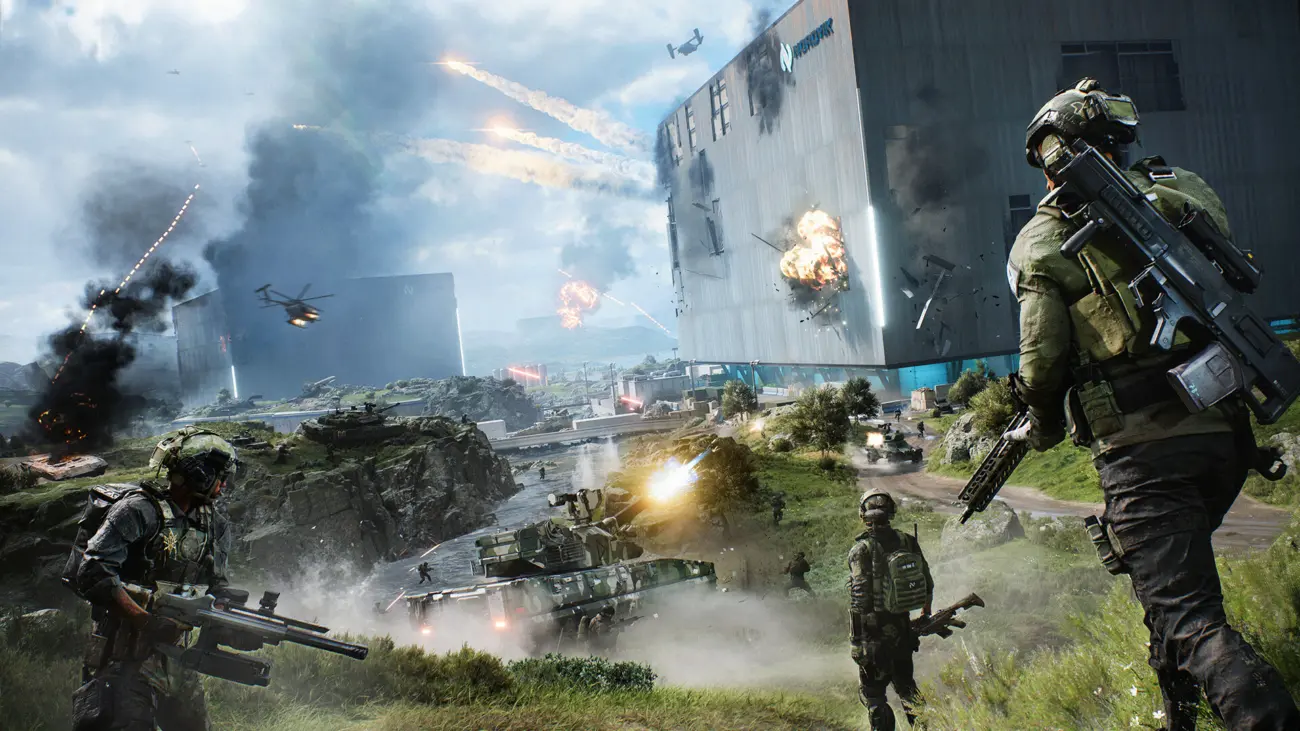
Electronic Arts produces this military shooter with DICE as the primary developer. The series focuses on large maps, squad play, and dynamic destruction with a class based system. Entries alternate between historical and modern settings.
Live service support includes seasonal events, map rotations, and technical patches. Frostbite engine development and cross studio collaboration underpin each release. EA manages production timelines that align marketing beats, betas, and post launch content plans.
Share the franchises you would add in the comments so everyone can compare notes.

