


Most Polarizing Oscar Wins

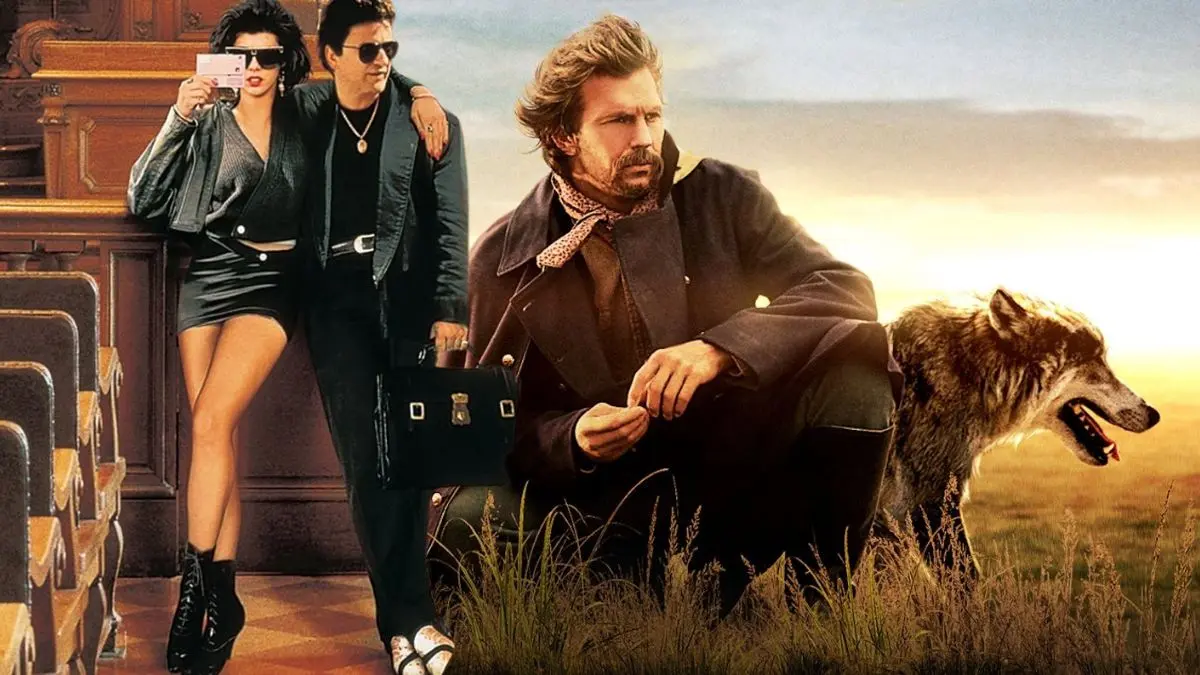


Some Academy Award outcomes grab attention because of how the races unfolded and who was competing. These wins often feature unusual precursor results, surprising nomination patterns, or historic firsts that set them apart from more predictable nights.
This list looks at Oscar decisions that drew outsized scrutiny by noting the categories involved, the key competitors on the ballot, the campaign dynamics, and any notable records connected to each victory. The focus stays on verifiable context such as who was nominated, what prizes the film or artist won elsewhere, and how the vote fit into wider Academy history.
‘How Green Was My Valley’ (1941)
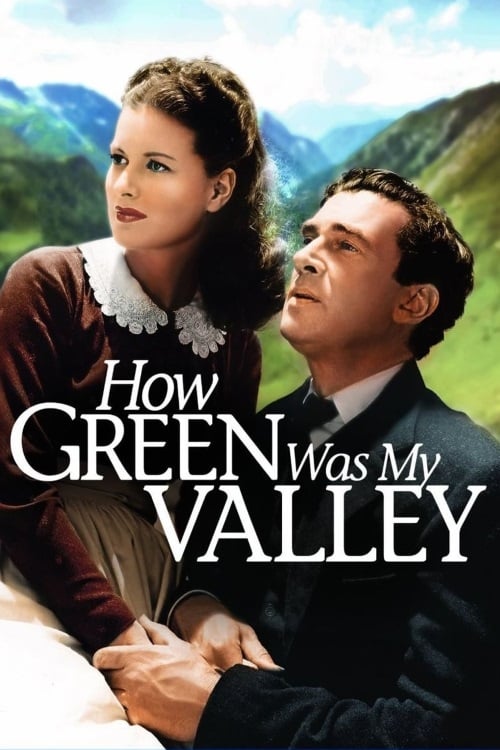
This film won Best Picture in a field that included ‘Citizen Kane’, ‘The Maltese Falcon’, ‘Sergeant York’, and ‘Blossoms in the Dust’. John Ford also won Best Director, continuing his run as the most awarded director in Academy history at the time.
The win came during a season shaped by studio power and wartime realities, and it reflected strong support for prestige literary adaptations. The film earned multiple nominations across crafts, which aligned with the Academy’s tendency then to favor large scale productions from major studios.
‘The Greatest Show on Earth’ (1952)
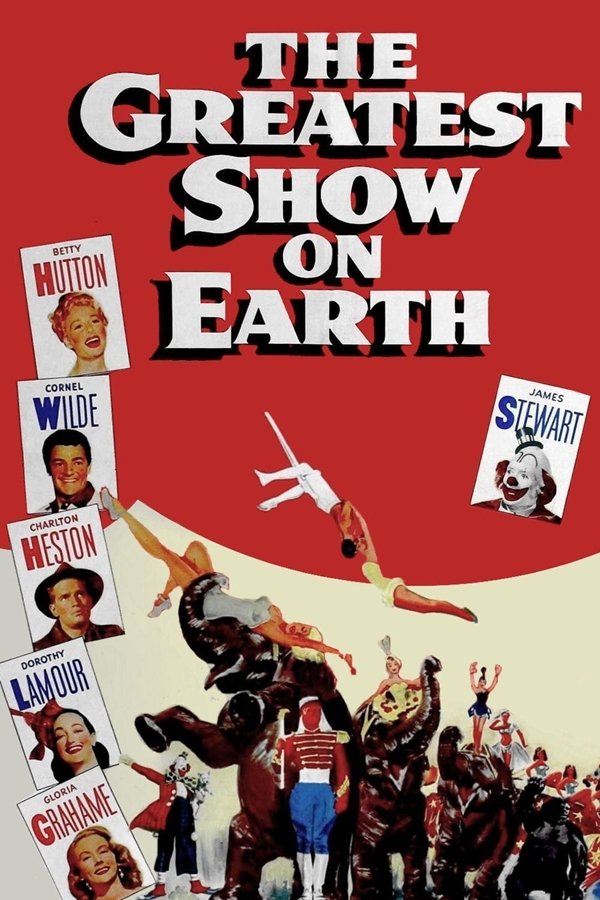
The Academy awarded Best Picture to this circus epic over ‘High Noon’, ‘The Quiet Man’, ‘Moulin Rouge’, and ‘Ivanhoe’. The film converted one of its five nominations into the top prize, and it also won Best Story.
Its triumph arrived in a period when the Academy often recognized box office leaders and large ensemble productions. The win also marked another career milestone for Cecil B. DeMille and for the studio era’s spectacle driven filmmaking.
‘Rocky’ (1976)
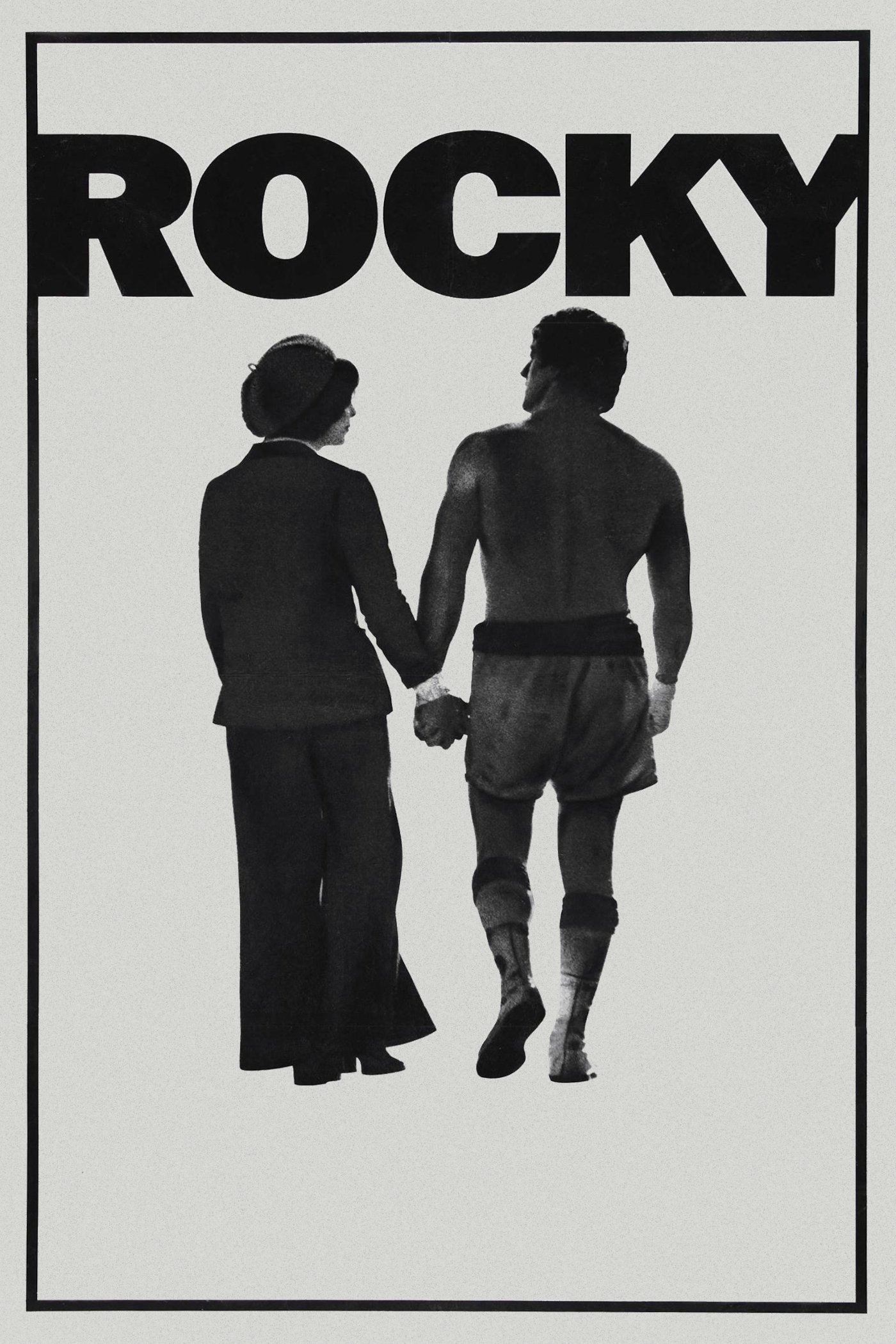
This underdog drama won Best Picture while competing against ‘Taxi Driver’, ‘Network’, ‘All the President’s Men’, and ‘Bound for Glory’. It also earned wins for Best Director and Best Film Editing after a breakout run at the box office.
The campaign highlighted the film’s rapid ascent from modest production to cultural phenomenon. Guild outcomes were mixed, yet strong industry enthusiasm and cross branch appeal helped the film convert widespread nominations into top tier wins.
‘Driving Miss Daisy’ (1989)
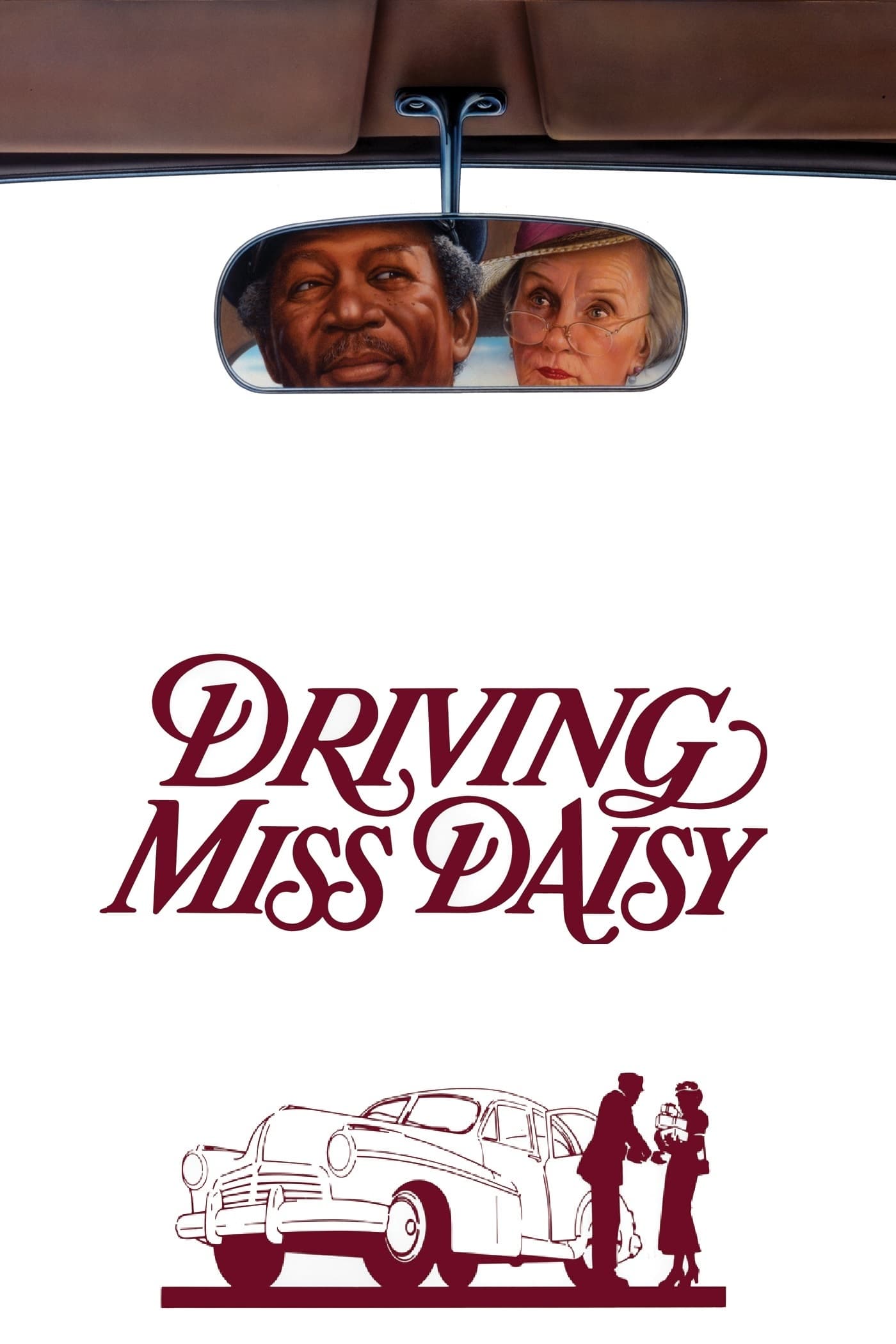
The film won Best Picture against ‘Born on the Fourth of July’, ‘Dead Poets Society’, ‘Field of Dreams’, and ‘My Left Foot’. Jessica Tandy won Best Actress and the production took Adapted Screenplay and Makeup, while Bruce Beresford was notably not nominated for Best Director.
It became one of the rare Best Picture winners without a corresponding Best Director nomination. The season also coincided with missing Best Picture recognition for ‘Do the Right Thing’, which shaped conversations about the year’s final slate.
‘Dances with Wolves’ (1990)
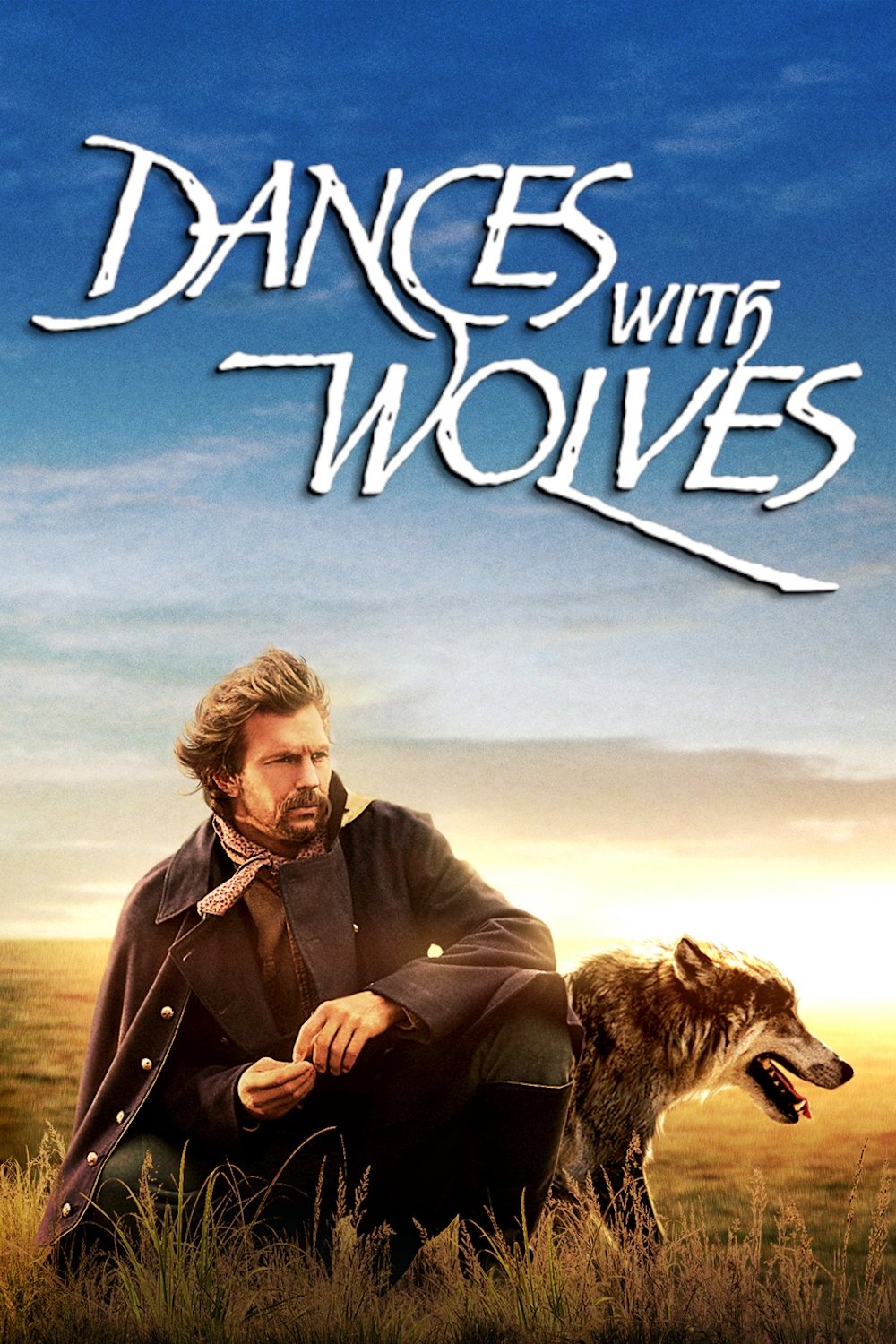
This western won Best Picture over ‘Goodfellas’, ‘Awakenings’, ‘Ghost’, and ‘The Godfather Part III’. Kevin Costner won Best Director, and the film collected multiple craft wins including Cinematography and Score after a strong theatrical run.
The outcome highlighted the Academy’s receptiveness to large scale epics with sweeping production values in the early nineties. Its success also underlined support for frontier narratives told with expansive location photography and traditional orchestral scoring.
‘My Cousin Vinny’ (1992)
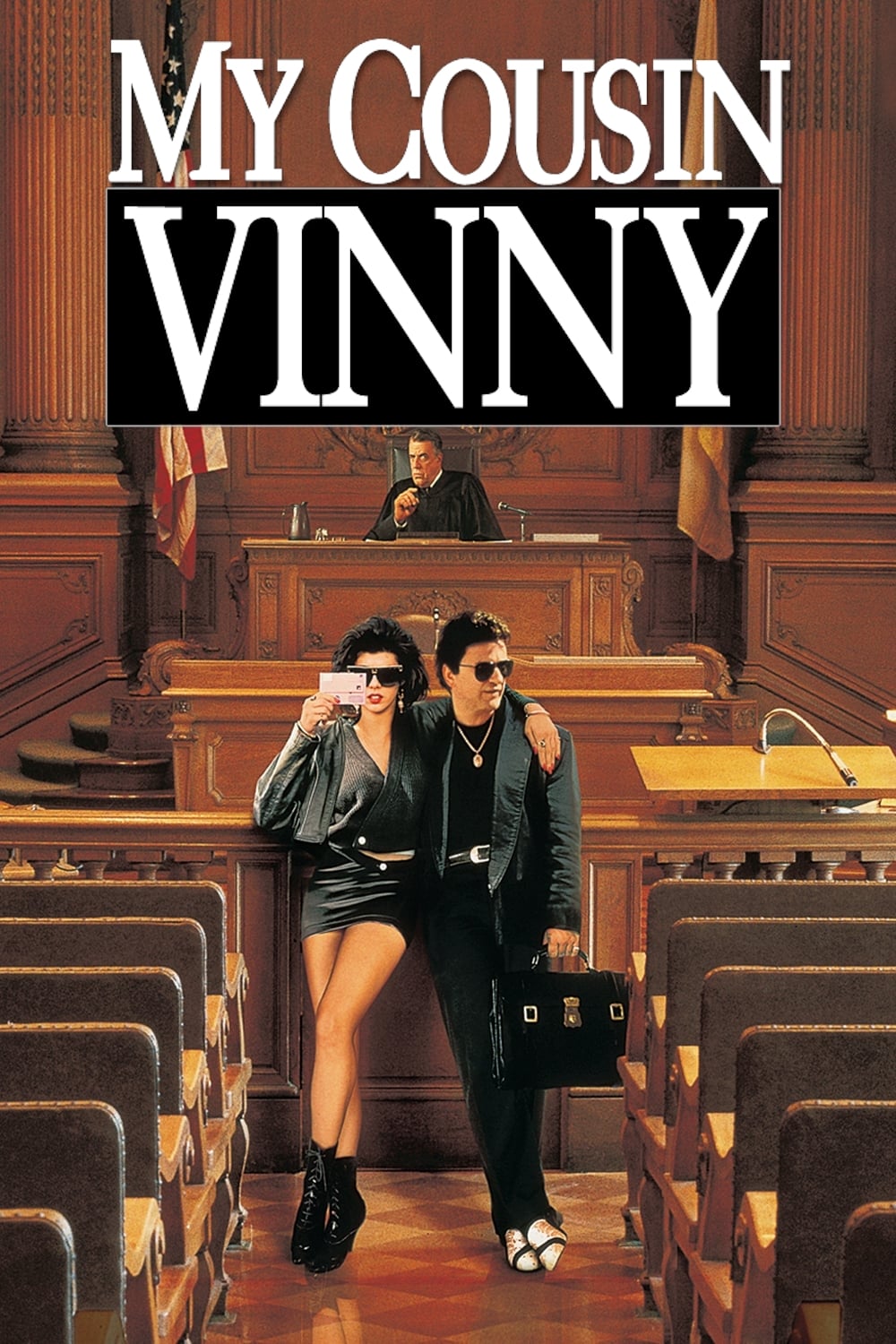
Marisa Tomei won Best Supporting Actress over Judy Davis for ‘Husbands and Wives’, Vanessa Redgrave for ‘Howards End’, Joan Plowright for ‘Enchanted April’, and Miranda Richardson for ‘Damage’. The win followed a season in which she had strong stateside recognition for a comedic performance.
The Academy later addressed rumors about a presenter error by confirming standard envelope procedures and audit safeguards. The category’s international heavyweights and the performance’s comedic register made the victory a frequent reference point in discussions about acting branch preferences.
‘Scent of a Woman’ (1992)
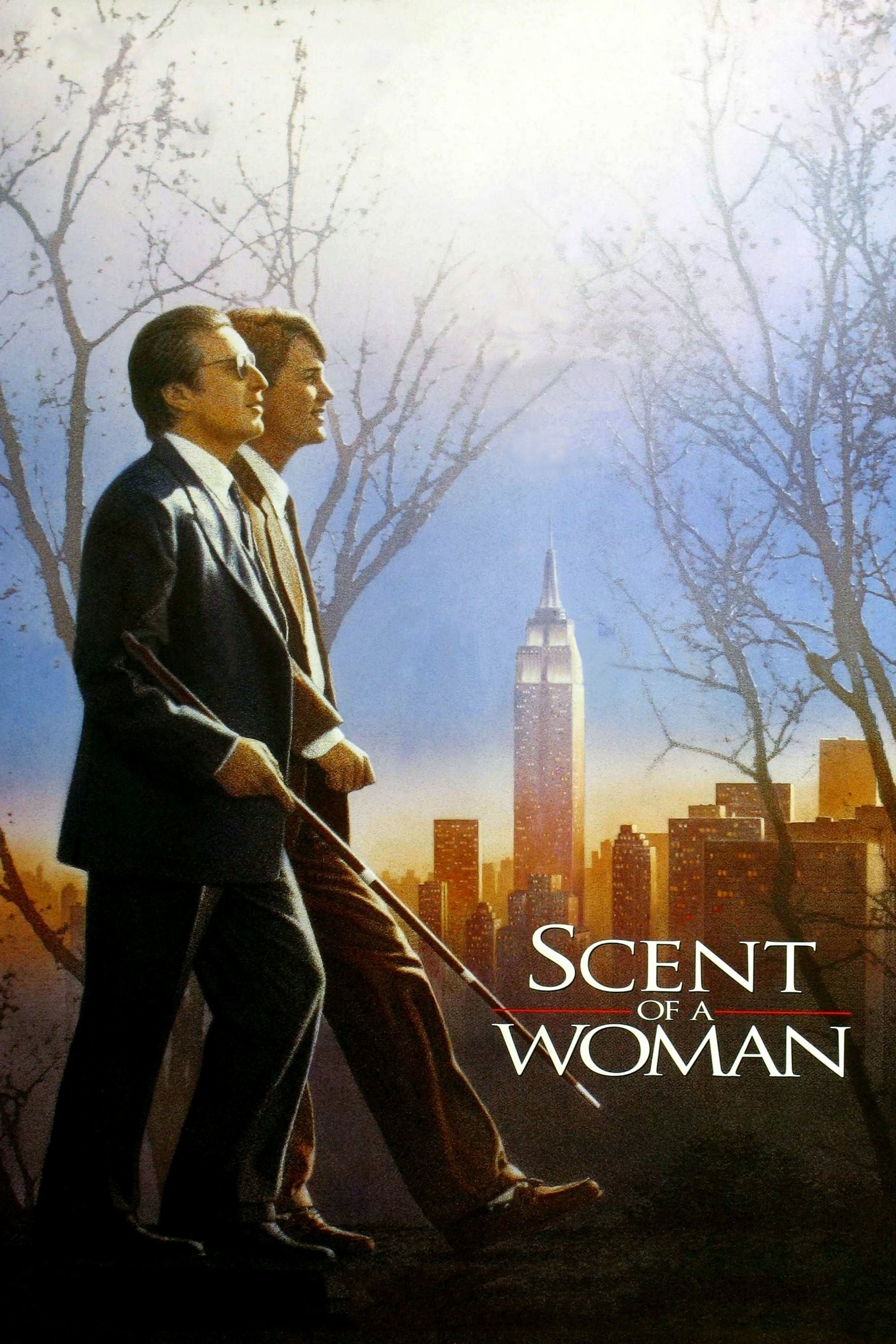
Al Pacino won Best Actor over Denzel Washington for ‘Malcolm X’, Robert Downey Jr. for ‘Chaplin’, Clint Eastwood for ‘Unforgiven’, and Stephen Rea for ‘The Crying Game’. It was Pacino’s first Oscar after multiple earlier nominations, and it followed a year in which he was also nominated for ‘Glengarry Glen Ross’.
Precursor awards signaled competitive momentum, and the Academy responded to a performance with extensive screen time and a clear showcase arc. The film’s awards profile fit a pattern of actors winning for roles with demonstrable physical and vocal transformation.
‘Shakespeare in Love’ (1998)
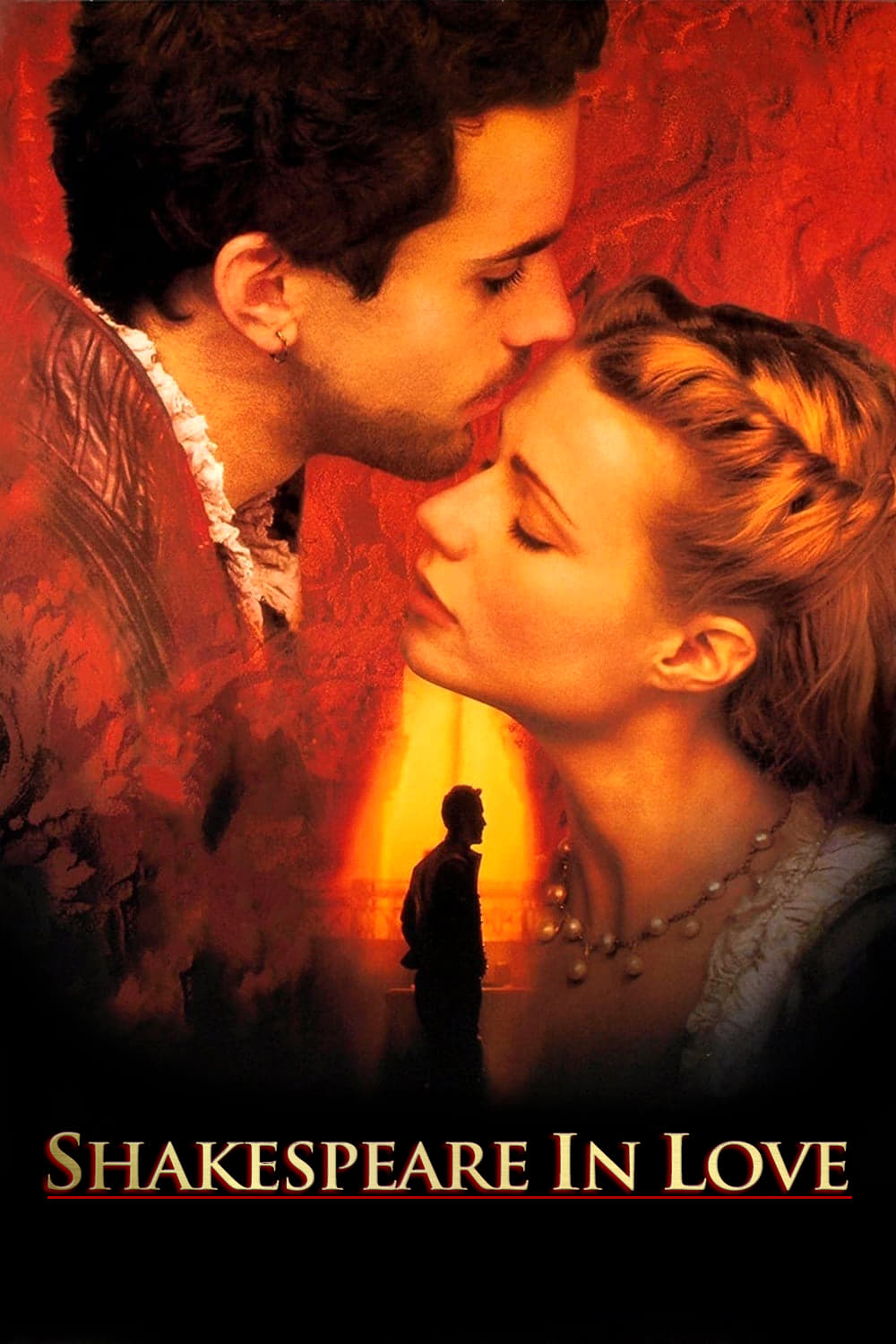
The film won Best Picture ahead of ‘Saving Private Ryan’, ‘The Thin Red Line’, ‘Elizabeth’, and ‘Life Is Beautiful’. It collected seven Oscars including Best Actress for Gwyneth Paltrow and Best Supporting Actress for Judi Dench, while Steven Spielberg won Best Director for ‘Saving Private Ryan’.
The season featured a high visibility campaign that emphasized ensemble strength and screenplay craft. Guild signals were split across the field, and the film’s success with actors and writers proved decisive under final Academy voting.
‘Life Is Beautiful’ (1998)
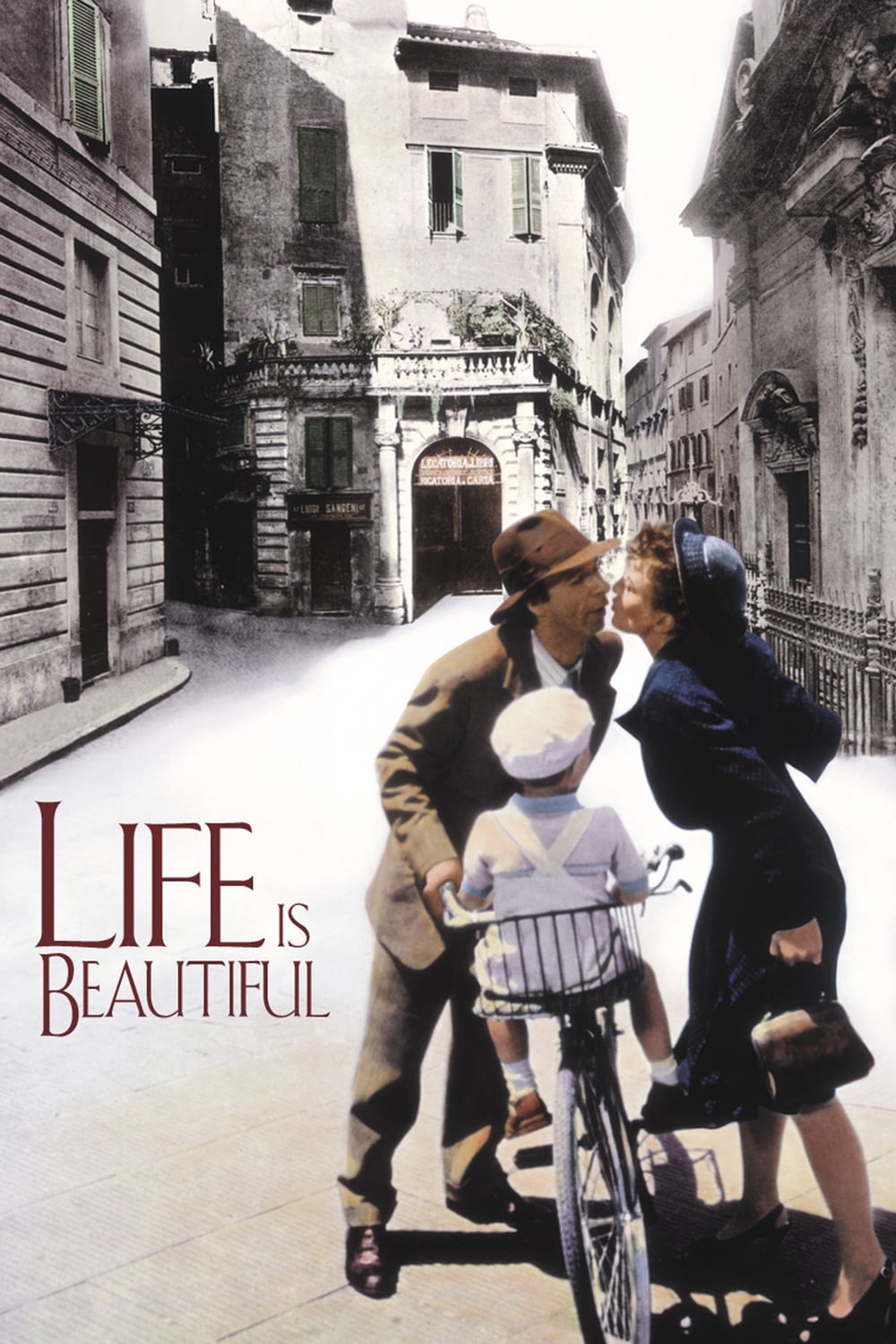
Roberto Benigni won Best Actor over Tom Hanks for ‘Saving Private Ryan’, Edward Norton for ‘American History X’, Ian McKellen for ‘Gods and Monsters’, and Nick Nolte for ‘Affliction’. The film also won Best Foreign Language Film and Best Original Score.
Benigni became the first male performer to win a lead acting Oscar for a non English language performance. The achievement followed strong international box office and a campaign that presented the film as a balancing act of tragedy and comedy.
‘Crash’ (2005)
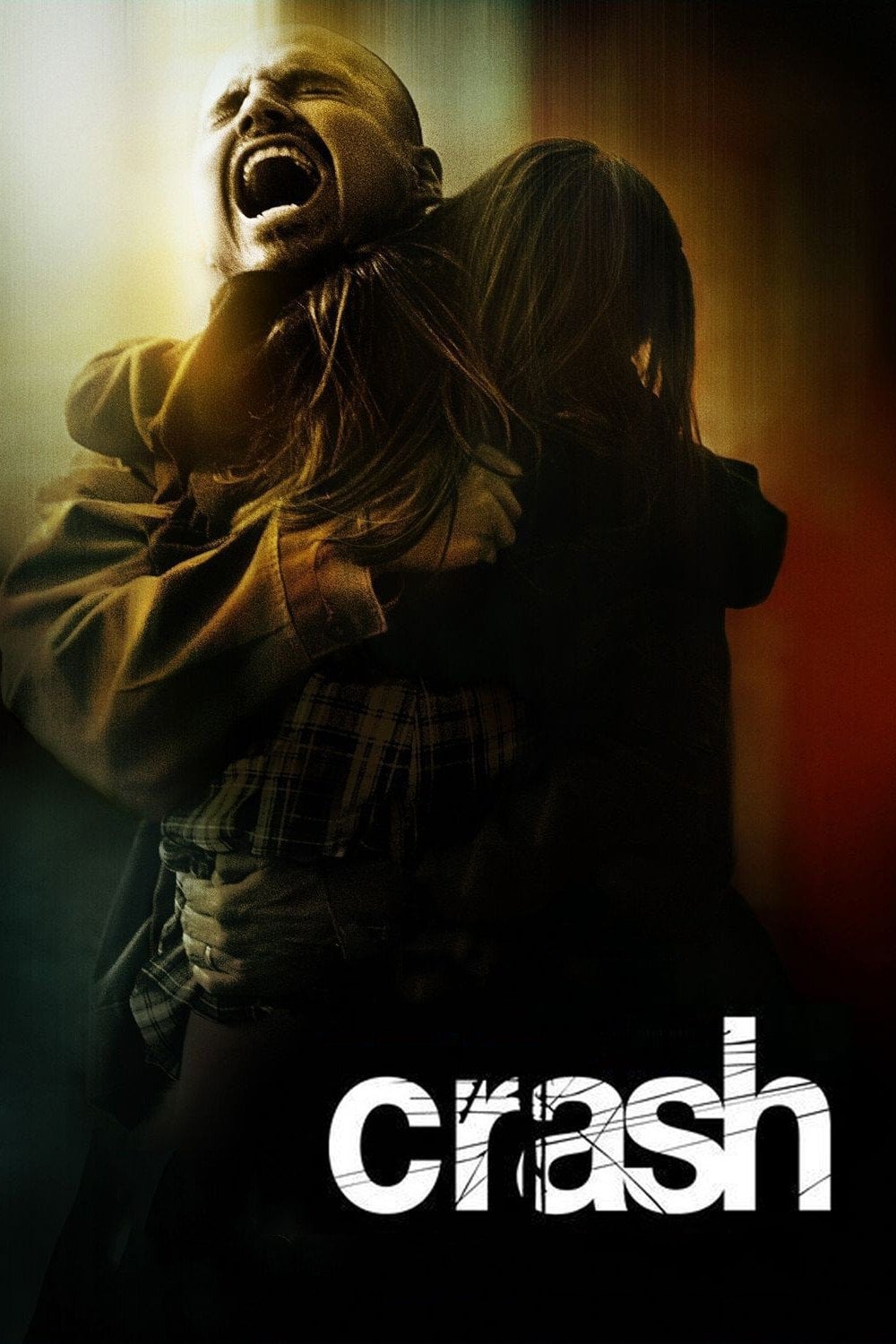
The film won Best Picture over ‘Brokeback Mountain’, ‘Good Night, and Good Luck’, ‘Capote’, and ‘Munich’. It also won Best Original Screenplay and Best Film Editing, while ‘Brokeback Mountain’ won Best Director and Best Adapted Screenplay.
The outcome followed a season in which different groups recognized different contenders, with actors guild support proving important. The film’s large ensemble and interlocking story structure gave it significant representation across branches that contributed to its final tally.
Share the Oscar wins you would add to this list in the comments.

