Most Popular Actors Who Got Blacklisted by Hollywood


Blacklisting has taken different shapes across Hollywood’s history: formal studio bans during the Red Scare, graylisting that quietly dried up job offers, and modern-day ostracism after scandal. However it’s labeled, the result is similar—work vanishes, reputations are battered, and careers reroute to other mediums or countries. The stories below track how it happened to some of the most famous male performers to pass through Hollywood, from the silent era to the streaming age.
Some were targeted for politics, some for refusing to cooperate with congressional inquiries, and some after criminal accusations or public controversy made them unemployable. Many rebuilt careers on stage or abroad; some never recovered. To keep this list useful and verifiable, each entry includes specific, sourced facts about what occurred.
Charlie Chaplin
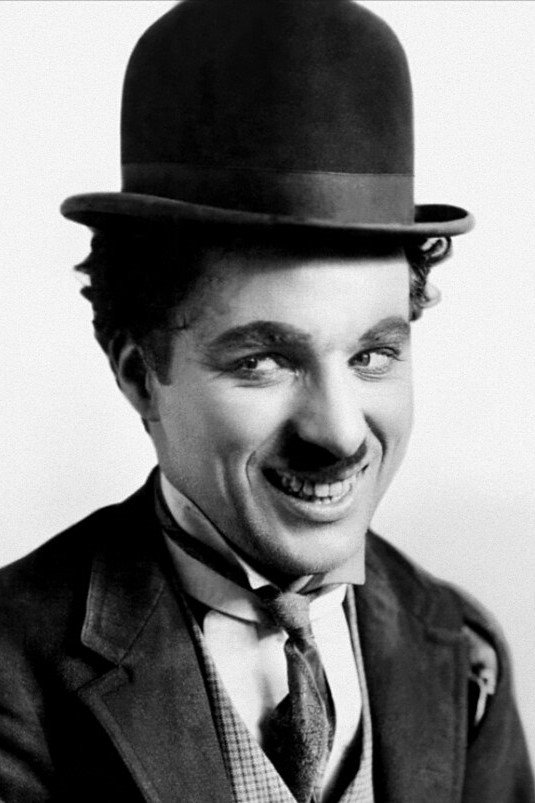
U.S. authorities warned Chaplin while he was at sea promoting ‘Limelight’ that he would be denied re-entry unless he submitted to questioning over “charges of a political nature and of moral turpitude,” prompting him to settle in Switzerland and effectively ending his U.S. career for decades.
Histories and archival reports describe how immigration actions amid McCarthy-era pressure turned Chaplin into an exile even though he wasn’t a U.S. citizen, and how he stayed away from Hollywood for years before returning to accept an honorary award.
Paul Robeson
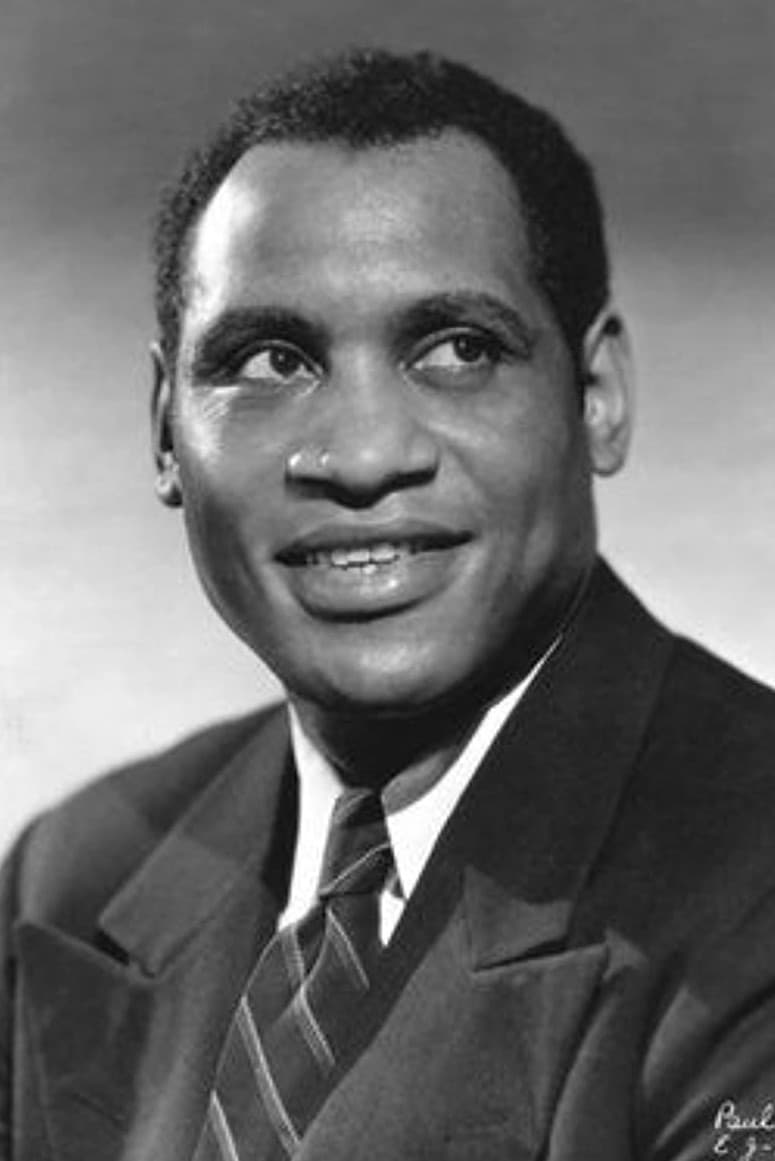
Robeson’s U.S. passport was revoked by the State Department during the McCarthy era, cutting off his international concert income and severely restricting his ability to work; he later testified before Congress about the action.
Documented television bans and travel restrictions lasted for years despite his stature as a stage and screen actor and singer, and he relied on union halls and transatlantic telephone relays to reach audiences until his passport was restored.
John Garfield
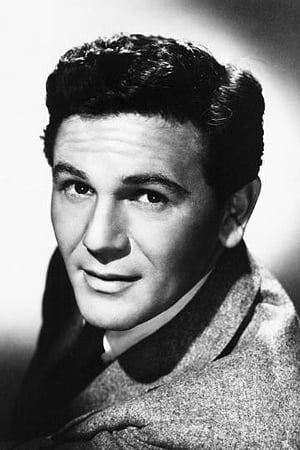
After refusing to “name names” in a HUAC appearance, Garfield found himself unemployable in Hollywood and died soon after; contemporary accounts and later reporting describe his blacklisting and the stress surrounding it.
Film histories note that ‘He Ran All the Way’ was his last feature and that the congressional battle effectively ended his screen career despite prior critical acclaim.
Zero Mostel
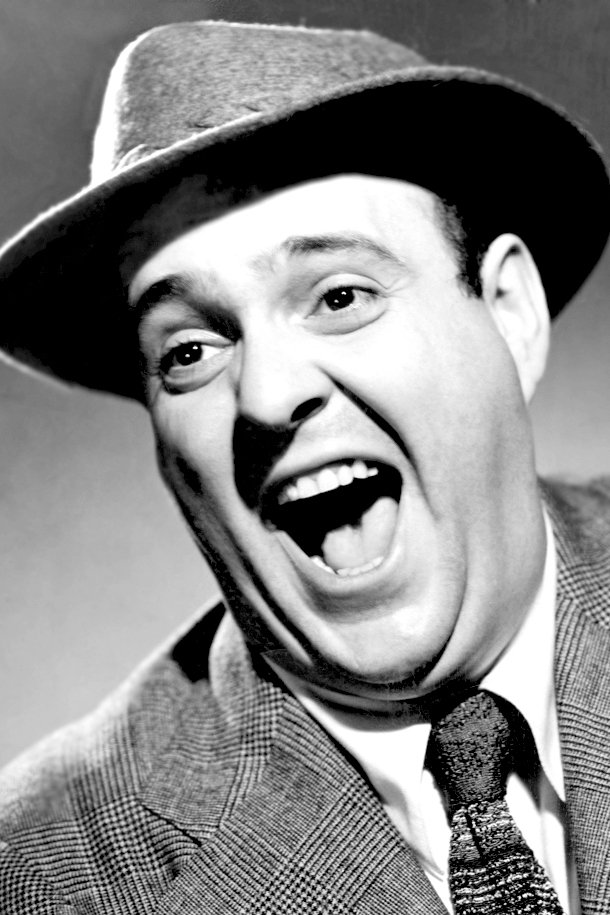
Mostel’s film and TV work dried up in the 1950s after he was blacklisted; he later re-emerged as a Broadway star and eventually played a blacklisted character in ‘The Front’.
Profiles trace his career interruption, his testimony, and his comeback on stage, including landmark work in ‘Fiddler on the Roof’ after years when studios would not hire him.
Burgess Meredith
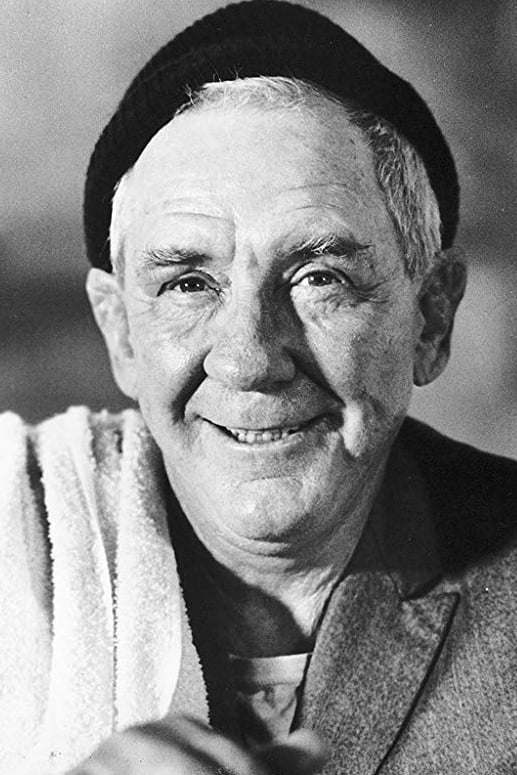
Meredith, later widely known for playing the trainer in ‘Rocky’, was blacklisted during the Red Scare, leading to a long absence from movies that he discussed candidly in interviews.
Retrospectives summarize how the era’s investigations sidelined him from film work for several years before his resurgence on stage, television, and later features.
Will Geer
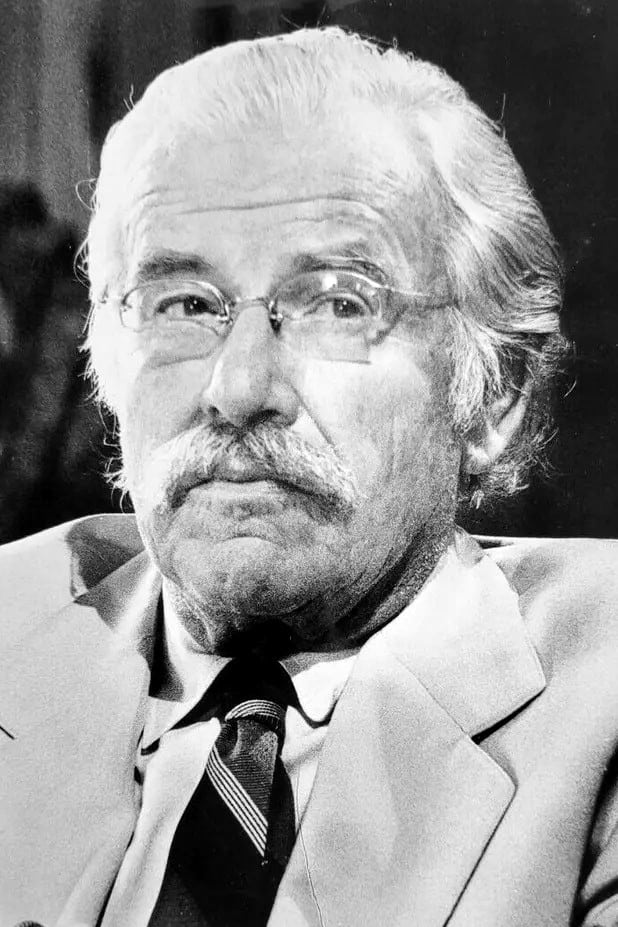
Geer refused to cooperate with HUAC and was blacklisted, pushing him toward stage work and projects like ‘Salt of the Earth’ before his later television success.
Biographical sources recount how the ban forced a shift to theater and regional productions before his eventual mainstream return to TV audiences years later.
Howard Da Silva
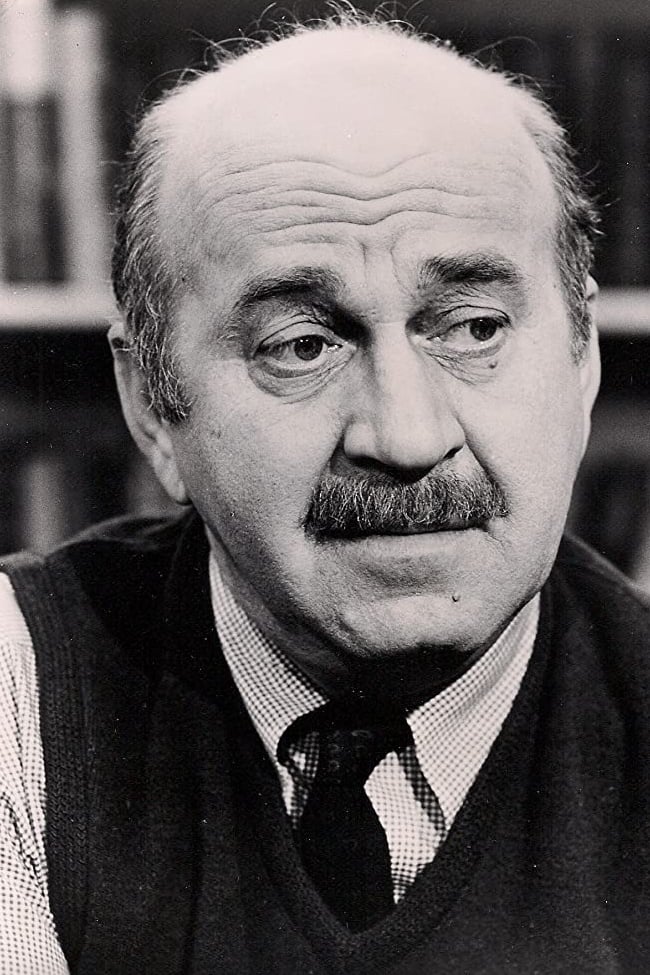
After invoking the Fifth Amendment before HUAC, Da Silva’s completed scenes in a studio feature were re-shot without him, and he did not appear in another Hollywood film for years.
Obituaries and reference entries describe his blacklisting, the removal of his work from release, and his eventual return to screen and television roles after the era cooled.
Lionel Stander
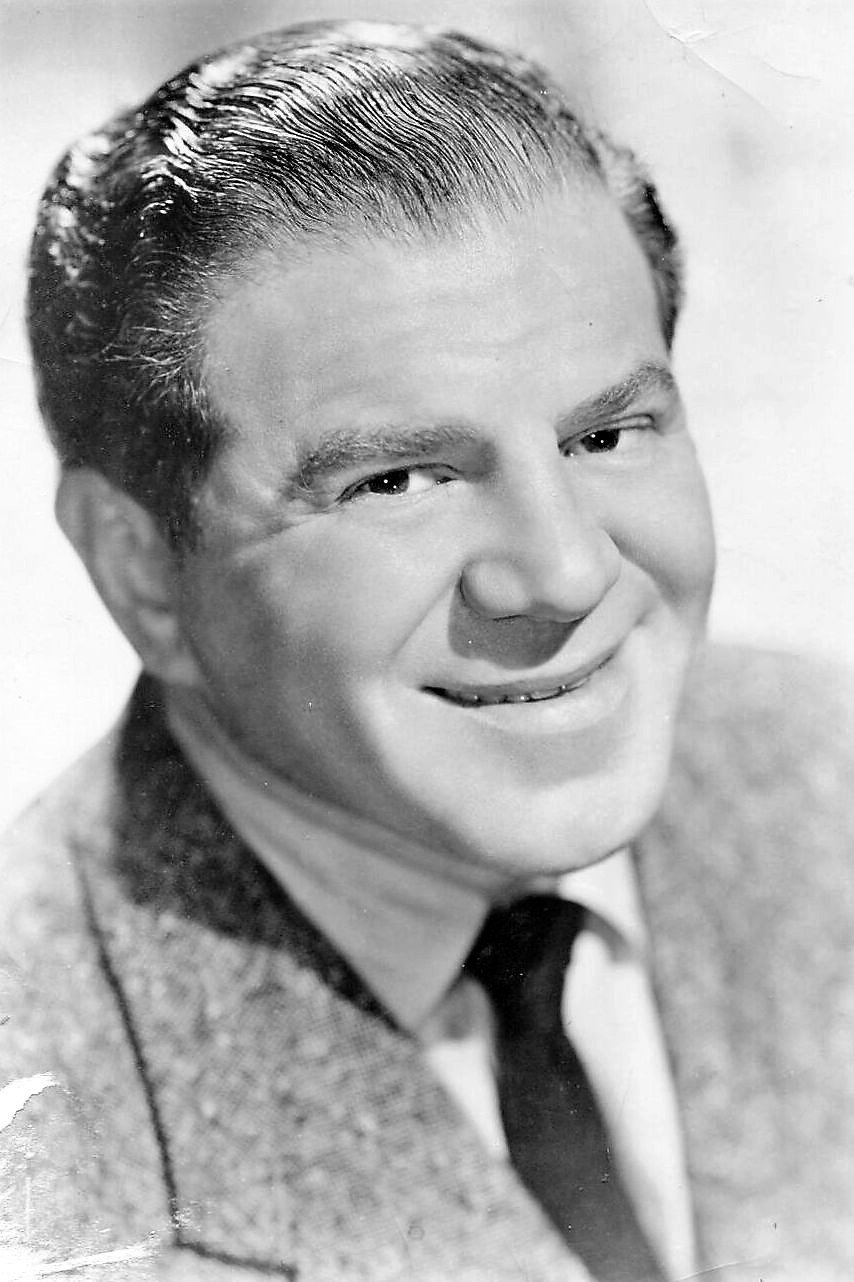
Stander’s defiant testimony and subsequent contempt citation coincided with studios refusing to hire him, ending his Hollywood momentum for an extended period.
Later career notes detail his move into European projects and, much later, a stateside television role that marked a visible comeback after the blacklist period.
Herschel Bernardi
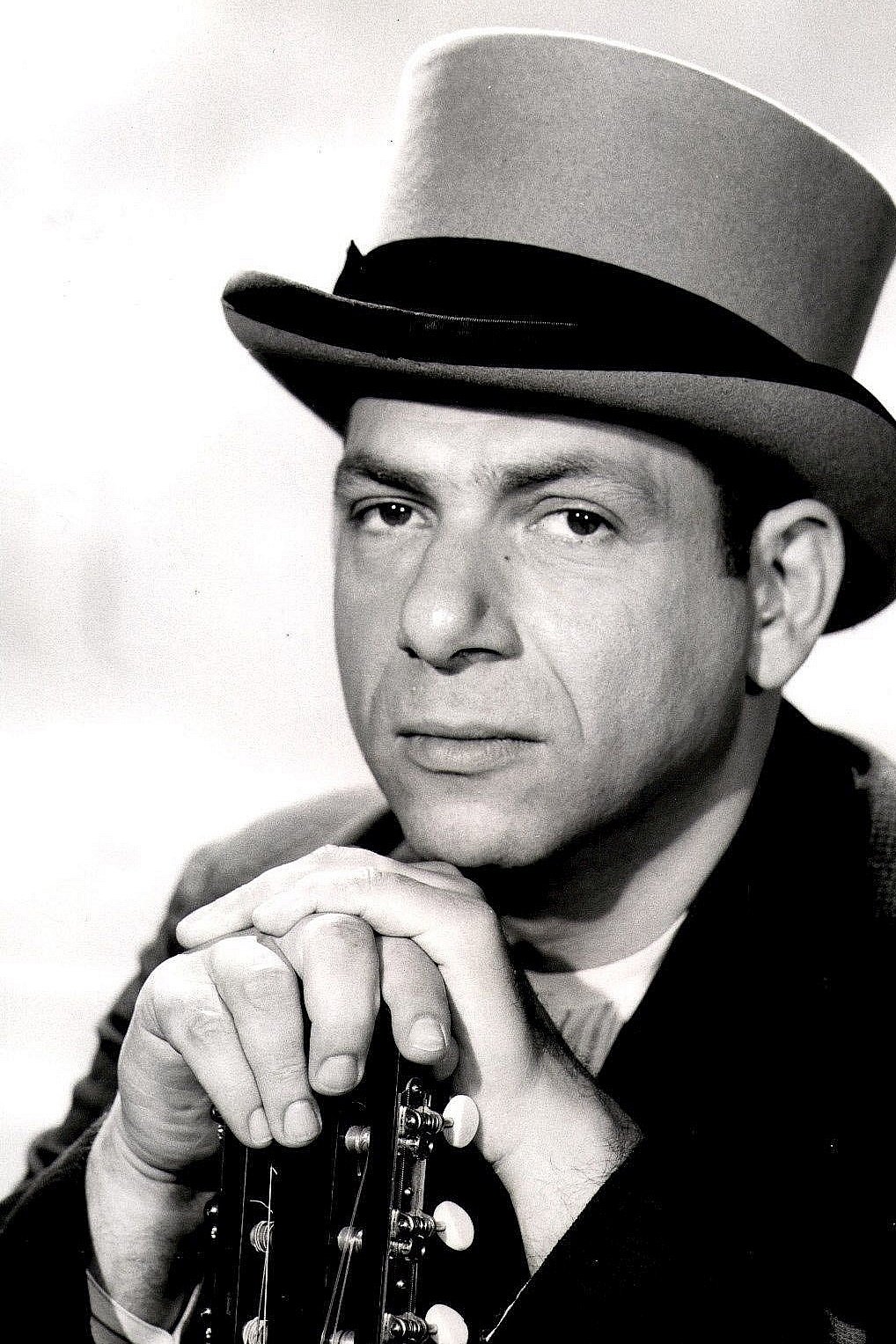
Bernardi’s career was disrupted during the blacklist years; he later returned to prominence on television and Broadway and appeared in the satire ‘The Front’.
Obituaries and profiles note that although blacklisting affected him, he resumed steady work within a few years, including leading roles in a network detective series.
Lee J. Cobb
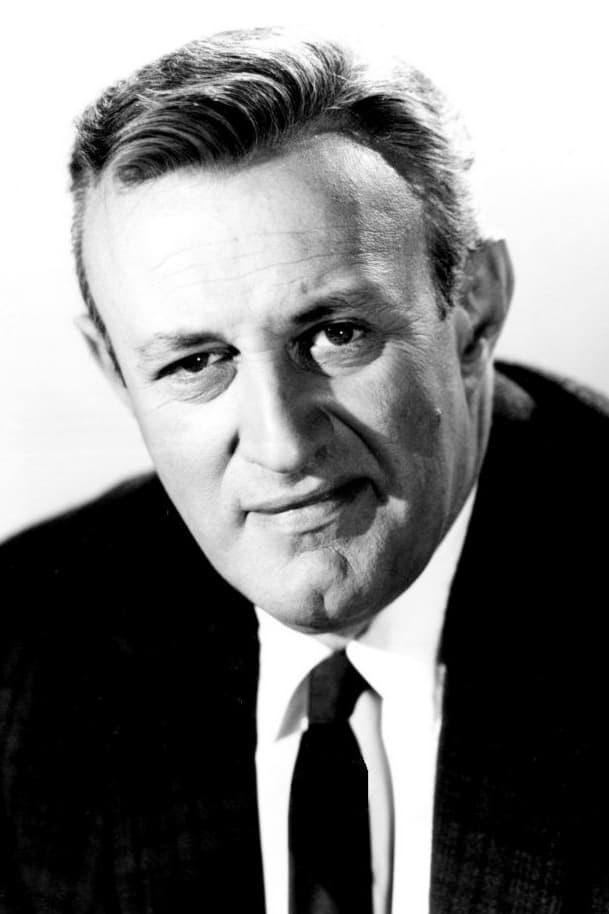
Cobb was caught up in investigations and later testified to regain employability; interviews describe how surveillance, financial pressure, and family stress pushed him to cooperate.
Film histories document his subsequent return to major roles, outlining the practical effects of graylisting and the calculation many performers faced to work again.
Lloyd Bridges
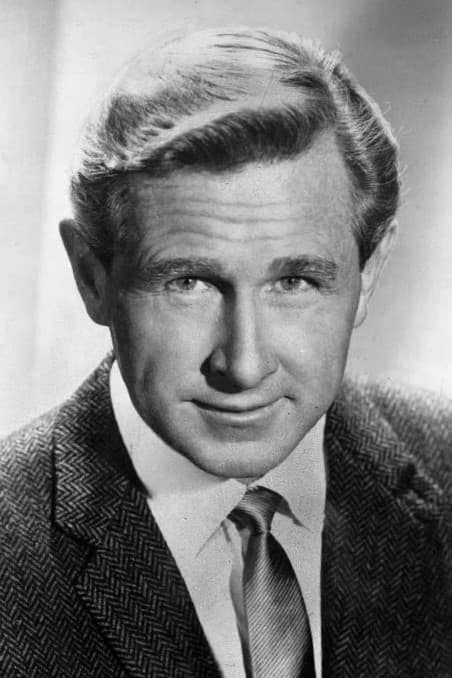
Bridges was briefly blacklisted over associations with an actors’ group linked to the Communist Party, then returned to work after cooperating with investigators and became a television star.
Essays on the period describe the pause in his career, studio hesitations, and how his cooperation helped him resume acting in films and TV series.
Jeff Corey
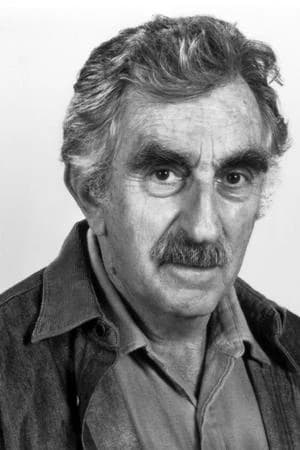
Corey refused to name names and was blacklisted; during the ban he became an influential acting teacher for a generation of performers before returning to screen roles.
Biographies identify his years off-screen, the notable actors he trained, and his eventual Hollywood comeback in character parts and prestige projects.
John Randolph
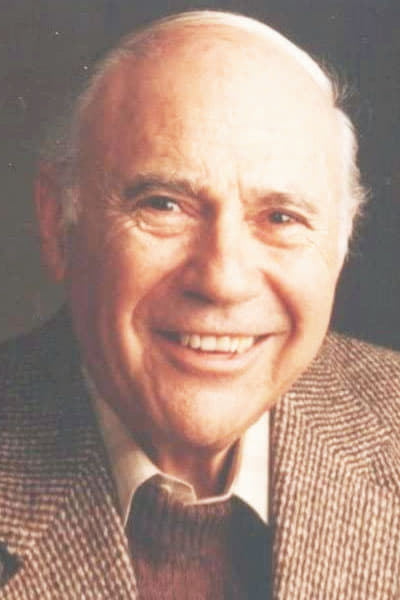
Randolph and his wife were blacklisted after HUAC scrutiny; he later returned to film and television and won a Tony Award on Broadway.
Archival sources recount his extended absence from studio work, blacklisted collaborations such as ‘The Front’, and later casting in high-profile screen roles.
Canada Lee
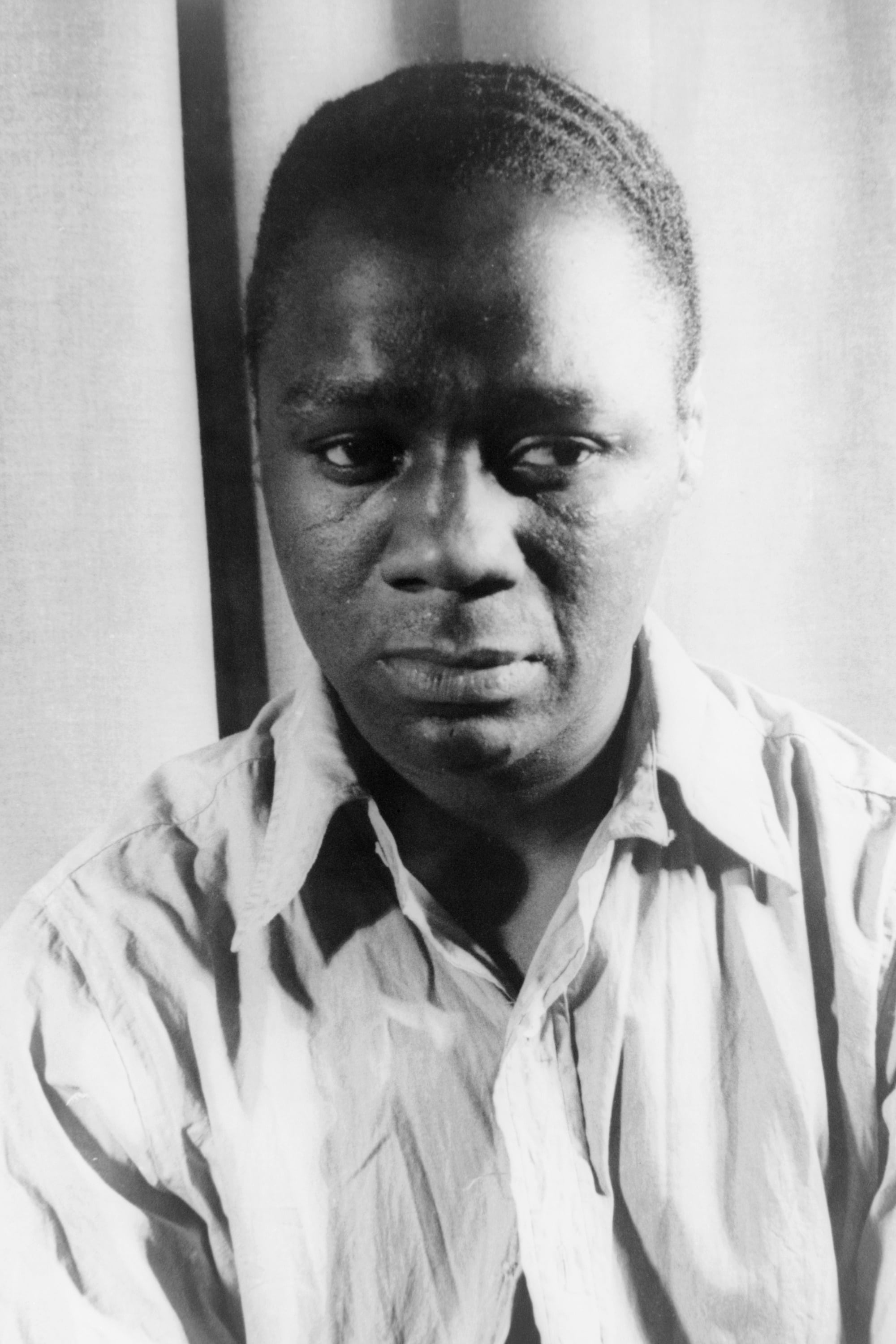
Canada Lee, a celebrated stage and screen actor, was blacklisted late in his life; biographies recount how the campaign against him thwarted planned projects and damaged his health.
Civil-rights advocacy and surveillance reports appear repeatedly in accounts of his career, detailing how opportunities evaporated even as stage directors sought to keep him working.
Philip Loeb
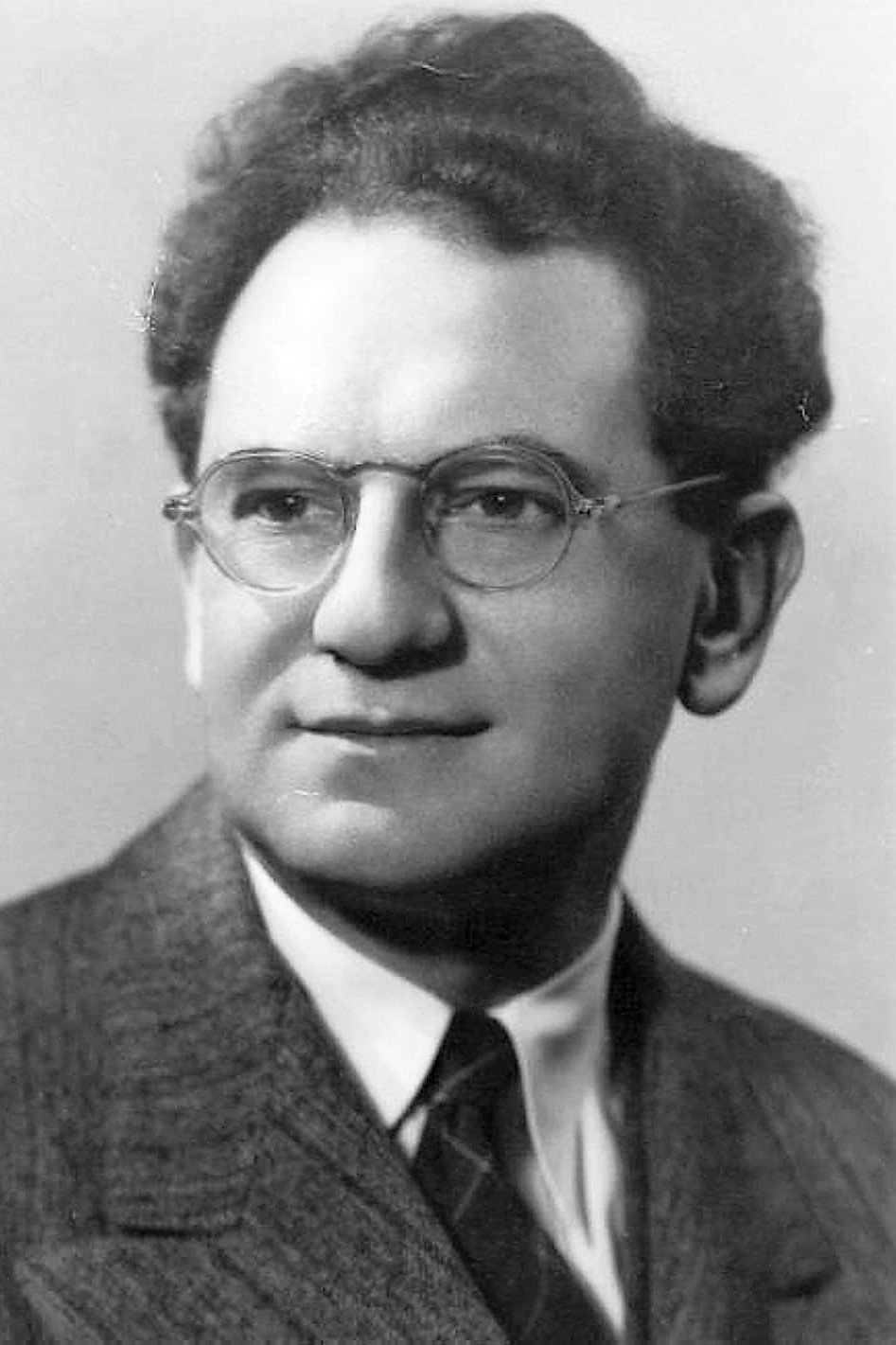
Loeb, co-star of ‘The Goldbergs’, was blacklisted after appearing in ‘Red Channels’, forced off the series, and later died by suicide; the case became an emblem of the era.
Detailed reporting explains the pressure on sponsors and networks, the contractual fallout that removed him from the show, and the later dramatization of his story in blacklist-themed films.
Marc Lawrence
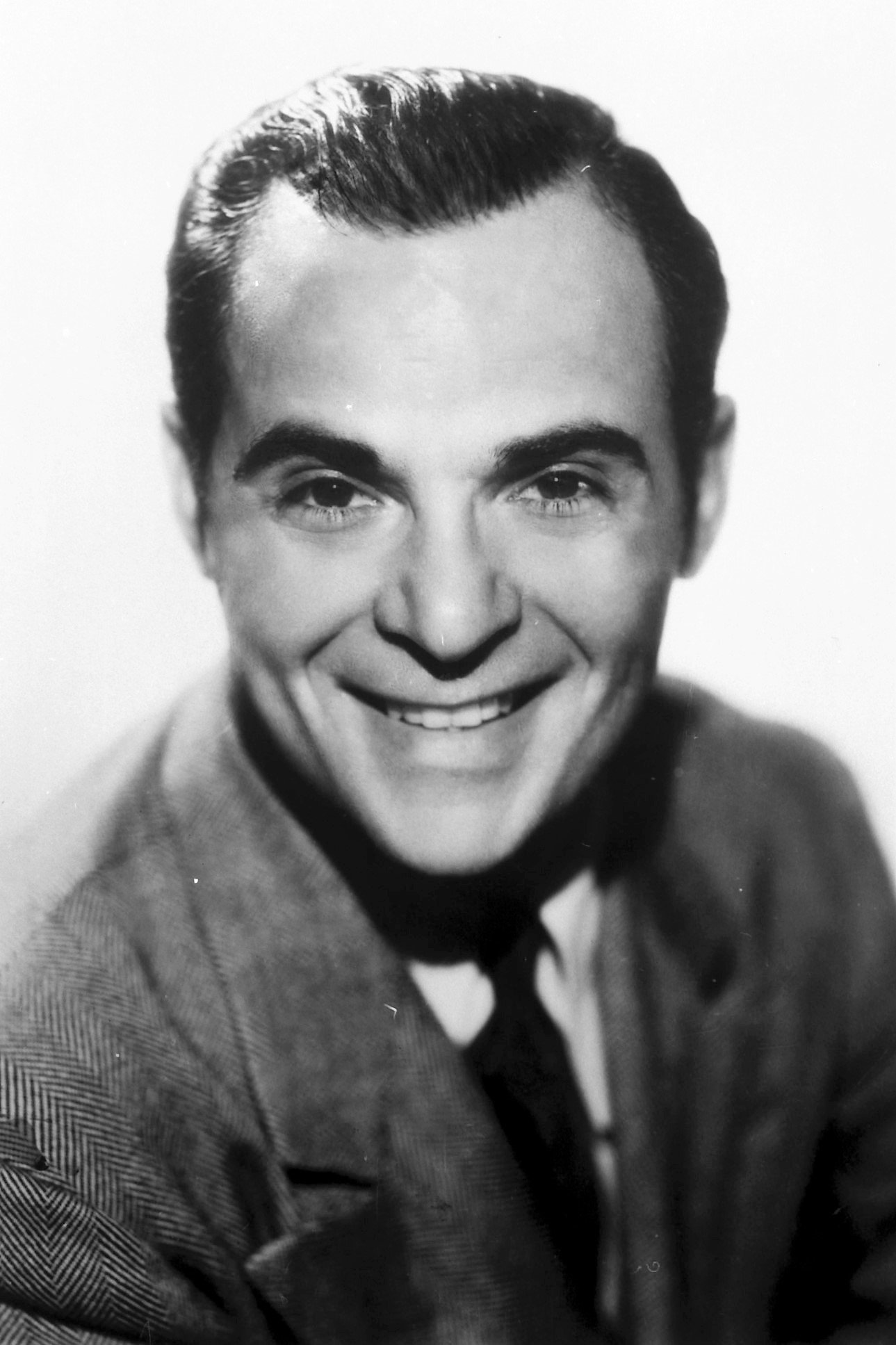
Known for gangster roles, Lawrence was blacklisted and moved to Europe to keep acting and directing before returning to U.S. screens years later.
Film histories describe steady overseas work that sustained his career during the American studio ban and note his later reappearance in Hollywood productions.
Morris Carnovsky
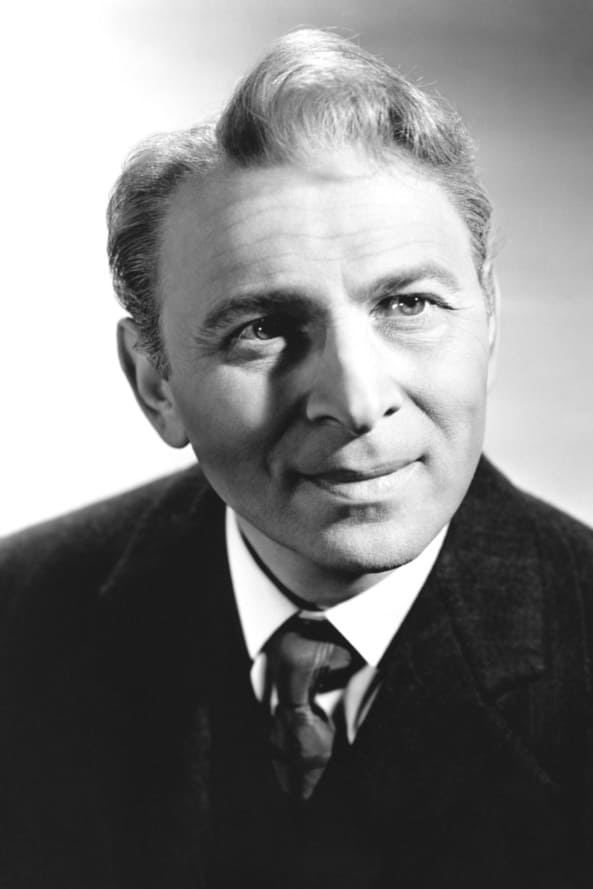
A distinguished stage actor, Carnovsky was named during HUAC proceedings and blacklisted; he continued on stage, including with the American Shakespeare Festival, before a gradual on-screen return.
Biographical entries and theatre histories outline his shift away from film during the blacklist period and the roles that marked his eventual re-entry.
Sam Wanamaker
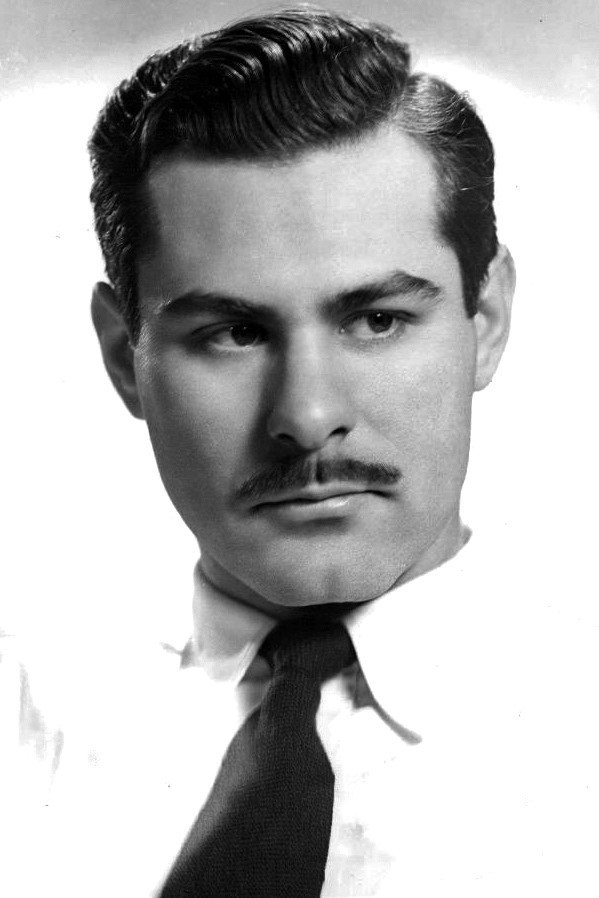
Wanamaker left the United States after being blacklisted and built a major career in the United Kingdom, later spearheading the reconstruction of Shakespeare’s Globe in London.
Profiles and obituaries detail his HUAC-era troubles in the U.S., the continuity of his acting and directing work abroad, and his long-term cultural project in London.
Larry Parks
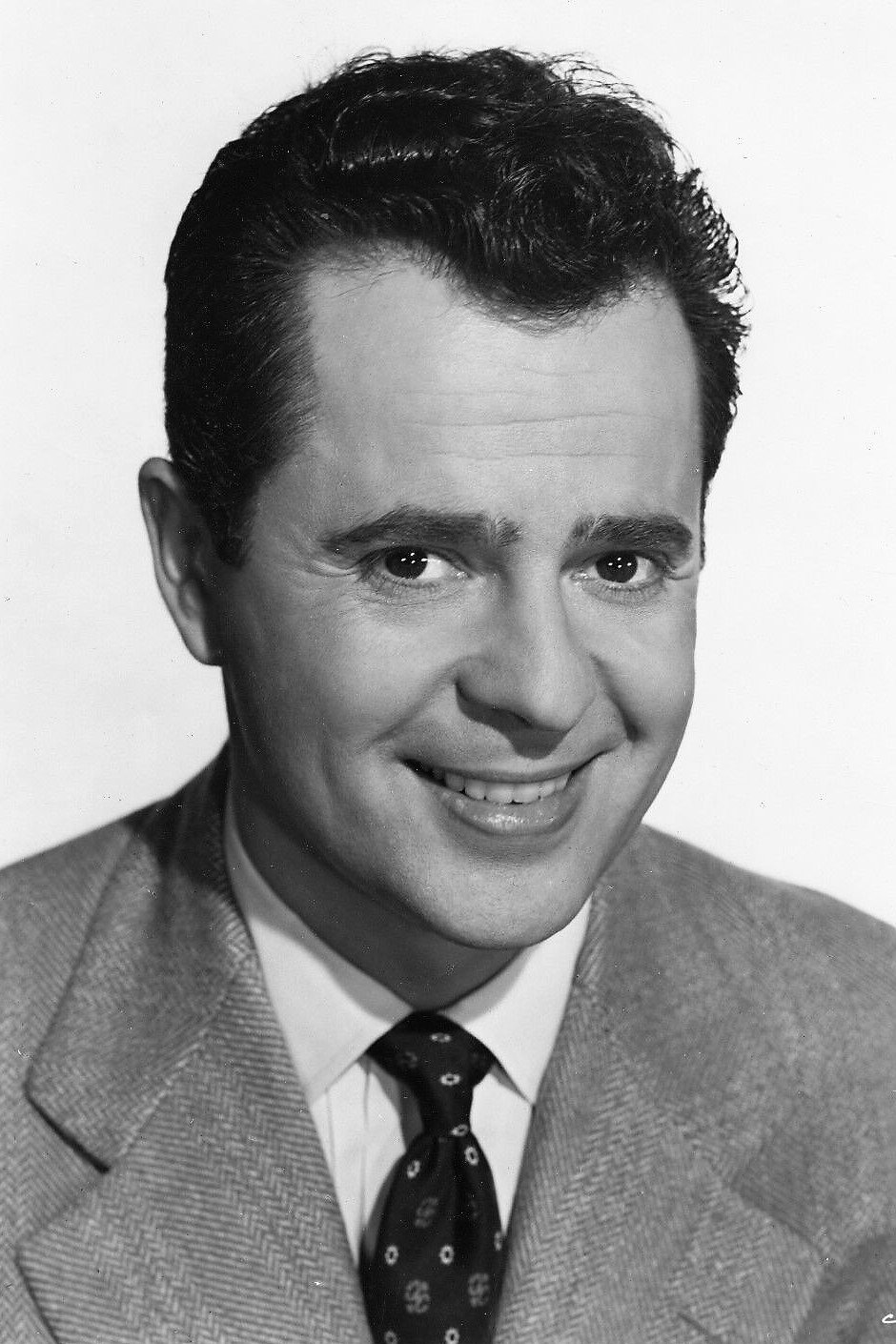
After a reluctant, highly publicized HUAC appearance as a “friendly witness,” Parks nevertheless found himself blacklisted and lost his studio contract.
Primary documents and later histories record both his testimony and the abrupt downturn that derailed the career of the star of ‘The Jolson Story’.
J. Edward Bromberg
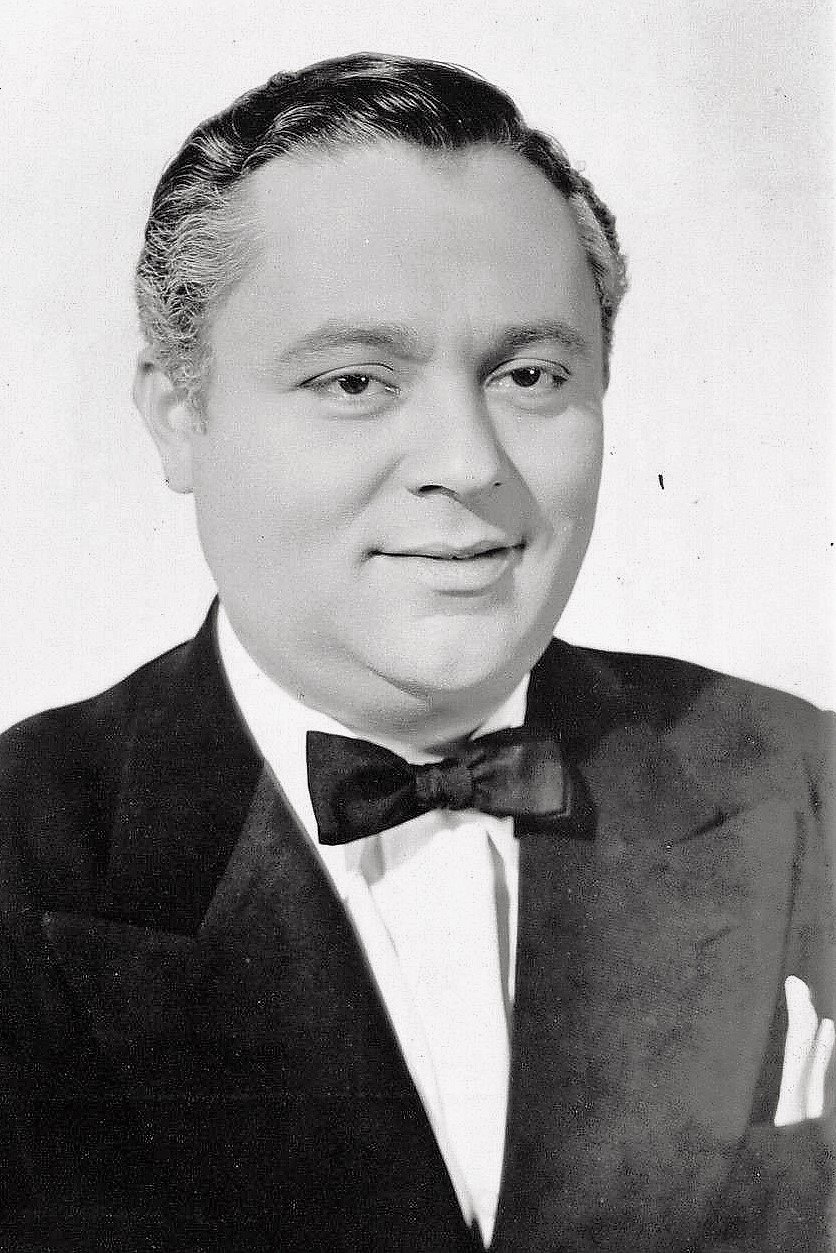
Bromberg’s HUAC ordeal and blacklisting ended his Hollywood work; he sought roles in England but died while performing there.
Archives and contemporaneous notices corroborate his blacklist status and the circumstances of his final months working abroad.
Lloyd Gough
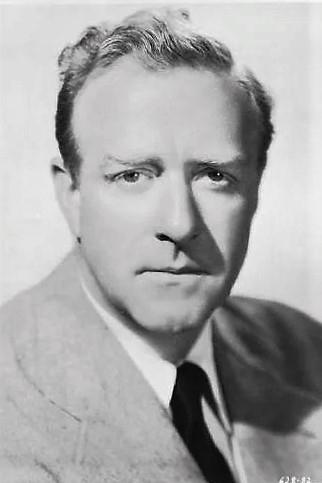
Gough invoked the Fifth Amendment before HUAC and was blacklisted for years; he later returned to films and appeared in the blacklist drama ‘The Front’.
Filmographies trace his long absence from studio features until the late 1960s and his gradual reintegration into credited roles.
Edward G. Robinson
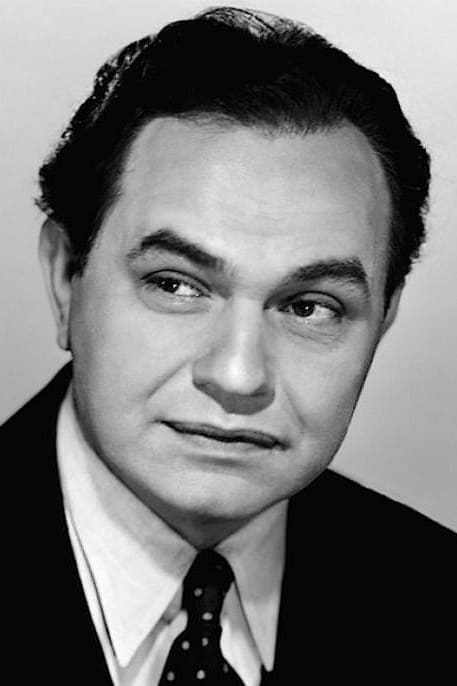
Robinson was graylisted after HUAC scrutiny, finding it hard to secure roles for a period before high-profile directors cast him again in prominent productions.
Biographies detail how informal bans worked in practice—no official edict, but fewer offers—and how a handful of prestige parts restored momentum.
Roscoe “Fatty” Arbuckle
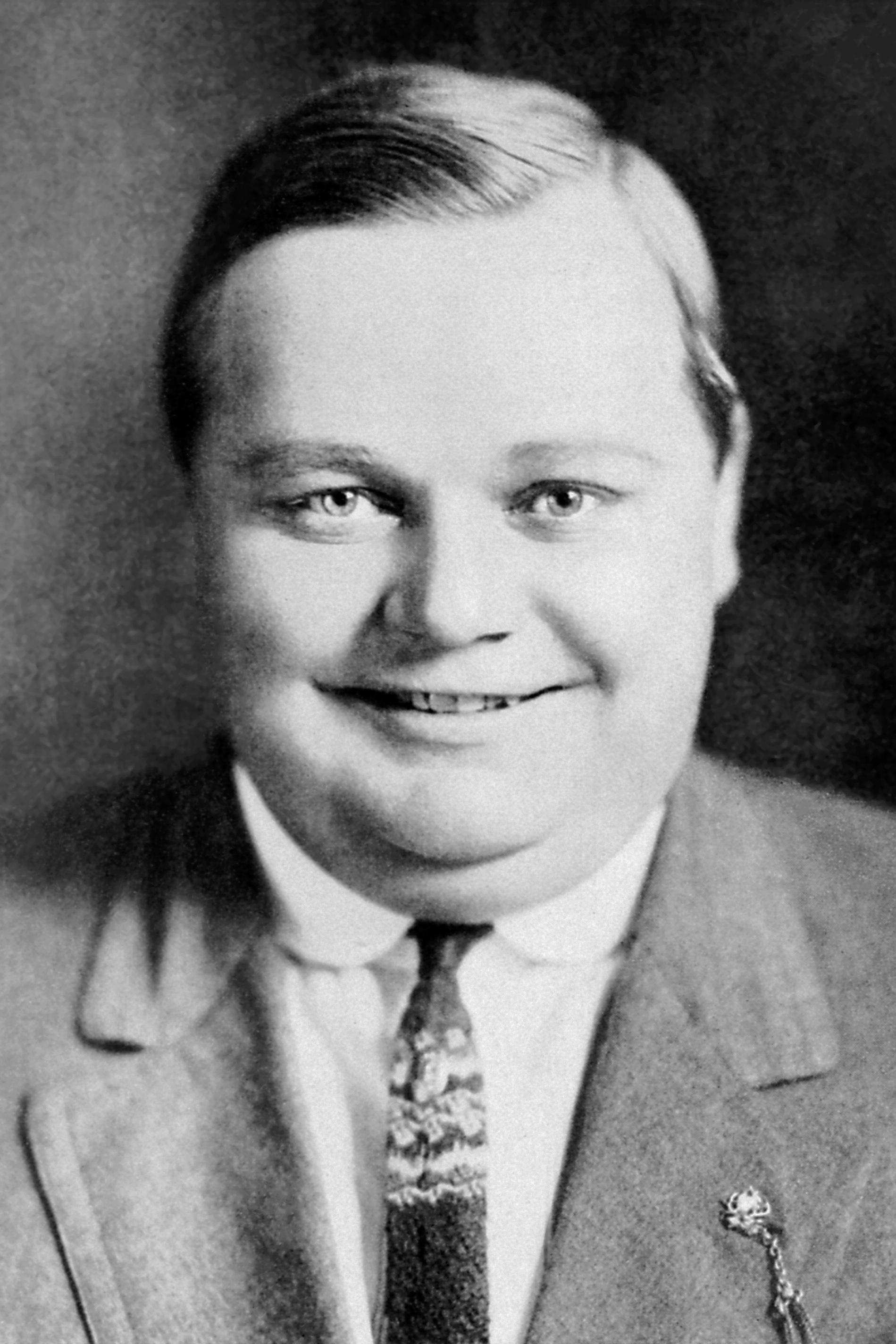
Arbuckle was acquitted in the death of actor Virginia Rappe, but an industry ban followed and exhibitors withdrew his films; even after the formal ban was lifted, opportunities remained scarce.
Case histories explain how a moral crackdown led to his effective banishment from Hollywood despite acquittal, with later work largely under a pseudonym as a director.
Cliff Robertson
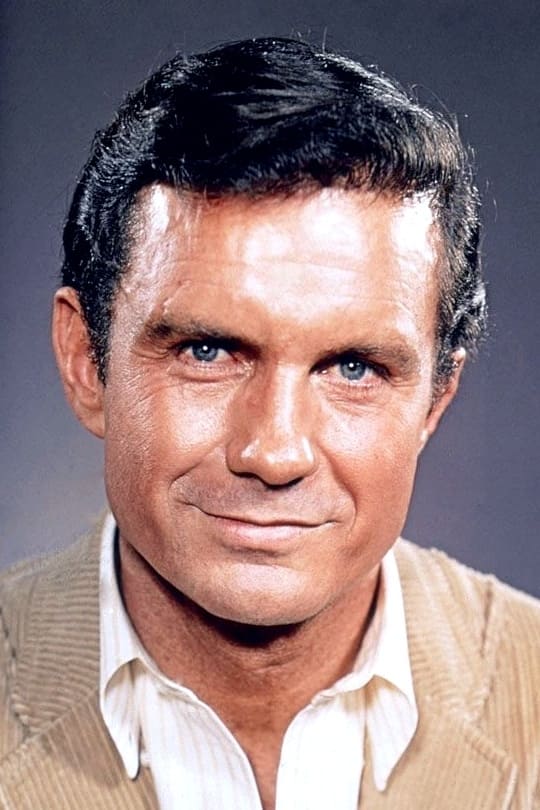
Robertson uncovered a forged studio check tied to Columbia chief David Begelman and spoke publicly; he later said Hollywood blacklisted him for years afterward.
Contemporary and retrospective coverage of the Begelman scandal describes the whistleblowing, the studio politics that followed, and the career freeze before his eventual return.
Kevin Spacey
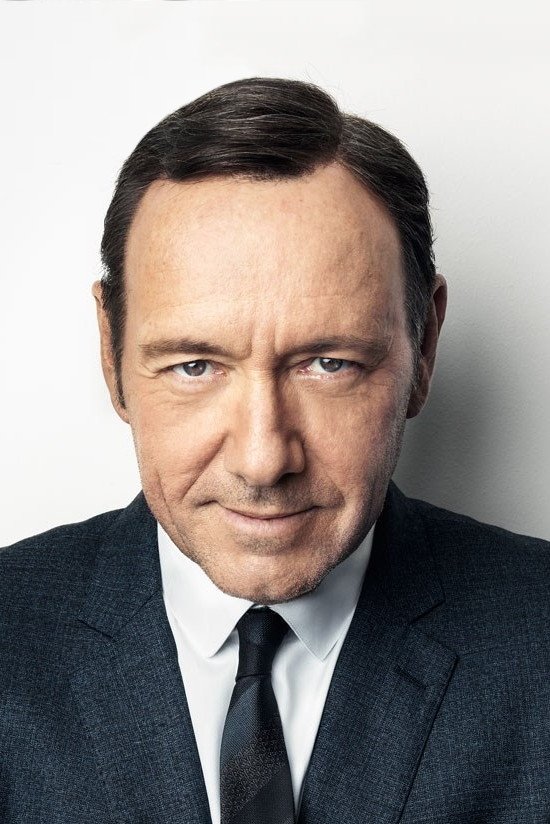
After multiple allegations of sexual misconduct, Netflix severed ties with Spacey on ‘House of Cards’, and Ridley Scott replaced him in ‘All the Money in the World’ by reshooting his role with another actor, halting his mainstream projects.
Major outlets documented the firing, the scrubbing of a completed performance from a prestige film, and the broader withdrawal of projects involving him across film and television.
Share your thoughts in the comments about which cases surprised you most and why.