


Most Watched Comedy Movies of All Time

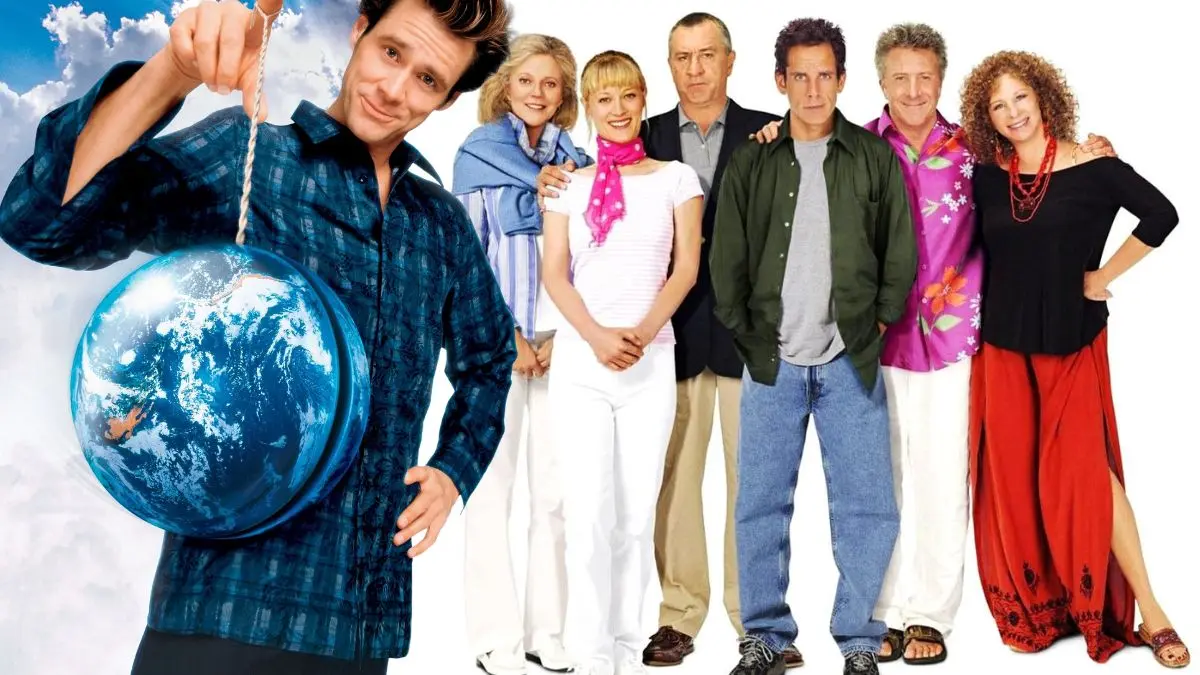


There are comedy films that make a splash for a season and there are comedy films that become global comfort watches. The titles below drew huge audiences in theaters and then kept building viewership through reissues, television, and streaming, turning into fixtures people return to again and again.
This list gathers crowd-pleasing comedies that reached massive audiences across different eras and styles. You will see animated hits, action comedies, and family favorites that traveled well beyond their home markets, with studios from Disney to Warner Bros. to Universal helping them reach viewers everywhere.
‘Barbie’ (2023)
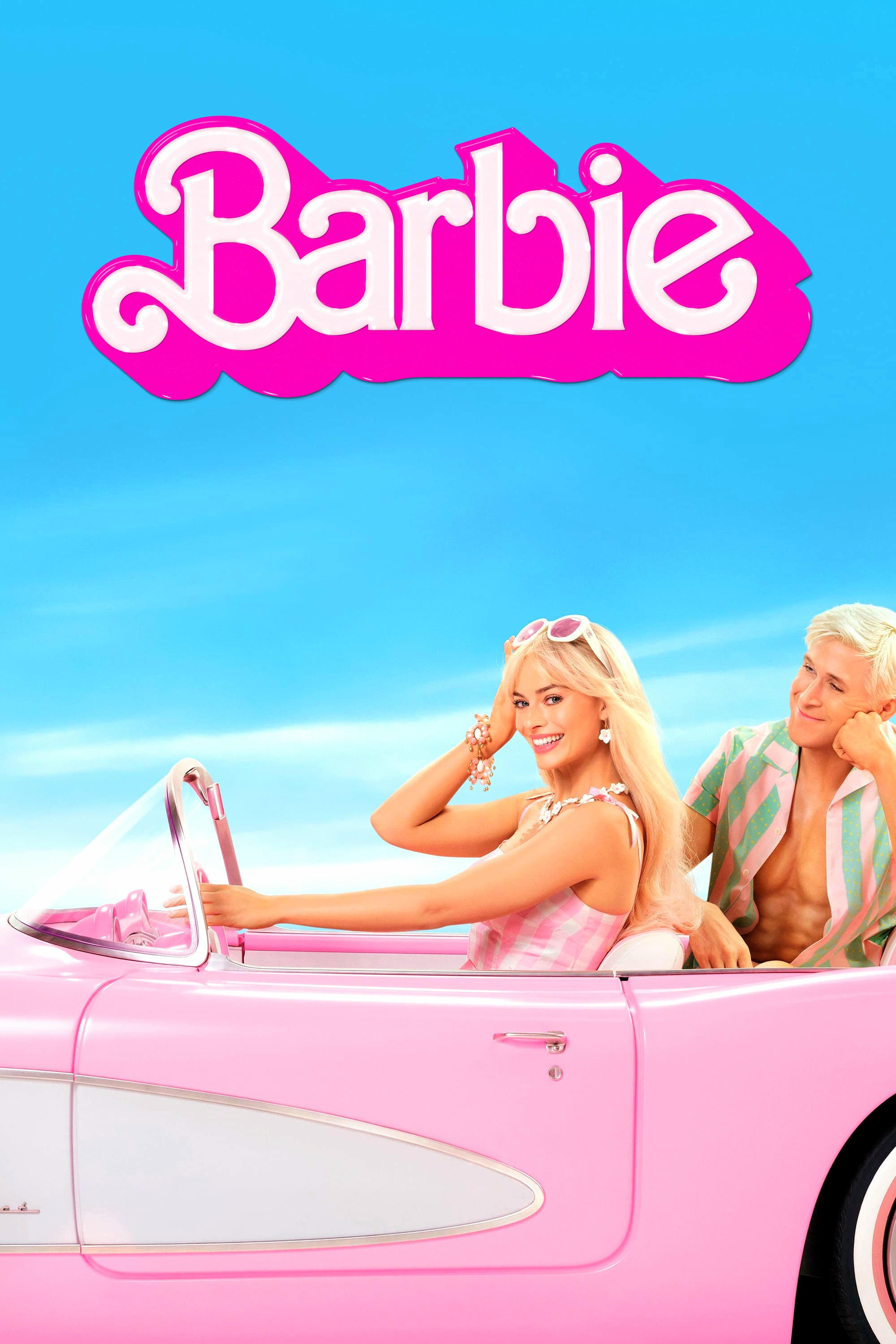
Greta Gerwig’s satirical fantasy became a cultural moment, selling out multiplexes on multiple continents and pushing repeat attendance with strong word of mouth. A wide global rollout from Warner Bros. ensured premium screens and long legs in major markets, while smart partnerships kept it in conversation far beyond its opening frame.
The film’s home and streaming windows extended its reach to households that missed the theatrical run, and merchandising kept the brand visible for months. Awards attention and ongoing fan events added fresh spikes in viewership, keeping ‘Barbie’ in rotation well after its debut.
‘Minions’ (2015)
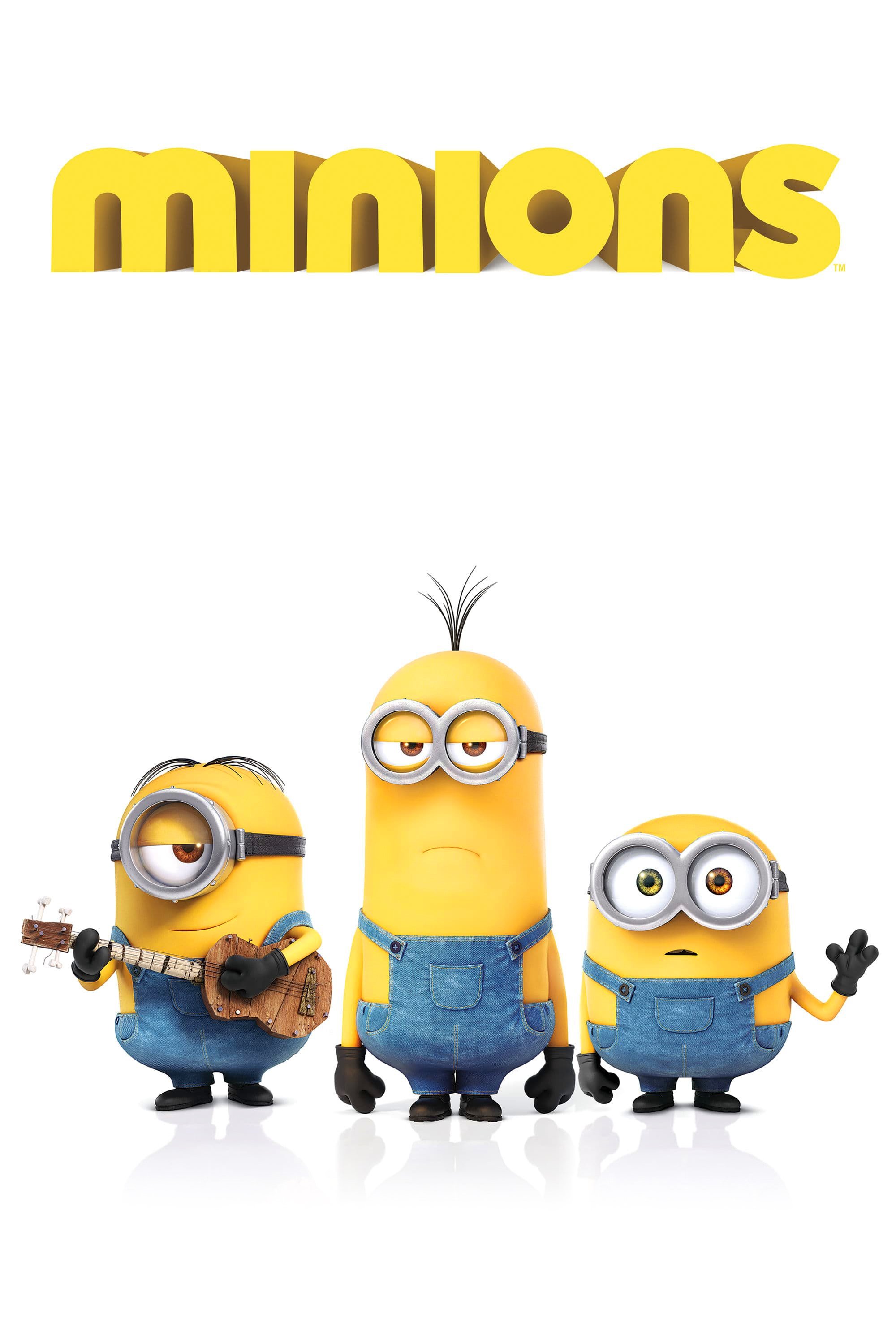
Illumination’s breakout spin-off capitalized on the universal appeal of its gibberish-speaking leads, playing strongly with families and casual moviegoers alike. Universal Pictures leveraged a synchronized global launch and robust dubbed versions to turn the little yellow henchmen into worldwide stars.
The movie’s afterlife thrived through airline programming, free-to-air television, and streaming packages aimed at family bundles. Tie-in shorts and theme park visibility kept ‘Minions’ constantly resurfacing for new young viewers coming of age each year.
‘Despicable Me 3’ (2017)
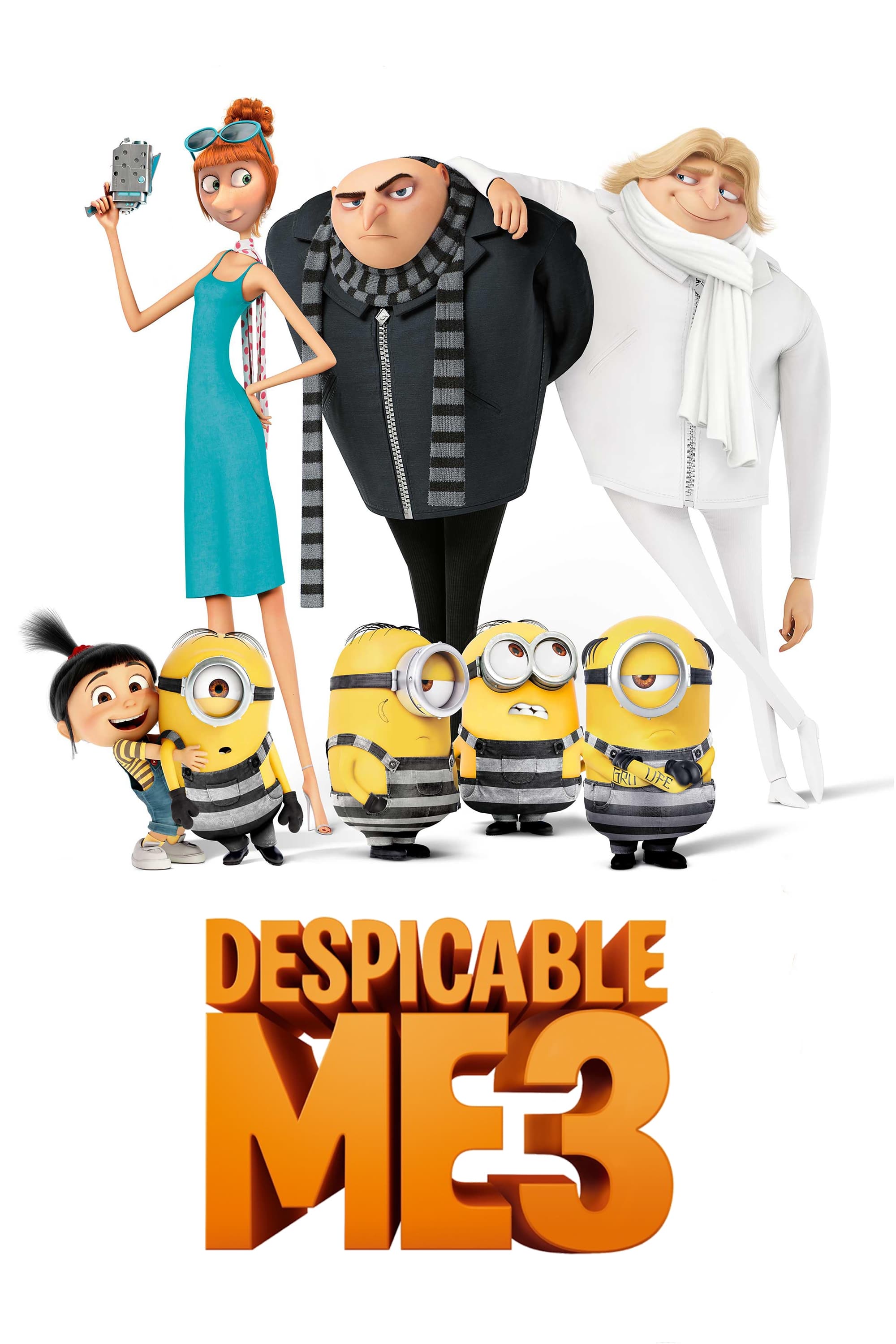
The third main entry in the franchise widened the story to multi-generational family humor, boosting its appeal in international markets. Universal gave it extensive screen counts and strong local marketing, helping territories outside North America contribute a major share of admissions.
Its rewatch value grew through holiday play on television and family-friendly streaming rows. Character recognition from earlier entries meant ‘Despicable Me 3’ pulled in new viewers discovering the series out of order without confusion.
‘Despicable Me 2’ (2013)
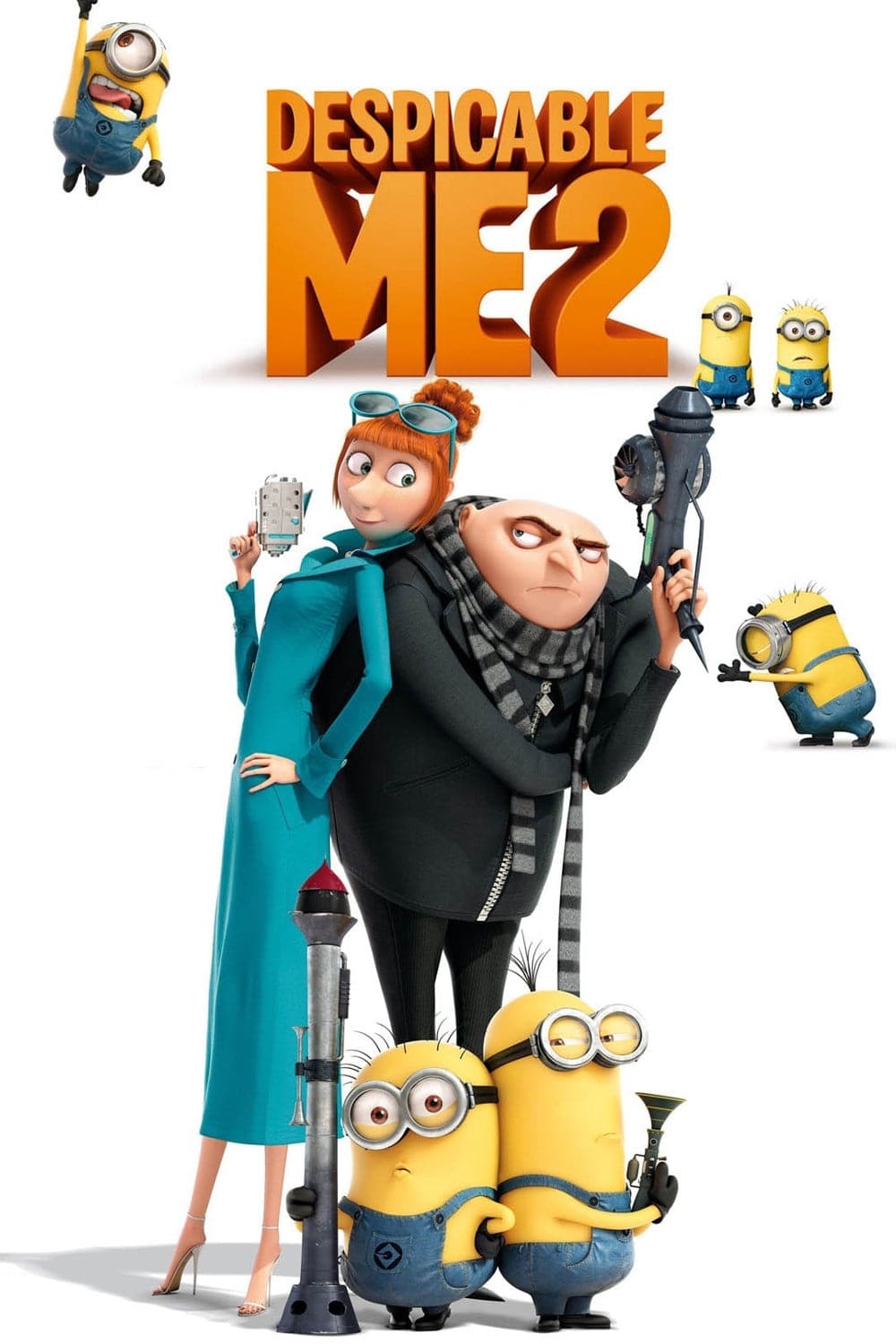
This sequel refined the formula with a brisk caper setup that played well with kids and adults. Universal rolled out the film across peak vacation corridors, maximizing matinee traffic and group sales.
Sustained popularity came from classroom and community screenings, airline rotations, and evergreen visibility on family platforms. The soundtrack cuts and meme-ready Minion moments kept ‘Despicable Me 2’ circulating far beyond its initial wave.
‘Toy Story 4’ (2019)
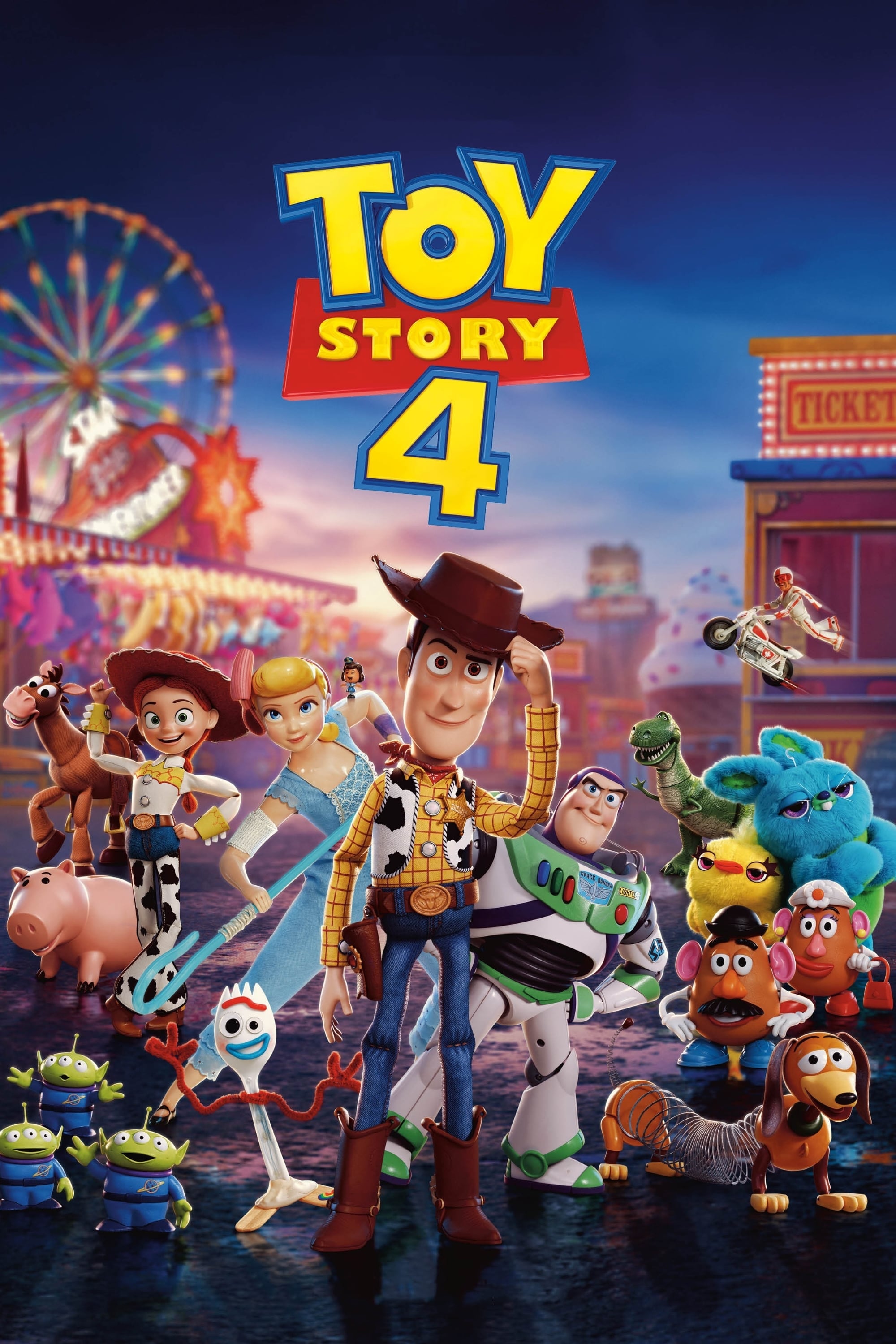
Pixar returned to its flagship series with a road-trip adventure that brought in parents who grew up with the original films. Disney supported the release with a global marketing push that emphasized both nostalgia and fresh characters, filling premium formats across key territories.
Continued audience growth followed through quick availability in bundled family subscriptions and frequent holiday programming. Merchandising and park integrations helped ‘Toy Story 4’ remain a go-to group watch for families.
‘Toy Story 3’ (2010)
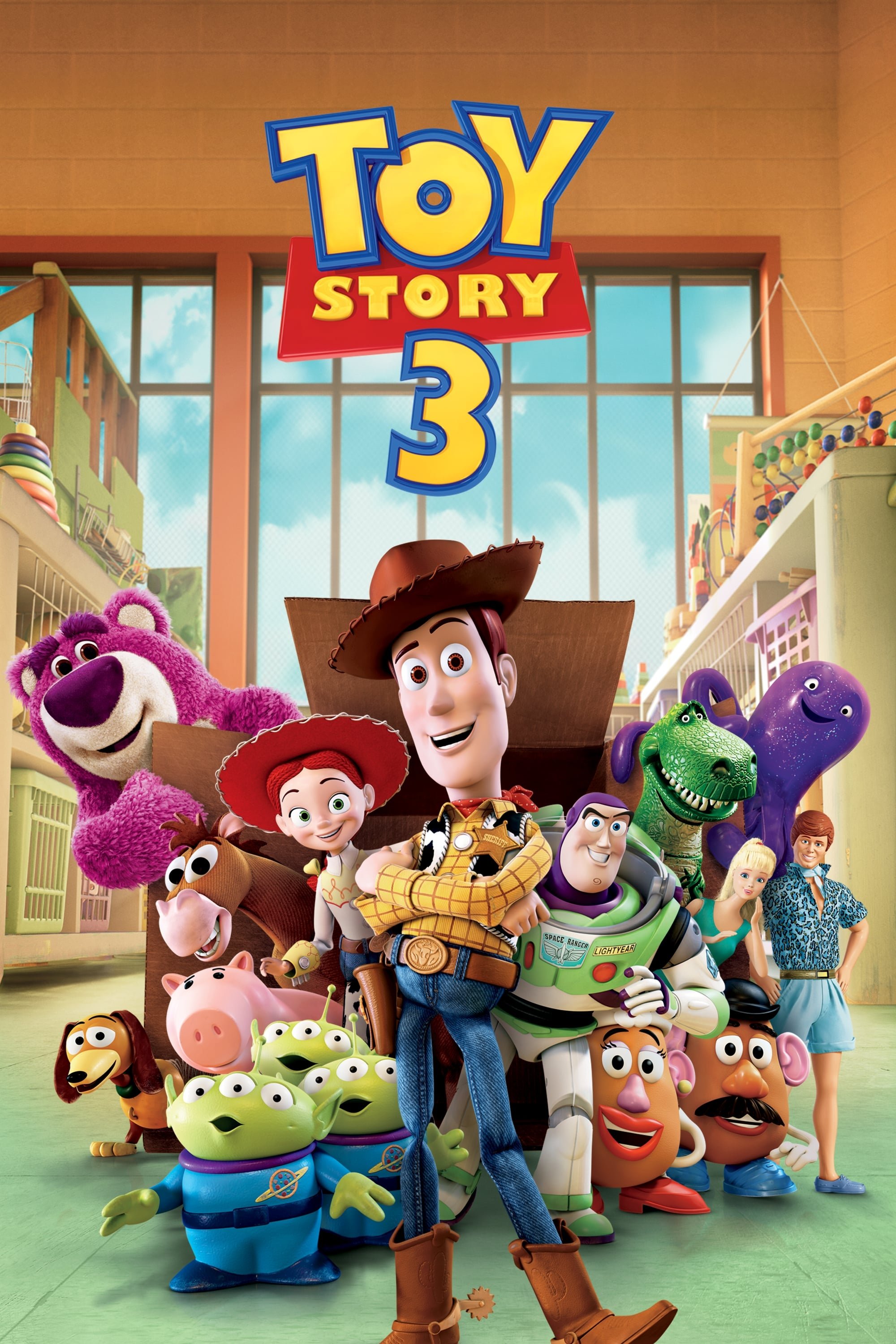
A heartfelt prison-break riff gave the series a fresh genre twist that resonated across demographics. Disney coordinated a worldwide campaign highlighting the emotional send-off, which helped drive strong turnout from teens and adults in addition to children.
Library prominence on streaming and seasonal TV marathons turned ‘Toy Story 3’ into a perennial favorite. Its reputation as a crowd pleaser makes it a reliable pick for school events and community screenings, sustaining high cumulative views.
‘Inside Out’ (2015)
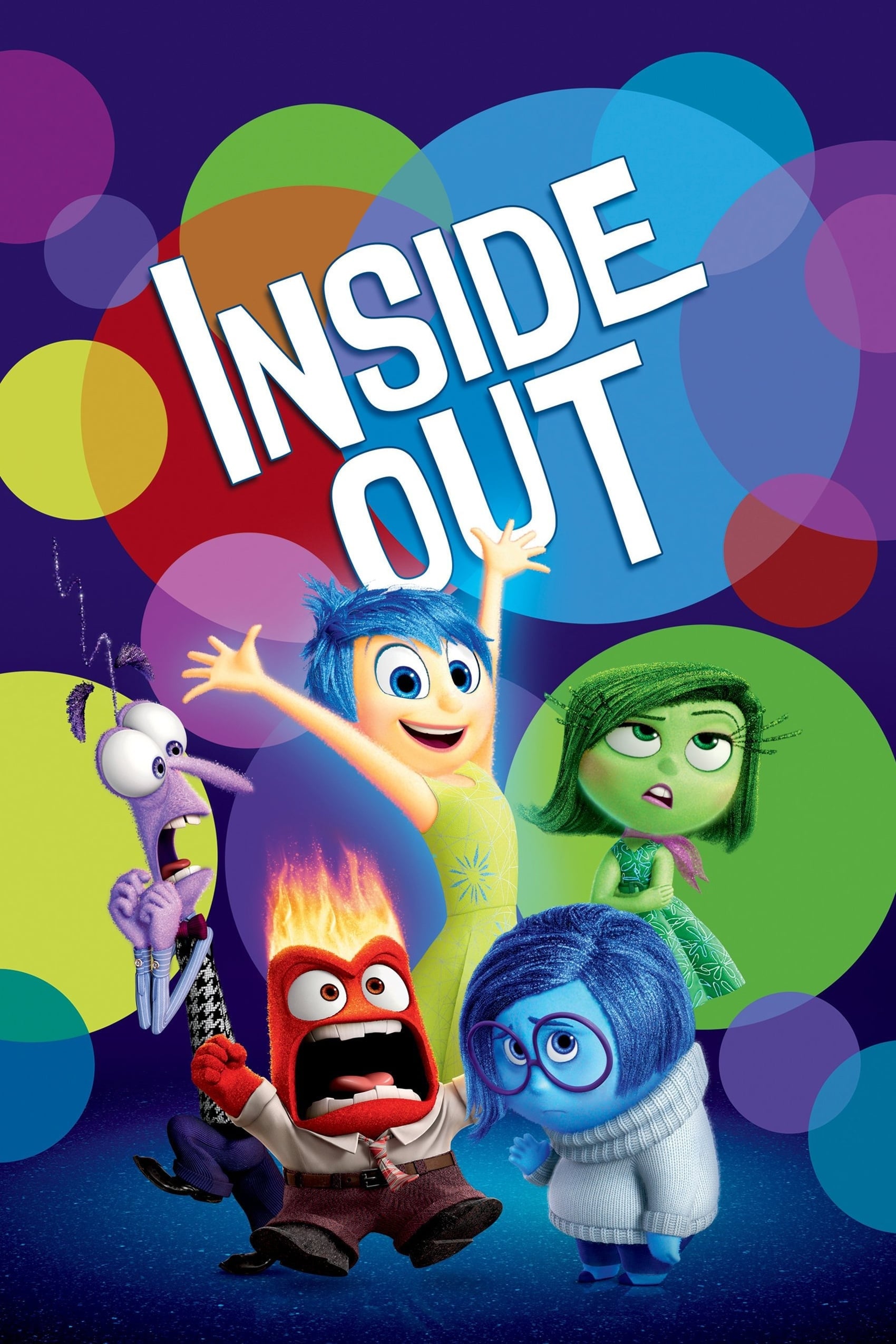
Pixar’s concept comedy about emotions connected with parents, educators, and kids, sparking discussion and repeat viewings. Disney’s distribution placed it in family-heavy corridors during school breaks, with strong holds fueled by broad critical praise.
Educational tie-ins and classroom use extended its shelf life well beyond typical animated runs. The film’s characters became fixtures in shorts and park entertainment, keeping ‘Inside Out’ visible and frequently rewatched.
‘Finding Dory’ (2016)
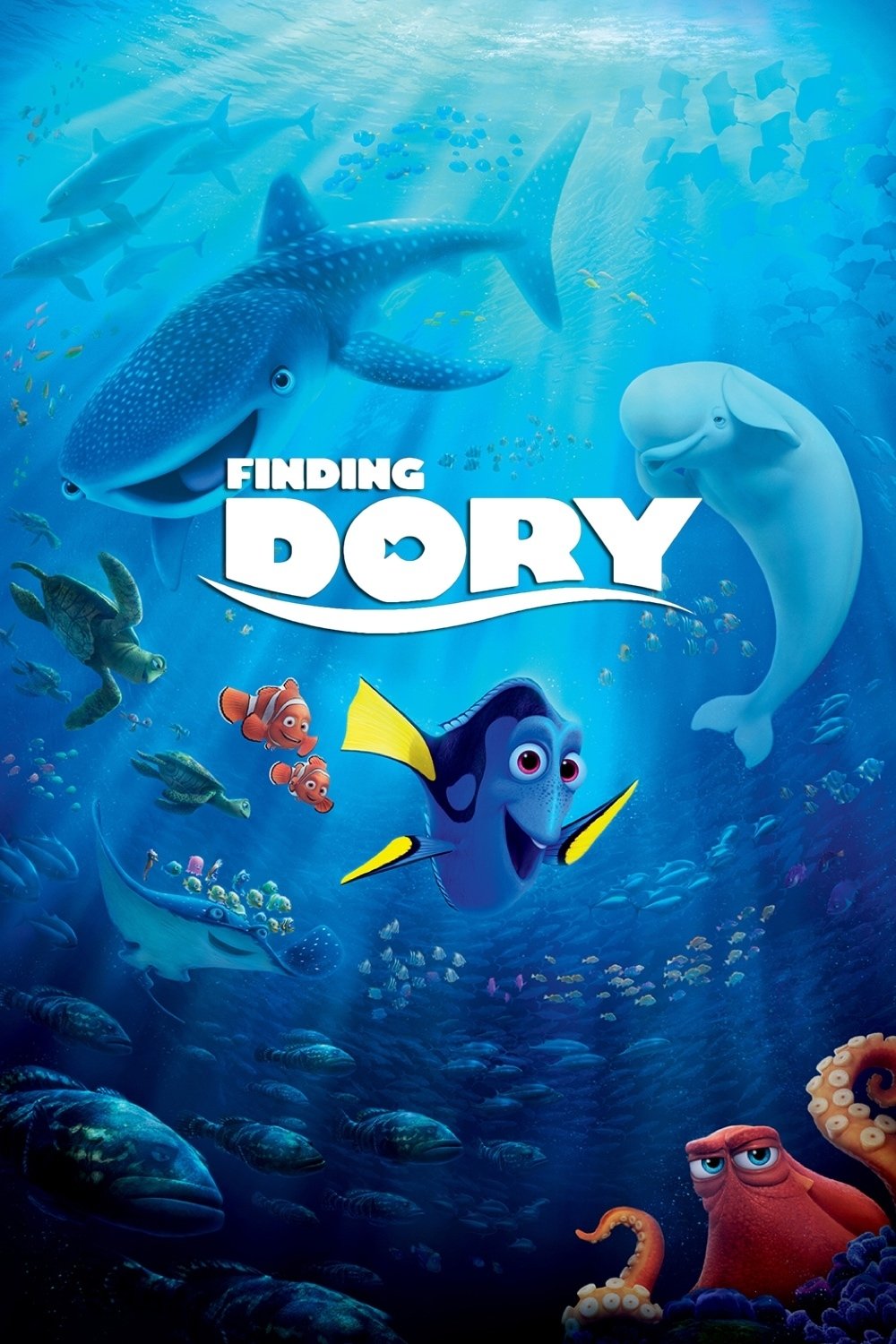
This ocean-spanning search paired gentle humor with adventure that played well in every market it reached. Disney’s global distribution ensured coastal and inland territories alike received ample showtimes, with accessible localizations supporting strong international engagement.
The title has remained popular through steady streaming performance and routine broadcast slots. Aquarium partnerships and family programming blocks often feature ‘Finding Dory’, feeding a cycle of discovery for new young viewers.
‘Incredibles 2’ (2018)
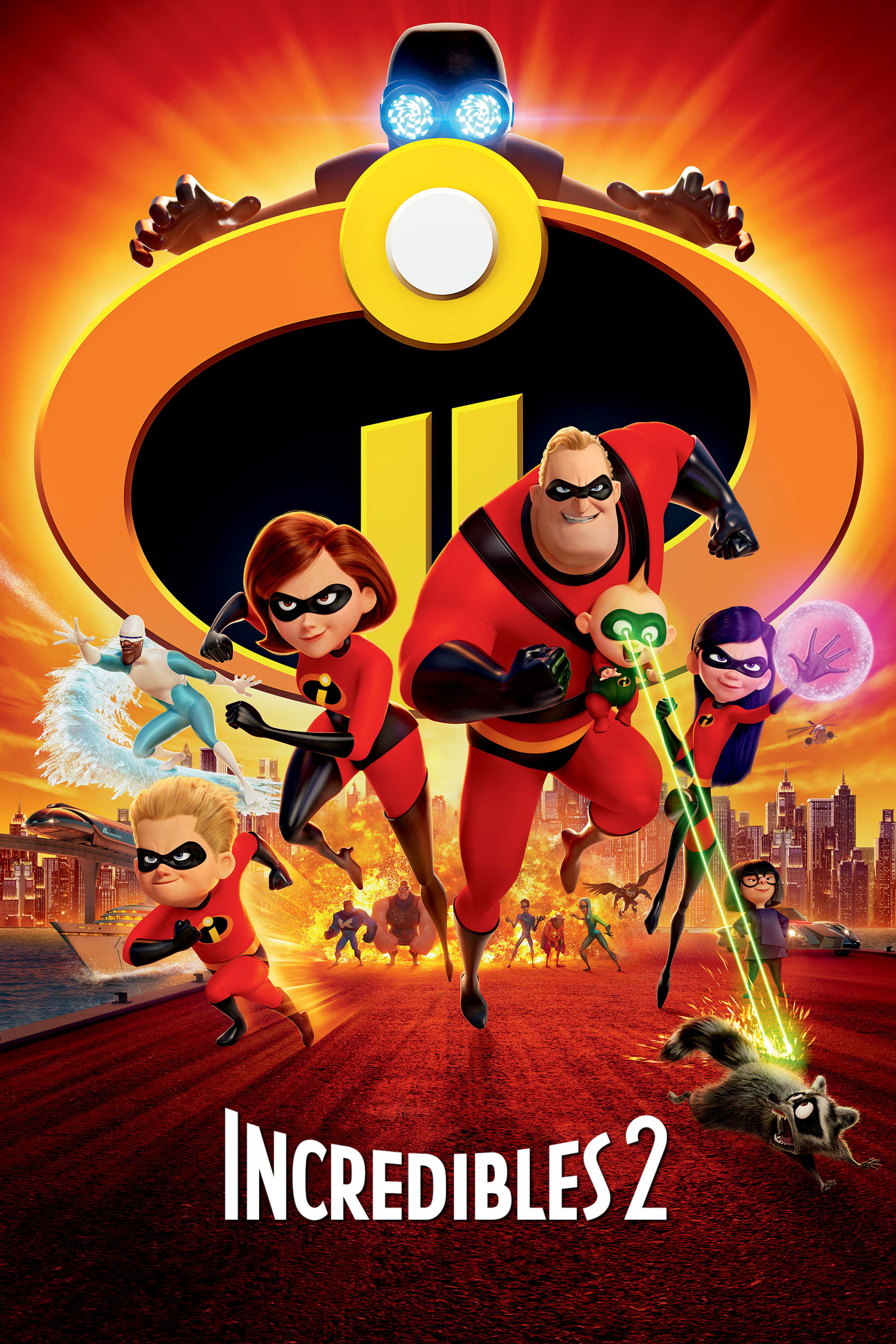
The super-family returned with a role-reversal plot that doubled down on domestic comedy and set-piece spectacle. Disney launched the film into premium screens worldwide, securing repeat visits from fans eager to experience the action with big-screen sound.
Its streaming presence, combined with the continued popularity of superhero stories, keeps ‘Incredibles 2’ in high rotation. Character-driven shorts and merchandise support have also helped maintain audience interest.
‘Zootopia’ (2016)
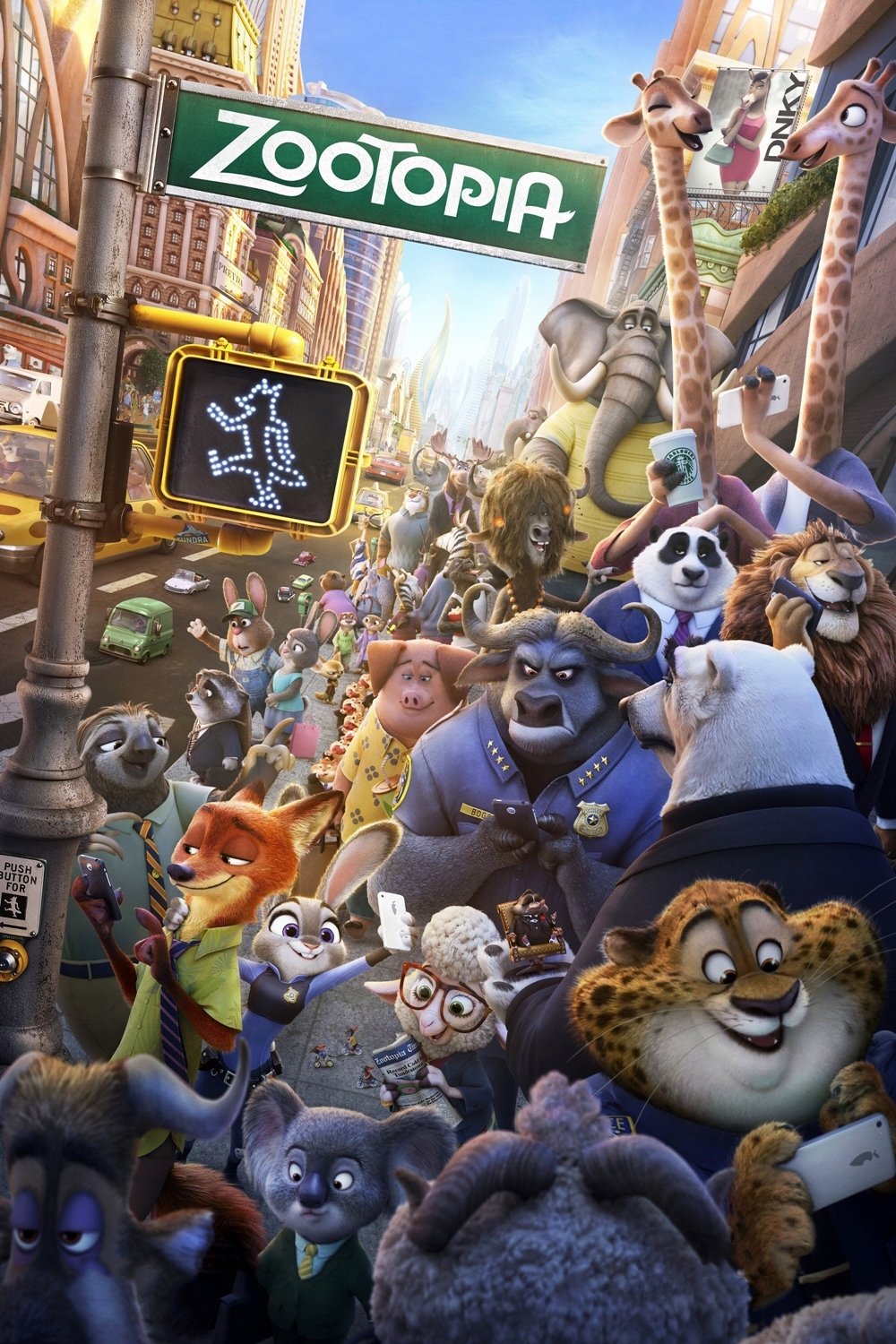
A buddy-cop comedy wrapped in a vibrant animal metropolis reached audiences across age groups. Disney’s rollout balanced family matinees with evening shows for adults, and localized marketing emphasized its genre appeal in each territory.
Cable and streaming services have kept ‘Zootopia’ near the top of family watch lists. The film’s setting lends itself to spinoffs and shorts, which help reintroduce the main feature to new viewers year after year.
‘Jumanji: Welcome to the Jungle’ (2017)

A video-game twist on the adventure formula delivered big laughs and cross-generational appeal. Sony Pictures distributed the film across the holiday corridor in multiple regions, benefiting from strong weekday matinees and weekend surges.
Long legs came from repeat group outings and word of mouth that highlighted its ensemble chemistry. Its availability on major platforms turned ‘Jumanji: Welcome to the Jungle’ into a frequent pick for mixed-age gatherings.
‘Jumanji: The Next Level’ (2019)

This follow-up retained the body-swap comedy that made the prior film a hit while expanding locations and set pieces. Sony maintained a wide global footprint and premium auditorium access, encouraging audiences to experience the spectacle with friends.
The title’s steady life on streaming and broadcast helped it catch viewers who discovered the franchise at home first. Holiday season rotations and franchise marathons keep ‘Jumanji: The Next Level’ in the viewing mix.
‘Home Alone’ (1990)
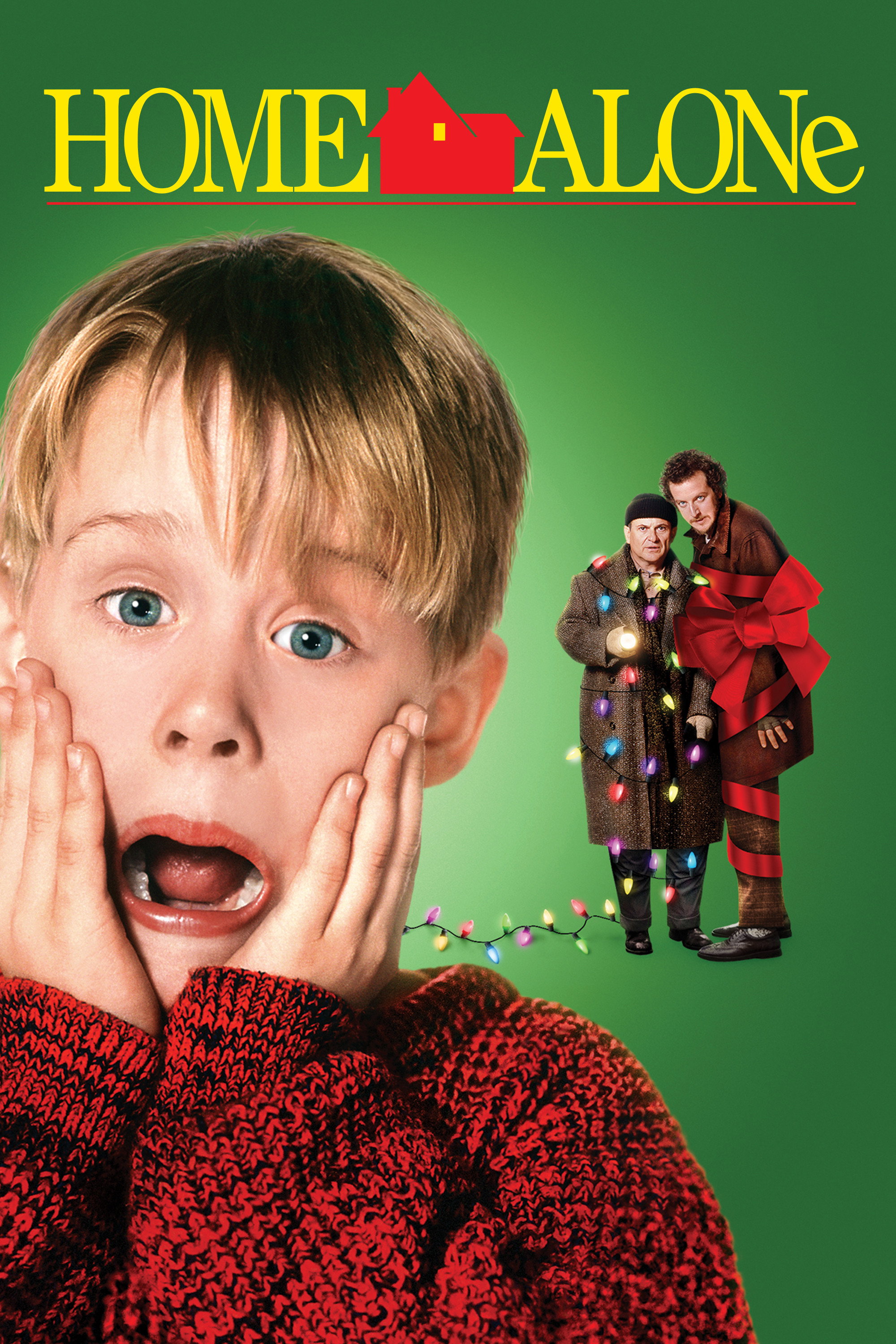
The family comedy about a resourceful kid quickly became a holiday staple with remarkable staying power. Originally released by 20th Century Fox, the film grew through an extended theatrical run and strong international play.
Television networks and platforms program ‘Home Alone’ heavily during festive periods, bringing in new generations annually. Its iconic gags and seasonal setting make it a default rewatch, adding to a towering cumulative audience.
‘The Hangover Part II’ (2011)
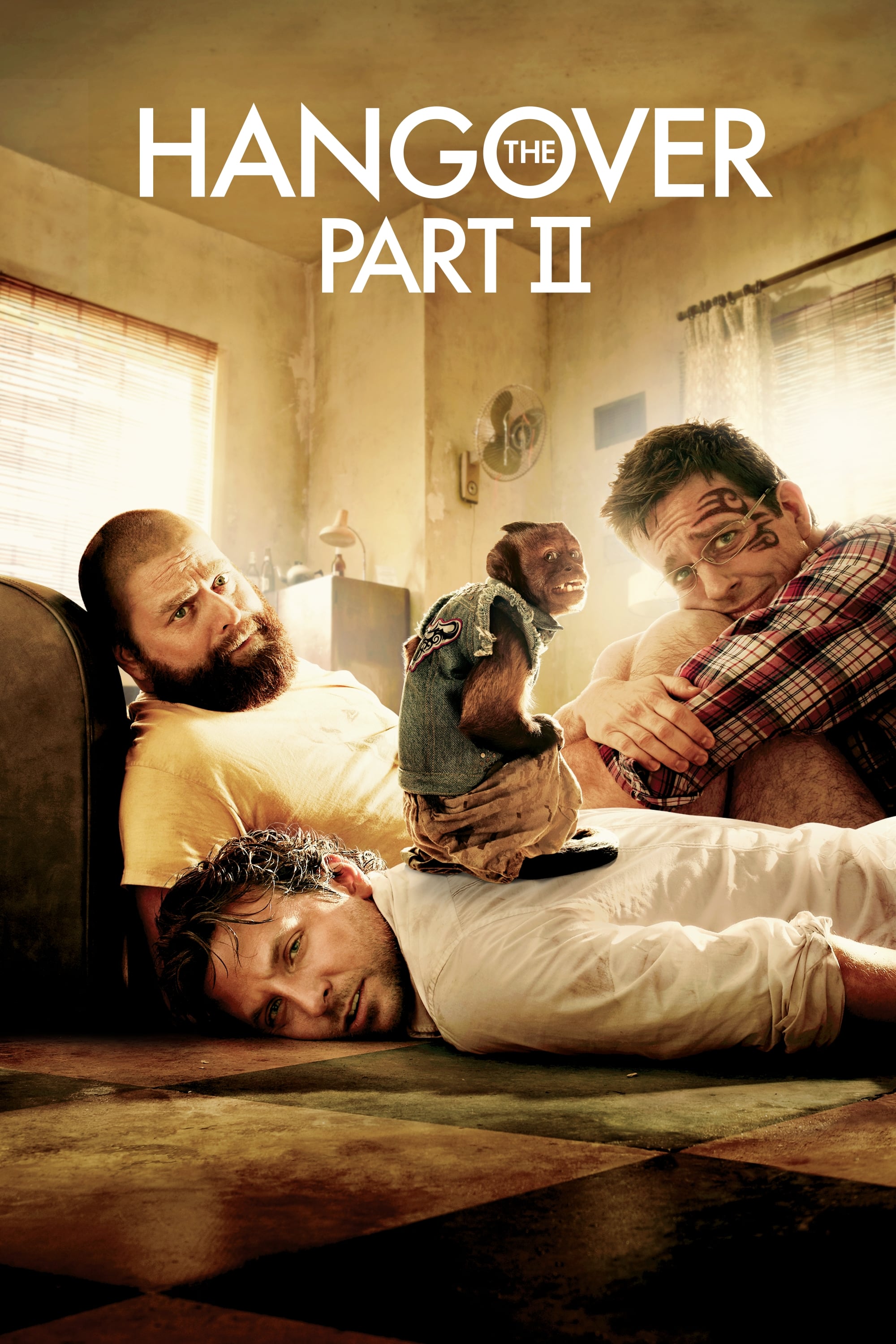
The globetrotting sequel scaled up its misadventure premise and drew large crowds across markets. Warner Bros. gave it a broad release with heavy event positioning, making it a major choice for group outings.
Its success boosted rentals, purchases, and streaming of both the sequel and the first film, multiplying total views. Franchise marathons and constant meme circulation keep ‘The Hangover Part II’ in public view.
‘The Hangover’ (2009)
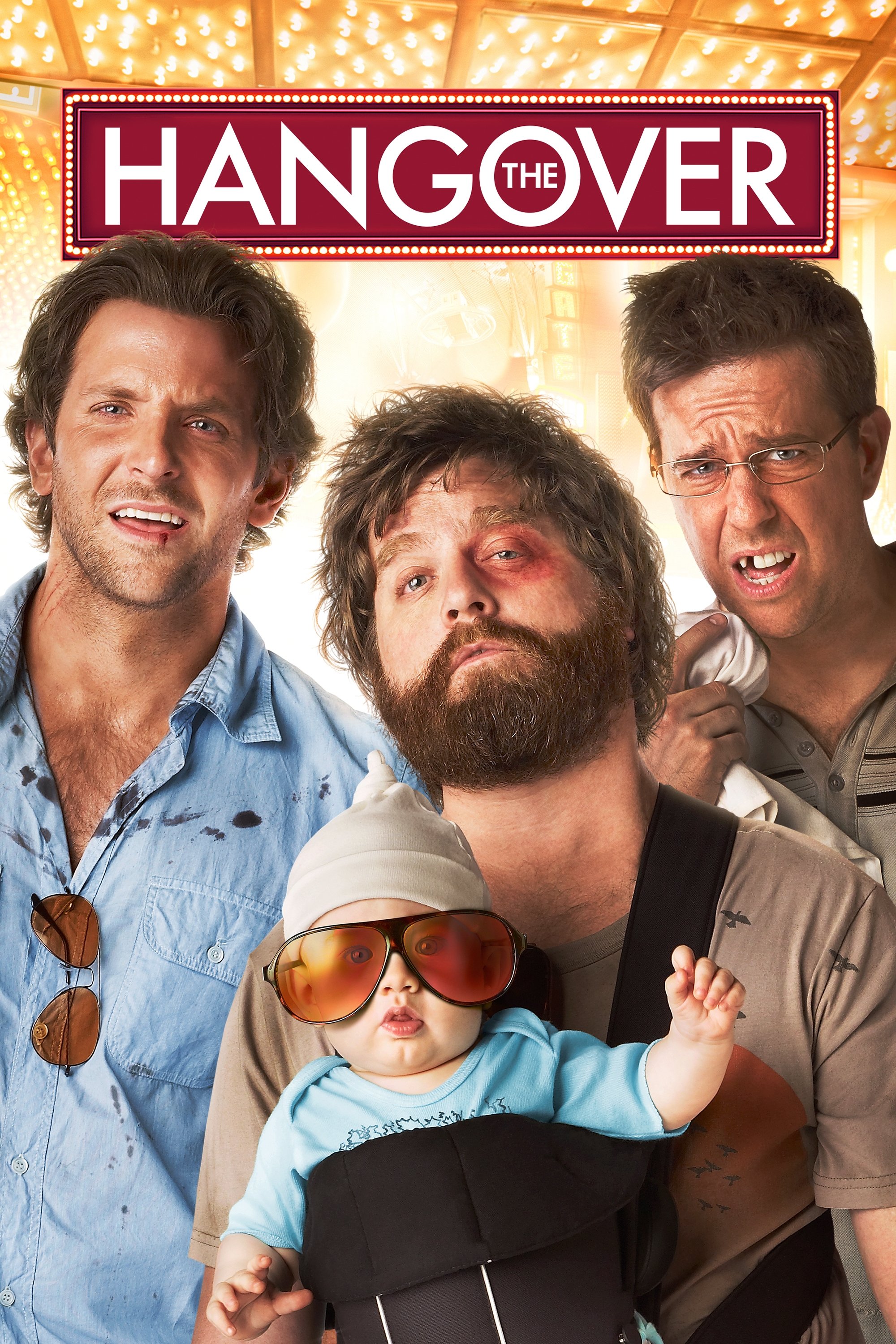
A lost-night mystery framed as a buddy comedy turned into a sleeper phenomenon that spread by word of mouth. Warner Bros. expanded screens as attendance surged, and international markets responded strongly to its simple, universally funny setup.
The title continues to benefit from cable airings and digital bundles that package all entries together. Quotes and scenes have embedded in internet culture, ensuring ‘The Hangover’ remains a frequent rewatch.
‘Deadpool’ (2016)
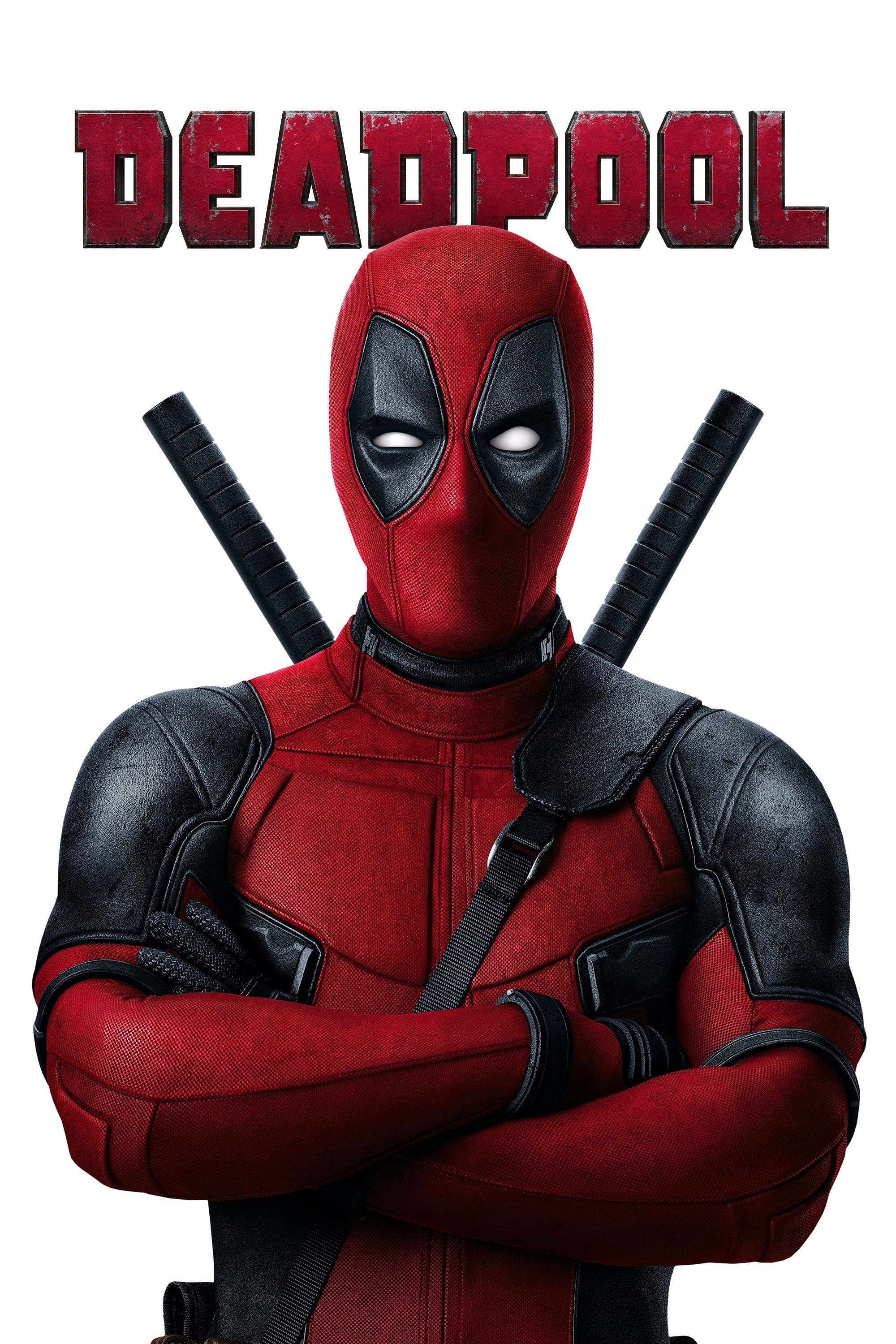
A wisecracking antihero brought R-rated humor into the mainstream with remarkable reach for its category. 20th Century Fox positioned the film as a bold counter-programming play, with a rollout that maximized adult evening showtimes.
Its extended cut, bonus featurettes, and constant social chatter kept ‘Deadpool’ visible after theaters. The character’s crossover presence pushes new viewers back to this entry, lifting lifetime view counts.
‘Deadpool 2’ (2018)
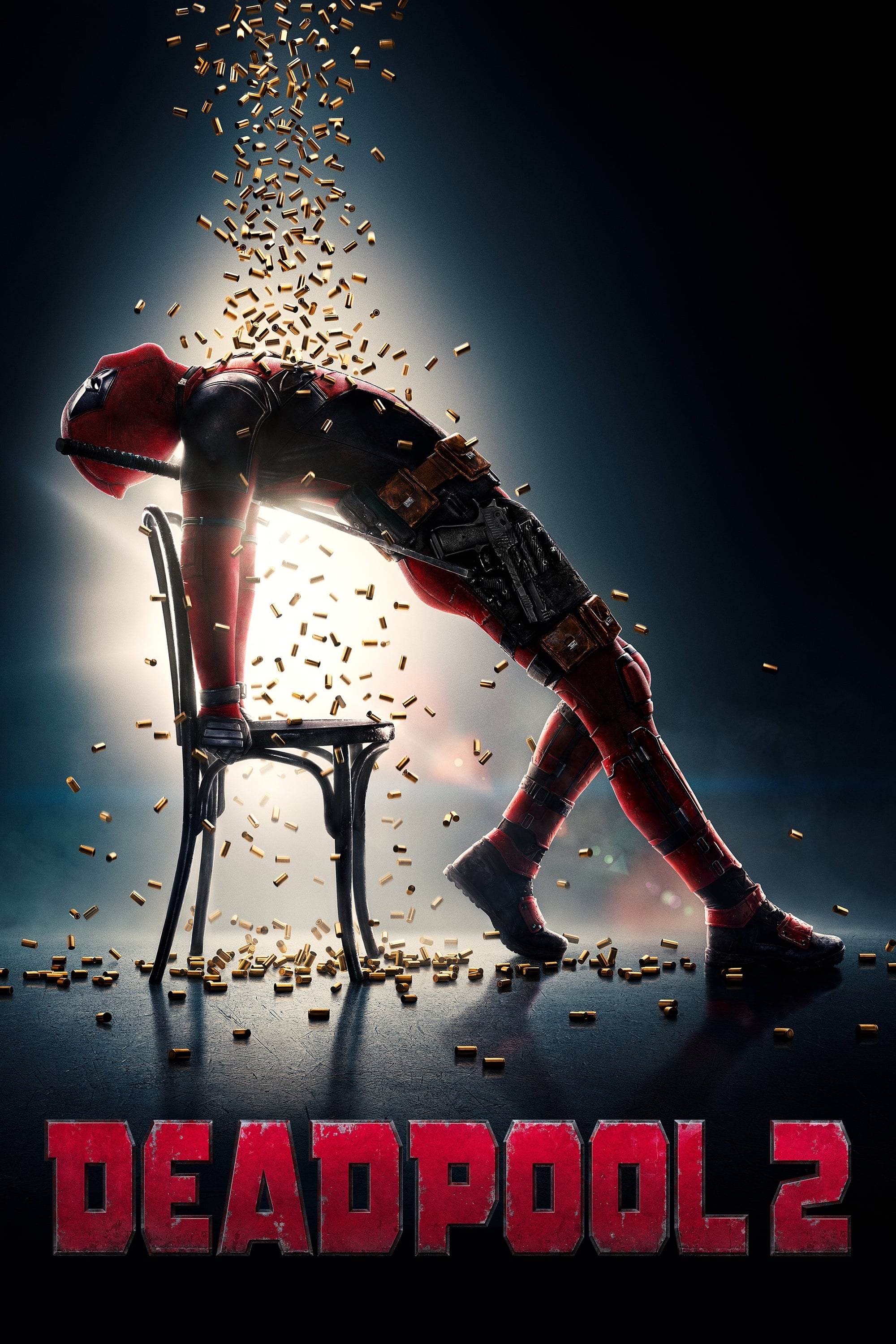
The sequel expanded the ensemble while holding onto the irreverent tone that drew crowds the first time. 20th Century Fox leveraged global awareness to secure a major opening and strong holds in key territories.
Additional editions and frequent streaming placement have kept ‘Deadpool 2’ among go-to adult comedies. Franchise synergy ensures it remains part of watch lists whenever audiences revisit the character.
‘The Intouchables’ (2011)

This French crowd-pleaser paired sharp humor with a true-story friendship that resonated widely. Gaumont handled domestic distribution while international partners helped the film find sizable audiences across Europe and beyond.
Festival exposure and word of mouth led to sustained theatrical runs in multiple countries. Remakes and adaptations revived interest periodically, sending new viewers back to the original ‘The Intouchables’.
‘Mrs. Doubtfire’ (1993)

A heartfelt disguise comedy connected with families and adult audiences through its warm humor. 20th Century Fox supported a long theatrical life with strong weekend performance and broad international play.
Television syndication and family streaming rows keep ‘Mrs. Doubtfire’ in easy reach. Holiday scheduling and tribute screenings also contribute to ongoing viewership.
‘Meet the Fockers’ (2004)
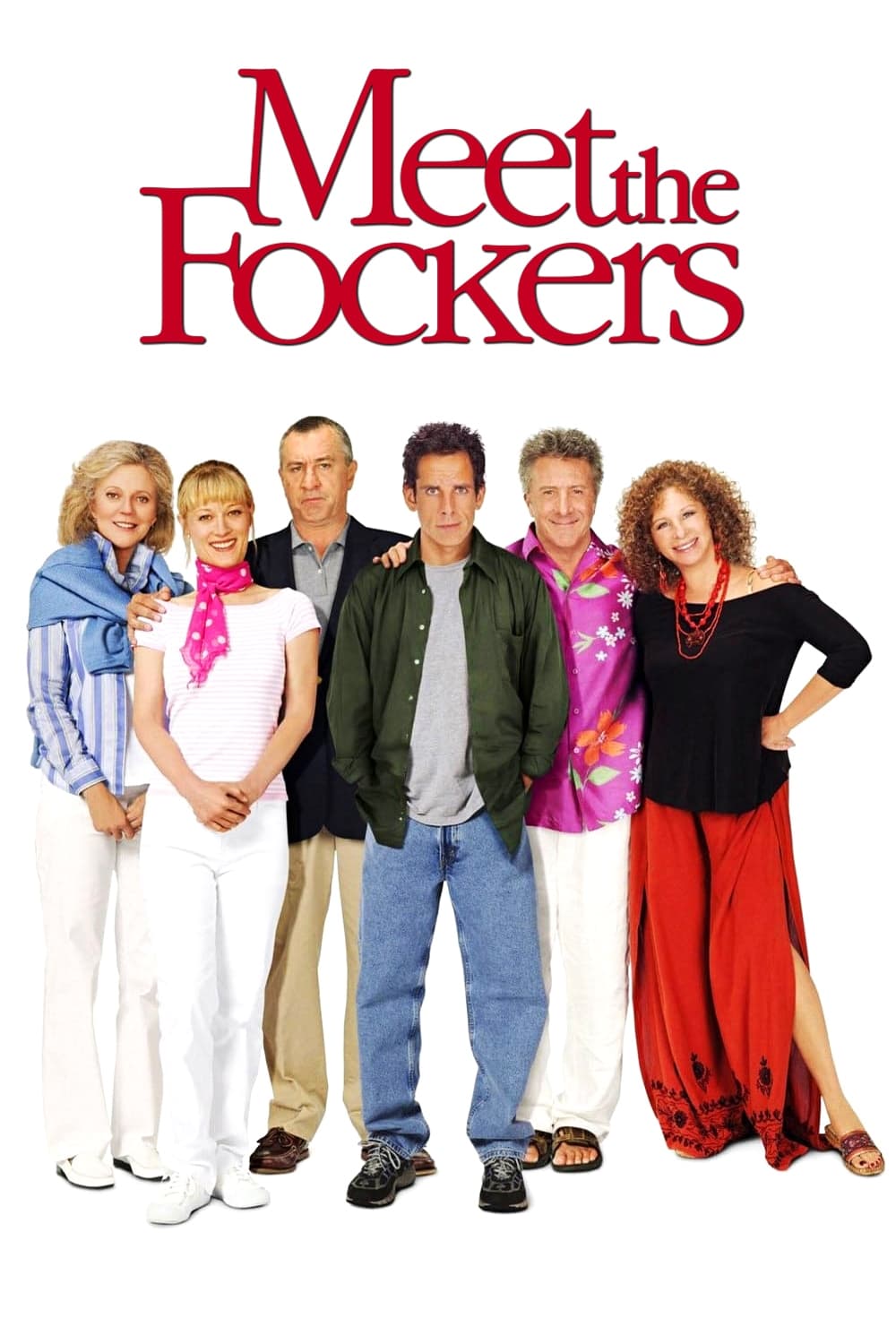
The family-clash sequel drew in crowds who enjoyed the first film while welcoming newcomers with standalone laughs. Universal Pictures gave it a major holiday corridor presence that translated into exceptional attendance.
Its continuing performance on cable and digital platforms supports high cumulative views. Cross-generational appeal makes ‘Meet the Fockers’ a frequent pick for group movie nights.
‘Bruce Almighty’ (2003)
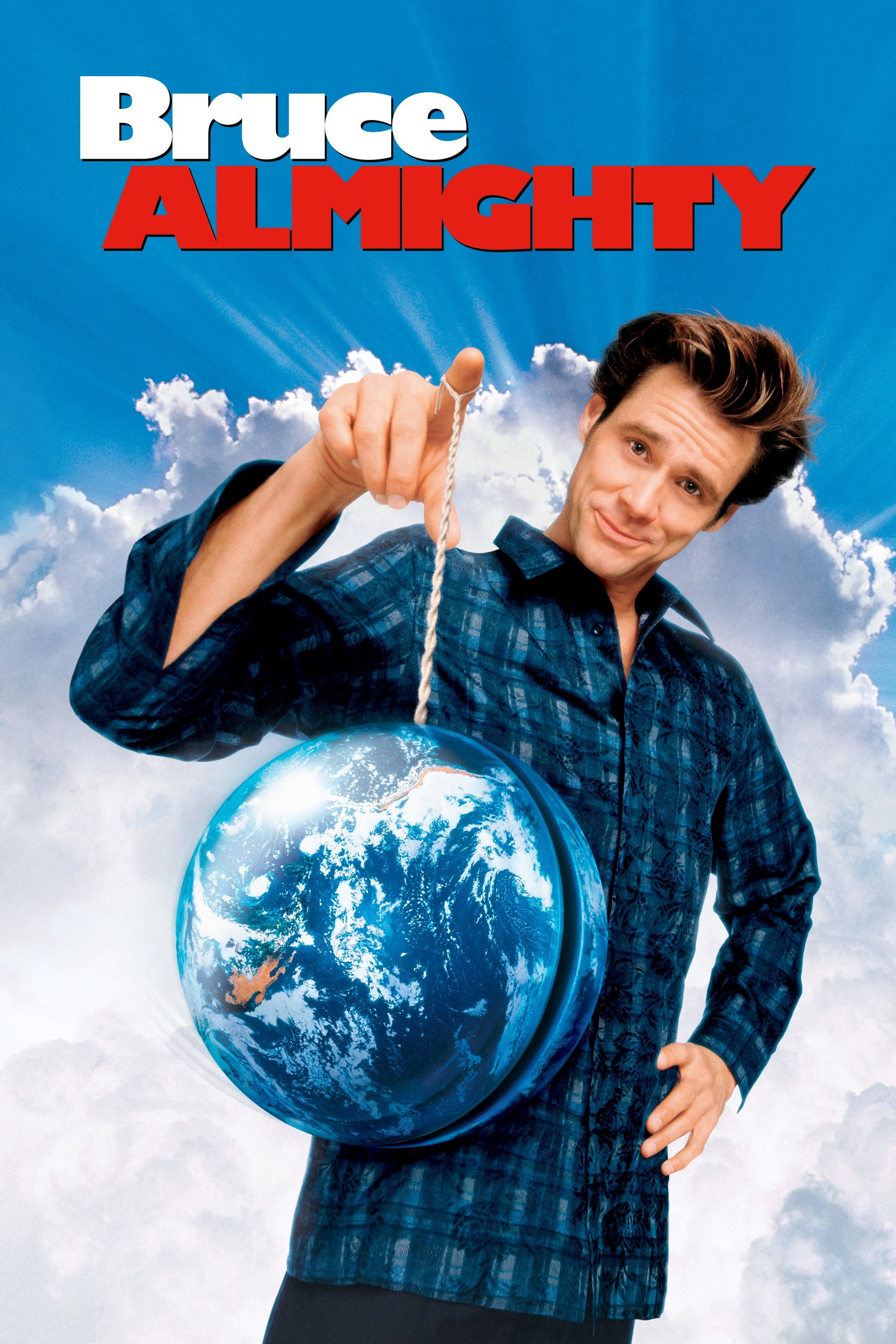
A high-concept premise paired with broad comedy delivered strong turnout across markets. Universal released the film widely and benefited from strong weekday matinee business alongside weekend surges.
The film’s premise translates well to television edits and family viewing blocks, aiding rewatchability. Streaming visibility and companion titles keep ‘Bruce Almighty’ circulating for new audiences.
‘Ted’ (2012)
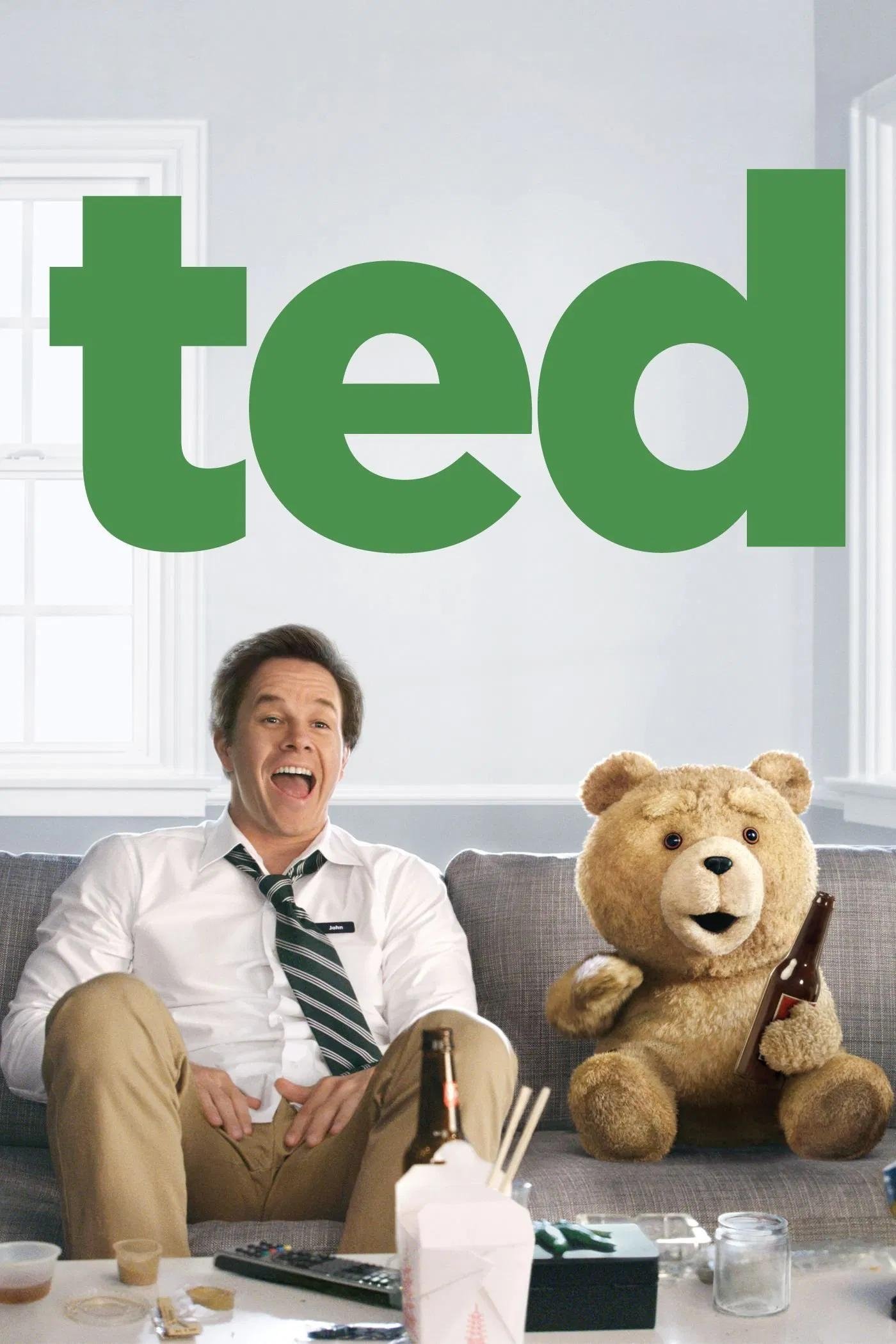
A talking-teddy buddy comedy surprised with its four-quadrant reach, drawing both young adults and older crowds. Universal supported the film with a wide domestic and international release that capitalized on a clear comedic hook.
Extended versions and bonus content, along with frequent cable airings, boosted lifetime views. The sequel and related promotions repeatedly point fresh audiences back to the original ‘Ted’.
‘Austin Powers: The Spy Who Shagged Me’ (1999)
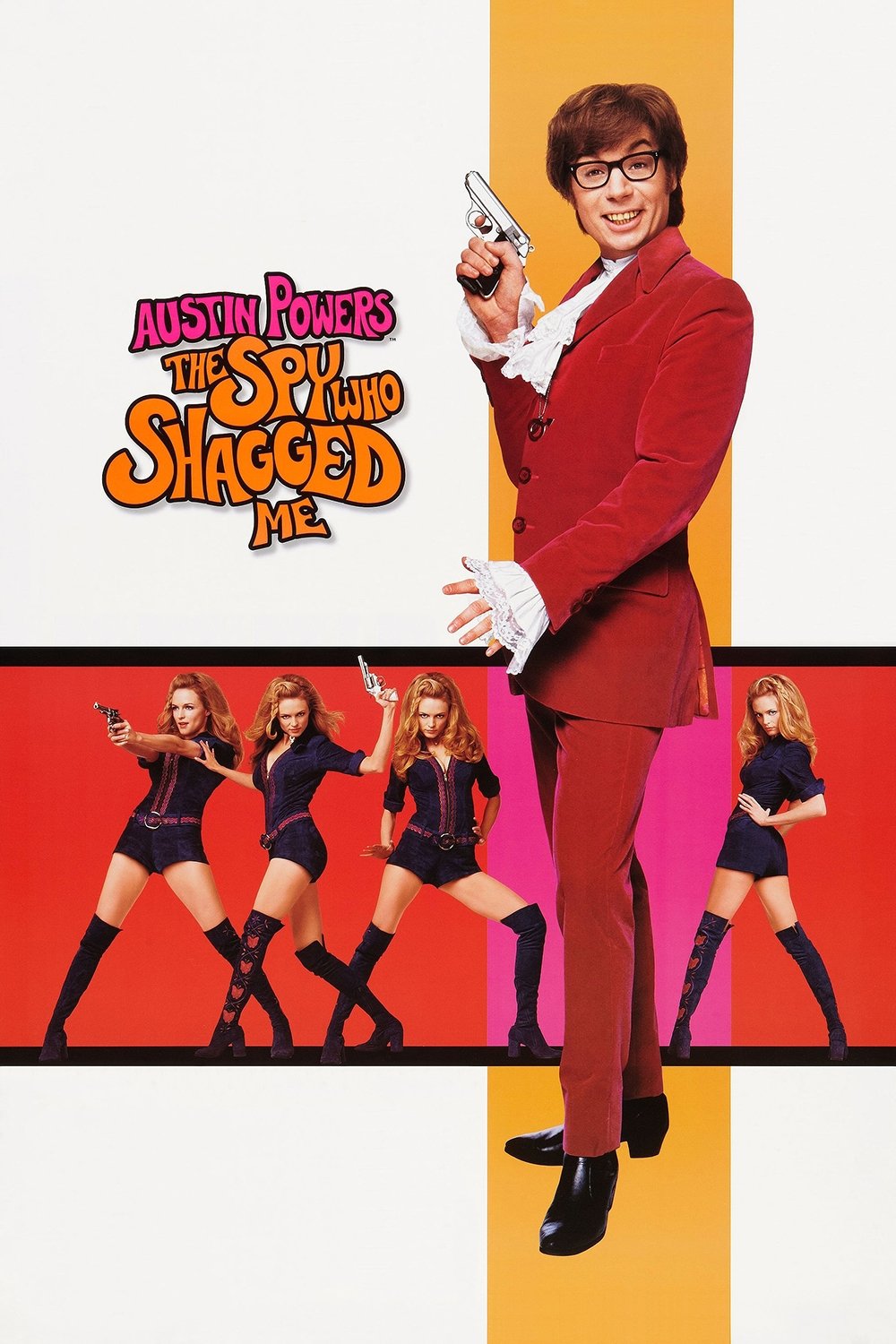
The second entry amplified the series’ pop-culture presence and delivered strong theatrical demand. New Line Cinema, under the Warner Bros. umbrella, expanded the footprint to capture momentum from the cult growth of the first film.
Home video and cable marathons turned it into a staple of late-night comedy blocks. Catchphrases and character cameos keep ‘Austin Powers: The Spy Who Shagged Me’ in circulation through nostalgia cycles.
‘Crazy Rich Asians’ (2018)

A glossy romantic comedy became a global crowd pleaser with impressive repeat attendance. Warner Bros. backed the film with targeted outreach that activated diaspora audiences and mainstream viewers alike, leading to robust holds.
On streaming and television, the film enjoys strong performance in romance and comedy carousels. Awards recognition and ongoing franchise conversations continue to introduce ‘Crazy Rich Asians’ to new viewers.
‘The Mask’ (1994)
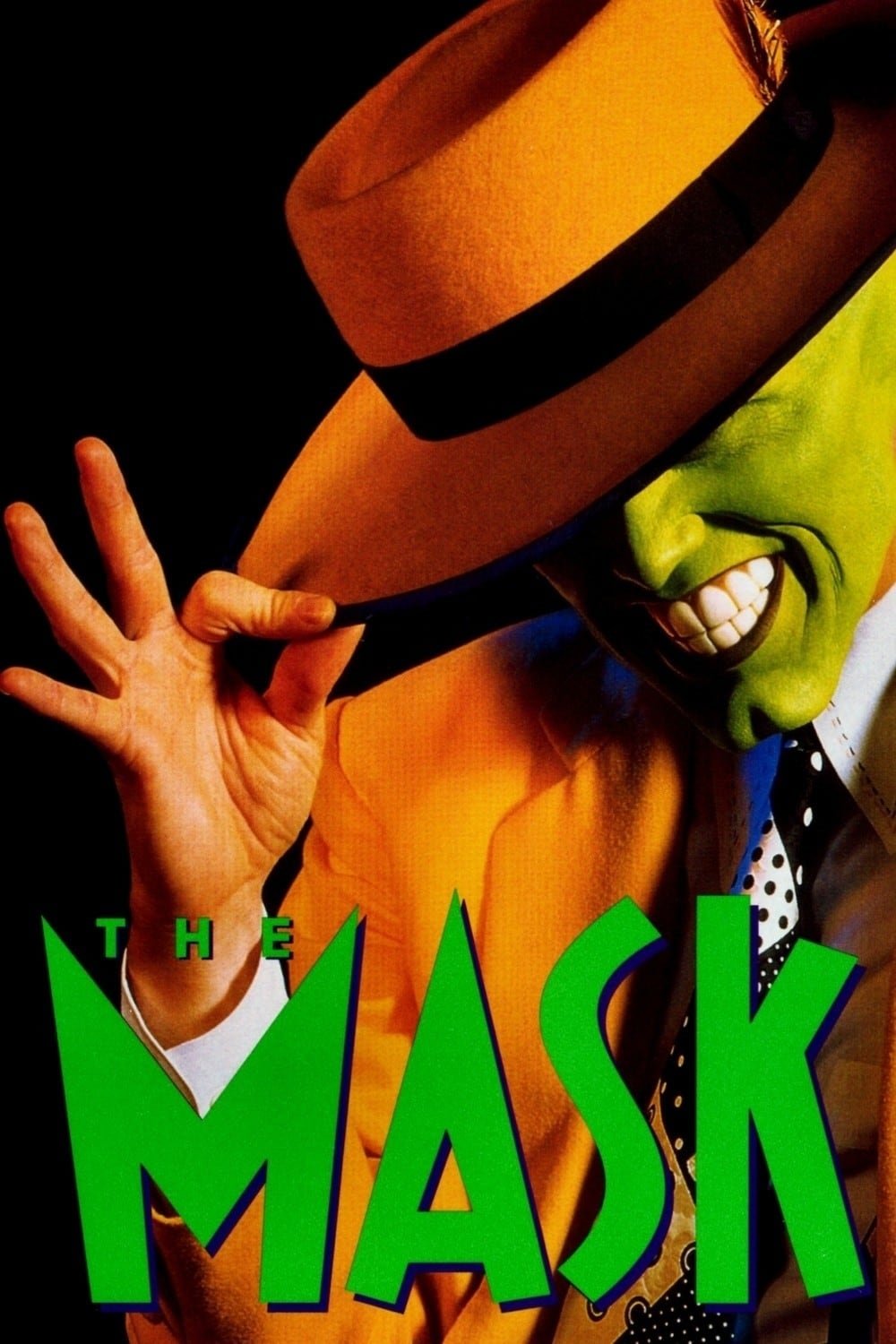
A comic-book-inflected slapstick showcased elastic visual humor that crossed language barriers with ease. New Line Cinema distributed the film widely, helping it post strong results in both domestic and international markets.
Television rotation and family-friendly edits gave ‘The Mask’ a long tail on the small screen. The character’s iconic look and music cues help the film continue to draw casual rewatchers.
Have a favorite comedy that you think pulls in even more viewers than these giants, drop your pick in the comments and tell us why it belongs here.

