


Most Watched Sci-Fi Movies of All Time




Science fiction has always found a huge audience by mixing big ideas with even bigger spectacle. From space operas to brain bending thrillers, these films drew crowds in theaters, on television, and across home video and streaming platforms. Many were reissued in new formats or extended cuts, which helped them reach new generations and keep viewership climbing year after year.
This list gathers widely watched titles that shaped the genre and popular culture at large. You will find record setting box office runs, long tails through re releases, and massive second lives on home media. For context, each entry notes core details like creators, themes, and historical milestones, with a quiet nod to the company that brought the film to audiences.
‘Avatar’ (2009)

James Cameron’s ‘Avatar’ used performance capture and stereoscopic 3D to tell the story of the Na’vi on Pandora and the conflict sparked by human resource extraction. The production pushed advances in virtual cinematography and worldbuilding that influenced studio pipelines across the industry.
It opened worldwide to unprecedented demand and later returned to cinemas in updated presentations, keeping audience numbers high through multiple release windows. The film was released in theaters by 20th Century Fox.
‘Avatar: The Way of Water’ (2022)

Set more than a decade after the first film, ‘Avatar: The Way of Water’ expanded the story to Pandora’s reefs and introduced underwater performance capture. The sequel continued Cameron’s focus on family and ecology while adding new clans, languages, and marine ecosystems to the saga.
It drew large global crowds across premium formats and benefited from repeat theatrical engagements before a strong home and streaming cycle. The film reached audiences through 20th Century Studios.
‘Star Wars’ (1977)
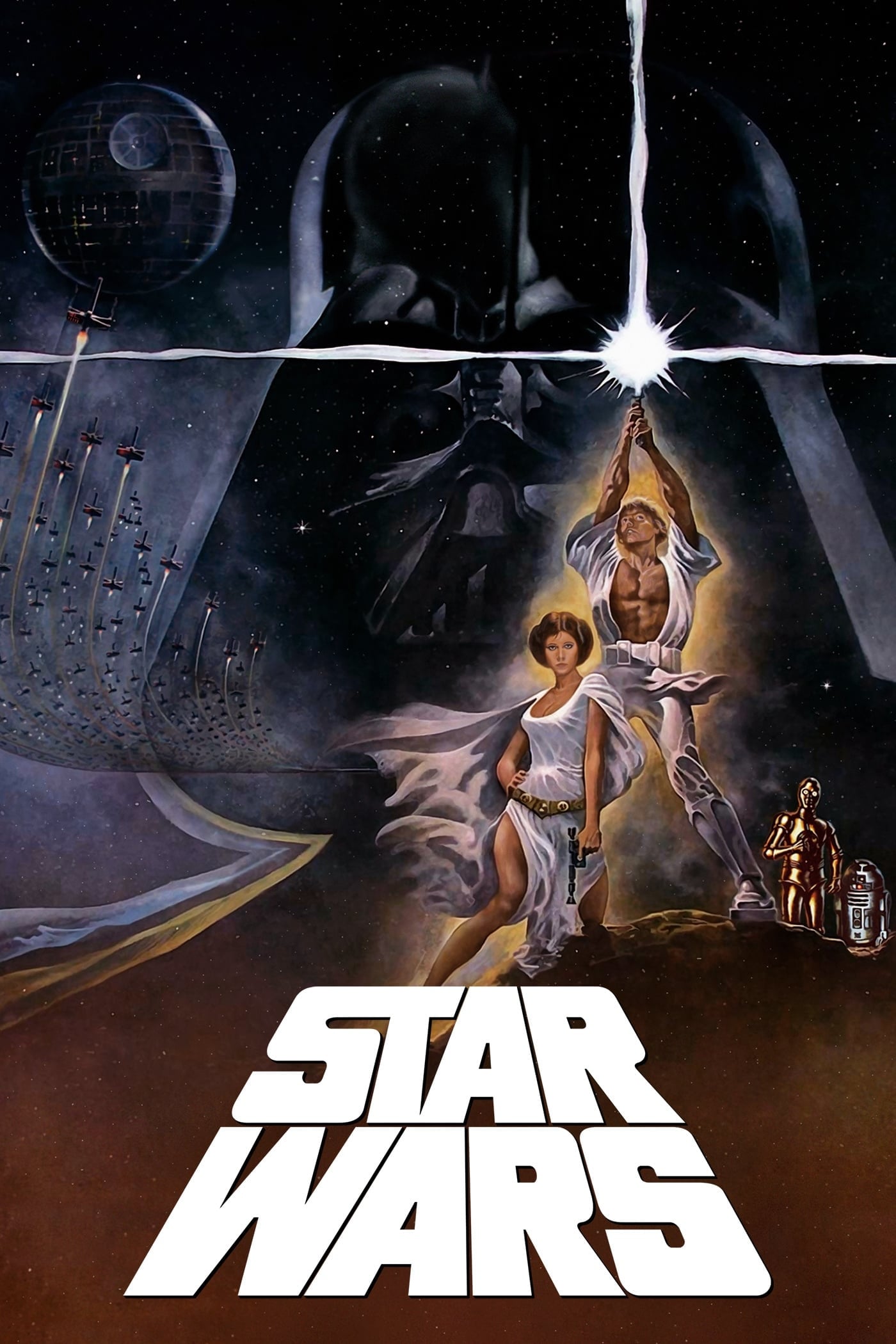
George Lucas’s ‘Star Wars’ launched the Skywalker saga with a hero’s journey that blended space fantasy, mythic archetypes, and pioneering visual effects from Industrial Light and Magic. The film introduced characters and iconography that anchored a vast transmedia franchise.
It became a phenomenon through an extended theatrical run, multiple special edition reissues, and enduring television and home video circulation. The original release was distributed by 20th Century Fox.
‘Star Wars: The Force Awakens’ (2015)
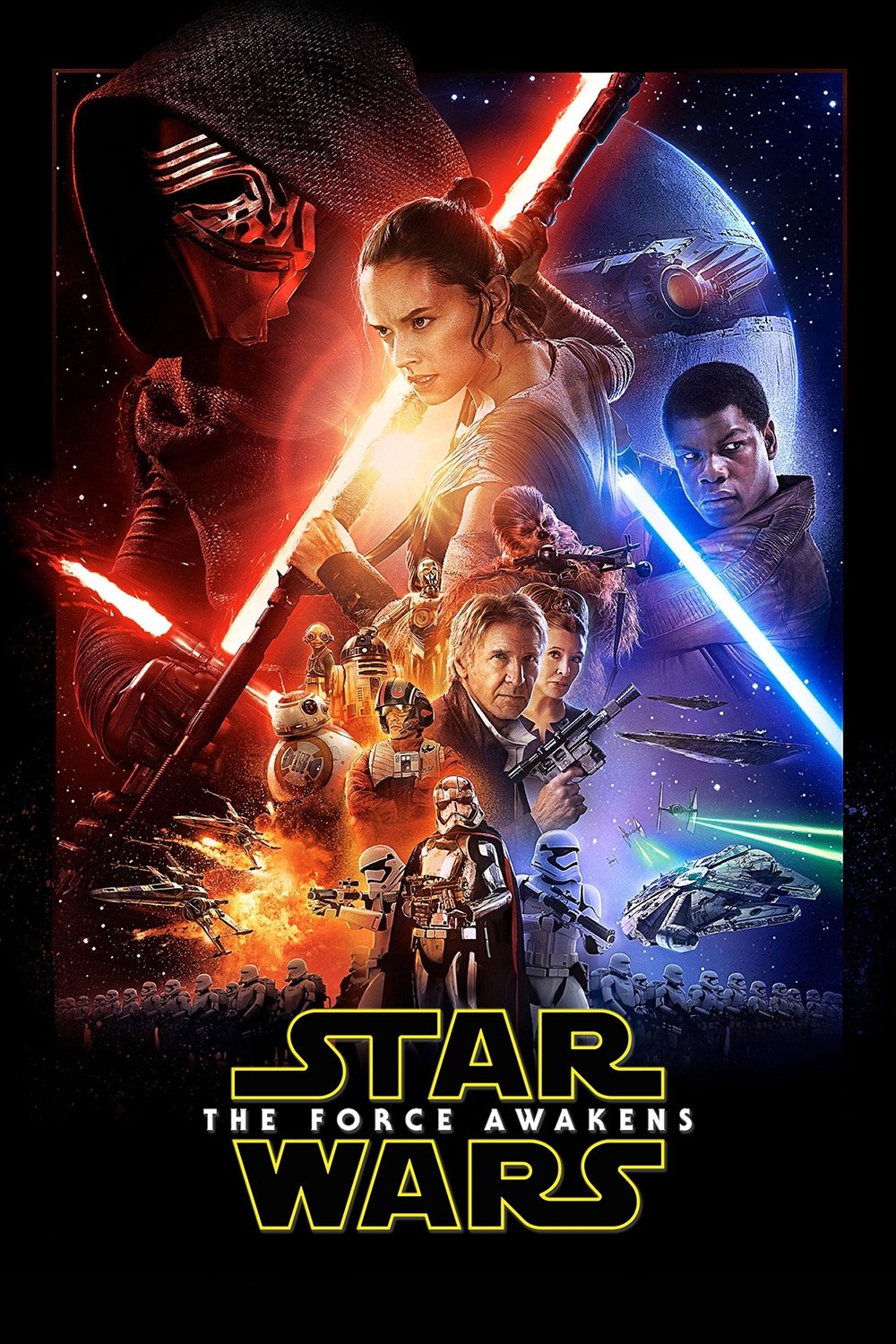
‘Star Wars: The Force Awakens’ continued the saga with new leads alongside legacy characters and reopened the galaxy to a new era of stories. The production combined practical sets with modern effects and was filmed across locations in Abu Dhabi, Ireland, and the United Kingdom.
The film posted huge attendance across holiday corridors and remained a fixture in premium large formats before transitioning to home platforms. It was distributed by Walt Disney Studios Motion Pictures.
‘E.T. the Extra-Terrestrial’ (1982)
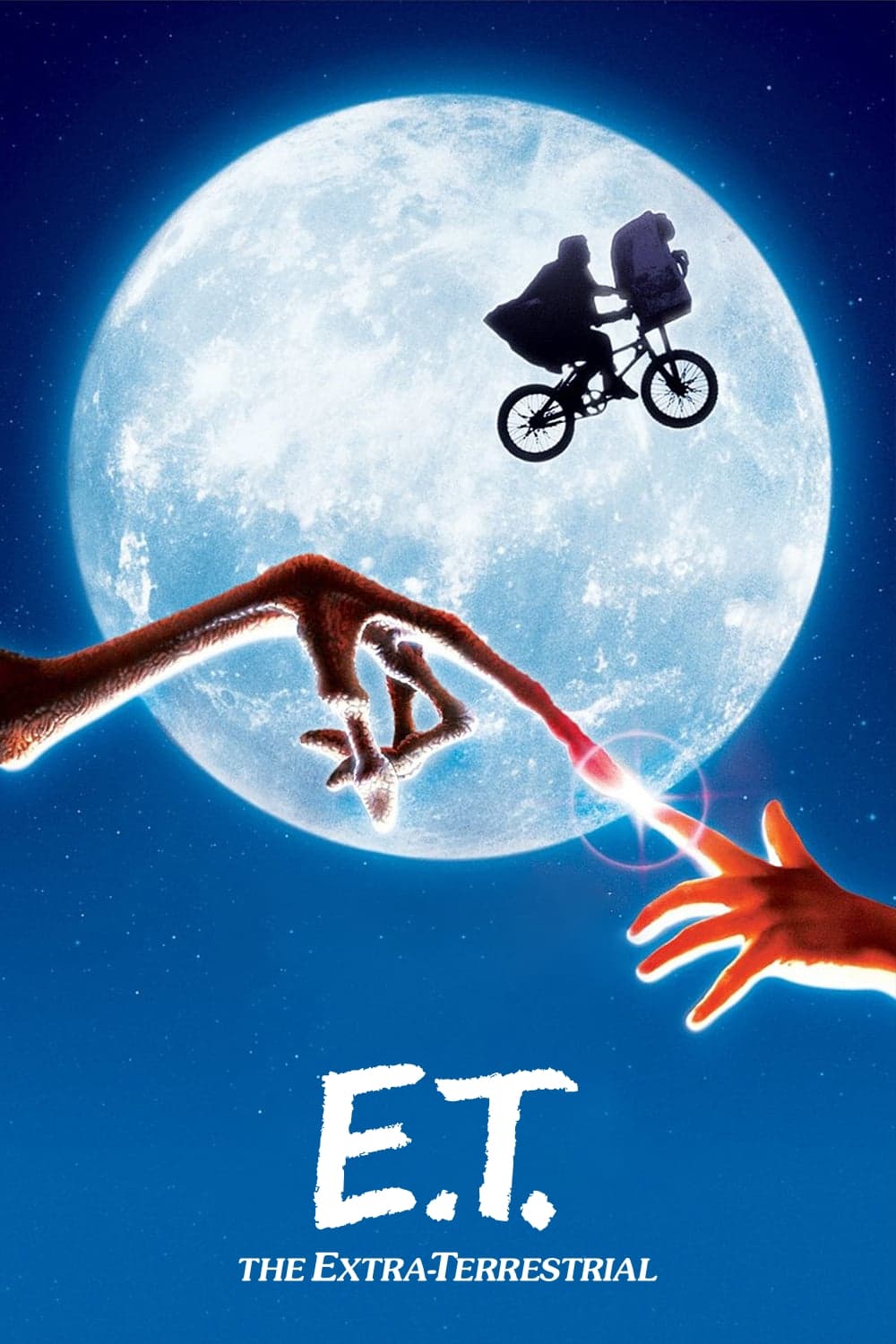
Steven Spielberg’s ‘E.T. the Extra-Terrestrial’ follows a suburban friendship between a child and a stranded visitor from another world, told through gentle character work and animatronic craft. John Williams’s score and the film’s family focus helped it connect with viewers across ages.
Its long initial run, anniversary re releases, and constant presence on broadcast and home media made it one of the most watched films of its era. Universal Pictures handled distribution.
‘Jurassic Park’ (1993)
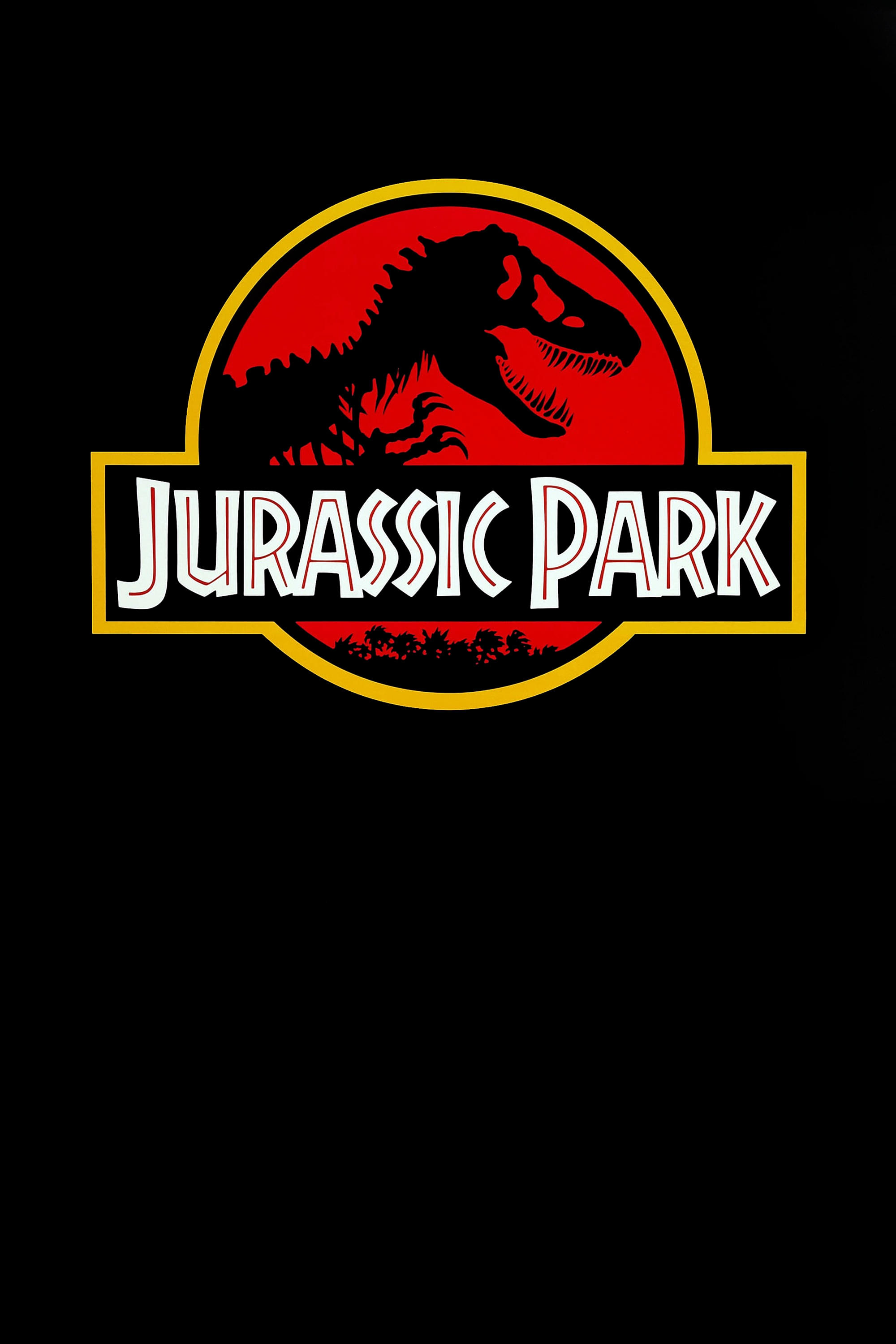
‘Jurassic Park’ combined animatronics and early digital effects to realize living dinosaurs within a theme park disaster narrative. The film showcased landmark work from Stan Winston Studio and ILM and drew on Michael Crichton’s novel for its science driven premise.
It dominated theaters through summer and beyond, then found sustained viewership through television premieres and deluxe home video editions. Universal Pictures distributed the release.
‘The Matrix’ (1999)
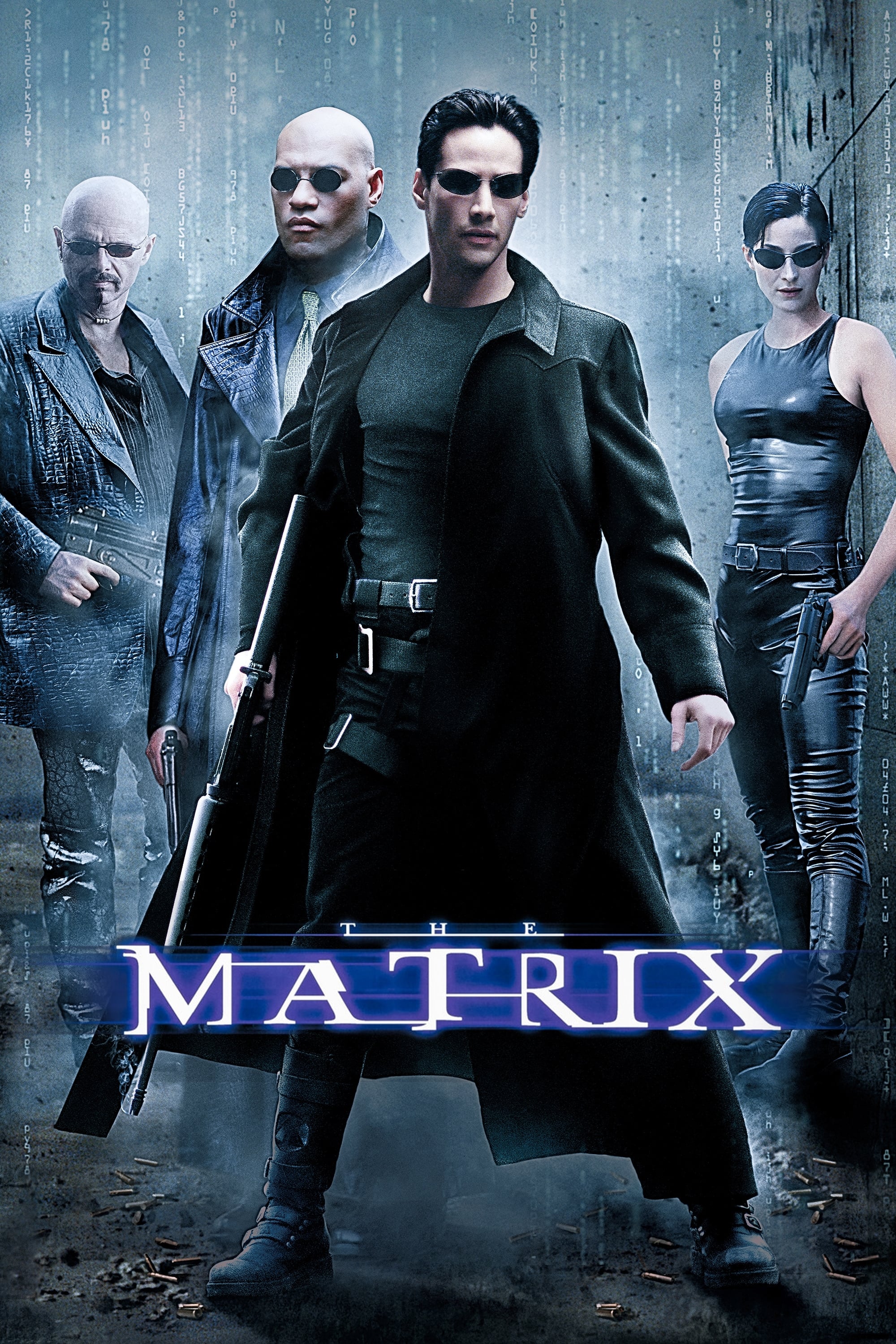
‘The Matrix’ presented a cyberpunk tale of simulated reality with bullet time photography and wire work that reshaped action cinema grammar. The Wachowskis built a dense mythology that extended into animation, games, and online content.
After a strong theatrical run, the film became a home video mainstay and a staple of technology demo discs, which kept view counts rising. Warner Bros. Pictures brought it to theaters.
‘Inception’ (2010)
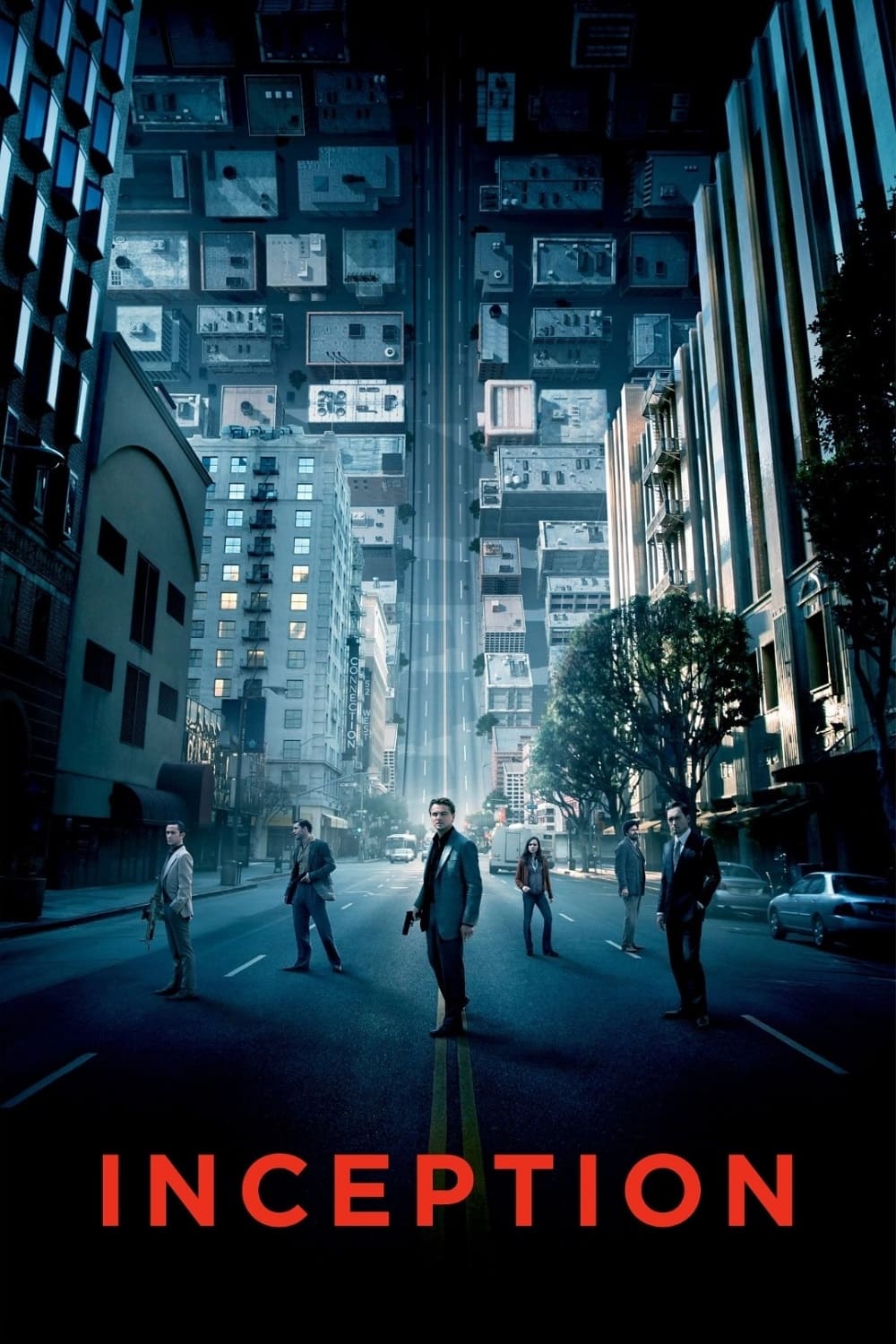
Christopher Nolan’s ‘Inception’ delivered a heist inside layered dreamscapes with large scale practical effects and location work across multiple countries. The ensemble cast and time bending structure encouraged repeat viewing to follow its nested set pieces.
The film played strongly in cinemas and later thrived through Blu ray and streaming discovery, where audiences revisited its intricate sequences. Warner Bros. Pictures distributed the film.
‘Interstellar’ (2014)

‘Interstellar’ explored relativity, wormholes, and human survival with extensive practical effects, miniatures, and scientific consultation. The production used 70 mm and IMAX film capture to create immersive imagery and sound design that favored theatrical presentation.
It developed long legs at the box office and continued to attract viewers on physical media and streaming, especially in premium format reissues. The North American release was distributed by Paramount Pictures.
‘Terminator 2: Judgment Day’ (1991)
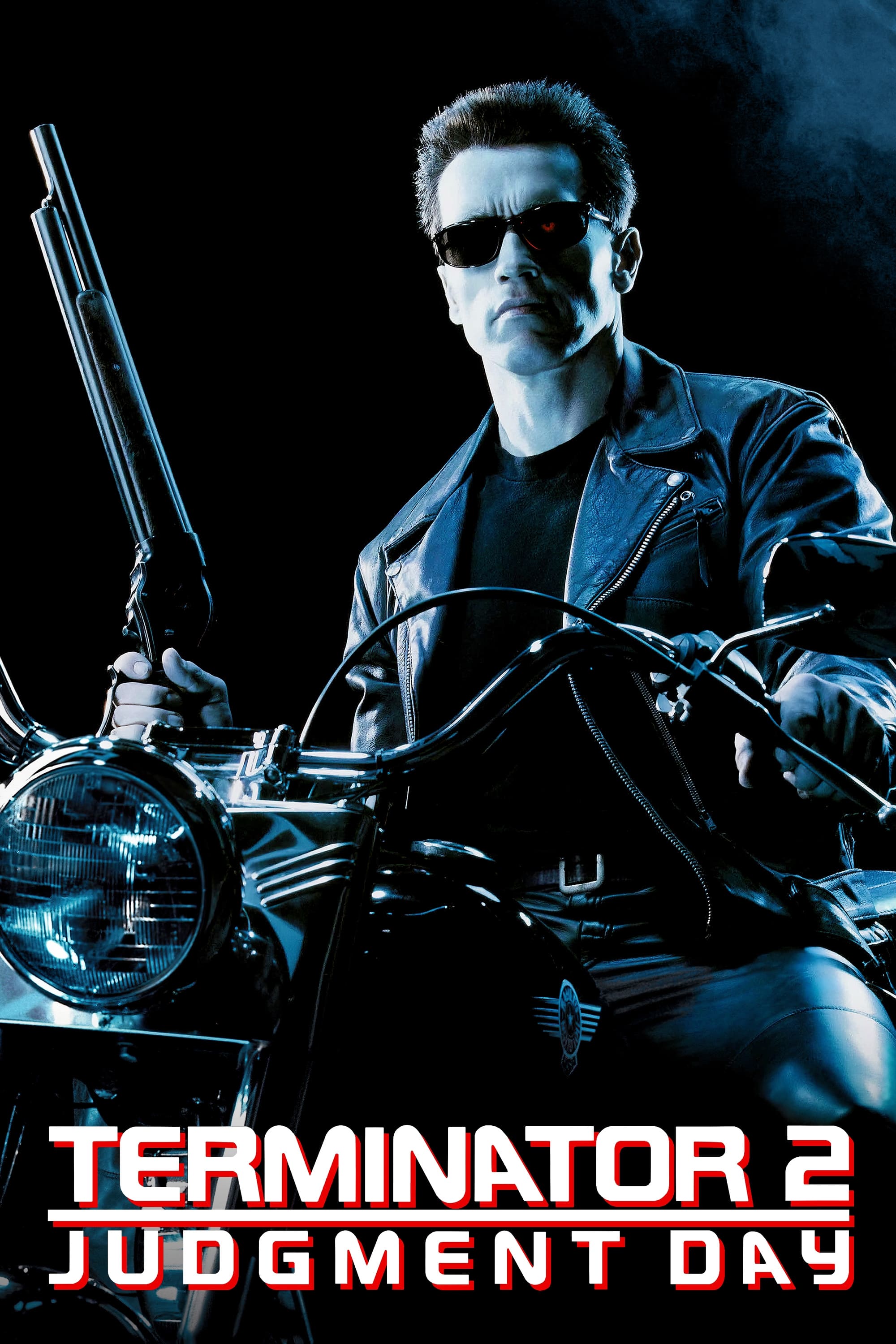
‘Terminator 2: Judgment Day’ advanced digital effects with liquid metal character animation while deepening a story about fate and technology. The film balanced large scale action with character arcs that resonated across sequels and series.
It remained on screens for months and later became one of the defining VHS and DVD library titles of the 1990s and 2000s. TriStar Pictures released it theatrically.
‘Independence Day’ (1996)
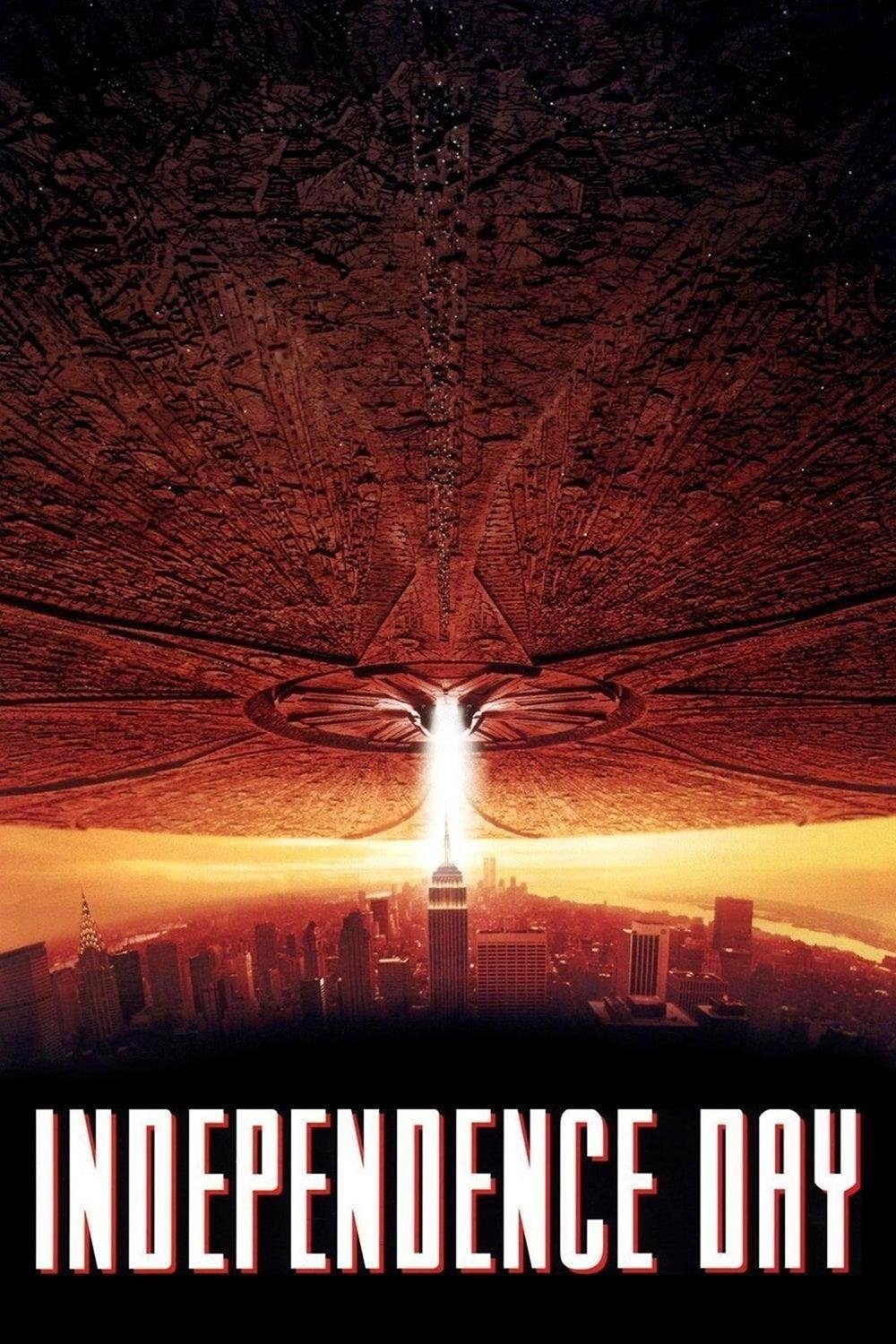
‘Independence Day’ paired large ensemble storytelling with practical miniature destruction and digital effects to depict a global response to an alien threat. The film’s summer rollout included high visibility marketing and event cinema scheduling.
Extended editions, television broadcasts, and holiday marathons kept the film in regular rotation for wide audiences. The release came through 20th Century Fox.
‘Back to the Future’ (1985)
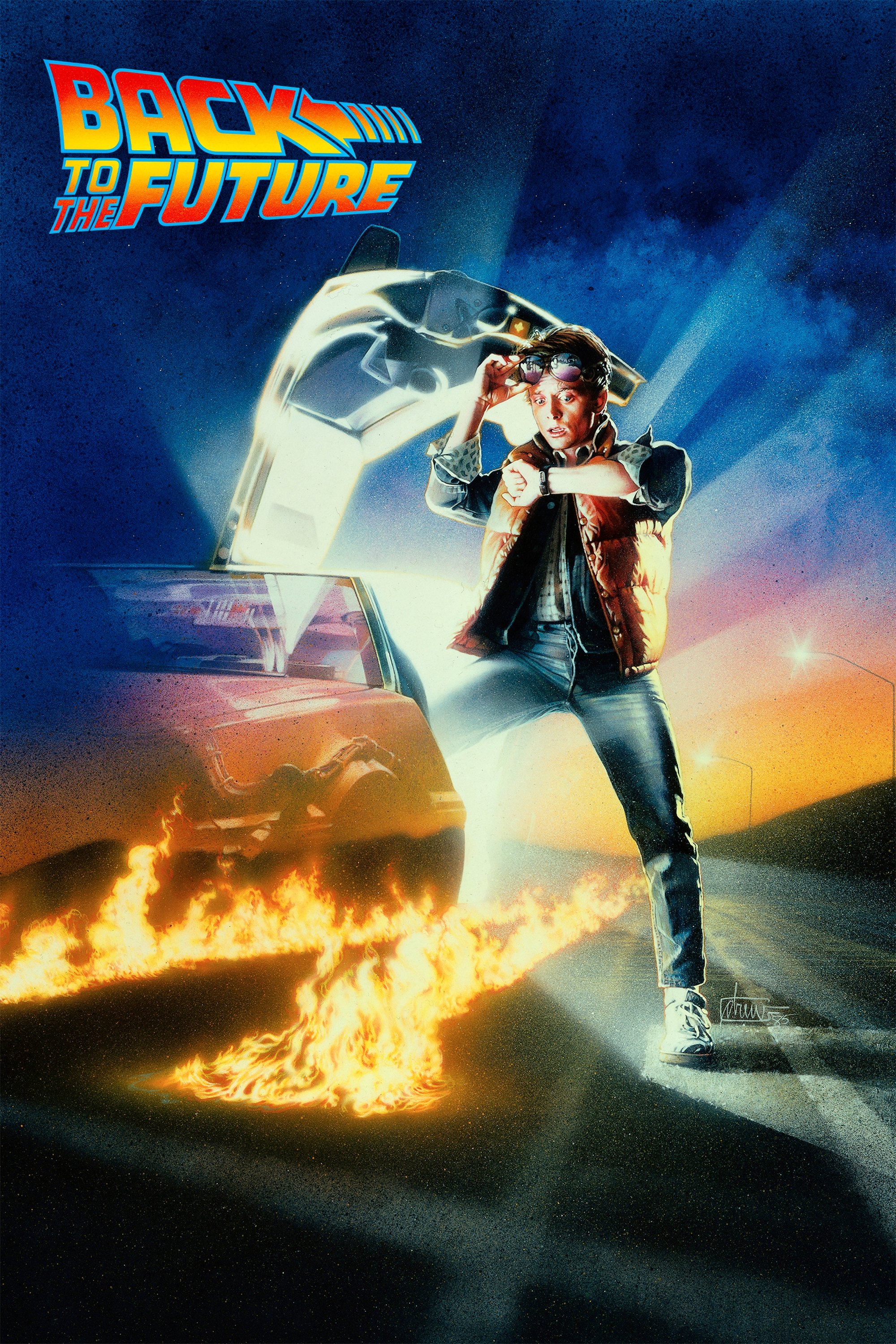
‘Back to the Future’ used a time travel narrative anchored by character driven comedy and a DeLorean turned into a cinematic icon. Its musical cues, production design, and clear rules of causality helped it appeal across generations.
Sustained television play and anniversary reissues maintained high overall viewership in addition to the original theatrical success. Universal Pictures handled distribution.
‘Star Trek’ (2009)
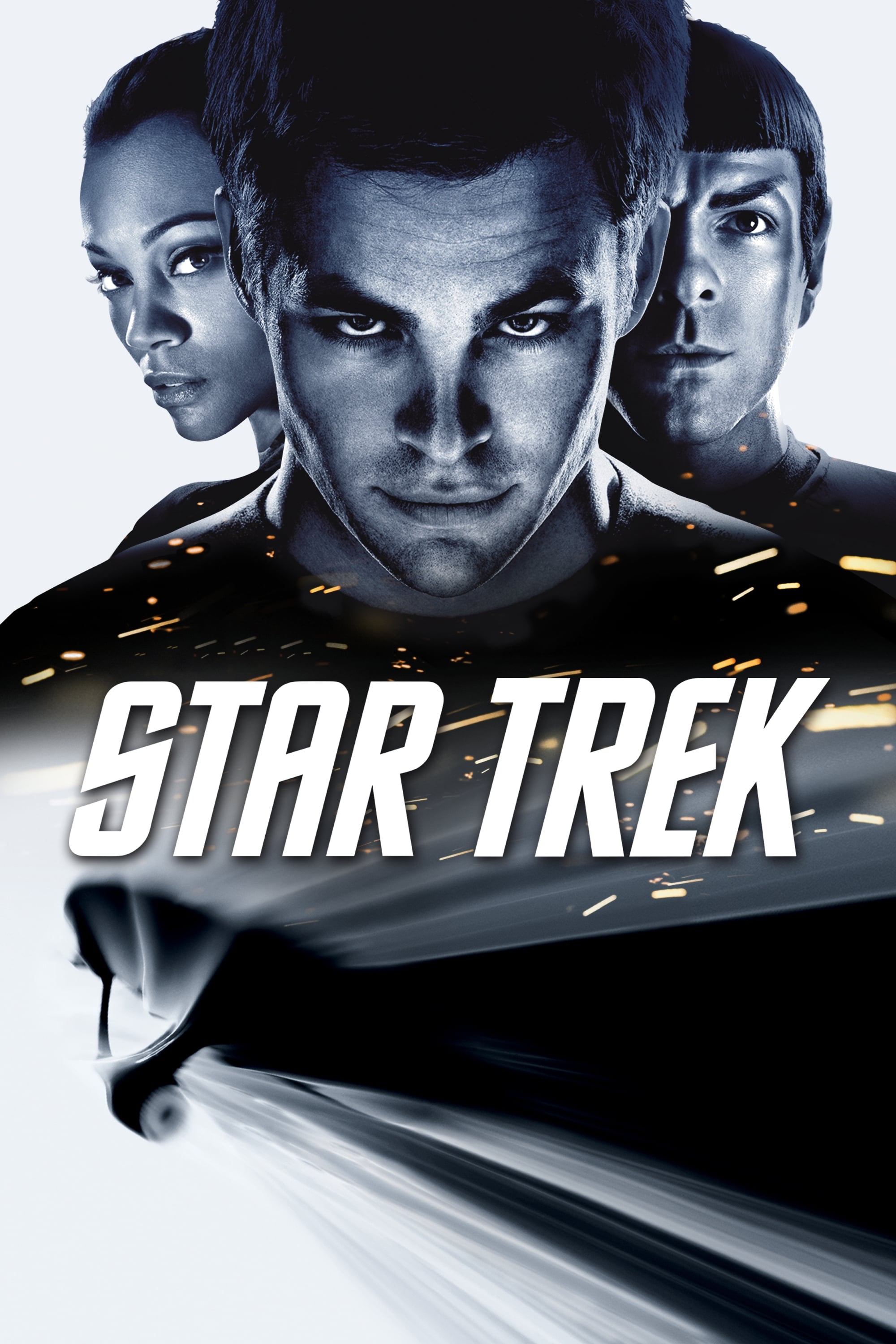
J.J. Abrams’s ‘Star Trek’ reboot introduced new actors as classic characters and emphasized energetic set pieces alongside character relationships. The production used a mix of practical sets and modern effects, opening the franchise to new viewers.
It posted strong theatrical attendance and continued to reach large audiences through home platforms and franchise marathons. Paramount Pictures distributed the film.
‘The Martian’ (2015)

‘The Martian’ adapted Andy Weir’s novel about an astronaut’s survival on Mars using science grounded problem solving. Ridley Scott’s film highlighted engineering, botany, and mission planning within a hopeful tone.
It drew steady crowds in theaters and sustained interest through educational tie ins and streaming discovery. 20th Century Fox released the film.
‘Gravity’ (2013)
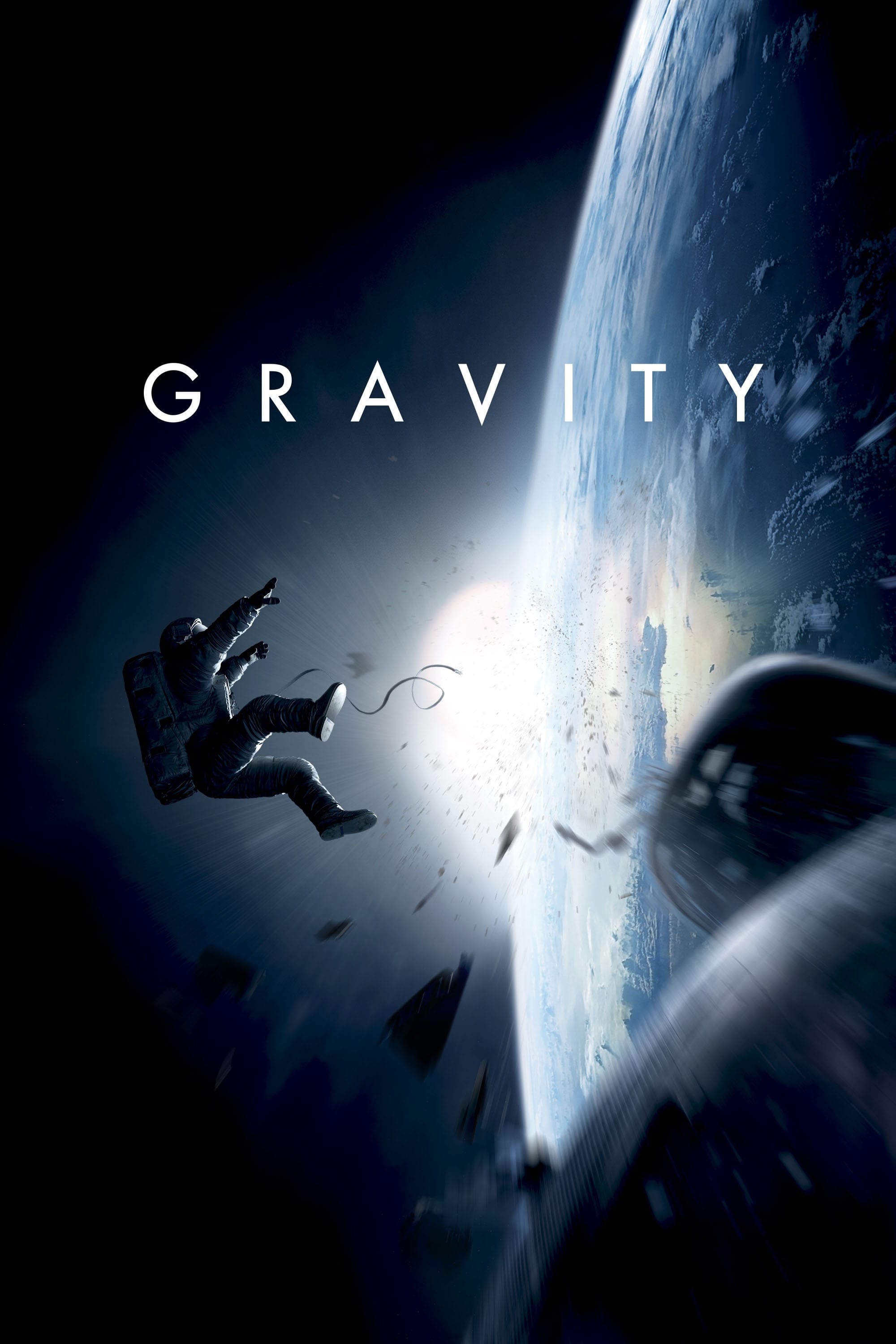
Alfonso Cuarón’s ‘Gravity’ used long takes and an innovative soundscape to depict a survival story in low Earth orbit. The production relied on virtual production rigs that integrated LED lighting and motion control to simulate microgravity.
It performed strongly in 3D and IMAX formats and later found a large audience on home media due to its technical showcase value. Warner Bros. Pictures distributed the release.
‘Mad Max: Fury Road’ (2015)

‘Mad Max: Fury Road’ returned to a wasteland setting with extensive real stunts and vehicles supported by visual effects. George Miller emphasized practical action choreography, which translated into highly readable sequences for global audiences.
Word of mouth kept the film in theaters for an extended run and it maintained high engagement on home video and streaming. Warner Bros. Pictures brought it to cinemas.
‘Alien’ (1979)
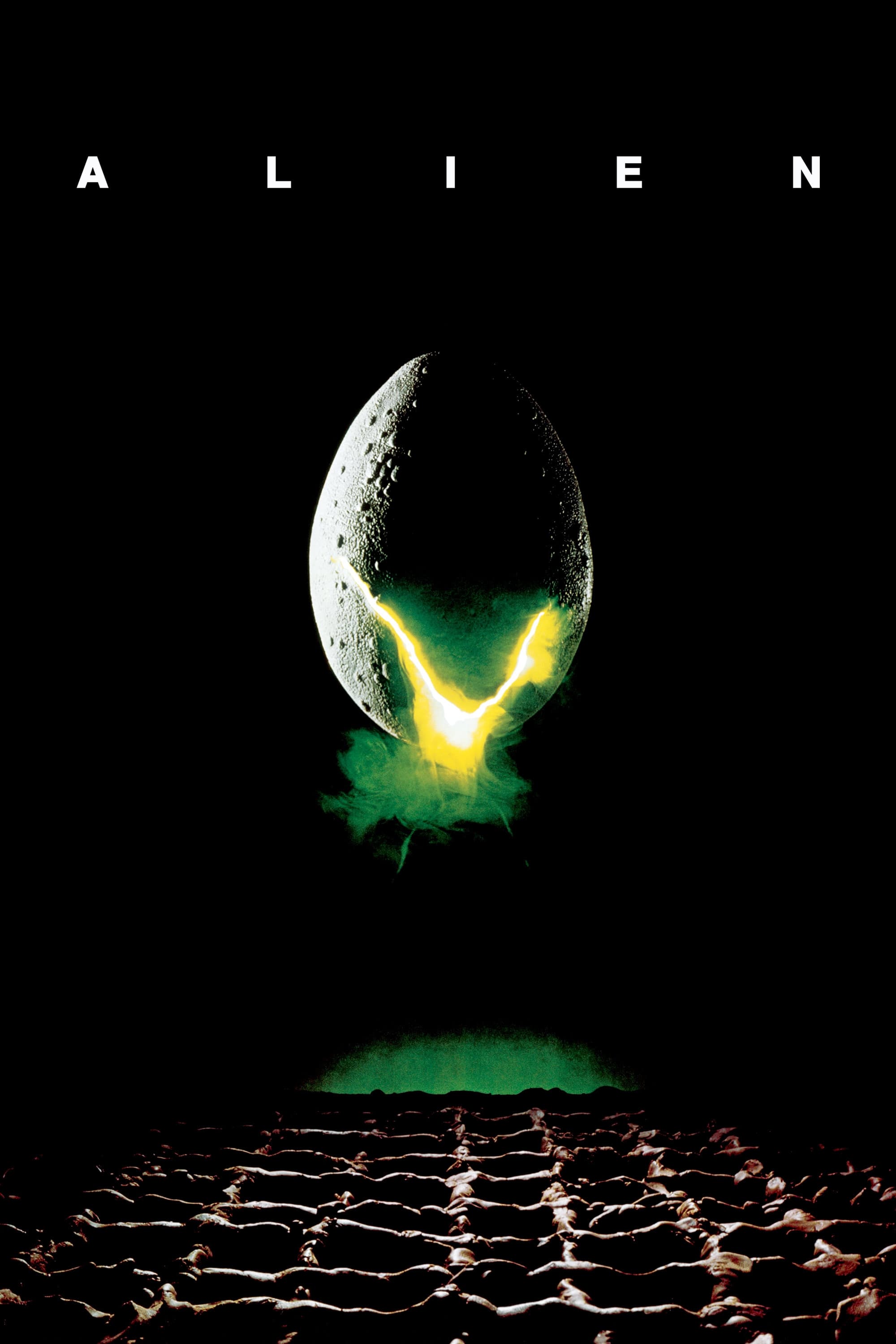
Ridley Scott’s ‘Alien’ blended haunted house tension with science fiction design from H. R. Giger and meticulous production craft. The film set the template for space bound survival stories that followed.
Ongoing theatrical revivals and a strong presence on broadcast and home formats kept its total viewership growing long after the initial release. 20th Century Fox handled distribution.
‘Aliens’ (1986)
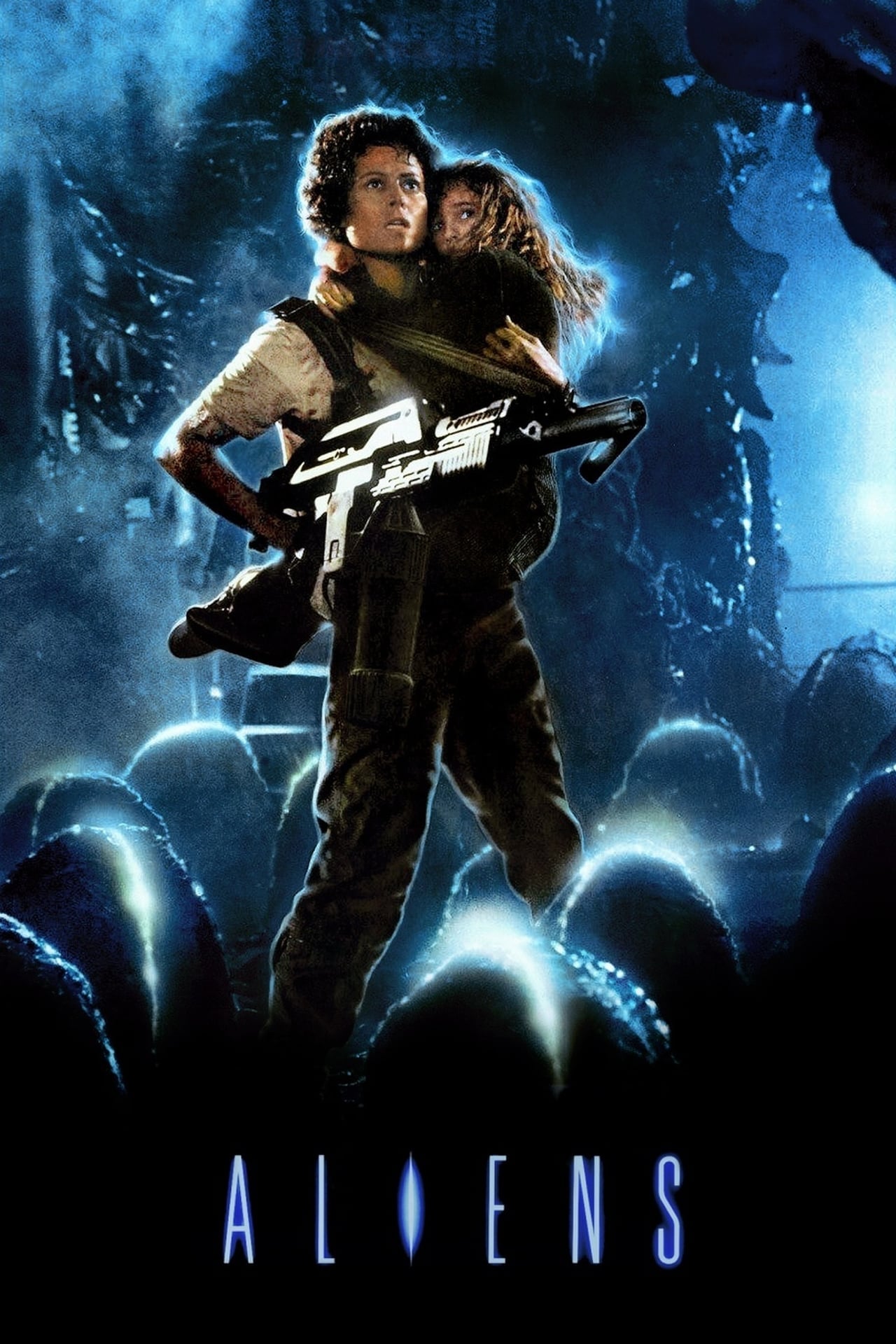
James Cameron’s ‘Aliens’ shifted to a military action framework while continuing the story of Ripley and the xenomorph threat. The production featured detailed miniatures, practical creature work, and a memorable colonial marine arsenal.
A successful theatrical run and extended home releases, including a longer cut, helped the film become one of the most revisited entries in the series. 20th Century Fox distributed the film.
‘Transformers’ (2007)
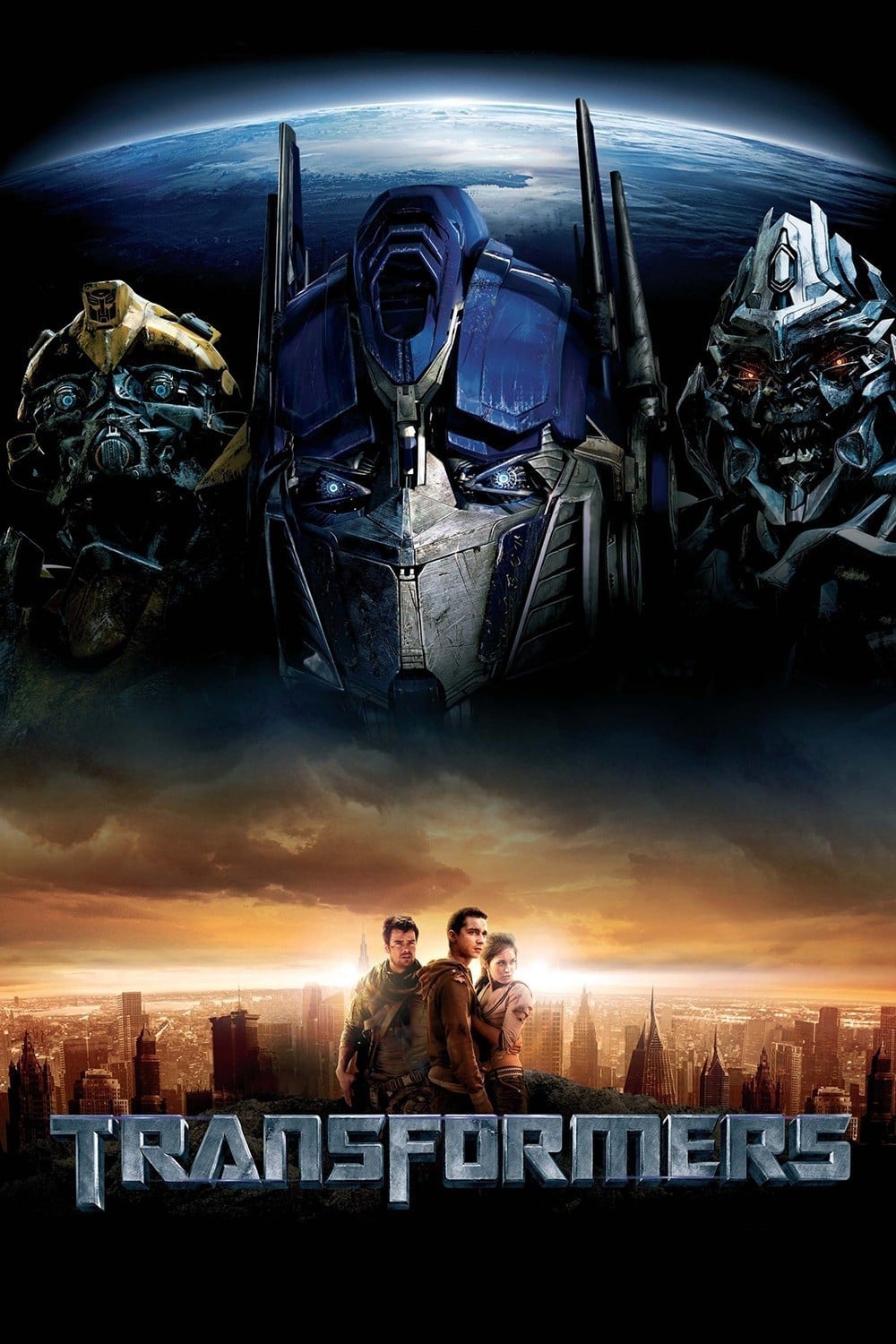
‘Transformers’ combined large scale visual effects with live action to bring an established brand to the screen for a new audience. The production used complex CG character rigs and on location shooting for city set pieces.
Its summer release drew heavy attendance and the film continued to play widely on television and home media, supporting high aggregate views. Paramount Pictures released the film.
‘Godzilla’ (2014)
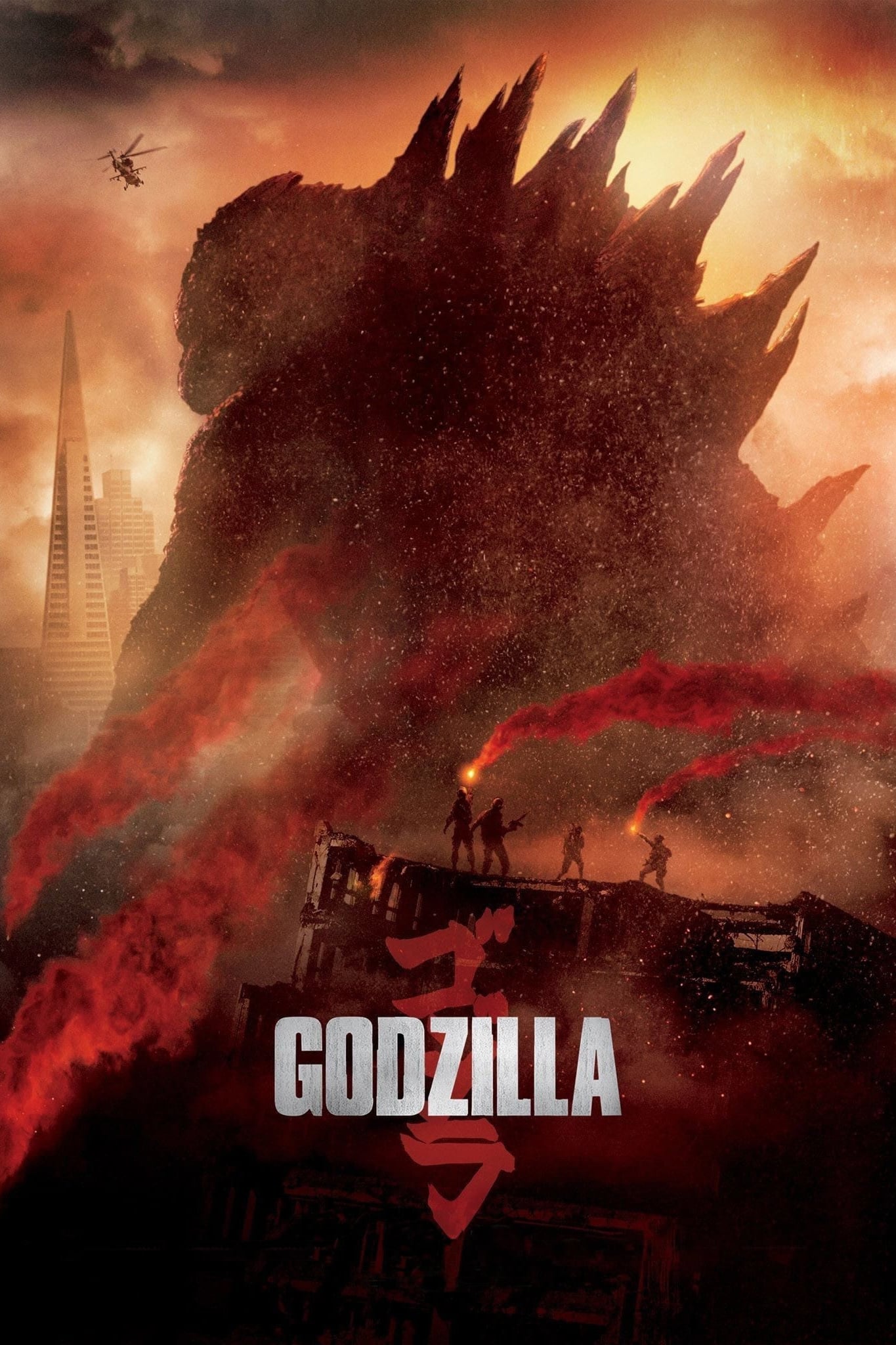
‘Godzilla’ reintroduced the classic kaiju with an emphasis on scale, sound design, and a slow reveal approach. The film connected legacy elements to a modern shared universe that expanded in later entries.
The title enjoyed a broad theatrical footprint and persistent replay on platforms that specialize in event cinema, contributing to large cumulative viewership. Warner Bros. Pictures handled distribution.
‘RoboCop’ (1987)
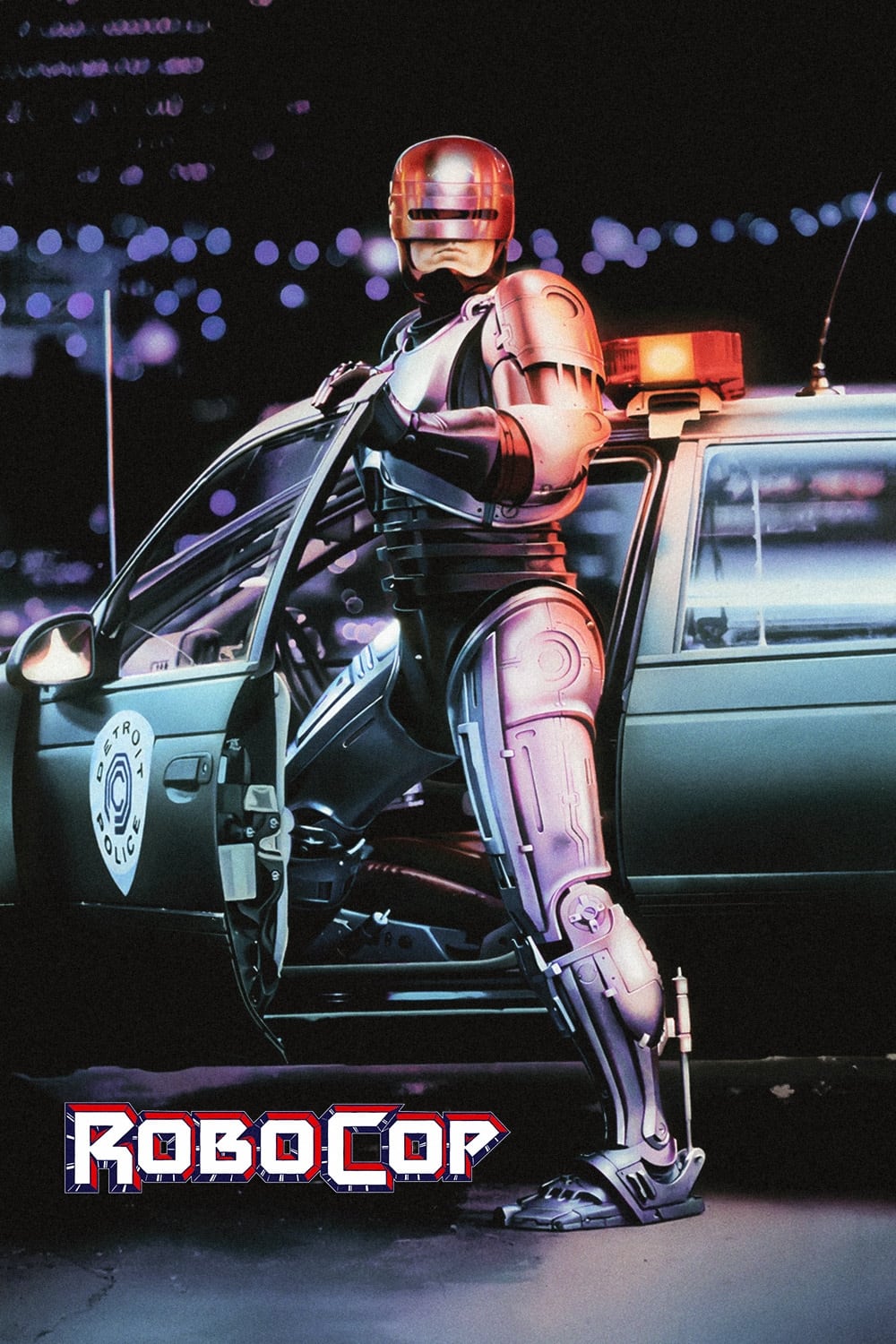
‘RoboCop’ presented a near future story about identity, corporate power, and urban crime with a blend of practical effects and suit design. The film’s memorable lines and media satire supported strong cultural recognition.
After the theatrical run, it became a cable and home video fixture that drew repeated viewings over many years. Orion Pictures released the film.
‘The Day After Tomorrow’ (2004)
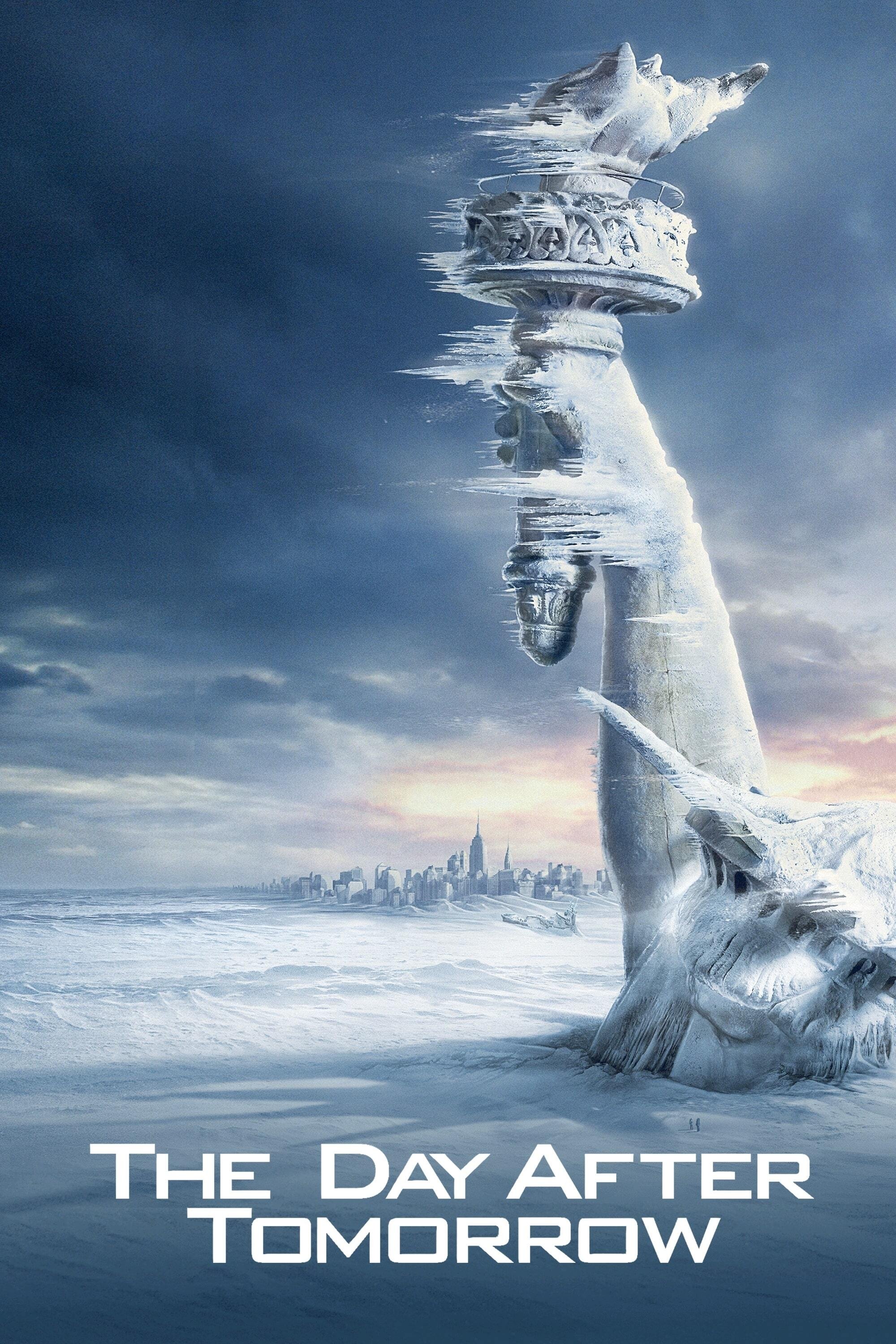
‘The Day After Tomorrow’ depicted abrupt climate disruption through large scale effects sequences and global settings. The film balanced scientific ideas with disaster storytelling that translated well internationally.
It maintained long term visibility through television events and seasonal programming blocks that boosted total audience counts. 20th Century Fox distributed the film.
‘Ready Player One’ (2018)
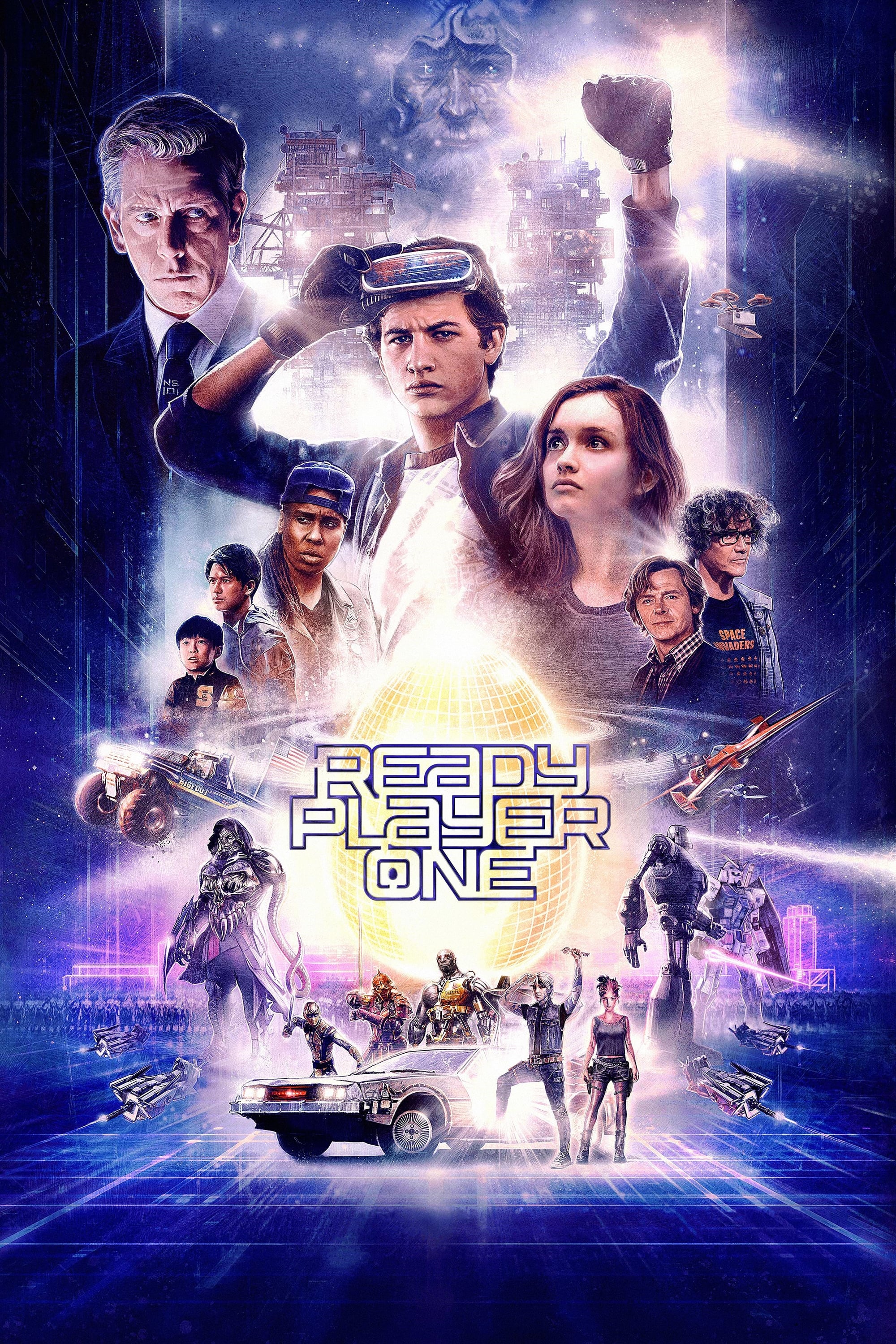
Steven Spielberg’s ‘Ready Player One’ adapted a virtual reality treasure hunt that blended live action and CG within a dense catalog of pop culture references. The production created the Oasis with extensive motion capture and digital environments.
The film drew multiplex crowds and later found continued viewership on streaming where its visual detail encouraged repeat plays. Warner Bros. Pictures released the film.
‘Dune’ (2021)

‘Dune’ introduced the world of Arrakis with large format photography, practical sets, and a focus on political and ecological themes. Denis Villeneuve’s adaptation covered the first half of the novel and emphasized immersive sound and production design.
The film reached wide audiences through a combined theatrical and home window strategy and later returned for premium format engagements. Warner Bros. Pictures handled distribution.
‘Dune: Part Two’ (2024)
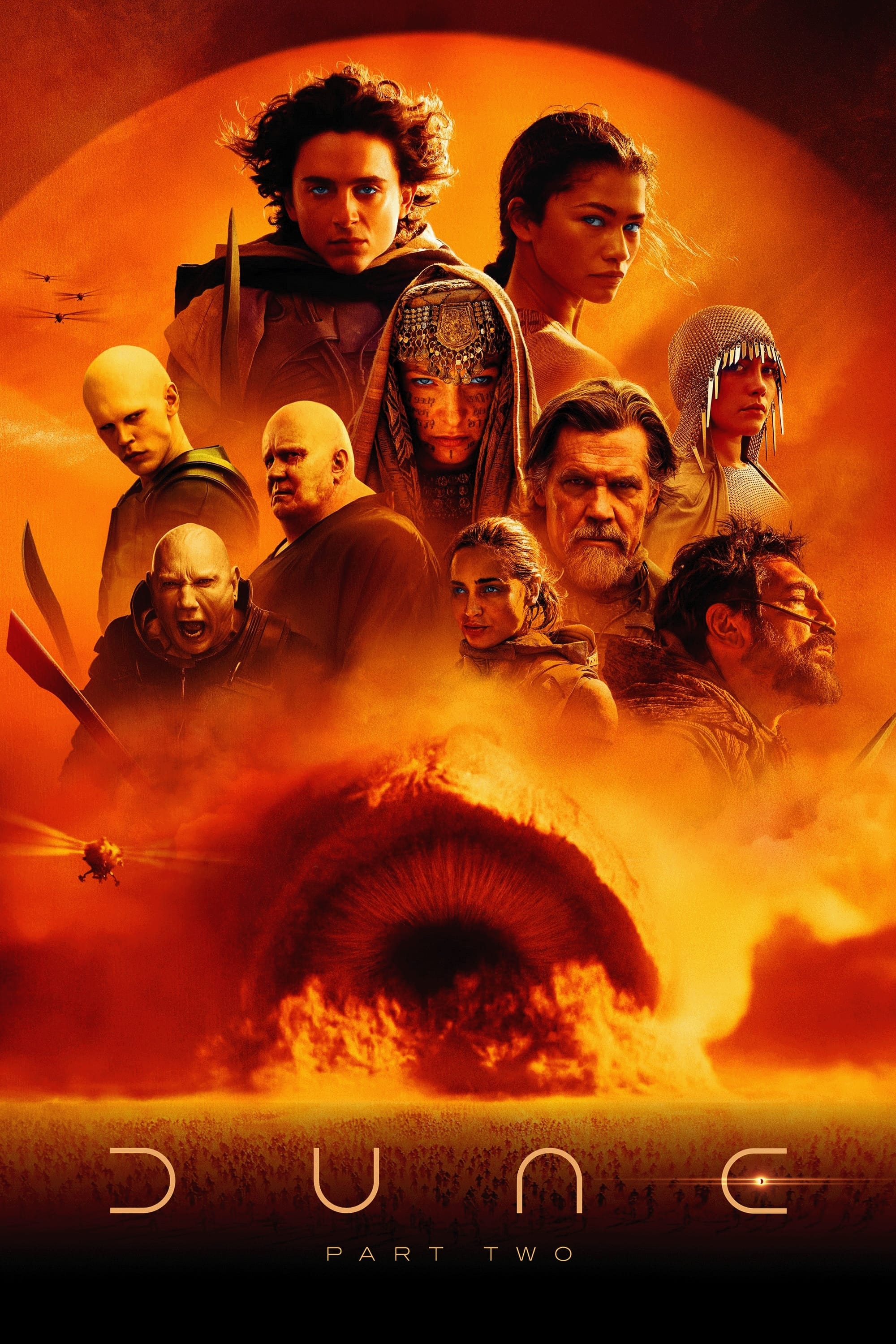
‘Dune: Part Two’ continued the narrative with expanded locations, large scale battles, and character arcs that concluded the adaptation of the first book. The production again used IMAX capture and a practical forward approach to worldbuilding.
It drove strong attendance across repeat viewings and benefited from a global release pattern that kept it in conversation for months. Warner Bros. Pictures brought the film to theaters.
Share your favorites from the list and tell us which other sci-fi films you think belong in the conversation in the comments.

