


Most Watched Sitcoms Of All Time

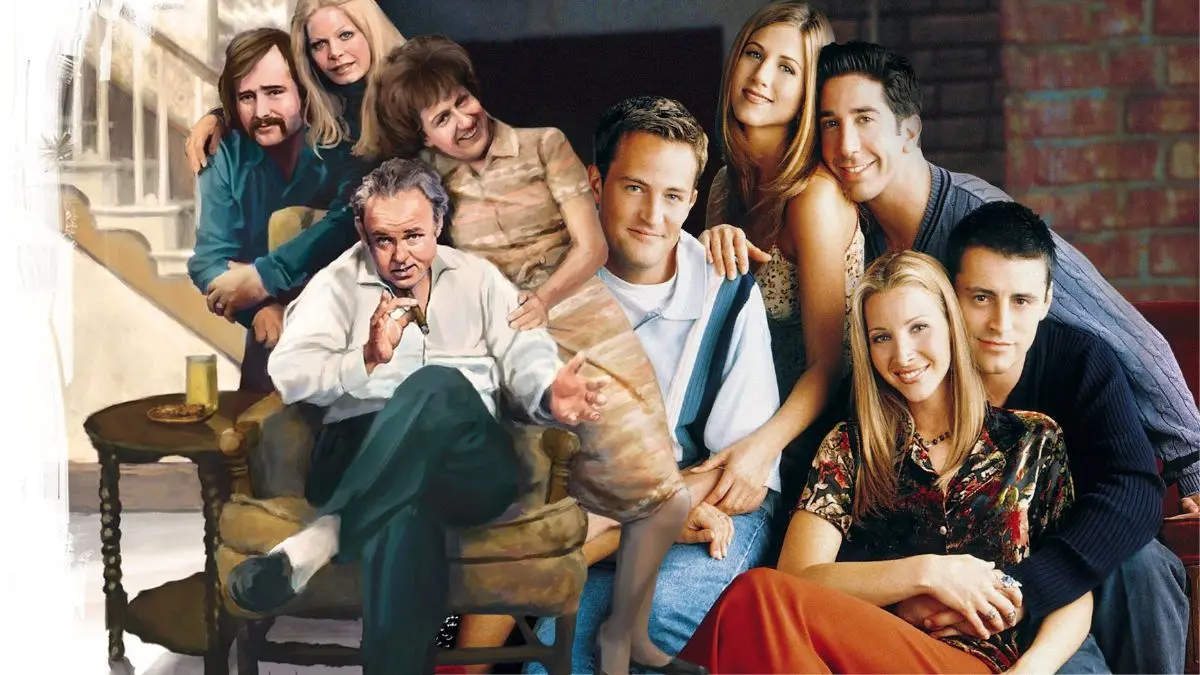


These sitcoms pulled in enormous weekly audiences, broke records with their finales, and kept drawing viewers through reruns and streaming long after they wrapped. They became appointment television in their day and still find new fans everywhere, thanks to syndication deals, global distribution, and on-demand platforms that keep their episodes in constant rotation.
‘Friends’ (1994–2004)
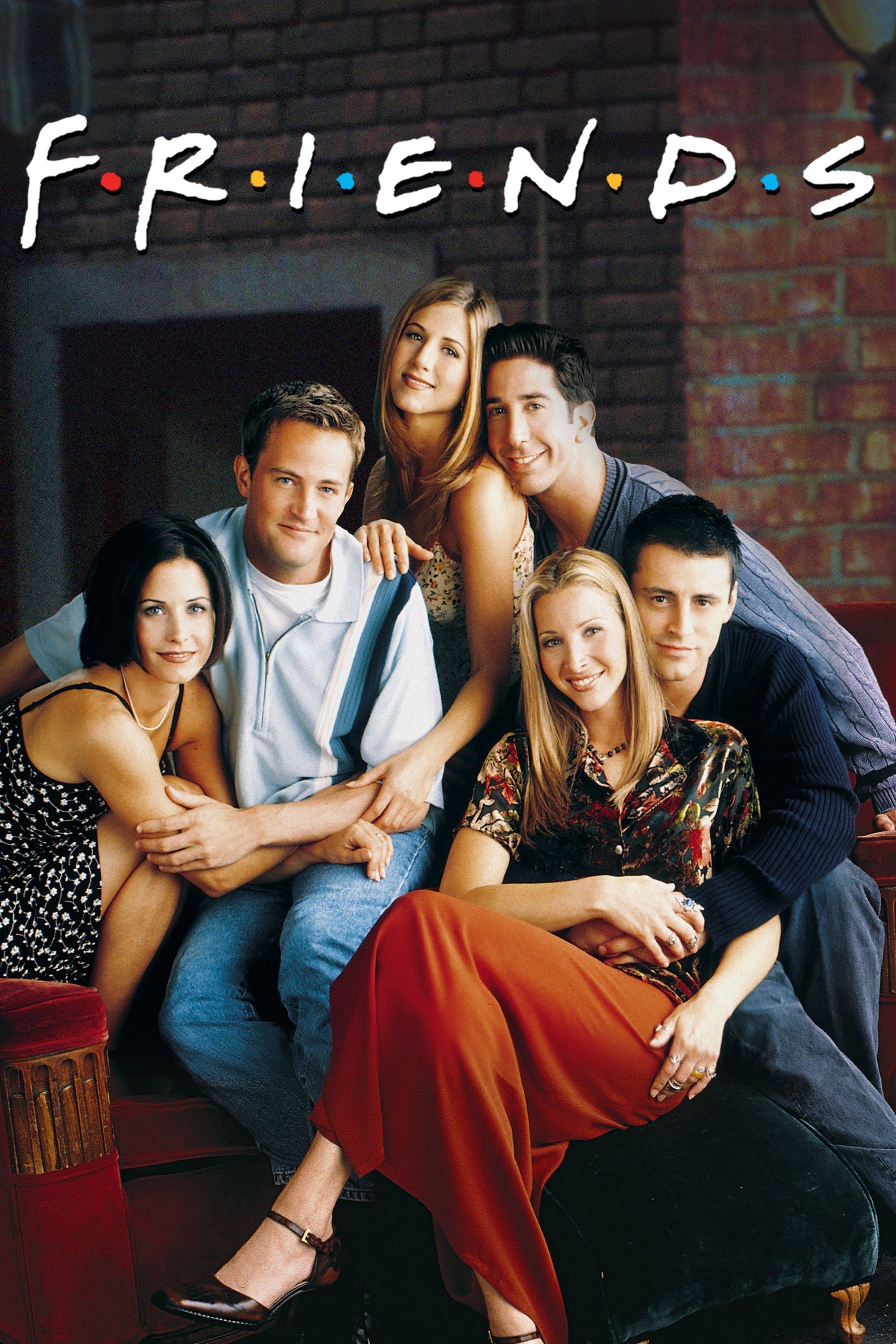
The finale drew a massive live audience and became one of the most talked-about TV events of its era. The show dominated Thursday nights for years and consistently posted high weekly ratings during its peak seasons. After its network run, it surged again through cable marathons and later through streaming, where it routinely ranked among the most watched library titles. International distribution introduced the ensemble to new territories, adding to its long-tail viewership.
‘Seinfeld’ (1989–1998)
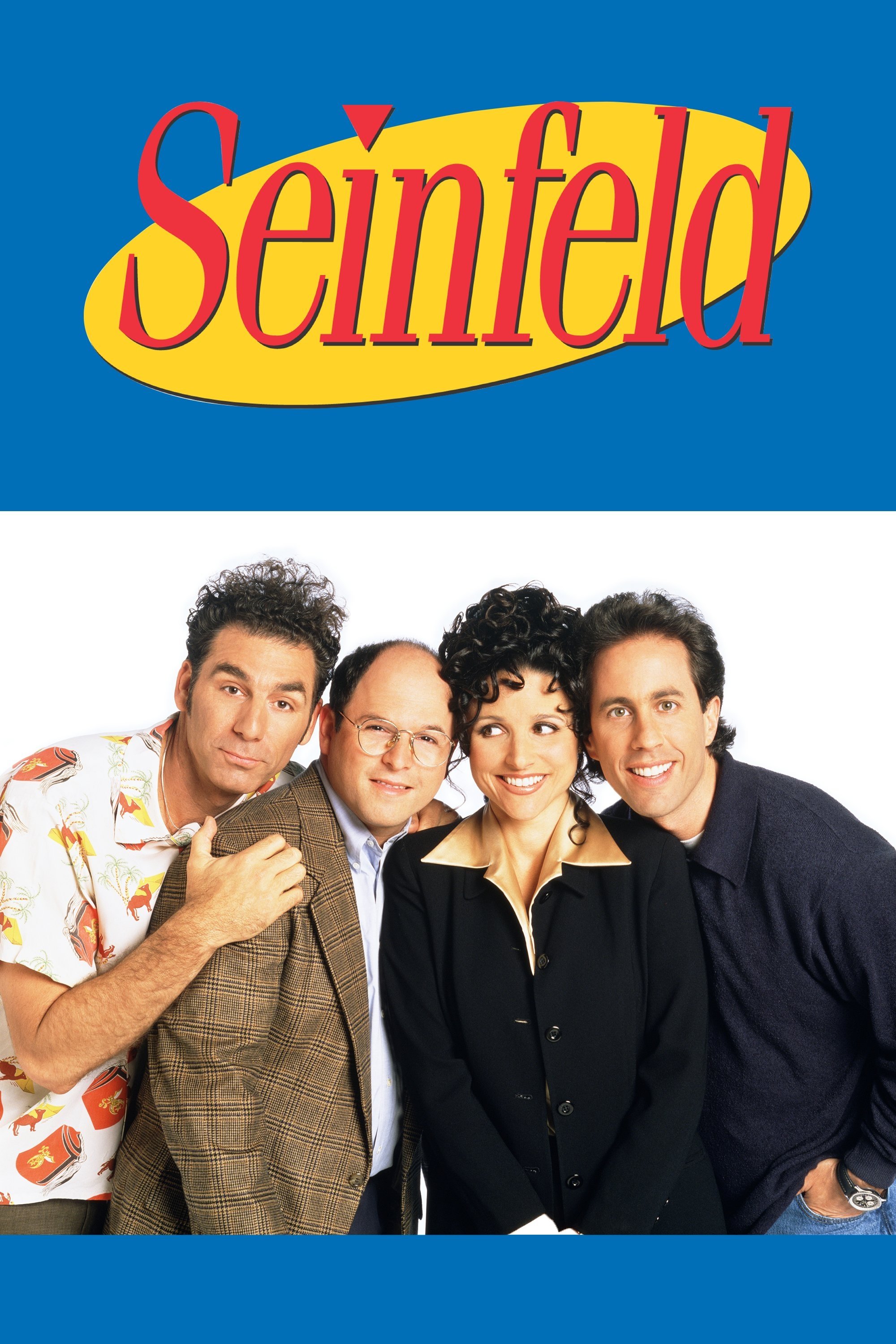
Its finale pulled in tens of millions of viewers and capped a run that regularly topped weekly ratings. The sitcom’s reruns quickly turned into a syndication powerhouse, airing in major markets countless times a day. Streaming deals brought it to new audiences who discovered the series outside of traditional TV schedules. Its quotable episodes kept demand high for marathons and themed programming blocks across networks.
‘Cheers’ (1982–1993)
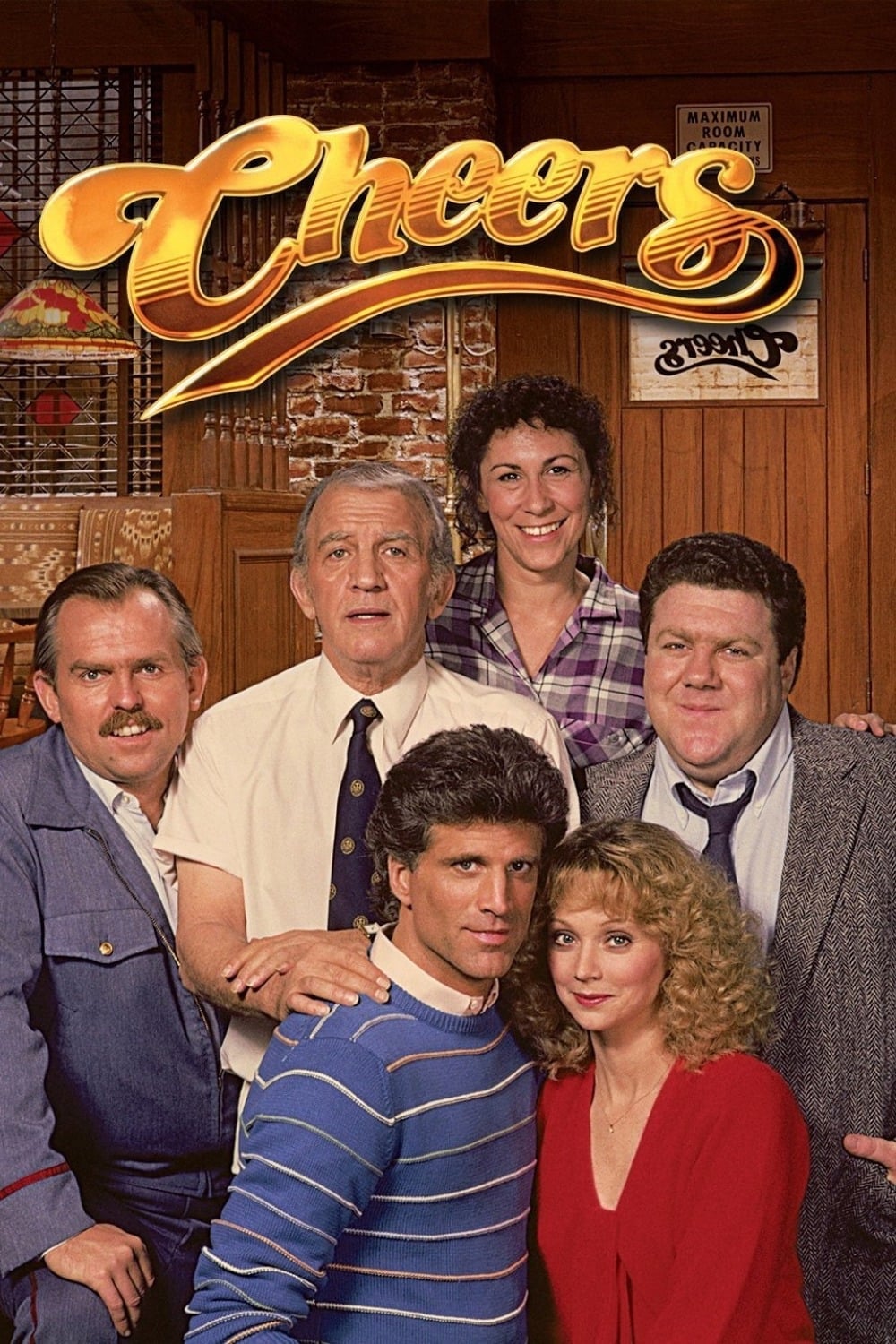
The closing episode became a nationwide TV event that gathered one of the largest sitcom audiences on record. Throughout its run it maintained strong weekly ratings and a reliable presence near the top of network charts. The show’s sizable episode library fueled years of syndication success in domestic and international markets. Its familiar setting and rotating cast made it a dependable draw for channels programming evening lineups.
‘The Big Bang Theory’ (2007–2019)
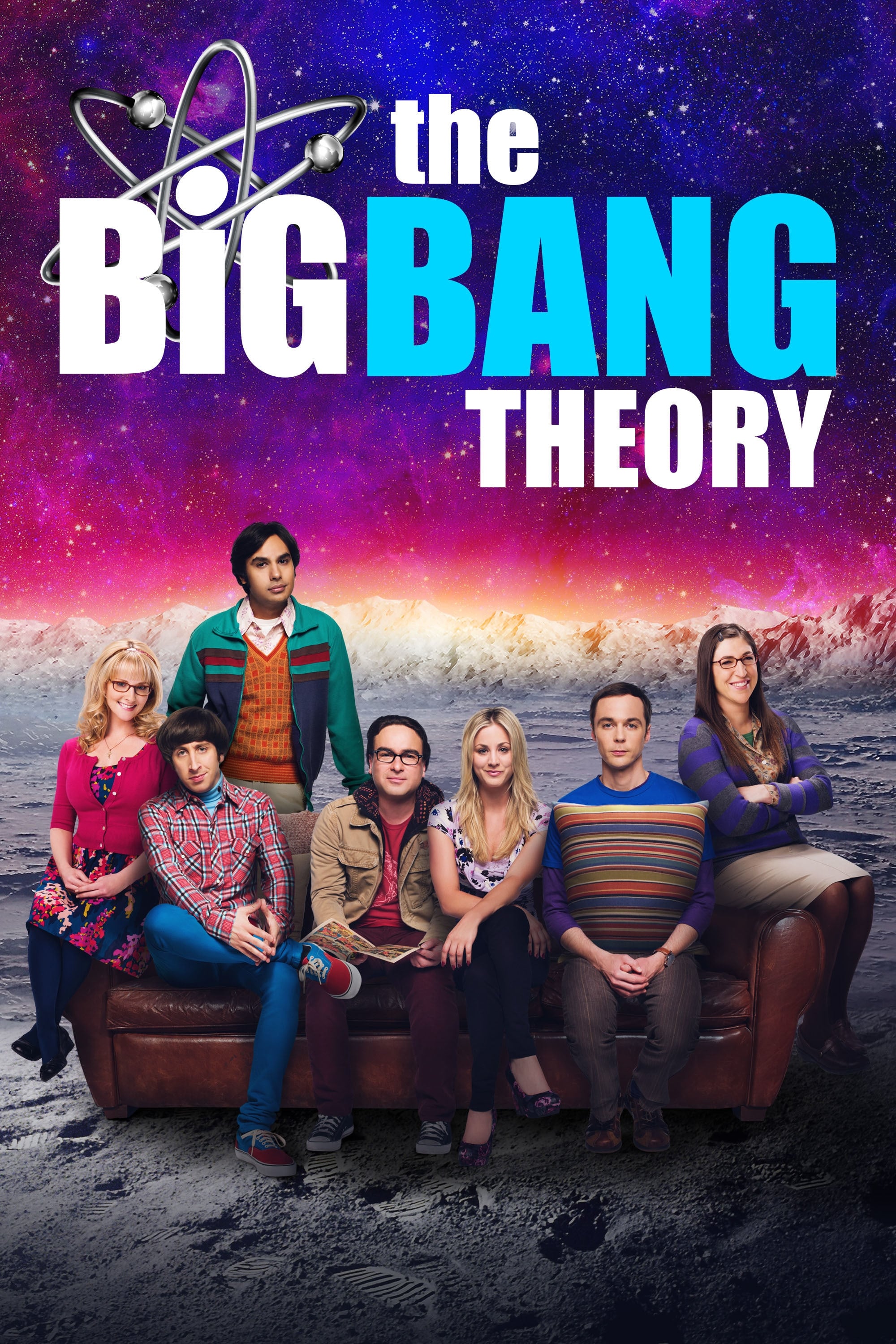
For multiple seasons it stood as the most watched comedy on television, anchoring prime-time schedules and lifting adjacent shows. The finale delivered a sizable live audience and strong delayed viewing, reflecting a broad cross-generational fanbase. Syndication runs on cable and broadcast affiliates kept ratings high even while new episodes were still airing. Streaming availability later expanded its reach to viewers who binge entire seasons in large chunks.
‘The Cosby Show’ (1984–1992)
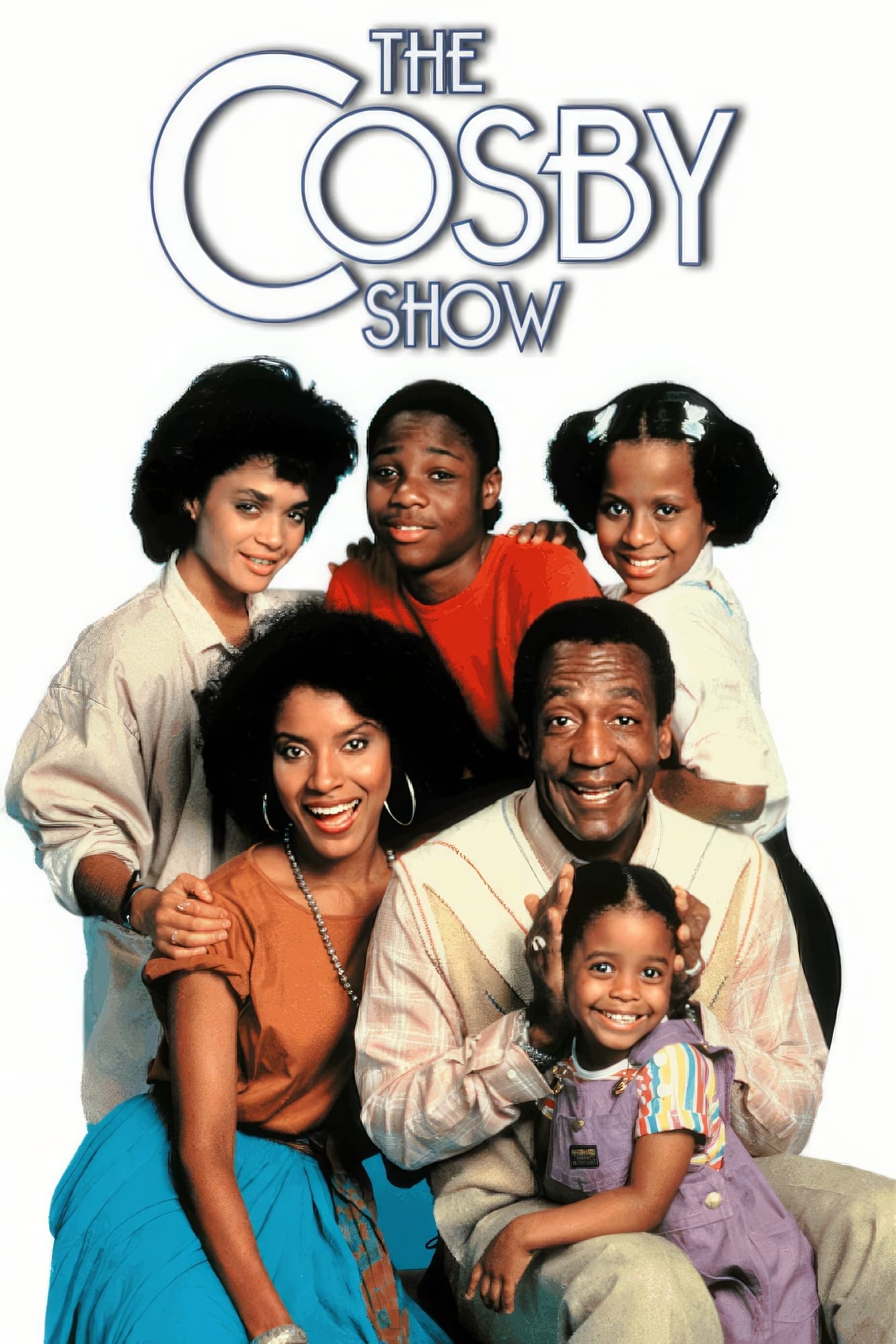
At its peak it ranked first in the weekly ratings for multiple seasons and revitalized an entire night of network programming. Episodes consistently posted large household shares, drawing family viewers across the country. The series sold widely in syndication, where it ran heavily for years and helped launch companion shows in programming blocks. Its success reshaped network strategies for scheduling comedies in prime time.
‘All in the Family’ (1971–1979)
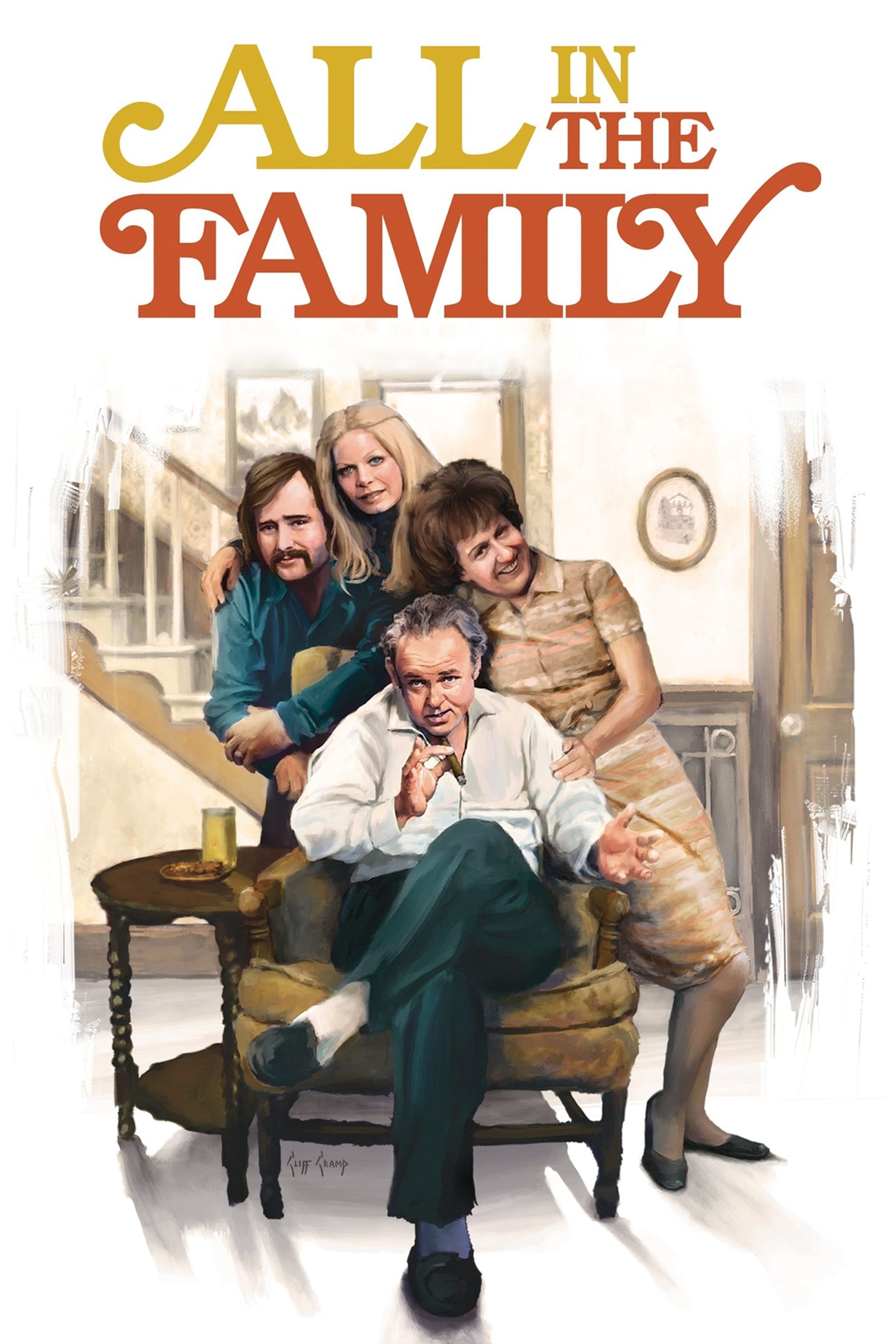
The sitcom led national ratings for several seasons and routinely landed in the top tier week after week. It generated spinoffs that also drew large audiences, extending the franchise footprint across the schedule. Stations relied on reruns to secure dependable viewership in early evening and late-night slots. Its cultural impact kept episode rotations active for decades in both domestic and international markets.
‘I Love Lucy’ (1951–1957)

This show set early records for audience share and established patterns for multi-camera production and reruns. Its episodes became foundational in syndication, where the library played continuously across local stations. The series demonstrated the power of filmed sitcoms to travel, reaching viewers far beyond its original network broadcasts. Holiday and anniversary marathons kept viewership strong long after its first run.
‘The Andy Griffith Show’ (1960–1968)

The series ended its run at the top of the ratings, a rare achievement for any sitcom. It remained a consistent performer throughout its broadcast life, building a loyal national following. Reruns turned small-town stories into daily comfort viewing on cable and local channels. The program’s steady presence in daytime and primetime blocks maintained high cumulative audience totals over many years.
‘Happy Days’ (1974–1984)

The show frequently ranked among the highest-rated programs in the country and anchored a dominant night of television. Popular characters spun off into additional series that helped extend its audience footprint. Extensive syndication exposed new generations to its episodic format in after-school and early evening slots. Its familiar setting and broad appeal made it a reliable ratings performer across different time periods.
‘Home Improvement’ (1991–1999)
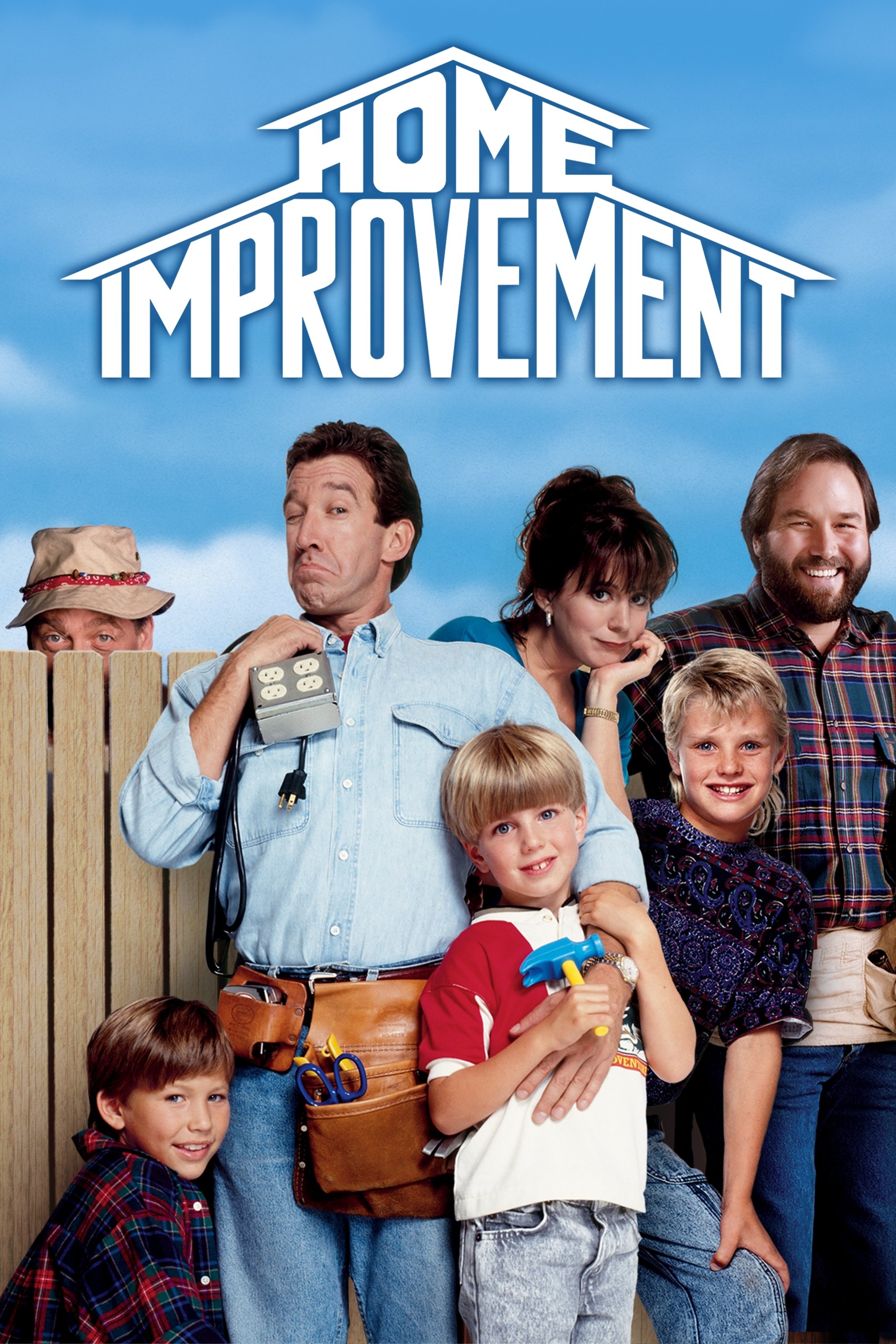
At its height it sat near the top of weekly charts and drew large family audiences each season. The series provided a stable anchor for its network’s comedy blocks, boosting the shows around it. Reruns performed strongly on cable and in local markets, keeping its total viewership high over time. Merchandising and frequent specials added visibility that translated into sustained interest.
‘Two and a Half Men’ (2003–2015)
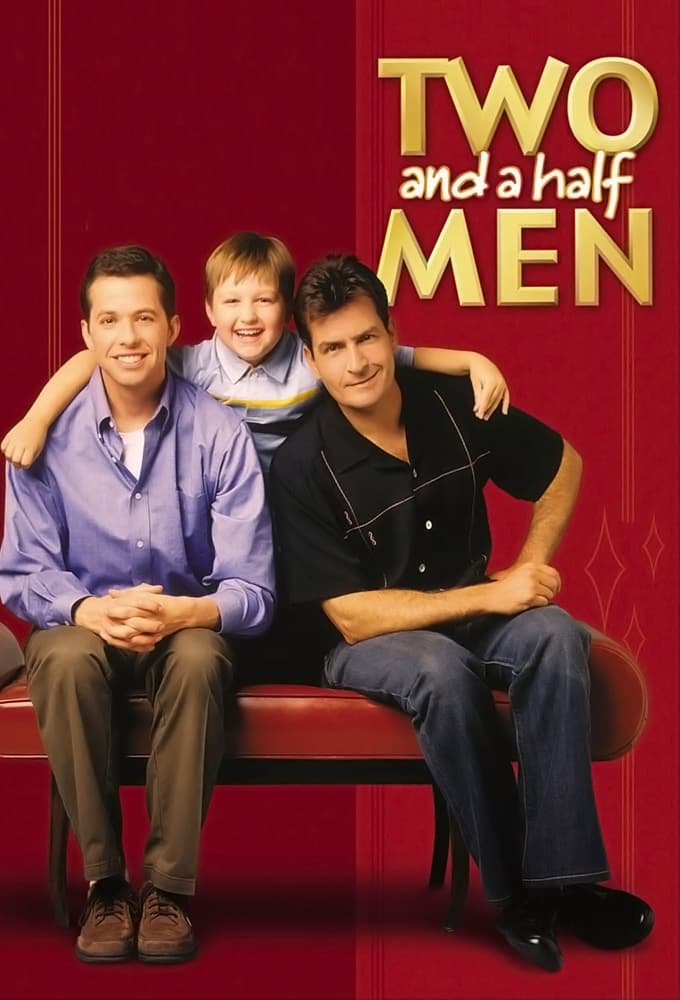
The sitcom delivered some of the largest comedy averages of its era, especially during its middle seasons. It anchored multiple prime-time nights and served as a lead-in that improved overall schedules. The show sold widely in syndication, where daily strip runs generated significant cumulative viewing. International broadcast deals further expanded its audience beyond the domestic market.
‘Modern Family’ (2009–2020)
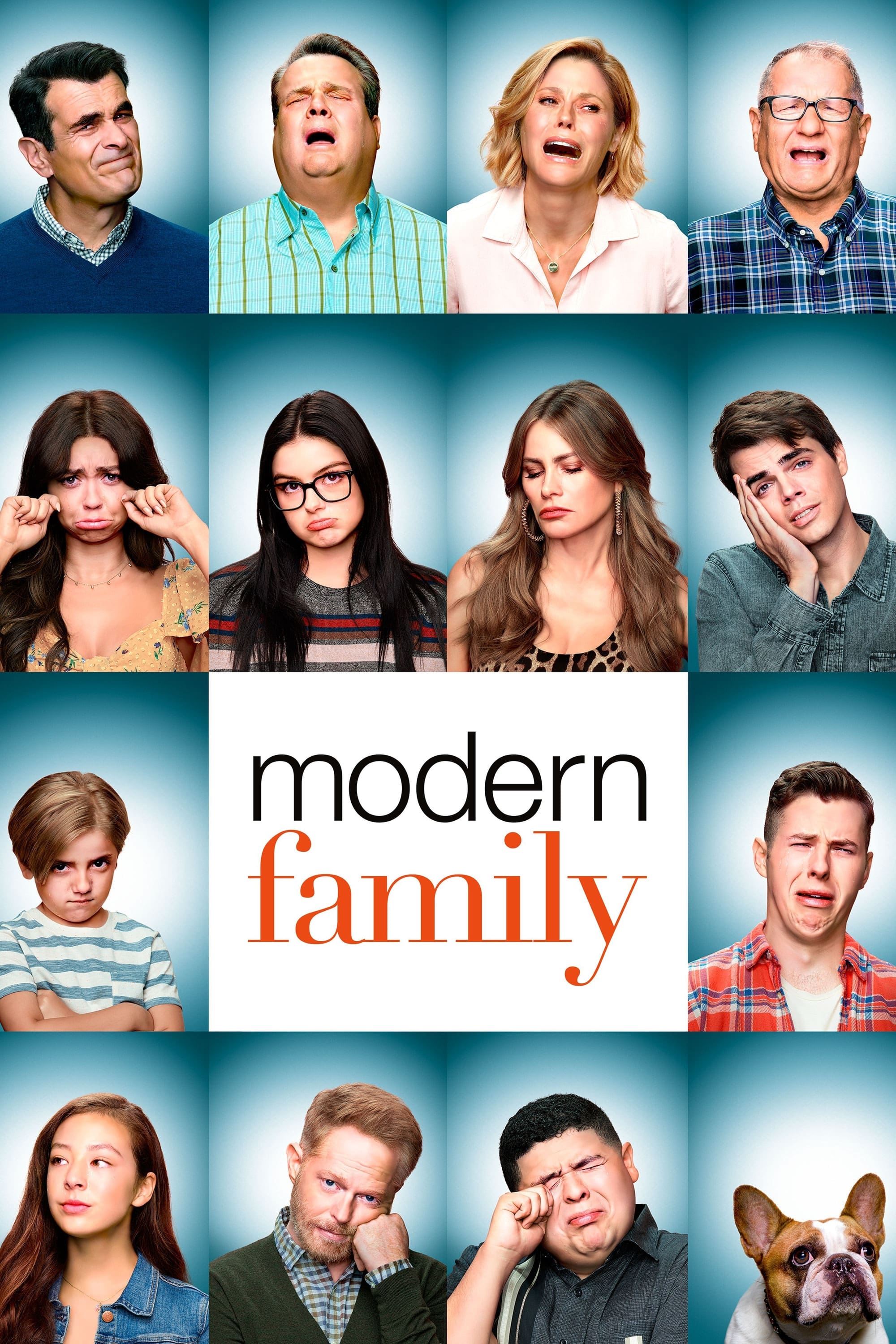
For years it ranked as one of the top comedies on television and regularly posted strong live-plus-same-day numbers. Awards attention and high-profile time slots helped it maintain broad weekly reach. The series thrived in syndication with multiple episodes airing back to back on cable schedules. Streaming access later boosted long-tail viewing as fans revisited the entire run.
‘Full House’ (1987–1995)
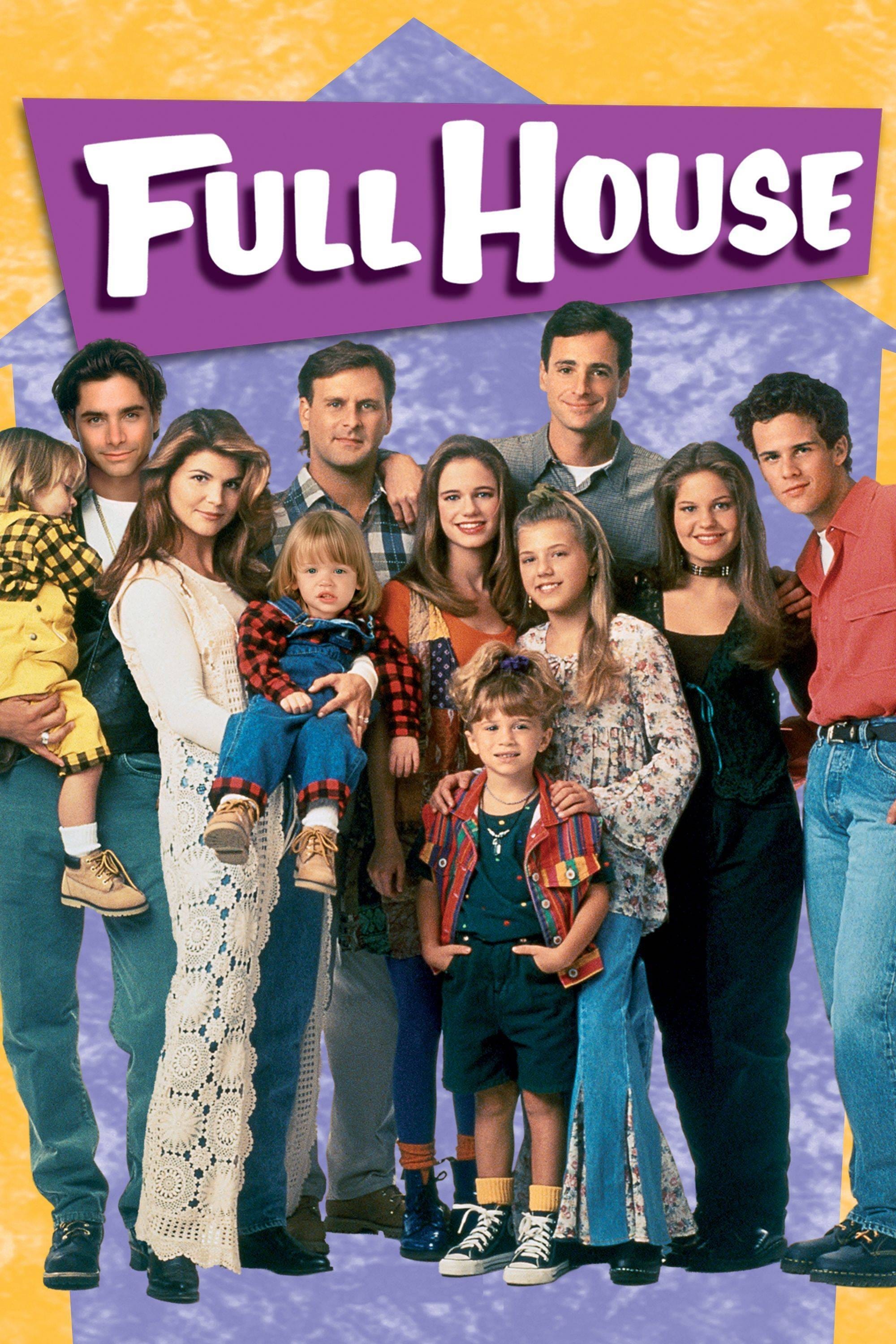
The show drew large family audiences during its network run and became a fixture of early evening blocks. Reruns performed strongly for decades, introducing the characters to younger viewers. A follow-up series revived interest and pushed the original episodes back into heavy rotation. International distribution and constant marathons kept its cumulative viewership climbing.
‘The Simpsons’ (1989– )
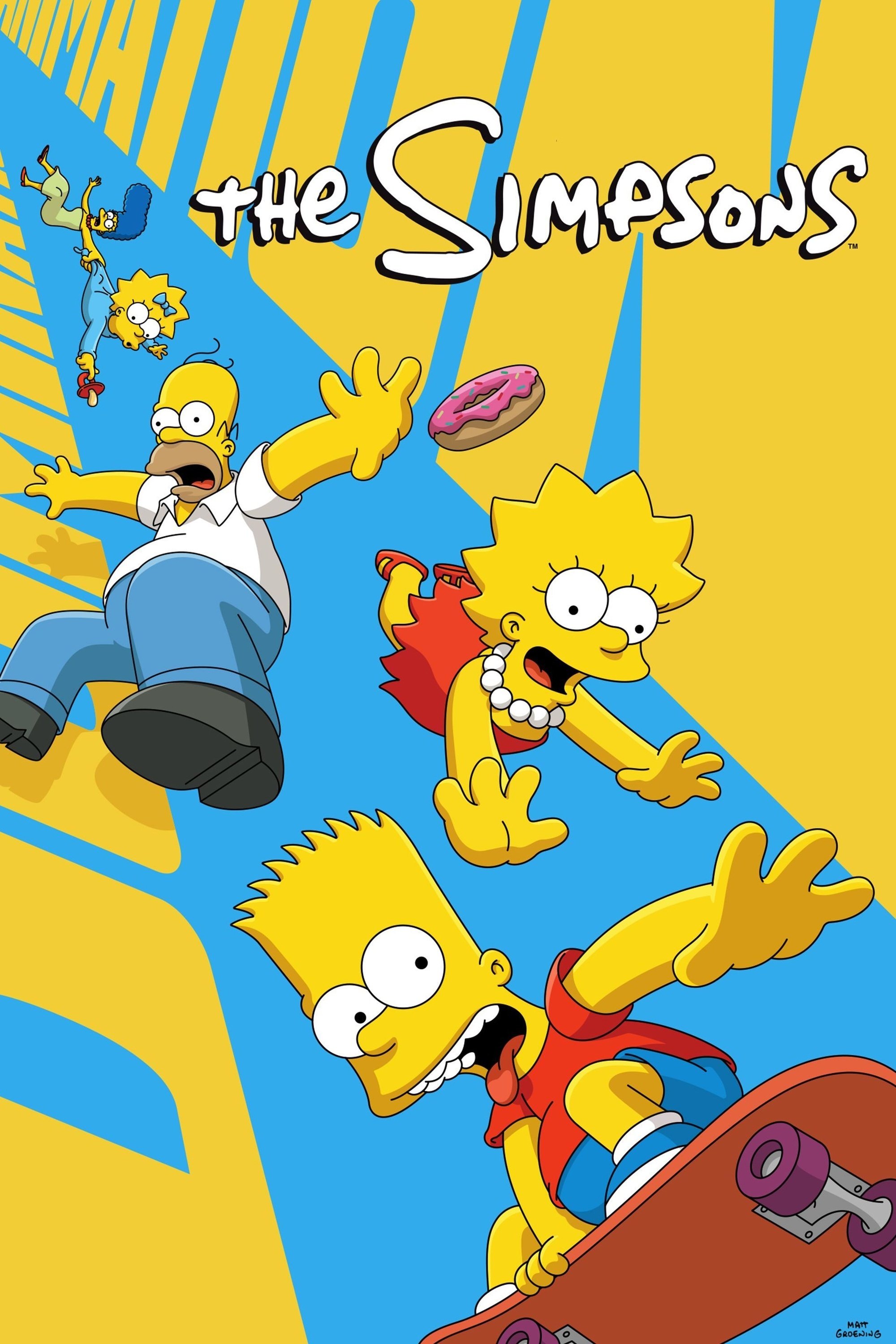
This animated sitcom accumulated one of the largest total audiences for any comedy thanks to its long run and global reach. Episodes air across multiple networks and platforms, generating daily viewership that adds up over time. Syndication libraries and streaming hubs ensure that new and classic episodes remain easy to find. Annual events and themed programming blocks maintain consistent audience engagement year after year.
‘The Office’ (2005–2013)
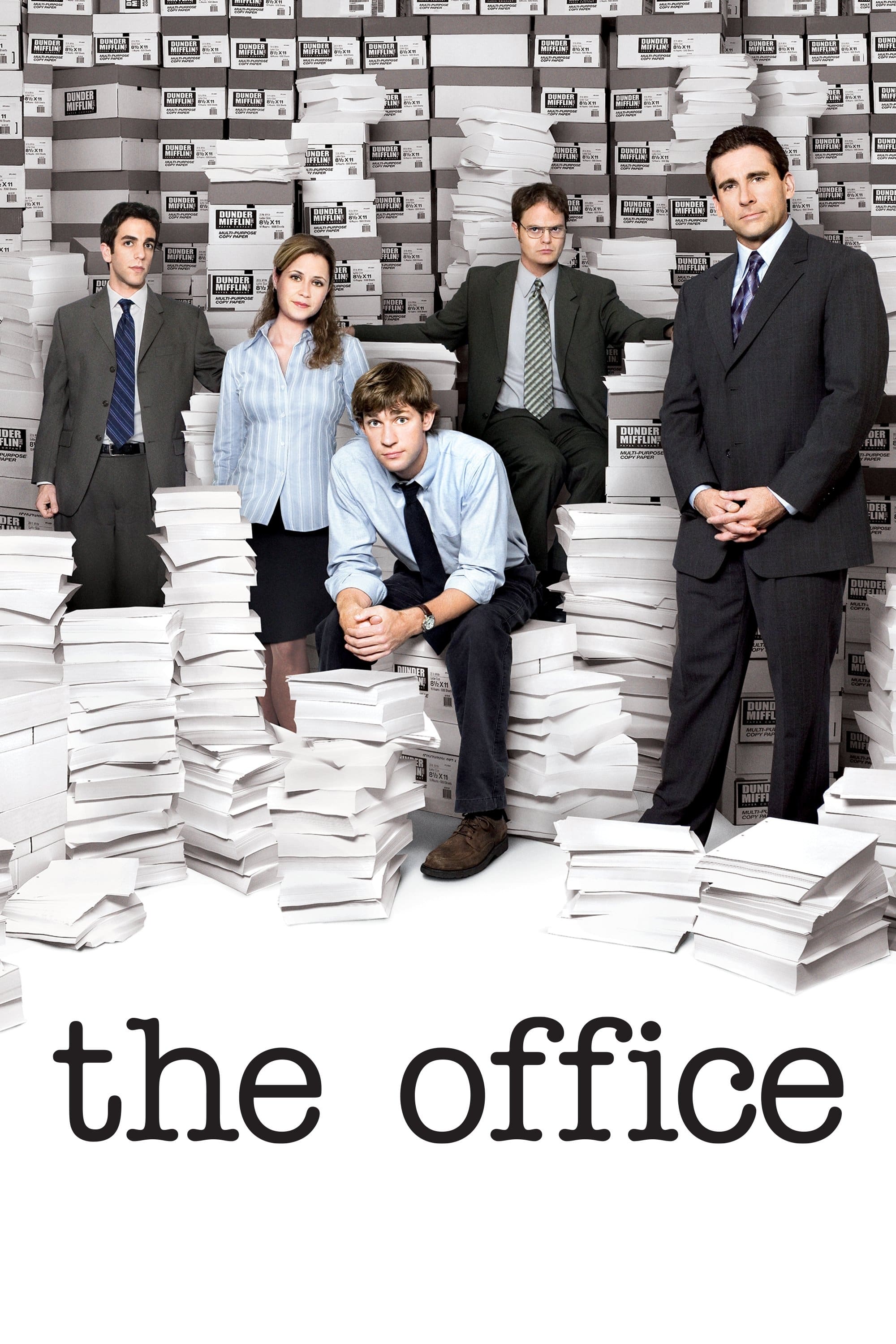
This mockumentary became a weeknight staple that grew its audience through word of mouth and constant reruns. Its streaming run turned old episodes into binge favorites, keeping daily view counts high around the world. The show’s ensemble and workplace setting made it easy for networks to program back-to-back blocks. Marathons and themed specials helped maintain steady engagement long after the finale.
‘Frasier’ (1993–2004)
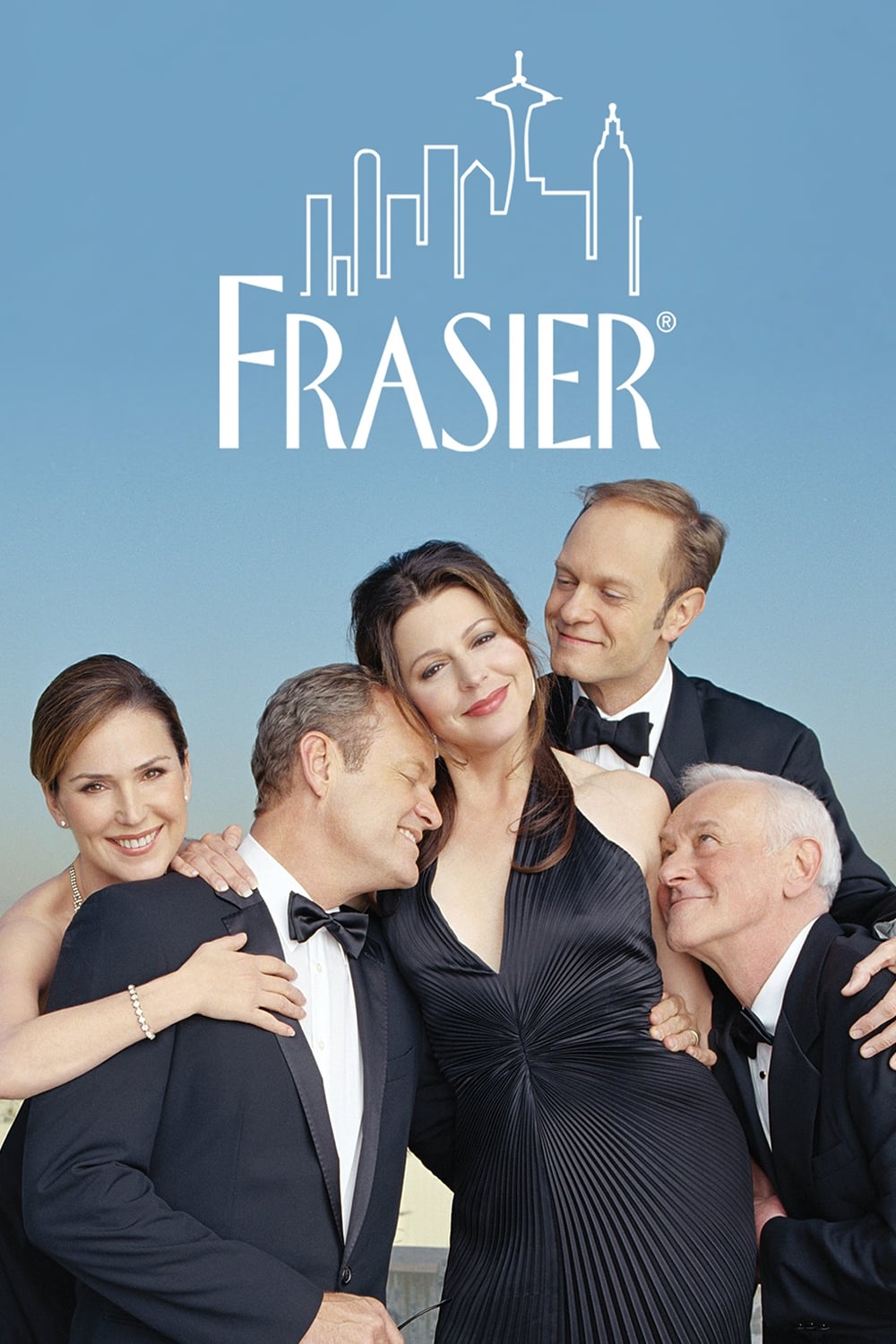
Syndication made this spinoff a fixture on afternoon and late-night schedules, where it delivered reliable ratings. The series performed strongly in major markets, encouraging long-term contracts for rerun packages. Streaming later introduced its long episode library to new viewers who discovered it in order. Holiday rotations and curated blocks kept audience interest sustained across the calendar.
‘Everybody Loves Raymond’ (1996–2005)

This family comedy anchored network lineups for years and delivered consistent household shares. Reruns proved highly durable, especially in early evening slots that draw broad demographics. The series sold into many domestic and international markets, expanding cumulative viewership. Streaming availability added a new wave of fans who watched full-season runs.
‘The Fresh Prince of Bel-Air’ (1990–1996)
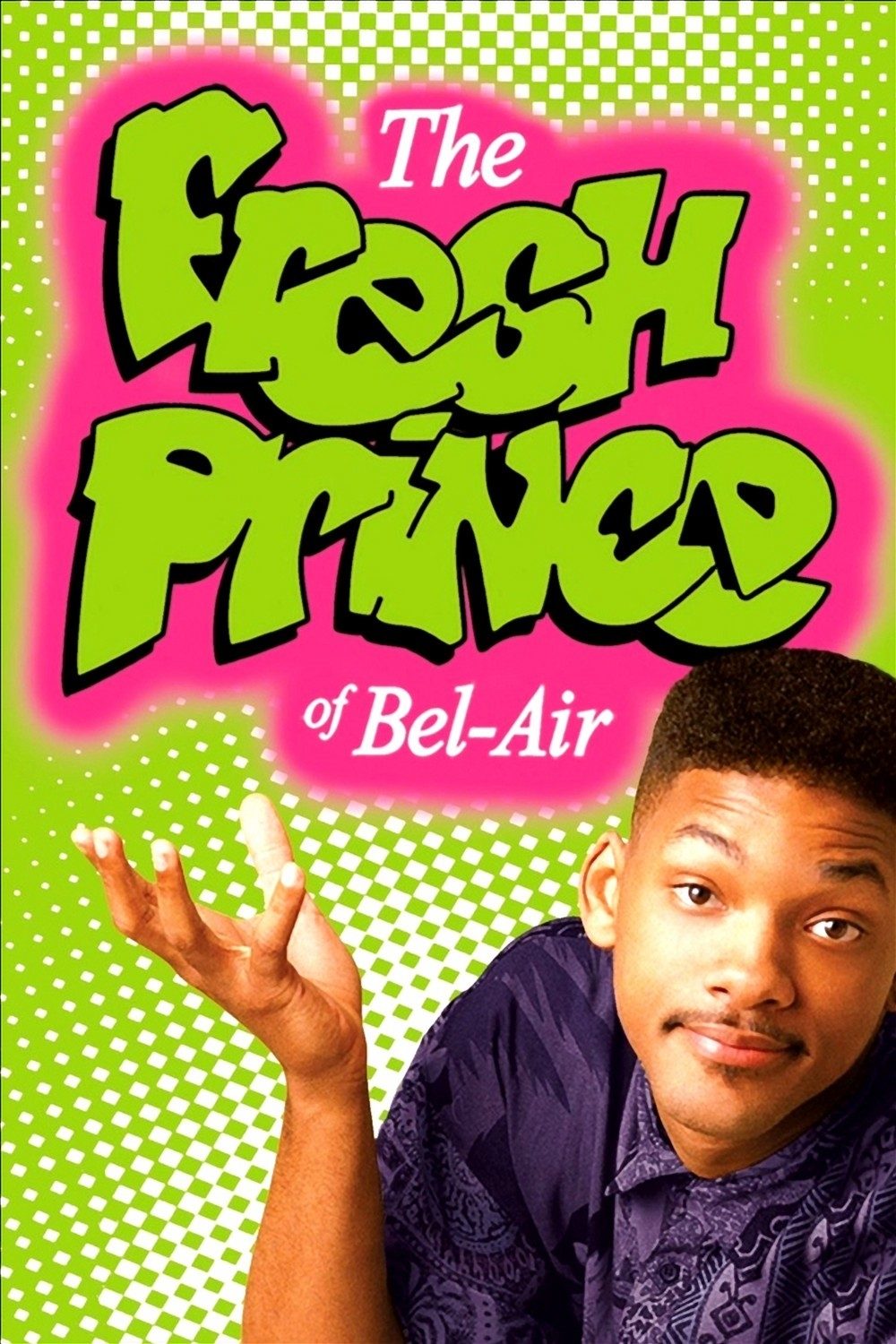
Cable and broadcast reruns turned this sitcom into daily comfort viewing for multiple generations. Blocks bundling related shows kept it visible to casual channel surfers and loyal fans alike. The show’s memorable theme and school-friendly episodes made it a programming staple. Streaming later gave viewers a straightforward way to revisit the full catalog.
‘Roseanne’ (1988–1997)
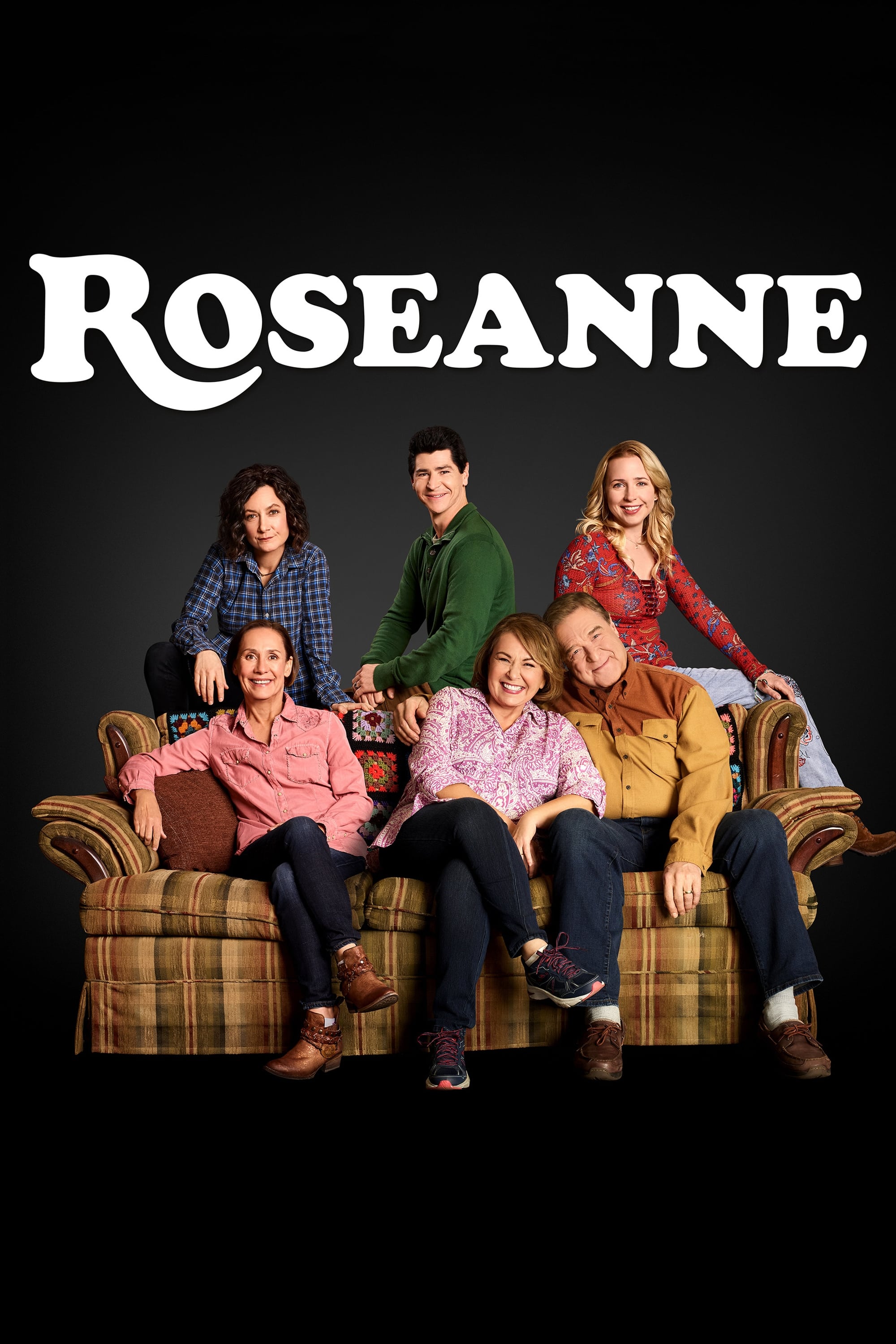
During its prime it sat near the top of weekly ratings and reshaped a competitive network night. The series entered syndication with strong clearances in key markets, boosting its reach. Constant reruns kept audience familiarity high and supported companion shows in blocks. Later revivals renewed attention and pushed the original episodes back into rotation.
‘Married… with Children’ (1987–1997)

This long-running sitcom became a cornerstone for its network’s comedy identity and scheduling. It sold widely in syndication, where stripped daily runs drove dependable viewing. International broadcasters adopted it for late-night and weekend lineups, adding global reach. The show’s extensive episode count kept channels supplied for marathon programming.
‘Gilligan’s Island’ (1964–1967)
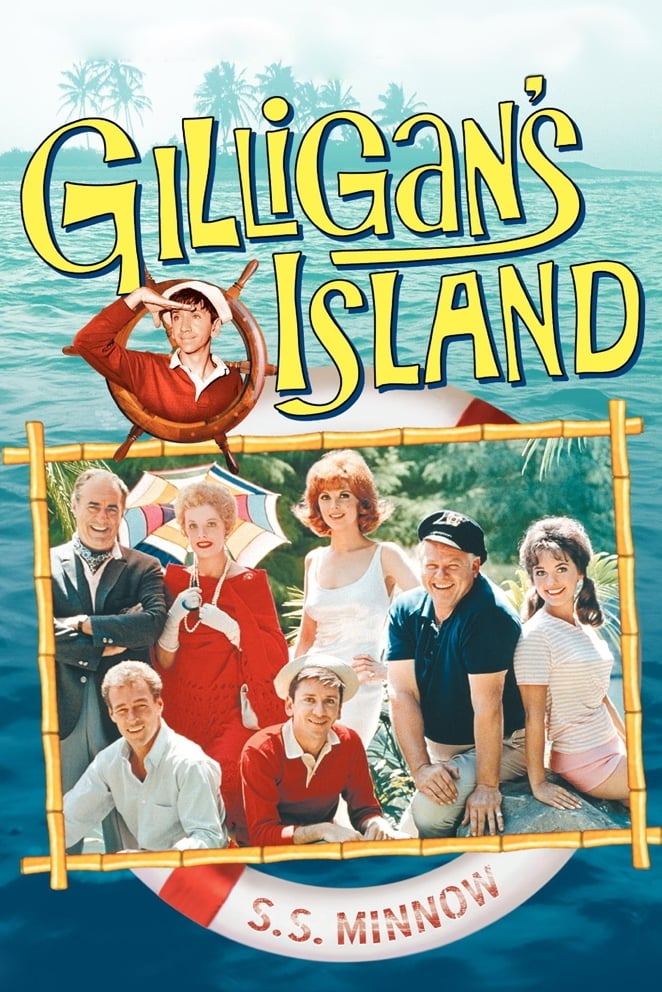
Despite a relatively short original run, reruns transformed it into a sensation for decades. Afternoon and weekend slots helped younger audiences discover the show outside prime time. The simple premise made episodes easy to program in any order across markets. Special marathons and nostalgia blocks kept viewership steady year after year.
‘The Jeffersons’ (1975–1985)
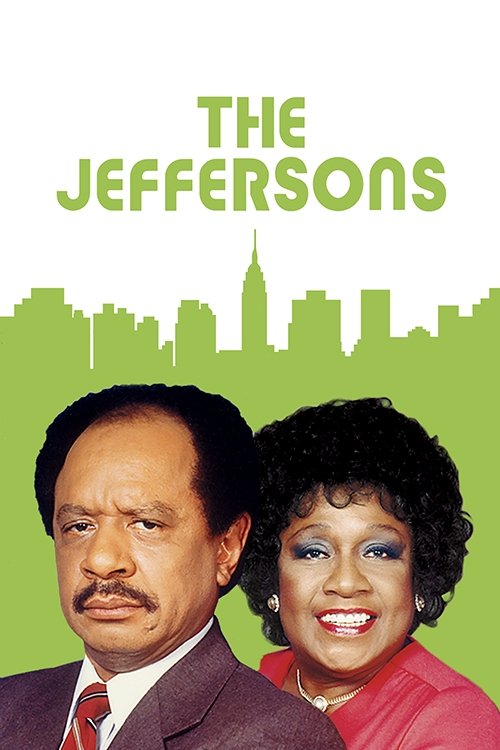
A long episode library and strong brand recognition made it a syndication mainstay. Stations paired it with related titles like ‘All in the Family’ to build dependable blocks. The show traveled well internationally, adding to its cumulative totals. Anniversary programming and tribute specials continued to lift interest over time.
‘Family Matters’ (1989–1998)
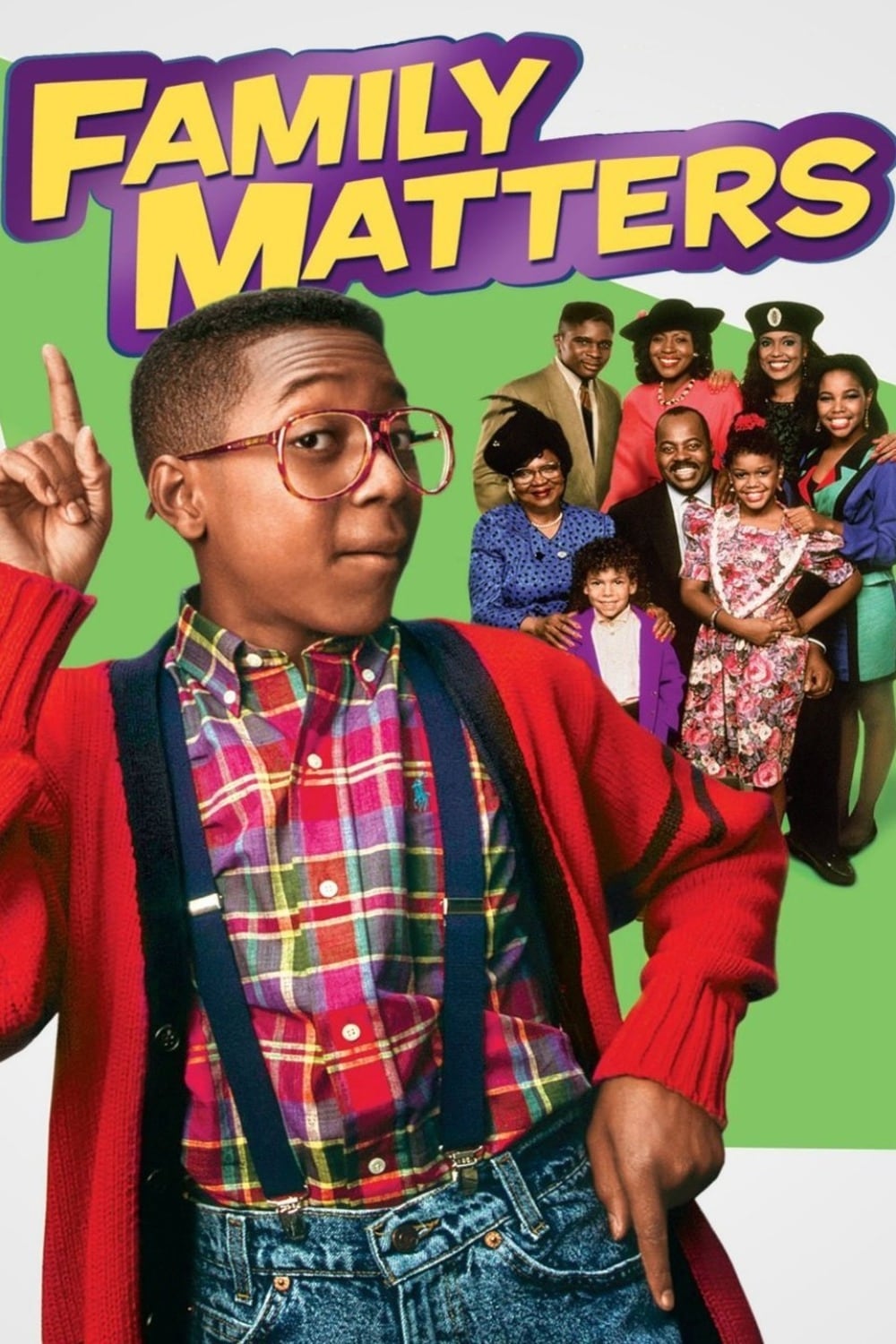
Its original run benefited from placement in a popular family programming night that drew large audiences. Reruns performed well for years in after-school and early evening windows. The series sold to multiple cable networks, multiplying daily exposure. Streaming later made it easy for fans to watch complete arcs from start to finish.
‘How I Met Your Mother’ (2005–2014)
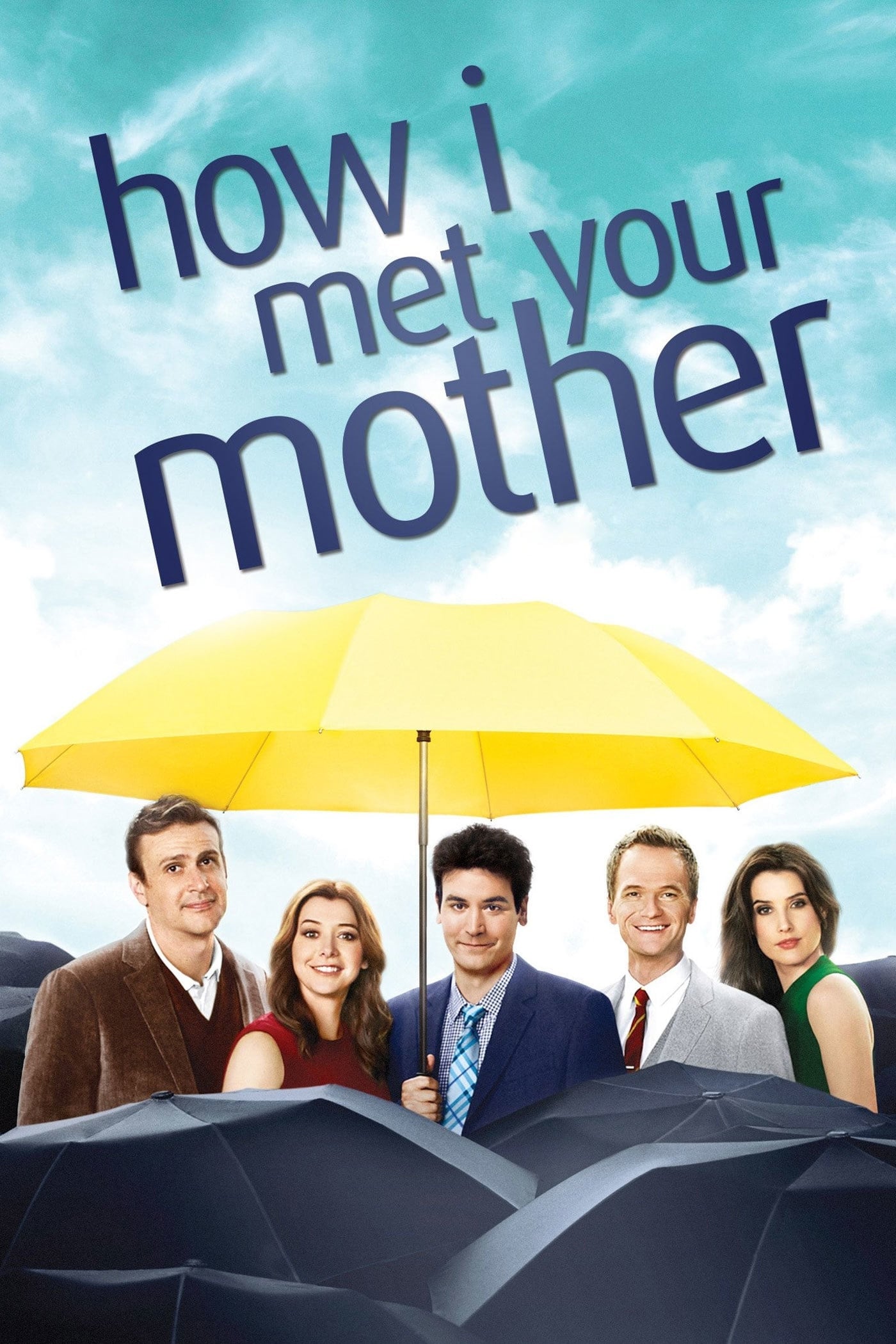
The show built strong live and delayed viewing with a mystery-driven structure that encouraged weekly returns. Syndication brought it to new viewers who sampled episodes out of order. Streaming made long-form rewatches common, especially for multi-episode storylines. The steady rotation across platforms kept discovery and rediscovery high.
‘The King of Queens’ (1998–2007)
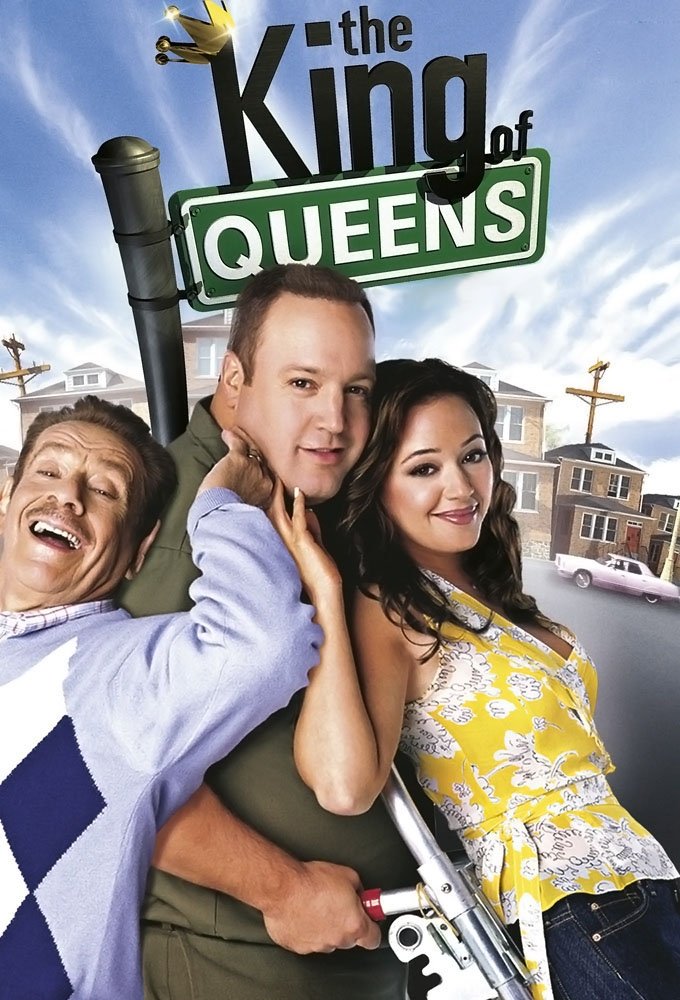
As a durable performer, it became a reliable piece of many stations’ nightly schedules. The series excelled in syndication with frequent double-runs that boosted cumulative numbers. Cable networks used it to anchor multi-hour comedy blocks. Its broad appeal helped it maintain stable ratings across different time slots.
‘3rd Rock from the Sun’ (1996–2001)
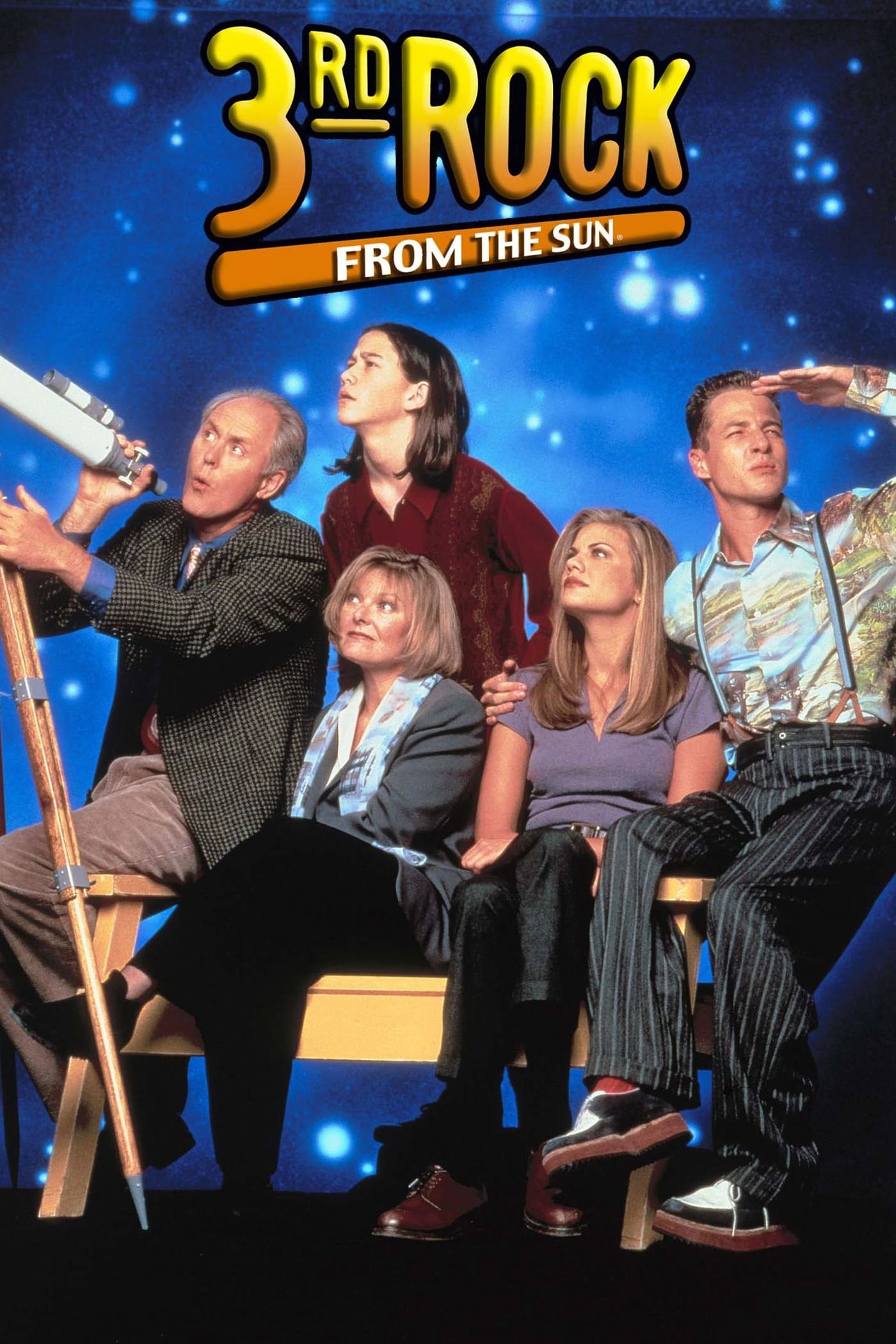
This ensemble sitcom enjoyed strong rerun circulation thanks to standout episodic plots. Stations favored it for late-night and weekend stacks that encouraged casual viewing. Streaming later introduced the library to new audiences who missed the original run. The show’s high rewatch value kept it present in themed programming.
‘Will & Grace’ (1998–2006)
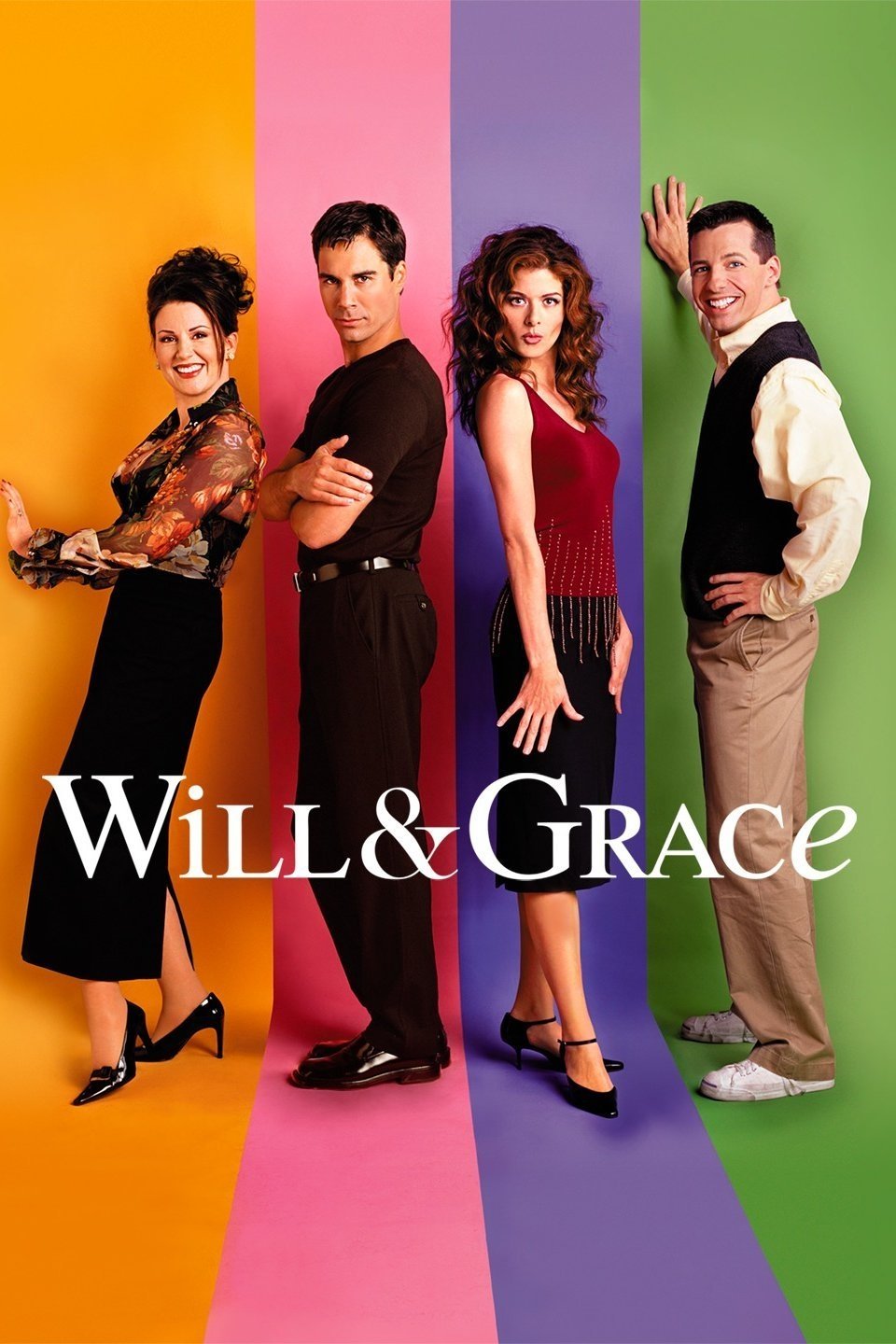
The series secured prime placement in network lineups and delivered consistent weekly results. Syndication extended its life with widespread adoption in major and mid-size markets. A later revival sparked renewed attention and lifted rerun performance of the original. Streaming availability provided an easy path for complete-series marathons at home.
‘Scrubs’ (2001–2010)
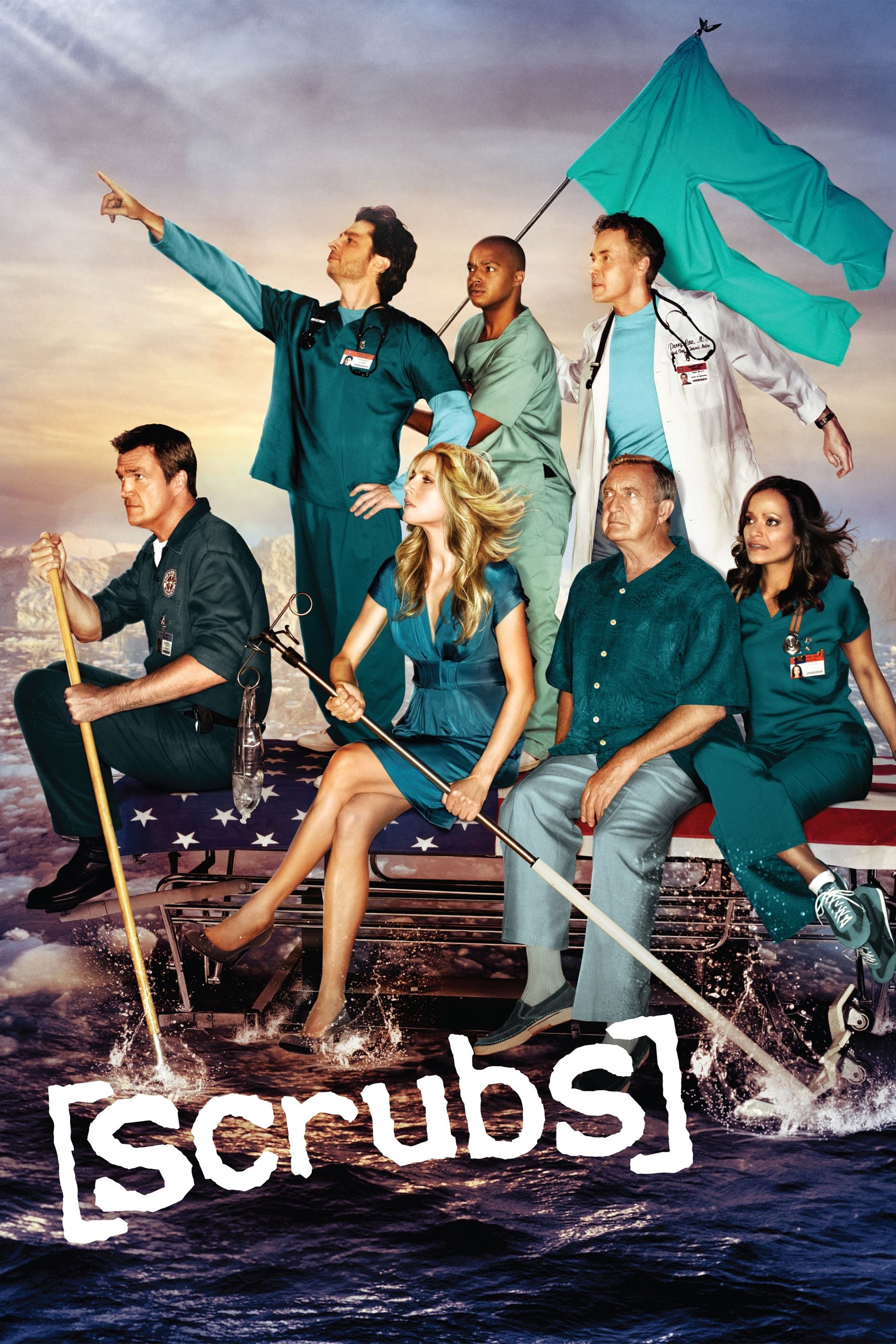
This hospital-set comedy found extended life through heavy cable rotation and strong DVD sales that transitioned into streaming. Stations used its mix of standalone and serialized episodes to fill varied slots. The show’s large catalog made scheduling flexible for programmers building comedy blocks. On-demand access kept discovery steady among younger viewers.
‘Parks and Recreation’ (2009–2015)
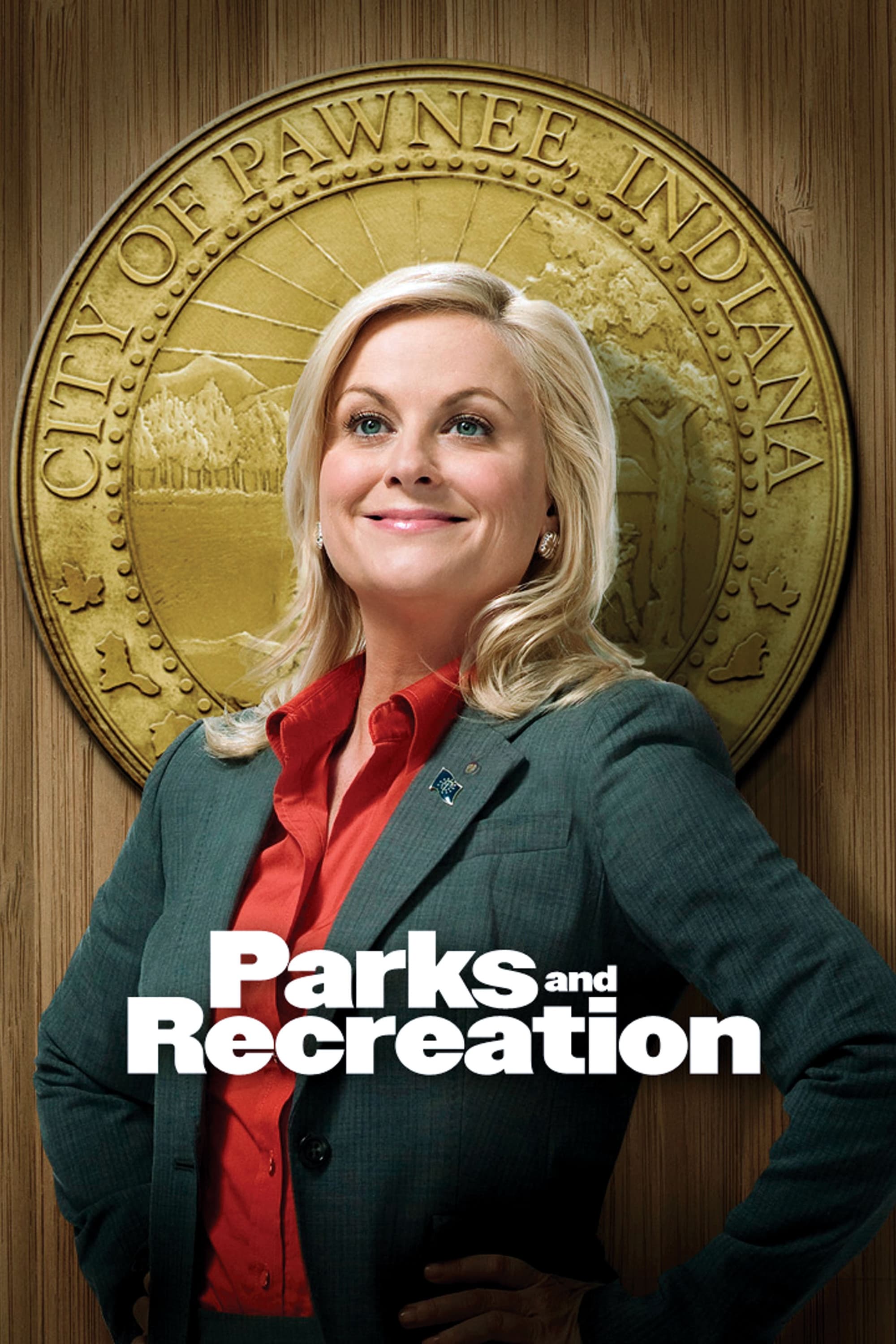
Initially a steady performer, it exploded in popularity through streaming where binge viewing took off. Cable marathons and holiday blocks helped expand its audience beyond original broadcasts. The series gained a long tail as fans circulated standout episodes on on-demand platforms. Consistent availability across services kept it among the most revisited comedies.
‘The Beverly Hillbillies’ (1962–1971)
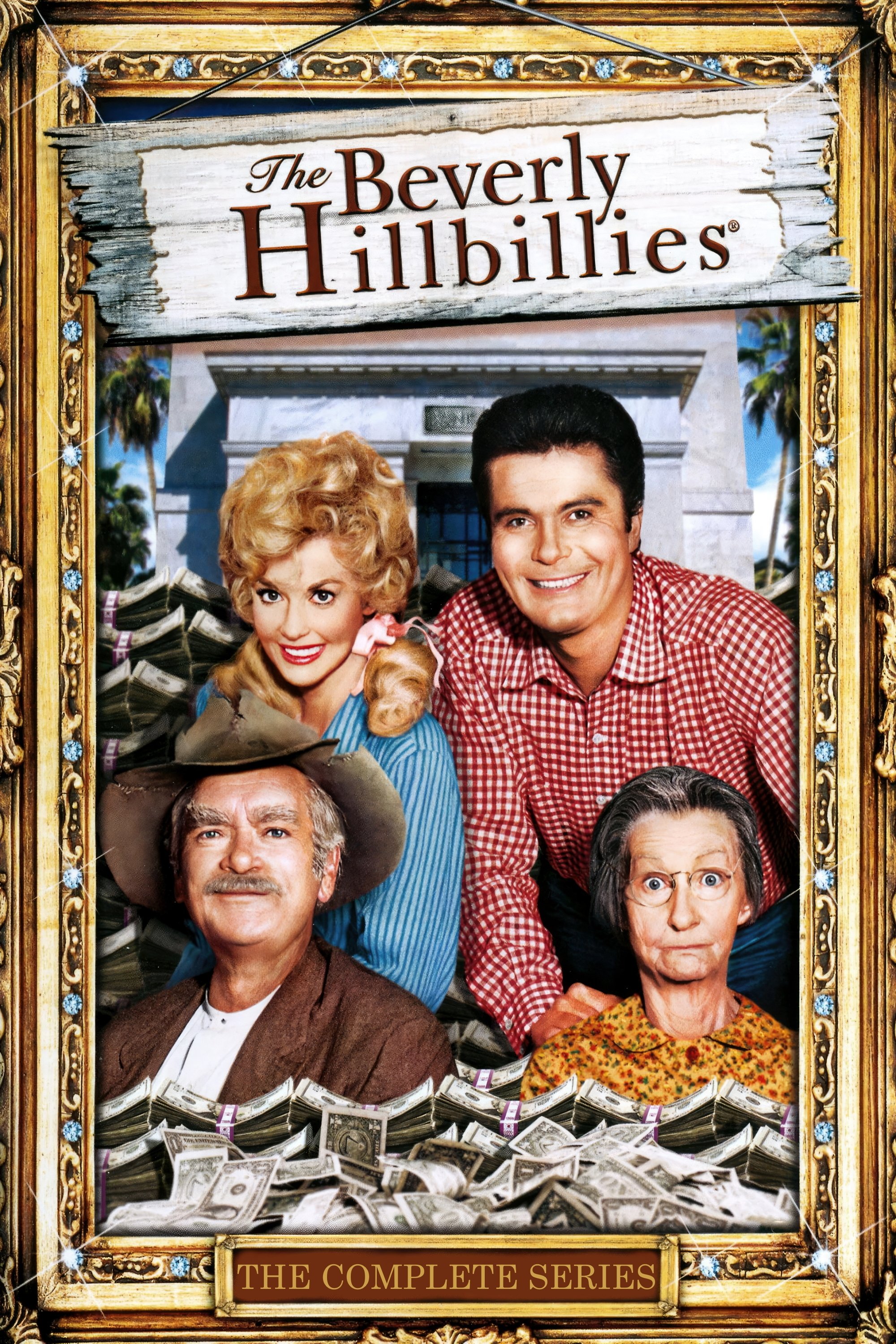
This series ranked among the top rated shows for several seasons and delivered massive weekly audiences. Its simple fish-out-of-water premise translated well across markets and helped drive international sales. Reruns became a cornerstone of local station schedules for decades with frequent double episodes. The large episode library made it easy for networks to fill multi hour comedy blocks.
‘The Brady Bunch’ (1969–1974)
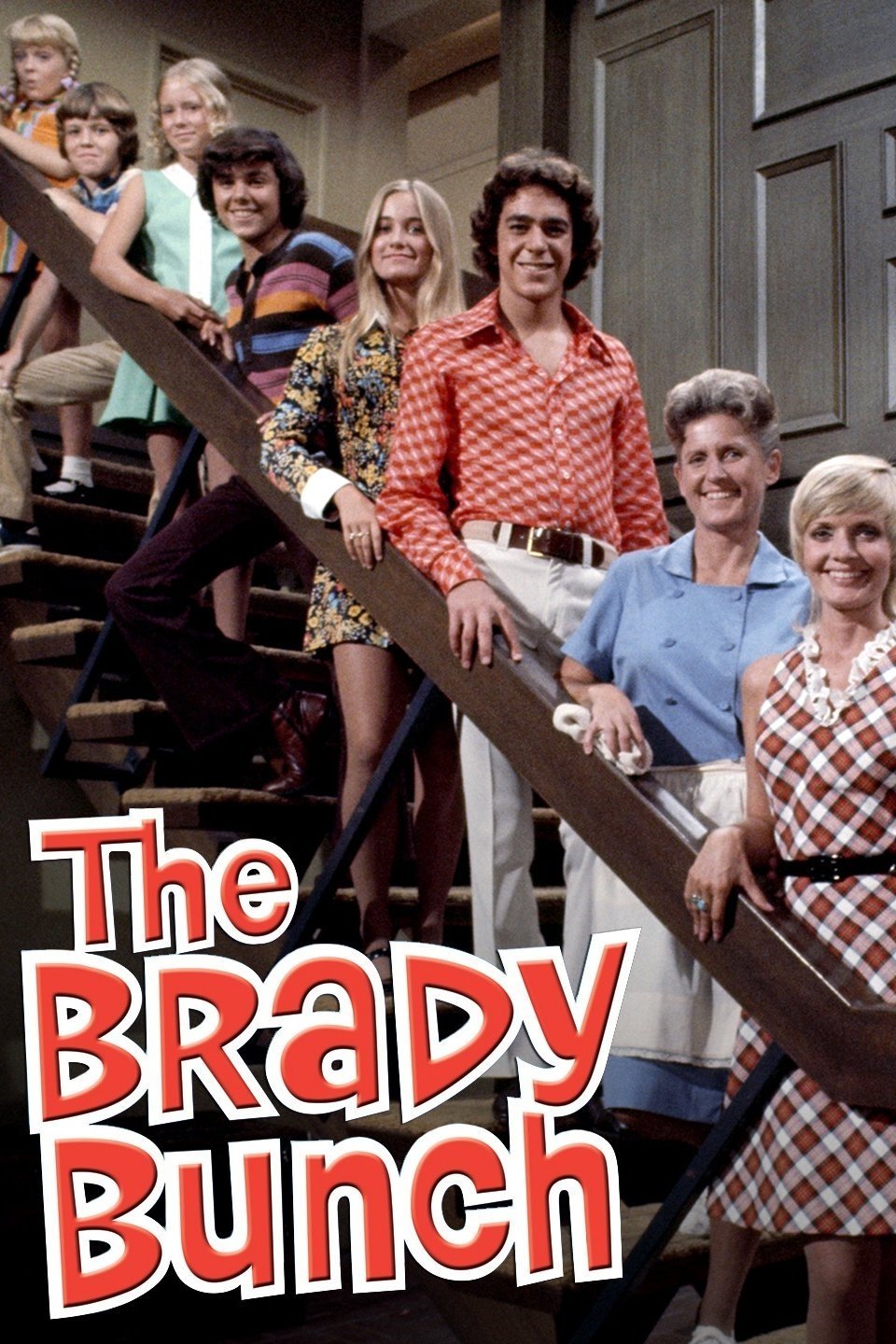
While its initial ratings were moderate, reruns turned the show into an after school staple for generations. The series sold widely in syndication and kept consistent placement on cable lineups. Reunion specials and spin offs periodically revived interest and boosted viewership of the original run. Home video and later streaming gave fans straightforward access to every episode.
‘The Golden Girls’ (1985–1992)
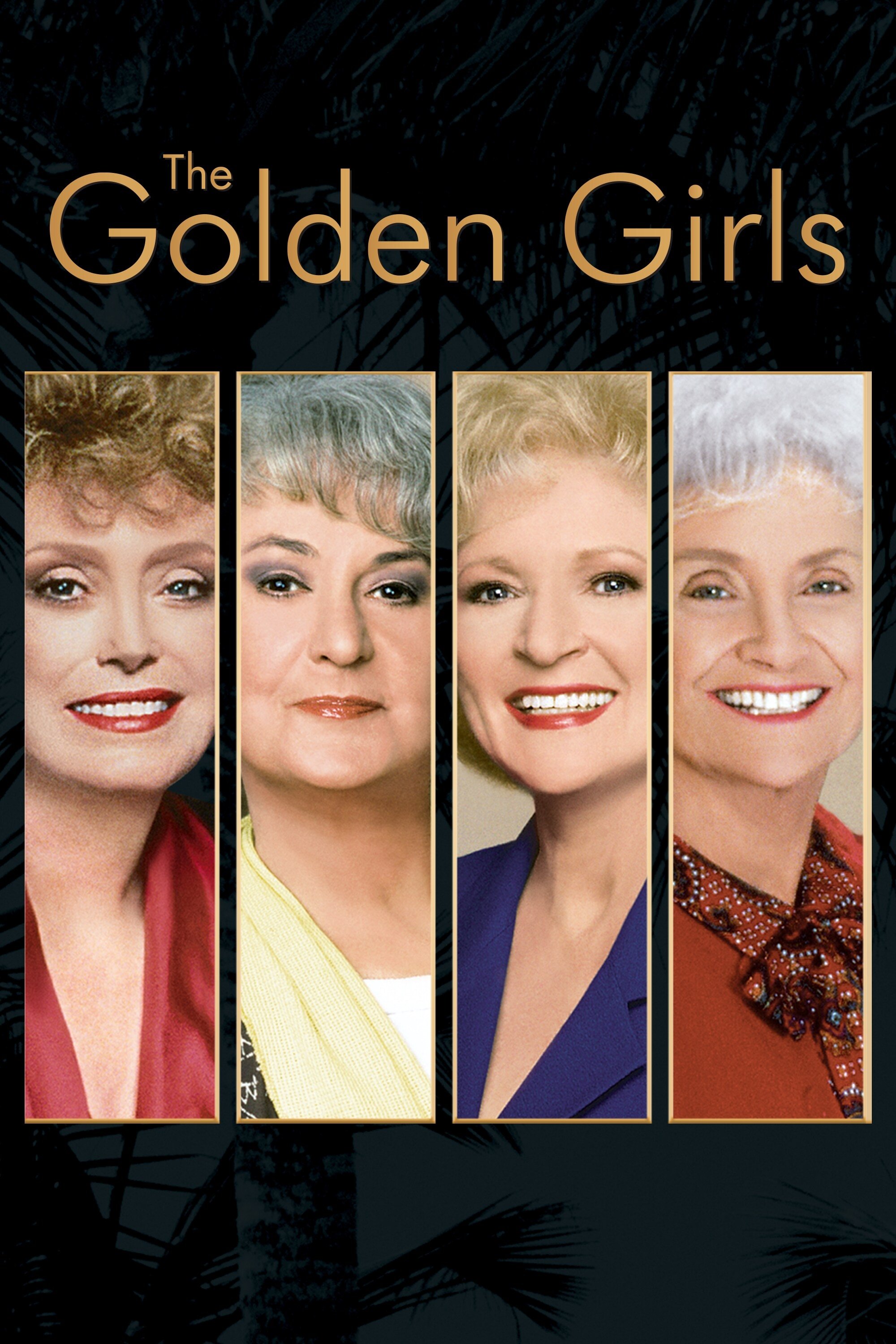
The sitcom performed strongly during its original broadcast with reliable weekly numbers. Its episodes flourished in syndication where late night slots drew steady audiences. International broadcasters embraced the show and helped grow its global footprint. Streaming platforms later made full season marathons common for new viewers.
‘The Nanny’ (1993–1999)
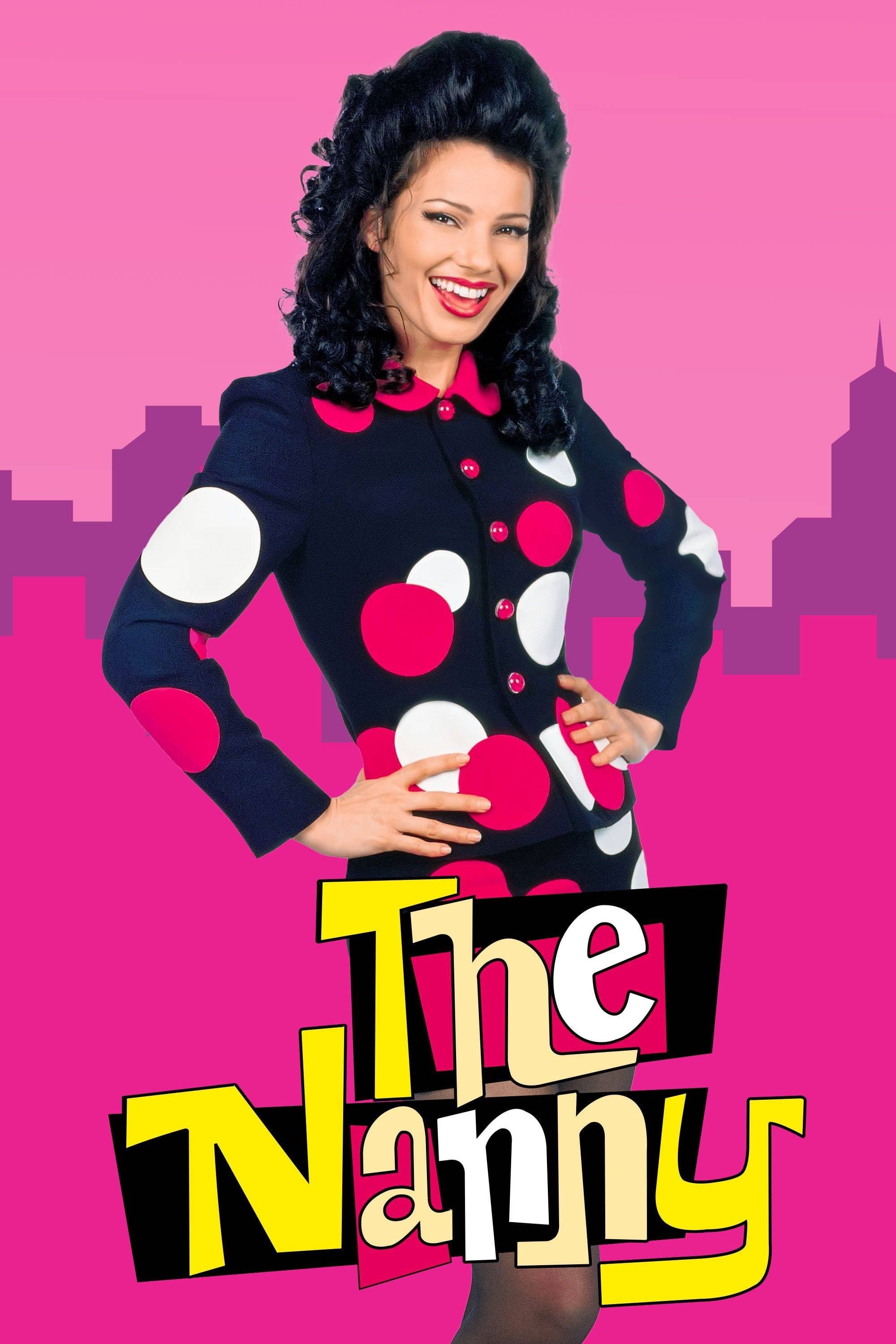
The show maintained solid prime time ratings and built a loyal following across multiple seasons. It became a syndication mainstay with daily runs on cable and broadcast stations. International versions and dubbing expanded its reach into additional territories. Streaming access renewed attention and kept discovery strong among younger audiences.
‘That ’70s Show’ (1998–2006)

This period sitcom consistently delivered for its network and anchored key nights for years. Syndication deals placed the series in early evening and late night schedules across many markets. Cast reunions and a follow up series pushed the original episodes back into heavy rotation. Streaming later turned complete series rewatches into a frequent habit for fans.
‘New Girl’ (2011–2018)

The show posted stable live and delayed viewing throughout its run and found a second life online. Syndication introduced it to casual viewers who dipped into out of order episodes. Streaming platforms drove large scale binges that lifted overall audience totals. Holiday blocks and themed marathons kept the series visible year round.
‘Black-ish’ (2014–2022)
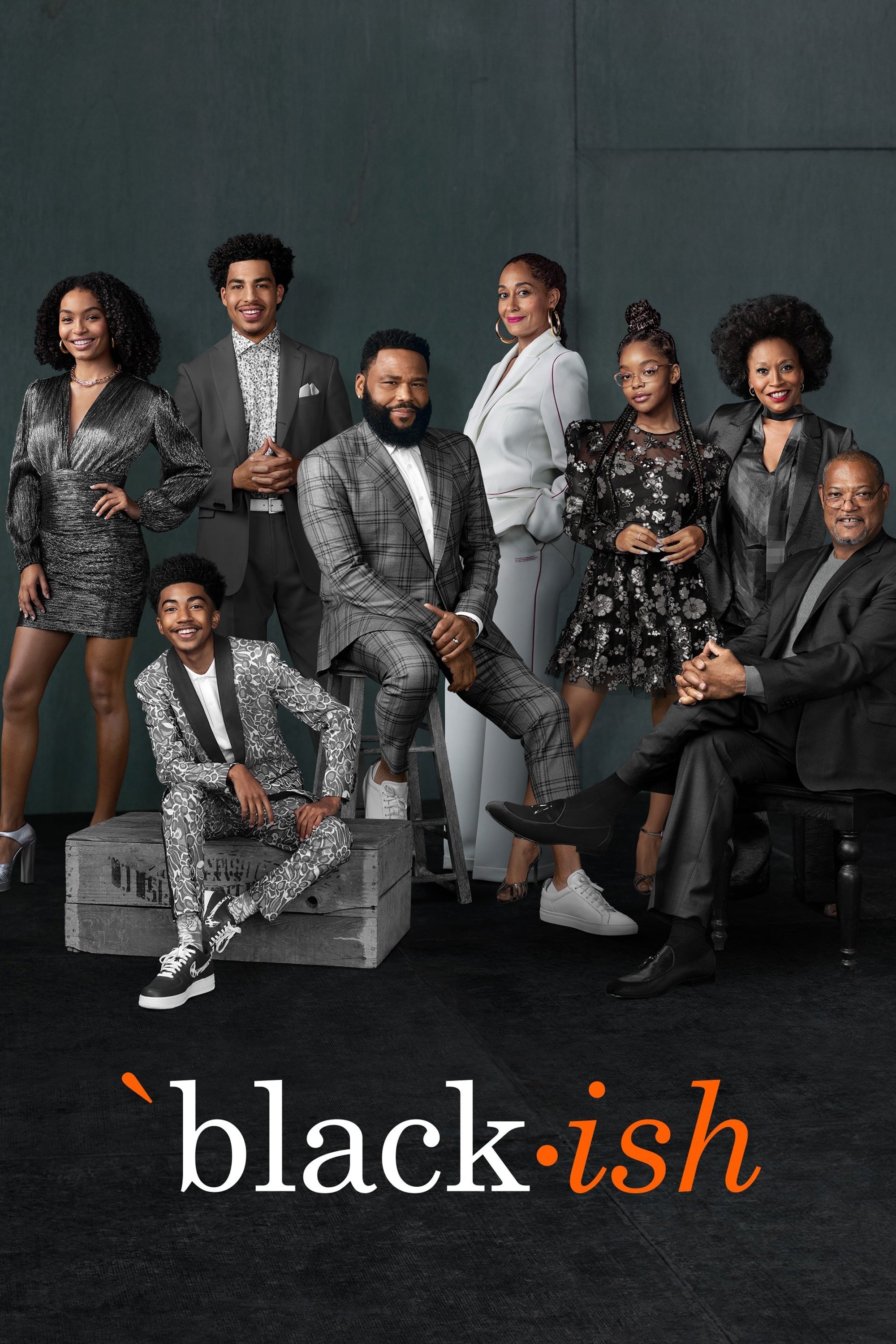
This family sitcom held a prominent slot on its network and delivered consistent weekly reach. Its episode packages were quickly licensed for syndication on cable and broadcast outlets. International distribution added exposure in new markets and built cumulative viewing. Streaming availability made season long arcs easy to follow from the beginning.
‘The Mary Tyler Moore Show’ (1970–1977)
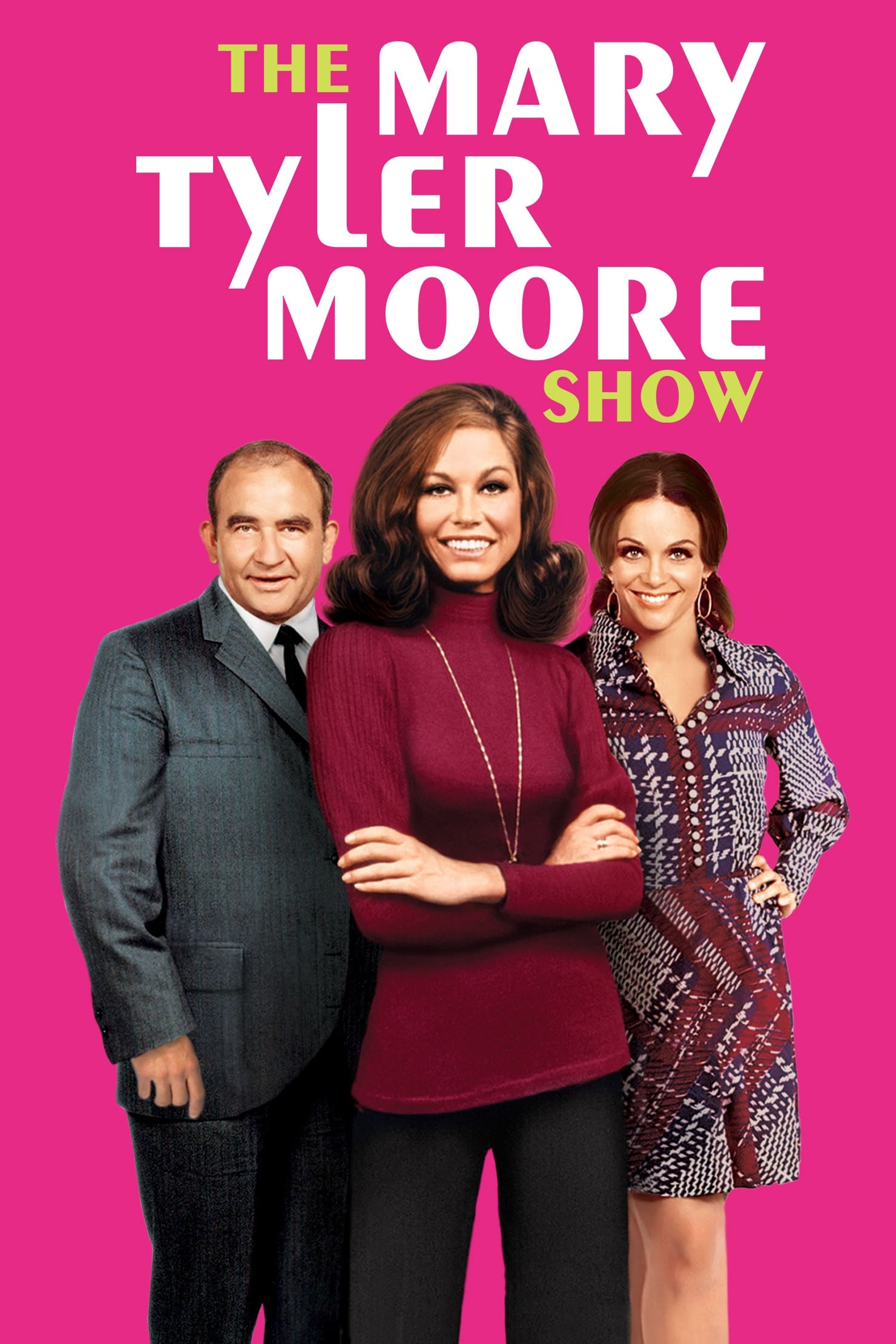
The series enjoyed high ratings and became a defining program of its era. Reruns circulated widely and supported multiple spinoffs that extended the brand. Stations relied on the show for dependable early evening blocks. Anniversary celebrations and curated retrospectives continued to draw viewers to the library.
‘The Dick Van Dyke Show’ (1961–1966)
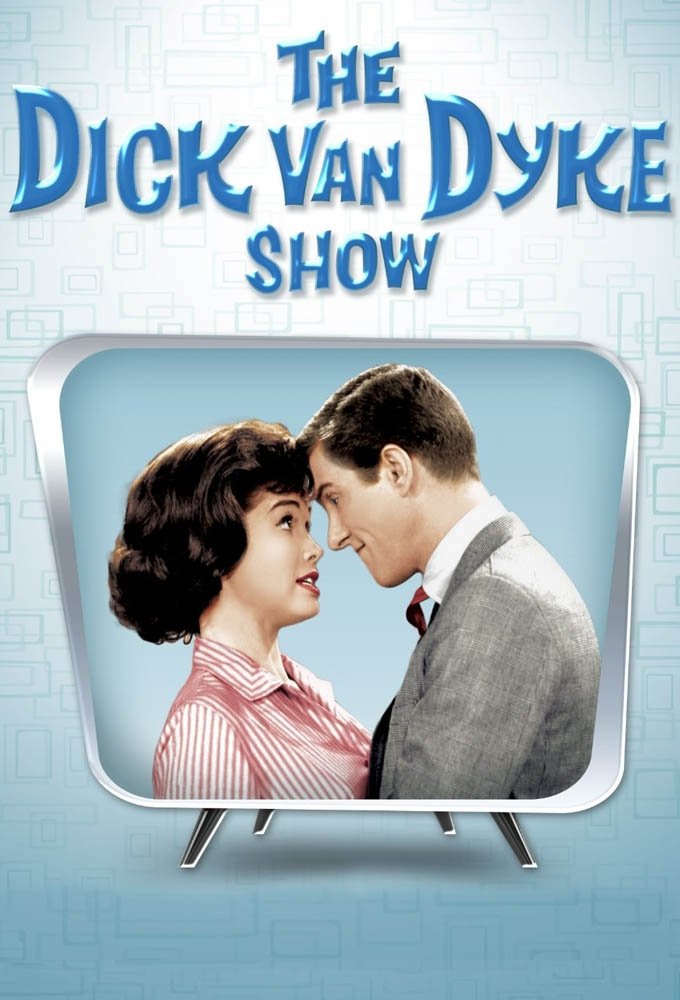
This classic maintained strong audience shares during its network run. The filmed format preserved picture quality that benefited decades of reruns. Local stations favored it for daytime and late night slots thanks to its self contained episodes. Restorations and streaming later made the catalog easily accessible in high quality.
‘My Three Sons’ (1960–1972)
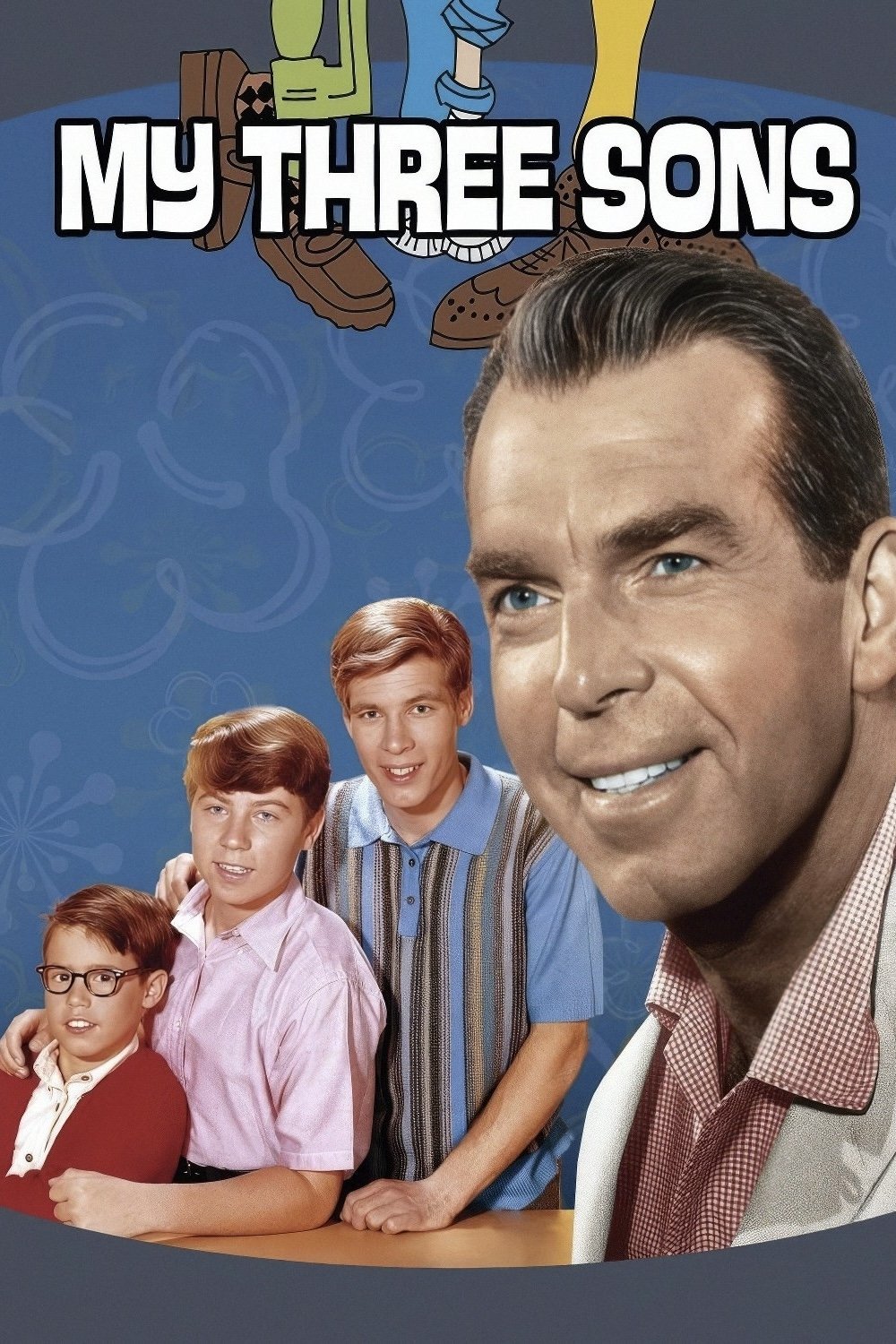
With over a decade on air, the series built a very large episode count. That depth helped syndication partners program long stretches without repeats. The family friendly tone worked in after school and weekend windows that attract broad audiences. Digital platforms later offered full season navigation for viewers catching up.
‘Leave It to Beaver’ (1957–1963)

The show posted strong audience shares in its era and set a template for family sitcom scheduling. Reruns became standard in local markets and introduced the series to younger viewers. Holiday and nostalgia marathons kept viewership steady across decades. Remastered versions and streaming ensured simple access to the complete run.
‘Good Times’ (1974–1979)
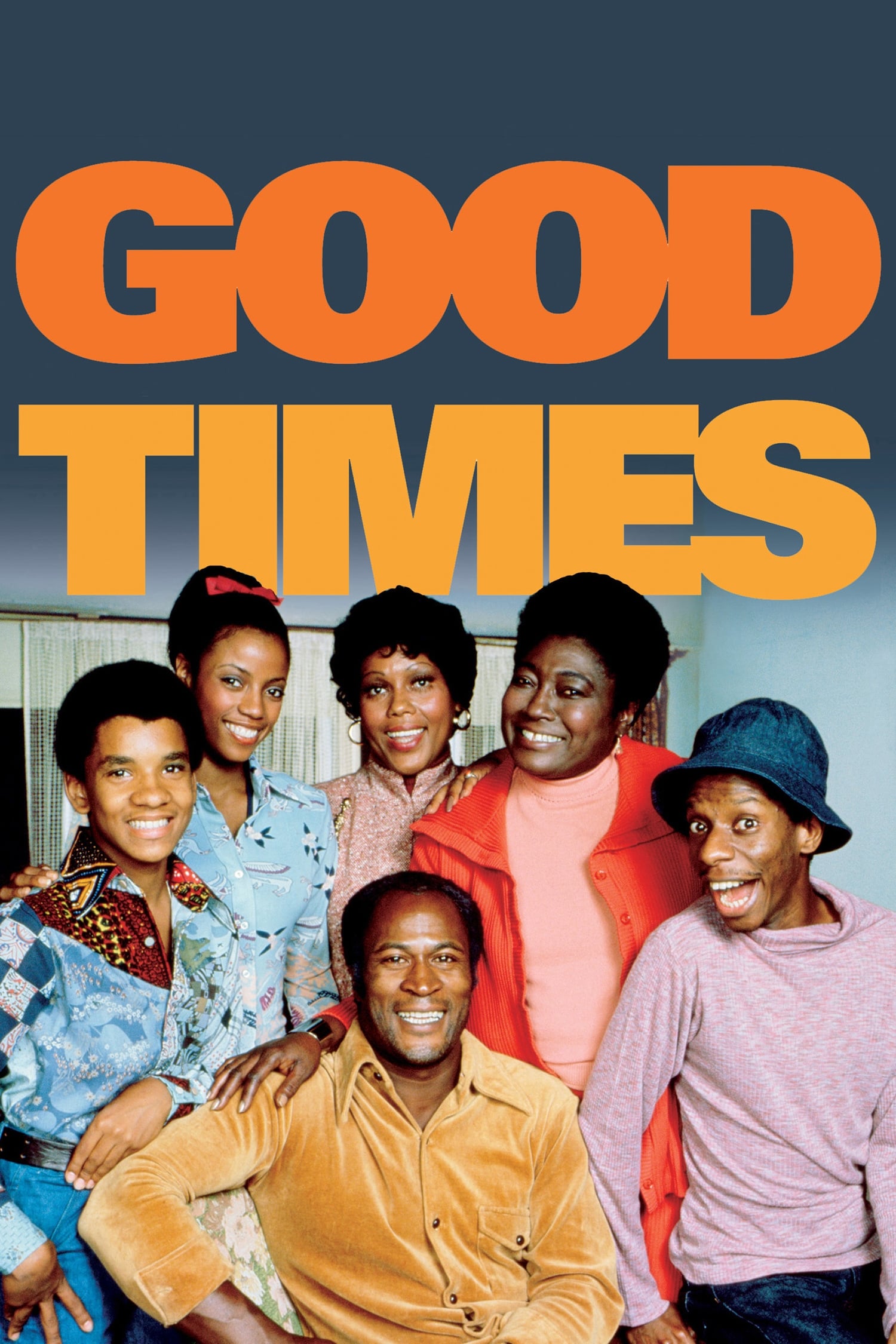
This sitcom performed well in prime time and remained a top choice in its time slot. Syndication runs kept the show in daily rotation on multiple networks. Related series and cast reunions drew attention back to the original episodes. Streaming later enabled sequential viewing for long term fans and newcomers.
‘Diff’rent Strokes’ (1978–1986)
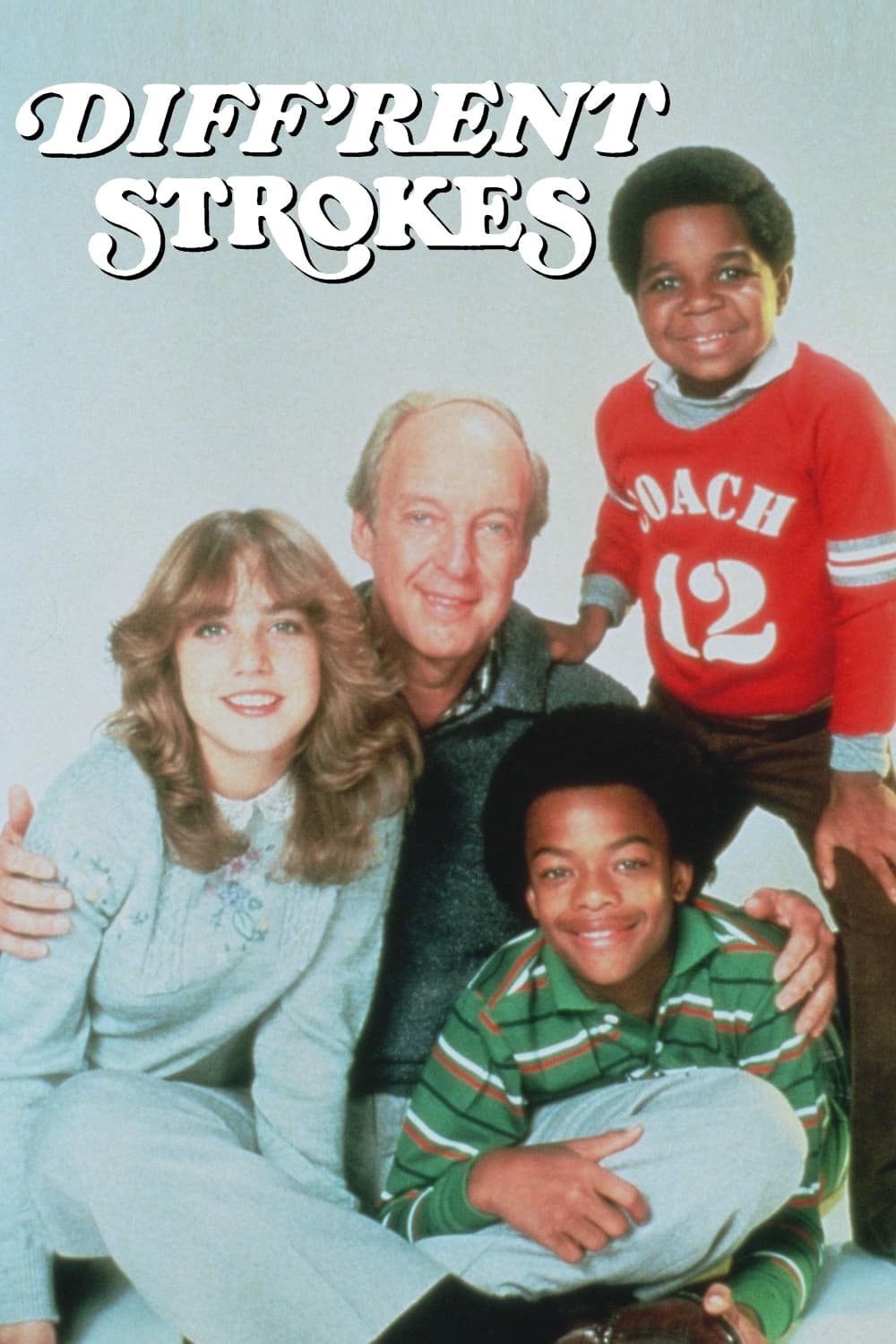
The series drew large family audiences during its early seasons and stayed competitive for years. It sold broadly in syndication and became a fixture of weekday schedules. Crossovers and specials helped keep the characters visible between seasons. Streaming platforms later simplified complete series rewatches.
‘The Honeymooners’ (1955–1956)
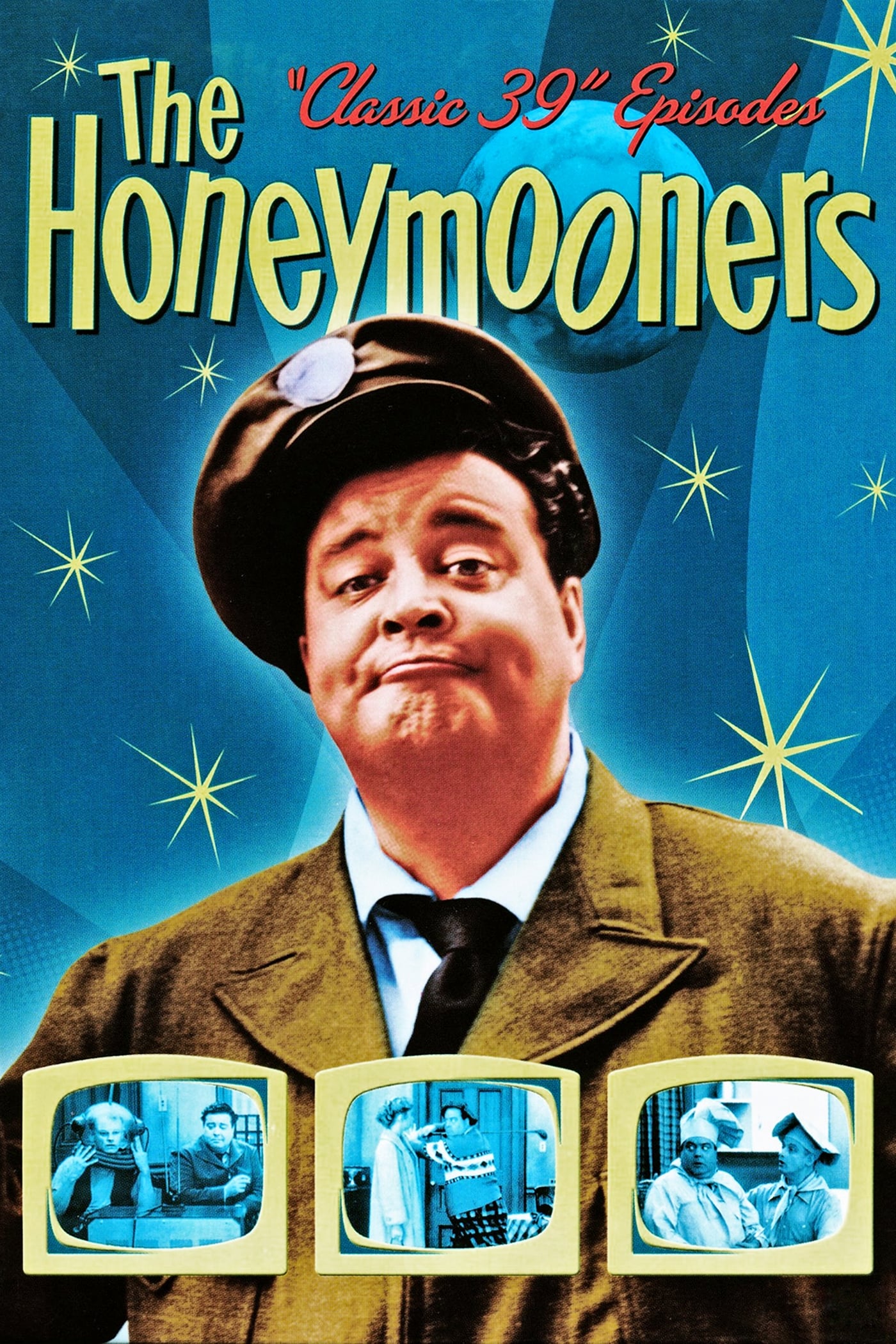
Despite its brief prime time run, the show became a syndication phenomenon through the classic 39 episodes. Local stations played it for decades, often in late night slots with reliable ratings. Lost episode restorations and specials renewed interest and expanded the available library. The simple setup made it easy for international markets to adopt.
‘Family Guy’ (1999– )
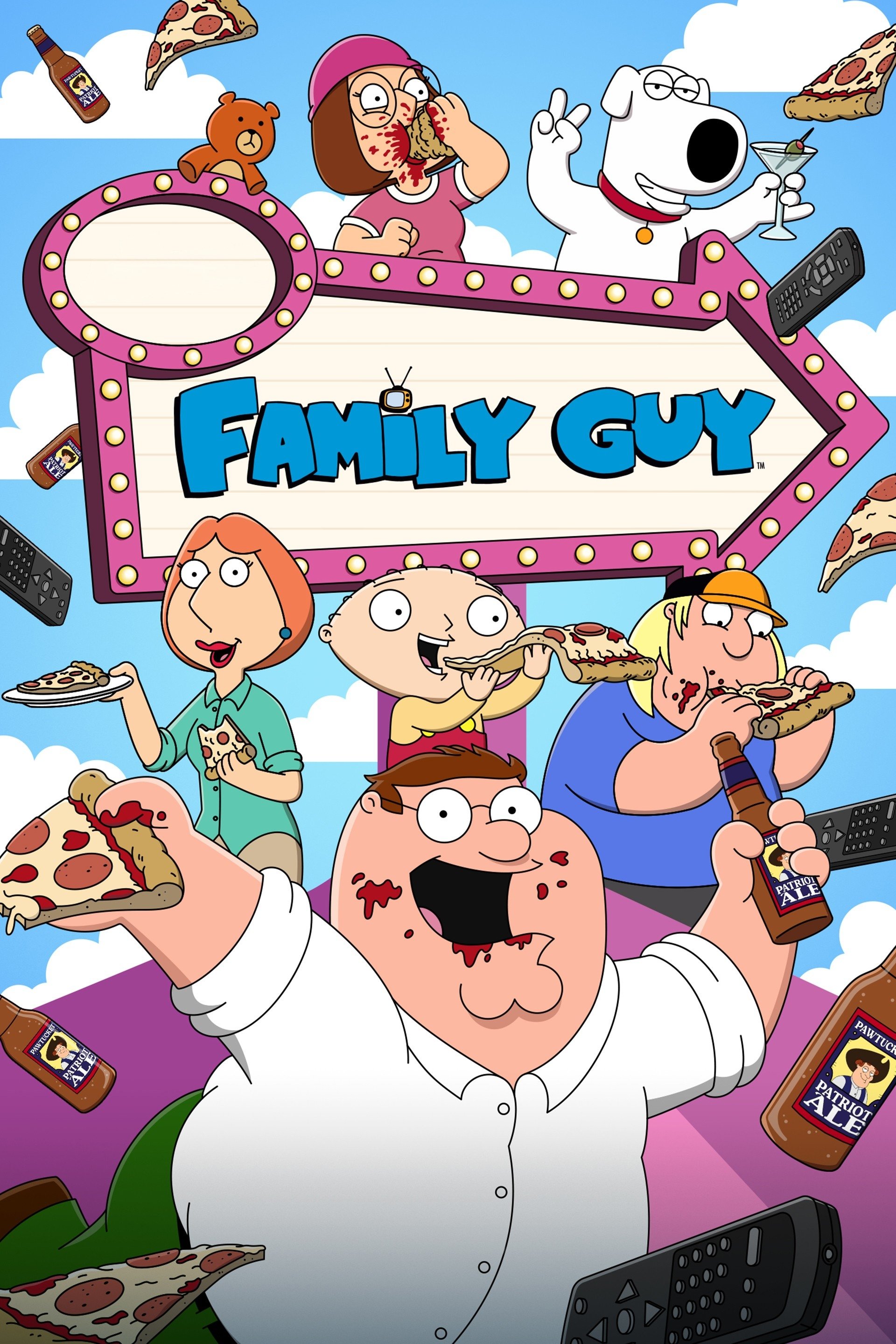
This animated sitcom built a large audience through a combination of network returns and heavy reruns. Cable blocks featuring multiple episodes kept daily view counts high. Streaming access boosted binge behavior and helped older seasons stay in circulation. The long run created a deep catalog that programmers use to anchor prime access hours.
Share your own most watched sitcom picks in the comments and tell us which ones you still rewatch today.

