Movie Sequels that Saved the Franchise


Franchises hit rough patches for all kinds of reasons—box-office dips, creative misfires, or long gaps that make audiences move on. A well-timed sequel can pull everything back from the brink with a sharper concept, a new creative team, or a smart pivot in tone and scope. When it works, the turnaround isn’t just visible in ticket sales; you can trace it in greenlit follow-ups, renewed audience interest, and the cultural footprint that suddenly gets bigger again.
Below are twenty sequels that did exactly that. Each one arrived at a crucial moment, re-energized its series with concrete changes—casting, style, structure, or production strategy—and proved there was plenty of life left in the brand. The focus here is on verifiable shifts such as budget strategies, format changes, continuity resets, and measurable outcomes like awards, greenlit continuations, and expanded media activity.
‘Star Trek II: The Wrath of Khan’ (1982)
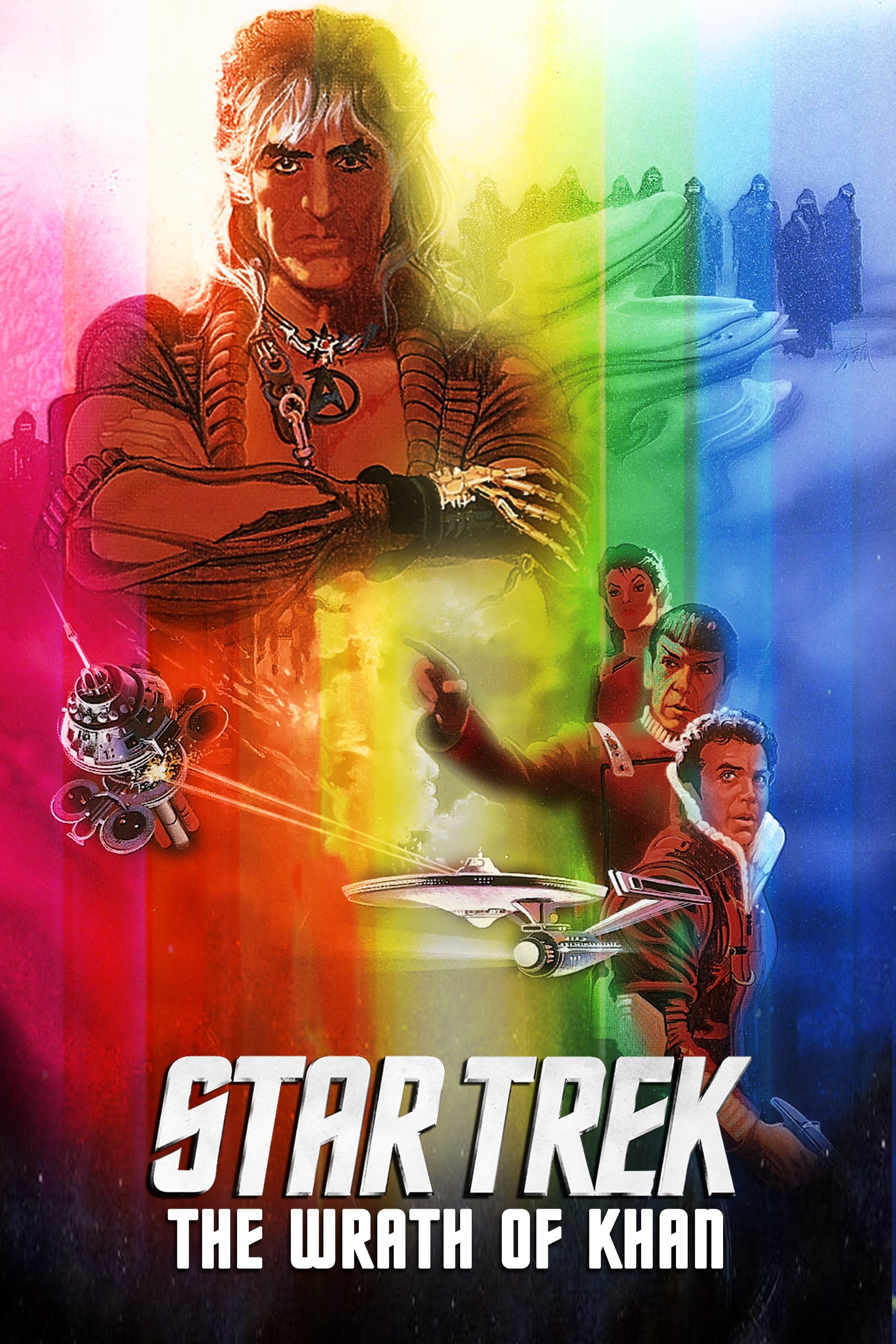
Nicholas Meyer implemented a leaner production model, a naval-inspired aesthetic, and a direct narrative follow-up to the ‘Space Seed’ episode by reintroducing Khan Noonien Singh. The film emphasized character conflict, practical effects, and a clear antagonist, establishing a replicable template for subsequent entries.
It advanced series continuity through the Genesis Device and consequential arcs for Kirk and Spock, which fed directly into later installments. The commercial rebound supported multiple sequels and normalized cost-controlled blockbusters for the franchise.
‘Fast Five’ (2011)
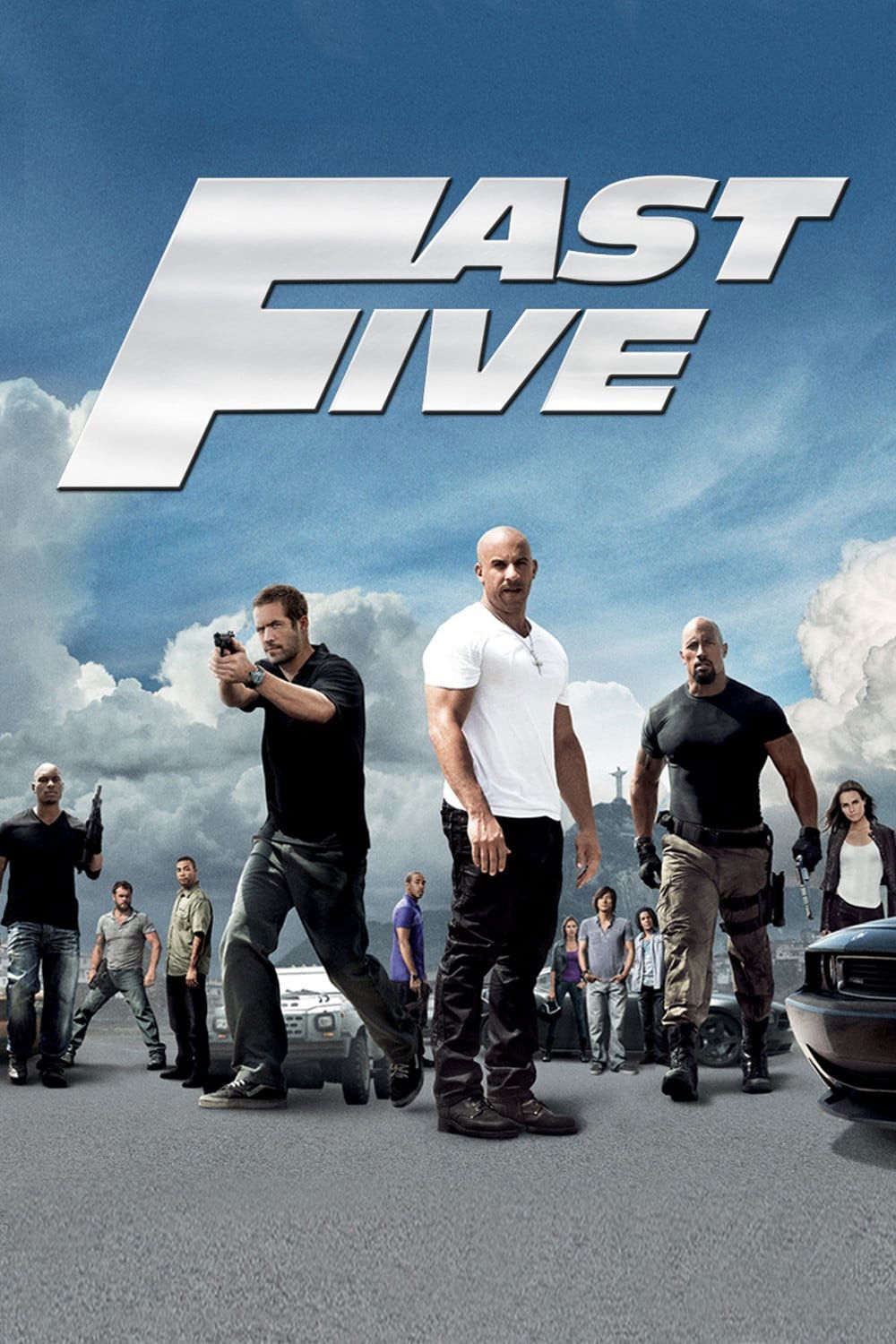
The series shifted from tuner culture to a heist framework, introduced Luke Hobbs, and expanded the ensemble into a recurring team with defined specialties. Set-pieces calibrated for international locations and practical stunt coordination created a scalable formula for future chapters.
The worldwide gross rose sharply from the prior film, unlocking larger budgets and global marketing pushes. The new structure—crew assembly, city-specific capers, and escalating set-pieces—became the foundation for the brand’s most profitable stretch.
‘Skyfall’ (2012)
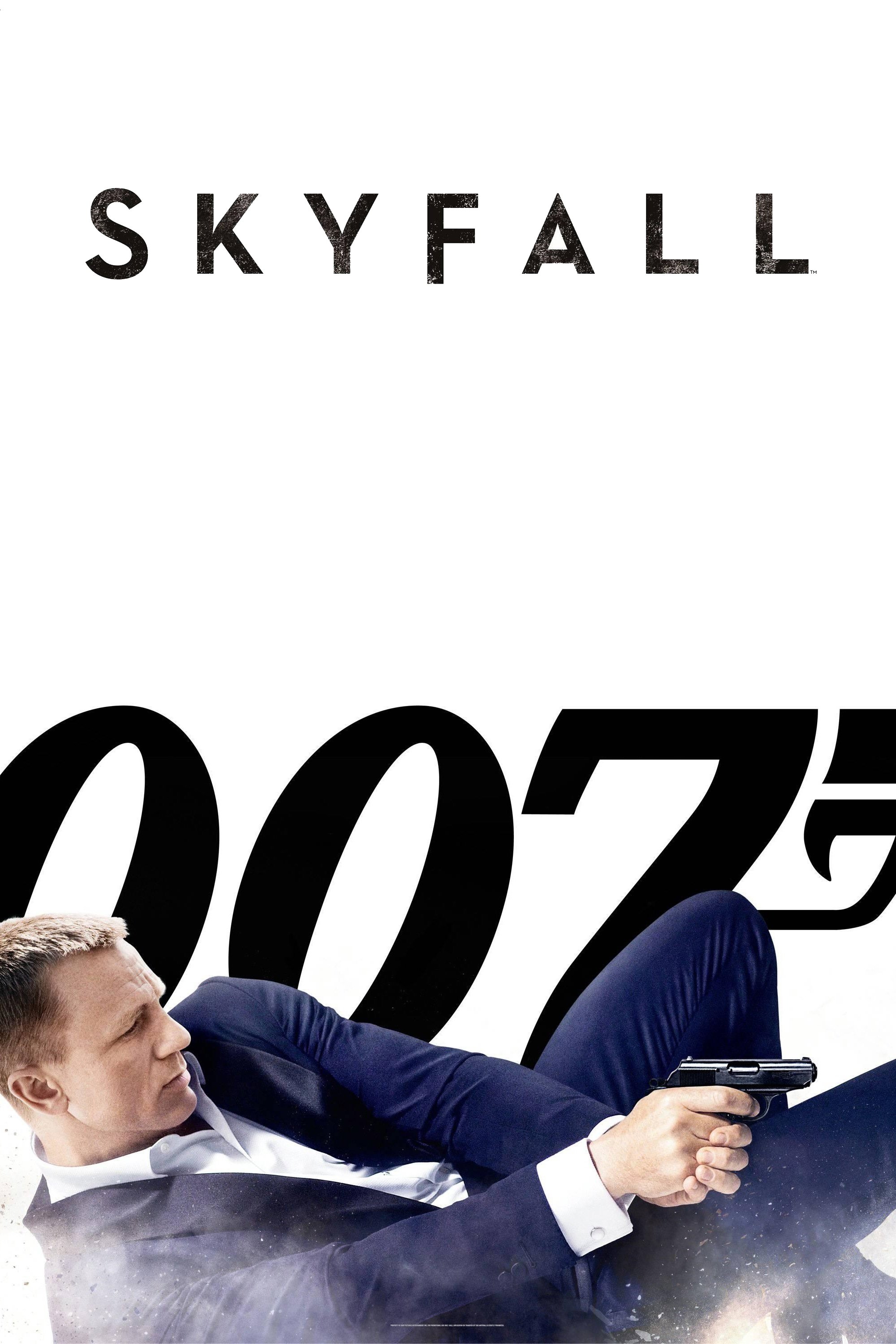
Sam Mendes consolidated a prestige approach with large-format cinematography, a chart-topping theme song, and an MI6-centered plot that restored franchise lore through Q and Moneypenny. The London-focused set-pieces and internal-agency stakes updated the spy framework for contemporary geopolitics.
It delivered the highest global earnings in the character’s history to that point and secured awards recognition, including wins in music and sound. The outcome reaffirmed long-term viability for the era and supported direct continuity into the next installment.
‘Mission: Impossible – Ghost Protocol’ (2011)
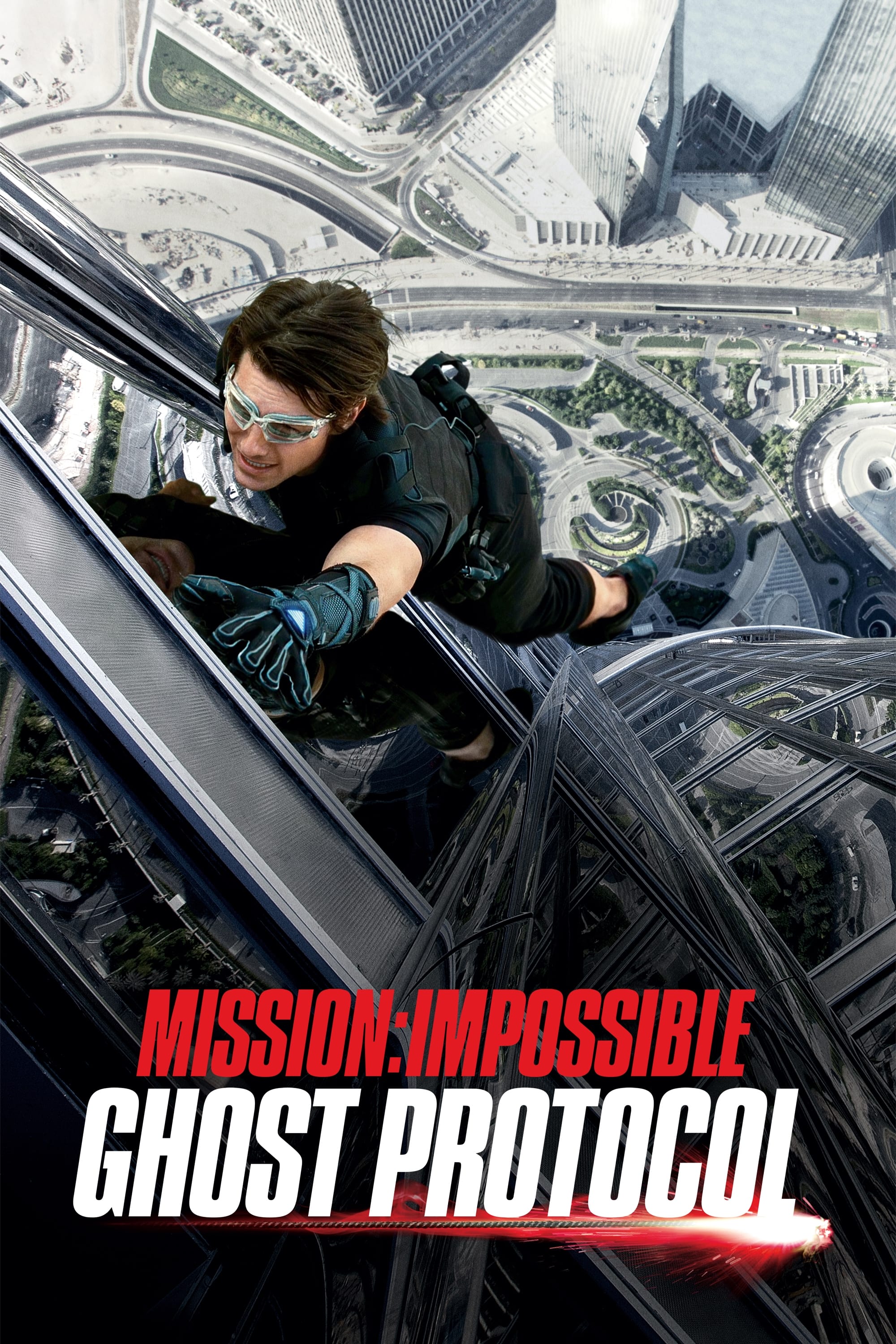
Brad Bird reorganized the series around team problem-solving, gadget-driven missions, and practical spectacle, highlighted by the Burj Khalifa climb. The film standardized a clear brief–complication–improvisation loop that subsequent entries reused with new directors.
The entry achieved a franchise-best global gross at its release and stabilized recurring cast participation. Its success cemented location-hopping set-pieces and in-camera stunts as signature elements, guiding the series’ production design and marketing.
‘Thor: Ragnarok’ (2017)
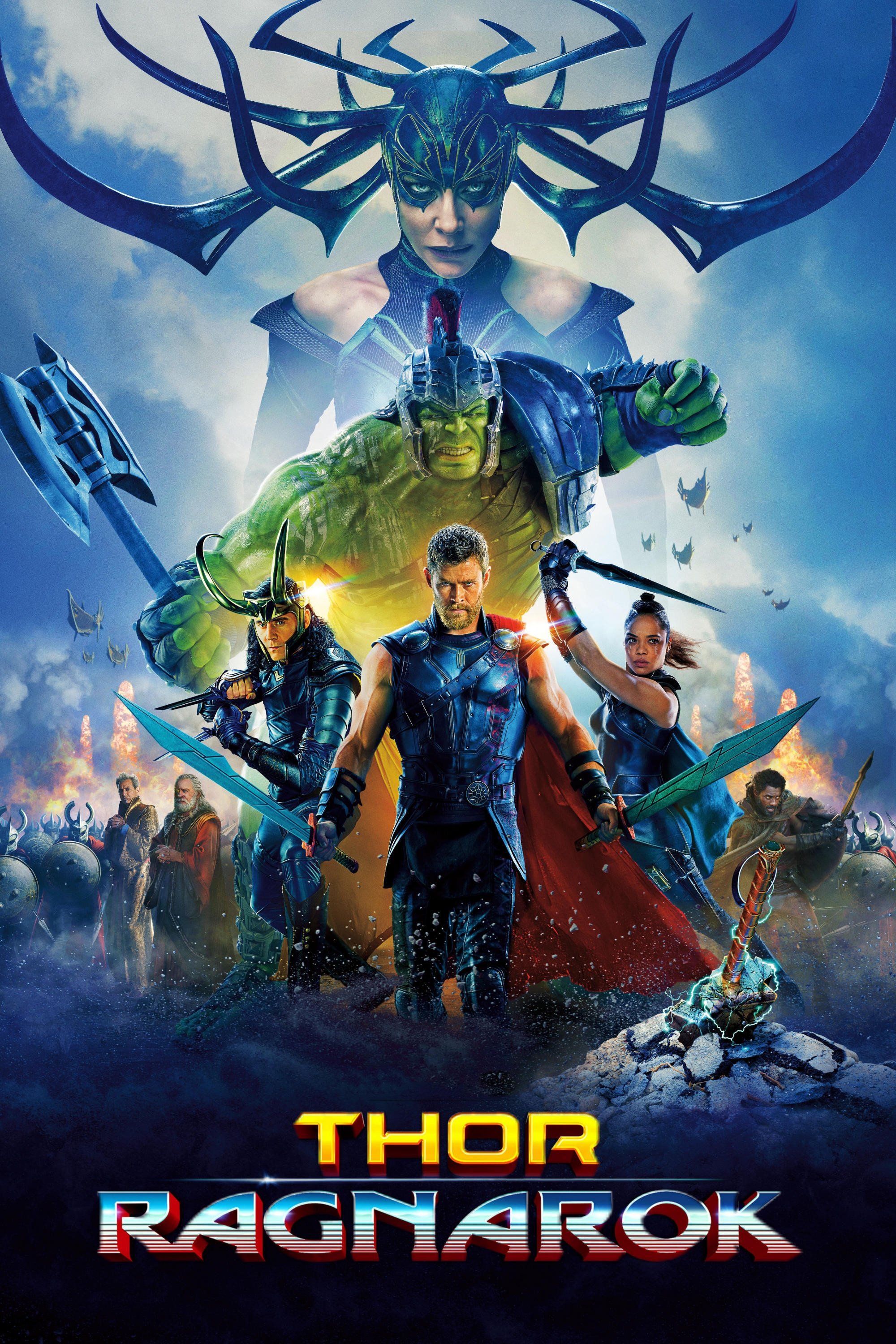
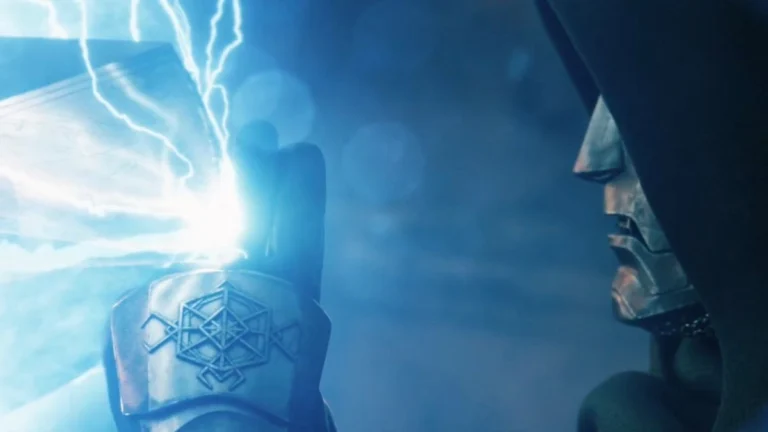
Taika Waititi’s chapter executed a tonal reset with improvisation-friendly dialogue, cosmic road-movie structure, and refreshed character designs including Valkyrie and updated looks for core leads. The film incorporated material associated with ‘Planet Hulk’ and expanded off-world settings that fed later crossovers.
Merchandising and global grosses rose for the sub-series, validating the creative pivot for future appearances of its leads. The approach established a visual and comedic benchmark that subsequent projects within the shared universe referenced.
‘X-Men: First Class’ (2011)
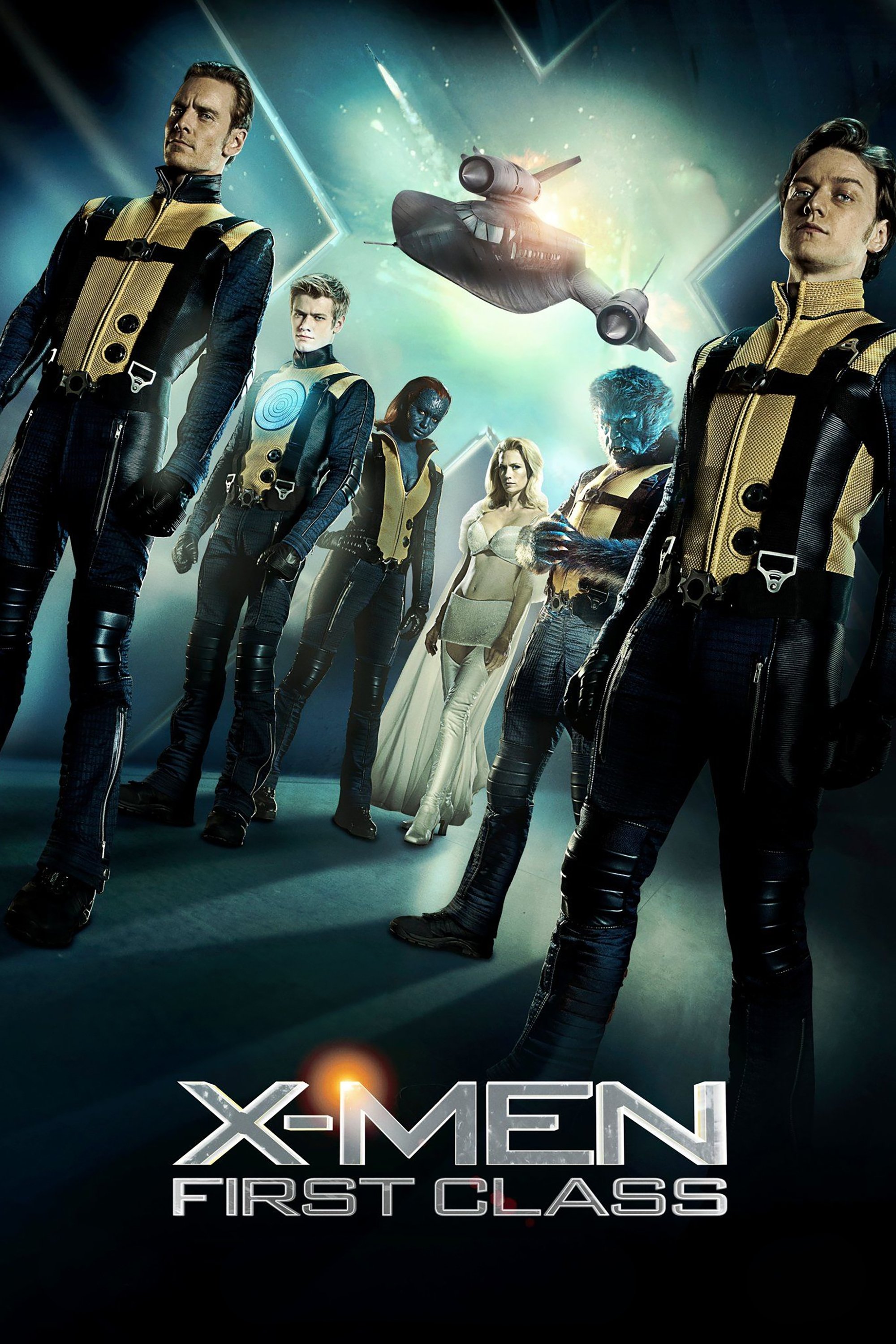
Reframing as a period-set origin introduced a new cast for Charles Xavier and Erik Lehnsherr while integrating espionage elements and real-world geopolitics. The film rebuilt the timeline to support further continuity maneuvers without discarding legacy installments.
Its performance restored critical momentum and enabled the timeline-bridging ‘Days of Future Past’. The younger lineup supplied a pipeline of characters that sustained the brand across multiple films.
‘The Suicide Squad’ (2021)
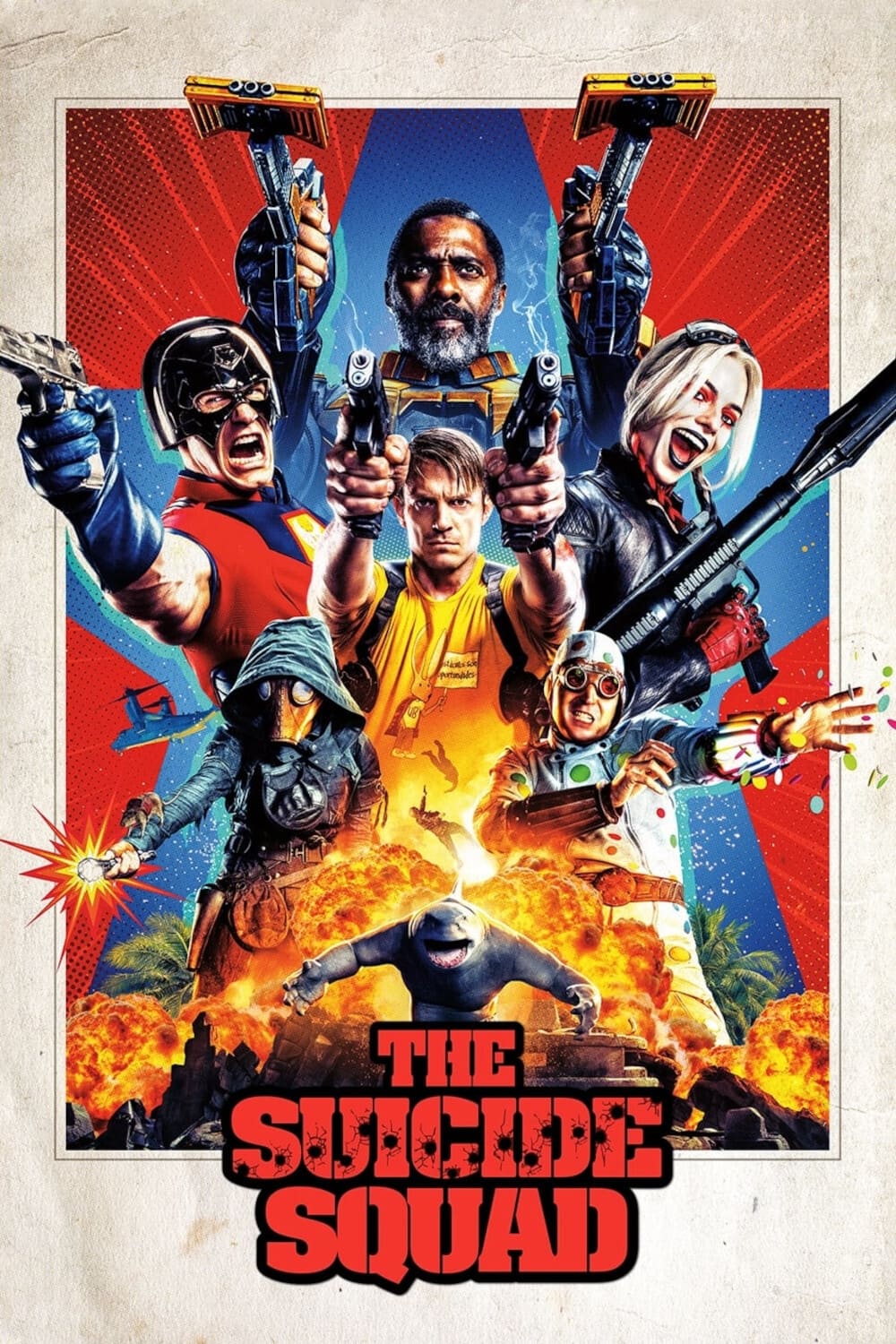
James Gunn delivered a soft reboot that retained continuity while overhauling tone, structure, and roster depth with mission-based storytelling and hard-R action. The film foregrounded lesser-known characters, giving the IP flexibility for spin-offs and streaming tie-ins.
Despite a constrained theatrical environment, it drove strong engagement on digital platforms and directly launched the ‘Peacemaker’ series. The results established a stable framework for future standalone yet connected entries.
‘GoldenEye’ (1995)
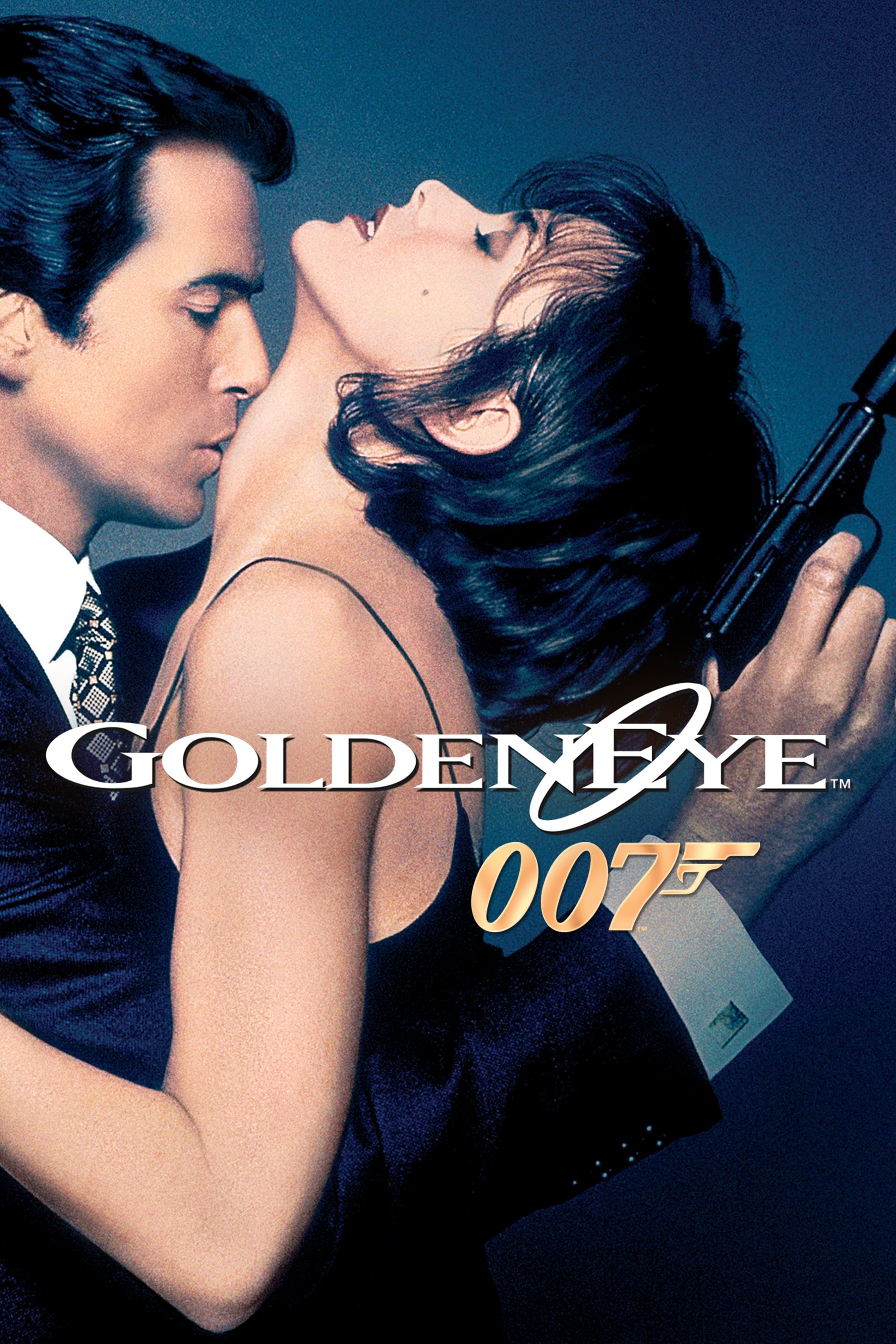
Following a long gap, the film reintroduced the character with Pierce Brosnan, updated MI6 leadership through Judi Dench, and situated the plot in a post-Cold War tech landscape. It modernized gadgets and surveillance threats while retaining series hallmarks like Q-branch briefings.
The global box office revived the brand and catalyzed a multimedia surge, most notably a best-selling console game that extended the film’s reach. The success secured multiple follow-ups and stabilized international distribution strategies.
‘Mad Max: Fury Road’ (2015)
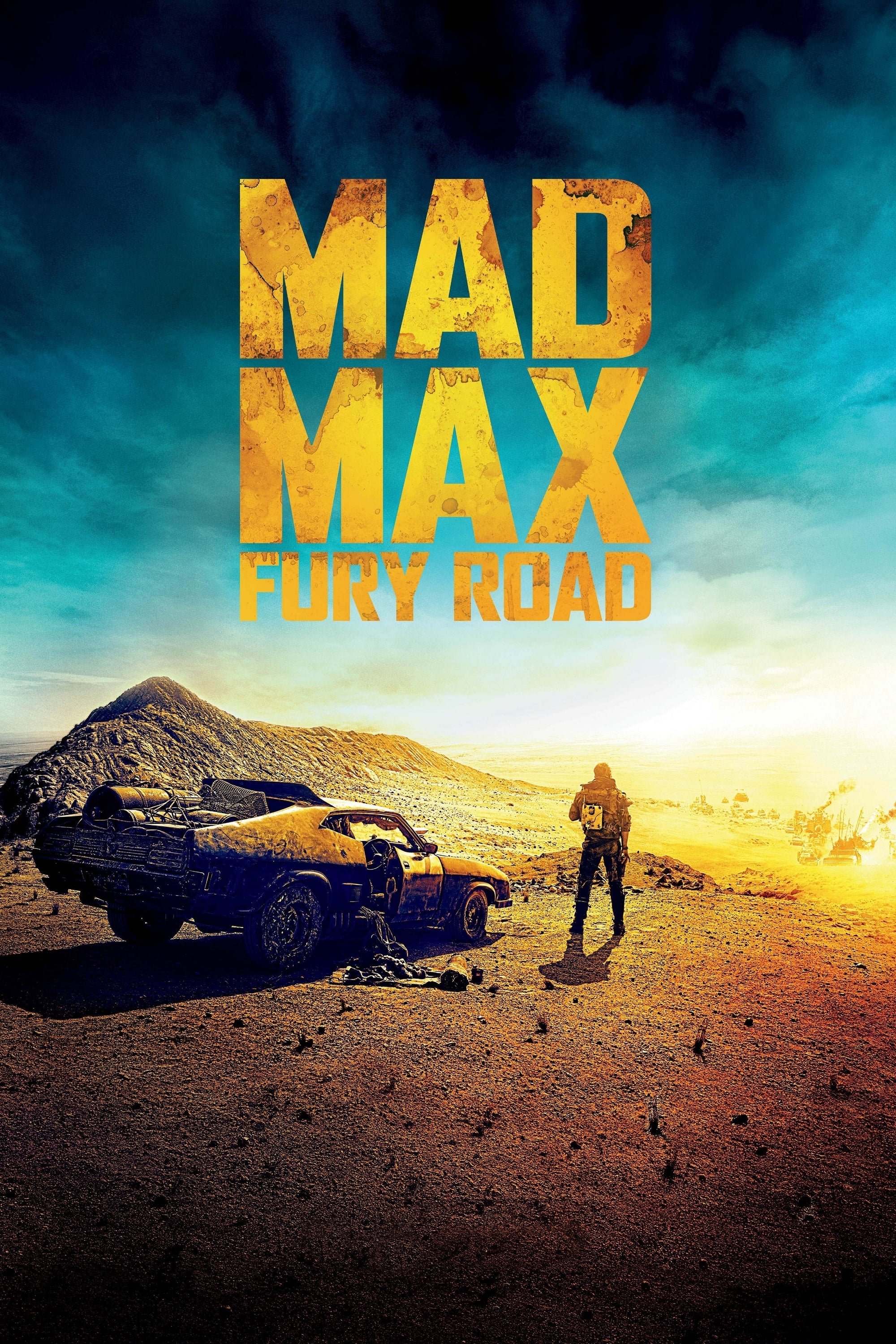
George Miller returned with a near-continuous chase narrative, large-scale practical effects, and distinctive vehicle and costume design that refreshed the series’ iconography. The introduction of Imperator Furiosa broadened perspective without heavy exposition, enriching the worldbuilding.
The film earned multiple craft Oscars and strong global returns, which directly supported future entries and spin-offs. Its production methods—stunt-forward action, real desert locations, and minimal dialogue—became a modern reference point for action filmmaking.
‘Halloween’ (2018)
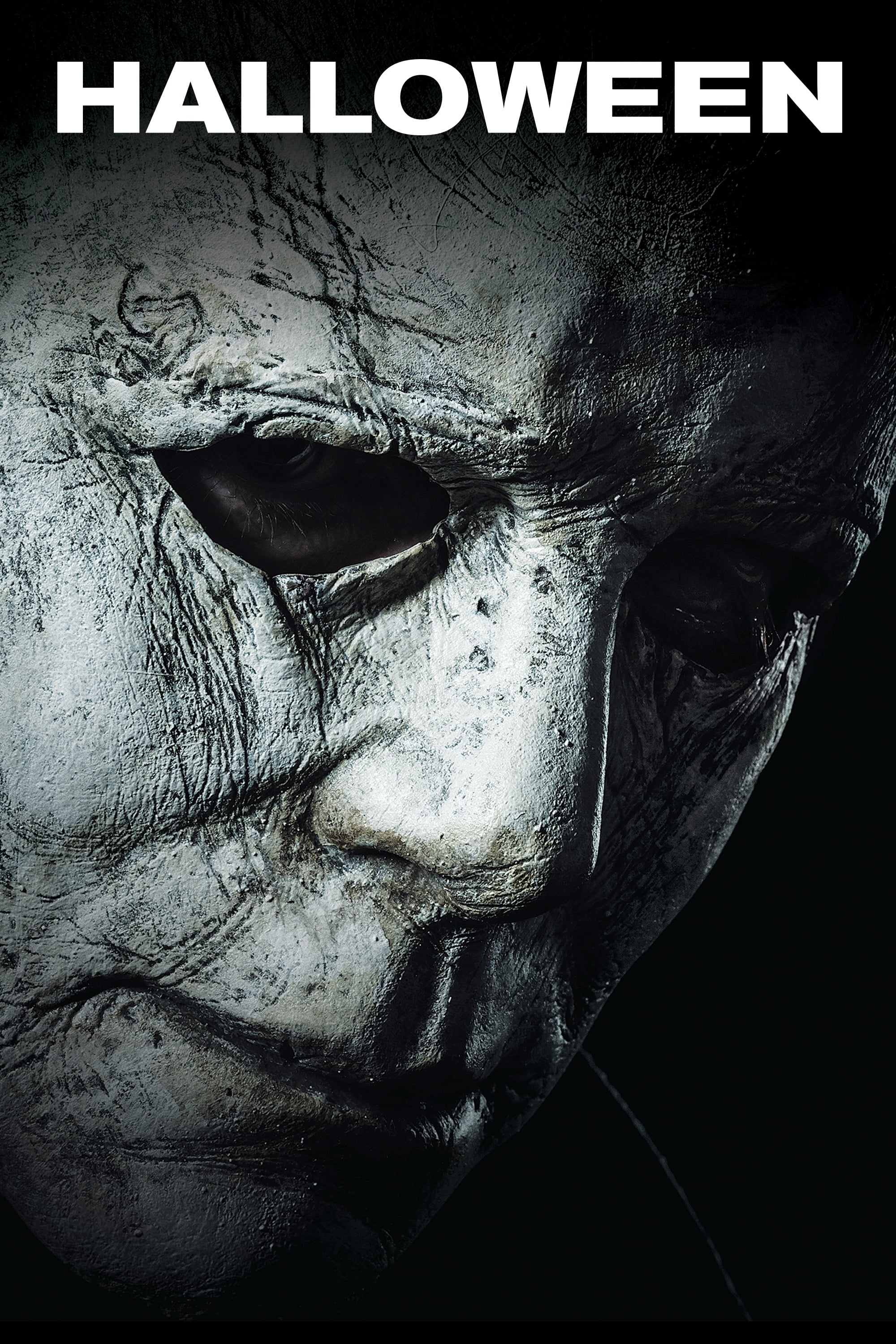
The sequel reset continuity to follow directly after the original, bringing back Jamie Lee Curtis and reestablishing core musical motifs from John Carpenter. A trauma-centered plotline and updated production design created a clear entry point for new viewers.
It set franchise records at the domestic box office for the brand and secured two immediate follow-ups. The streamlined canon simplified marketing and licensing across theatrical, streaming, and catalog sales.
‘Bride of Chucky’ (1998)
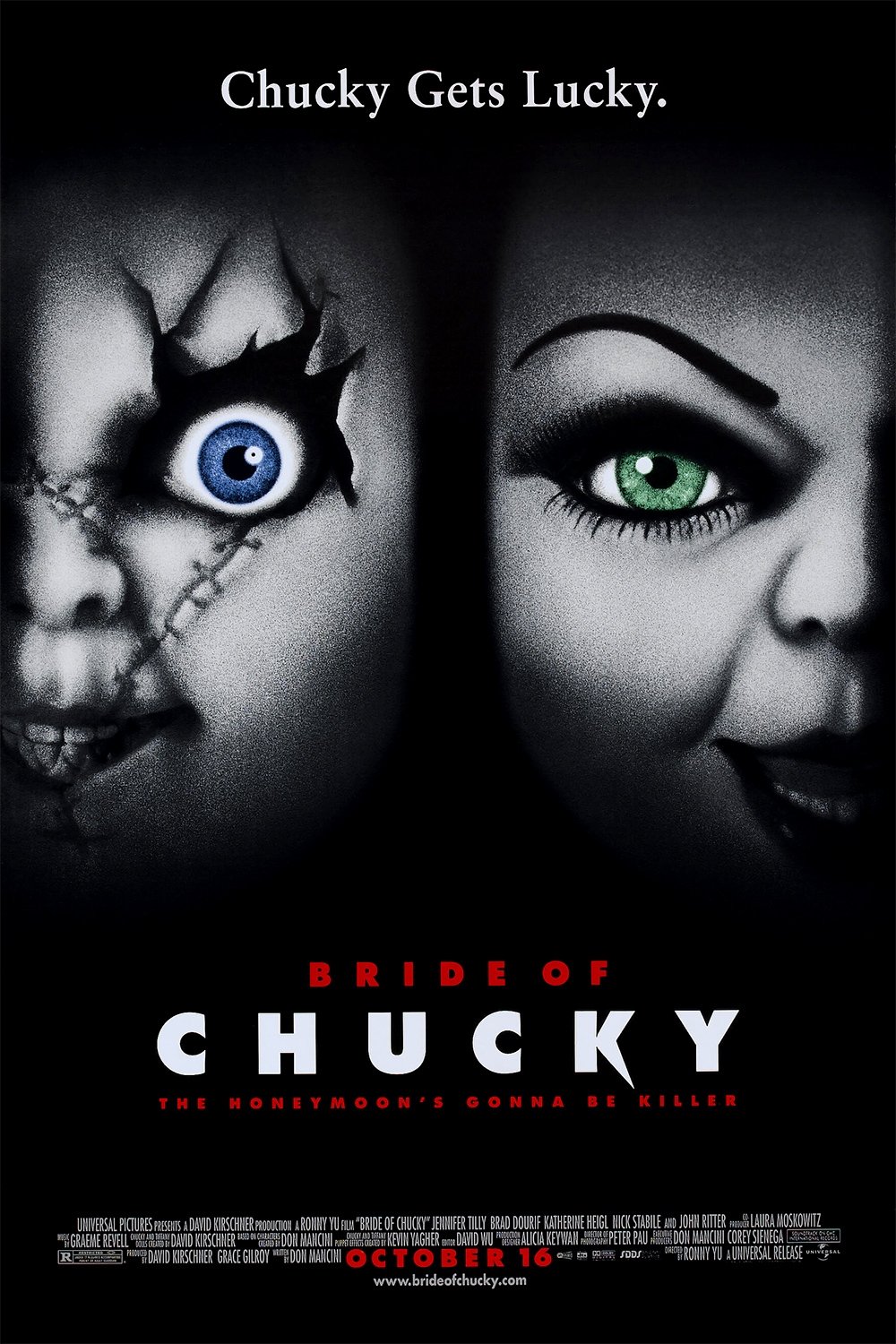
The series pivoted to self-aware horror-comedy, introduced Tiffany as a co-lead, and updated animatronics to match contemporary effects standards. The tonal shift opened space for more elaborate set-pieces and character interplay beyond a single-antagonist format.
The box-office step-up from the prior entry revitalized home-video performance, crucial for this property’s revenue model. The film’s additions—new antagonist dynamics and lore—supported later films and a television expansion.
‘Die Hard: with a Vengeance’ (1995)
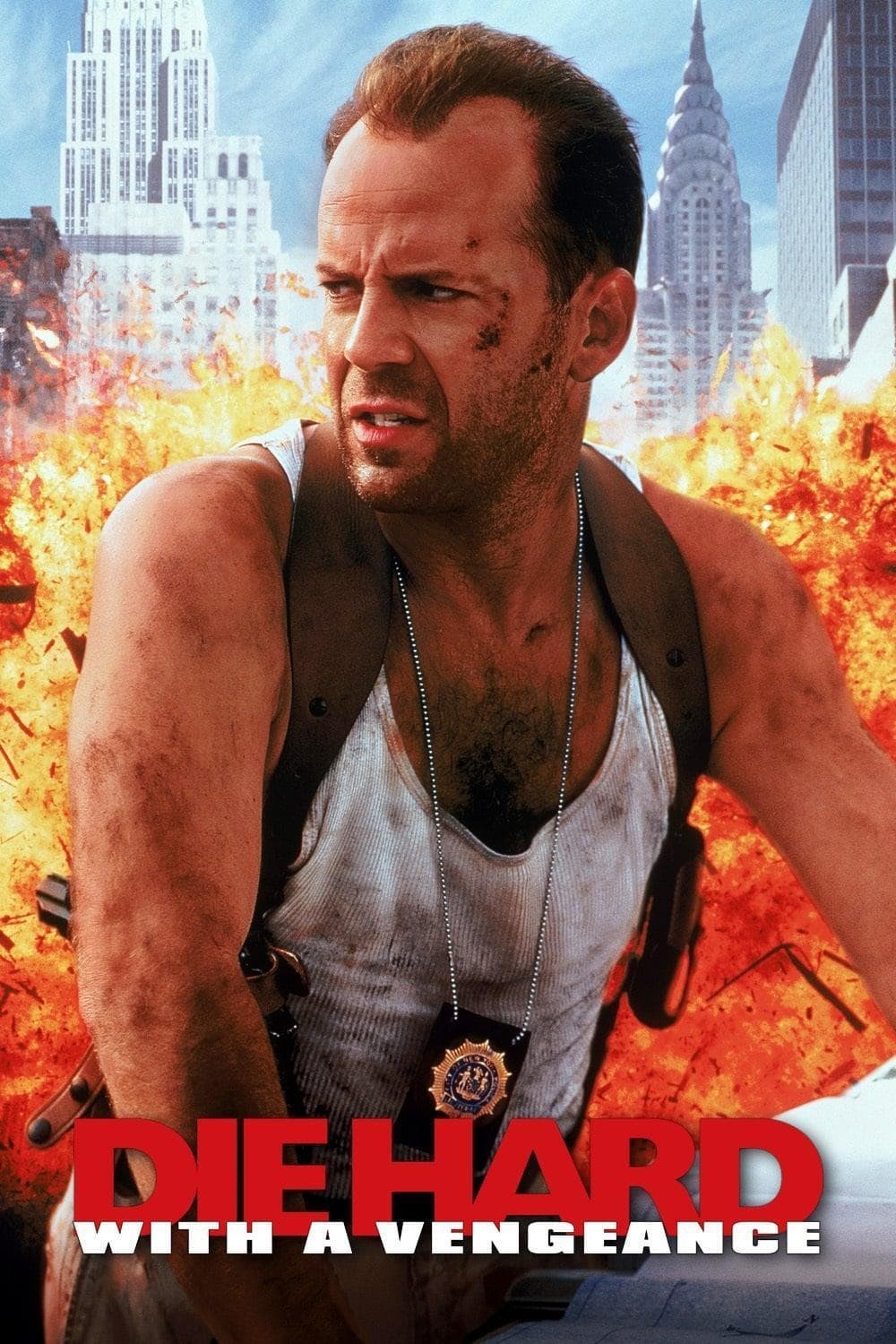
The third entry added Zeus Carver as a co-lead and deployed a citywide puzzle-thriller plot across New York, replacing the earlier confined-location templates. Daylight action sequences and municipal-scale stakes restored event-movie scope.
International earnings surpassed previous installments, repositioning the IP as a strong export brand. The model validated larger overseas campaigns and kept the series active for additional sequels.
‘Friday the 13th Part VI: Jason Lives’ (1986)
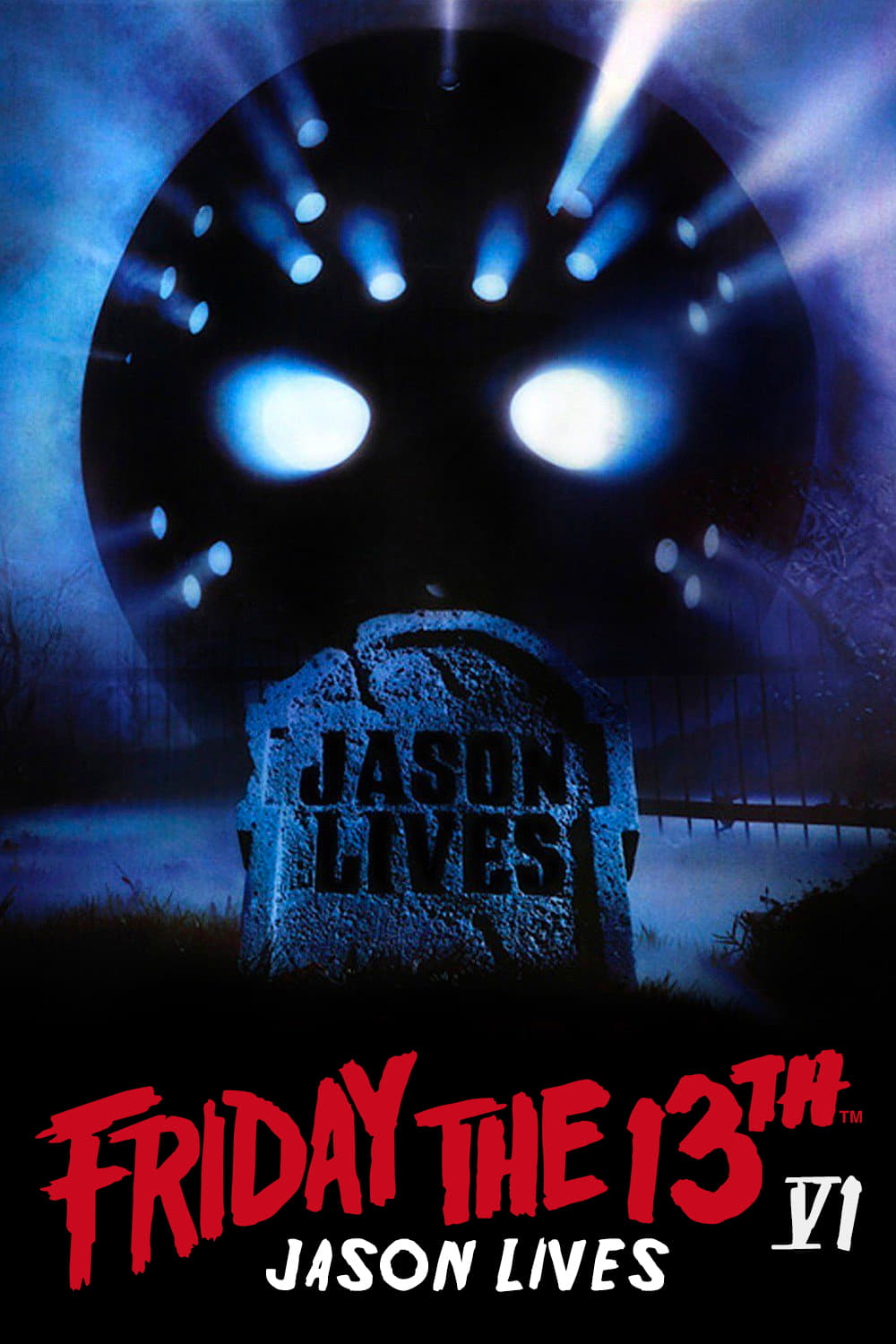
Responding to audience reaction to antagonist changes, the film reinstated Jason Voorhees and codified him as an undead, unstoppable presence. It incorporated brisk pacing and calibrated dark humor while maintaining core slasher mechanics and campground iconography.
The course correction steadied attendance and revived fan engagement, enabling a consistent villain identity for later entries. The tonal and mythological choices shaped the franchise’s late-stage formula and crossover potential.
‘A Nightmare on Elm Street 3: Dream Warriors’ (1987)
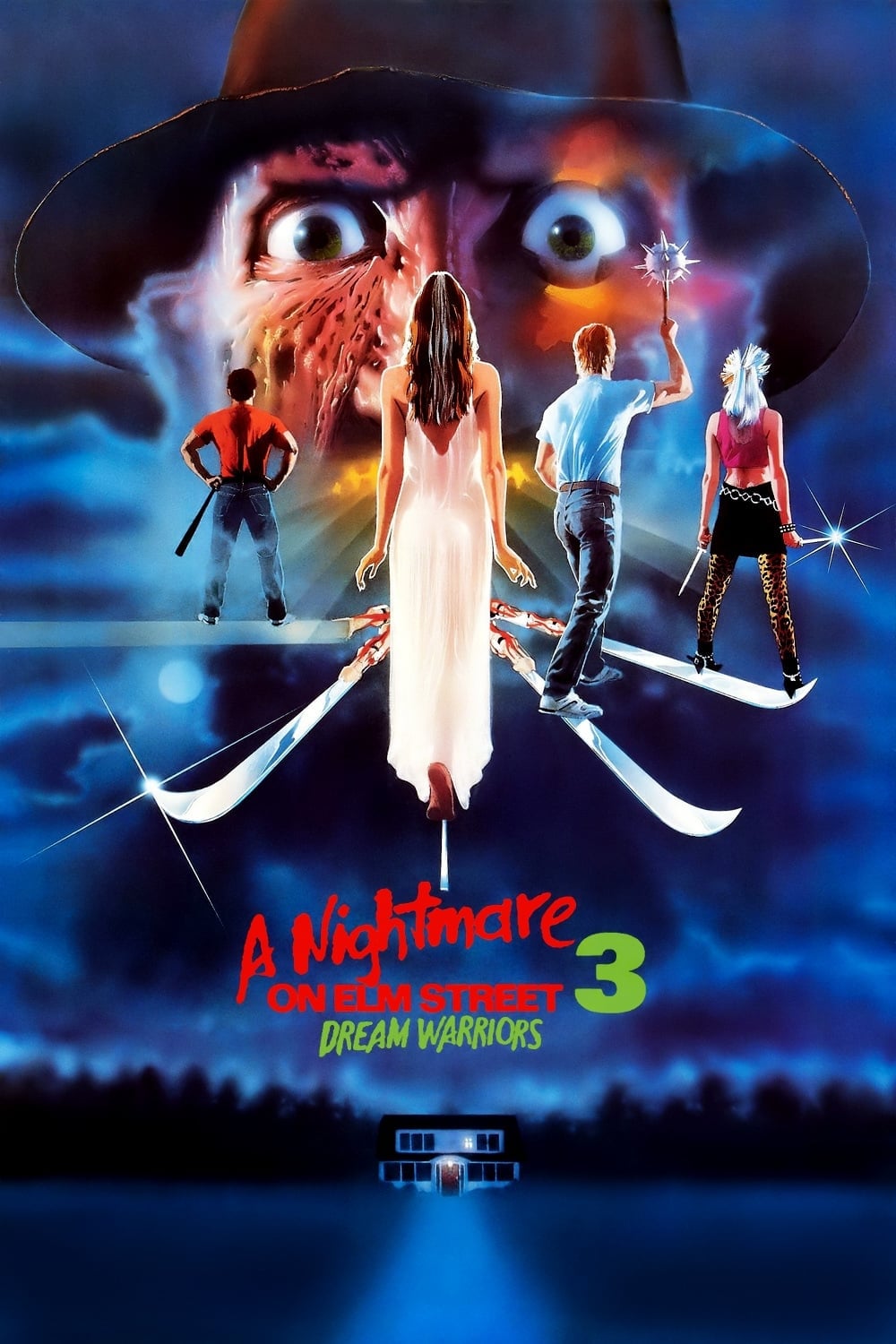
Wes Craven’s story contribution expanded rules with shared dream powers and a team-based cast under psychiatric supervision. Practical effects delivered memorable dreamscapes and creature work that restored the series’ signature visual imagination.
The installment reversed the prior film’s slide and anchored multiple subsequent sequels with returning characters and new abilities. It strengthened the property’s merchandising profile and syndicated TV presence.
‘Final Destination 5’ (2011)
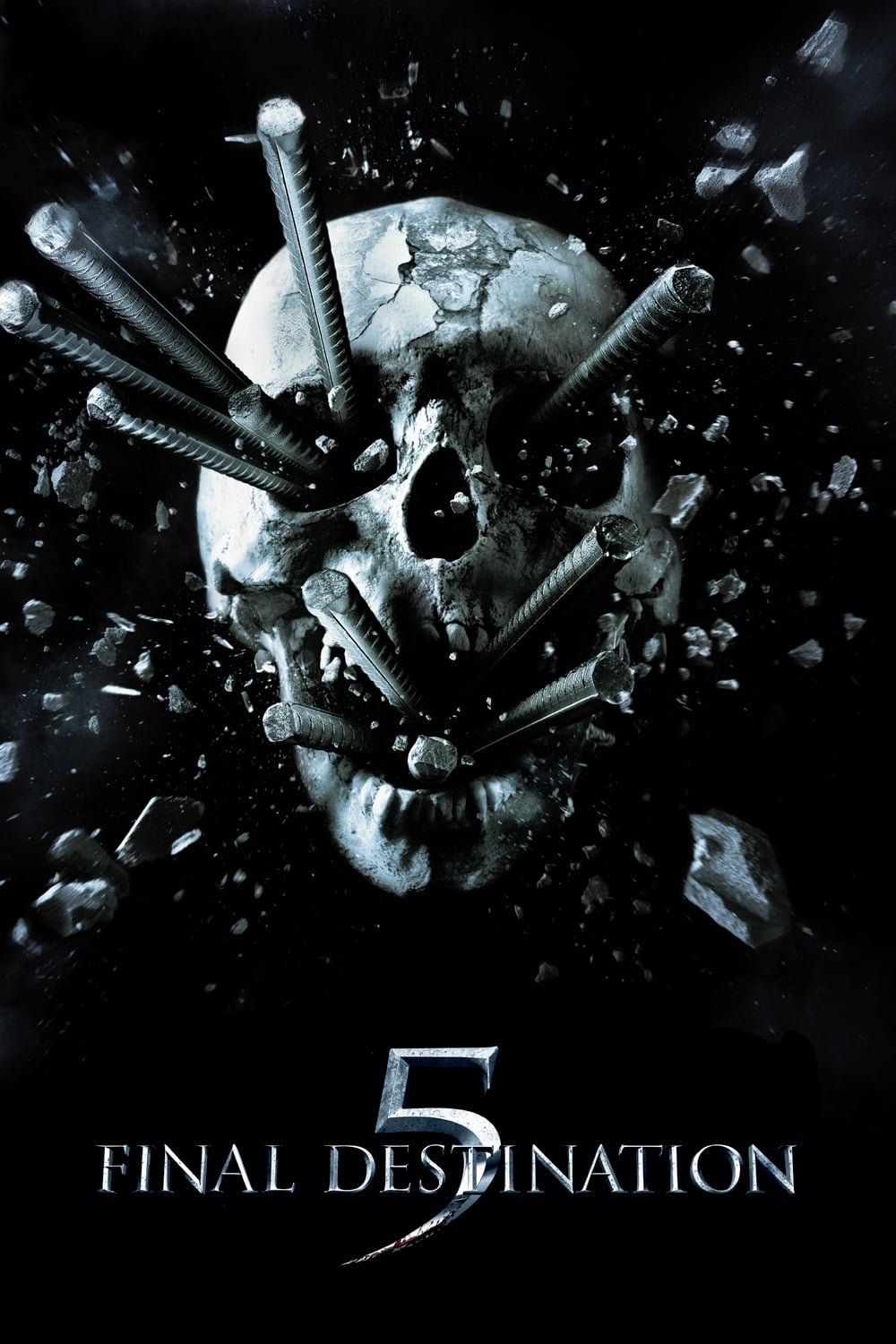
The film refined the central gimmick with intricately staged mishaps and a late reveal that recontextualized the narrative’s timeline. Stereoscopic 3D planning integrated practical gags for premium-format impact.
Audience response improved relative to immediate predecessors, extending the brand’s runway. The renewed interest maintained development activity for further chapters and sustained catalog viewership across platforms.
‘Bumblebee’ (2018)
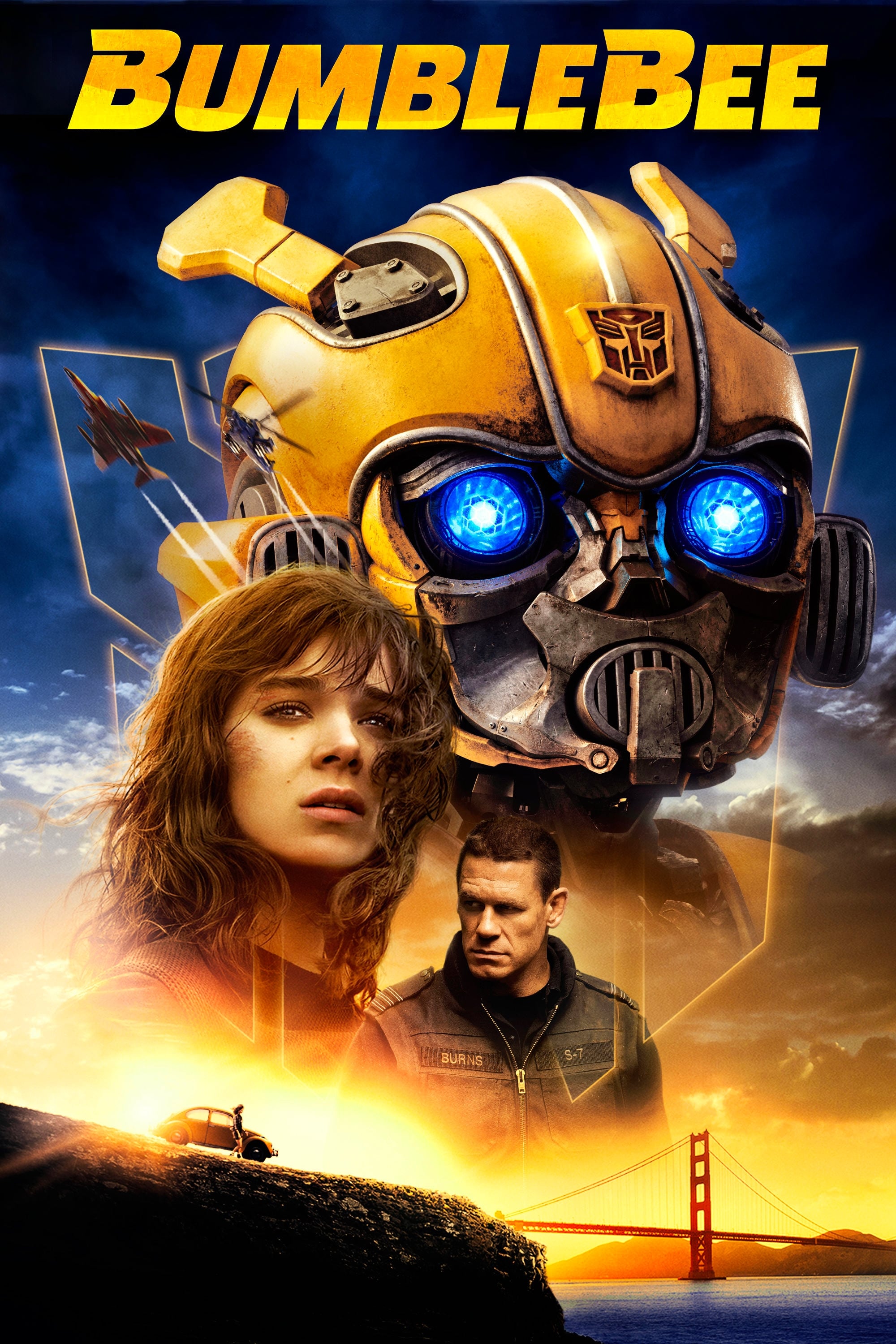
The franchise scaled down to a character-focused story about a single Autobot and a teen protagonist, emphasizing readable action geography and legacy-inspired robot designs. The setting and soundtrack reconnected the brand to its original aesthetics.
A lower production cost paired with solid global performance restored profitability and goodwill for the series. The recalibration informed later entries’ design choices and continuity placement.
‘Bad Boys for Life’ (2020)
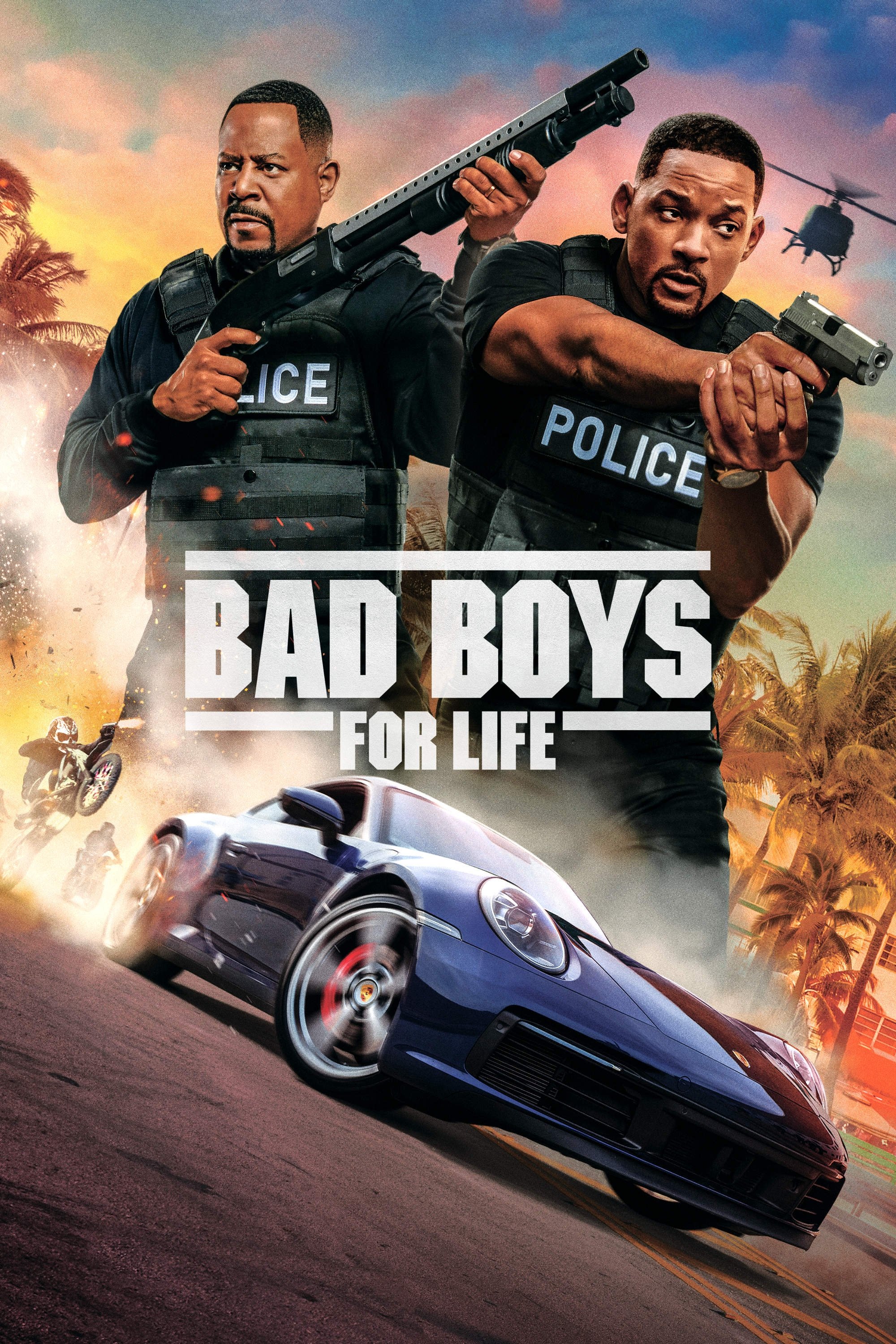
Adil & Bilall combined returning leads with a modern task-force framework via AMMO, creating a larger ensemble for future stories. The production balanced practical stunt work with contemporary digital techniques for urban action sequences.
It finished as the highest-grossing domestic release of its year and reactivated the IP for another sequel. The commercial rebound boosted catalog sales and streaming performance for the earlier films.
‘Godzilla vs. Kong’ (2021)
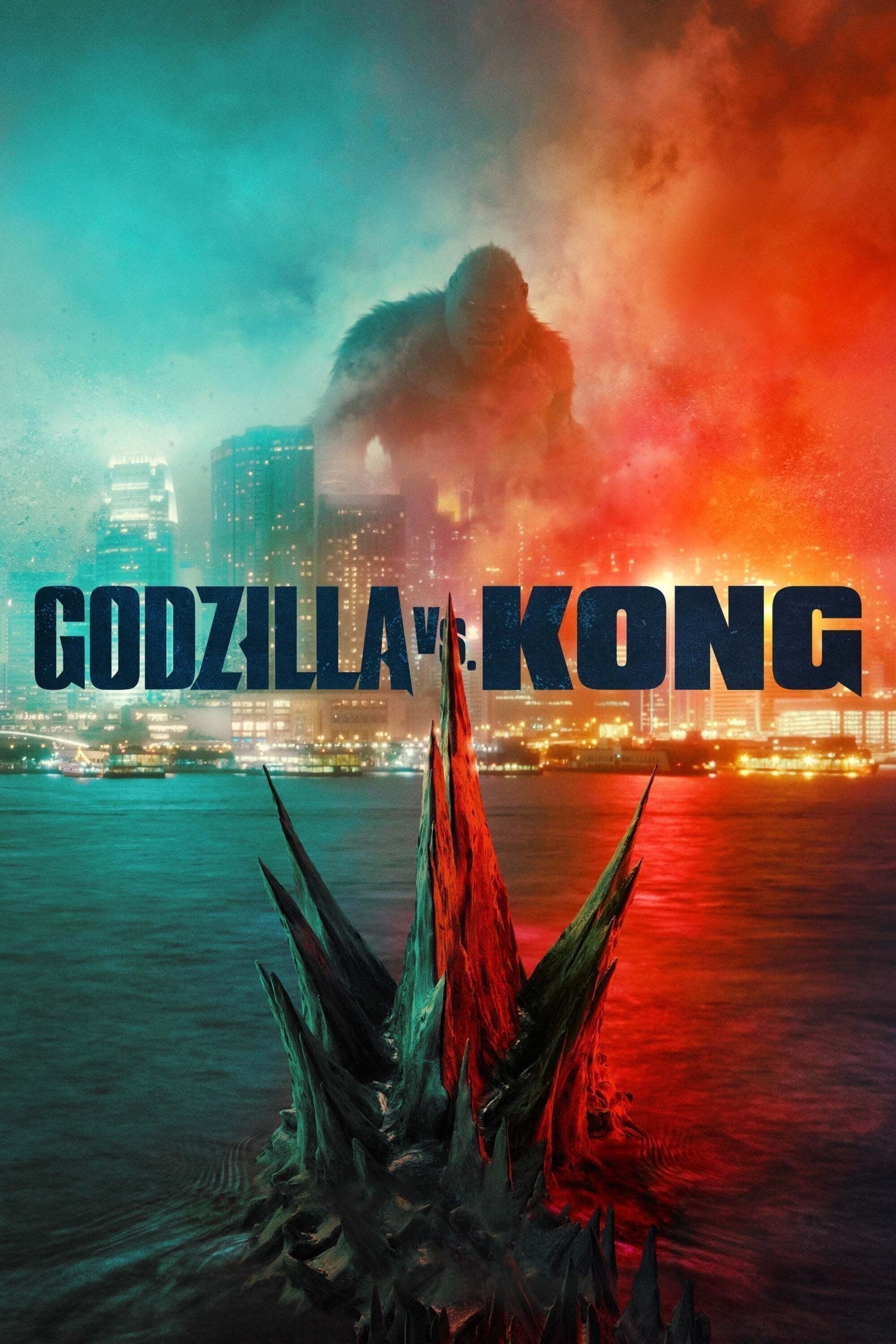
The crossover consolidated the MonsterVerse’s appeal with a straightforward title bout, vivid sci-fi environments, and premium large-format mixes. The structure prioritized clear combat geography and creature-ecosystem lore that could be expanded in follow-ups.
The film delivered the strongest theatrical turnout for the shared universe in its release window and sustained high visibility via a hybrid rollout. The momentum led directly to a subsequent team-up and kept multiple creature features in active development.
‘Puss in Boots: The Last Wish’ (2022)
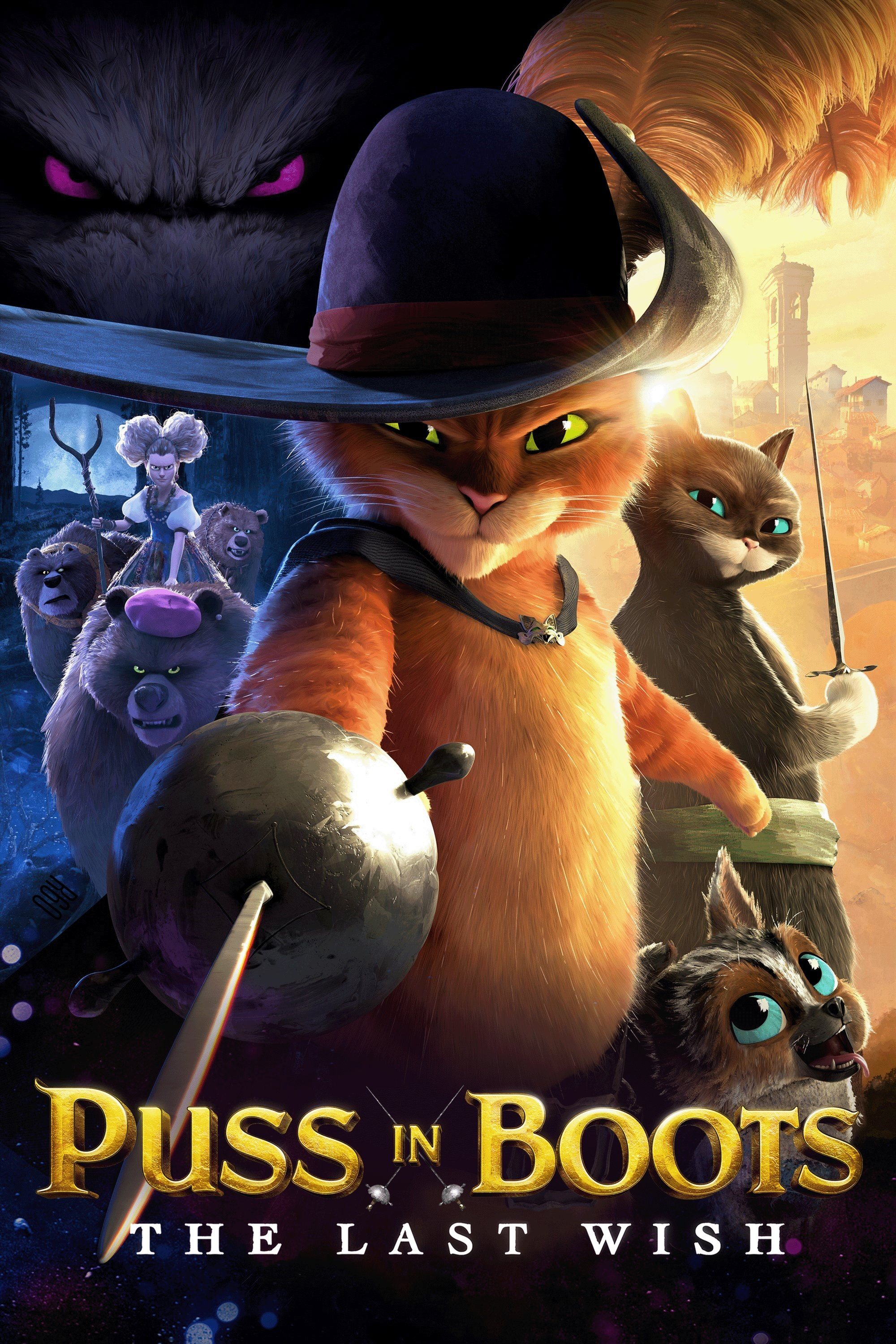
A painterly, kinetic animation style and a fairy-tale road-quest structure refreshed the ‘Shrek’ spin-off, while supporting characters like Perrito and Goldilocks expanded the universe’s roster. Action choreography integrated stylized frame rates that distinguished it from earlier entries.
The film demonstrated exceptional legs across theatrical and digital windows, elevating interest in the wider universe. Its performance encouraged renewed licensing and opened pathways for additional projects tied to the same continuity.
‘Top Gun: Maverick’ (2022)
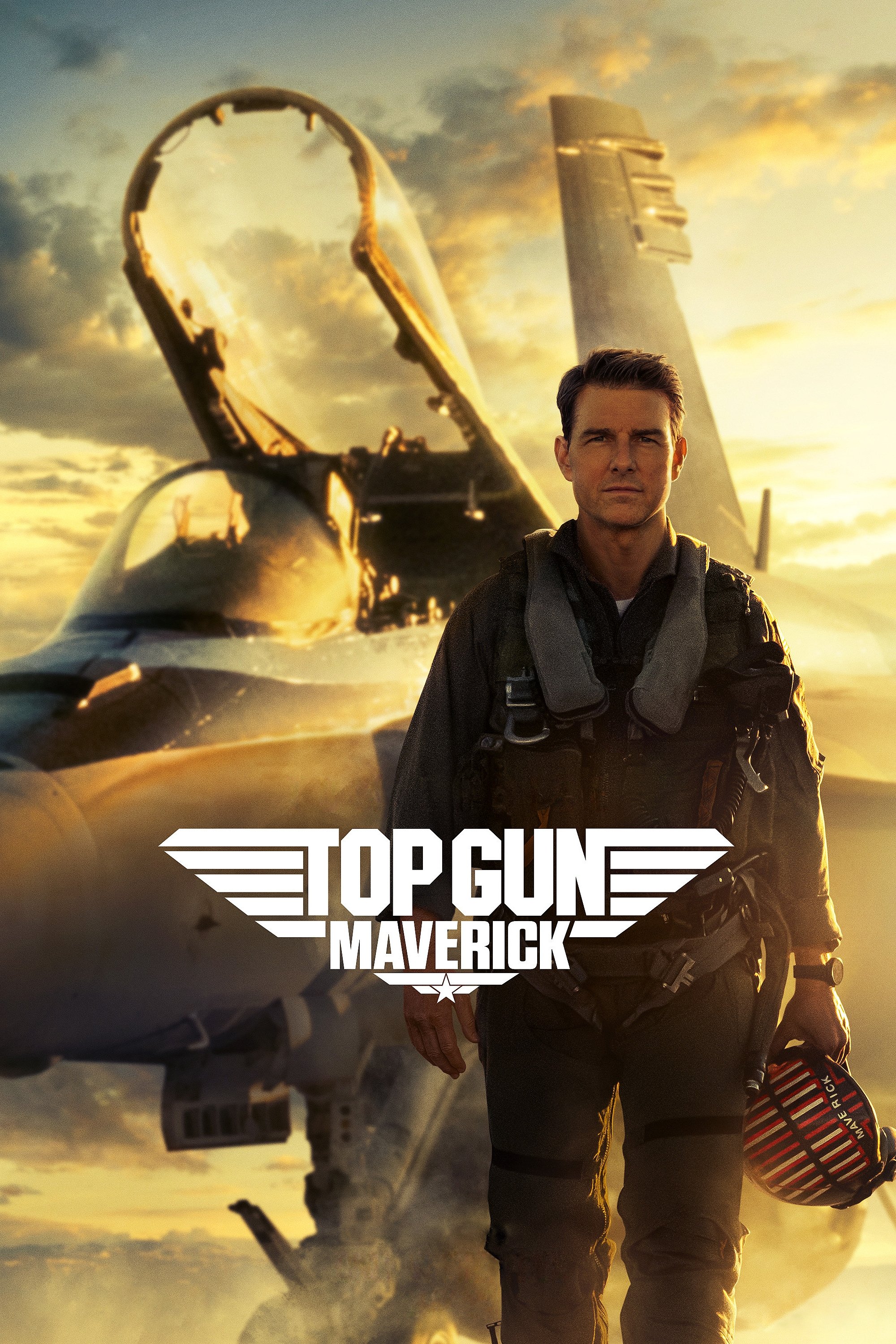
The sequel used extensive real aerial photography, specialized camera rigs, and actor flight training to deliver premium-format sequences. The story introduced a new pilot cohort while retaining linkages to the original through characters, Navy protocols, and mission structure.
It became one of the highest-grossing releases of its year and earned multiple Oscar nominations, winning for sound. The results reignited global attention for the IP, boosted viewership of the original, and positioned the brand for further installments.
Share the sequel you think most revived its series in the comments.