


Movie Trilogies With No Weak Entry



Not every series can run for three films without stumbling somewhere in the middle, but a handful of trilogies manage the feat with steady direction, consistent storytelling, and characters that stay compelling from start to finish. These sets span genres and eras, from classic westerns to contemporary action, and they each hold up across all three entries.
You will find directors returning with a clear plan, casts that grow with their roles, and creative teams that maintain tone and craft across multiple productions. To make things easier to follow, every entry below notes the core creative drive behind the trilogy and a quiet nod to who handled the theatrical rollout.
The Lord of the Rings Trilogy (2001–2003)
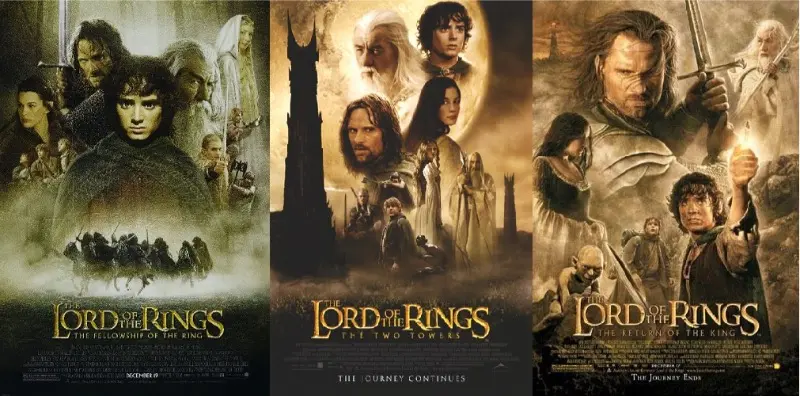
Peter Jackson adapts J R R Tolkien’s epic across three films that were shot together for narrative and visual continuity. The production used large scale practical effects alongside digital work, with a consistent ensemble led by Elijah Wood, Ian McKellen, and Viggo Mortensen.
New Line Cinema released the trilogy worldwide, supporting extended post production schedules and a unified marketing push that kept audiences engaged across all chapters.
The Dark Knight Trilogy (2005–2012)
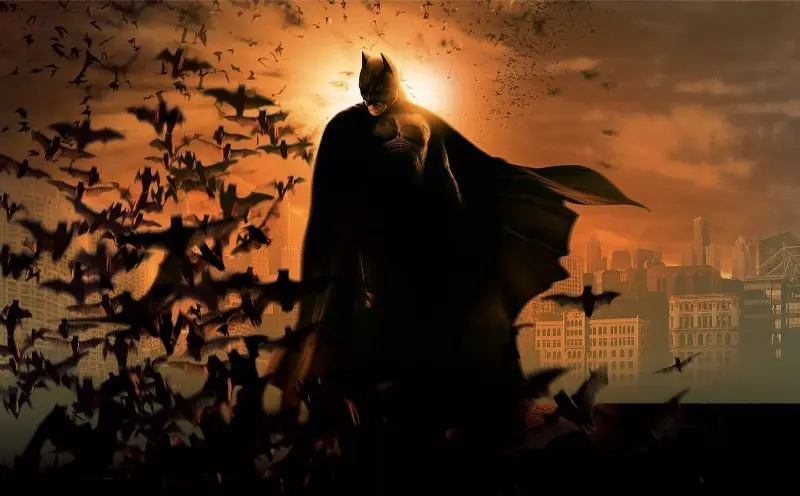
Christopher Nolan’s three films follow Bruce Wayne through origin, escalation, and consequence while keeping a grounded approach to action and technology. Christian Bale anchors the arc with recurring collaborators including Michael Caine, Gary Oldman, and Morgan Freeman.
Warner Bros. Pictures handled distribution and coordinated large format exhibition that showcased the series’ extensive IMAX photography.
Star Wars Original Trilogy (1977–1983)
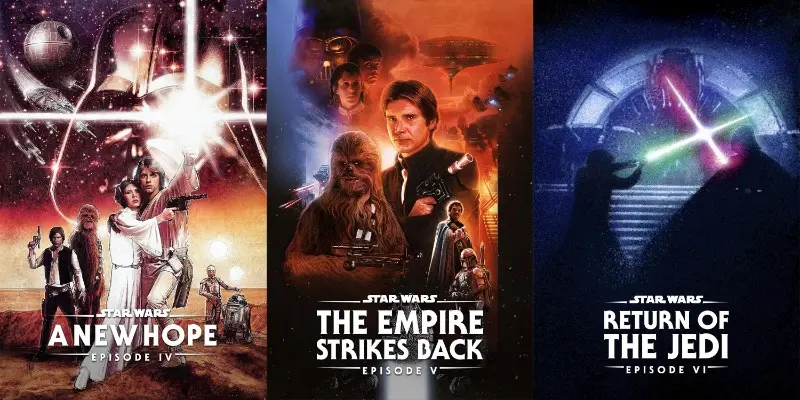
George Lucas and collaborators built a space opera that followed a clear hero’s journey, with practical effects, model work, and score driven storytelling. The continuity of characters across locations like Tatooine, Hoth, and Endor gives the set a cohesive identity.
Twentieth Century Fox released each film in theaters, backing wide domestic and international runs that helped establish the series as a long running cultural fixture.
The Before Trilogy (1995–2013)
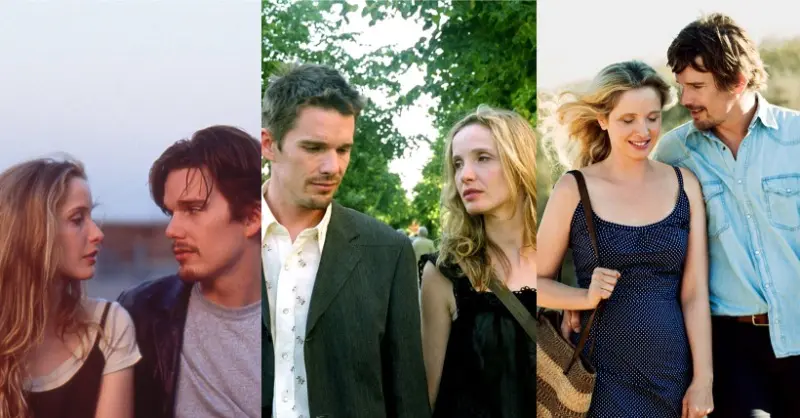
Richard Linklater’s trilogy follows two characters in real time across three conversations separated by significant life changes. Ethan Hawke and Julie Delpy co developed dialogue with Linklater, keeping the tone intimate and observational from city to city.
Sony Pictures Classics handled the theatrical rollouts, leaning on specialty bookings that matched the films’ quiet, dialogue first design.
Back to the Future Trilogy (1985–1990)
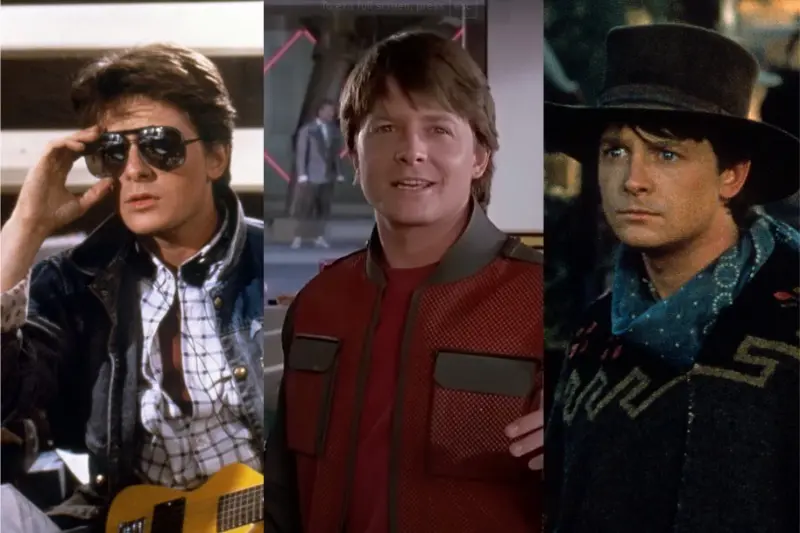
Robert Zemeckis and Bob Gale structure three time travel adventures around cause and effect, repeating motifs, and a set of family relationships that track across different timelines. Michael J Fox and Christopher Lloyd return each time, preserving the comic rhythm and narrative clarity.
Universal Pictures released all three entries, coordinating effects heavy schedules and consecutive theatrical reissues that kept the story fresh for new audiences.
Indiana Jones Original Trilogy (1981–1989)
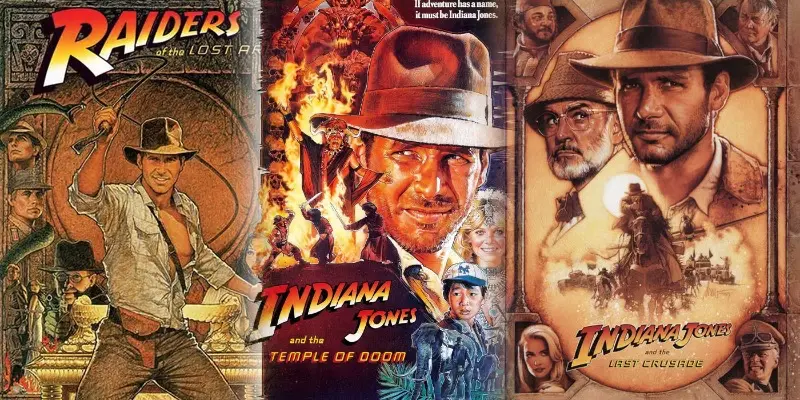
Steven Spielberg and George Lucas mix pulp adventure with practical set pieces and globe spanning quests while holding to a consistent tone through composer John Williams and star Harrison Ford. Each film pairs a distinct artifact hunt with familiar side characters and running gags.
Paramount Pictures managed the theatrical distribution, supporting large scale summer launches that positioned the series as a marquee adventure brand.
The Dollars Trilogy (1964–1966)
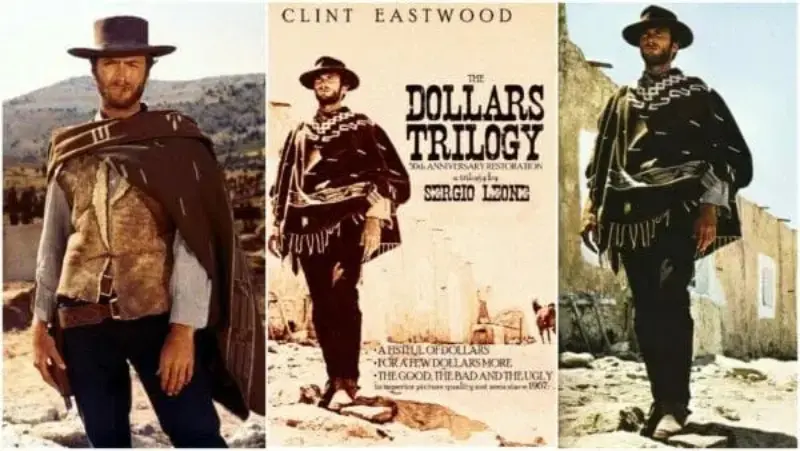
Sergio Leone’s set of westerns defined the spaghetti western template with long takes, close ups, and Ennio Morricone’s signature scores. Clint Eastwood’s Man With No Name links the films through shared style, locations, and a coolly detached antihero presence.
United Artists distributed the films widely, packaging them for international audiences and helping the cycle cross from European success to global recognition.
The Bourne Trilogy (2002–2007)
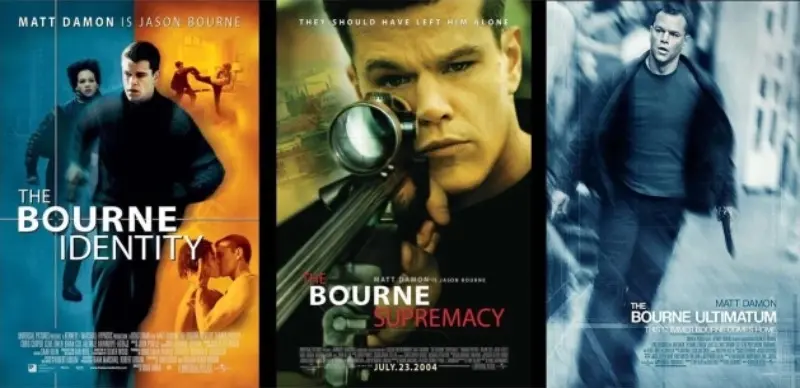
Doug Liman and Paul Greengrass steer three entries that track identity, surveillance, and covert programs with a handheld action style and location heavy shoots. Matt Damon’s character development follows a continuous thread through recurring operatives and agencies.
Universal Pictures released the trilogy to multiplexes worldwide, aligning marketing with the series’ grounded tone and modern espionage angle.
Planet of the Apes Reboot Trilogy (2011–2017)
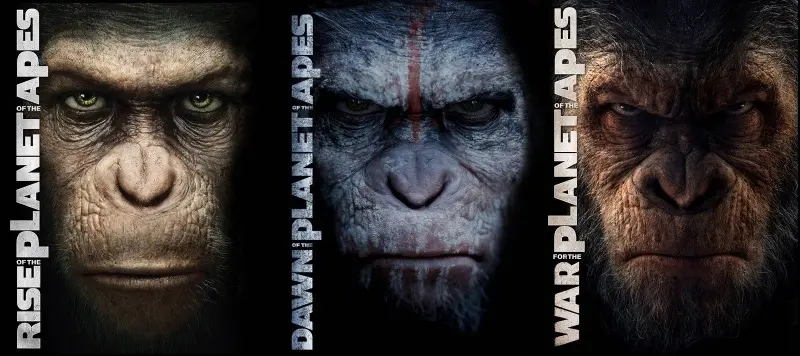
The reboot chronicles the rise of intelligent apes through character driven motion capture led by Andy Serkis. The films maintain continuity in visual effects pipelines, production design, and a story that moves from origin to conflict while tracking the same central leader.
Twentieth Century Fox distributed the set, supporting large scale effects workflows and global releases that emphasized the performance capture work.
Captain America Trilogy (2011–2016)
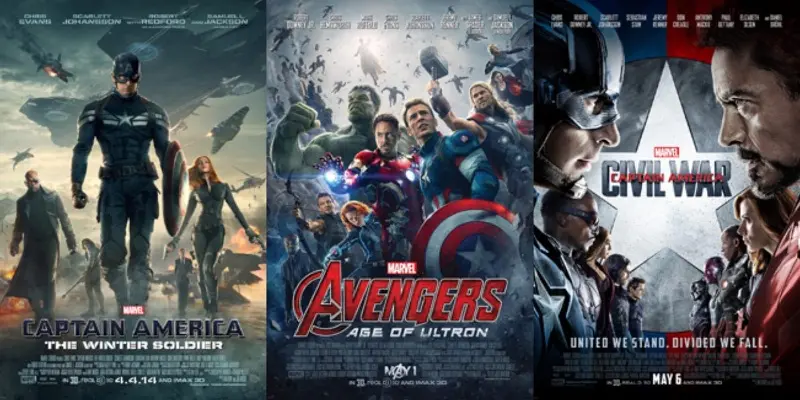
Marvel Studios builds a three film arc that moves from a wartime origin to modern day espionage and then to ideological conflict among allies. Chris Evans leads a steady ensemble, with recurring figures like Sebastian Stan and Samuel L Jackson stitching the story together.
Walt Disney Studios Motion Pictures handled the theatrical releases, coordinating the films within the larger Marvel rollout while keeping each entry’s identity intact.
Spider Man Trilogy by Sam Raimi (2002–2007)
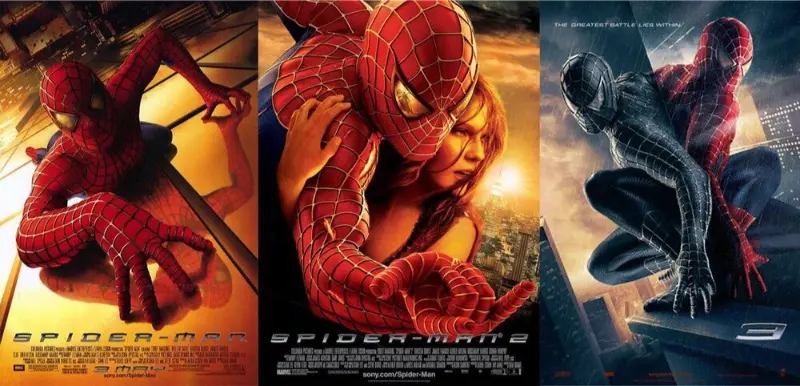
Sam Raimi’s three films present a clear rise of a young hero, a steady supporting cast, and practical stunt work blended with early digital effects. Tobey Maguire and Kirsten Dunst anchor the drama through returning relationships and neighborhood level stakes.
Sony Pictures Releasing brought the trilogy to theaters under the Columbia Pictures banner, pairing summer dates with comic focused campaigns that highlighted Raimi’s style.
Three Colors Trilogy (1993–1994)
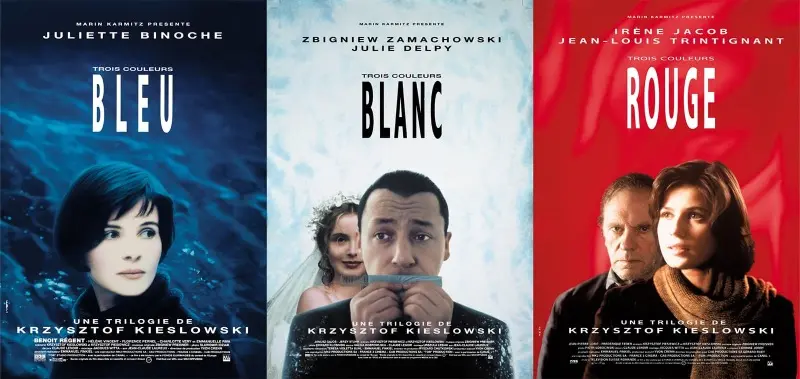
Krzysztof Kieślowski structures three thematically linked stories around liberty, equality, and fraternity with actors like Juliette Binoche, Julie Delpy, and Irène Jacob. Each film stands alone while echoing the others through visual motifs and recurring faces.
Miramax Films introduced the trilogy to many US theaters, supporting art house bookings and awards campaigns that helped the set find a broad audience.
The Cornetto Trilogy (2004–2013)
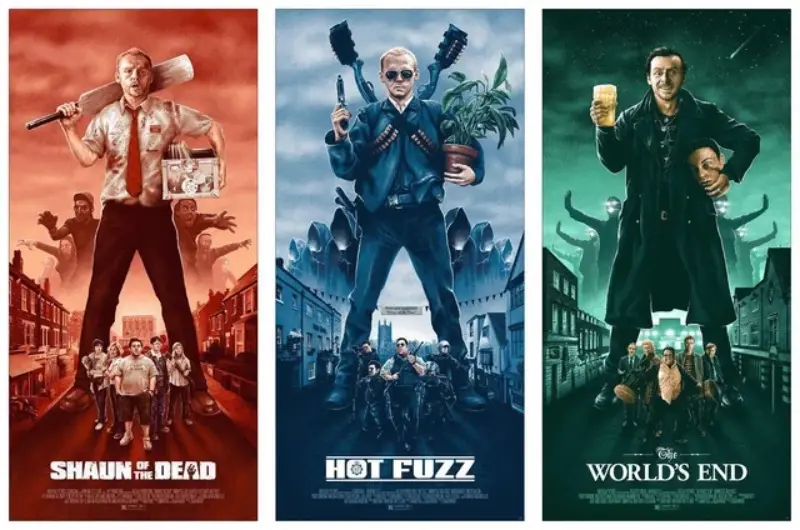
Edgar Wright connects three genre comedies through visual grammar, quick cuts, and recurring collaborators Simon Pegg and Nick Frost. The films balance standalone plots with shared in jokes and technical precision carried by the same creative team.
Universal Pictures supported the wide releases, with Focus Features guiding the specialty push in North America to match the series’ British humor and genre play.
John Wick Trilogy (2014–2019)
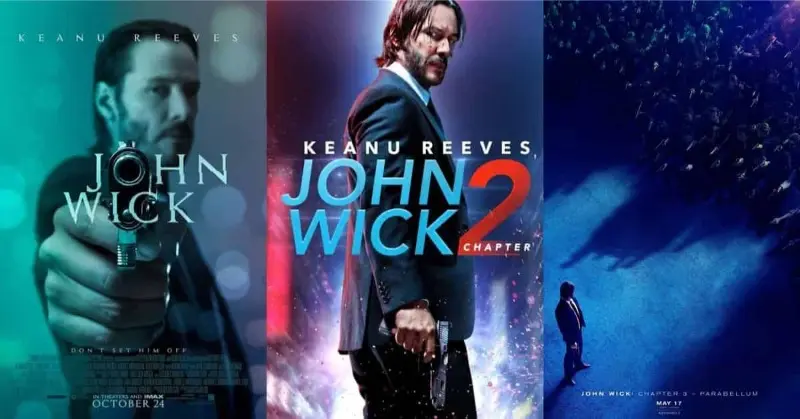
Chad Stahelski’s first three entries build a contained underworld with consistent rules, practical fight choreography, and a returning ensemble around Keanu Reeves. The world expands with each chapter while preserving the same visual language and stunt driven design.
Lionsgate distributed the trilogy, scaling from a sleeper opening to broader international reach while keeping the production’s stunt focus front and center.
Evil Dead Original Trilogy (1981–1992)
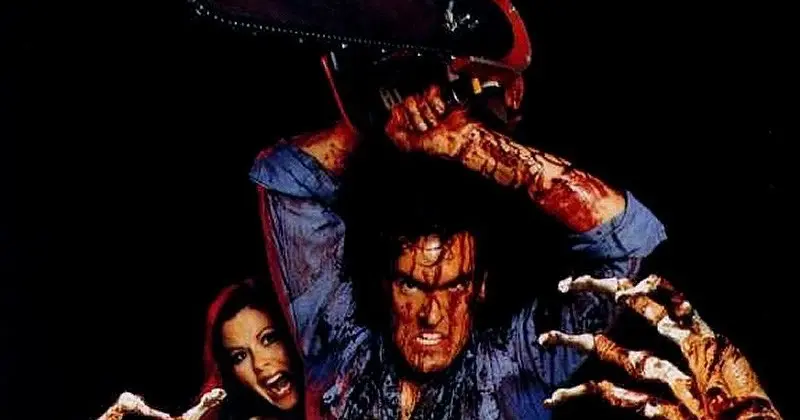
Sam Raimi’s set moves from cabin horror to bigger canvas spectacle while keeping inventive camera work and returning collaborators like Bruce Campbell. The trilogy maintains continuity through recurring lore, practical makeup, and a signature sense of physicality.
Universal Pictures brought the finale to a wide audience, complementing earlier releases with a broader theatrical run that introduced the property to multiplex crowds.
Kung Fu Panda Trilogy (2008–2016)
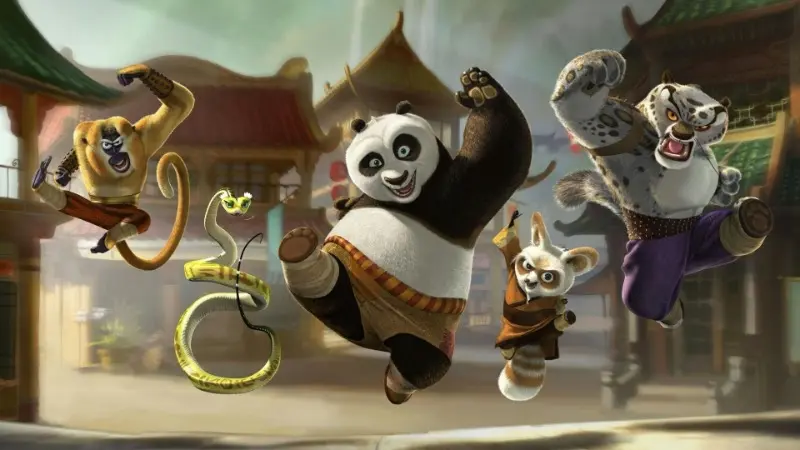
DreamWorks Animation follows a martial arts student through training, heritage, and leadership with a consistent ensemble and stylized action design. The films use a unified visual identity across settings, with recurring mentors and rivals that support a clear character arc.
DreamWorks released the series through major studio partners in theaters, ensuring broad family outreach and steady international distribution across all three chapters.
Vengeance Trilogy (2002–2005)
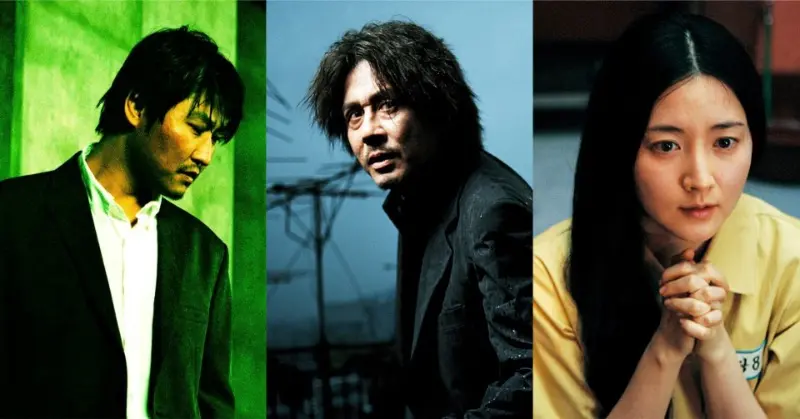
Park Chan wook’s thematically linked films examine revenge through connected visual style, recurring actors, and bold production design. Each entry stands alone while sharing careful color palettes and formal choices that identify the set as a single body of work.
CJ Entertainment backed the releases in Korea, while boutique distributors introduced the trilogy to international art house circuits with curated runs and festival support.
Ip Man Trilogy (2008–2015)
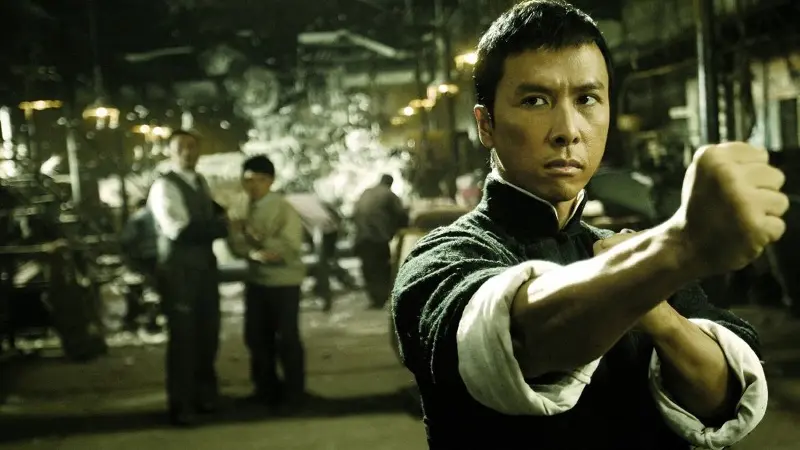
Wilson Yip’s trilogy traces the life of Ip Man with Donnie Yen returning and Yuen Woo ping overseeing action design for consistent fight language. The films mix biographical beats with staged duels that follow a steady progression in the character’s personal and professional life.
Well Go USA helped bring the set to North American theaters and home platforms, complementing strong Asian distribution with targeted releases for martial arts fans.
Infernal Affairs Trilogy (2002–2003)
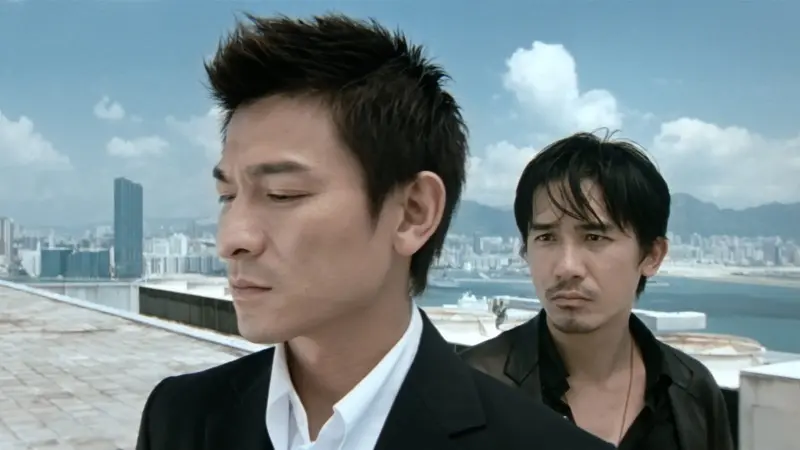
Andrew Lau and Alan Mak craft a police and triad saga that tracks undercover identities, mirrored lives, and institutional conflict. Tony Leung and Andy Lau lead a returning ensemble, with music and visual style that ties each entry together.
Media Asia distributed the films locally, and Miramax supported international exposure with subtitled releases that broadened the audience beyond Hong Kong.
Millennium Trilogy (2009)
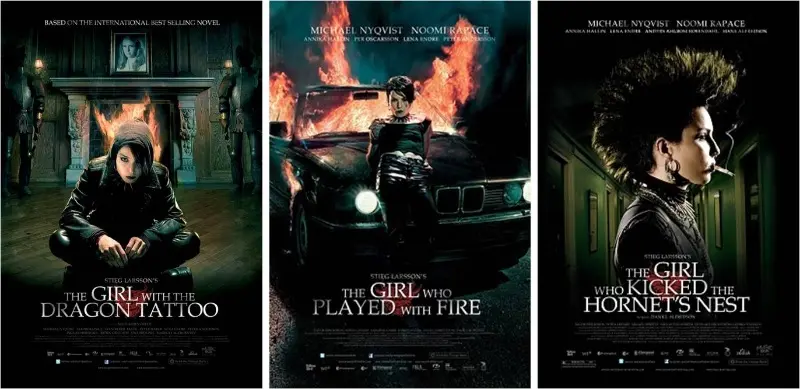
The Swedish adaptations of Stieg Larsson’s novels follow a journalist and a hacker through connected investigations with a consistent cast and tone. The production keeps the same narrative voice across the three films, preserving character continuity and procedural detail.
Nordisk Film oversaw Scandinavian distribution, and Music Box Films brought the trilogy to US art houses with a platform strategy that built word of mouth.
How to Train Your Dragon Trilogy (2010–2019)
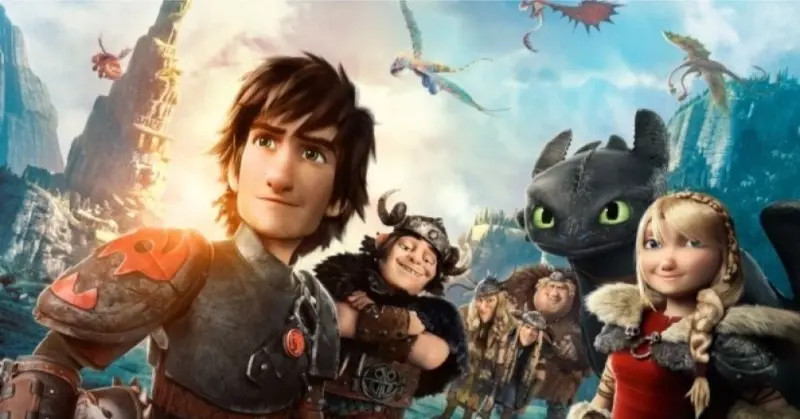
DreamWorks Animation charts a village’s evolving relationship with dragons through a single coming of age arc for its lead. The films keep a unified musical identity from composer John Powell and return to the same core group of characters across changing locations.
DreamWorks released the entries theatrically through major studio partners, coordinating broad family outreach and premium format screenings for the aerial set pieces.
Ocean’s Trilogy (2001–2007)
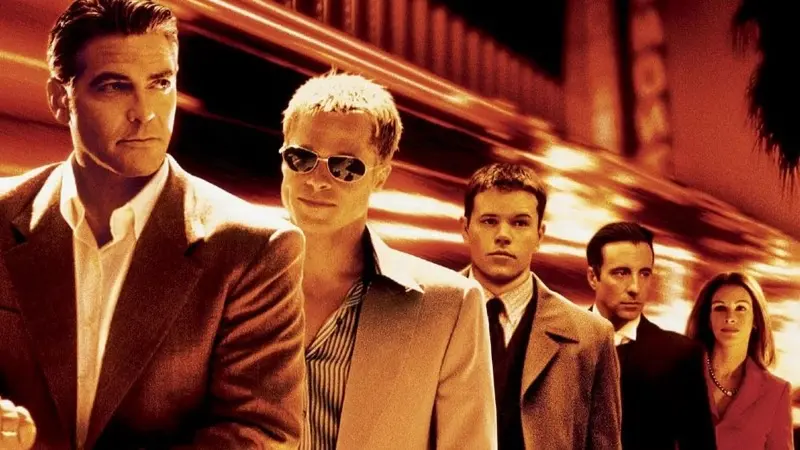
Steven Soderbergh’s caper set maintains style through ensemble chemistry, split screen flourishes, and returning collaborators like George Clooney and Brad Pitt. Each film organizes a new heist around familiar roles in the crew while preserving the same playful tone.
Warner Bros. Pictures distributed all three entries, pairing summer frames with global rollouts that matched the series’ glossy international settings.
The Apu Trilogy (1955–1959)

Satyajit Ray’s coming of age cycle follows one character from childhood to adulthood with a consistent observational style and music by Ravi Shankar. The films share locations, family relationships, and a documentary like attention to everyday detail.
Janus Films handled landmark US restorations and releases, helping the trilogy reach new audiences through curated theatrical engagements and carefully prepared prints.
Samurai Trilogy (1954–1956)
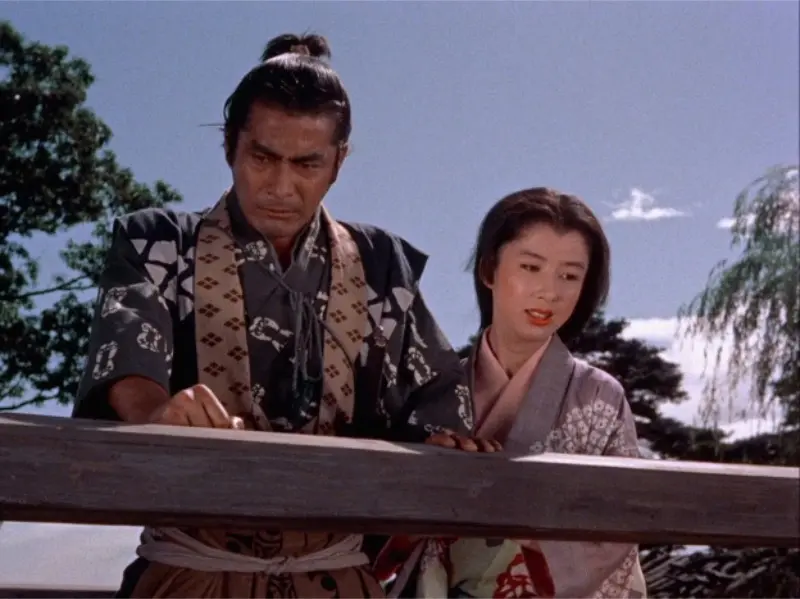
Hiroshi Inagaki’s trilogy adapts the life of Musashi Miyamoto with Toshiro Mifune in the lead and recurring crew behind the camera. The films present training, duels, and personal growth with continuity in swordplay staging and period production design.
Toho released the set in Japan, and subsequent international distribution through classic film specialists kept the trilogy in circulation for repertory screenings and restorations.
Pusher Trilogy (1996–2005)
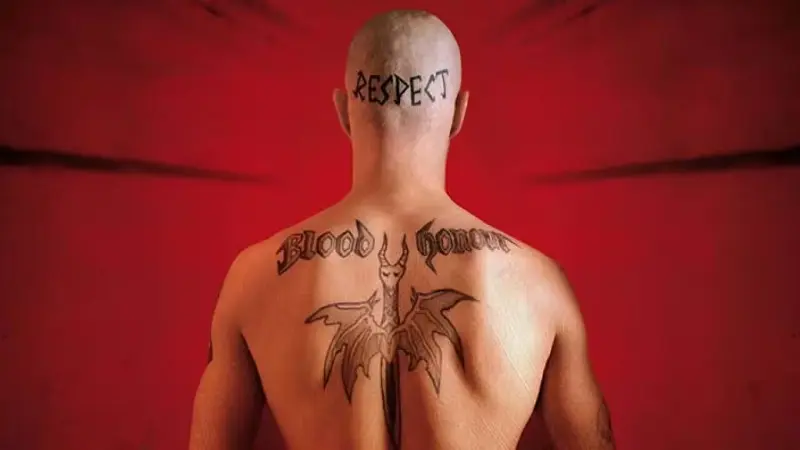
Nicolas Winding Refn’s three crime films share a Copenhagen underworld and a gritty handheld style while shifting protagonists across entries. The continuity of setting, tone, and recurring side characters links the stories into a single textured portrait of a scene.
Magnolia Pictures introduced the trilogy to US viewers, complementing Danish releases with specialty bookings that built a following around the director’s early work.
Share your favorite three film runs that never dip and tell us which set you would add in the comments.

