Movie Villains Who Were Never Meant to Be Popular—But Became Legendary


In the history of cinema, directors and screenwriters often craft antagonists to serve as mere obstacles for the hero to overcome. However, certain characters defy their original purpose through exceptional performances, striking visual designs, or unexpected psychological depth. These villains frequently overshadow the protagonists they were meant to challenge, evolving from secondary threats into enduring cultural icons. This phenomenon demonstrates how audience reception can fundamentally shift the trajectory of a film franchise and influence the direction of future sequels.
Boba Fett
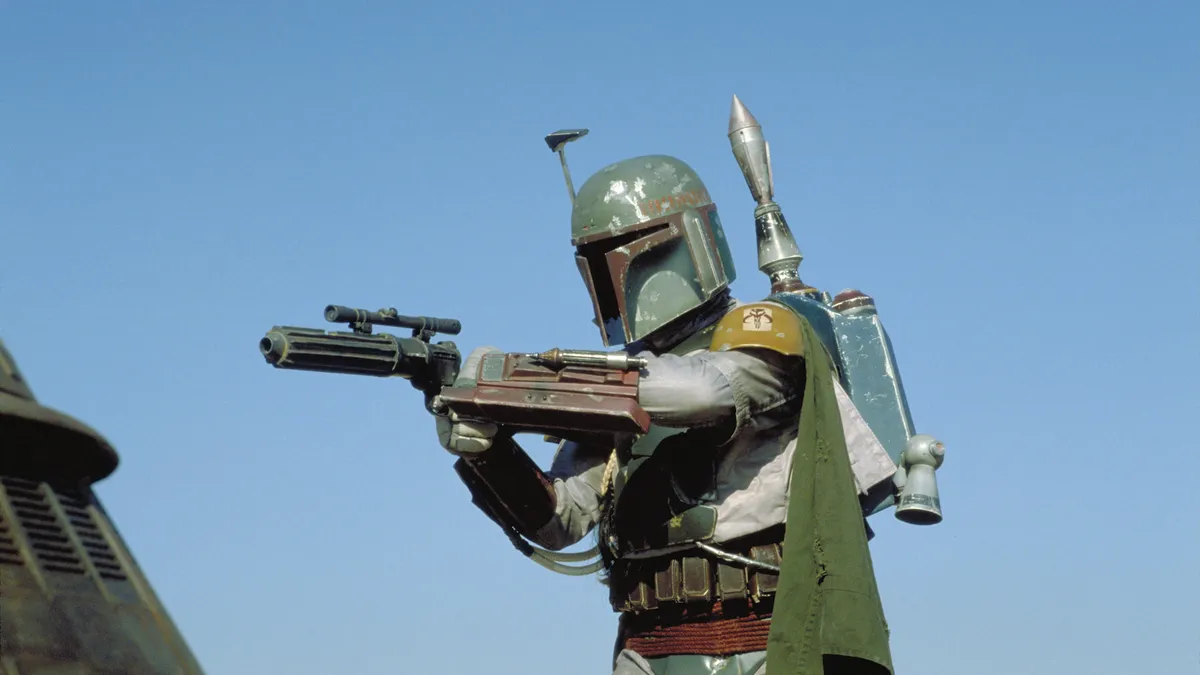
The character was originally conceived as a minor mercenary with very little screen time and only a few lines of dialogue in ‘Star Wars: Episode V – The Empire Strikes Back’ (1980). Despite his limited role, his unique Mandalorian armor and mysterious demeanor immediately captured the imagination of the audience. George Lucas later expressed surprise at the character’s massive following, as he had initially viewed the bounty hunter as a disposable side character. This popularity eventually led to his inclusion in the prequel trilogy and the creation of his own dedicated television series.
Pinhead
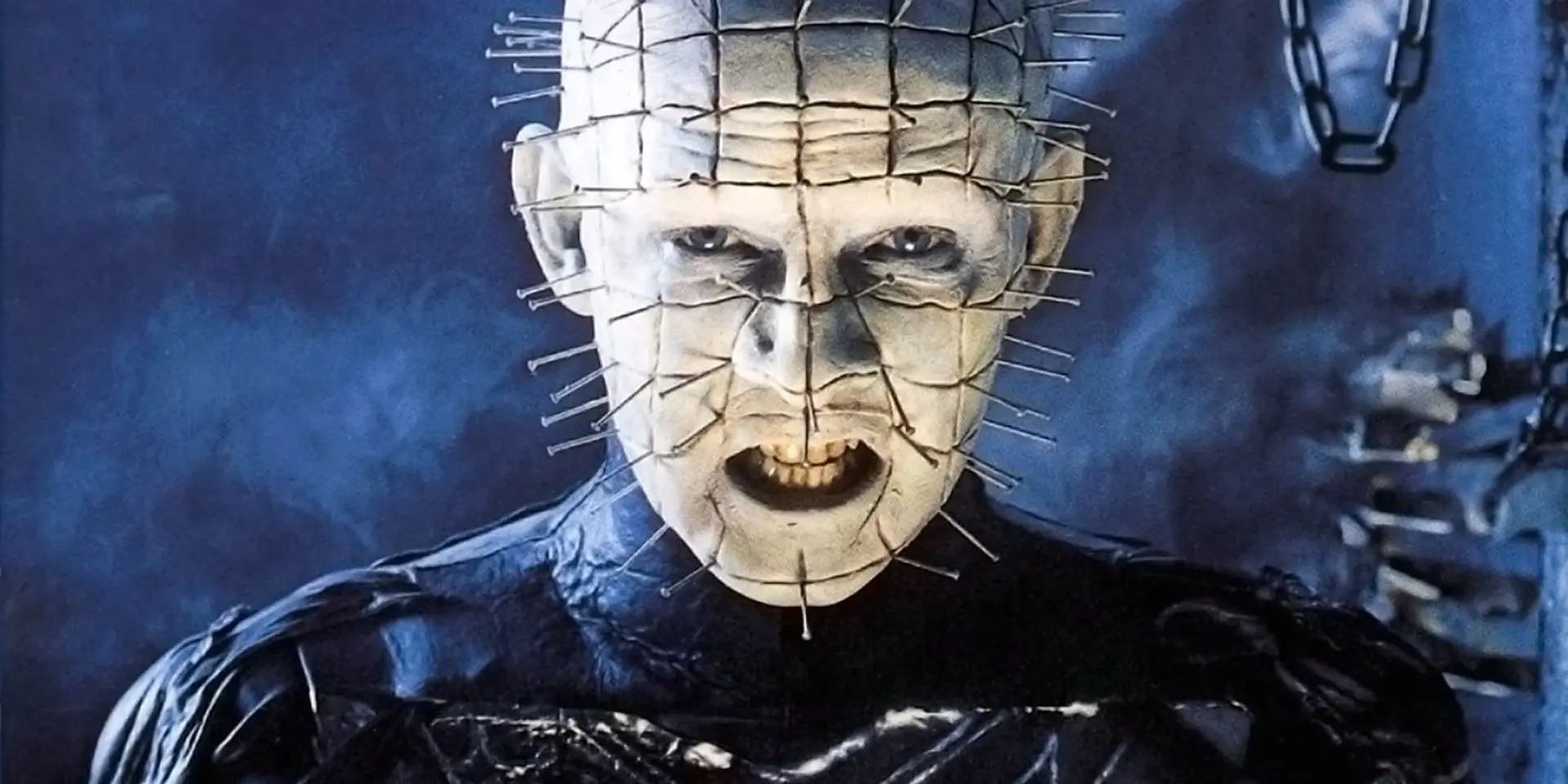
The character known as Pinhead was initially credited only as Lead Cenobite in ‘Hellraiser’ (1987) and was intended to be part of an ensemble of supernatural beings. Director Clive Barker did not plan for one specific Cenobite to become the face of the franchise or a primary marketing tool. Doug Bradley’s articulate and composed performance provided a sophisticated contrast to the more visceral slasher villains of the 1980s. Consequently, the striking visual of his grid-patterned scars and nails became the central focus of every subsequent entry in the series.
Loki
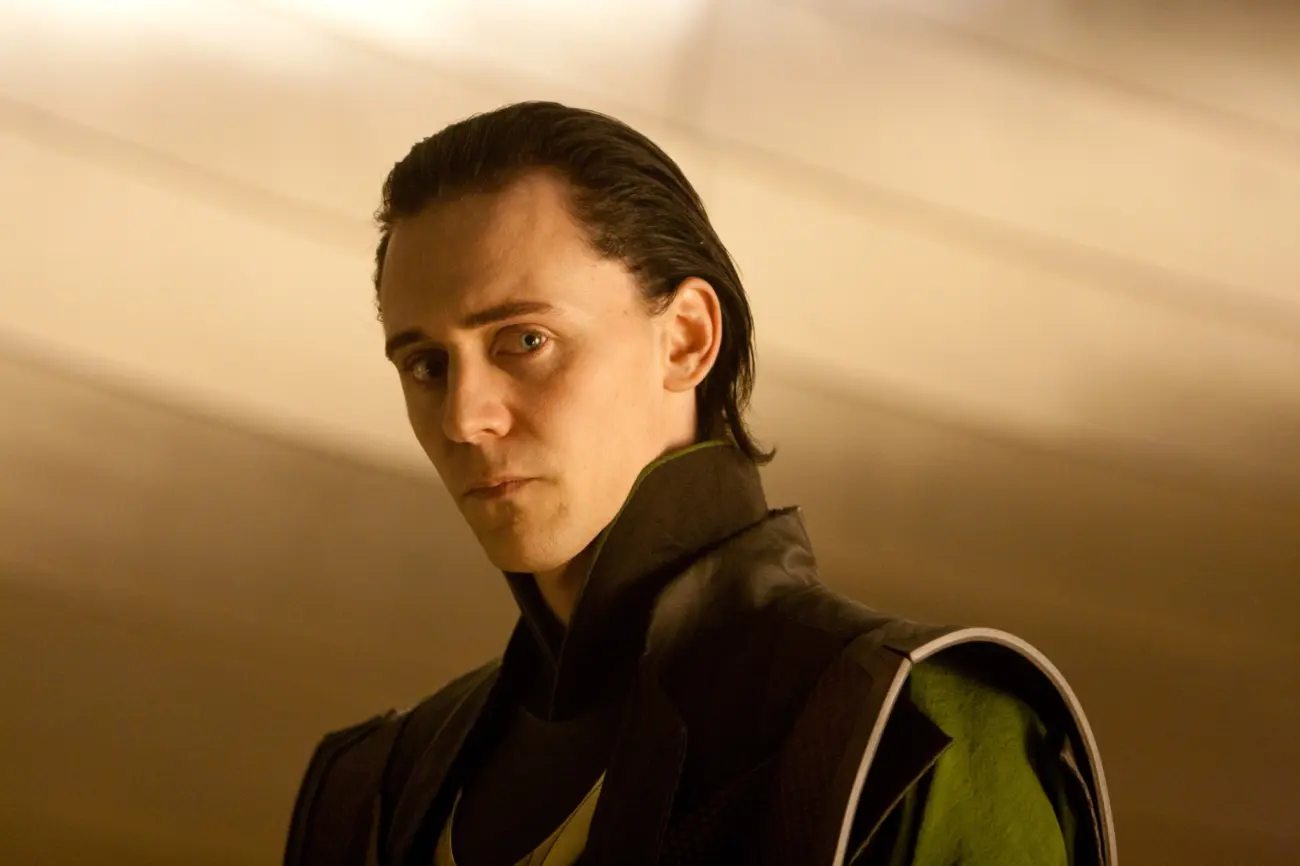
Loki was introduced in ‘Thor’ (2011) as a secondary antagonist whose primary function was to facilitate the character growth of his brother. While the character is a staple of the comics, the production team did not anticipate that Tom Hiddleston’s portrayal would generate such intense fan devotion. His blend of mischievous humor and genuine emotional vulnerability resonated with viewers far more than the typical comic book villain. This unexpected reception resulted in the character appearing in multiple sequels and headlining a successful standalone streaming series.
Hannibal Lecter
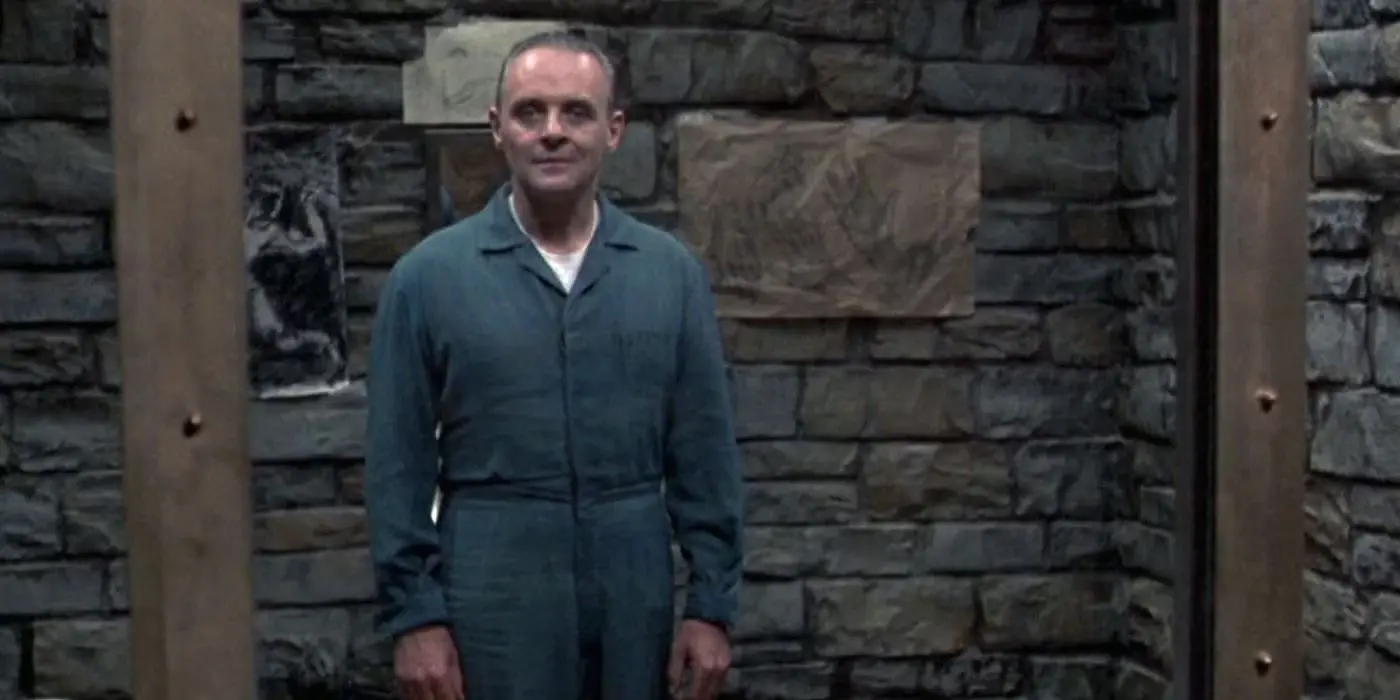
Hannibal Lecter appears on screen for approximately sixteen minutes in ‘The Silence of the Lambs’ (1991), serving as a source of information for the protagonist. The film was primarily designed as a psychological detective procedural focused on the search for Buffalo Bill. Anthony Hopkins’ chillingly precise performance elevated the character from a plot device to a legendary figure in the thriller genre. The overwhelming public fascination with Lecter led to three film sequels and a critically acclaimed television adaptation.
Hans Landa

Director Quentin Tarantino famously considered the role of Colonel Hans Landa in ‘Inglourious Basterds’ (2009) to be unplayable and almost cancelled the production when he could not find the right actor. The character was written as a complex, multilingual detective who used politeness as a weapon to terrify his victims. Christoph Waltz’s performance transformed Landa into a captivating antagonist who dominated the cultural conversation surrounding the film. Instead of being a traditionally loathed villain, his intellect and charisma made him one of the most celebrated characters in modern cinema.
Agent Smith

Agent Smith was originally designed in ‘The Matrix’ (1999) to be a cold, uniform program representing the systemic nature of the machine world. Hugo Weaving added a peculiar, rhythmic cadence to his delivery that gave the character a distinct sense of malice and individuality. While he was meant to be a faceless enforcer, his personal obsession with the hero turned him into a compelling foil for the protagonist. His popularity was so significant that the Wachowskis brought him back as the primary existential threat in both sequels.
Darth Maul
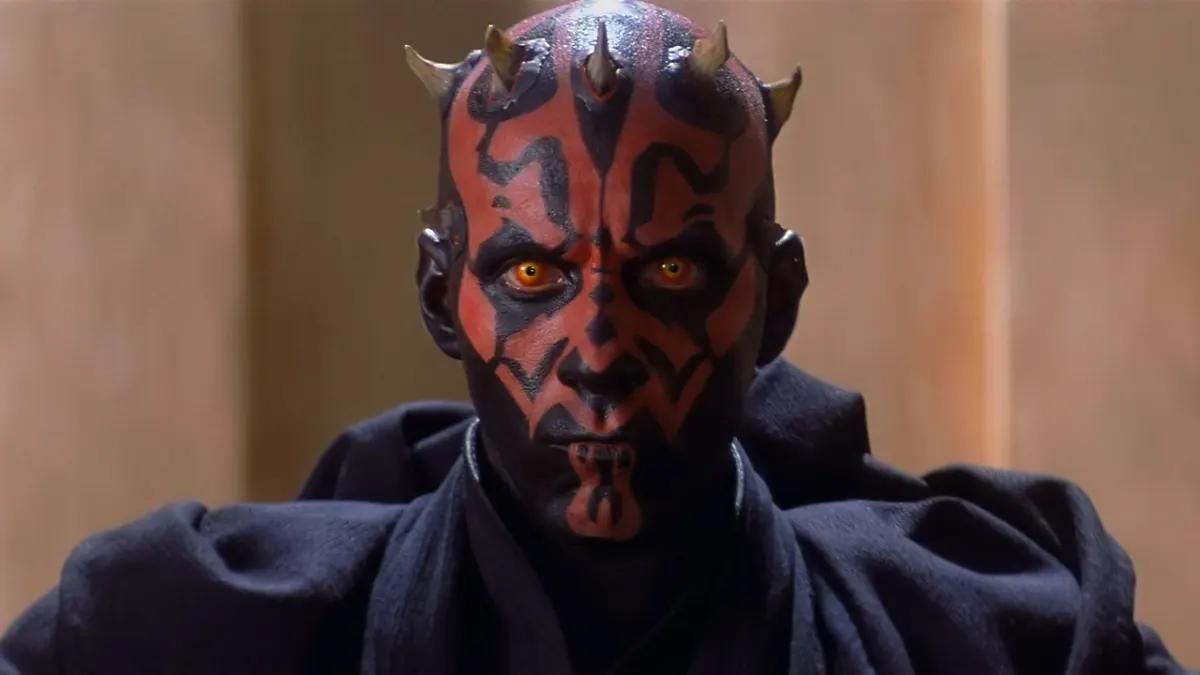
Darth Maul was intended to be a physical threat with minimal dialogue in ‘Star Wars: Episode I – The Phantom Menace’ (1999), serving as a disposable servant to the film’s true antagonist. His abrupt exit from the story suggested that his role in the universe was strictly limited to the first prequel film. However, his double-bladed lightsaber and the high-intensity choreography of his combat scenes made him an instant icon for audiences. This lasting popularity forced the creators to resurrect the character in animated series to explore his backstory and motivations.
Ghostface
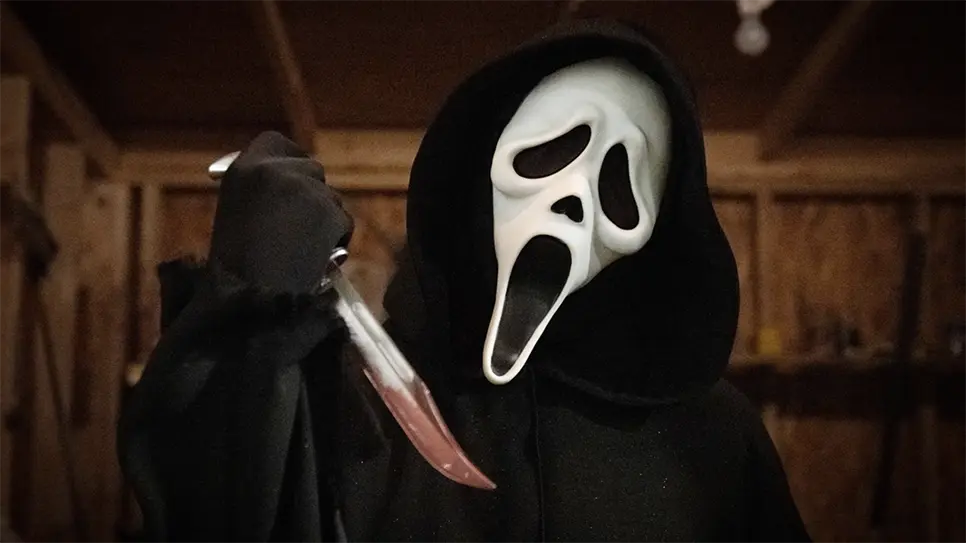
Ghostface was never intended to be a singular character, but rather a generic costume used by various killers within ‘Scream’ (1996). The mask itself was a mass-produced item discovered by the production crew while scouting locations in a residential home. The simplicity of the design, combined with the distinct voice work of Roger L. Jackson, created a haunting identity that transcended the specific identities of the killers. Ghostface has since become the permanent mascot of the franchise and a staple of the horror genre.
Jigsaw

John Kramer, known as the Jigsaw Killer, spent the majority of the first ‘Saw’ (2004) appearing as a stationary corpse in the middle of a single room. The character was meant to be a shocking twist reveal at the end of what was originally planned as a standalone independent movie. Tobin Bell’s gravelly voice and the character’s distorted moral philosophy regarding human survival struck a chord with horror audiences. This fascination led to a decade-spanning franchise that shifted its focus entirely toward the legacy and traps of the Jigsaw character.
Roy Batty
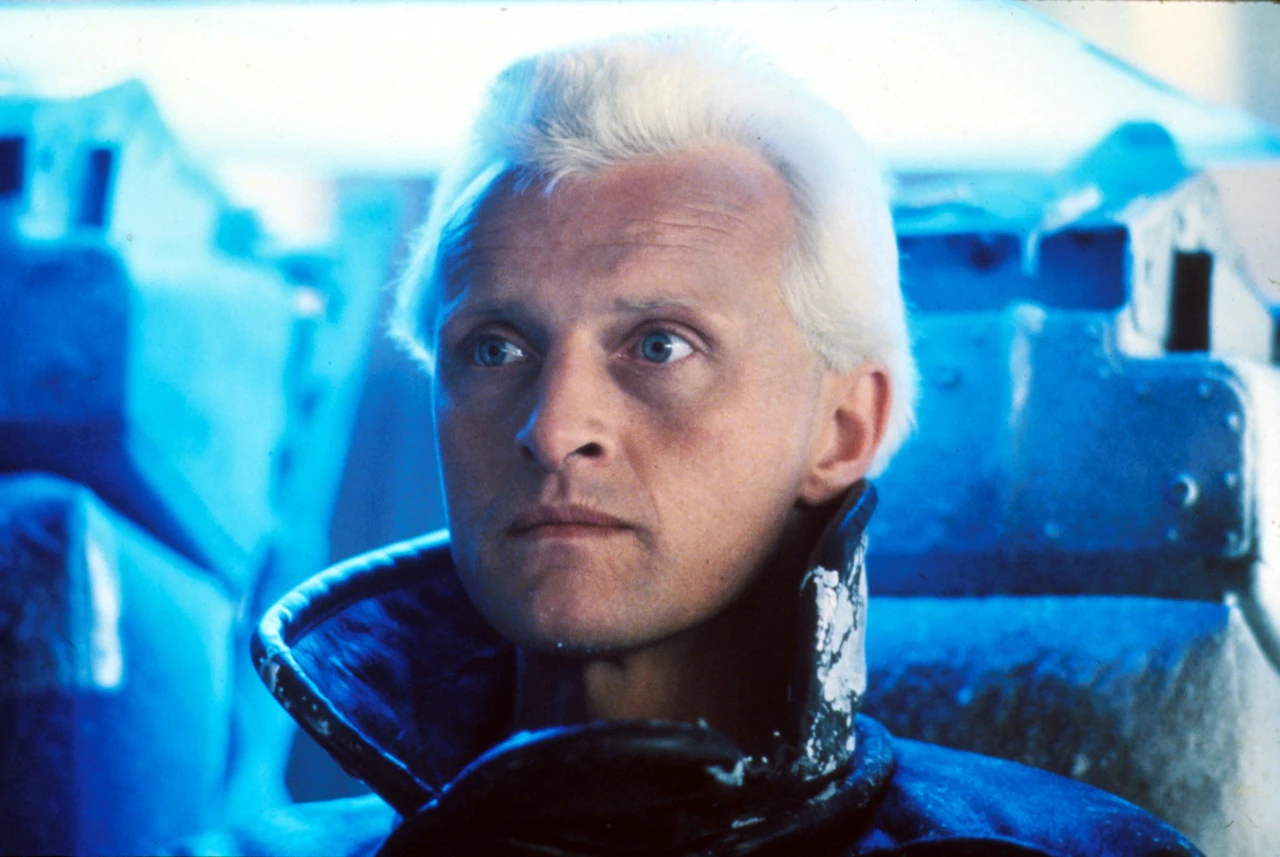
Roy Batty was conceptualized in ‘Blade Runner’ (1982) as a dangerous combat replicant who served as a violent obstacle for the protagonist. During production, actor Rutger Hauer contributed significantly to the character’s philosophical depth, including the improvisation of the now-famous final monologue. This added layer of humanity turned a standard antagonist into a tragic figure that audiences found deeply sympathetic. His legacy as a complex villain has overshadowed many of the traditional heroes of science fiction cinema.
Tell us which of these legendary movie villains is your favorite in the comments.