


Movies Every 1980s Kid Remembers

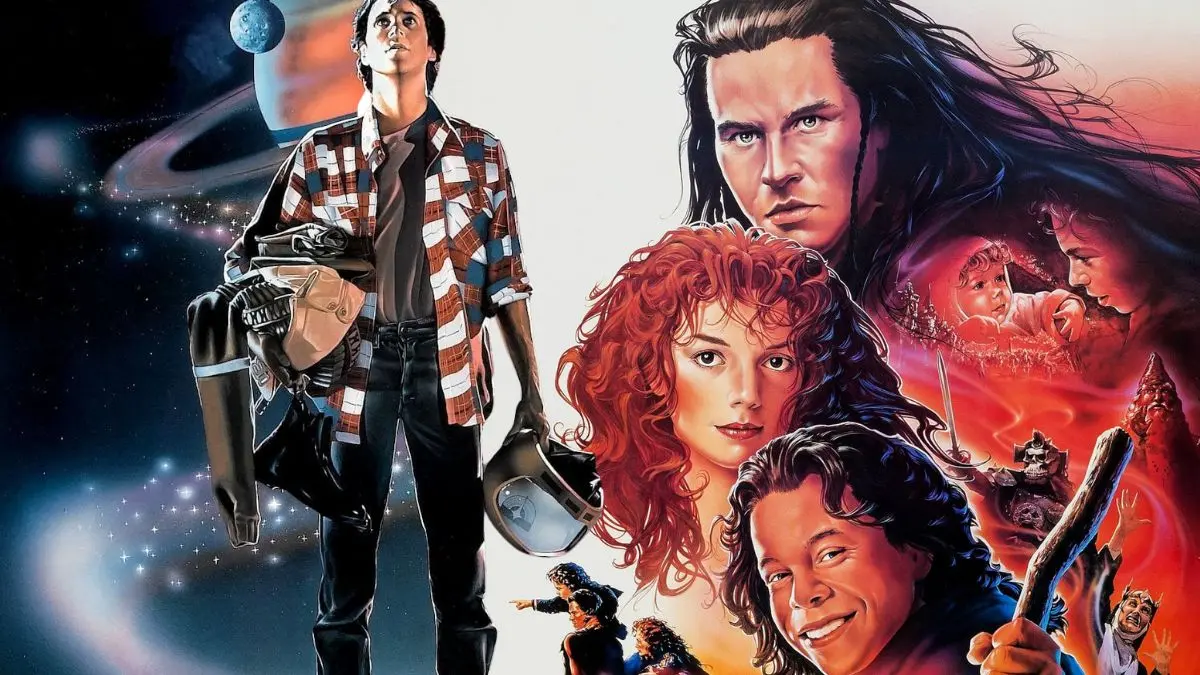


If you grew up in the era of mixtapes and Saturday morning cartoons, certain films played on a loop in your memory. These were the movies that filled sleepovers, packed matinees, and turned living rooms into makeshift theaters with a stack of VHS tapes on the floor. They taught catchphrases, sparked playground debates, and made the impossible feel just a little bit closer.
This list gathers the big screen staples that defined a childhood and kept video stores busy. You will find adventure, comedy, fantasy, and a lot of practical effects that still look pretty clever today. For each title, you will also see a quick nod to who brought it to theaters, since the studios behind these releases shaped how these stories reached audiences.
‘E.T. the Extra-Terrestrial’ (1982)
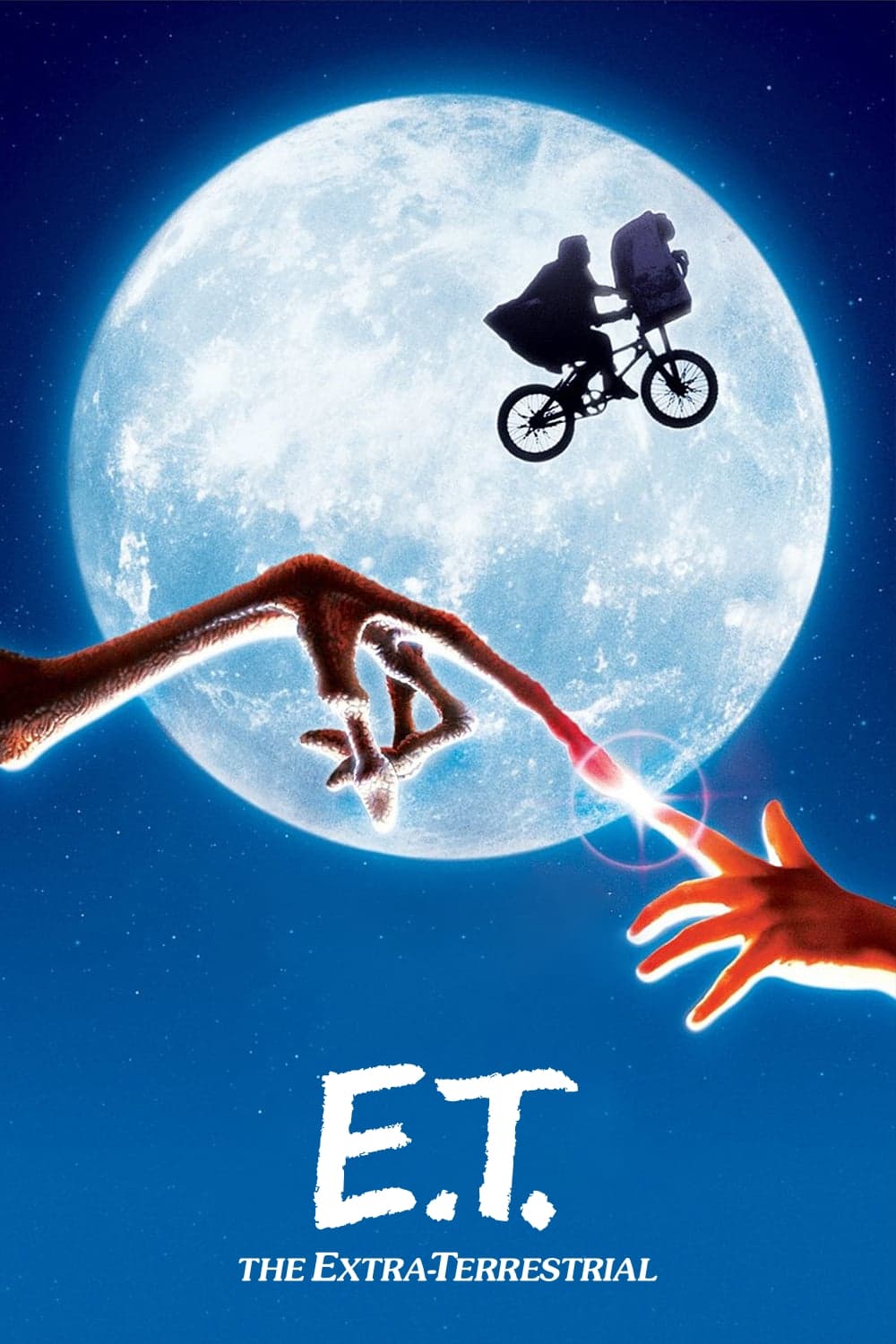
A shy kid named Elliott discovers a stranded visitor from another world and hides him at home while trying to help him get back to his ship. Henry Thomas and Drew Barrymore lead a cast that balances wonder with small town life, and John Williams provides a score that guides every bike ride and moonlit escape.
Universal Pictures handled the release across theaters, turning a modest suburban story into a global event. The production relied on animatronics and puppetry for E.T., and the filmmakers kept the creature at kid height so the camera felt like a child was seeing the story.
‘Back to the Future’ (1985)
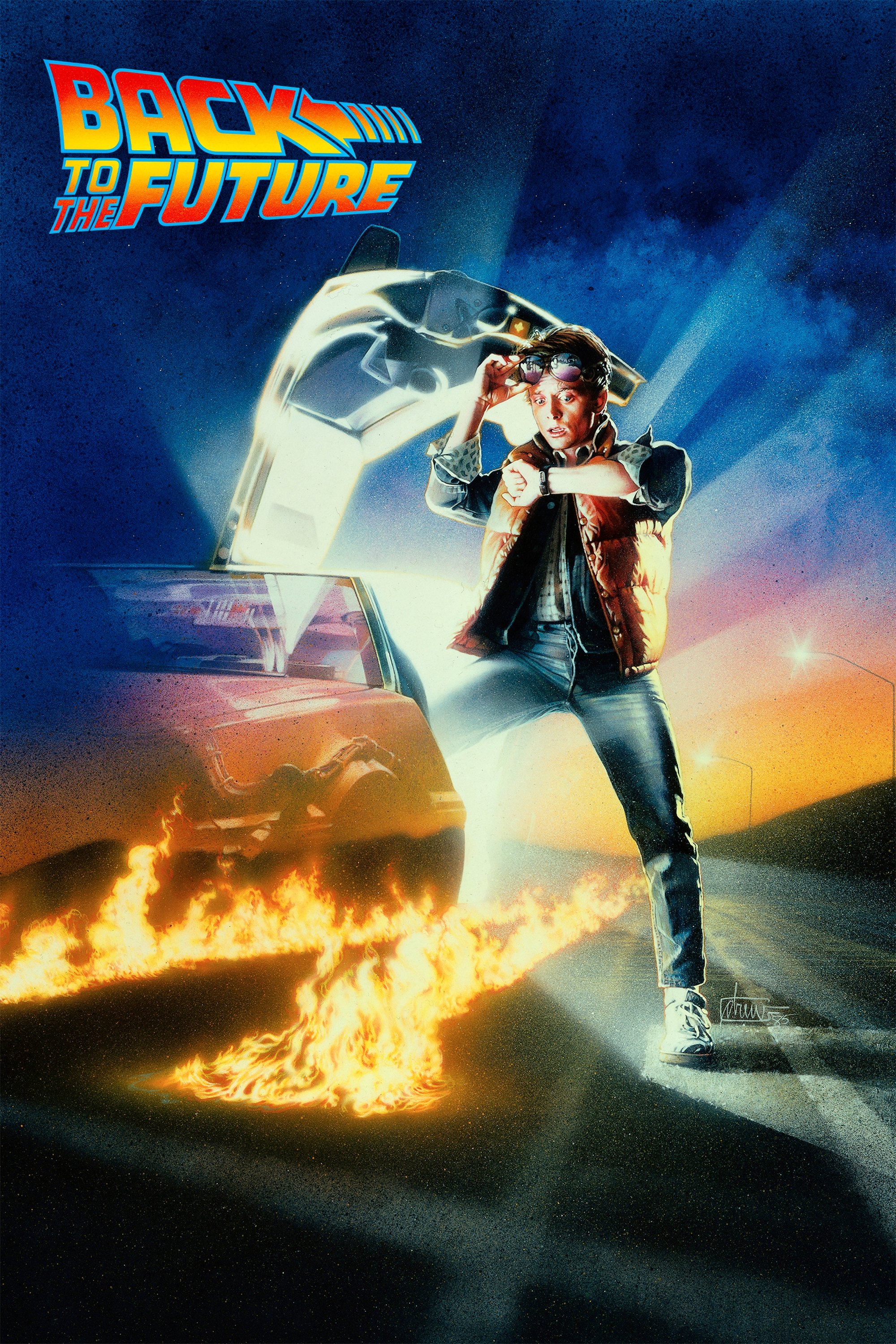
Marty McFly gets pulled into a time hopping misadventure when Doc Brown’s DeLorean sends him to the past. Michael J. Fox and Christopher Lloyd give the story its momentum, with a high school dance and a clock tower set piece anchoring the action.
Universal Pictures distributed the film widely, and the production team built the DeLorean with working lights and custom gull wing adjustments for the stunts. The Hill Valley town square used a standing backlot set that was redressed to show different time periods.
‘The Goonies’ (1985)
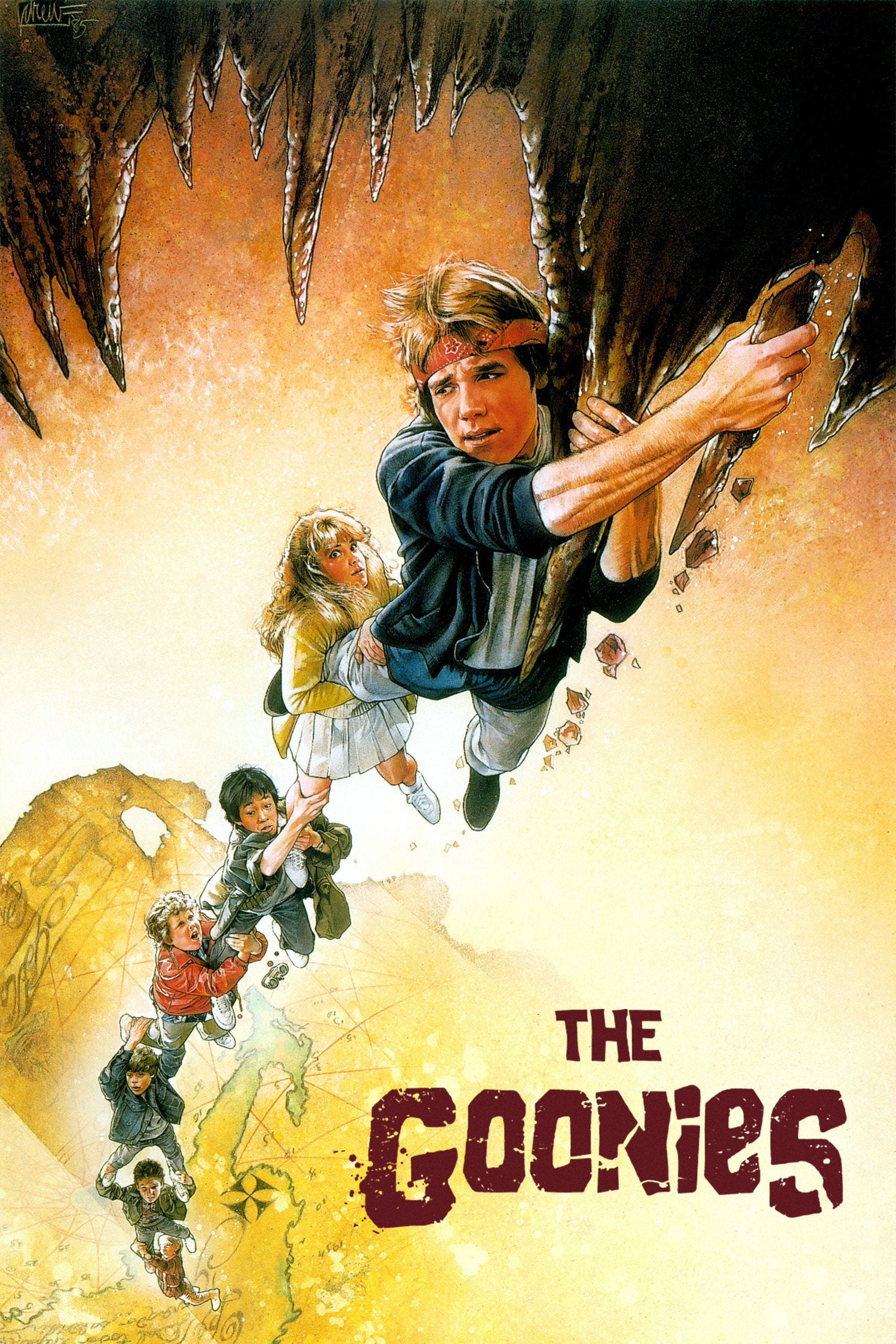
A group of friends discovers an old treasure map in an attic and chases clues through booby trapped tunnels while dodging a crime family. The kids each carry a different skill, from gadgets to Spanish, which keeps the search moving and the jokes constant.
Warner Bros. brought the film to theaters and leaned on its adventure brand to reach families. The pirate ship was a full scale practical build on a soundstage, and the production kept its look hidden from the young cast until the first scene to capture real reactions.
‘Ghostbusters’ (1984)
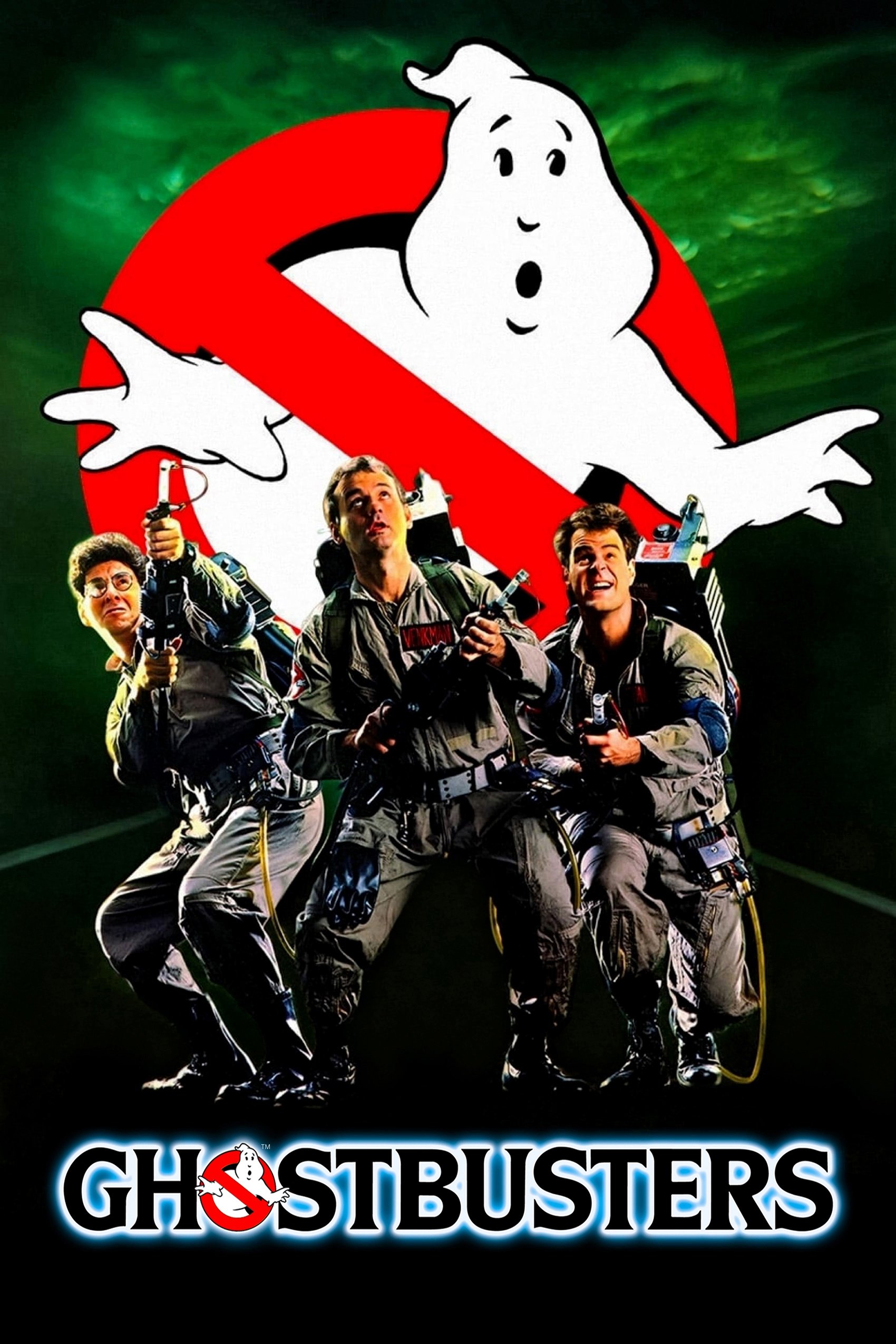
A scrappy team of scientists starts a ghost removal business in New York and quickly faces a spike in paranormal activity. Bill Murray, Dan Aykroyd, and Harold Ramis mix deadpan humor with supernatural set pieces, and a haunted high rise becomes the final battleground.
Columbia Pictures released the film and turned the no ghost logo into an instant piece of merchandise. Miniatures, matte paintings, and optical effects created the Marshmallow Man and the rooftop spectacle, while practical slime rigs kept the mess on set rather than in post.
‘Indiana Jones and the Raiders of the Lost Ark’ (1981)
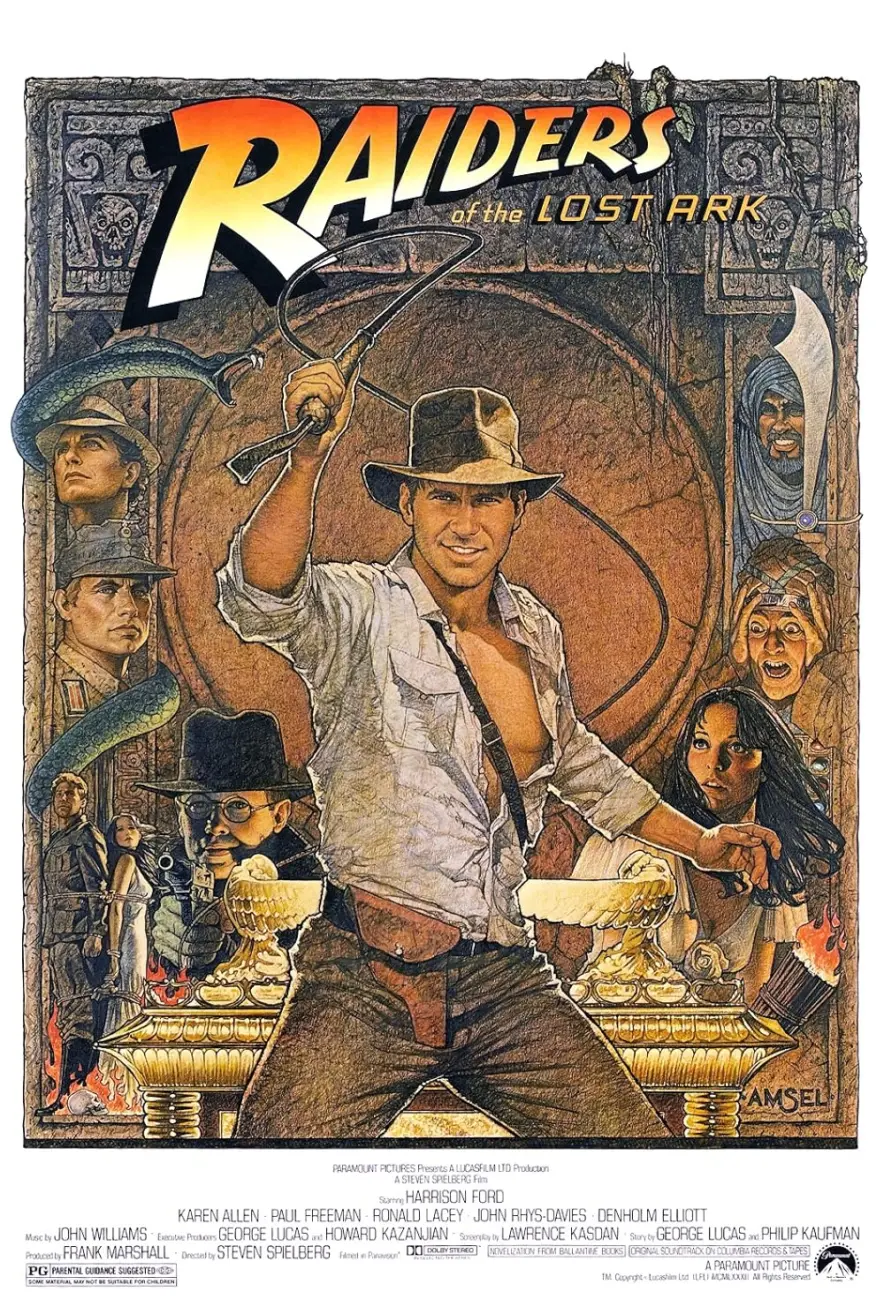
An archaeology professor races against a rival force to recover a biblical artifact. Harrison Ford plays a whip cracking lead who solves traps, outruns boulders, and navigates dig sites and desert fights.
Paramount Pictures handled distribution and gave the film a wide launch that cemented its serial inspired style. Stunt work drove the action scenes, with a truck chase that used real vehicles and carefully choreographed falls, and the rolling boulder was a foam and fiberglass prop pushed by grips.
‘Star Wars: The Empire Strikes Back’ (1980)
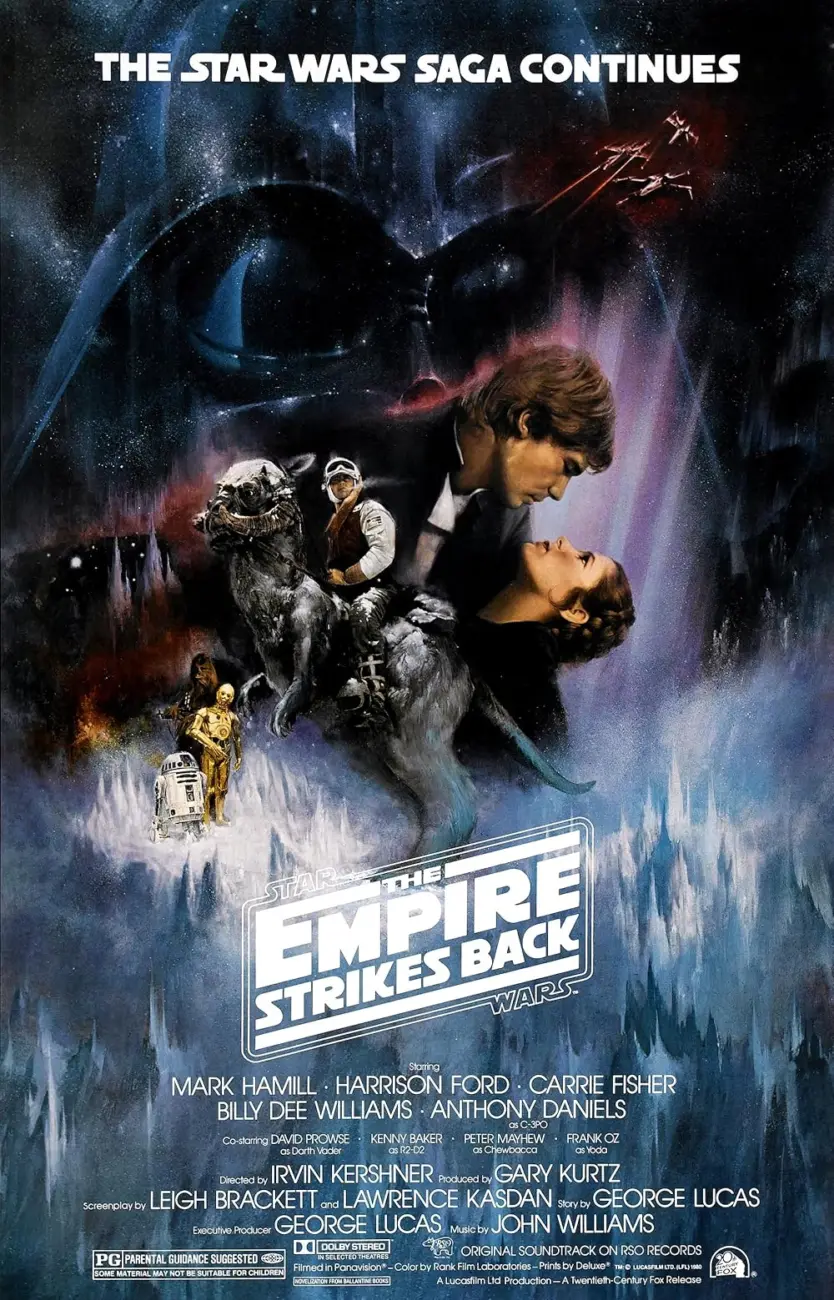
Rebel forces scatter after a snowy battle and two parallel journeys unfold, one in a swamp with a tiny teacher and one in a city among the clouds. The story deepens the conflict and introduces a twist that reshapes the central family.
20th Century Fox distributed the film and coordinated an extensive effects pipeline at the time. Motion control photography powered the space battles, and stop motion brought the walking ice planet transports to life frame by frame.
‘Star Wars: Return of the Jedi’ (1983)
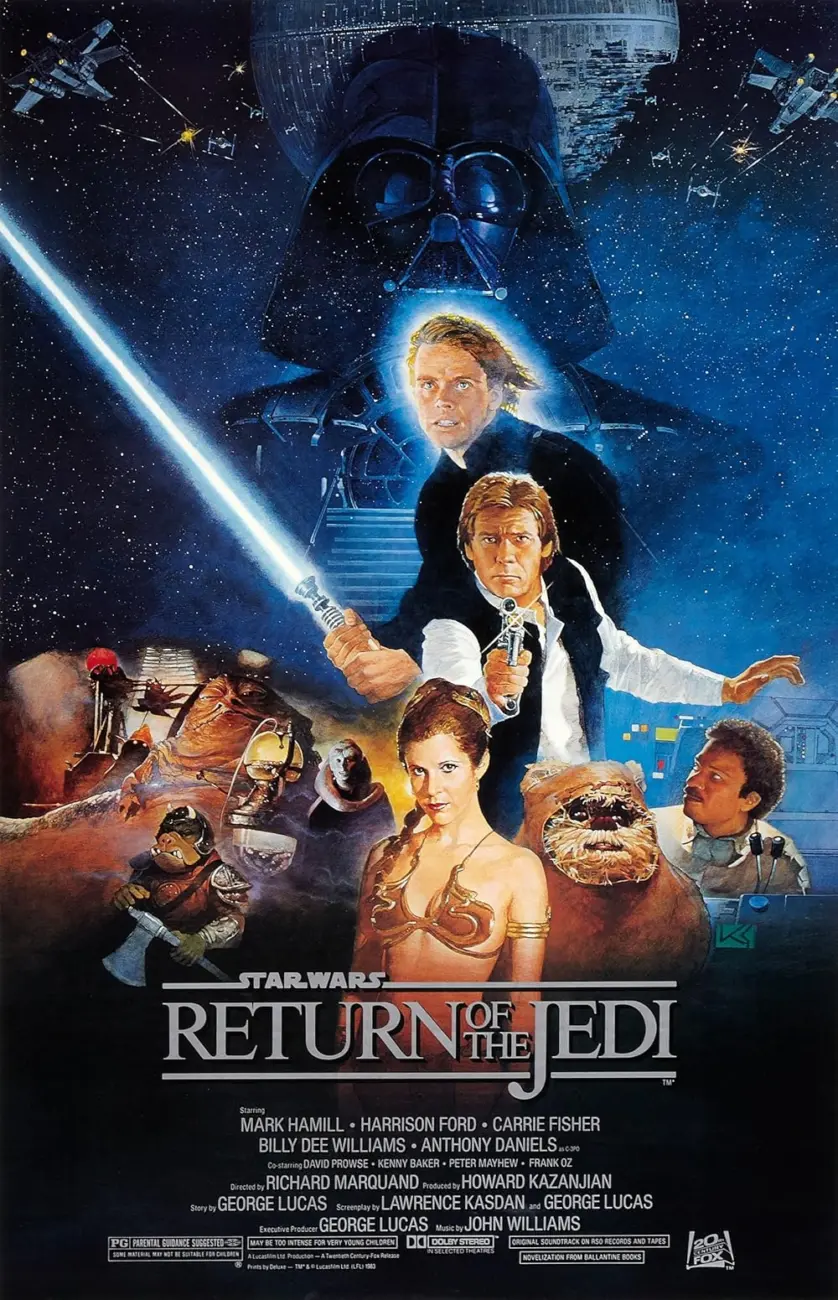
Allies stage a rescue, a second battle station looms, and a confrontation between father and son decides the fate of the galaxy. Forest warfare and a throne room duel bookend the action.
20th Century Fox brought the film to theaters with a marketing push that featured new creatures and vehicles. Model makers and puppeteers built practical aliens, while miniatures and optical composites delivered the final space assault.
‘Gremlins’ (1984)
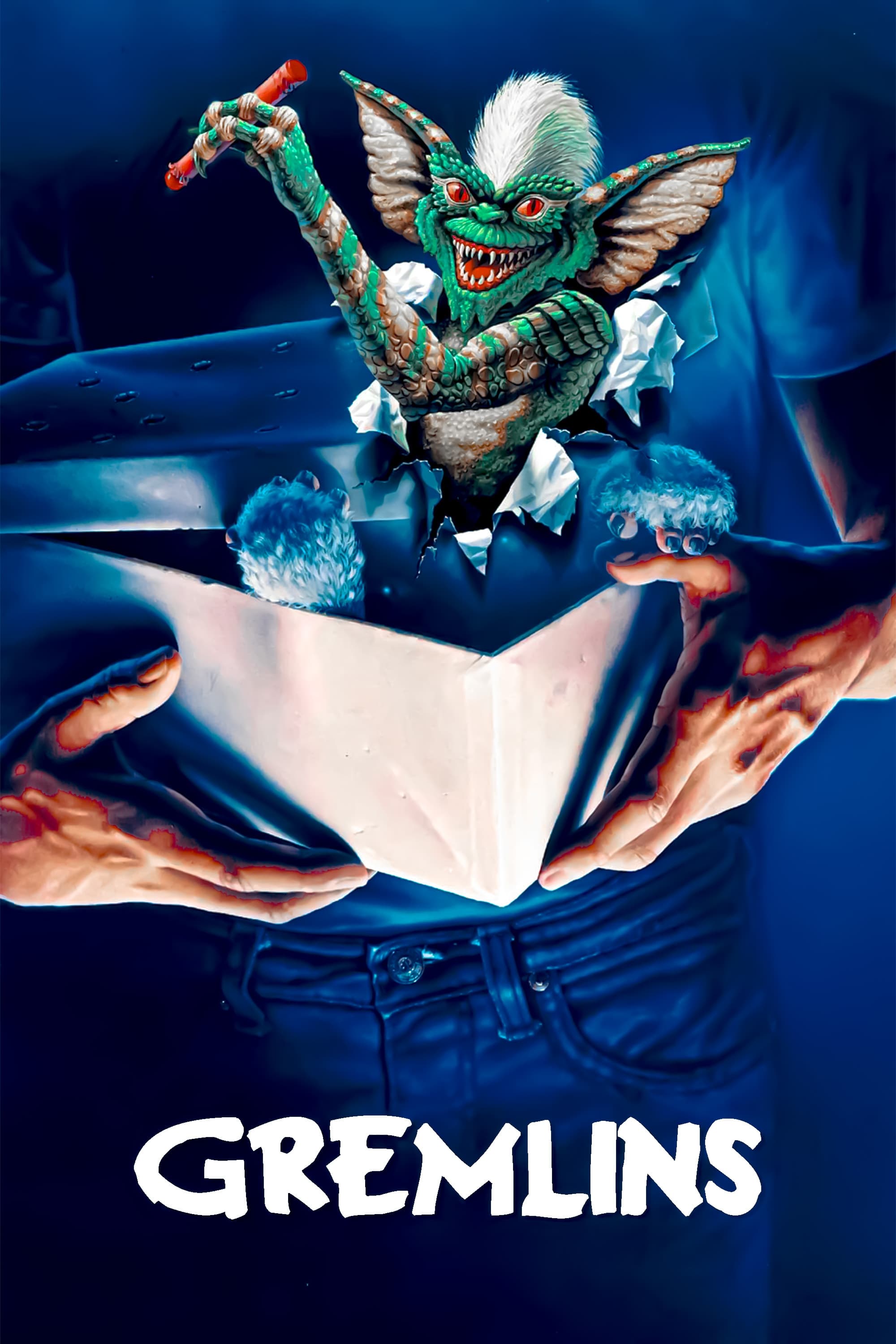
A small town receives an unexpected Christmas surprise when cute creatures multiply and transform into mischief makers after a few simple rules are ignored. Zach Galligan and Phoebe Cates anchor the mayhem as the creatures overrun homes and streets.
Warner Bros. distributed the film and positioned it as a blend of holiday setting and creature feature. Full body puppets and cable controlled faces allowed the gremlins to interact with sets in real time, and the crew used smoke and low light to sell the illusion.
‘The Karate Kid’ (1984)
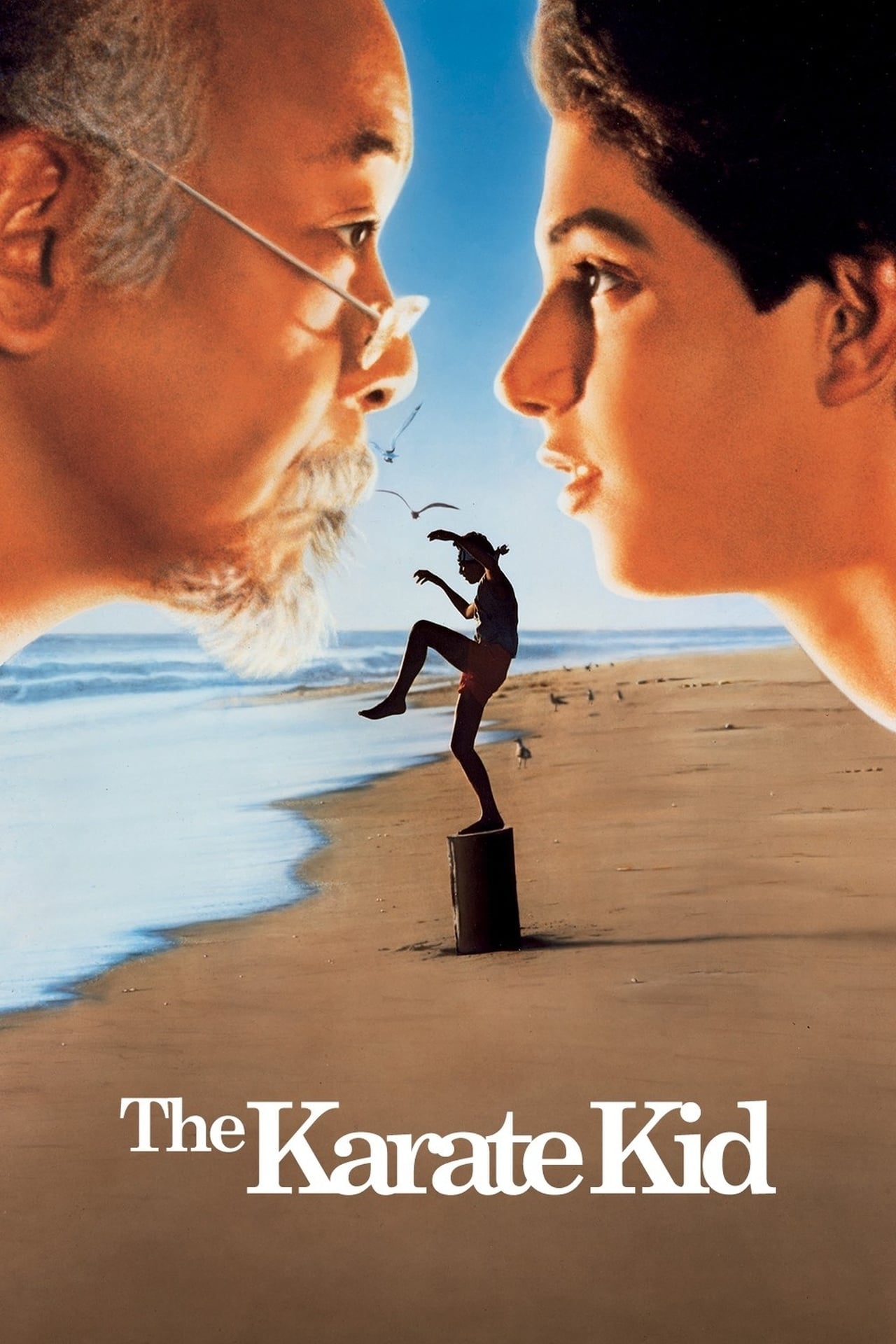
A teenager moves to a new town, clashes with a rival group, and learns discipline and balance through unconventional training. Ralph Macchio and Pat Morita build a bond that centers the tournament arc.
Columbia Pictures released the film nationwide, and its tournament scenes used real mats and practical choreography to keep the matches readable. The training montages were shot on location at the apartment complex and beach to ground the story in everyday spaces.
‘The Princess Bride’ (1987)
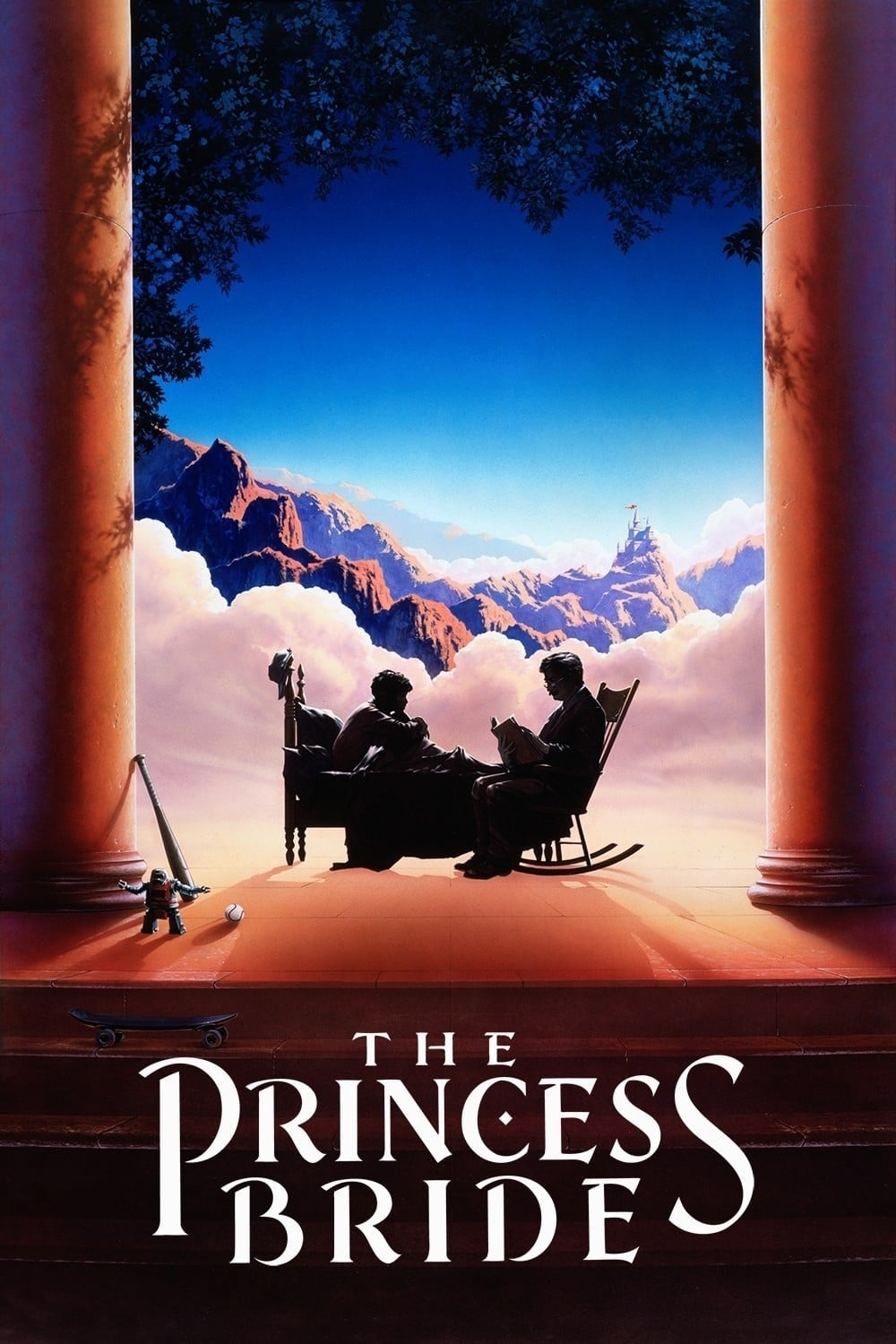
A farmhand becomes a pirate, a princess faces an arranged marriage, and a team of unlikely allies seeks revenge and rescue. The tale unfolds as a grandfather reads a book to his grandson, which keeps the story framed in a playful way.
20th Century Fox handled distribution and helped the film find audiences through repeat showings and home video. Sword fights were staged with extensive practice using real fencing techniques, and the Cliffs of Insanity sequence mixed location work with studio sets.
‘Labyrinth’ (1986)
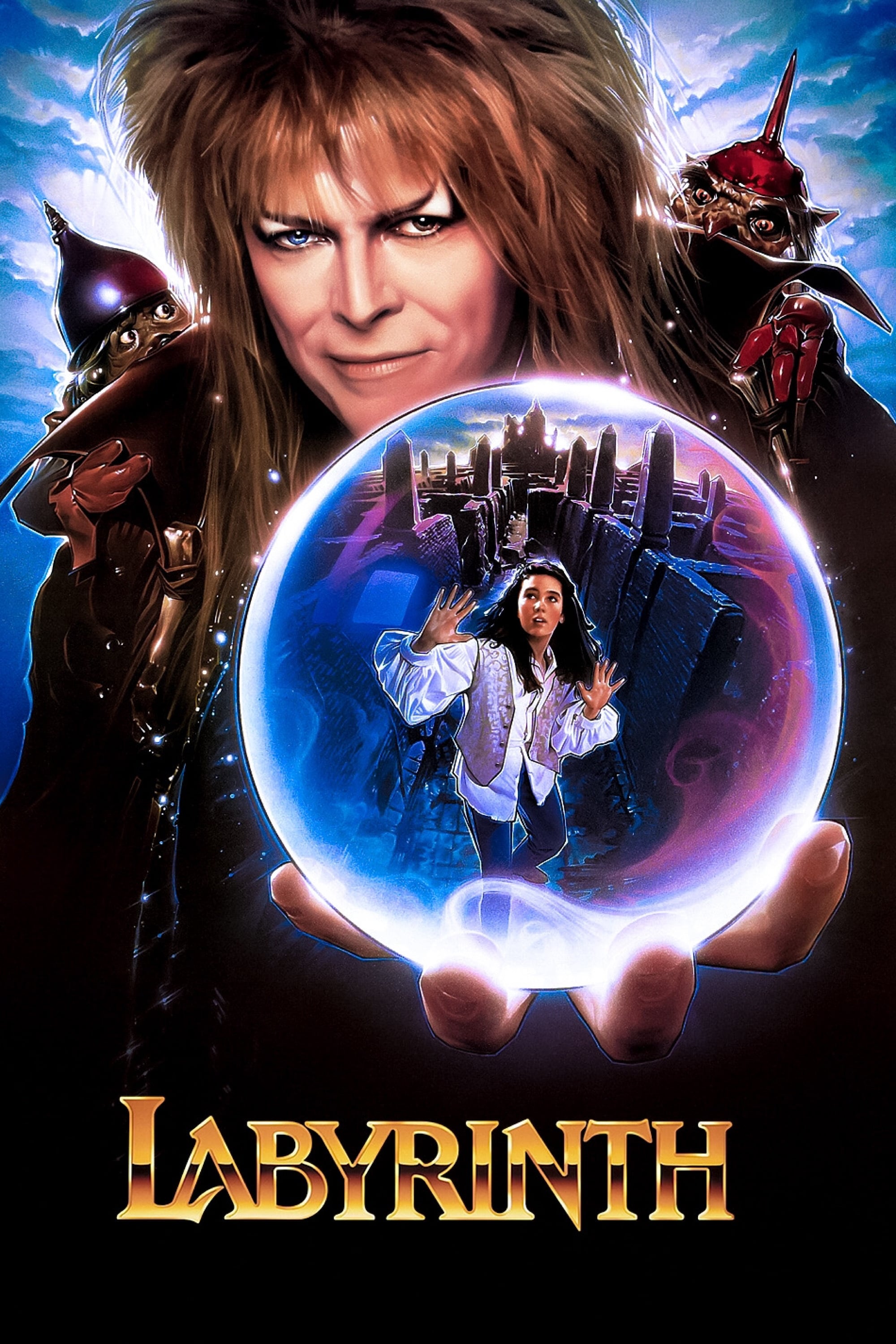
A teenage girl enters a maze to reclaim her baby brother from a charismatic ruler and encounters puppets, riddles, and shifting rooms. David Bowie and Jennifer Connelly carry the journey as music and practical creatures fill the screen.
Tri-Star Pictures distributed the film and worked with the production to showcase Jim Henson’s creature shop. Dozens of puppeteers operated full body suits and cable rigs, and the staircase sequence used forced perspective and a rotating set to achieve its look.
‘The Dark Crystal’ (1982)
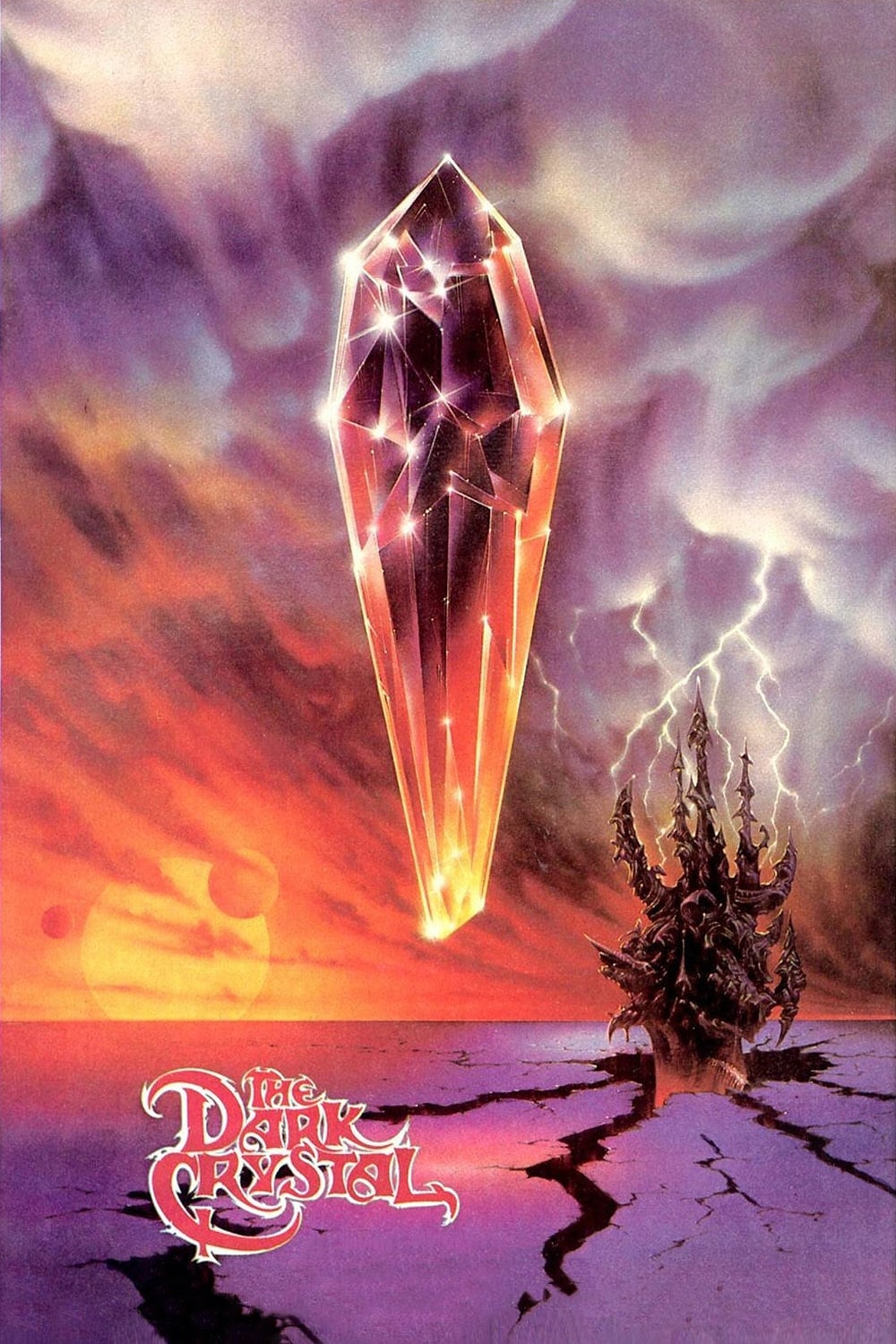
Two Gelflings search for a missing shard to heal a world ruled by cruel overlords. The story takes place entirely with puppets and elaborate sets, which gives every character a handcrafted presence.
Universal Pictures brought the film to theaters and highlighted the scale of the creature work. The production built large animatronic heads with radio controls for facial movement, and miniature landscapes extended the sets beyond the soundstage.
‘The NeverEnding Story’ (1984)
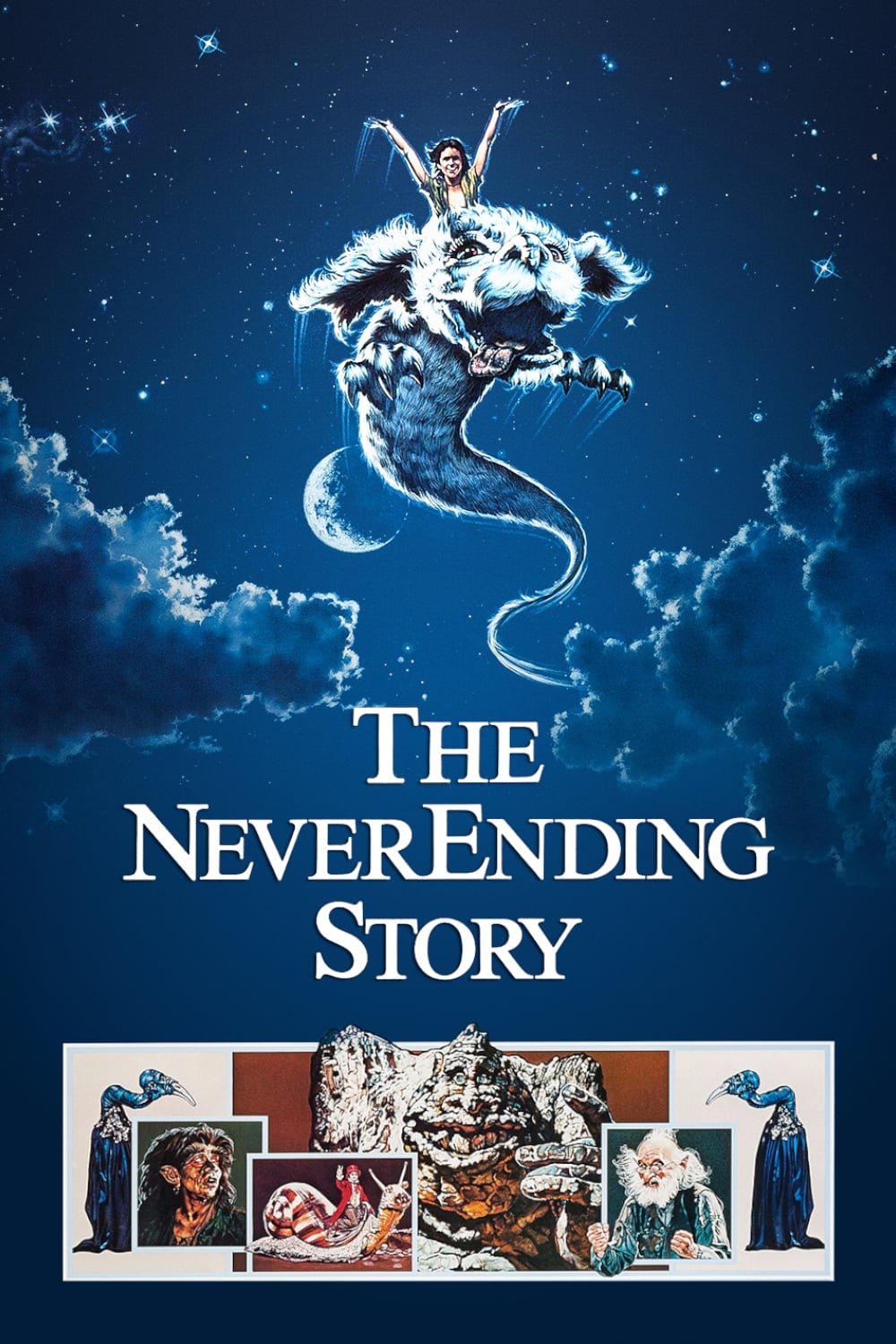
A boy discovers a book that pulls a reader into a world in danger, where a young hero searches for a cure to save a magical realm. The story moves between the real world and the fantasy world as each page turns.
Warner Bros. distributed the film in North America and supported its rollout with family focused promotion. The Luckdragon was a full size rideable prop covered in hand sewn scales, and large water tanks and wind machines created the storm scenes.
‘Who Framed Roger Rabbit’ (1988)
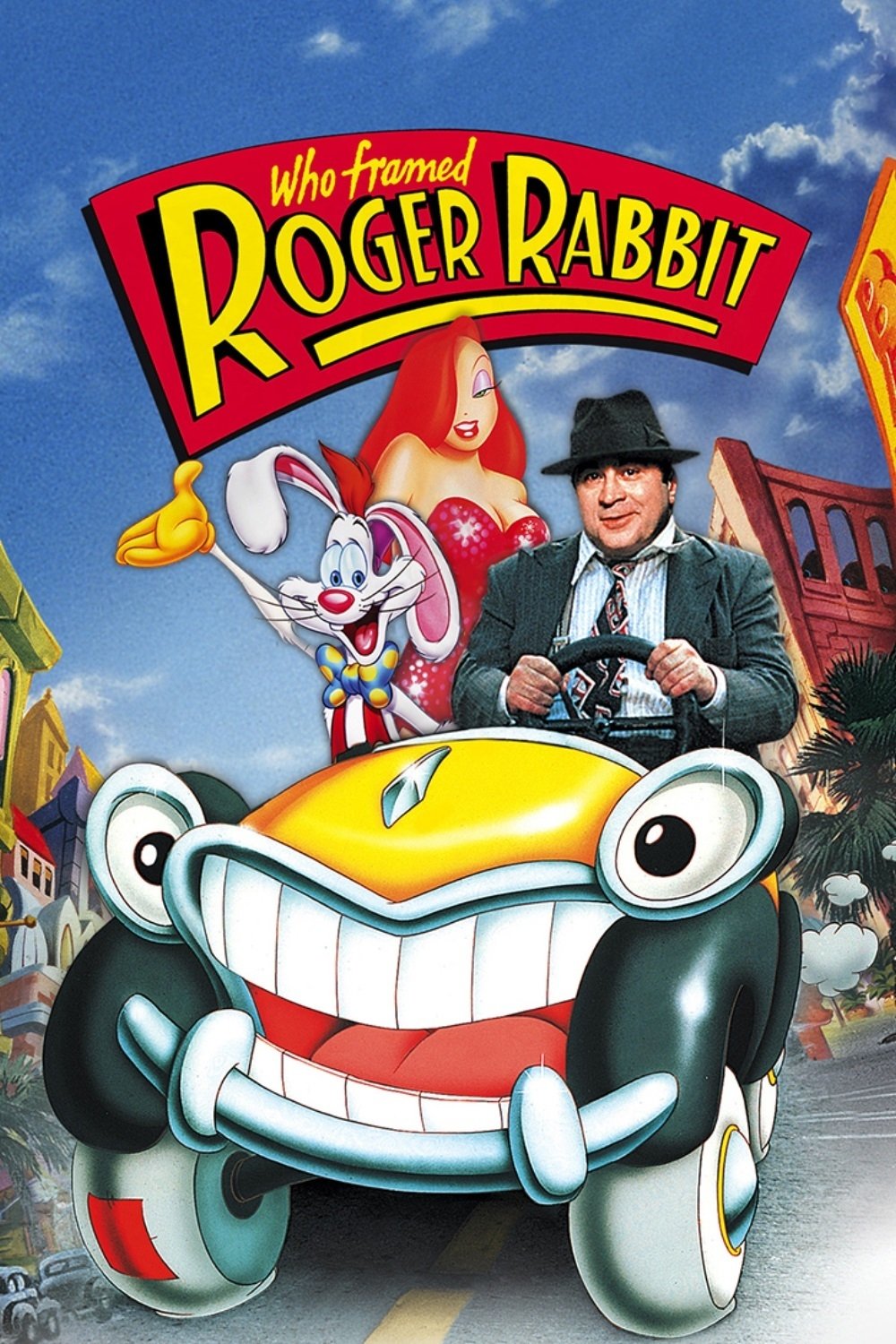
A private detective gets tangled in a case involving a cartoon star and a scheme that threatens an animated neighborhood. Bob Hoskins performs with characters added later, which requires precise eyelines and timing.
Touchstone Pictures under the Buena Vista banner handled distribution and coordinated a release that emphasized the mix of live action and animation. Animators drew thousands of cels over footage, and real props were moved by hidden rigs so the cartoon characters could interact with the physical world.
‘Honey, I Shrunk the Kids’ (1989)

An inventor accidentally shrinks his children and the neighbor kids, turning a backyard into a hazardous wilderness. Everyday objects become obstacles as the group tries to reach home base and get restored.
Buena Vista Pictures distributed the film and positioned it as an effects driven family adventure. Oversized sets like giant blades of grass and a full scale cookie were built to scale for the actors, and motion control passes added insects and background movement.
‘The Land Before Time’ (1988)
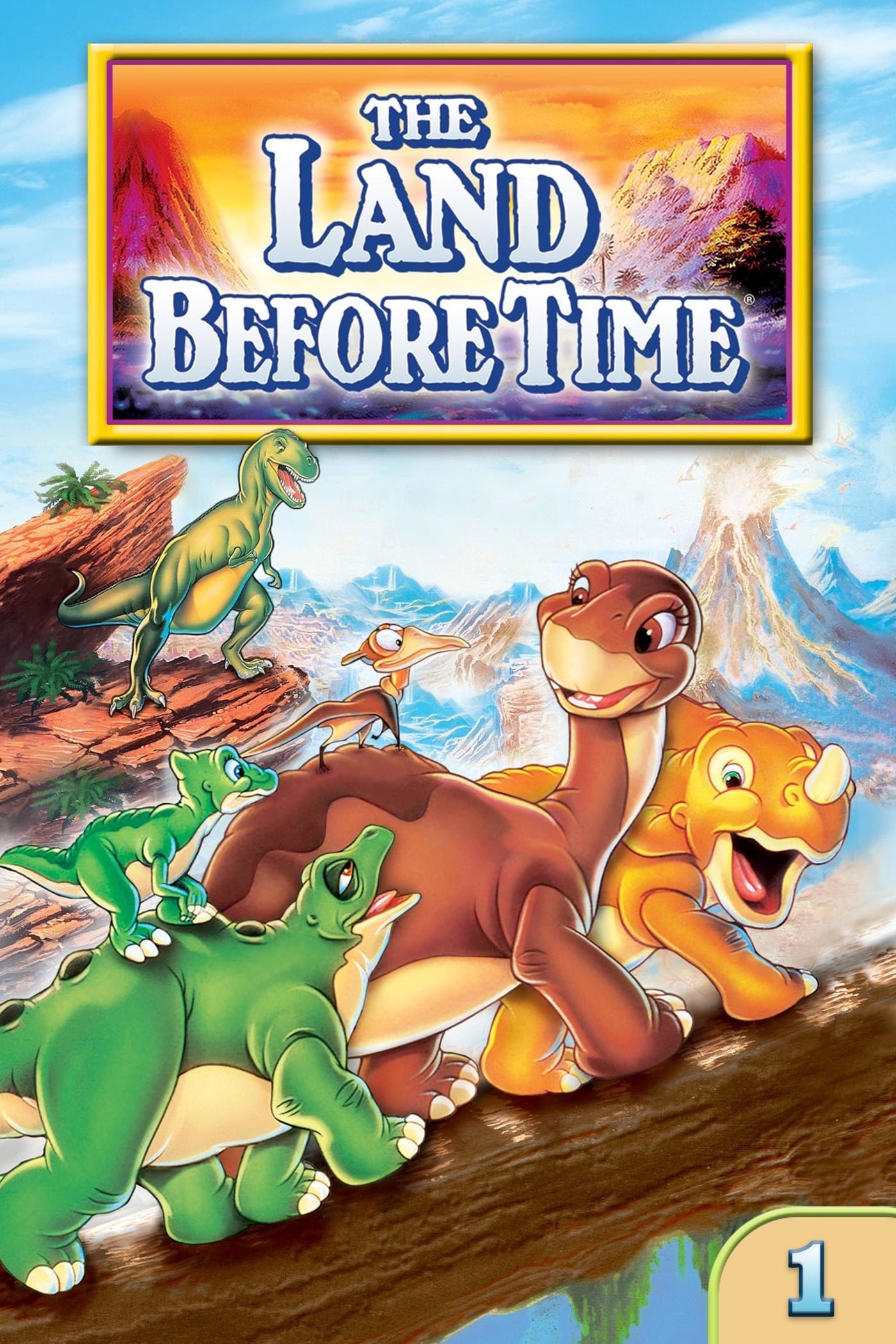
Young dinosaurs from different herds band together to search for a fertile valley after a catastrophe changes their world. The group learns to navigate predators and harsh terrain while staying together.
Universal Pictures handled distribution worldwide and kept the release focused on family audiences. Traditional animation with hand painted backgrounds gave the film its look, and the team used model sheets to keep character proportions consistent from scene to scene.
‘An American Tail’ (1986)
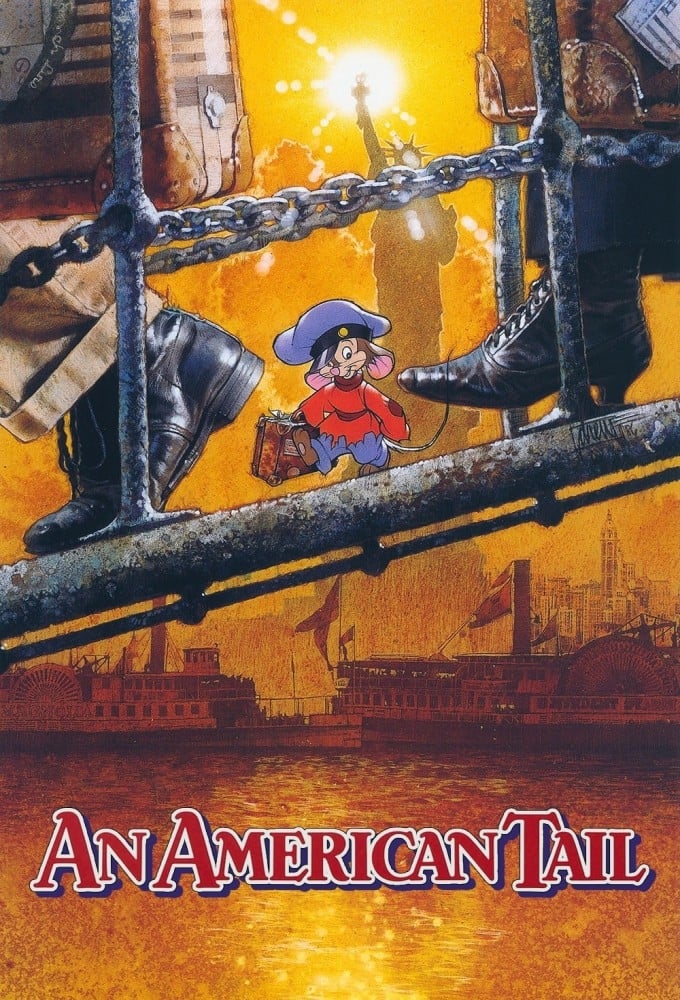
A mouse family emigrates to a new country in search of opportunity, only to be separated on the journey. The young son searches across a big city with songs and streetwise allies guiding the way.
Universal Pictures distributed the film and supported a broad theatrical run that led to strong home video demand. Detailed urban backdrops and multi plane camera setups created depth in city scenes, and the soundtrack recording involved full orchestration.
‘The Little Mermaid’ (1989)
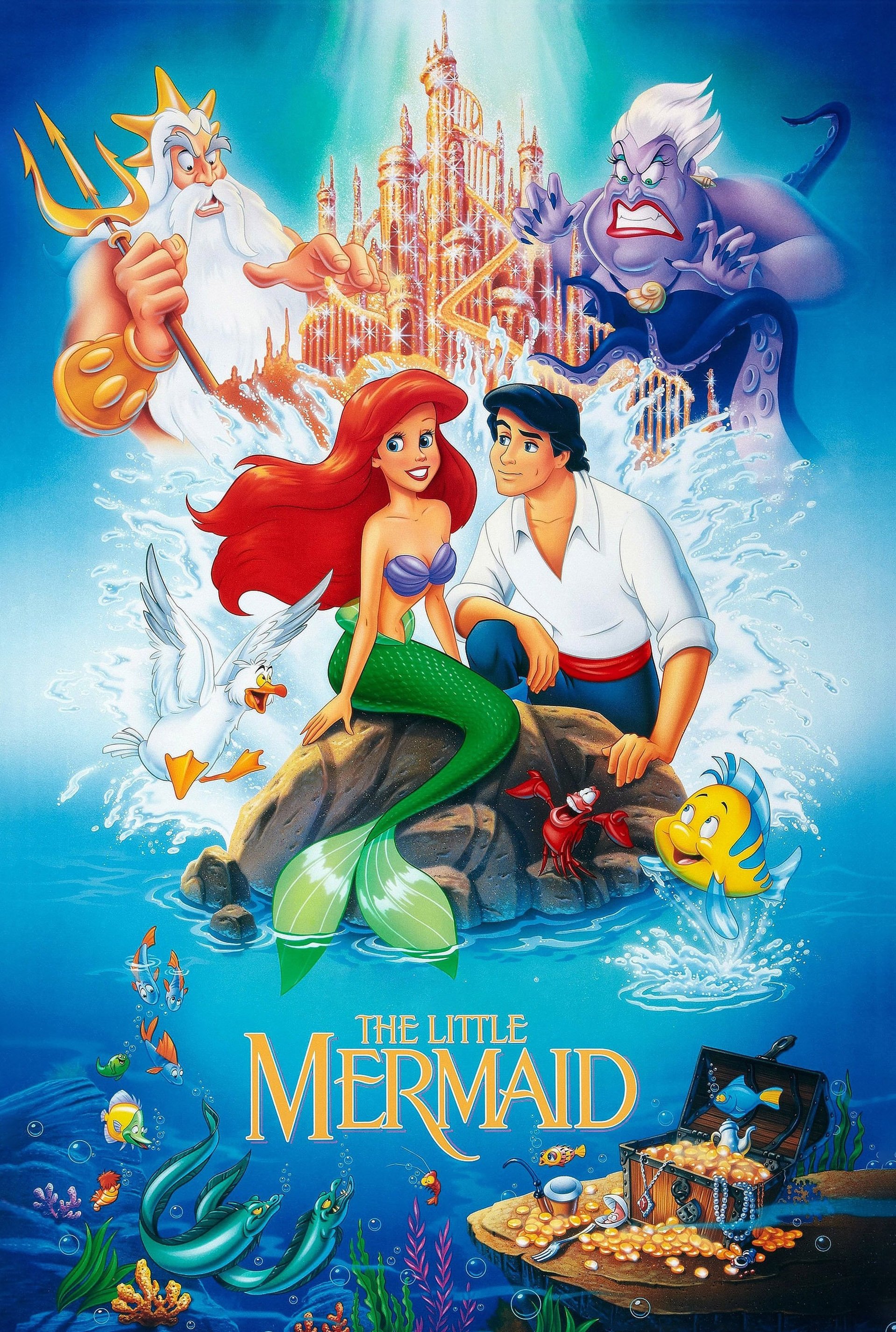
A curious princess of the sea longs to explore the surface and trades her voice for a chance to walk on land. New friends help her navigate a human world while a sea witch plots to keep control.
Buena Vista Pictures released the film for Walt Disney Pictures and backed it with a music forward campaign. The animation team used early digital tools for select shots while keeping hand drawn character work at the center, and the recording sessions captured vocals before final animation to shape the performances.
‘Big’ (1988)
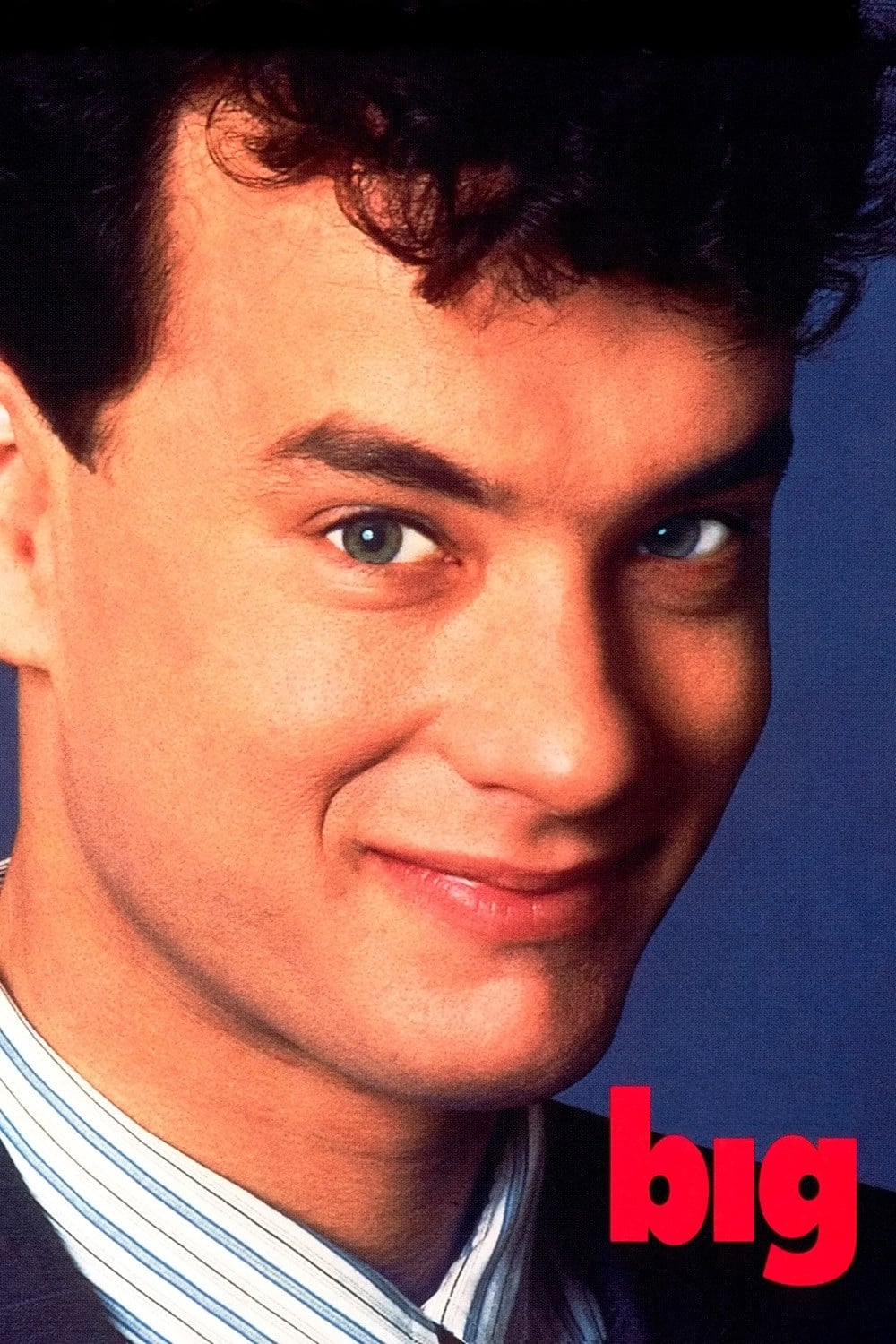
A wish at a carnival turns a kid into his adult self overnight, and he lands a job at a toy company by thinking like a child. Tom Hanks carries the fish out of water story through office meetings and a famous piano scene.
20th Century Fox distributed the film and marketed it as a high concept comedy with heart. Location shooting in New York used real stores and city parks, and the walking piano was a working instrument that required careful choreography to hit every note.
‘Pee-wee’s Big Adventure’ (1985)
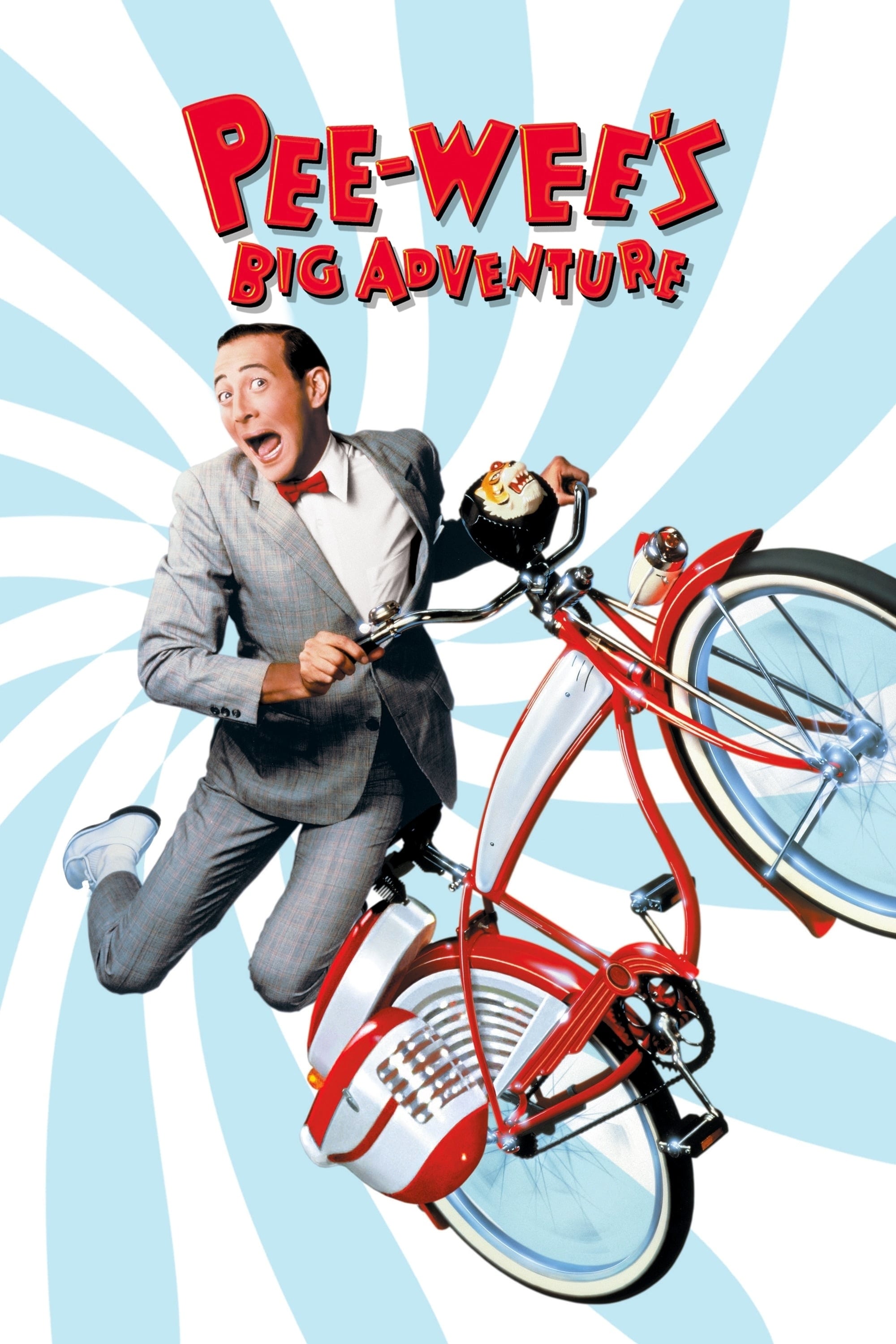
A unique bicycle goes missing and its owner crosses the country to find it, meeting odd characters and turning detours into set pieces. Paul Reubens keeps the energy up with physical comedy and a straight faced delivery.
Warner Bros. released the film and leaned into its quirky tone for trailers and posters. The tour through studios and roadside attractions used backlot sets and location permits, and the production designed a custom bicycle prop with duplicates for stunts.
‘A Christmas Story’ (1983)

A young boy hopes for a special gift and faces schoolyard challenges, strict parents, and holiday traditions. The narration ties each misadventure together as the neighborhood prepares for the big day.
MGM/UA distributed the film and supported repeated seasonal play on television, which helped it become a fixture of the holidays. The house interiors were filmed on a soundstage for camera access, while exterior scenes used a real neighborhood dressed with period details.
‘WarGames’ (1983)
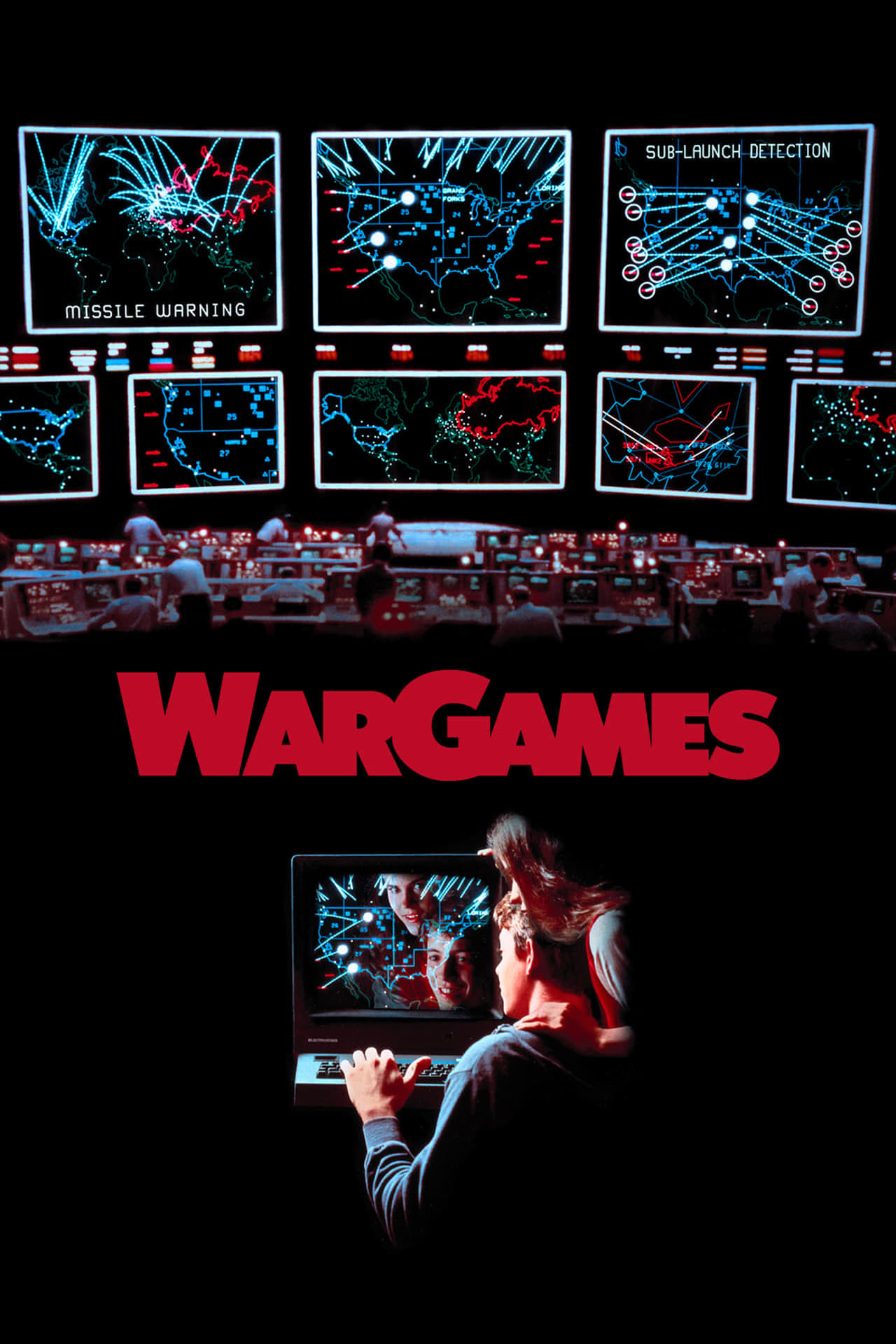
A curious teen dials into a computer system and accidentally starts a simulation that looks like the real thing to the machine on the other end. The story follows the scramble to prevent a crisis while the computer keeps playing.
MGM/UA handled distribution and emphasized the timely hook of computers and networks. Production used real computer rooms with racks of hardware and light panels, and the large map display was a practical setup built for the command center set.
‘The Last Starfighter’ (1984)
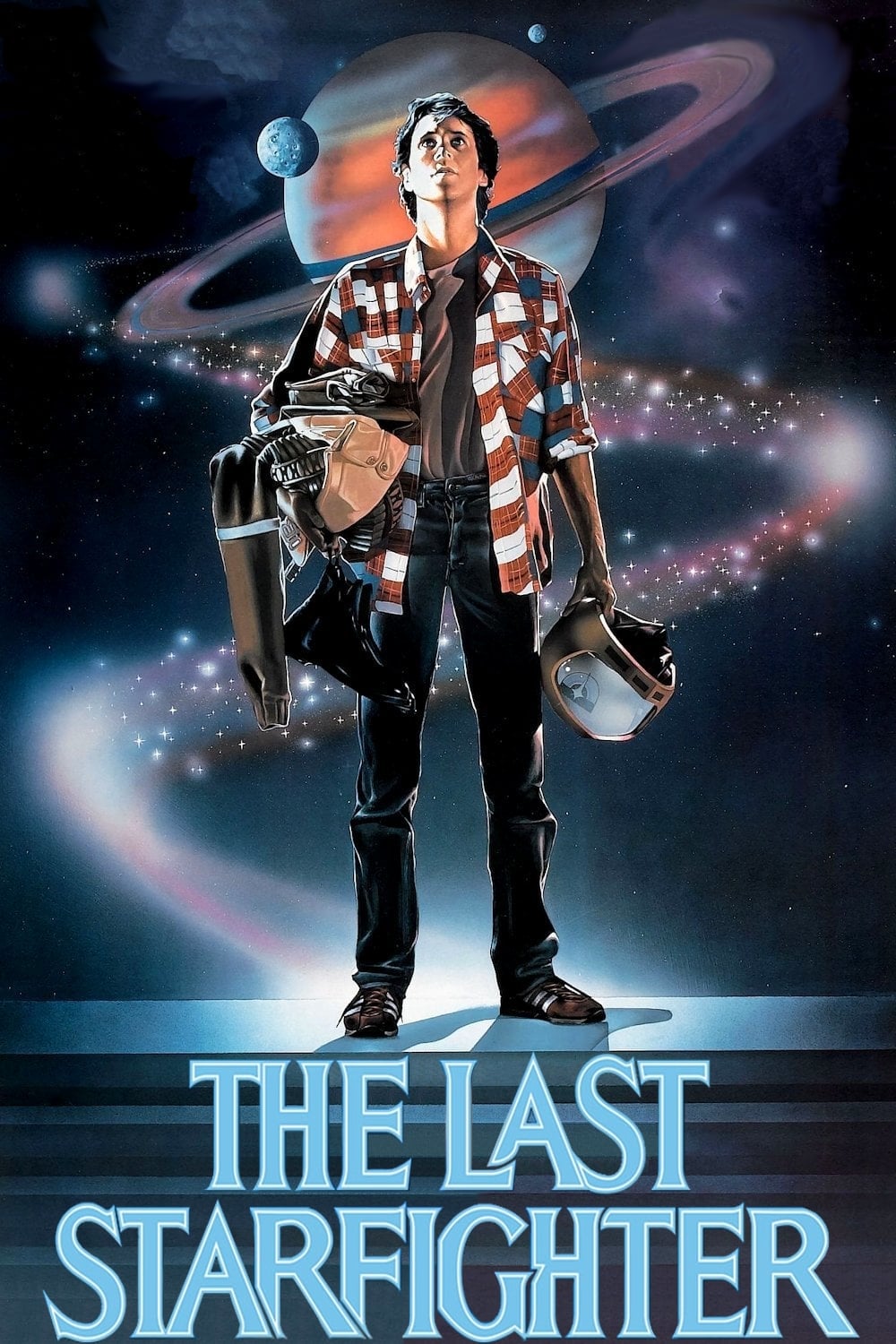
A high scoring arcade player gets recruited by an alien defense force after a game doubles as a test. Space battles follow as he learns to fly a starfighter with a lizard like navigator by his side.
Universal Pictures distributed the film and highlighted its early use of computer generated imagery for ships and environments. The production built a full scale cockpit on a gimbal for motion, while the CG team rendered the crafts on large mainframe systems.
‘Flight of the Navigator’ (1986)
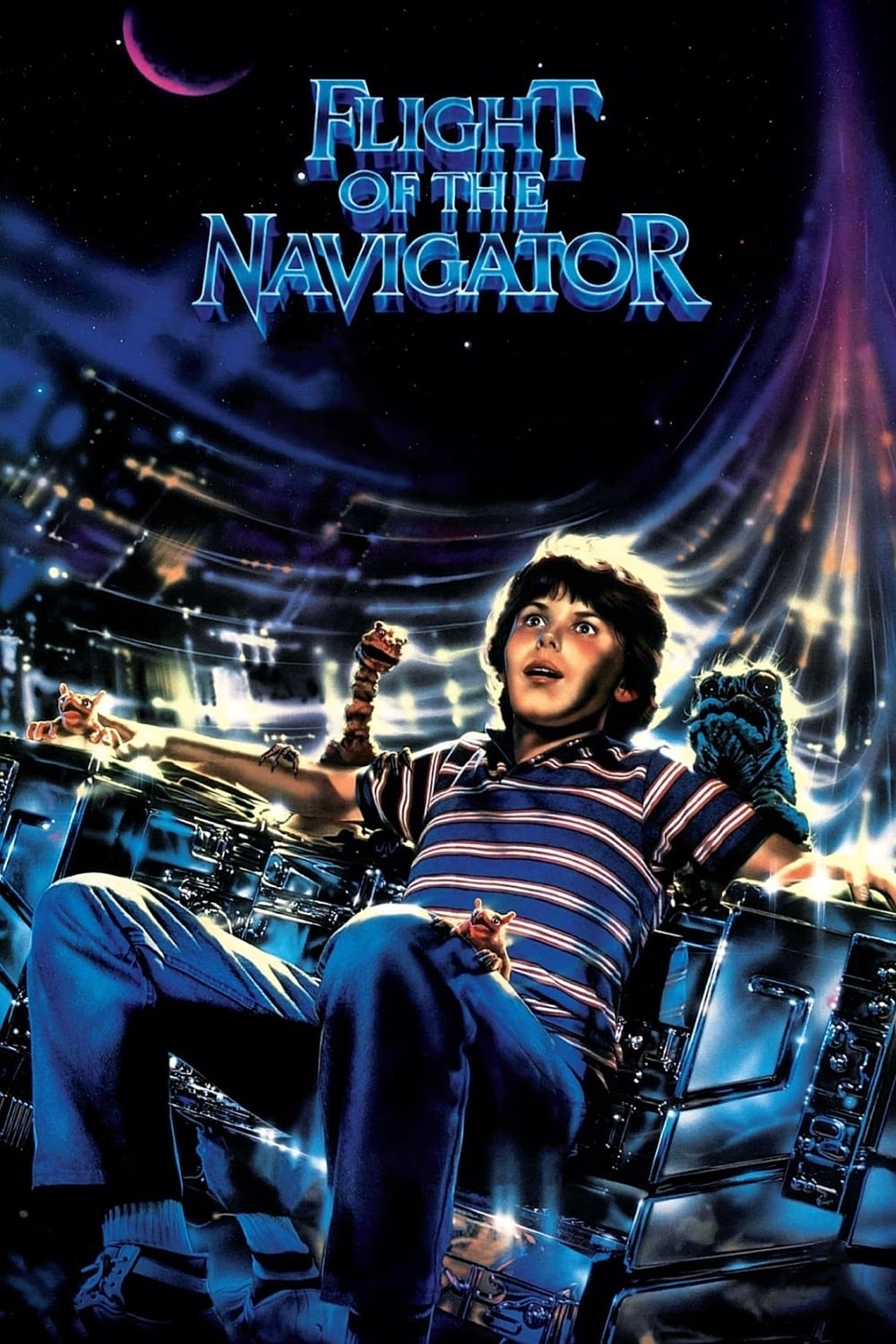
A boy disappears during a walk and returns the same age after a long gap, with a connection to a sleek spaceship that talks. The mystery unravels as he learns why no time passed for him and what the ship wants.
Buena Vista Distribution released the film and supported its family audience with matinee friendly scheduling. The ship’s reflective surface used practical mirror finishes and controlled lighting, and motion rigs let the craft glide across sets for in camera effects.
‘Willow’ (1988)
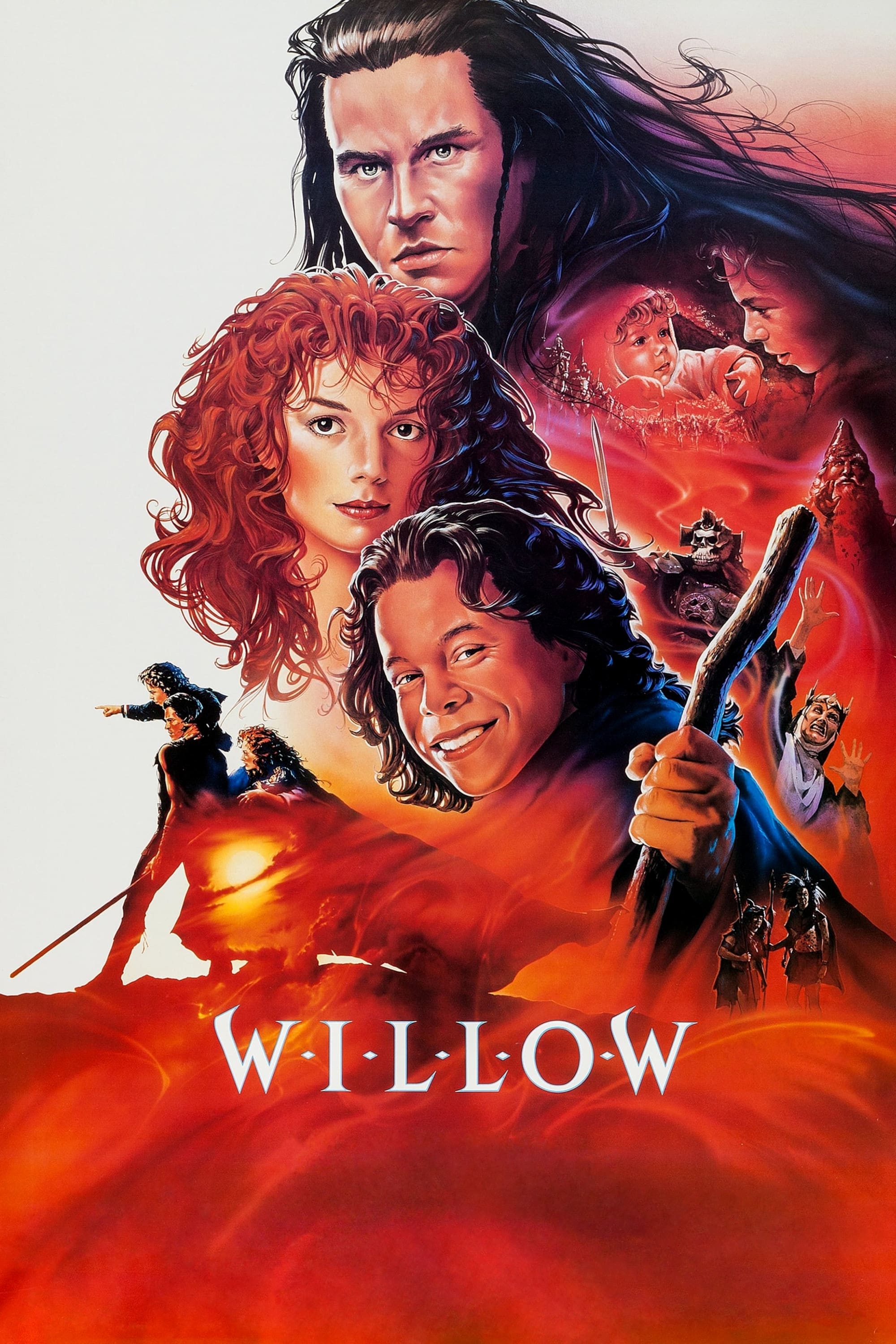
A farmer and aspiring sorcerer protects a special baby while soldiers and creatures close in, and he teams up with a roguish swordsman to cross dangerous lands. Magic, swordplay, and shape shifting guide the quest.
MGM/UA distributed the film in theaters and worked with the production to showcase large scale fantasy on location and on sets. The team used early digital morphing for transformation scenes and employed hundreds of extras and horse units for battle sequences.
Share the titles you would add to this list in the comments and tell us which one you watched the most on repeat.

