


Movies Misunderstood by the Public

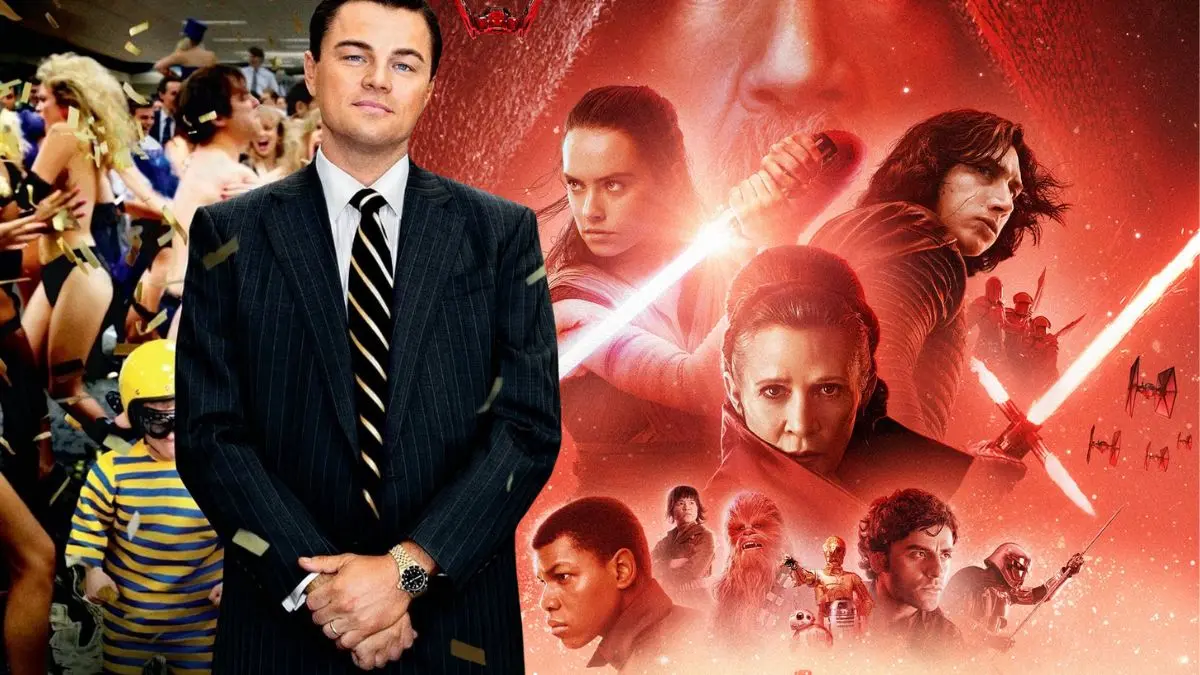


Some films arrive with marketing that sets the wrong expectation or with themes that get lost in the noise, and that is often how audiences walk away with the wrong idea. Misread satire, mislabeled genres, and surface level controversies all play a part in the confusion. Over time, interviews, director commentaries, and deeper analysis can clarify what these movies were actually doing. Here are films that many people initially took the wrong way, with quick context on how each one was presented and who distributed it.
‘Fight Club’ (1999)
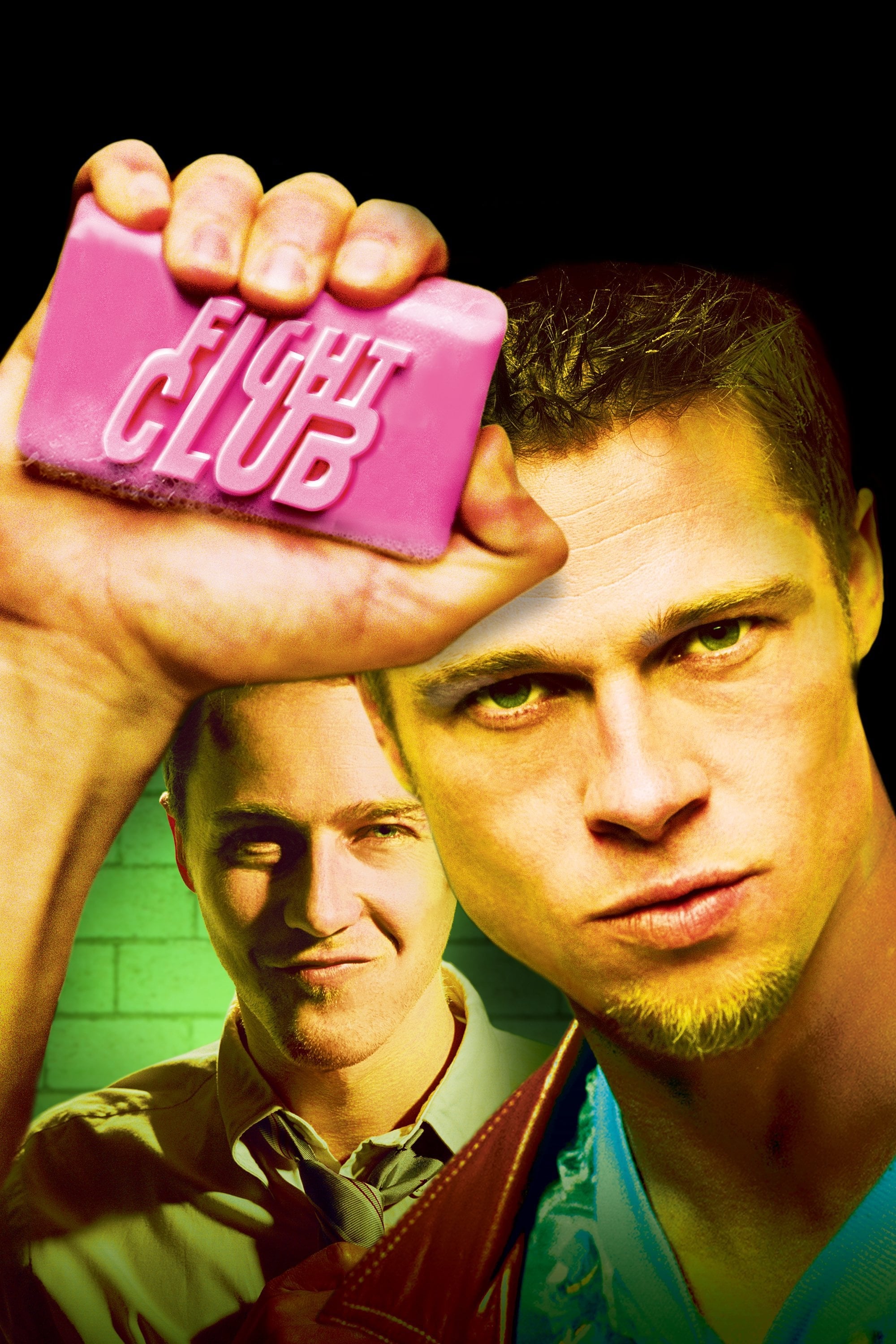
Many viewers took the film as a celebration of violent rebellion when the story actually shows a destructive spiral and an unreliable narrator. Early marketing leaned into bare knuckle spectacle which shaped first impressions. The book’s author and the director have both discussed its critique of empty consumer identity. The film was released by 20th Century Fox.
‘American Psycho’ (2000)

The film was treated as simple slasher shock when it closely tracks a satirical portrait of status chasing and image obsession. Its period details mirror the finance culture it sends up. Discussions around the ending have explained how perception and reality are intentionally blurred. Lionsgate Films handled distribution.
‘Starship Troopers’ (1997)
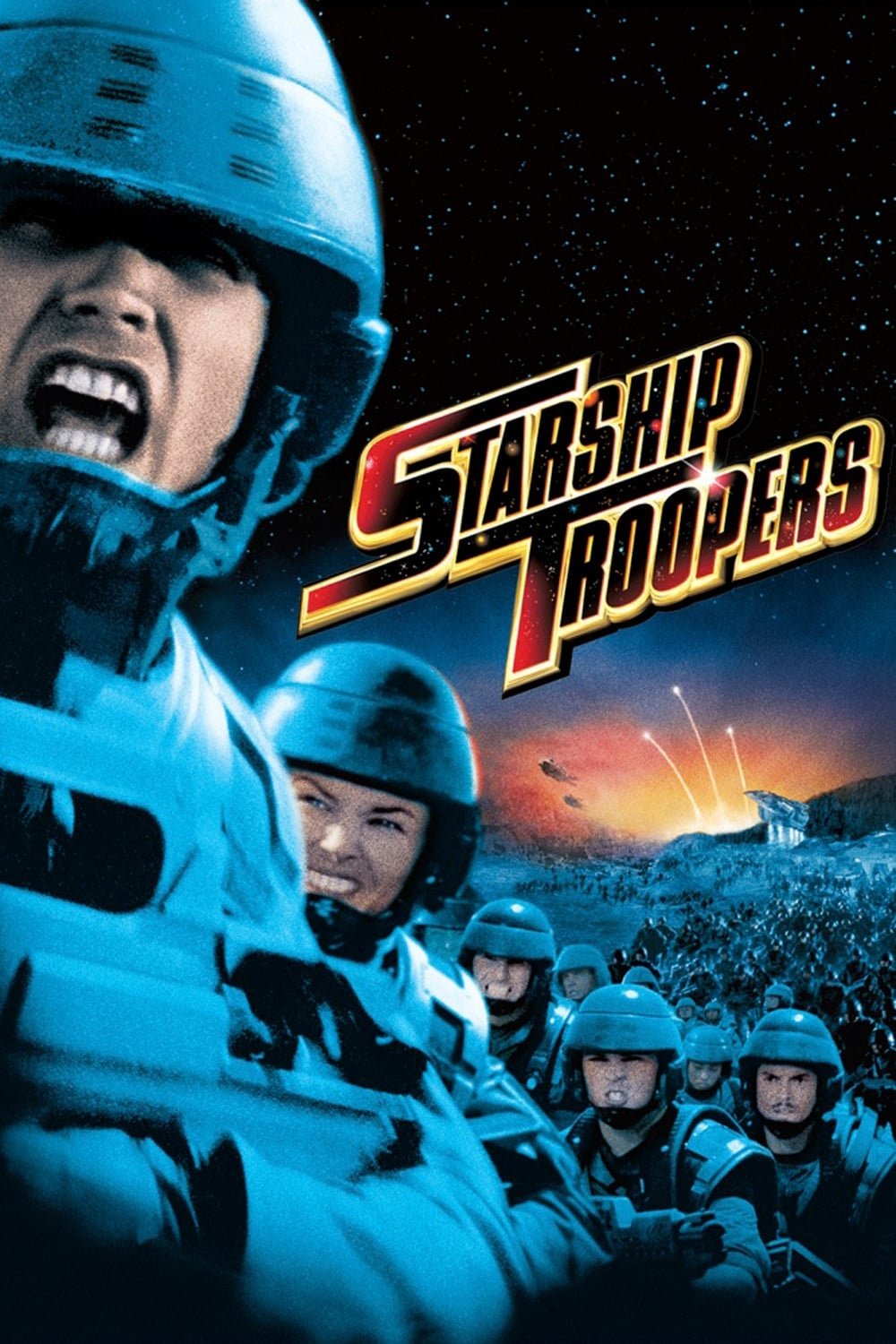
The movie’s glossy military imagery led some to mistake it for straightforward war action when it is built as a satire of propaganda. Visuals echo recruitment films to show how messaging can glamorize conflict. Later readings highlighted the use of newsbreak segments to reveal that intent. TriStar Pictures released the film.
‘RoboCop’ (1987)
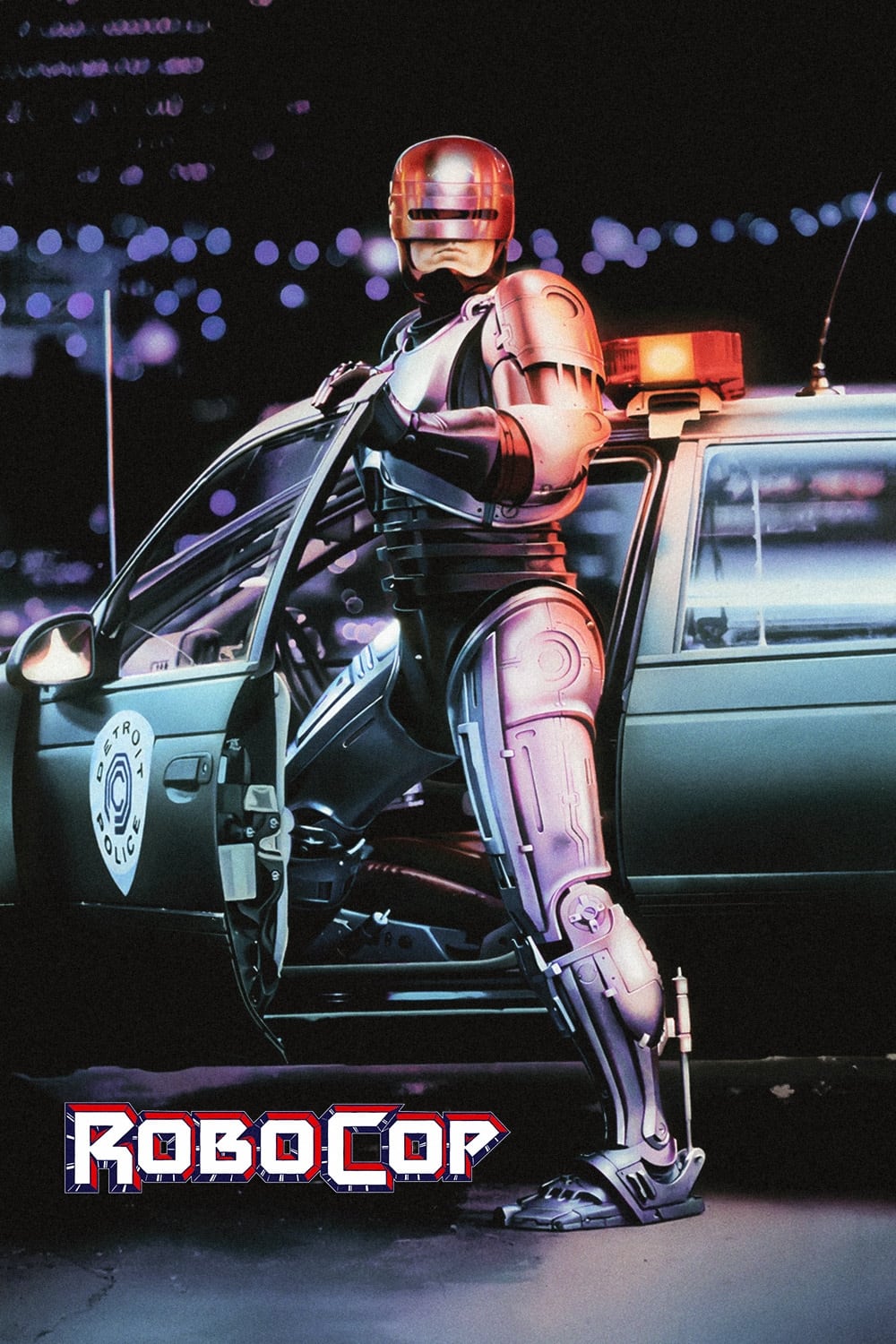
Audiences sometimes remember only the action while missing its corporate satire and media parody. The use of fake adverts and news clips underlines that focus. The story’s body horror elements also point to the cost of privatized policing. Orion Pictures distributed the film.
‘The Wolf of Wall Street’ (2013)
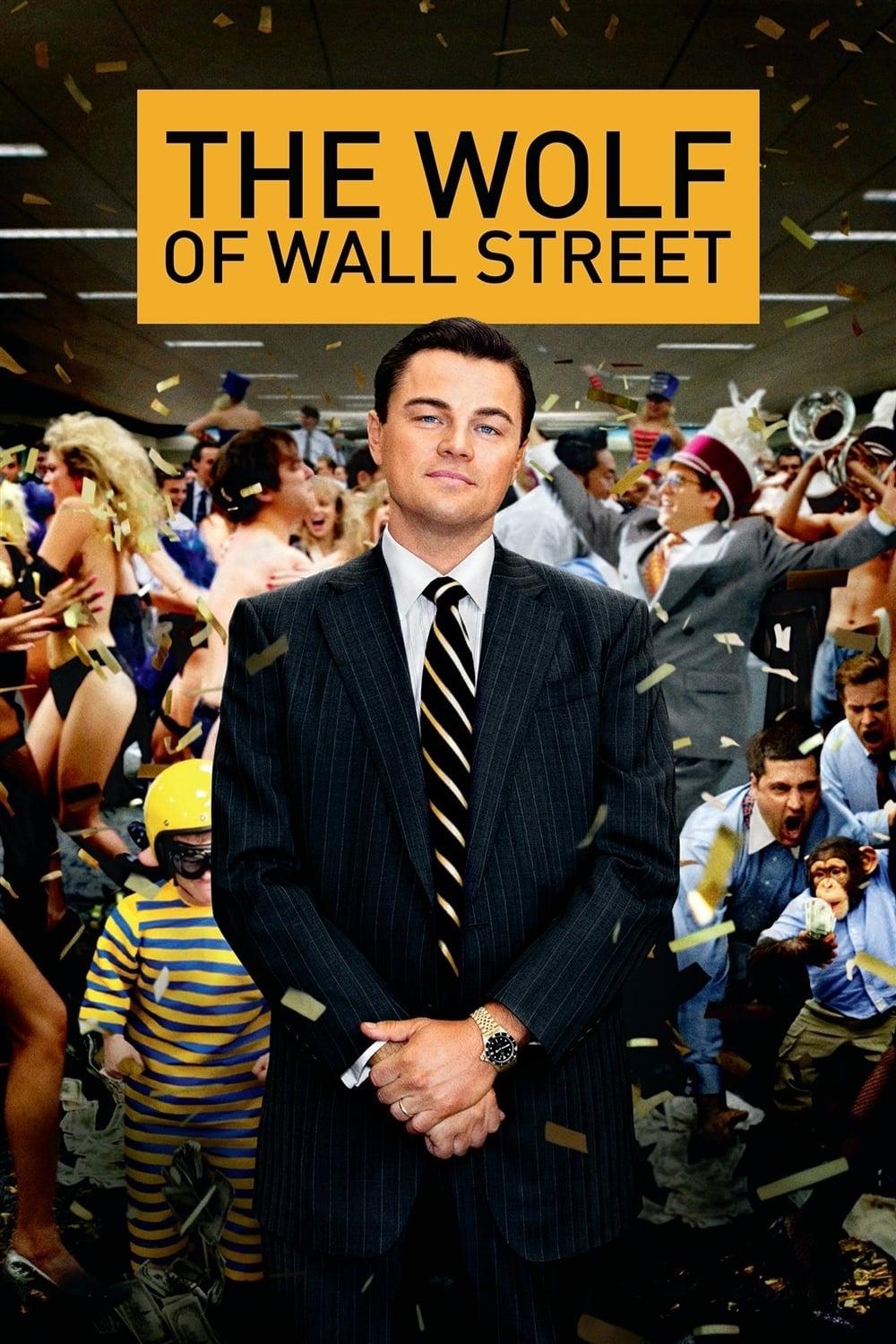
Some thought the film glamorized fraud because it shows the lifestyle in vivid detail, yet the narrative documents consequences and manipulation. The script draws on court records and the real memoir to show the scheme’s mechanics. Scenes of sales training reveal how exploitation scaled. Paramount Pictures handled the release.
‘Joker’ (2019)
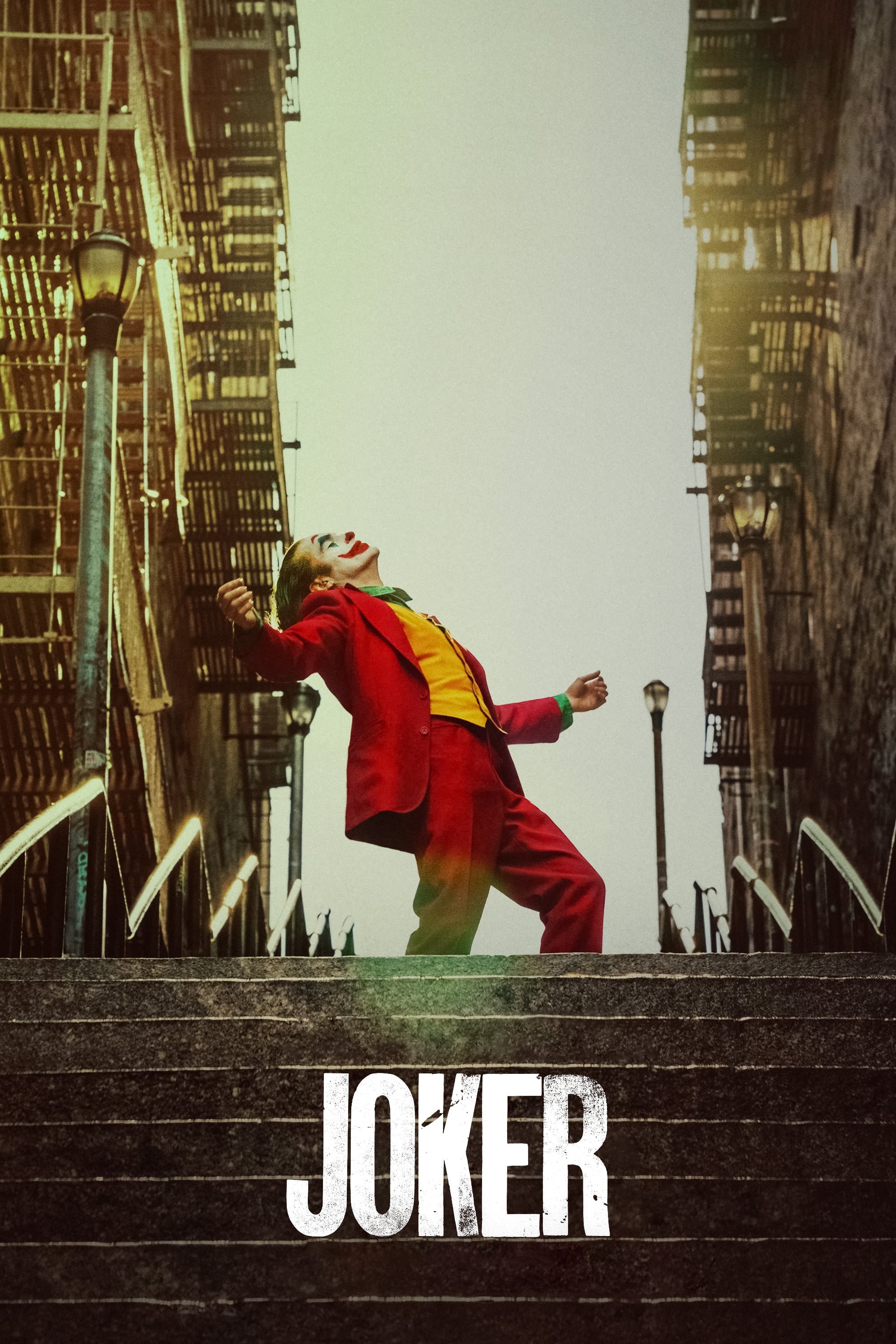
Debate centered on whether the movie endorses violence when it traces social isolation and institutional gaps through a character study. The setting connects municipal service cuts to the lead’s decline. Public conversations noted how the talk show sequence reflects spectacle driven media. Warner Bros. Pictures distributed the film.
‘The Matrix’ (1999)
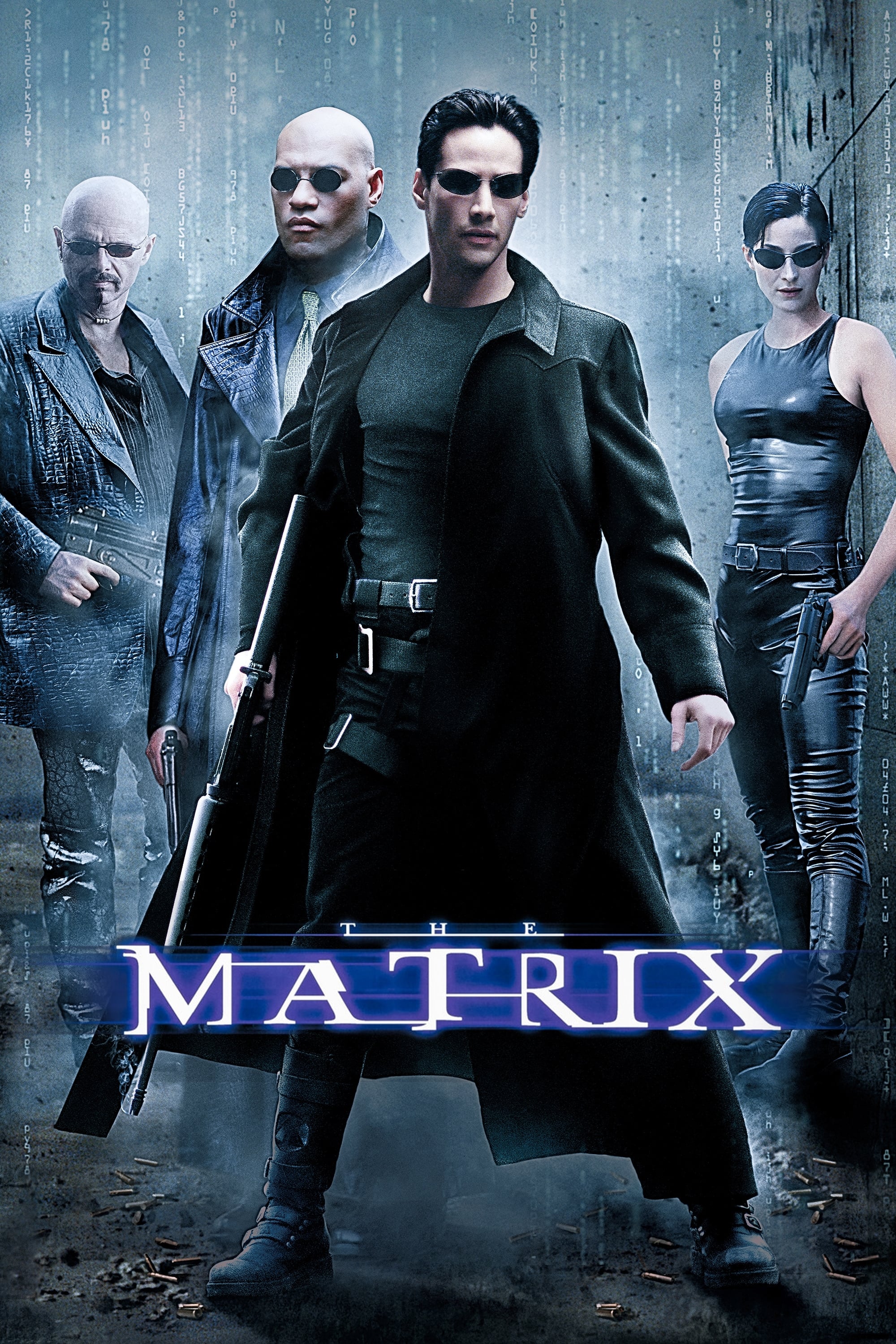
Early audiences often filed it under cool action while missing its layered exploration of identity and control. Visual references and dialogue point to philosophical sources and cyberpunk literature. The red pill and blue pill motif has been widely misused outside the film’s original context. Warner Bros. Pictures released it.
‘The Thing’ (1982)
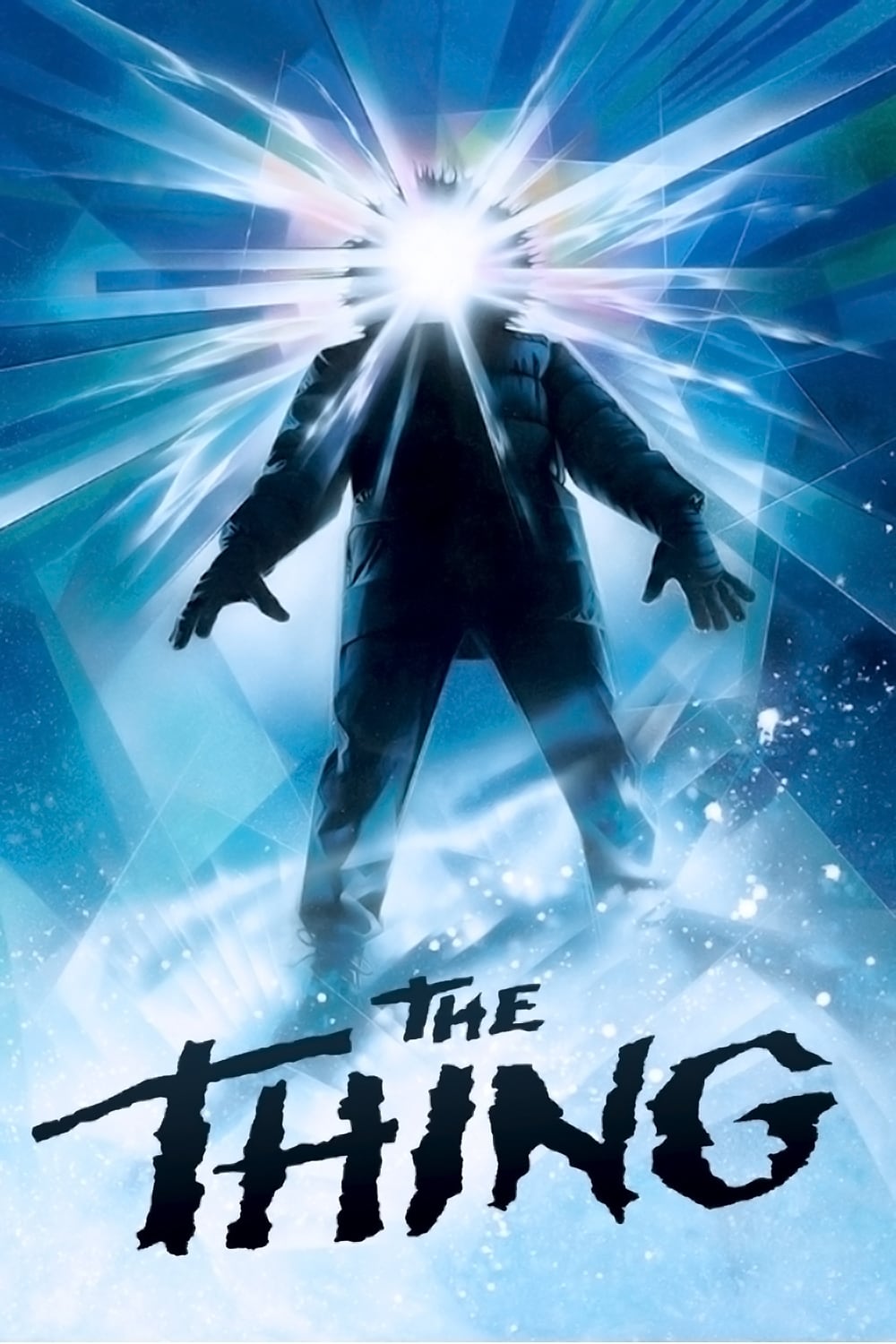
Initial reception focused on gore when the movie is built around paranoia, testing, and failed cooperation. The blood test sequence operates like a logic puzzle under pressure. Practical effects were designed to unsettle trust between characters more than to shock. Universal Pictures handled distribution.
‘Brazil’ (1985)
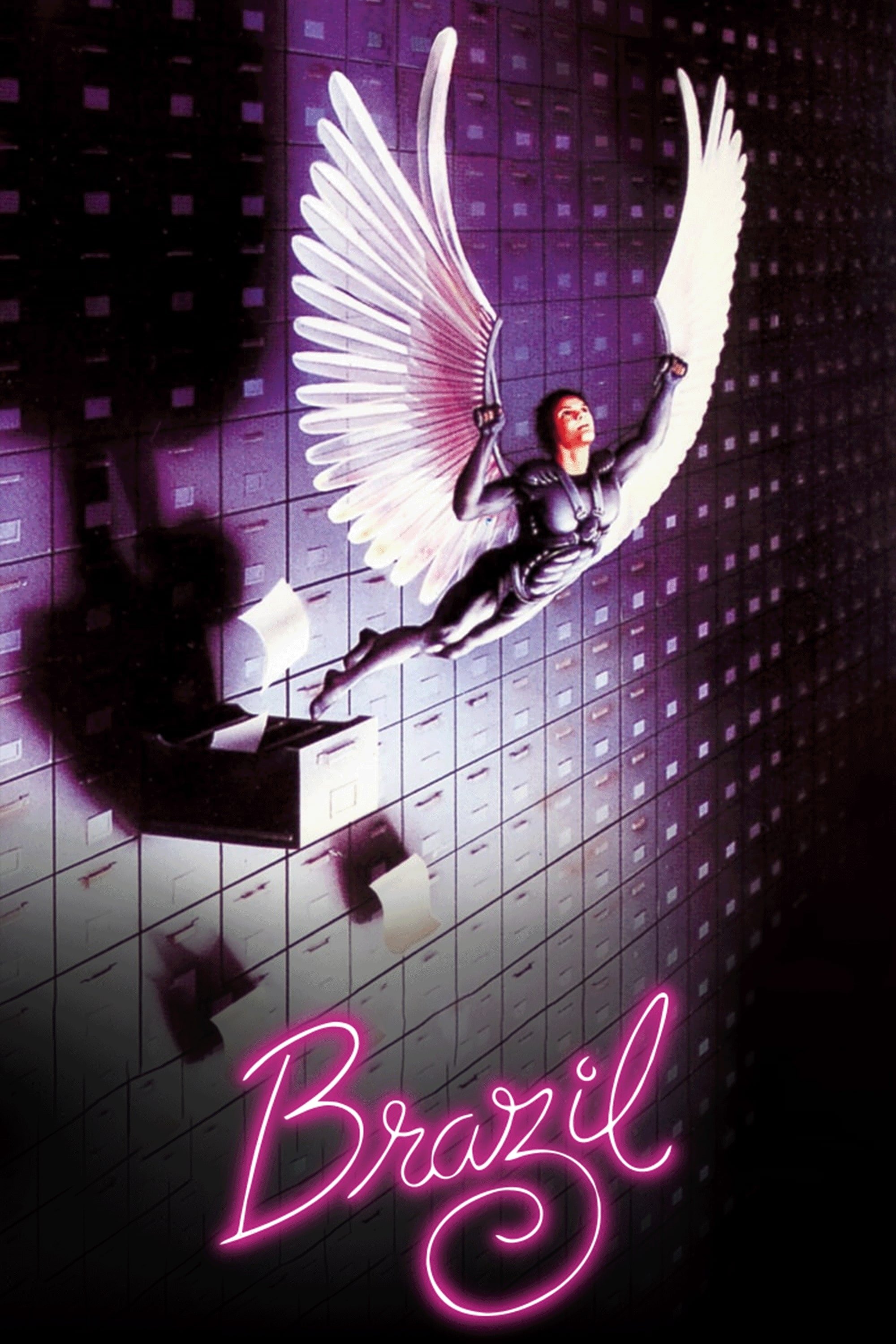
Viewers sometimes expect straightforward dystopia when the film uses absurd bureaucracy to show how systems break people down. The dream imagery tracks a character’s retreat from a rigid paperwork world. Cuts and alternate endings created confusion about tone on release. Universal Pictures distributed the film.
‘Donnie Darko’ (2001)
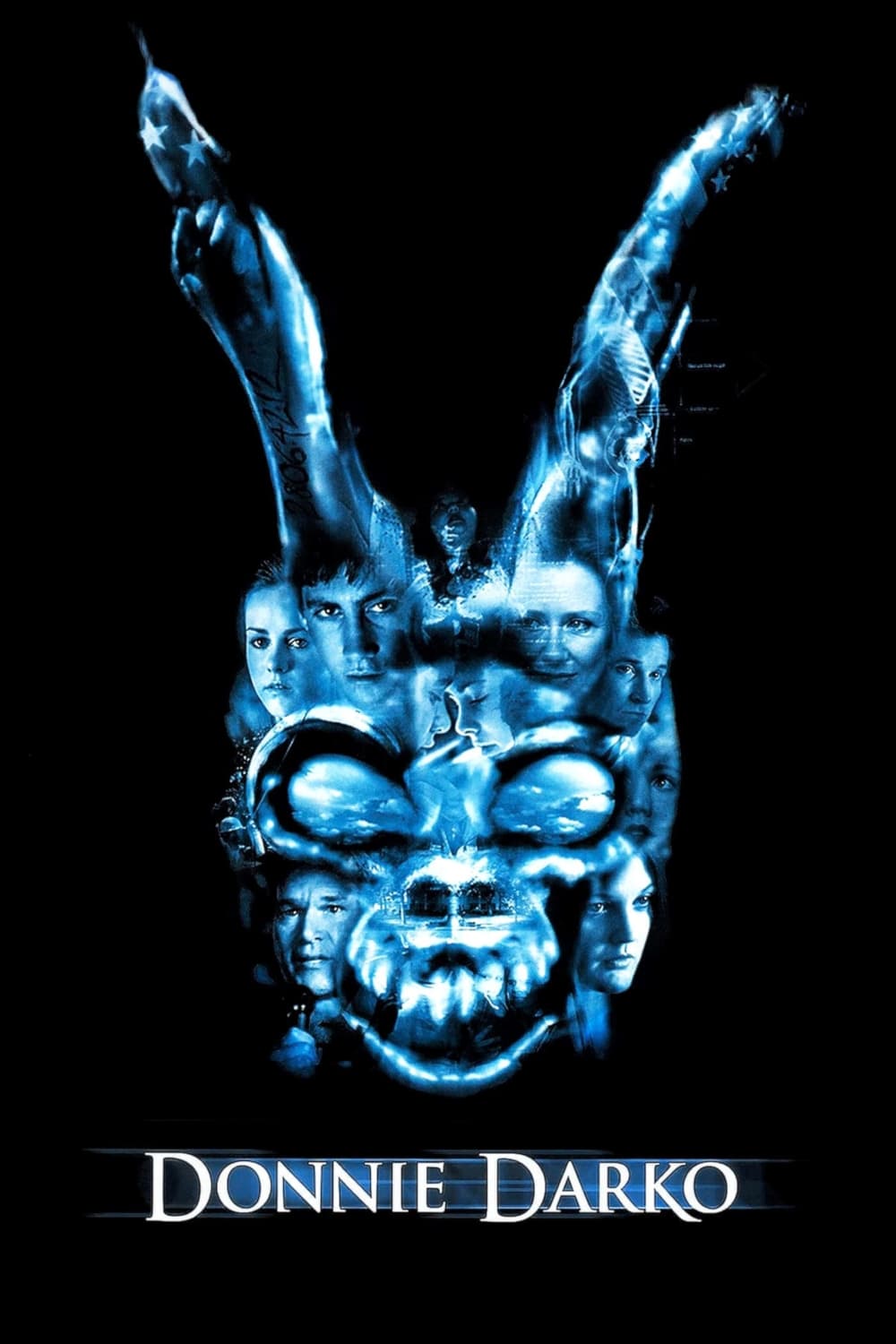
Many treated it as a puzzle box only solvable through hidden clues when the story uses time loops to explore choice and consequence. The director’s cut and home release added material that altered readings. Music cues and classroom texts frame the themes for viewers. Newmarket Films released the movie.
‘Heathers’ (1989)
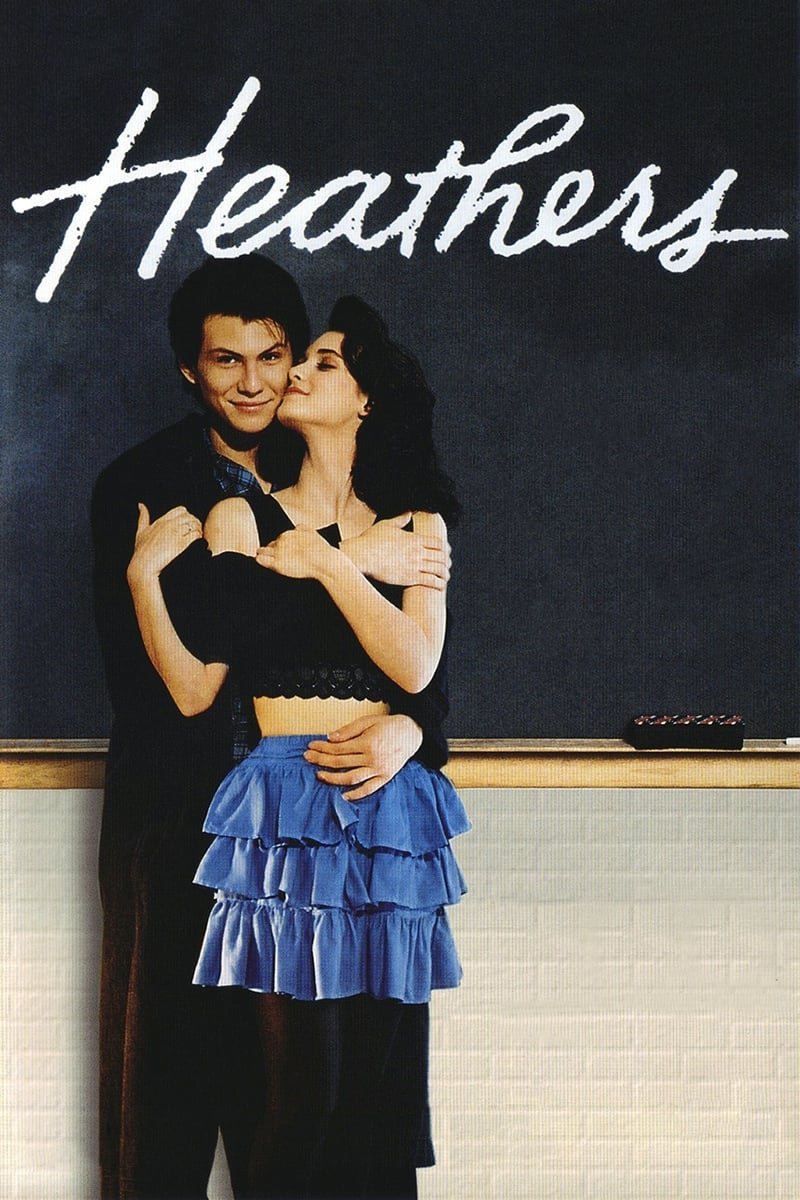
Some first saw only a dark high school comedy while the film targets performative popularity and media attention. The plot tracks how language around tragedy becomes a trend. Its vocabulary entered teen culture and changed how later films depicted similar topics. New World Pictures distributed it.
‘Spring Breakers’ (2012)
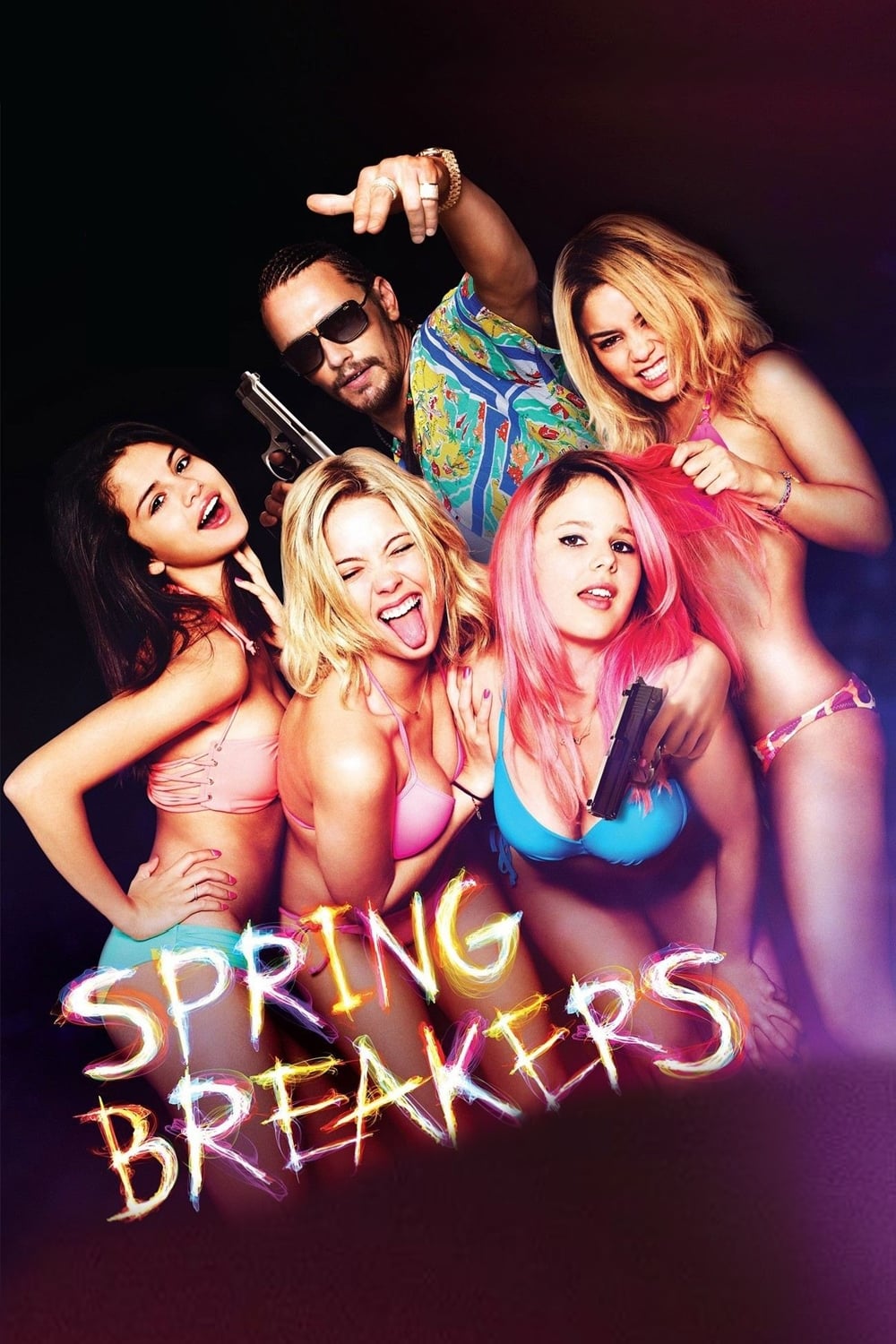
The neon look led some to see party imagery without noting the critique of pursuit of status through crime and celebrity. The structure keeps repeating visuals to show empty loops of experience. The soundtrack and voiceover reinforce that mood. A24 handled distribution.
‘Borat’ (2006)
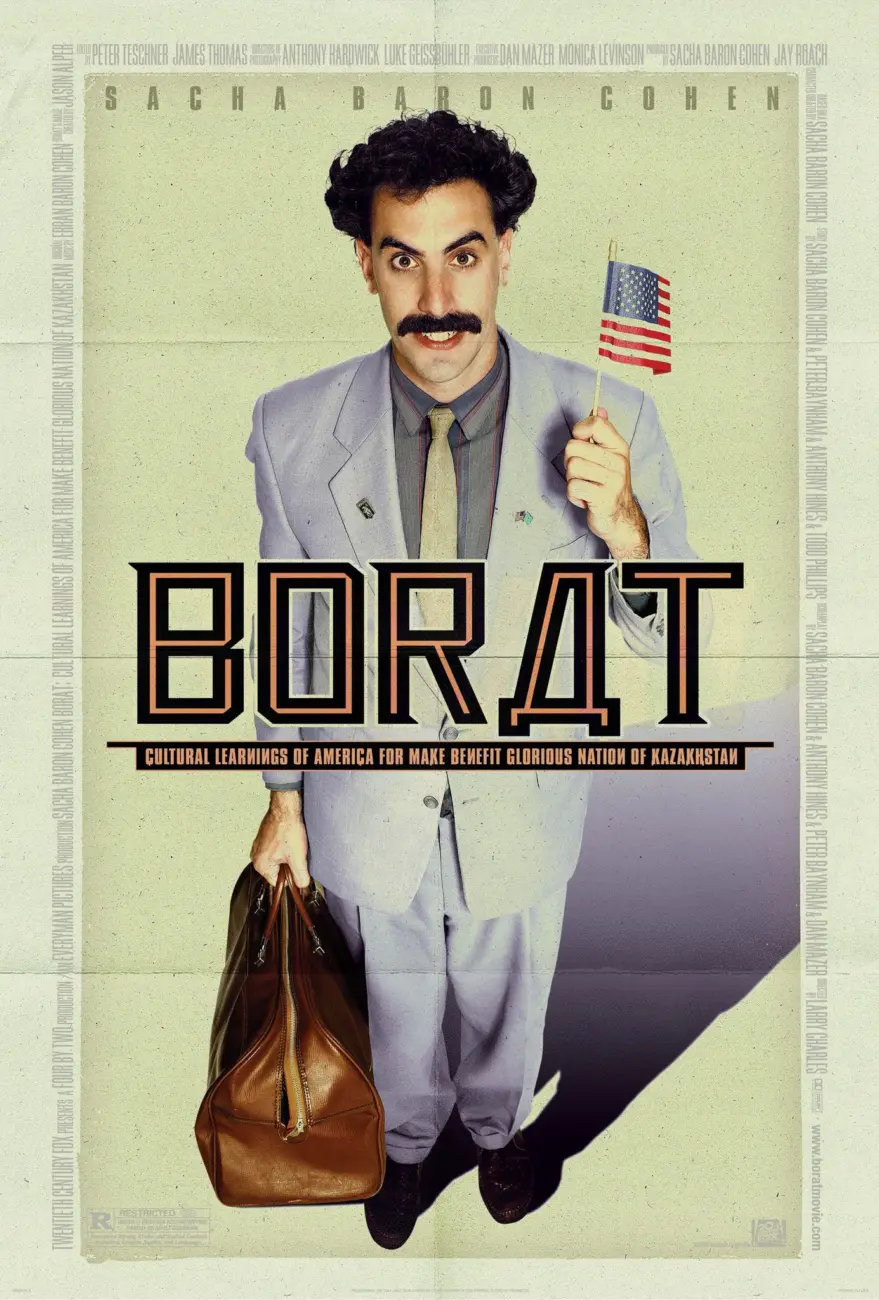
Viewers sometimes focus on pranks and shock humor while missing the hidden camera method used to capture unguarded reactions. The production secured releases through staged pretexts that preserved spontaneity. The character’s journey frames a cross section of attitudes on culture and media. 20th Century Fox released the film.
‘Natural Born Killers’ (1994)
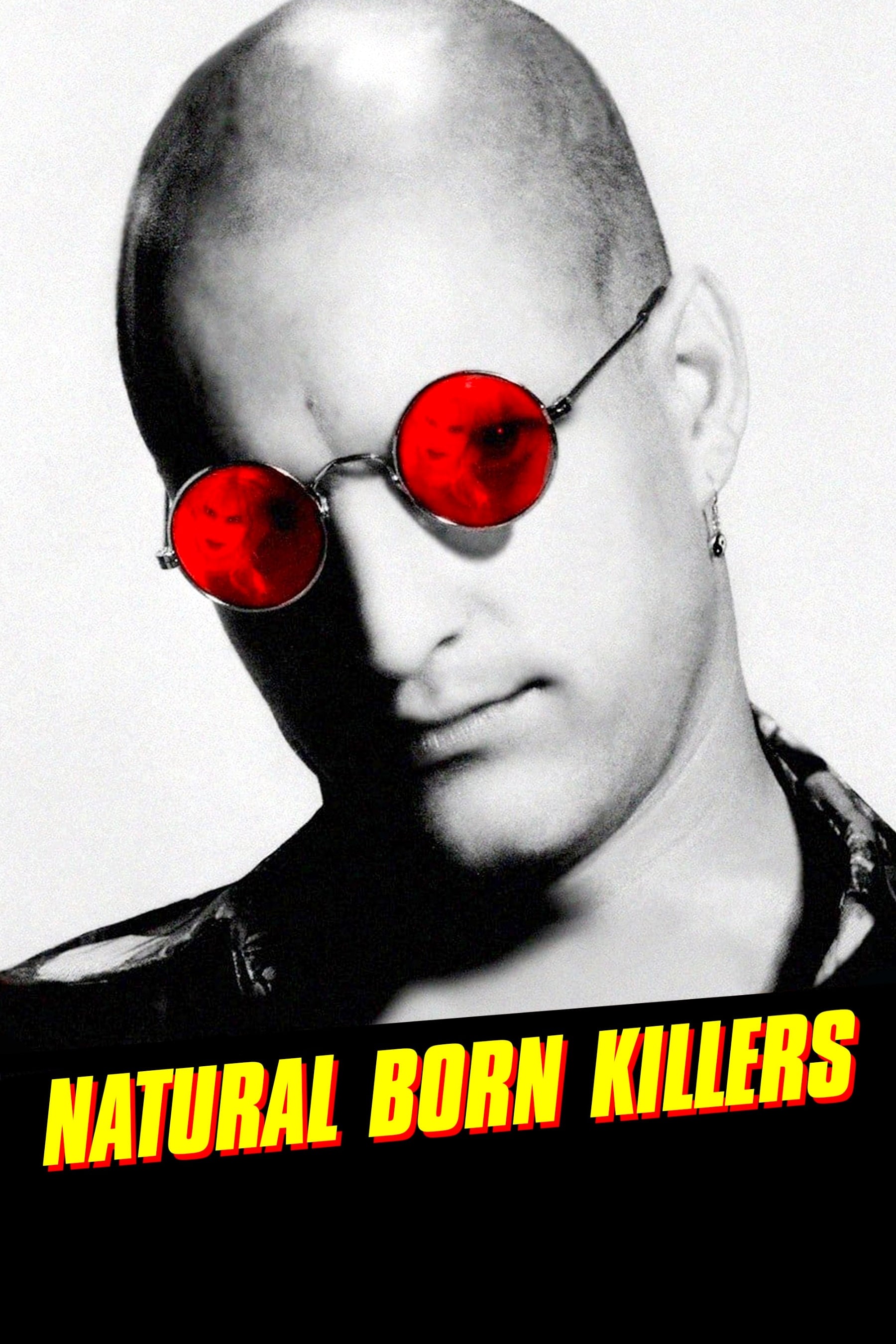
Some assumed the movie glorifies its couple when it is built to critique media obsession with offenders. The shifting formats mirror television packaging of violence. The prison interview scenes show how spectacle overshadows victims. Warner Bros. Pictures handled distribution.
‘Scarface’ (1983)

Posters and quotes turned the film into a rags to riches emblem, yet the plot charts a steady collapse tied to impulse and paranoia. The script uses recurring motifs to show the costs of excess. The final act removes any doubt about the consequences shown. Universal Pictures released it.
‘The Shining’ (1980)
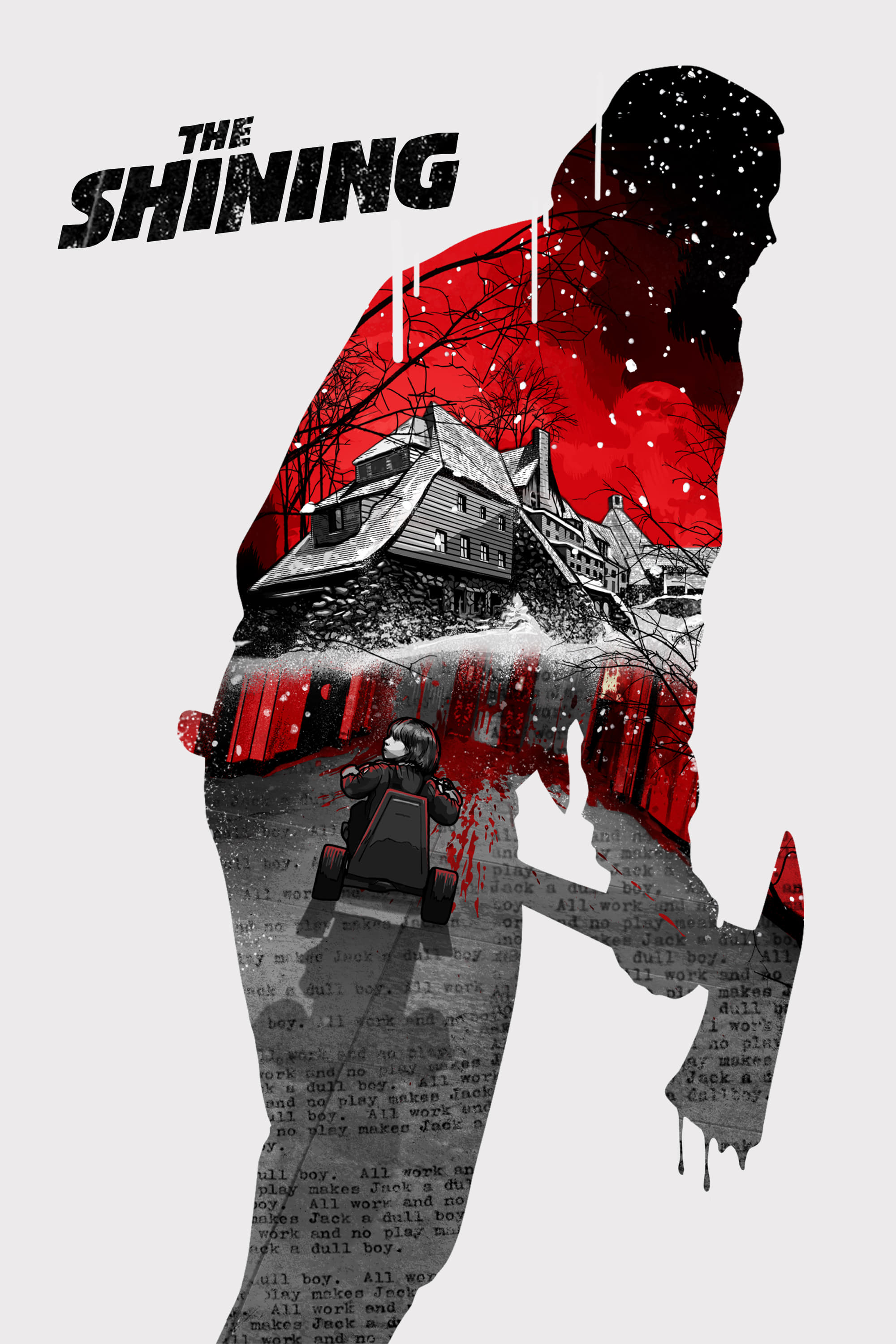
Early talk focused on haunted house scares while the film uses precise framing and sound design to chart a psychological break. The hotel layout and impossible spaces feed unease. Long running debates about symbols have been addressed in interviews and archives. Warner Bros. Pictures handled the release.
‘The Village’ (2004)
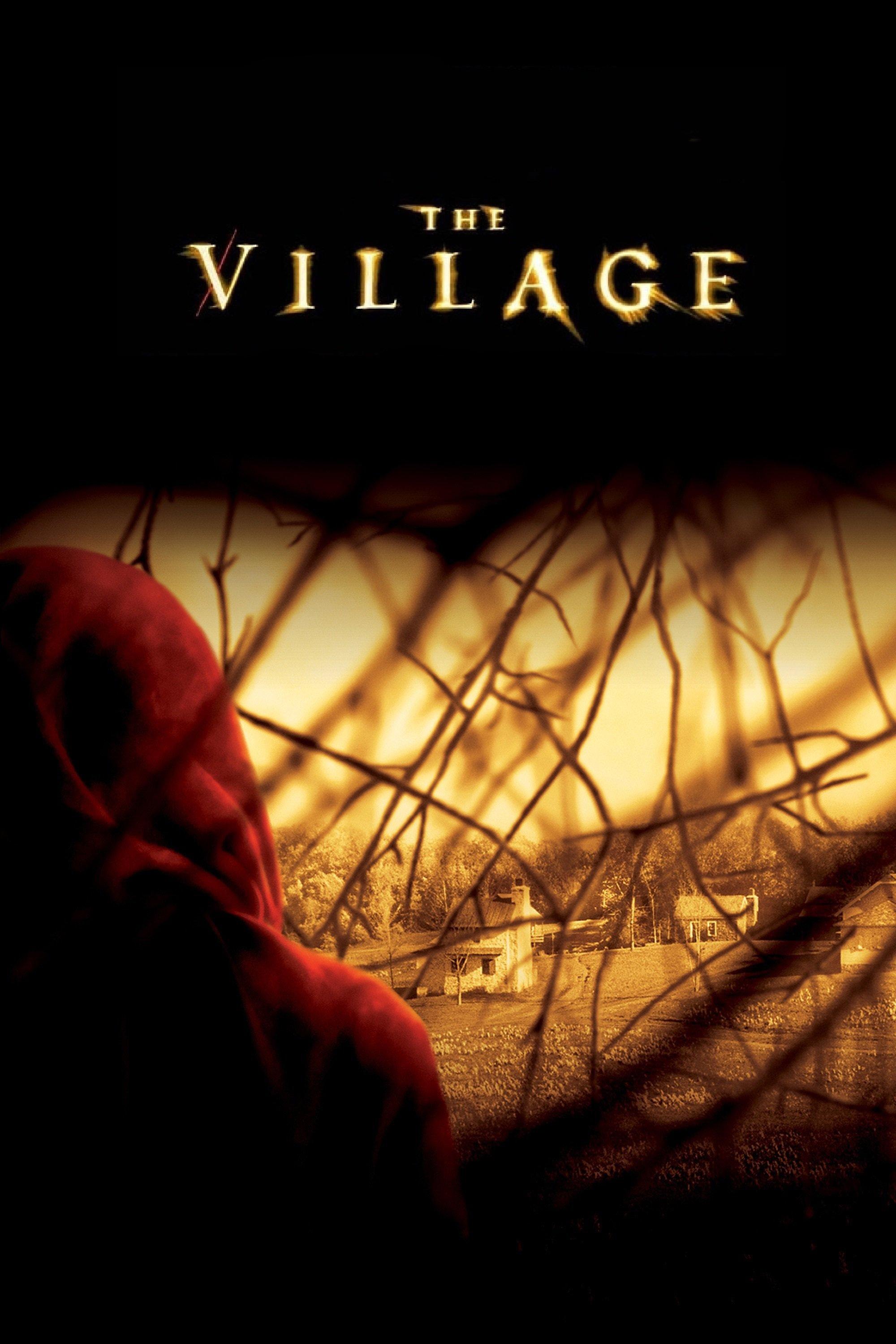
Marketing framed the film as a creature horror, yet the plot centers on fear as a tool for community control. Production design and color coding make that clear on repeat viewings. The final reveal repositions every prior scene. Buena Vista Pictures Distribution released the movie.
‘Nope’ (2022)
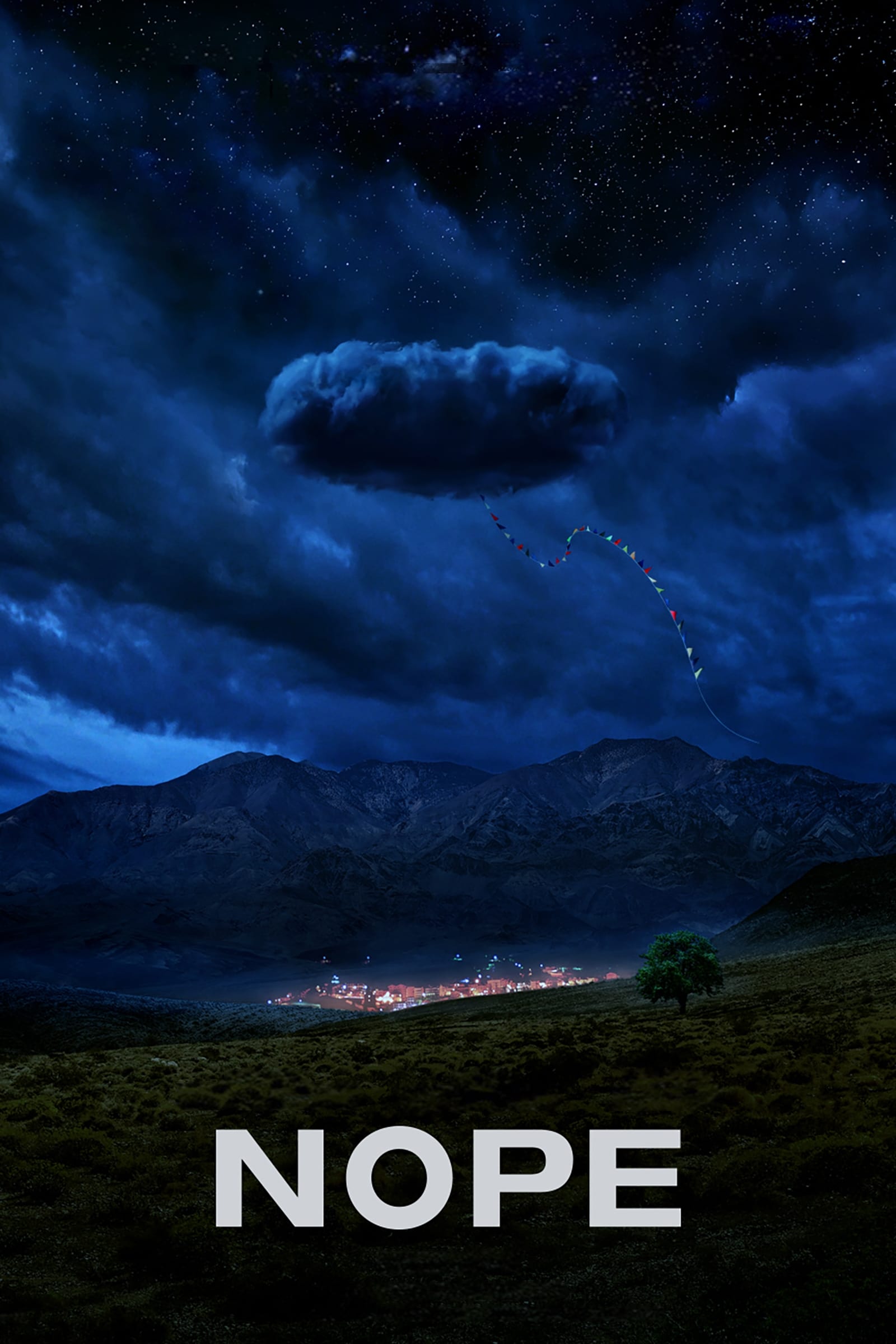
Some expected a creature feature only, but the story studies spectacle and how danger is turned into entertainment. The subplot about a child star explains the film’s view on exploitation. The design of the threat draws on aerial phenomena research and animal behavior. Universal Pictures distributed it.
‘WALL·E’ (2008)
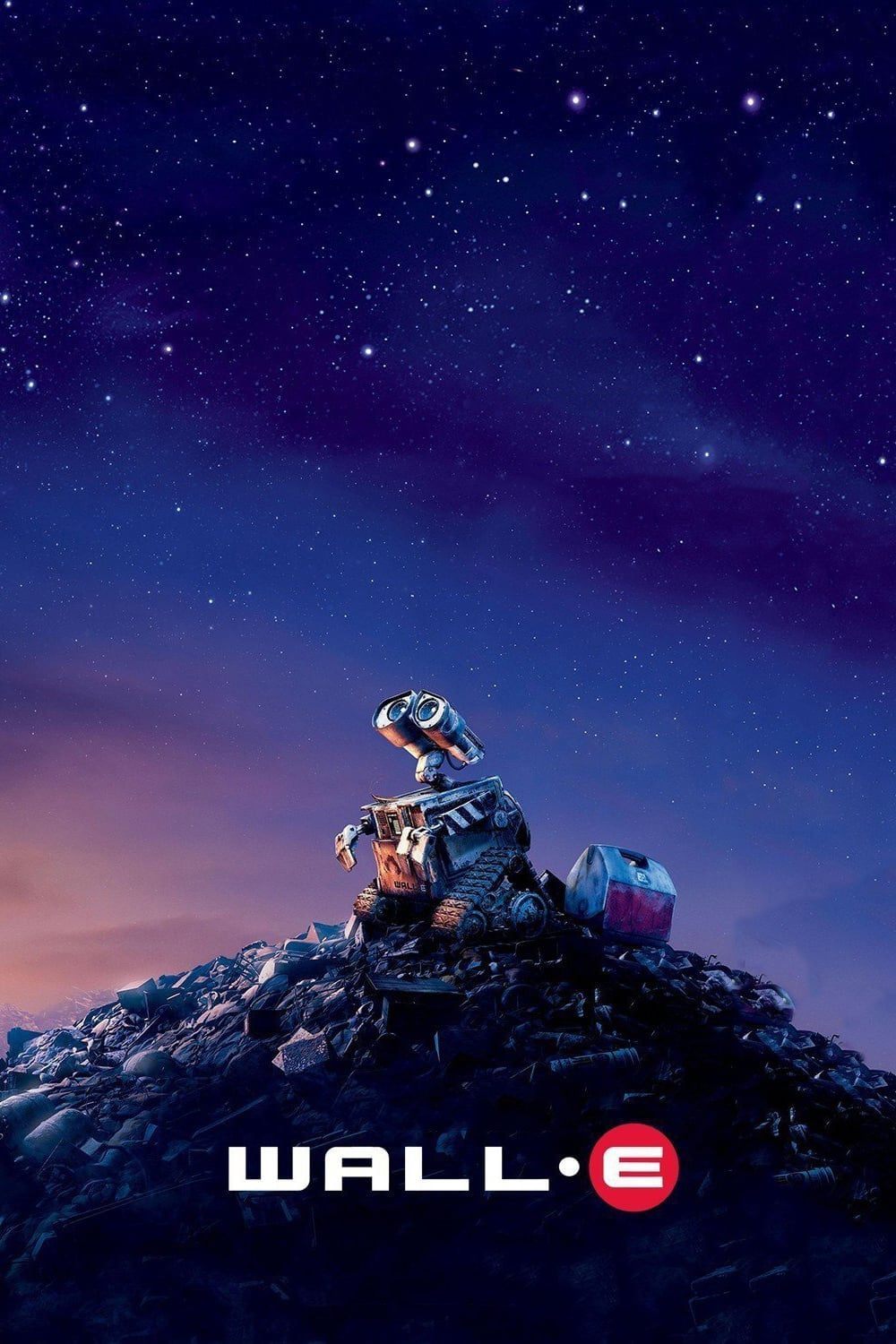
Many remember only the sweet robot romance when the film presents a sustained look at overconsumption and neglect of stewardship. The first act’s near silent storytelling establishes that theme clearly. The spaceship setting shows systemic consequences of automated comfort. Walt Disney Studios Motion Pictures released it.
‘The Iron Giant’ (1999)
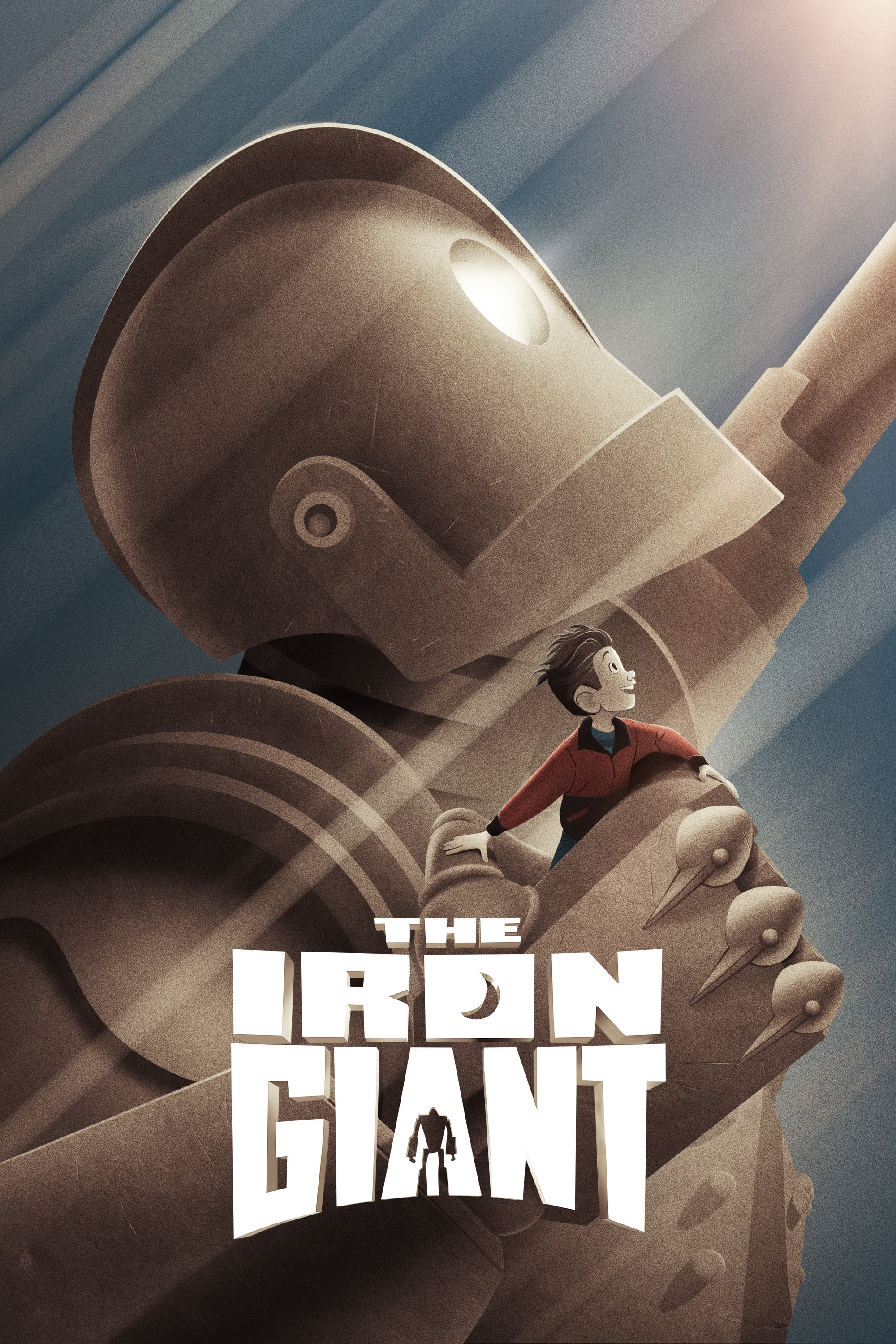
Initial marketing suggested a simple kids adventure though the plot is about fear, choice, and restraint during a tense period setting. The animation style supports expressive character work that sells those ideas. The finale’s line became a cultural touchstone for nonviolence. Warner Bros. Pictures handled distribution.
‘Jennifer’s Body’ (2009)
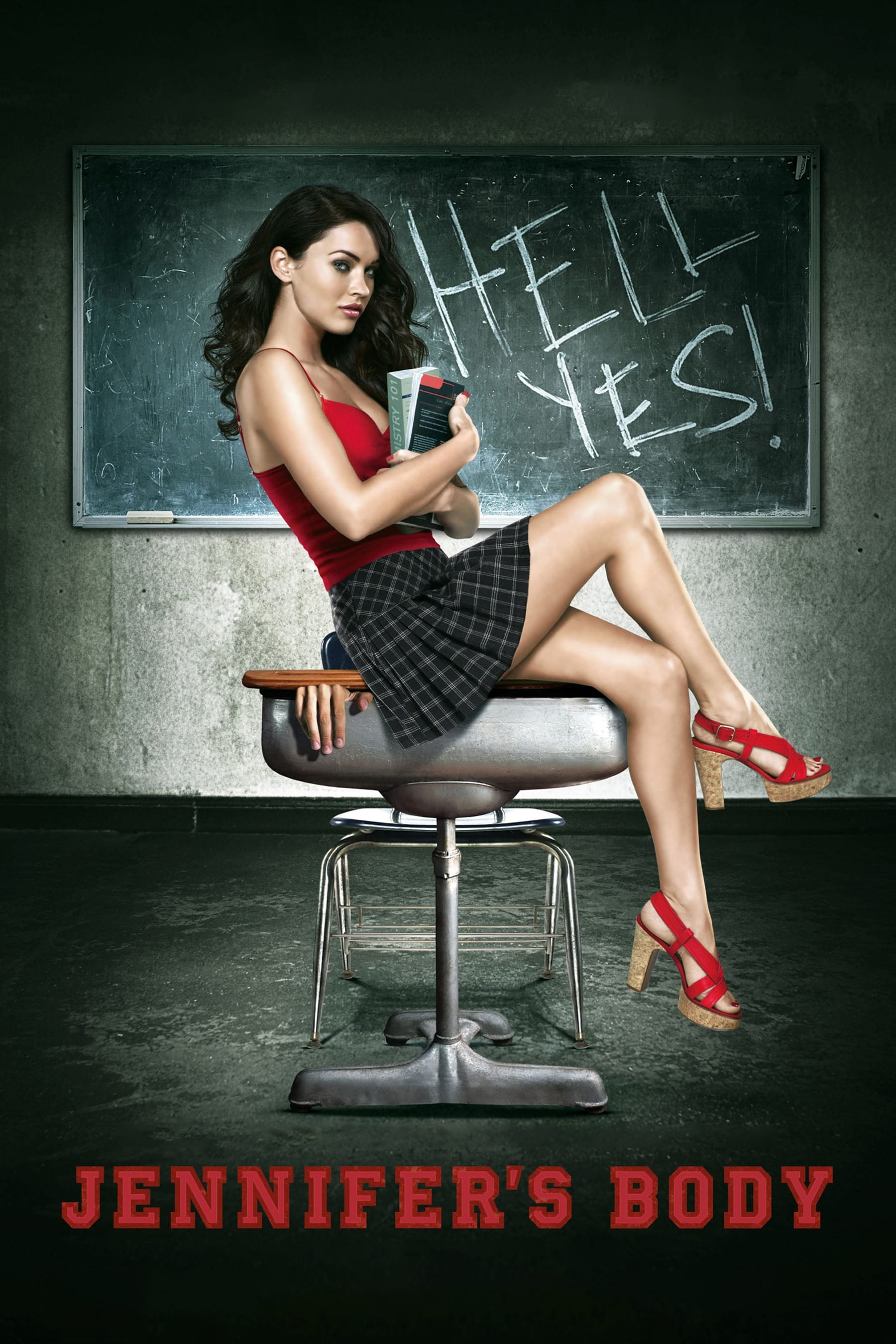
Promotion emphasized teen comedy beats while the movie explores exploitation, agency, and the aftermath of a staged tragedy. The script interlaces friendship dynamics with commentary on predator culture. Over time the film found its audience through festivals and essays. 20th Century Fox released it.
‘First Blood’ (1982)
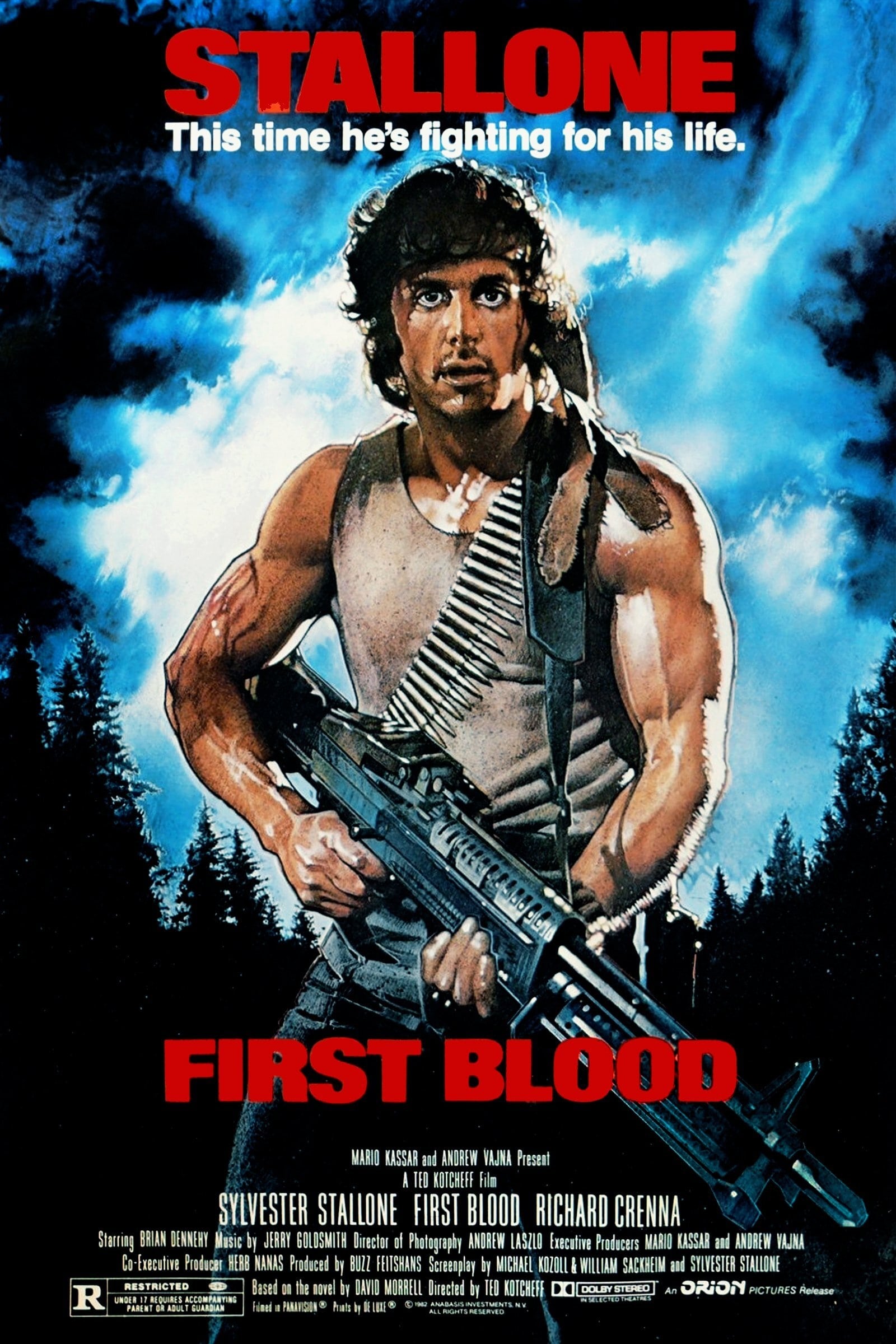
The character was later tied to nonstop action in sequels, but the first film focuses on trauma, isolation, and a small town escalation. The forest pursuit sequences show survival training rather than triumph. The ending speech outlines the central issue faced by veterans. Orion Pictures handled distribution.
‘Sucker Punch’ (2011)
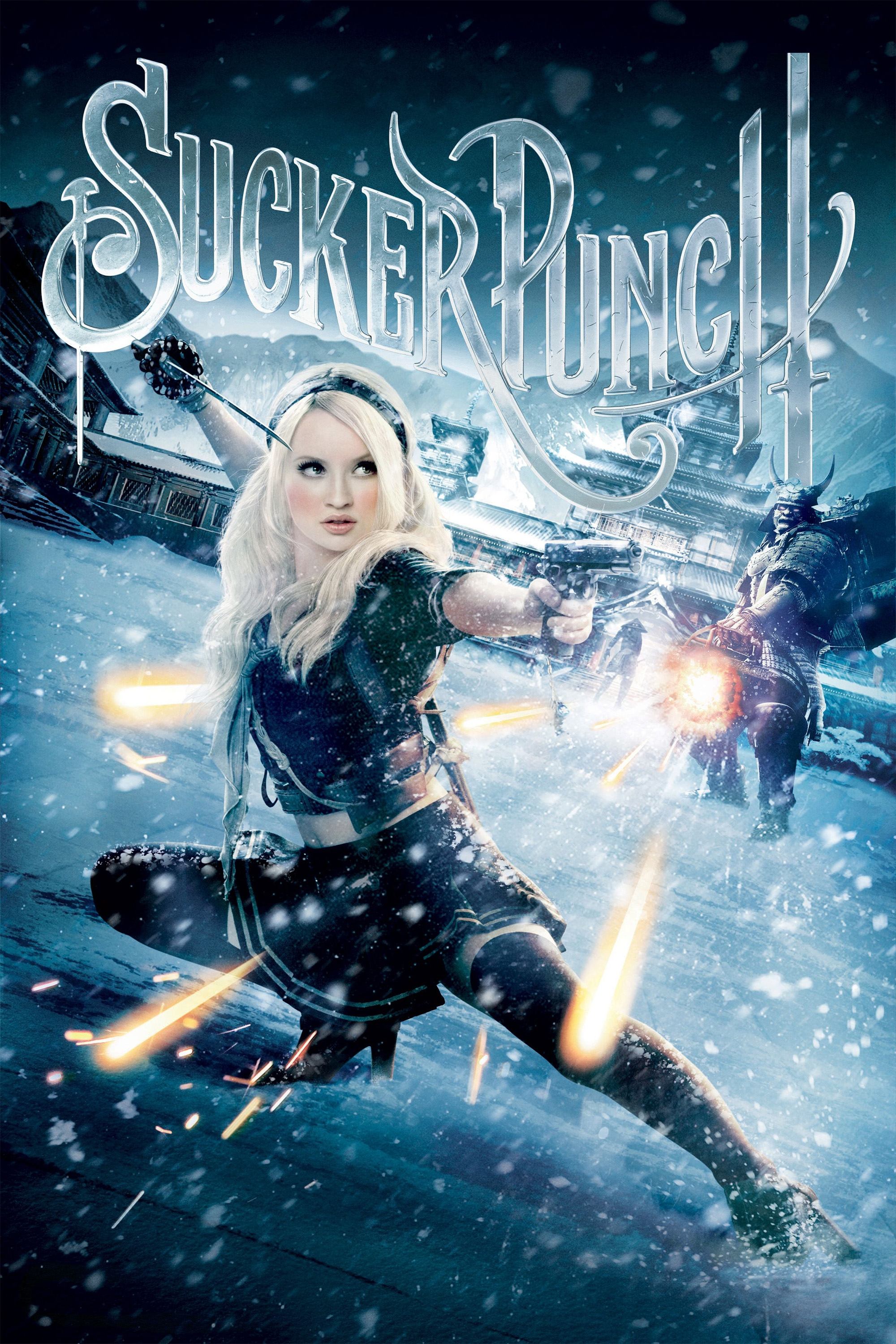
Some saw only stylized action while the narrative frames layered fantasies as a response to control and abuse. The musical numbers and framing device point to performance as coded resistance. The differing cuts changed how viewers read agency in key scenes. Warner Bros. Pictures released it.
‘Watchmen’ (2009)
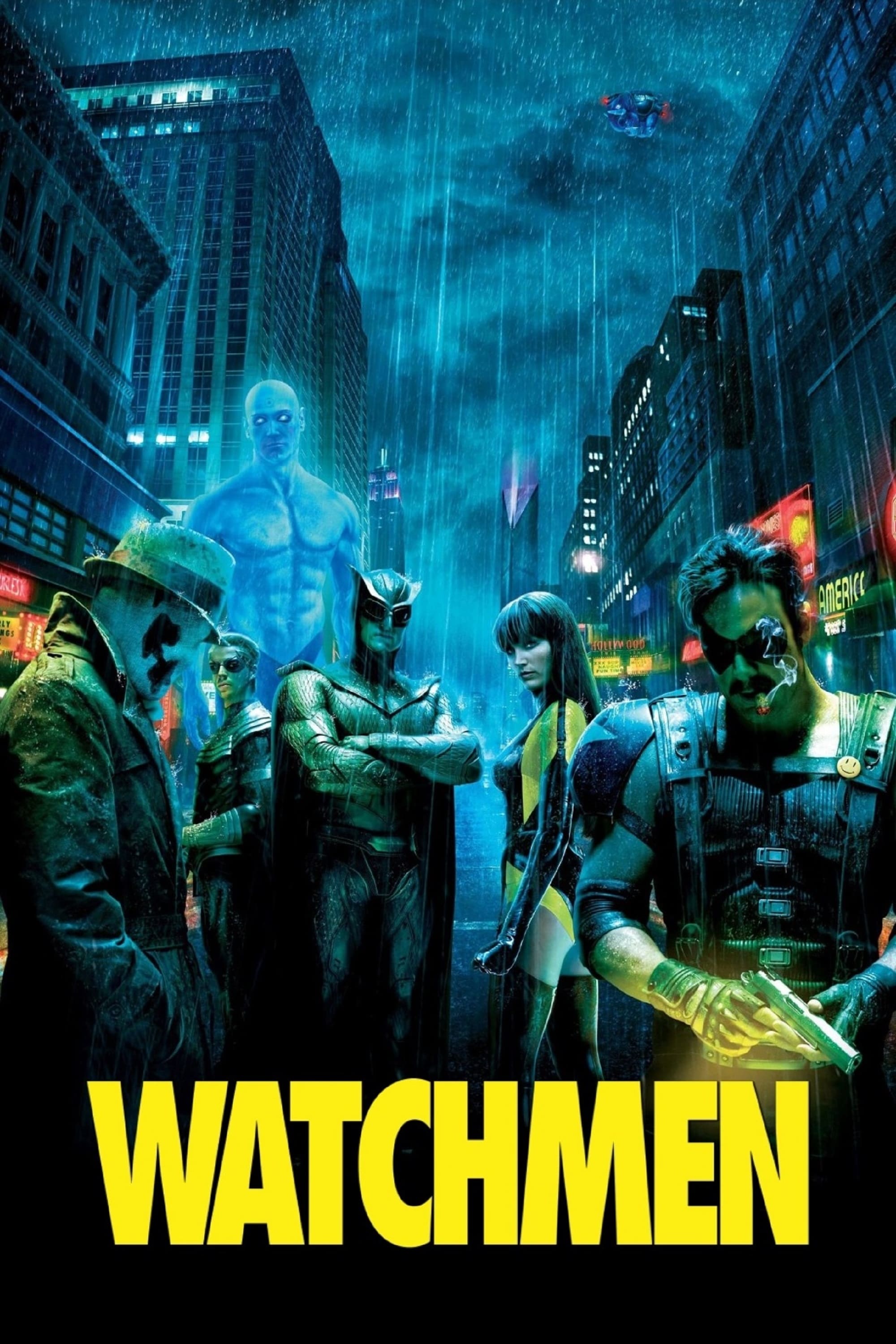
Audiences expecting standard heroics found a story that interrogates vigilantism and power. The altered ending from the source shaped discussions of intent. The opening montage condenses alternate history that explains the world’s politics. Warner Bros. Pictures handled distribution.
‘The Mist’ (2007)
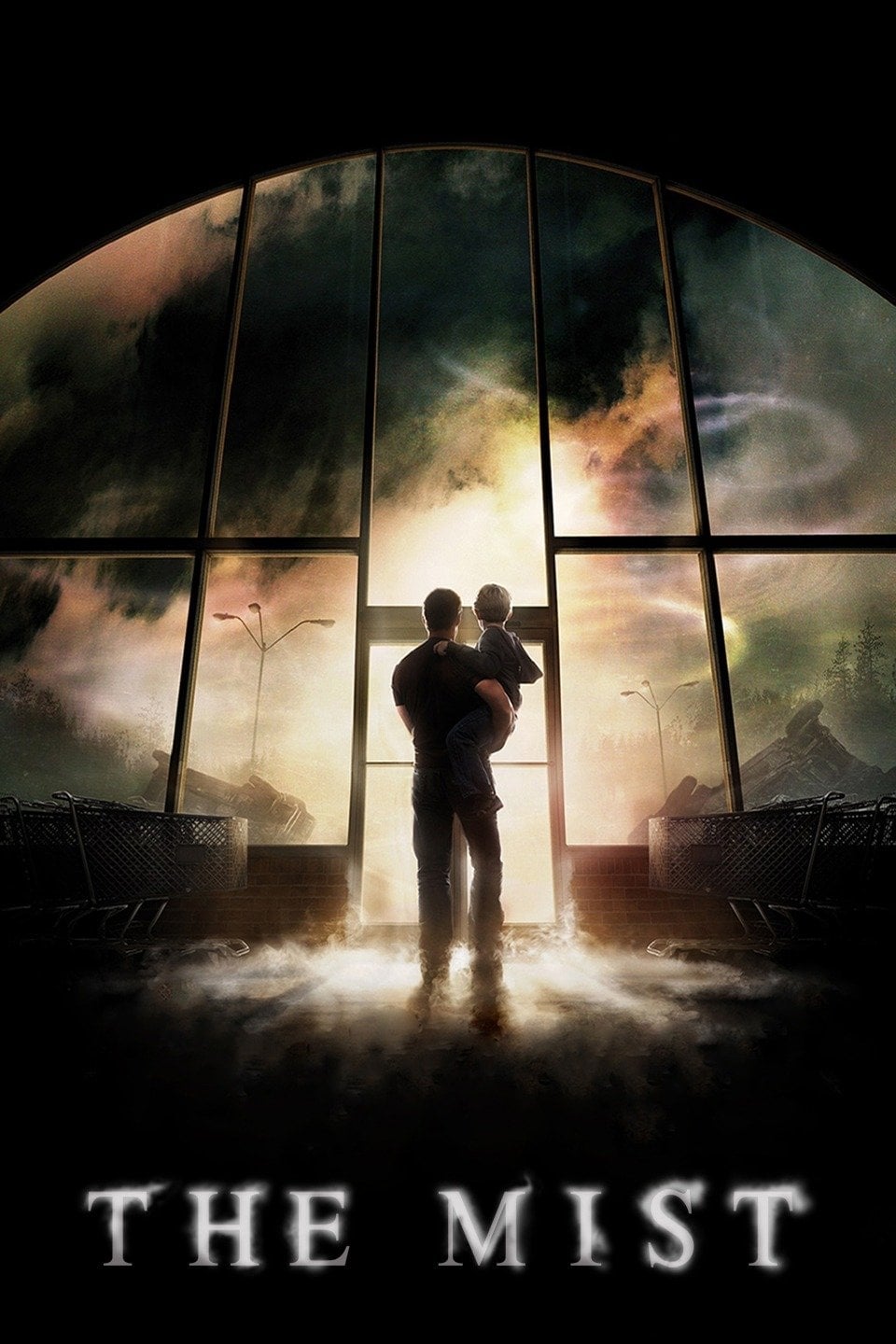
Many recall the shocking final minutes while missing the study of group behavior under pressure. The supermarket setting becomes a lab for belief and fear. The two factions show how leadership rhetoric can escalate danger. Dimension Films released the movie.
‘Blade Runner’ (1982)
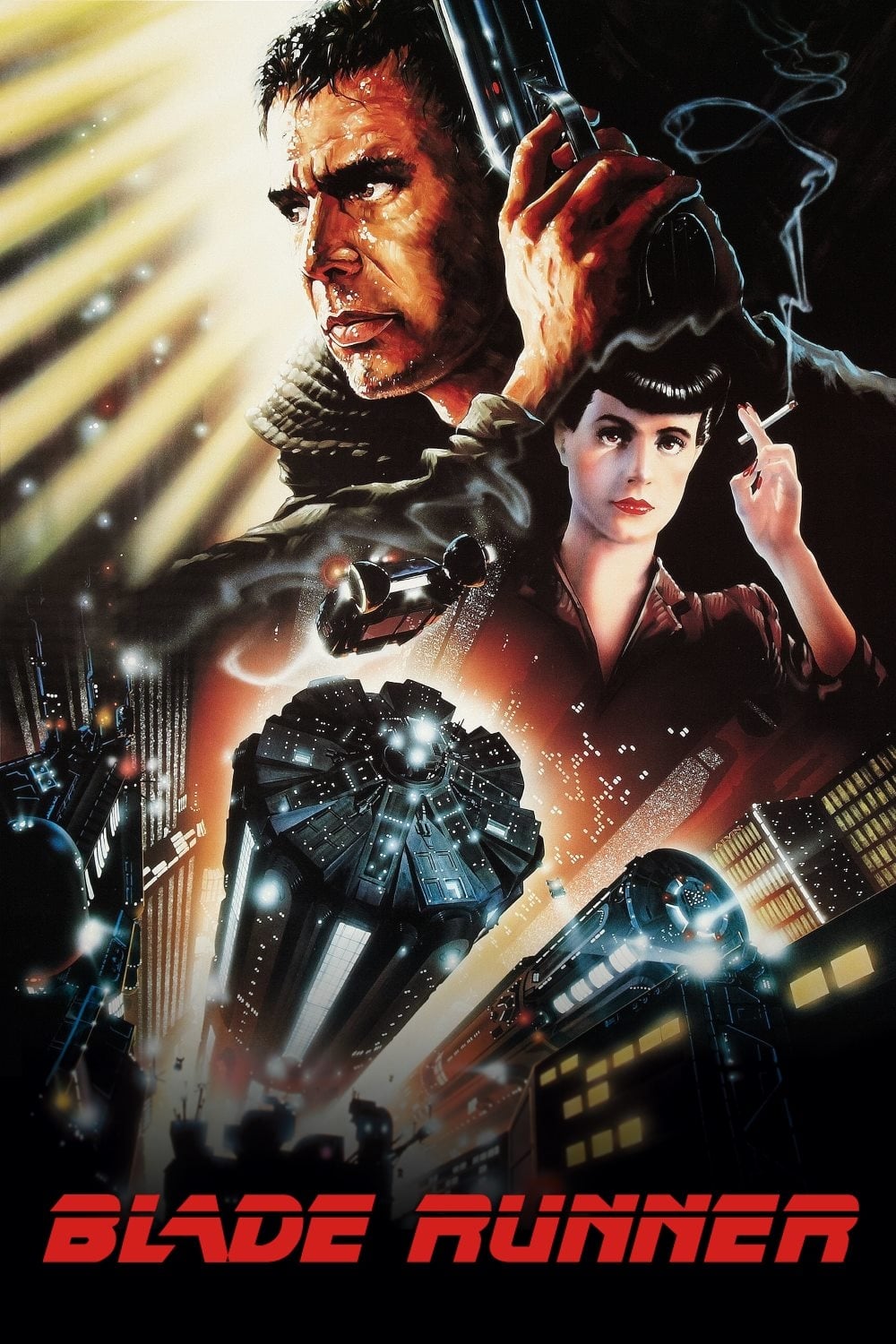
Early viewers often treated it as a detective story with cool gadgets while the film spends most of its time asking what qualifies as human. The unicorn image and origami clue changed how people read the ending on later releases. Multiple cuts shifted emphasis between action and ambiguity, which fed years of mixed interpretations. Warner Bros. Pictures released the movie.
‘Showgirls’ (1995)

The film was marketed as provocative spectacle, which led many to ignore its deliberate look at exploitation inside entertainment. Its structure follows a classic rise and fall arc that maps how control moves from one handler to another. Costuming and choreography choices track status shifts inside the company. United Artists handled distribution.
‘Star Wars Episode VI: The Last Jedi’ (2017)

Some audiences expected a straightforward adventure, yet the story focuses on failure, mentorship, and how legends are built. The island storyline shows why some teachings must evolve rather than repeat. Subplots examine recruitment, privilege, and the cost of symbols in a resistance movement. Walt Disney Studios Motion Pictures released the film.
‘A Clockwork Orange’ (1971)
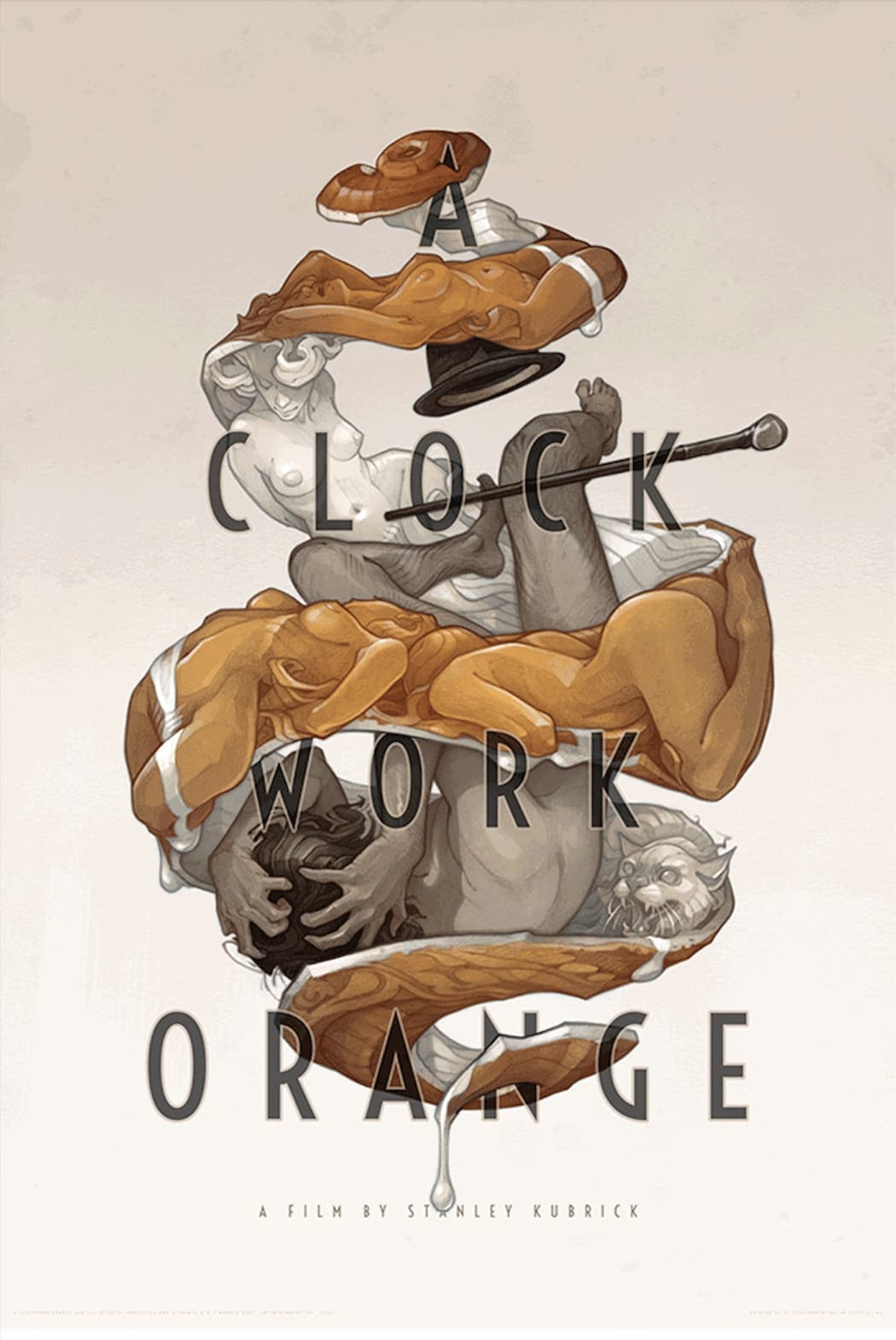
Controversy around violence overshadowed the core debate about free will and state control. The treatment program is presented with clinical detail that invites questions about moral choice. Production design and music choices add distance that highlights the experiment feel. Warner Bros. Pictures distributed the film.
‘Network’ (1976)
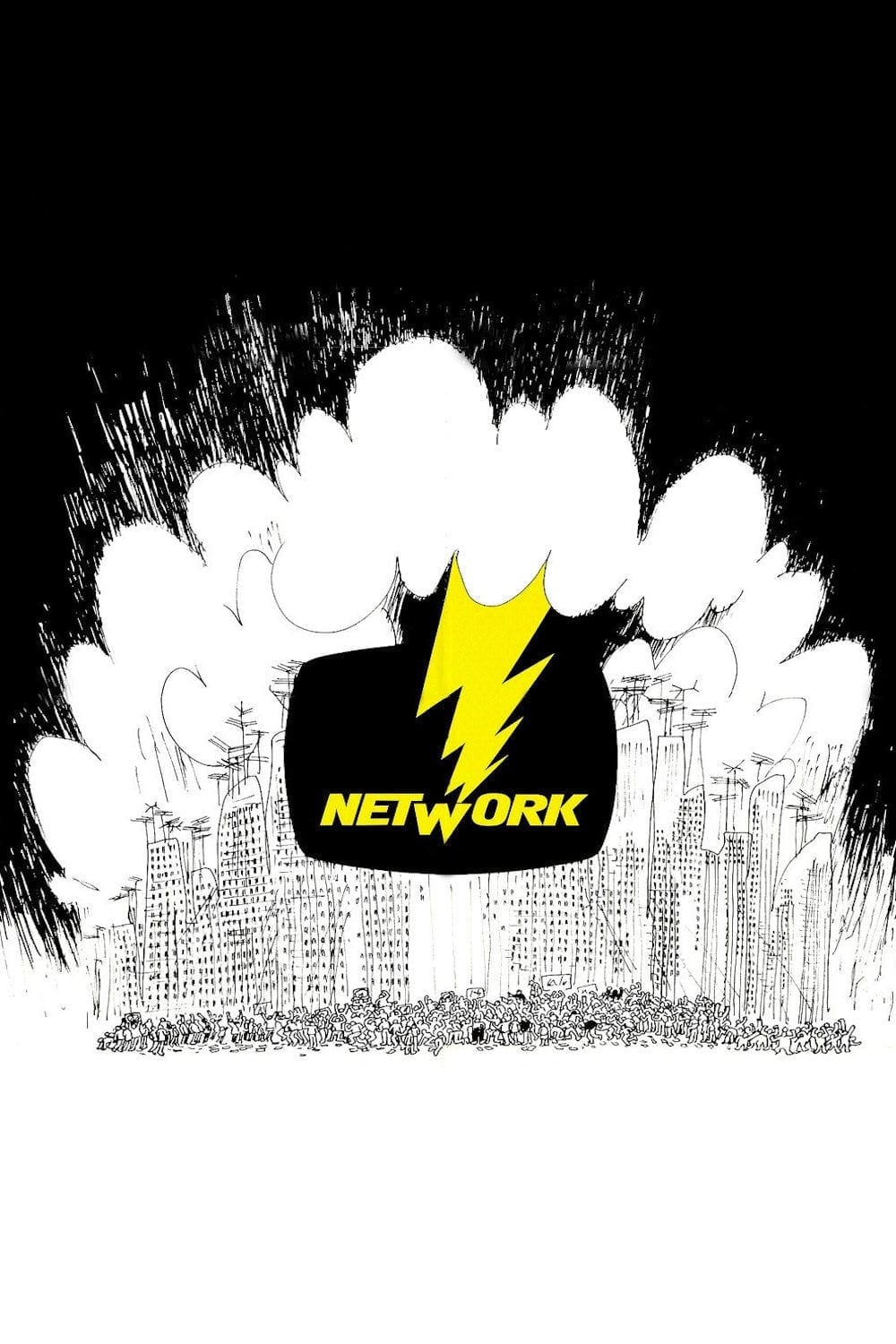
Many remember the famous on air outburst while the movie lays out how television packages outrage into a sellable product. The fictional network restructures programming to chase attention at the expense of reporting. Boardroom scenes show how ideology and profit merge on the schedule. United Artists handled the release.
‘The Cabin in the Woods’ (2012)
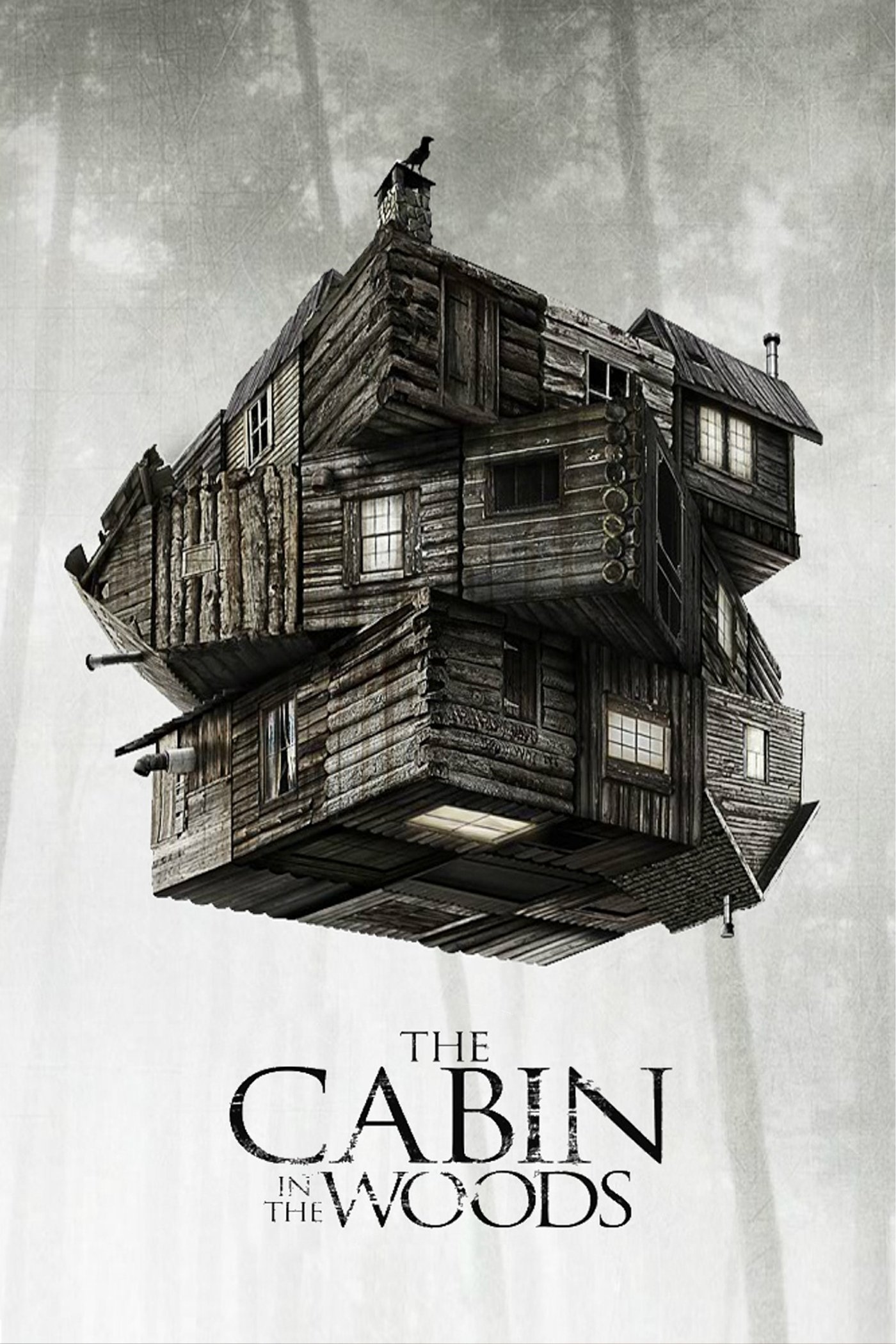
Marketing suggested a routine slasher setup, yet the film is built around a controlled scenario that explains horror conventions. The control room reveals how outcomes are engineered for ritual needs. The monster vault sequence catalogs genre history in a single location. Lionsgate released the movie.
‘Speed Racer’ (2008)
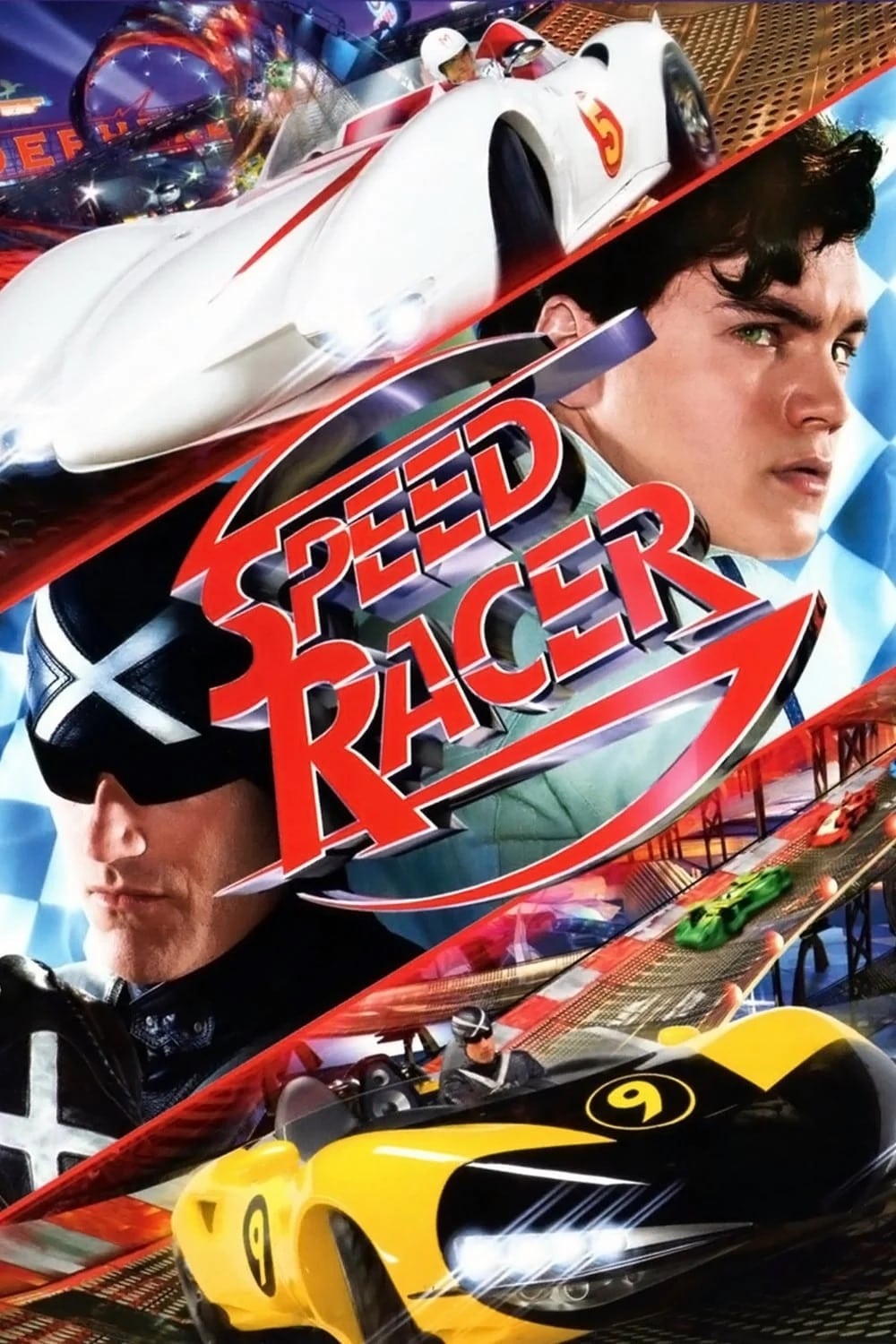
People often saw it as a simple family film while it uses color and editing to simulate anime style momentum. The plot exposes corporate race fixing through contracts and sponsorship manipulation. Visual layering communicates backstory and tactics during live events. Warner Bros. Pictures handled distribution.
‘The Babadook’ (2014)
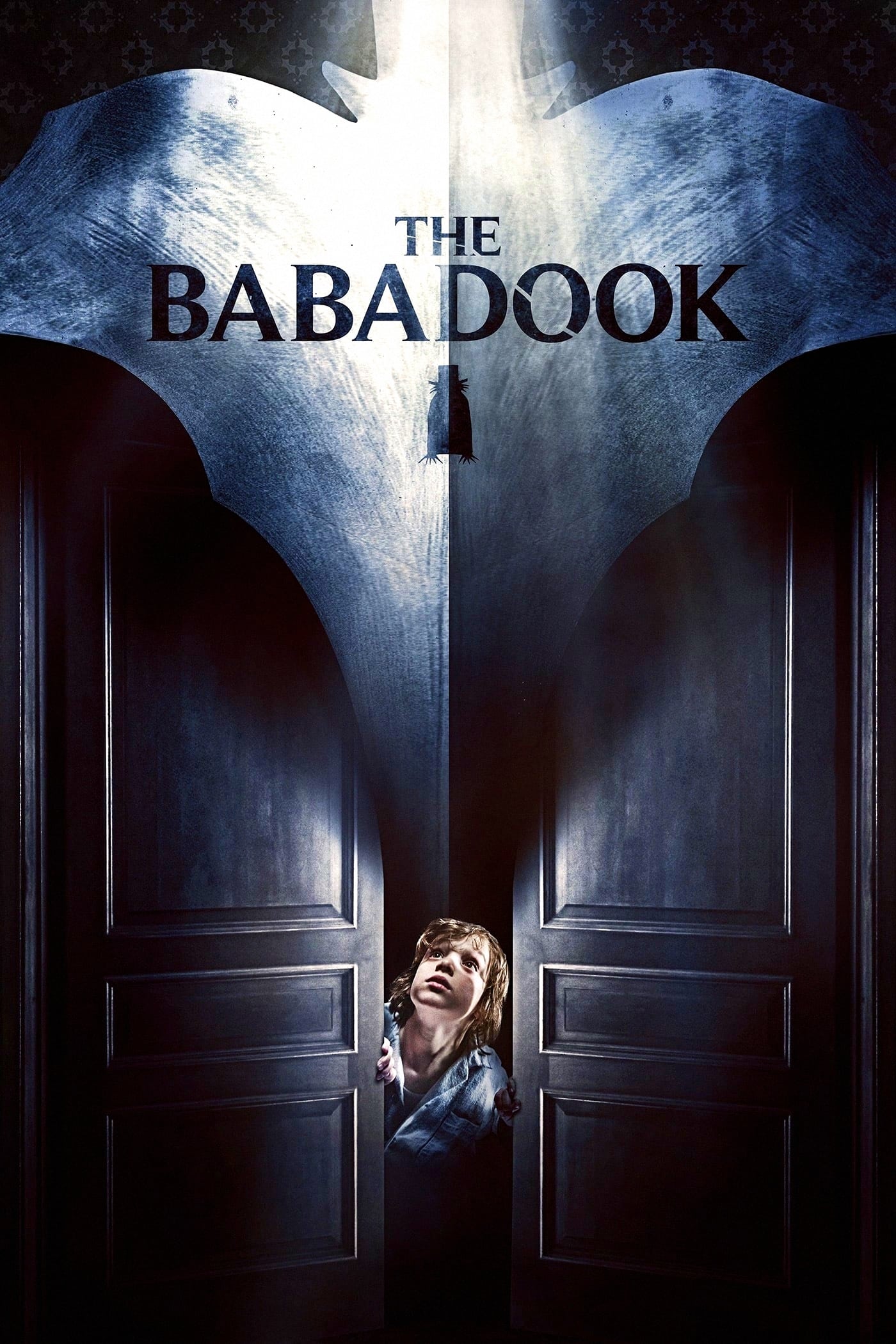
The creature was taken as an external threat when the film uses it to represent unmanaged grief and exhaustion. The story tracks symptoms, triggers, and coping behaviors inside a compact household setting. Sound cues and book imagery mark each stage of recognition and control. IFC Films released the movie in the United States.
‘Pan’s Labyrinth’ (2006)
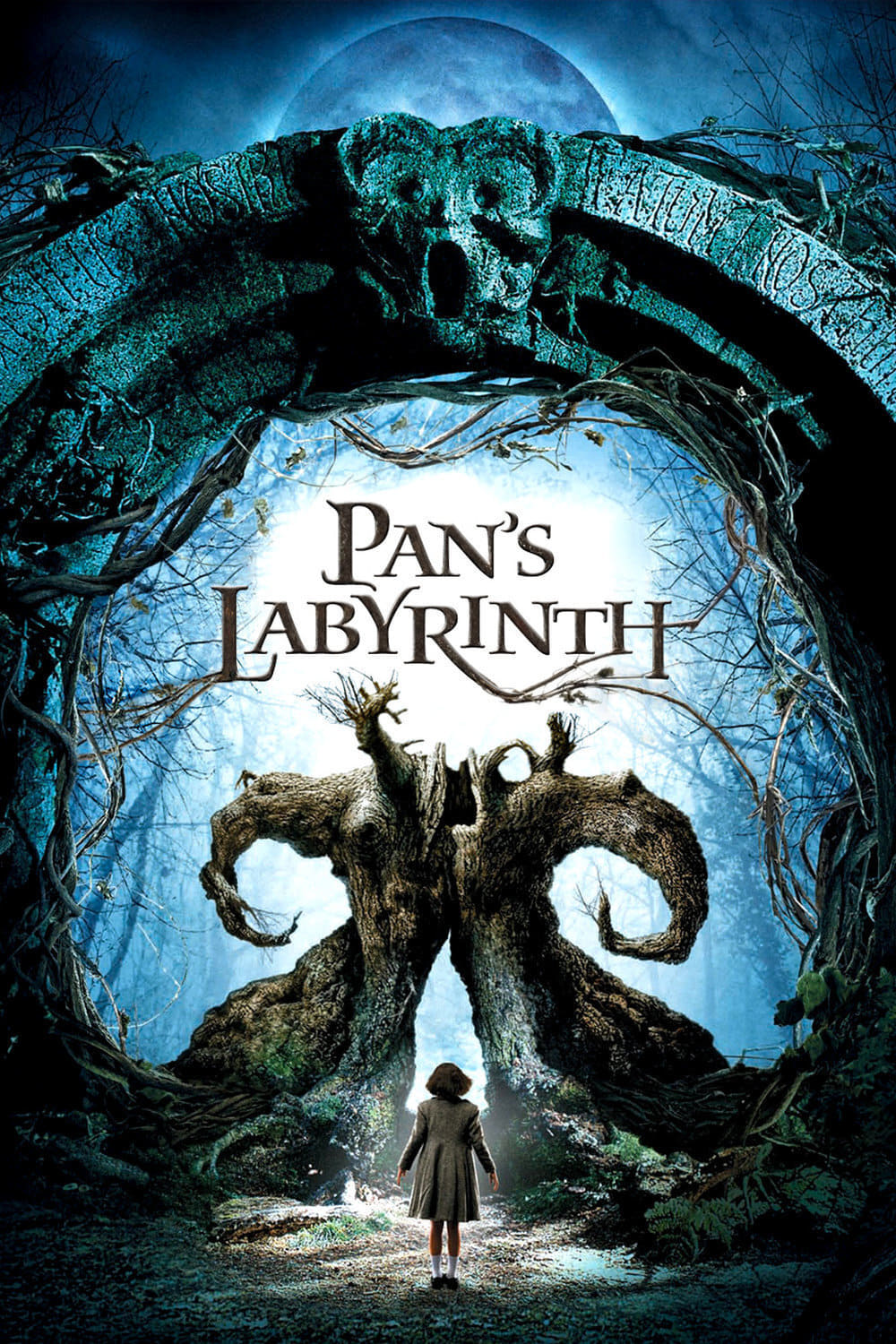
Some treated the fantasy as escapism when the labyrinth sequences mirror real world abuses and choices. The tasks directly reflect the pressures placed on the child in occupied territory. Props and creatures are designed to carry political meaning alongside myth. Picturehouse distributed the film in the United States.
‘Cloud Atlas’ (2012)
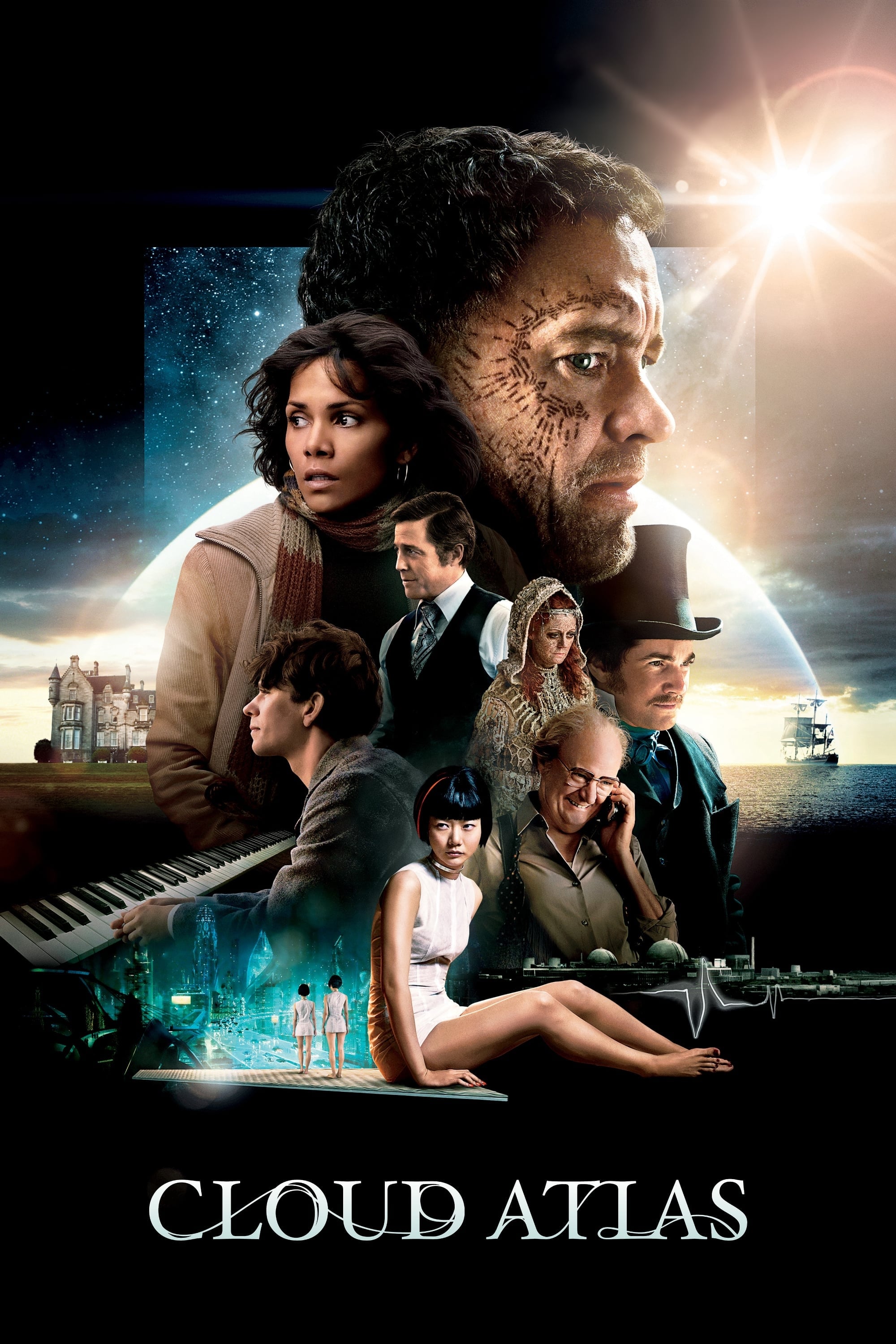
The cross cut structure led some to think the stories were disconnected, yet motifs, props, and character functions link across eras. Music, scars, and documents pass information forward to show influence across time. The makeup and casting choices mark recurring roles in cycles of power and resistance. Warner Bros. Pictures released the film in the United States.
‘The Grey’ (2011)
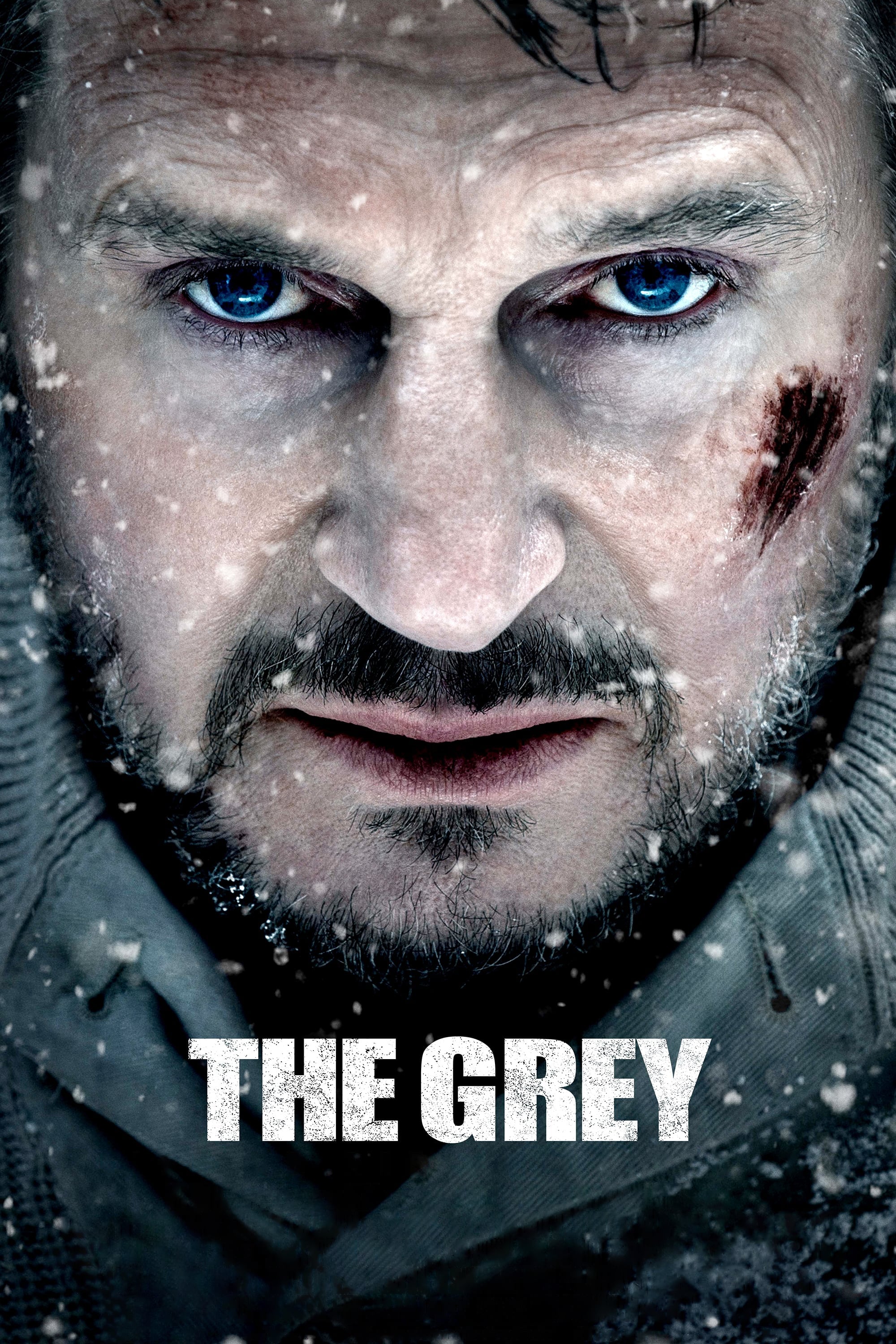
Trailers emphasized men fighting wolves, while the movie centers on acceptance, memory, and leadership under extreme conditions. The letters and personal tokens guide choices more than weapons do. The final image reframes earlier scenes as preparation for resolve rather than conquest. Open Road Films handled distribution.
‘Children of Men’ (2006)
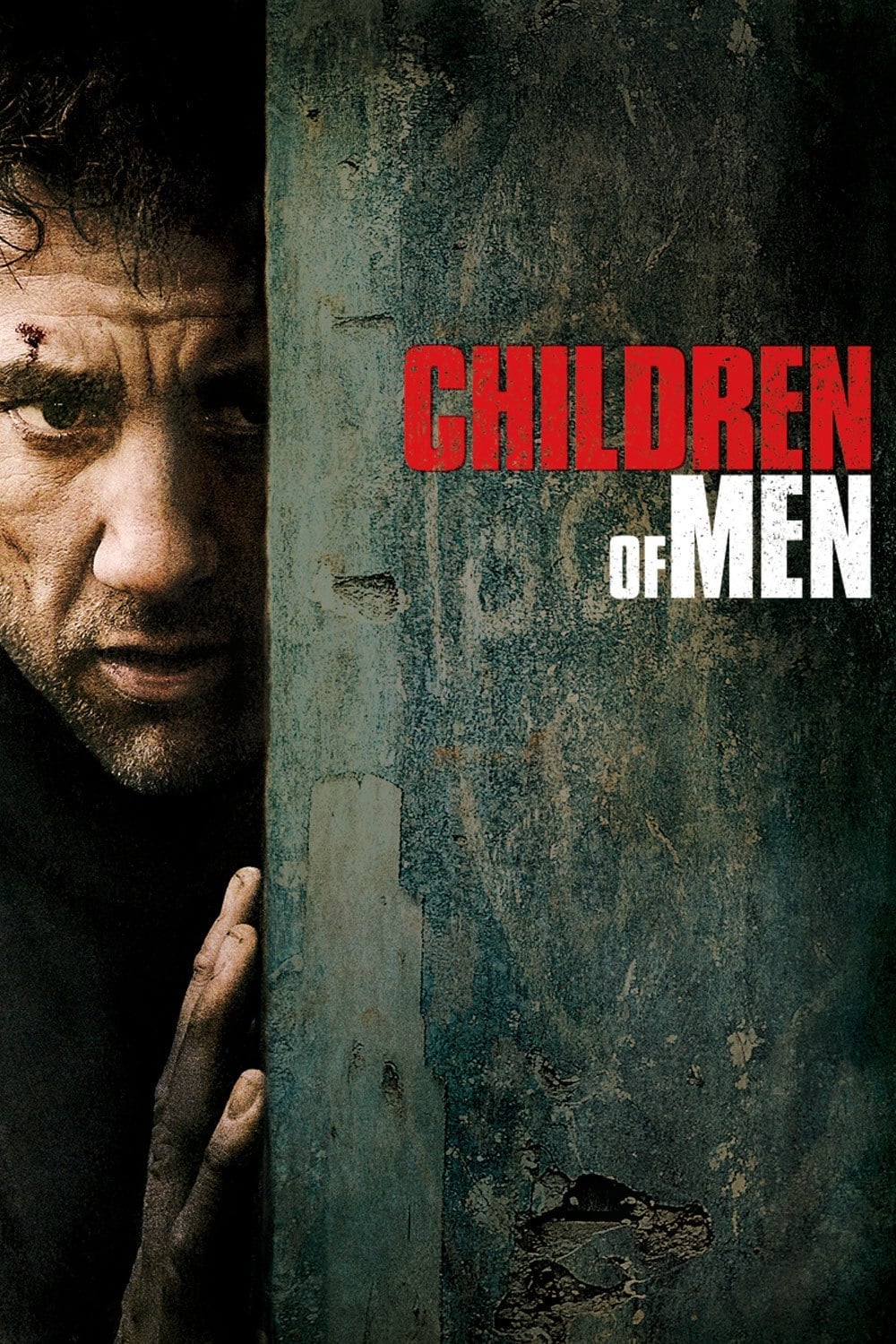
The one take sequences were praised for technique, yet the film uses them to drop viewers into a system that has normalized emergency. Background signage and refugee processing details explain policy without exposition. The journey maps how institutions treat hope as a security risk. Universal Pictures released the movie.
‘Rashomon’ (1950)
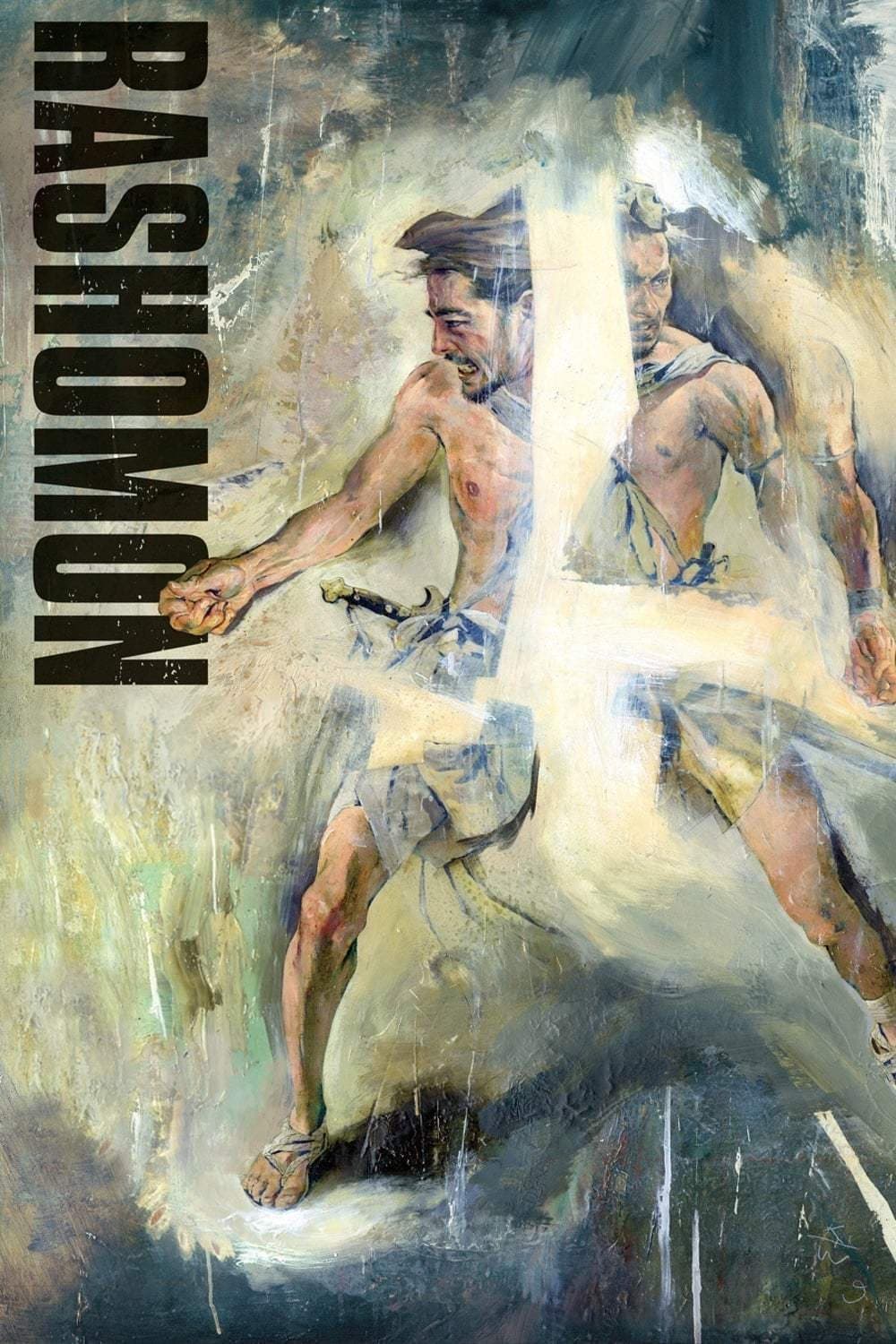
Many recall only that witnesses disagree, while the structure examines how self interest shapes memory and testimony. The woodcutter and the priest frame the stories to question motive and face saving. Weather and setting work as cues for emotional states in each version. Daiei Film handled distribution in Japan.
‘Team America: World Police’ (2004)
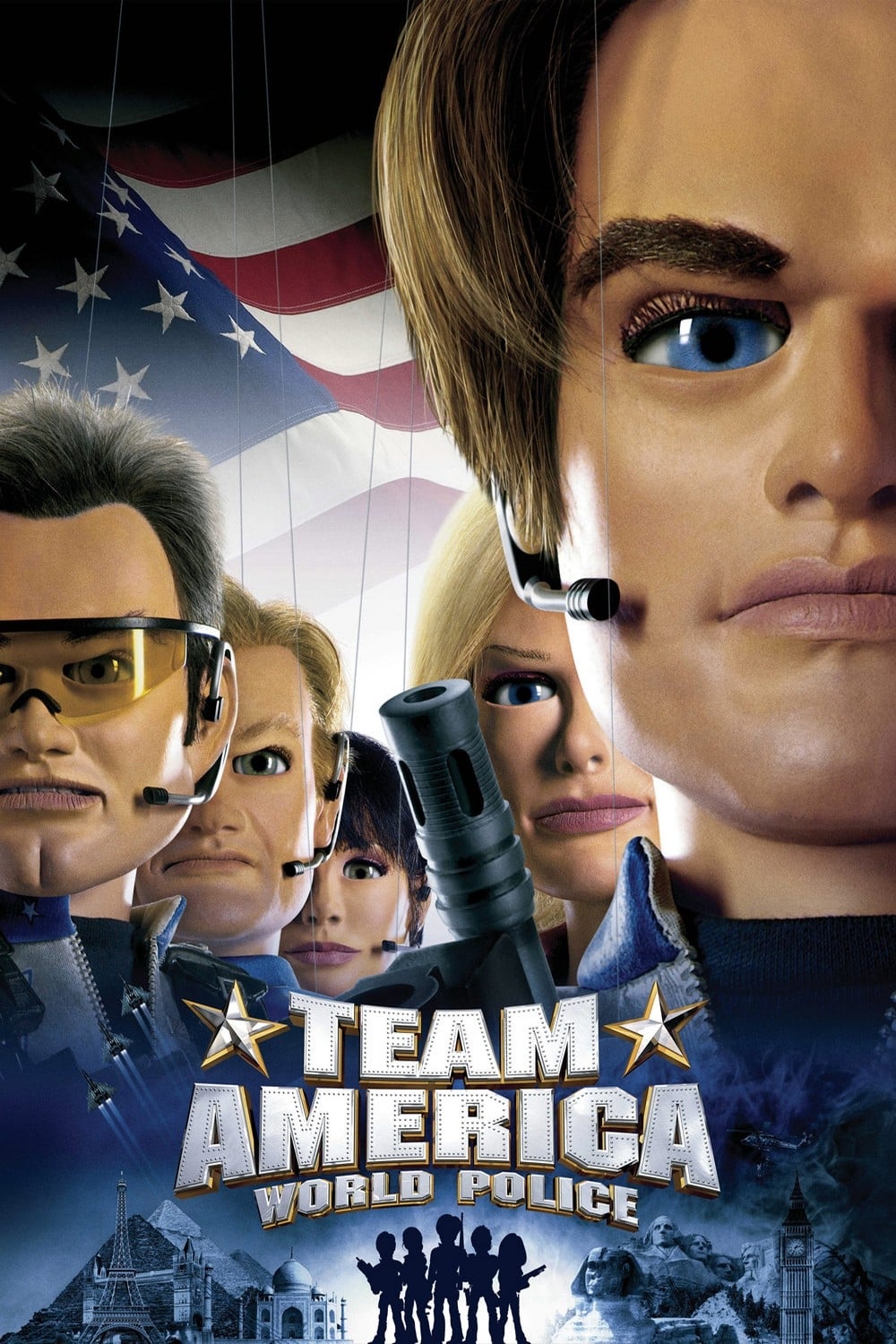
Puppet action and musical numbers drew attention away from the script’s focus on spectacle driven intervention and media roles. The film stages global set pieces to comment on how narratives flatten complex places. Repeated broadcast cutaways show the loop that turns crisis into entertainment. Paramount Pictures released the movie.
‘Oldboy’ (2003)
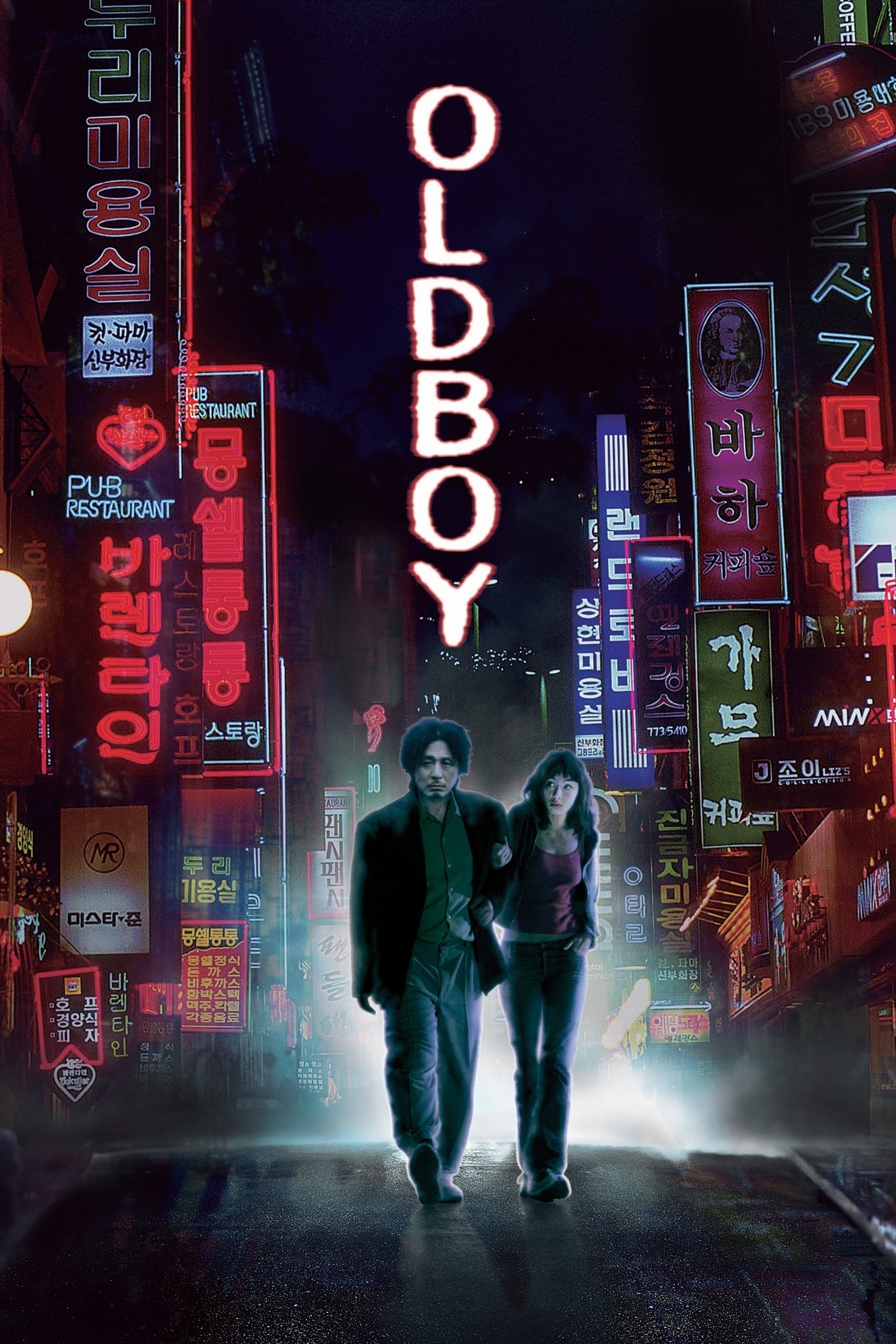
Viewers sometimes reduce it to a revenge plot when the investigation reveals how memory manipulation drives both victim and planner. The hallway fight became iconic, but it appears as a step in a larger trap. The denouement explains why certain details were seeded to steer choices. Tartan Films handled the U.S. release.
Share your picks for films people often misread in the comments so everyone can compare notes and add to the list.

