


Movies That Inspired TV Series

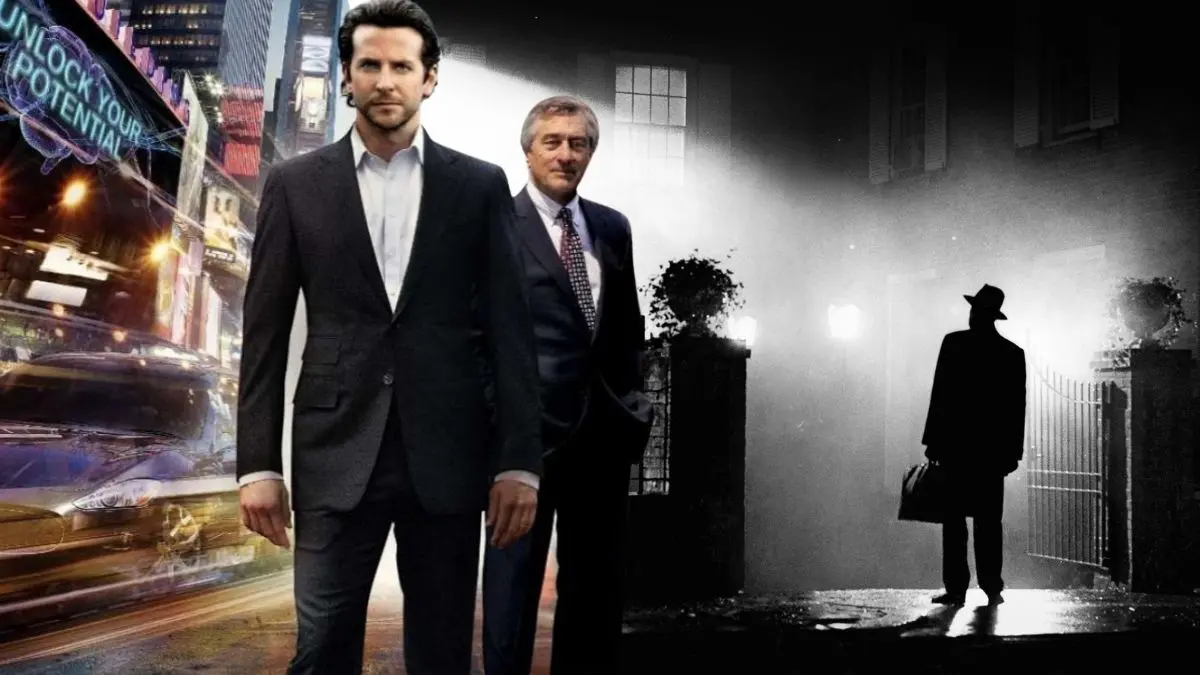


Some films leave such a strong mark that they grow into entire television worlds. Here are movies that sparked small-screen adaptations, spin-offs, or full reimaginings, often bringing new characters and long-form storytelling to ideas first tested on the big screen. Each entry notes the film and the series it led to, plus a quick snapshot of how that transition happened behind the scenes.
‘M*A*S*H’ (1970)

Robert Altman’s wartime satire led directly to the sitcom ‘M*A*S*H’, which expanded the setting into character-driven stories across a mobile army hospital. The series shifted tone from the film’s sharper edge to a mix of humor and pathos while keeping familiar names like Hawkeye and Trapper. Many production elements were rebuilt for television, including a new ensemble rhythm and a laugh track that later became optional. The film was released by 20th Century Fox, which also backed the move to TV.
‘Fargo’ (1996)
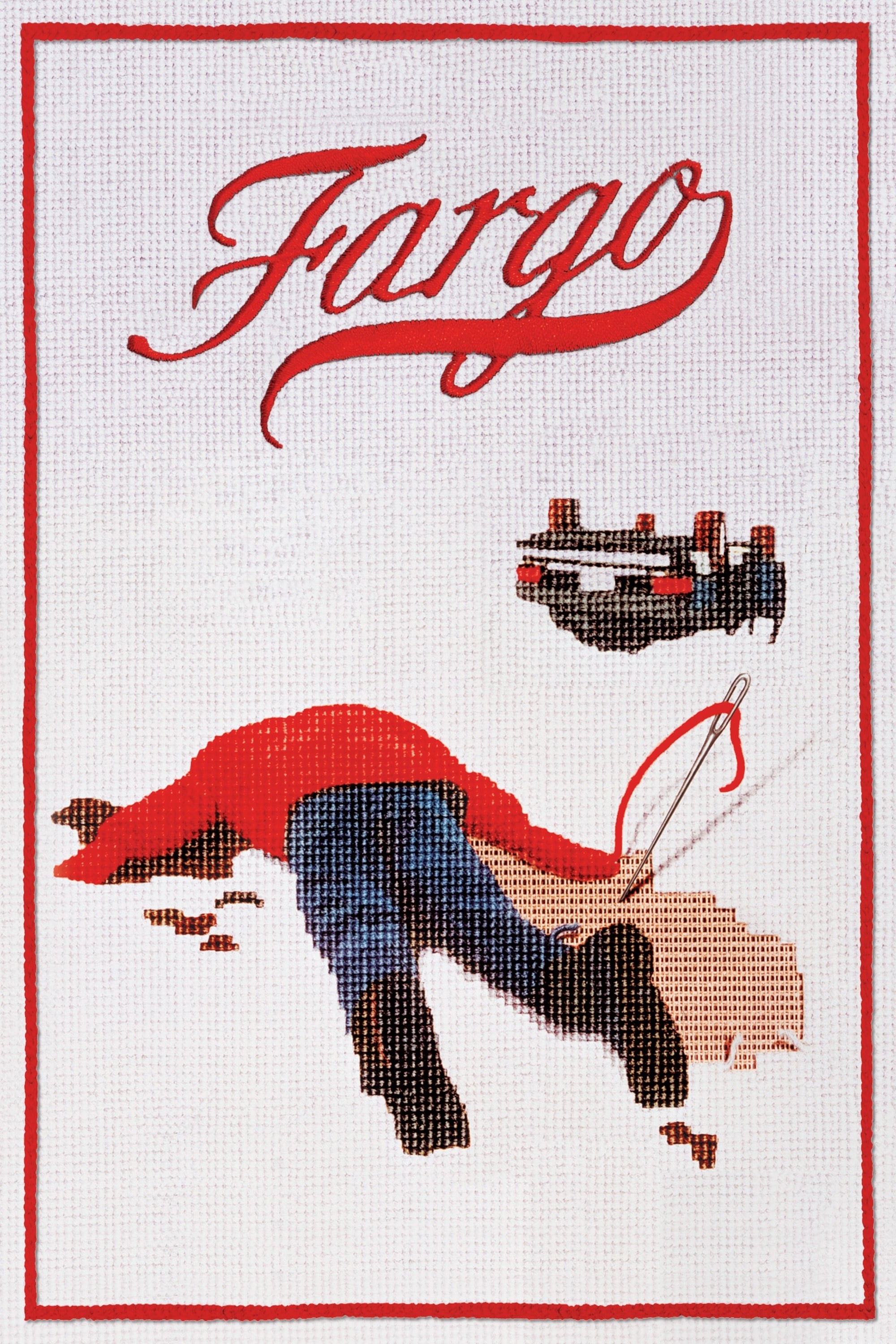
The Coen brothers’ crime tale inspired the anthology series ‘Fargo’, which tells new Midwestern capers connected by mood, place, and dark wit. The show uses fresh characters each season while threading Easter eggs and thematic callbacks to the film. It preserves the snowy noir aesthetic and that distinctive conversational cadence. The movie was released by Gramercy Pictures, easing rights and branding into television.
‘Westworld’ (1973)
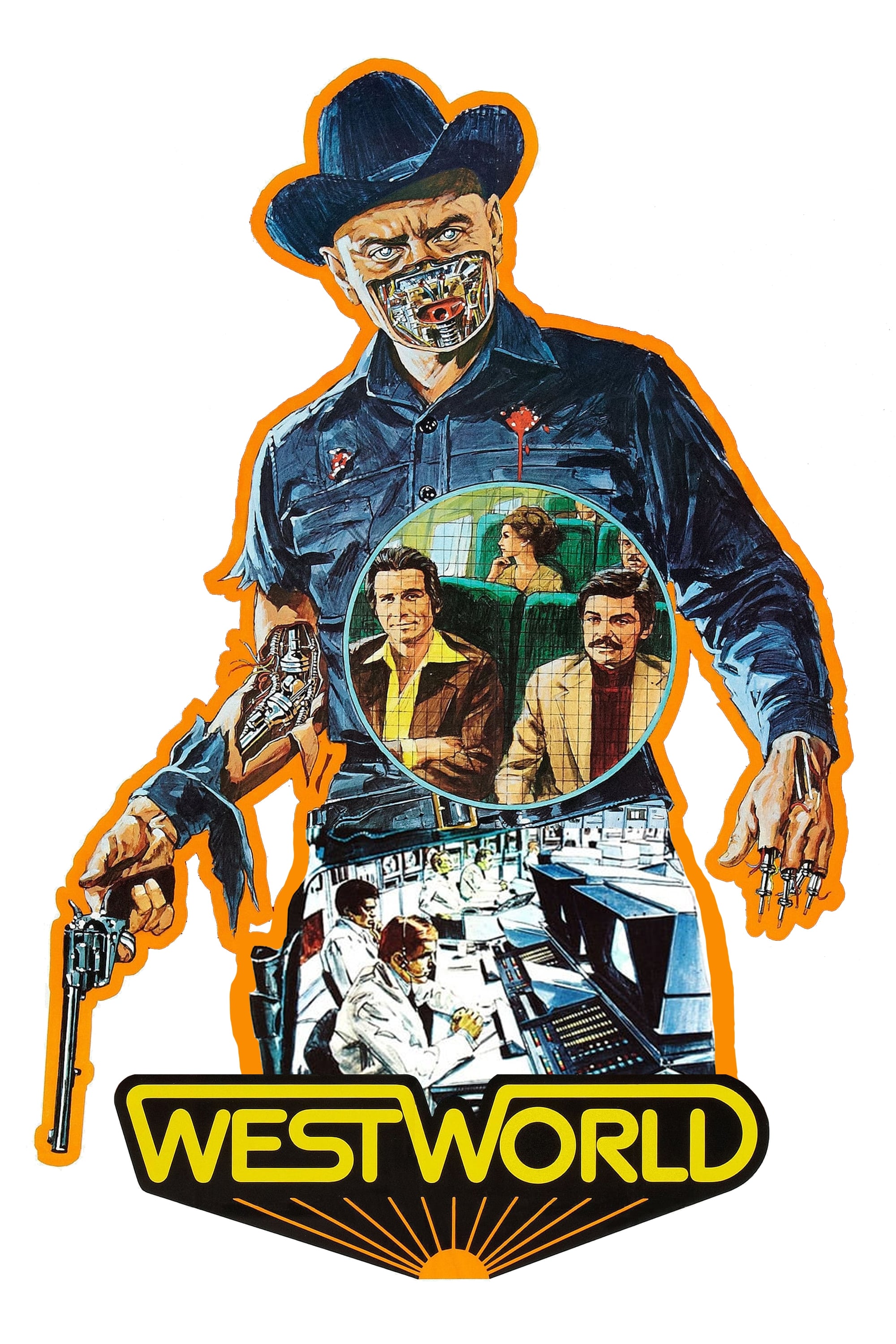
Michael Crichton’s amusement-park thriller became the series ‘Westworld’, which deepened questions about consciousness, control, and guest behavior. Television format allowed extended arcs around hosts, corporate intrigue, and evolving park lore. The production scaled up with multiple parks and complex timelines. The original film came from Metro-Goldwyn-Mayer, which kept the property in play for the adaptation.
‘Buffy the Vampire Slayer’ (1992)
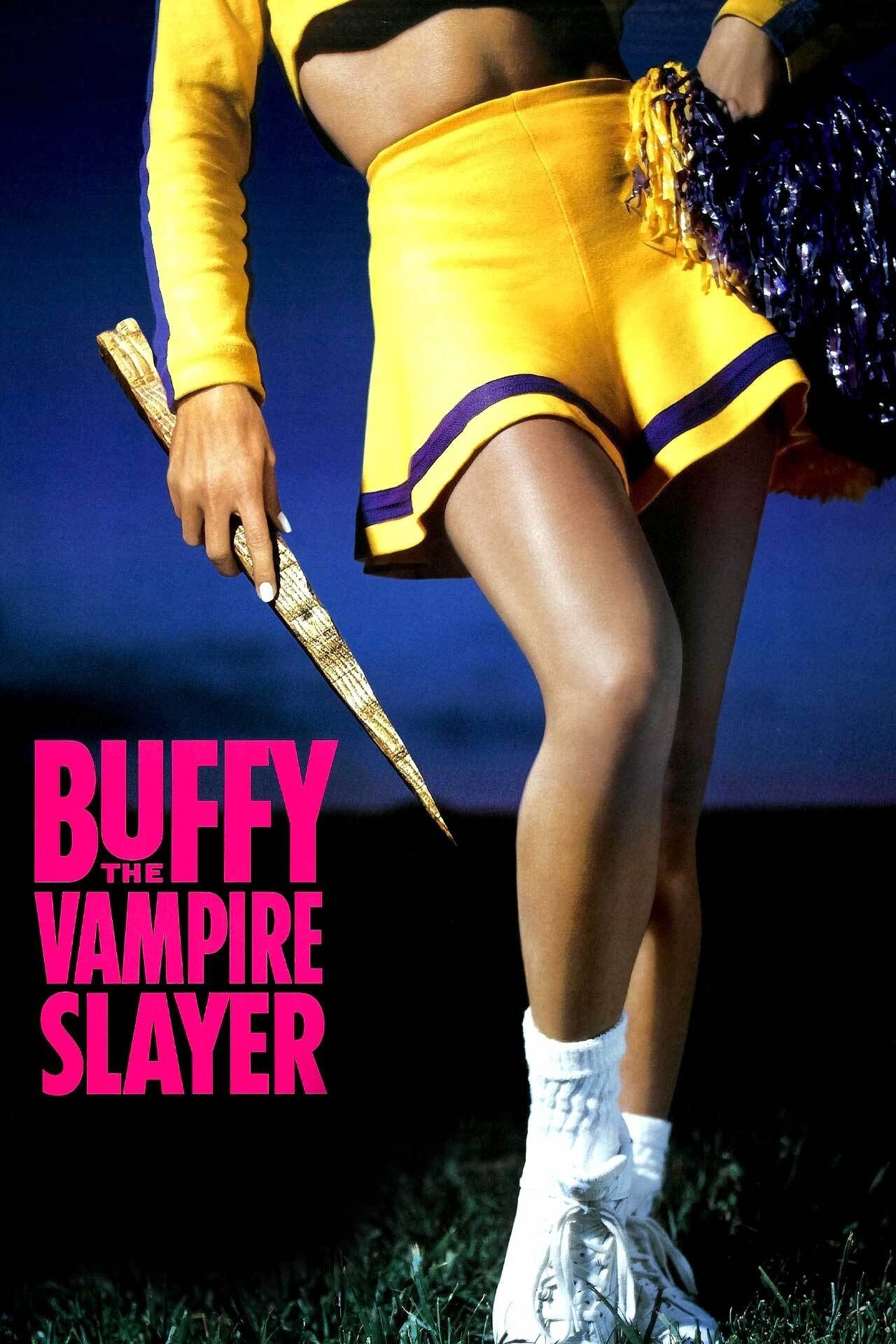
The teen horror comedy paved the way for ‘Buffy the Vampire Slayer’, which re-centered its heroine in a serialized monster-of-the-week structure with season-long arcs. The show refined the lore with Hellmouth mythology and a close-knit ensemble. It also balanced high school drama with supernatural stakes in a way the film only sketched. The movie was released by 20th Century Fox, which positioned the property for television.
‘Friday Night Lights’ (2004)
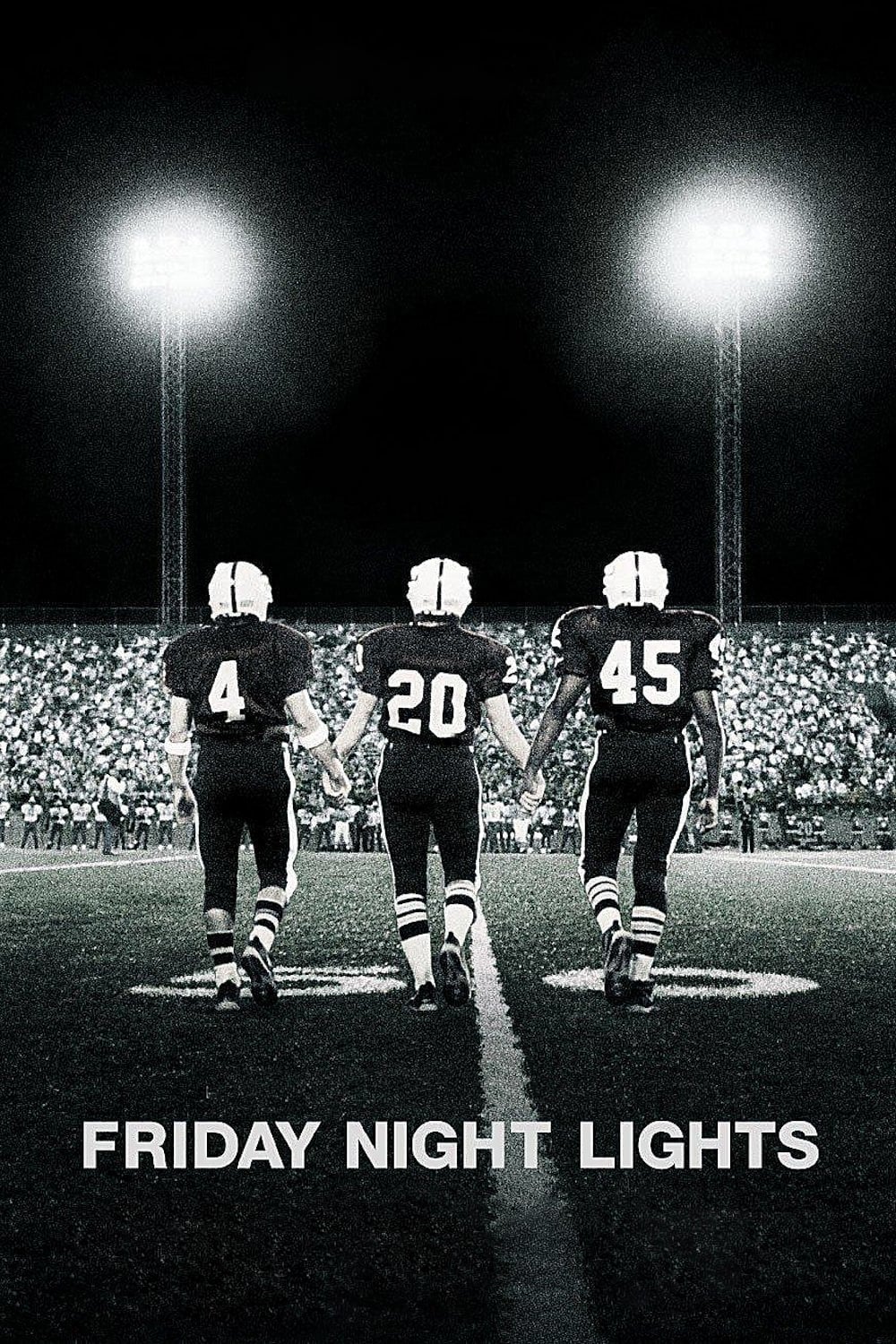
Peter Berg’s football drama inspired the series ‘Friday Night Lights’, shifting focus to Dillon’s community life and long-term character growth. The show adopted a fly-on-the-wall filming style, emphasizing relationships around the team and town. It broadened issues beyond sport to economics, education, and identity. The film was released by Universal Pictures, which supported the transition to a weekly format.
‘Parenthood’ (1989)
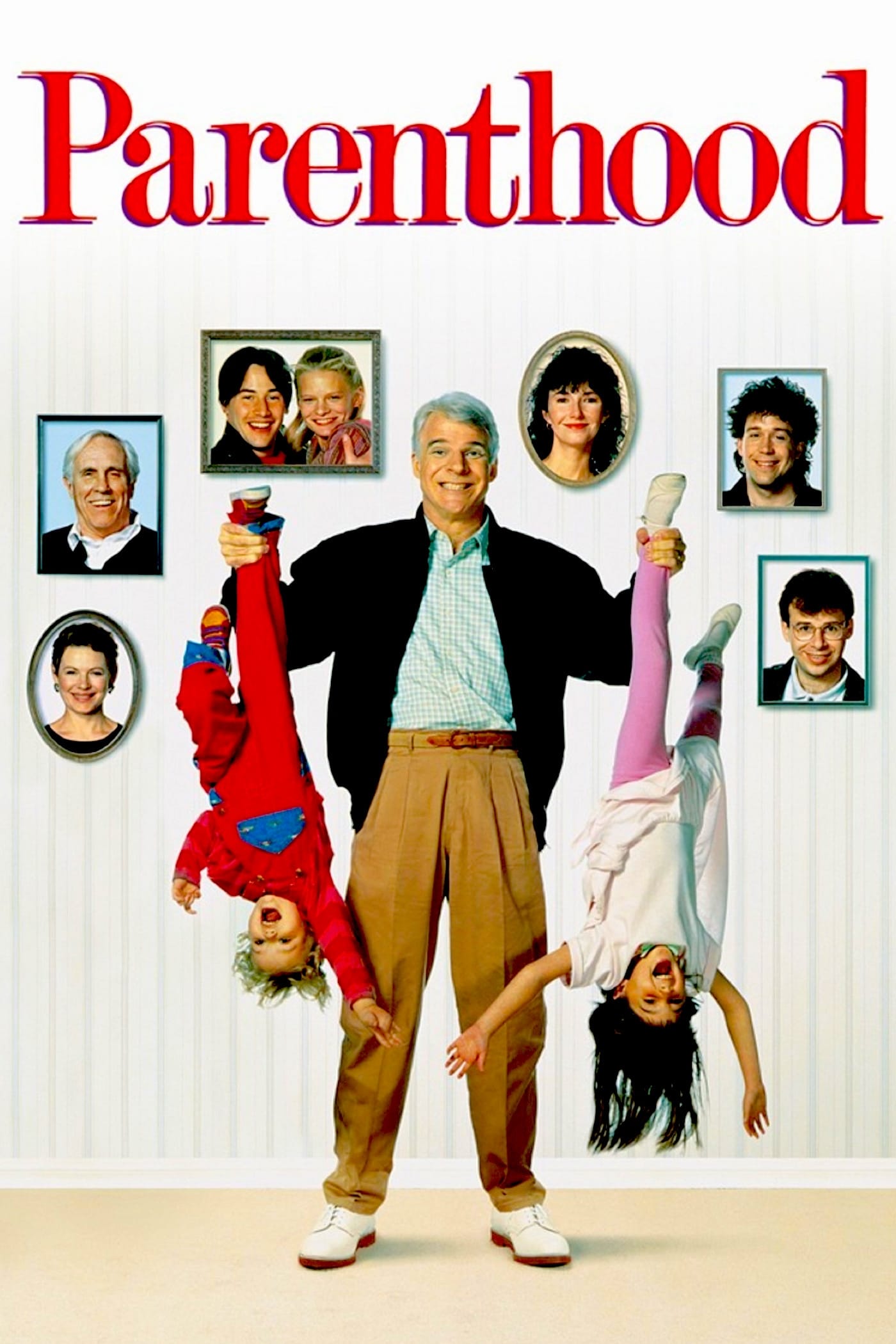
Ron Howard’s family dramedy seeded two TV takes titled ‘Parenthood’, with the later version building multi-season arcs across interlinked households. The series format let the Bravermans tackle adoption, career pivots, and health challenges in deeper ways. Handheld camerawork and overlapping dialogue created a lived-in feel. The film was released by Universal Pictures, smoothing the path to small-screen development.
‘Limitless’ (2011)
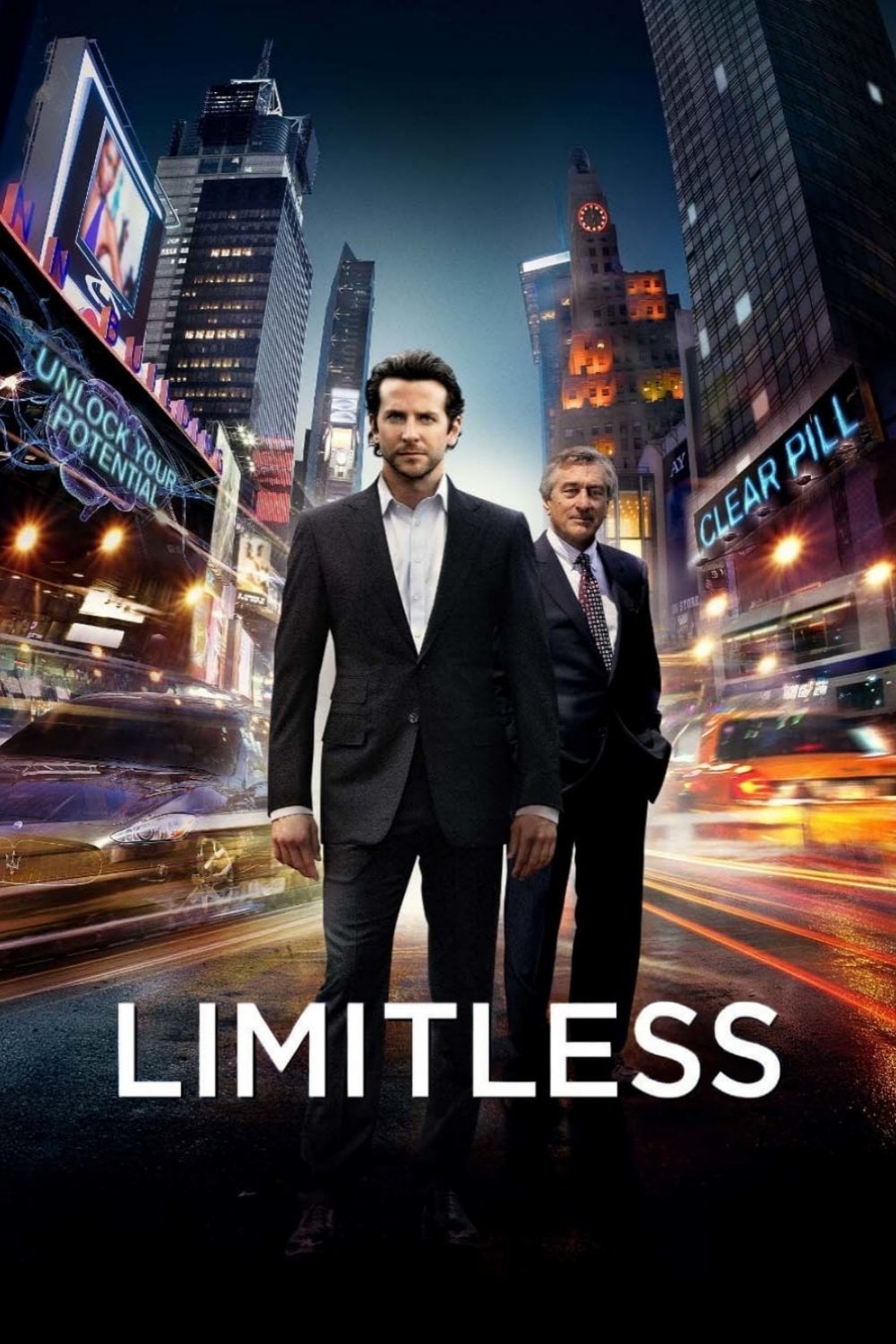
The sci-fi thriller led to the series ‘Limitless’, continuing the NZT concept with a new protagonist mentored by the film’s lead. Episodic cases showcased the drug’s advantages and risks while exploring government oversight. Visual cues signaled when the character tapped the enhanced state. The movie was released by Relativity Media, which remained associated with the property.
‘Hanna’ (2011)

Joe Wright’s chase drama expanded into the series ‘Hanna’, tracing a larger conspiracy around genetically trained teens. Television pacing allowed deeper looks at the program’s origins and shifting alliances. Locations and identities changed across seasons to keep the cat-and-mouse fresh. The film was released by Focus Features, connecting the project to a broader audience before the show.
‘Taken’ (2008)
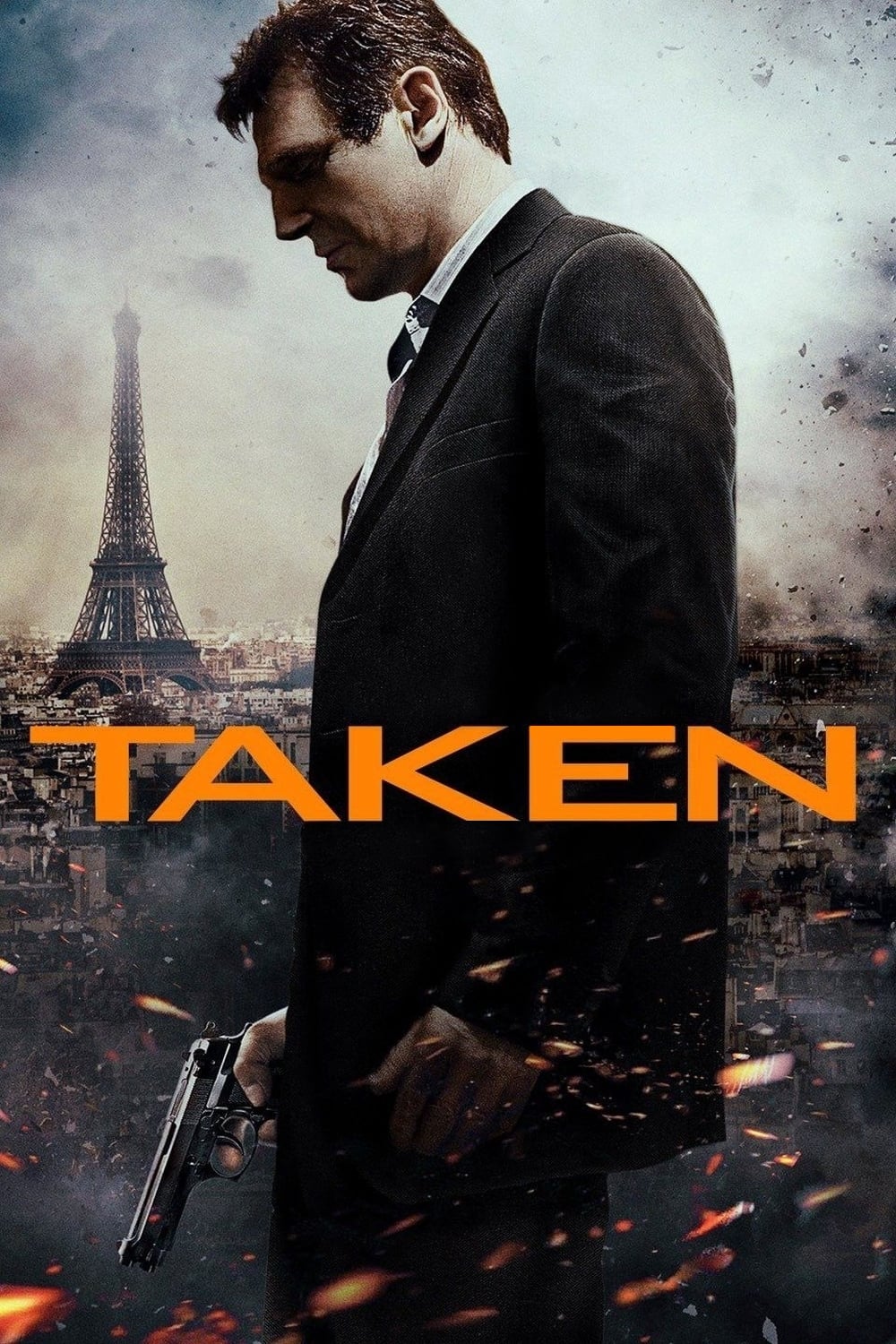
The high-stakes rescue film inspired ‘Taken’, a series that explored the operative’s early career and tradecraft. Episodes built case files, handler relationships, and field tactics beyond a single mission. The adaptation mapped signature skills into serialized action arcs. The movie was released by 20th Century Fox in the United States, helping position the brand for TV.
‘From Dusk Till Dawn’ (1996)
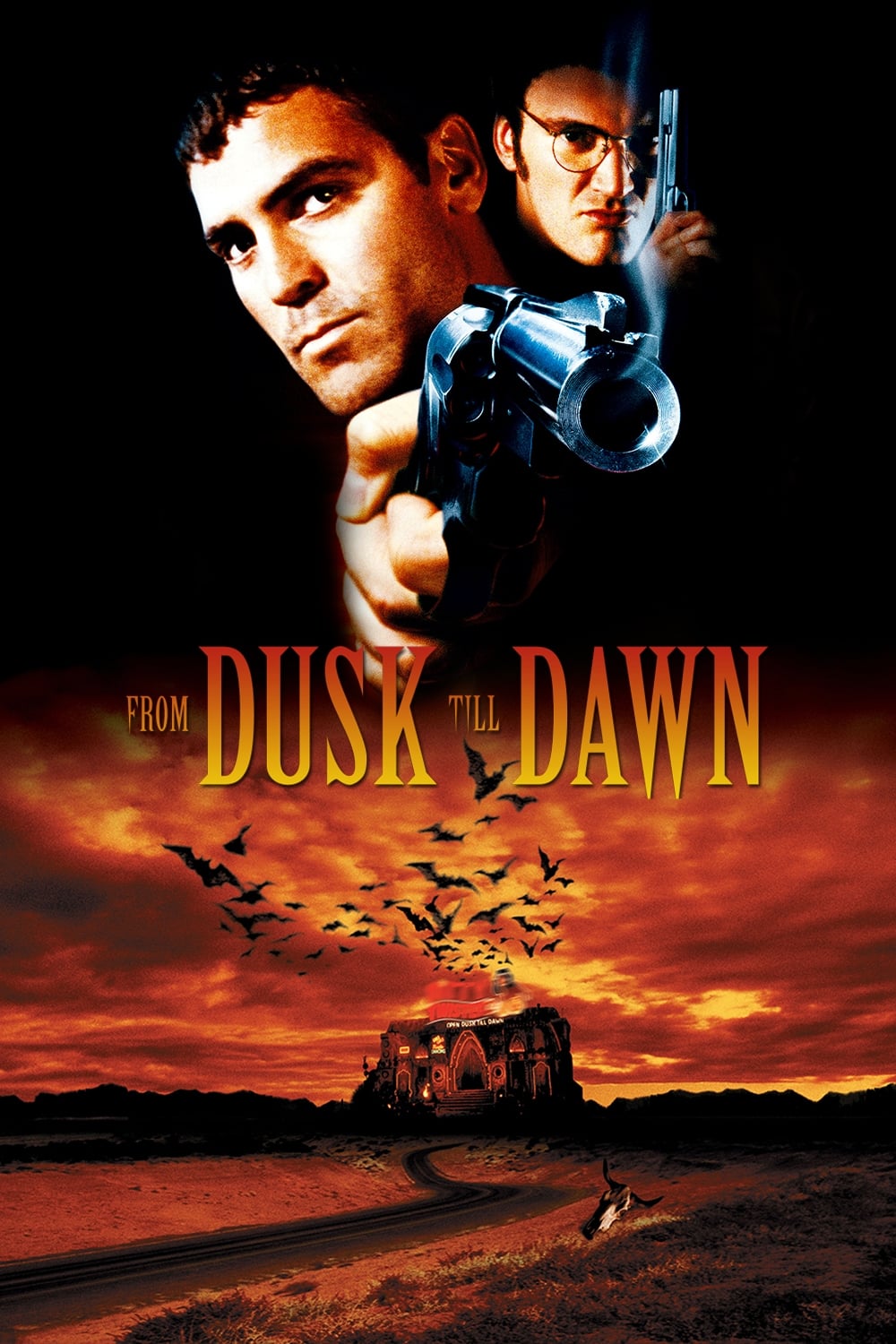
The vampire crime caper became ‘From Dusk Till Dawn: The Series’, which widened the mythology of the temple and its ancient order. Characters received expanded backstories and new supernatural rules. The show restructured the original heist-to-horror pivot across a season. The film was released under Dimension Films, providing continuity for the property.
‘The Evil Dead’ (1981)
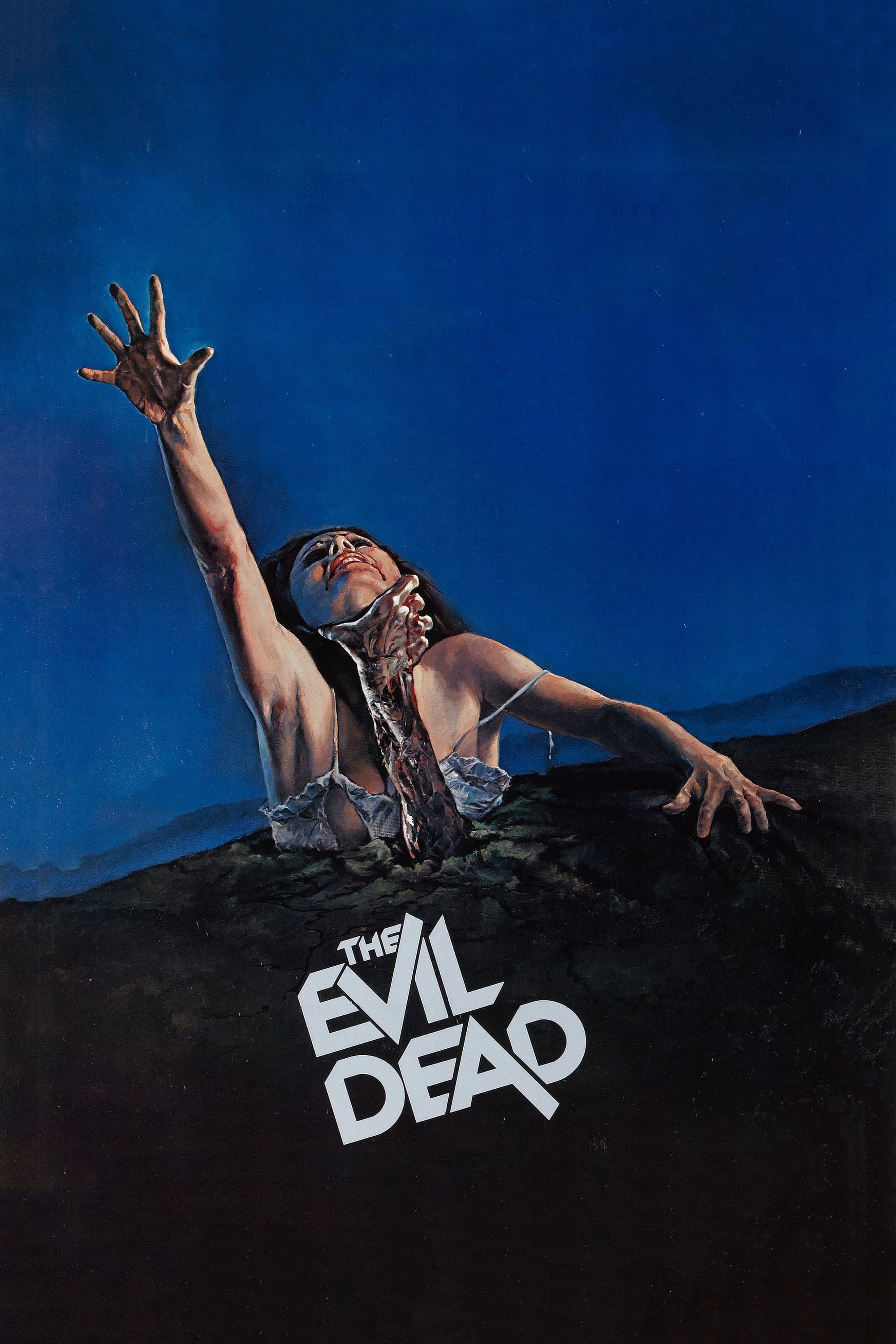
Sam Raimi’s cabin horror spawned ‘Ash vs Evil Dead’, bringing the chainsaw-hand hero into episodic adventures. The series balanced practical gore with comedic banter and returning lore like the Necronomicon. It introduced new allies and demons while honoring signature set pieces. The original film was distributed by New Line Cinema, which helped cement its cult status.
‘The Exorcist’ (1973)

William Friedkin’s possession tale evolved into ‘The Exorcist’, a series that threaded new cases with echoes of the original story. The show explored church protocols, investigative methods, and modern manifestations of evil. It also tied character histories to the larger canon over time. The film was released by Warner Bros. Pictures, anchoring the franchise’s identity.
‘Psycho’ (1960)
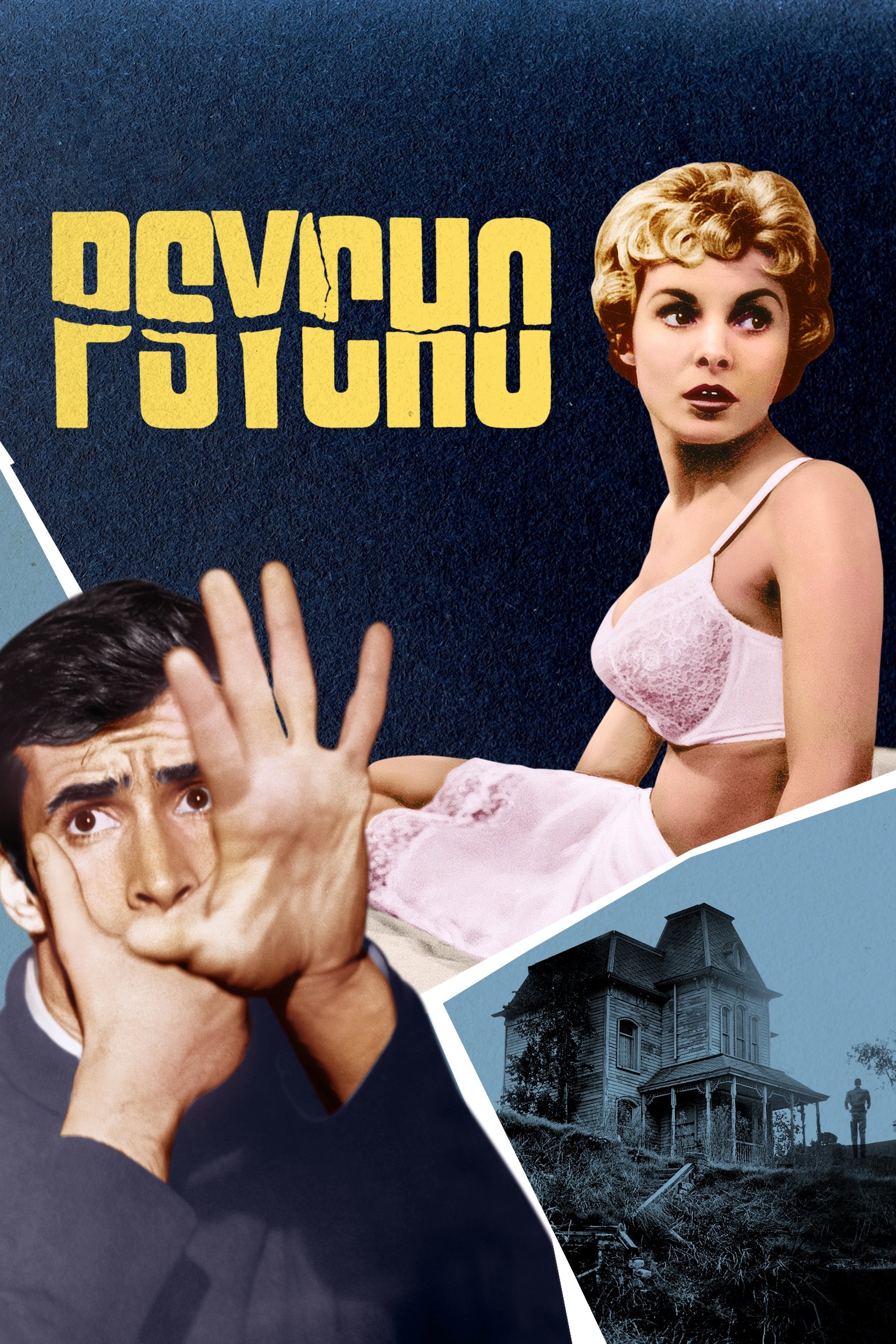
Alfred Hitchcock’s classic inspired ‘Bates Motel’, a contemporary prequel tracing Norman’s path and his bond with Norma. The series reimagined the setting and updated the town’s dynamics while foreshadowing the infamous motel. It used character psychology to connect with the film’s legacy. The original was released by Paramount Pictures, establishing one of cinema’s most recognizable icons.
‘Minority Report’ (2002)
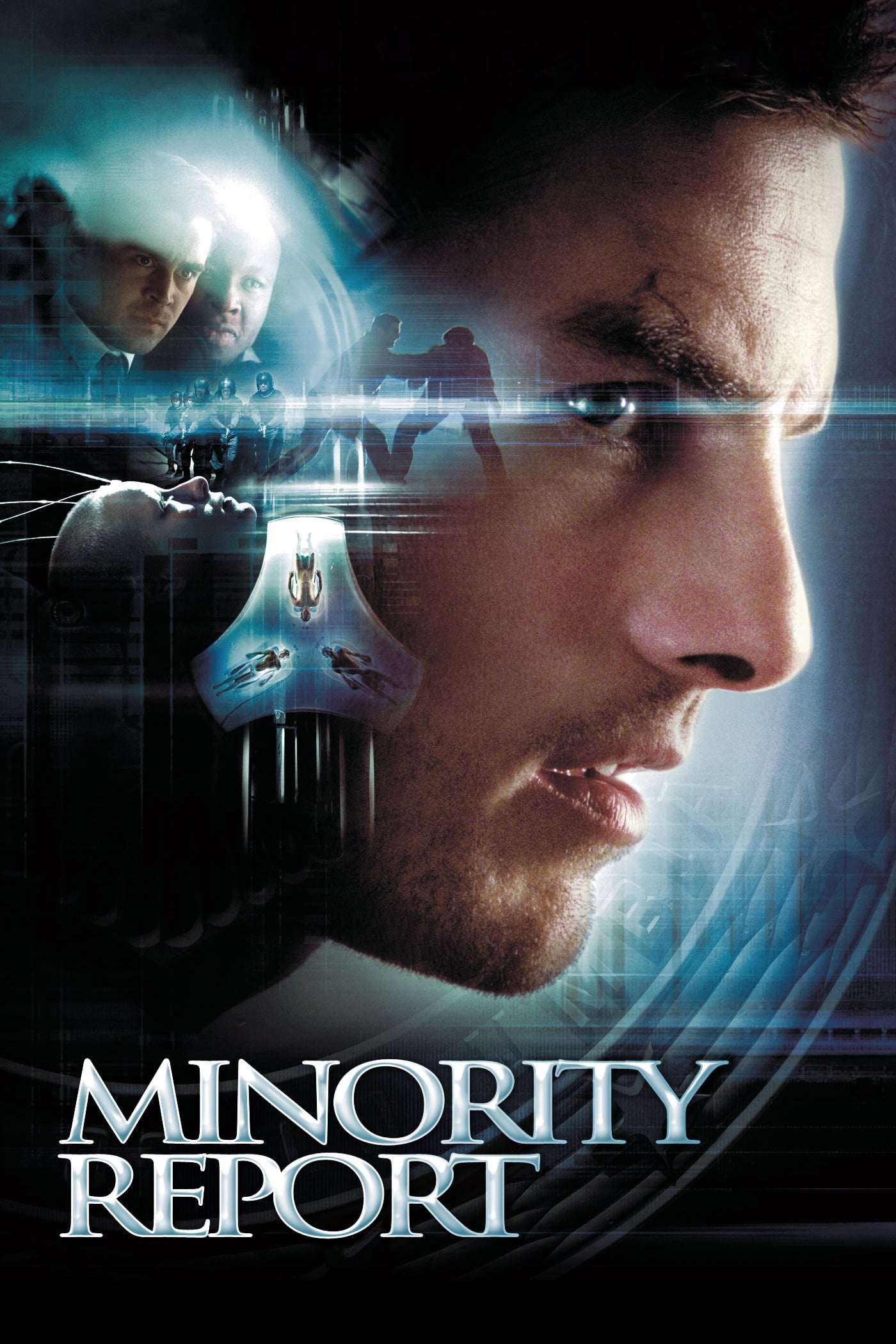
Steven Spielberg’s futurist thriller led to ‘Minority Report’, a series that followed a precog adjusting to life after the program. The show examined predictive policing ethics, tech culture, and personal fallout. Visual design borrowed gesture interfaces and cityscapes from the film’s world. The movie was released by 20th Century Fox alongside DreamWorks, bolstering brand familiarity.
‘Training Day’ (2001)
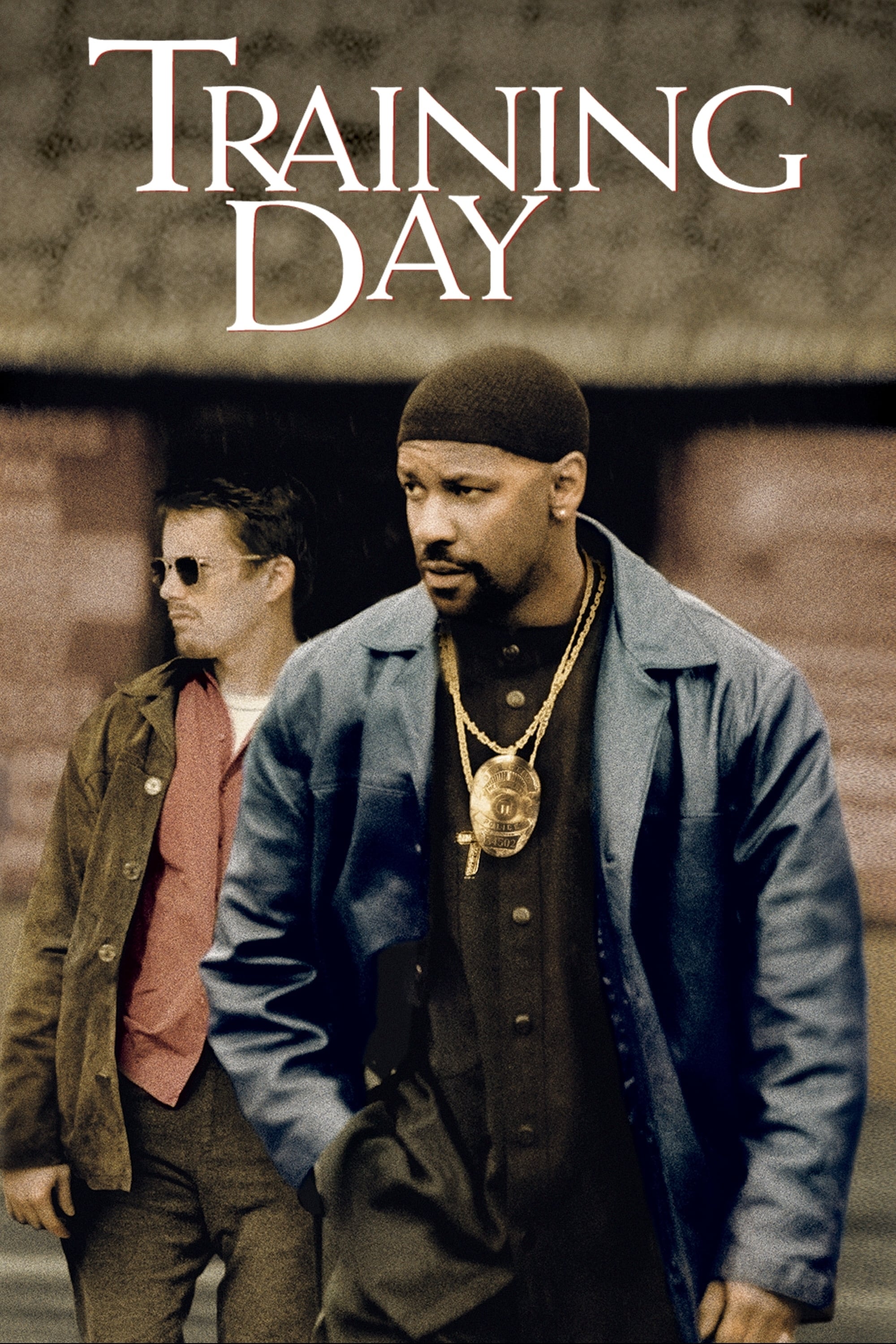
The gritty cop drama became ‘Training Day’, shifting to a new partnership that flipped mentor and recruit roles. Episodes unpacked internal affairs pressure, gang ties, and undercover tactics. The adaptation extended the moral puzzles into case-of-the-week storytelling. The film was released by Warner Bros. Pictures, giving the title strong recognition.
‘The Terminator’ (1984)
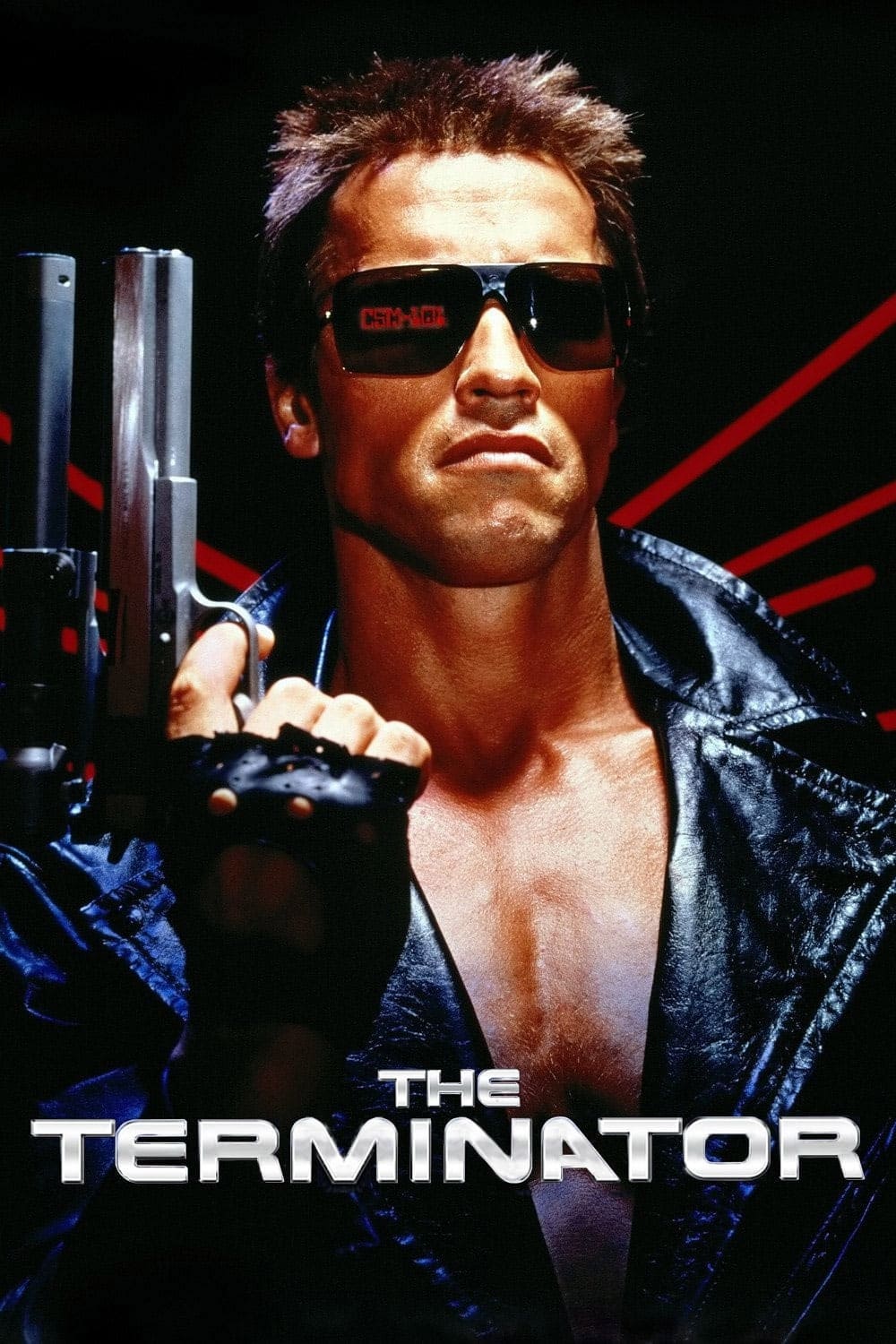
James Cameron’s time-travel saga inspired ‘Terminator: The Sarah Connor Chronicles’, focusing on protection and preparation between crises. The series expanded resistance tactics, future tech hints, and mother-son dynamics. It also introduced new machines while preserving the cat-and-mouse tension. The original film was released by Orion Pictures, laying the groundwork for an enduring universe.
‘Scream’ (1996)
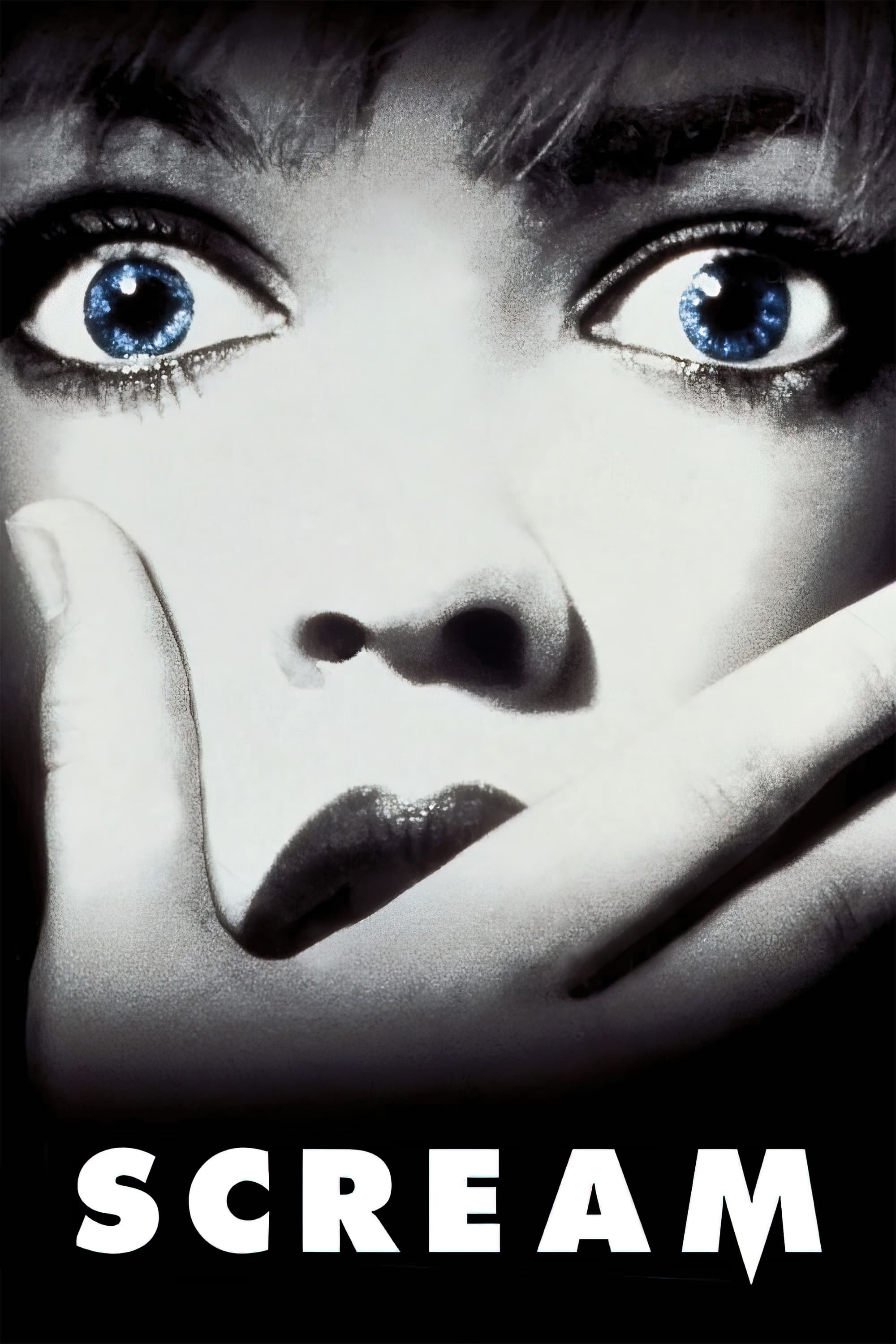
The meta slasher gave rise to ‘Scream’, a series that created a new town and mask mythology. It kept rules-aware storytelling while building season-long mysteries. Character arcs unfolded around social media, secrets, and trust. The movie was released under Dimension Films, which helped shepherd the property into television.
‘Stargate’ (1994)
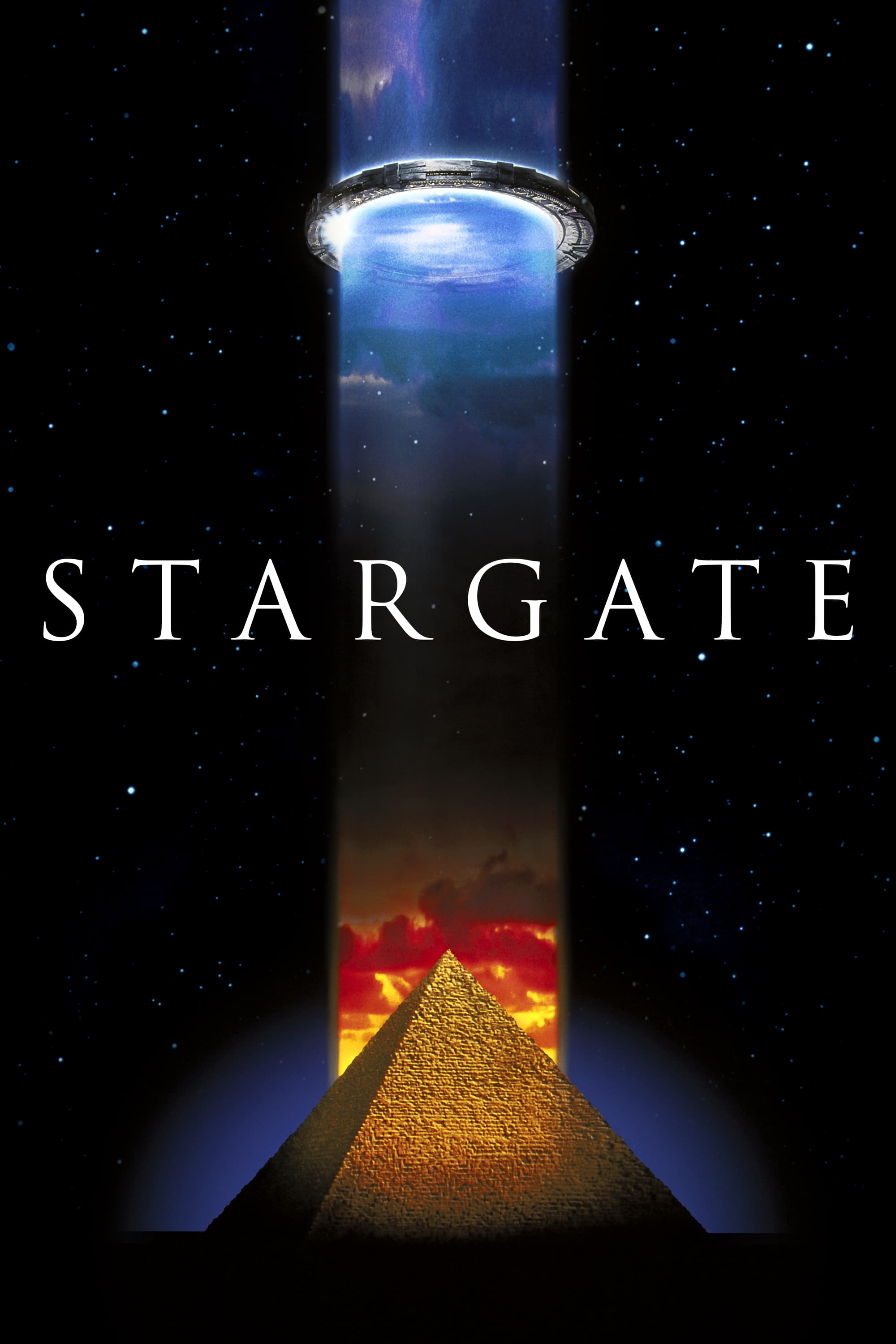
The ancient-portal adventure grew into ‘Stargate SG-1’ and later series, turning episodic travel into a long-running exploration program. The TV universe introduced command structures, alien alliances, and deep lore. It balanced stand-alone missions with overarching threats. The film was distributed by MGM/UA, which retained stewardship as the world expanded.
‘Dear White People’ (2014)

Justin Simien’s campus satire expanded into ‘Dear White People’, a series that followed multiple students through intersecting chapters. The format allowed character-focused episodes and evolving discourse around identity and media. It blended radio segments, parties, and protests into serialized arcs. The film was released by Lionsgate and Roadside Attractions, giving the concept a strong launch.
‘Wet Hot American Summer’ (2001)
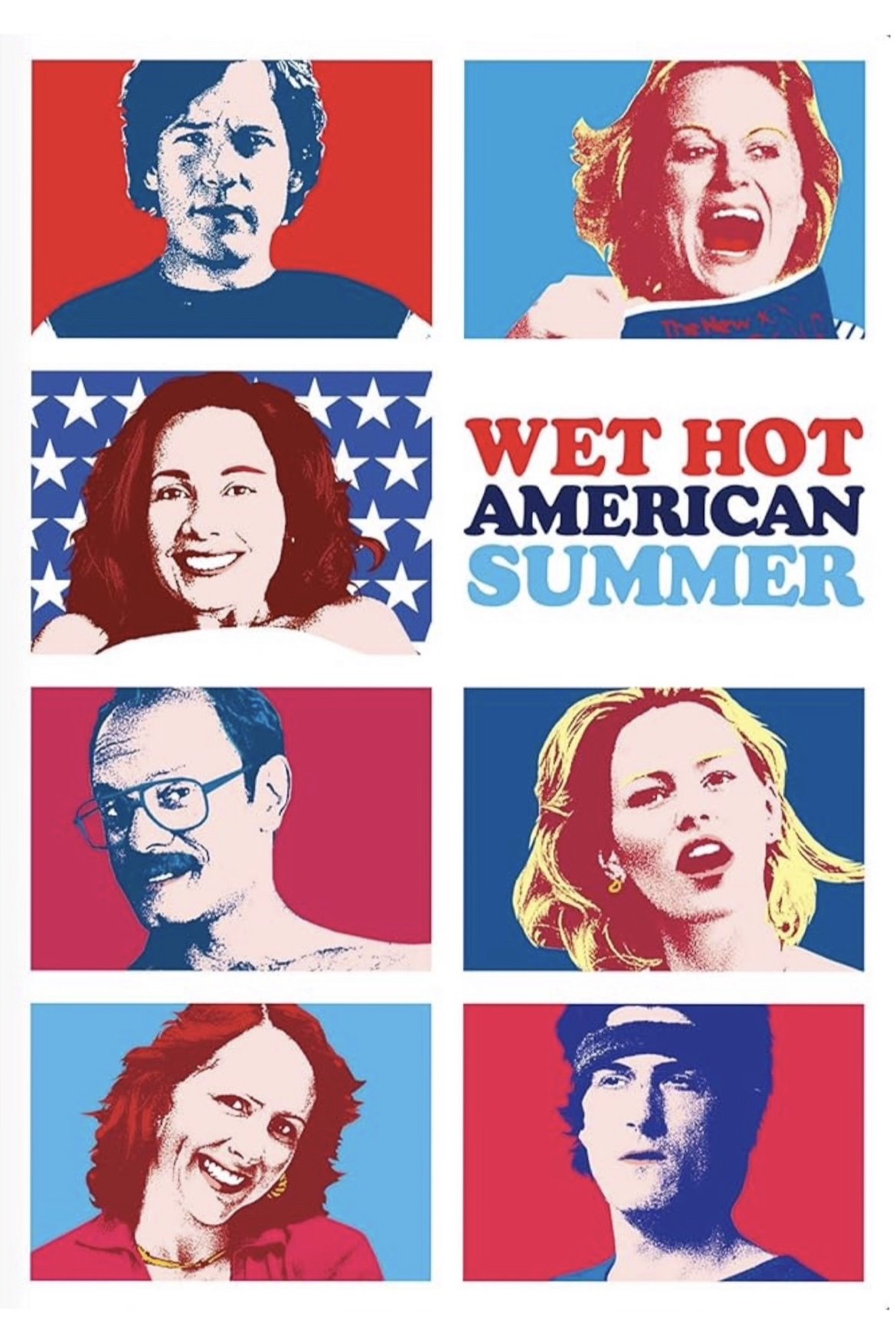
The cult camp comedy returned as ‘Wet Hot American Summer’ shows that revisited and recontextualized the original ensemble. Television installments played with timelines and character origins. The production reunited key cast while adding new counselors and subplots. The film was originally released by USA Films, connecting the project to early fans.
‘Snowpiercer’ (2013)
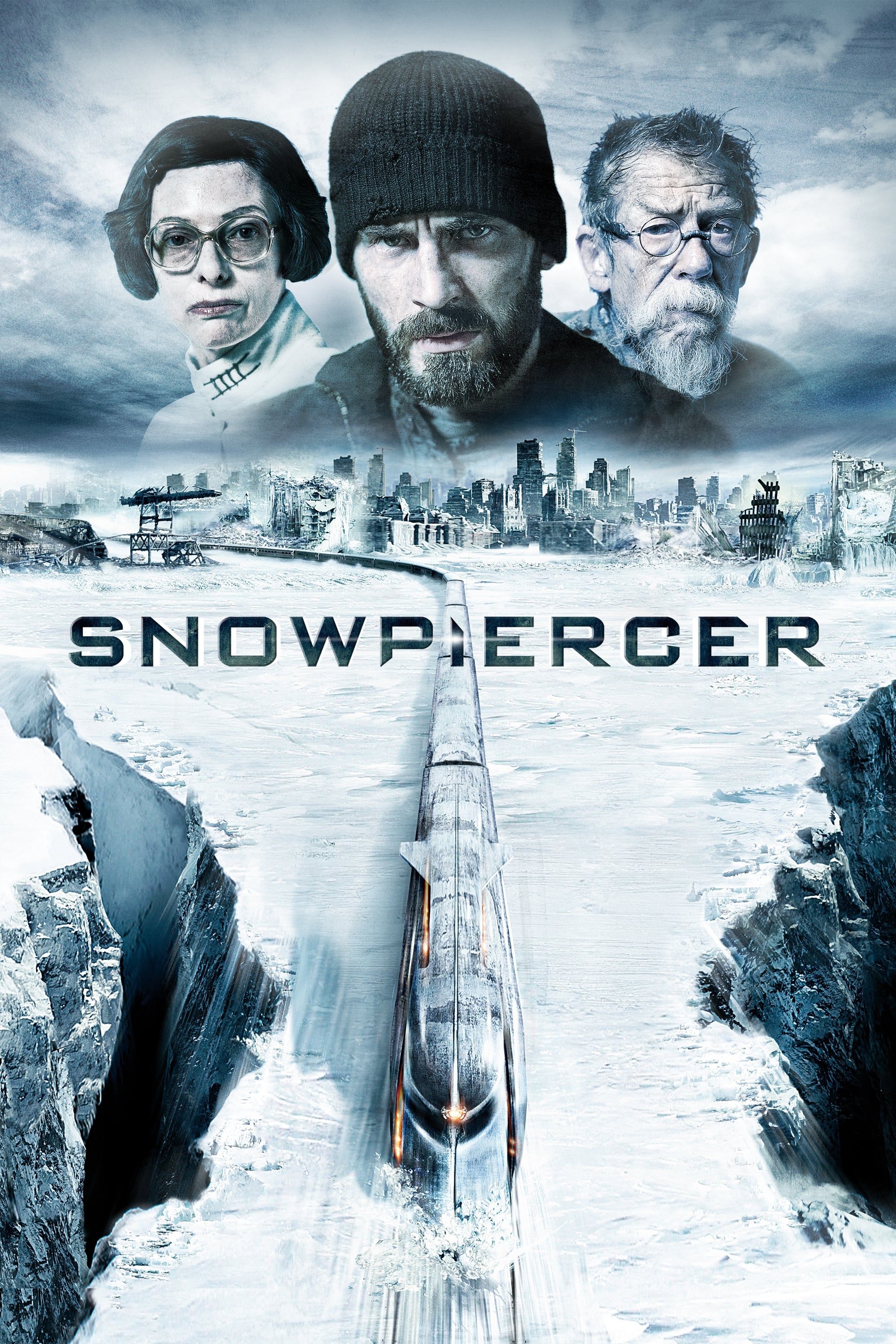
Bong Joon-ho’s train-set allegory inspired ‘Snowpiercer’, which broadened class strata into car-by-car politics and mysteries. The series explored governance, resource control, and survival logistics aboard the train. New characters and breakaway cars created fresh conflicts. The film was released in the United States by Radius-TWC, helping introduce the premise to a wider audience.
‘The Dark Crystal’ (1982)
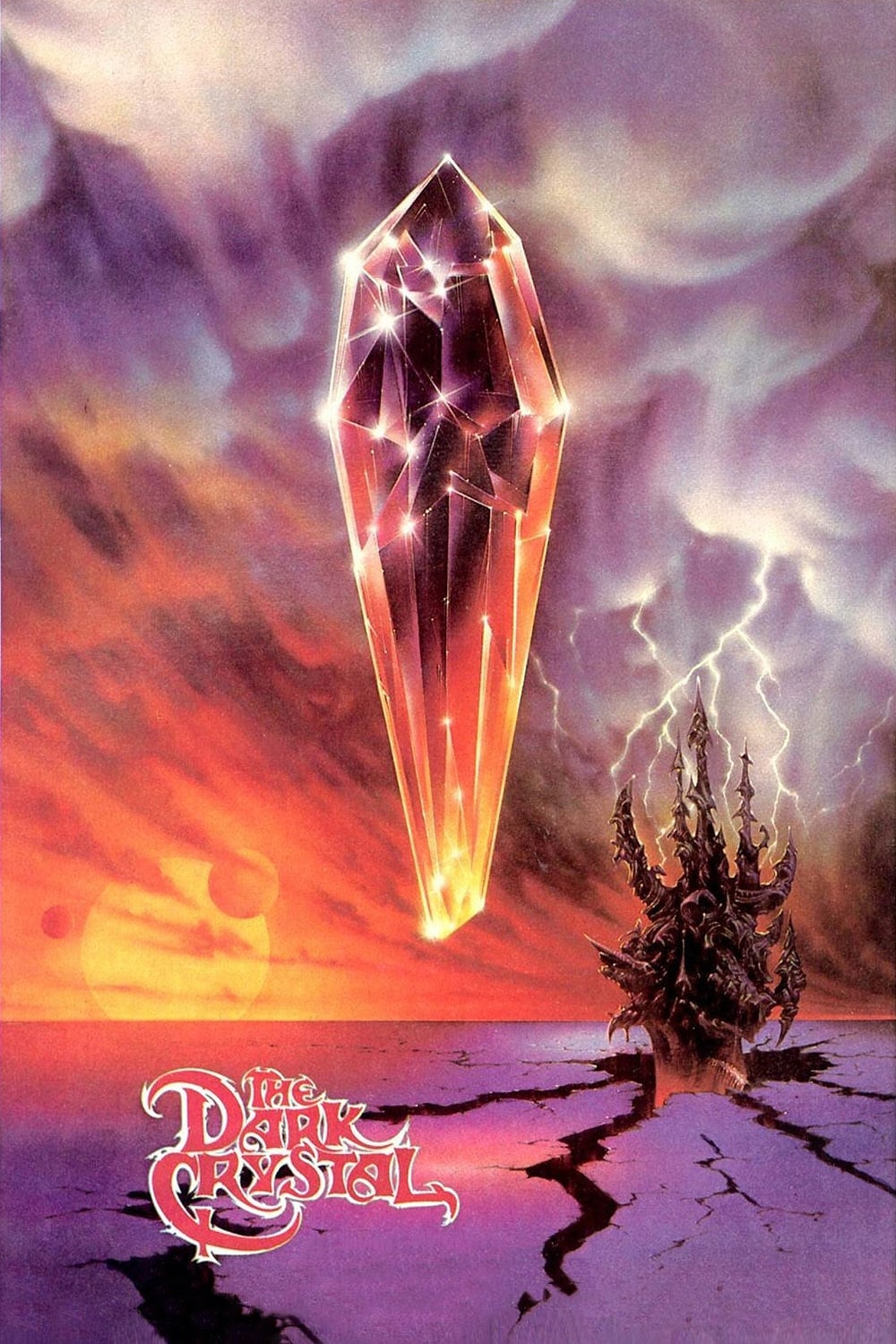
Jim Henson’s fantasy world returned as ‘The Dark Crystal: Age of Resistance’, a prequel series that deepened Gelfling culture and Skeksis rule. Puppetry and world-building expanded with new clans and lore. The show mapped key events that set up the film’s quest. The original was released by Universal Pictures, establishing the property’s reach.
’12 Monkeys’ (1995)
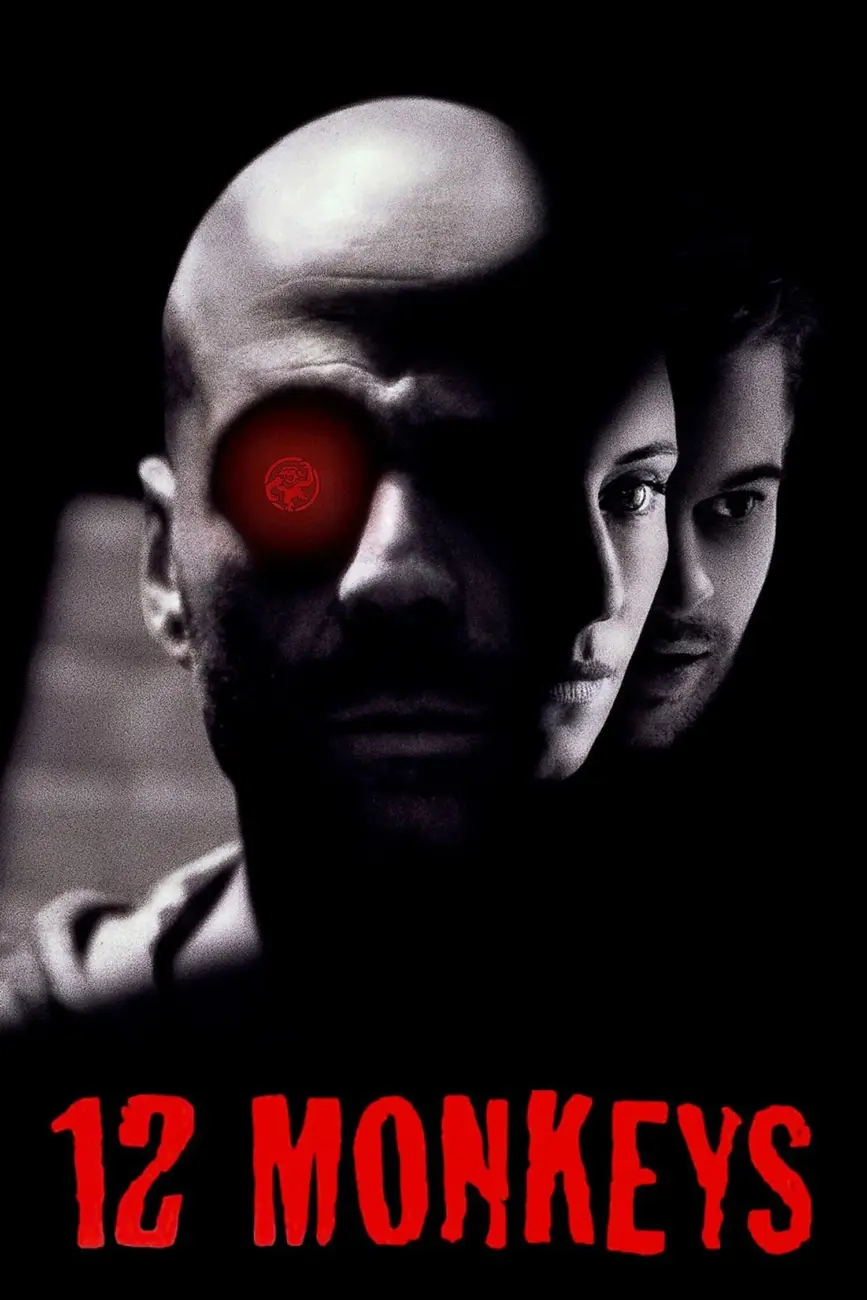
Terry Gilliam’s time-loop thriller became ’12 Monkeys’, a series that reworked cause-and-effect puzzles across multiple timelines. Characters evolved through shifting alliances and mission resets. The show detailed the origins of the plague and the organization behind the machine. The film was released by Universal Pictures, anchoring the concept’s recognition.
‘American Gigolo’ (1980)
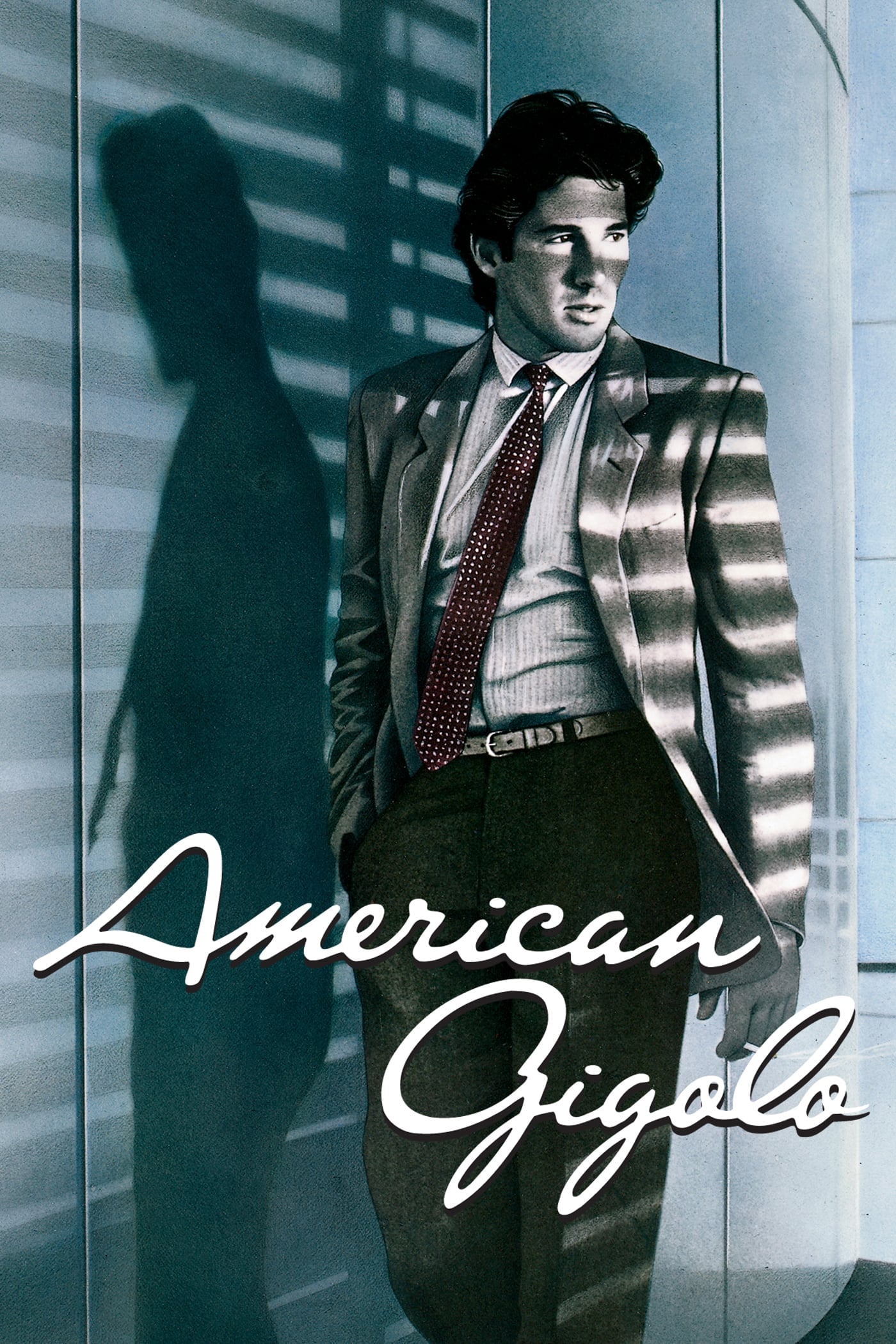
Paul Schrader’s neo-noir inspired ‘American Gigolo’, a series that revisited the central character years after a wrongful conviction. The narrative explored reputation, family ties, and criminal networks in a modern setting. It also reframed the Los Angeles backdrop for long-form storytelling. The film was released by Paramount Pictures, giving the title lasting visibility.
‘The Girlfriend Experience’ (2009)

Steven Soderbergh’s drama led to ‘The Girlfriend Experience’, an anthology series examining power, intimacy, and technology through distinct arcs. Each season introduced new leads and industries while keeping the thematic core. The format suited contained stories with a sleek style. The film was released by Magnolia Pictures, which helped define its independent profile.
‘The Karate Kid’ (1984)
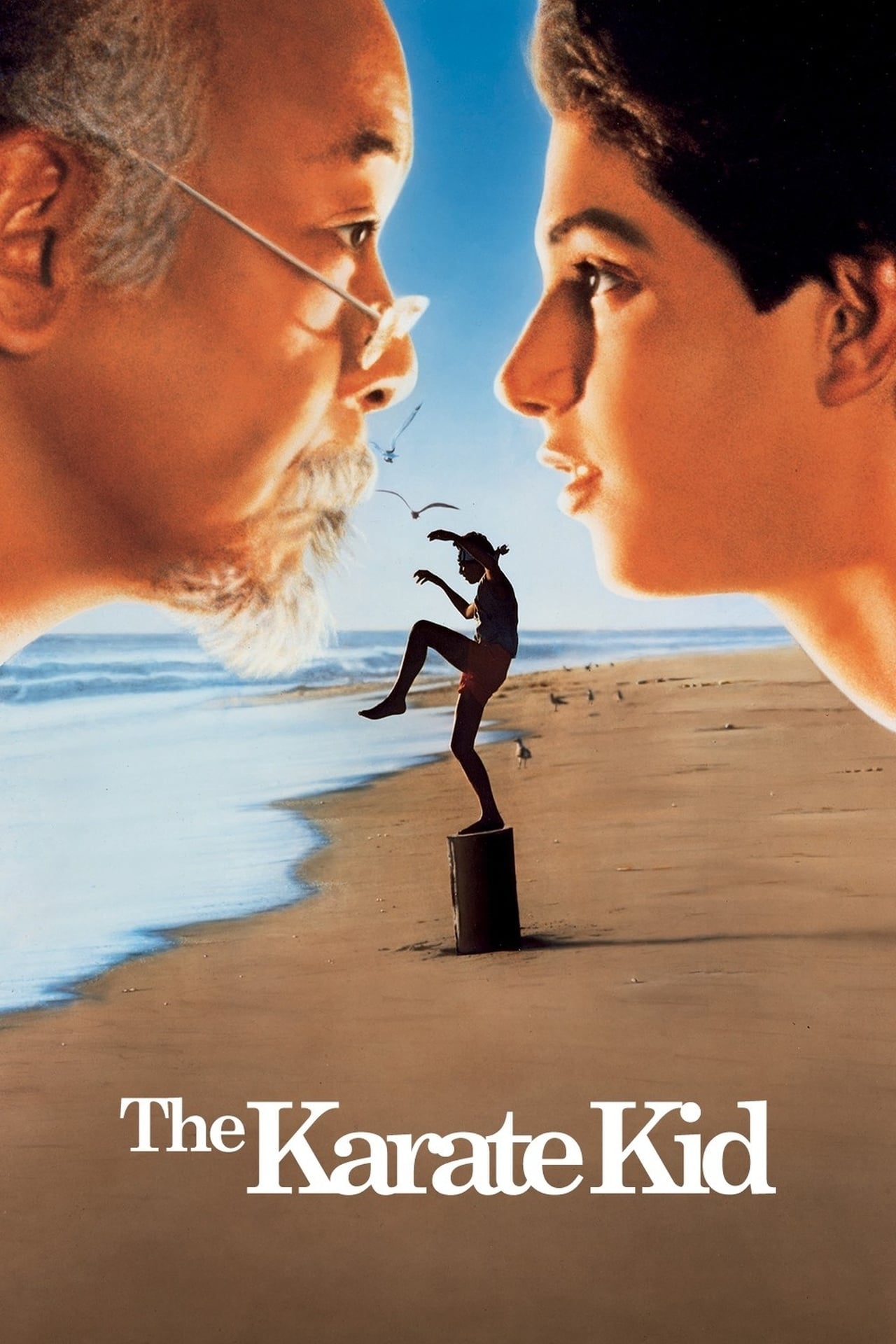
The underdog martial arts film later sparked ‘Cobra Kai’, which picks up the rivalry from a modern point of view. The series explores dojo culture, family pressures, and how old grudges shape new students. It keeps the crane kick legacy while introducing fresh fighters and shifting alliances. The film was released by Columbia Pictures, giving the story a lasting foothold for television.
‘Lethal Weapon’ (1987)
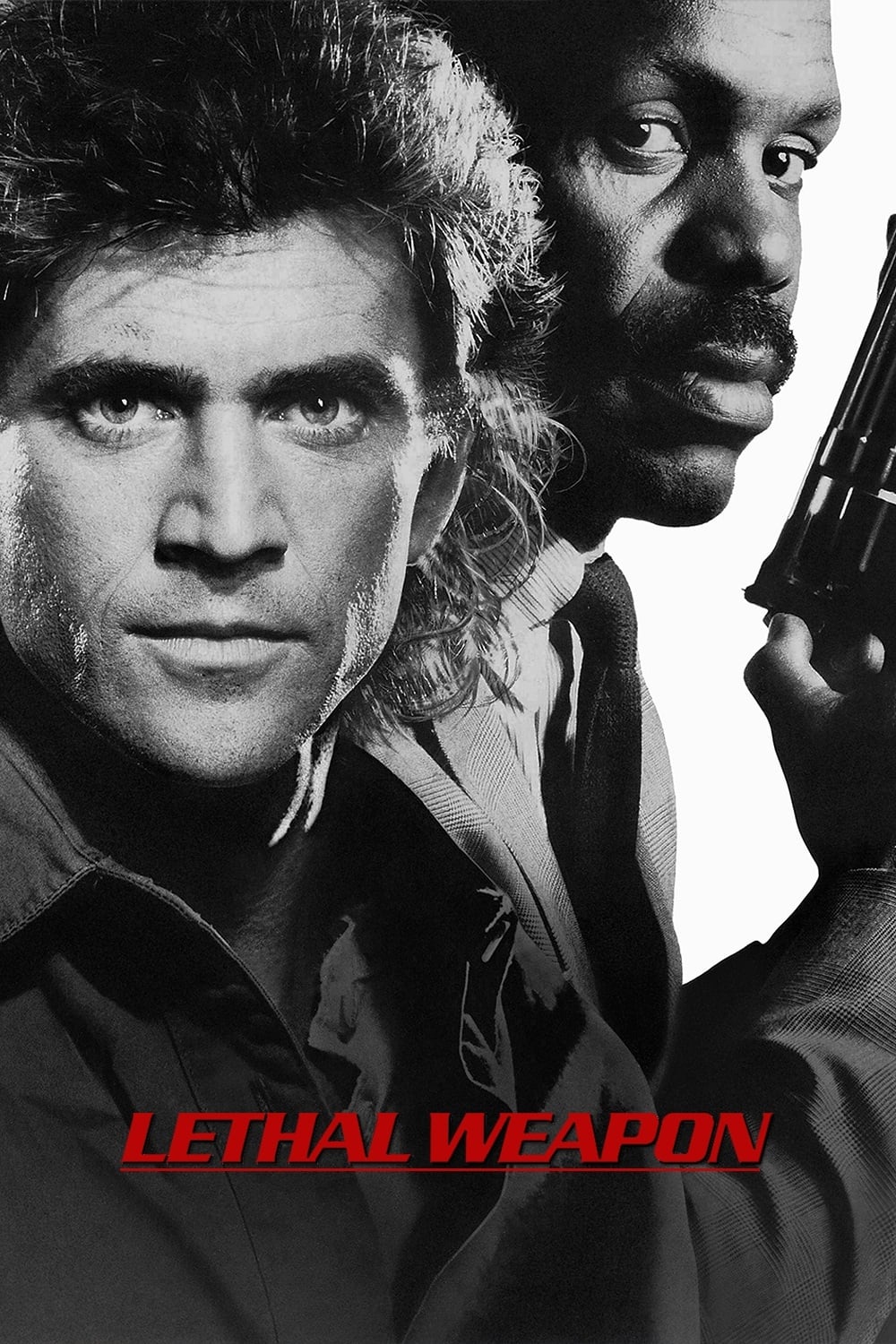
The buddy cop blockbuster inspired ‘Lethal Weapon’, a show that reimagined the mismatched partners for weekly cases. Episodes mix high energy chases with personal backstories and department politics. Familiar banter pairs with new villains and ongoing investigations. The film was released by Warner Bros. Pictures, which helped the brand transition to the small screen.
‘Rush Hour’ (1998)
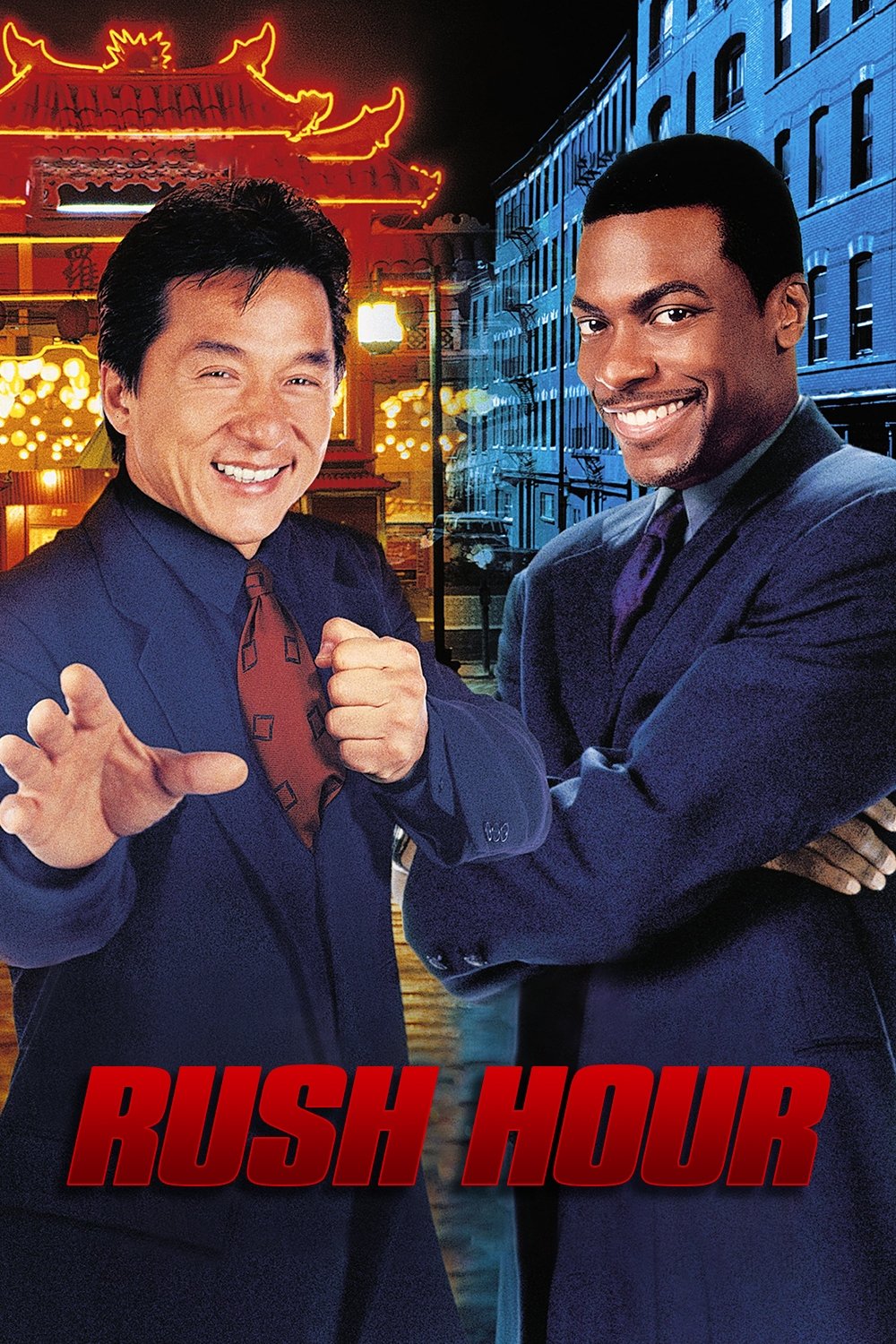
The action comedy became ‘Rush Hour’, a series that keeps the odd couple dynamic while building stand alone capers. The show features fish out of water humor and fast paced set pieces across city locations. Character beats expand the partnership beyond the original formula. The film was released by New Line Cinema, setting up a recognizable template for TV.
‘Alien Nation’ (1988)
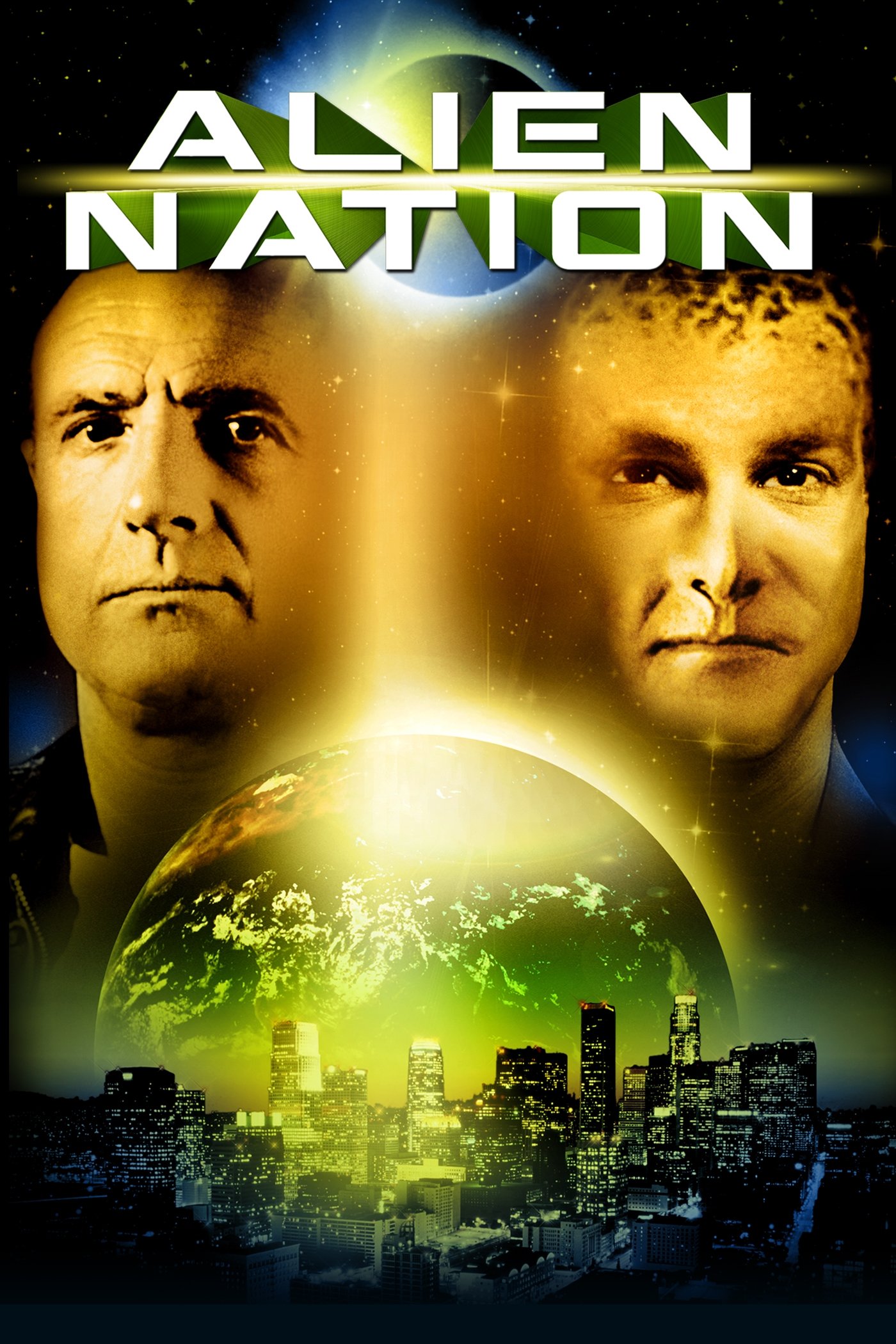
This human and newcomer cop drama grew into ‘Alien Nation’, which broadened its immigration allegory through multi episode arcs. The series examines cultural integration, workplace friction, and family life in a mixed community. Police cases intersect with social tensions to create ongoing stories. The film was released by 20th Century Fox, supporting the shift to serialized storytelling.
‘Planet of the Apes’ (1968)
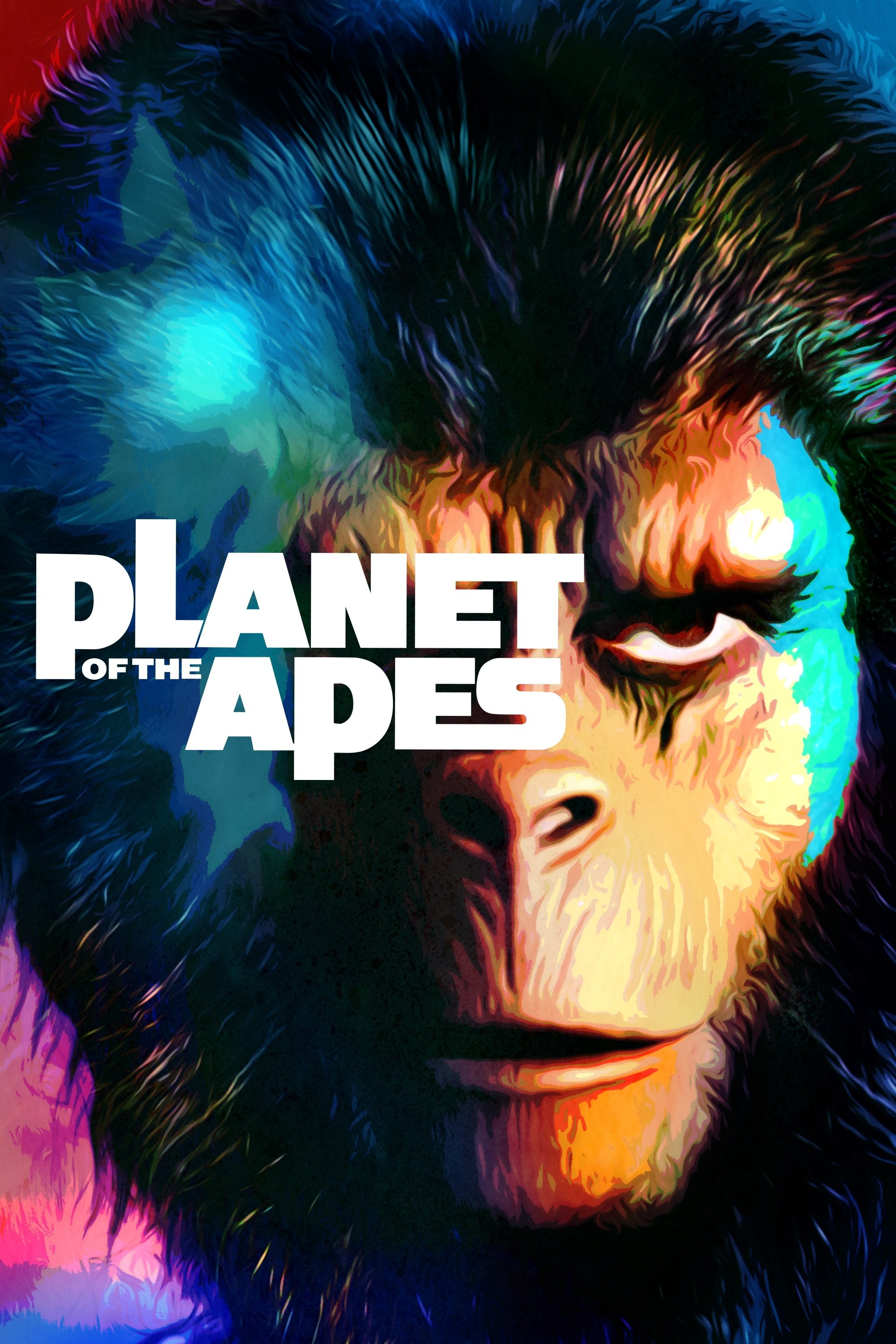
The science fiction landmark led to ‘Planet of the Apes’, a series that followed travelers in a society ruled by apes. Television format let the world expand through new tribes, laws, and hidden histories. Adventures explore power struggles and fragile alliances. The film was released by 20th Century Fox, which kept the property active across formats.
‘Blade’ (1998)
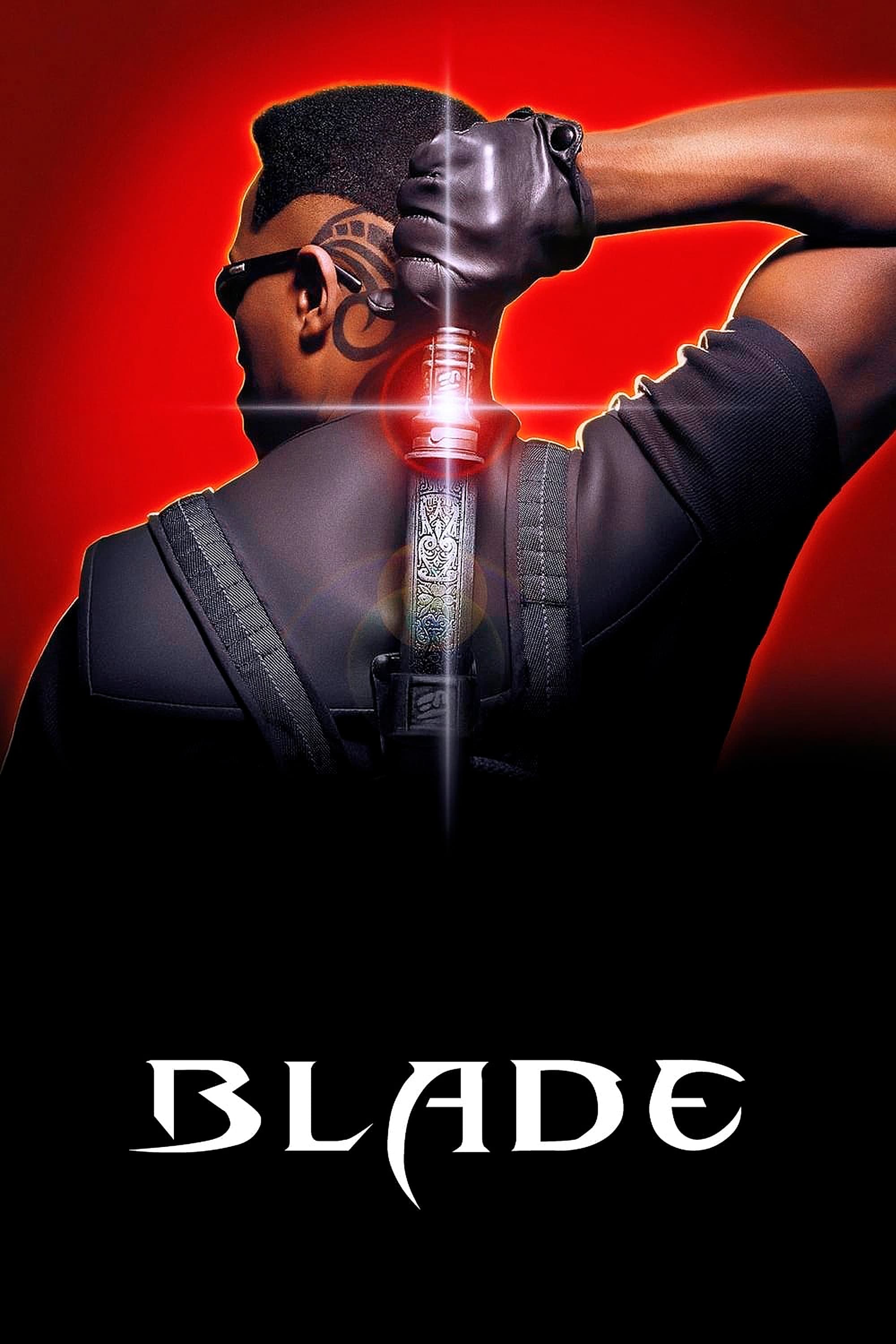
The vampire hunter saga became ‘Blade: The Series’, which explores turf wars, blood science, and rival houses. New allies and enemies deepen the lore around the Daywalker’s mission. Tactical fights and underground networks anchor episodic plots. The film was released by New Line Cinema, reinforcing the franchise identity.
‘The Purge’ (2013)

The high concept thriller expanded into ‘The Purge’, a series that tracks multiple communities across the annual event. Stories follow survival planning, black market services, and political maneuvering. The timeline structure allows glimpses of consequences before and after the night. The film was released by Universal Pictures, helping the premise reach a broad audience.
‘Clueless’ (1995)
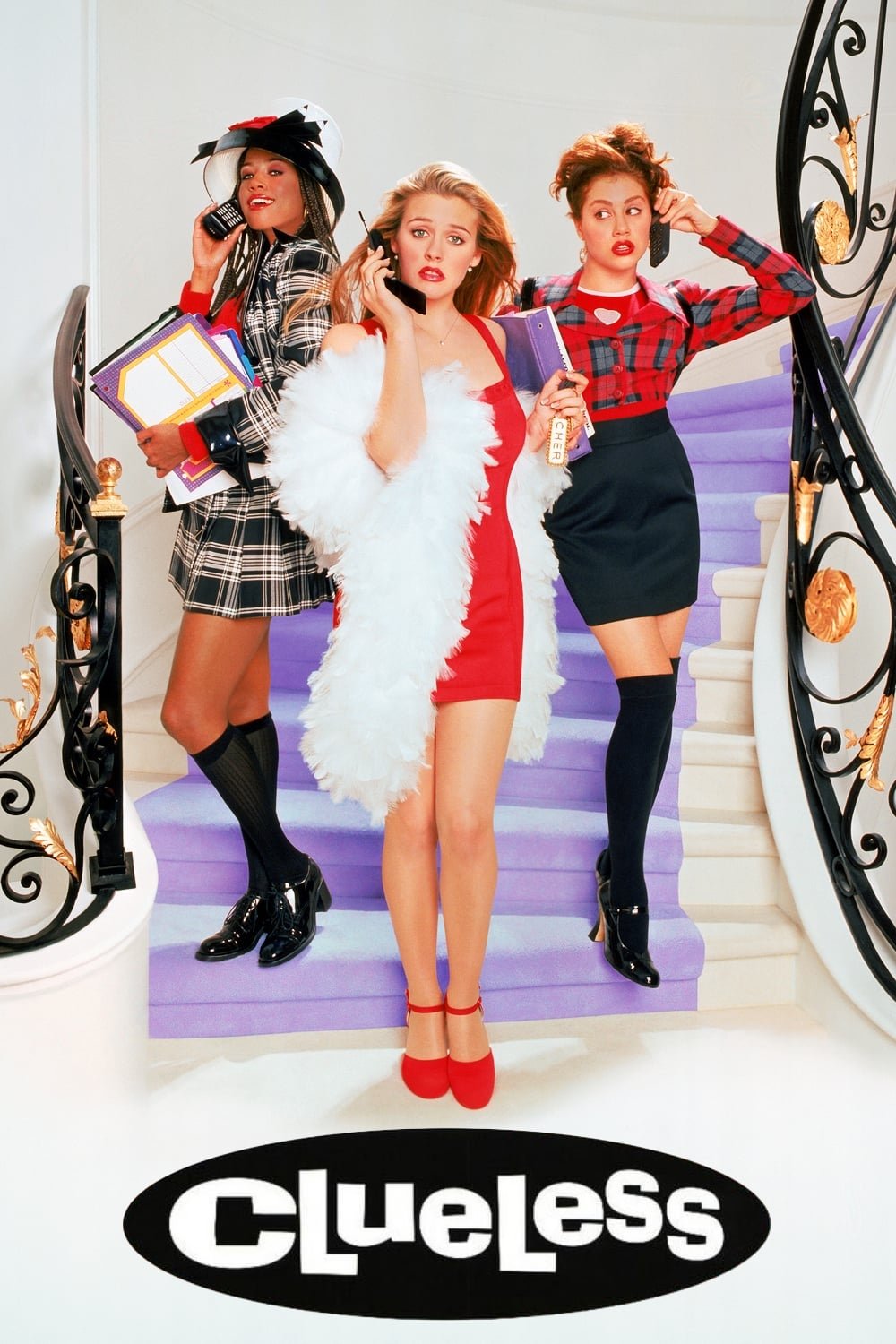
The teen comedy inspired ‘Clueless’, a series that continued high school life with rotating friendships and new crushes. Episodes dig into fashion clubs, student politics, and family dynamics. The show keeps the witty vocabulary while adding classroom and campus plots. The film was released by Paramount Pictures, giving the title instant recognition.
‘School of Rock’ (2003)
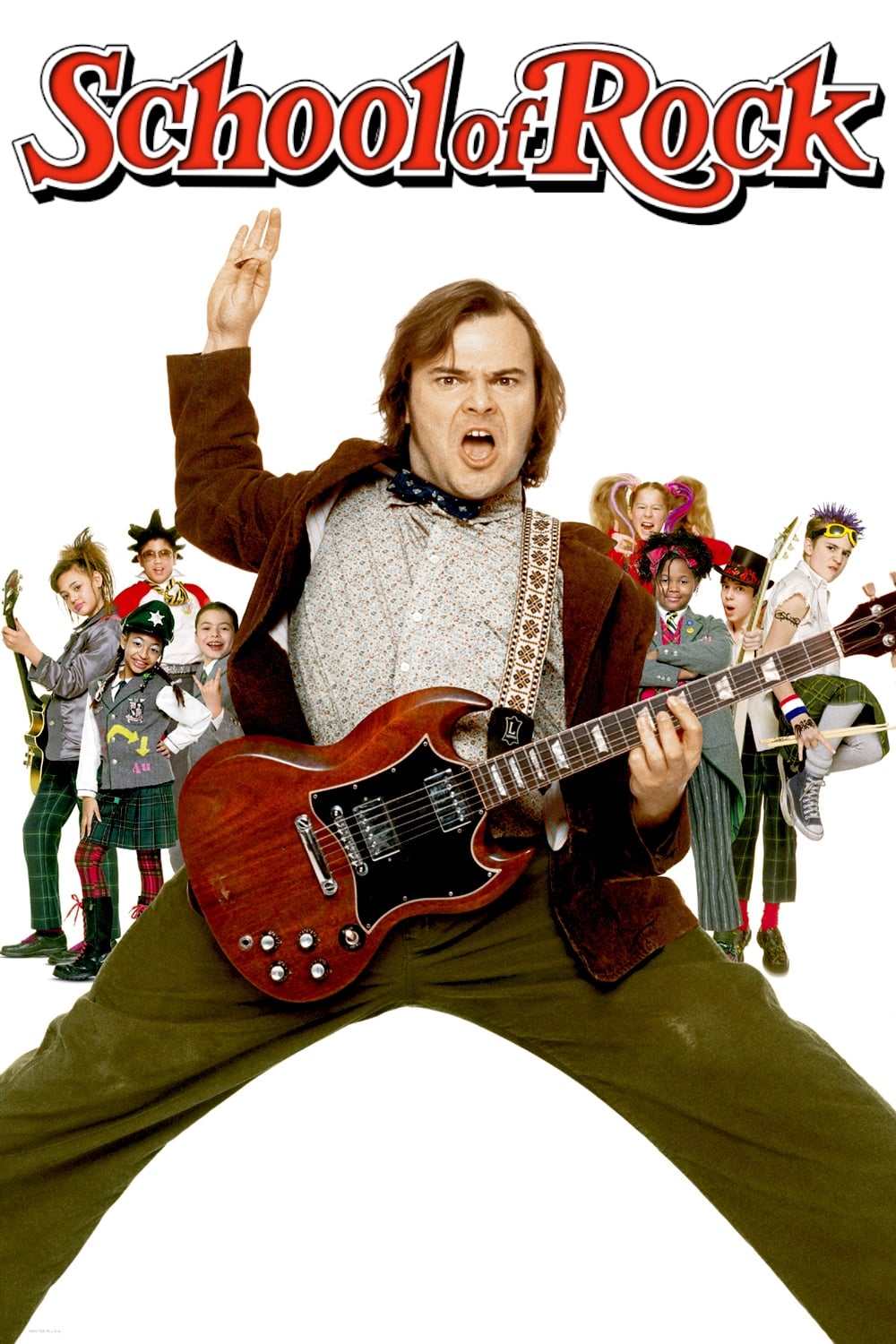
This feel good music comedy led to ‘School of Rock’, a series about kids discovering confidence through band rehearsals and gigs. The classroom setting supports character growth and performance challenges. Original songs and instrument practice drive episode beats. The film was released by Paramount Pictures, paving the way for a music focused show.
‘Napoleon Dynamite’ (2004)
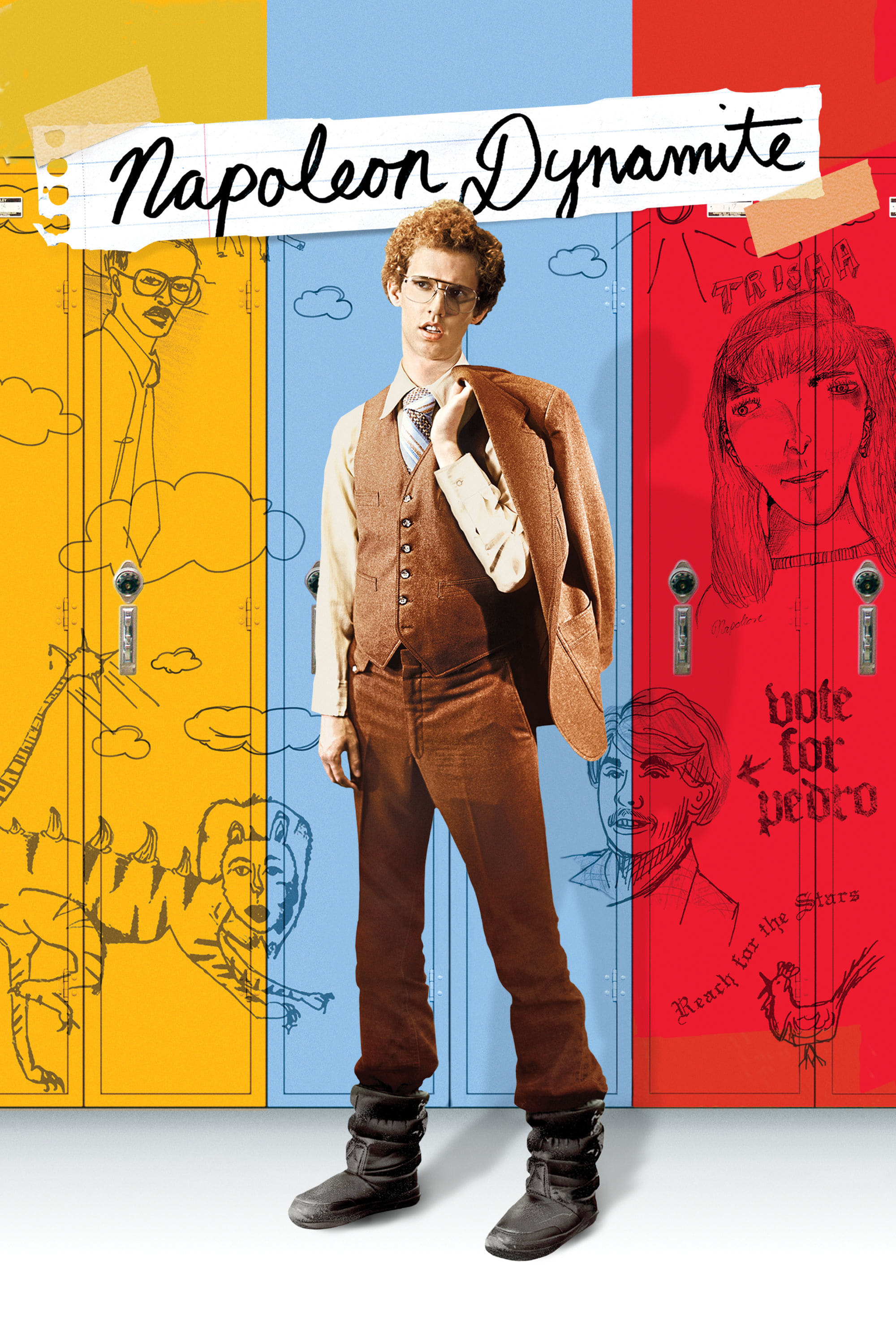
The offbeat comedy returned as ‘Napoleon Dynamite’, an animated series that amplifies the town’s quirky routines. Episodes feature talent shows, odd jobs, and memorable side characters. The format keeps deadpan humor while exploring new misadventures. The film was released by Fox Searchlight Pictures, which helped the cult hit build a following.
‘Friday the 13th’ (1980)
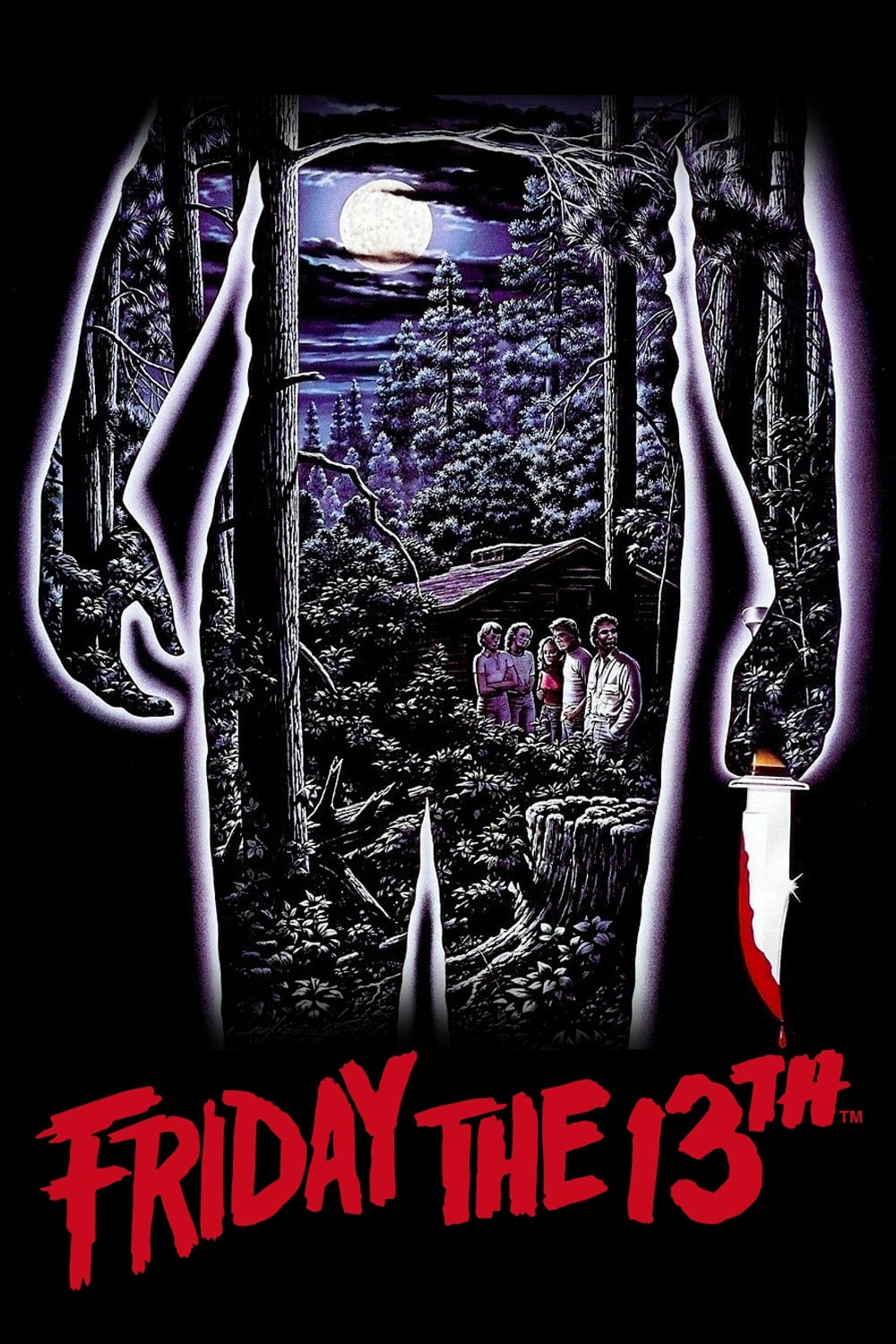
The slasher hit led to ‘Friday the 13th: The Series’, which centers on cursed antiques and the efforts to retrieve them. The premise trades summer camp scares for a weekly hunt with occult rules. Artifacts connect episodes through a dangerous catalog and shifting custodians. The film was released by Paramount Pictures, making the brand a familiar draw.
‘Weird Science’ (1985)
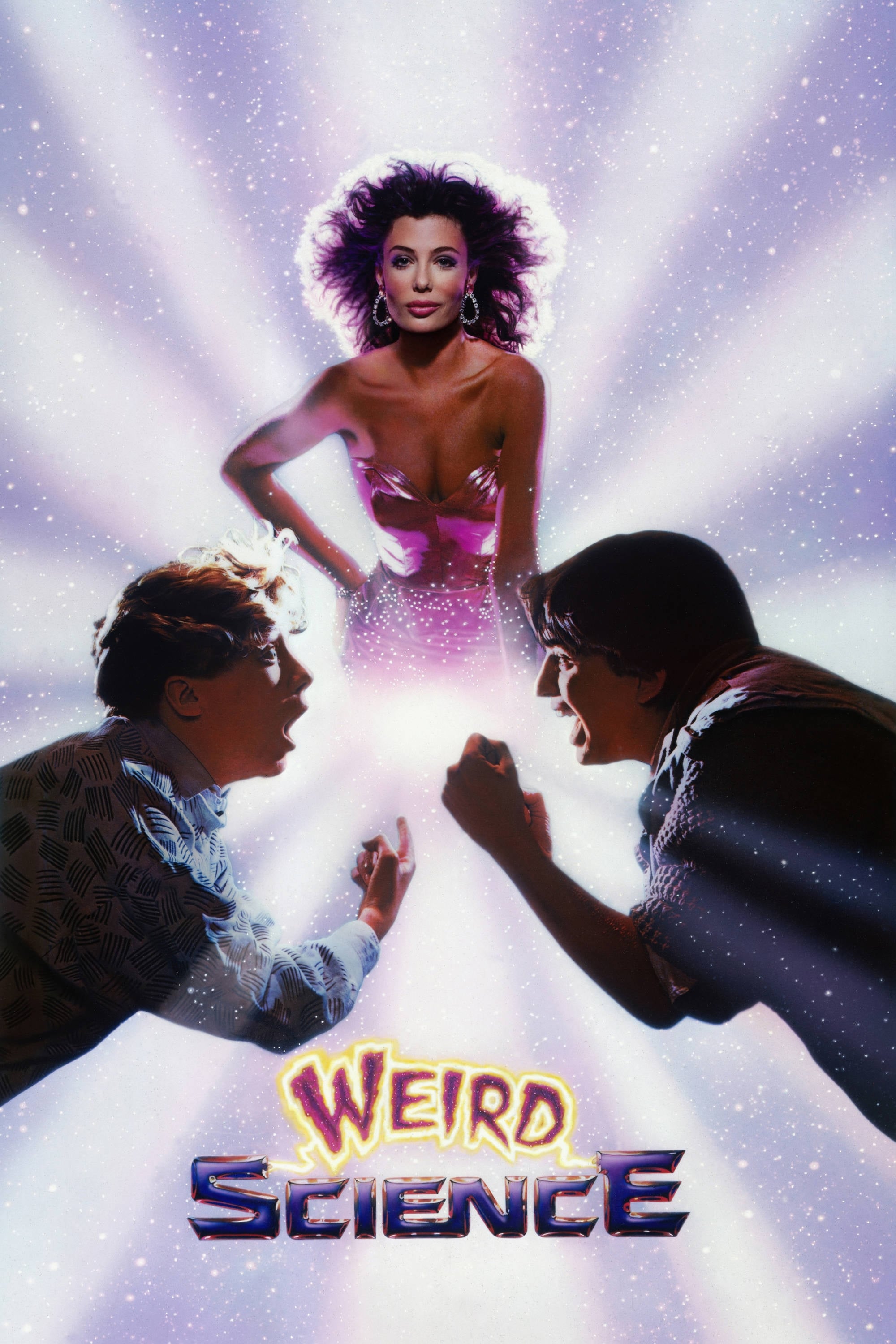
The teen fantasy became ‘Weird Science’, a series that turns wish fulfillment into episodic chaos. Stories explore unintended consequences when technology meets adolescence. The show adds school life and friendships to balance the wild experiments. The film was released by Universal Pictures, setting up a known premise for adaptation.
‘The Dead Zone’ (1983)

The supernatural thriller inspired ‘The Dead Zone’, which follows a teacher using psychic visions to solve crimes and avert disasters. Episodes weave moral choices with investigative work and recurring antagonists. The series builds a larger arc around a troubling political prophecy. The film was released by Paramount Pictures, grounding the concept in a recognizable title.
‘Animal Kingdom’ (2010)
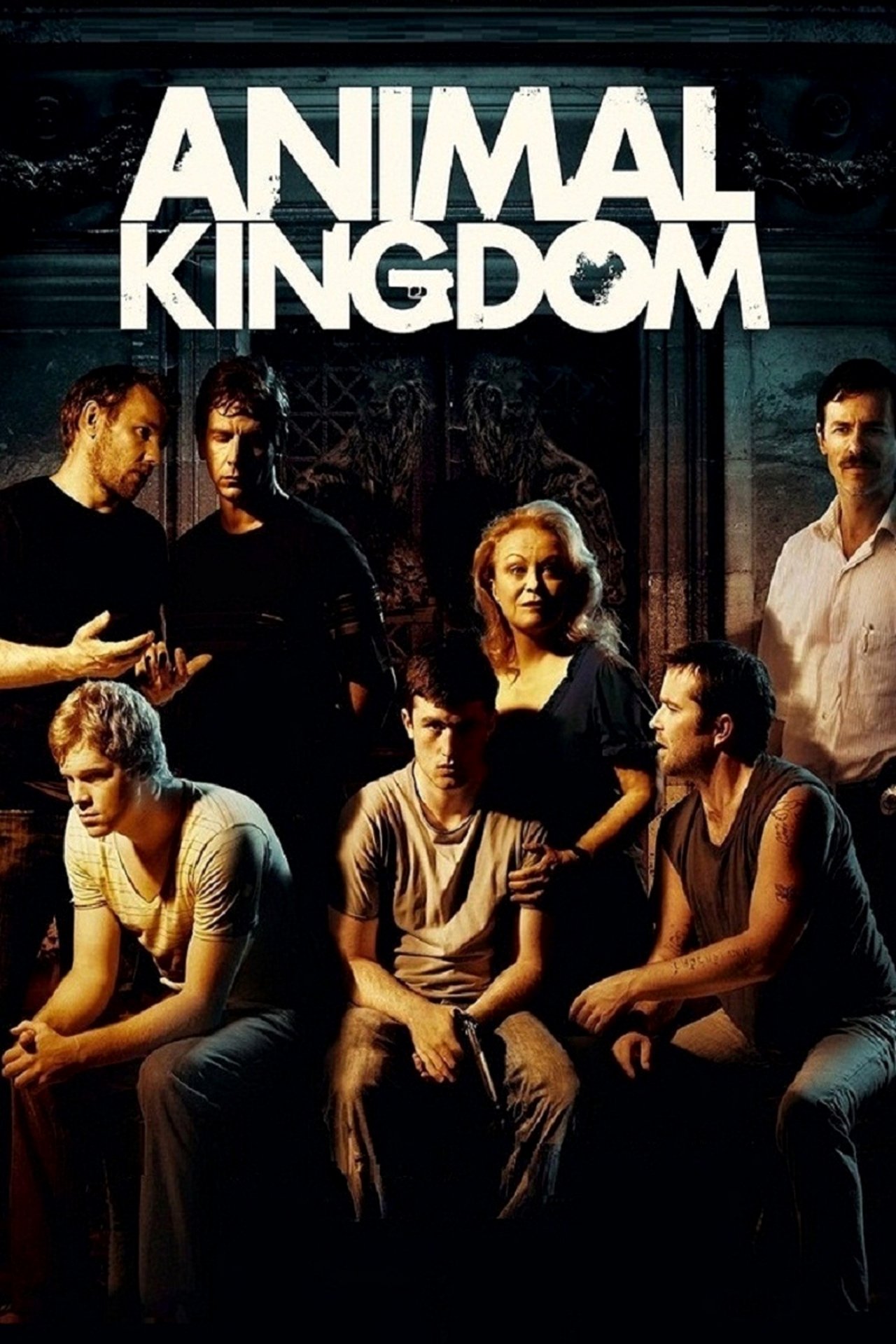
The Australian crime drama grew into ‘Animal Kingdom’, a series that tracks a family crew and their shifting loyalties. Plots cover heists, safe houses, and power plays within the clan. Flashbacks fill in origin stories that inform present day moves. The film was released in the United States by Sony Pictures Classics, helping the story cross markets.
‘Lock, Stock and Two Smoking Barrels’ (1998)

The London caper inspired ‘Lock, Stock’, a series that expands the underworld through new schemes and local characters. Episodes feature bar back rooms, debt troubles, and dodgy connections. The tone blends banter with fast turns and tangled outcomes. The film was released by Gramercy Pictures in the United States, which helped the brand carry into television.
Share the movies you’d add to this list in the comments so everyone can compare picks.

