Movies Where the Hero’s Plan Only Works If Everyone’s Dumb


Sometimes the “perfect” plan on screen only lands because everyone around the hero misses the obvious, ignores protocol, or walks straight past giant red flags. It’s part of the fun—watching a clever scheme slip through cracks that really shouldn’t exist if people were paying closer attention.
Here are twenty films where the lead’s blueprint leans on distracted guards, lax systems, or conveniently oblivious bystanders. For each one, you’ll find what the plan is, why it clicks into place, and the specific oversights it banks on to succeed.
‘Home Alone’ (1990)

Kevin McCallister defends his house using improvised traps, from icy steps to swinging paint cans, after burglars target his quiet suburb while his family is away. The setup follows Kevin gathering intel on the crooks’ schedule, wiring the home with low-tech deterrents, and controlling sightlines with mannequins and recorded audio to simulate adult supervision.
The crooks repeatedly re-enter the property despite obvious signs of resistance and take routes that activate the same hazards more than once. Kevin’s plan also counts on neighbors not investigating loud crashes, law enforcement delaying a welfare check, and the burglars ignoring safer entry points and basic protective gear.
‘Ocean’s Eleven’ (2001)

Danny Ocean organizes a multi-crew heist to lift cash from a vault serving three Las Vegas casinos. The plan involves planting a fake SWAT team, manipulating security camera feeds with a staged replica vault video, and triggering a power disruption to mask the money swap.
Key steps require surveillance staff to miss discrepancies in room dimensions on the feed, accept a last-minute SWAT presence without layered verification, and overlook chain-of-custody gaps when the money is supposedly secured. The timeline also assumes casino protocols don’t escalate to independent cross-checks once multiple alarms fire at once.
‘Now You See Me’ (2013)
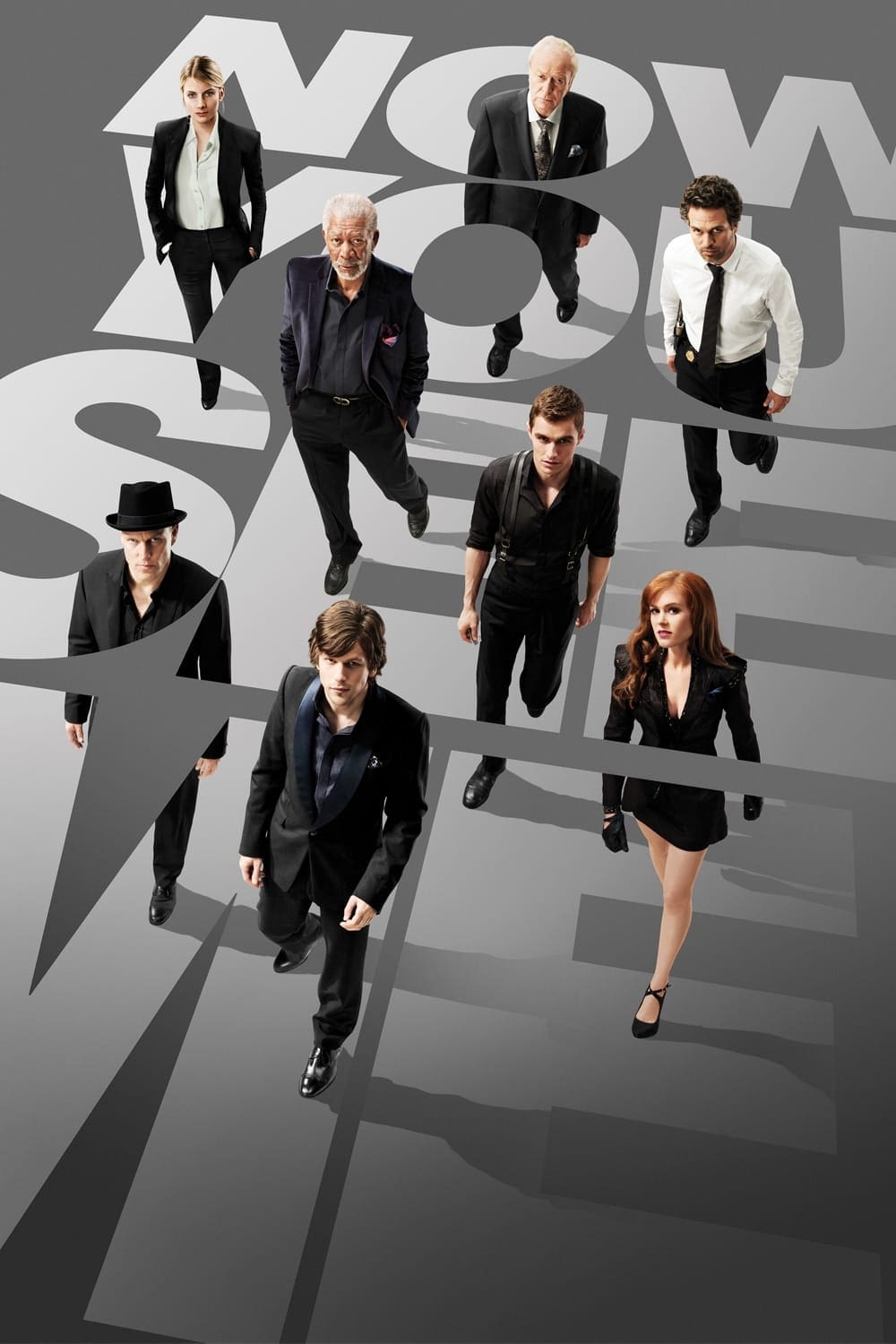
A group of magicians executes headline-grabbing “heists” disguised as stage illusions, moving money seemingly by teleportation and misdirection. Their acts rely on large-scale audience control, pre-rigged venues, and coordinated cues across cities to guide attention away from the real extraction.
Authorities and venue operators repeatedly accept surface-level explanations of how assets moved without demanding detailed audits of physical handlers or logistics vendors. The magicians’ tactic depends on investigators failing to secure backstage areas, authenticate props, or reconcile transport records that would reveal conventional—if elaborate—methods.
‘The Dark Knight’ (2008)

The Joker orchestrates overlapping gambits that push Gotham’s institutions to break routine, from targeted bank robberies to coordinated threats that force evacuations. His actions are timed to exploit communication delays and create decision paralysis among officials and first responders.
These maneuvers often depend on staff ignoring evacuation screening, failing to secure uniforms and hospital access, and accepting unverified phone tips that redirect resources. The broader plan assumes surveillance blind spots stay unpatched and that chain-of-command checks won’t flag suspicious substitutions of personnel or vehicles.
‘Die Hard’ (1988)
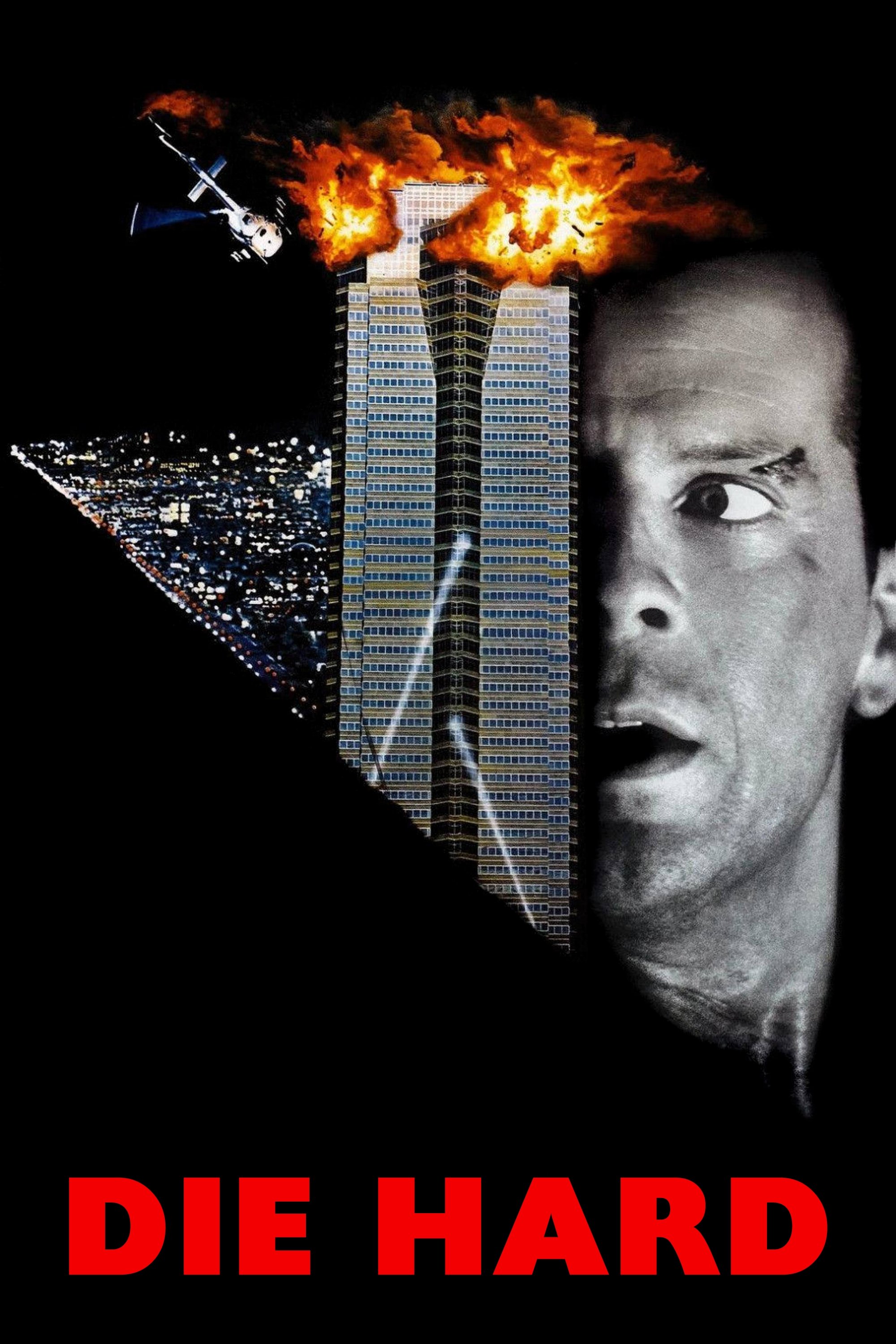
John McClane counters a takeover of a Los Angeles high-rise by isolating the invaders, contacting outside help, and sabotaging their equipment from the building’s maintenance spaces. He leverages stairwells, elevator shafts, and radio chatter to split the crew and expose their movements.
The strategy assumes invaders won’t lock down service corridors, jam radio frequencies effectively, or audit elevator use in real time. It also relies on outside authorities misreading the situation long enough for McClane to act, including slow perimeter control and delayed coordination with building systems.
‘National Treasure’ (2004)
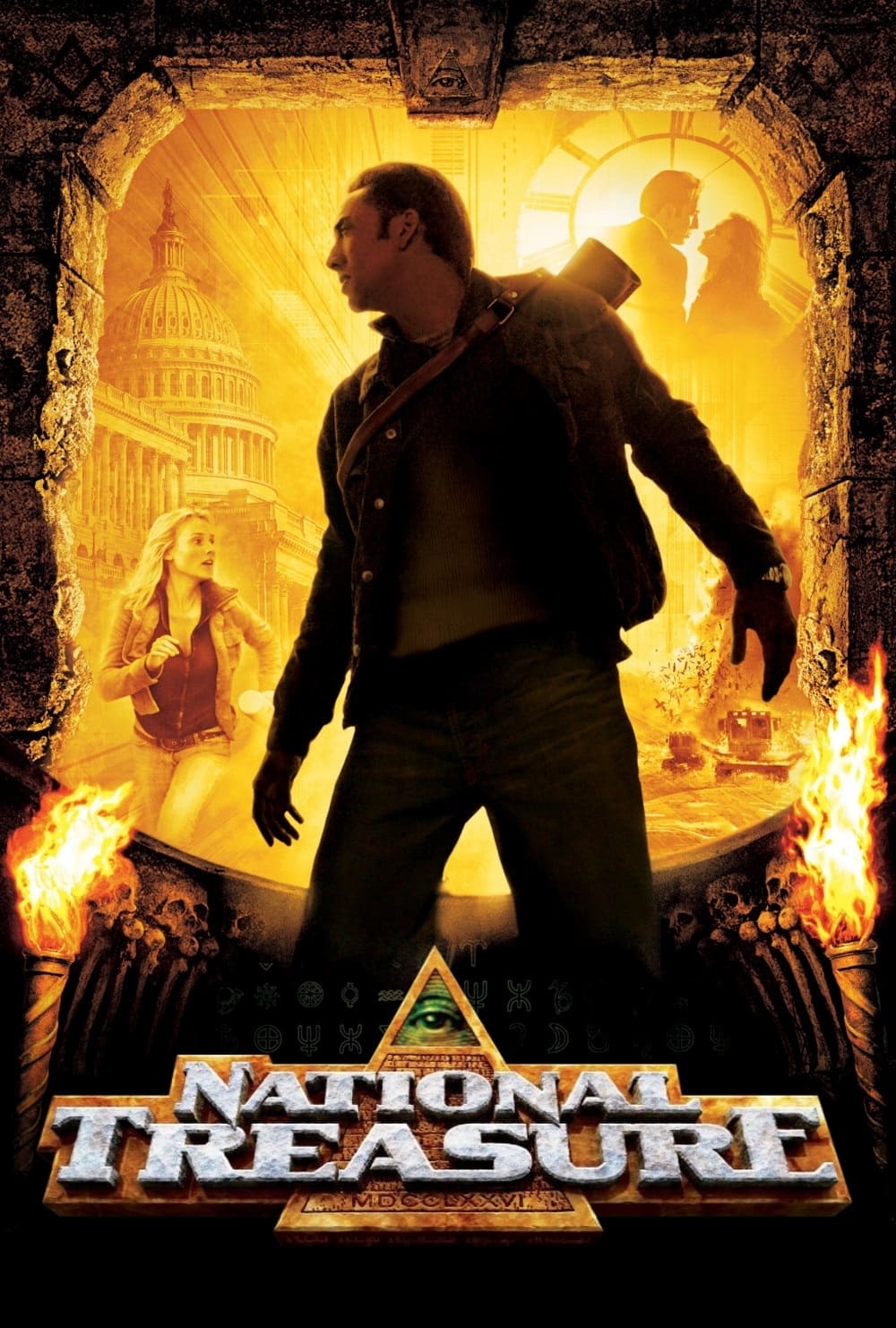
Benjamin Gates pursues a hidden cache linked to historical clues, culminating in a plan to secure a protected document during a gala. The operation hinges on manipulating climate controls, altering the document’s storage conditions, and using maintenance cover to bypass layers of security.
Success leans on museum staff missing irregular access logs, event security overlooking a suspiciously convenient service route, and custodial procedures not requiring dual authorization. The chase that follows further depends on local authorities granting surprising mobility around high-profile landmarks without stricter interdiction.
‘Inside Man’ (2006)
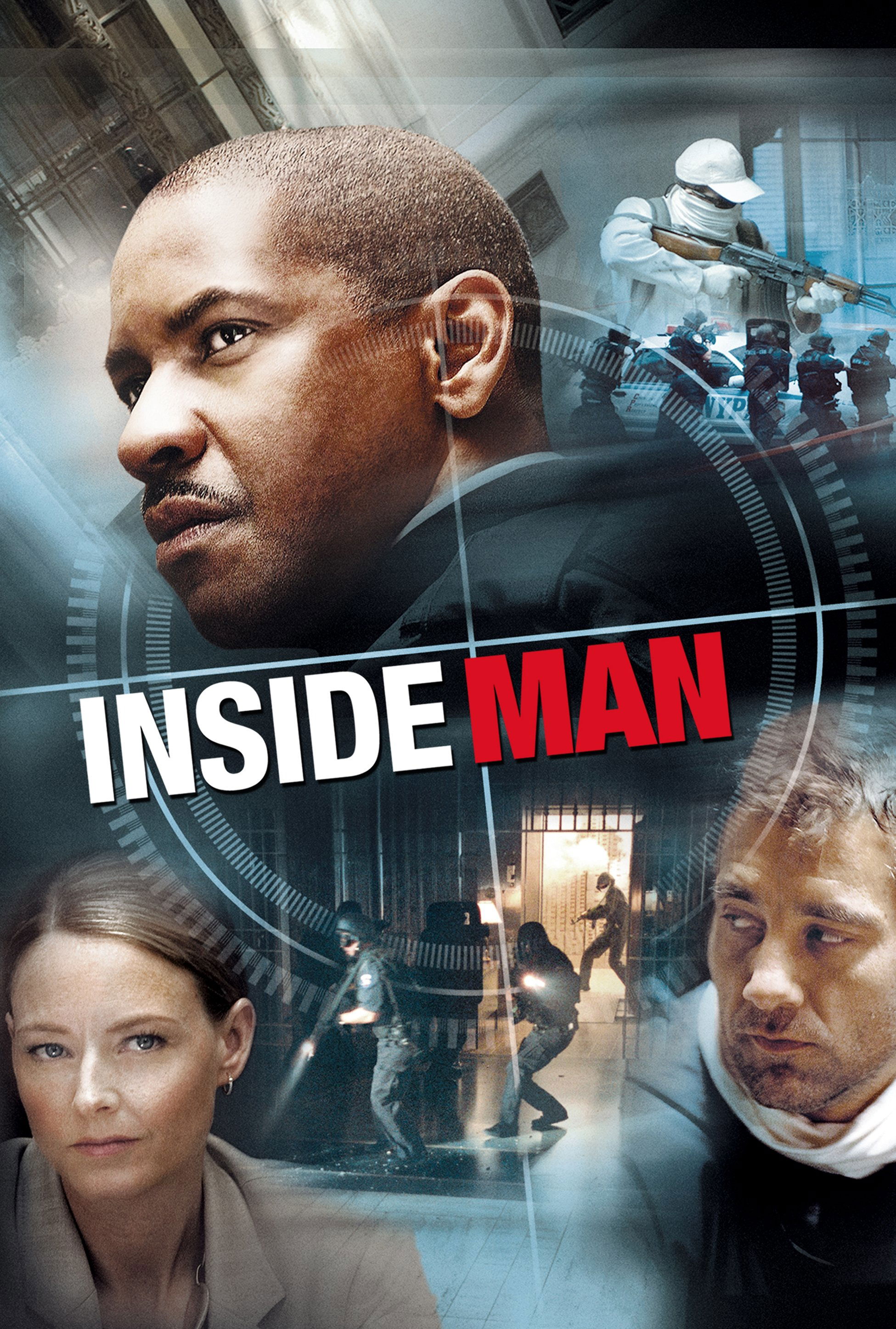
A methodical crew stages a bank siege that doubles as a disguise operation, blending hostages and robbers under identical outfits to frustrate identification. A hidden wall space and false worksite details mask the true objective while negotiations drag on.
The con banks on officers accepting ad hoc construction elements inside the branch, leaving areas unsearched during rotations, and not tracking subtle differences among identical outfits as hostages are released. The exit plan relies on building staff and police missing a concealed compartment and not reconciling headcounts with badge or footwear records.
‘Mission: Impossible’ (1996)

Ethan Hunt’s team infiltrates a high-security government system using a temperature-, sound-, and pressure-sensitive clean room. The scheme requires bypassing biometrics, dangling from the ceiling to avoid floor sensors, and extracting a file to a portable medium while managing environmental thresholds.
The approach anticipates no surprise audits, assumes a single operator’s workstation can be spoofed without alerting redundant monitors, and relies on analog noise masking to defeat sound triggers. Exfiltration further counts on security failing to reconcile access logs, environmental anomalies, and camera outages that occur in tight succession.
‘The Italian Job’ (2003)
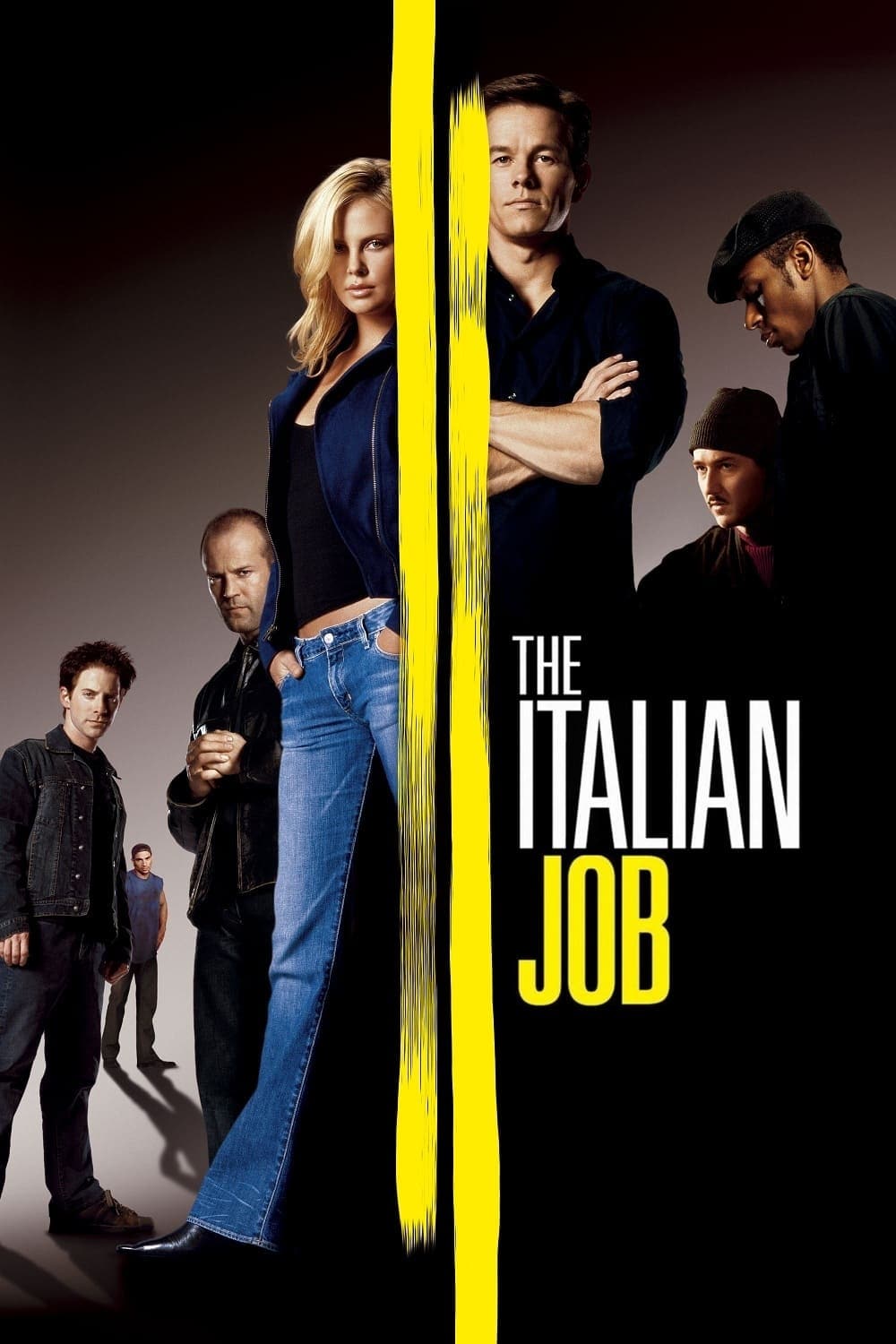
A crew targets gold bars by rerouting traffic with hacked signals, deploying decoy vans, and using compact cars to maneuver through corridors and subway access. The plan depends on synchronized driving, precise timing, and control over municipal systems.
Authorities and maintenance teams are portrayed as slow to identify the signal manipulation and restore manual control. Recovery procedures also lag, with responders accepting misdirection from duplicate vehicles and not locking down choke points quickly enough to trap distinctive cargo movements.
‘Speed’ (1994)
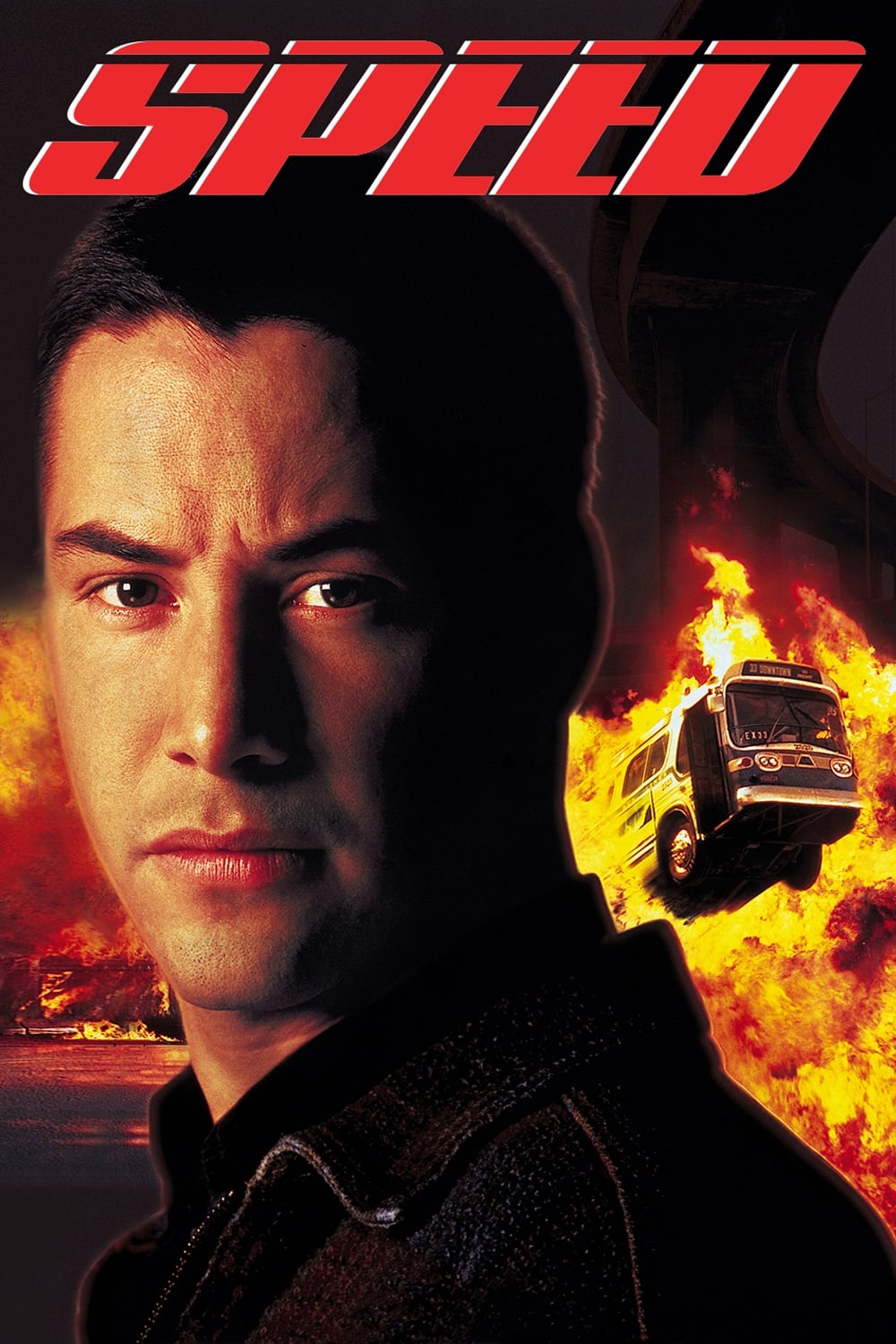
A city bus is rigged to explode if its speed drops below a threshold, forcing an improvised plan to maintain velocity while evacuating passengers and coordinating a ransom response. The hero team maps routes, uses police escorts, and manages fuel and tire wear under extreme constraints.
The plan banks on drivers ahead yielding in time, traffic control freeing corridors instantly, and city infrastructure holding up despite prolonged high-speed travel. It also assumes the bomber won’t adjust tactics in response to visible countermeasures and that surveillance of the bus remains imperfect long enough to execute a swap.
‘Ferris Bueller’s Day Off’ (1986)

Ferris sets up a day-long absence using a home-tech ruse, assistance from friends, and rapid costume changes to avoid recognition around the city. He manipulates school attendance systems and leverages payphone calls and voice recordings to redirect authority figures.
The scheme presumes school staff don’t verify attendance with independent checks, that neighbors ignore unusual comings and goings, and that a distinctive car draws no official attention. It also relies on multiple establishments accepting a questionable identity with minimal documentation.
‘Catch Me If You Can’ (2002)

Frank Abagnale Jr. cycles through forged identities—airline pilot, doctor, attorney—to float checks and move freely. He studies uniforms, jargon, and organizational habits, then exploits hospitality and industry norms to travel and cash instruments without immediate verification.
The success of these impersonations hinges on staff accepting credentials at face value, banks honoring checks based on surface indicators, and background checks taking long enough to avoid real-time exposure. The plan assumes airlines, hospitals, and financial institutions don’t cross-validate records across departments during short windows.
‘The Thomas Crown Affair’ (1999)

A wealthy art collector engineers a theft that uses crowd confusion, duplicate outfits, and precise museum knowledge to move a painting in plain sight. He rehearses routes, studies guard rotations, and positions props for a later switch.
Security teams are portrayed as slow to lock down exits and reconcile footage angles that would reveal a swap. The plan relies on guards accepting a sudden influx of similarly dressed visitors, failing to tag unique items for tracking, and delaying a complete inventory during the highest-risk period.
‘Ant-Man’ (2015)
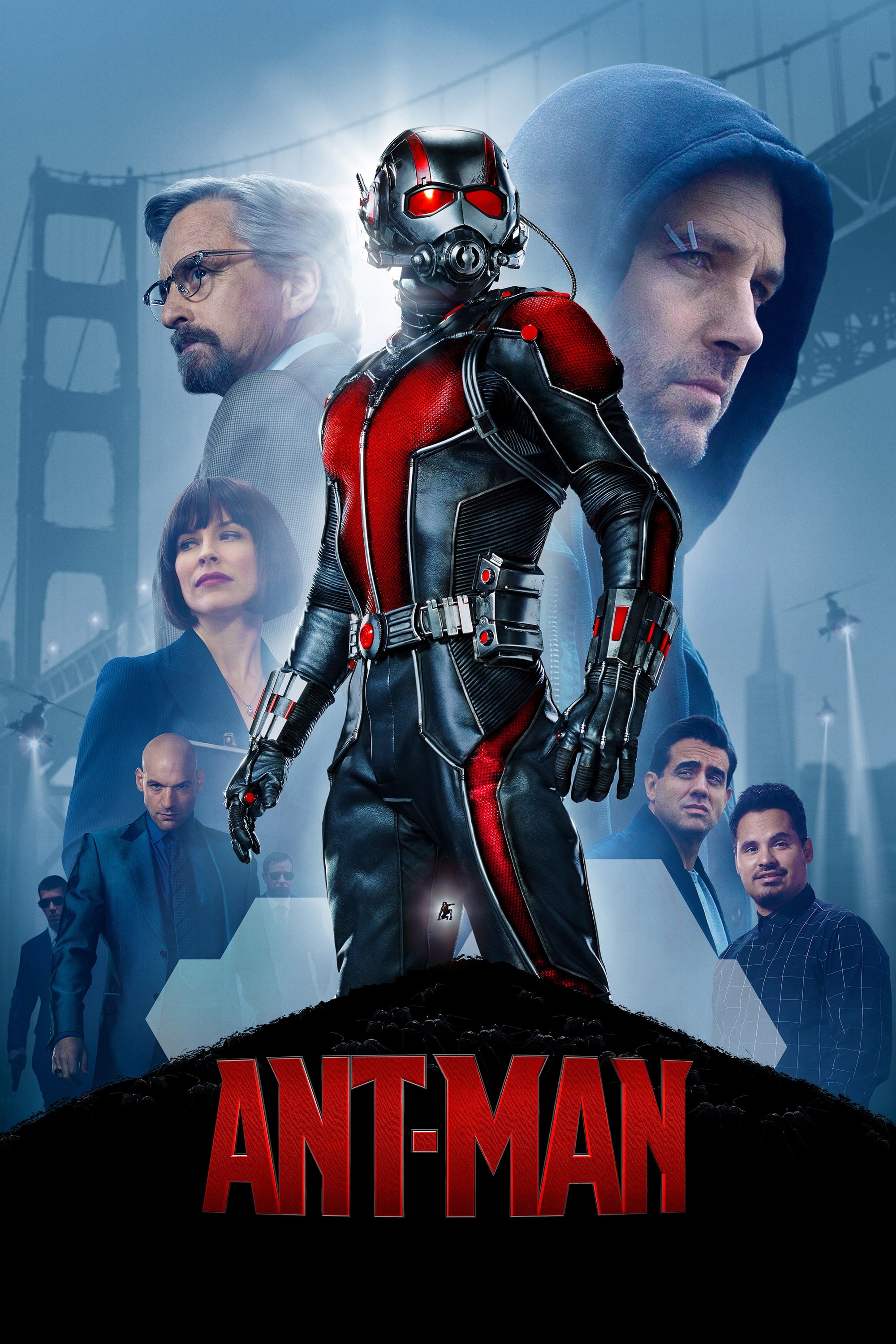
Scott Lang leverages size-shifting tech to infiltrate secure facilities, riding air ducts, electronics, and fiber lines that a human intruder couldn’t typically use. The mission pairs physical stealth with a crew controlling access badges, internal schedules, and power systems.
Countermeasures inside the target facility are depicted as conventional, leaving miniature intrusions undetected and environmental sensors uncalibrated for unusual mass changes. The operation assumes staff won’t investigate minor system anomalies or unexpected power fluctuations that coincide with critical events.
‘Red Notice’ (2021)

An art theft chase circles museums, prisons, and black-market auctions as rival thieves stage layered cons involving forged records and misdirected artifacts. They prepare false provenance documents, tamper with cases, and use transport swaps to keep items moving.
Officials and intermediaries repeatedly accept paperwork without deep authentication, delay lab testing that would reveal forgeries, and permit private security arrangements that limit oversight. The plan thrives on auction houses, customs checkpoints, and storage facilities not reconciling serial numbers and chain-of-custody logs in real time.
‘Logan Lucky’ (2017)
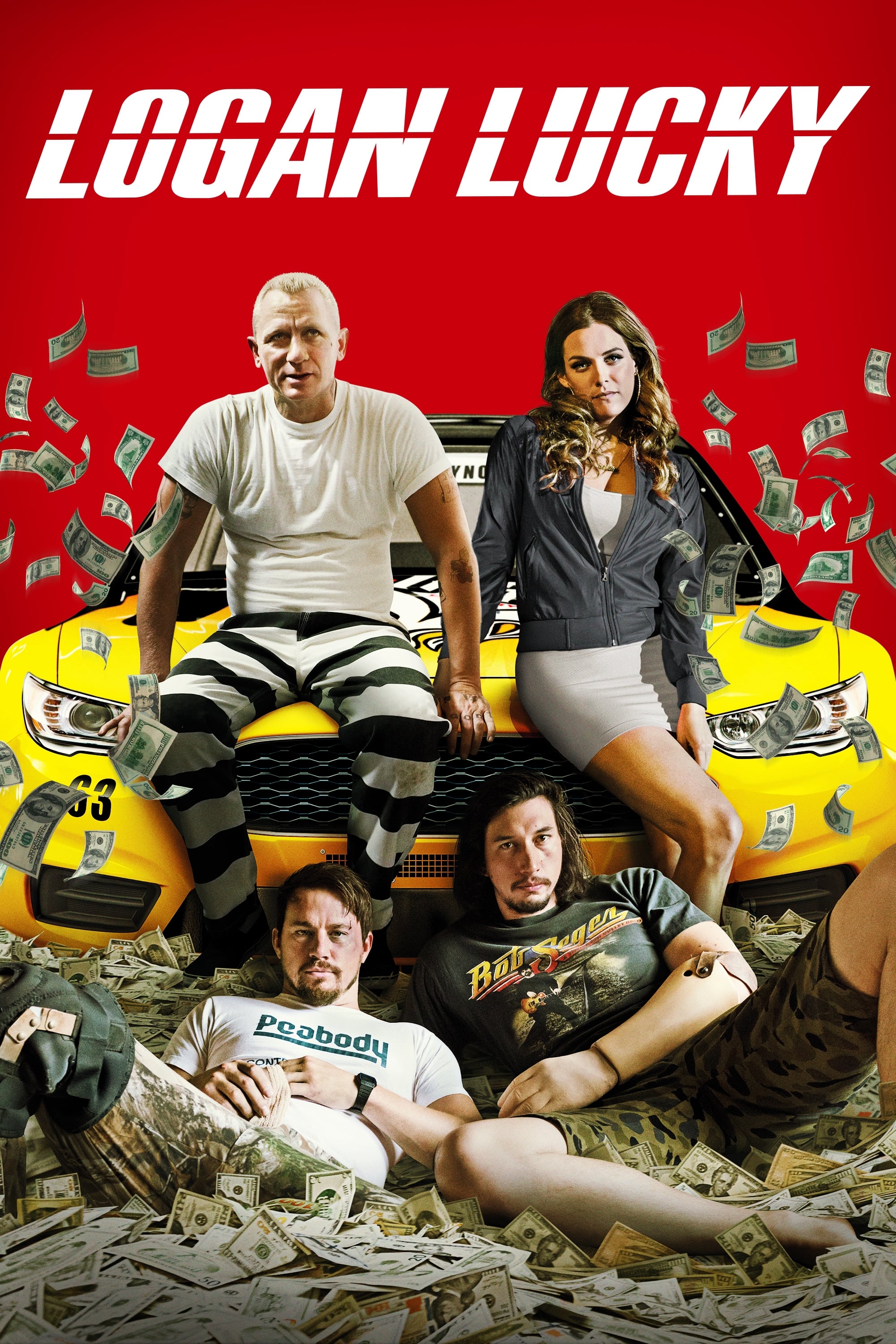
A family-led crew targets a speedway’s cash flow using knowledge of vacuum tubes beneath the venue and event-day routines. They map cash movement, time a controlled outage, and repurpose maintenance tools to divert the haul through service corridors.
Venue staff are shown as slow to notice pressure changes and missing deposits until reconciliation, giving the crew a window to redistribute evidence. Procedures for contractor access and equipment tracking also appear loose, allowing impersonation and tool borrowing without immediate flags.
‘Baby Driver’ (2017)

A getaway driver coordinates routes to the beat—literally—pre-scouting escape lines, timing lights, and switching cars at planned intervals. The heists run on synchronized starts, lookouts, and radio cues that keep the convoy one step ahead of patrols.
The plan assumes traffic conditions align with scouting notes and that aerial surveillance, license plate readers, and inter-agency coordination lag during the hottest moments. It also counts on civilians not blocking alleys or reporting partial plates quickly enough to matter.
‘Sneakers’ (1992)
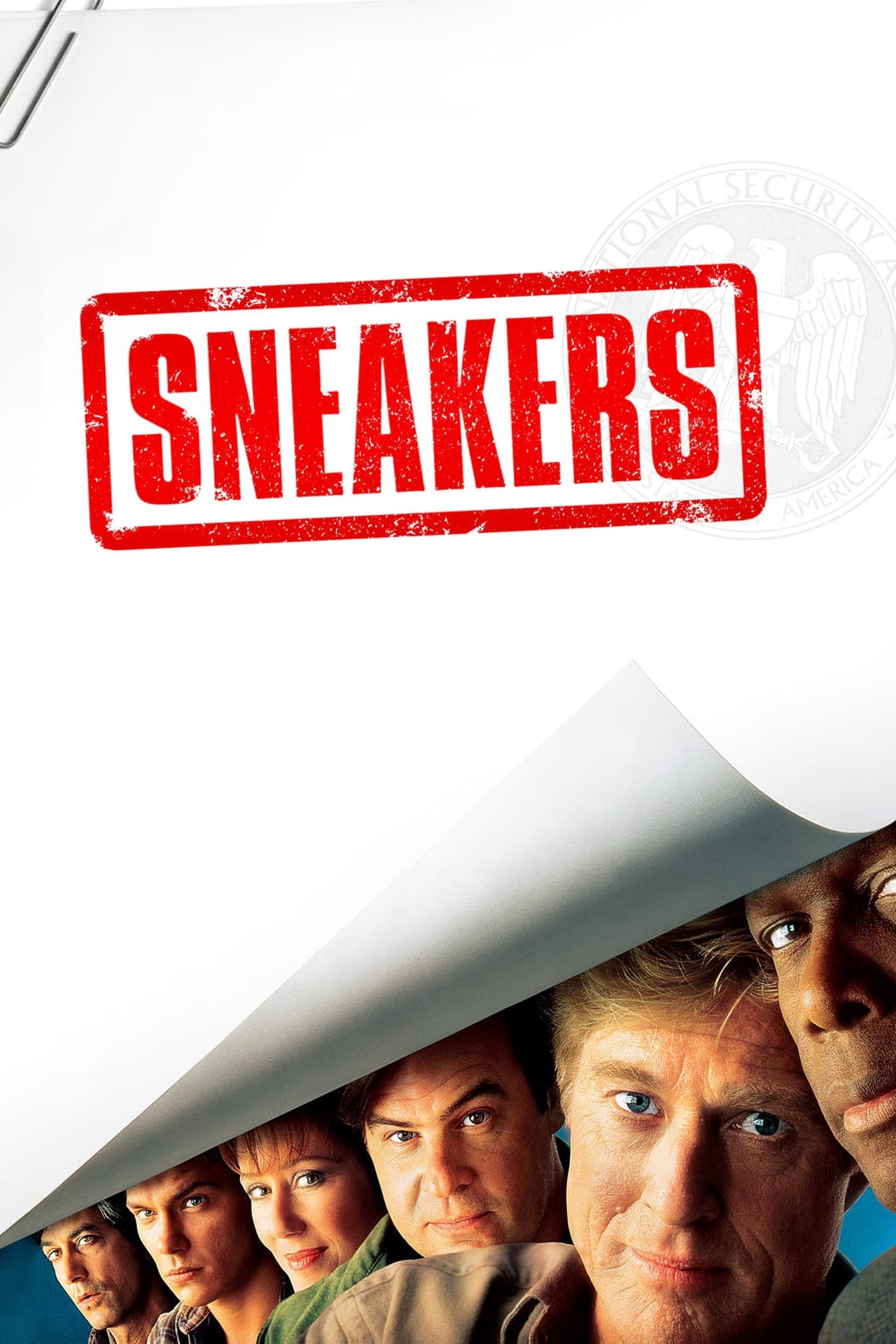
A security-consulting team is coerced into stealing a device capable of decoding secure communications, then flips the board by exploiting the same complacency they test for clients. They stage building access with social engineering, badge clones, and schedule manipulation.
Targets accept phone-based identity proofs, overlook mismatched access histories, and fail to alarm when a single device suddenly opens too many doors. The final handoff relies on adversaries not validating the object’s capabilities before trading, creating an opening for a swap.
‘Swordfish’ (2001)
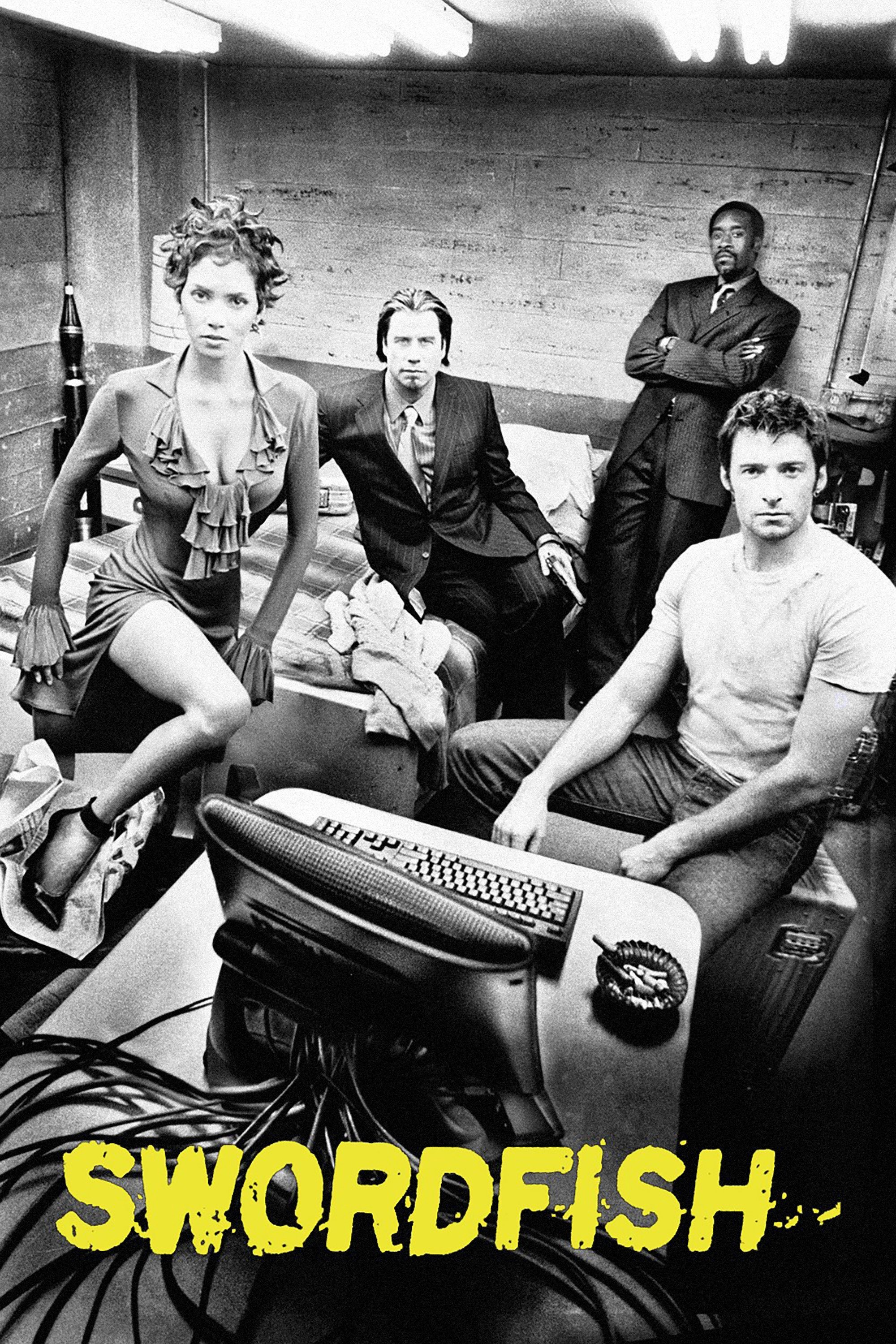
A shadowy crew forces a hacker to penetrate government systems during a moving hostage scenario, using misdirection, mobile rigs, and public threats to split law enforcement focus. The operation integrates physical intimidation with rapid data exfiltration.
Counterparties repeatedly accept on-the-fly demands, delay forensic analysis of stolen data, and allow the crew’s convoy to retain too much autonomy mid-crisis. The plan presumes network monitors won’t correlate bandwidth spikes with the team’s location fast enough to corner them.
‘Gone in 60 Seconds’ (2000)
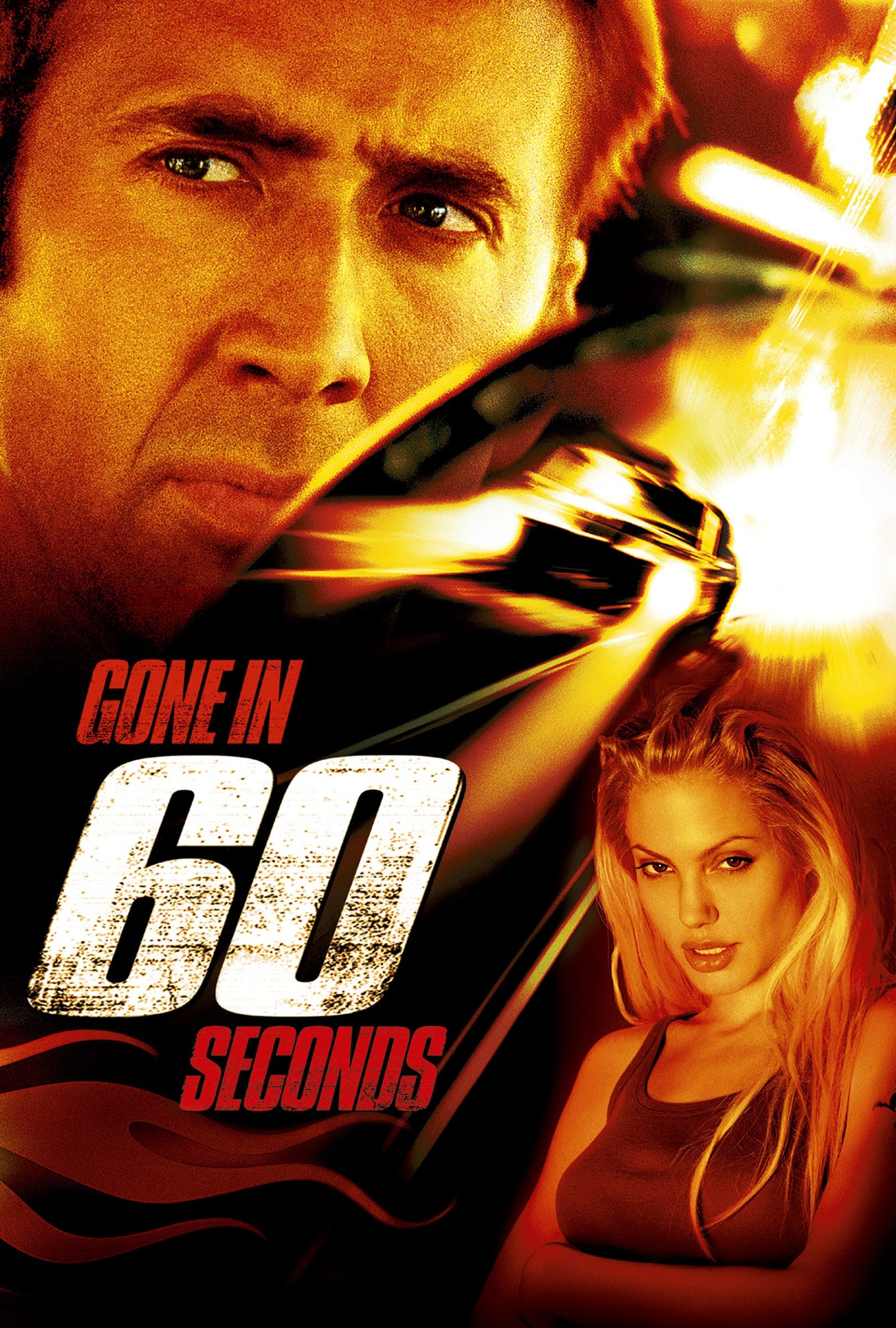
A crew must deliver a long list of high-end cars under a tight deadline, using codenames, decoy routes, and specialized tools to bypass immobilizers and trackers. They sequence pickups to start with lower-risk targets, then pivot to the marquee theft under cover of broader city distraction.
The strategy relies on owners, valets, and patrols missing patterns in thefts that cluster by model and area. It also assumes traffic cameras and dispatch systems won’t connect sightings of distinctive vehicles quickly enough to set traps at shipyards and major arteries.
Share your favorite “that only worked because everyone looked the other way” moments in the comments!