


Netflix Series That Aren’t Afraid of Politics

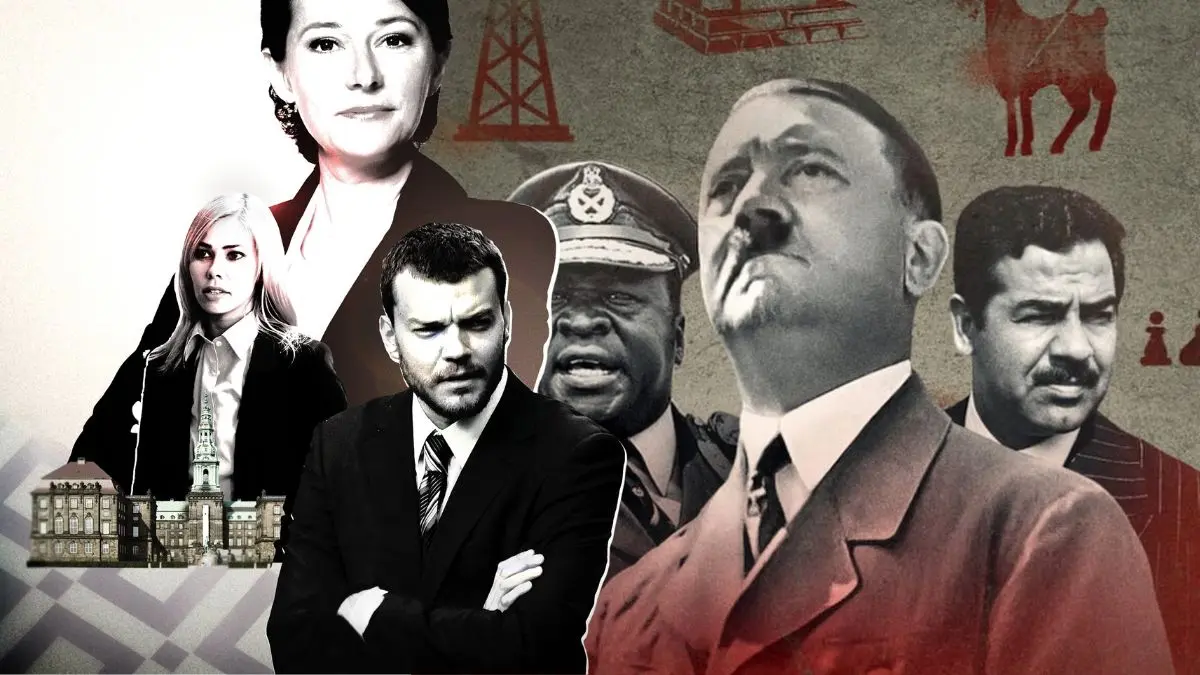


These shows dive straight into power struggles, public policy, and the messy realities behind headlines, often drawing on real events or institutions. From contemporary capitals to historical palaces and international flashpoints, each one tackles political systems and their consequences in clear, story-driven ways you can stream on Netflix.
‘House of Cards’ (2013–2018)
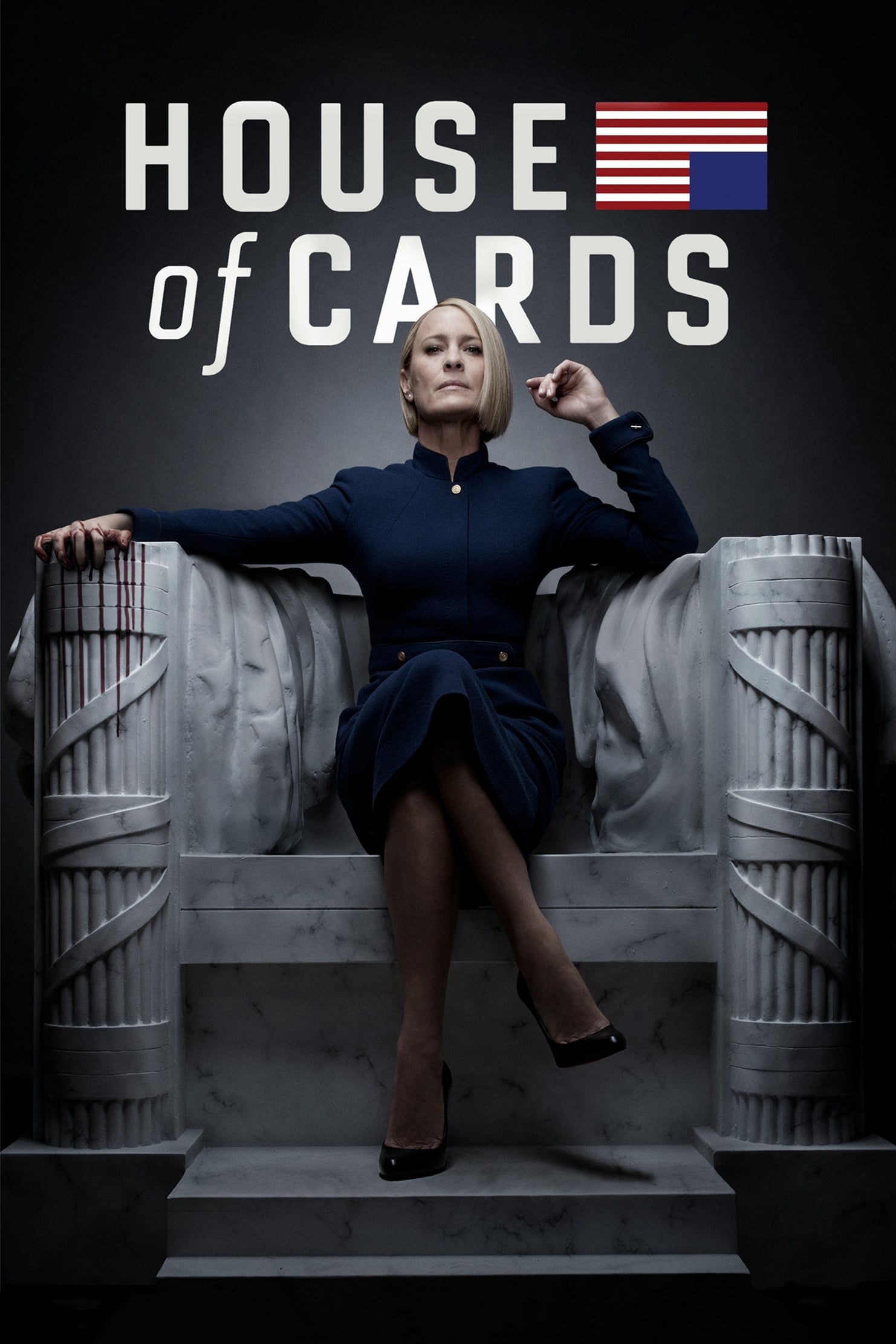
The series follows U.S. congressman Frank Underwood and his wife Claire as they navigate Washington power, media strategy, and party leadership. Created for Netflix by Beau Willimon, it adapts Michael Dobbs’s British novel and earlier TV miniseries. It stars Kevin Spacey and Robin Wright and became one of the platform’s defining political dramas.
‘The Crown’ (2016–2023)

This drama traces the reign of Queen Elizabeth II, depicting government crises, constitutional questions, and Palace-Downing Street relations. Produced by Left Bank Pictures for Netflix, it features a rotating cast across different eras. It covers prime ministers from Churchill onward and dramatizes cabinet conflicts and national debates.
‘Narcos’ (2015–2017)
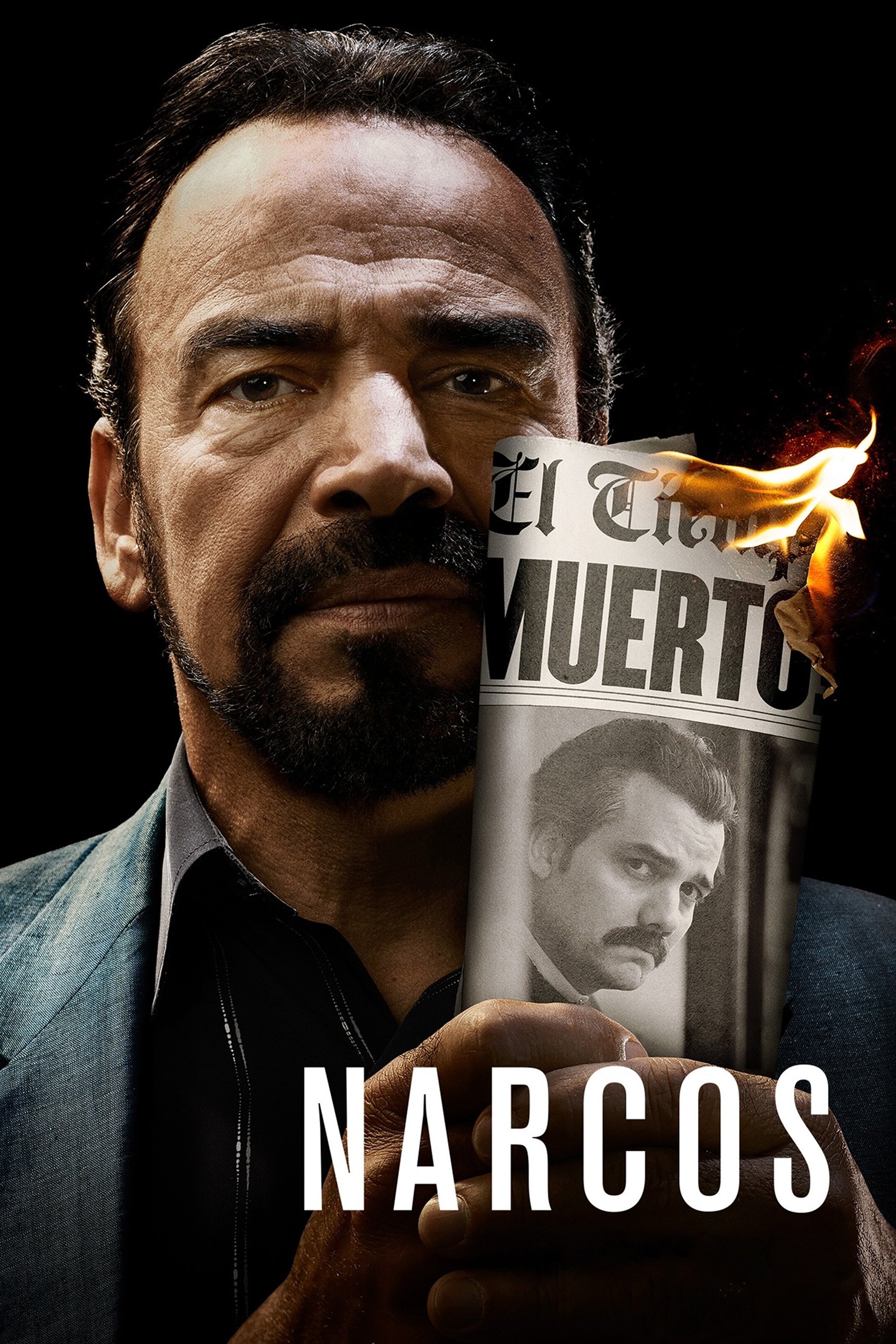
Set in Colombia, the series charts cartel influence on politics, law enforcement, and U.S.–Latin America policy. Produced by Gaumont International Television for Netflix, it centers on Pablo Escobar and the rise of the Medellín and Cali organizations. It blends scripted storytelling with archival elements to show state and criminal power intersecting.
‘Narcos: Mexico’ (2018–2021)
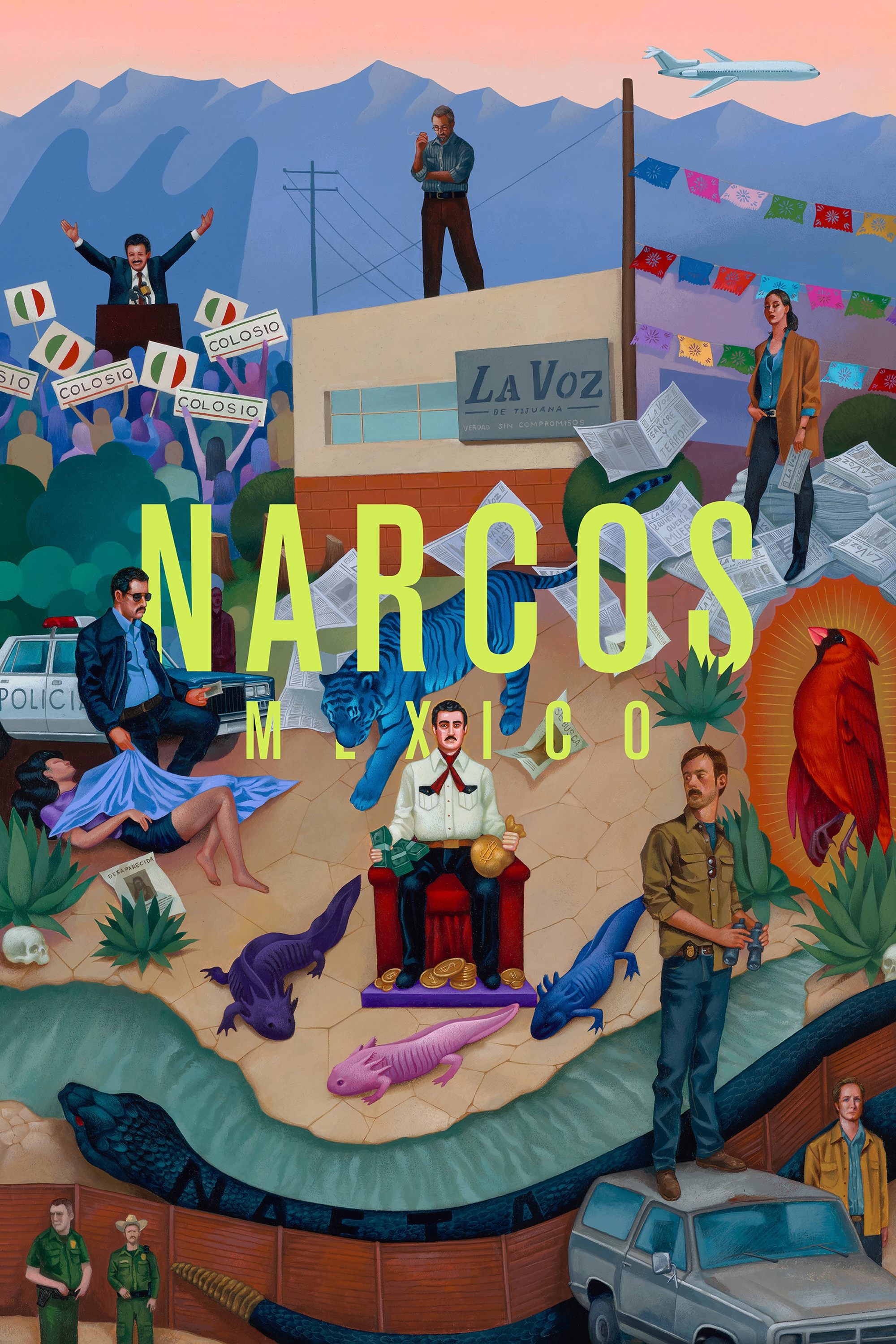
A companion to ‘Narcos’, this chapter explores the Guadalajara cartel’s formation and its impact on institutions and foreign relations. Developed for Netflix, it follows traffickers, federal agents, and political figures whose decisions reshape regional power. It maps alliances across security forces, government offices, and rival groups.
‘Borgen’ (2010–2022)
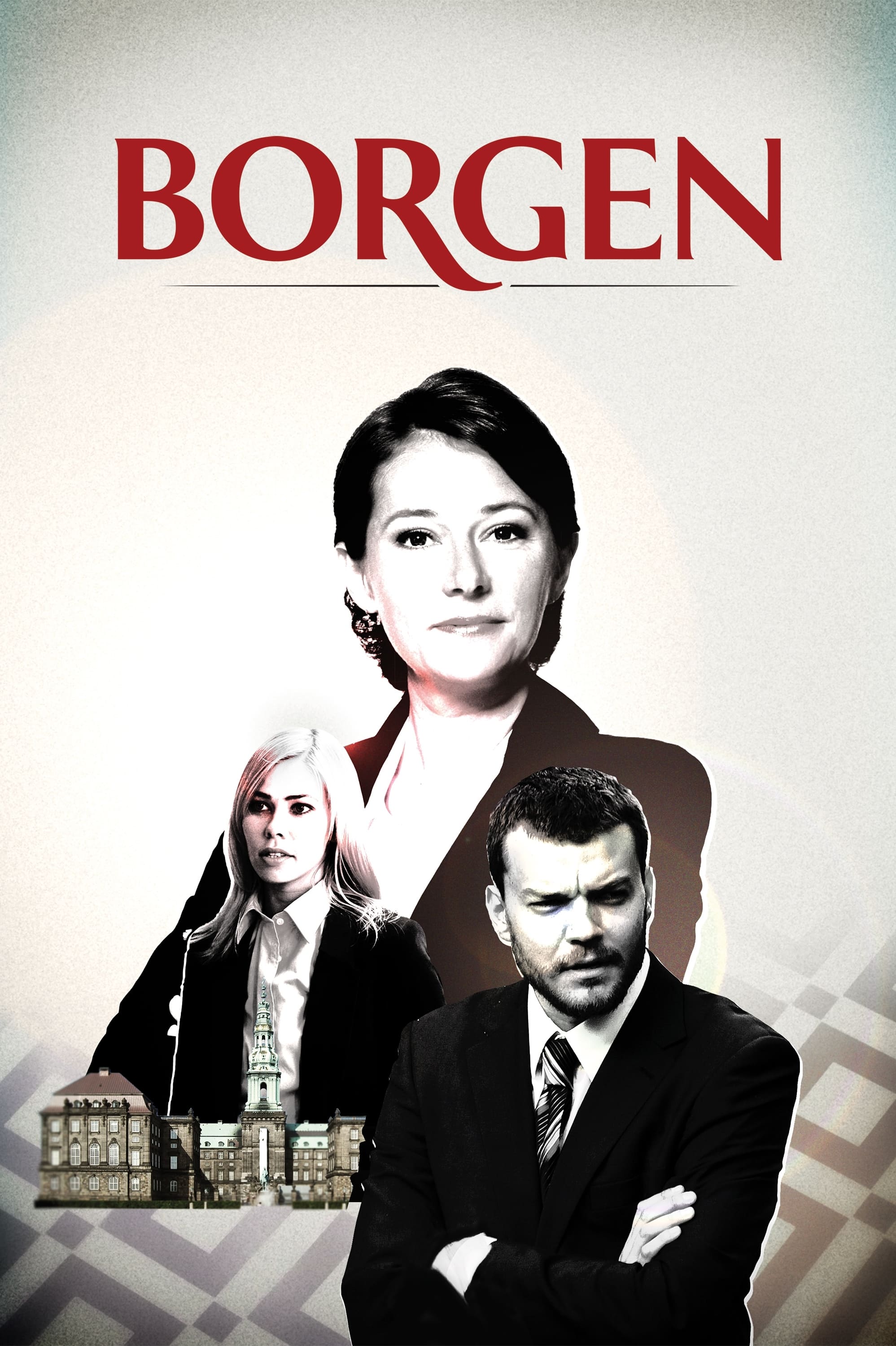
This Danish series follows politician Birgitte Nyborg from coalition building to foreign affairs and energy policy. Originally produced by DR, its 2022 continuation arrived globally on Netflix as ‘Borgen: Power & Glory’. It details party negotiations, media pressure, and ministerial trade-offs inside a parliamentary system.
‘Fauda’ (2015– )
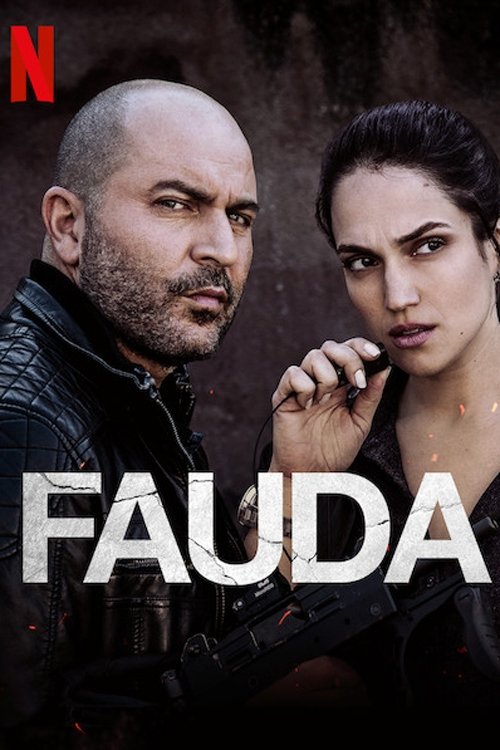
An Israeli thriller about a special forces unit and the politics surrounding security operations and leadership decisions. Produced for Yes and distributed internationally on Netflix, it depicts policy fallout across communities and agencies. It examines how tactical missions connect to cabinet choices and public diplomacy.
‘Occupied’ (2015–2020)
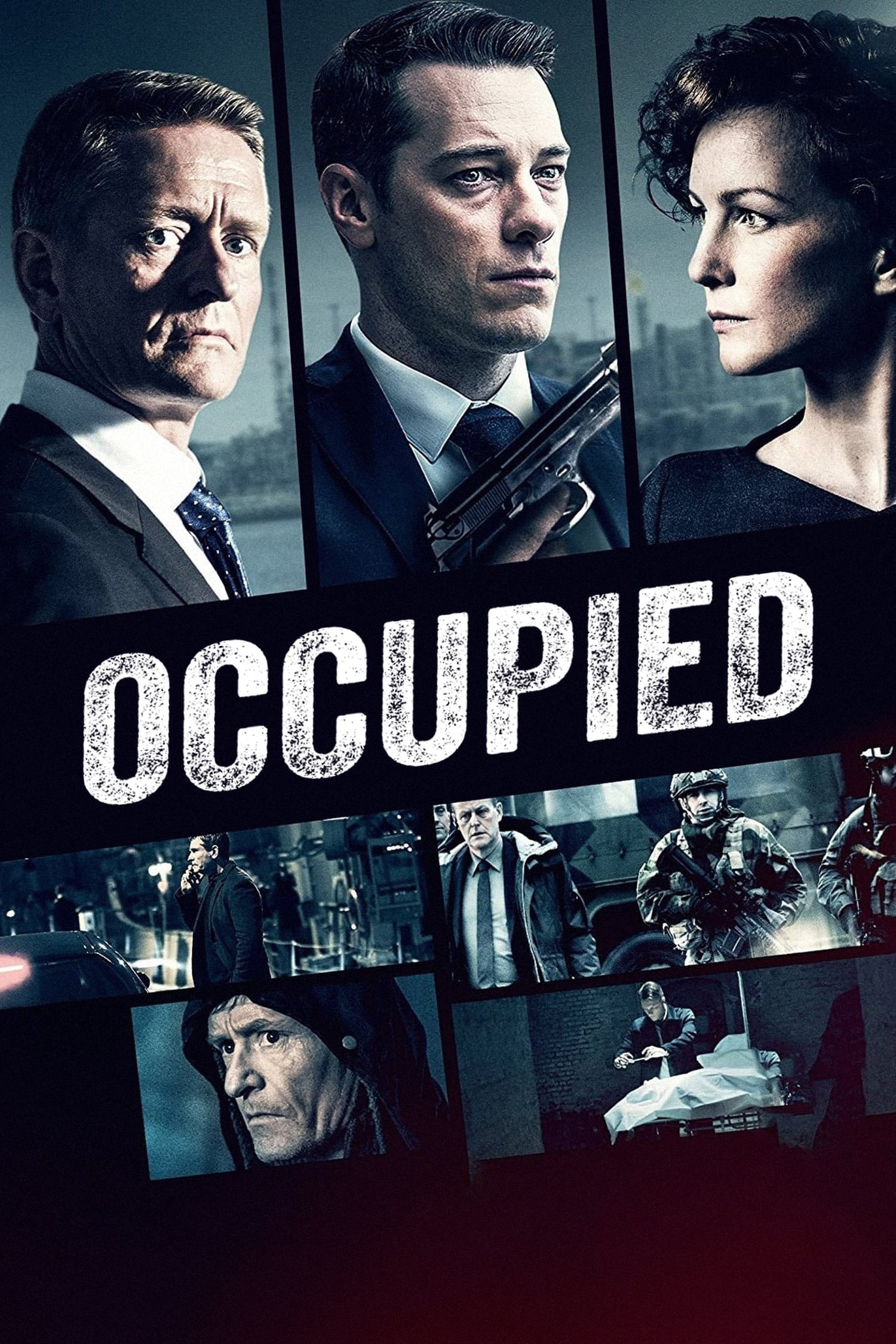
Inspired by an idea from Jo Nesbø, this Norwegian series imagines a foreign energy crisis leading to political pressure on Norway. Broadcast by TV 2 and streamed worldwide on Netflix, it portrays cabinet meetings, European diplomacy, and resistance movements. It focuses on constitutional authority during a staged “soft” occupation.
‘Designated Survivor’ (2016–2019)

After an attack on Washington, a low-level cabinet member becomes U.S. president and must stabilize government operations. The show began on ABC and later continued on Netflix with a third season. It addresses emergency powers, succession, and legislative negotiations under crisis.
‘The Diplomat’ (2023– )
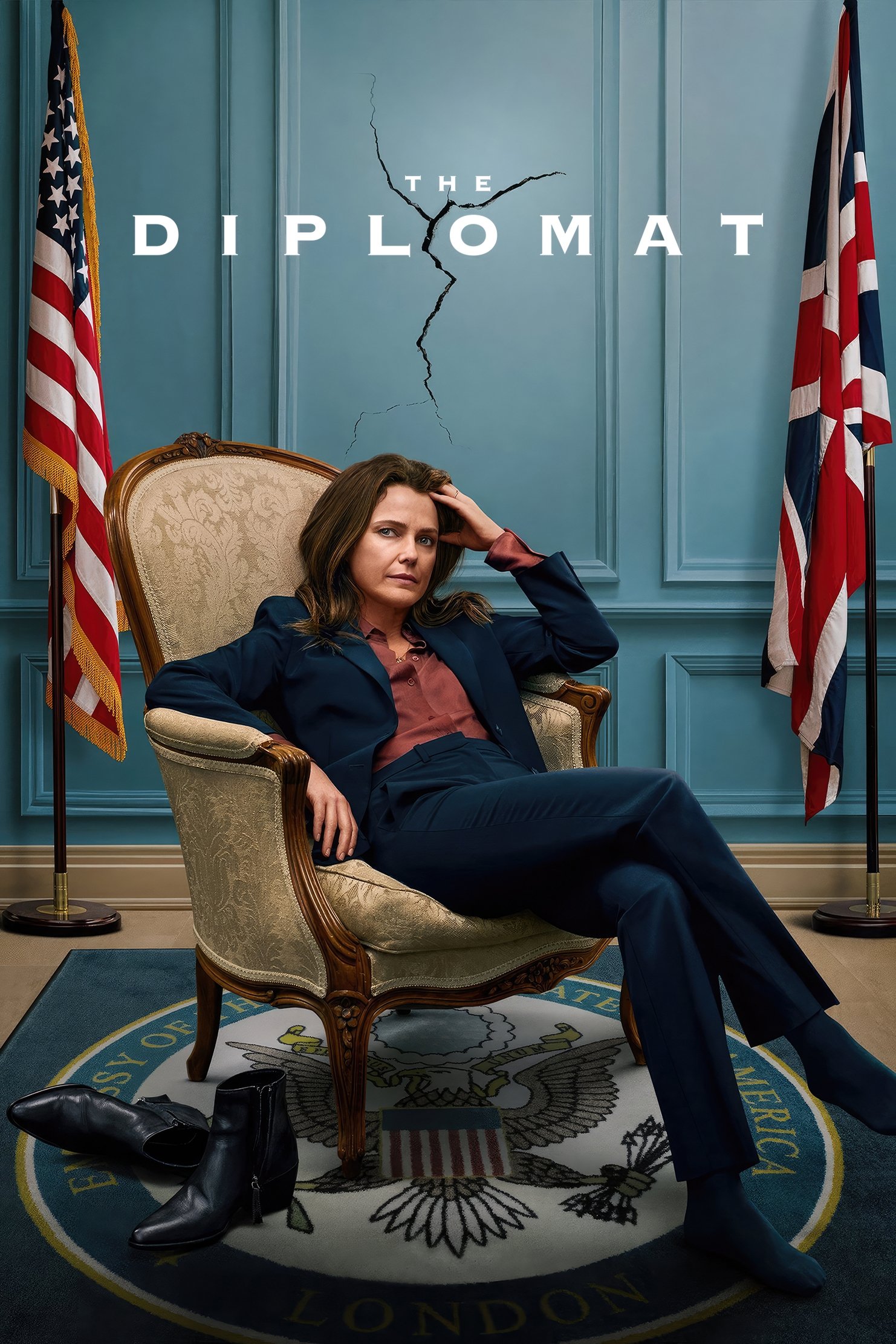
This contemporary drama follows a newly appointed U.S. ambassador managing alliances, intelligence briefings, and interagency friction. Produced for Netflix, it balances embassy work with national security decision-making. It highlights how diplomatic cables, policy memos, and political optics shape outcomes.
‘The Night Agent’ (2023– )
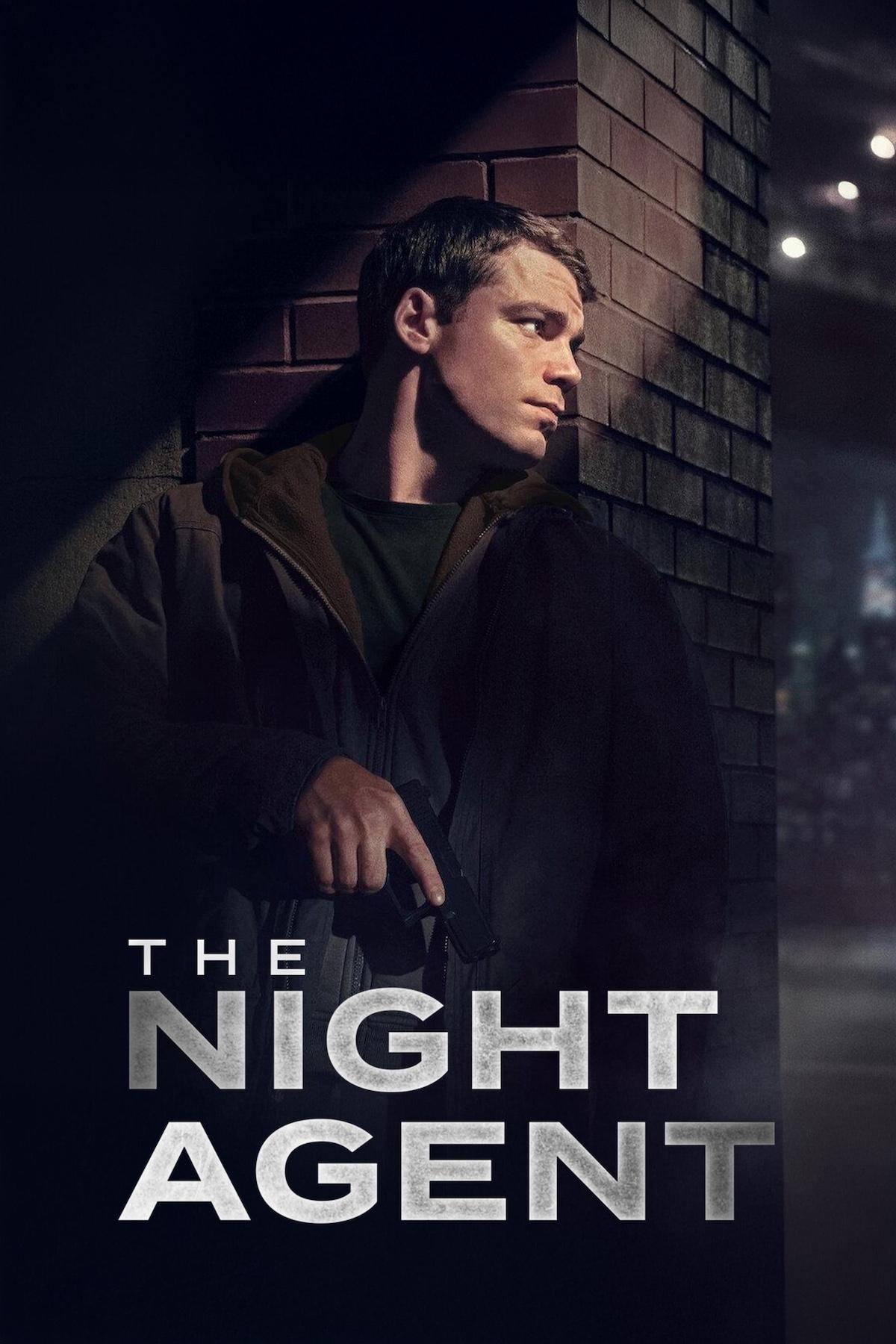
A low-level FBI operator answers a crisis line and uncovers a conspiracy tied to senior officials. Developed for Netflix, it tracks coordination between the White House, law enforcement, and intelligence units. It shows how internal protocols and classified clearances influence each step.
‘Bodyguard’ (2018)
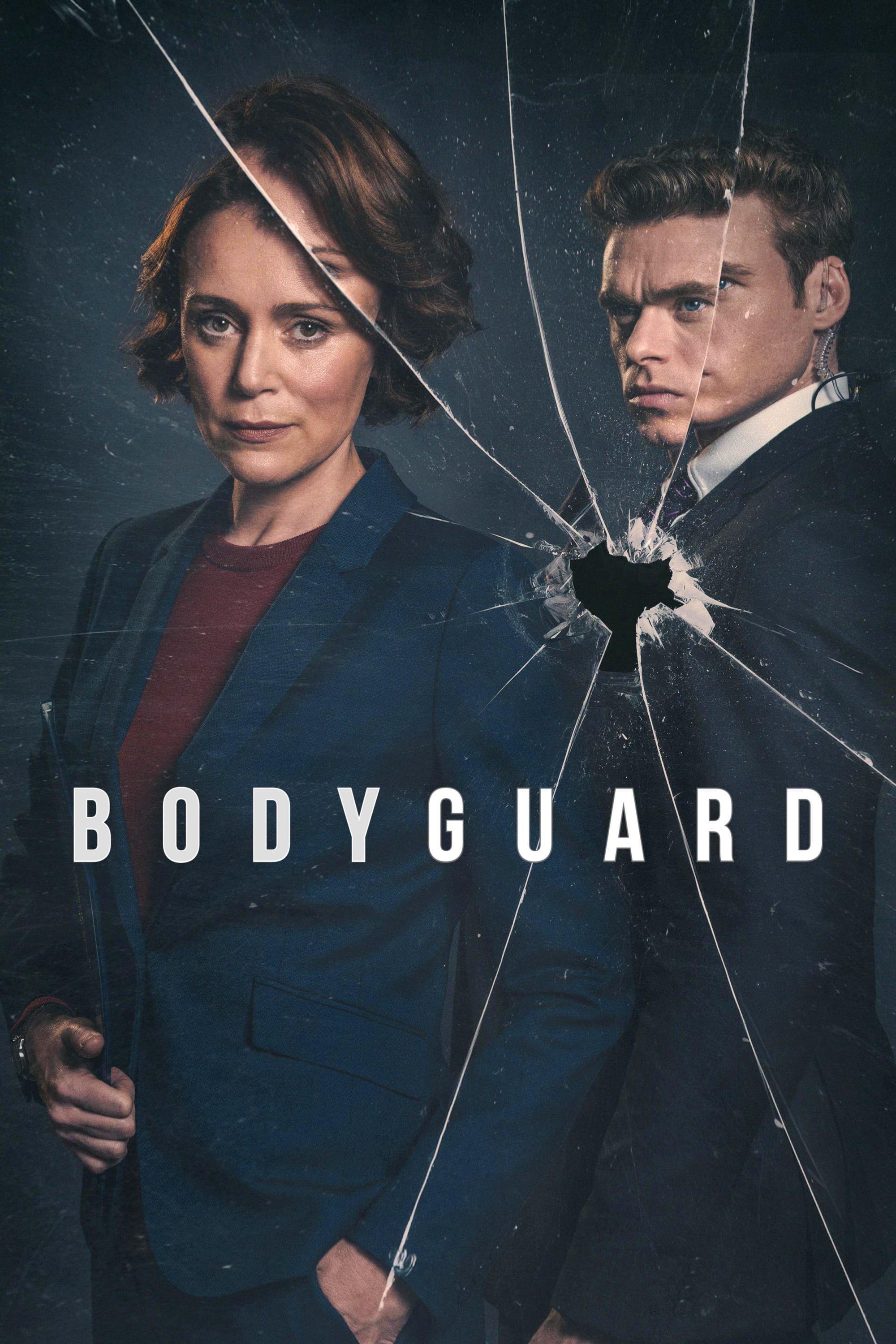
A British police thriller about a protection officer assigned to a high-profile cabinet minister amid terror threats and political fallout. Produced by World Productions for BBC One and licensed to Netflix internationally, it details security briefings and oversight bodies. It examines how policing intersects with ministerial policy and party agendas.
‘Caliphate’ (2020)
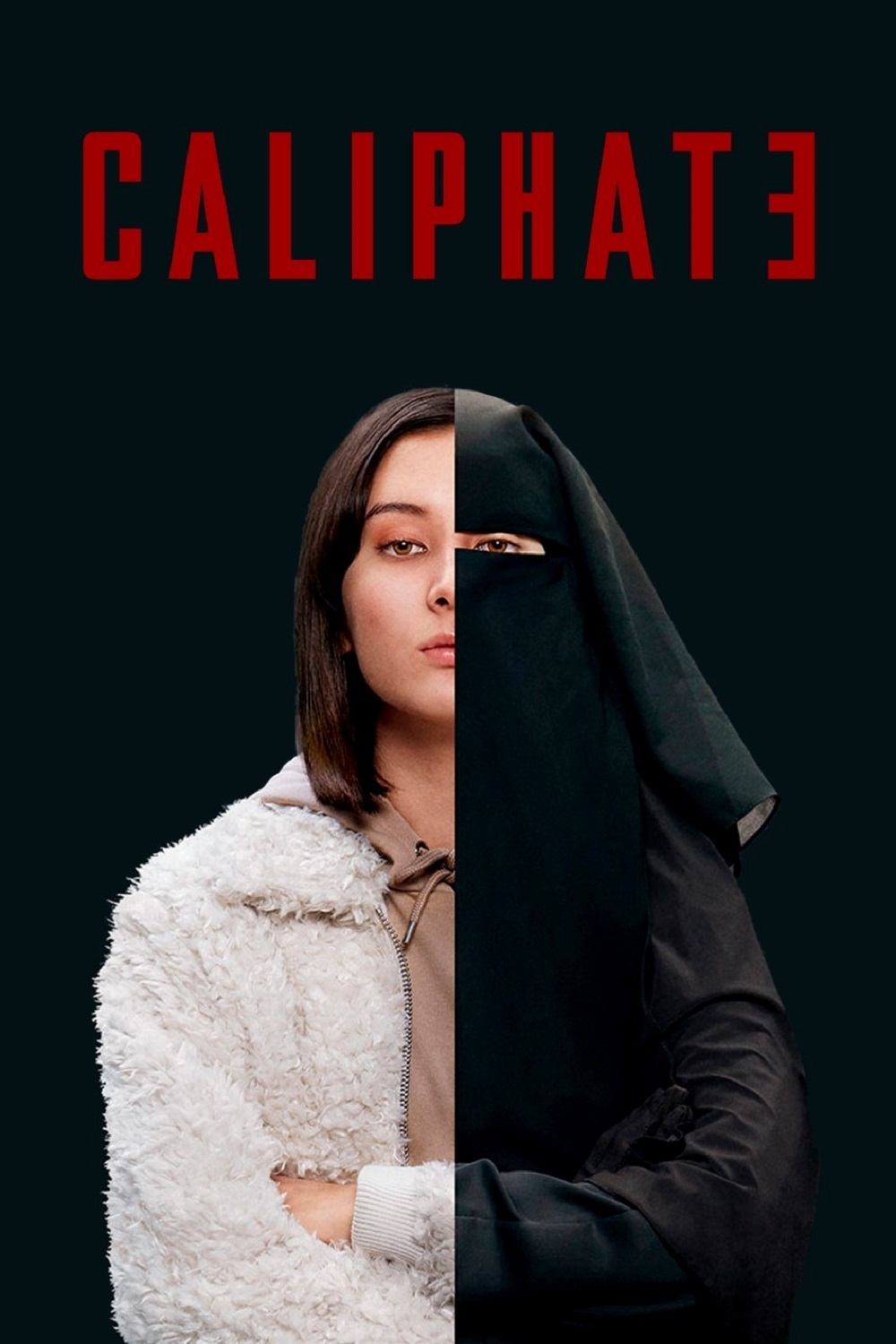
A Swedish series about radicalization and counter-terror efforts that reach into domestic politics and policing. Produced by SVT and streamed on Netflix, it follows security officers, informants, and families caught in policy responses. It maps legal processes, surveillance, and international coordination.
‘Queen Sono’ (2020)
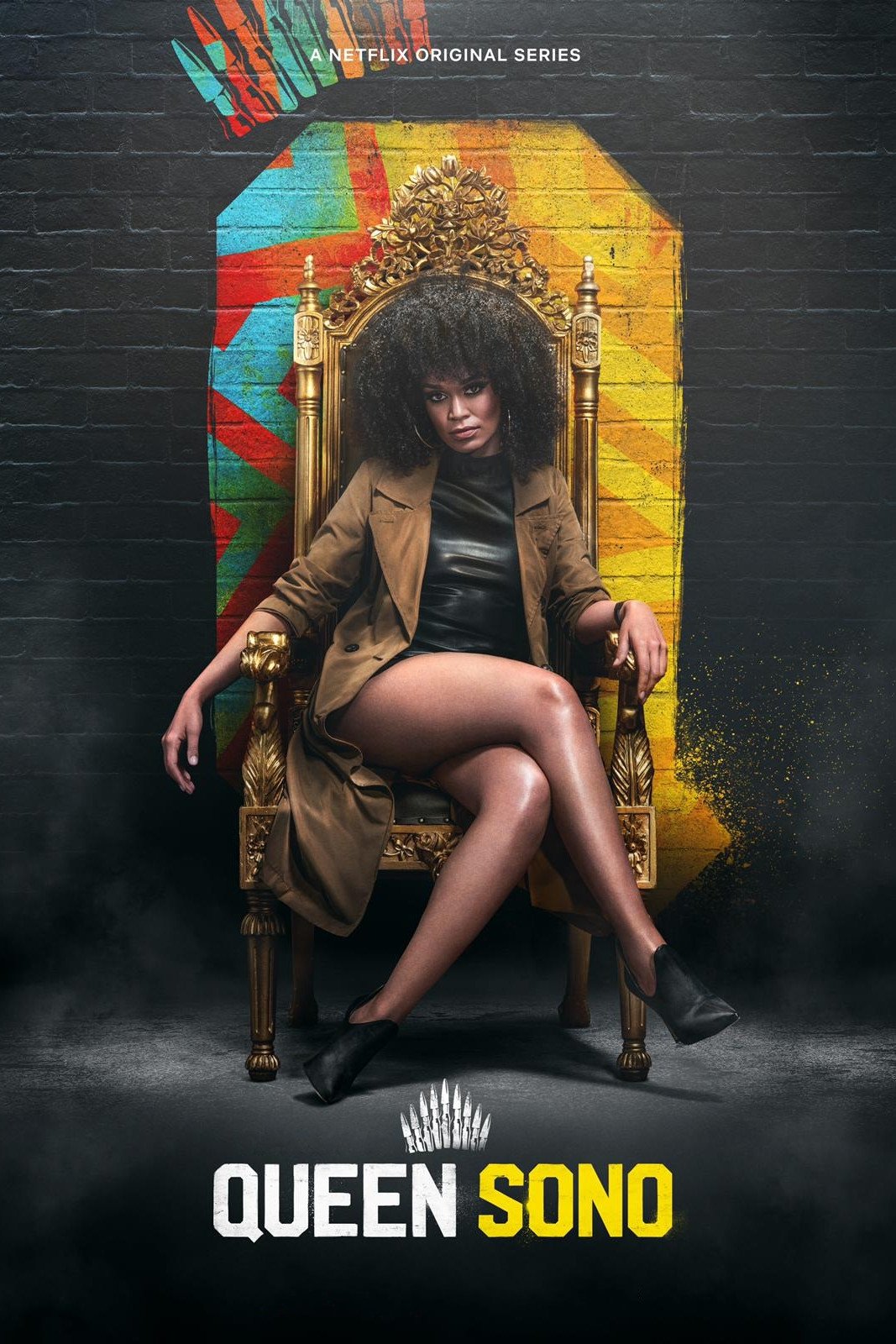
Set in Southern Africa, this espionage drama follows an operative tackling corruption and regional power networks. Created for Netflix, it involves state security agencies, private contractors, and political advocacy groups. It explores how intelligence missions collide with public accountability and elections.
‘Delhi Crime’ (2019– )

This anthology crime series examines high-profile cases and the institutional response within Delhi’s police and civic structures. Produced for Netflix, it reconstructs investigative steps, administrative hurdles, and court processes. It highlights how public outcry and policy directives affect policing and governance.
‘Pine Gap’ (2018)
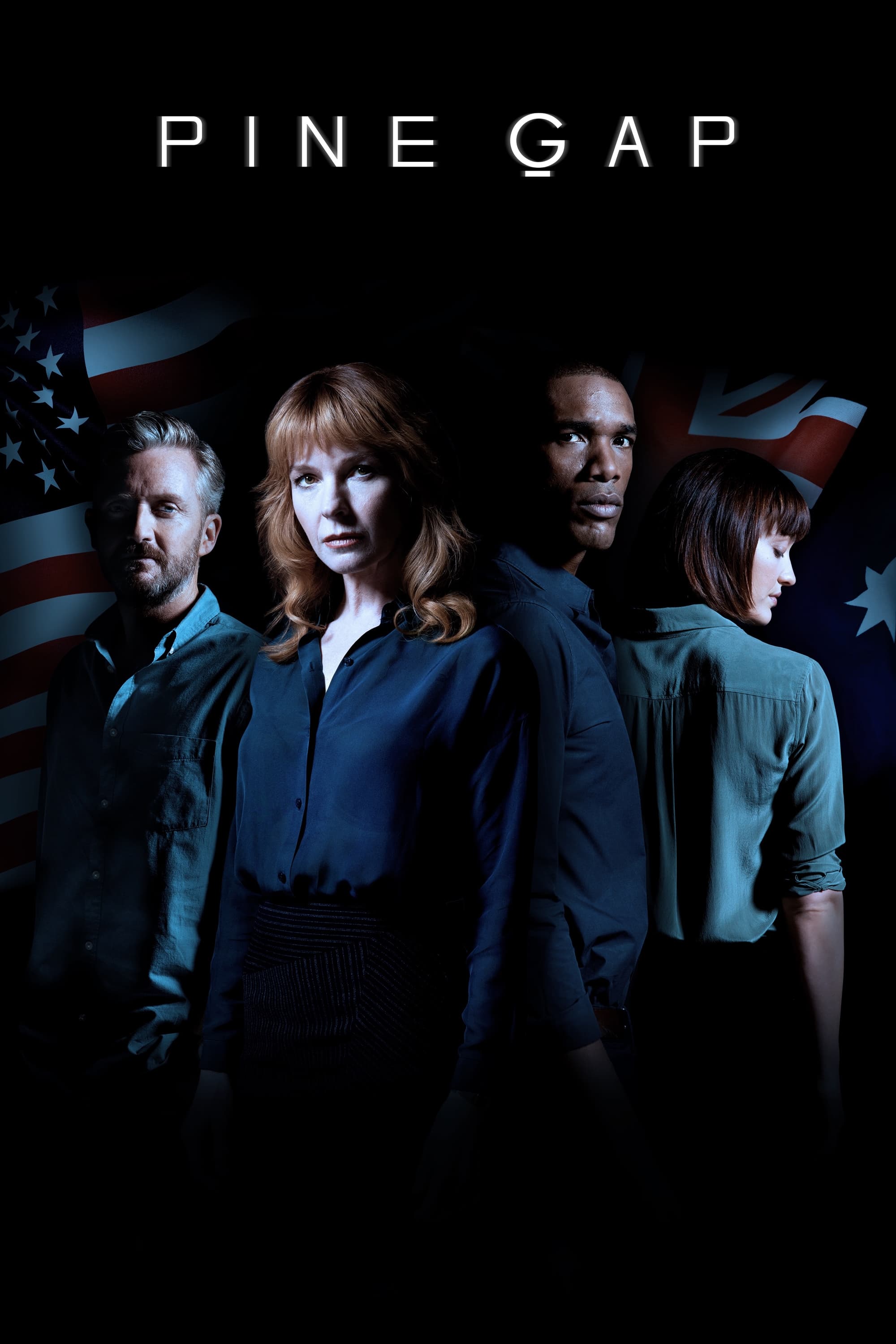
An Australian series centered on a joint intelligence facility and the diplomatic tensions around it. Co-produced by ABC Australia and Netflix, it explores signals analysis, information sharing, and cabinet-level oversight. It shows how operational data becomes leverage in international negotiations.
‘Collateral’ (2018)
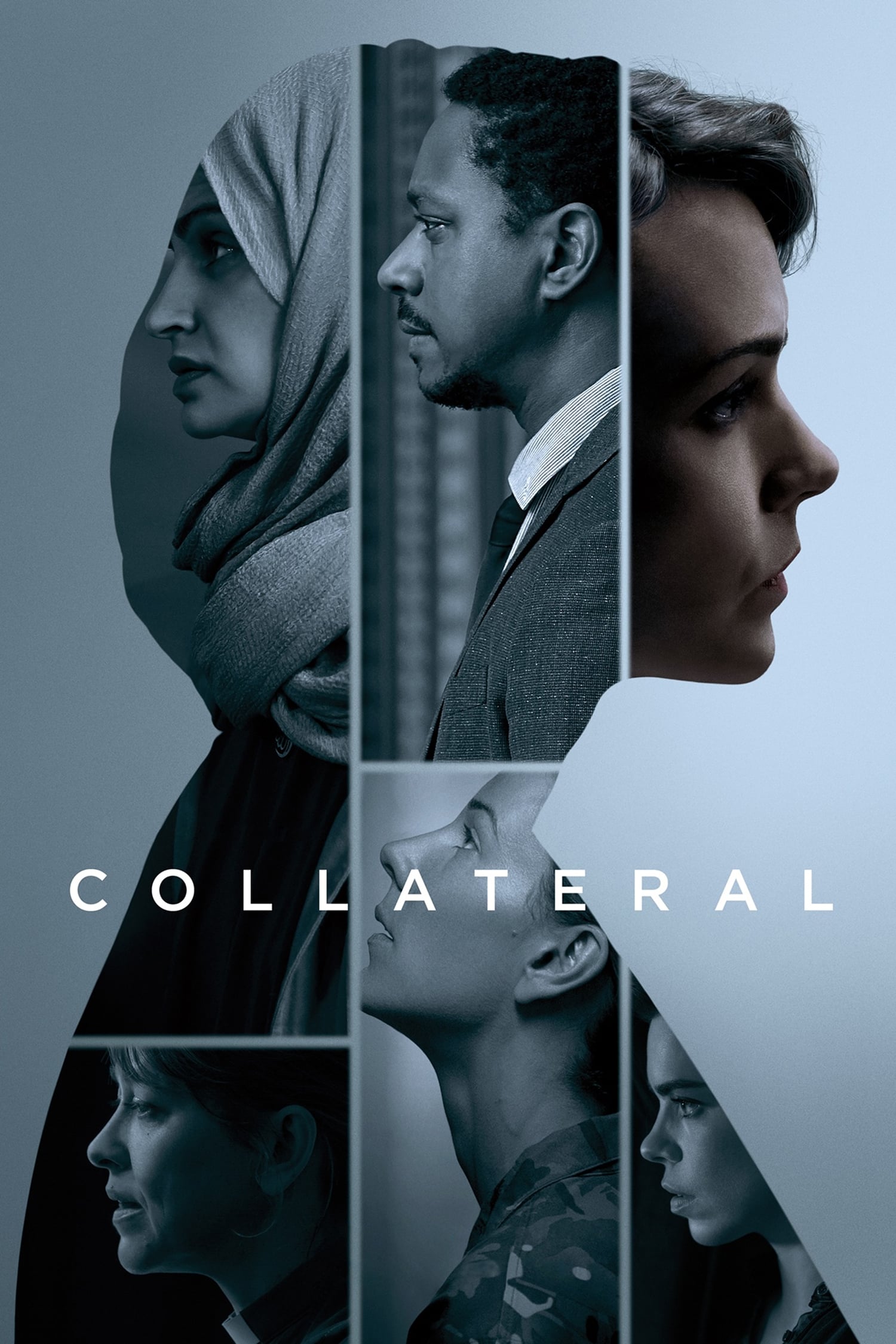
A British investigation into a killing opens up immigration policy debates, military involvement, and political maneuvering. Produced by BBC Two and available on Netflix, it follows detectives, officials, and clergy linked by a single incident. It moves through committee rooms, press briefings, and ministerial offices.
‘The Spy’ (2019)
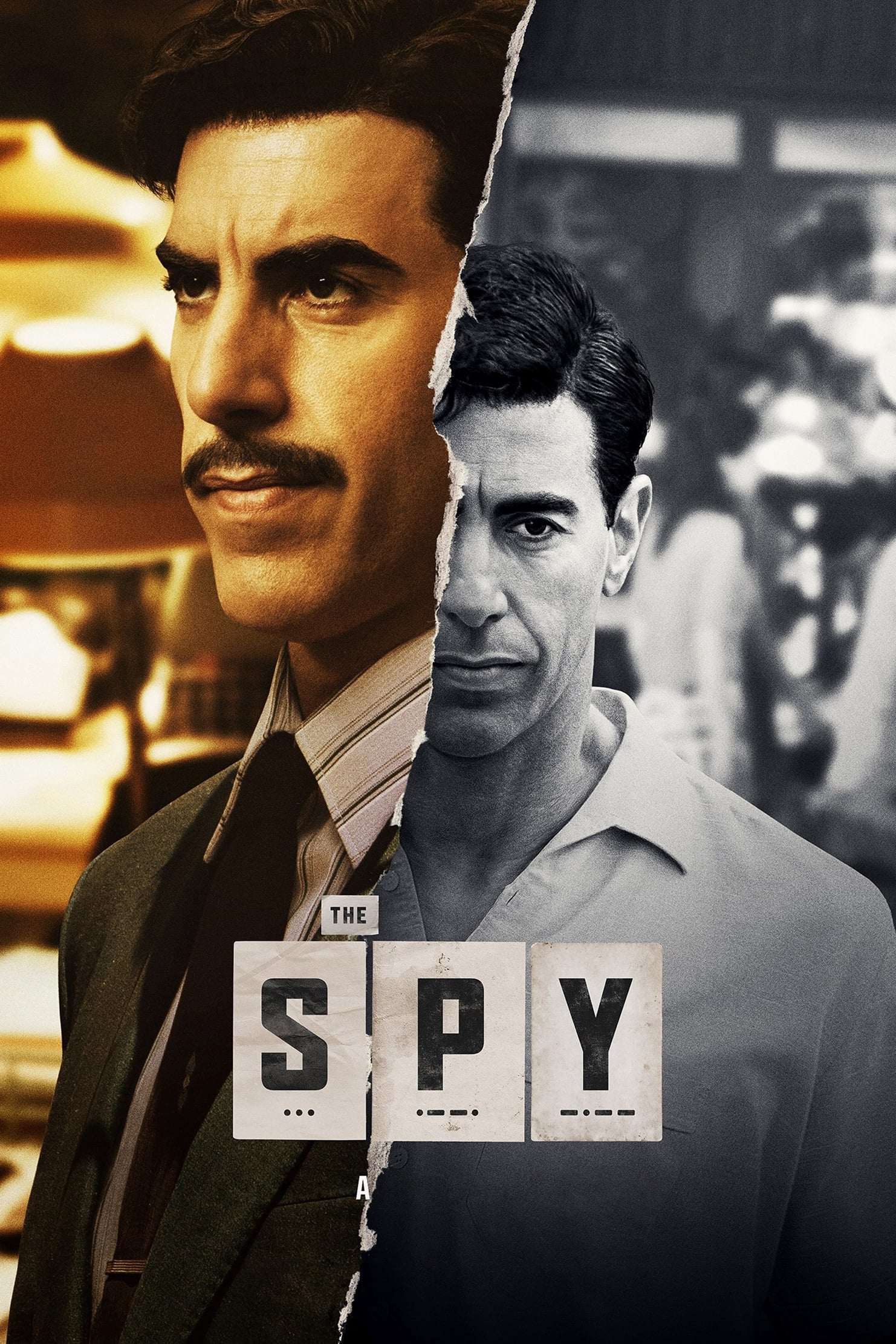
This limited series dramatizes the life of Mossad operative Eli Cohen and his infiltration of Syrian circles of power. Produced for Netflix, it reconstructs tradecraft, diplomatic receptions, and military briefings. It portrays how intelligence reports translate into strategic decisions.
‘Suburra: Blood on Rome’ (2017–2020)
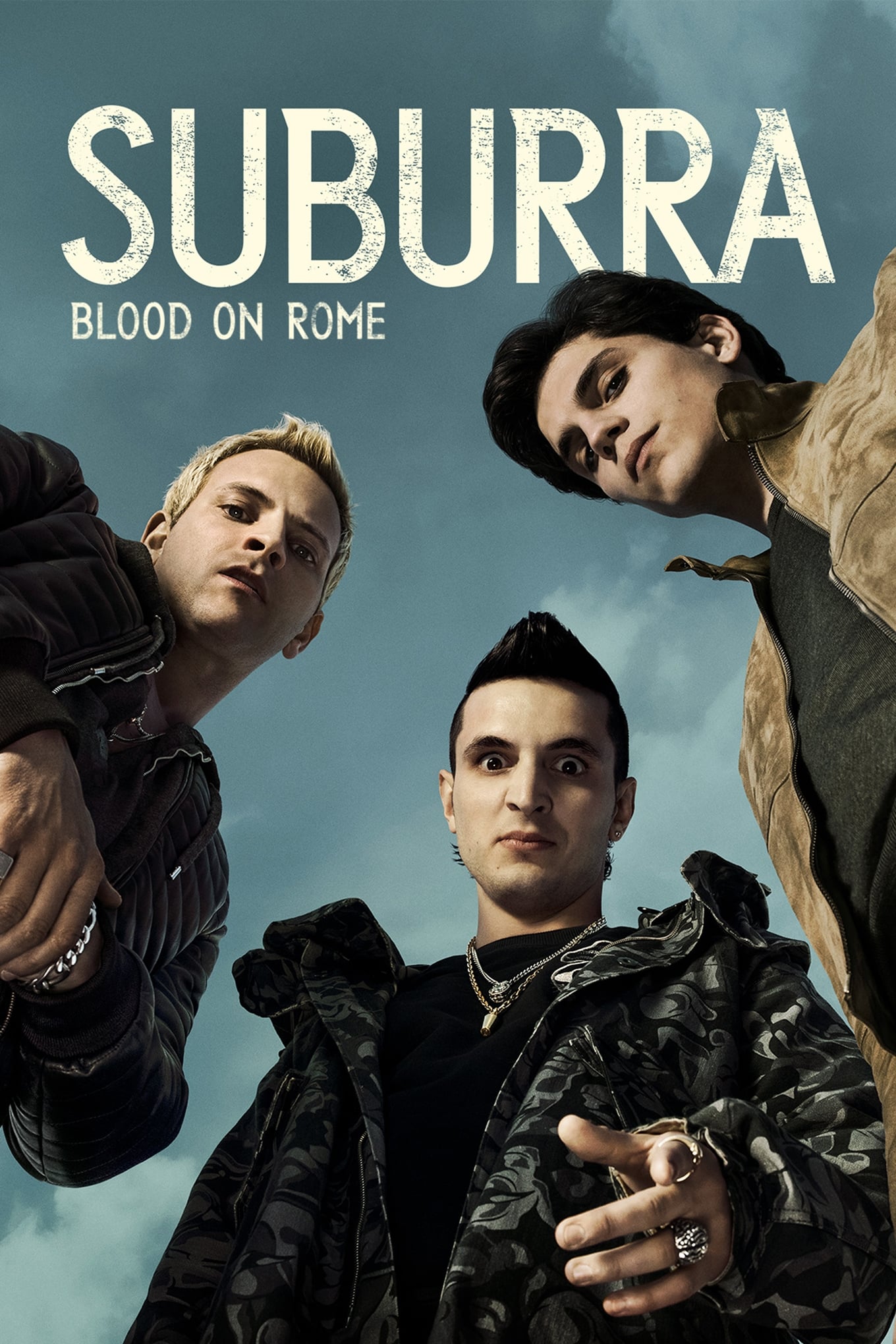
An Italian crime saga where criminal clans, politicians, and church figures compete over land deals and public contracts. Co-produced for Netflix with Cattleya, it shows how municipal tenders and zoning become battlegrounds. It connects local elections to national influence networks.
‘The Mechanism’ (2018–2019)
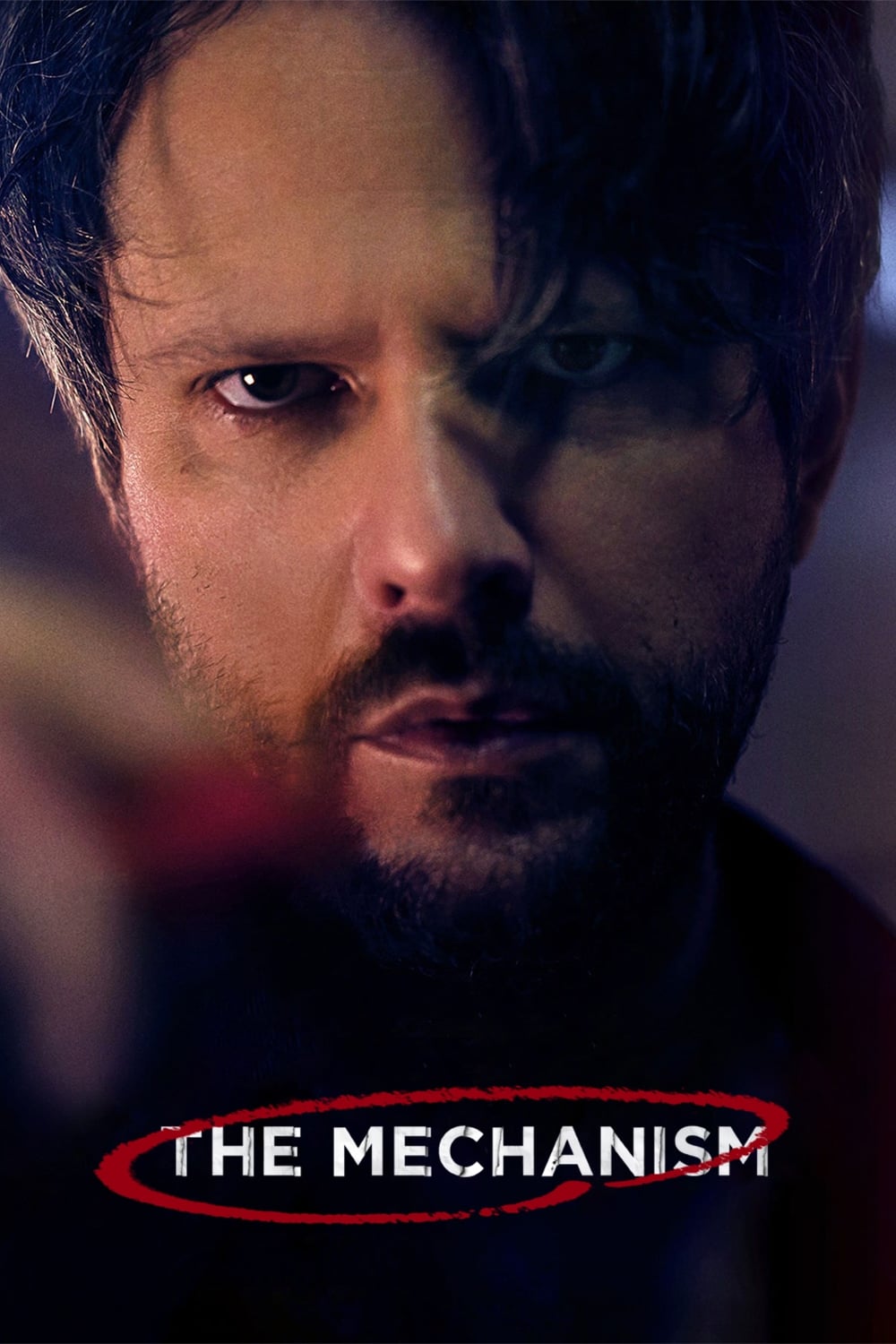
This Brazilian drama is inspired by large-scale corruption investigations involving construction firms and public officials. Created for Netflix by José Padilha, it follows prosecutors, police, and business intermediaries. It depicts plea bargains, wiretaps, and judicial steps that reshape political careers.
‘El Chapo’ (2017–2018)
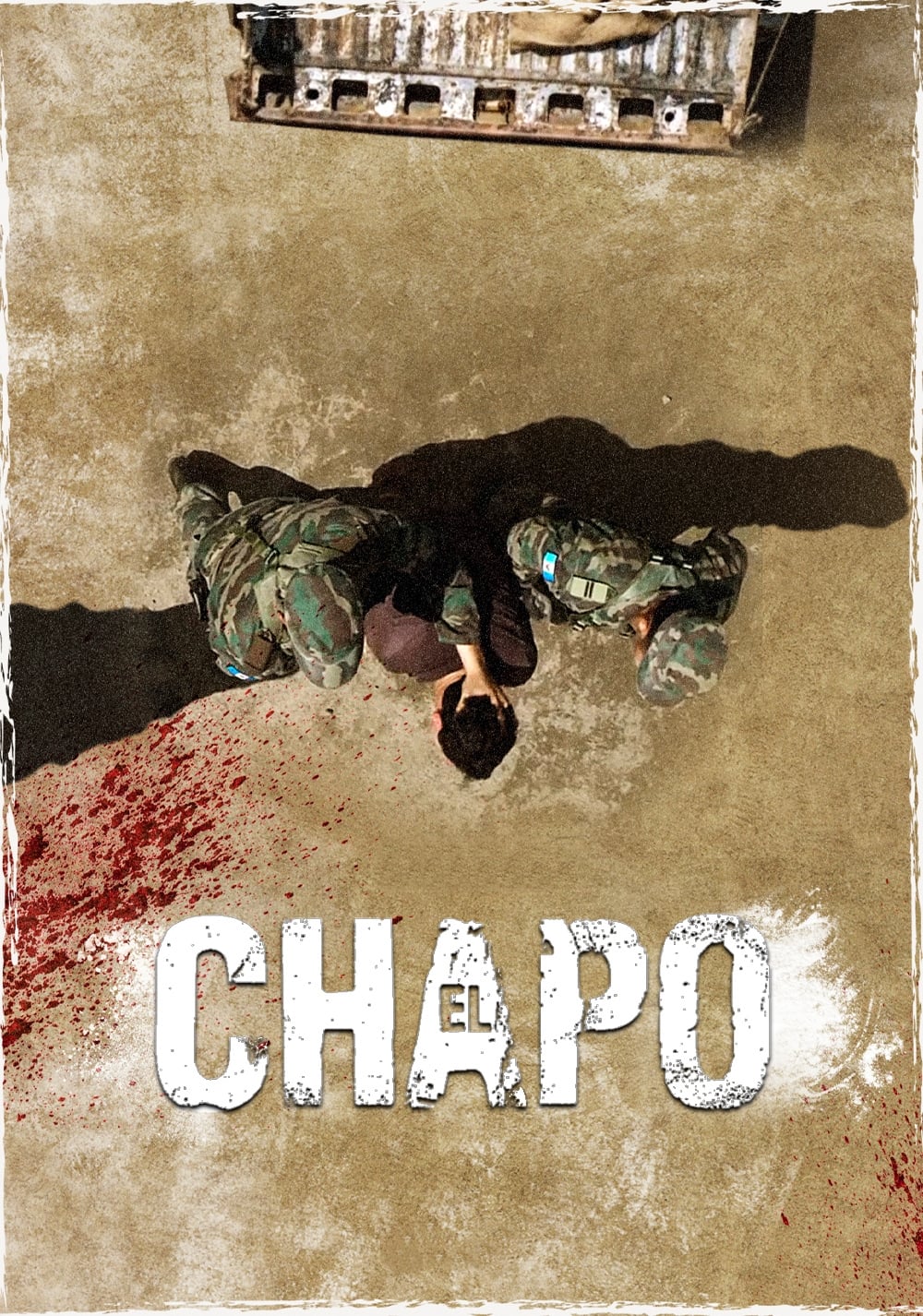
A biographical crime series following Joaquín “El Chapo” Guzmán and the interplay between cartel operations and state institutions. Co-produced by Univision and Netflix, it tracks cross-border enforcement and political repercussions. It reconstructs arrests, escapes, and negotiations with authorities.
‘Ingobernable’ (2017–2018)
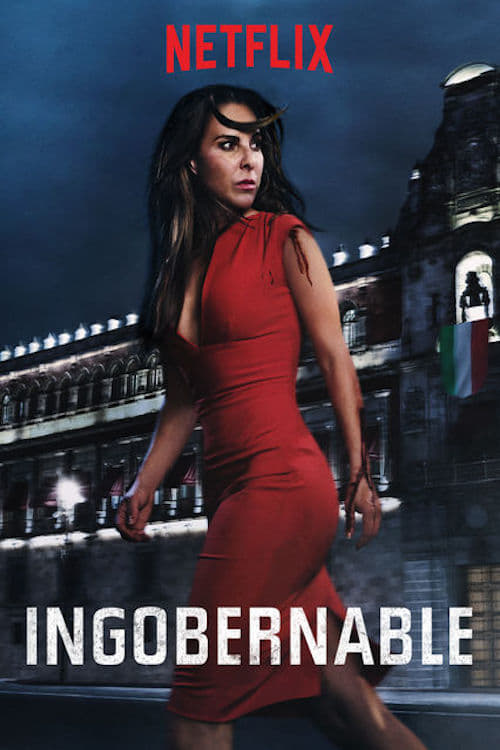
Set in Mexico, the story centers on a First Lady who becomes a fugitive and exposes government secrets. Produced for Netflix, it navigates presidential security, media narratives, and activist networks. It examines how official messaging and street movements collide.
‘Designated Survivor: 60 Days’ (2019)

A South Korean adaptation of the U.S. concept, this series places an education minister in the presidency after a disaster. Produced for tvN and released globally on Netflix, it explores coalition politics and emergency legislation. It follows national security councils, policy task forces, and public communications.
‘Secret City’ (2016–2019)
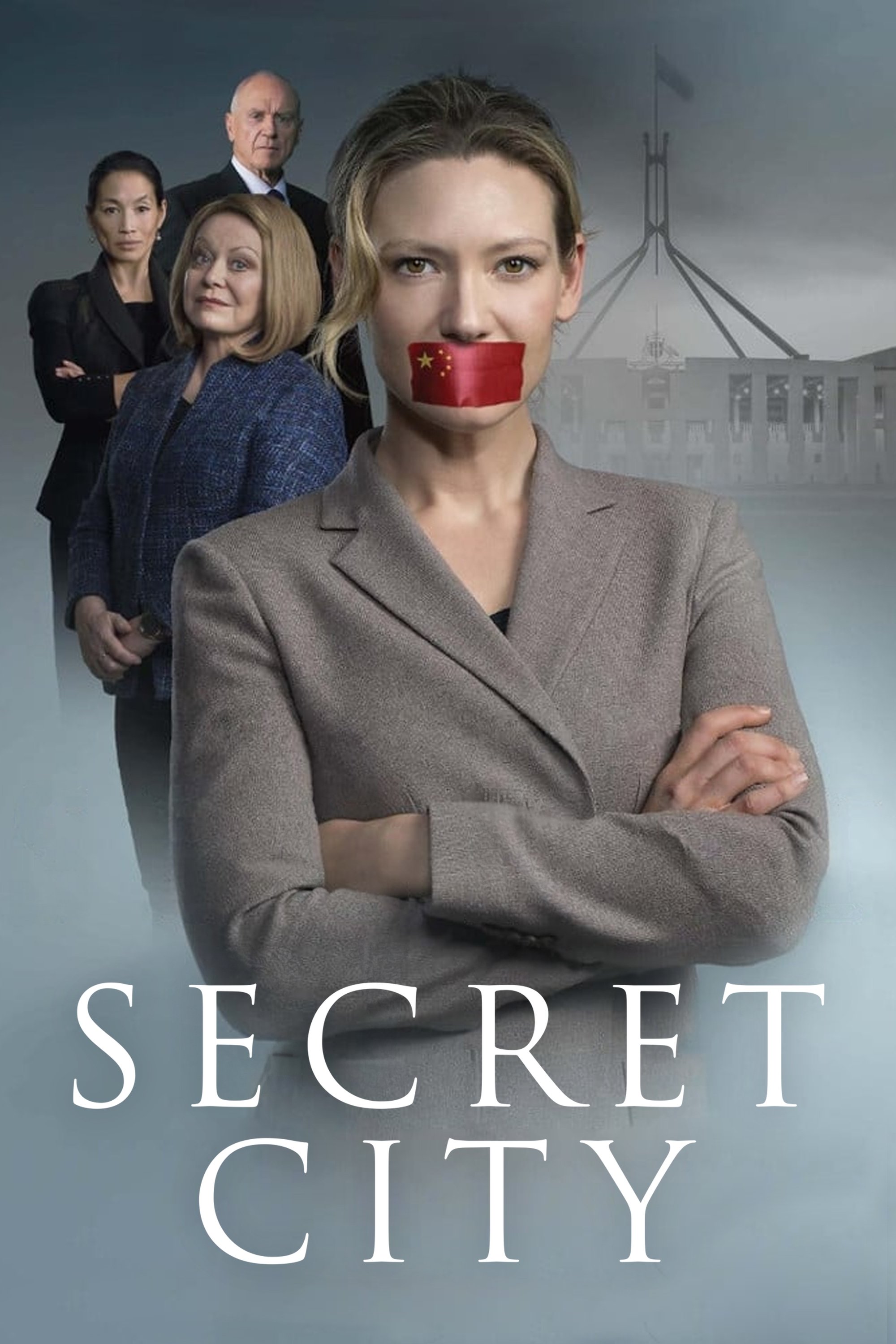
An Australian political thriller about a journalist uncovering covert operations and diplomatic risks in Canberra. Produced for Foxtel and distributed internationally on Netflix, it shows parliamentary committees and intelligence oversight. It traces how leaks, prosecutions, and cross-agency rivalries unfold.
‘The Politician’ (2019–2020)

This satire follows a student’s path from school elections to higher office with campaign infrastructure and donor strategy. Created for Netflix by Ryan Murphy, it tracks polling, opposition research, and media events. It focuses on how messaging, fundraising, and endorsements shape candidacies.
‘How to Become a Tyrant’ (2021)
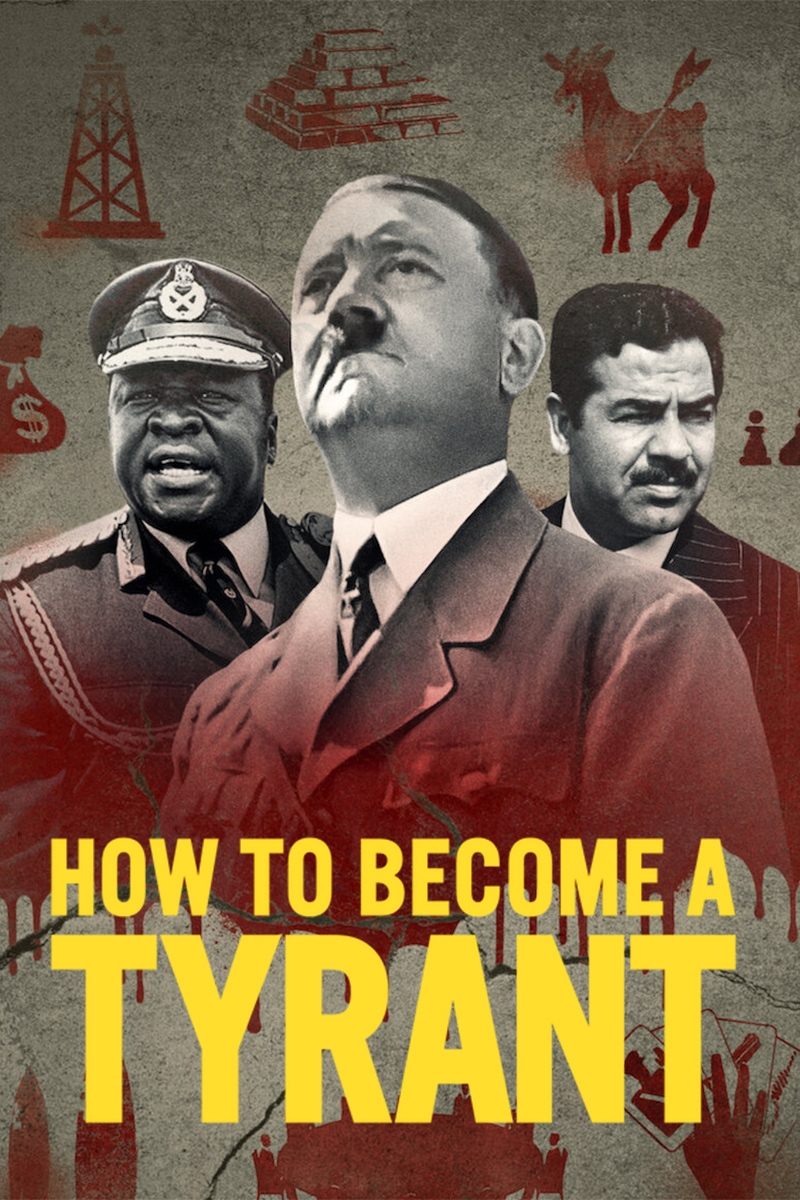
A documentary series that breaks down the playbook used by authoritarian leaders, from propaganda to repression. Produced for Netflix by Peter Dinklage’s production partners, it uses archives and expert commentary. It organizes tactics into clear segments that relate to historical regimes and state control.
‘When They See Us’ (2019)
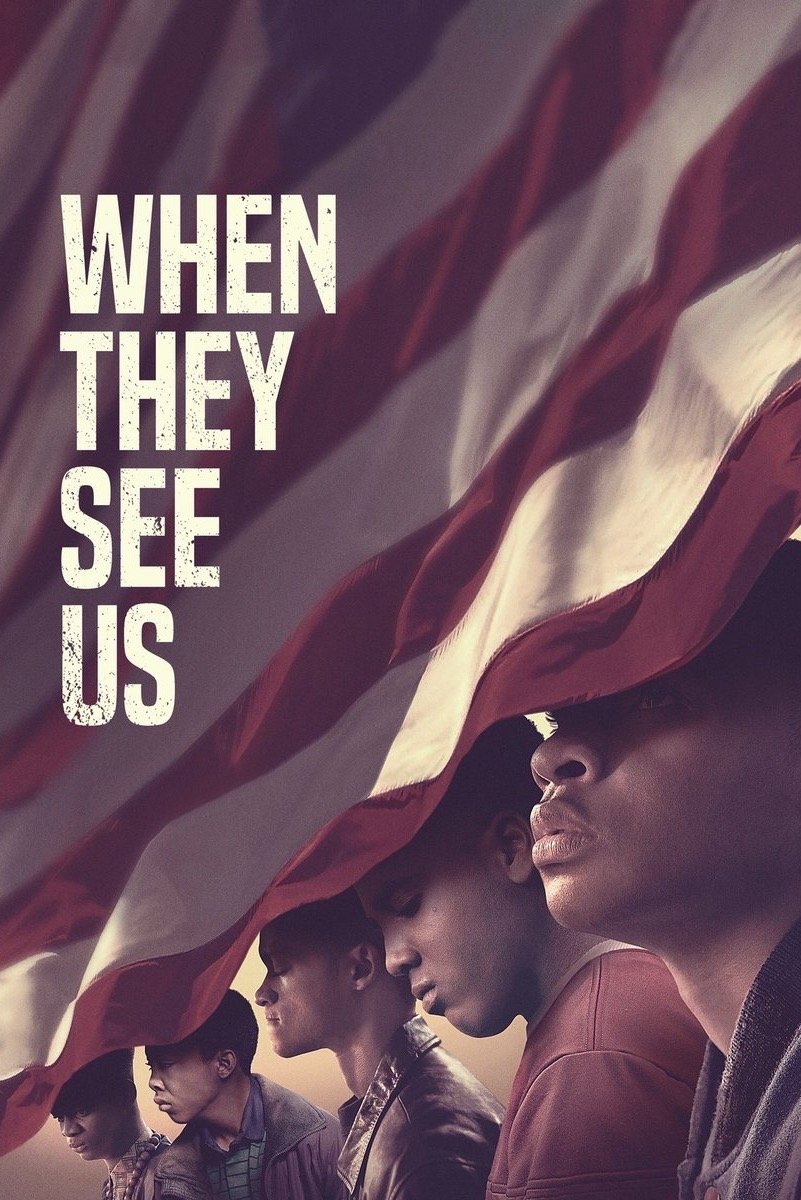
Ava DuVernay’s limited series reconstructs the Central Park Five case through police procedures, prosecutorial strategy, and media framing. Produced for Netflix, it uses court records and interviews to show how policy choices shaped outcomes. It follows appeals, exonerations, and the administrative steps that corrected the convictions.
‘Making a Murderer’ (2015–2018)
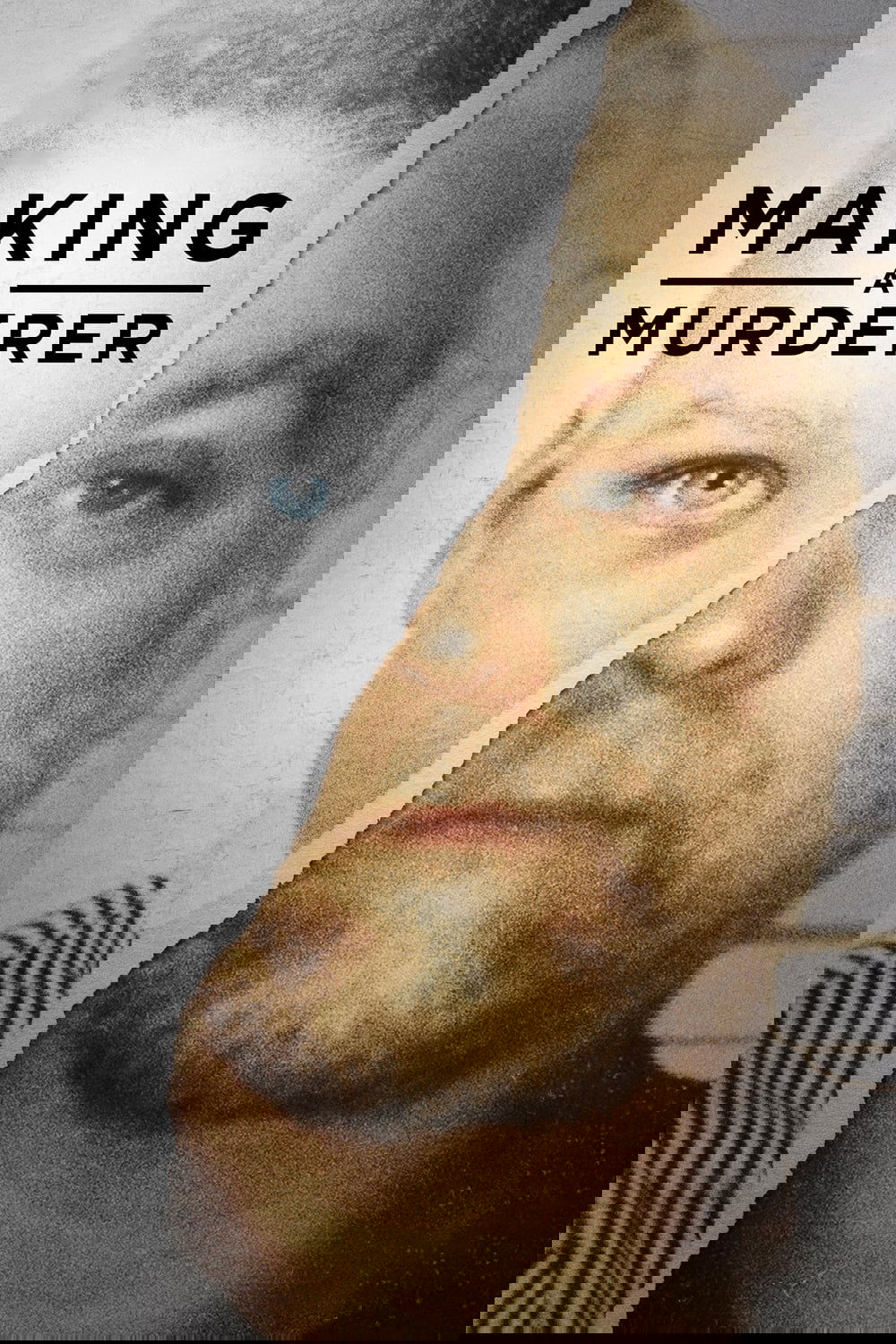
This documentary series examines a Wisconsin case from investigation to trial and post-conviction motions. Produced for Netflix, it presents filings, depositions, and evidentiary disputes that raised questions about process and oversight. It tracks how legal remedies, public records, and law enforcement policies intersected over time.
‘Treason’ (2022)
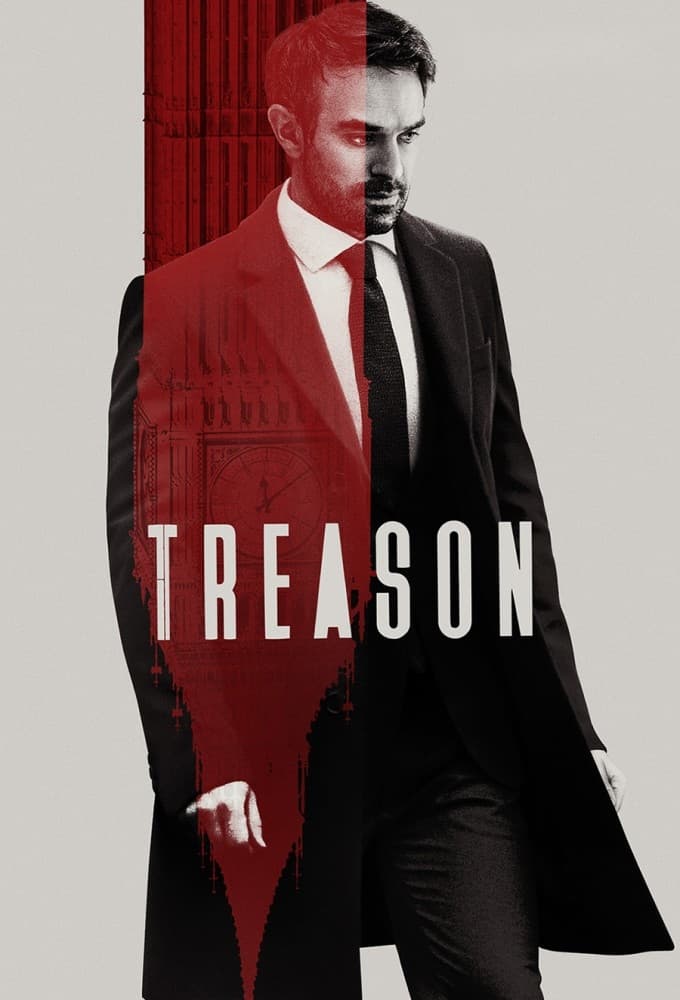
A contemporary spy thriller that follows a senior intelligence official navigating leaks, kompromat, and alliances. Produced for Netflix, it depicts interagency briefings, diplomatic pressures, and internal security protocols. It shows how operational decisions reverberate through cabinet offices and foreign partners.
‘The Unlikely Murderer’ (2021)

This Swedish miniseries dramatizes the aftermath of the assassination of Prime Minister Olof Palme and the investigation that followed. Produced for Netflix, it draws on reports, testimony, and contemporaneous accounts. It illustrates how investigative leads, political expectations, and media narratives shaped the case.
‘Wormwood’ (2017)
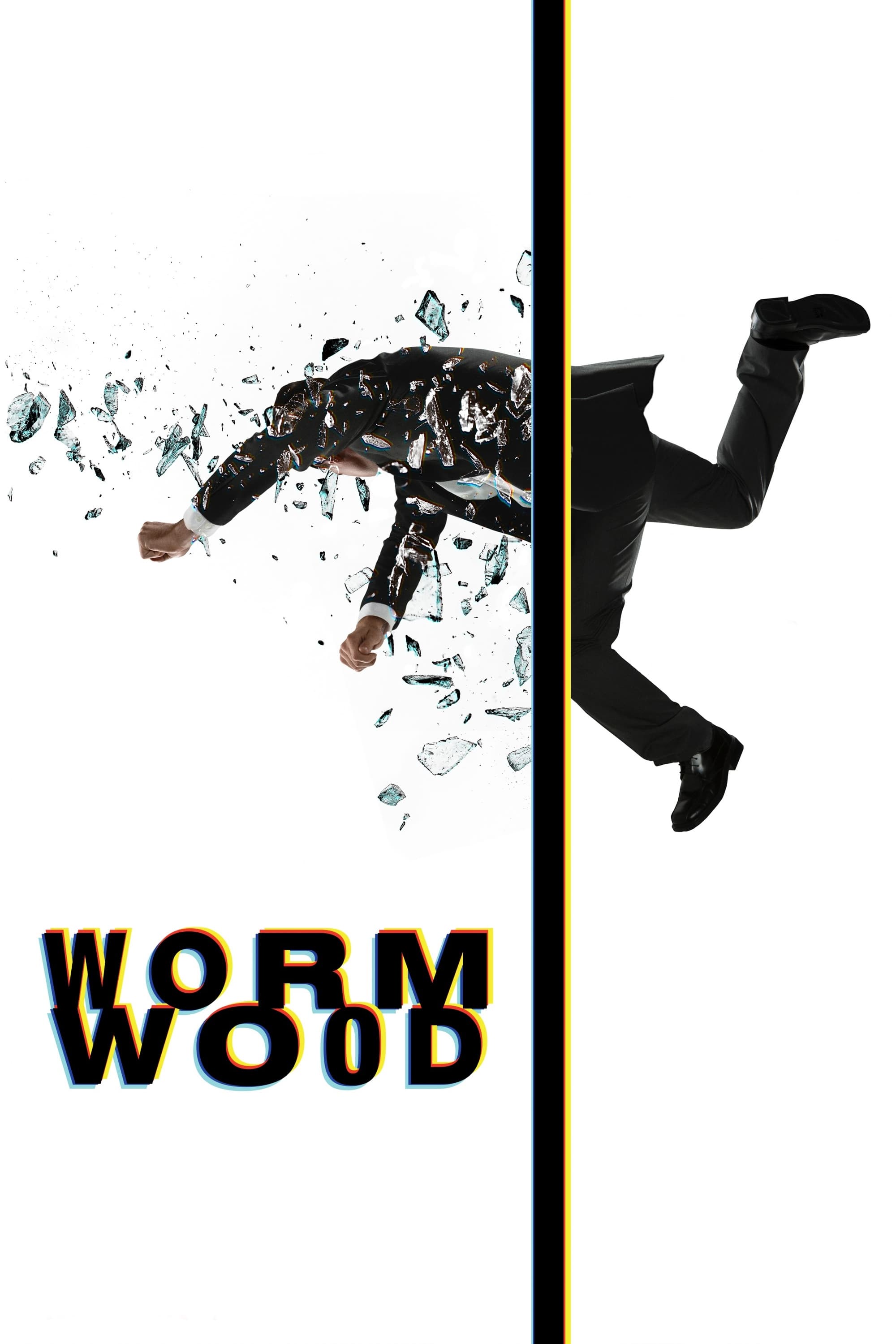
Errol Morris blends interviews and reenactments to explore the death of a government scientist amid Cold War programs. Produced for Netflix, it references declassified documents, hearings, and official statements. It traces how secrecy provisions and oversight mechanisms evolved around national security.
‘The Family’ (2019)
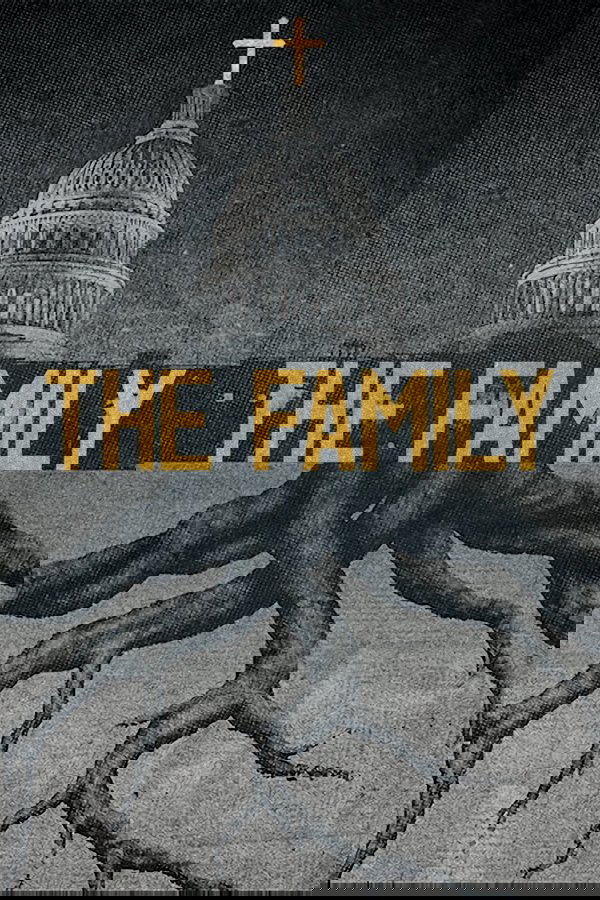
This documentary series looks at a religious organization’s quiet influence on policymaking and legislative relationships. Produced for Netflix, it uses archives, interviews, and member accounts to outline networks near power. It shows how private gatherings, fellowships, and advocacy efforts connect to public decisions.
‘Dirty Money’ (2018–2020)
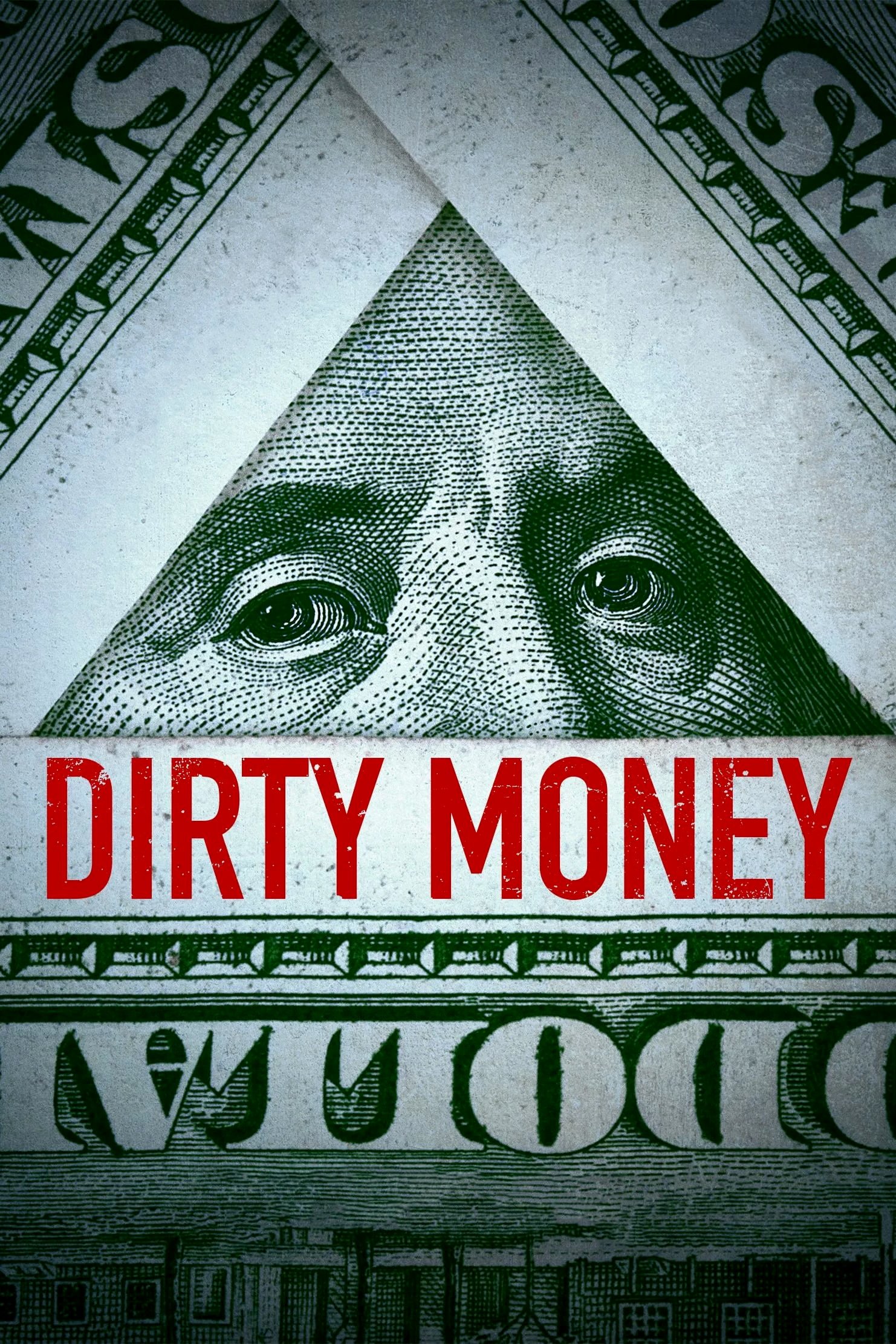
An investigative series that follows corporate cases with regulatory, legal, and political consequences. Produced for Netflix, it presents filings, enforcement actions, and testimony that affect public policy. It examines how lobbying, loopholes, and settlements shape outcomes in heavily regulated sectors.
‘Five Came Back’ (2017)
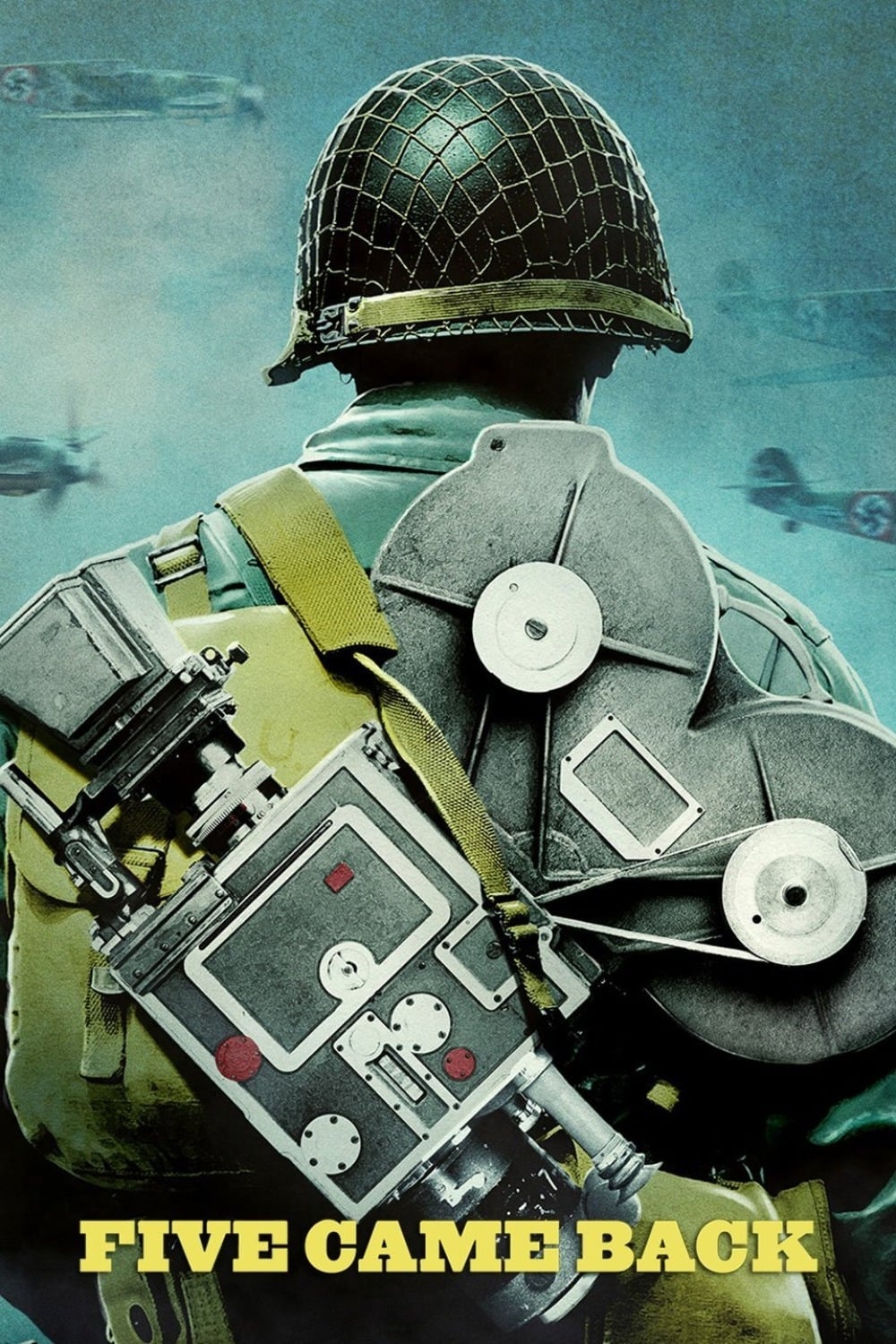
A documentary series about five Hollywood directors who documented World War II and helped shape public messaging. Produced for Netflix, it uses government archives, studio materials, and wartime films. It shows how propaganda, morale campaigns, and cultural policy were organized during the conflict.
‘Rise of Empires: Ottoman’ (2020–2022)
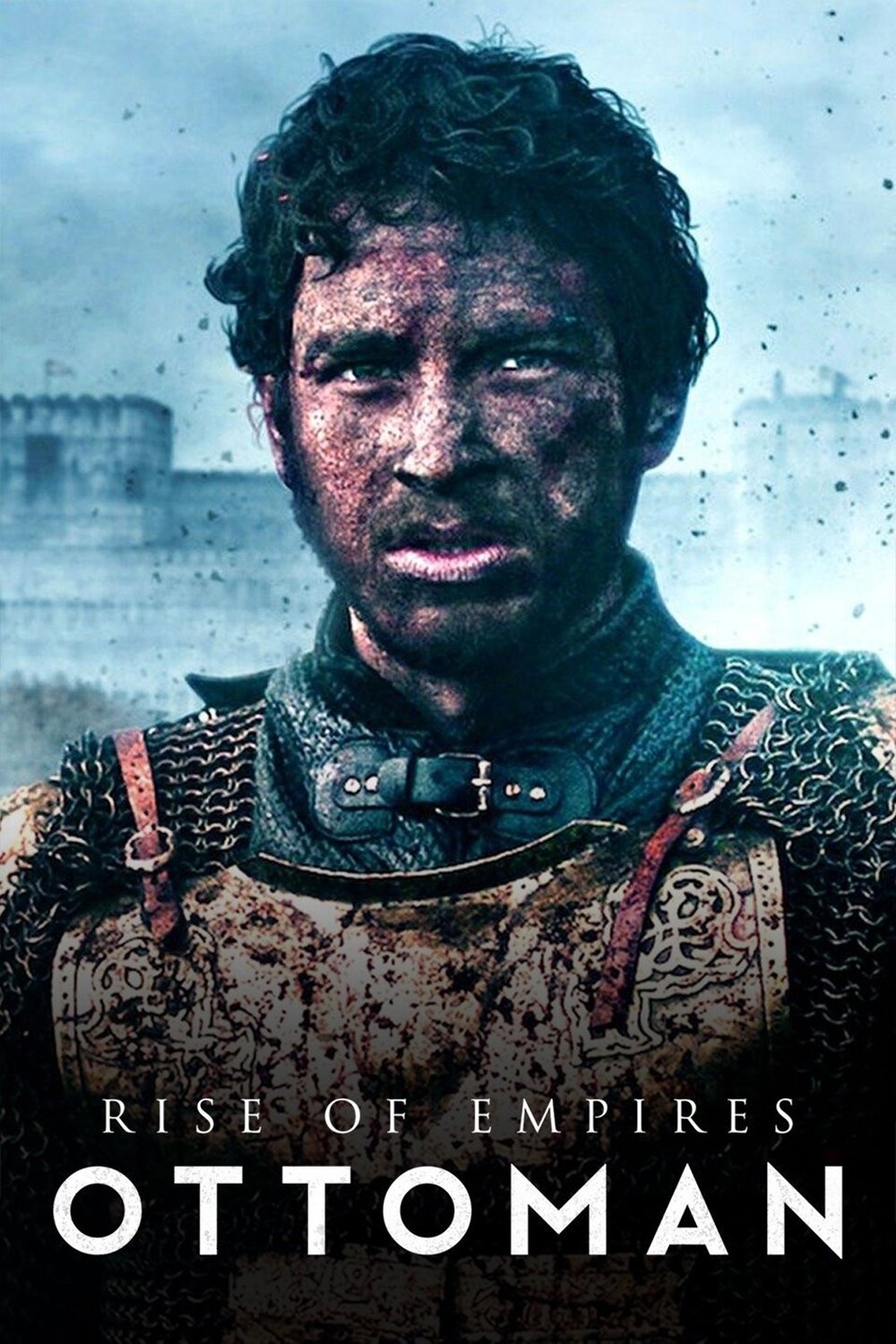
This docudrama charts campaigns, court politics, and diplomatic maneuvers around the rise of the Ottoman state. Produced for Netflix, it combines historian commentary with dramatized council scenes and military planning. It explains how treaties, tributaries, and succession informed strategy.
‘Medici’ (2016–2019)
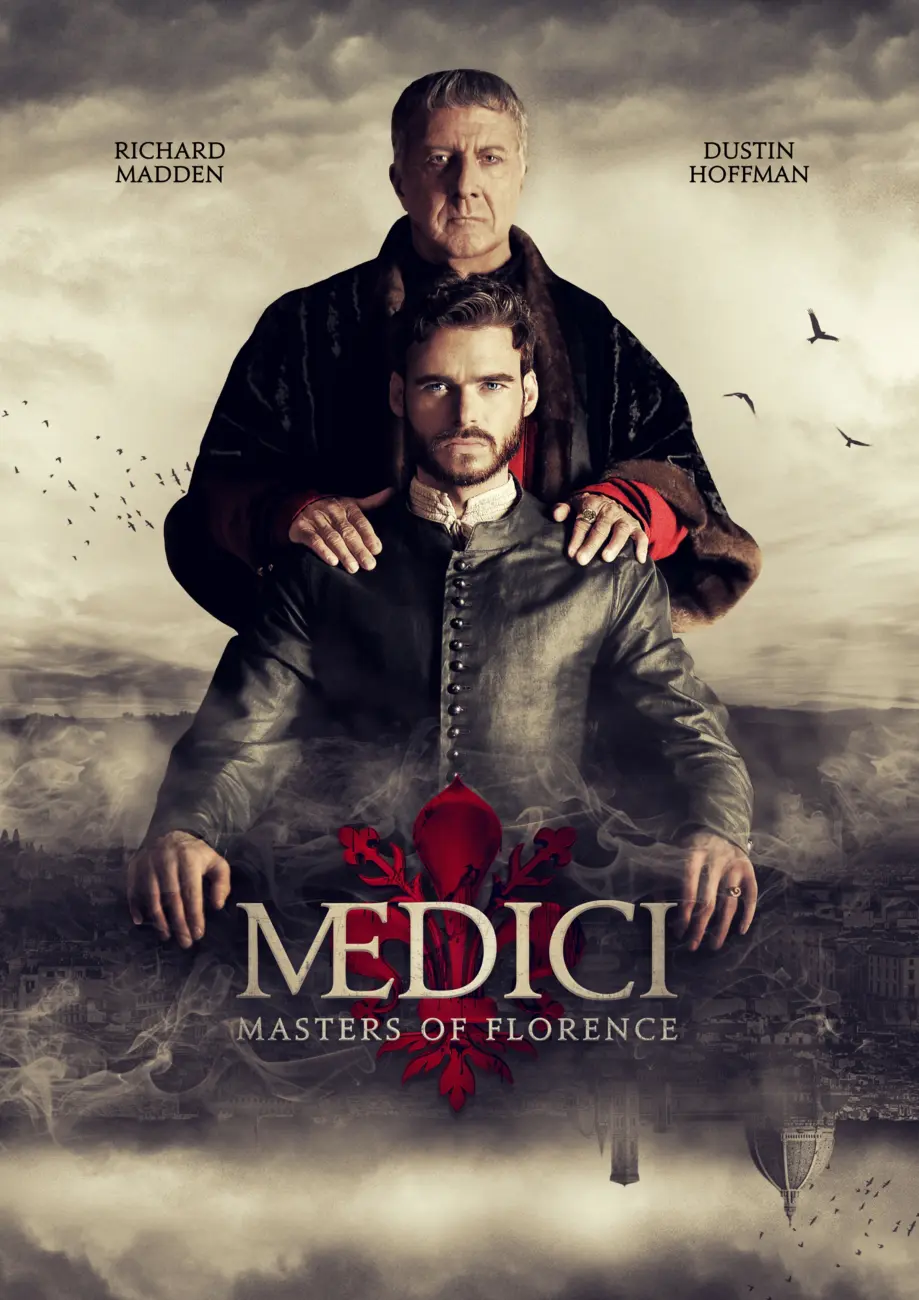
A period drama about a banking dynasty managing civic offices, alliances, and cultural patronage in Florence. Co-produced with Rai and available on Netflix, it portrays councils, guilds, and papal relations. It maps how finance, policy, and public works intertwined in city governance.
‘Marco Polo’ (2014–2016)
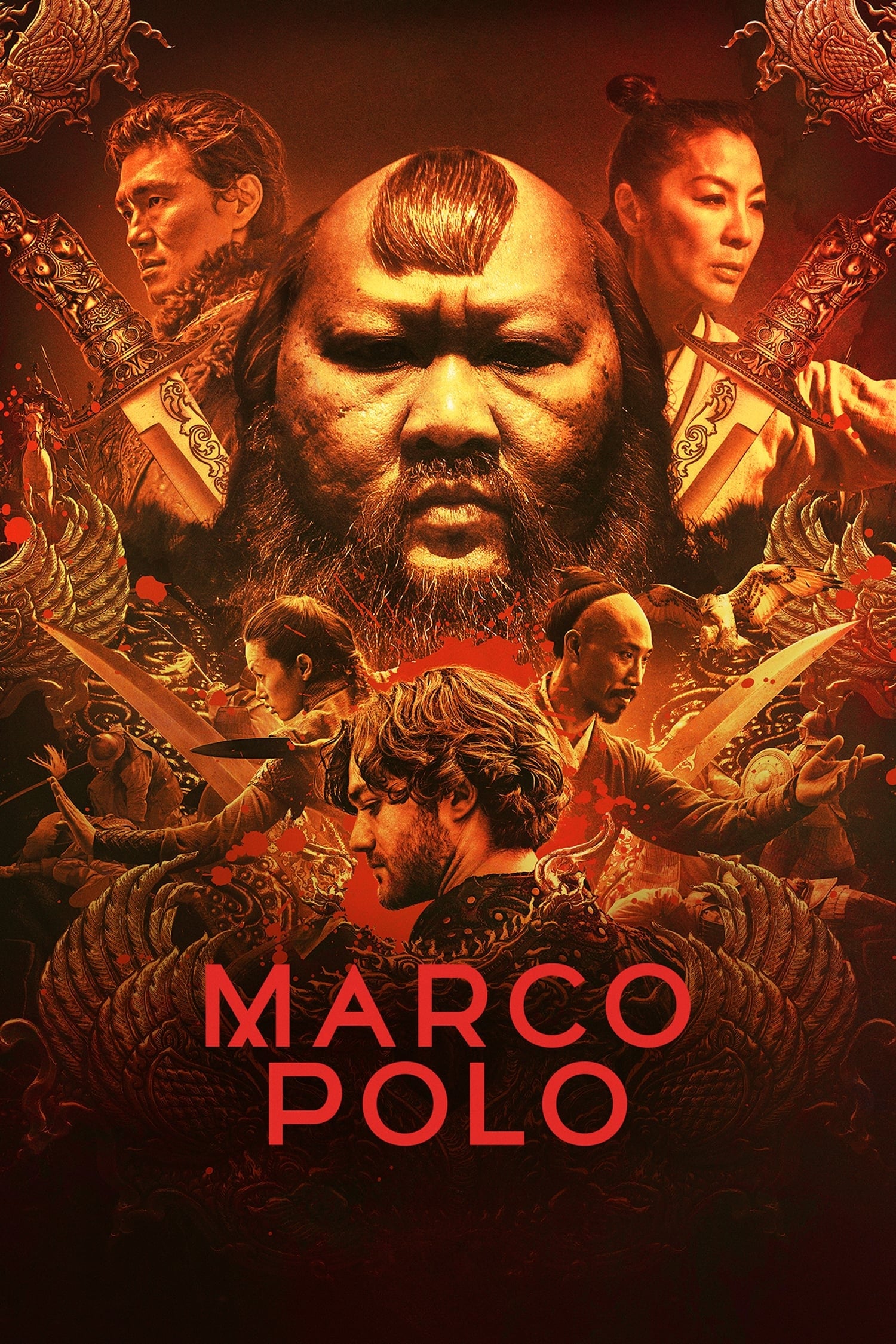
Set at the court of Kublai Khan, the series follows negotiations, taxation, and campaigns that shaped imperial administration. Produced for Netflix, it stages councils, emissary exchanges, and legal codes. It highlights how trade routes and regional governors affected central authority.
‘Queenmaker’ (2023– )
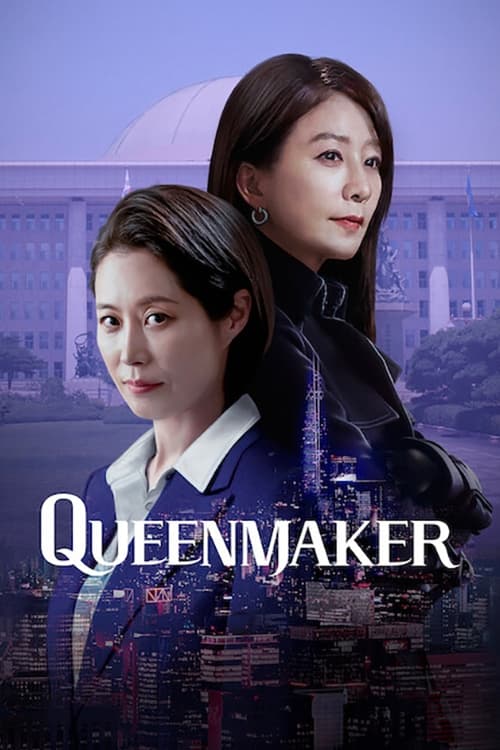
A Korean drama about a crisis-management expert steering a candidate through a contentious city election. Produced for Netflix, it covers campaign architecture, messaging, and coalition outreach. It details debates, compliance checks, and rapid-response operations during the race.
‘Kingdom’ (2019–2020)
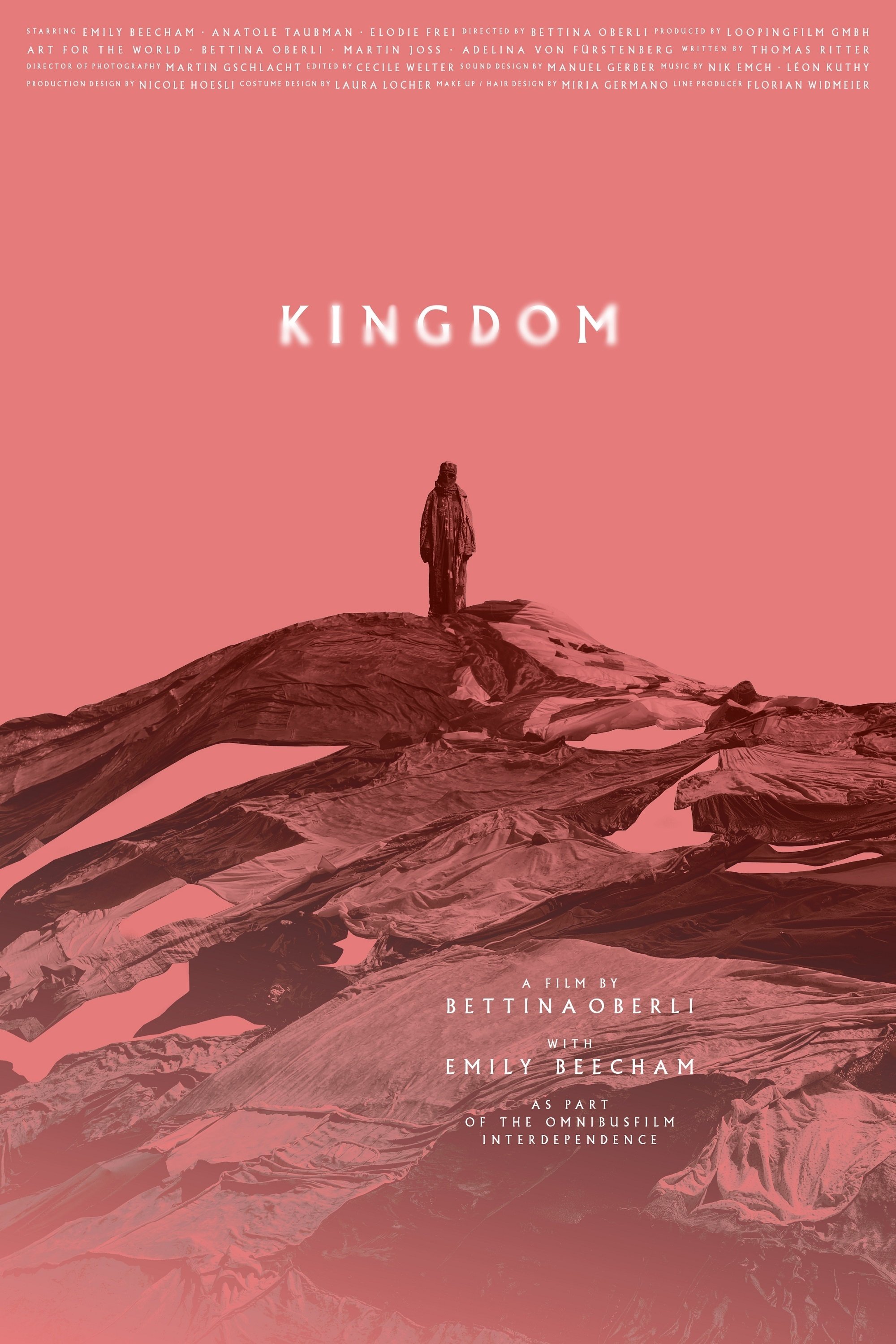
A historical thriller where court factions confront governance failures alongside a public health disaster. Produced for Netflix, it depicts ministerial councils, chain-of-command disputes, and provincial authority. It illustrates how information control and edicts shaped responses across the realm.
‘The Last Czars’ (2019)

This docudrama follows imperial Russia’s final years through palace decisions, church influence, and ministerial crises. Produced for Netflix, it blends expert commentary with dramatized cabinet and Duma scenes. It outlines reforms, unrest, and the administrative breakdown that followed.
‘Tokyo Trial’ (2016)
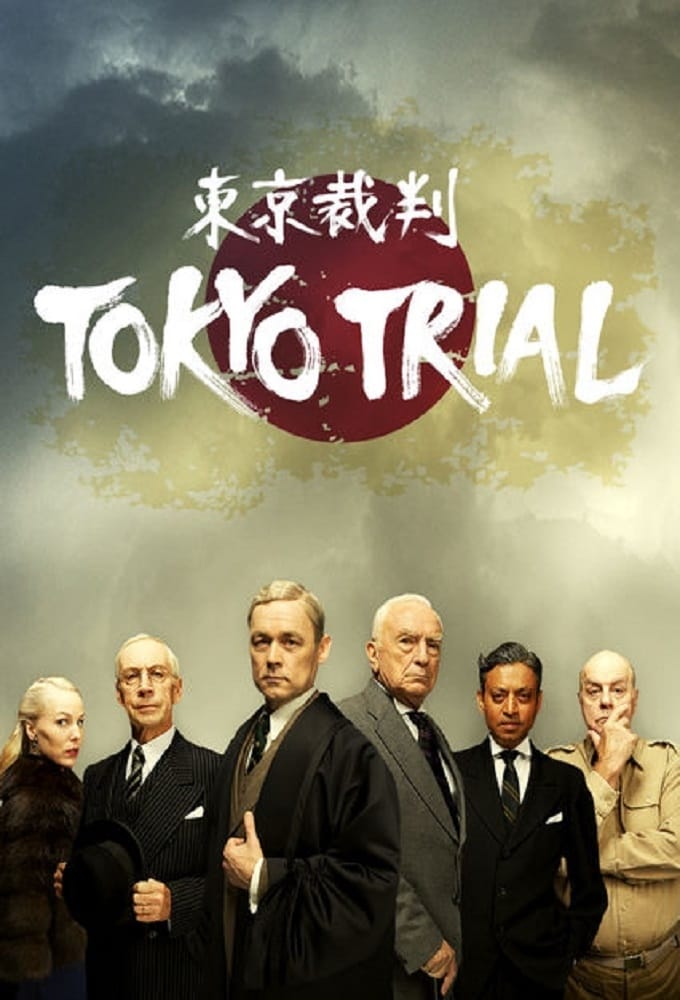
An international miniseries focusing on judges at the postwar tribunal convened to try leaders of Imperial Japan. Co-produced by NHK and available on Netflix, it reconstructs deliberations, legal standards, and jurisdictional disputes. It shows how differing national doctrines and procedures shaped the final judgments.
Share your picks for sharp, politically charged Netflix series in the comments so everyone can compare watchlists.

