


Noir Movies You Are Sleeping On (But Shouldn’t)

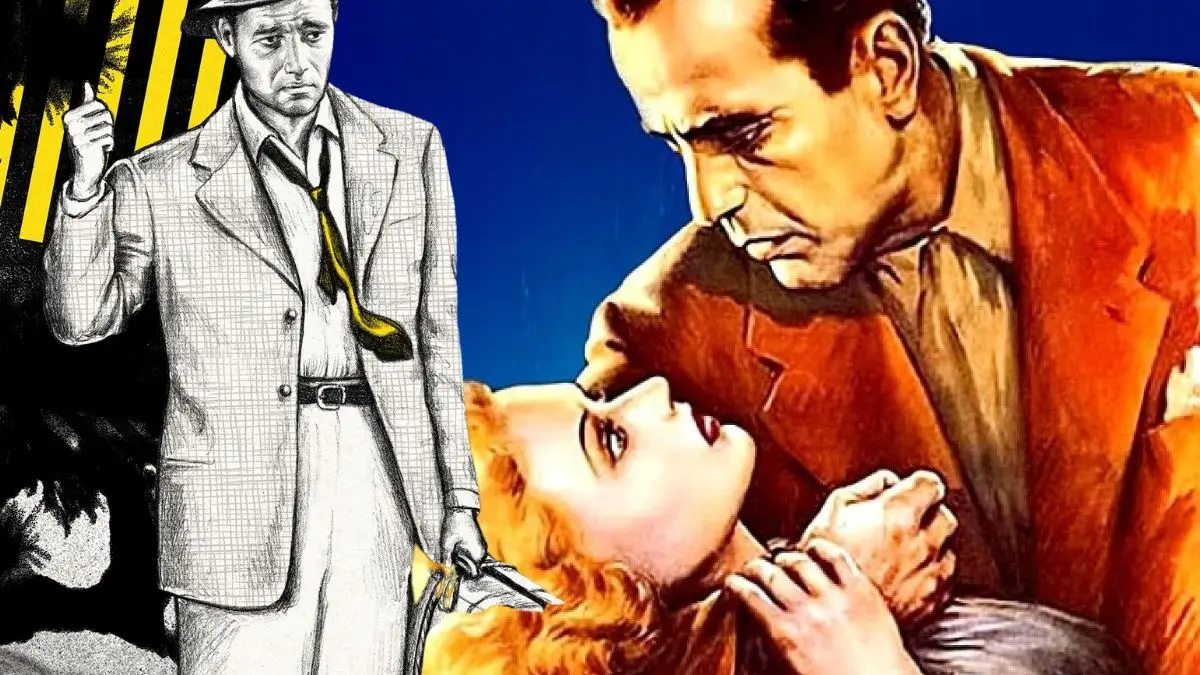


Noir has a way of taking ordinary people and showing how a single decision can twist everything. It is a world of city nights, bad luck, and quiet betrayals, and it spans classic studio gems and modern indie sleepers. If you love tight plotting, sharp dialogue, and moody visuals, there are so many titles that slip under the radar but reward every minute.
This list pulls together lesser celebrated staples and modern entries that carry the genre forward. You will find terse crime stories, doomed romances, and conspiracies that circle back to the people who started them. Each title includes helpful context so you can decide what to watch next, with a quick note on who put it in theaters so you can trace where these films first found their audiences.
‘Out of the Past’ (1947)
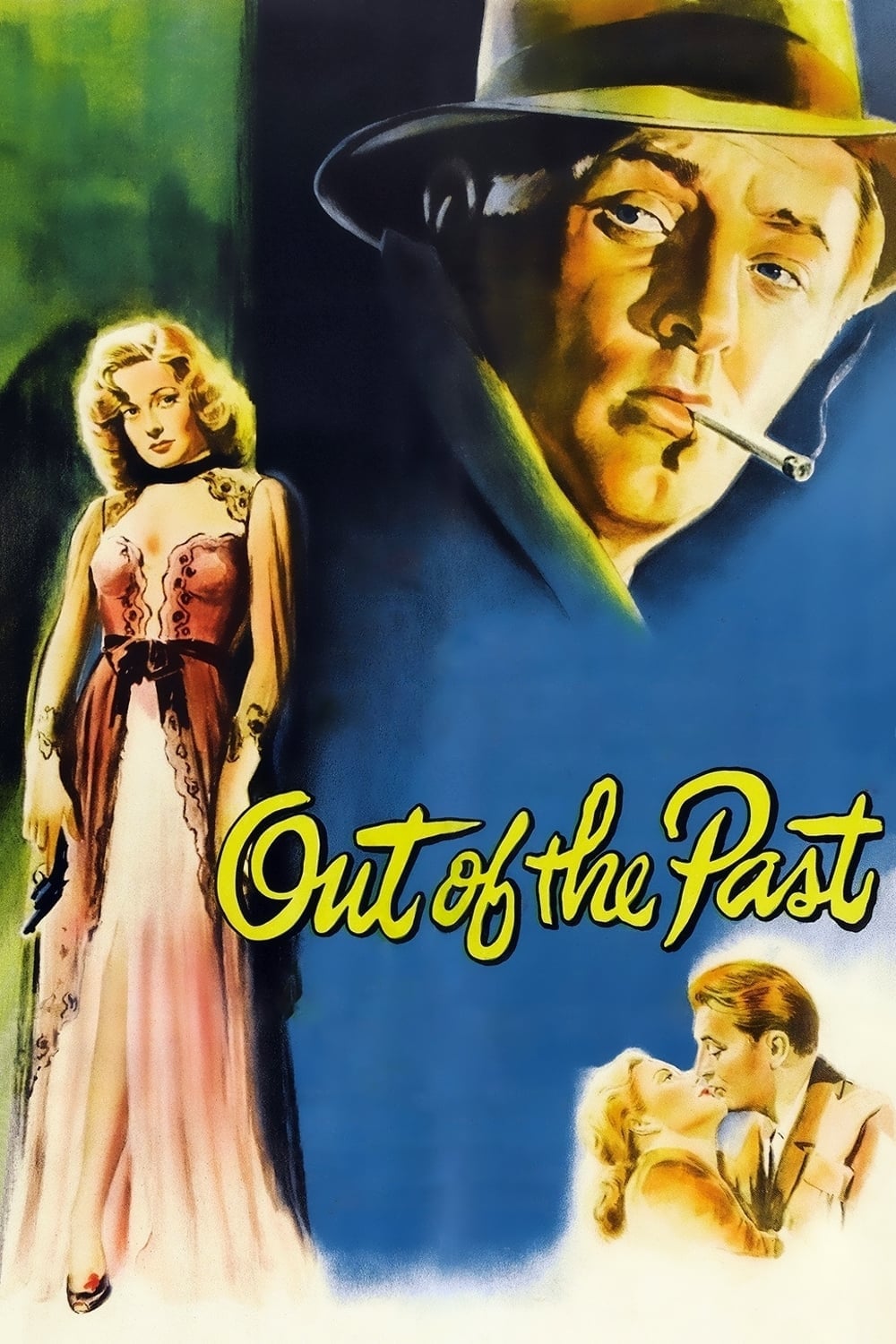
Robert Mitchum and Jane Greer anchor a story about a small town gas station owner who cannot outrun his history with a private investigation gone wrong. The film features location work that moves from rural quiet to shadow filled city scenes, with Nicholas Musuraca’s cinematography shaping the look that became synonymous with the genre.
RKO Radio Pictures handled the release, pairing Jacques Tourneur’s direction with the studio’s reputation for atmospheric thrillers. The combination of studio craft and lean storytelling helped this one travel widely and find a second life in repertory screenings and restorations.
‘The Big Combo’ (1955)
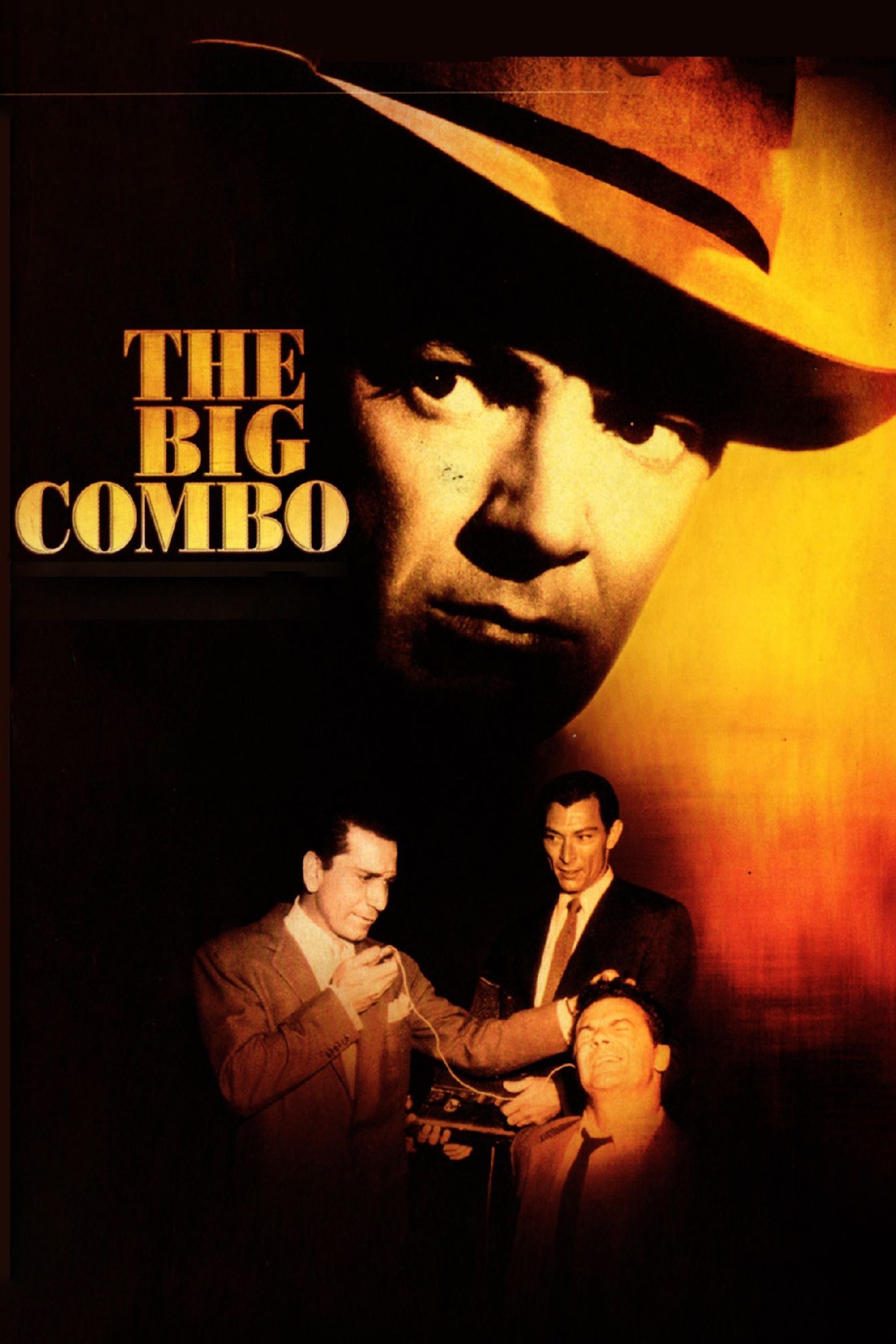
Cornel Wilde plays a determined cop hunting a crime boss while John Alton’s lighting turns rooms into mazes of light and dark. The plot leans on wiretaps, nightclubs, and a witness who knows more than she says, building a crisp portrait of organized crime.
Allied Artists Pictures brought the film to theaters, giving a smaller studio title national play. Its release pattern and later television syndication helped the film circulate far beyond its original run.
‘Detour’ (1945)
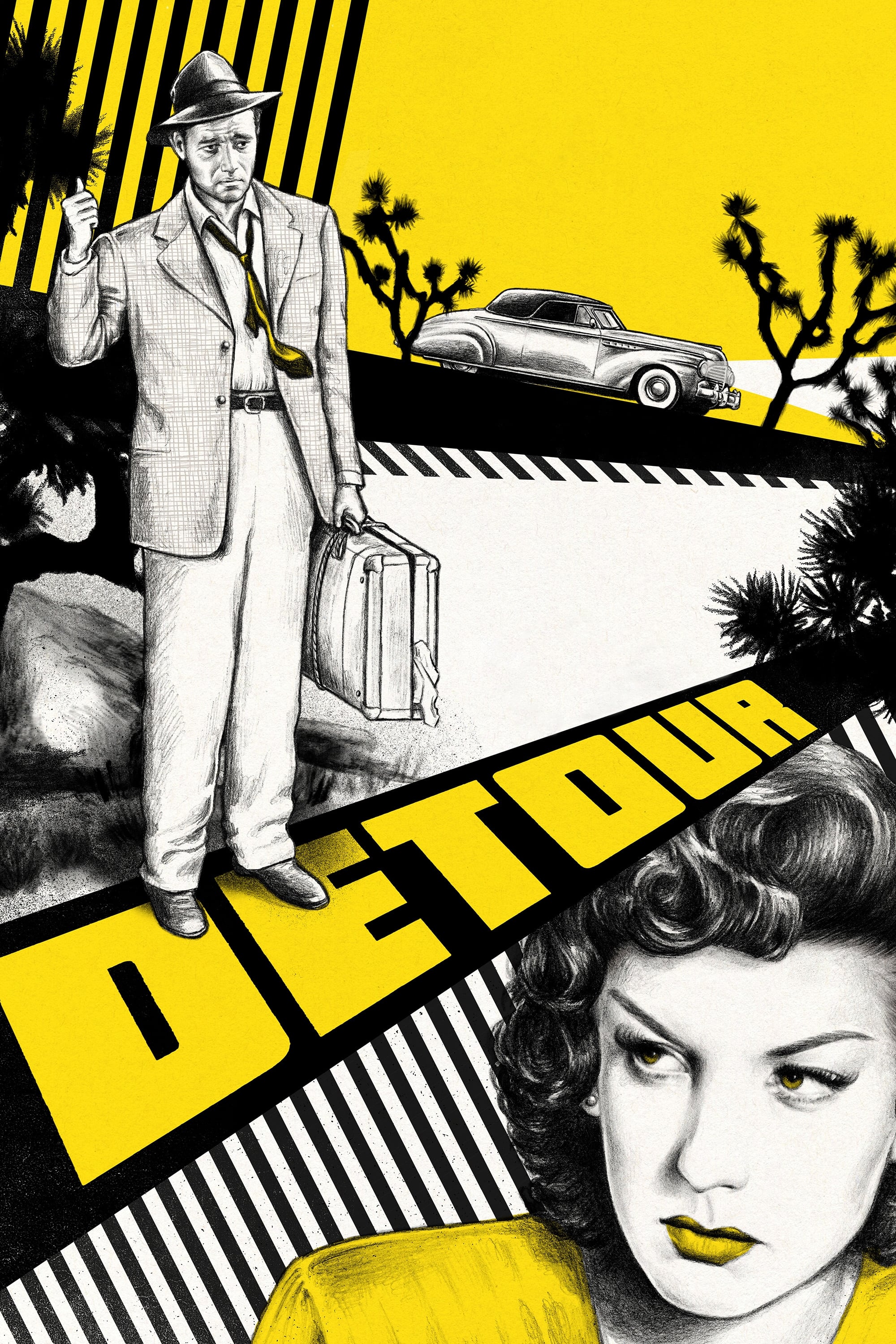
A nightclub pianist hitchhikes west and stumbles into fate when a ride goes bad and a stranger’s scheme gets worse. The production makes the most of modest sets and rear projection, using tight closeups and a relentless pace to keep the story moving.
Producers Releasing Corporation distributed it across regional circuits, proving that a resourceful production could punch above its weight. Later restorations drew on surviving elements that circulated through the PRC library.
‘Gun Crazy’ (1950)
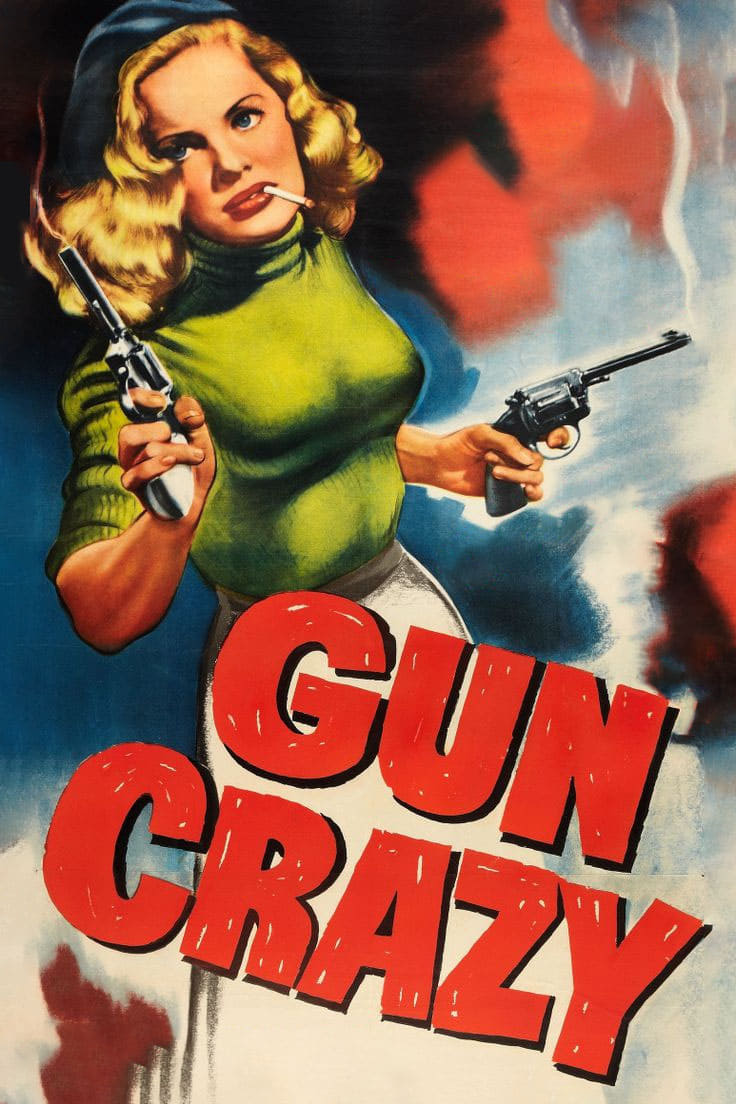
A crack shot falls for a carnival sharpshooter and together they slide into quick cash robberies that grow more daring. The film uses long takes during heists to put viewers in the getaway car, with location sound adding texture to each sequence.
United Artists released the picture, working with independent producers to secure broad theatrical play. The UA partnership allowed the film to reach urban and suburban houses without a large studio’s production banner.
‘Night and the City’ (1950)
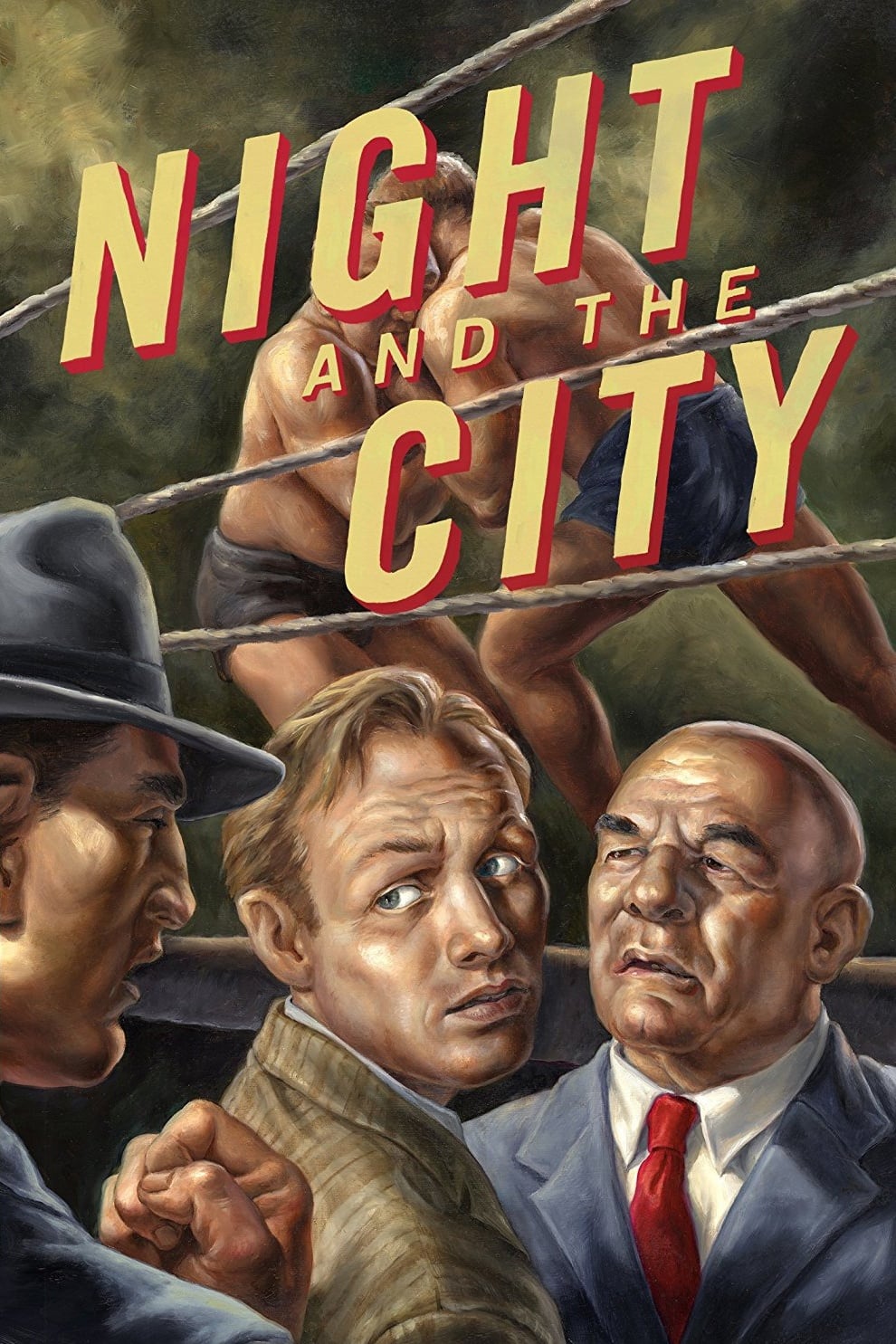
A hustler in London’s wrestling scene reaches for one last score and finds every door closing. Richard Widmark’s performance anchors a web of promoters, athletes, and club owners, with nocturnal street photography setting the mood.
Twentieth Century Fox circulated the film stateside, complementing a separate cut prepared for the British market. The Fox release ensured access to major first run theaters and later television packages.
‘Pickup on South Street’ (1953)
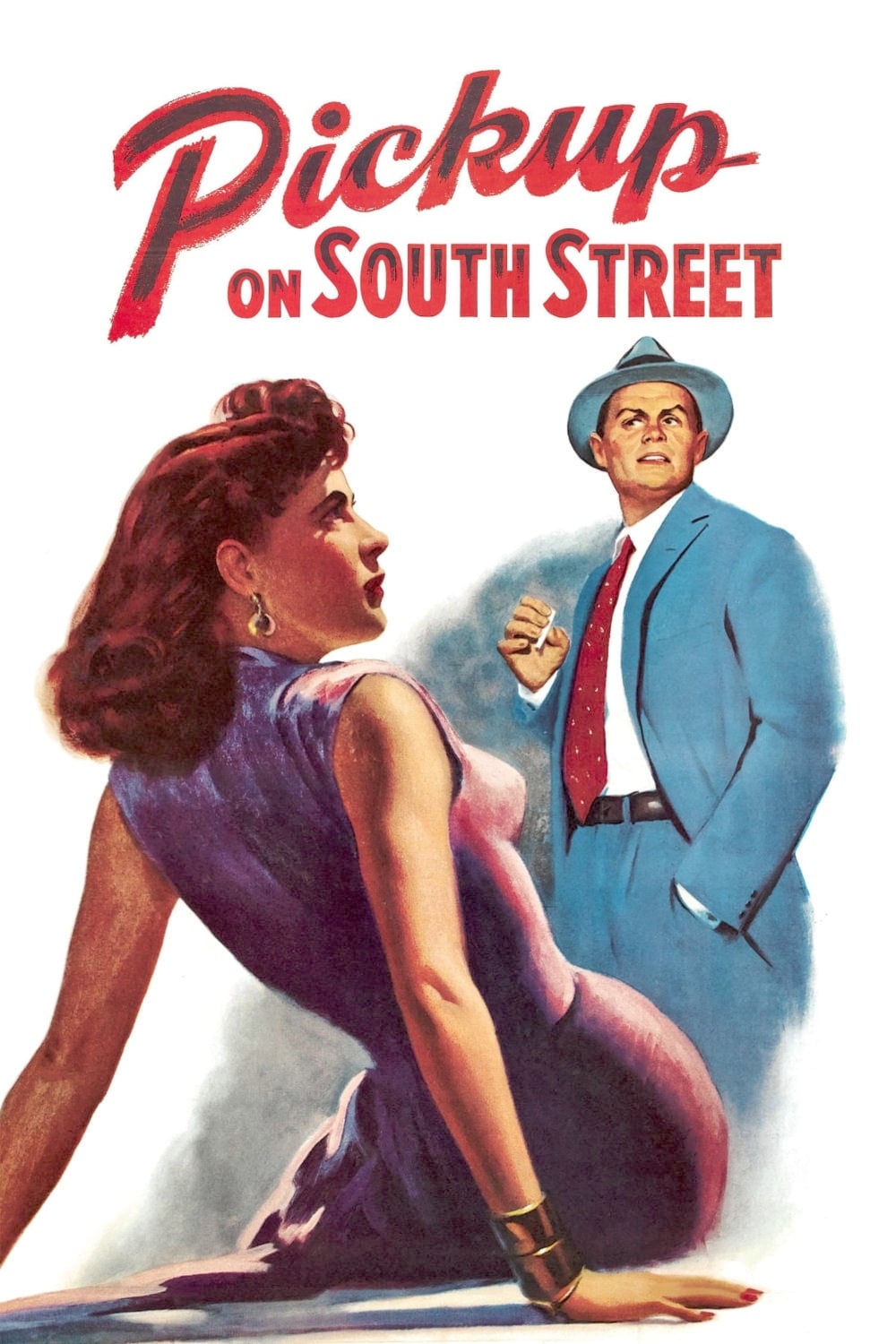
A pickpocket working the New York subway lifts a purse and accidentally grabs a piece of government sensitive microfilm. The story tracks police, federal agents, and underworld contacts as everyone races to recover the item.
Twentieth Century Fox distributed Samuel Fuller’s urban thriller, pairing it with a focused marketing push on big city screens. The studio’s network kept the film present in second run houses, which helped it linger with audiences.
‘In a Lonely Place’ (1950)
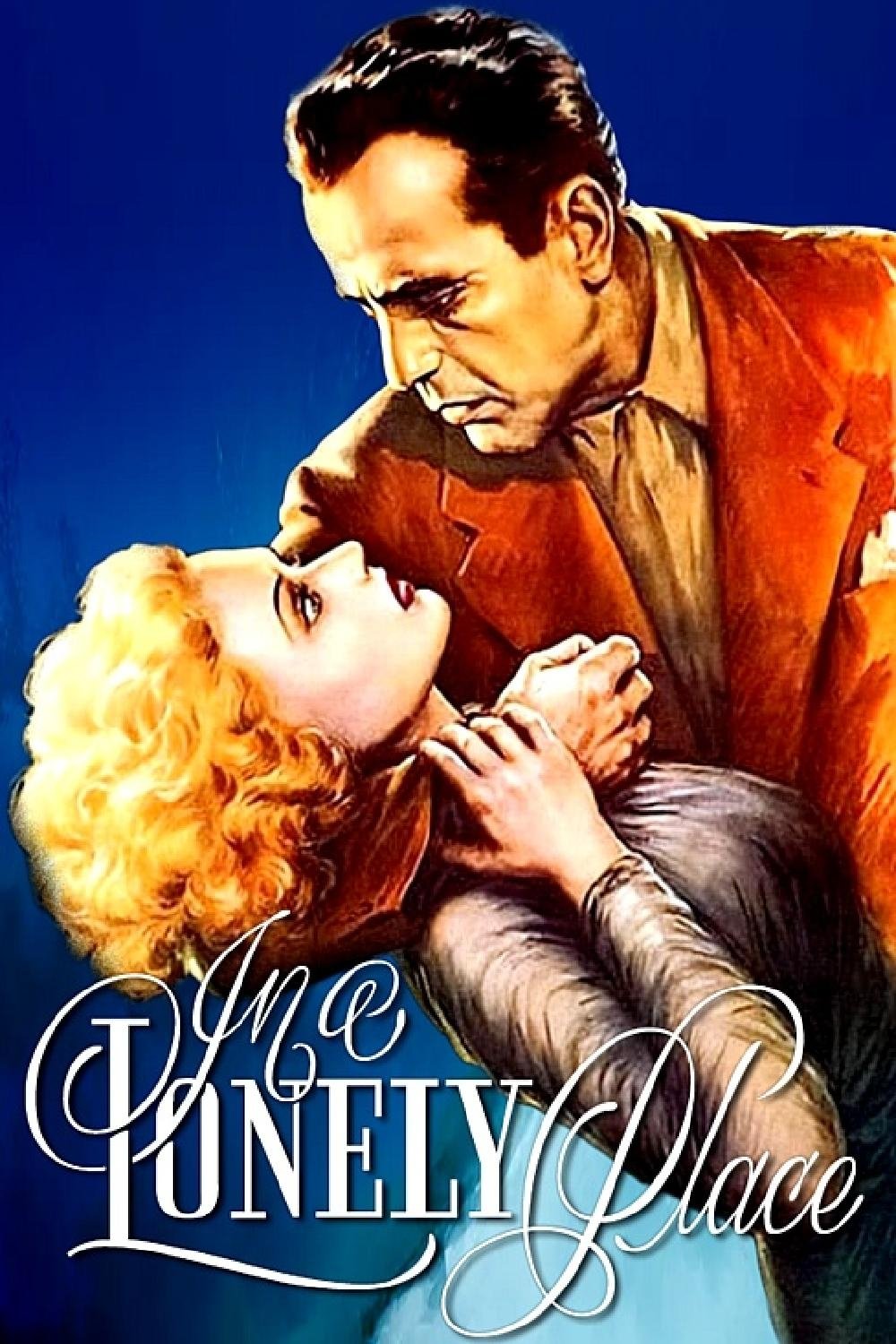
A screenwriter under suspicion of murder begins a fragile relationship that collides with his temper and the pressures of Hollywood work. The script draws on studio bungalows, late night drives, and tense interrogations.
Columbia Pictures released the film and supported it with a platform rollout that emphasized its star pairing. The Columbia pipeline also placed the title in international territories, broadening its reach beyond the home market.
‘They Live by Night’ (1948)
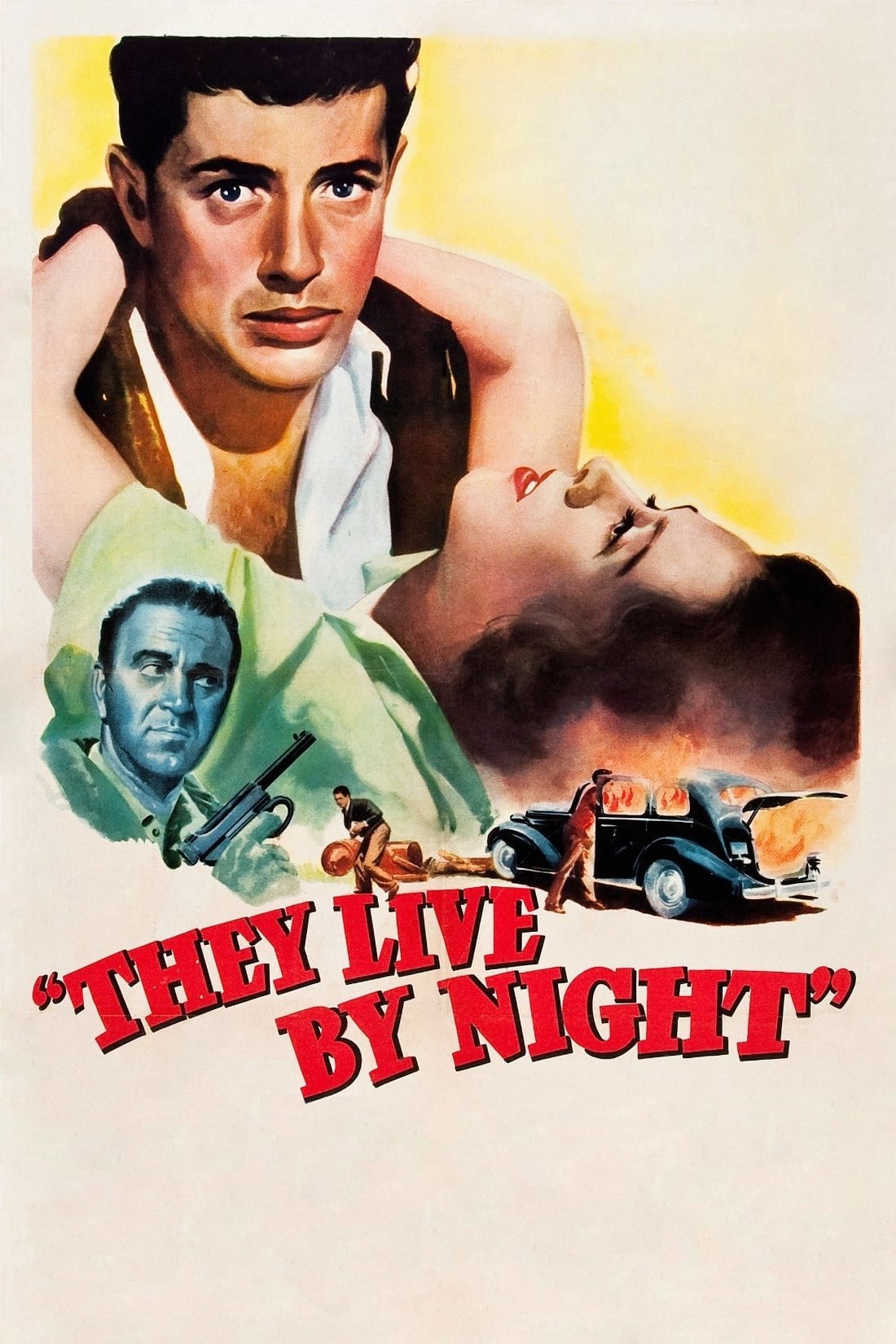
A young couple flees across back roads after a bank job, trying to stay ahead of partners and police while dreaming of a clean start. The production uses quiet domestic scenes to heighten the uncertainty of every knock at the door.
RKO Radio Pictures handled theatrical distribution, making this an early showcase for its director’s emerging style. RKO’s booking strategy brought the film to neighborhood theaters where word of mouth took hold.
‘Criss Cross’ (1949)
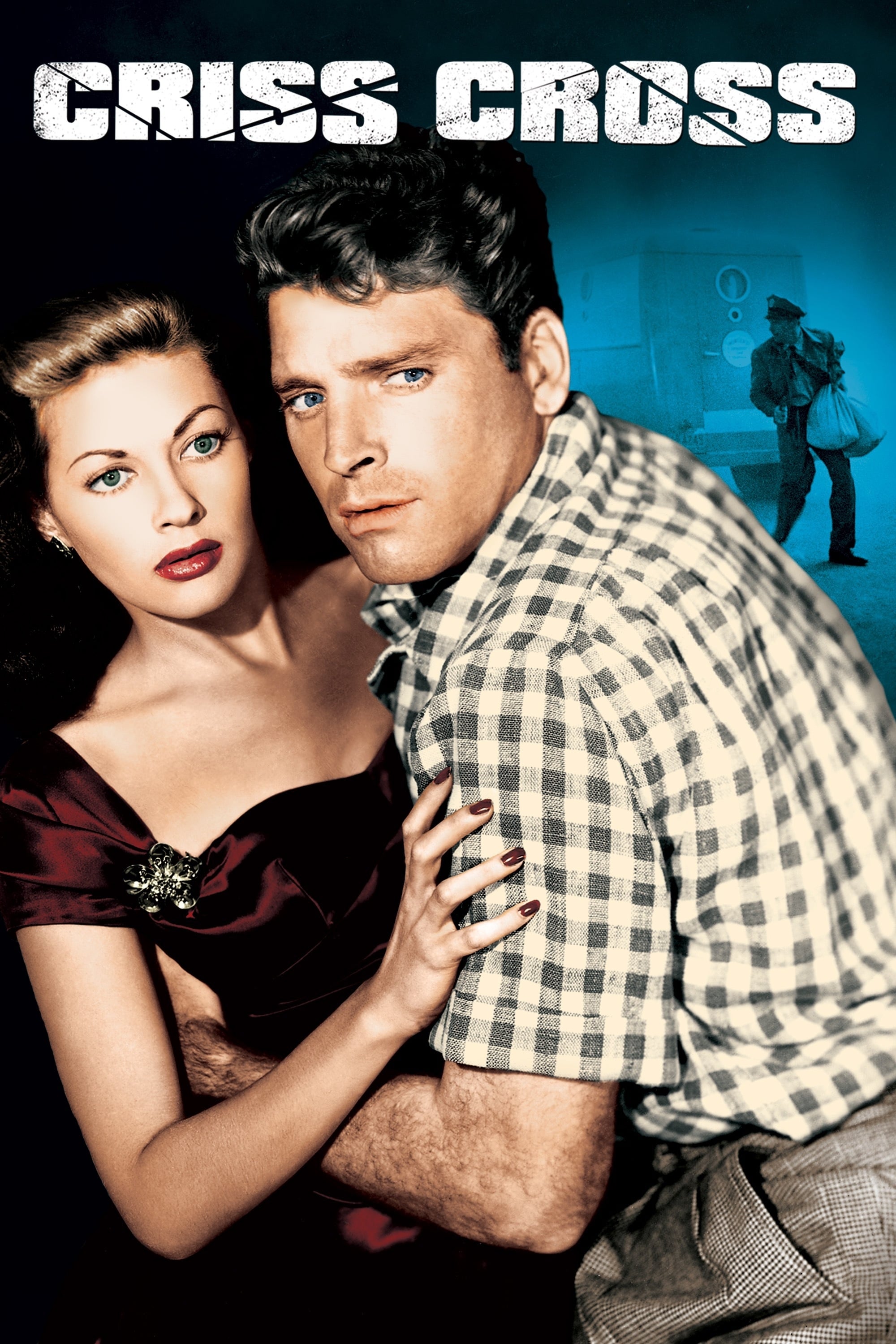
A returning truck driver gets pulled back to a former lover and a risky armored car robbery. The film uses Los Angeles locations and a hospital set piece to track the fallout when plans go sideways.
Universal International distributed the picture, positioning it among the studio’s run of crime dramas. Its circulation through the studio’s television packages kept the title visible to new audiences for decades.
‘The Big Heat’ (1953)
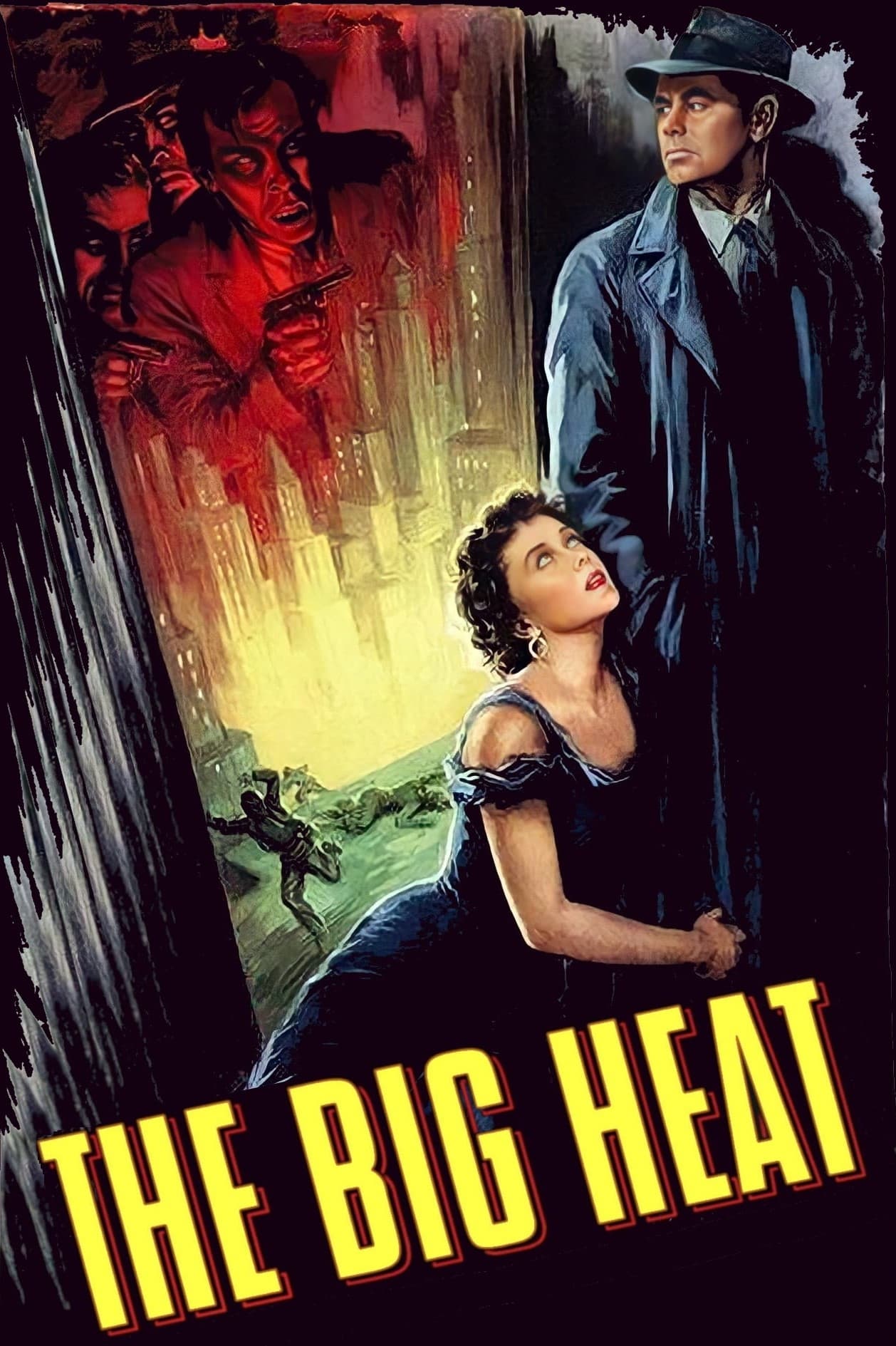
A homicide detective pushes after his chief is pressured to close a case tied to a powerful syndicate. The story moves through kitchens, garages, and club offices, showing how pressure spreads through a city’s institutions.
Columbia Pictures released the film across major markets, then sustained it through reissues and late night television slots. The label’s long running library deals helped preserve access for archivists and festivals.
‘The Killing’ (1956)
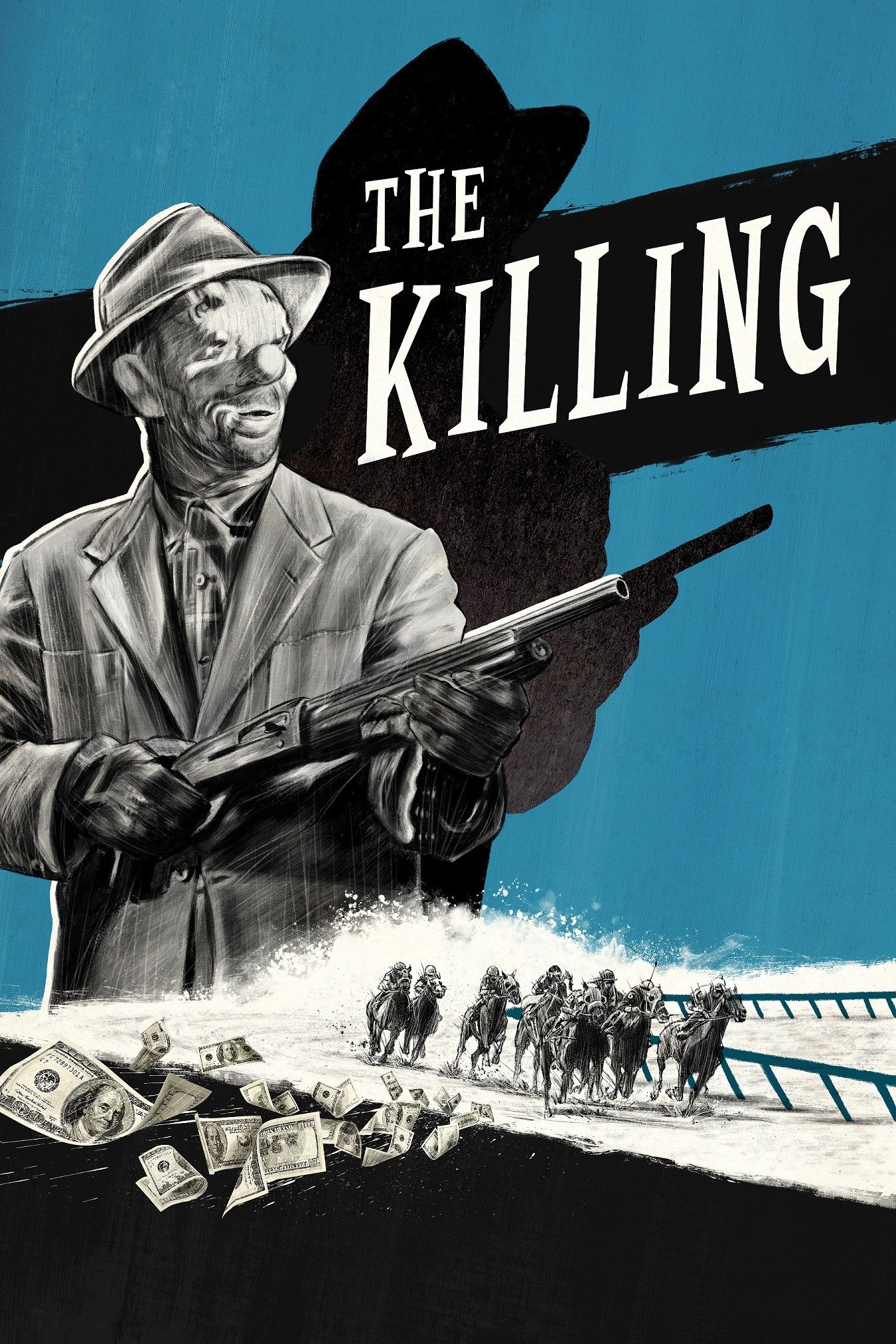
A career criminal assembles a team for a racetrack heist that hinges on exact timing and strict discipline. Cross cutting and overlapping viewpoints show how small missteps ripple through a plan.
United Artists distributed the film, offering a home for a tightly budgeted production that valued editorial innovation. UA’s flexible booking allowed the title to play art houses and genre friendly venues alike.
‘Murder, My Sweet’ (1944)
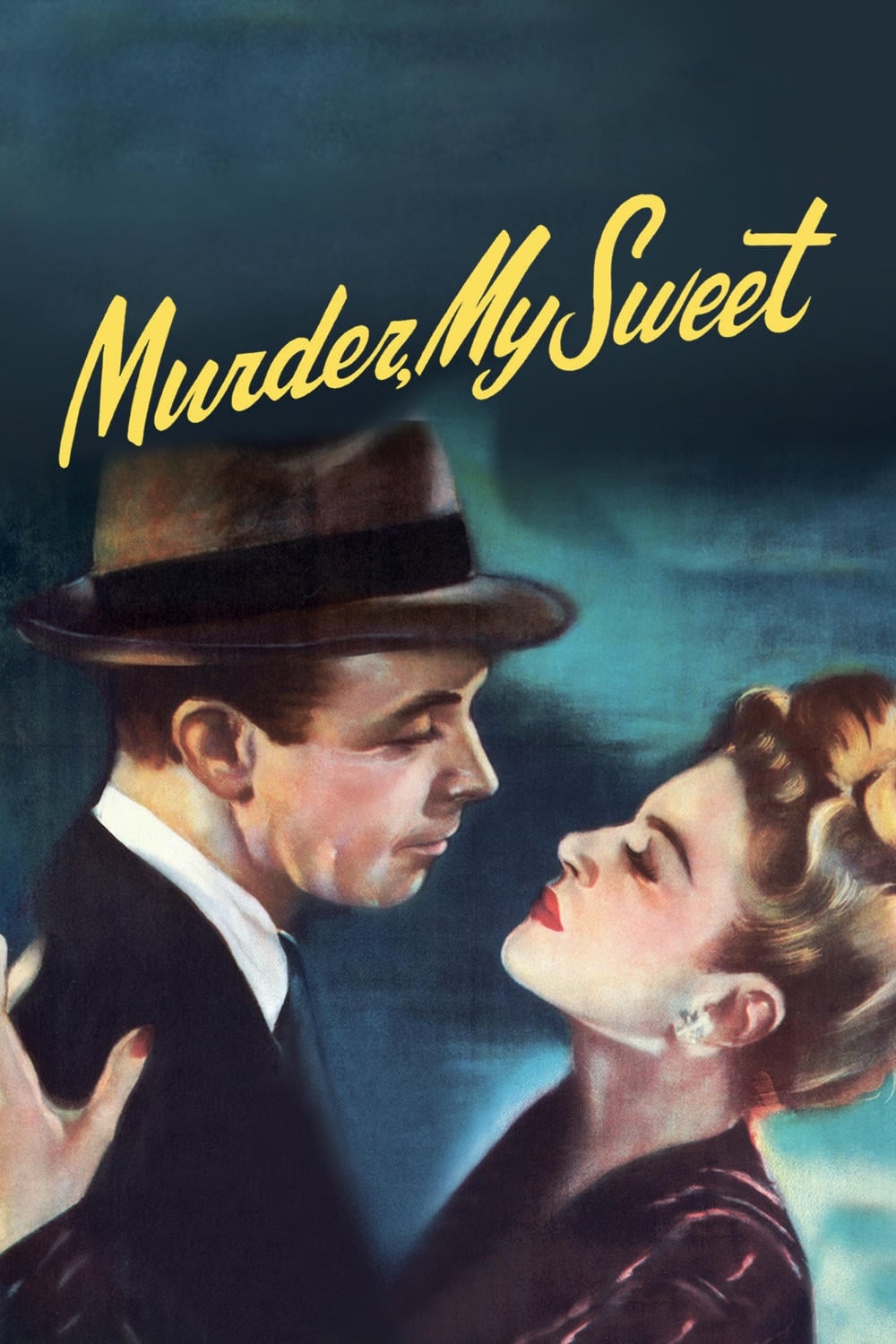
Private detective Philip Marlowe takes a case that begins with a missing person and widens to a rich family hiding multiple secrets. The film adapts hardboiled prose into brisk exchanges and smoky interiors.
RKO Radio Pictures put the release into big city theaters, pairing it with promotional material centered on the detective character. The RKO catalog later ensured steady television play, which helped the film stay in circulation.
‘The Lady from Shanghai’ (1947)

A sailor falls for a married woman on a yacht and gets drawn into a murder plot that turns on misdirection and shifting loyalties. The funhouse climax uses mirrors and angled frames to deepen the sense of uncertainty.
Columbia Pictures distributed the film and managed edits for various markets. The studio’s worldwide network gave the production a broad footprint that extended far beyond its coastal settings.
‘The Narrow Margin’ (1952)
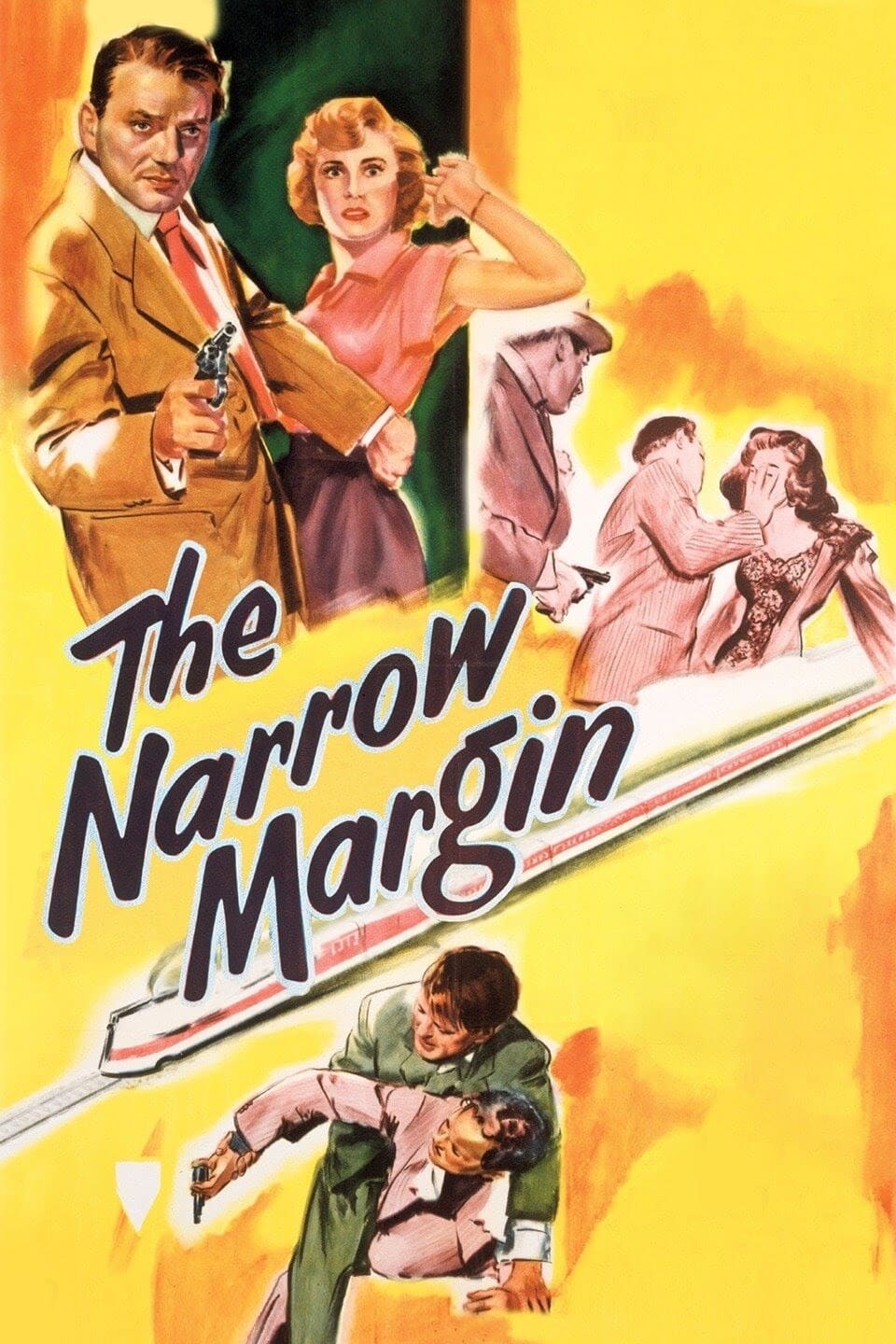
Two detectives escort a witness by train while mob associates crowd the corridors and compartments. The tight spaces and constant motion create a compact thriller that rarely steps off the cars.
RKO Radio Pictures released the picture with an emphasis on its real time momentum. The studio’s distribution arm kept the film moving through regional lines where train themed marketing landed cleanly.
‘Odds Against Tomorrow’ (1959)
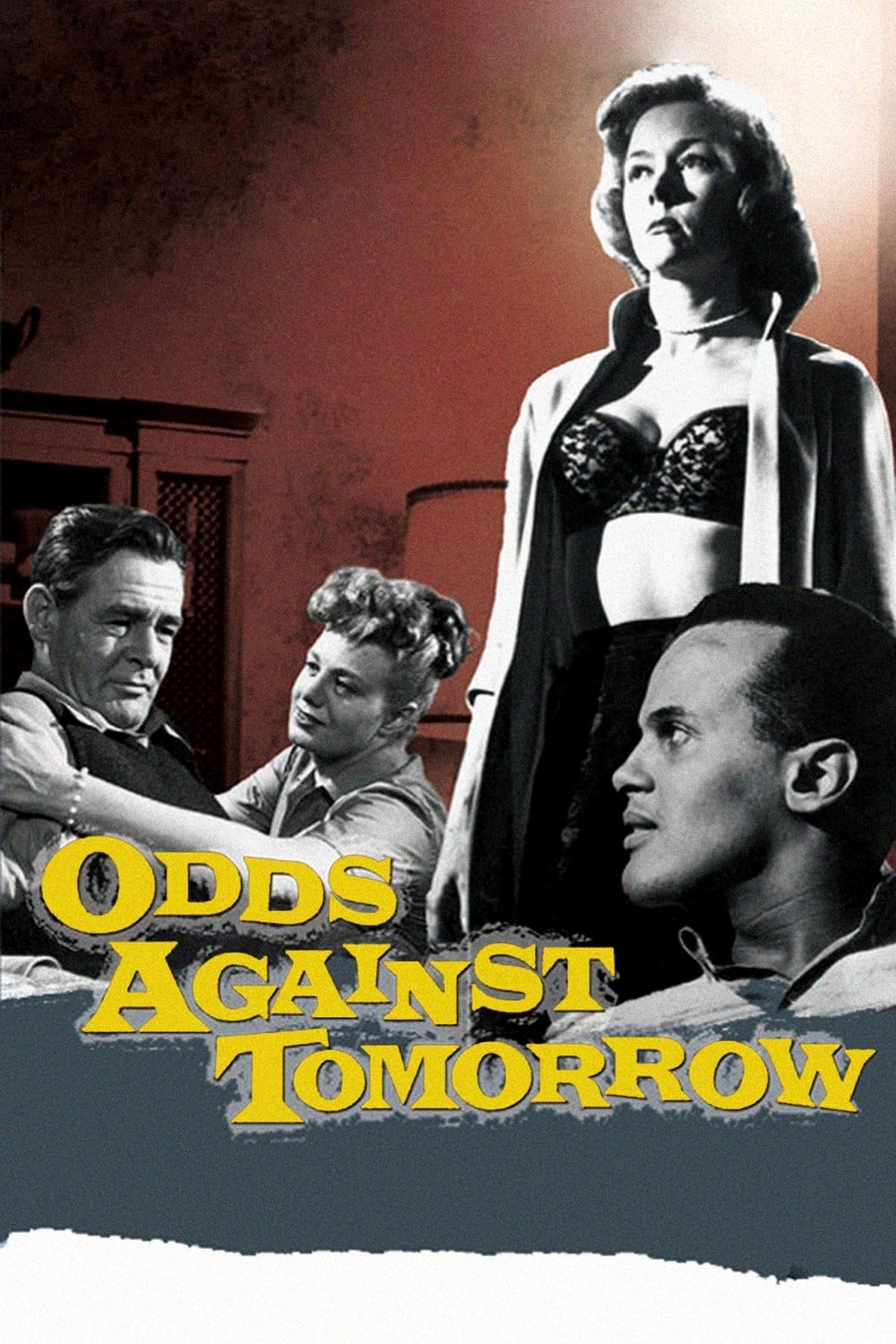
Three men prepare a bank job in a small town, all while personal tensions and outside debts threaten to blow things up. Location shooting and a wintry setting lend the film a distinct texture.
United Artists handled distribution, supporting an independently produced crime story with a national rollout. That structure gave the filmmakers creative control while securing bookings across first run theaters.
‘Kiss Me Deadly’ (1955)
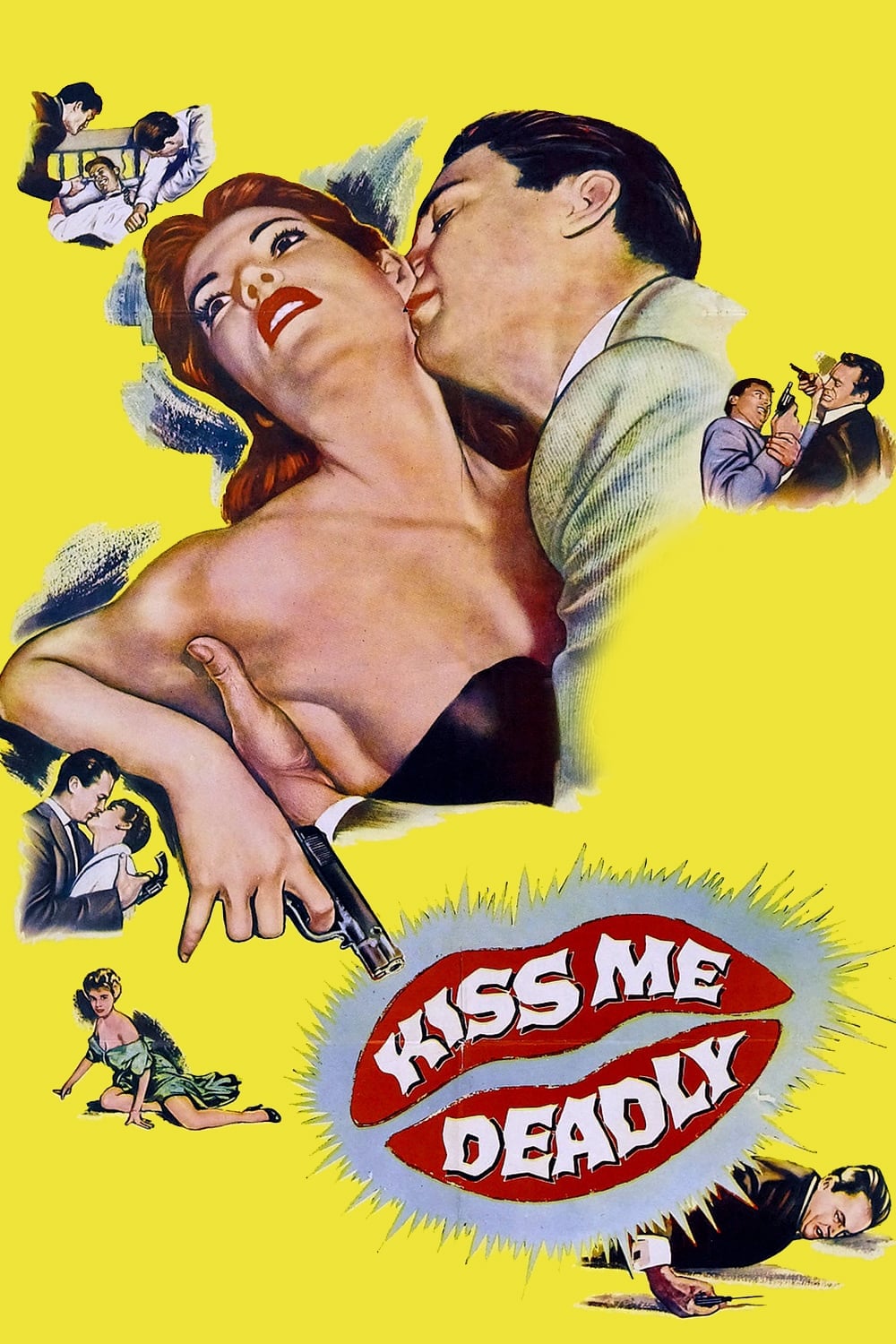
Private eye Mike Hammer stumbles into a case that begins with a roadside pickup and ends with a mysterious box everyone wants. The investigation cuts across boxing gyms, nightclubs, and government agents with their own agendas.
United Artists distributed the film and oversaw alternate edits in response to early concerns. Later restorations drew on UA controlled elements that preserved the closing sequence now widely seen.
‘The Long Goodbye’ (1973)
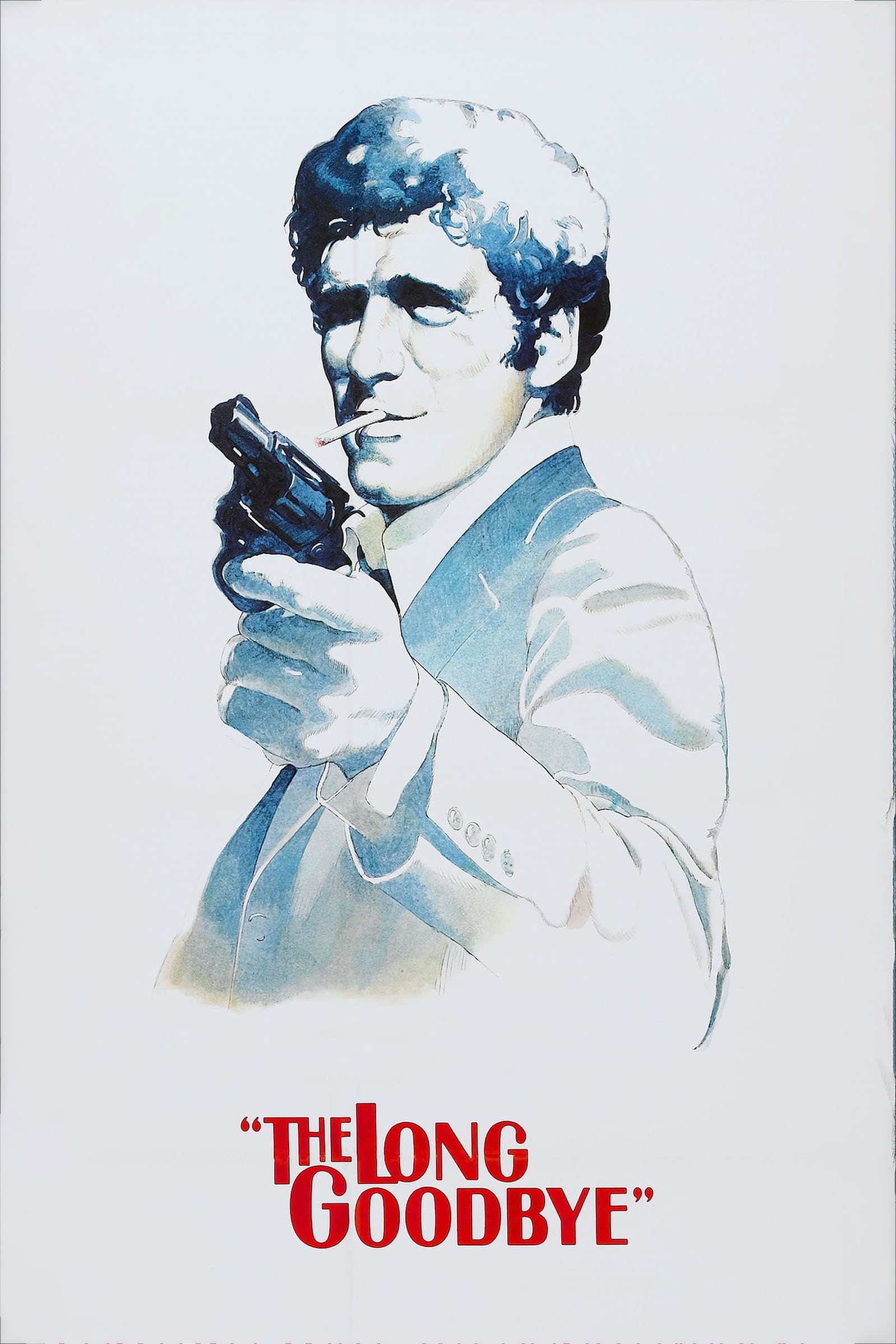
Philip Marlowe helps a friend who asks for a ride and then wakes to a case that spirals through Hollywood hills and beachfront apartments. The film updates the detective to modern settings while keeping the character’s core approach.
United Artists released the picture in a measured rollout that leaned on critical support and specialty theaters. The UA strategy helped the film find its audience over time rather than in a single burst.
‘Cutter’s Way’ (1981)
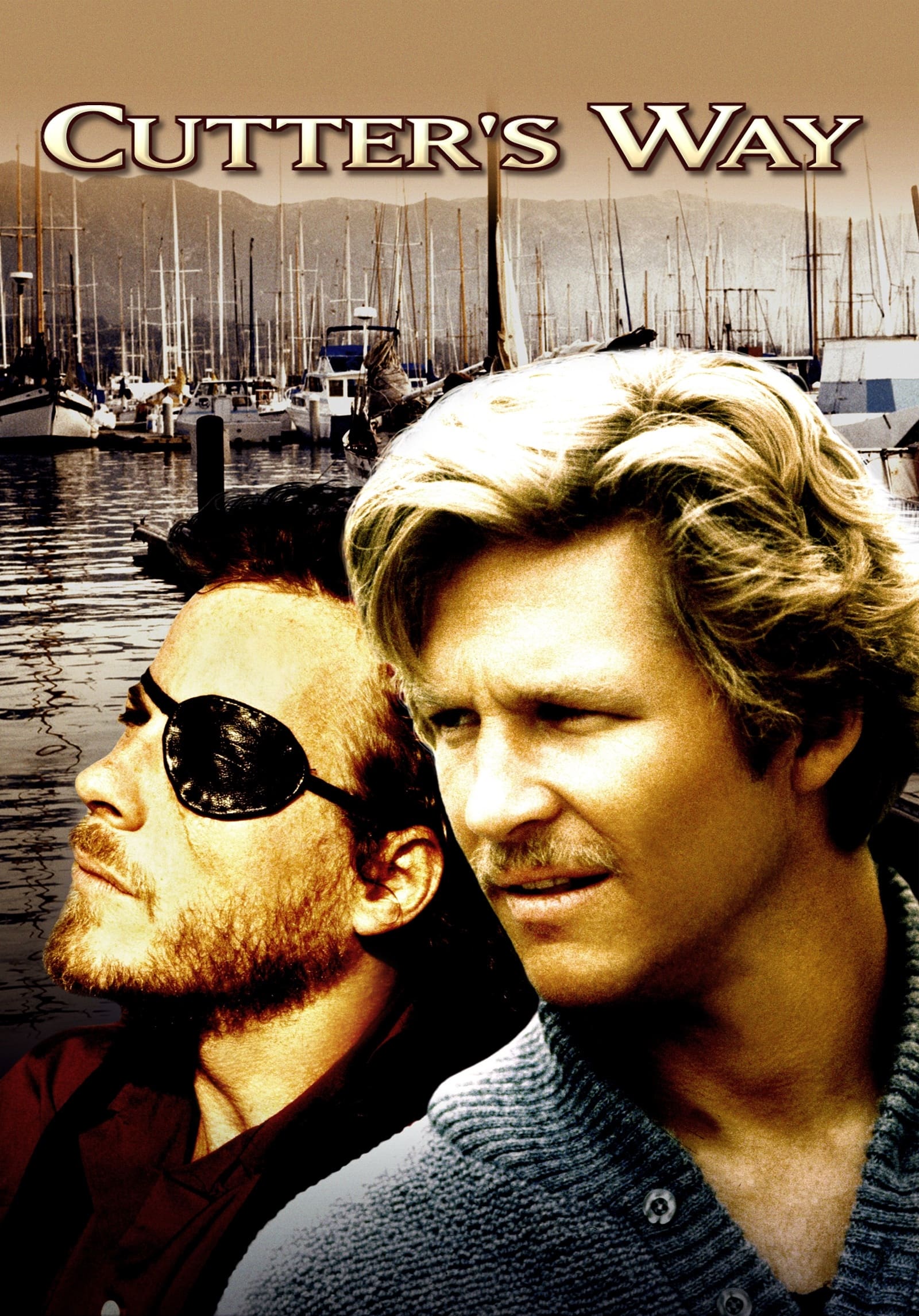
A drifter and a wounded veteran suspect a local tycoon after a body is found, and their search leads into a tangle of civic connections. Santa Barbara locations and careful nighttime photography shape the mood.
United Artists brought the film to theaters, with a subsequent push through UA Classics that extended its life. This combination of initial release and art house support kept the title visible to new viewers.
‘Thief’ (1981)
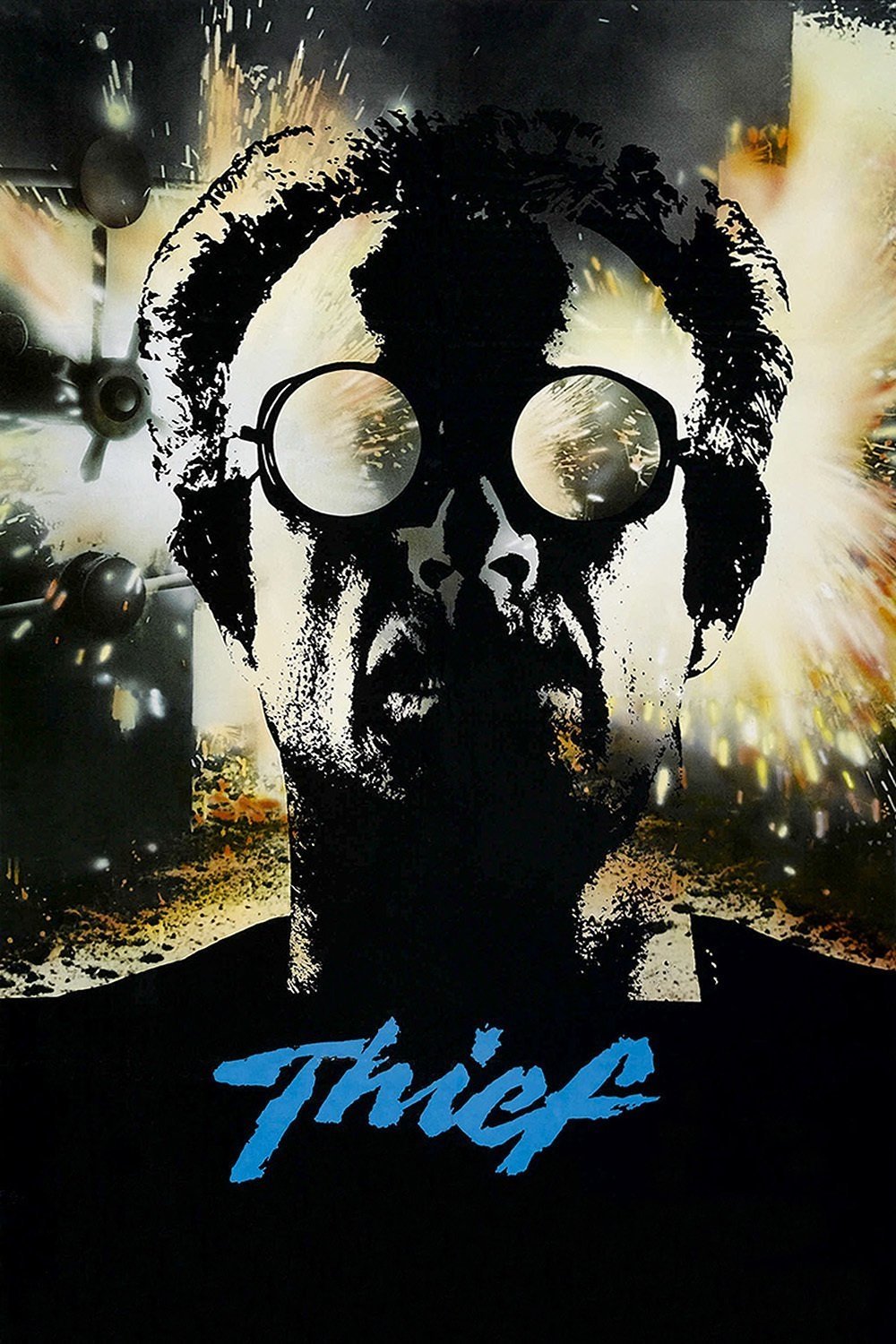
A professional safecracker tries to build a straight life while negotiating with a syndicate that wants total control. The film is known for precise burglary sequences that show tools, technique, and timing.
United Artists distributed the film and placed it in both mainstream and specialty venues. That placement helped the production reach audiences who followed crime dramas and those focused on craft driven filmmaking.
‘One False Move’ (1992)

A trio of criminals heads toward a small Arkansas town while a local police chief works the case with visiting detectives. The story balances big city crime with rural investigation, setting up a tense final stretch.
Sony Pictures Classics released the film, expanding it city by city after strong festival response. This platform strategy turned a modest production into a word of mouth success with long legs on video.
‘Devil in a Blue Dress’ (1995)
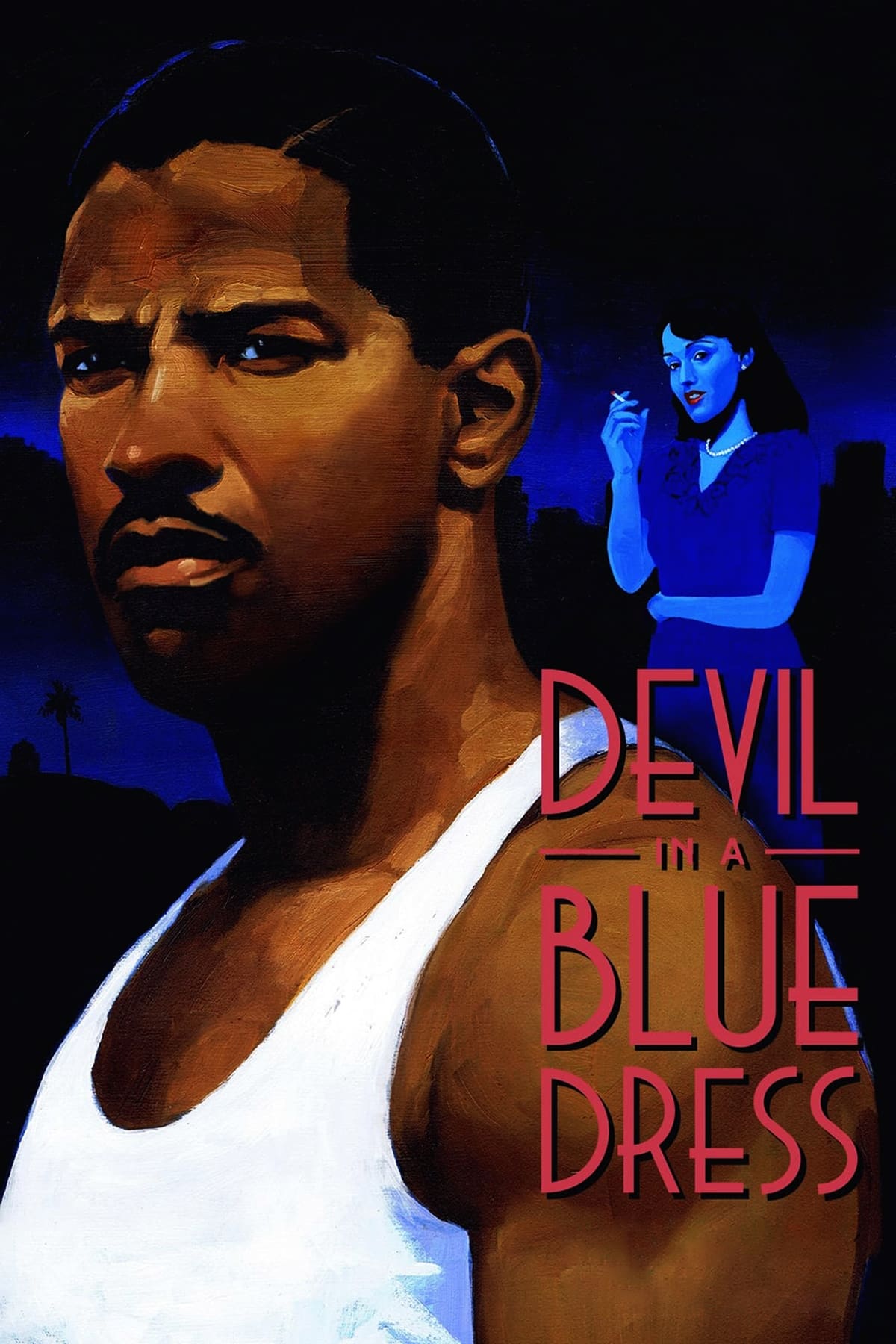
Ezekiel Rawlins takes a missing person job in postwar Los Angeles and discovers political ties that reach into city hall and private clubs. The production recreates neighborhoods, storefronts, and social spaces that define its era.
Columbia Pictures handled the theatrical release through Sony Pictures Releasing, giving the film a wide footprint. The studio’s home video and cable windows kept the title easily available for new viewers.
‘Brick’ (2005)
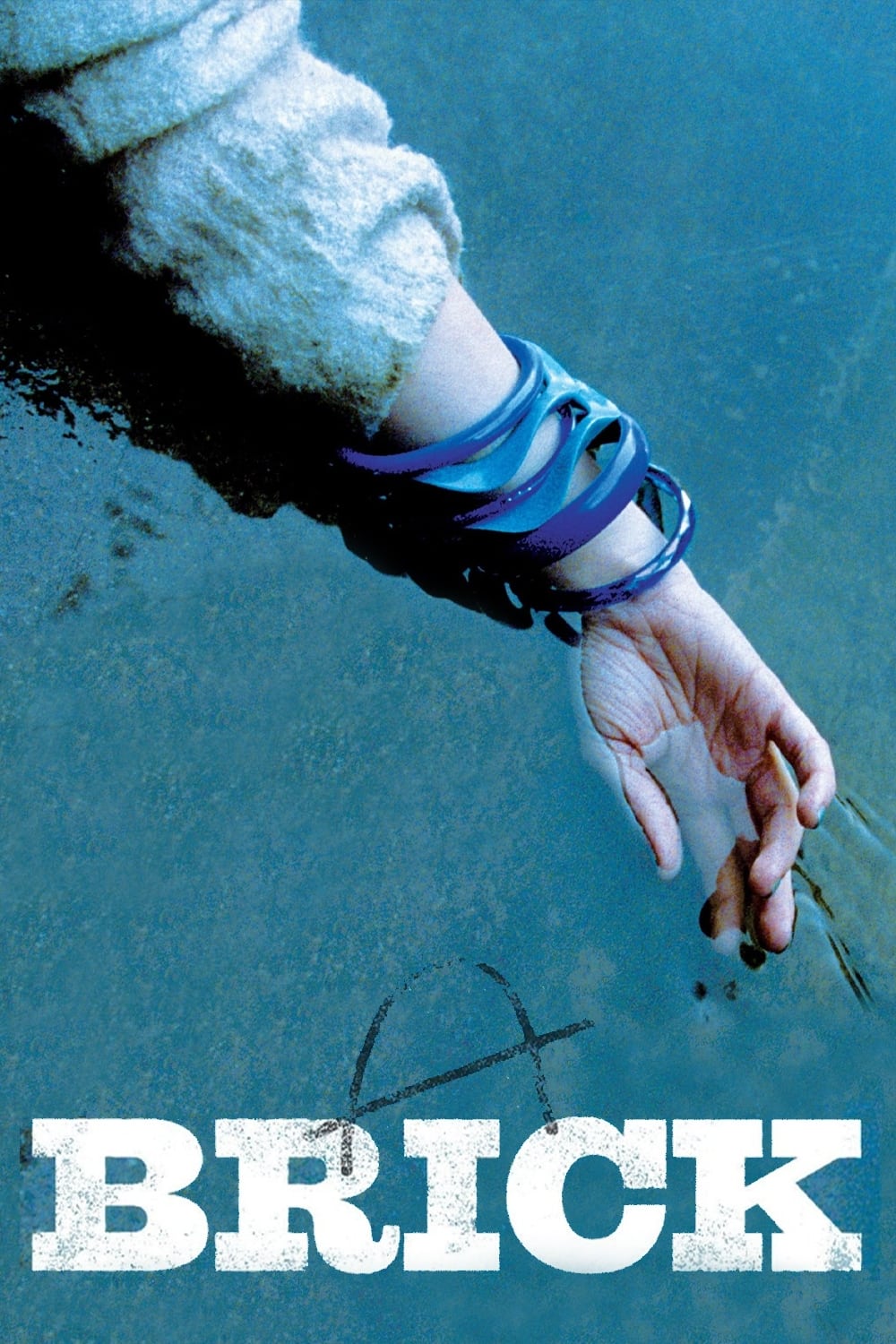
A high school loner investigates the disappearance of an ex and encounters a student underworld with its own rules. The film places hardboiled rhythms into suburban settings that turn cafeterias and culverts into meeting spots.
Focus Features distributed the film in North America after its festival debut, steering it through art houses and college towns. That route built a dedicated audience that followed the release into home formats.
‘A Simple Plan’ (1998)

Two brothers and a friend find a crashed plane and argue over what to do with what they discover. Snow filled fields and quiet interiors create a pressure cooker where trust erodes scene by scene.
Paramount Pictures released the film across major markets, with awards season support that extended its theatrical life. The studio’s distribution pipeline then placed it in premium cable rotations where it reached a wider audience.
‘Blue Ruin’ (2013)
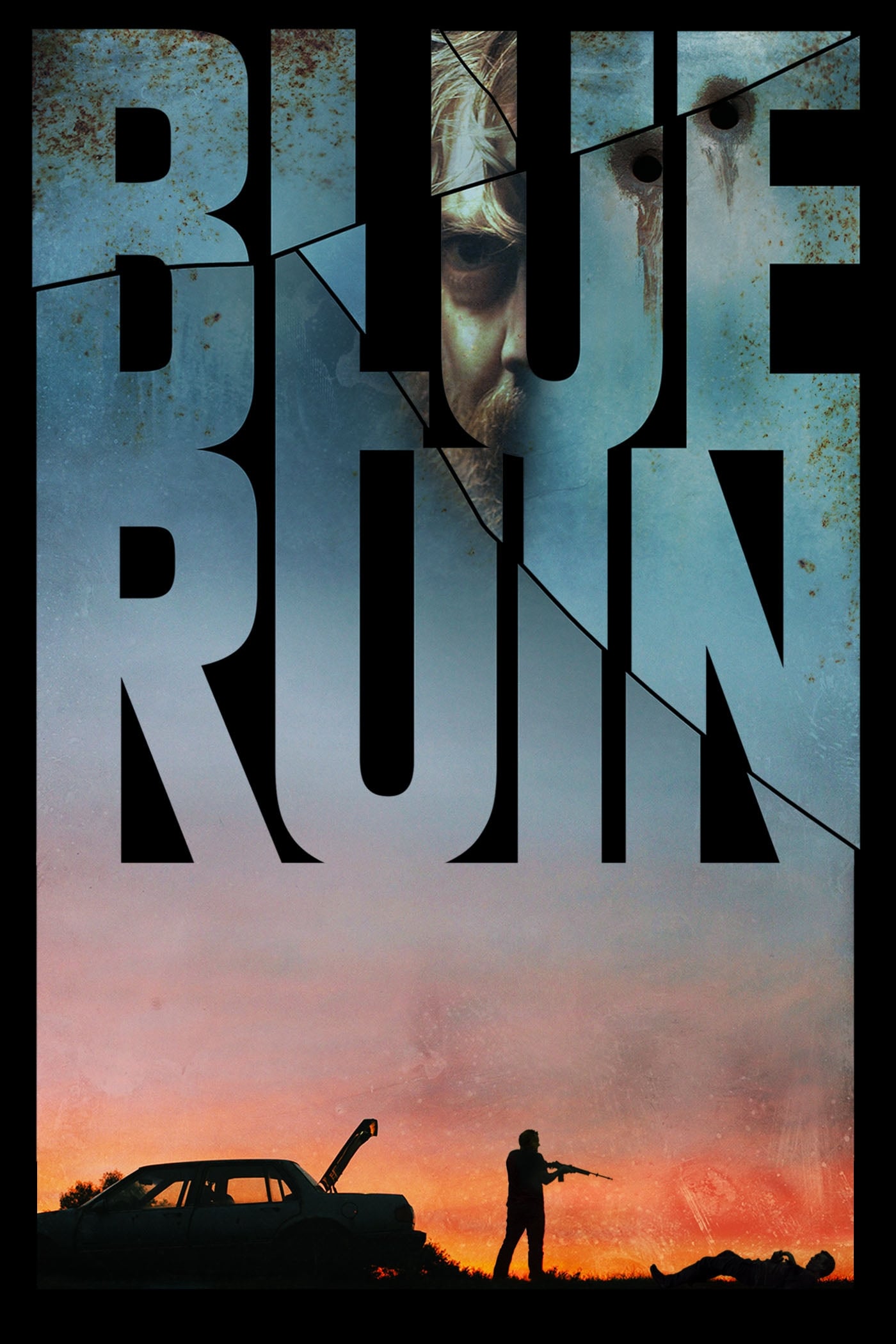
A drifter returns to his hometown to settle an old score and triggers a chain of consequences that he struggles to control. The film uses natural locations and careful sound design to keep tension high without elaborate set pieces.
RADiUS TWC distributed the movie in the United States with a hybrid release that combined limited theaters and on demand availability. That approach helped an independent production connect with viewers beyond festival circuits.
‘The Friends of Eddie Coyle’ (1973)
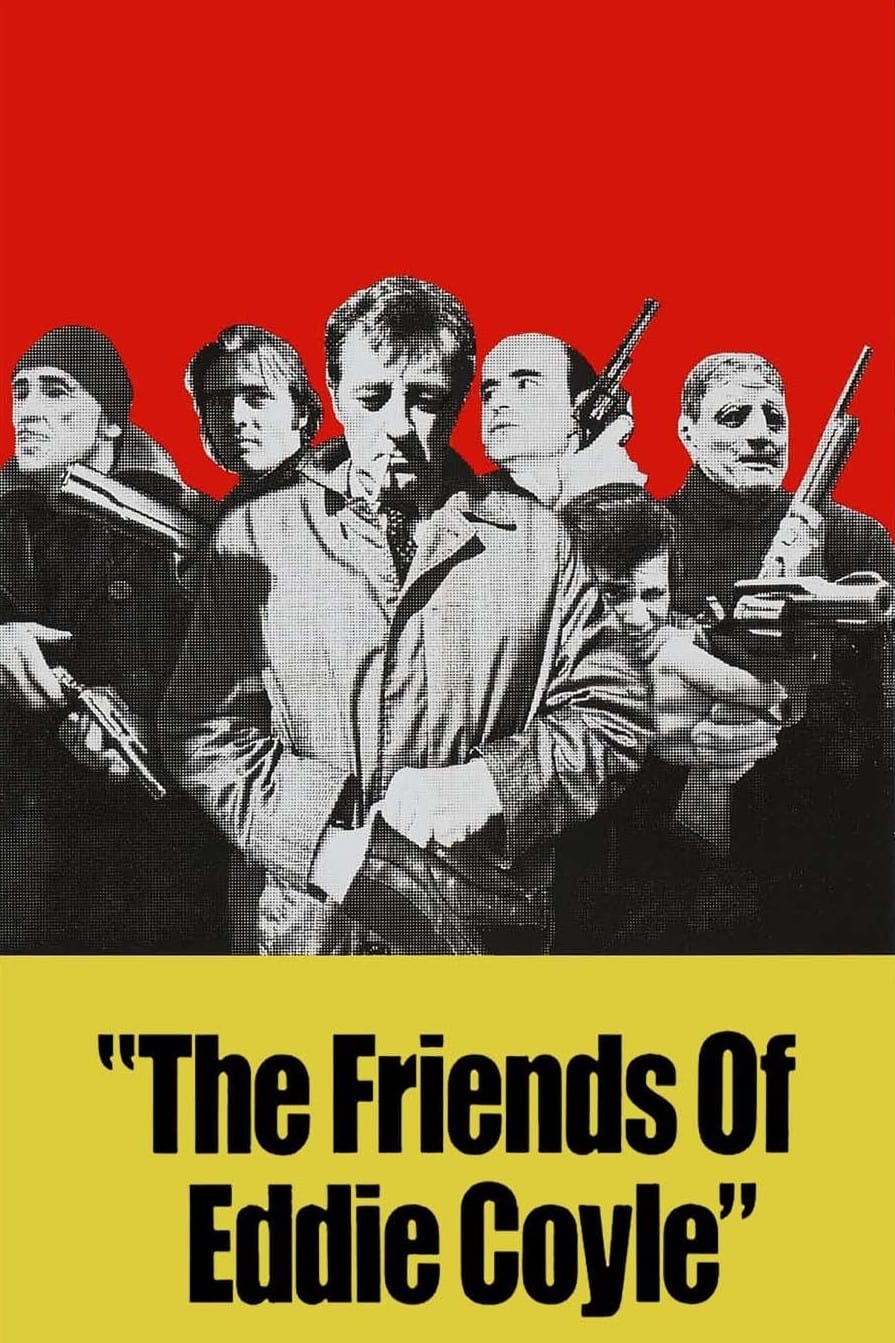
A small time gun runner in Boston tries to keep his family safe while working as an informant and managing obligations to both sides. The story focuses on barrooms, parking lots, and kitchens where deals feel fragile.
Paramount Pictures handled distribution and placed the film in key urban markets. The studio’s catalog management later supported restorations and repertory screenings that returned it to theaters.
Share the noirs you think more people should discover in the comments so everyone can build a watchlist that goes even deeper.

