‘Obsession’ Director’s Response to $6,741 Crew Pay Controversy Exposes a Brutal Truth About Indie Hollywood

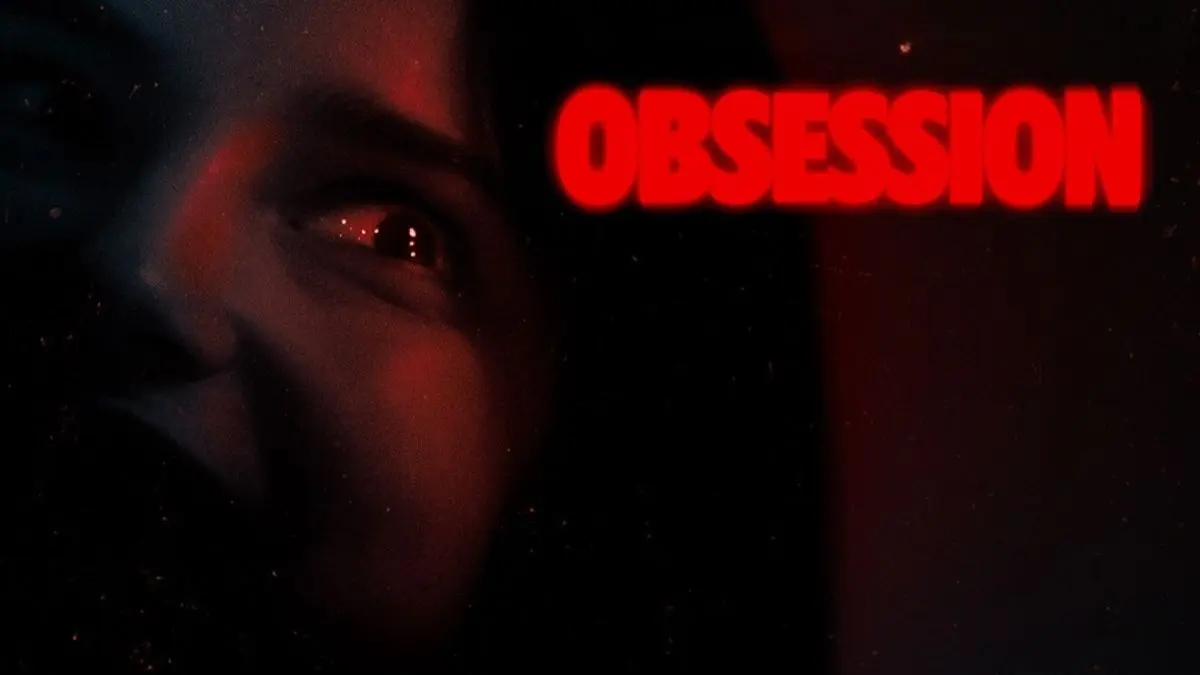

The horror landscape has rarely produced a breakout story quite like ‘Obsession‘. Written, directed, and edited by first-time feature filmmaker Curry Barker, the supernatural psychological horror film follows Bear, a music store employee who buys a mysterious toy and wishes for his co-worker Nikki to fall in love with him, unleashing dark and terrifying consequences. The film premiered in the Midnight Madness section at the Toronto International Film Festival before Focus Features acquired it for $14 million and released it theatrically in 2026.
Barker, a 26-year-old filmmaker and YouTuber from Mobile, Alabama, first gained industry attention through his $800 found-footage horror film ‘Milk & Serial’, which went viral after he released it for free on YouTube and led to a representation deal with United Talent Agency.
‘Obsession’ took that grassroots momentum and supercharged it into something no one saw coming, turning a micro-budget passion project into one of the year’s most talked-about theatrical releases.
The film’s jaw-dropping financial performance is where the story takes a complicated turn. Made on a budget of $750,000, ‘Obsession’ has earned more than $224 million worldwide, making it one of the most profitable independent horror films in recent memory. That seismic disparity between production cost and box office return caught everyone’s attention, including the people who built the sets.
Art director Sally Choi took to Instagram to reveal she was paid $300 per day for her work, which amounted to $6,741.36 after taxes, with no mileage reimbursement included. Choi made clear she knew the rate before accepting the job, but said that at the time she was living paycheck to paycheck and wanted to highlight what she described as a broader, systemic problem for below-the-line workers.
Beyond her official role, Choi disclosed she was simultaneously working as a PA, set dresser, graphic designer, background actor, driver, swing, and buyer throughout the production.
She also alleged that some crew members worked as volunteers who were only promised gas and mileage expenses, which she claimed were not always paid on time, meaning some people effectively came out of pocket to help make a film now projected to gross a quarter of a billion dollars. Her post spread rapidly across social media and ignited a fierce debate about whether windfall success on a low-budget film should translate into retroactive rewards for the people who made it possible.
Director Curry Barker addressed the situation directly. Speaking to The Hollywood Reporter, Barker said that the art department’s work was “extraordinary” and that everyone on the film “deserves to be recognized,” while also explaining that “the only people who directly benefit from its financial success are the people who took on some sort of risk.” He added that his hope is for every crew member to see career opportunities emerge from the film’s success, as has happened for him personally.
The reaction online has been split, with many applauding Choi for pointing out exploitative conditions in the industry and others criticizing her for what some called ingratitude, given that she agreed to her fee prior to working on the film.
The conversation has also drawn comparisons to other recent below-the-line controversies, including questions raised around the production of ‘Anora’, underscoring that this is far from an isolated incident in a post-strike Hollywood where crew members are increasingly asked to do more for less.
The ‘Obsession’ situation has crystallized something that many in the industry have long felt but rarely said out loud: the financial structures that make micro-budget filmmaking possible can become deeply inequitable the moment a film exceeds everyone’s wildest expectations. Whether the conversation Choi sparked leads to meaningful change, or simply fades like so many before it, is the question the industry now has to sit with, and we’d love to know where you stand on whether surprise indie hits owe their below-the-line crew a share of the windfall.