


One-Scene Performances That Stole the Whole Movie



Sometimes a single appearance is all it takes to change the energy of a film. One scene can introduce a character, shift the plot, or leave viewers with the moment they remember most long after the credits roll. These brief turns are focused, carefully written, and placed at the exact point where the story needs a spark.
Here are ten instances where actors stepped in for one scene and left a mark that shaped how the movie is talked about. You will find where the scene sits in the story, what the character brings to the film, and a bit of behind the scenes context, including who released the movie in the first place.
Alec Baldwin as Blake — ‘Glengarry Glen Ross’ (1992)
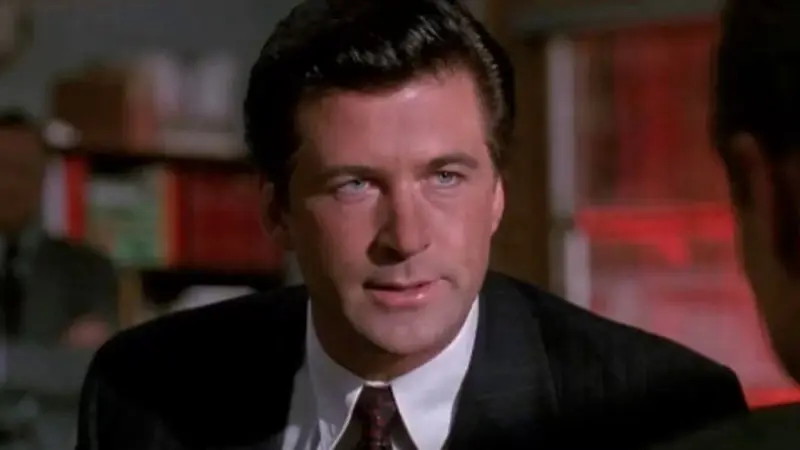
Baldwin’s lone office visit arrives as a high pressure sales meeting that reframes the entire workplace. The character lays out a cutthroat contest that becomes the engine for every choice the salesmen make for the rest of the story. The dialogue introduces the stakes, the leads, and the desperate culture that defines the film’s world in a matter of minutes.
The production added the Blake scene for the movie adaptation, giving the script a new pivot point that was not in the original stage play. The film reached theaters through New Line Cinema, and the compact sequence quickly became the most referenced part of the adaptation among audiences and performers studying sales floor dynamics.
Viola Davis as Mrs. Miller — ‘Doubt’ (2008)
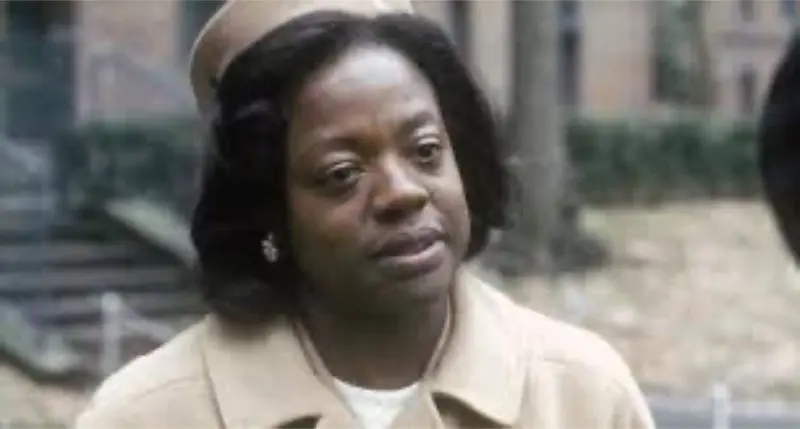
Davis appears for a single meeting with a school principal that reframes how the audience understands a central conflict. The scene reveals the pressures facing a working mother and explains why a family might make painful compromises in a closed community. It is written to deliver key information while leaving the larger question unresolved.
The performance was captured in a few carefully blocked pages that required extended takes to keep the emotional logic intact. The film was released in the United States by Miramax Films, and this one scene became the moment most discussed during awards conversations and classroom breakdowns of the screenplay.
Christopher Walken as Captain Koons — ‘Pulp Fiction’ (1994)
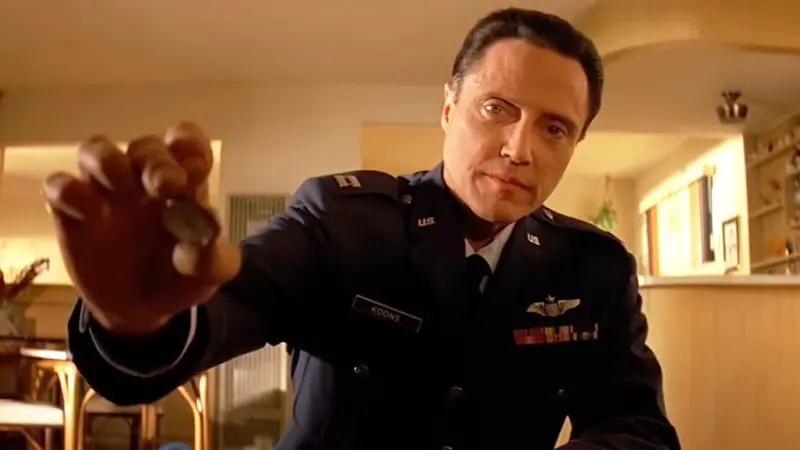
Walken arrives with a bedtime style monologue that fills in the backstory of an object that will drive a later plotline. The speech introduces a war history, a family promise, and a reason for a young man to act when the story returns to him. The scene is contained, with a simple two person setup that keeps attention on the narrative reveal.
The shoot relied on close framing and steady pacing to make the storytelling feel intimate and direct. Miramax Films handled distribution, and this single scene became a touchpoint for how the movie blends dark humor with exposition while setting up decisions that pay off much later.
Ned Beatty as Arthur Jensen — ‘Network’ (1976)
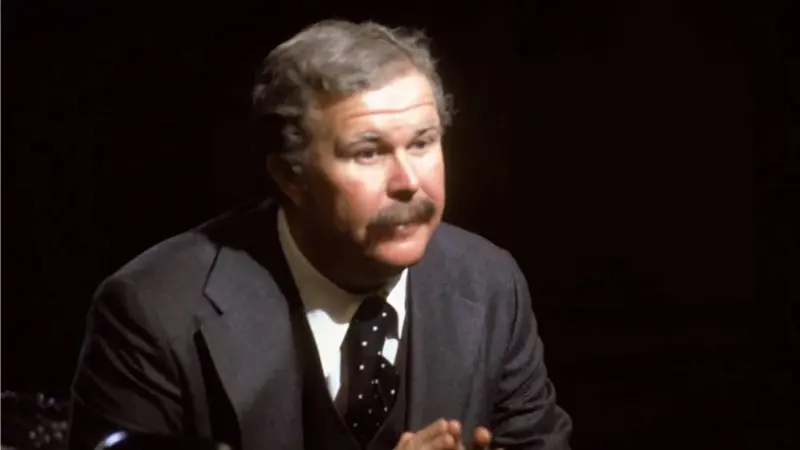
Beatty’s character calls the protagonist into a boardroom and delivers a corporate sermon that explains the true power structure behind the events on screen. The speech turns a chaotic media story into a lesson about global systems, which changes how the lead character sees his role. The scene stands alone while also steering the final act.
The filmmakers staged the moment with lighting and camera height that emphasize dominance and control. United Artists released the movie, and this brief appearance is often cited in discussions of how a single scene can capture the theme of an entire film with precise writing and performance.
Alfred Molina as Rahad Jackson — ‘Boogie Nights’ (1997)
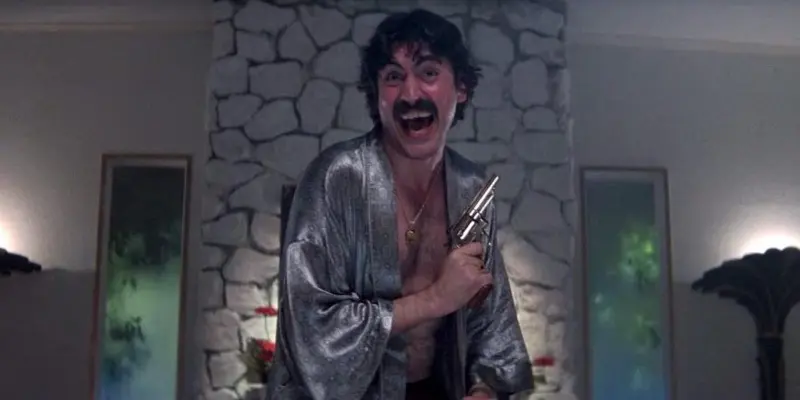
Molina appears during a tense house visit where a risky plan spirals into chaos. The character’s music choices, unpredictable behavior, and casual conversation create a pressure cooker that forces the main trio to confront the consequences of their scheme. The sequence functions as a turning point that sends the story into its next phase.
The set was arranged to let the camera rove while fireworks and a live wire supporting character keep everyone on edge. New Line Cinema brought the film to theaters, and this single scene is frequently used in film classes to study how sound, pacing, and blocking build suspense inside a confined location.
Gene Hackman as the Blind Hermit — ‘Young Frankenstein’ (1974)
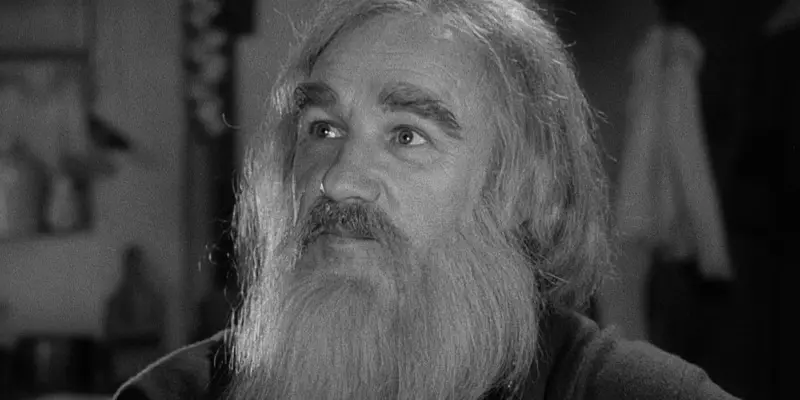
Hackman’s one scene shows a gentle host trying to care for a guest who cannot speak, which results in a chain of mishaps that humanize the so called monster. The beat provides character insight for the creature while also giving the story a pause between larger set pieces. The structure lets physical business convey personality without heavy dialogue.
The filmmakers framed the encounter like a classic studio comedy routine with tight timing and simple props. The movie was distributed by 20th Century Fox, and this brief appearance is remembered as a clinic in how to use a single interlude to deepen a character while delivering a self contained comedic set piece.
Charlie Sheen as Garth — ‘Ferris Bueller’s Day Off’ (1986)
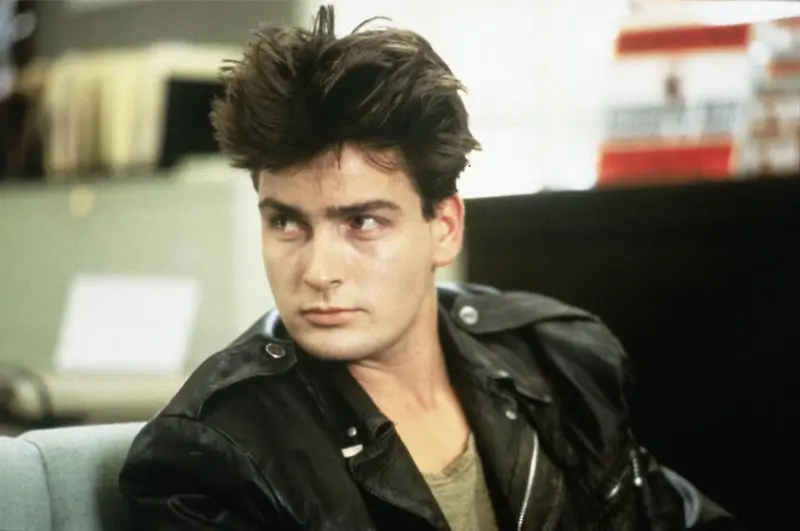
Sheen shows up in a police station waiting area and holds a short conversation that shifts a supporting character’s outlook. The exchange sets up a small but important change in how that character views the protagonist, which pays off later when allies are needed. The scene is built around quick, straight line dialogue that lands with minimal setup.
Costume and makeup choices support the gag while keeping the tone consistent with the rest of the film’s suburban adventure. Paramount Pictures released the movie, and this cameo is often noted in production histories for how a single interaction can tidy up a subplot without slowing the main story.
Drew Barrymore as Casey Becker — ‘Scream’ (1996)
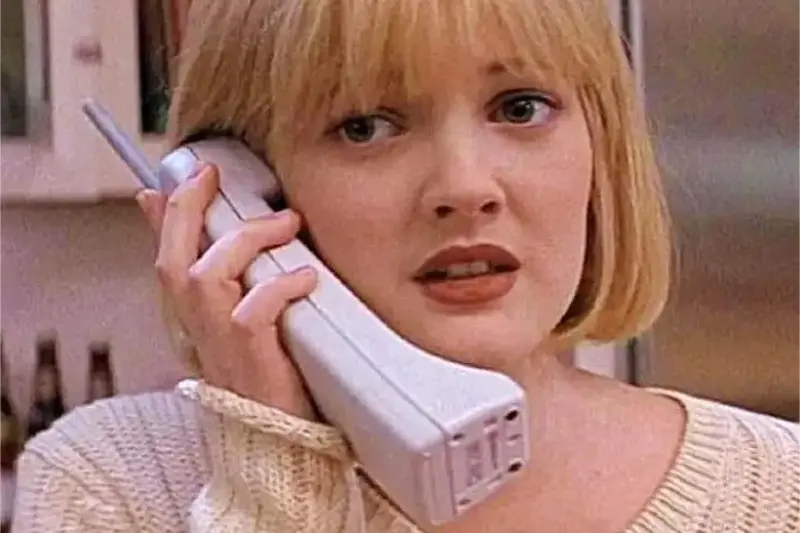
Barrymore opens the film with a home phone conversation that moves from playful to threatening, establishing the rules of the story’s mystery. The sequence introduces the voice, the mask, and the game that define the film’s approach to suspense. It also anchors the setting so viewers understand the geography of the house as the tension builds.
The production scheduled the opening as a focused unit with detailed stunt planning and sound cues to guide audience reactions. Dimension Films handled the theatrical release, and this one scene is widely discussed as an example of how a prologue can prepare viewers for a new blend of slasher and meta commentary.
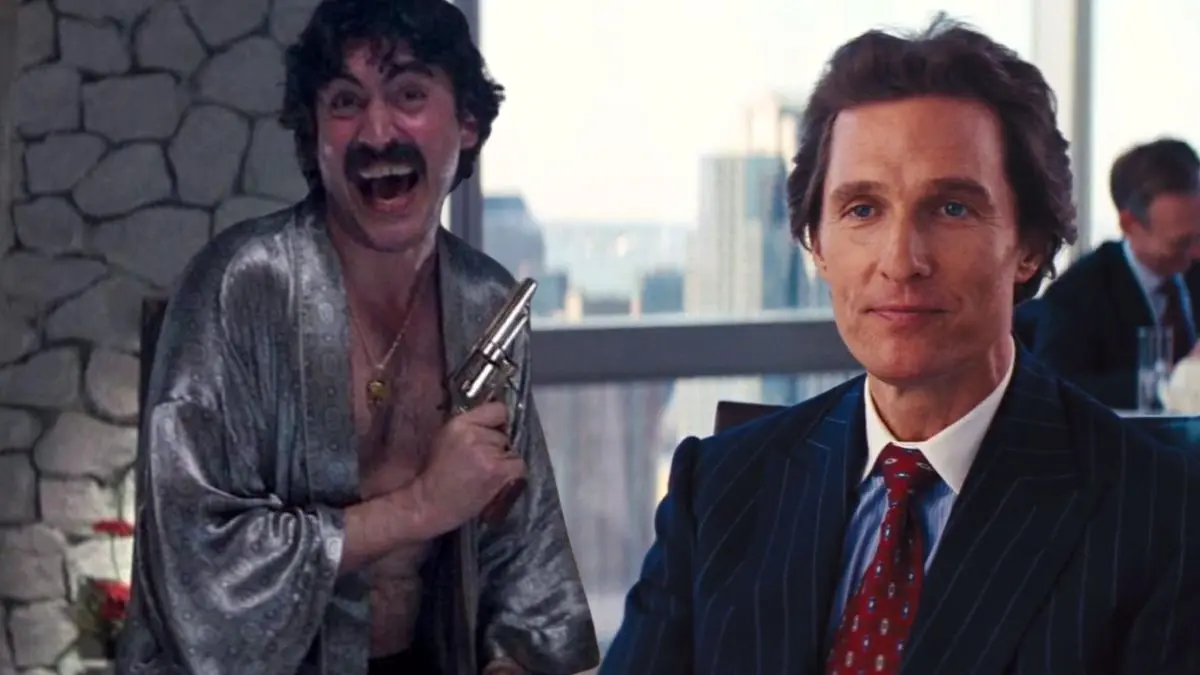
Matthew McConaughey as Mark Hanna — ‘The Wolf of Wall Street’ (2013)
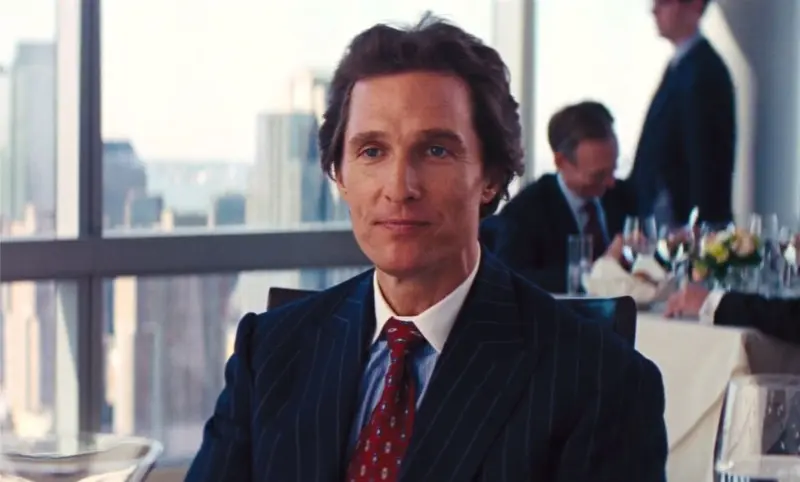
McConaughey appears during a short lunch that serves as a tutorial for the lead character. The conversation lays out a sales philosophy, a work routine, and a set of values that shape how the protagonist approaches his career. The rhythm of the dialogue and a simple bit of chest percussion become signposts for later behavior.
The filmmakers captured the scene early in the schedule to set tone for the office culture that follows. Paramount Pictures distributed the film domestically, and this brief appearance is often referenced by acting coaches as a compact demonstration of how gesture and cadence can define a character in a matter of minutes.
Bryan Cranston as Colonel I. W. Bryce — ‘Saving Private Ryan’ (1998)
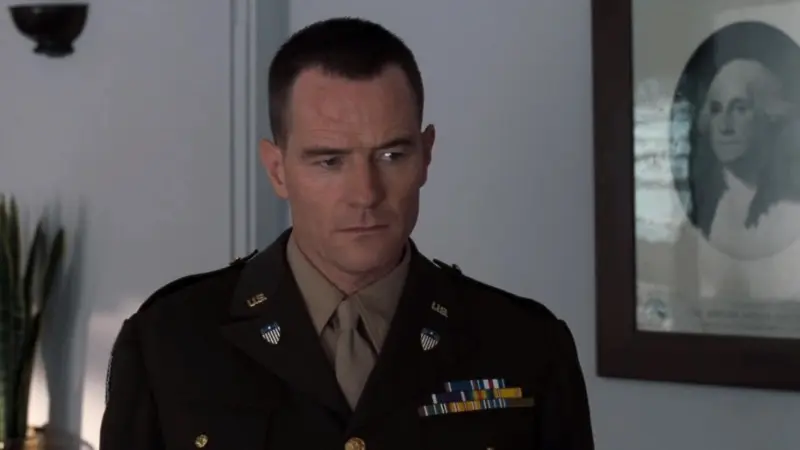
Cranston’s single briefing room scene explains how a chain of events and incomplete information led to the central mission. The character provides context that clarifies the bureaucratic process behind the decision, which helps the audience understand why the search must happen. The writing places key facts in clean, specific sentences to keep momentum.
Production notes describe the scene as a bridge between the opening combat and the squad’s deployment, with modest staging that keeps the focus on procedure. DreamWorks Pictures released the film in the United States, and this moment is frequently highlighted in editing discussions for how efficiently it delivers exposition before the plot moves forward.
Share your favorite one scene appearances that lingered with you and tell us in the comments which performance you would add to this list.

