


9 PC Games from the 2020s That Frustrated Players with Poor Performance



PC gaming in the 2020s has delivered stunning visuals and ambitious worlds, but not every game runs smoothly. Some titles, despite their promise, stumbled with technical issues like stuttering, low frame rates, or clunky controls, leaving players frustrated. I’ve dug into nine games from this decade that struggled with performance, often failing to make the most of modern hardware. These games, while sometimes fun or visually impressive, left players tweaking settings or waiting for patches to get a decent experience.
Poor optimization can mean a game doesn’t use multiple CPU cores well, demands too much from GPUs for what’s on screen, or suffers from console-like issues such as bad keyboard and mouse controls. From big-budget disappointments to smaller projects with big ambitions, these games highlight the challenges of balancing vision with technical polish. Let’s dive into the nine titles that didn’t quite hit the mark, starting from the bottom of the list.
The Wonderful 101: Remastered (2020)

‘The Wonderful 101: Remastered’ aimed to bring PlatinumGames’ quirky superhero action to PC, but it tripped over its own cape. The game, a port of a 2013 Wii U title, locked its frame rate at an odd 59fps, causing noticeable frame pacing issues that made gameplay feel choppy. Mouse controls were nearly unusable due to awkward sensitivity, and the menus didn’t even support mouse navigation, forcing players to wrestle with poorly mapped keys.
These issues were a letdown for a game with such a vibrant art style and fast-paced combat. Patches improved some aspects, but the lack of proper keyboard and mouse support felt outdated for a 2020 release. Players expected a smoother experience, especially for a remaster, but instead, many stuck to controllers or gave up entirely.
FAIRY TAIL (2020)

‘FAIRY TAIL’, based on the popular anime, promised a magical RPG adventure but delivered a clunky PC experience. The game, developed by KOEI Tecmo, locked at 60fps and suffered from frame pacing problems, making battles feel sluggish. Worse, it lacked mouse support for camera control and didn’t display keyboard prompts, leaving PC players stuck with a controller-focused setup.
The visuals didn’t justify the performance hiccups, as the game leaned heavily on one CPU core instead of spreading the load. Fans of the anime were excited to explore its world, but the technical flaws made it hard to stay immersed. For a 2020 release, these oversights were tough to forgive.
Project CARS 3 (2020)

‘Project CARS 3’ was meant to be a high-speed thrill, but it crashed on PC with disappointing performance. Unlike its predecessor, which ran smoothly in 2017, this racing sequel suffered from noticeable pop-in effects, even on ultra settings, and low-resolution textures that looked out of place. Shadows were another issue, appearing and disappearing abruptly, which broke immersion during races.
The game demanded more GPU power than its visuals warranted, and stuttering plagued even high-end systems. Patches helped, but the damage was done—players felt let down by a series that once set a high bar. For a racing game where fluidity is key, these flaws hit hard.
Age of Empires III: Definitive Edition (2020)

‘Age of Empires III: Definitive Edition’ refreshed a classic strategy game but stumbled with its PC performance. The game’s GPU demands were steep for its graphical fidelity—an RTX 2080Ti struggled to maintain smooth frame rates, which felt unjustified for a remaster. Players also reported stuttering and screen tearing, even with V-Sync off, on standard 60Hz monitors.
The single-core CPU reliance didn’t help, as modern multi-core processors were underused. While the game’s updated visuals and gameplay tweaks were welcome, the technical issues made commanding armies less enjoyable. Fans hoped for a polished experience, but optimization woes held it back.
DIRT 5 (2020)

‘DIRT 5’ brought flashy off-road racing to PC, but its launch was a bumpy ride. The game, built on DirectX 12, failed to leverage multi-core CPUs effectively, leading to stuttering and frame drops. Even after patches smoothed out some launch issues, the performance didn’t match the game’s vibrant tracks and dynamic weather effects.
High-end GPUs struggled to deliver consistent frame rates, and the game felt unpolished compared to earlier entries in the series. While later updates improved stability, the initial frustration stuck with players. A racing game should feel fast and fluid, but ‘DIRT 5’ often felt like it was stuck in the mud.
Microsoft Flight Simulator (2020)

‘Microsoft Flight Simulator’ wowed with its breathtaking visuals, recreating the world in stunning detail, but it demanded a lot from PC hardware. The game leaned heavily on single-core CPU performance, causing bottlenecks even on high-end Intel and AMD processors. This led to stuttering and long loading times, especially in dense urban areas.
Despite its DirectX 12 potential, the game didn’t fully use multi-core CPUs until later updates. The sheer ambition of simulating a planet was impressive, but players needed top-tier rigs to enjoy it without hiccups. For many, the beauty came at the cost of constant tweaking.
Gotham Knights (2022)
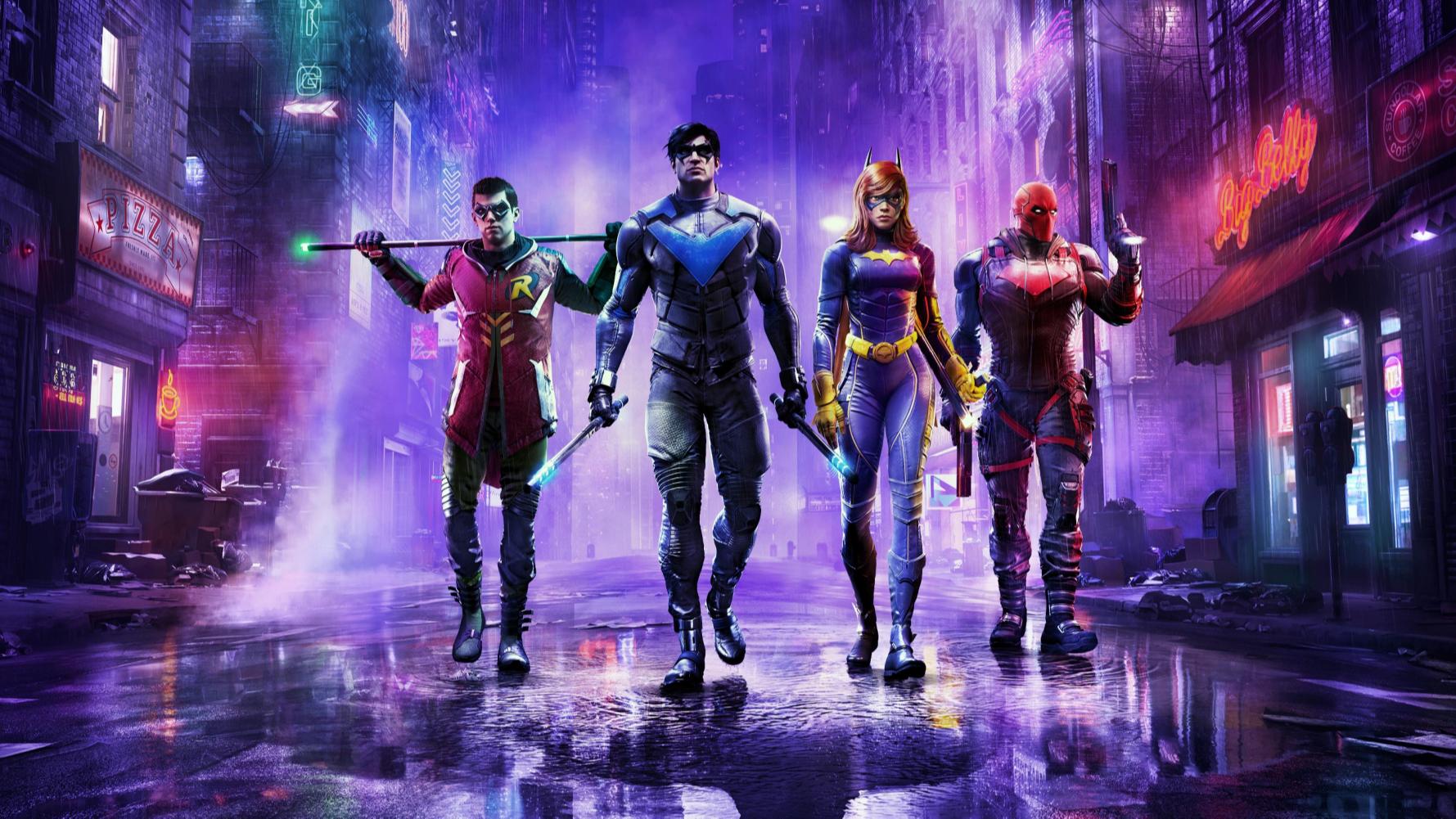
‘Gotham Knights’ let players patrol as Batman’s allies, but its PC performance was a villain in its own right. The game suffered from major stuttering and frame pacing issues at launch, even on systems exceeding the recommended specs, like a Core i7-10700K paired with an RTX 2070. Ray tracing effects tanked frame rates further, exposing poor CPU optimization.
Patches reduced some stutters, but the game still struggled to use modern multi-core CPUs effectively. The open-world action deserved better, as players faced laggy combat and exploration. For a triple-A title, these issues felt like a missed opportunity to shine.
The Callisto Protocol (2022)
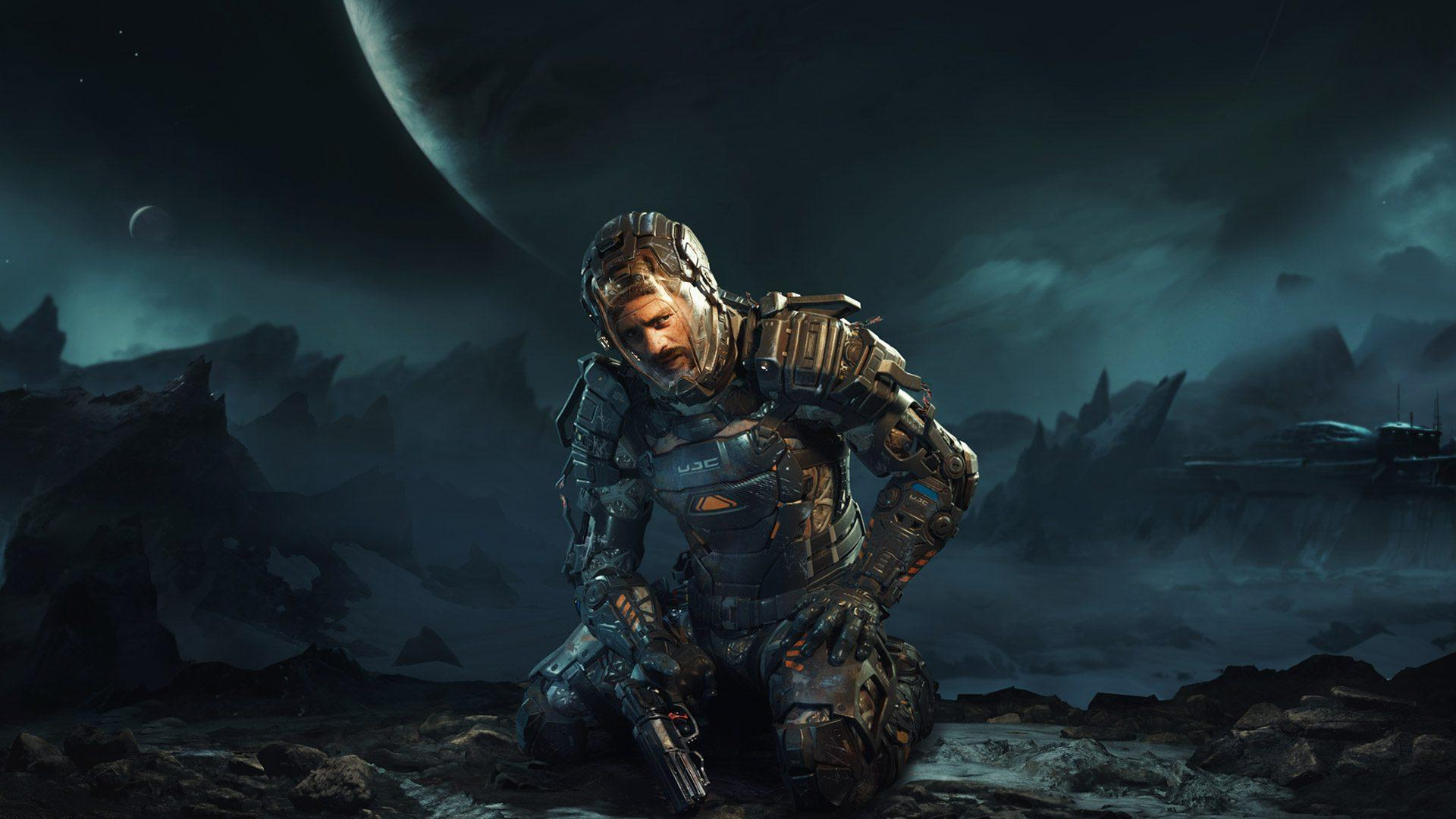
‘The Callisto Protocol’ aimed for sci-fi horror greatness but launched with serious PC issues. The game’s ray tracing effects caused massive frame drops, even on high-end systems, due to poor CPU utilization. It relied on just a few CPU cores, leaving powerful rigs underused and players stuck with choppy gameplay.
Later patches improved performance without ray tracing, but the damage was done. The game’s gritty atmosphere and intense combat were overshadowed by technical woes. Fans of horror games wanted a smooth scare, but ‘The Callisto Protocol’ stumbled out of the gate.
The Witcher 3: Wild Hunt – Next-Gen Update (2022)

‘The Witcher 3: Wild Hunt – Next-Gen Update’ promised to modernize a beloved RPG, but its PC rollout was rough. The update introduced ray tracing and visual upgrades, but these tanked performance, even on high-end CPUs, due to poor multi-core scaling. Frame rates dipped below 60fps, and graphical glitches with shadows and reflections frustrated players.
The older DirectX 11 version ran better, and mods could outshine the update’s visuals without the performance cost. CD Projekt Red’s ambition was clear, but the optimization issues made this update a tough sell for PC players chasing Geralt’s adventures.
Which poorly optimized game frustrated you the most, or did I miss one that deserves a spot? Drop your thoughts in the comments!

