


15 Perfect Sci-Fi Movie Castings

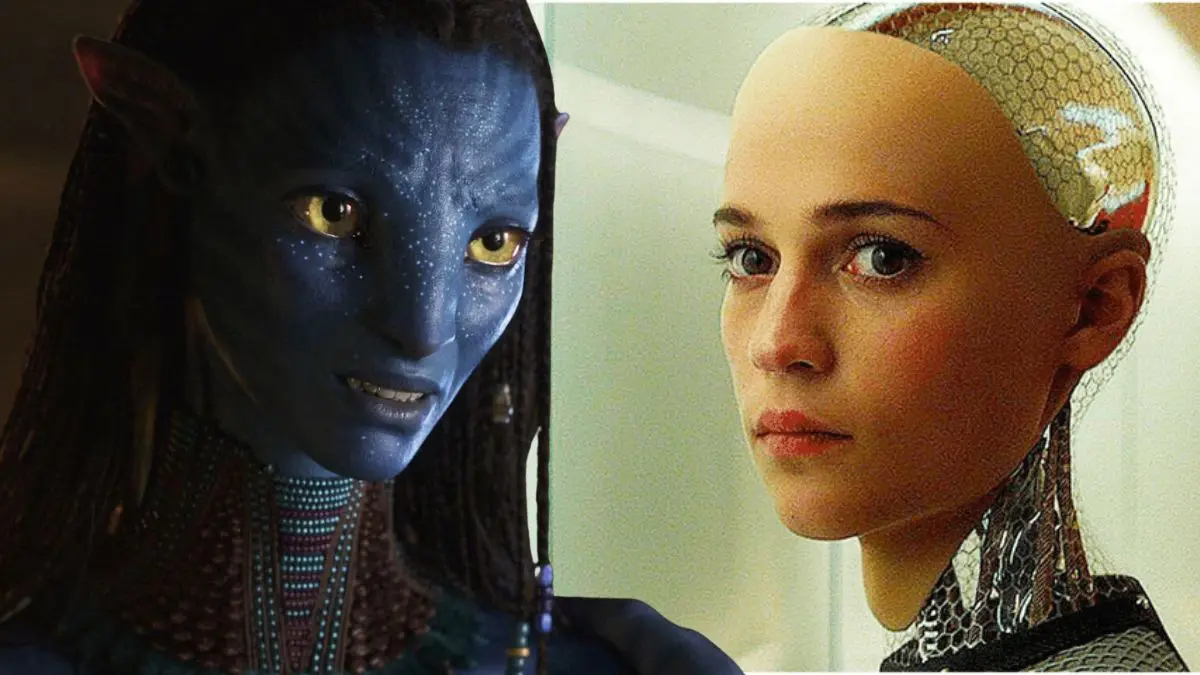


Great sci-fi worlds need actors who can ground wild ideas in real human stakes. Sometimes the right performer meets the right role and the result shapes the entire franchise, the marketing, and even the technology used to bring the story to life. These are castings that came together through sharp instincts, intense preparation, or sheer serendipity, and they left a measurable footprint on film history.
Below are fifteen examples where the performer’s background, training, and production context line up cleanly with what the story required. You will find details on how these roles were secured, how they were built on set, and how they influenced sequels, spinoffs, or film craft. Each entry sticks to the nuts and bolts so you can see exactly how the casting worked at a practical level.
Sigourney Weaver as Ellen Ripley in ‘Alien’
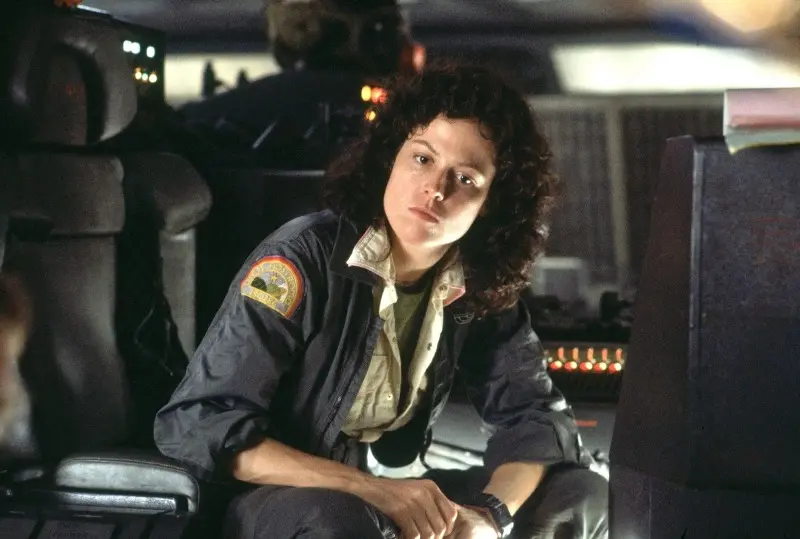
Weaver won the role after a series of auditions that highlighted her height, presence, and ability to command quiet scenes, which matched the script’s decision to keep character names as surnames and shift the lead to a woman late in development. The production leaned on her theater training for long takes inside cramped sets, and she worked closely with Ridley Scott and the camera team to sell scale during miniatures and optical shots.
The character returned in multiple entries, with Weaver training for weapons handling and physical stamina as the series evolved. She earned a Best Actress nomination for ‘Aliens’, and Ripley’s mix of practical problem solving and survival tactics informed later franchise design, merchandising, and game adaptations.
Arnold Schwarzenegger as the T-800 in ‘The Terminator’
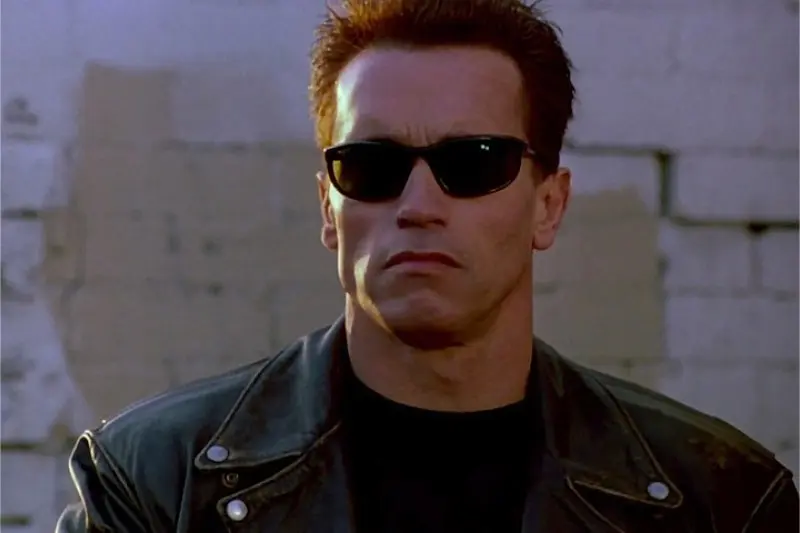
James Cameron initially met Schwarzenegger regarding another role and left convinced he should be the machine, which set wardrobe, makeup, and movement coaching toward an efficient, minimalistic performance. The production built prosthetic appliances and animatronics to blend with his physique, and he rehearsed weapon handling to match the character’s programmed precision.
The part continued through sequels and cross-media tie-ins, where consistent costume elements, vocal cadence, and signature lines created branding that studios reused across trailers, toys, and game intros. Visual effects teams coordinated their work with his blocking so the mechanical damage progression would remain clear from scene to scene.
Keanu Reeves as Neo in ‘The Matrix’
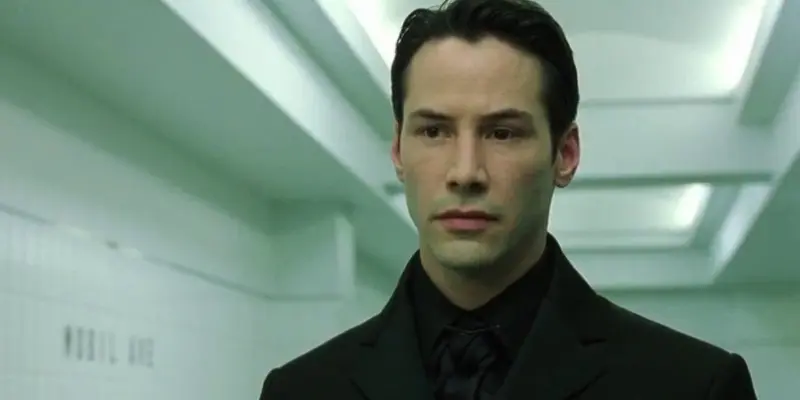
The Wachowskis paired Reeves with fight choreographer Yuen Woo-ping months before cameras rolled, focusing on core strength, flexibility, and wire work to integrate martial arts with the film’s visual effects plan. Reeves trained while recovering from neck issues, which required adapted drills and a strict regimen that the stunt unit documented for continuity.
His preparation streamlined complex setups such as bullet-time shots and wall runs, reducing takes and allowing effects artists to capture clean plates. The role anchored a trilogy, animated shorts, and games, with Reeves returning to extensive rehearsals each time to maintain the character’s movement vocabulary.
Carrie-Anne Moss as Trinity in ‘The Matrix’
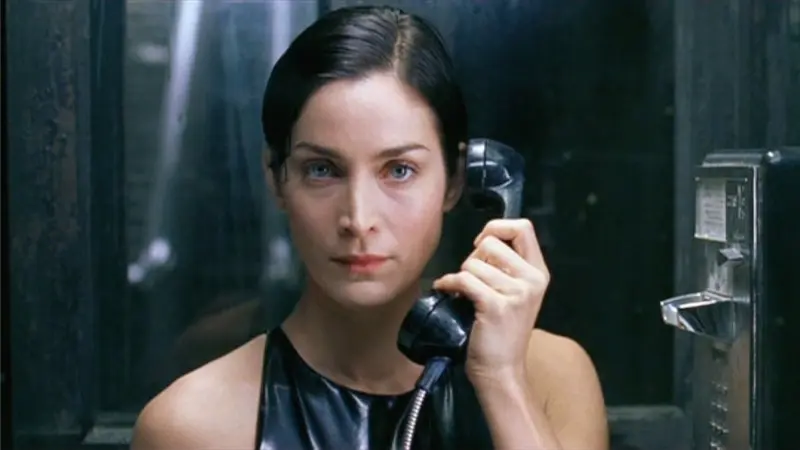
Moss entered with television and theater credits and committed to wire training, firearms safety, and motorcycle work that supported the opening chase and lobby sequence. Wardrobe and stunt departments designed her costume and footwear around harness compatibility and grip, which helped land long lateral kicks and controlled spins.
She maintained the same regimen across sequels, adding tactical drills for close-quarters work and coordinating with second unit to pre-viz complex beats. Trinity’s movement profile, from stillness to explosive sprints, became a template for later action scenes in the franchise and informed tie-in choreography for games.
Harrison Ford as Rick Deckard in ‘Blade Runner’
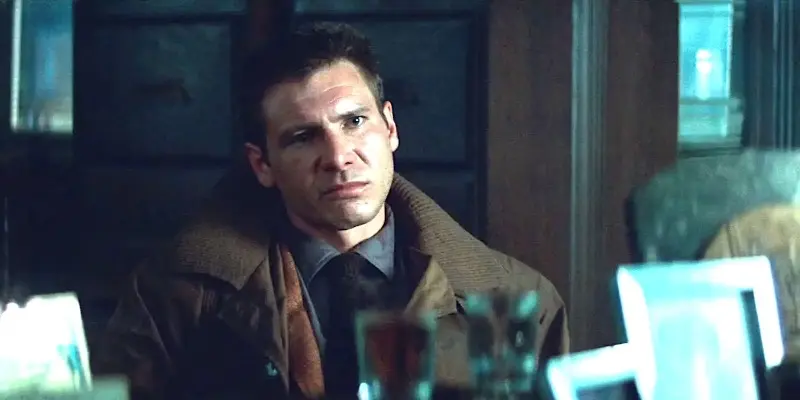
Ford joined a production adapting Philip K. Dick’s novel, which required a grounded lead to navigate voiceover, noir blocking, and heavy atmosphere. He worked within large practical sets, rain effects, and neon lighting, which demanded precise marks for focus pulls and reflections on glass.
The film went through multiple cuts with and without narration, and Ford’s footage slotted into each version due to consistent eyelines and measured pacing. His scenes opposite replicant characters benefited from rehearsals that prioritized posture, prop handling, and small reactions, giving editors flexibility when intercutting effects shots.
James Earl Jones as the voice of Darth Vader in ‘Star Wars’
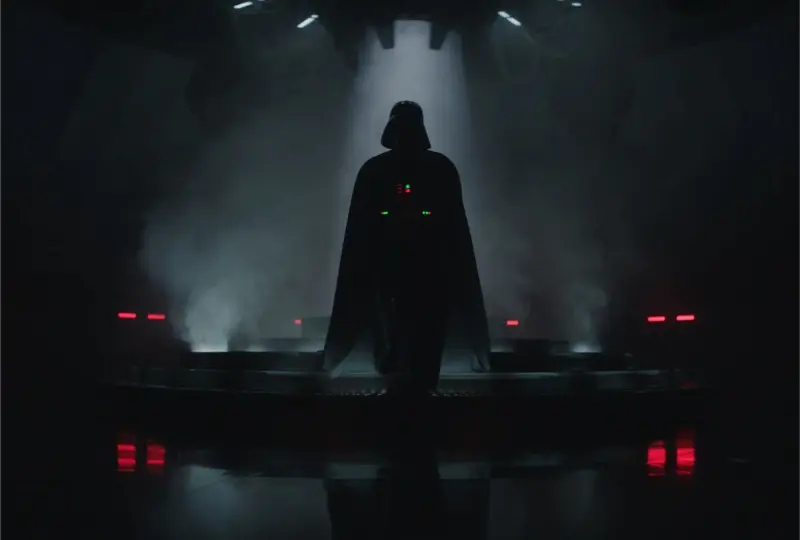
The production split the character between David Prowse in the suit and Jones in the recording booth, allowing the team to capture imposing physicality on set while crafting the final voice in post. Jones recorded with attention to mic distance and breath control, creating a consistent timbre that sound editors could layer with mechanical elements.
This division of labor continued across films, where dialogue sessions were scheduled around effects deadlines so the mix could blend voice, score, and lightsaber sound design. The arrangement became a model for later characters that required separate on-set and post-production performances.
Michael J. Fox as Marty McFly in ‘Back to the Future’
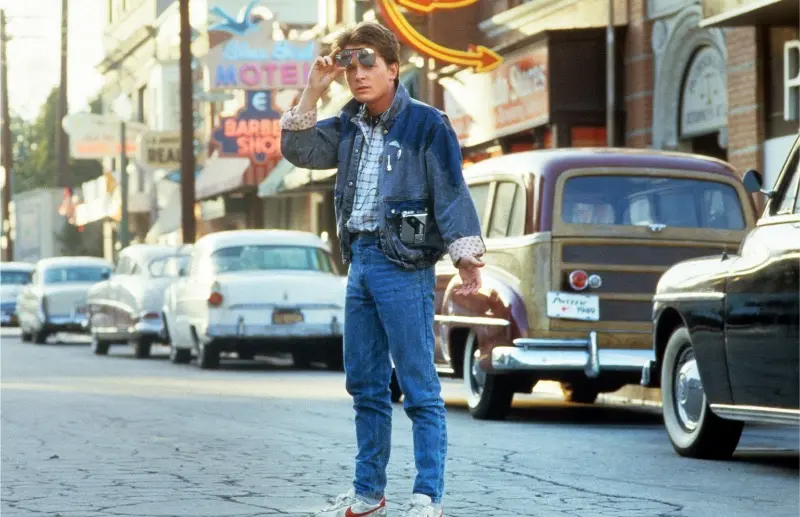
Fox took over the role after initial footage with another actor, which led to a reshoot schedule that balanced his sitcom during the day and film scenes at night. The team blocked key sequences to accommodate limited daylight, and Fox kept movement continuity by using video assist to match posture and gestures from earlier setups.
His timing with the DeLorean effects cues helped the special effects crew sync practical gags with reaction shots. The role extended into two sequels shot in close succession, where Fox continued to coordinate television commitments with location work and intensive stunt rehearsals.
Christopher Lloyd as Doc Brown in ‘Back to the Future’
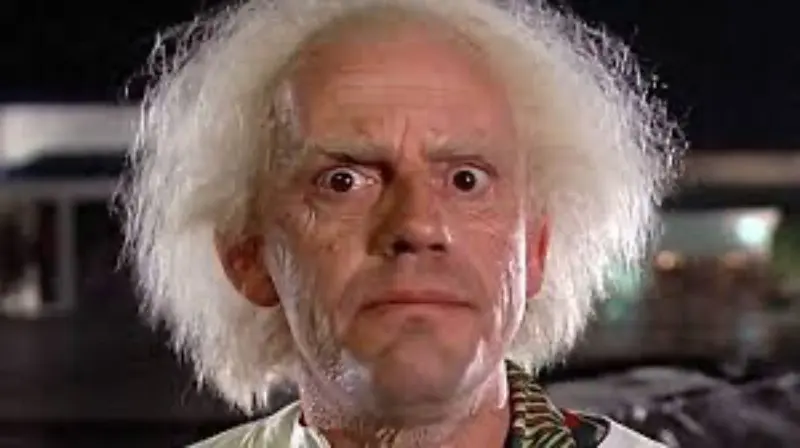
Lloyd built the character with director Robert Zemeckis using expressive eye work, quick head movements, and clear prop interaction for inventions and chalkboard explanations. Hair, wardrobe, and makeup collaborated to keep the silhouette readable in wide shots, which helped audiences track him amid busy effects sequences.
He maintained a consistent speech rhythm across films, making ADR sessions more efficient when matching lips during complex edits. The character’s lab sets and vehicle modifications were designed around Lloyd’s blocking, giving him access to switches and gauges that supported improvised business without interrupting camera moves.
Rutger Hauer as Roy Batty in ‘Blade Runner’
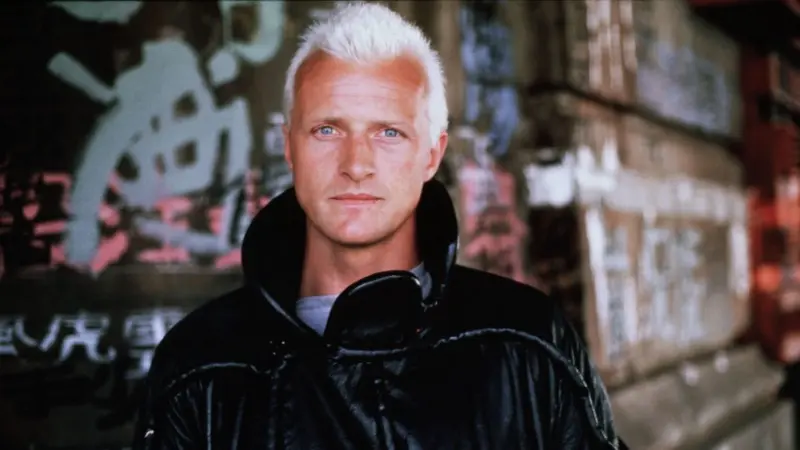
Hauer arrived with international credits and physical training that fit the replicant role, and he worked with Ridley Scott on a performance that combined agility with precise stillness. The production dyed his hair and adjusted costuming to contrast with industrial backdrops, ensuring separation during night shoots and rain.
He famously refined the final rooftop speech on the day, shaping lines that editors could cut around during a weather-dependent setup. His scenes used live pigeons, practical effects, and narrow ledges, requiring careful coordination between stunt riggers and the camera department to keep the action safe and readable.
Andy Serkis as Caesar in ‘Rise of the Planet of the Apes’
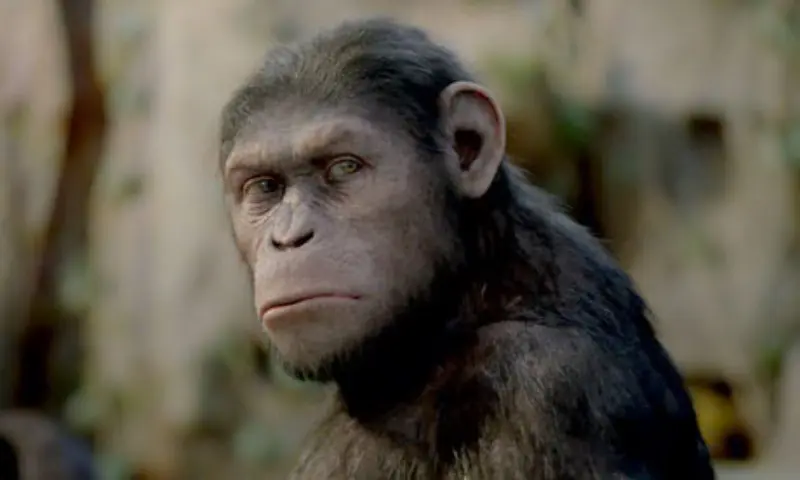
Serkis led a performance-capture approach that placed sensor suits and facial markers on live-action sets rather than a greenscreen stage. Weta Digital recorded body and facial data with on-set reference cameras, giving animators high-fidelity results that matched lighting and eye lines from principal photography.
Serkis studied primate locomotion and social behavior with movement coaches, then adapted those findings into a readable screen grammar for bipedal and quadrupedal motion. The role continued through sequels, and the pipeline developed around his work became a studio standard for capturing nuanced, nonhuman characters.
Charlize Theron as Imperator Furiosa in ‘Mad Max: Fury Road’
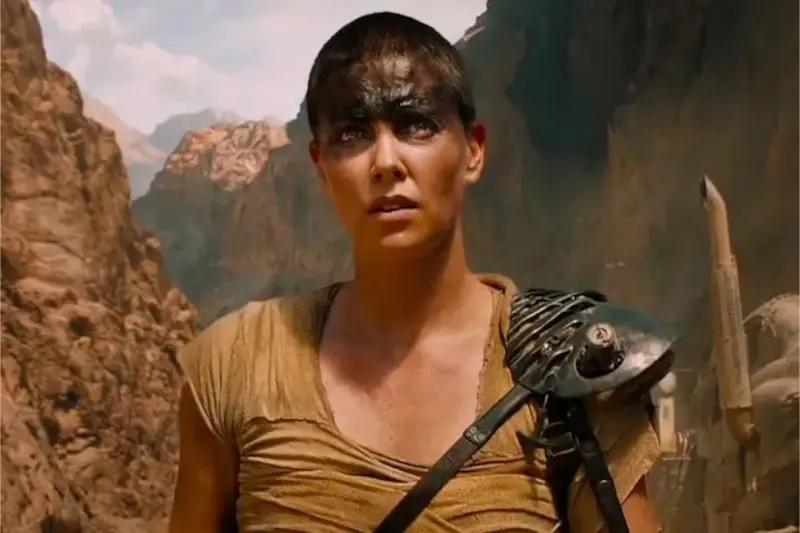
Theron shaved her head and trained for vehicle platform work inside the War Rig, coordinating with stunt teams for climbing, leverage, and hand signals that kept action beats synchronized across multiple units. Her prosthetic forearm required custom rigs and props, which the effects team integrated into close-ups and fights.
The production shot largely on location with heavy dust and heat, so hydration, eye protection strategies, and reset protocols were built into the daily schedule. Theron’s collaboration with the crew helped maintain continuity of grime, scars, and bandaging between pickups and complex chase sequences.
Jeff Goldblum as Dr. Ian Malcolm in ‘Jurassic Park’
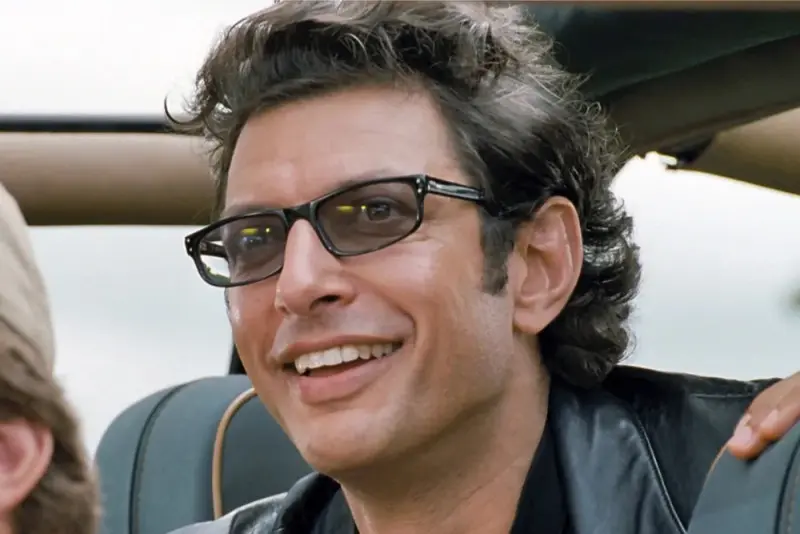
Goldblum played a mathematician whose scenes carry exposition about unpredictability, so he rehearsed technical dialogue to land clearly amid practical effects and animatronics. The costume department used black leather to catch key light in low-lit interiors, which helped the character read against wet sets and nighttime exteriors.
He returned for later installments, adjusting the role from consultant to lead and back to ensemble member as the series shifted locations and technology. ADR sessions often matched lines to dinosaur roars and debris impacts, and his consistent cadence made those mixes cleaner across different sound teams.
Robert Patrick as the T-1000 in ‘Terminator 2: Judgment Day’
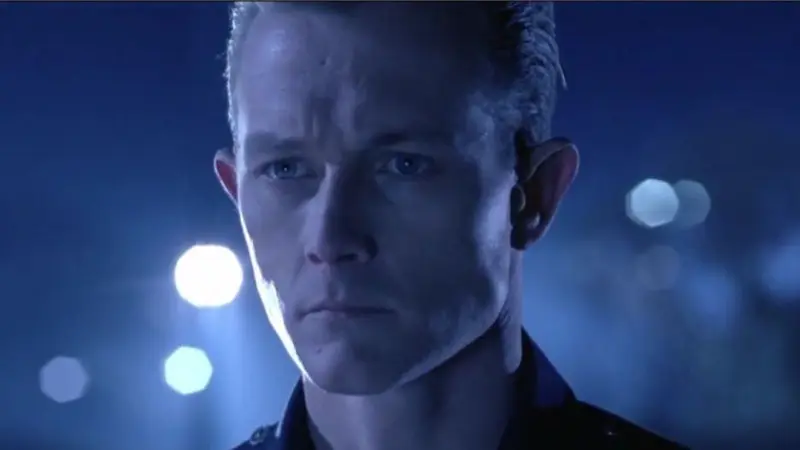
Patrick trained to run long distances without visible exertion and to minimize blinking, which supported the character’s liquid metal conceit. Wardrobe and stunt departments provided lightweight police gear that allowed sprinting while keeping the silhouette sharp for effects tracking.
Industrial Light and Magic combined practical gags with computer-generated transitions, so Patrick’s blocking and eyelines were planned to align with morph points. His precise head turns, hand shapes, and posture gave the effects team consistent anchors for seamless transformations and reflections.
Alicia Vikander as Ava in ‘Ex Machina’
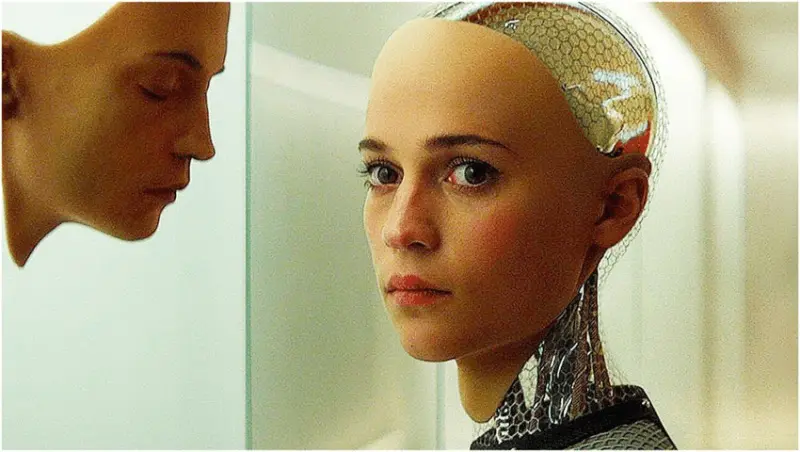
Vikander prepared movement with a focus on economy and symmetry, working with choreographers to suggest machine logic without resorting to stiffness. The production used a partial costume with tracking markers and reflective materials, letting compositing artists remove midsections and add transparent components.
Dialogue scenes depended on close-quarters tension, so Vikander and her scene partners rehearsed with camera operators to keep frames balanced across shot-reverse-shot coverage. Visual effects and practical lighting were coordinated to maintain the same highlight roll-off on skin and synthetic parts, which kept the illusion consistent.
Zoe Saldana as Neytiri in ‘Avatar’
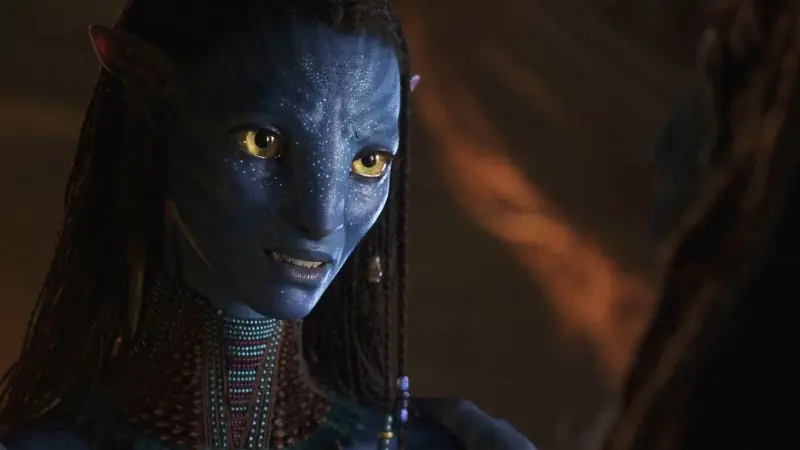
Saldana trained in archery, movement, and a constructed language, and she performed with a head-mounted camera that captured facial microexpressions for translation into the Na’vi character. The production recorded her work in a volume with marked props, then mapped it onto digital environments, which preserved eye lines and body mechanics.
She reprised the role in later entries that upgraded the capture pipeline for water work and finer muscle simulation. Saldana returned to dialect coaching and physical conditioning for those shoots, keeping continuity of gait, vocal quality, and posture across long gaps in production.
Share your own favorite examples of spot-on sci-fi casting in the comments so we can keep the list growing.

