


Period Movies You Are Sleeping On (But Shouldn’t)



There are so many historical dramas that quietly deliver rich stories, meticulous craft, and striking performances. If you are looking for period pieces that slipped past the spotlight, this list gathers titles from different eras and countries. Each one brings careful research, memorable casts, and distinct filmmaking choices. Use this as a map for what to queue up when you want history told with care and texture.
‘The Duellists’ (1977)
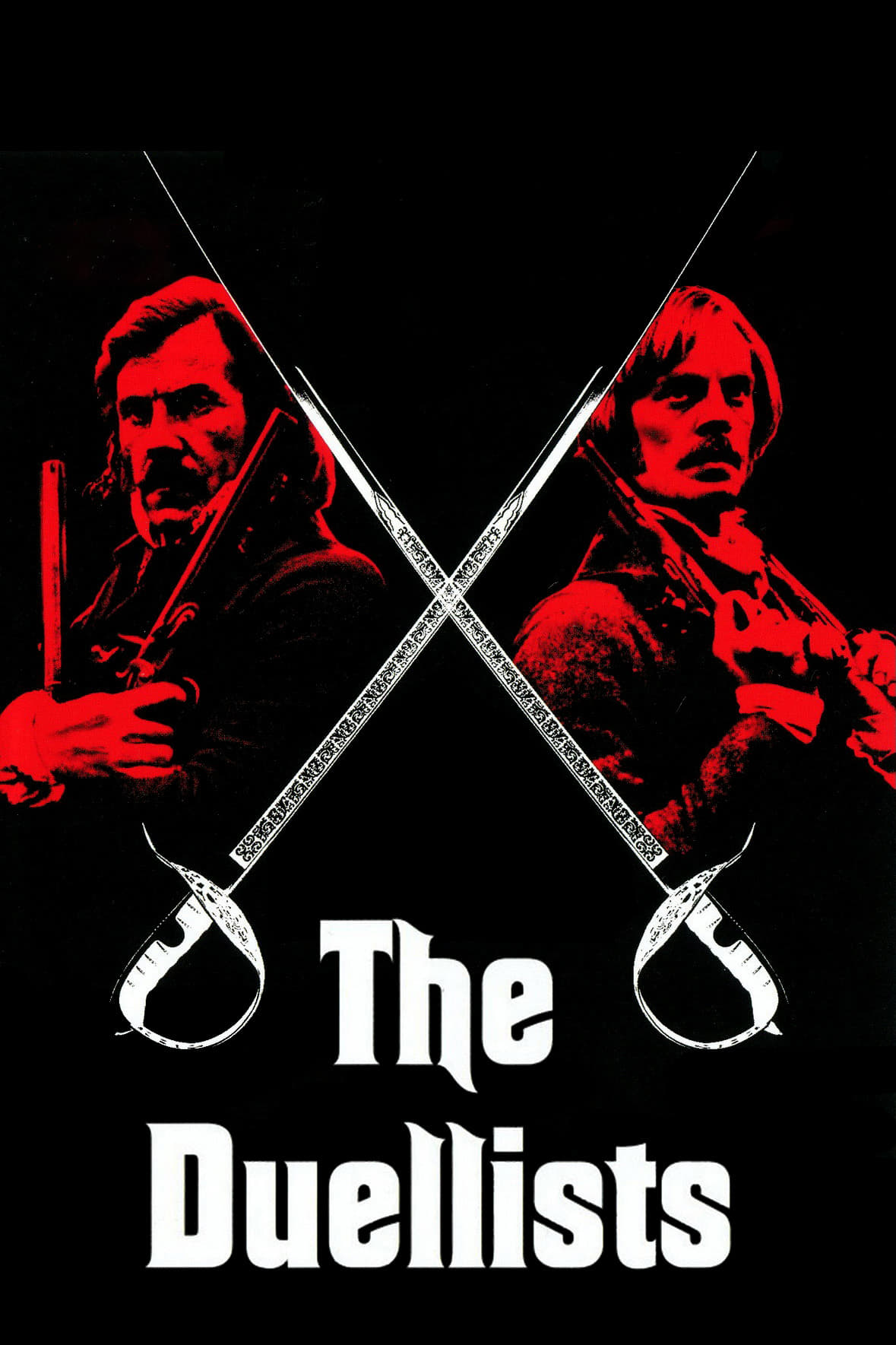
Set during the Napoleonic campaigns in France, this film follows two officers whose feud spans several military postings. Ridley Scott directs and adapts a Joseph Conrad story about honor and obsession. Keith Carradine and Harvey Keitel lead a cast that moves through cavalry units, provincial towns, and battlefronts. It is noted for location shooting across Europe and careful attention to uniforms and sword techniques.
‘Belle’ (2013)
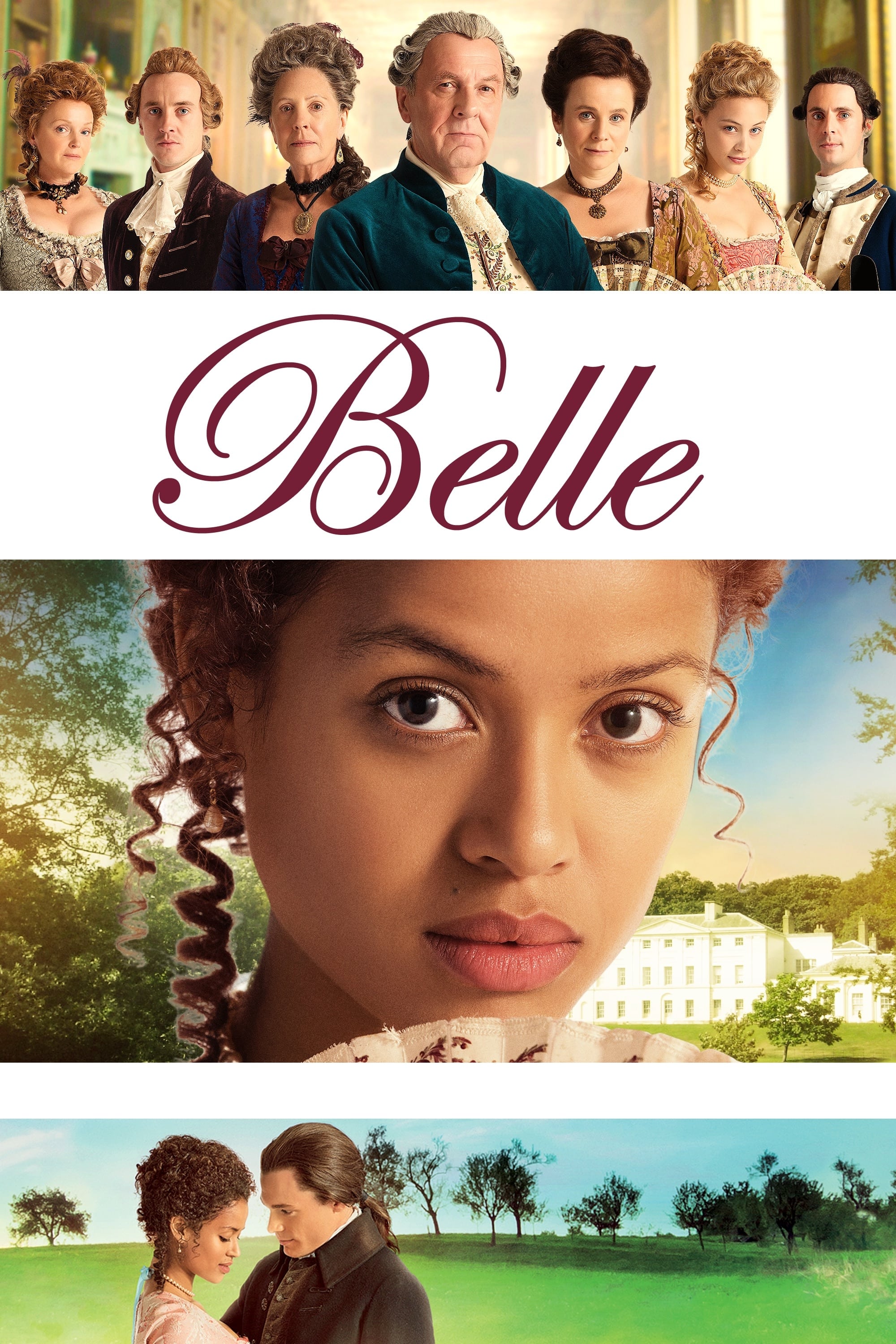
Inspired by the life of Dido Elizabeth Belle, the story examines a mixed race woman raised in an aristocratic English household. Gugu Mbatha Raw stars opposite Tom Wilkinson and Emily Watson in a narrative that intersects with landmark legal debates on slavery. Director Amma Asante stages country estates, courtrooms, and salons to show the period’s social codes. The film draws on the famous portrait of Dido and her cousin to frame questions of status and law.
‘A Royal Affair’ (2012)
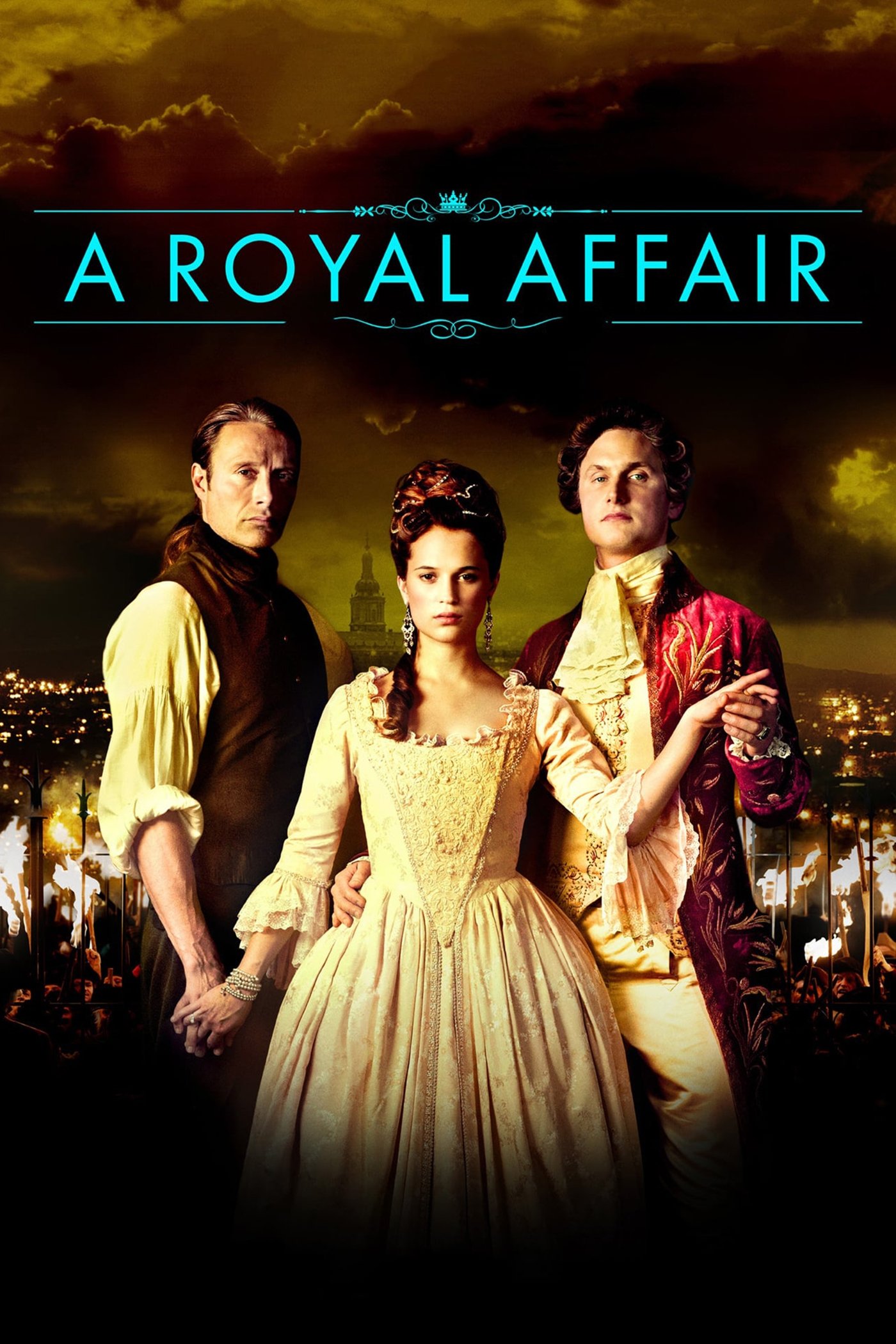
This Danish drama centers on the court of King Christian VII and the physician Johann Friedrich Struensee. Mads Mikkelsen and Alicia Vikander play central figures in a political and personal alliance that pushes Enlightenment reforms. Nikolaj Arcel directs a production that recreates royal residences and cabinet rooms with close attention to etiquette. The screenplay uses letters and court records to trace how new ideas collided with tradition.
‘Bright Star’ (2009)
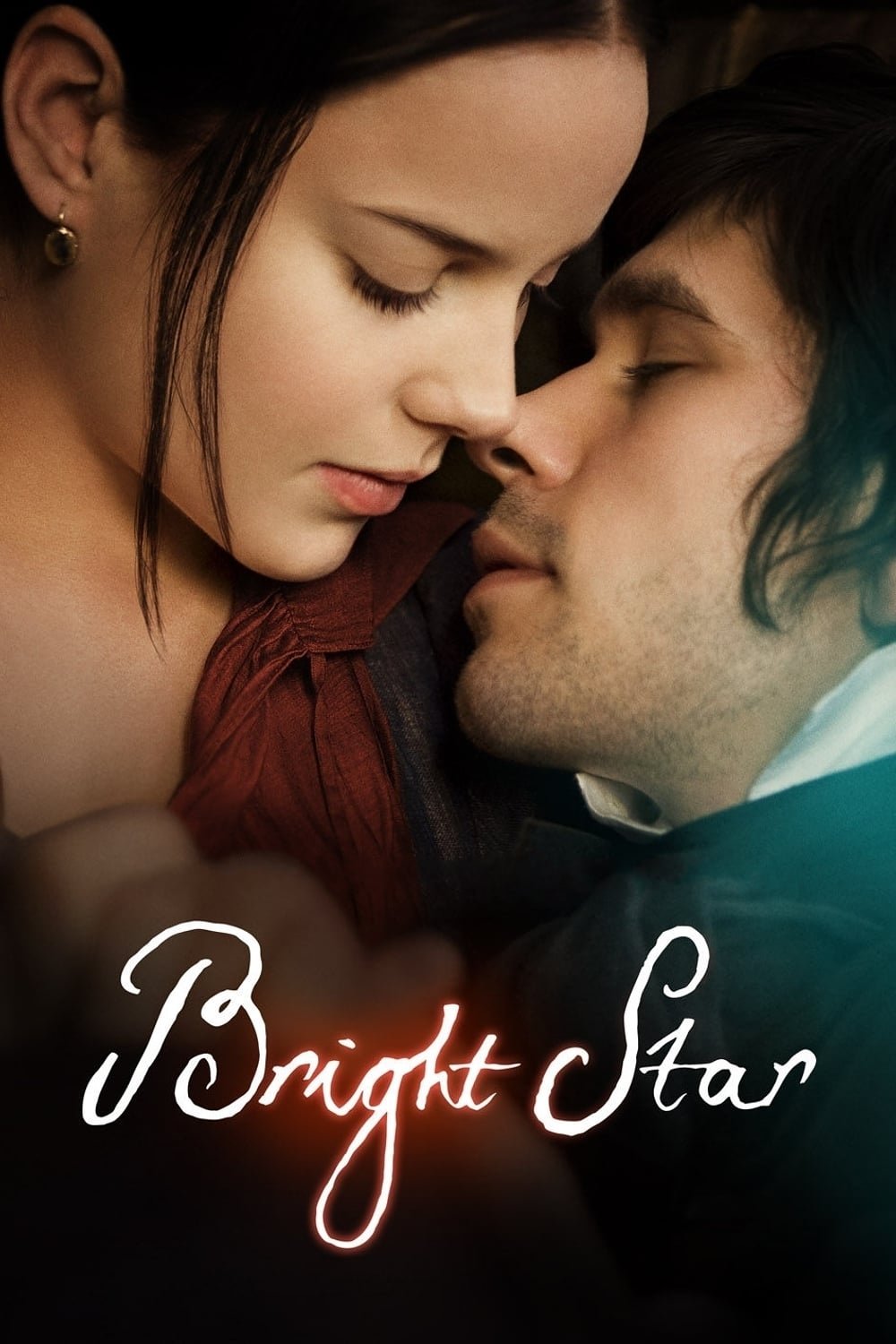
Jane Campion explores the relationship between poet John Keats and Fanny Brawne through letters and domestic spaces. Abbie Cornish and Ben Whishaw anchor scenes that move from modest lodgings to English gardens and parlors. The production leans on hand stitched costumes and natural light to mirror the poetry’s focus on sensation. It uses Keats’s correspondence and verse as primary sources for dialogue and structure.
‘The Painted Veil’ (2006)
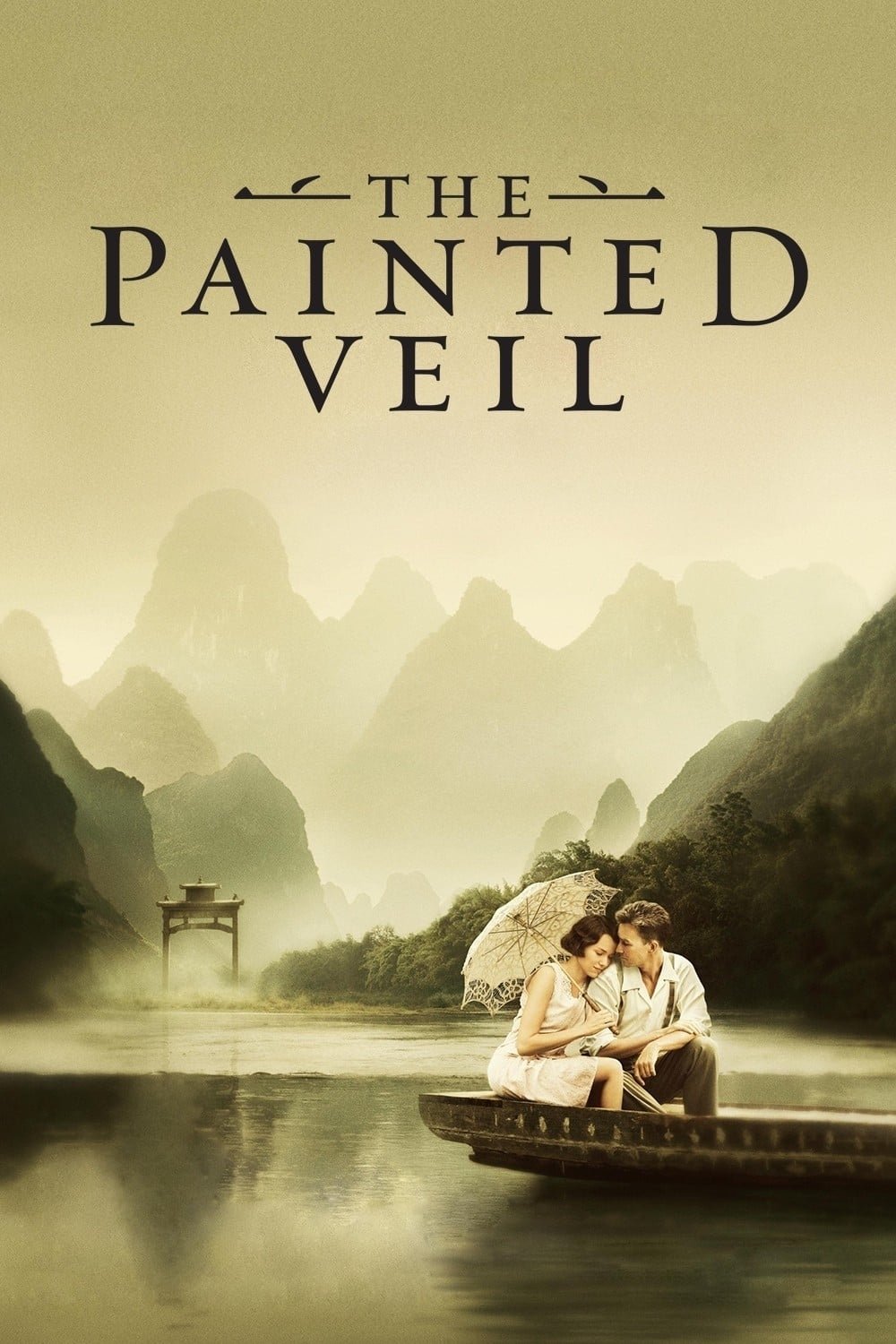
Based on the novel by W Somerset Maugham, the story follows a British couple posted in a remote Chinese province during a cholera outbreak. Naomi Watts and Edward Norton portray partners navigating duty and personal change amid epidemic control efforts. Shanghai and rural locations stand in for treaty ports, river villages, and mission stations. The film integrates public health measures and missionary work as part of its historical backdrop.
‘The Proposition’ (2005)
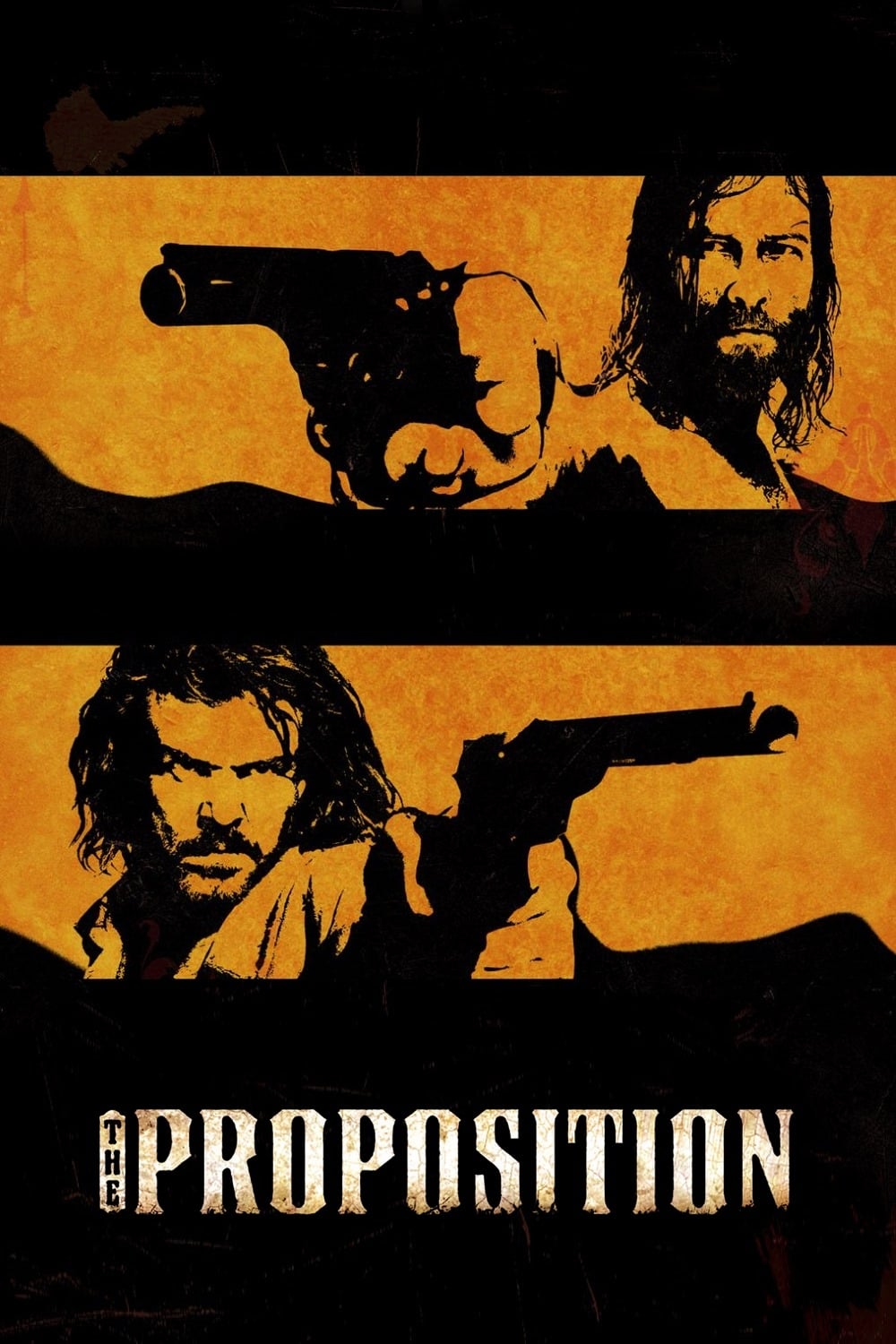
Set in colonial Australia, this story tracks law enforcement efforts to pacify a violent frontier. Guy Pearce, Ray Winstone, and Emily Watson headline a cast moving across outposts, homesteads, and desert settlements. Nick Cave provided the screenplay and music, aligning the narrative with folk ballad traditions. The production uses remote locations and period firearms to convey the realities of policing and survival.
‘Mr. Turner’ (2014)

Mike Leigh focuses on the later years of painter J M W Turner, following travels, exhibitions, and studio practice. Timothy Spall works with recreated pigments, brushes, and canvases to show techniques used on marine scenes and landscapes. The film stages Royal Academy exhibitions and critiques to detail the period art world. It includes research from archival letters and contemporary reviews to map professional networks.
‘The Lost City of Z’ (2016)
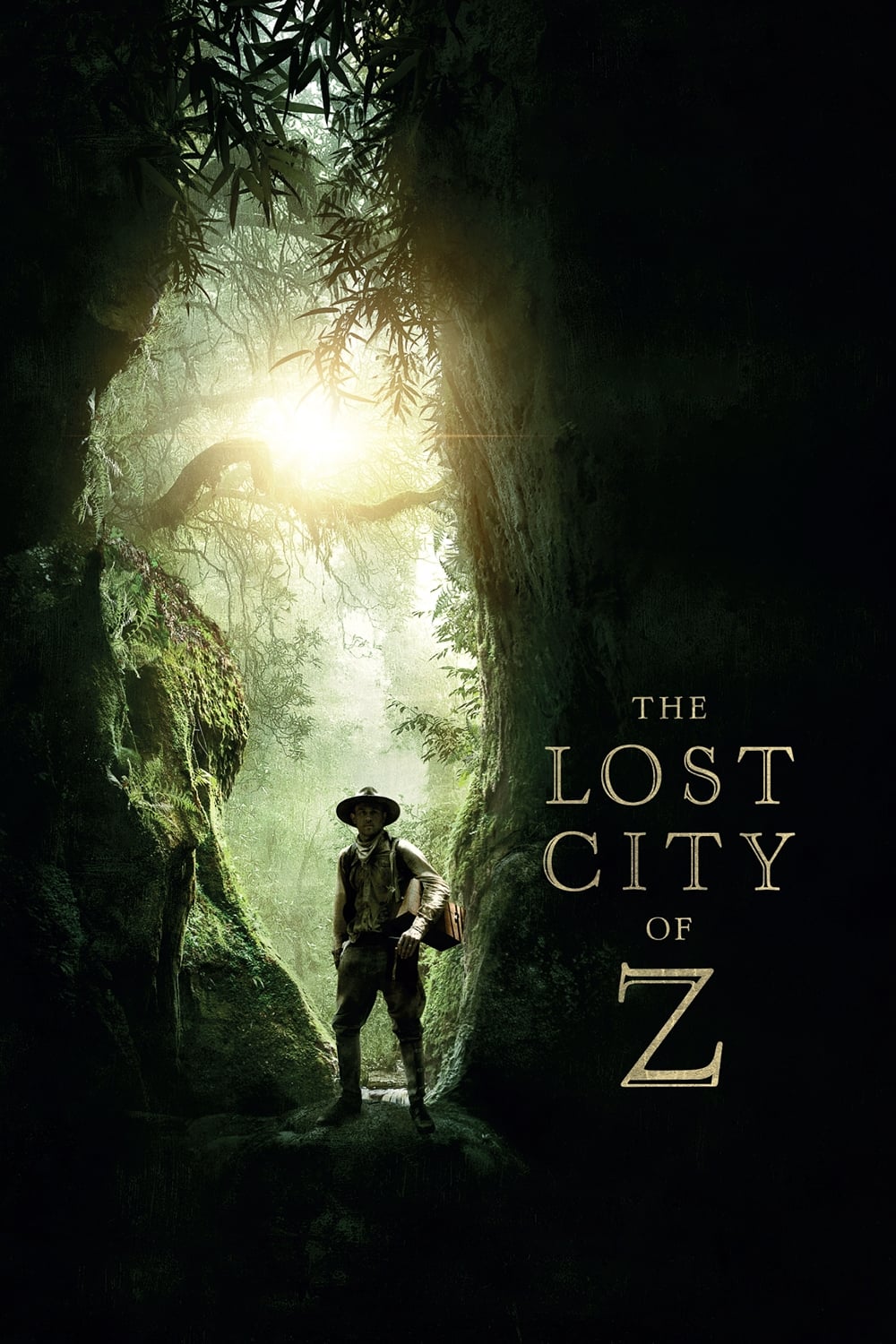
This adaptation of David Grann’s book follows explorer Percy Fawcett’s surveys in the Amazon and his theory about ancient settlements. Charlie Hunnam portrays expeditions that begin with British mapping commissions and extend to independent ventures. The production recreates jungle camps, rubber boom towns, and drawing rooms in London. It also details methods used by the Royal Geographical Society, including chronometers, sextants, and surveying logs.
‘A Hidden Life’ (2019)
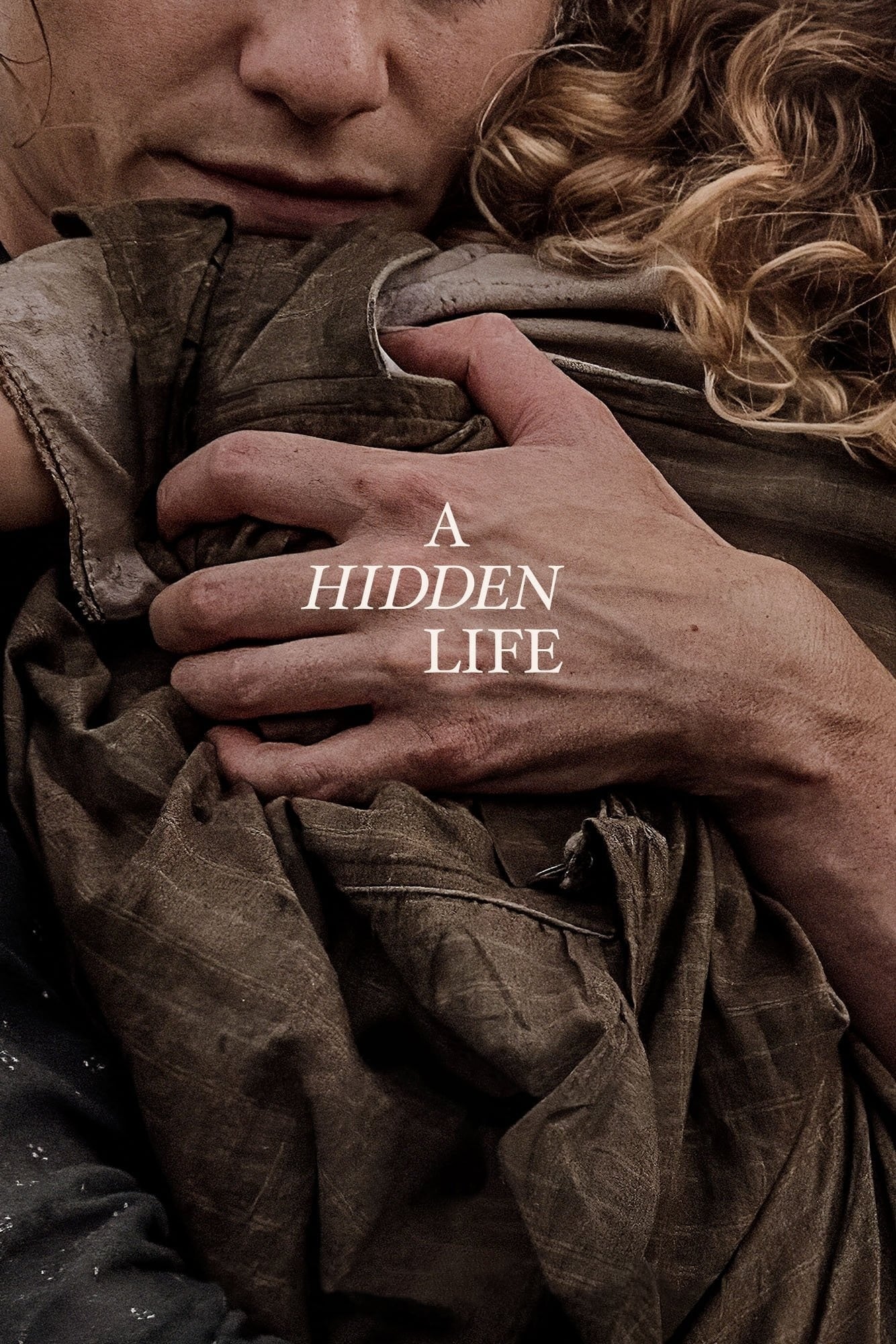
Terrence Malick’s film presents the story of Franz Jägerstätter, an Austrian farmer who refused military service under the Third Reich. Nonprofessional actors appear alongside a few known performers to depict village routines and legal proceedings. The film uses real locations and court transcripts to follow appeals and imprisonment. Cinematography leans on natural light and rural work to frame questions of conscience and community.
‘Queen Margot’ (1994)

Based on Alexandre Dumas’s novel, this drama situates the Valois court during the Wars of Religion. Isabelle Adjani leads a cast that moves through royal apartments, Paris streets, and secret passages. The production reconstructs costumes, armaments, and protocols surrounding royal weddings and diplomatic alliances. It depicts the dynamics of noble factions and their influence on policy and security.
‘Girl with a Pearl Earring’ (2003)
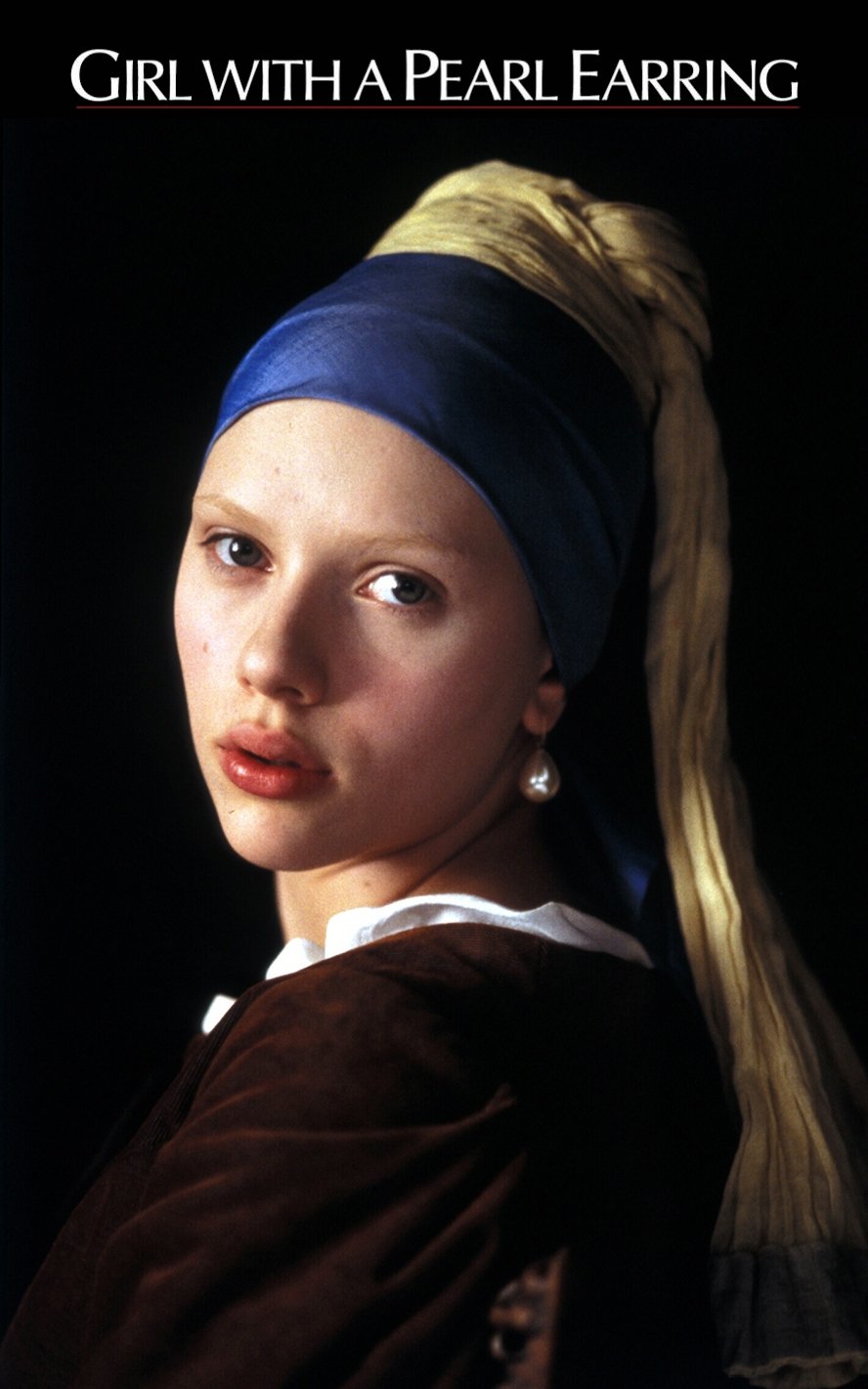
Set in Delft, the film imagines the household of painter Johannes Vermeer and the creation of a famous portrait. Scarlett Johansson and Colin Firth portray a servant and an artist negotiating workshop rules and patronage demands. The production recreates pigments, camera obscura techniques, and guild structures that shaped studio work. Scenes use quiet interiors and domestic labor to show how paintings moved from commission to delivery.
‘The Wind That Shakes the Barley’ (2006)
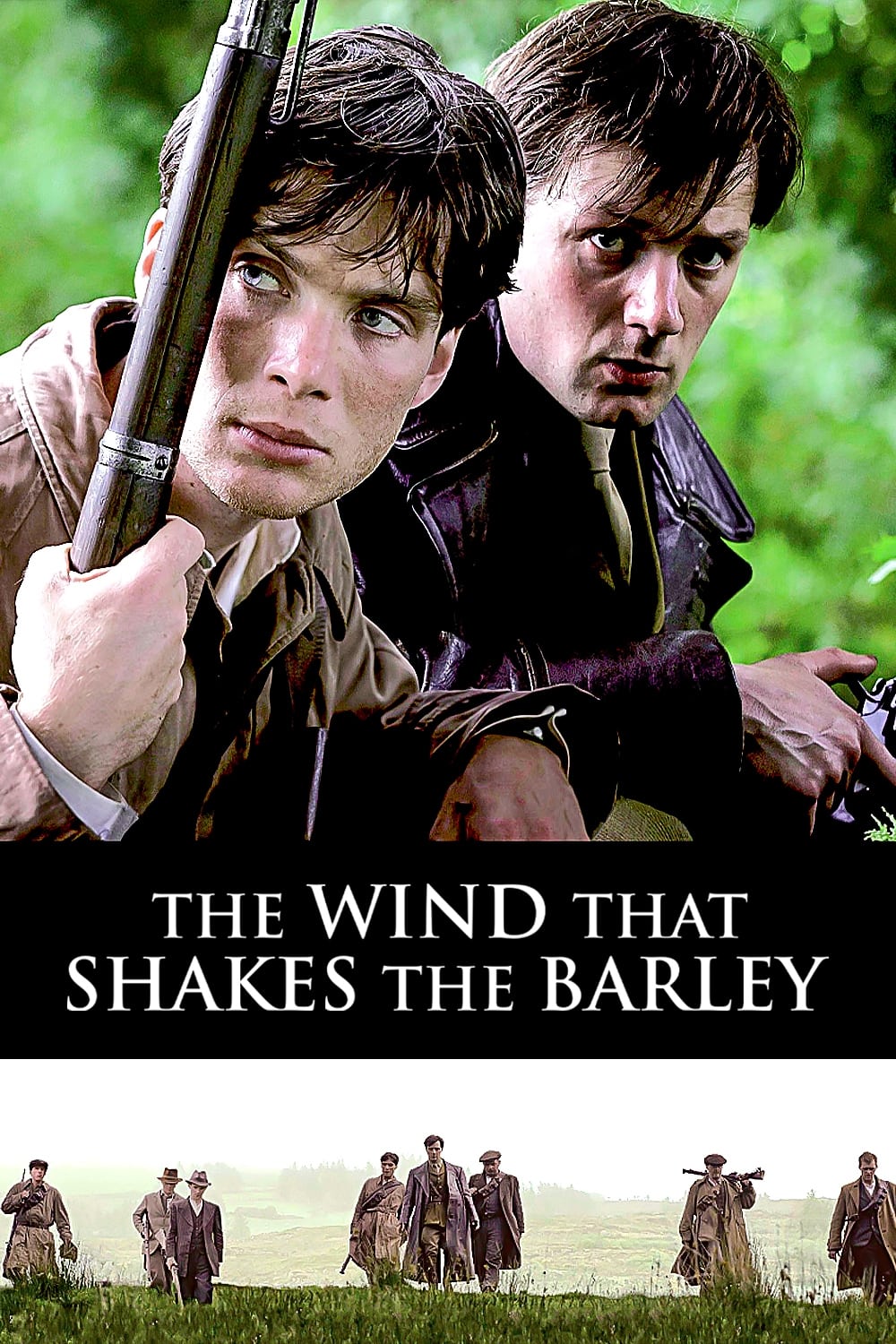
This Irish drama follows volunteers during the War of Independence and the political split that followed. Cillian Murphy and a large ensemble depict training, ambushes, courts, and debates within local communities. Ken Loach uses rural locations and period manuals to show organization and communication methods. The narrative tracks shifts from guerrilla warfare to treaty negotiations and new institutions.
‘The Young Victoria’ (2009)
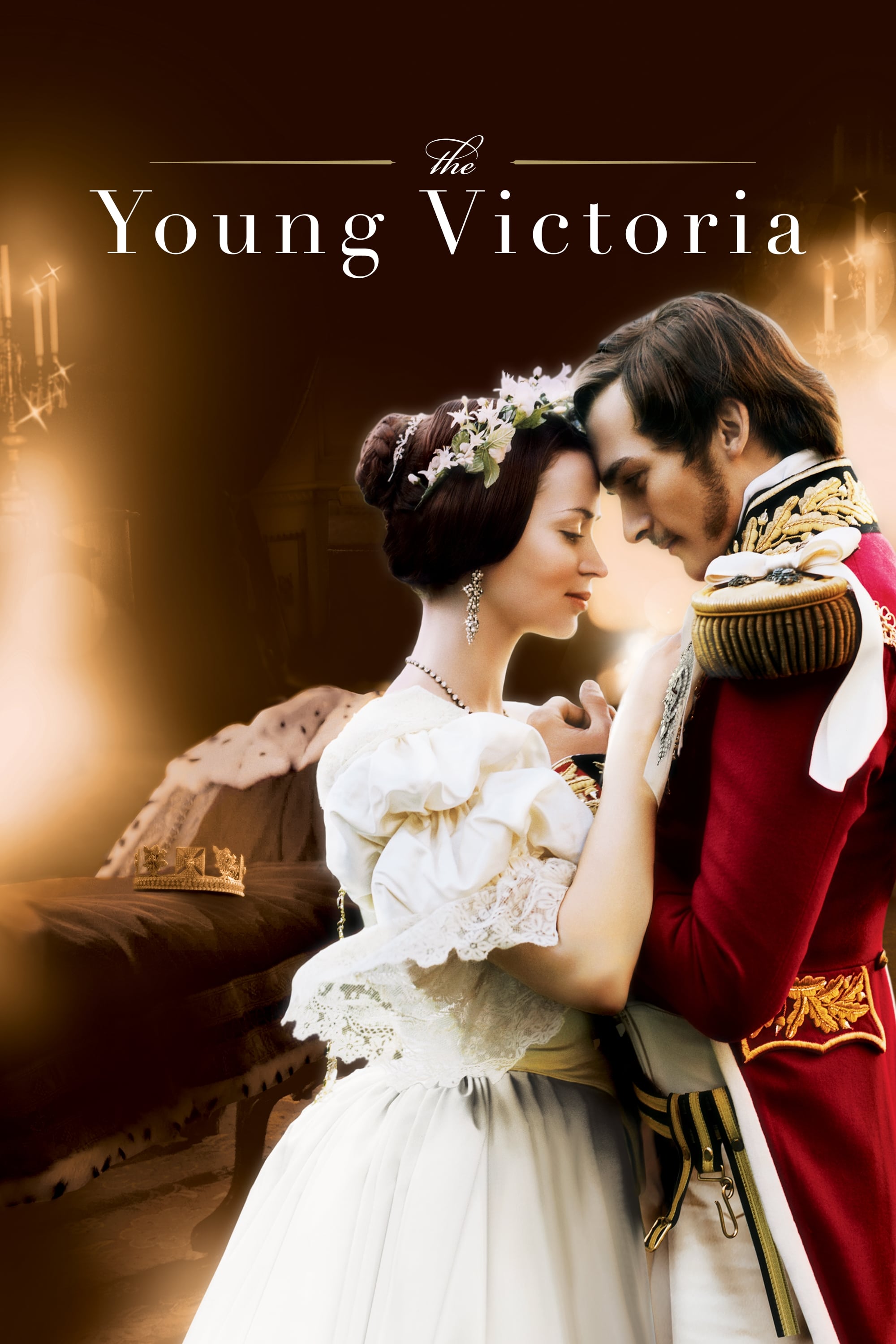
This biographical film covers the early reign of Queen Victoria and her partnership with Prince Albert. Emily Blunt and Rupert Friend lead a cast that moves across Windsor, Buckingham, and European courts. Costume and set departments collaborated with museum advisors to recreate ceremonial dress and daily wear. The script draws on letters and diaries to map political mentorships and family relations.
‘The Last Duel’ (2021)
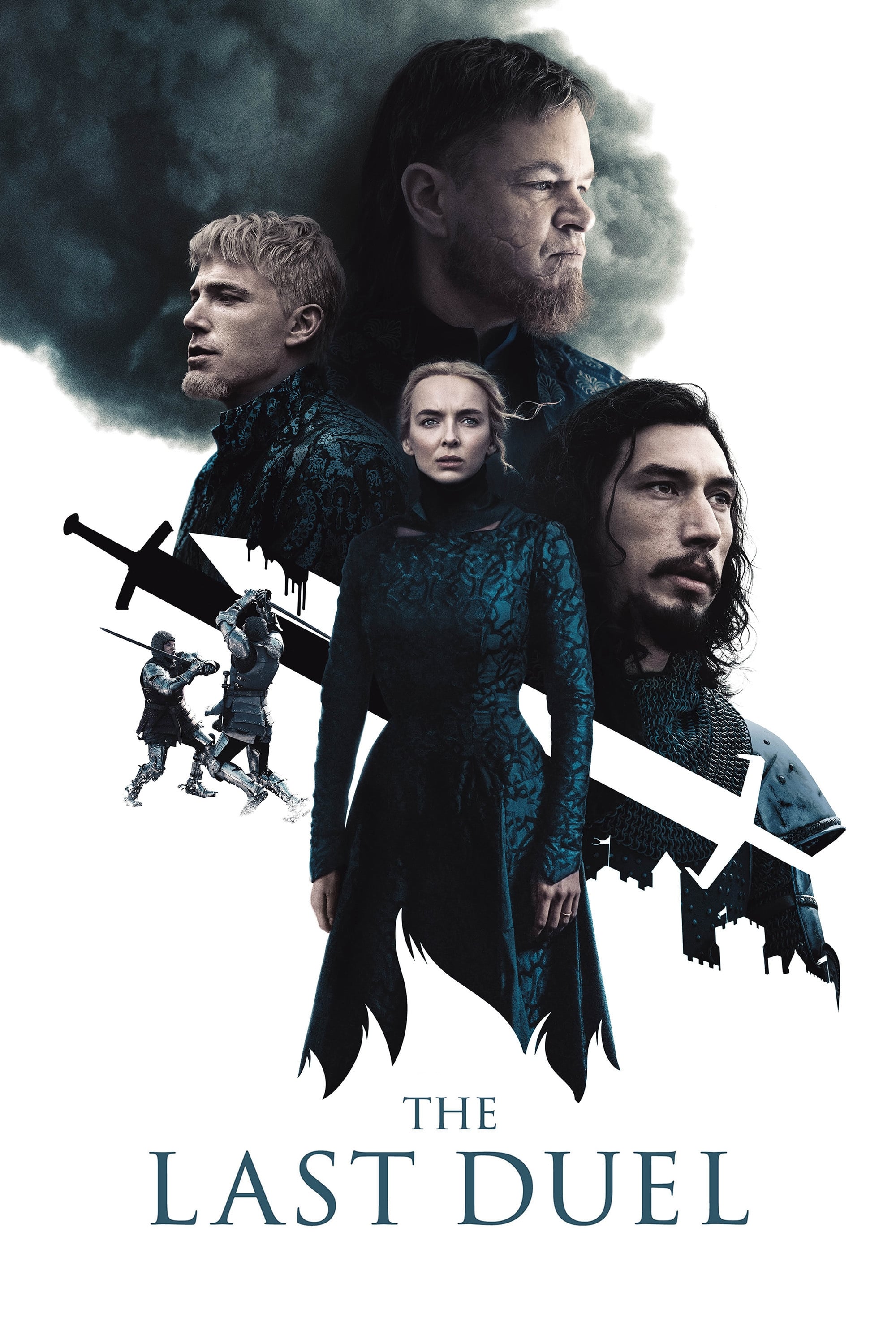
Ridley Scott presents the final judicial duel recognized in France through three perspectives. Jodie Comer, Adam Driver, and Matt Damon portray figures whose accounts are structured as discrete chapters. The production stages training yards, court sessions, and battlefield retrospectives to outline feudal norms. Research into legal records informs how accusations, testimony, and verdicts proceeded under customary law.
‘Colette’ (2018)
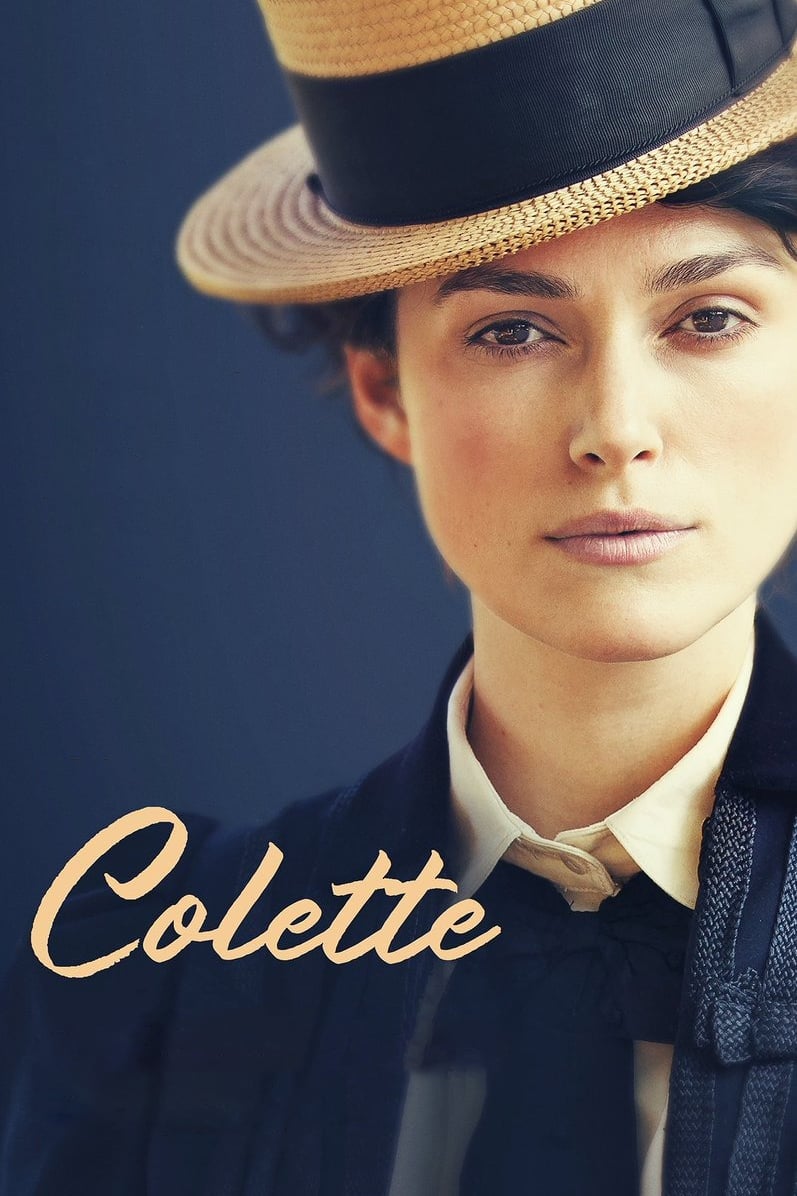
This biographical drama follows French author Sidonie Gabrielle Colette as she writes popular novels while her husband takes the credit. Keira Knightley leads a cast that recreates Parisian salons, Belle Époque theaters, and publishing offices. The film shows how contracts, ghostwriting practices, and stage touring shaped her early career. It also details costume design that tracks her move from provincial dresses to modern couture.
‘Peterloo’ (2018)
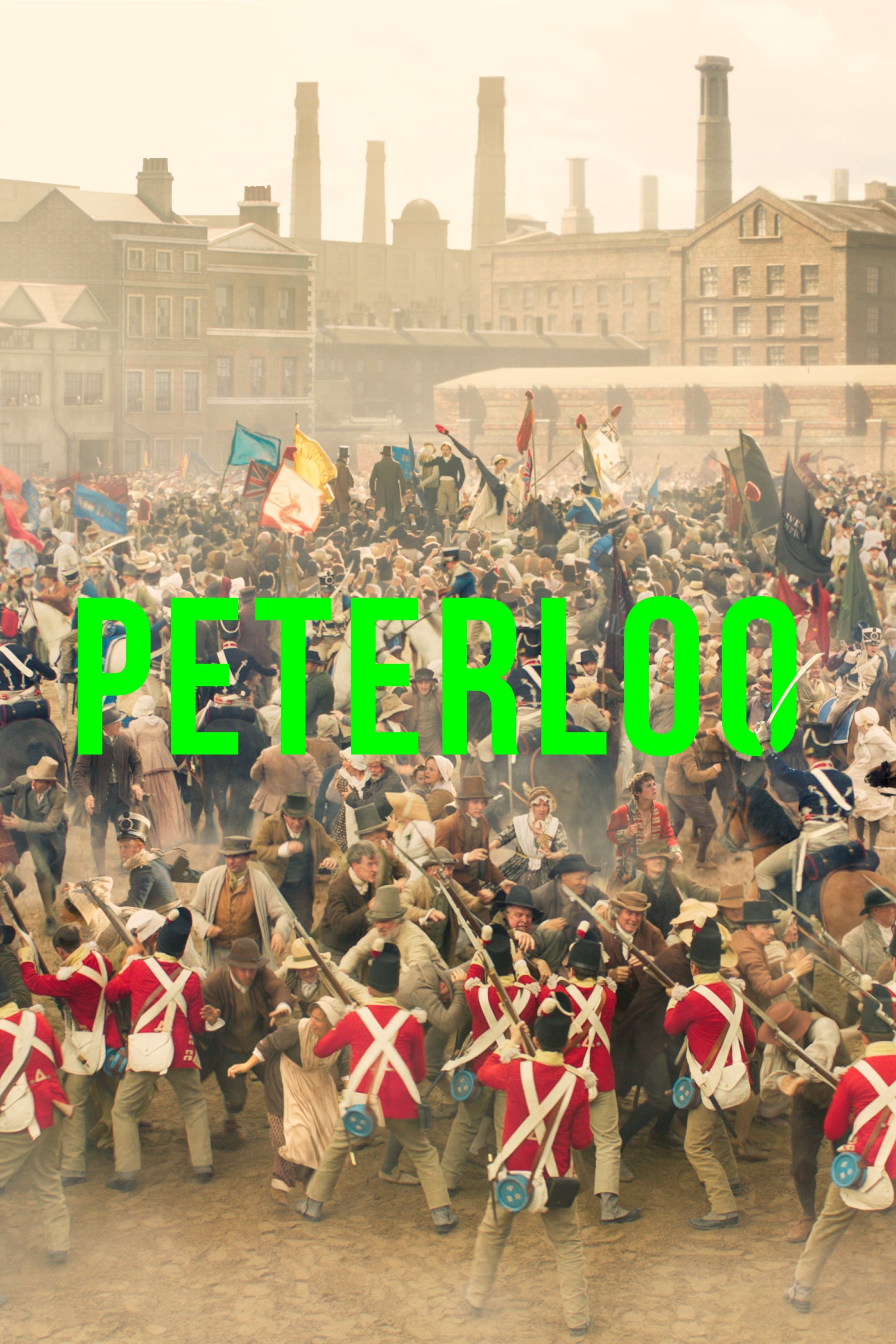
Set in Manchester, this film depicts the events leading to the mass rally at St Peter’s Field and the crackdown that followed. Mike Leigh stages meetings in workers’ halls, newsrooms, and magistrates’ chambers to chart organization and response. The production draws on pamphlets, court records, and reportage to map speeches and routes. Crowd scenes use trained extras and period flags to show how groups arranged banners and formations.
‘Lady Macbeth’ (2016)
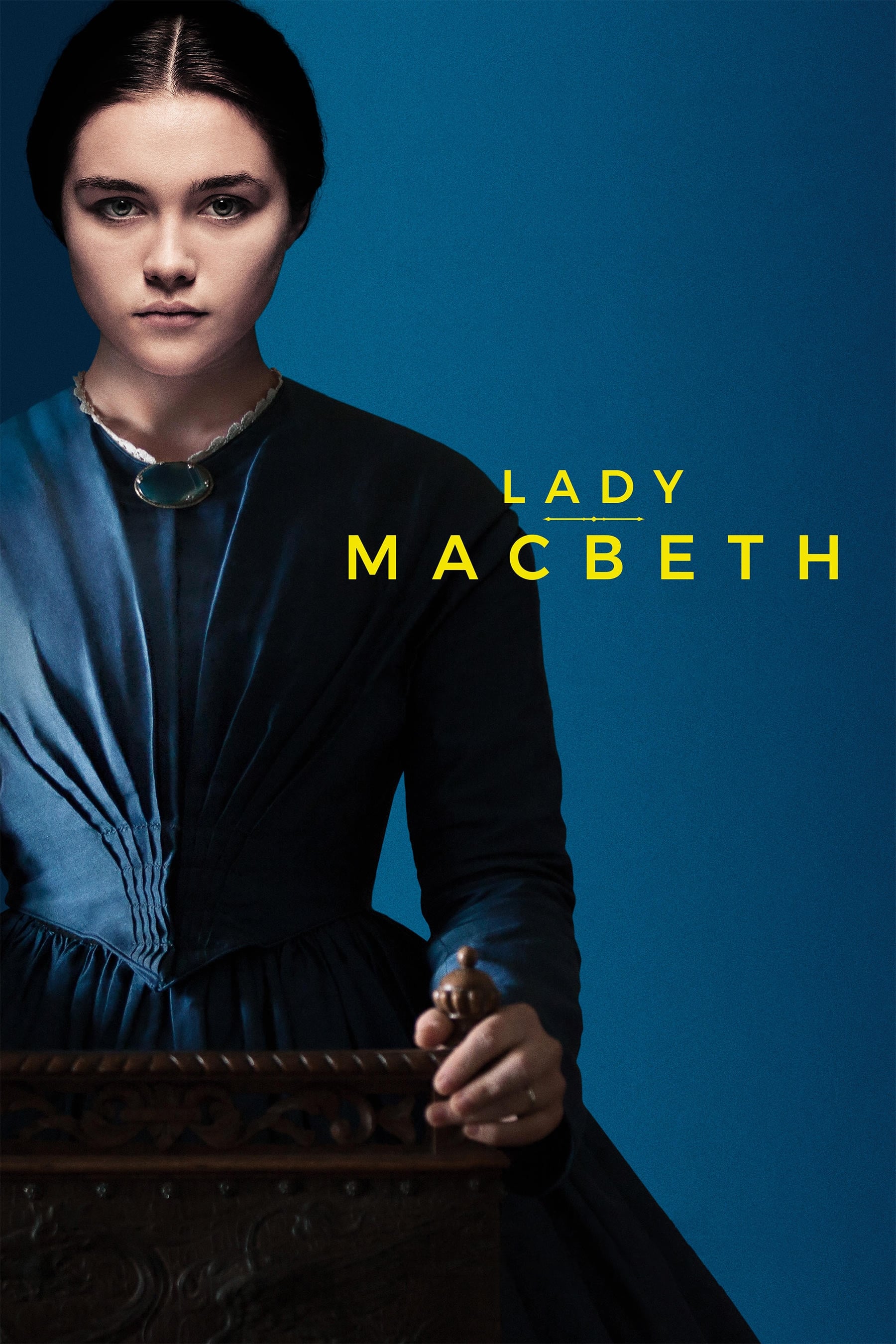
Inspired by a 19th century novella, this film examines a young woman confined by a marriage arrangement on a rural estate. Florence Pugh anchors a narrative that moves through kitchens, bedrooms, and stables with strict household routines. The script emphasizes property law, inheritance, and servants’ hierarchies to show power structures. The spare score and careful blocking highlight how surveillance and reputation operate in small communities.
‘Cyrano’ (2021)
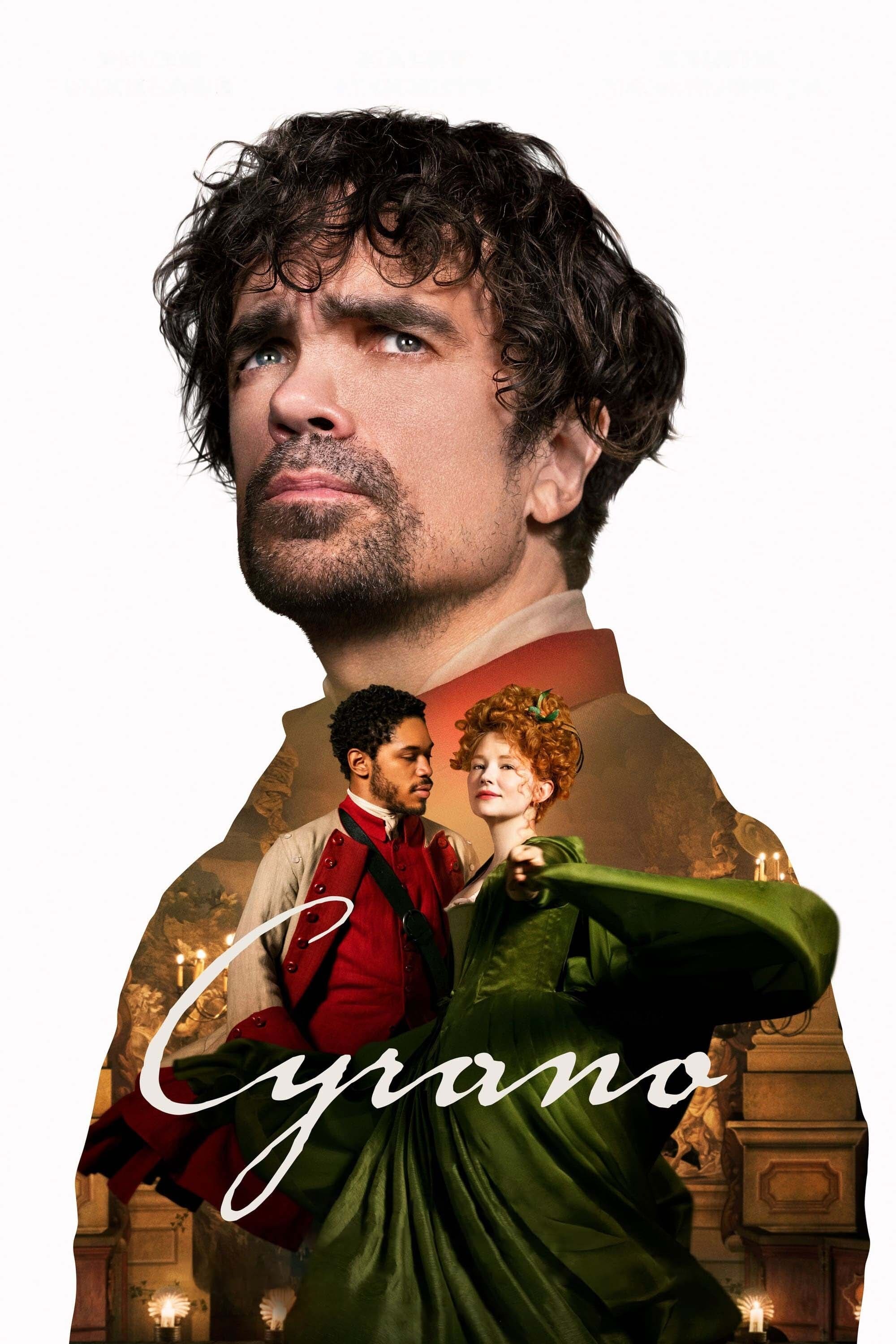
This musical adaptation presents poet and soldier Cyrano de Bergerac in a story of letters, duels, and staged performances. Peter Dinklage leads a production that uses live singing on set for immediacy. Costumes and fencing choreography recreate military drills and ballroom etiquette. The film also shows how couriers and balcony access shaped private communication in bustling cities.
‘Silence’ (2016)
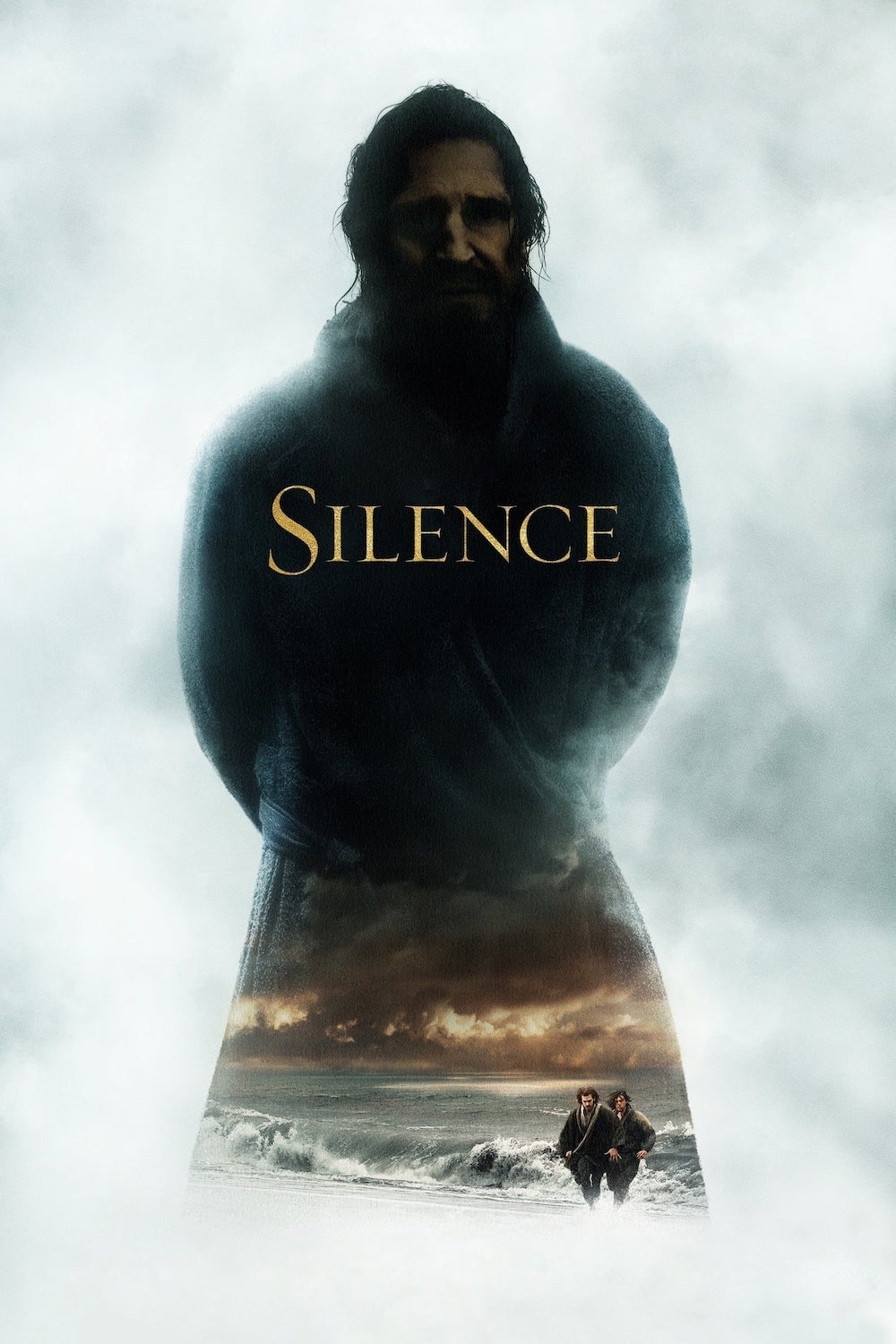
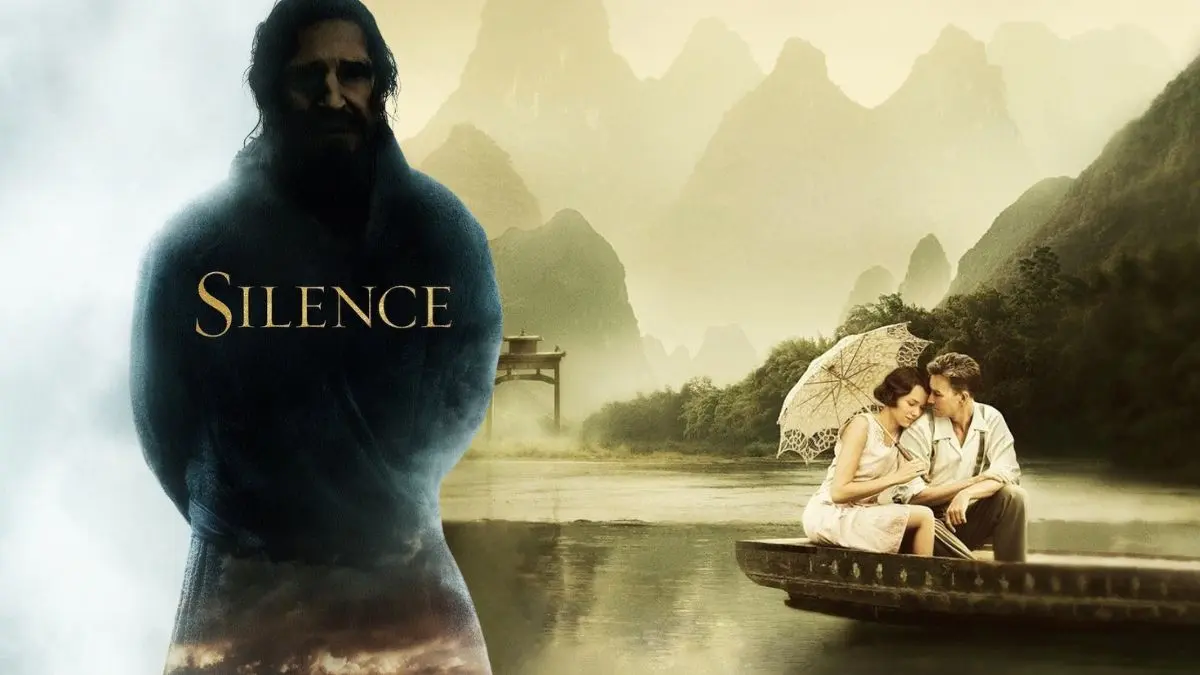
Set in Japan, this drama follows two Jesuit priests who search for their mentor amid intense persecution. Martin Scorsese uses coastal villages, mountain paths, and magistrate courts to show travel and inquiry. The production researched edicts, fumie practices, and interrogation methods to present religious policy. Sound design leans on wind and water to mark isolation and risk.
‘The Dig’ (2021)
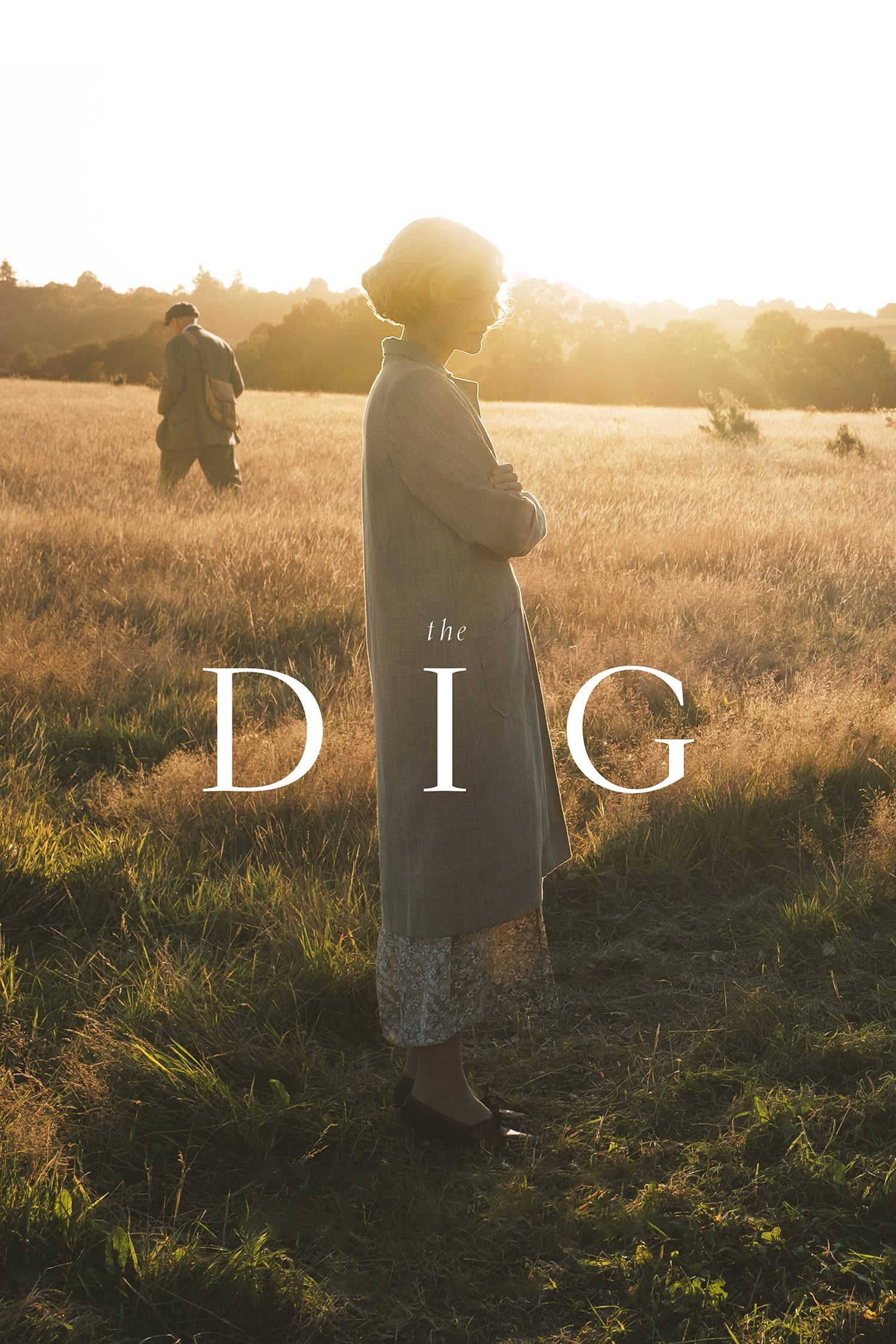
This film recounts the excavation at Sutton Hoo and the partnership between an excavator and a landowner. Ralph Fiennes and Carey Mulligan portray work that includes trenches, grids, and conservation steps. The production recreates tools, tarps, and field notebooks used by dig teams. Museum involvement is shown through loans, jurisdiction questions, and cataloguing procedures.
‘Agora’ (2009)
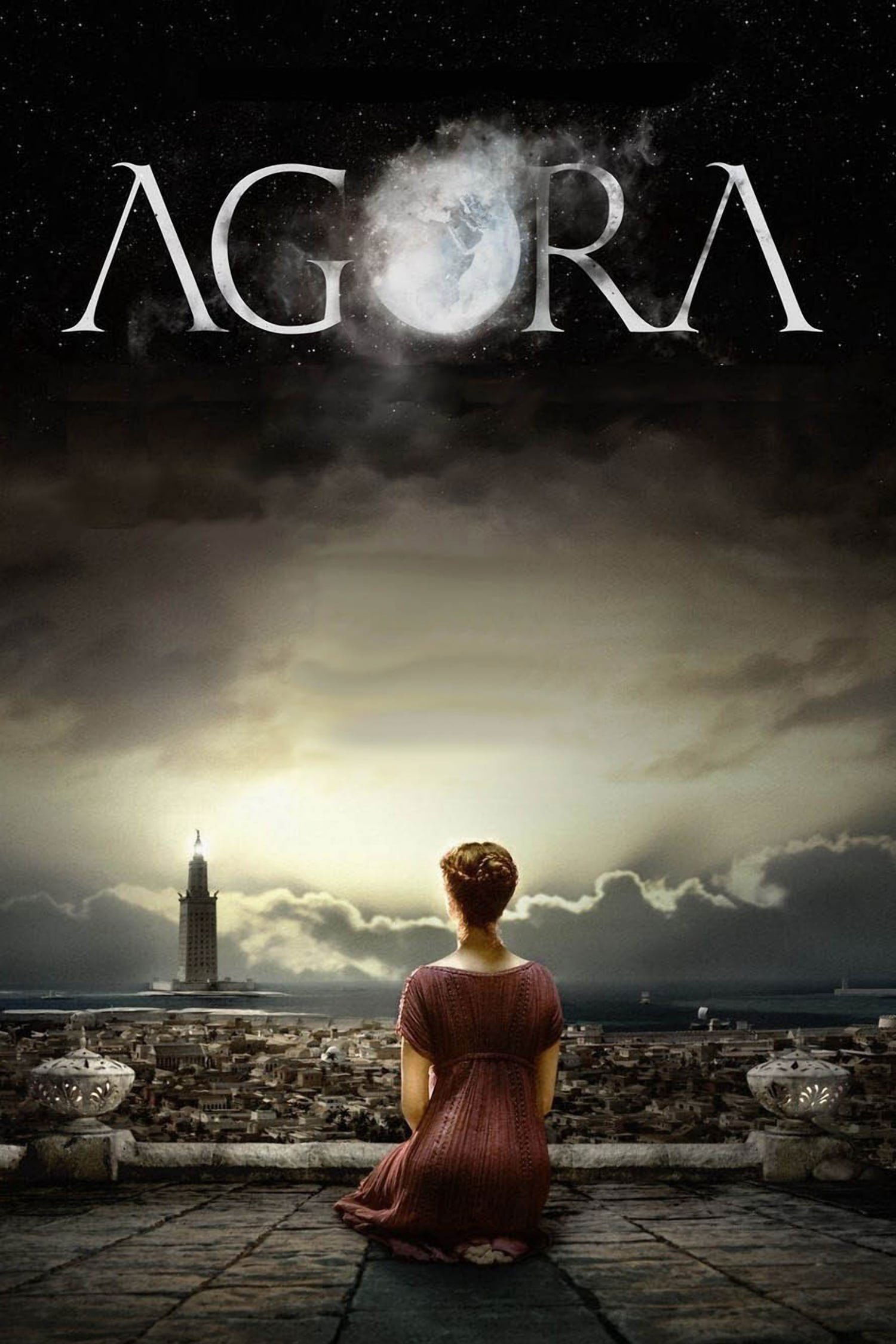
Set in Alexandria, this drama follows philosopher Hypatia during conflicts that reshape the city. Rachel Weisz leads scenes that include the Library complex, lecture courtyards, and civic assemblies. The narrative references manuscripts, astronomical debates, and patronage networks that sustain scholarly work. Sets and extras recreate religious processions, militia units, and street fighting tactics.
‘The Witch’ (2015)
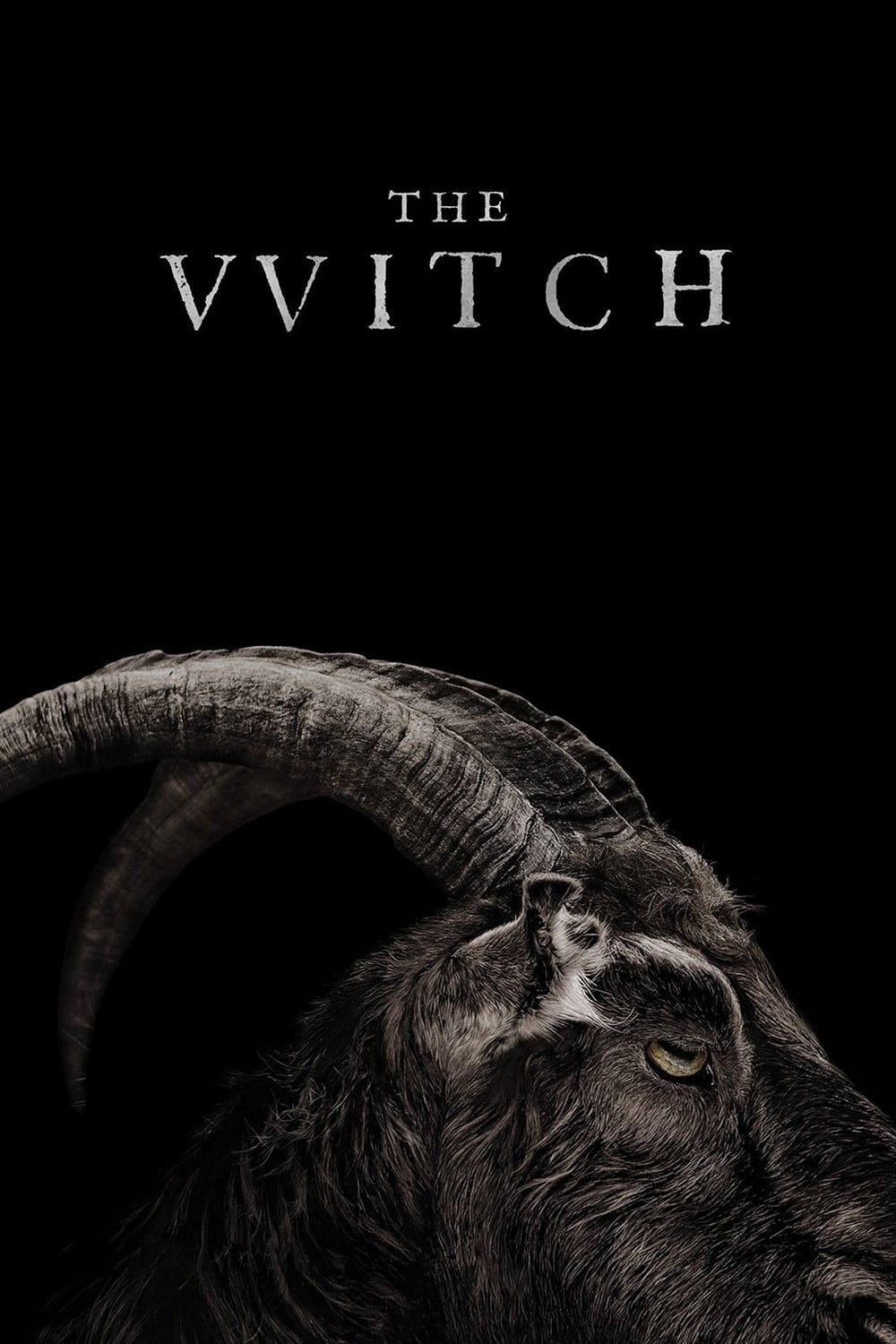
This period horror story centers on a family living on the edge of a New England settlement after a banishment. The production uses hand built structures, heirloom crops, and farm routines to ground daily life. Dialogue draws from contemporary texts to capture speech patterns and religious concerns. The film also details methods for food storage, candle making, and child care in isolated homesteads.
‘The King’ (2019)
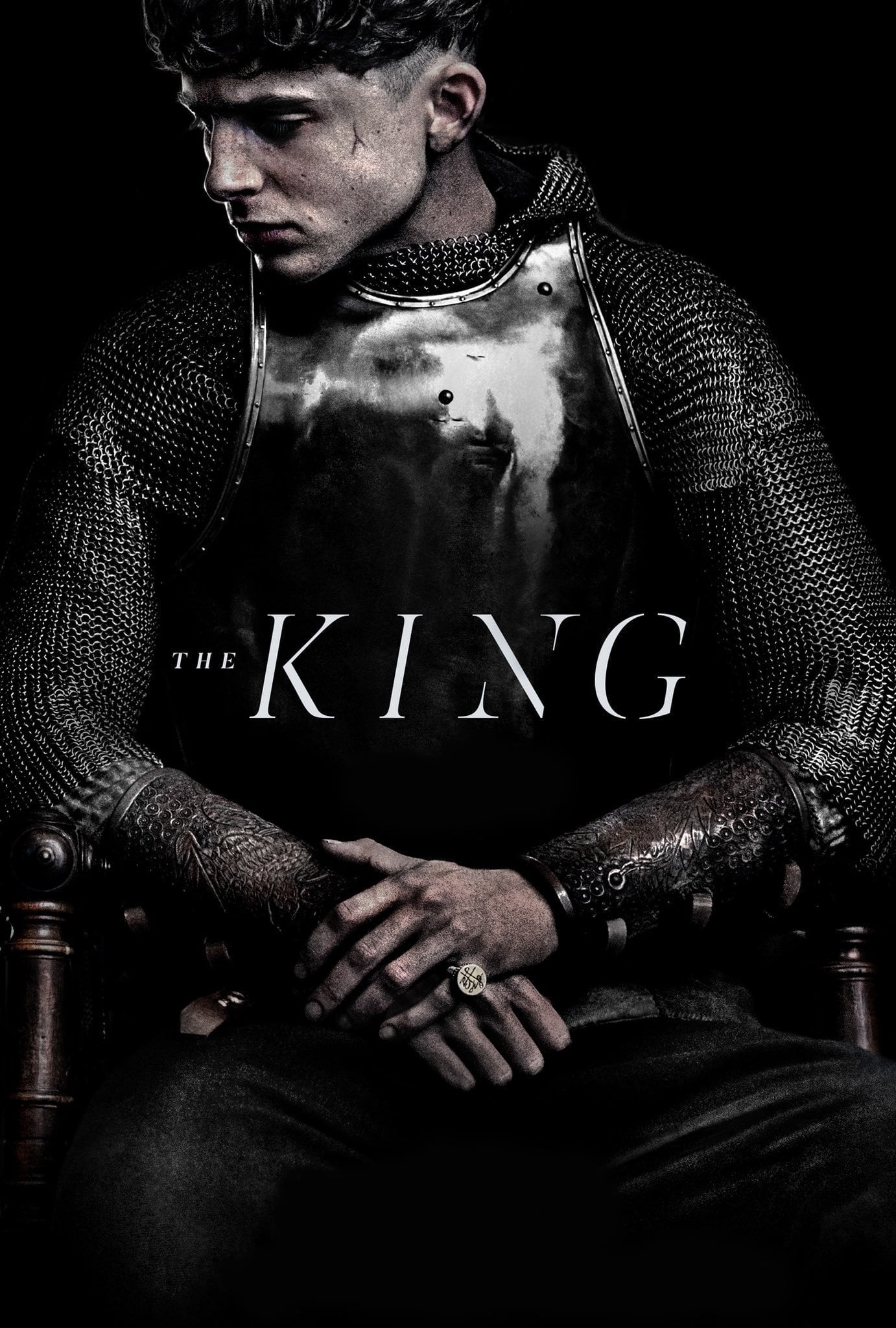
This adaptation of historical plays and chronicles follows Henry as he inherits the crown and confronts foreign rivals. The film stages council meetings, embassy visits, and campaign logistics to show governance. Armor, tents, and artillery receive careful treatment in design and use. The battle choreography includes formations, mud conditions, and command signals.
‘The Illusionist’ (2006)
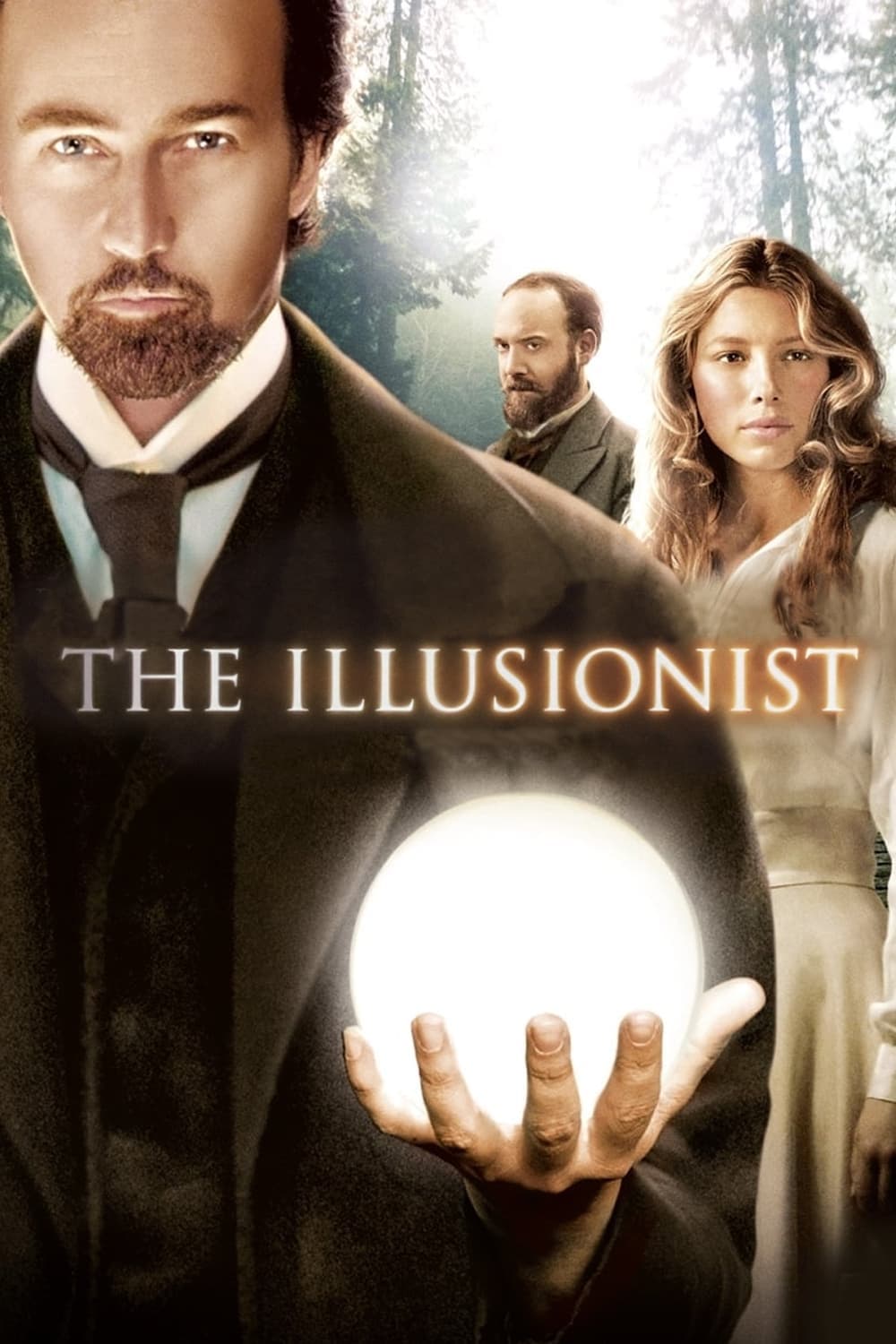
Set in Vienna, this mystery follows a stage magician whose performances draw attention from the palace. Edward Norton and Paul Giamatti lead a cast that moves through theaters, cafes, and police offices. The film integrates period stagecraft, illusions, and projection devices to build routines. It also depicts passport checks, aristocratic protocol, and press coverage around public spectacles.
‘Defiance’ (2008)

This war drama tells the story of siblings who create a forest community to shelter Jewish refugees. Daniel Craig and Liev Schreiber portray leaders who organize food, shelter, and defense. The production shows partisans repurposing captured equipment and trading with villagers. Scenes include councils, medical tents, and education efforts that sustain the group through seasons.
‘Catherine Called Birdy’ (2022)
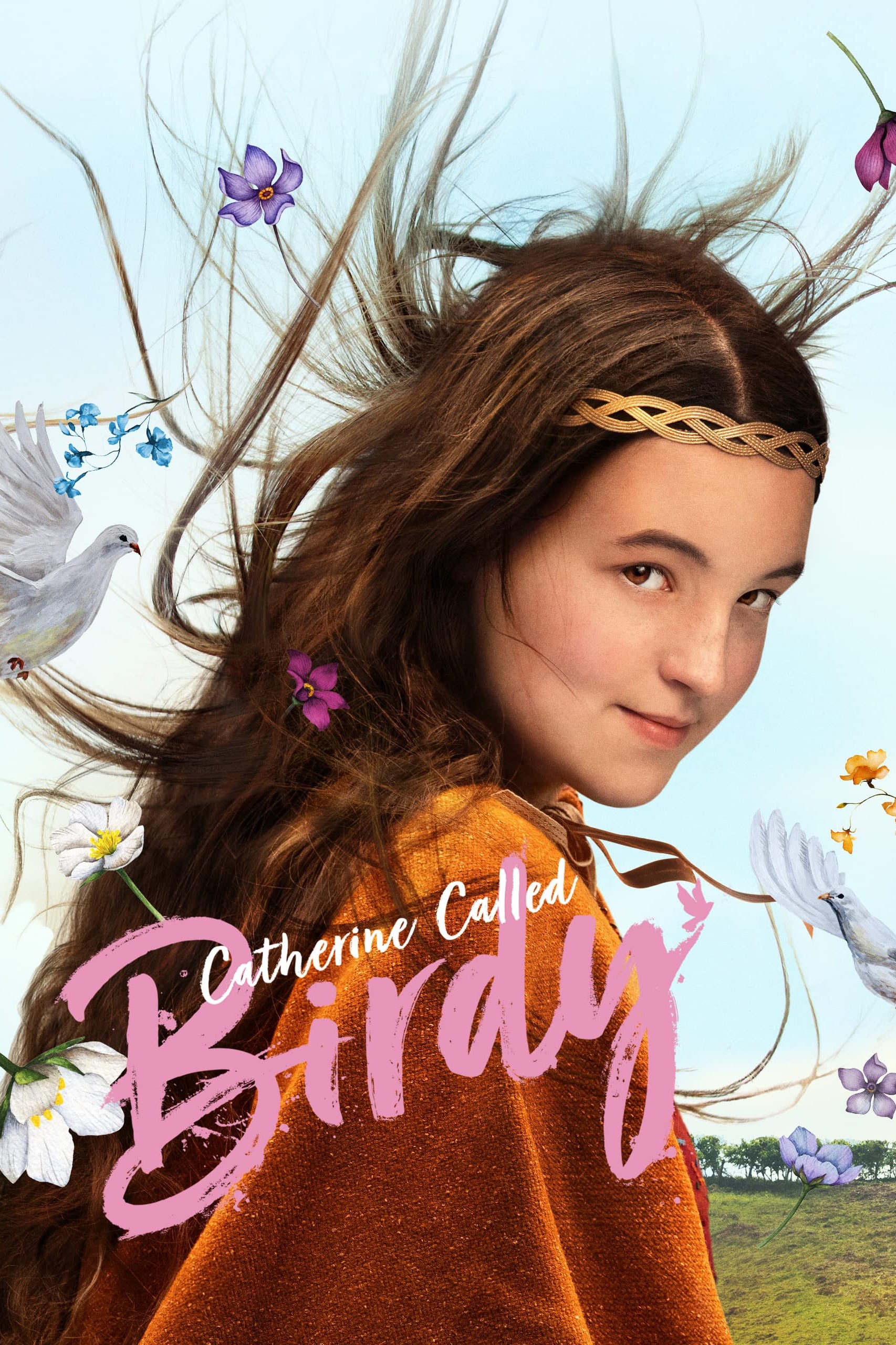
Set in medieval England, this coming of age tale follows a young noble navigating family finances and marriage plans. The film recreates manor life with spinning, tally sticks, and household accounts. Dialogue and incidents reflect church festivals, market fairs, and feudal dues. Costumes show class through linen quality, embroidery, and head coverings.
‘Sunshine’ (1999)
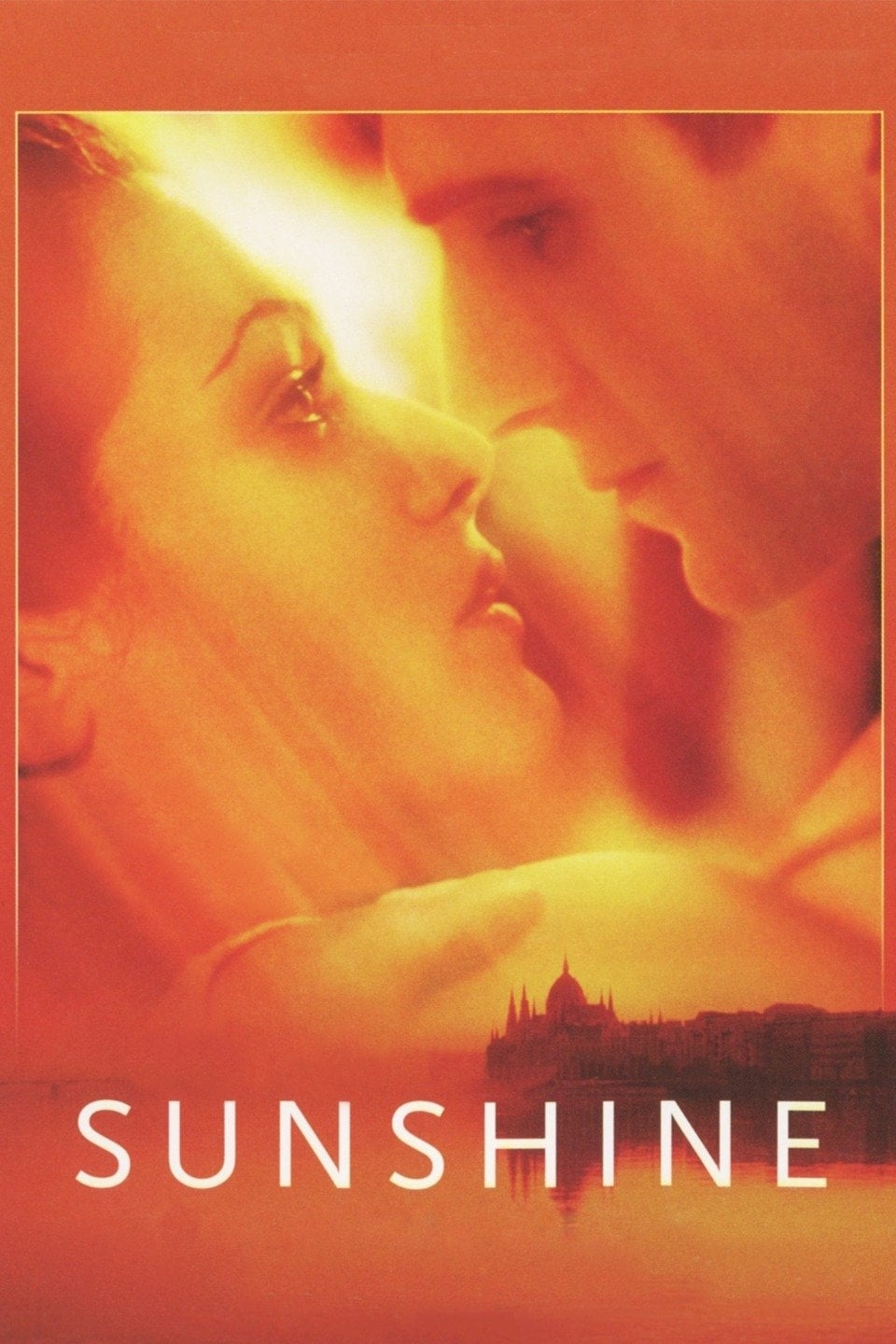
This multigenerational story follows a Hungarian family as political systems change around them. Ralph Fiennes plays several roles that link fencing clubs, legal careers, and property records. The film moves through apartments, courts, and internment sites to track documents and identity changes. It also shows how names, religion, and citizenship shift with new laws and regimes.
‘Farewell, My Queen’ (2012)
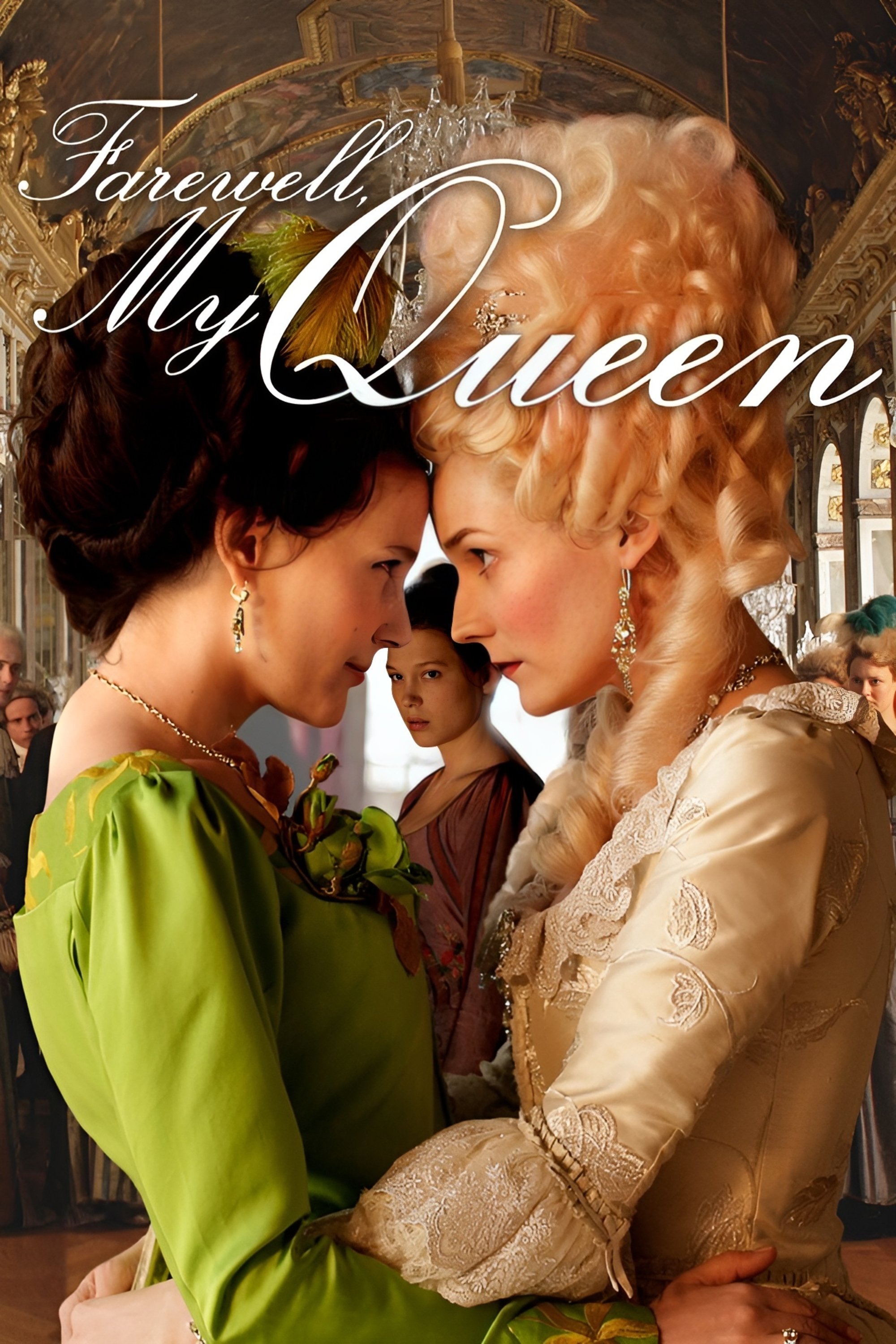
This drama follows a reader to Marie Antoinette in the final days at Versailles. Léa Seydoux, Diane Kruger, and Virginie Ledoyen lead scenes that move through private corridors and servants’ quarters. The production recreates court etiquette, wardrobe inventories, and the duties of ladies in waiting. It uses candlelit interiors and handwritten lists to show how information and favor traveled inside the palace.
‘The House of Mirth’ (2000)
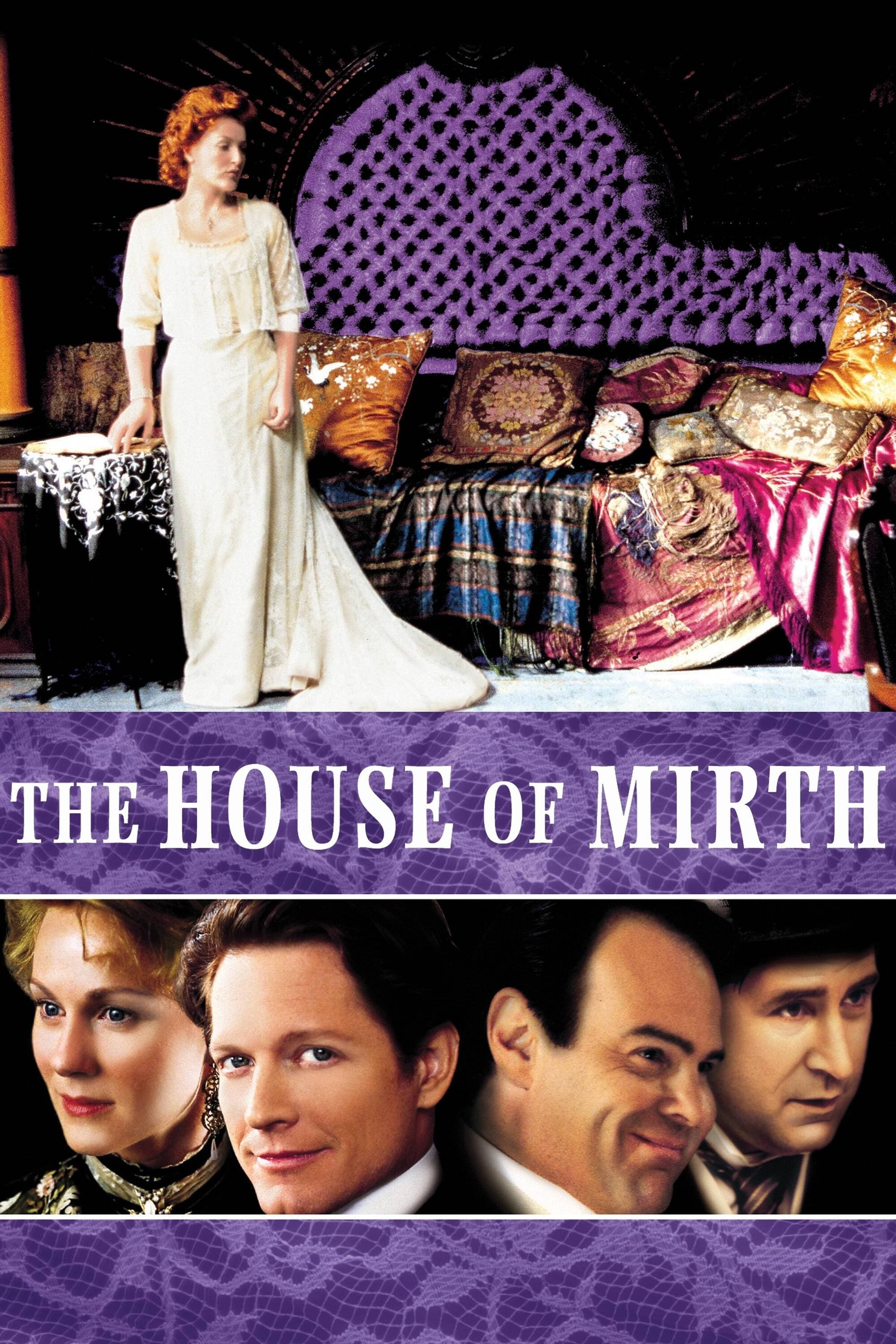
Based on Edith Wharton’s novel, the film traces Lily Bart’s attempt to secure a place in New York high society. Gillian Anderson and Eric Stoltz portray relationships that play out in drawing rooms, country weekends, and opera boxes. The production features period banking practices, gambling debts, and the role of chaperones. Costume design tracks social signals through fabric, trims, and the cut of evening wear.
‘The White Ribbon’ (2009)
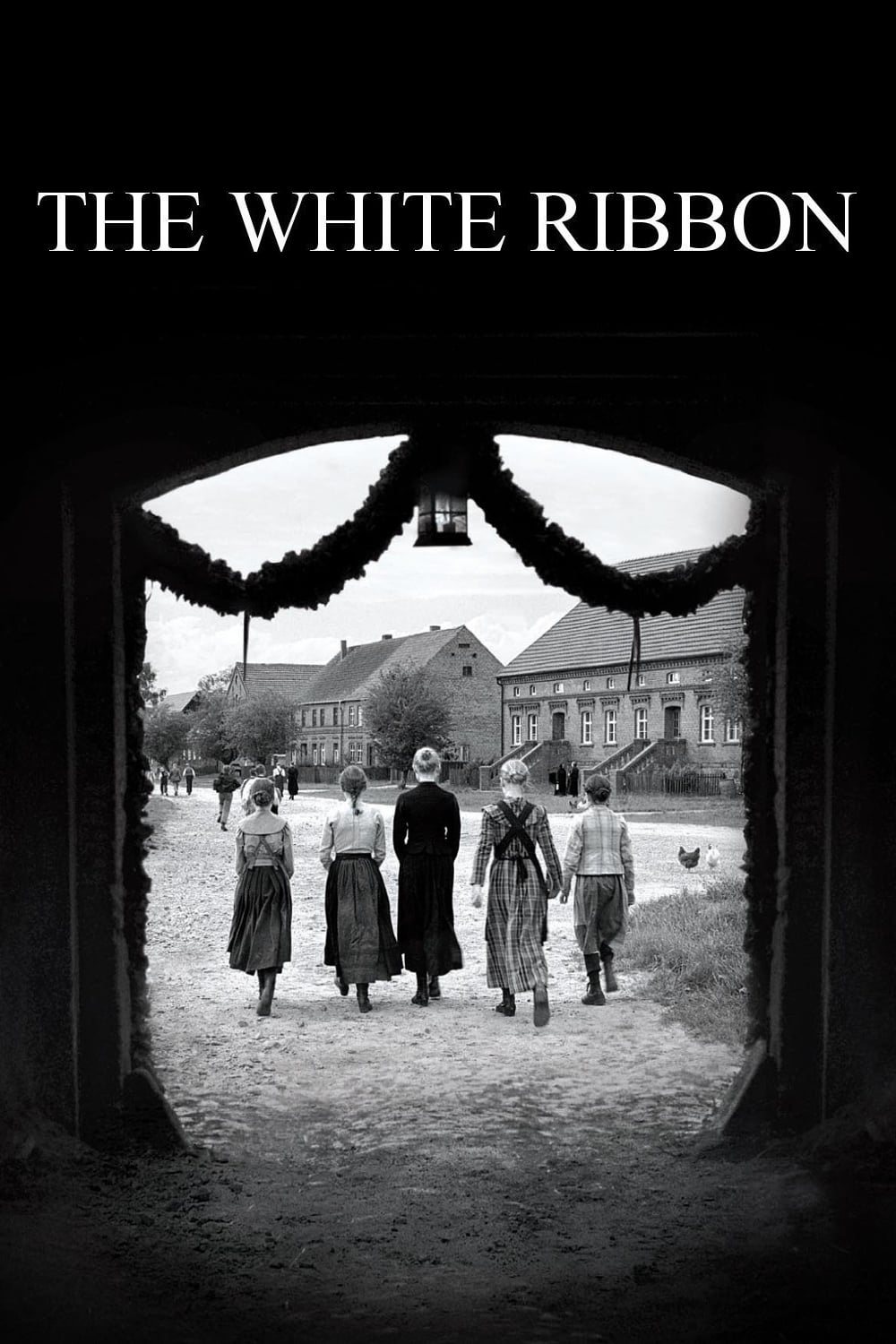
Set in a Protestant village before a major European conflict, the story follows incidents that unsettle a strict community. Michael Haneke stages classrooms, church rituals, and harvest work to show daily structures. The film uses black and white photography to emphasize uniforms, armbands, and tools. It also presents punishments, curfews, and household hierarchies that define authority.
‘Orlando’ (1992)
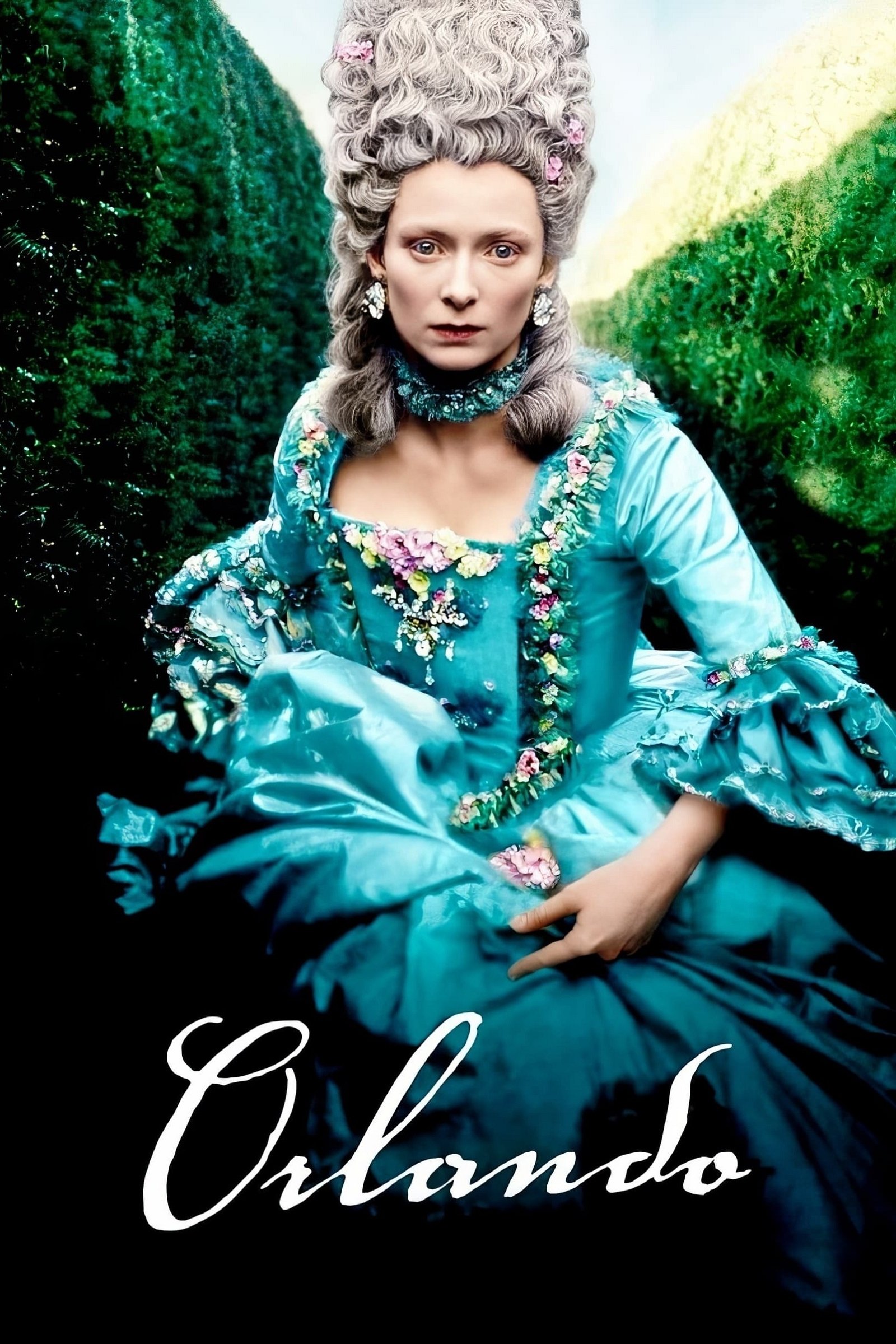
Adapted from Virginia Woolf, the film follows a noble who lives across centuries without aging. Tilda Swinton appears in courts, battlefields, and salons, shifting roles as political eras change. Production design rebuilds stages for royal pageants and merchant interiors. The costumes chart transitions in gender presentation, rank, and occupation.
‘Quills’ (2000)
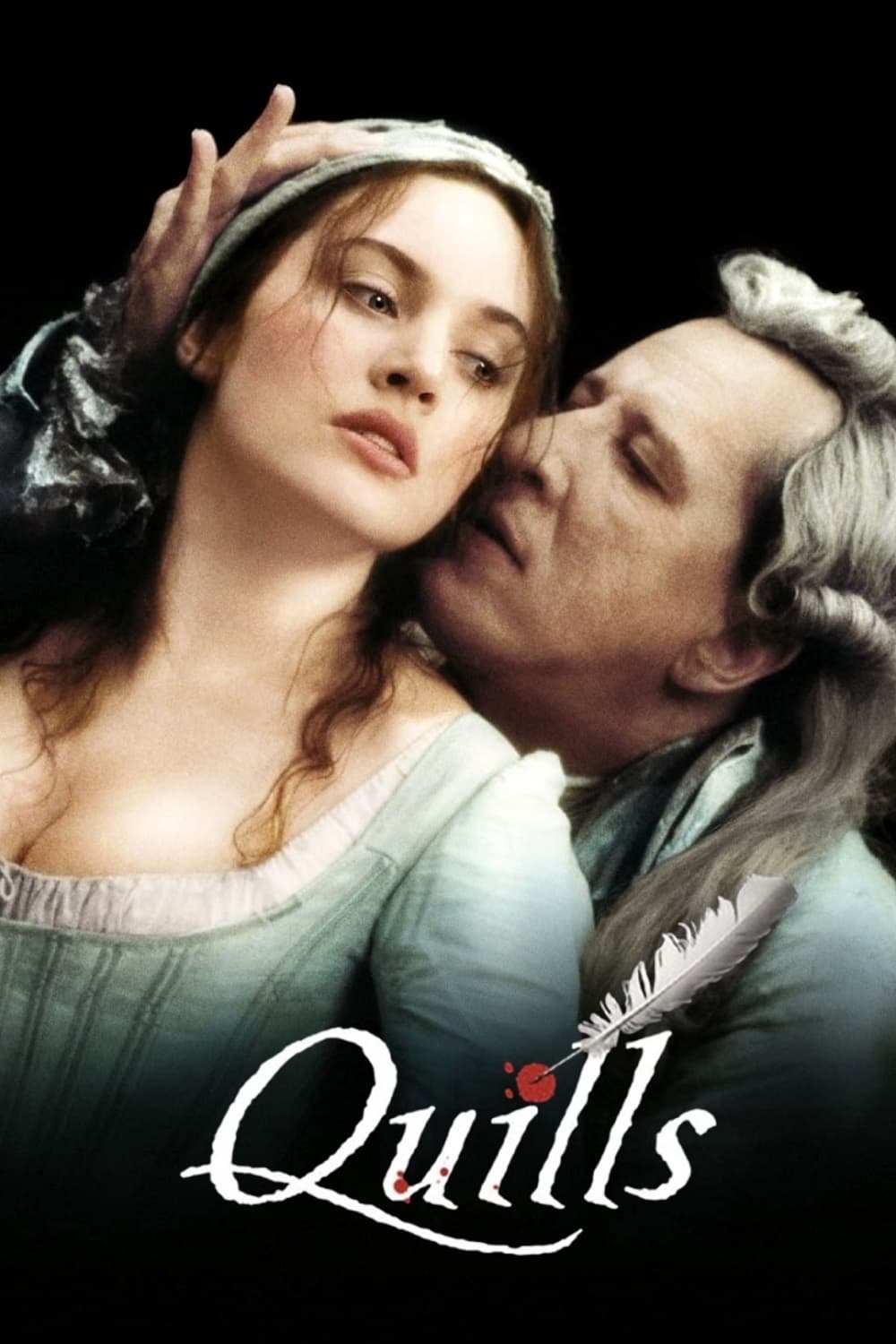
Set inside a French asylum, this story centers on the Marquis de Sade and the control of printed material. Geoffrey Rush, Kate Winslet, and Joaquin Phoenix perform scenes involving contraband manuscripts and censorship rules. Sets include workshops for bindings, laundry rooms, and treatment wards. The film shows how couriers, inspections, and edits shaped what reached readers.
‘Silk’ (2007)
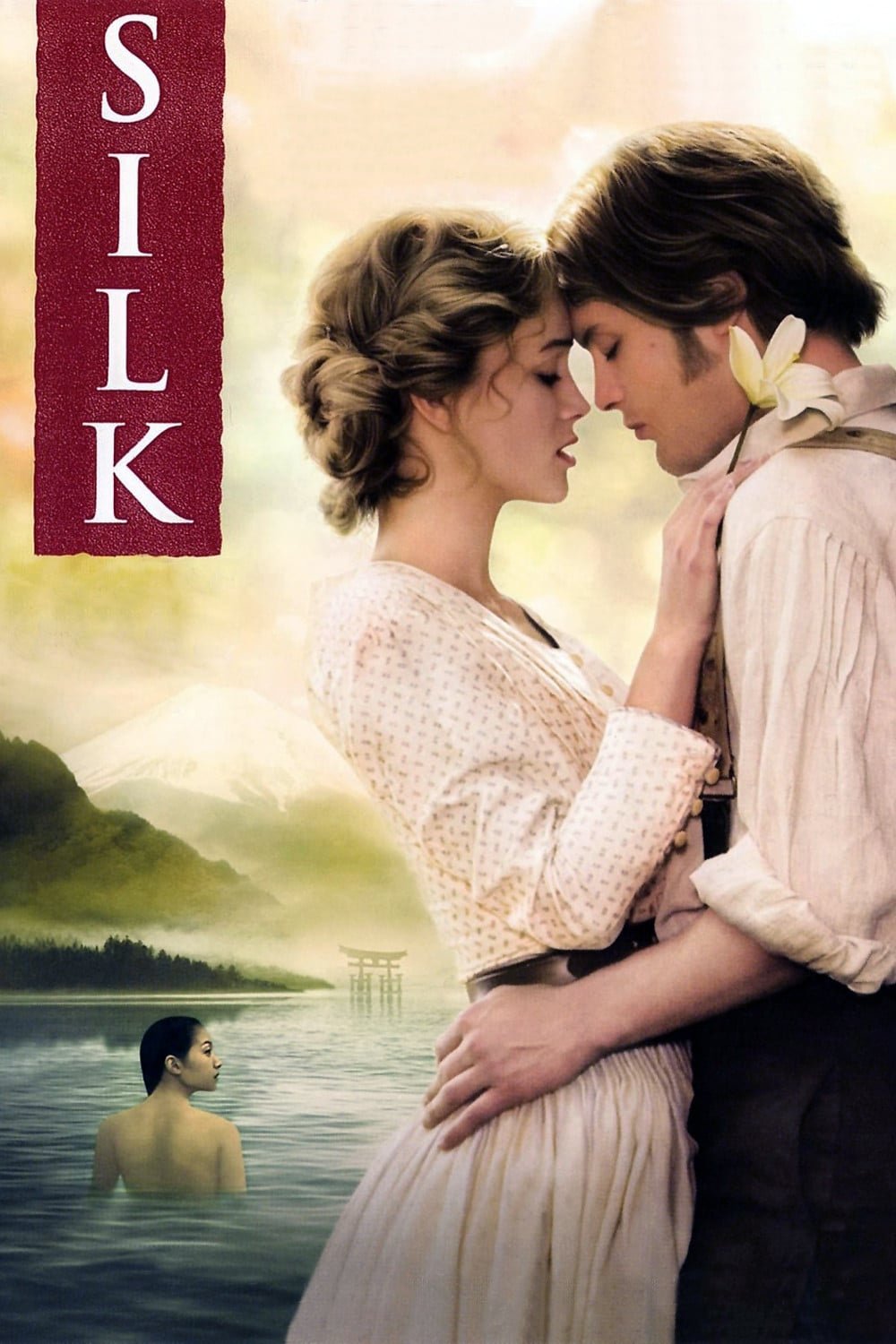
This romantic drama follows a French trader who travels to Japan in search of silkworm eggs. Michael Pitt and Keira Knightley lead a production that covers village markets, sea voyages, and samurai estates. The film details quarantine for eggs, breeding methods, and the risks of disease. It also depicts gift exchanges, interpreters, and coded letters used to keep negotiations moving.
‘The New World’ (2005)
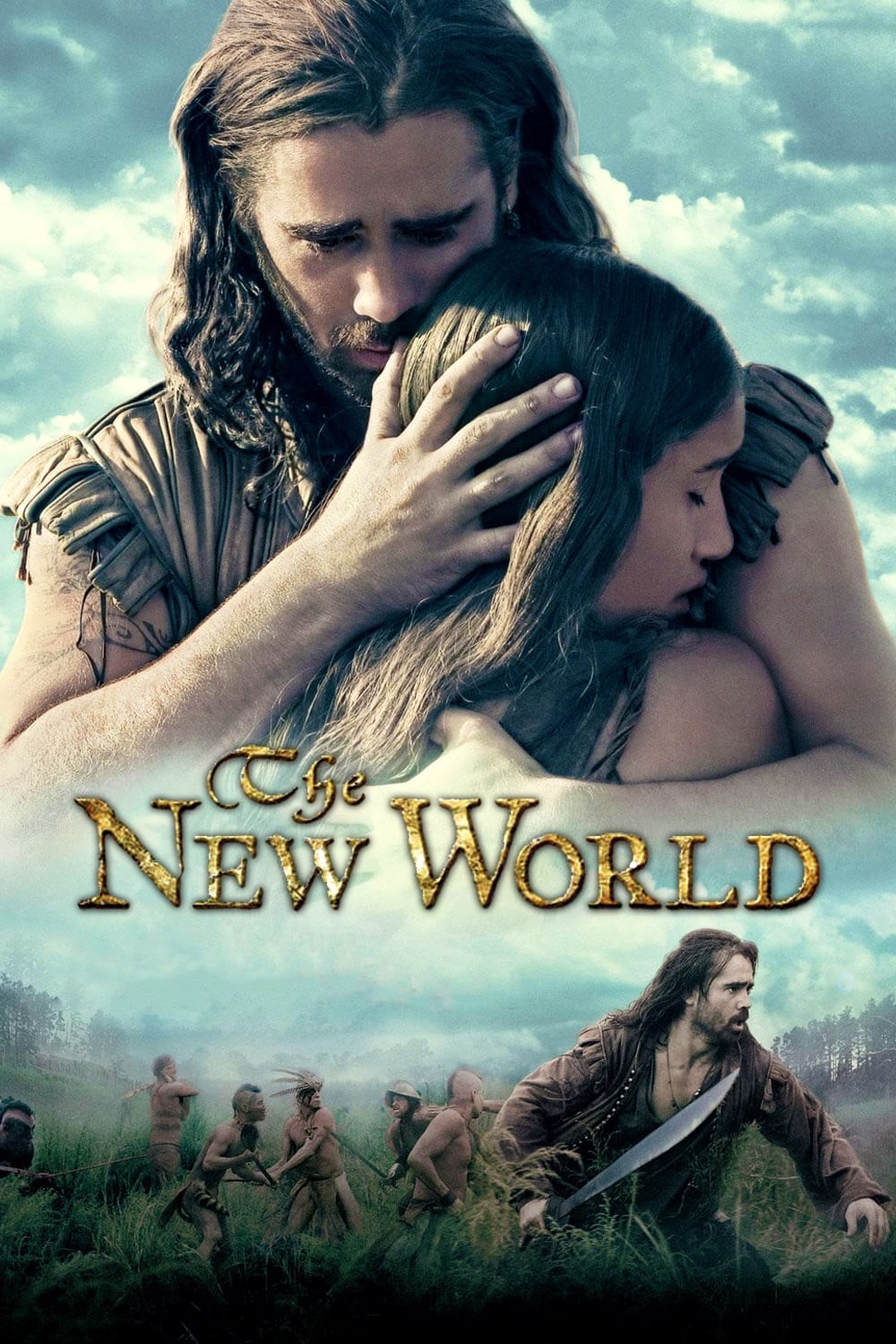
Terrence Malick’s film presents the meeting between English settlers and Powhatan communities in coastal America. The production built a functioning fort, planted heirloom crops, and consulted on canoe construction. It features diplomatic visits, exchange ceremonies, and changes in settlement layouts. Natural sound and period navigation tools frame exploration and survival.
‘The Little Stranger’ (2018)
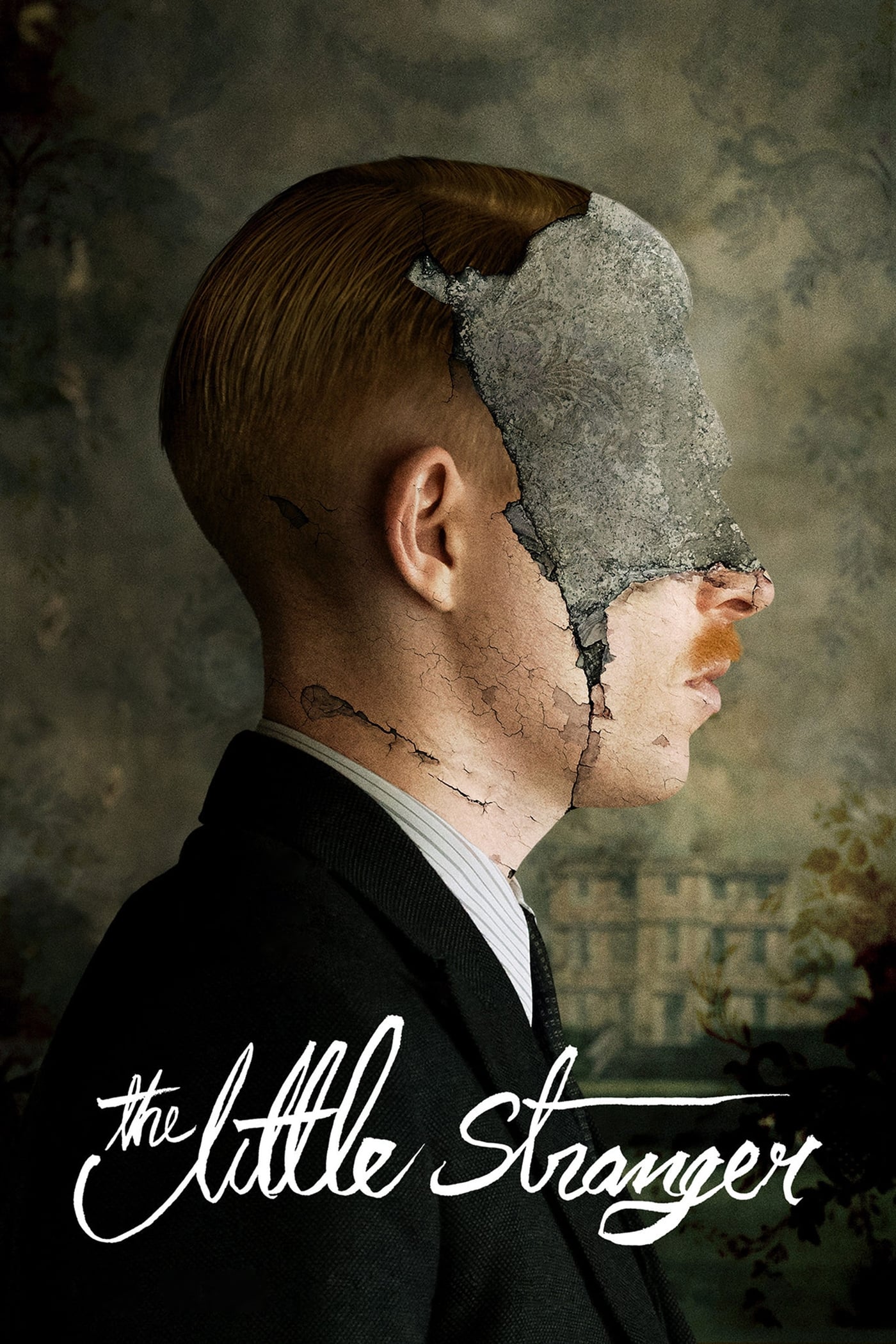
Set in rural England after a war, this gothic tale follows a doctor called to a declining estate. The film uses rationing, repairs, and household accounts to show postwar constraints. Sets include wards, village clinics, and service corridors inside the manor. It tracks ownership papers, inheritance questions, and staff reductions that affect the property.
‘Mr. Jones’ (2019)
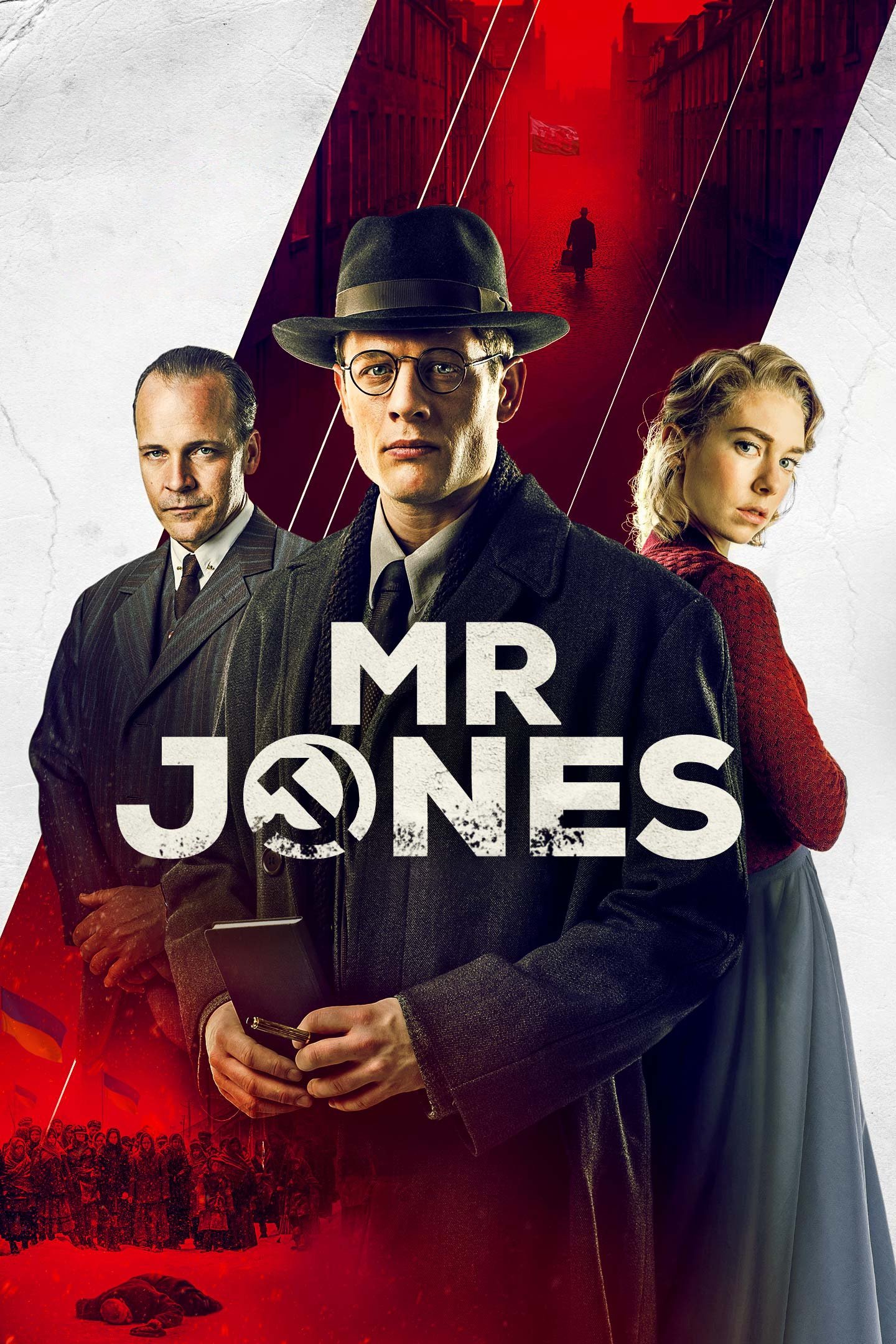
The story follows a Welsh journalist who travels to the Soviet Union to investigate famine reports. James Norton portrays interviews, border checks, and press offices that manage access. The production recreates train compartments, collective farms, and foreign correspondents’ lodgings. It includes typescripts, coded cables, and editorial approvals that shaped publication.
‘The Childhood of a Leader’ (2015)
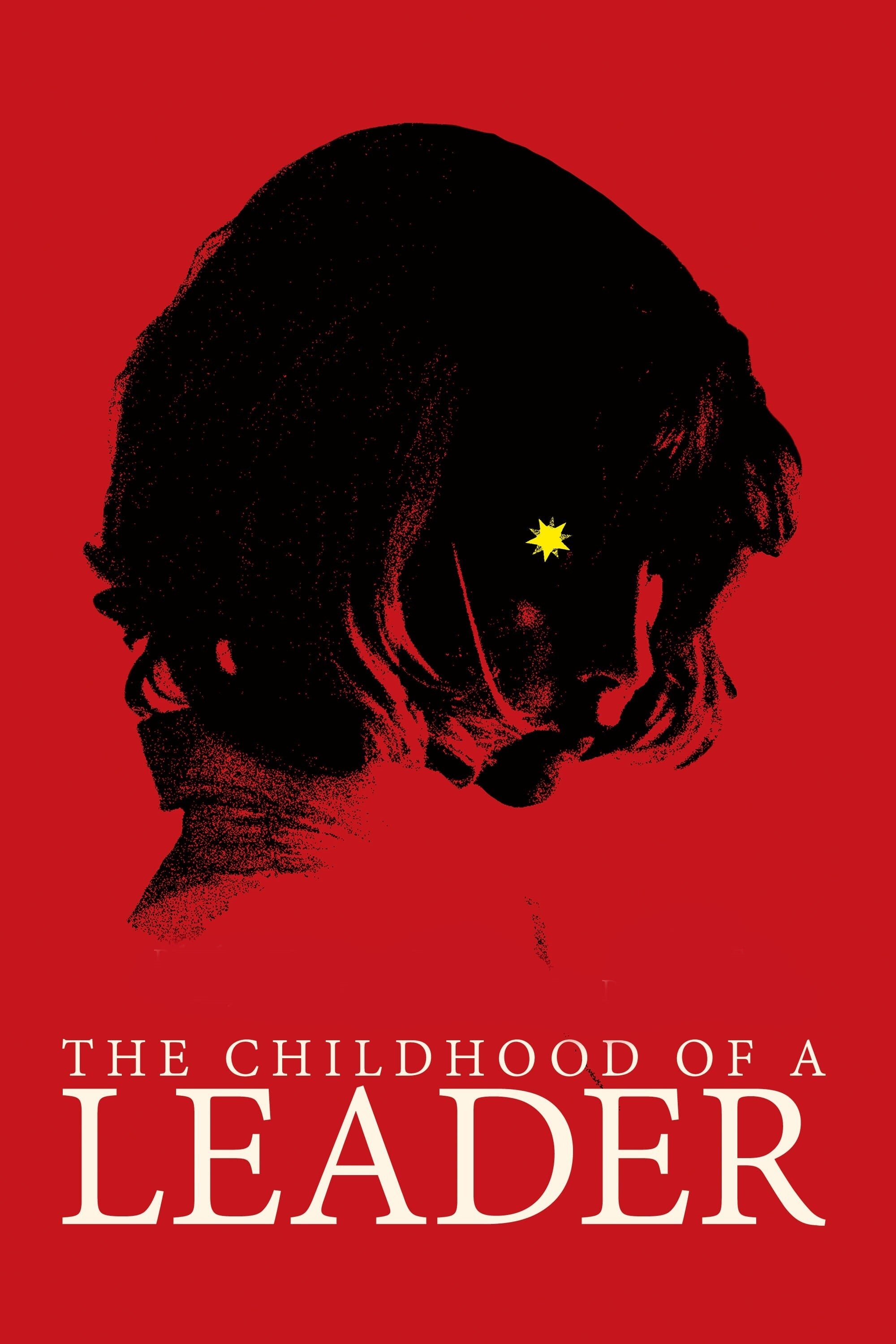
This drama examines a diplomat’s household during the drafting of a peace settlement after a major conflict. The film stages embassy receptions, language lessons, and staff routines. It uses letters, memoranda, and dinner seating plans to show subtle negotiations. Architecture and lighting reflect how space is used to direct behavior.
‘The Promise’ (2016)
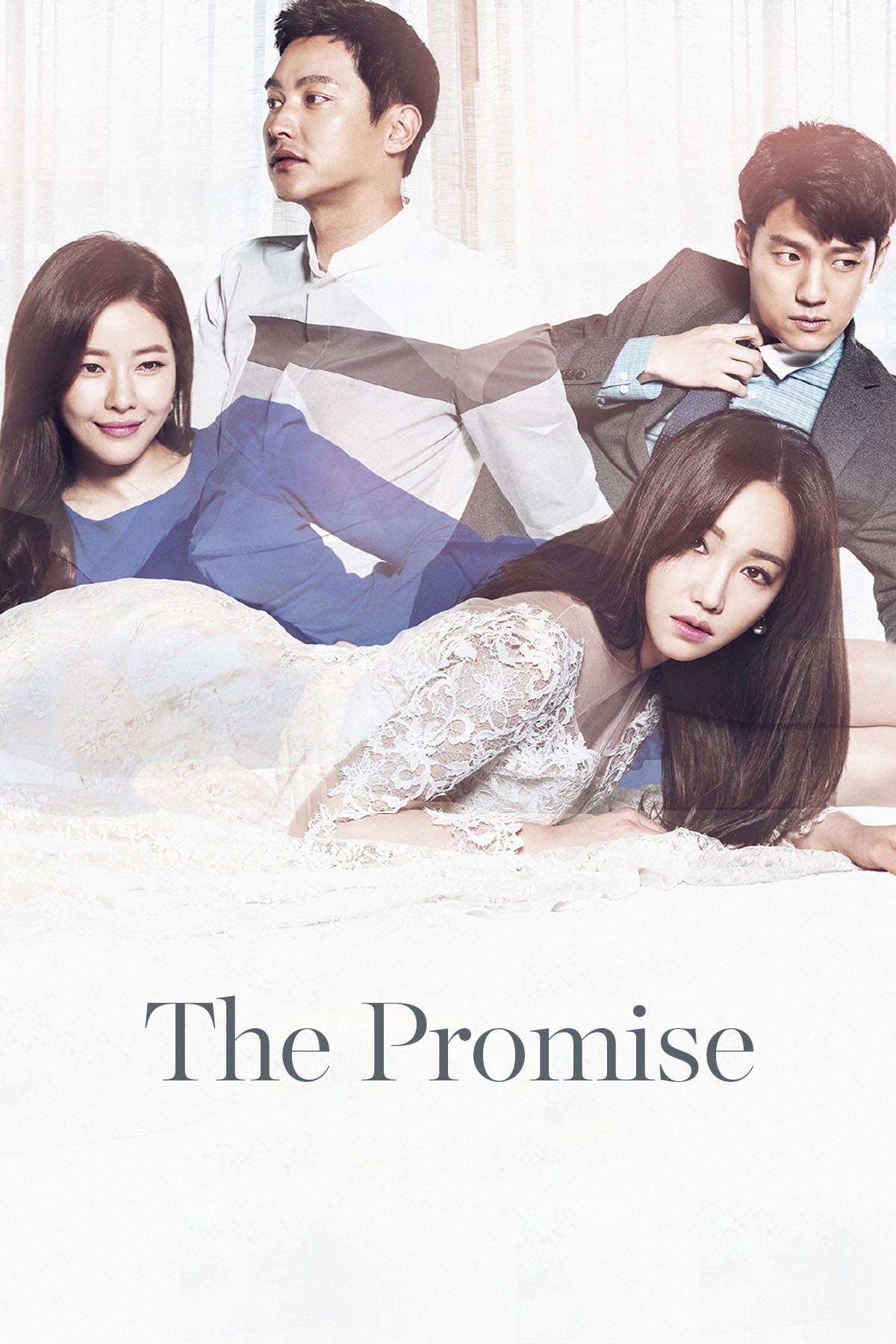
Set during the collapse of an empire, the film follows a medical student, a journalist, and a dance instructor caught in turmoil. Scenes include hospitals, consulates, and rail depots with refugee movements. The production uses ledgers, passports, and confiscation notices to track changes in status. Field units, village raids, and aid stations appear across the journey.
‘Tulip Fever’ (2017)
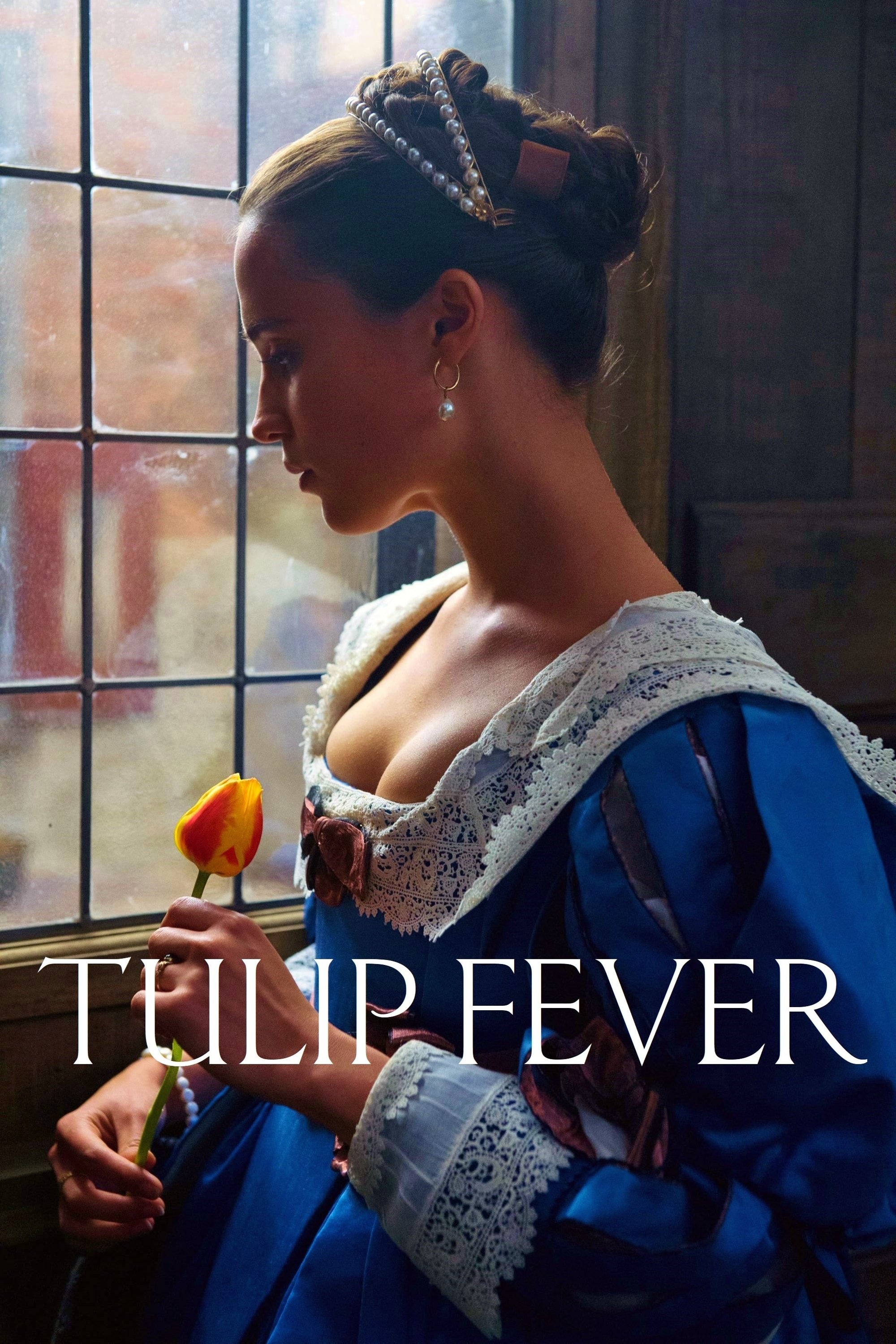
In Amsterdam during a trading boom, a painter is hired to create a marriage portrait that complicates household plans. Alicia Vikander and Dane DeHaan move through guild halls, markets, and canal houses. The film shows share contracts, tulip bulbs as commodities, and studio techniques. Costumes and props include lace caps, ledgers, and pigment grinders.
‘Suffragette’ (2015)
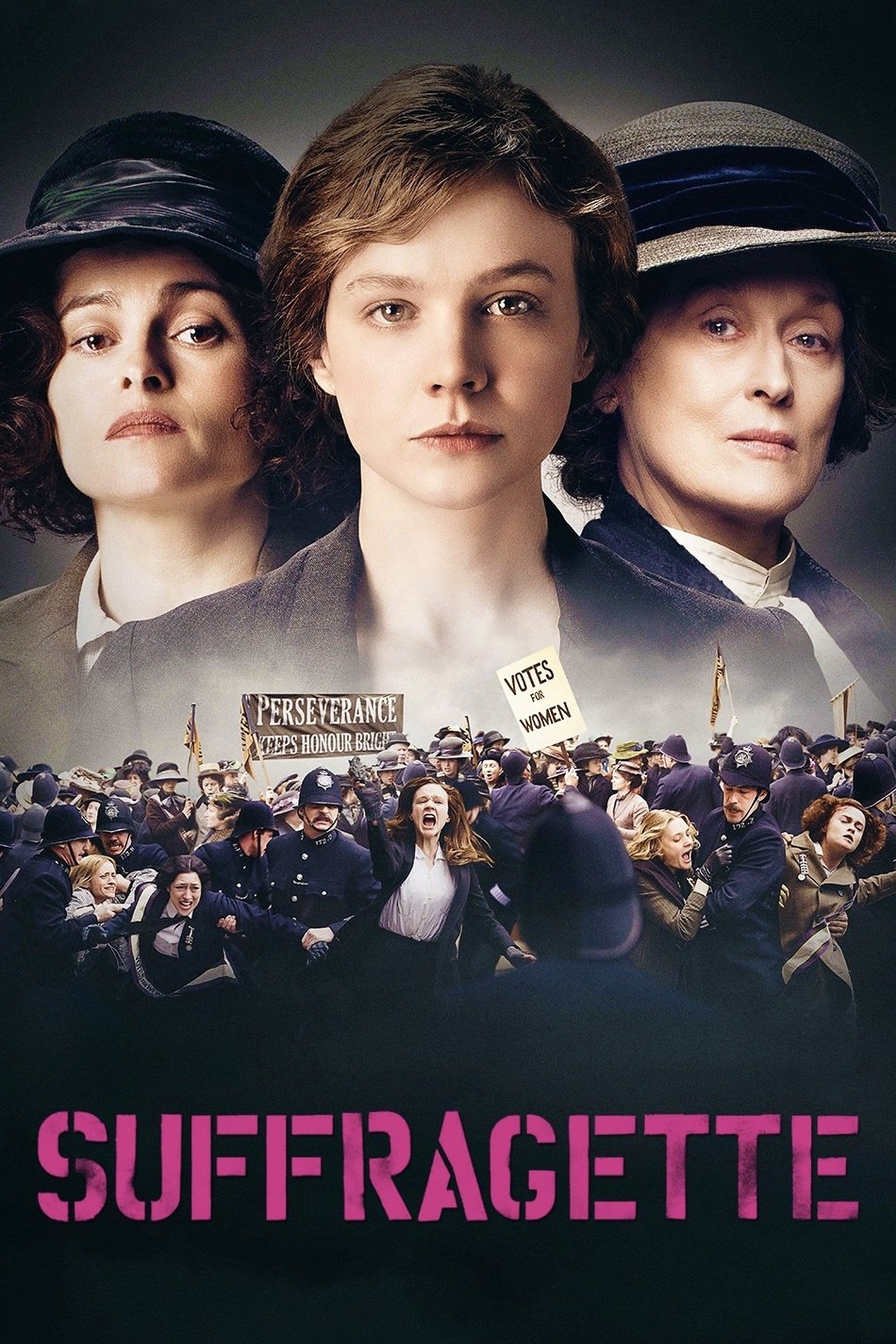
This drama follows working women who join a movement for voting rights in London. Carey Mulligan leads scenes in laundries, safe houses, and parliamentary protests. The production reconstructs police tactics, surveillance files, and hunger strike responses. It also shows fundraising, pamphleteering, and coded meeting notices.
‘The Keeping Room’ (2014)
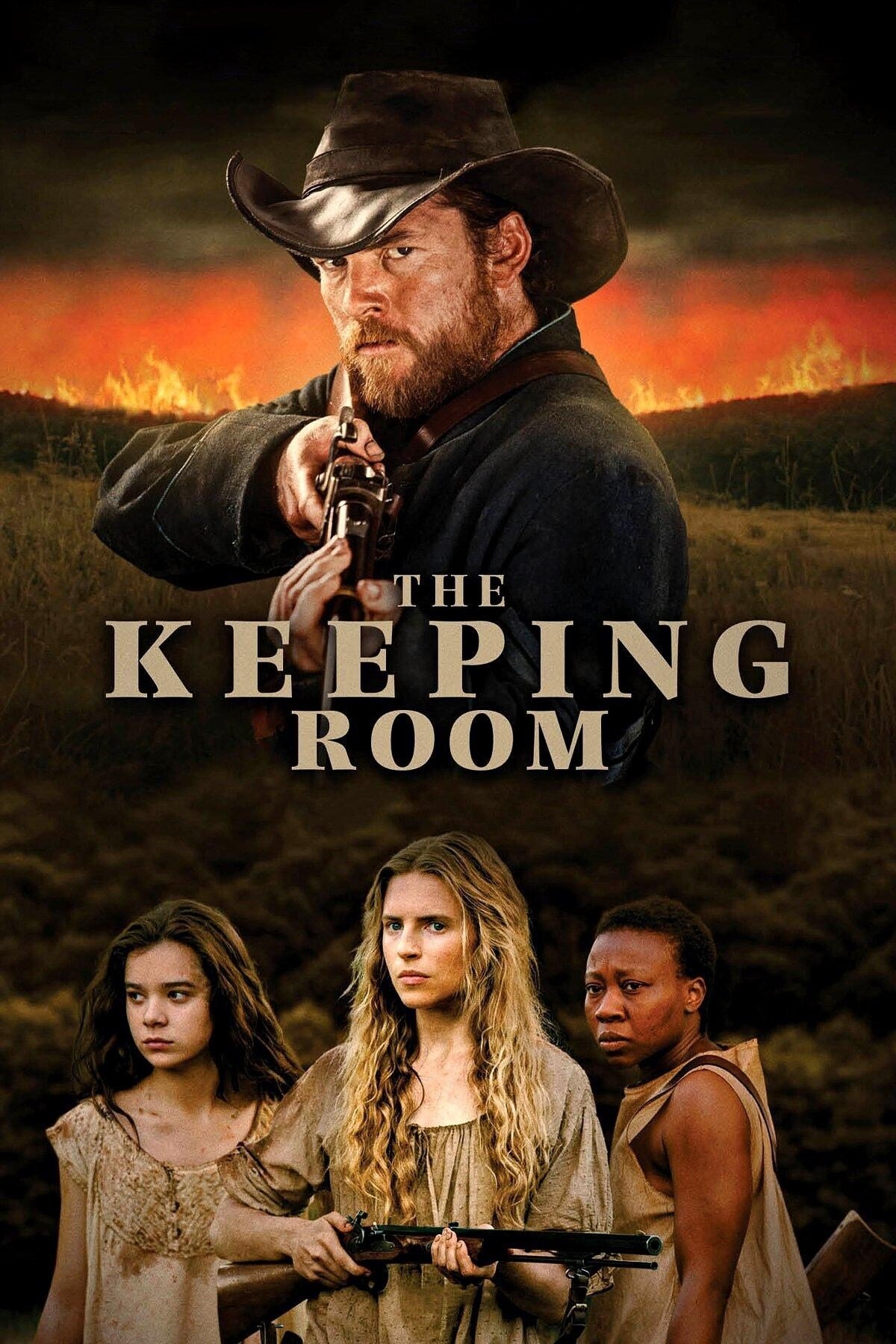
Set near the end of a civil war, the film centers on two sisters and a housemaid defending their home. The production uses small farm routines, well water, and limited ammunition to shape choices. Scenes cover patrols, deserted towns, and makeshift clinics. Costuming and props track wear, repairs, and substitutions that come with shortages.
Share your favorite overlooked period films in the comments so everyone can discover more hidden gems.

