


Period Series You Are Sleeping On (But Shouldn’t)

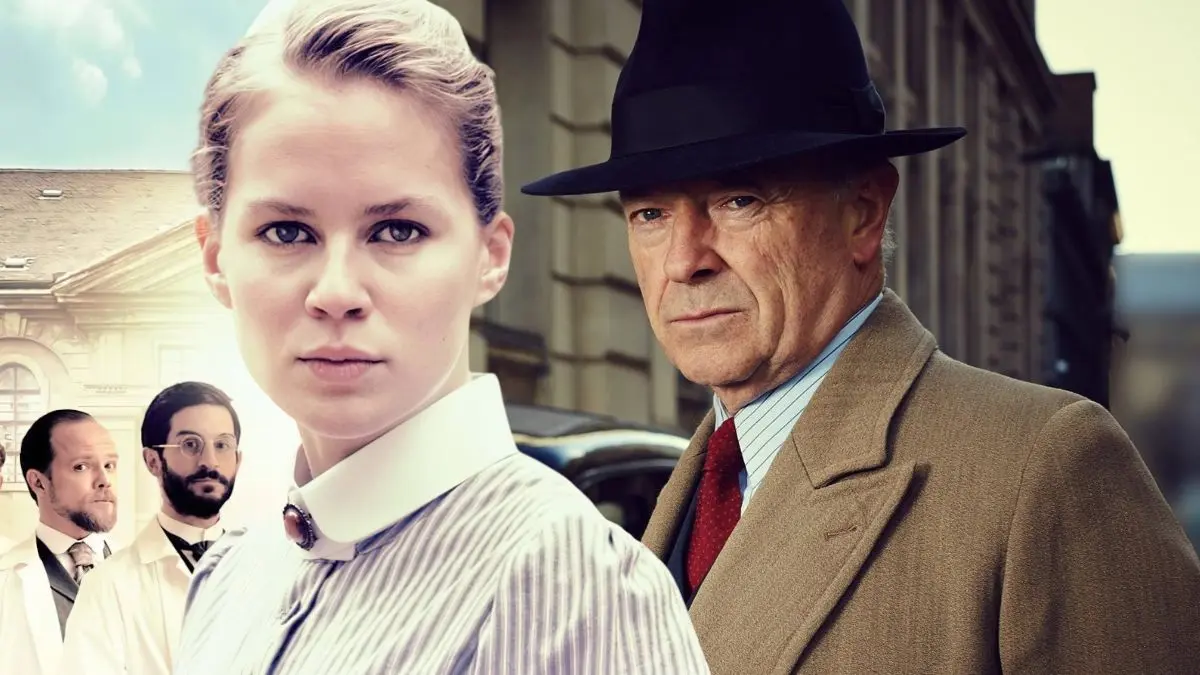


If you love timeless settings and rich character work, there are plenty of period series that quietly deliver everything you want without the constant buzz. These shows span different countries and eras, cover real history and literary inspirations, and showcase standout casts with top craft behind the camera. You will find true crime roots, medical breakthroughs, frontier survival, and court intrigue all handled with care for detail. Here are fifteen under-the-radar picks that deserve a spot on your watchlist today.
‘Harlots’ (2017–2019)
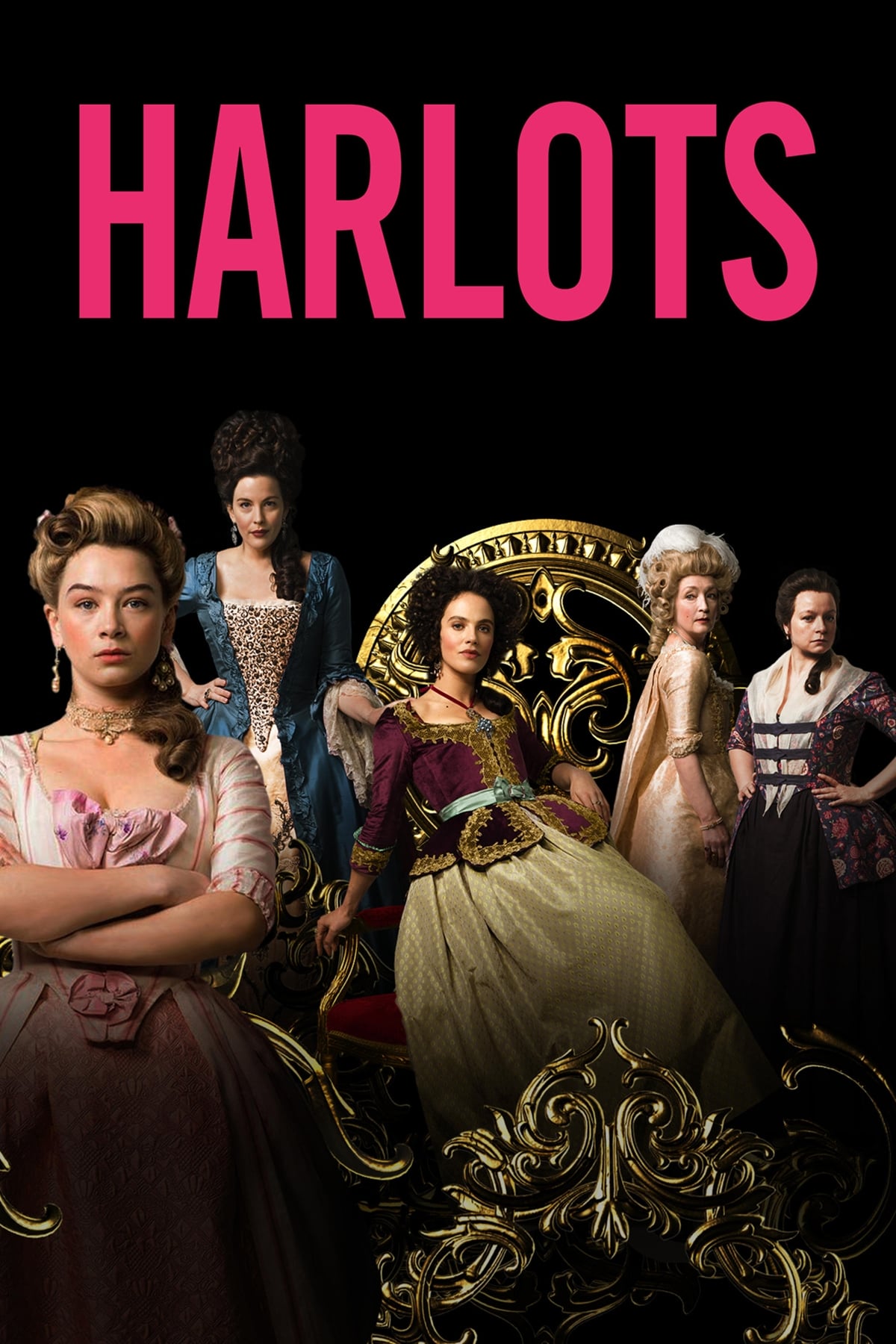
Set in Georgian London, this series follows rival madams who build businesses amid strict morality laws and shifting class power. It was created by Moira Buffini and Alison Newman with production by Monumental Television. Samantha Morton, Lesley Manville, and Jessica Brown Findlay lead the ensemble with storylines drawn from documented court records. Costumes and sets recreate street life and private houses with a focus on economic survival.
‘The Knick’ (2014–2015)
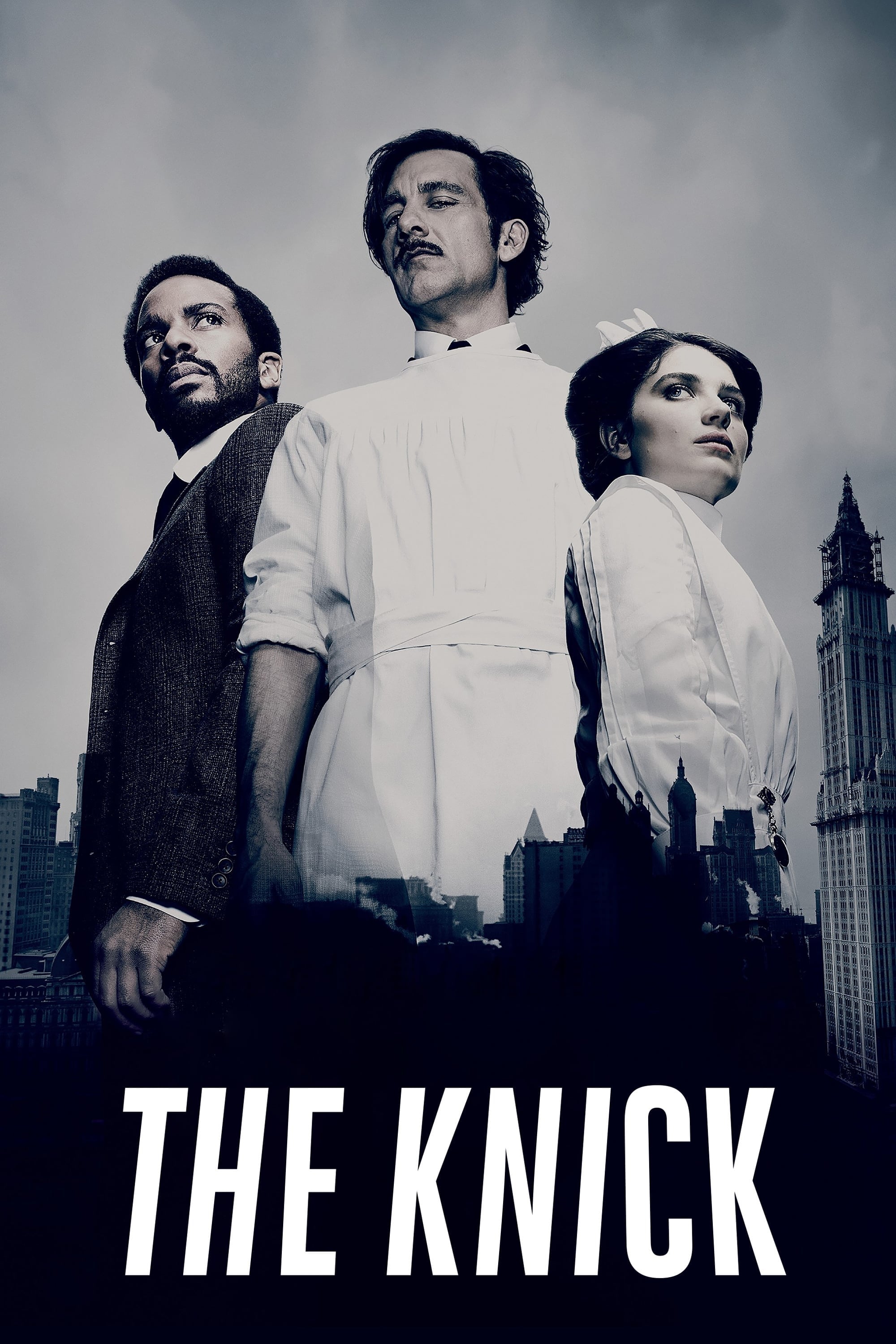
This medical drama centers on surgeons at a New York hospital during a time of rapid innovation and social upheaval. Steven Soderbergh directed every episode with Cliff Martinez composing the score. Clive Owen stars as a gifted but troubled chief surgeon working alongside a diverse staff. Practical effects and period instruments ground procedures in documented techniques from the era.
‘Domina’ (2021–2023)
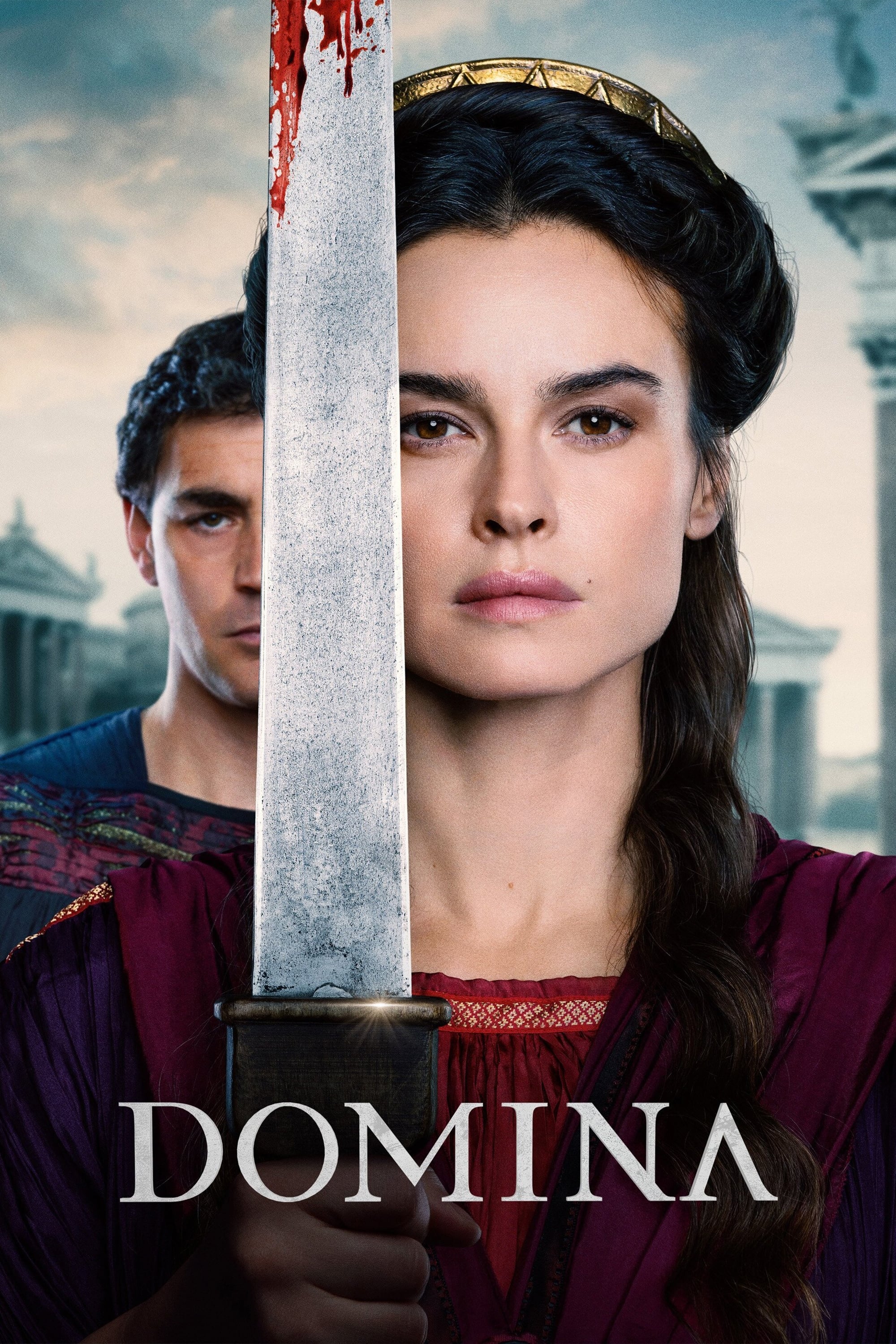
The series traces the rise of Livia Drusilla within the Roman elite as alliances and family ties shape the future of an empire. Kasia Smutniak leads a cast that includes Matthew McNulty and Liam Cunningham. Filming used large backlot sets in Rome with support from Italian studios and international partners. Political strategies, marriages, and adoptions drive the storyline based on surviving sources.
‘The North Water’ (2021)
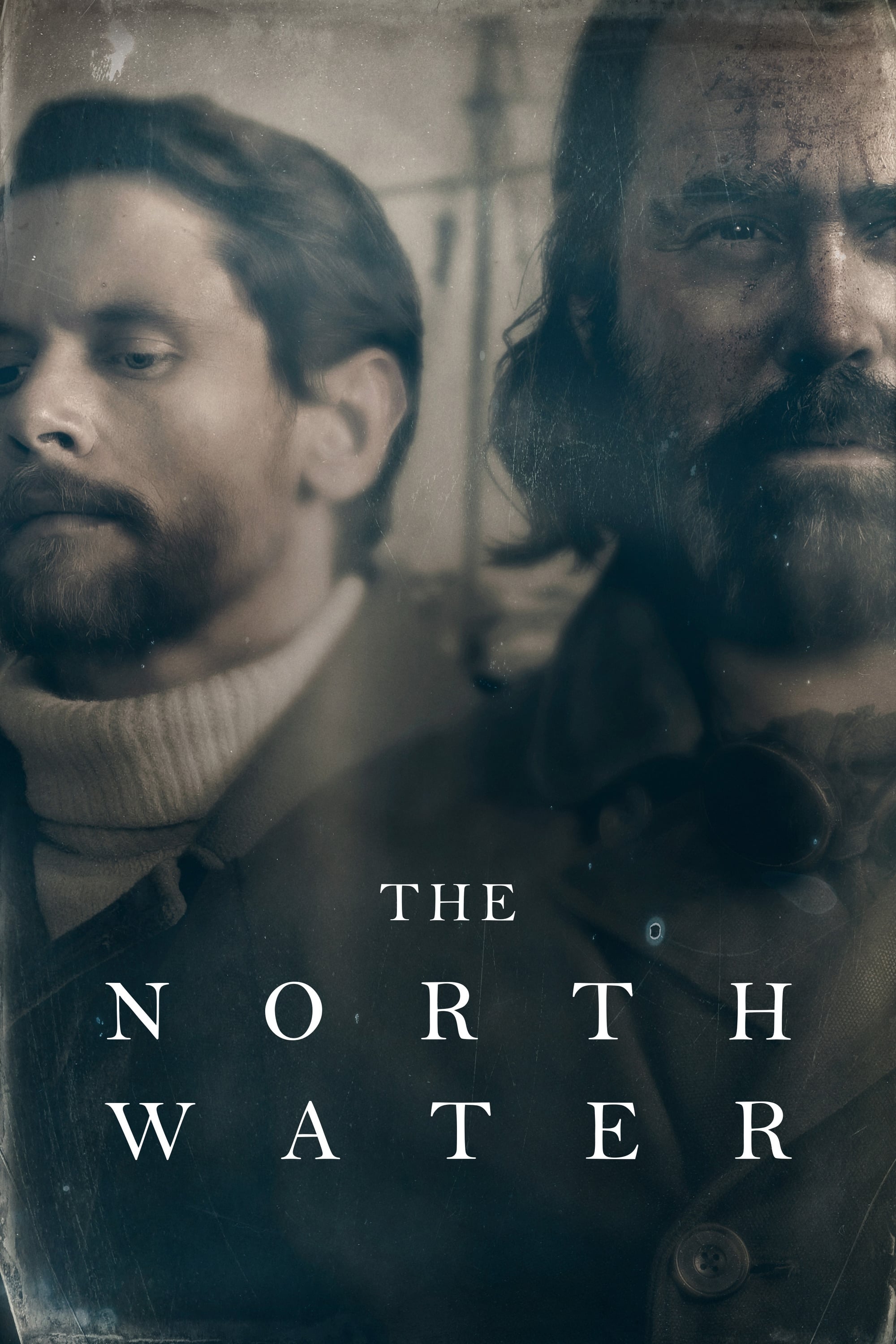
A whaling expedition heads into the Arctic with a disgraced army surgeon on board and a violent harpooner among the crew. Andrew Haigh wrote and directed with production by See-Saw Films. Jack O’Connell and Colin Farrell anchor a cast that shot in far northern locations on real ice. Shipboard routines, hunting practices, and survival methods follow historical accounts.
‘Vienna Blood’ (2019–present)
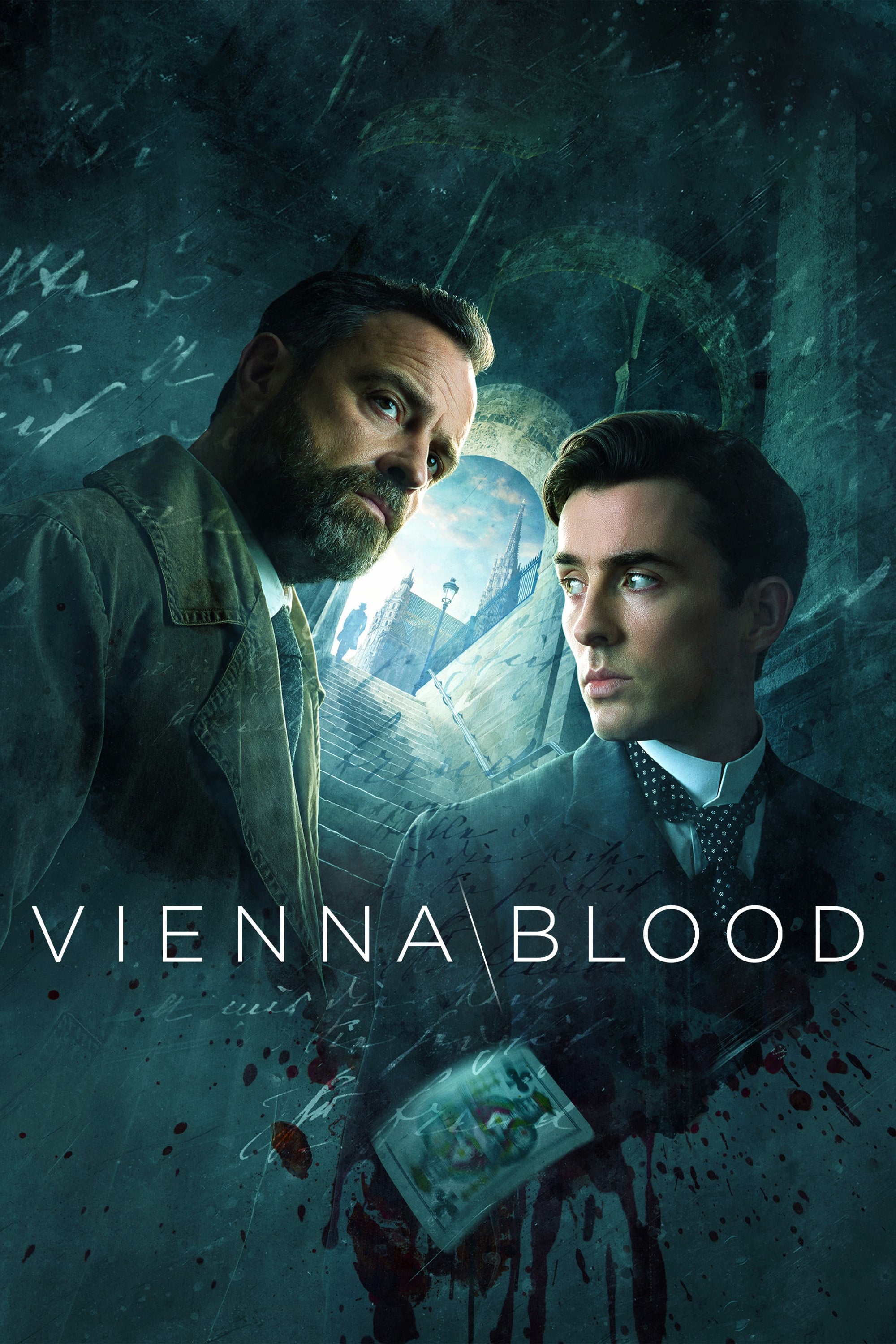
A young doctor trained in the ideas of psychoanalysis teams with a veteran inspector to solve crimes in imperial Vienna. The series adapts the Liebermann novels by Frank Tallis with scripts by Steve Thompson. Filming uses palaces, cafes, and backstreets to recreate daily life in the capital. Cases explore scientific debate, immigration, and art culture alongside police work.
‘Charité’ (2017–2021)
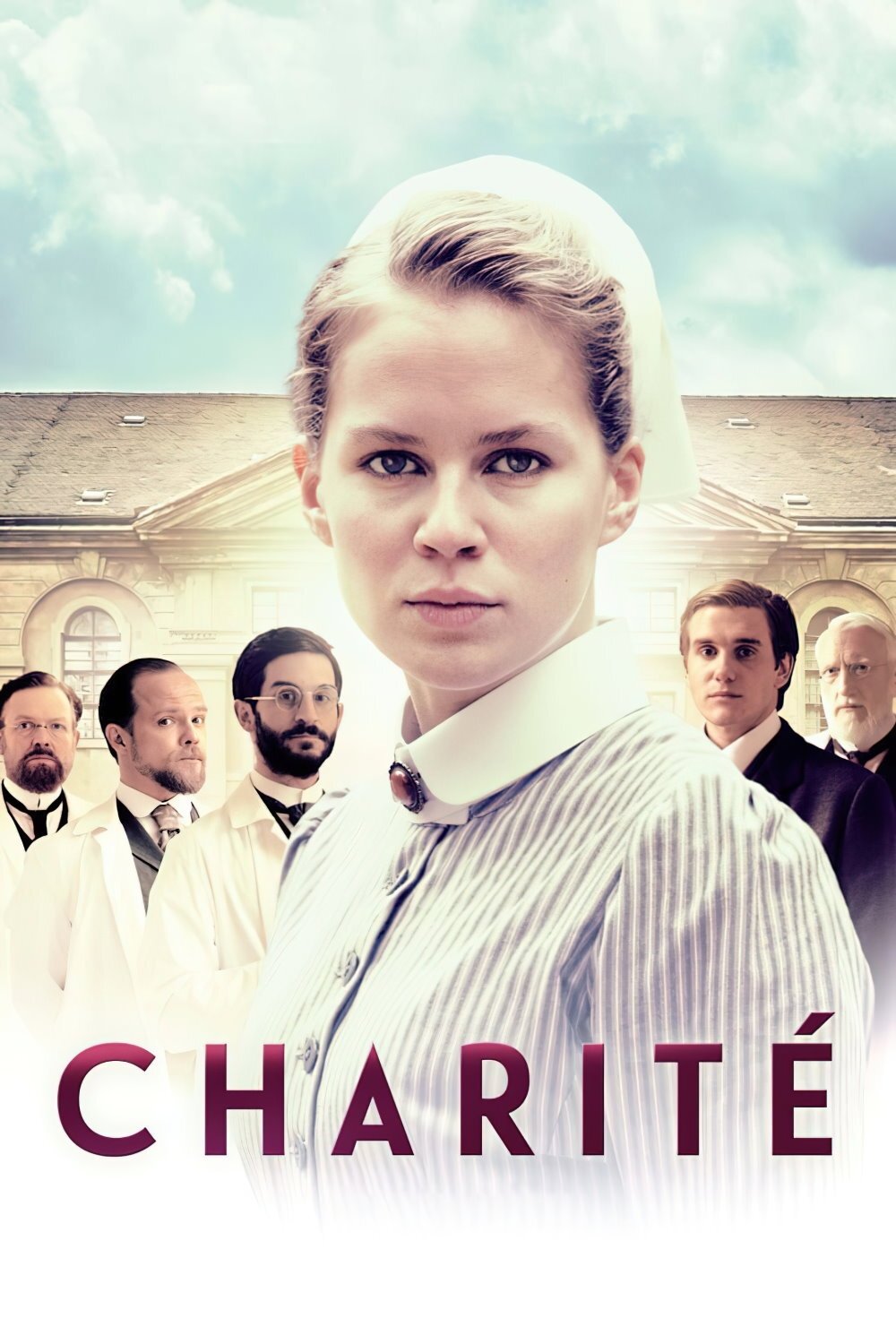
This German drama chronicles doctors, nurses, and patients at Berlin’s renowned hospital across major historical periods. Each season focuses on different staff and ethical dilemmas shaped by politics and science. Real figures such as famed researchers appear alongside composite characters. Medical sets and laboratories mirror documented equipment and procedures.
‘The Durrells’ (2016–2019)
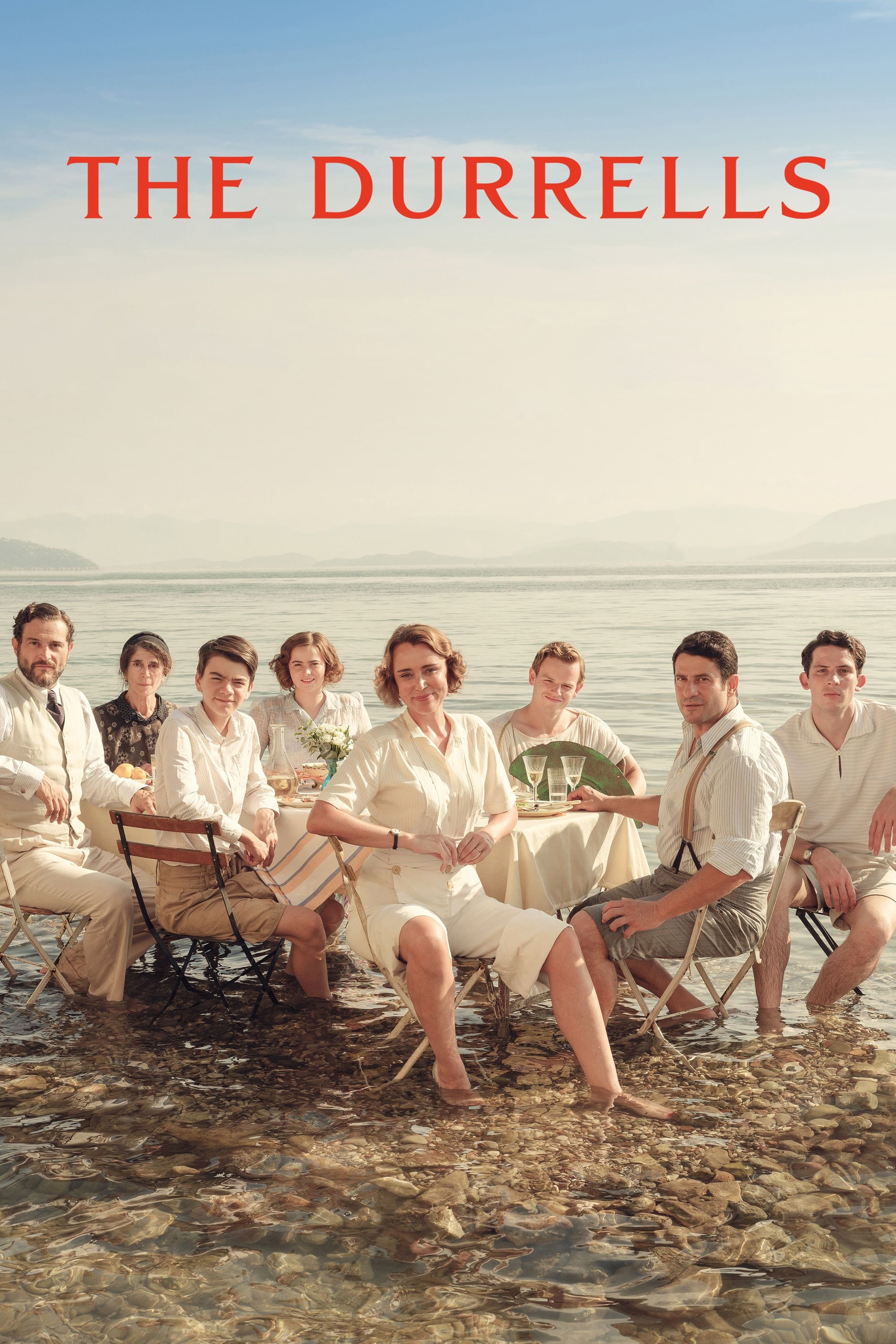
Based on Gerald Durrell’s Corfu books, the series follows a widowed mother who moves her family to a Greek island in search of a fresh start. Daisy Goodwin created the adaptation with Keeley Hawes leading the ensemble. Location shooting uses coastal villages and countryside homes to capture daily routines. The scripts incorporate local traditions, wildlife observations, and household economies.
‘Borgia’ (2011–2014)
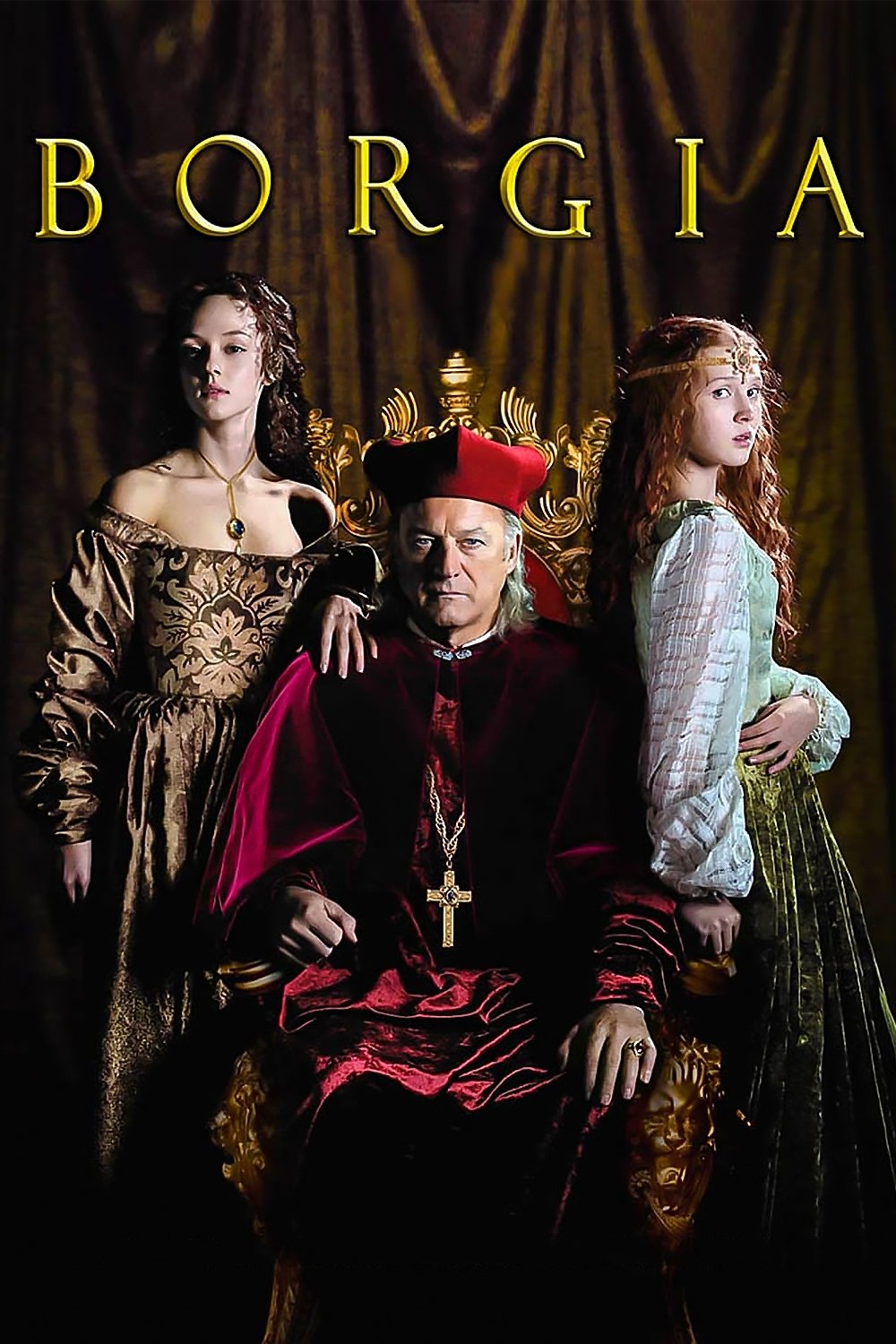
A European production tells the story of the Borgia family’s path to power under Rodrigo Borgia and his children. Tom Fontana created the series with international casting and multilingual crews. The show differentiates itself from other versions by emphasizing Italian and French political networks. Sets and costumes reflect court ceremony, church protocol, and regional factions.
‘A Place to Call Home’ (2013–2018)
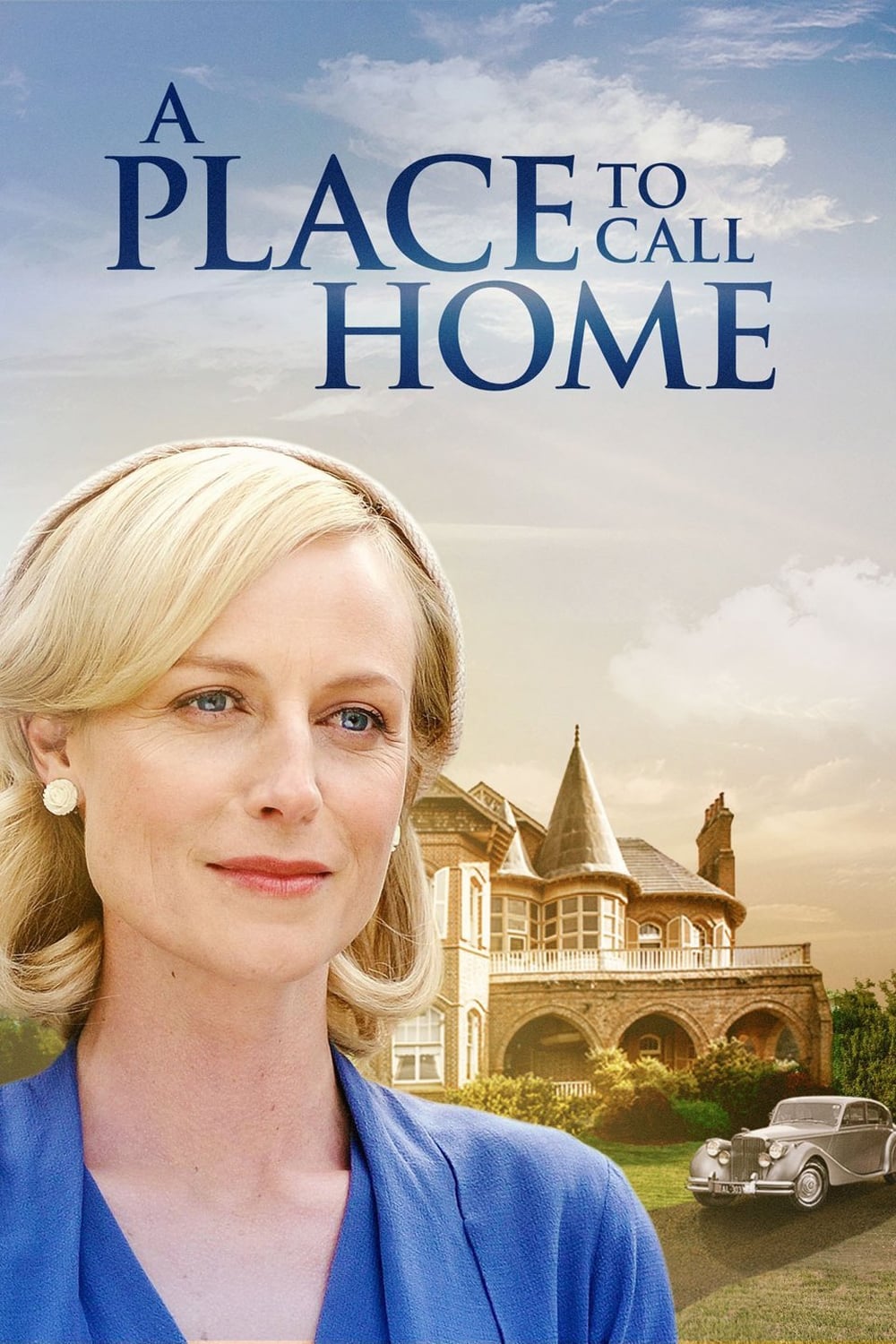
This Australian series follows a nurse who returns from Europe and becomes connected to a wealthy rural family. Marta Dusseldorp stars with Noni Hazlehurst and Brett Climo in key roles. Social issues include class barriers, faith, and postwar trauma within a tight community. Filming makes use of heritage estates and town streets that match mid-century architecture.
‘Jamestown’ (2017–2019)
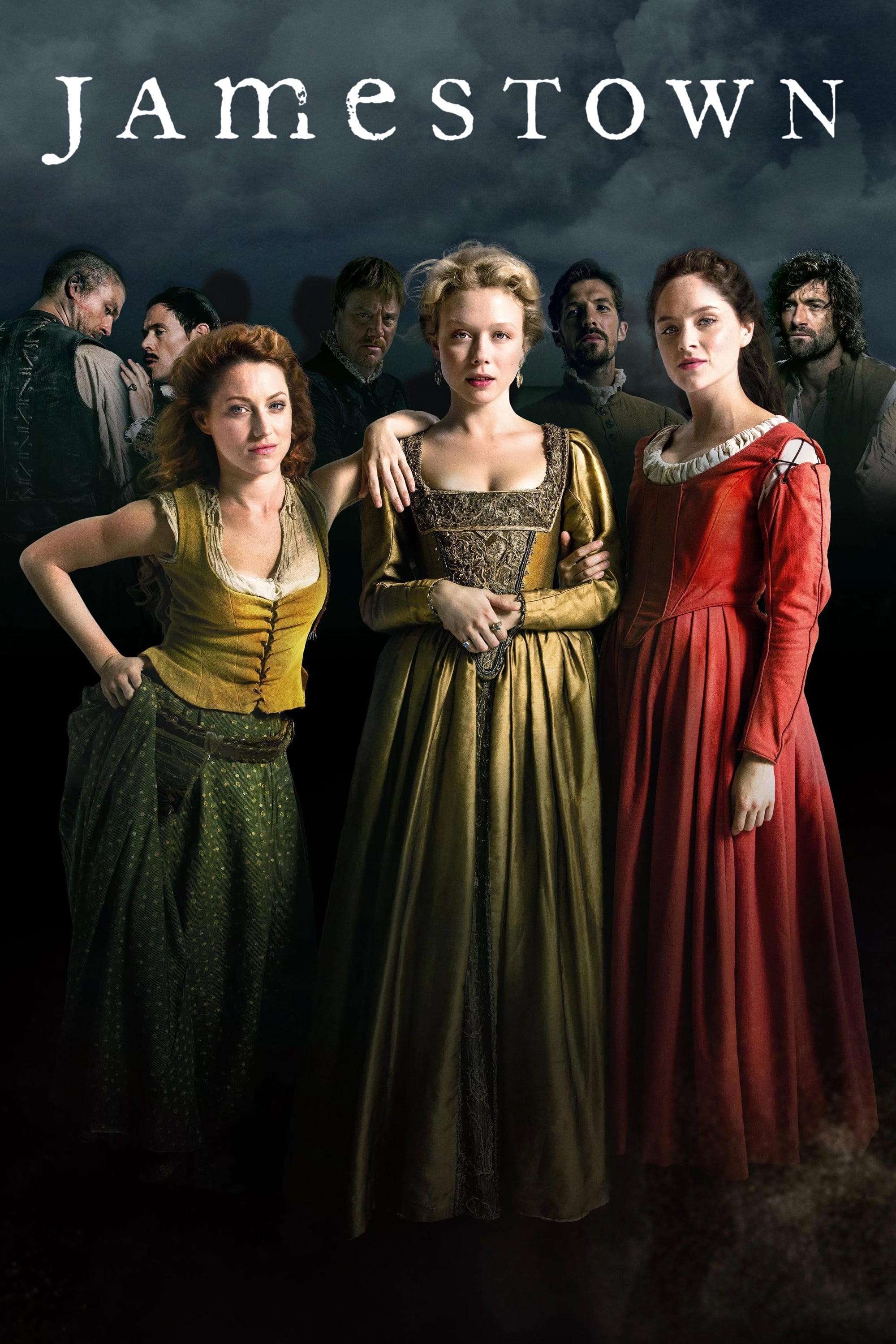
Three women arrive in the Virginia colony and confront power struggles, arranged marriages, and trade rivalries. The series was produced by Carnival Films with location work in Eastern Europe. Storylines track relations with local peoples, company charters, and imported labor. Everyday routines include farming, lawkeeping, and marketplace negotiations.
‘The English’ (2022)
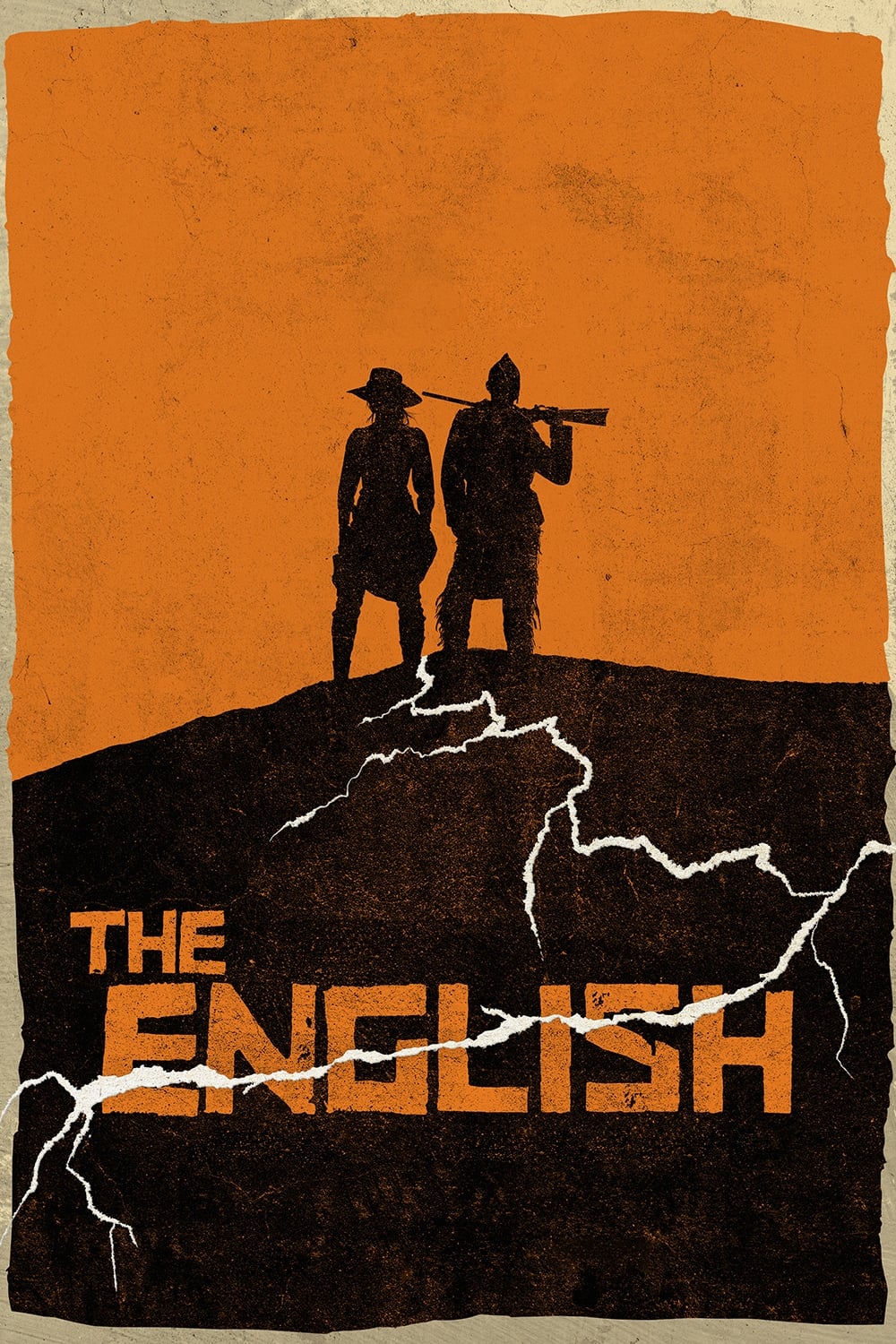
An aristocratic woman and a Pawnee ex-cavalry scout travel across the plains seeking justice and a new life. Hugo Blick created the series with Emily Blunt and Chaske Spencer in the lead roles. Filming uses wide open landscapes and frontier towns to depict trade routes and settlement patterns. The narrative ties personal histories to land ownership and economic expansion.
‘The Frankenstein Chronicles’ (2015–2017)
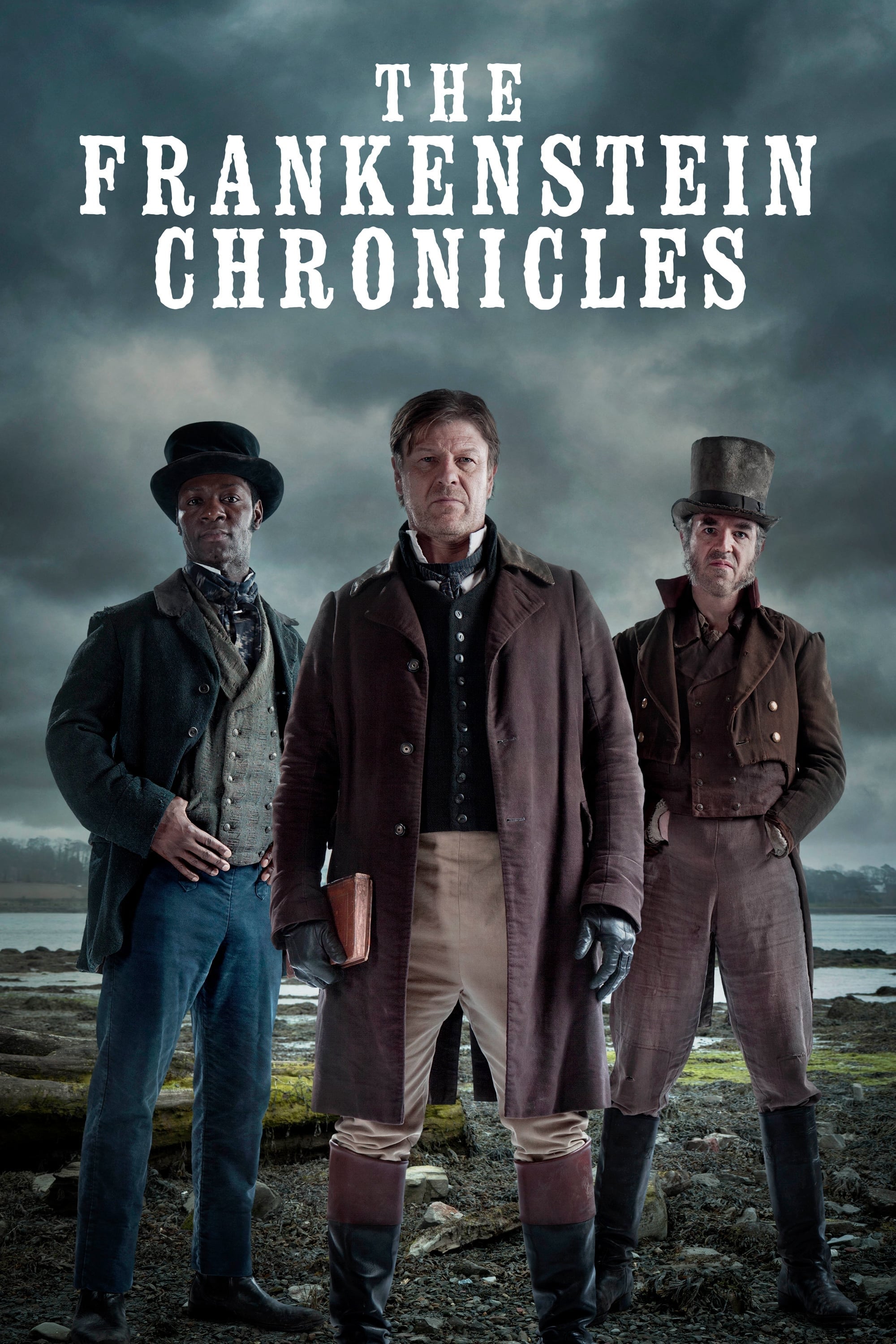
A river inspector investigates a body made from parts of several children in a reimagined take on early nineteenth-century London. Sean Bean leads the cast with appearances by characters inspired by period writers and officials. The production mixes criminal inquiry with debates about science and law. Props and workshops highlight printing, policing, and medical research of the time.
‘The Luminaries’ (2020)
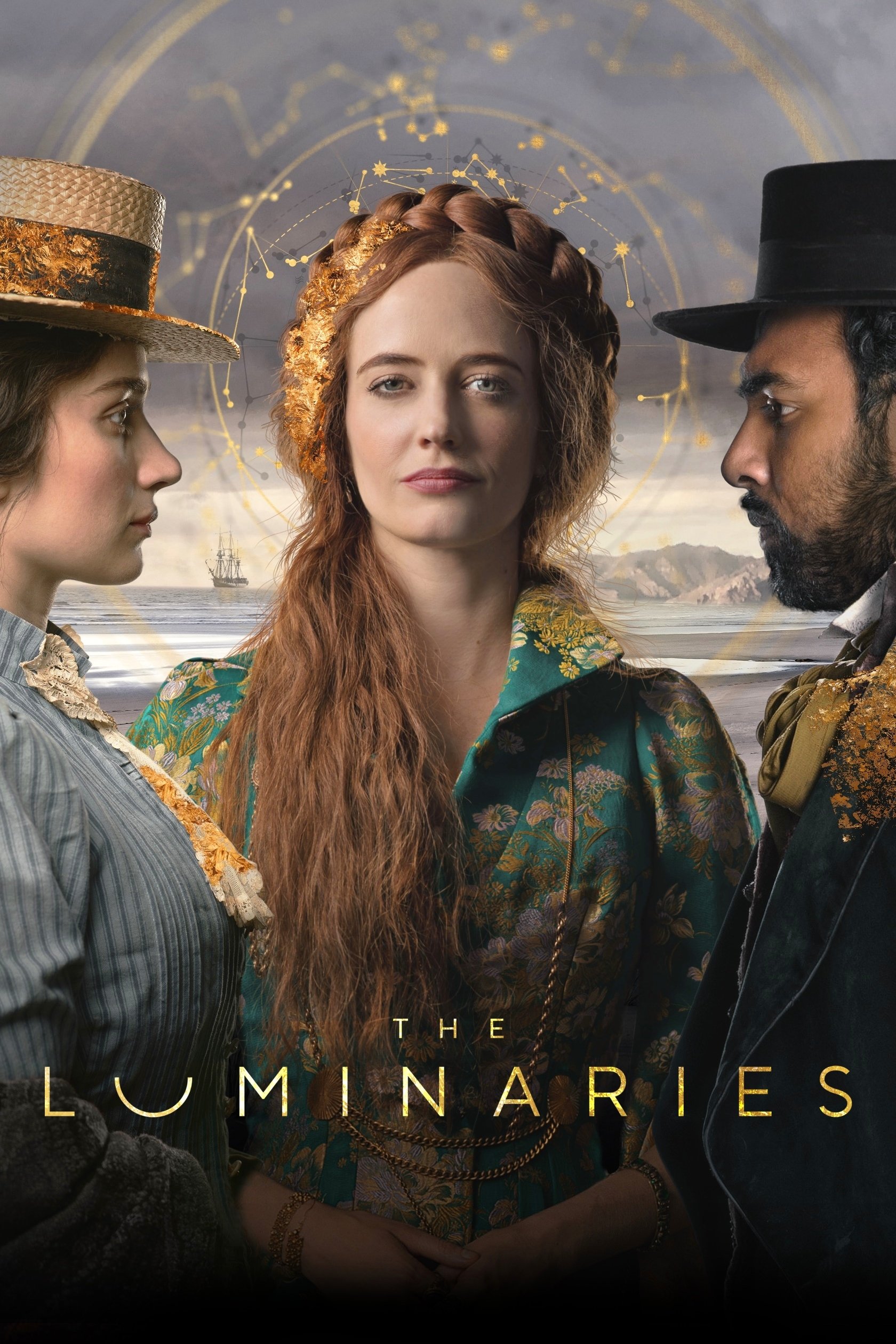
Adapted from Eleanor Catton’s novel, this series follows travelers whose fortunes intersect during a gold rush on the far side of the world. Eve Hewson, Eva Green, and Himesh Patel star with location work across coastal settlements. Plots weave together shipping records, prospecting claims, and courtroom proceedings. Sets and costumes detail boarding houses, assay offices, and frontier theaters.
‘The Village’ (2013–2014)
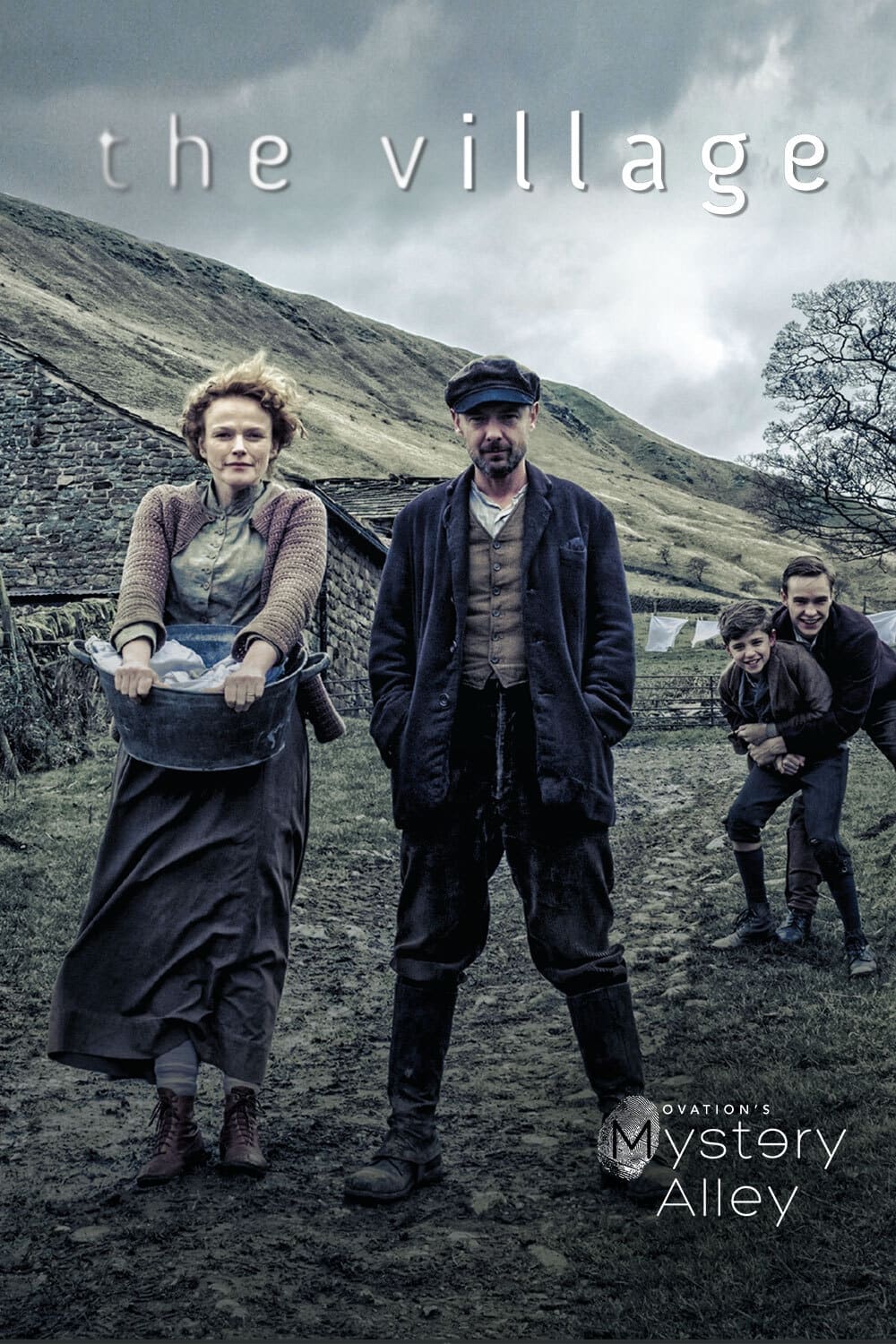
Life in a rural English parish is shown through one family as the community faces social change and personal loss. Peter Moffat created the series with Maxine Peake and John Simm among the leads. Farm labor, schooling, and local governance appear in everyday scenes. Production draws on oral histories and archives to depict work, worship, and village customs.
‘The Indian Doctor’ (2010–2013)
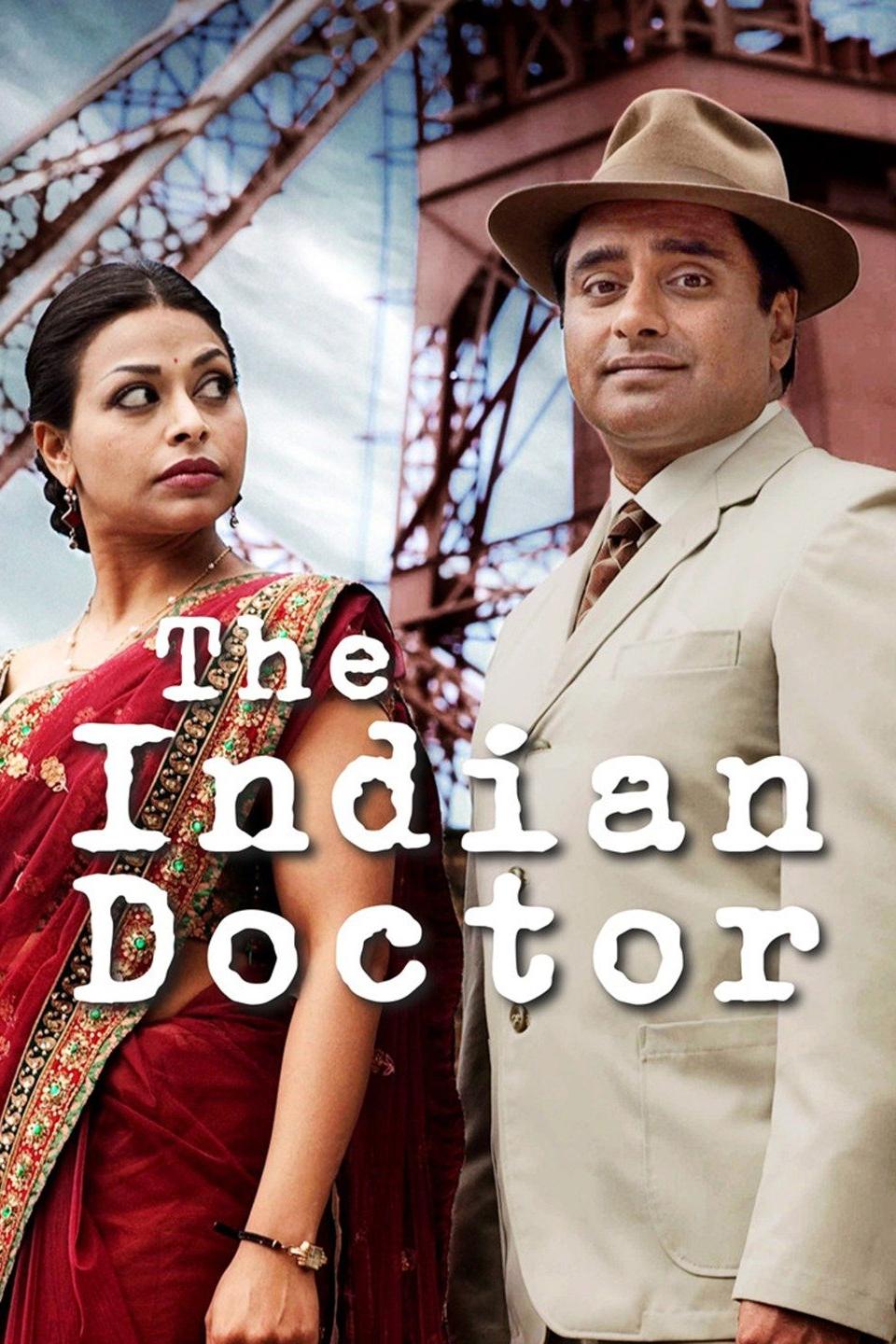
A physician from India takes a post in a Welsh mining village and encounters cultural challenges and community health crises. Sanjeev Bhaskar stars with Ayesha Dharker and Mark Williams in key roles. Scripts examine public health, union life, and education through clinic visits and home calls. Filming uses valleys locations and studio interiors to portray streets, pits, and terraced houses.
‘The Hour’ (2011–2012)
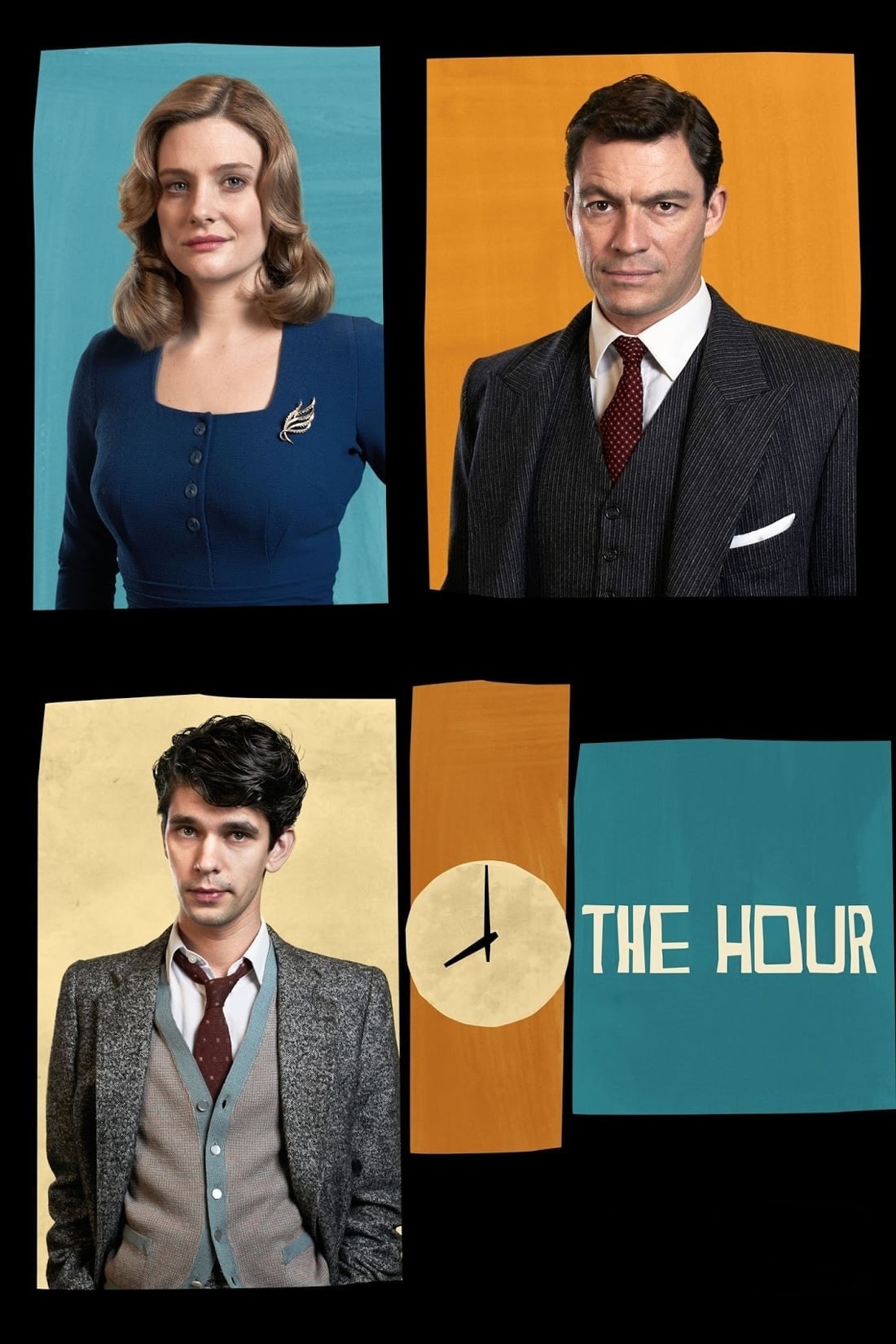
A newsroom drama follows a current affairs program as it navigates censorship, espionage, and shifting public taste. Abi Morgan created the series with production by Kudos Film and Television. Filming uses television studios and period offices to show how broadcasts are put together. Storylines explore editorial decisions, labor disputes, and government pressure.
‘Indian Summers’ (2015–2016)
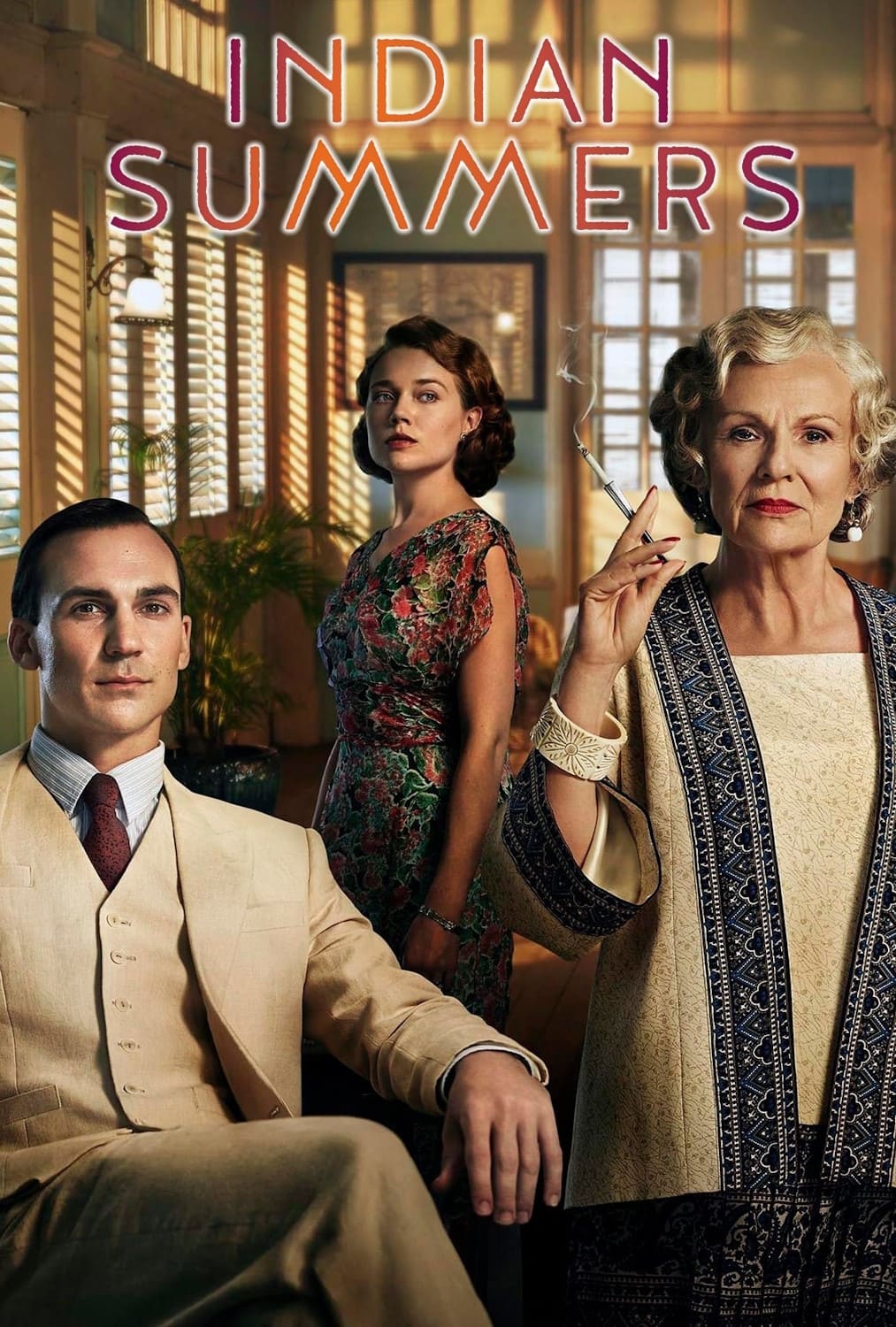
Set in a hill station community during the final years of colonial rule, the series tracks officials, activists, and families whose lives intersect. Filming took place in Penang with sets built to recreate government clubs, bazaars, and hillside homes. Political reforms and local campaigns drive the central conflicts. Costume and production design highlight social hierarchies and daily routines.
‘Miss Fisher’s Murder Mysteries’ (2012–2015)
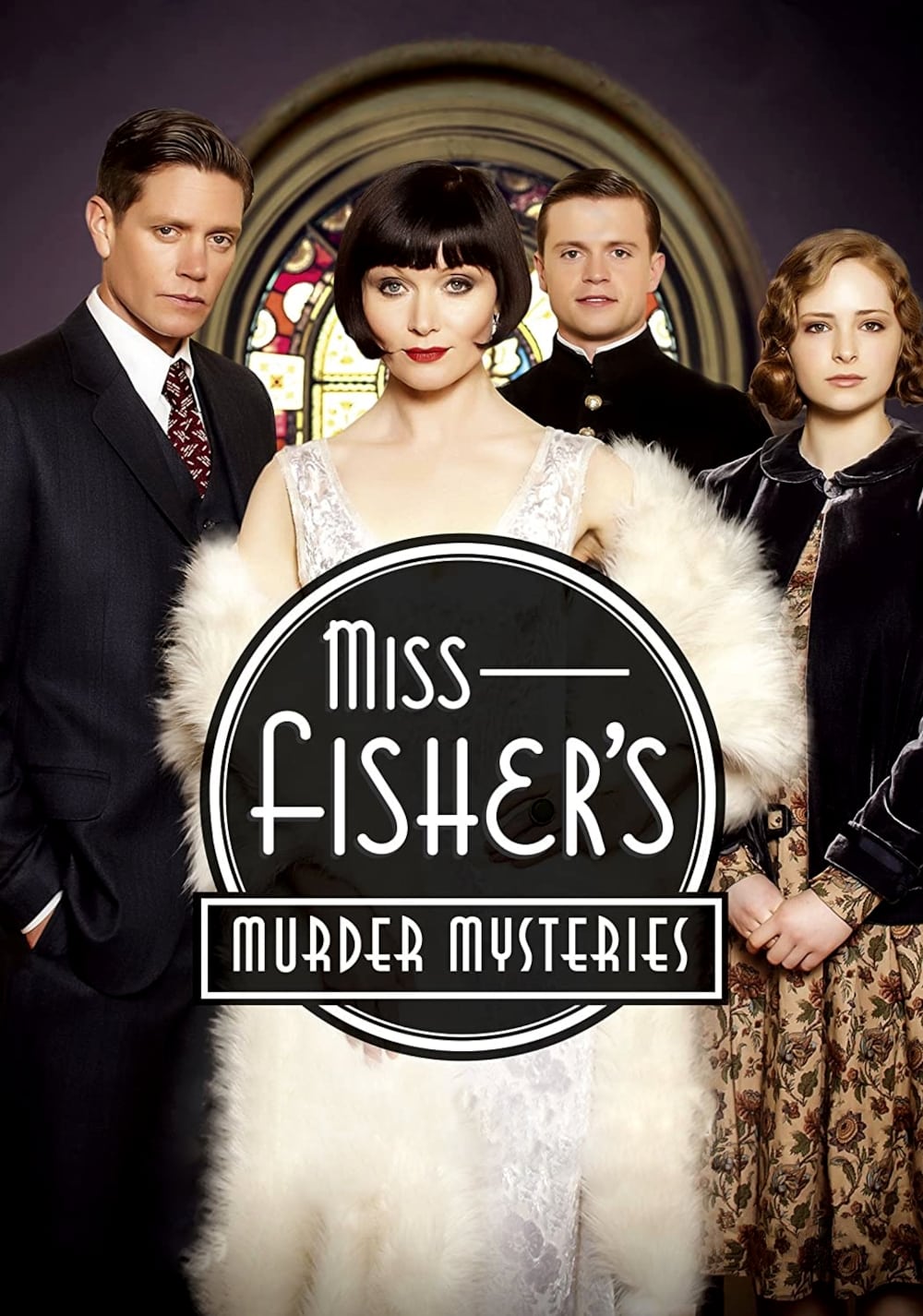
A private detective investigates cases across a growing city with help from friends in the police and medical community. Production showcases art deco homes, jazz venues, and workshops. Scripts weave in community groups, immigration stories, and new technologies. Props and wardrobe teams recreate transport, telephones, and forensic methods used by investigators.
‘Ripper Street’ (2012–2016)
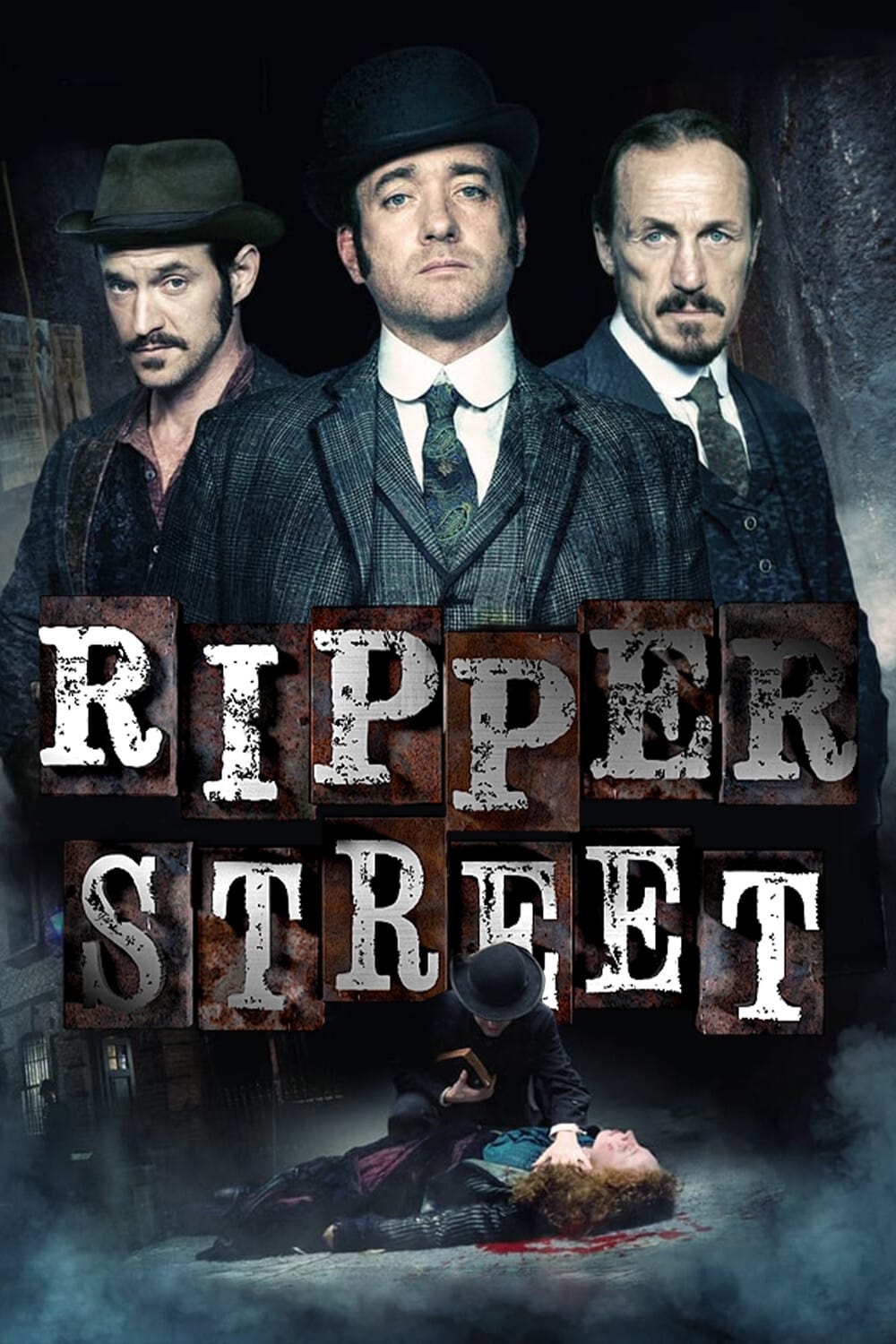
This police series follows detectives working in a district adapting to rapid change after a notorious crime wave. The show built large standing sets with cobbled streets, factories, and lodging houses. Plots spotlight dock labor, print media, and criminal enterprises. Dialogue and procedures reflect period policing and urban administration.
‘Mr Selfridge’ (2013–2016)

A retail pioneer opens a grand department store and brings new ideas in customer service, advertising, and display. Filming features detailed shop floors, stockrooms, and offices with attention to merchandising practices. The ensemble covers staff training, window dressing, and supplier relations. Storylines track expansions, rivalries, and changing consumer habits.
‘Babylon Berlin’ (2017–present)
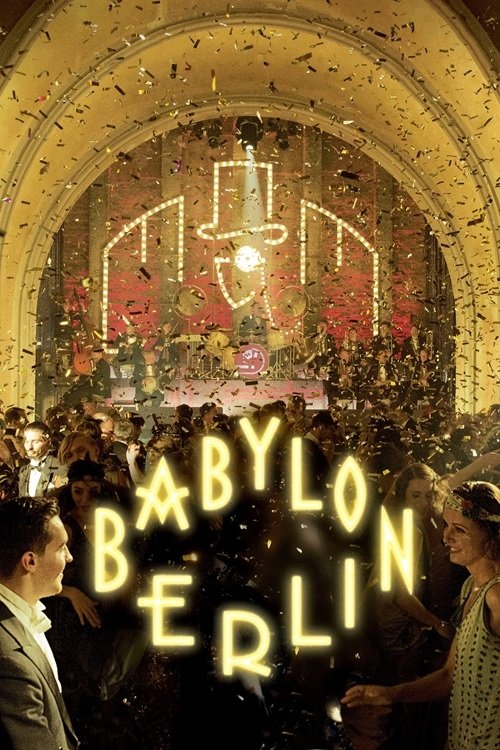
Set in a capital undergoing cultural and political upheaval, the series follows detectives, clerks, and entertainers through interlocking cases. Production rebuilt streets, dance halls, and train yards with large-scale coordination between departments. Music and nightlife sequences use live choreography and period instruments. Financial crises and paramilitary groups underpin many plots.
‘Foyle’s War’ (2002–2015)
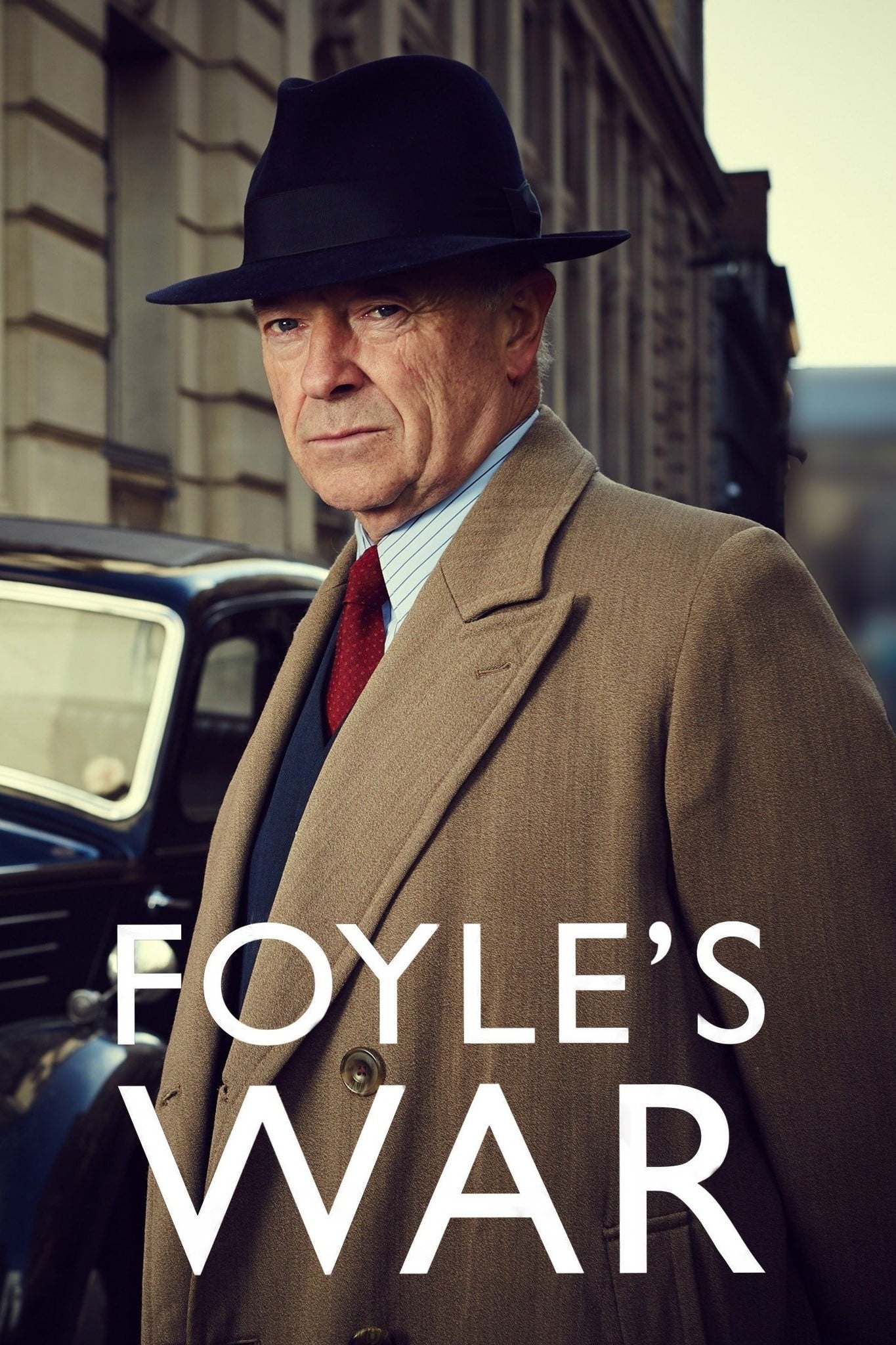
A coastal detective handles cases shaped by wartime rationing, black markets, and military secrecy. Scripts fold in regulations from civil defense and transport authorities. Filming takes advantage of seaside towns, airfields, and countryside lanes. Episodes reference archival directives and official forms used by local police.
‘The Paradise’ (2012–2013)
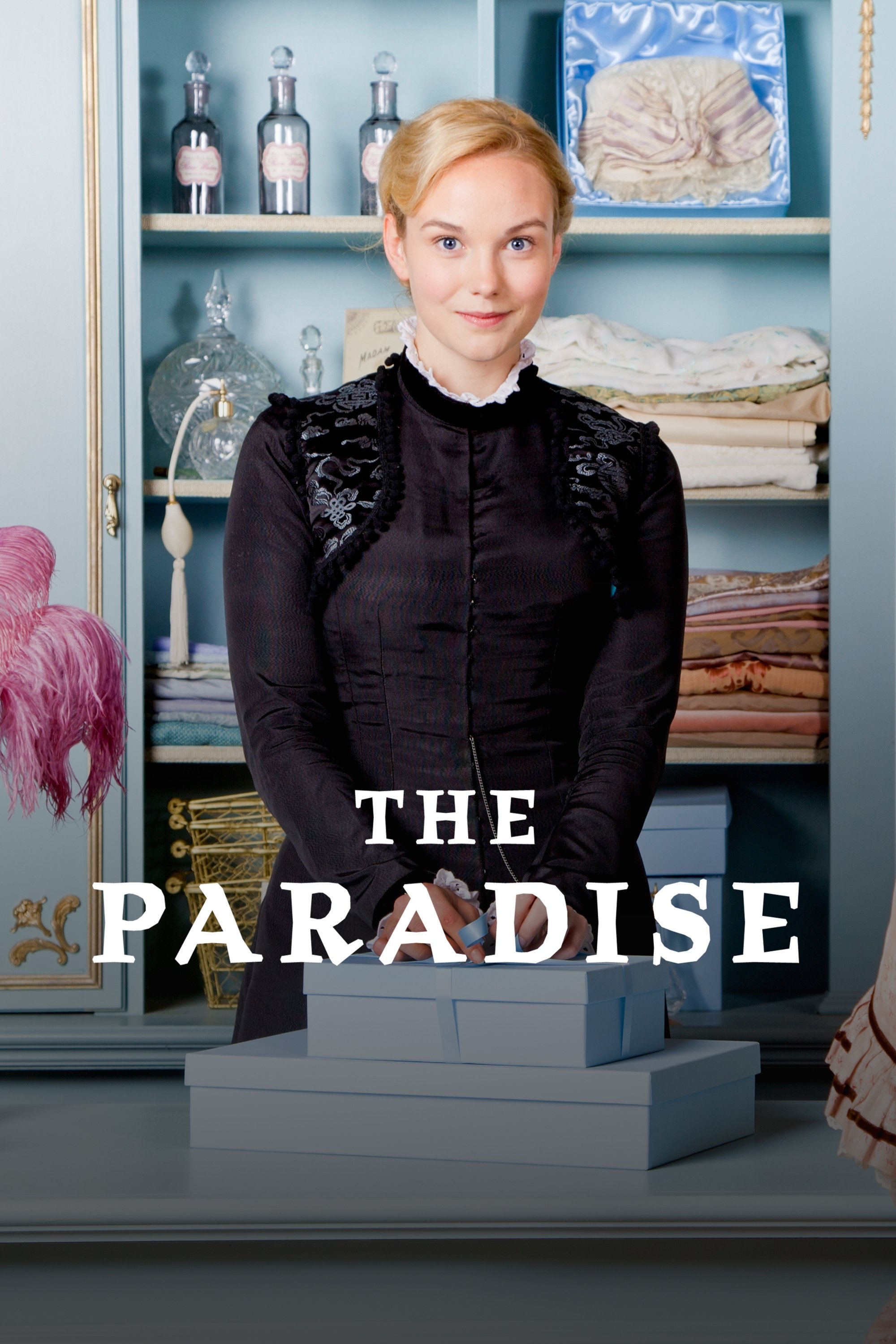
Set inside a growing department store, the series shows sales techniques, buyer negotiations, and staff life in lodgings. Production created full retail floors with millinery counters and fabric tables. Storylines include supplier contracts, catalog mailings, and credit policies. The show explores how promotions and window displays influence customers.
‘Wolf Hall’ (2015)
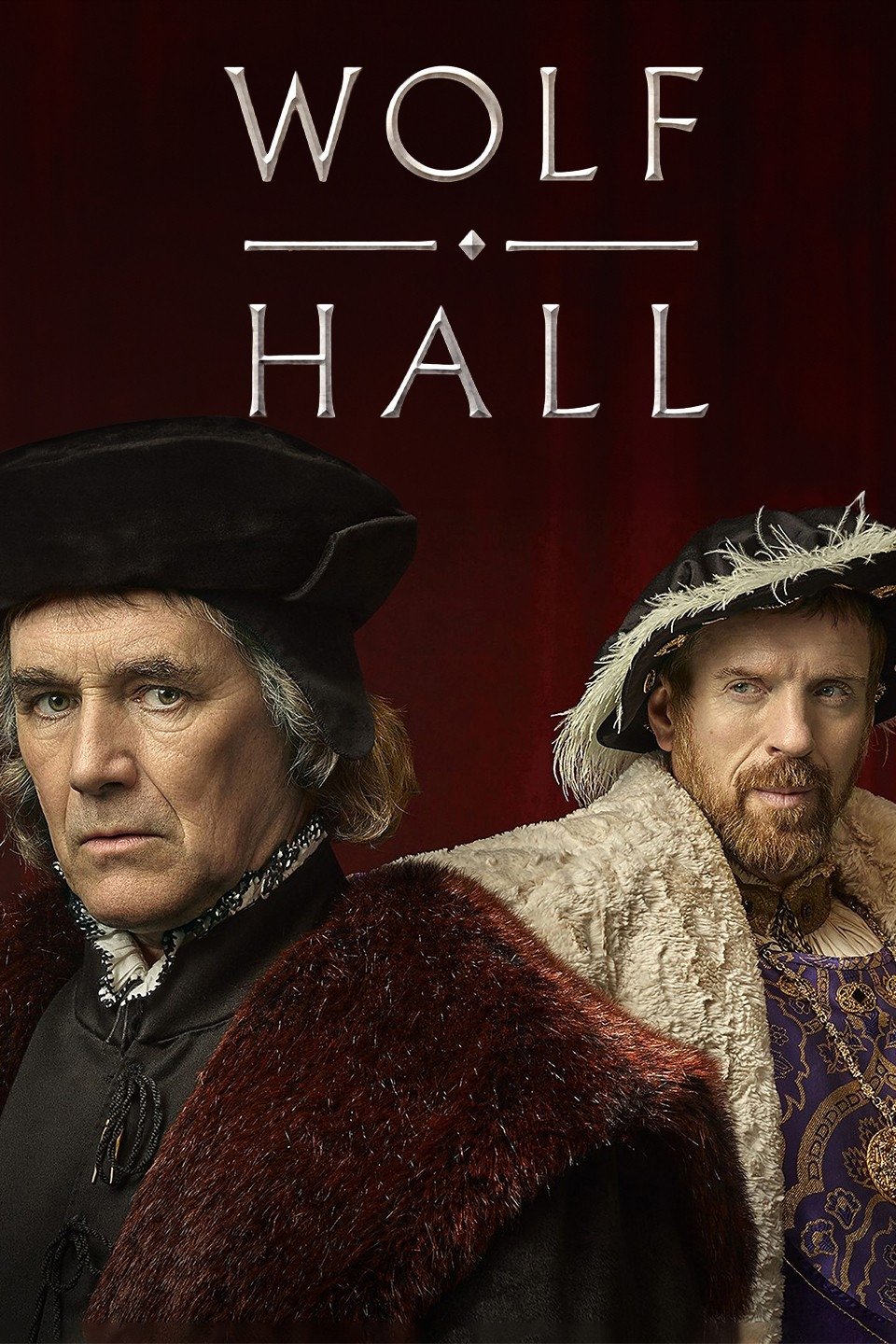
A statesman works within royal courts where patronage, diplomacy, and law all shift with each alliance. The series films in historic houses and chambers that match council rooms and private studies. Costumes follow documented patterns and materials from surviving garments. Scenes depict petitions, oaths, and seals used in official correspondence.
‘Endeavour’ (2012–2023)

A young detective learns his craft as a city modernizes its transport, housing, and nightlife. Episodes use schools, factories, and colleges as case settings. Production secures heritage locations and equips them with signage, vehicles, and telephones that match the period. Plots reference local clubs, orchestras, and unions.
‘Jonathan Strange & Mr Norrell’ (2015)

Magicians return to public life and enter military service, publishing, and court patronage. The adaptation uses extensive practical effects alongside carefully aged props like grimoires and maps. Filming covers libraries, drawing rooms, and campaign encampments. The story integrates publishers, reviewers, and academics into professional rivalries.
‘Dickensian’ (2015–2016)
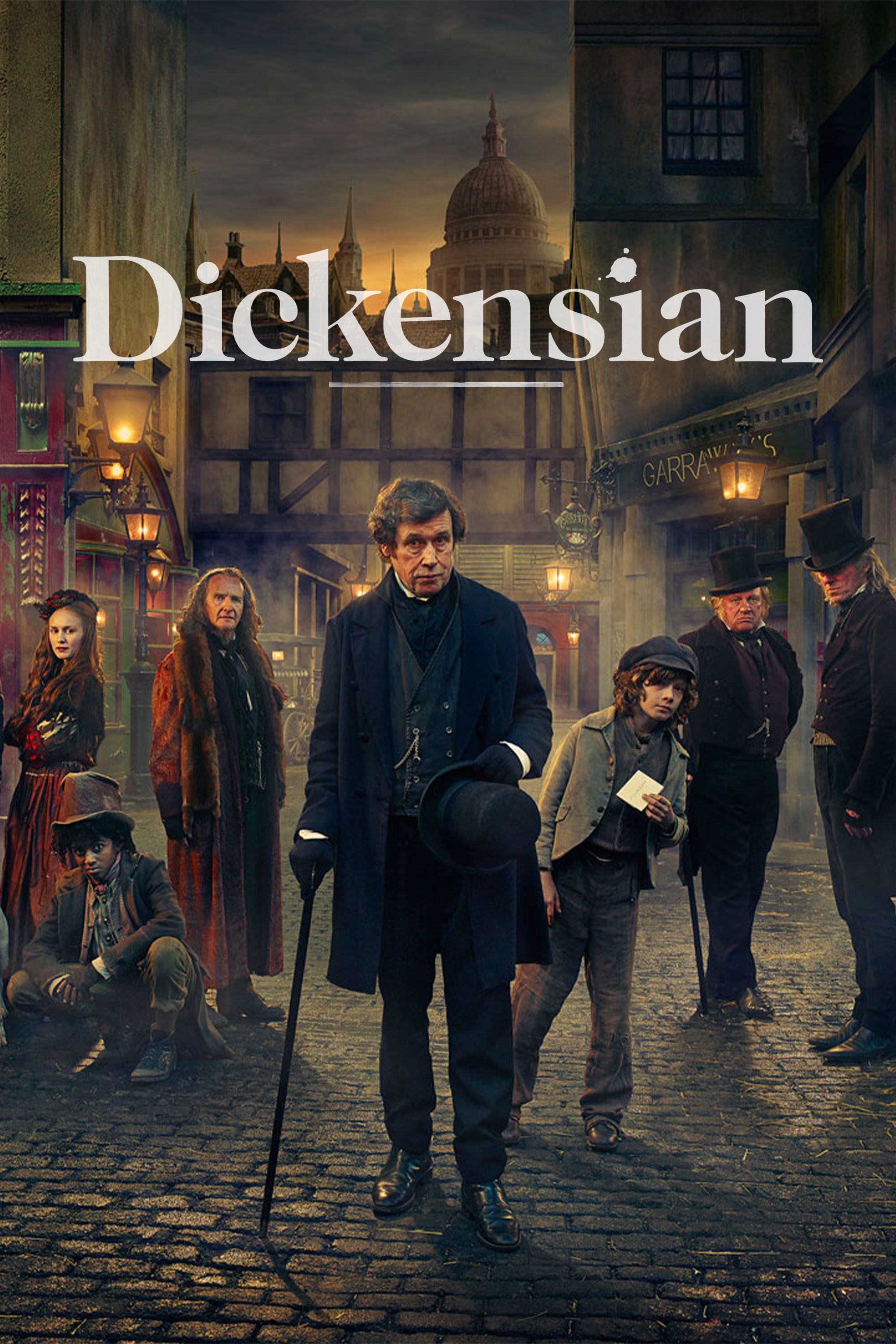
Characters from classic novels share streets and courts where investigations and lawsuits unfold. A purpose-built backlot houses shops, taverns, and counting houses. The scripts track wills, debts, and inheritance disputes through clerks and solicitors. Wardrobe and sets emphasize trade signs, ledgers, and household goods.
‘Taboo’ (2017)
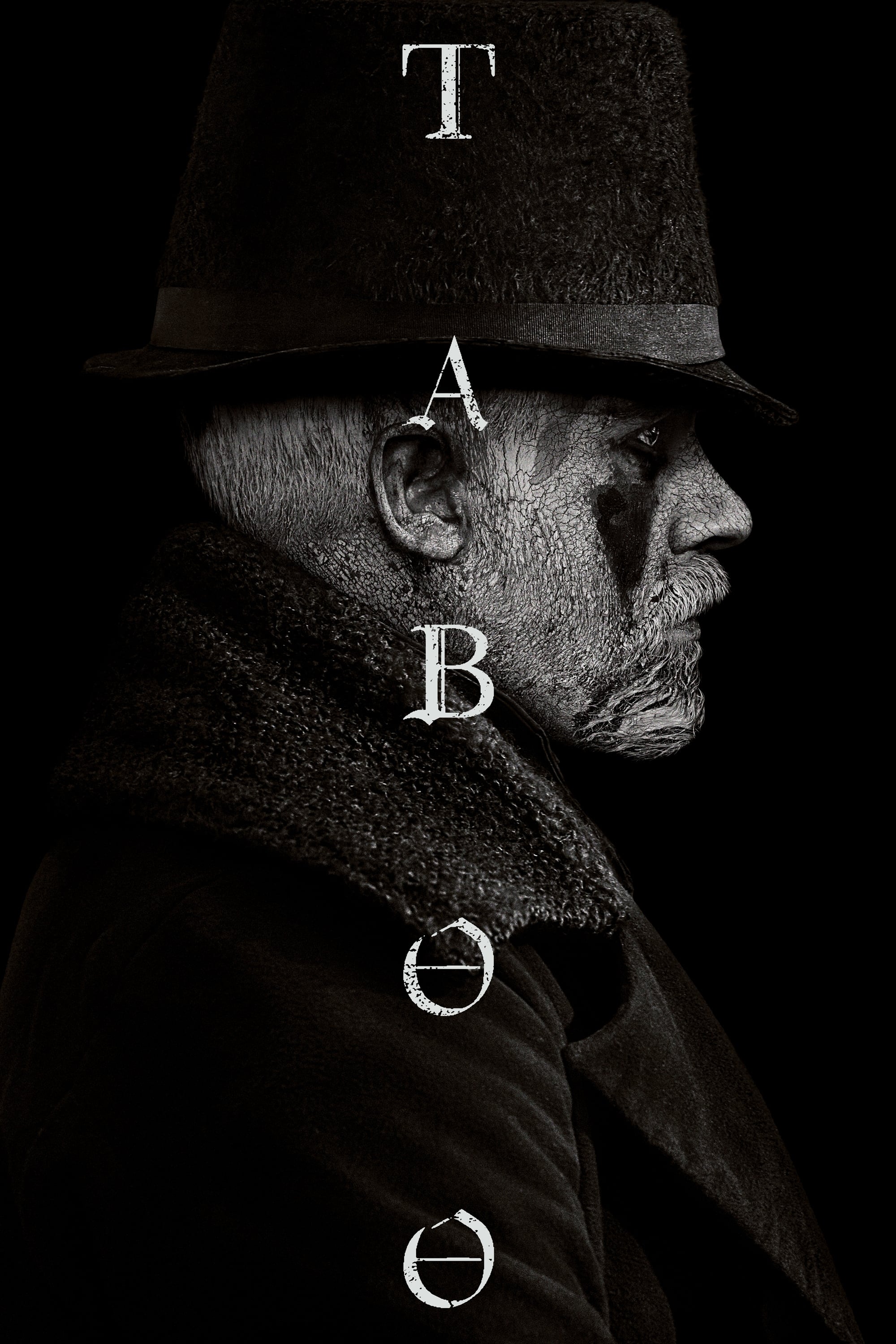
A traveler returns with shipping knowledge and contested land rights that draw in companies and government offices. The production constructed docklands with warehouses, ropewalks, and customs posts. Scenes feature maritime insurance, charter negotiations, and smuggling routes. Makeup and costuming incorporate tattoos, furs, and uniforms tied to trade networks.
‘Poldark’ (2015–2019)
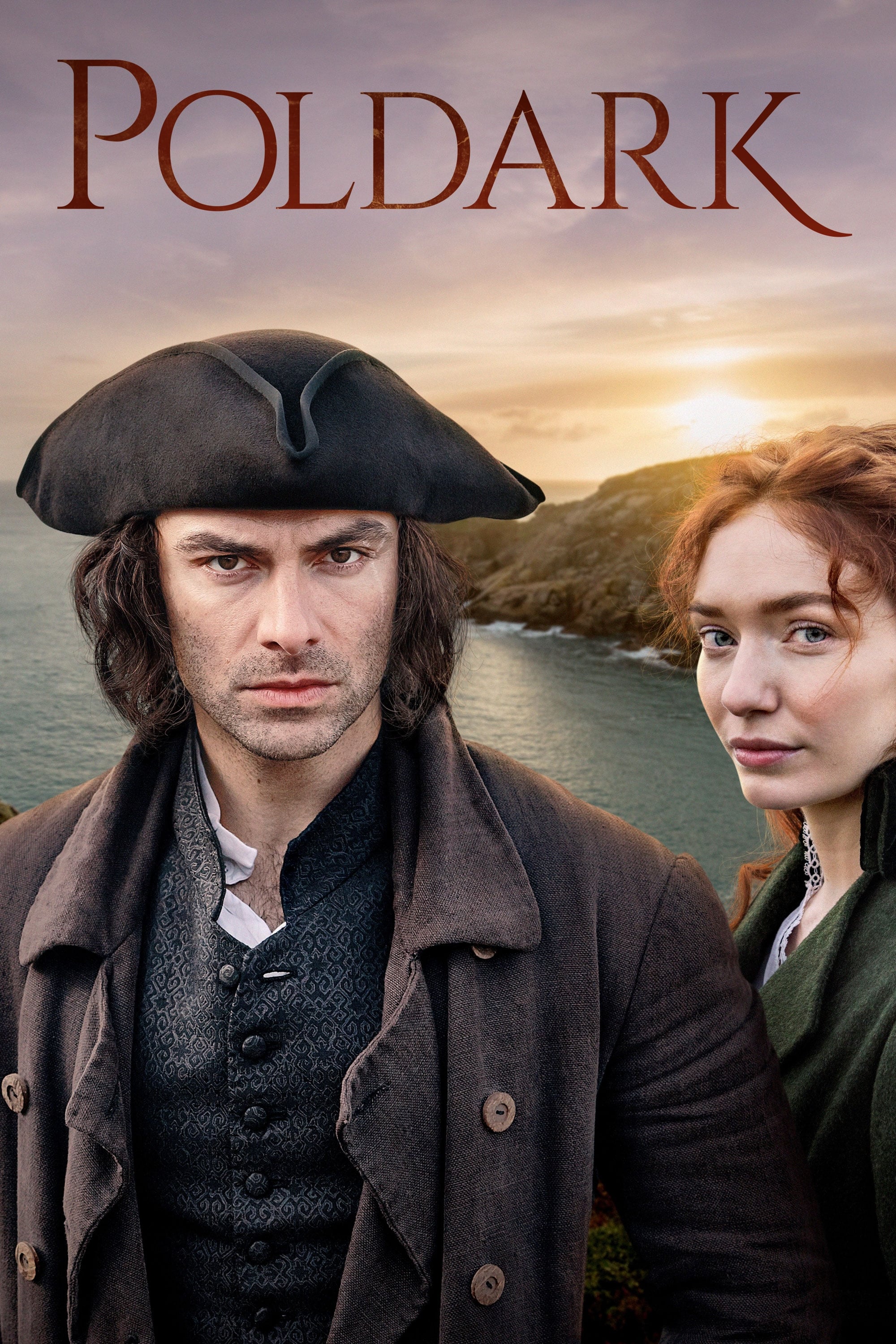
A veteran rebuilds a mining and farming enterprise while navigating banks, investors, and local politics. Filming uses coastal cliffs, engine houses, and village streets with working machinery. The series details smelting, share agreements, and tenant relations. Community events like fairs and harvests anchor many episodes.
‘Frontier’ (2016–2018)
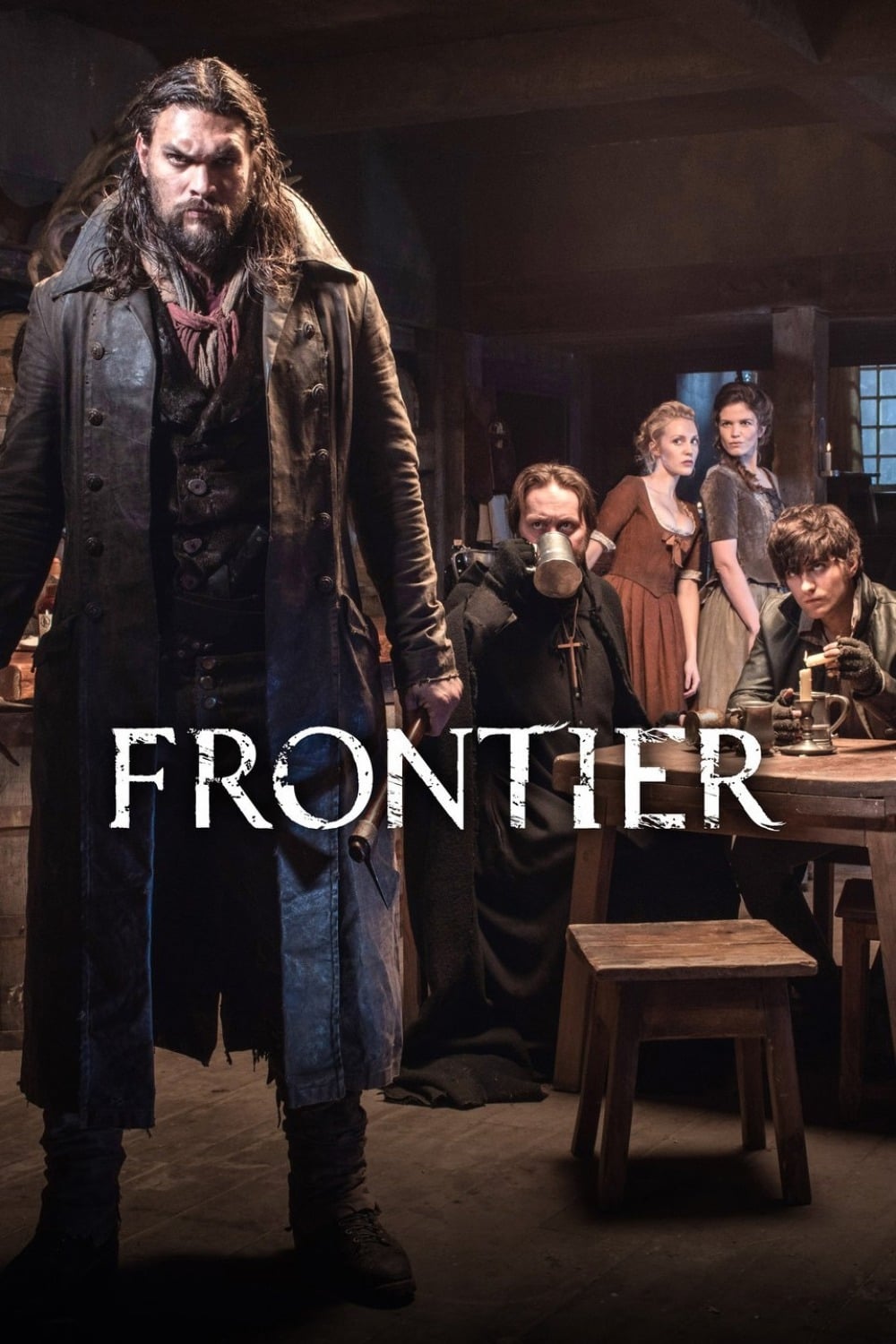
Trading companies compete over furs while alliances shift among trappers, soldiers, and merchants. The show films in forests, forts, and river ports to capture supply routes. Plots involve charter monopolies, smuggling, and changing treaties. Weapons, canoes, and ledgers are recreated by the prop department to mirror recorded practices.
‘Turn: Washington’s Spies’ (2014–2017)
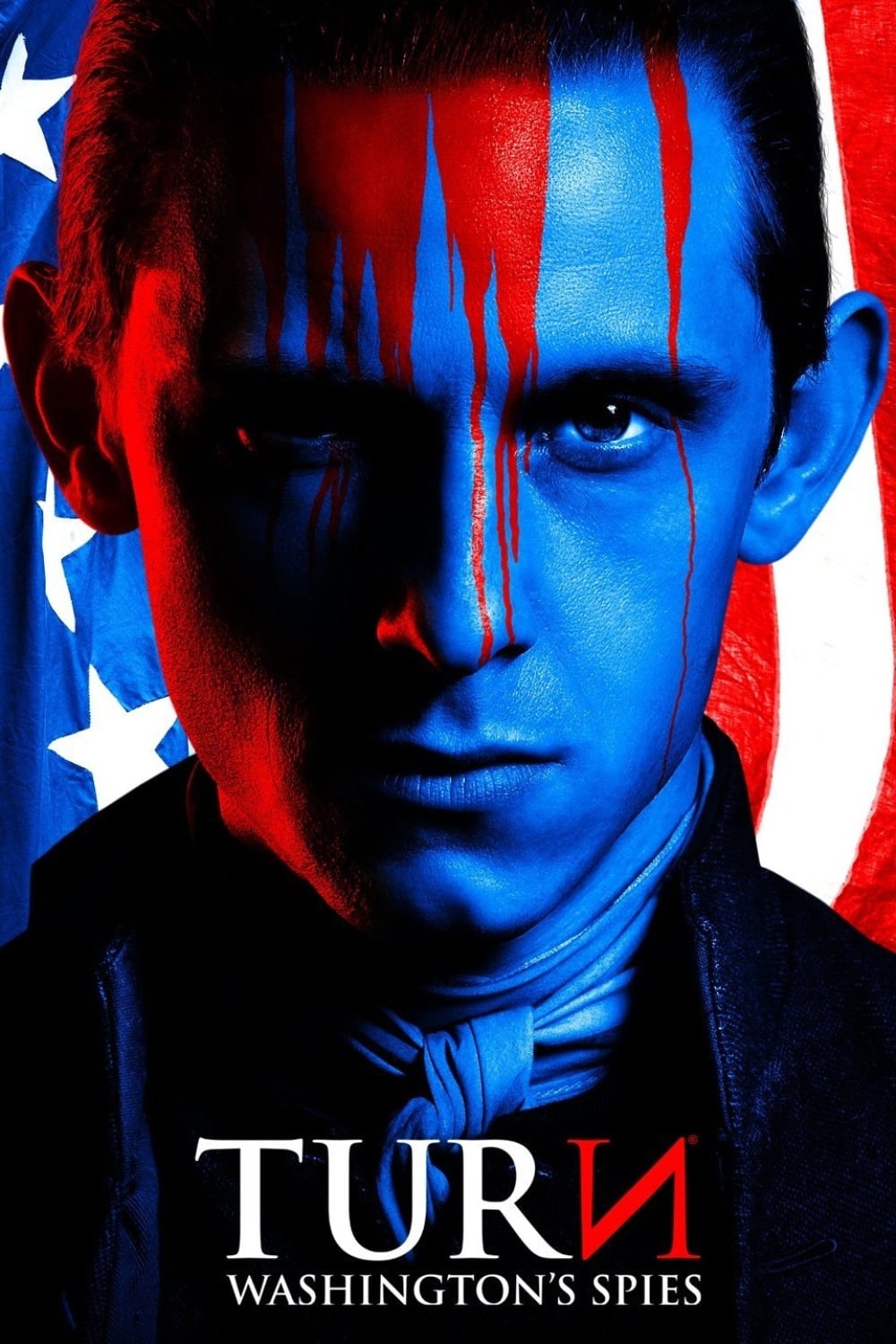
Set during the American Revolution, the series follows a farmer who becomes part of the Culper Ring intelligence network. The show draws on Alexander Rose’s history of the spy ring and uses coded letters, invisible ink, and dead drops as plot elements. Filming builds colonial towns, military camps, and coastal safe houses with period signage and uniforms. Storylines include British occupation, Continental Army movements, and family risks tied to espionage.
‘Manhattan’ (2014–2015)
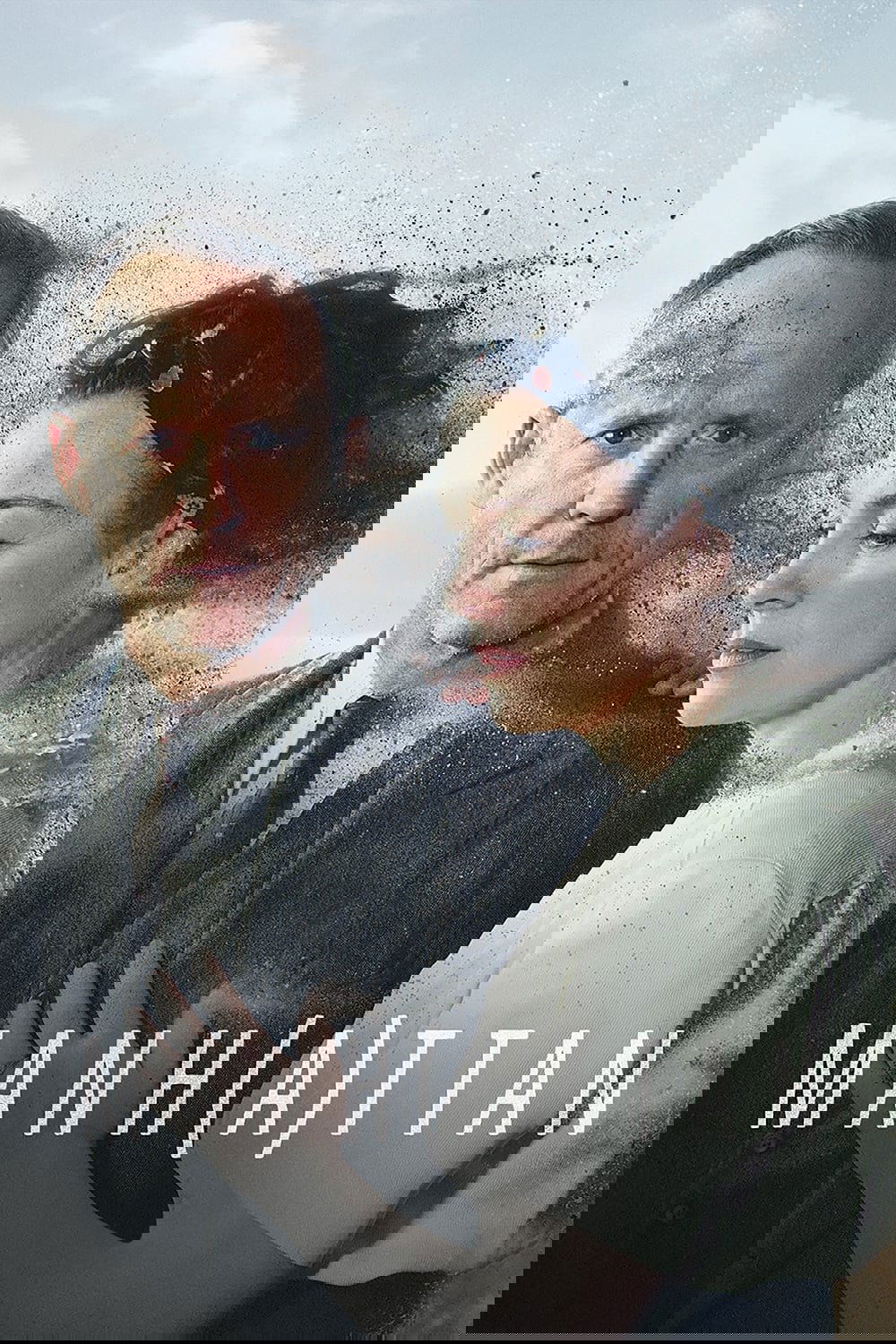
This drama follows scientists, soldiers, and families at a secret desert base as they race to design an atomic device. The production recreates barracks, laboratories, and security checkpoints that show how information moved under restrictions. Characters navigate clearance levels, compartmentalization, and competing research teams. Scripts reference test schedules, procurement chains, and field operations.
‘Masters of Sex’ (2013–2016)
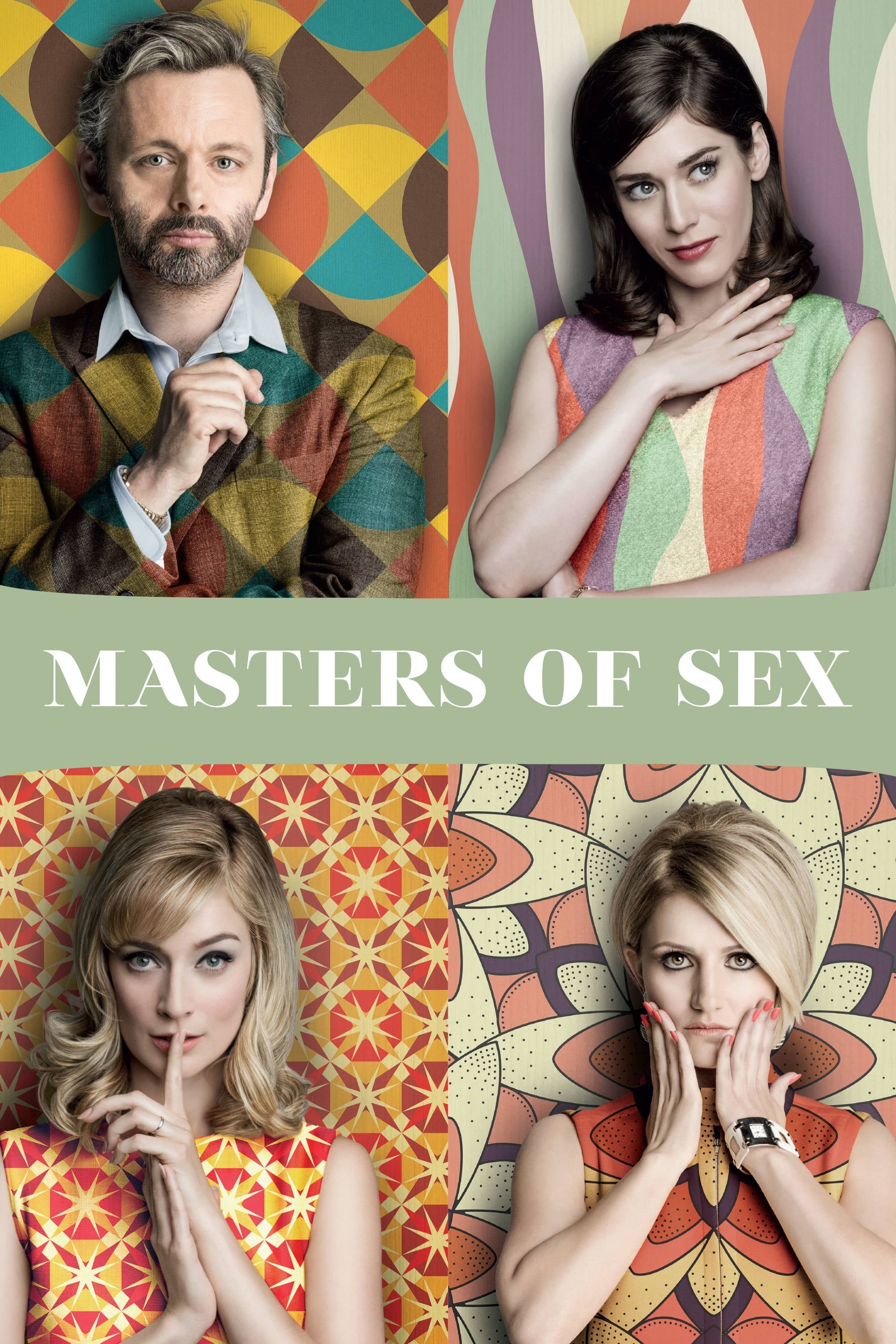
The series traces a research partnership that documents human sexual response inside a university hospital and beyond. Sets feature clinical rooms, recording equipment, and data charts used in the study. The narrative includes grant committees, publication hurdles, and institutional backlash. Costumes and props show how medical devices, cameras, and audio recorders enter the lab.
‘The Terror’ (2018–2019)
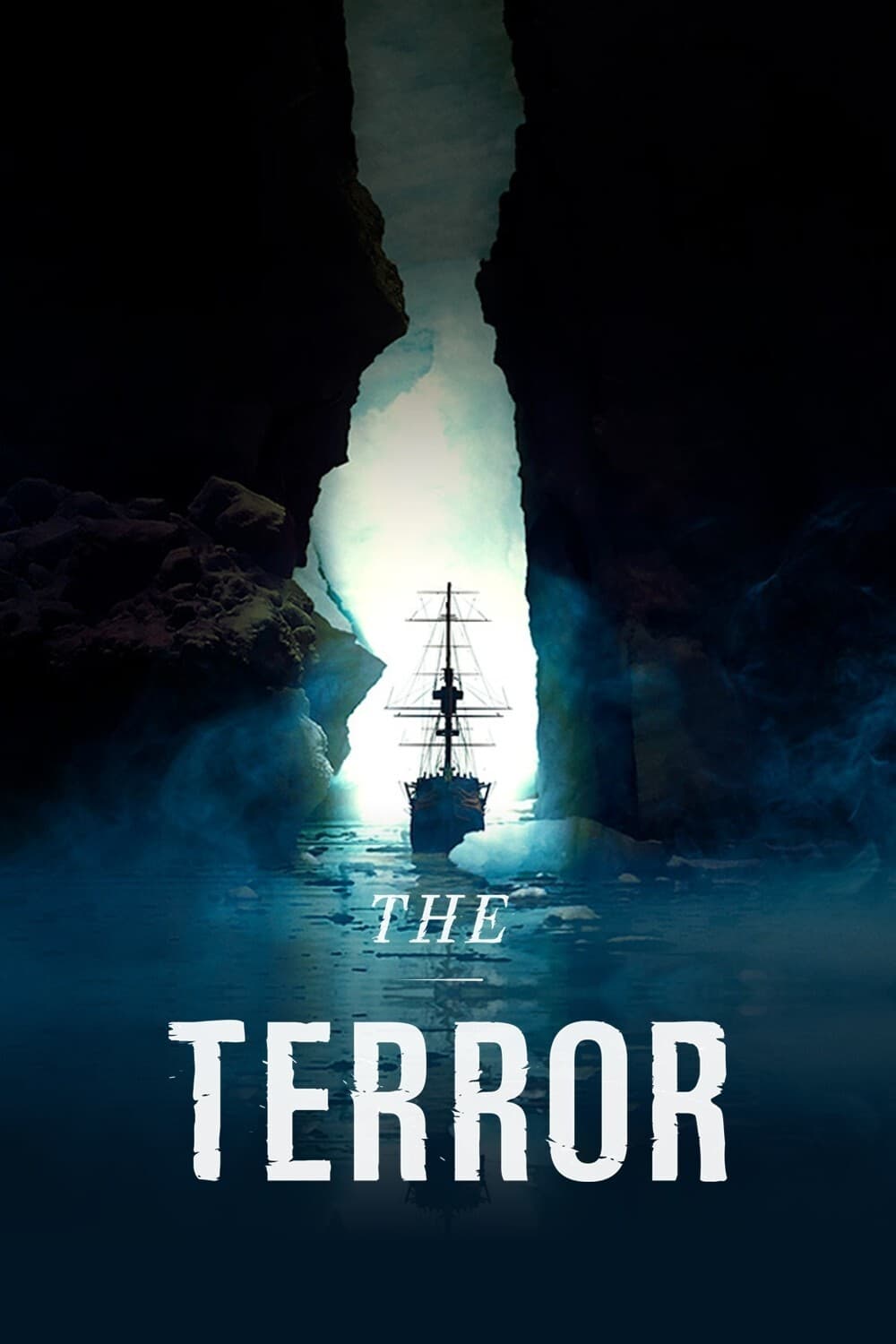
An anthology format presents two distinct historical stories that pair survival with cultural memory. The first season follows a naval expedition trapped in the ice with limited supplies and conflicting leadership. The second season centers on a community facing internment and local hauntings tied to real wartime events. Production uses practical sets, ship interiors, and community streets to build atmosphere.
‘Warrior’ (2019–2023)
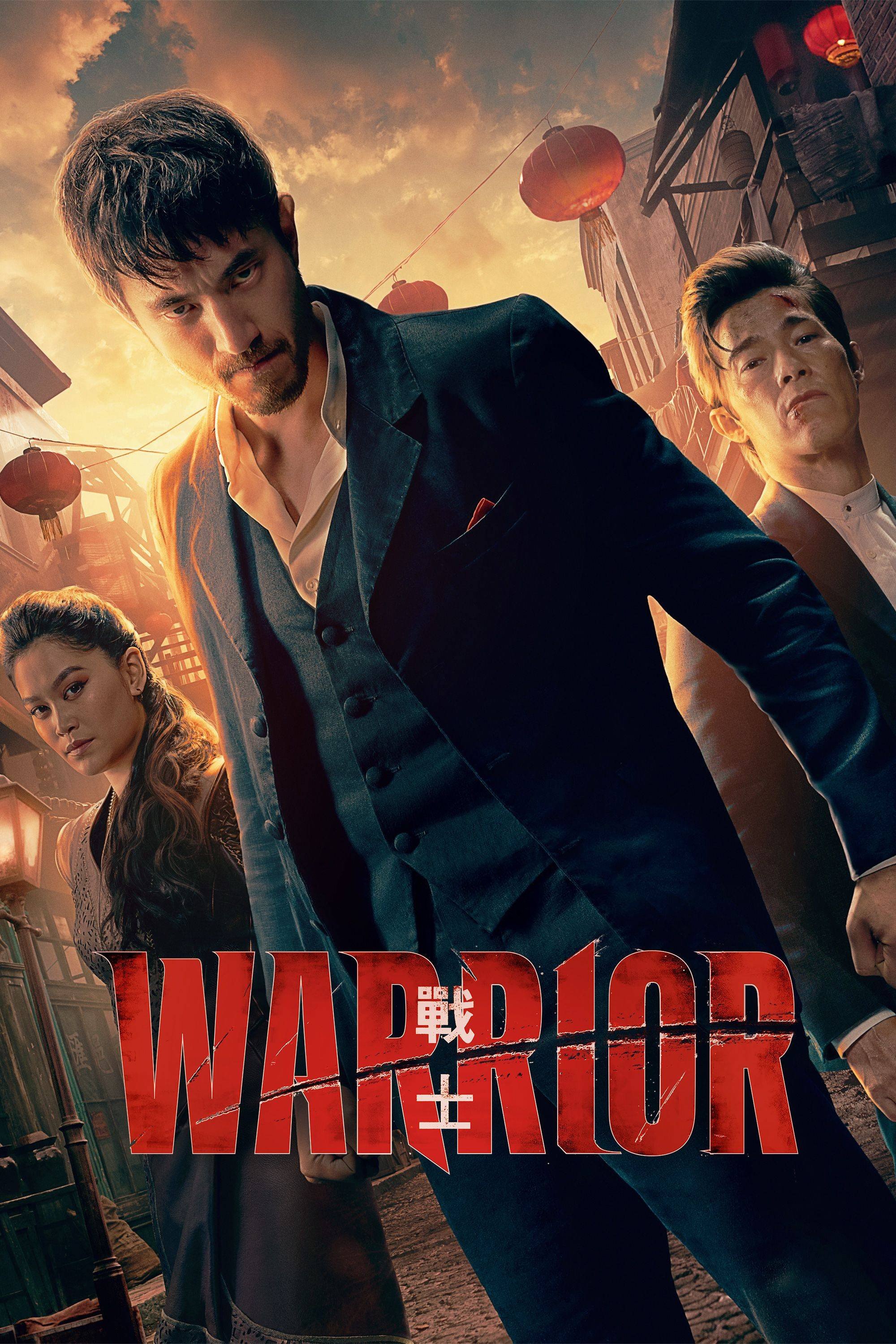
Set in a nineteenth century port city, the series follows fighters and families caught in conflicts between rival associations and local officials. Filming uses alleys, saloons, and tenements with signage in multiple languages. Coordinators stage hand to hand combat and period weapon work. Storylines cover municipal politics, immigration questions, and labor routes tied to the waterfront.
‘Copper’ (2012–2013)
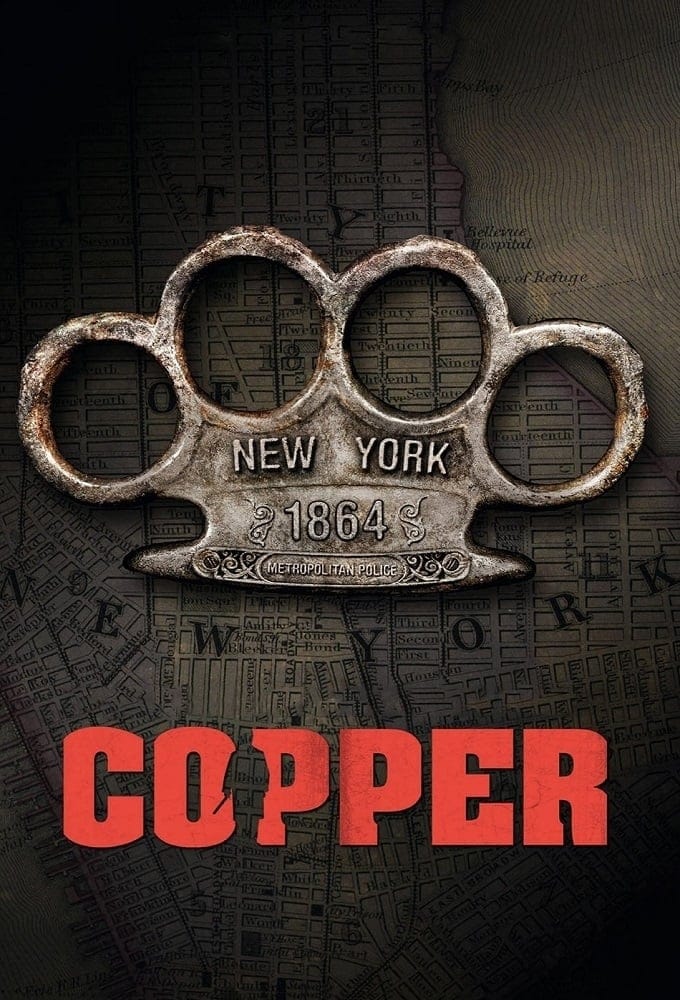
A detective works in a crowded district where new arrivals, political bosses, and private wealth collide. Sets include boarding houses, precinct rooms, and mansions that show class distance within a small radius. Plots examine voting clubs, charity boards, and crime families. The series brings in battlefield memories as cases move from streets to drawing rooms.
‘Hell on Wheels’ (2011–2016)
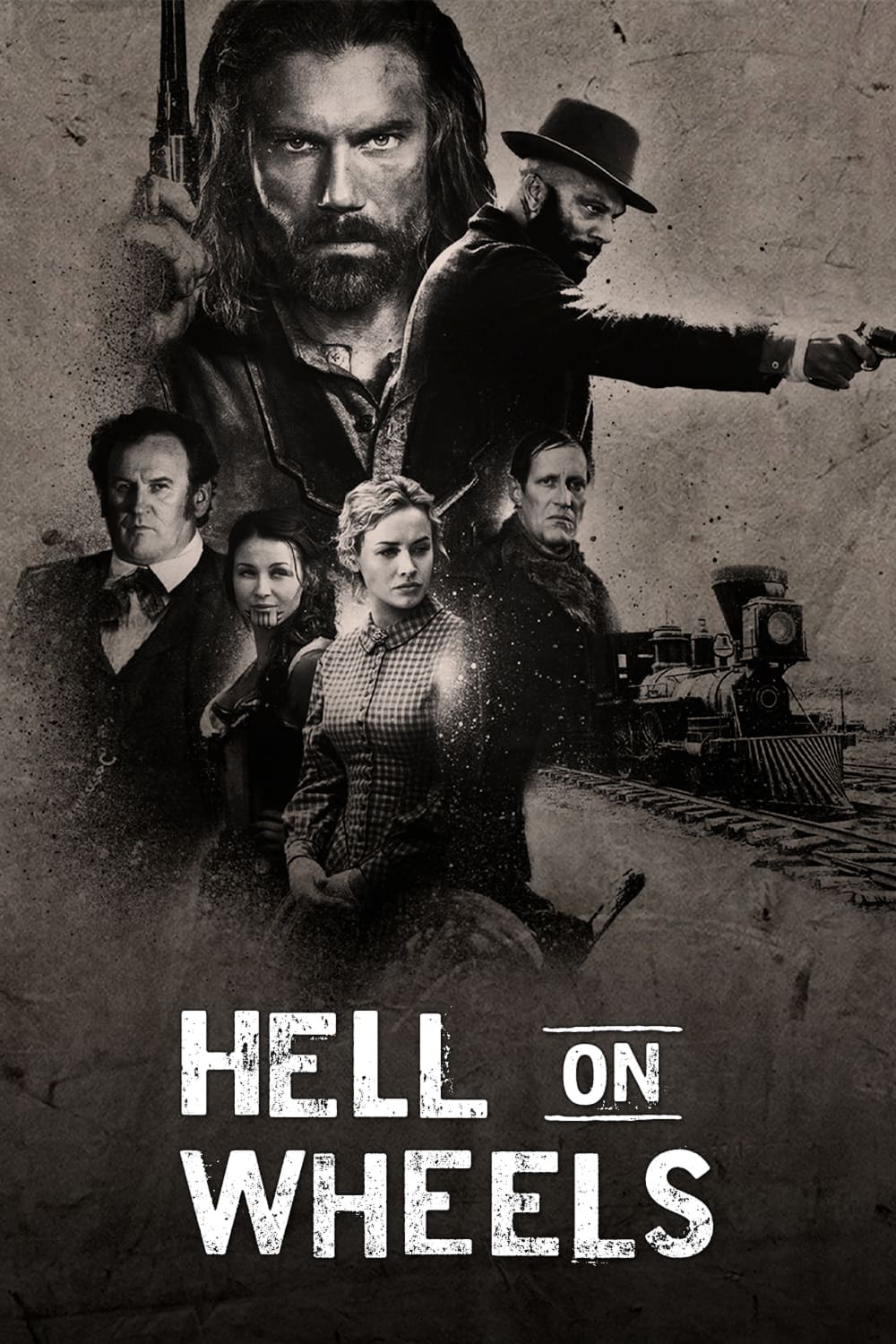
The drama follows workers, financiers, and settlers along the building of a transcontinental railway. Camp life features survey crews, tent offices, machine shops, and freight lines. The show includes contract bidding, land claims, and town charters that grow at the track edge. Trains, telegraph rigs, and working engines appear as daily tools.
‘The Alienist’ (2018–2020)
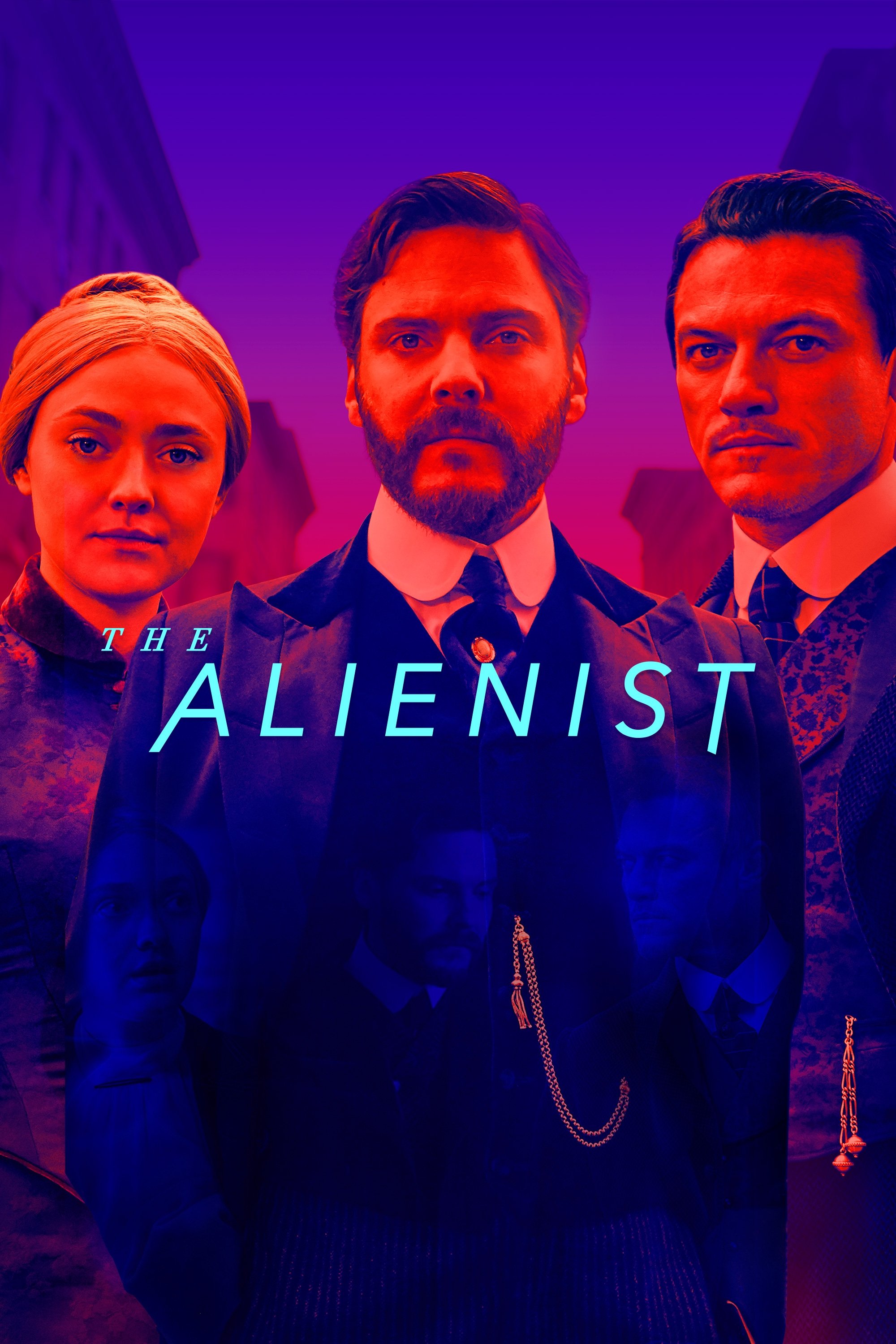
In a city undergoing rapid growth, a team of specialists uses early forensic methods to investigate a string of crimes. Production recreates streets with streetcars, newspaper offices, and bridge works. The series brings in fingerprint practices, psychological profiling, and archive research. Costumes and props show medical instruments, police ledgers, and photography equipment.
‘Versailles’ (2015–2018)
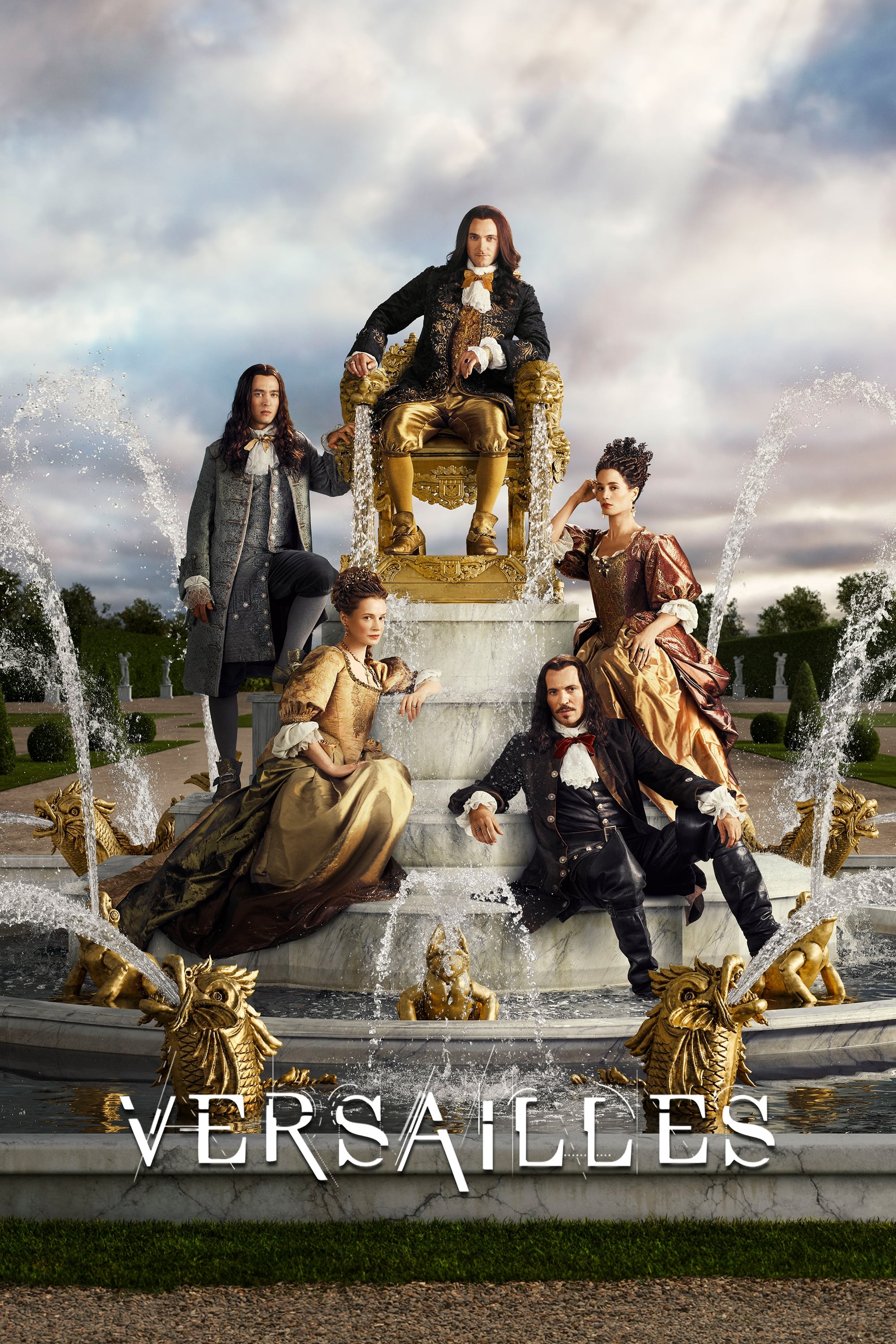
Court life centers on a ruler who moves nobles to a grand palace that becomes a political machine. The show focuses on etiquette, building projects, and ministerial offices that manage war and finance. Sets include gardens, galleries, and apartments with strict access rules. Storylines cover treaty talks, religious policy, and engineering challenges behind the fountains.
‘Victoria’ (2016–2019)
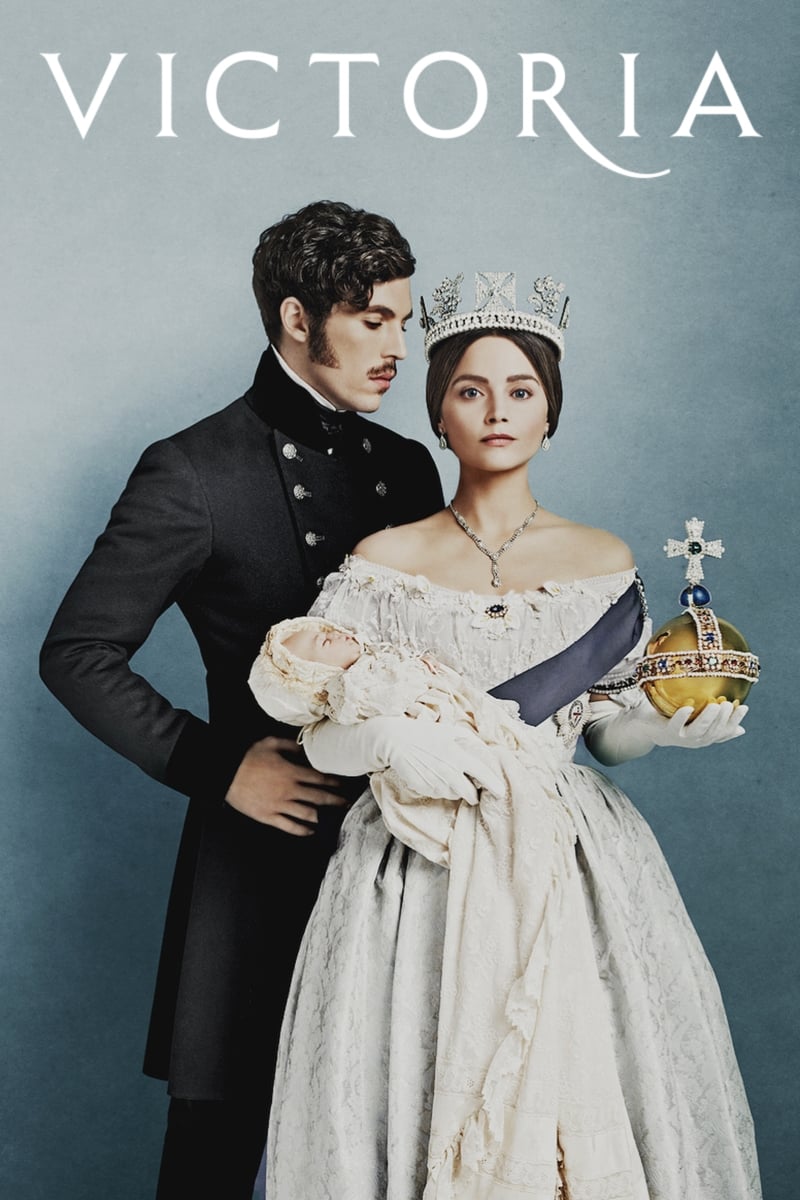
The show begins with a young monarch learning constitutional limits, household management, and diplomatic protocol. Filming uses royal residences, parade grounds, and council chambers. Stories include charting tours, public works, and cabinet changes. The production highlights press coverage, train journeys, and ceremonial calendars.
‘Sanditon’ (2019–2023)
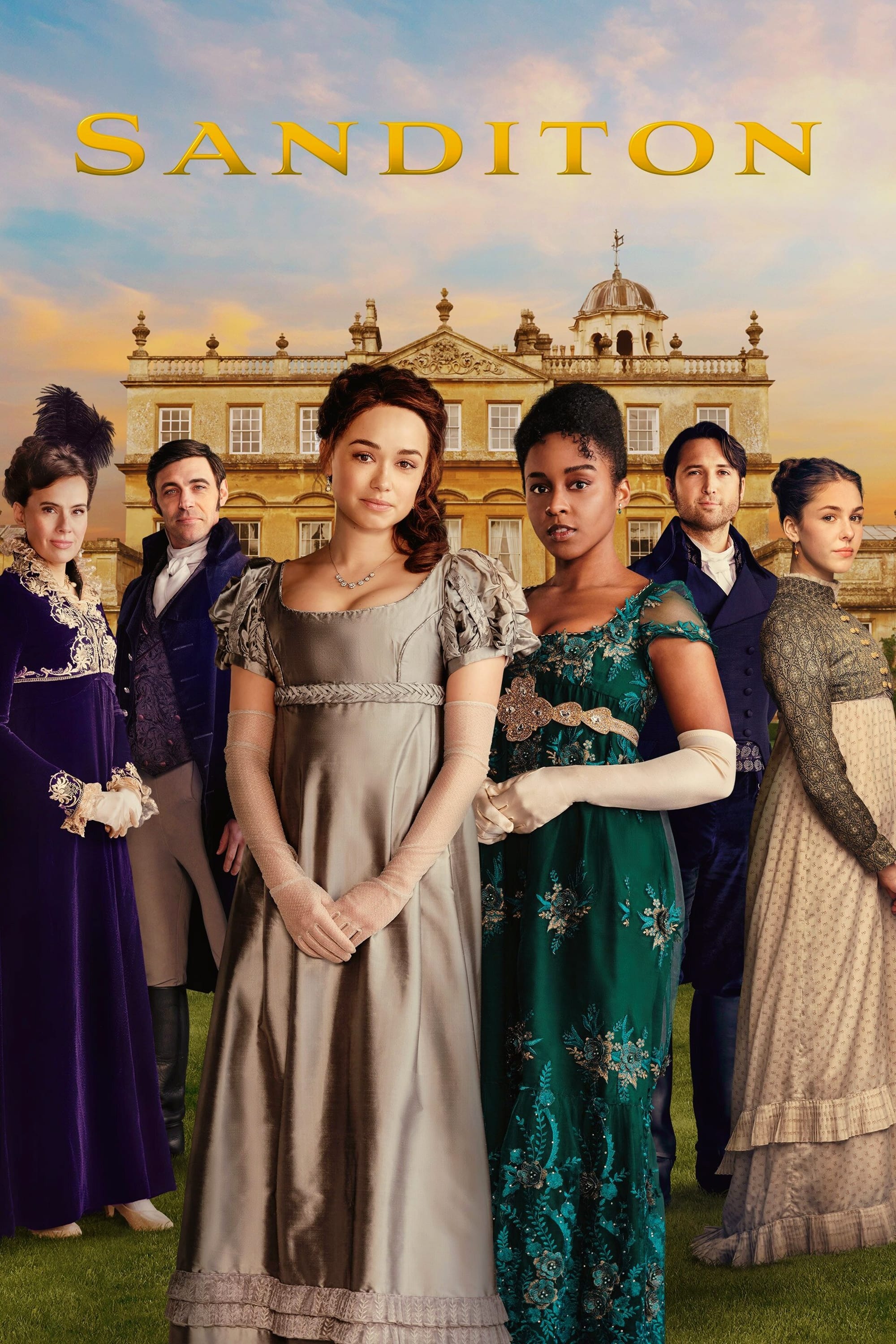
A coastal town markets itself as a modern resort while residents balance investment and tradition. The series features bathing machines, assembly rooms, and construction sites. Plots include inheritance questions, trade partnerships, and social seasons that attract visitors. Production uses seaside promenades and estates to show the town’s growth.
‘Anne with an E’ (2017–2019)
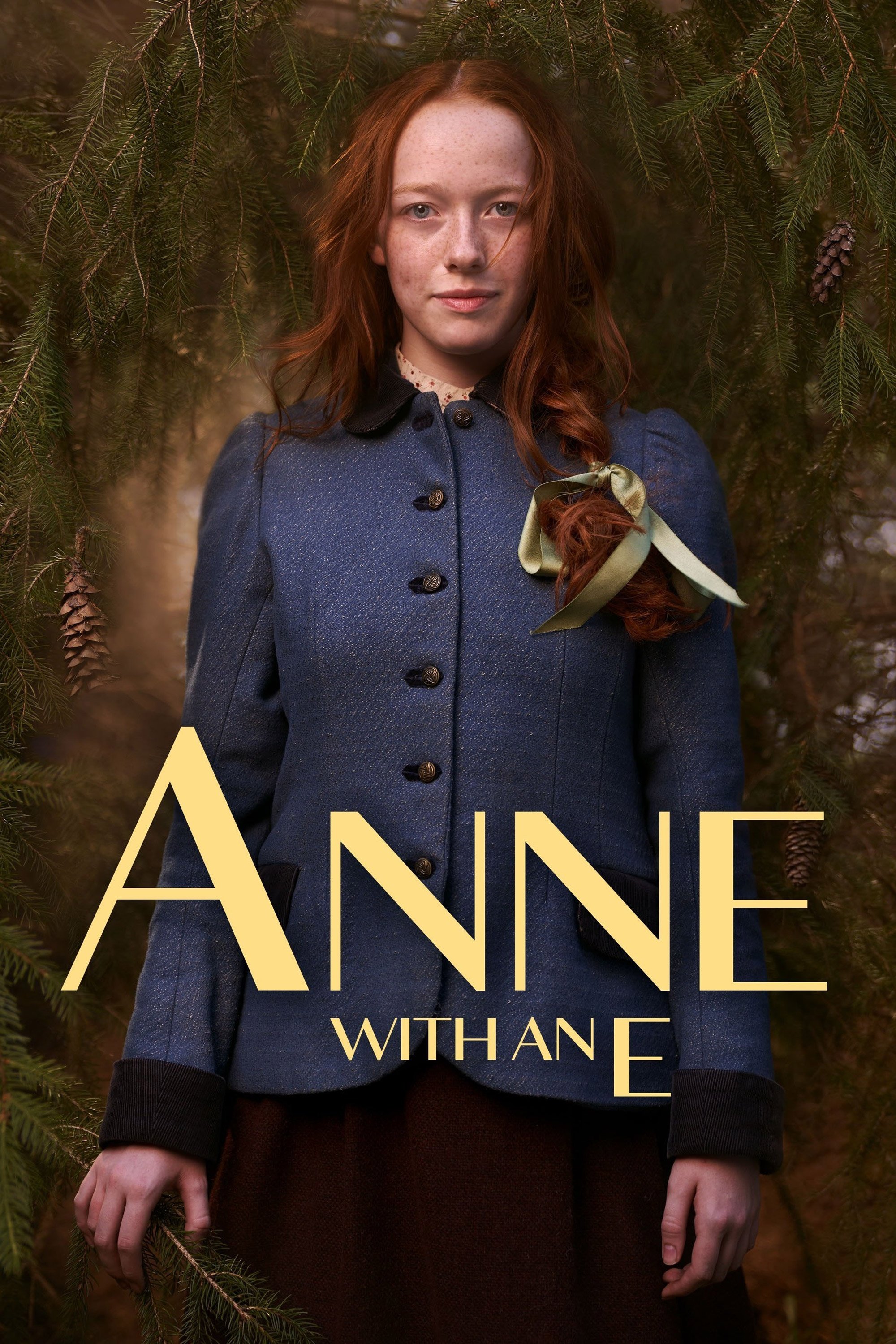
A spirited adoptee settles in a rural community and navigates school, family, and local customs. Filming uses farmhouses, one room classrooms, and village streets. The show brings in debates about education, journalism, and civic clubs. Props and costumes present domestic crafts, print shops, and community picnics.
‘Marco Polo’ (2014–2016)
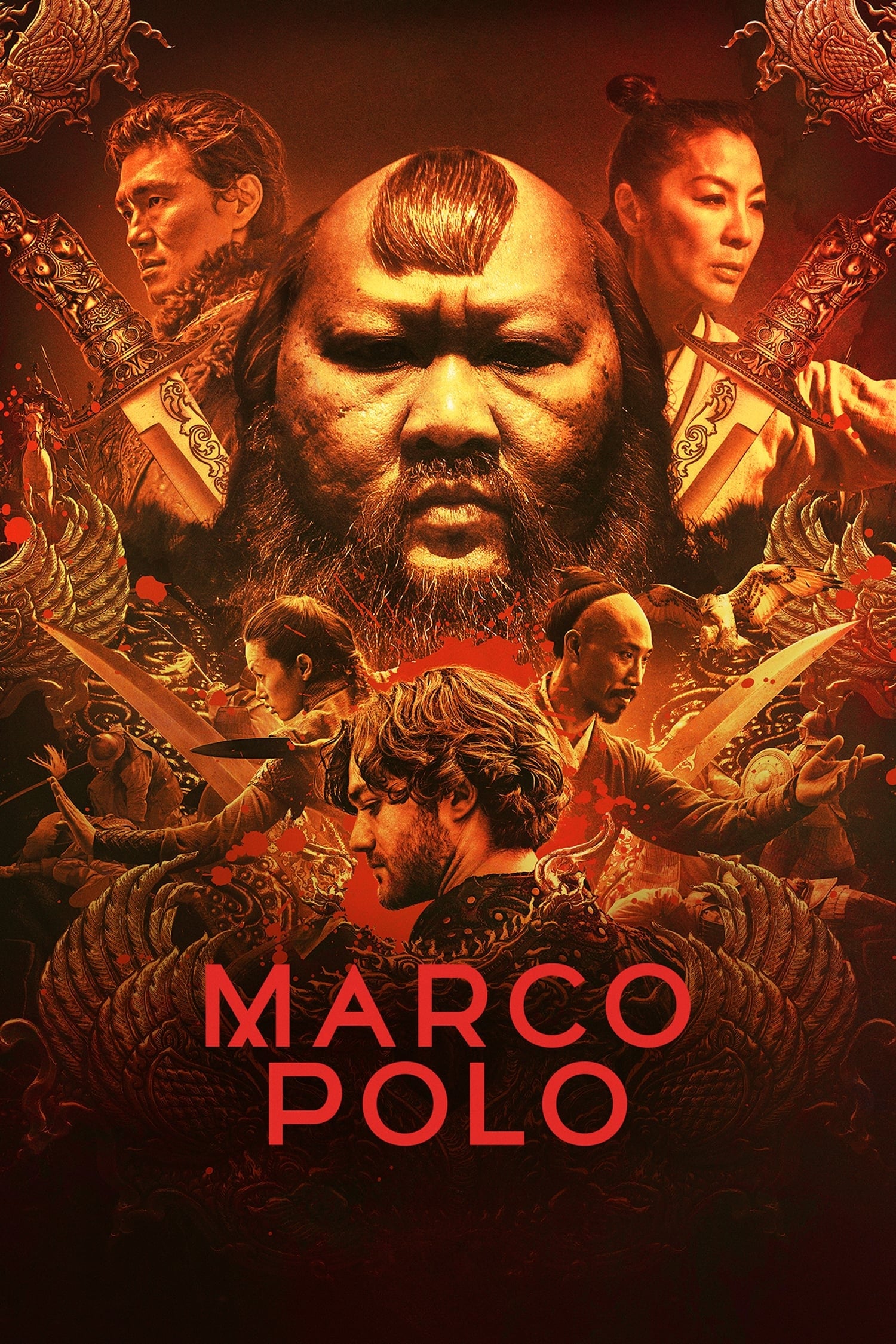
A young foreigner enters a royal court where trade routes, diplomacy, and military campaigns intersect. The production builds palaces, encampments, and markets to show how travel and tribute operate. Storylines involve mapmaking, emissaries, and rival factions. Martial arts choreography and cavalry work support the larger conflicts.
Share your own hidden gem period series in the comments so others can discover them too.

