Poseidon’s Grudge Against Odysseus Finally Explained

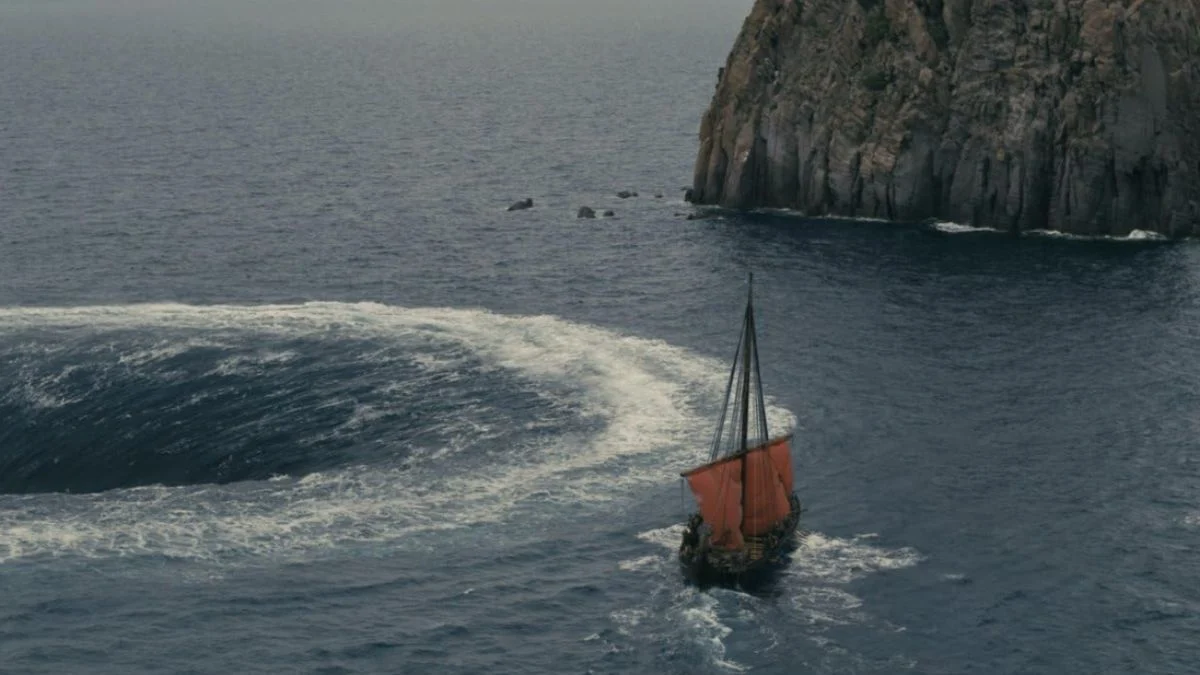

Few rivalries in ancient storytelling run as deep as the one between a sea god and the wandering king who dared to defy him. Fans revisiting ‘The Odyssey‘ for the first time, or diving back in thanks to renewed pop culture interest in Greek mythology, often want to know exactly what set this feud in motion.
The short answer involves a blinded monster, a wounded ego, and a hero who simply couldn’t resist bragging at the worst possible moment.
The Blinding of Polyphemus Sparks the Feud
The origin of Poseidon’s fury traces back to Odysseus and his crew getting trapped in the cave of Polyphemus, a Cyclops who happened to be the sea god’s son. During Odysseus’s journey home, he blinded Polyphemus, the Cyclops monster who just happened to be Poseidon’s son, after the two groups clashed when the crew sought shelter during a storm.

The situation escalated once the giant realized his prized flock and food stores had been raided by uninvited guests. When Polyphemus discovered that Odysseus had eaten his food, he was furious, and he blocked the entrance to the cave, telling the men he planned to eat them slowly.
Odysseus responded with cunning rather than brute force, a move that would define the rest of his ten year voyage. Seeing his crew in danger, Odysseus gave the Cyclops wine, which put him into a drug induced slumber, and once he fell asleep, Odysseus blinded him before escaping with his surviving men.
Odysseus’s Hubris Turns a Wound Into a War
Here’s where the story takes its most fascinating turn for anyone studying ‘The Odyssey’ as a lesson in pride versus punishment. According to one breakdown of the myth, Poseidon’s anger toward the hero was caused not by the blinding of his son, which was arguably a just act following Polyphemus’s own violence, but by the arrogant boasts Odysseus made afterward.
Rather than slipping away quietly, Odysseus couldn’t resist revealing his true identity as his ship pulled away from the shore. Sources note that if he had simply blinded the Cyclops and escaped, Poseidon would not have targeted him, but instead Odysseus mocked his already defeated foe and gave away his identity in the process.
That single decision transformed a personal injury into a divine vendetta. Analysis of the myth points out that had Odysseus not shouted back that he was the king of Ithaca, Polyphemus would have continued insisting that a man named Nobody had attacked him, leaving Poseidon with no target for revenge.
Scholars who study divine anger in ancient epics frame this as something bigger than a simple grudge. One academic analysis argues that Poseidon’s lasting anger toward Odysseus is primarily motivated by pride and prestige, since a god whose offspring calls on him for revenge must follow through in order to assert his own status.
Poseidon’s Curse Shapes the Entire Journey Home
Once Polyphemus called out for retribution, the punishment was set in motion immediately. Blinded and embarrassed, Polyphemus prayed to his father to avenge him, and angry at the humiliation his son suffered, Poseidon complied.
Rather than ending Odysseus’s life outright, Poseidon chose a slower, more agonizing form of justice. Poseidon is portrayed throughout the epic as the embodiment of divine wrath, and rather than killing Odysseus, the god ensured that the hero and his family would suffer through an excruciating, prolonged separation.
This decision explains why a trip that should have taken weeks stretched into a full decade of disaster. One of the main themes of ‘The Odyssey’ is that Poseidon and Odysseus were never on good terms, and the god’s grudge is one of the central reasons the hero’s return home took so long.
It’s worth noting Poseidon wasn’t the only Olympian with a bone to pick early in the story. Early in the tale, it was actually Athena who was angry with the Greek king, having turned against the Greek armies after the desecration of her temple in Troy, though she later let go of much of that animosity.
Why Poseidon Never Simply Killed His Rival
Even at the height of his rage, Poseidon operated within a strict code of divine conduct that kept Odysseus alive despite everything. Death was never considered a fitting punishment for the indignity inflicted on Polyphemus, so instead the sea god controlled the waters to keep Ithaca’s king away from his home and family for as long as possible.
This restraint reflects a broader rule that governed the gods’ interference with humanity throughout the epic. One scholarly reading suggests the supreme god Zeus tended to prevent the loss of human life, especially when the offending party had not committed outright sacrilege, though sometimes a powerful god’s feelings ran so high that Zeus had to let events play out to preserve peace among the Olympians.
Fans of Greek mythology often point to this as proof that Odysseus was never truly doomed, just delayed and humbled. Even Poseidon’s harshest supporters within the pantheon seemed to recognize that pride, not survival, was the real stake in this ancient standoff.
What do you think was the bigger mistake, Odysseus blinding Polyphemus in the first place, or shouting his own name across the water when silence would have kept Poseidon’s wrath at bay forever?