Quentin Tarantino Reveals the One Non-Negotiable Rule Every Actor Must Follow on His Sets

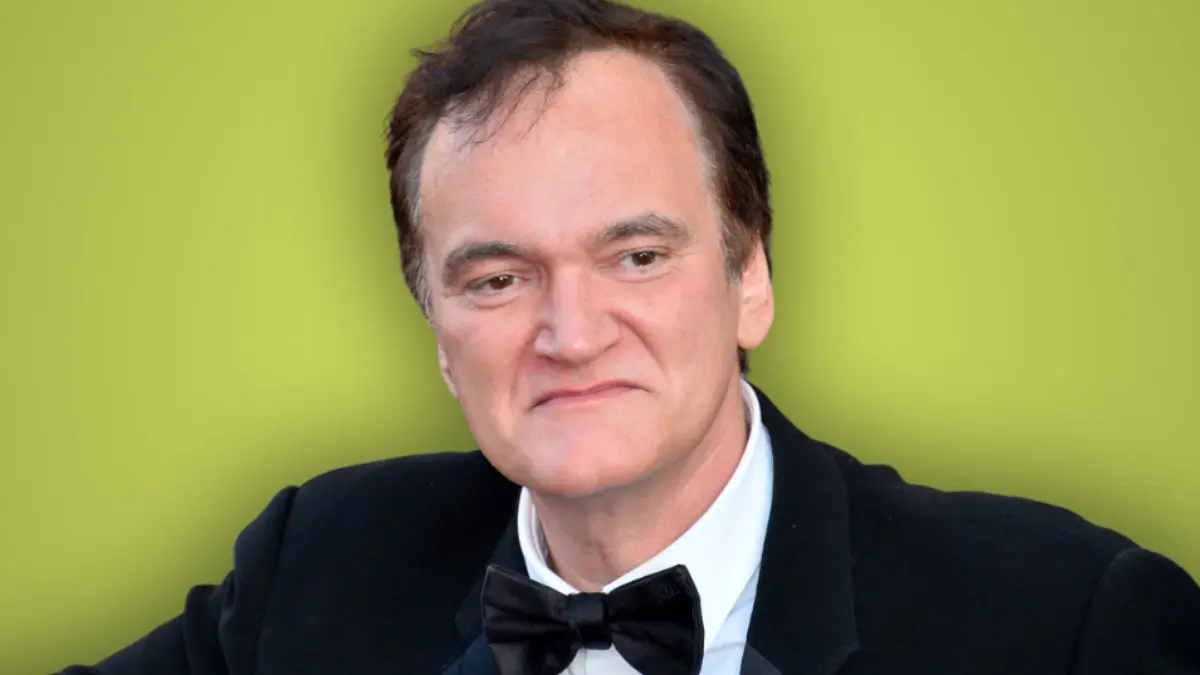

Quentin Tarantino has built one of cinema’s most distinctive careers around dense, rhythmic dialogue that’s become instantly recognizable across nearly every project he’s directed. From “Pulp Fiction” to “Django Unchained,” his scripts have always demanded a level of precision from actors that goes well beyond simply hitting marks and saying lines convincingly.
That demand for precision, it turns out, isn’t just a stylistic preference. It’s a strict, non-negotiable rule the director expects every actor to follow the moment they step onto one of his sets, regardless of how big or small their role might be.
Speaking about his approach to directing actors, Tarantino laid out that expectation in blunt terms. “The one rule that I have is you have to know my dialogue backwards and forwards.
When you show up on the set, you need to know my dialogue as if it was your fourth week of a Broadway run after a six-week tryout,” he explained, adding that “anything else, you are ripping me off,” as he told Variety during an appearance at the Jerusalem Cinematheque.
That comparison to Broadway readiness reflects just how seriously Tarantino treats dialogue delivery as foundational to his filmmaking process. He’s been equally direct about the consequences of falling short of that standard, warning that failing to arrive fully prepared amounts to a form of disrespect toward both him and the material itself.
Tarantino elaborated further on why that level of preparation matters so much to his creative process, explaining that he’s specifically chasing a particular kind of performance breakthrough. He described searching for “that take when an actor just happens to kick in to something,” the moment where a performer stops consciously acting and simply becomes the character, a shift he said actors themselves often describe as suddenly being unable to get anything wrong once they’ve reached it.
Beyond the dialogue rule itself, Tarantino has also been candid about how he views his overall authority on set. Speaking at the same Jerusalem appearance, he described his leadership style using nautical terms, saying, “I am the captain of the ship, which means the actors have to listen to me,” according to comments carried by Variety.
That authority, however, doesn’t translate into a purely dictatorial approach once cameras start rolling. Tarantino clarified that his goal isn’t simply to impose his will on performers, but rather to help them extract the best possible version of their performance, framing the captain analogy as applying specifically to overall creative direction rather than moment-to-moment acting choices.
That distinction lines up with how Tarantino has described his working relationship with actors in other settings as well. He’s previously emphasized a more intimate, conversational approach to giving direction, preferring to walk over and speak with actors quietly rather than shouting instructions across a busy set, a style that stands in contrast to his reputation as a demanding, detail-obsessed filmmaker.
For actors hoping to work with Tarantino, the message across these comments is consistent: dialogue mastery isn’t optional, but the director sees that discipline as the gateway to genuinely transformative performances rather than an end in itself. Given how memorable his films’ dialogue has become across a career spanning multiple decades, it’s clear this particular rule has played no small part in shaping his signature style.
What do you think of Quentin Tarantino’s strict dialogue rule for actors?
Have something to add? Let us know in the comments!