Quentin Tarantino Sparks Debate After Calling Stanley Kubrick a Hypocrite

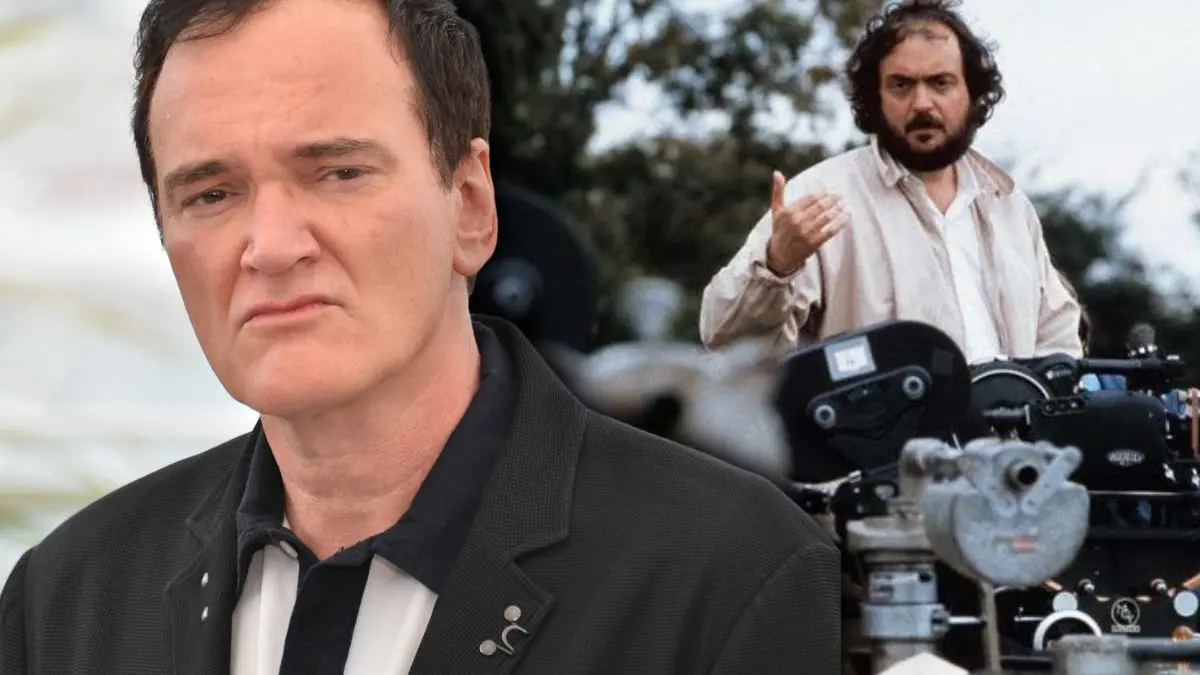

Quentin Tarantino once made a very direct and controversial comment about legendary filmmaker Stanley Kubrick. While Kubrick is widely respected in the film world and often treated as one of the greatest directors of all time, Tarantino said he did not fully agree with how Kubrick presented violence in his movies.
The comments were reported by The New Yorker in a profile published before the release of Kill Bill. In that interview, Tarantino spoke openly about his views on cinema and shared his thoughts on Kubrick’s work. According to the article, Tarantino even described Kubrick as a “hypocrite” because of how he talked about violence in film compared to what was shown in his movies.
Kubrick’s films often explore dark and serious themes. Movies like The Shining, Paths of Glory, Full Metal Jacket, and 2001: A Space Odyssey all deal with power, human behavior, and the consequences of violence. Kubrick often explained that his intention was to criticize violence, not support it. However, Tarantino did not fully accept that explanation.
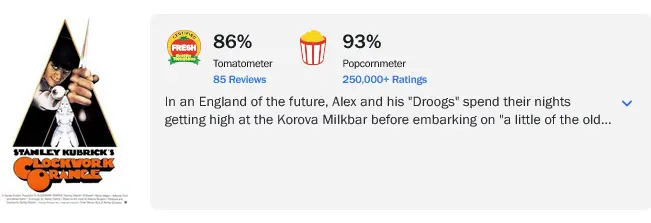
Tarantino pointed specifically to A Clockwork Orange. Kubrick had described the film as a story that warns against violence. He said it was meant to be a film about violence rather than a film that celebrates it. But Tarantino disagreed with that idea.
He felt that the movie’s first part shows violence in a way that is exciting and almost entertaining. In his view, the later part of the film shifts into punishment and moral lessons, which he found less honest compared to the beginning. This led him to believe that Kubrick was trying to present two different messages at the same time.
Tarantino did not say he disliked the film completely. In fact, he praised parts of it very strongly. He described the opening section of A Clockwork Orange as extremely powerful and visually perfect. He said it felt like one of the most impressive pieces of filmmaking ever created at the time. Still, he believed the rest of the movie did not match the same energy or honesty.
According to The New Yorker profile, Tarantino also said he prefers Adrian Lyne’s 1997 version of Lolita over Kubrick’s earlier adaptation. This was another example of how his personal taste often goes against popular critical opinion.
Beyond his comments on Kubrick, Tarantino has always been very open about how he sees violence in movies. He believes there is a clear difference between violence on screen and violence in real life. In his view, movie violence is fictional and meant for entertainment, while real violence is harmful and serious.
He has also never agreed with the idea that filmmakers need to justify violence by saying it has a deeper moral message. Instead, he has often said that he enjoys cinematic violence as part of storytelling and style, not as a lesson or warning.
These comments show a clear contrast between Tarantino and Kubrick in how they think about film. Kubrick often tried to give violence a moral or philosophical meaning, while Tarantino treats it more as entertainment and expression. The disagreement has become one of the more discussed examples of how two major filmmakers can see the same subject in very different ways.
Have something to add? Let us know in the comments!