


8 RPGs That Skip the End-Game Content



Role-playing games often hook players with sprawling worlds and deep stories, but many keep you playing long after the credits roll with endless end-game content. Some RPGs, however, take a different path, focusing on a tight narrative or linear journey without piling on extra tasks once the main story wraps up.
I’ve rounded up eight RPGs that avoid the typical end-game grind, offering complete experiences that don’t push you to keep grinding for loot or chasing optional challenges. These games prioritize their core story or gameplay, letting you walk away satisfied once the final boss falls. Each title below stands out for its focused approach, and I’ll dive into why they work so well without dragging you into post-game marathons.
Final Fantasy Adventure
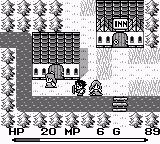
‘Final Fantasy Adventure’ (1991), the first entry in the Mana series, delivers a compact yet emotional journey on the Game Boy. You play as Sumo, a gladiator forced to fight for an evil empire, uncovering a tale of sacrifice and rebellion. Its linear structure keeps you on the main path, with every action tied to the story.
There’s no sprawling end-game here—just a concise adventure that wraps up neatly. Optional objectives exist, but they’re minimal and don’t distract from the narrative. The game’s polished combat and heartfelt story make it a classic that respects your time, perfect for players who want a complete experience without lingering extras.
Earthbound
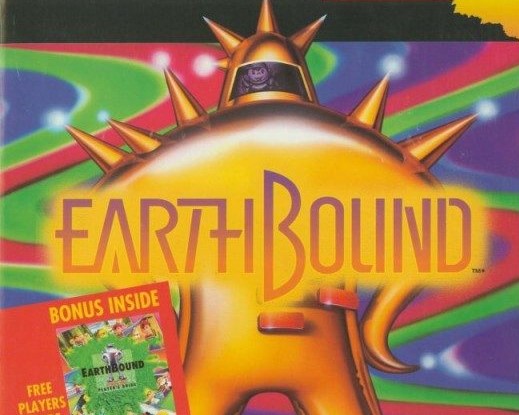
‘Earthbound’ (1994) is a quirky SNES gem where you guide Ness and his friends through a whimsical, modern-day adventure to stop an alien threat. Its charm lies in its simplicity, blending humor with a straightforward story that doesn’t overstay its welcome. Side quests are nearly nonexistent, keeping the focus on the main journey.
Once you defeat the final boss, the game wraps up with a satisfying epilogue. There’s no post-game dungeon or grind-heavy challenges to chase. Optional items add flavor but aren’t needed to finish the story, making ‘Earthbound’ a refreshing, self-contained RPG that prioritizes heart over endless content.
South Park: The Stick of Truth
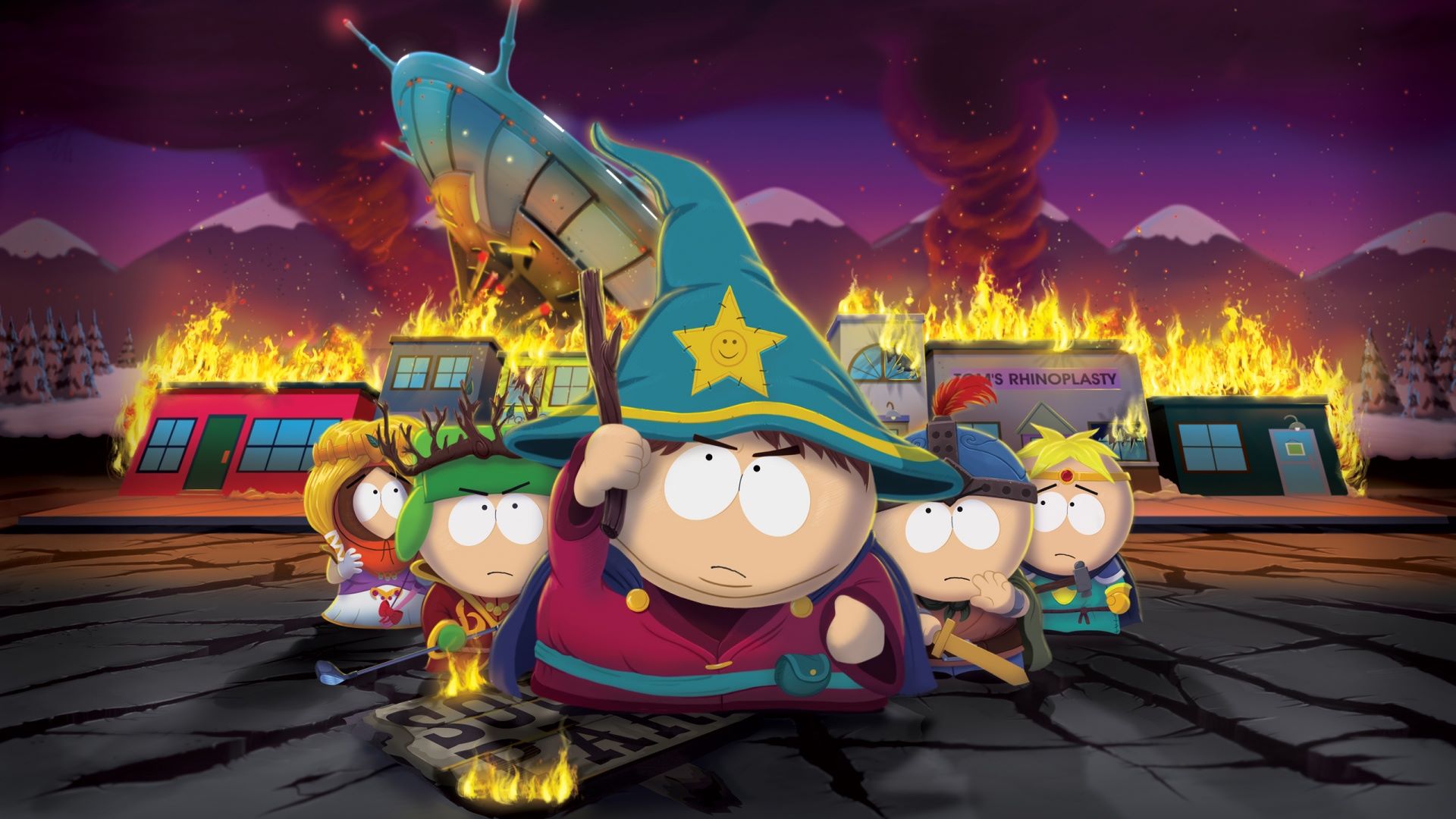
‘South Park: The Stick of Truth’ (2014), based on the animated series ‘South Park’ (1997–present), throws you into a hilarious, turn-based RPG as the New Kid caught in a fantasy role-playing game. Developed by Obsidian, it captures the show’s crude humor and chaotic energy while keeping the experience tight and story-driven.
The game offers about 20 side missions, but they’re short and optional, adding just a few hours to the roughly 12-hour main story. Once you finish, there’s no sprawling end-game to pull you back in. Its focus on narrative and character development makes it a quick, memorable romp for fans and newcomers alike.
Grandia 2
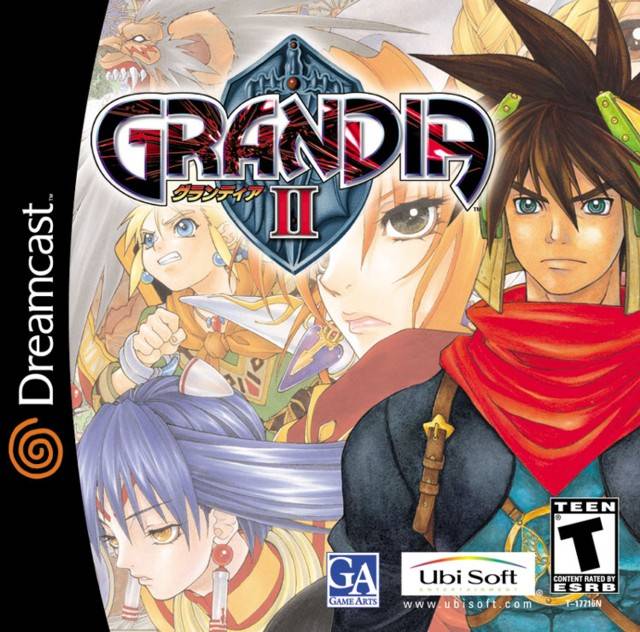
‘Grandia 2’ (2000) follows Ryudo, a cynical mercenary, on a quest to save the world from a dark god’s revival. Known for its engaging turn-based combat and character-driven plot, this Dreamcast and PlayStation 2 title keeps things linear, with most quests pushing the story forward.
An optional dungeon offers a slight detour, but there’s no deep end-game content to grind through. The game’s focus on its emotional narrative and strategic battles ensures you feel complete once the credits roll. It’s a perfect pick for players who want a polished RPG without post-game busywork.
Fallout Tactics: Brotherhood of Steel
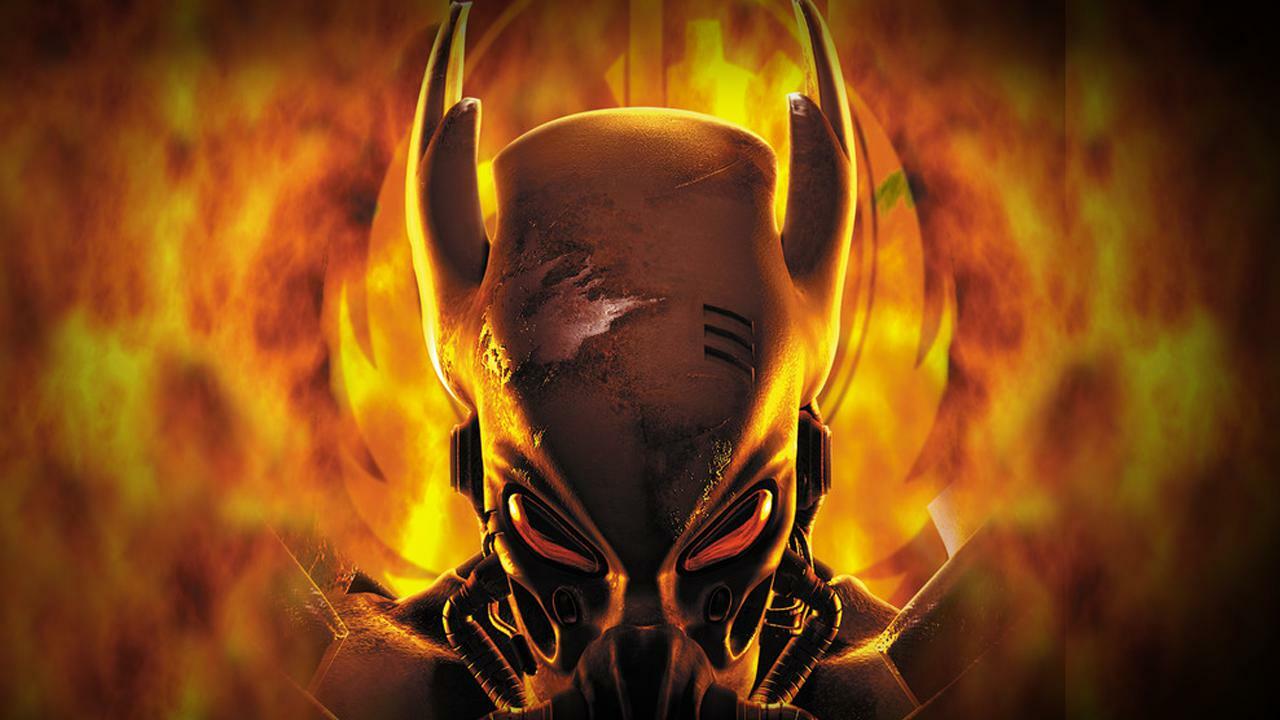
‘Fallout Tactics: Brotherhood of Steel’ (2001) shifts the Fallout series to a tactical, grid-based RPG set in a post-apocalyptic Chicago. You lead a squad of Brotherhood of Steel recruits, completing missions that shape the wasteland’s future. Its structure is mission-driven, with every task tied to the main narrative.
There’s no open-ended post-game content—once you finish the campaign, the story concludes. Some extra content exists, but it’s minimal and tied to the main objectives. This focus on a structured, tactical experience makes it stand out for players who prefer a clear endpoint over endless grinding.
The Witcher
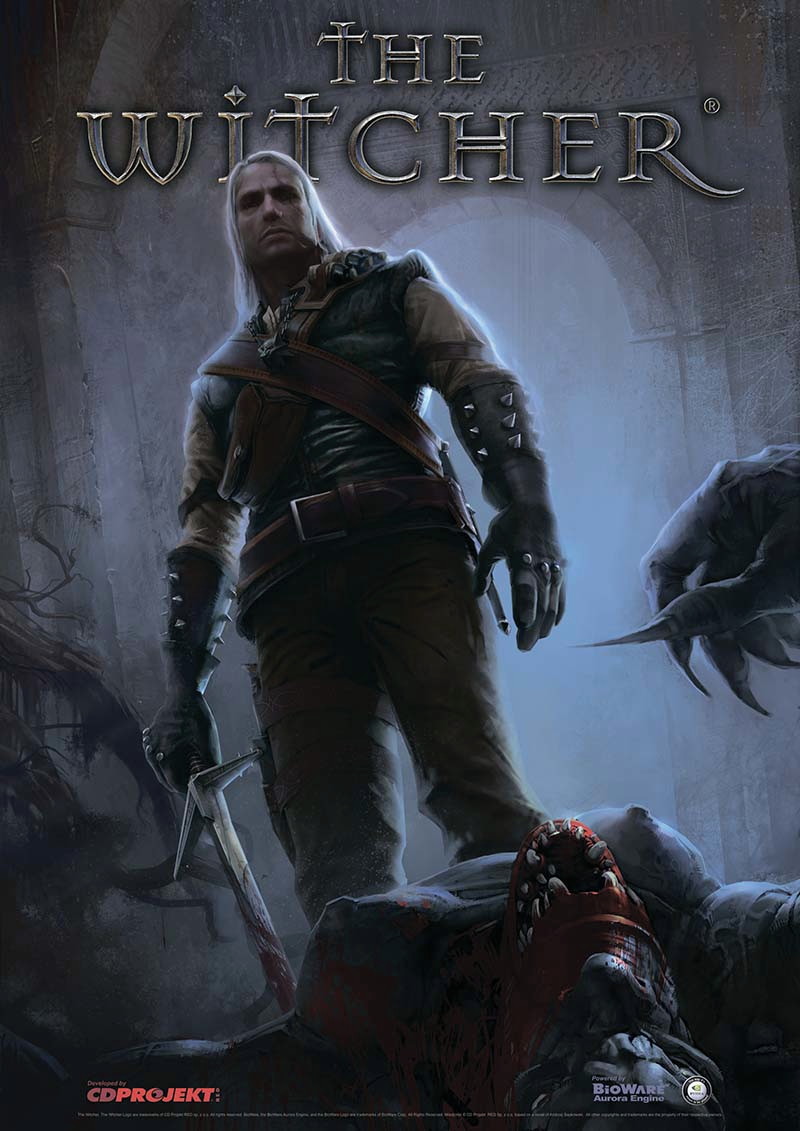
‘The Witcher’ (2007) introduces Geralt of Rivia, a monster hunter navigating a gritty fantasy world. Based on Andrzej Sapkowski’s books, this PC RPG emphasizes choice-driven storytelling and detective-like investigations. Its grounded narrative avoids cosmic stakes, focusing on personal and political conflicts.
Once the main story ends, there’s no end-game grind to keep you hooked. Side quests are plentiful but woven into the campaign, and the game doesn’t push you into post-game loops. Its focus on meaningful choices and a tight narrative makes it ideal for players who want closure without extra fluff.
Deus Ex
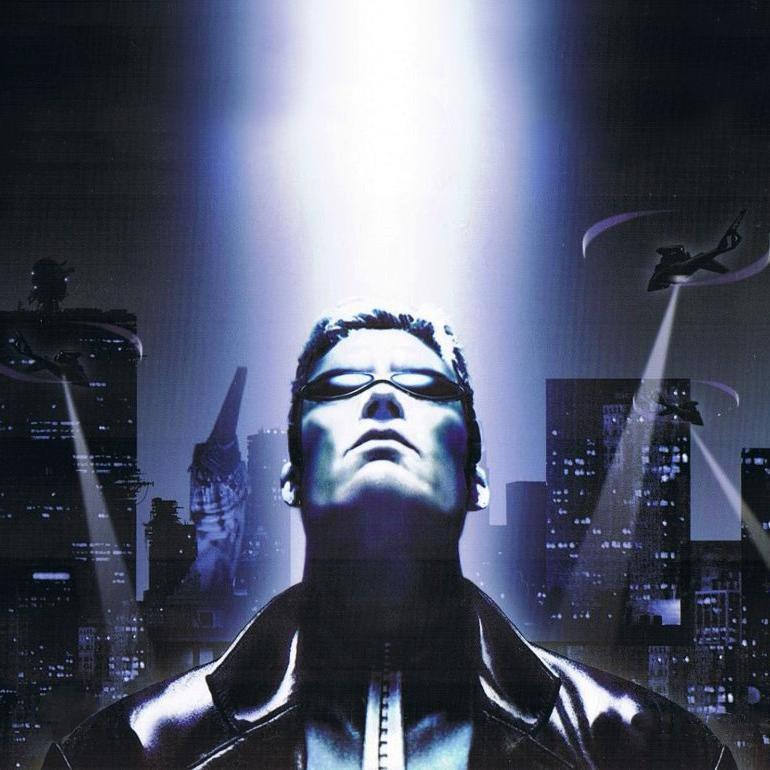
‘Deus Ex’ (2000) is a cyberpunk RPG where you play as JC Denton, a nano-augmented agent unraveling global conspiracies. Its blend of stealth, combat, and player choice set a new standard for immersive sims. The story-driven missions keep you focused on the narrative, with three endings based on your decisions.
There’s no end-game content to chase after the finale—your choices wrap up the story, and that’s it. Optional objectives exist but directly impact the plot, not some post-game grind. This focus on a cohesive, choice-heavy experience makes ‘Deus Ex’ a timeless RPG that doesn’t overstay its welcome.
Alpha Protocol
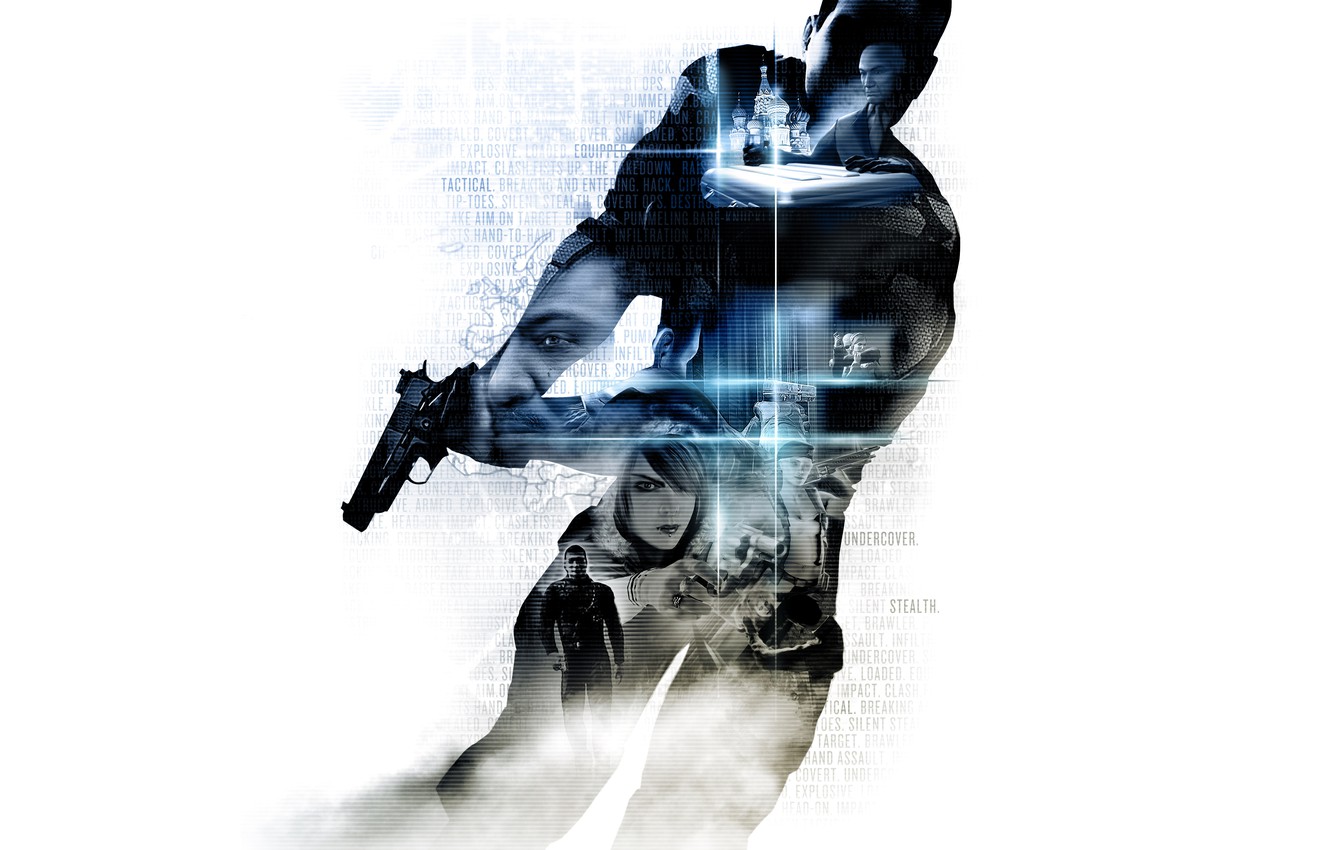
‘Alpha Protocol’ (2010) casts you as Michael Thorton, a spy navigating a web of international intrigue. This Obsidian-developed RPG blends stealth, combat, and deep player choice, letting you shape the story through alliances and betrayals. Its grounded plot avoids world-ending stakes, focusing on espionage and personal motives.
Once you reach the ending, there’s no post-game content to drag things out. Side missions are tied to the main story, and the game wraps up cleanly based on your choices. Its emphasis on replayability through branching paths makes it rewarding without needing endless end-game tasks.
Which of these RPGs have you played, or is there another story-focused gem I missed? Drop your thoughts in the comments!

