


Scariest Non-Horror Movies in History

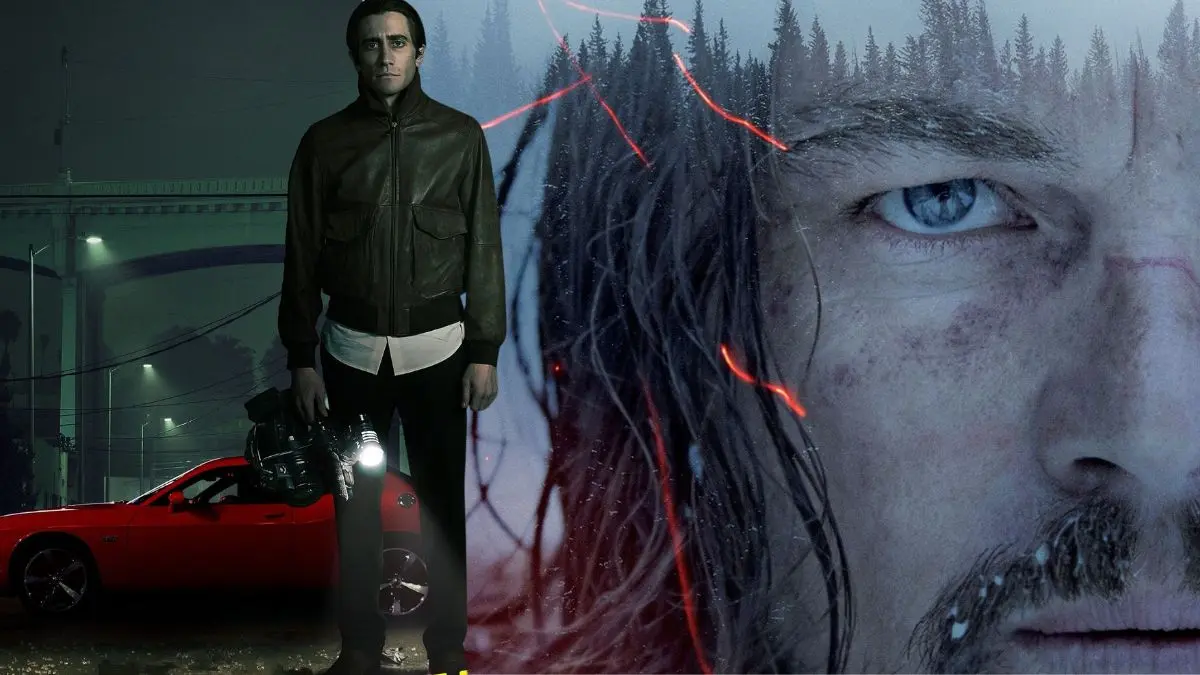


Some films are not labeled as horror, yet they make viewers tense with real world danger, extreme psychological pressure, or a sense of dread that does not let up. These stories sit in drama, thriller, or even satire, but they use craft and subject matter that keep people uneasy long after the credits roll.
This list gathers films from different decades and genres that built their power through grounded stakes, unsettling realism, and precise filmmaking choices. Each entry notes cast or production details that shaped the mood, along with a quiet nod to who brought the film to theaters so you can trace where and how it reached audiences.
‘Schindler’s List’ (1993)
Steven Spielberg follows Oskar Schindler as he uses his factory to employ and protect Jewish workers during the Holocaust, with the narrative drawn from Thomas Keneally’s book. The film uses black and white cinematography and location shooting in Kraków to document historical events with meticulous detail.
The release was handled worldwide with a major push that included a wide theatrical rollout in the United States through Universal Pictures. The film’s archival restorations and educational screenings have kept it in circulation for new generations.
‘United 93’ (2006)

Writer director Paul Greengrass reconstructs the events aboard United Airlines Flight 93 on September 11 using a mix of professional actors and people connected to the actual day. Real time pacing and cockpit procedures are presented from official records and the 9/11 Commission Report.
The film reached theaters in North America under Universal Pictures, with international distribution aligned to local partners. Its release strategy emphasized respectful marketing and limited advance screenings for families and first responders.
‘Requiem for a Dream’ (2000)
Darren Aronofsky adapts Hubert Selby Jr.’s novel about four Coney Island residents whose lives spiral through stimulant and opioid addiction. The film’s split screens, tight close ups, and rapid “hip hop montage” technique track each dose, purchase, and crash with clinical repetition.
Artisan Entertainment managed the American theatrical release, including an unrated cut after the ratings board decision. Later home video and streaming editions were issued after Lions Gate acquired Artisan’s catalog.
‘Whiplash’ (2014)

Miles Teller plays a first year jazz drummer who enters the top ensemble at a New York conservatory, with J K Simmons as the demanding conductor. Practice room scenes were staged with live playing and precise editing that matches the tempo markings in the score.
Sony Pictures Classics handled the platform release out of Sundance, expanding to additional cities as awards attention grew. International runs followed through the same specialty distribution arm.
‘Black Swan’ (2010)

Natalie Portman portrays a ballet dancer preparing for a dual role that requires technical precision and enormous physical strain. Choreography was developed with the American Ballet Theatre, and handheld cameras were used backstage to keep the movement close and tense.
Fox Searchlight Pictures opened the film in a limited pattern before moving nationwide during awards season. The distributor also coordinated special screenings with dance communities in multiple markets.
‘Zodiac’ (2007)
David Fincher chronicles the investigation into the Zodiac killings across San Francisco newspapers and police departments, drawing from court records and Robert Graysmith’s books. The production tracked period fonts, press deadlines, and city geography to map the case over many years.
The film’s domestic release was overseen by Paramount Pictures, while Warner Bros. handled most territories abroad. This split arrangement placed marketing with the respective studio teams best positioned for each region.
‘No Country for Old Men’ (2007)
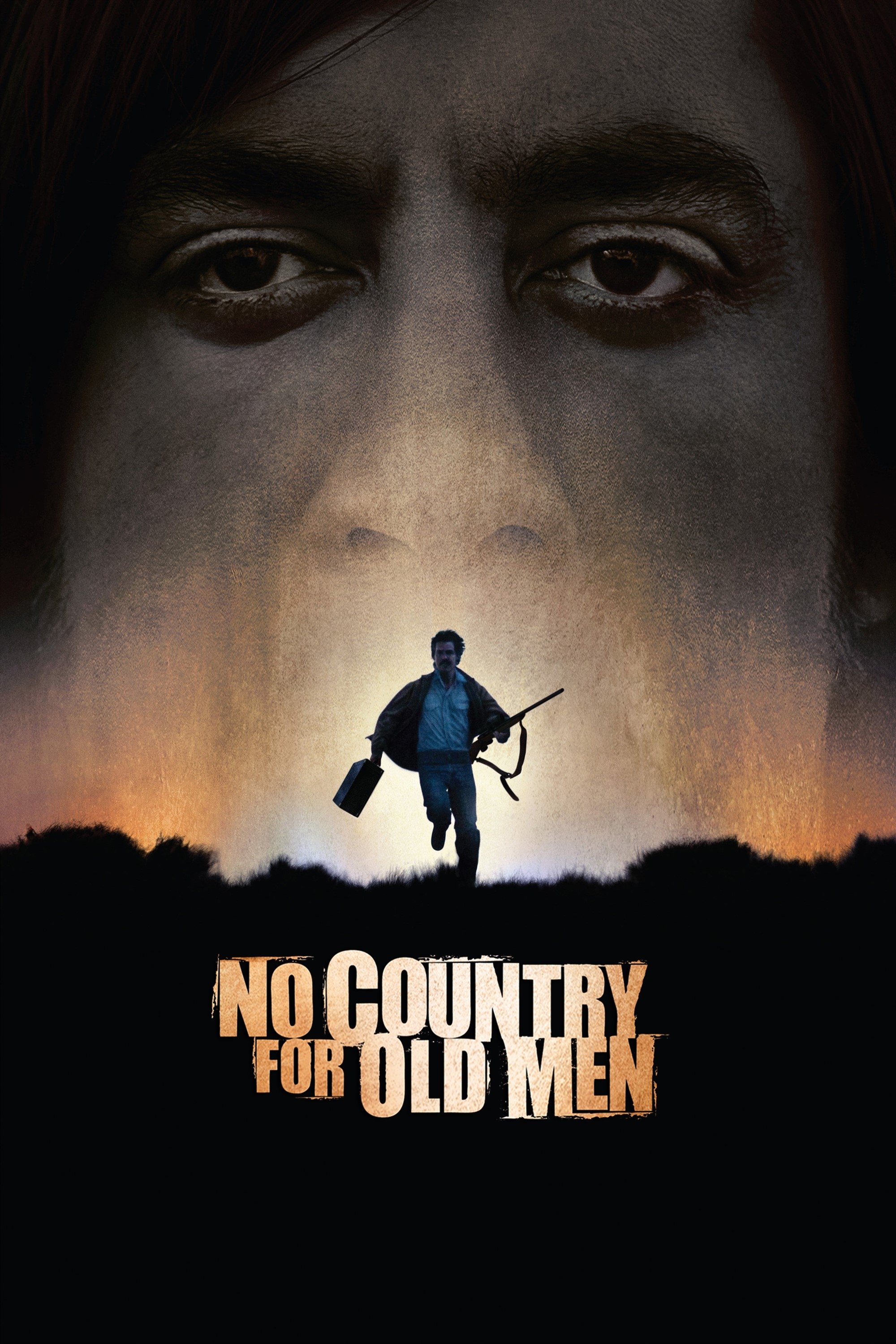
Joel and Ethan Coen adapt Cormac McCarthy’s border novel, following a welder who finds a case of money and a relentless hitman who pursues it. The sparse sound design removes nonessential music so that wind, footsteps, and weapons mechanics drive the tension.
The film’s theatrical rollout in the United States was steered by Miramax Films with Paramount Vantage involved on the specialty side. International dates were coordinated through Buena Vista International territories.
‘Sicario’ (2015)
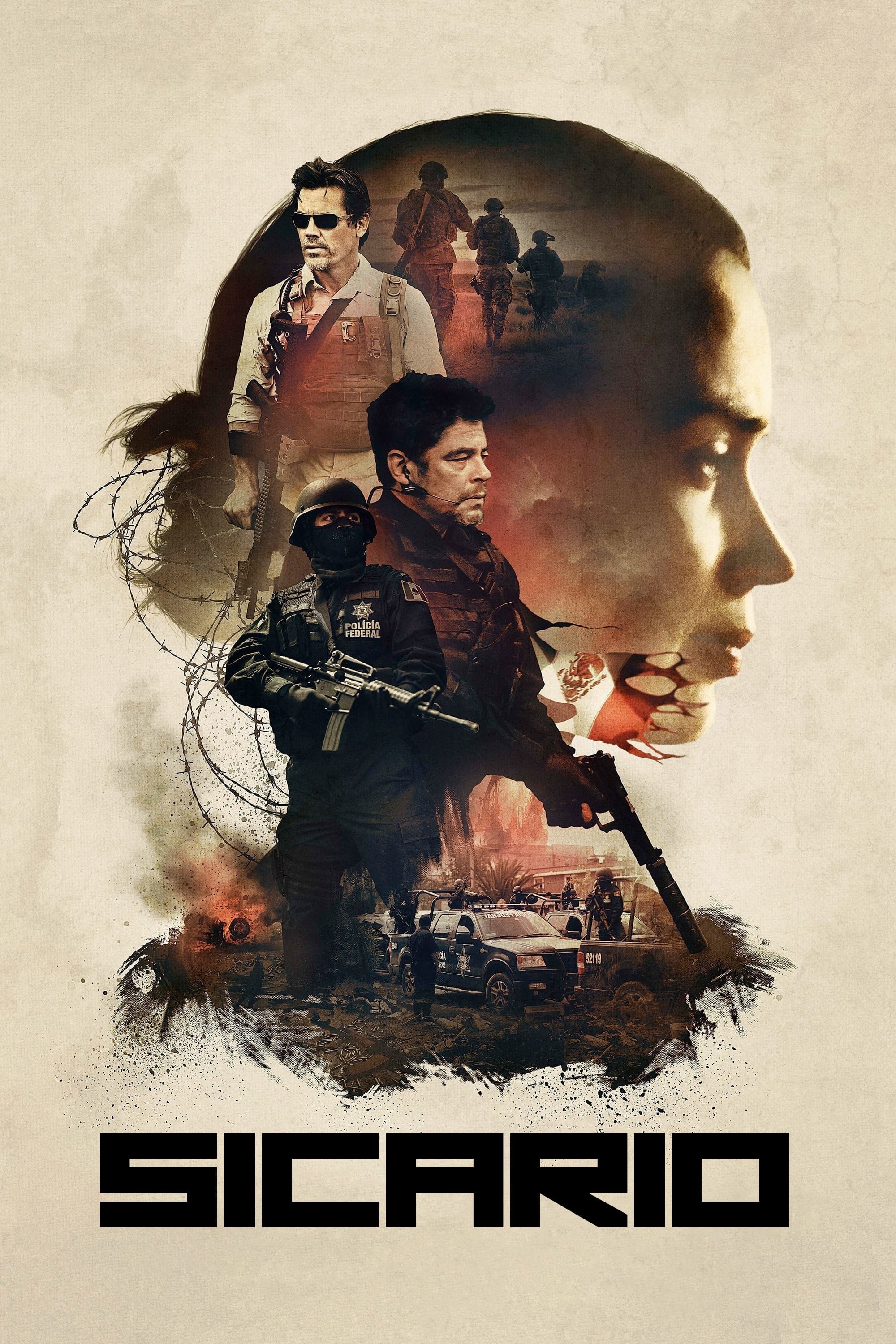
An FBI agent joins a task force operating along the US Mexico border, with the story tracking jurisdictional gray areas and covert operations. Roger Deakins shot the nighttime and desert sequences to match real border lighting conditions and surveillance imagery.
Lionsgate distributed the film in North America, using a platform strategy that started with key cities and expanded nationwide. Overseas releases were scheduled with local partners tied to Lionsgate’s network.
‘Nightcrawler’ (2014)
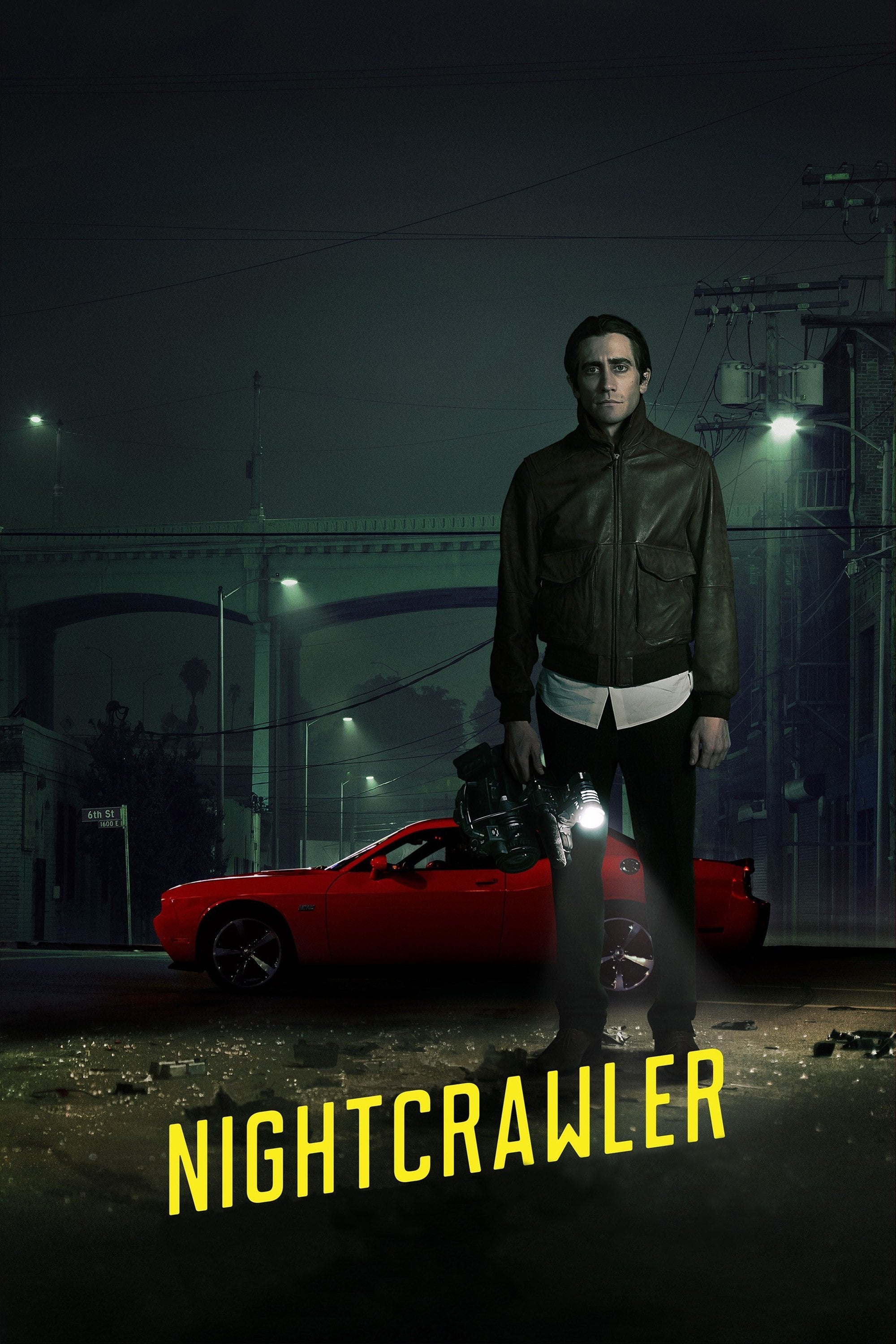
Jake Gyllenhaal plays a stringer who learns how to monitor police scanners and arrive first at crime scenes to shoot footage for local news. The film uses real Los Angeles locations and late night production blocks to capture empty streets and bright emergency lights.
Open Road Films handled the domestic release with a campaign focused on media ethics and city noir imagery. The film later moved to streaming and cable windows through the same distribution pipeline.
‘Prisoners’ (2013)
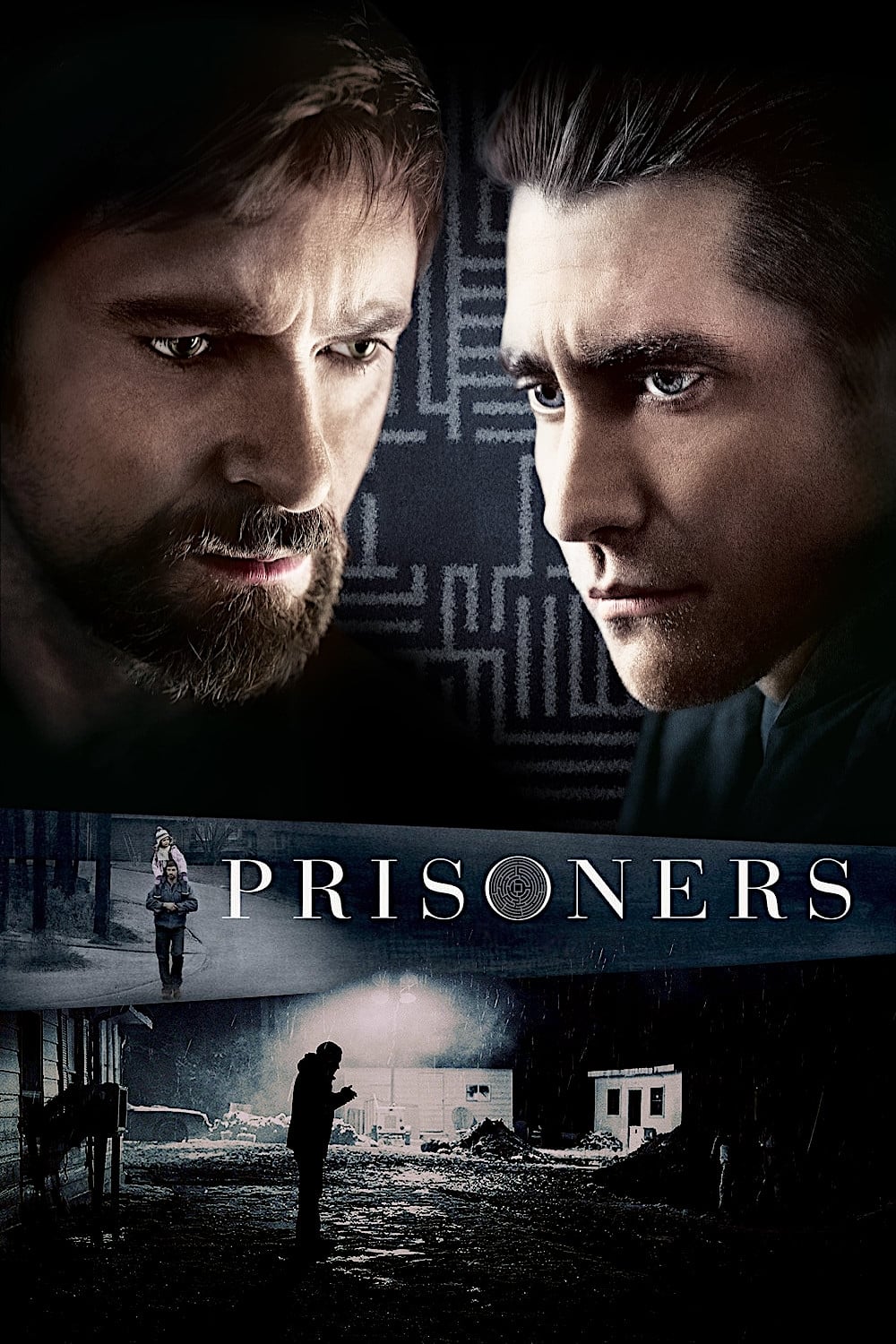
A Pennsylvania father searches for his missing daughter as a detective follows leads that grow more complicated by the day. The narrative uses overlapping timelines and weather changes to mark shifts in the investigation.
Warner Bros. Pictures distributed the film in the United States and many international territories. The studio supported awards season screenings that kept the title in theaters well into the fall.
‘Joker’ (2019)
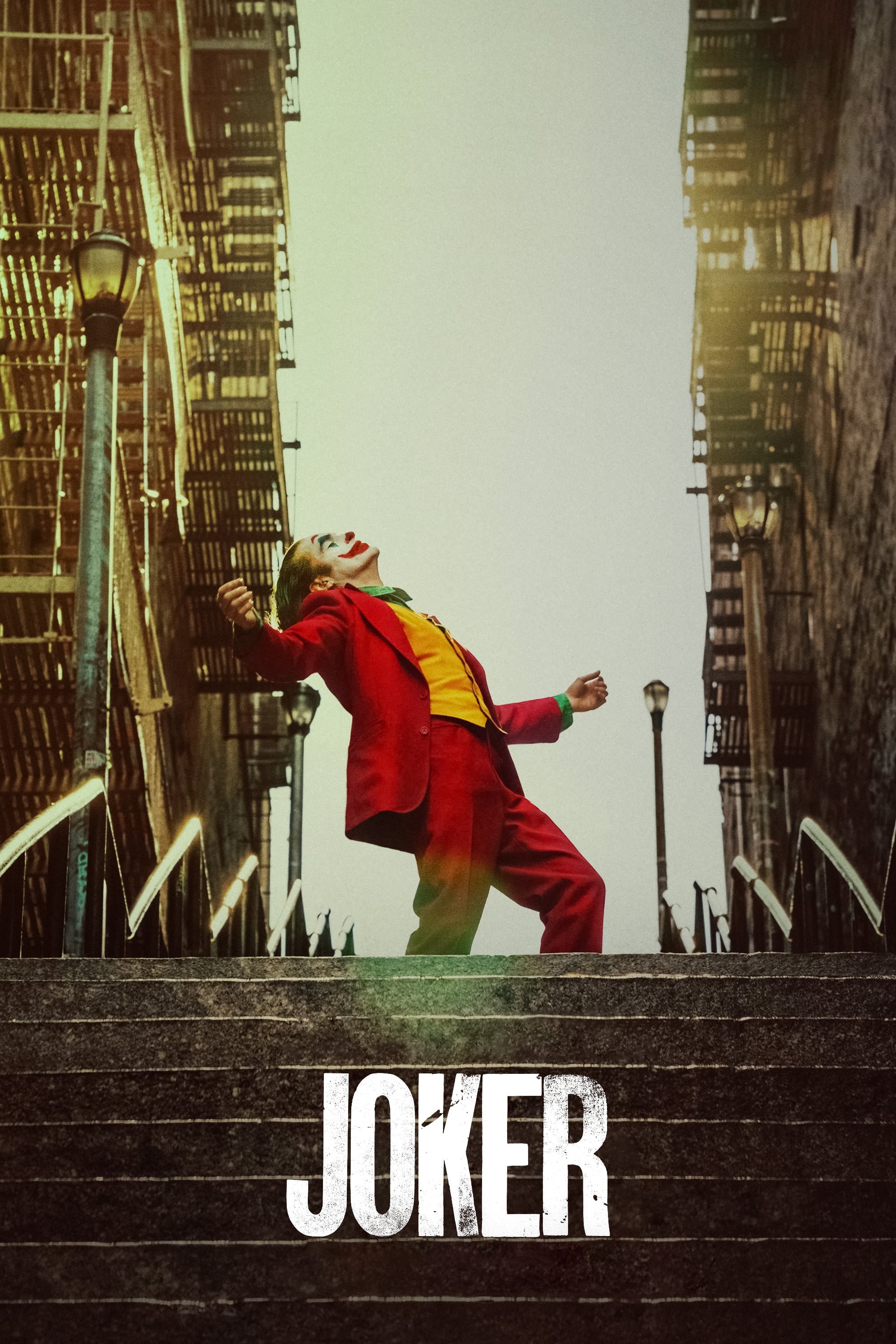
The story follows Arthur Fleck, a working clown and aspiring stand up who struggles with social services cuts and public harassment in early 1980s Gotham. Production built subway cars and city blocks in New York and New Jersey to recreate the period’s look.
Warner Bros. Pictures released the film globally with a staggered schedule that aligned with major festivals. The studio coordinated security and theater guidelines for opening weekend given strong interest.
‘Children of Men’ (2006)
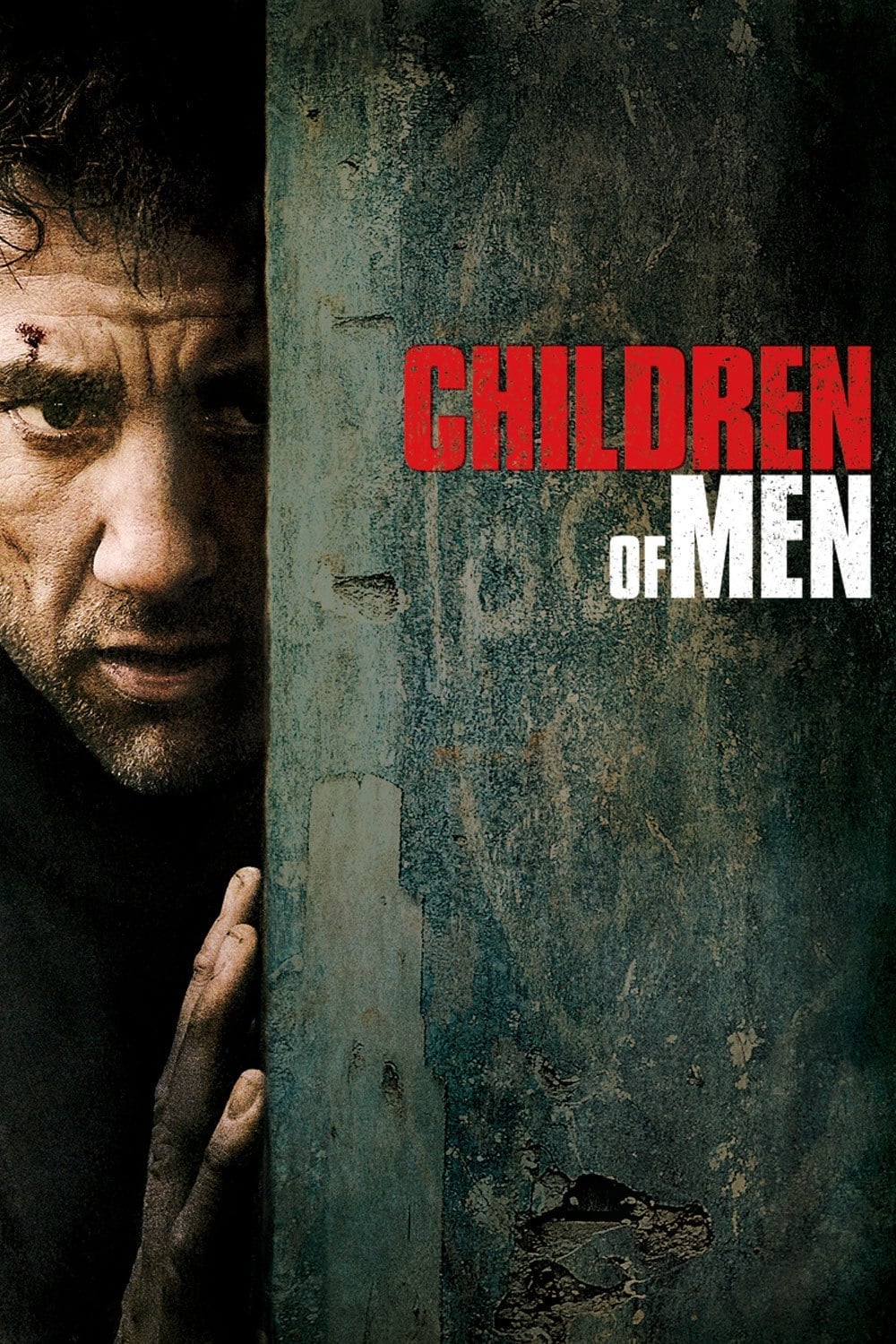
Alfonso Cuarón sets the story in a near future Britain facing global infertility, with a former activist escorting a young woman who is suddenly pregnant. The film’s long takes were achieved with custom rigs in cars and on moving streets.
Universal Pictures carried the North American release and worked with Focus Features on award screenings. International distribution followed Universal’s established footprint across Europe and Latin America.
‘127 Hours’ (2010)
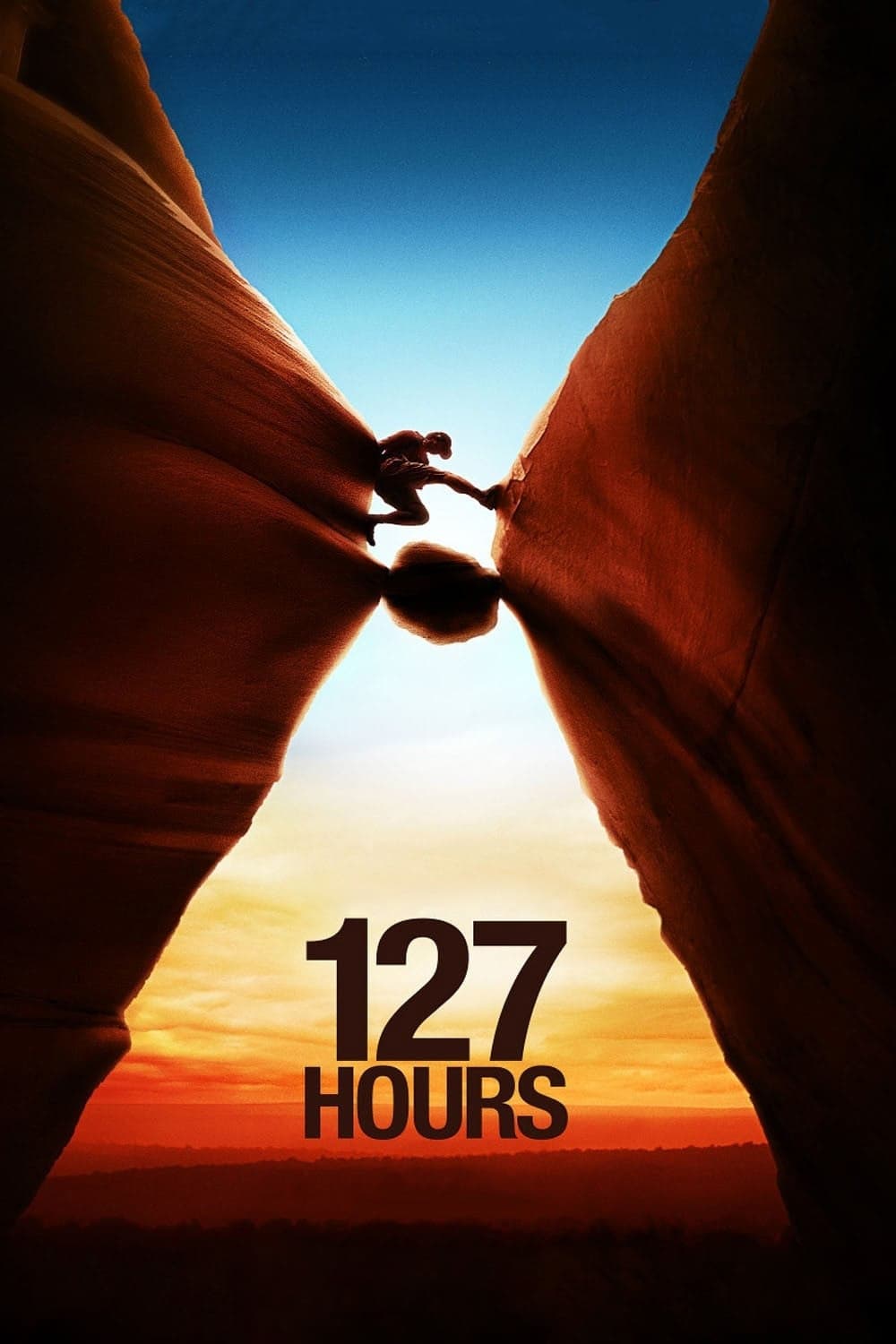
James Franco portrays canyoneer Aron Ralston, whose accident in Blue John Canyon leaves him trapped with limited supplies. The screenplay draws on Ralston’s memoir and uses time stamps, video logs, and flashbacks to track his mental state.
Fox Searchlight Pictures opened the film in select theaters before a wider push. The distributor supported outdoor and adventure community outreach during the theatrical run.
‘The Revenant’ (2015)
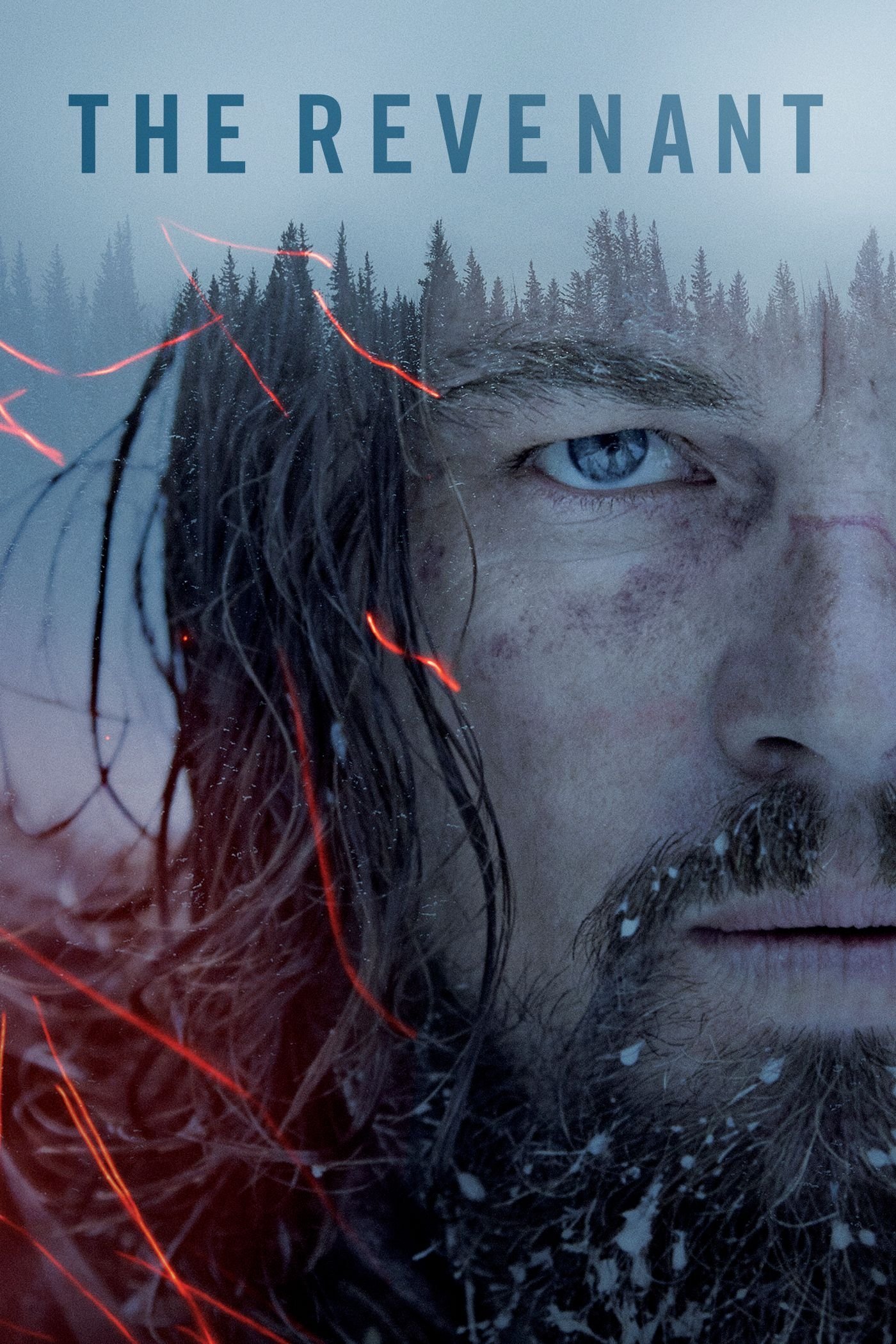
Alejandro G Iñárritu’s survival drama follows a frontiersman left for dead who navigates winter landscapes and hostile terrain. Emmanuel Lubezki shot largely with natural light in remote locations to mirror the story’s conditions.
The movie’s domestic release was handled by 20th Century Fox with an awards season platform rollout. International bookings followed Fox’s global network, including large formats where available.
‘Gravity’ (2013)
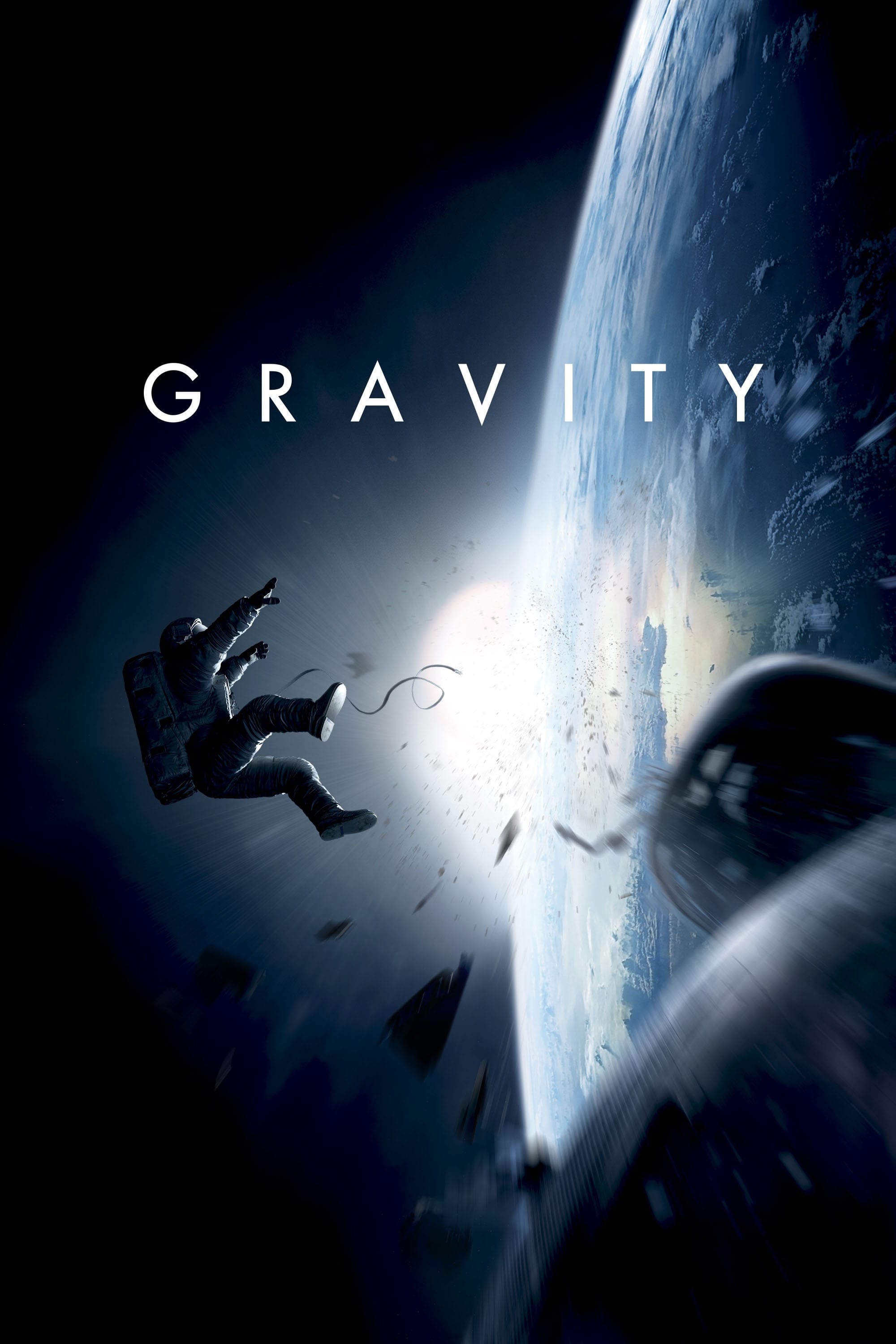
Sandra Bullock and George Clooney play astronauts dealing with an orbital debris event that disables their shuttle. The production combined LED light boxes, motion rigs, and digital backgrounds to map zero gravity movement and earth orbits precisely.
Warner Bros. Pictures distributed the film worldwide and coordinated IMAX and 3D presentations. The release schedule placed festival premieres ahead of a wide October opening.
‘The Road’ (2009)
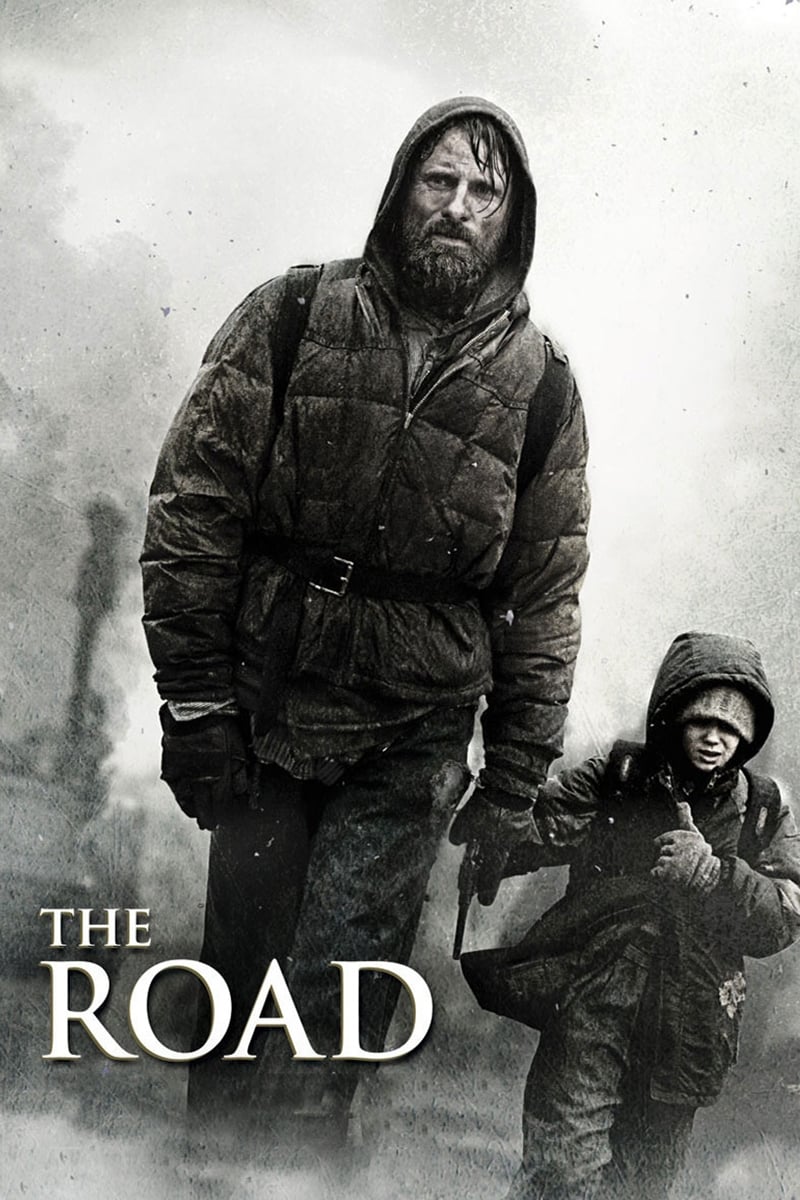
Adapted from Cormac McCarthy’s novel, a father and son travel across a devastated landscape with scarce food and few safe places to rest. Real abandoned industrial sites and cold weather locations were used to anchor the setting.
Dimension Films led the US release after festival play, moving from a limited opening to more cities. Home video distribution kept the same company lineage through the Miramax and Weinstein catalogs of the period.
‘There Will Be Blood’ (2007)
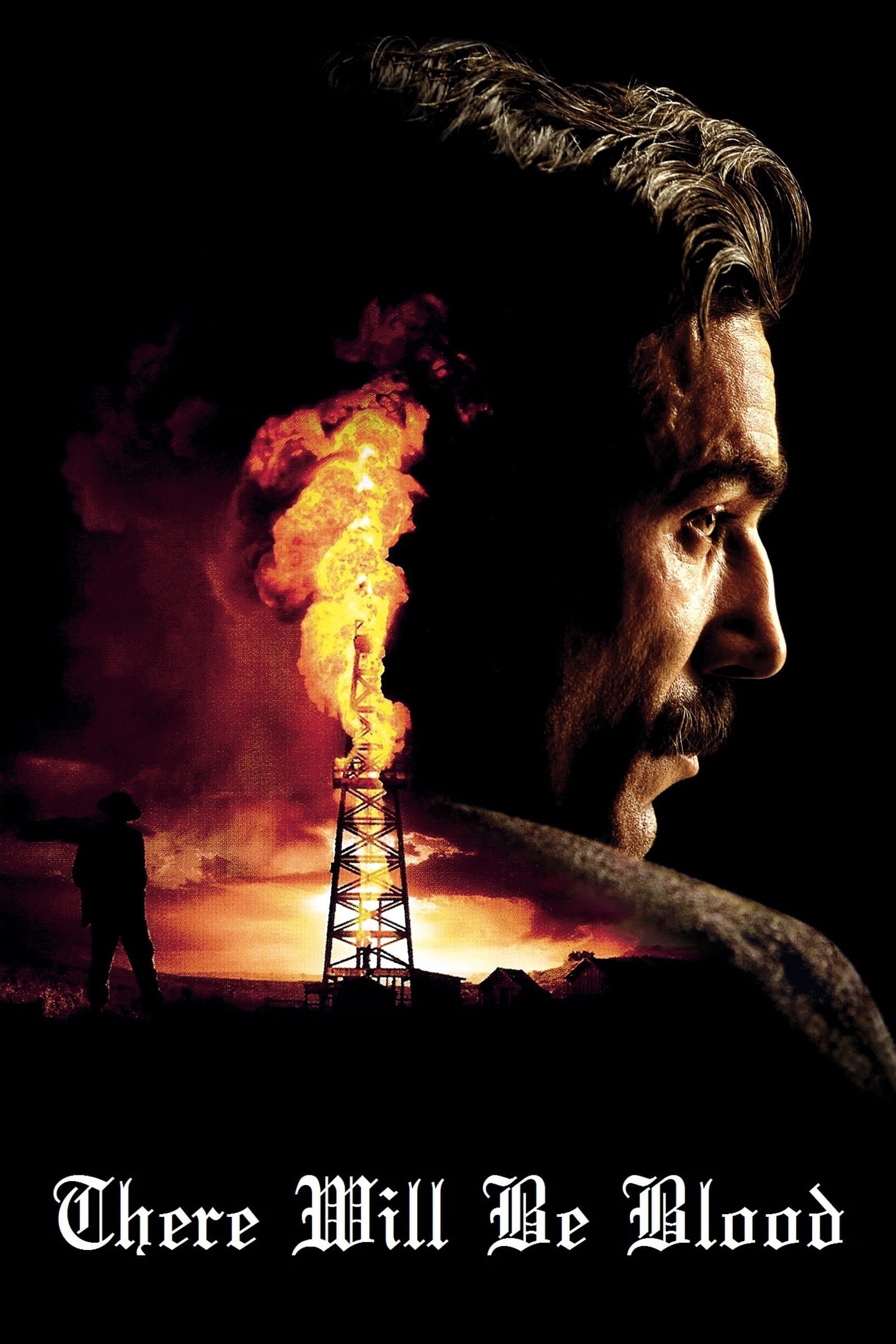
Paul Thomas Anderson charts the rise of an oil prospector whose fortunes and conflicts grow with each well and pipeline. The production built full period rigs and used authentic drilling techniques to stage blowouts and fires.
Paramount Vantage handled the specialty release in the United States, expanding from art house screens to a broader footprint. International territories were coordinated with local partners connected to the same label.
‘The Killing Fields’ (1984)
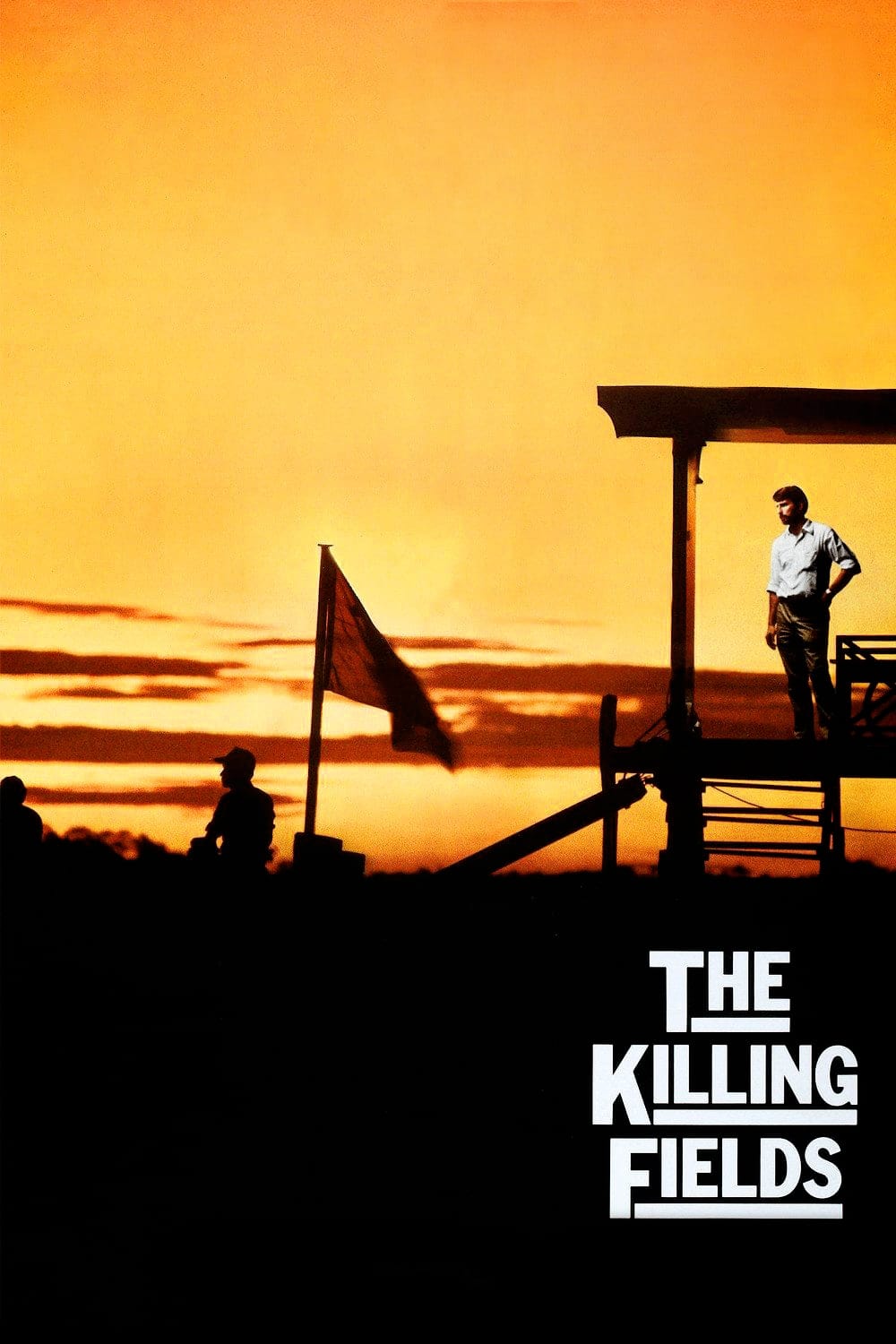
The film recounts the experiences of journalists during the Cambodian Civil War and the Khmer Rouge regime, drawing from Sydney Schanberg’s reporting. On location shooting in Thailand recreated sites and events with input from survivors and reporters.
Warner Bros. managed the American release and awards positioning, with prints and advertising focused on historical context. Subsequent restorations have kept the film available for repertory screenings.
‘The Pianist’ (2002)

Roman Polanski adapts Władysław Szpilman’s memoir, following the Polish Jewish pianist’s survival in occupied Warsaw. Sets and costumes replicate the city’s wartime streets, apartments, and performance venues in detail.
Focus Features distributed the film in the United States after a Cannes premiere. The company supported specialty theater runs that stretched across multiple months as interest grew.
‘Argo’ (2012)
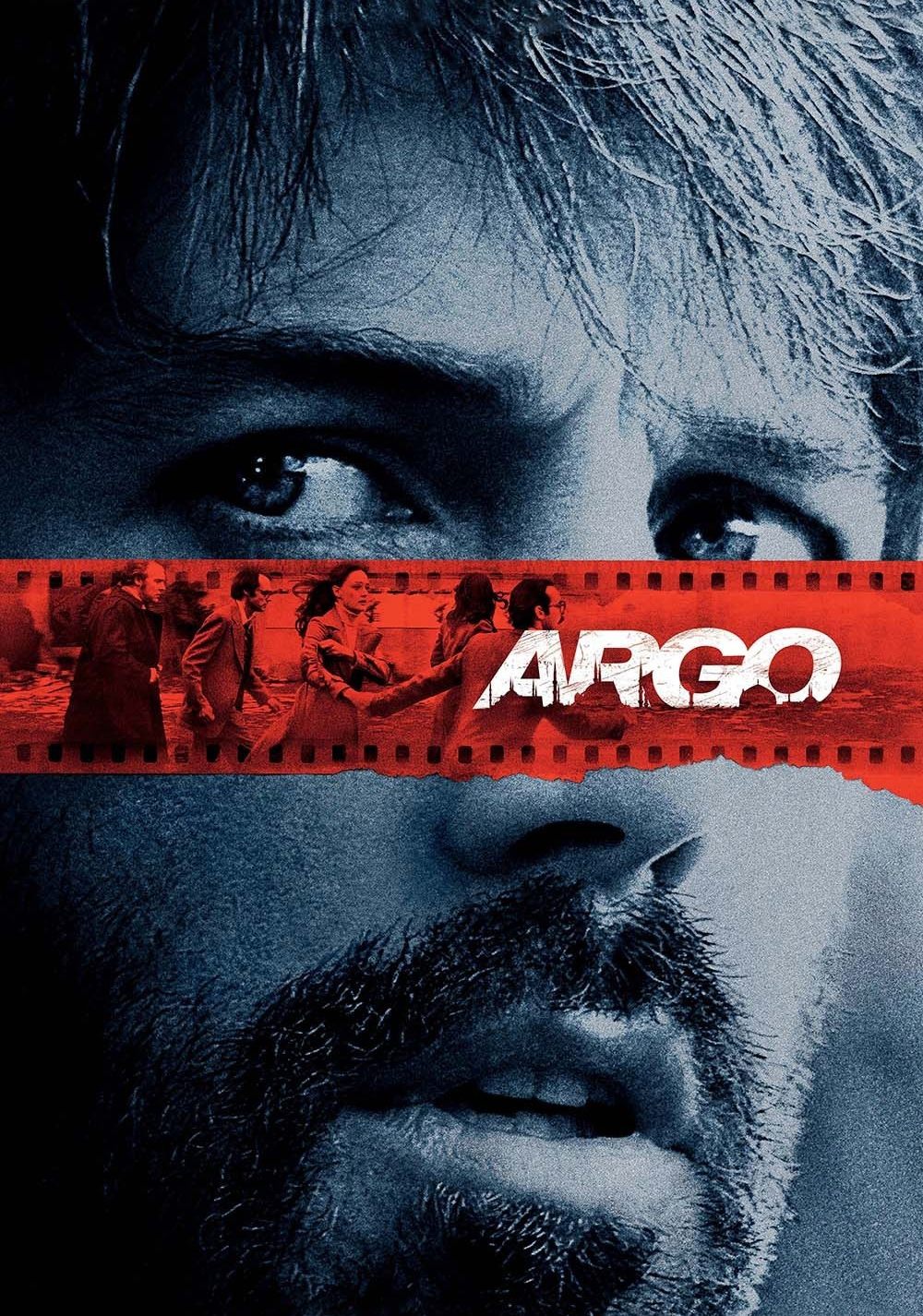
Ben Affleck directs and stars in the account of the CIA and Canadian effort to extract six Americans from Tehran during the 1979 crisis. The production recreated Tehran scenes in Los Angeles and used archival broadcast footage to track events.
Warner Bros. Pictures released the film domestically and coordinated a fall awards corridor. The studio staged museum and diplomatic community screenings tied to the historical subject.
‘Parasite’ (2019)
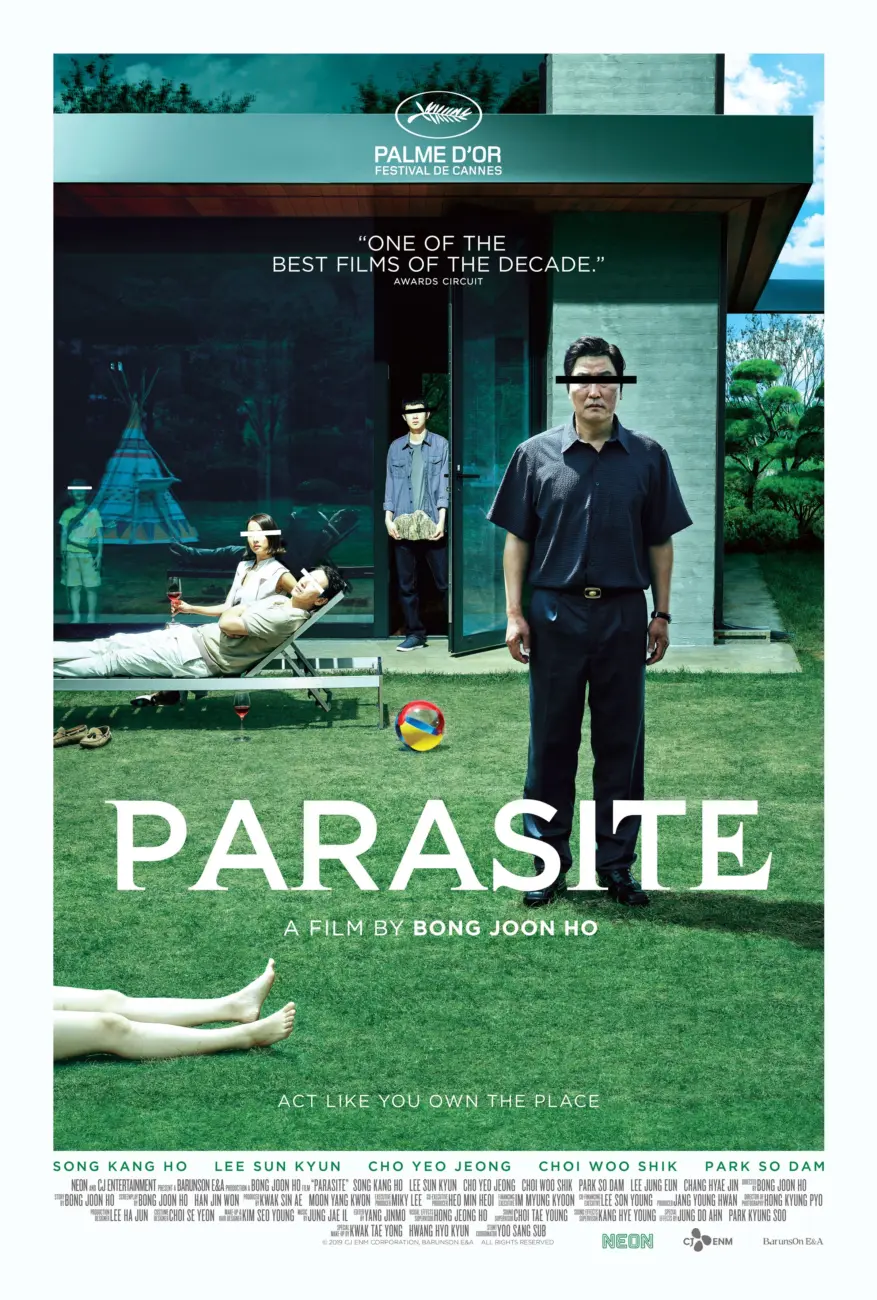
Bong Joon Ho’s film follows two families whose lives intersect through employment and unexpected circumstances. The script uses vertical space, stairways, and weather shifts to map social and physical movement inside and outside the homes.
Neon handled the US distribution with a platform rollout that expanded rapidly on word of mouth. The company supported bilingual marketing materials and special screenings in major markets.
‘Nocturnal Animals’ (2016)
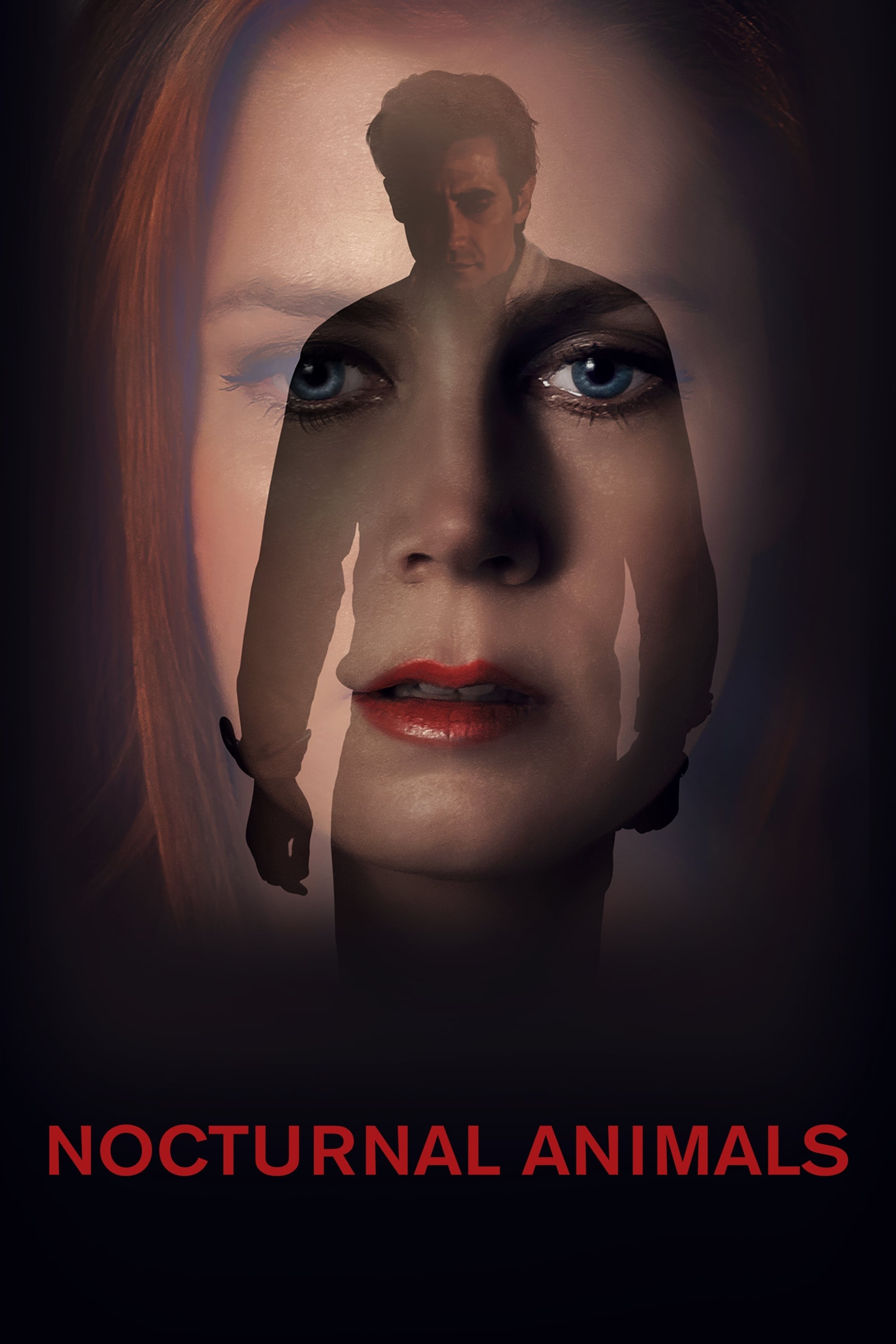
Tom Ford’s film intercuts a present day art world story with a violent West Texas manuscript that a gallery owner reads across several nights. The dual structure uses different color temperatures and lens choices to separate timelines.
Focus Features distributed the film in North America after festival debuts. International releases followed through Universal’s specialty channels tied to the label.
‘Shutter Island’ (2010)
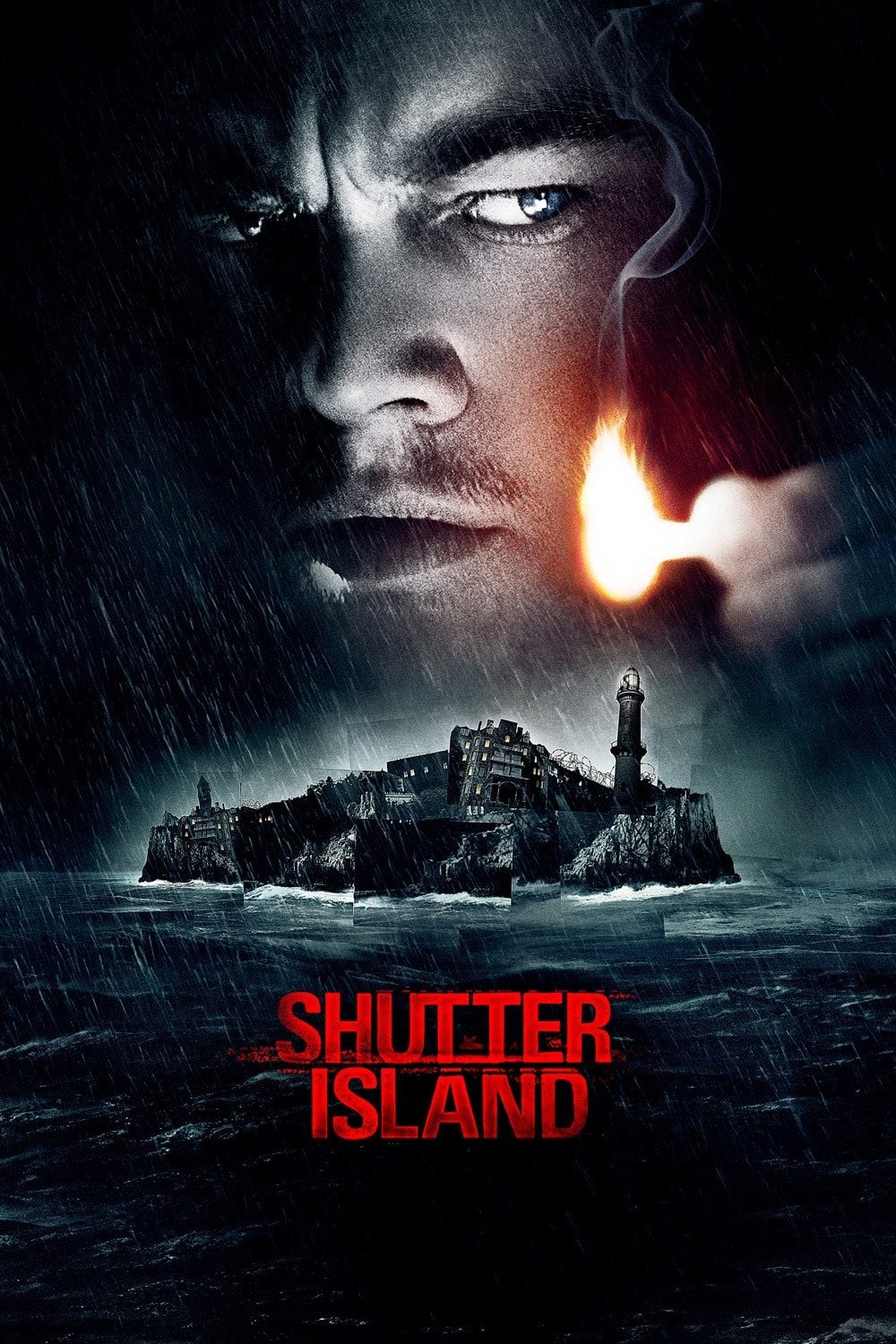
Martin Scorsese’s thriller follows two federal marshals who arrive at a hospital for the criminally insane to investigate a missing patient. New England locations and soundstage builds recreate the institution’s wards, cliffs, and storm battered grounds.
Paramount Pictures led the domestic release and timed it for a winter corridor. Internationally the film moved through partner studios that shared marketing materials and trailers.
‘The Truman Show’ (1998)
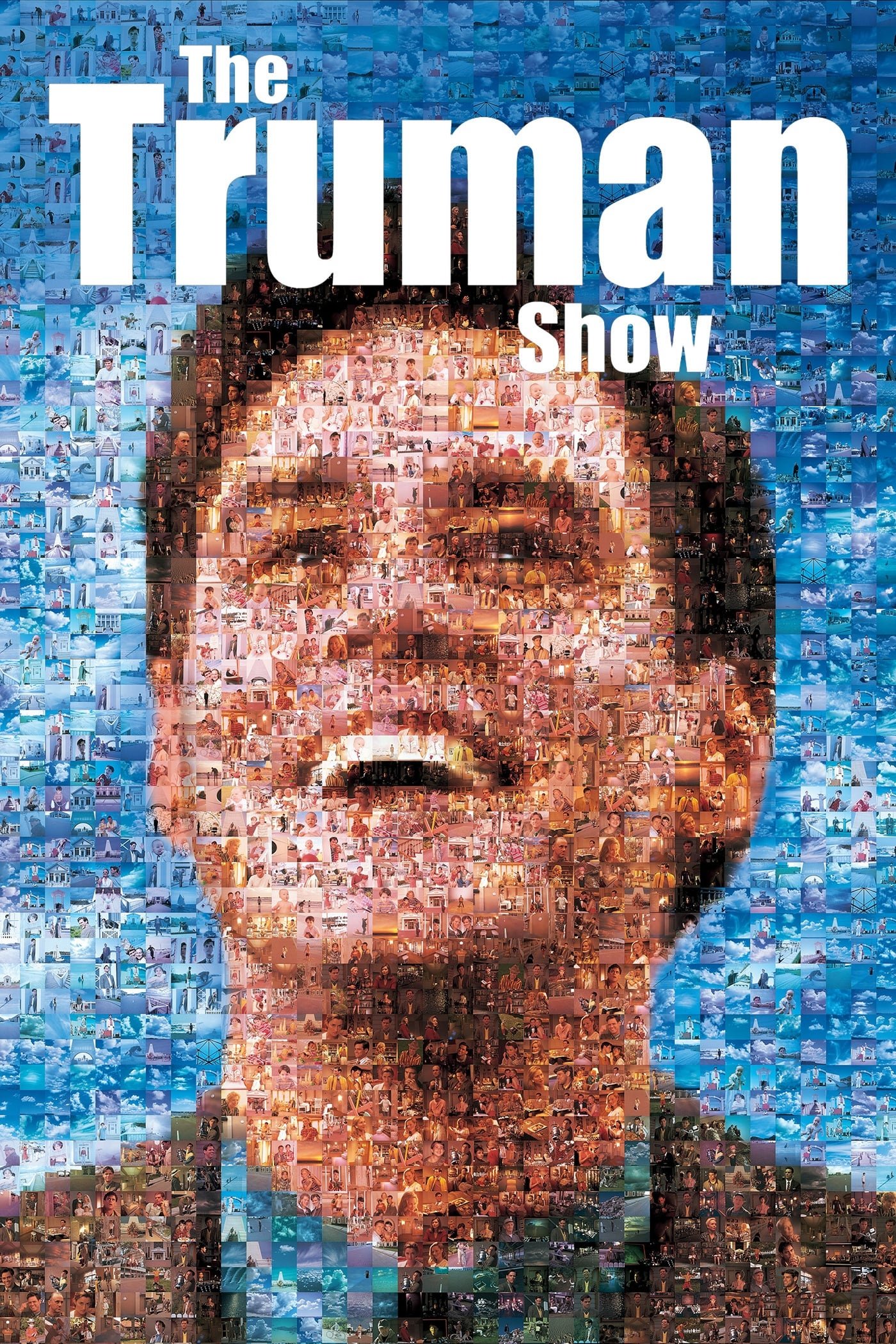
Jim Carrey plays a man who gradually pieces together that his entire life is a broadcast produced on a vast set. The production used Seaside, Florida, for its controlled streets and architecture, matching the story’s artificial environment.
Paramount Pictures distributed the film worldwide with a summer release. The campaign emphasized the central premise through TV teasers and billboards that mirrored the show within the movie.
‘Apocalypto’ (2006)
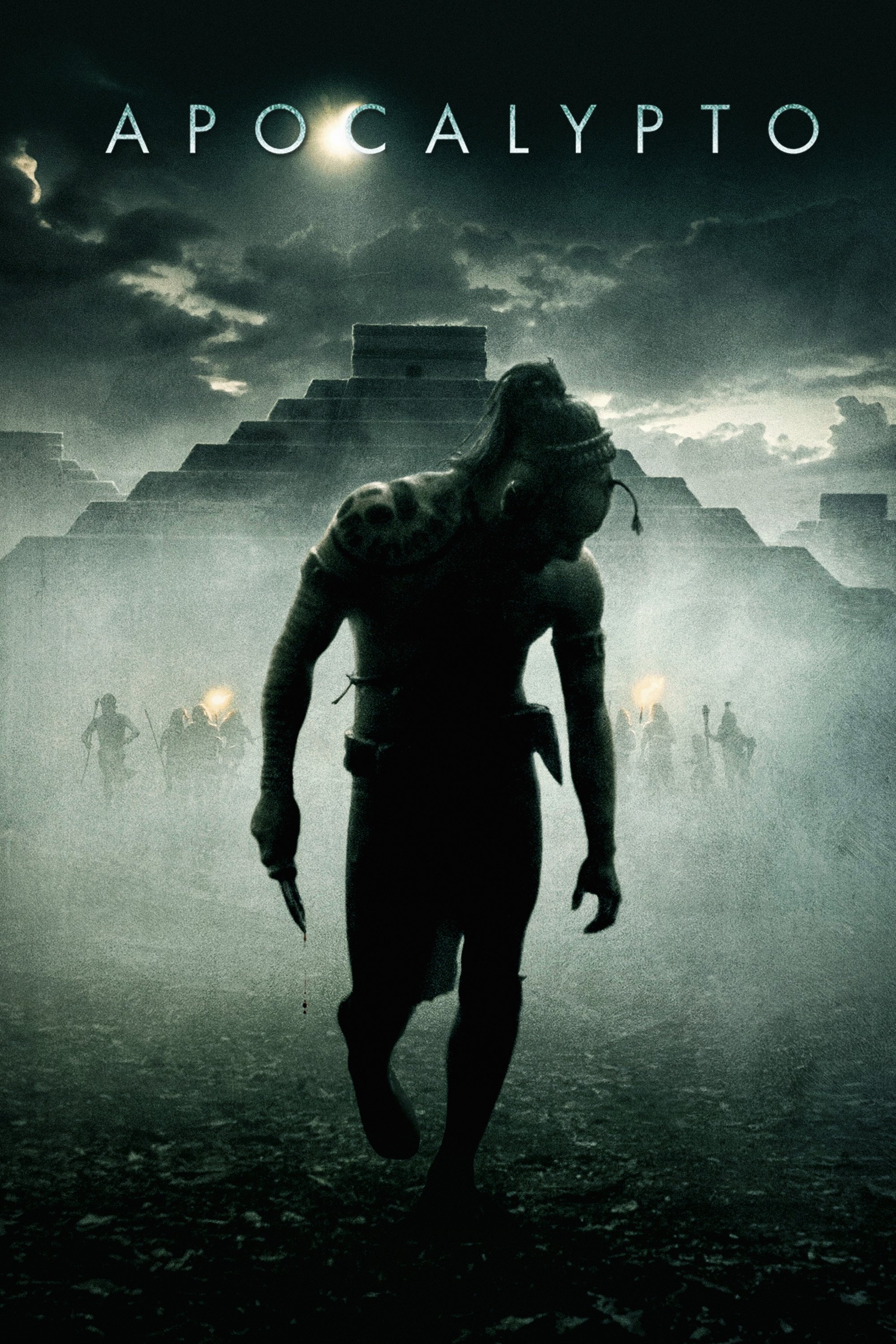
Set in the late Maya civilization, the story follows a hunter who is captured and taken to a city during a period of ritual and political upheaval. The production used Yucatán locations, indigenous languages, and extensive practical stunts.
Buena Vista Pictures Distribution released the film in North America with a December date. International markets followed through Disney’s regional offices, supported by subtitles and language outreach.
Share the one that shook you the most in the comments so everyone can compare notes.

