


9 Sci-Fi Games That Saw the Future

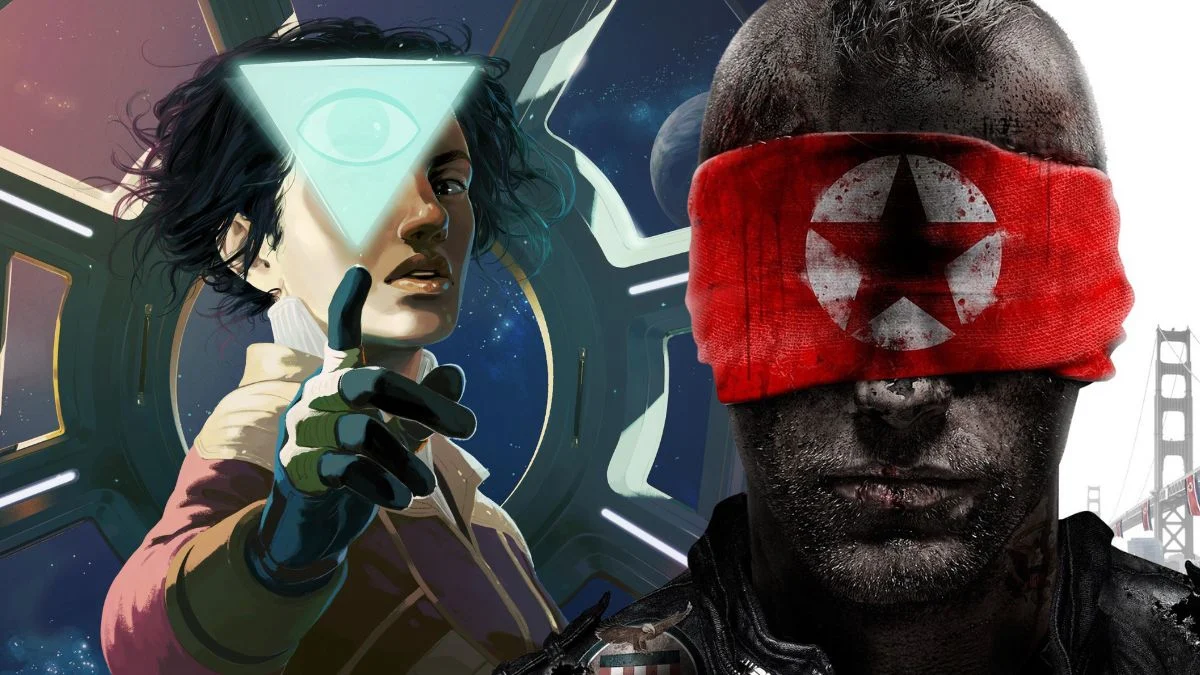


Science fiction games have always sparked my imagination with their wild visions of tomorrow, from sprawling space epics to gritty dystopias. What’s eerie is how some of these games, built years ago, feel like they predicted parts of our world today, from tech breakthroughs to social shifts.
I’ve played plenty of games that seemed far-fetched at the time but now hit close to home with their themes. Here are nine sci-fi games that feel strangely prophetic, listed from least to most predictive based on how their ideas mirror reality.
VA-11 Hall-A: Cyberpunk Bartender Action (2016)

‘VA-11 Hall-A’ puts you behind a bar in a neon-lit cyberpunk city, serving drinks to androids and hackers while hearing their stories. Its depiction of a gig economy and AI-driven society feels scarily relevant today.
The game’s world, with its focus on low-wage workers and corporate control, mirrors our growing reliance on automation and precarious jobs. Its sharp writing makes you think about where our tech-heavy lives might be headed.
Tacoma (2017)
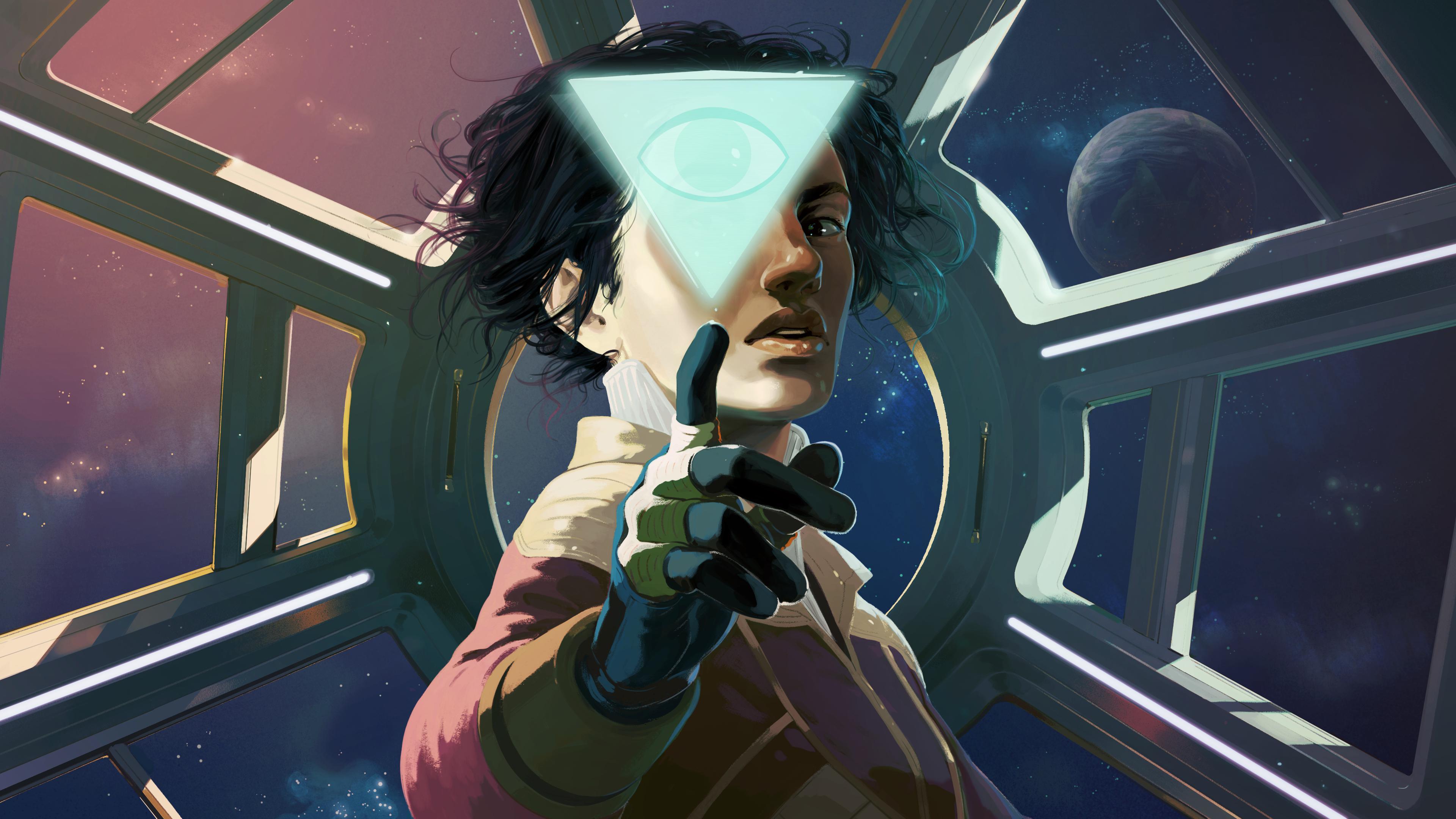
‘Tacoma’ drops you onto a space station to uncover what happened to its crew, using augmented reality to piece together their lives. Its portrayal of a space-based gig economy and corporate surveillance feels like a warning of today’s labor trends.
The game’s focus on workers trapped by debt and monitored by AI hits hard when you consider modern workplace tracking tech. Fullbright’s storytelling makes you care about characters you never meet in person.
Homefront (2011)
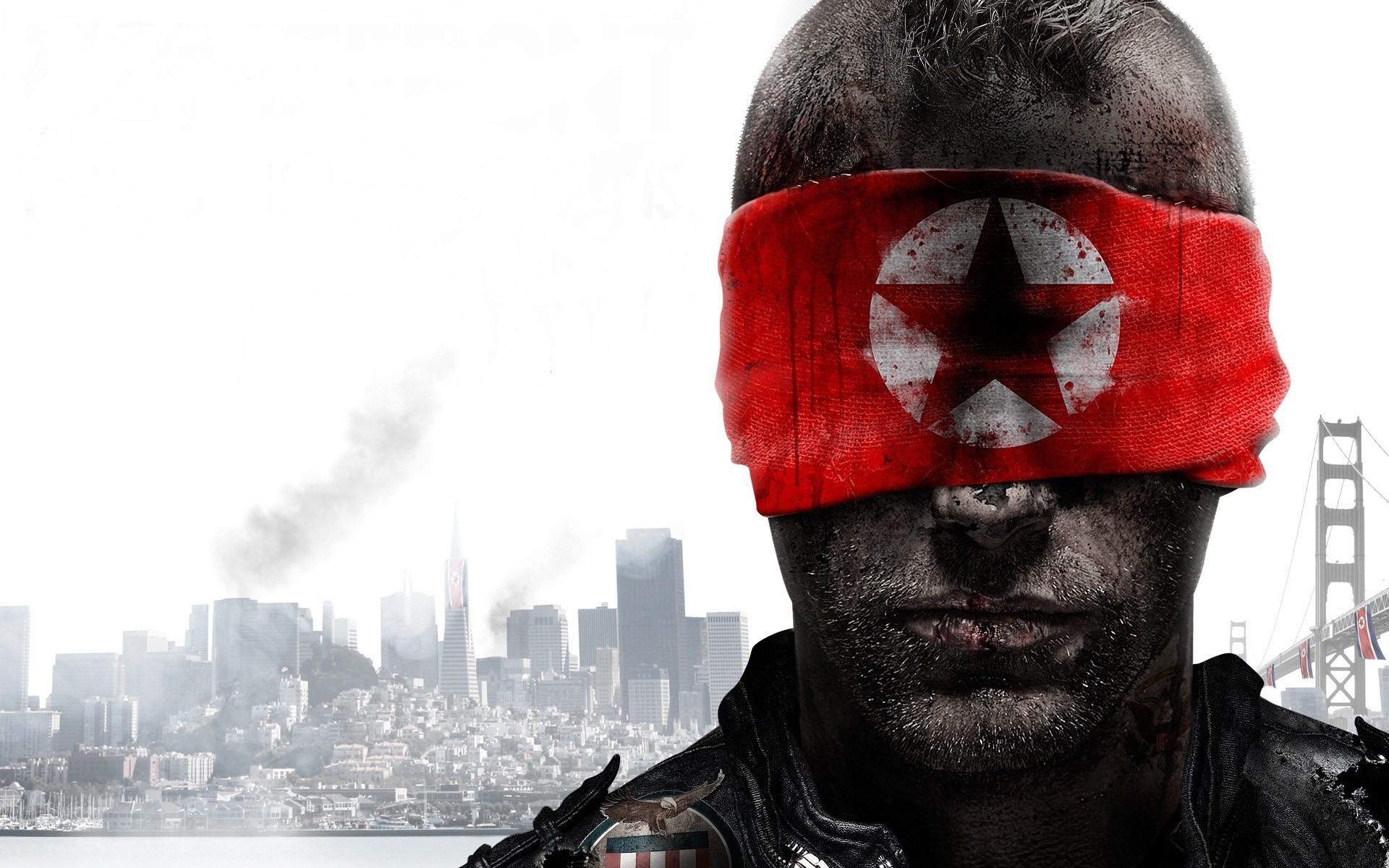
‘Homefront’ imagines a collapsed America under foreign occupation, with a global financial crash and a deadly flu pandemic. Released in 2011, it eerily foreshadows economic instability and health crises like COVID-19.
The game’s take on a weakened U.S. and authoritarian control feels less like fiction now. Despite mixed reviews, its bold predictions about geopolitics and societal breakdown make it stand out.
The Last of Us (2013)
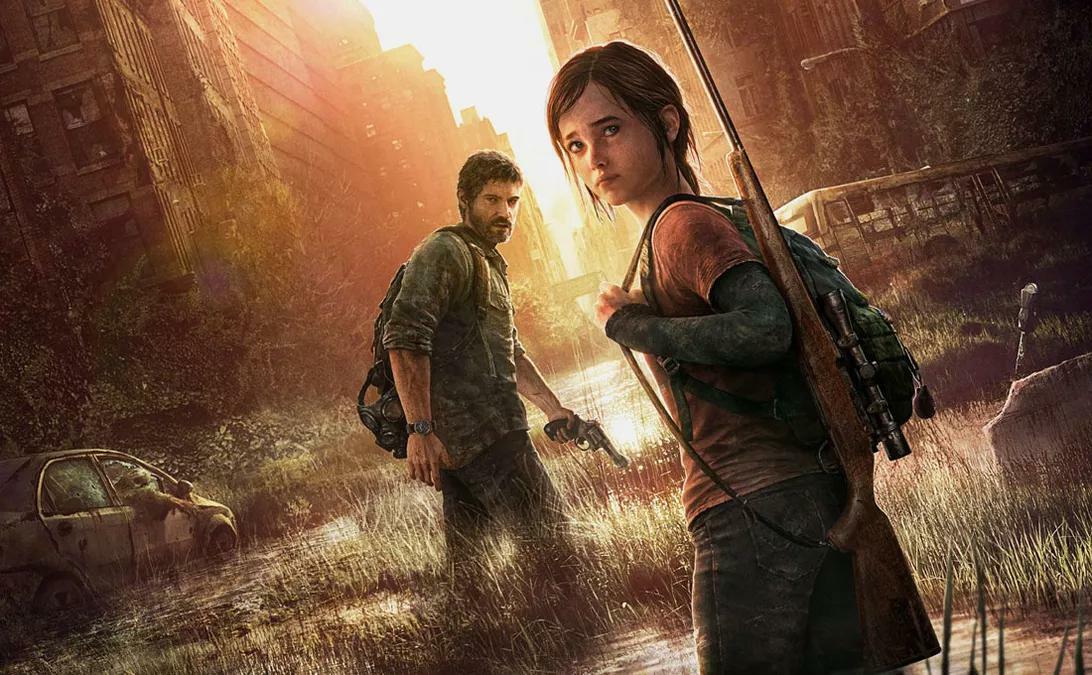
‘The Last of Us’ builds a post-apocalyptic world ravaged by a fungal infection that turns people into monsters. Based on the real Ophiocordyceps fungus, it feels chillingly plausible after global pandemics like COVID-19.
Joel and Ellie’s journey through a broken society highlights human resilience and fear, themes that resonate today. Naughty Dog’s masterpiece, with over 250 awards, blends science and emotion perfectly.
Cyberpunk 2077 (2020)
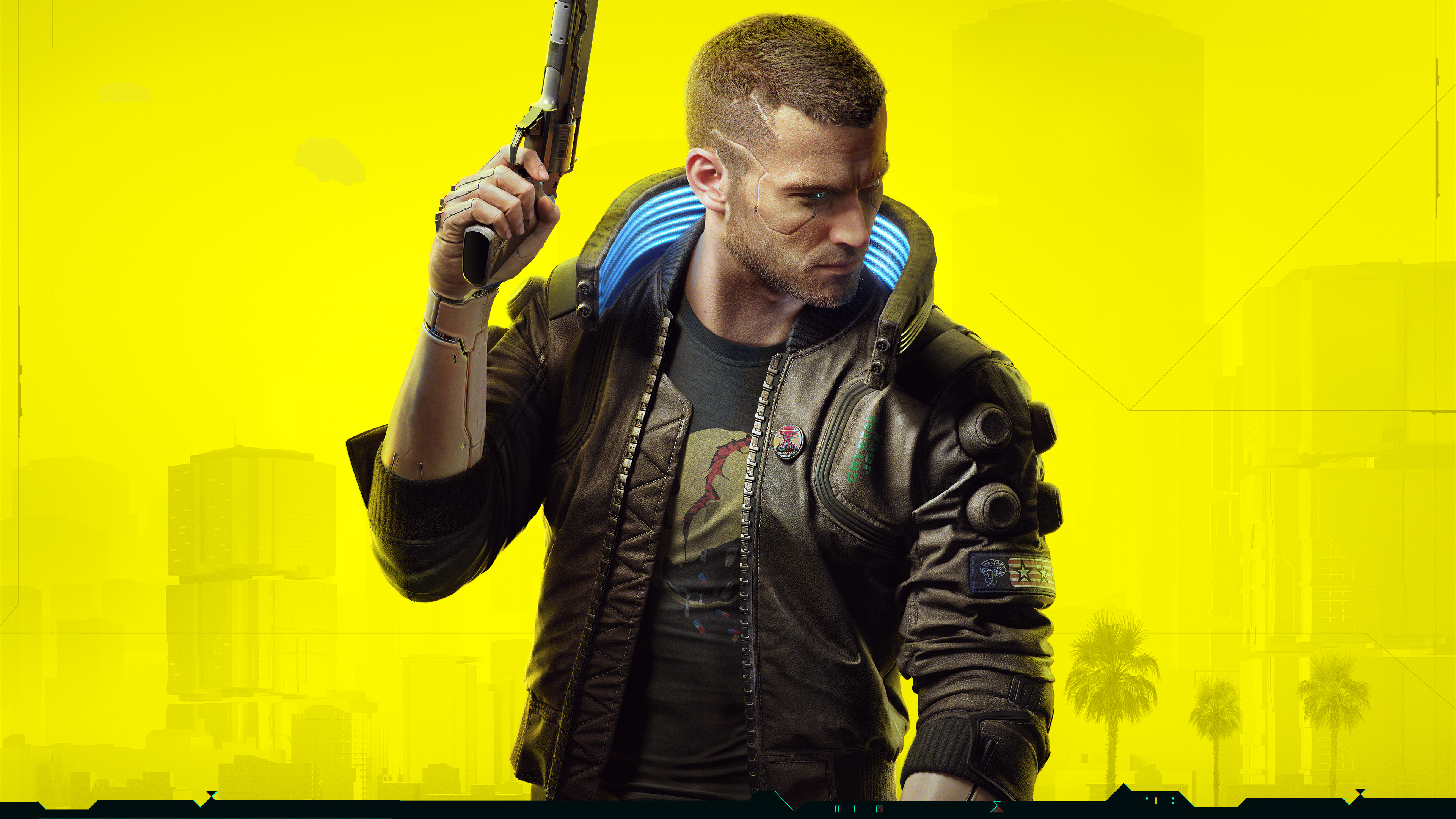
‘Cyberpunk 2077’ throws you into Night City, a dystopia ruled by corporations and cybernetic implants. Its themes of wealth inequality and tech monopolies reflect today’s growing corporate influence and AI debates.
Despite a rocky launch, CD Projekt Red’s world feels like an exaggerated version of our urban sprawl and data-driven lives. The game’s redemption through updates mirrors our own tech-driven recovery stories.
Mass Effect 2 (2010)
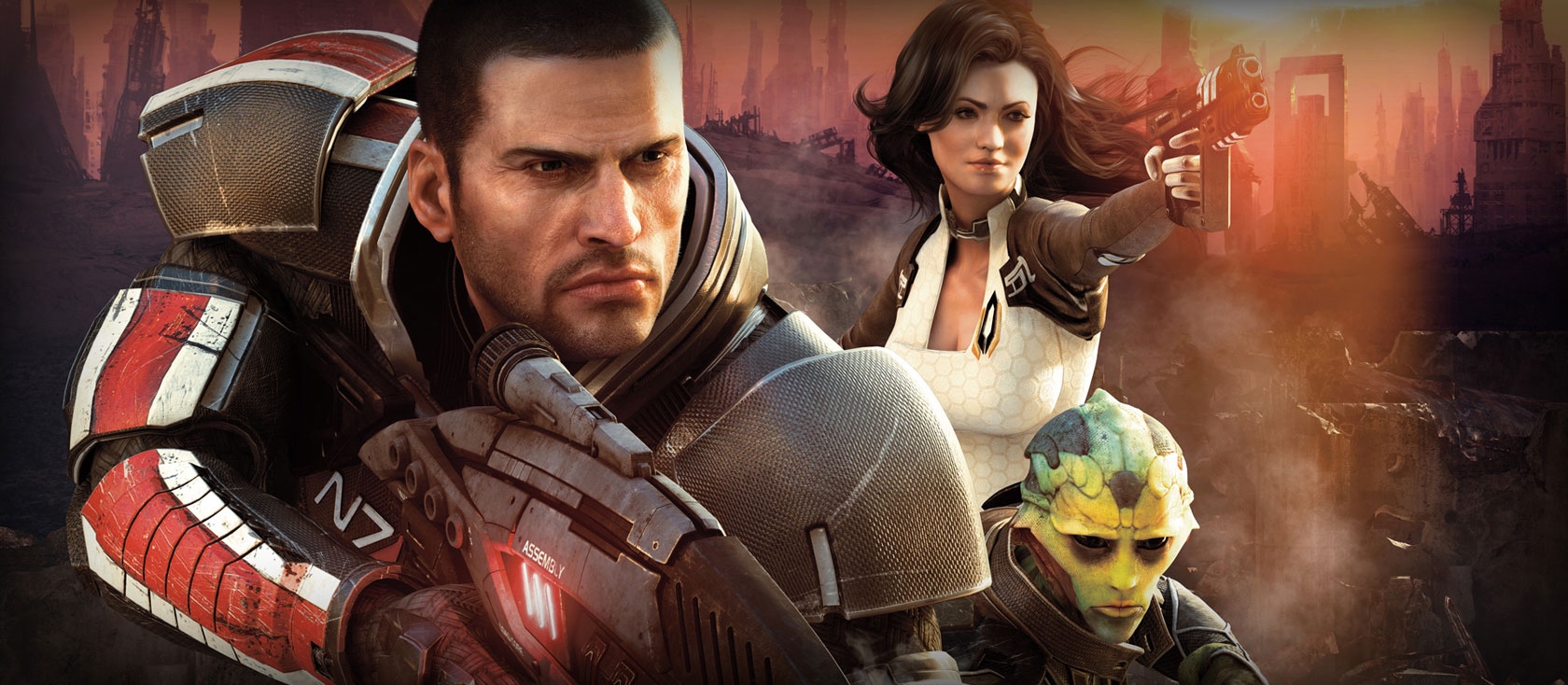
‘Mass Effect 2’ follows Commander Shepard uniting alien species against a galactic threat, with a focus on diverse cultures and AI ethics. Its predictions about AI autonomy and interstellar politics feel spot-on today.
The game’s complex alien societies and biotech advancements echo current debates on AI and genetic engineering. BioWare’s storytelling makes these big ideas feel personal and urgent.
Metal Gear Solid 2: Sons of Liberty (2001)

‘Metal Gear Solid 2’ dives into a world of digital surveillance, fake news, and AI manipulation, set in a then-futuristic 2007. Its warnings about misinformation and data control are scarily accurate in our social media age.
Hideo Kojima’s vision of governments and corporations shaping narratives through tech feels like today’s headlines. The game’s bold themes still spark debates among players.
Death Stranding (2019)
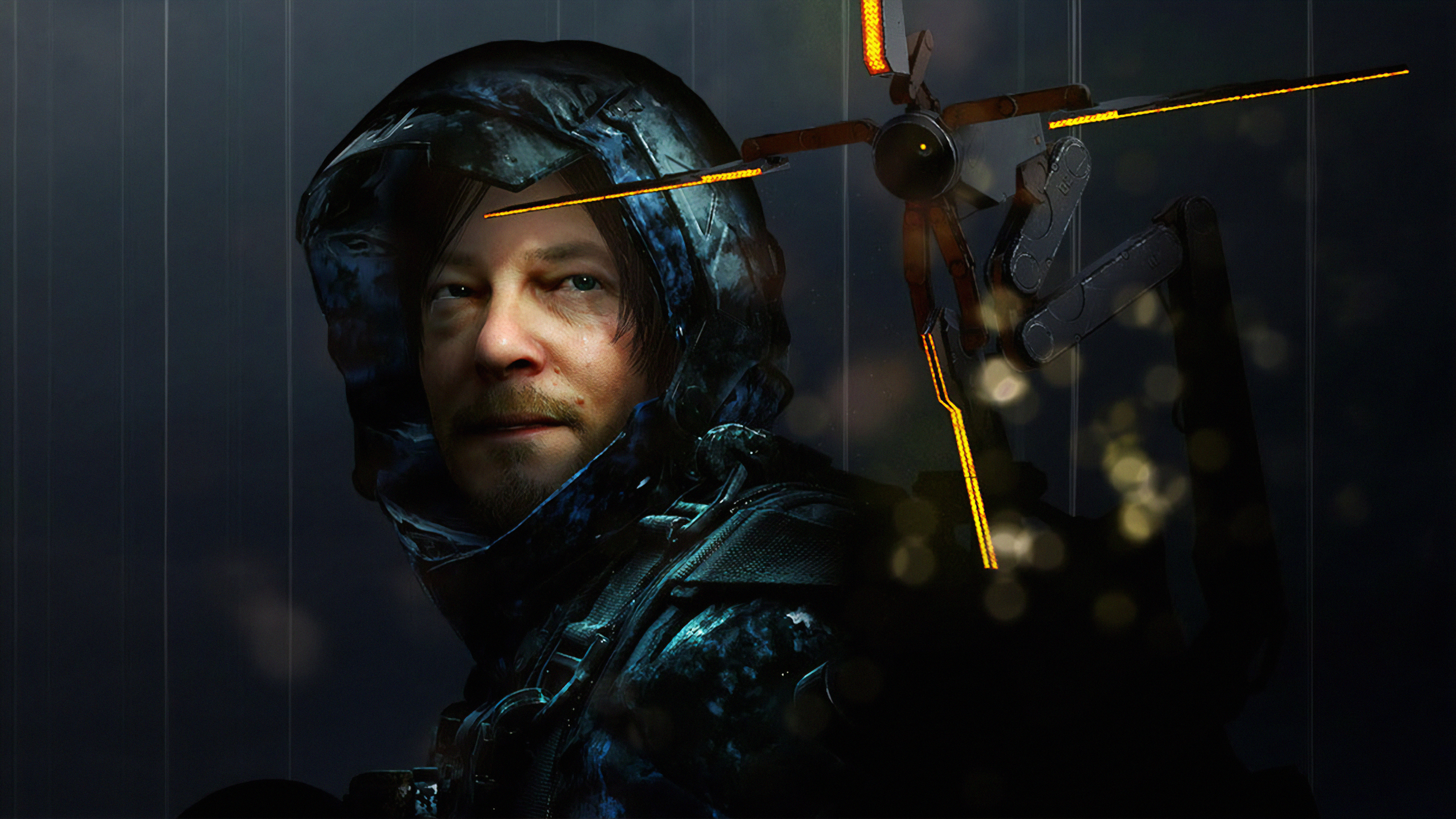
‘Death Stranding’ follows Sam Bridges delivering supplies in a fractured, post-apocalyptic America, emphasizing human connection. Released just before COVID-19, its focus on isolation and delivery workers feels hauntingly prescient.
Hideo Kojima’s game, with its realistic physics and themes of rebuilding society, mirrors our pandemic-era reliance on logistics and virtual networks. Its eerie timing makes it unforgettable.
Deus Ex (2000)
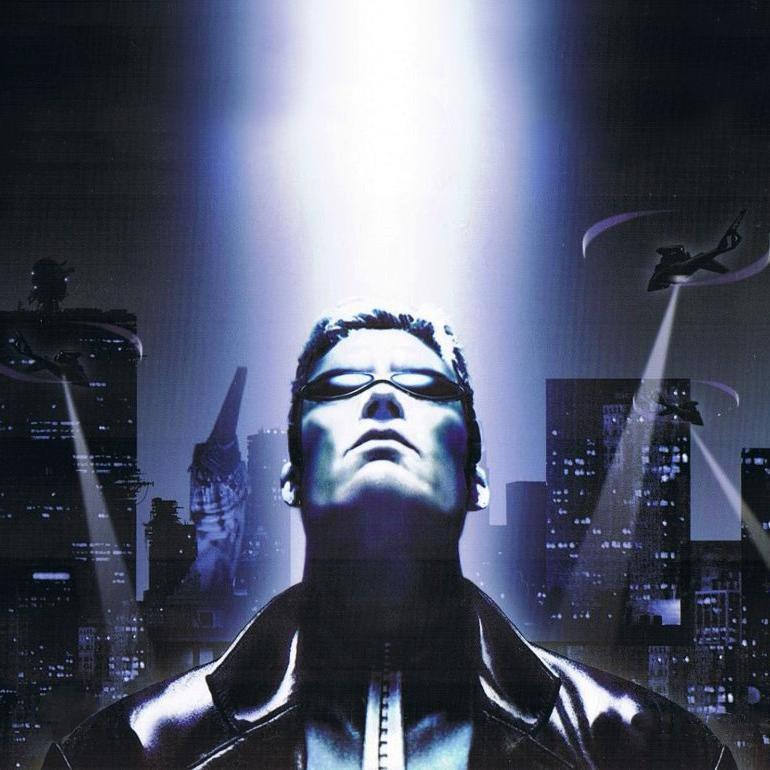
‘Deus Ex’ puts you in a cyberpunk world of conspiracies, cybernetic implants, and corporate control, predicting a dystopia driven by tech moguls. Its vision of surveillance and inequality feels like today’s tech landscape.
The game’s story of a world manipulated by a few powerful players hits hard in an era of data scandals and AI growth. Its lasting influence makes it a sci-fi classic.
Which of these sci-fi games blew your mind with its predictions, or is there another one I missed? Drop your thoughts in the comments!

