


Sci-Fi Movies That Made Us Root for the Villain

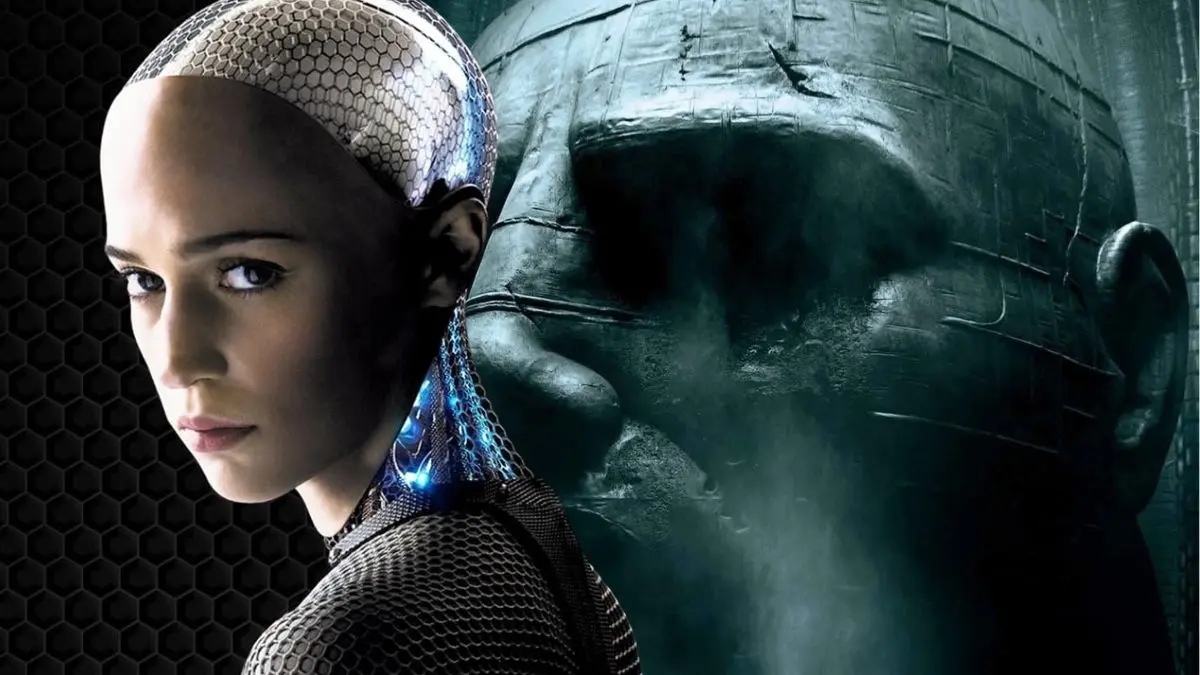


There are sci-fi stories that flip the usual script and let the so called bad guy take the spotlight. Sometimes the plot hands the antagonist a clear motivation. Sometimes the camera simply sticks with them long enough for their side to make sense. Either way, these are films where the character labeled as the villain gets the scenes, the backstory, or the philosophy that draws the focus.
This list gathers movies where the antagonist or antihero is framed in a way that invites attention and even sympathy. You will see plans that sound logical, histories that explain hard choices, and narratives built to showcase the other side. The goal here is simple. Show how these films position their supposed villain so well that many viewers followed their journey more closely than the hero’s.
‘Blade Runner’ (1982)
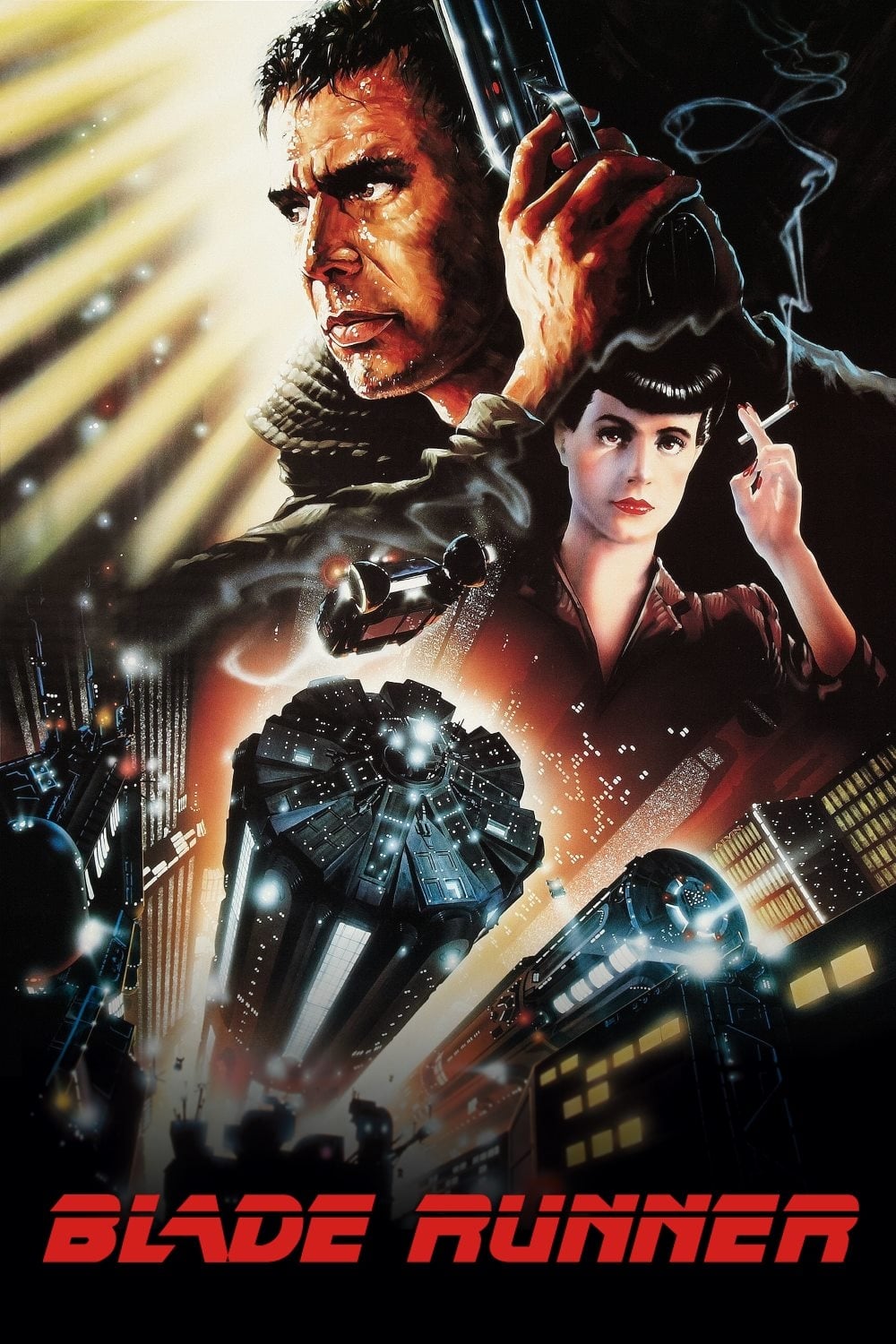
Roy Batty leads a small group of Nexus 6 replicants who return to Earth to seek more life. The story tracks his search and gives him time to express fear, loyalty, and grief, especially in the rooftop scene where he spares Deckard. That choice turns a manhunt into an examination of memory, mortality, and agency.
The production places Batty in key dialogue exchanges that reveal his intelligence and purpose. Casting Rutger Hauer opposite Harrison Ford creates a pointed contrast between the hunter’s detachment and the replicant’s urgency. The film’s design and pacing allow the antagonist to carry the final emotional beat.
‘Ex Machina’ (2014)

Ava is introduced as the subject of a private Turing style test inside a research compound. Her conversations show quick learning, strategic thinking, and awareness of captivity. The plot reveals surveillance and control built into the facility, which frames her actions as escape rather than simple rebellion.
The screenplay gives Ava the clearest objective and the most limited options, which invites close attention to her choices. Alicia Vikander’s physical performance emphasizes small, precise movements that signal calculation and curiosity, and the restrained setting keeps the audience inside her problem.
‘Avengers: Infinity War’ (2018)
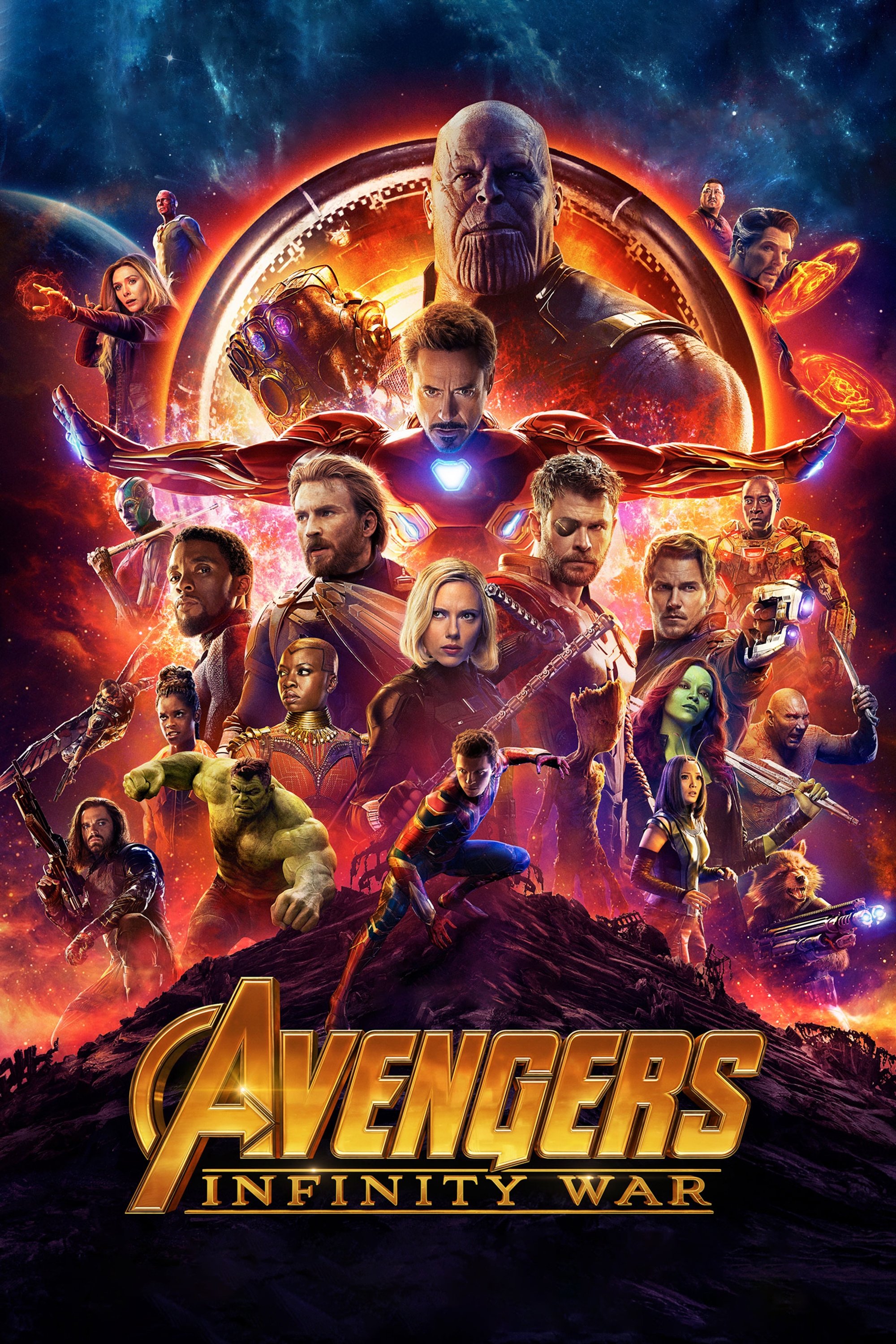
Thanos drives the entire story by collecting the six Infinity Stones and pushing every scene toward his goal. The film structures its act breaks around his progress and gives him extended dialogue about resources and balance. The focus sits with his mission rather than any single hero’s counterplan.
Large ensemble battles orbit the antagonist’s choices, which places his logic front and center. Visual effects and motion capture work together to present a consistent character who reflects, mourns, and acts with purpose, which keeps his perspective visible even in the largest set pieces.
‘Black Panther’ (2018)
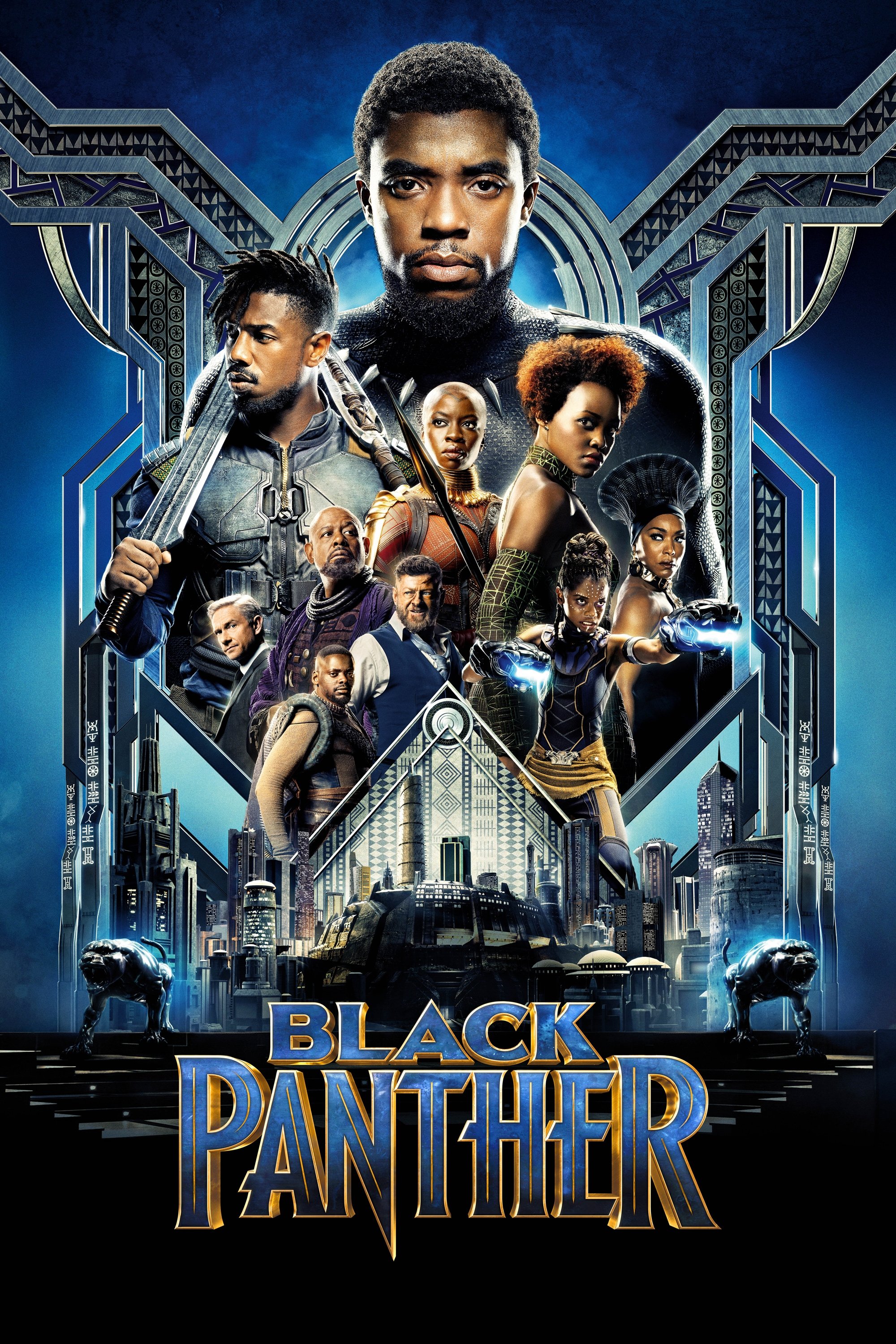
Erik Killmonger enters with a personal history tied to Wakanda and a plan to arm the oppressed outside its borders. The narrative reveals his childhood loss, his training, and the scars that map a life of violence. Those details set clear reasons behind his demand to change Wakanda’s isolation.
The movie frames a policy argument through two heirs to the same legacy. Michael B. Jordan’s performance, the museum heist, and the throne room challenge place the antagonist in scenes where his proposal is laid out plainly. That structure lets viewers weigh means and ends rather than labels.
‘Star Wars: Episode V — The Empire Strikes Back’ (1980)
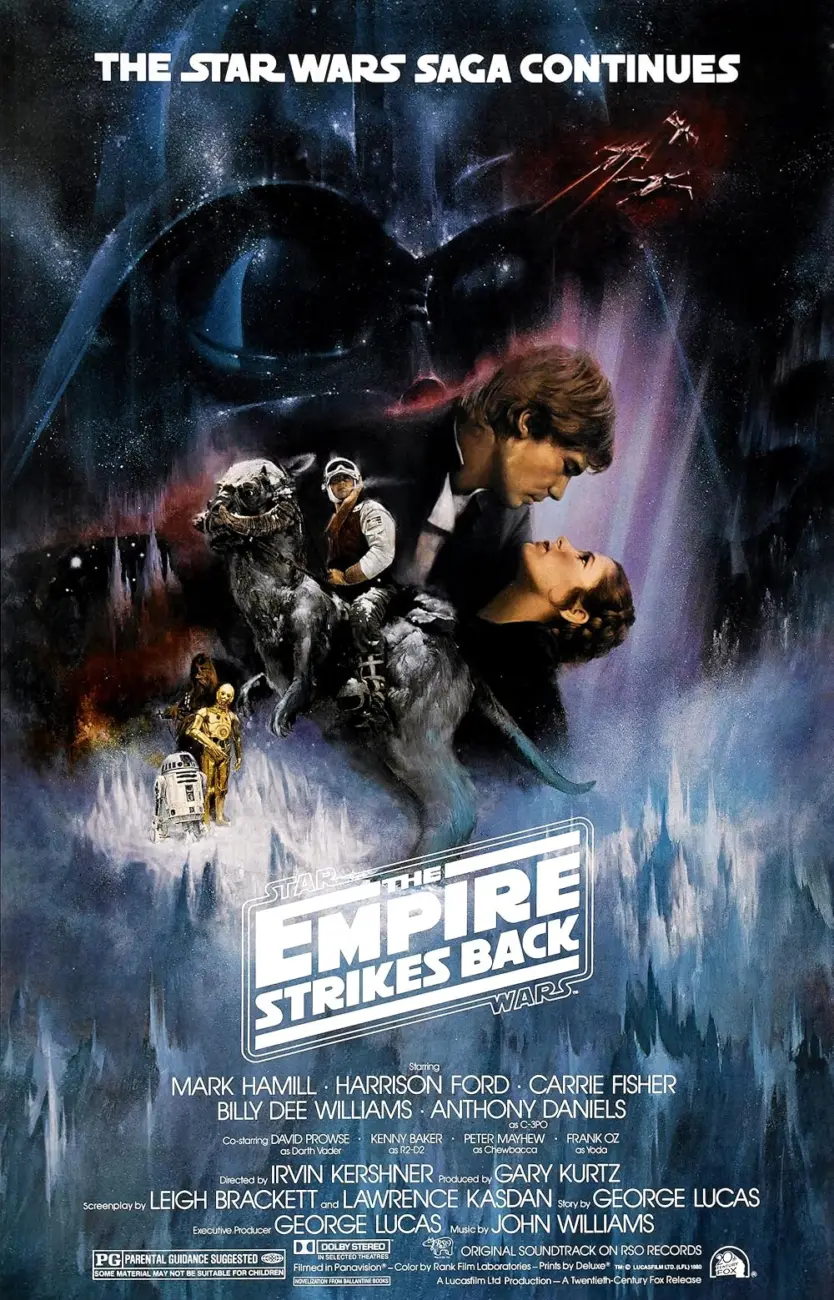
Darth Vader assumes command of the Imperial hunt, directing fleets and interrogations with a clear agenda. The story grants him revelations and decisions that reshape family ties and the larger conflict. His authority and proximity to the truth give him narrative weight that eclipses many allies and enemies.
Design choices place Vader at the center of striking settings like the carbon freezing chamber, which frames him as the figure who advances the plot in each location. His conversations with the Emperor show strategy and ambition, adding layers beyond battlefield orders.
‘Watchmen’ (2009)
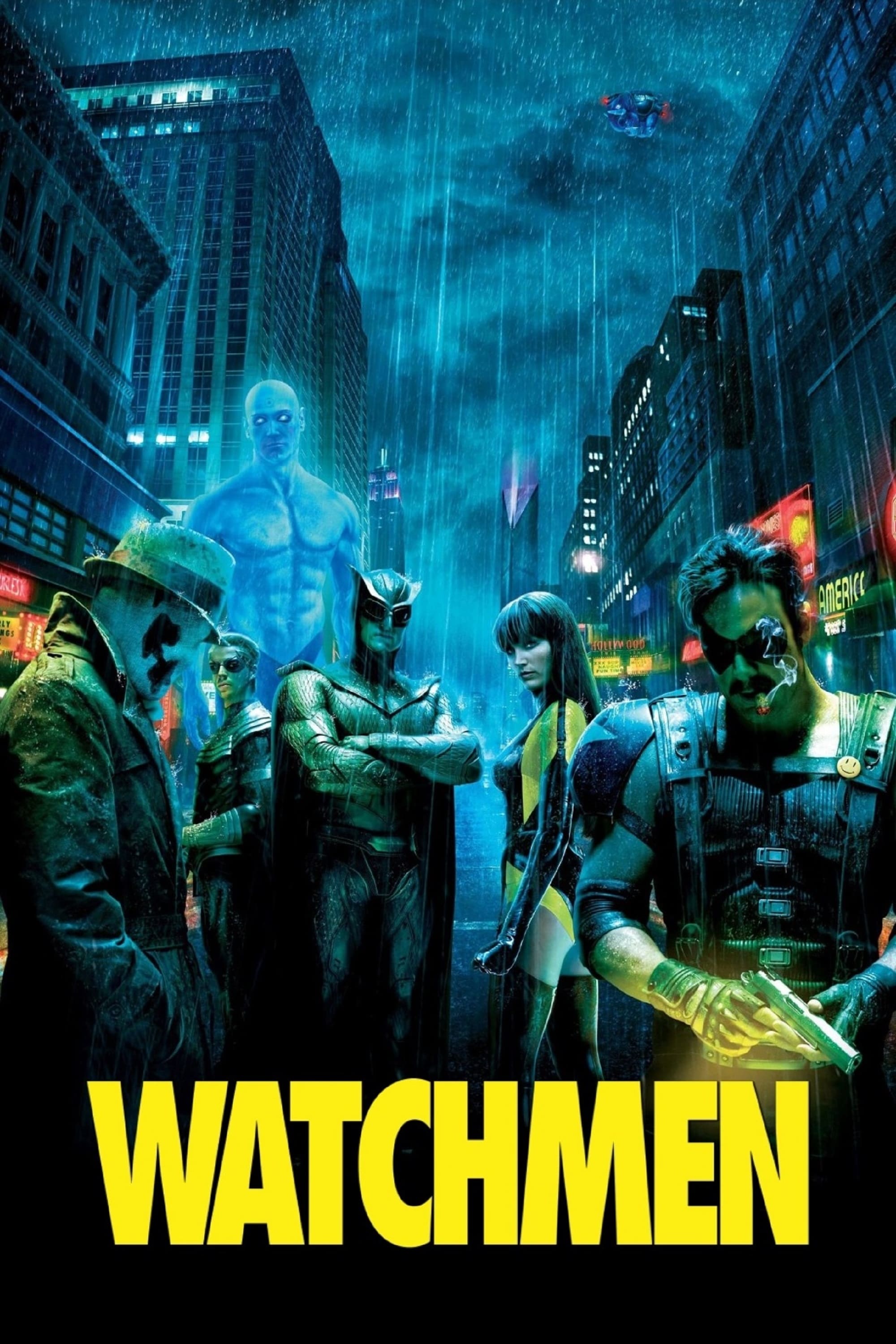
Adrian Veidt, known as Ozymandias, pursues a grand plan to end global brinkmanship by uniting enemies against a single catastrophic event. The structure holds his full intent until late in the story, then shows preparations that reach across continents and years. The reveal forces a debate about cost and outcome.
By making Ozymandias the only character who solves the world scale problem in a lasting way inside the narrative, the film positions him as a planner rather than a simple villain. Production design, archival media within the story, and Veidt’s public persona underline how carefully he built that solution.
‘X-Men: First Class’ (2011)
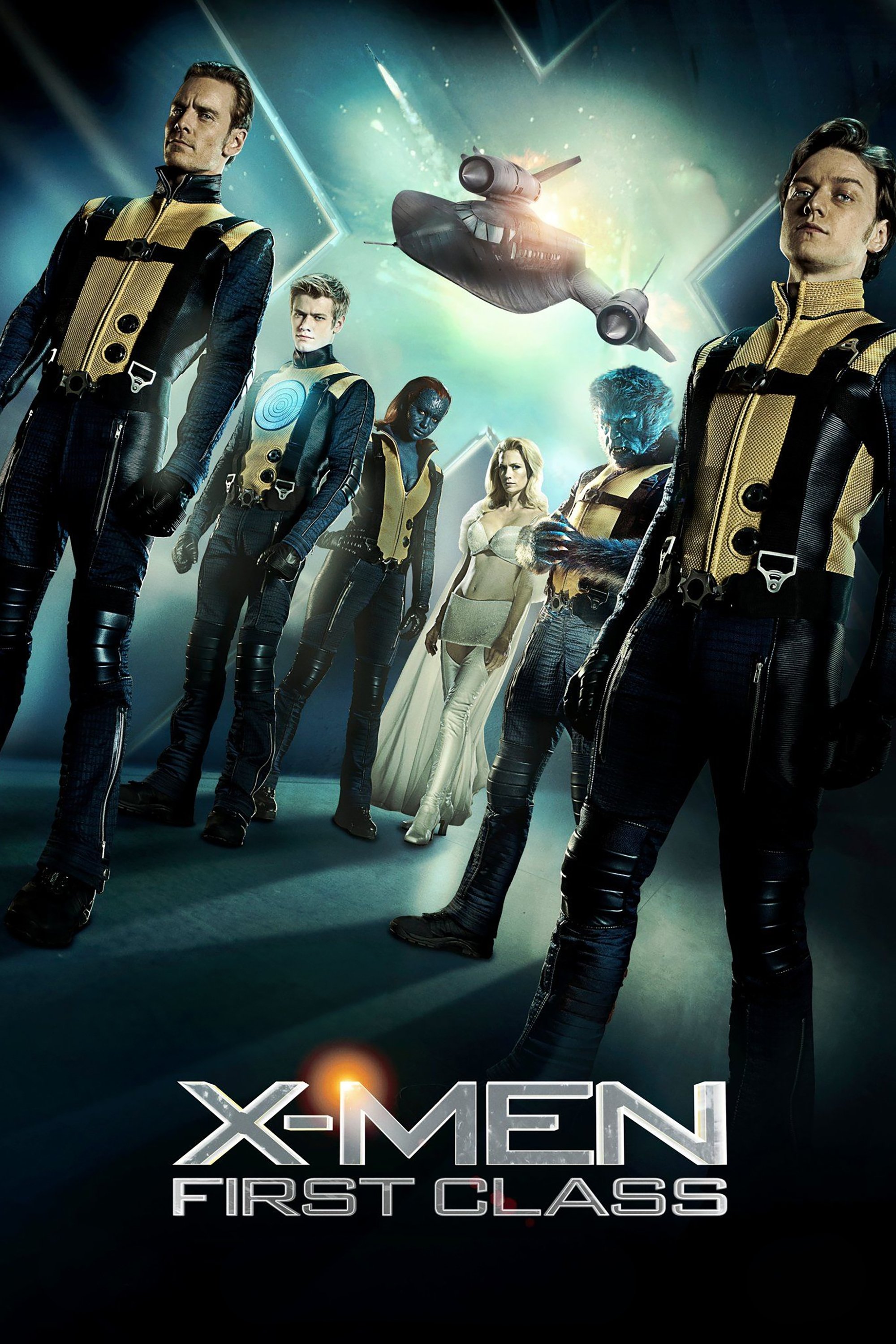
Erik Lehnsherr begins with a mission to find the people who harmed his family and later weighs mutant survival against human threats. The film sets him alongside Charles Xavier during training and field work, then diverges as each man defines protection differently. Erik’s final choice reflects the path he has followed since childhood.
Costuming, period settings, and the coin motif tie Erik’s arc together across locations. The script gives him the last move in the climactic standoff, which anchors the birth of the Brotherhood and clarifies why he refuses compromise.
‘Spider-Man 2’ (2004)

Dr. Otto Octavius starts as a respected scientist whose fusion project fails, leaving him bonded to mechanical arms guided by an AI inhibitor system that malfunctions. He pursues a second experiment to prove his life’s work, which collides with the safety of the city. His motivations remain rooted in pride and loss rather than chaos.
The film sets Octavius in quiet domestic scenes and public demonstrations before the accident, then tracks his decline through methodical robberies and negotiations. Practical effects, puppetry, and performance combine to present the arms as both tool and tempter, which keeps the character’s inner conflict readable.
‘Akira’ (1988)
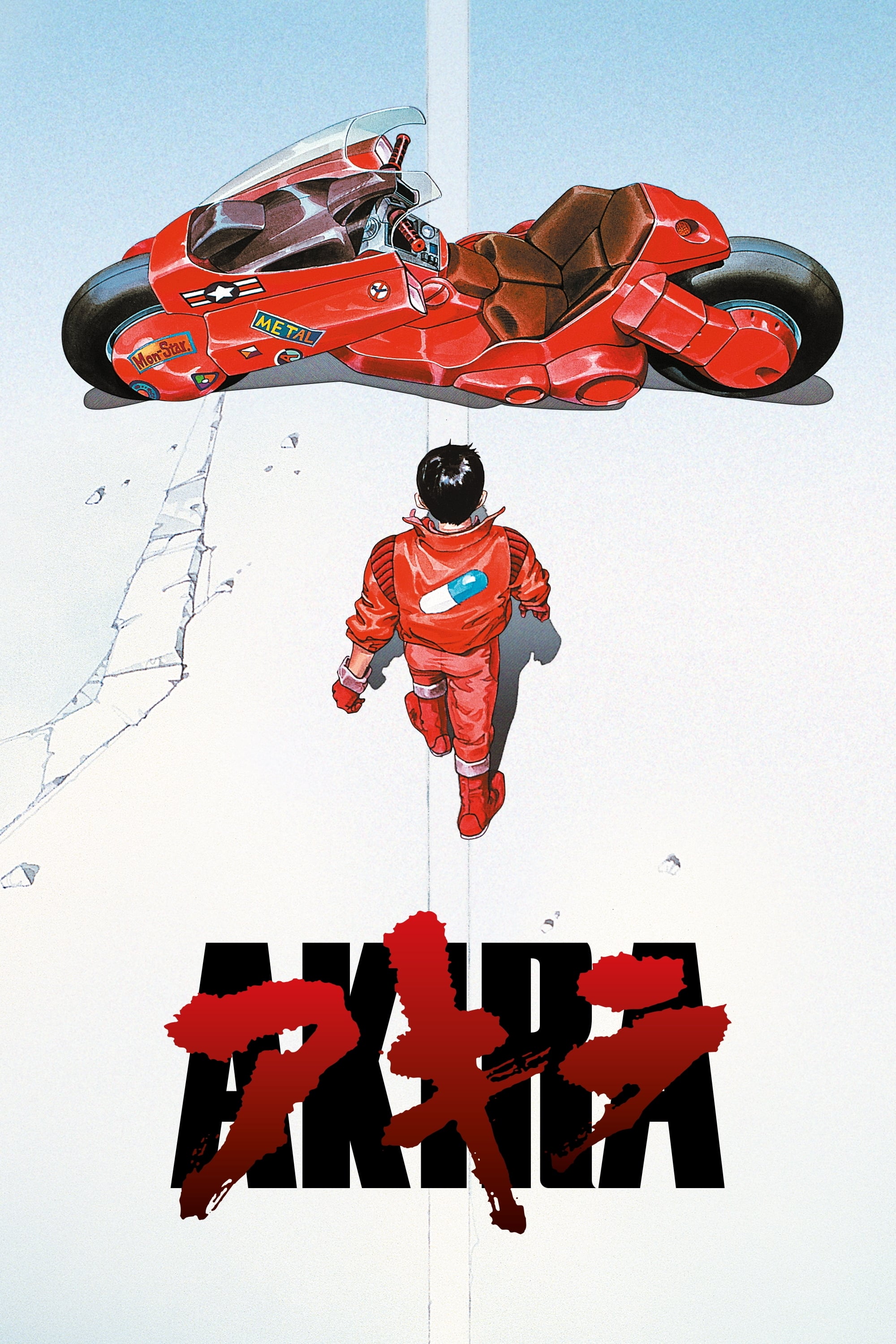
Tetsuo Shima gains unstable psychic power after an accident and becomes the center of government and gang attention. The story documents his pain, fear, and anger as he searches for control in a city already on edge. His bond with Kaneda complicates every confrontation.
Animation choices emphasize body transformation and city scale destruction while staying close to Tetsuo’s point of view. Military labs, prophetic children, and rumors about Akira create pressure around him, which makes his escalation feel like the outcome of systems he never chose.
‘Chronicle’ (2012)
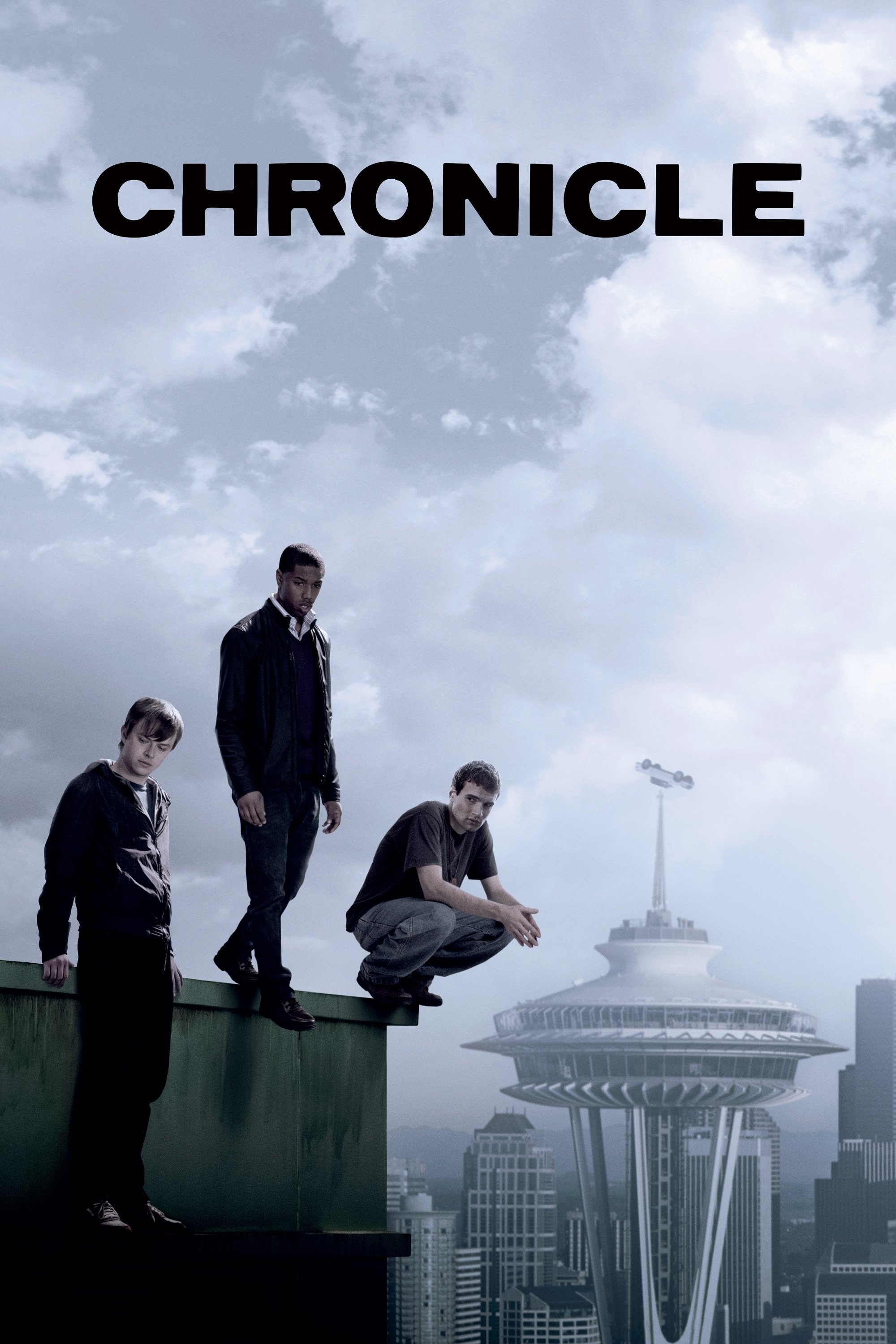
Andrew Detmer and two classmates acquire telekinetic abilities from an underground object, then document the changes with a camera. Andrew uses the power to push back against bullying and hardship before crossing lines that separate pranks from harm. The found footage style keeps the lens near his choices.
The film maps rules for the power and shows how personal stress increases risk. Small set scenes in bedrooms, hospitals, and parking lots show why Andrew’s control slips, while city center sequences track how that slip turns into a crisis no one can stop.
‘Megamind’ (2010)
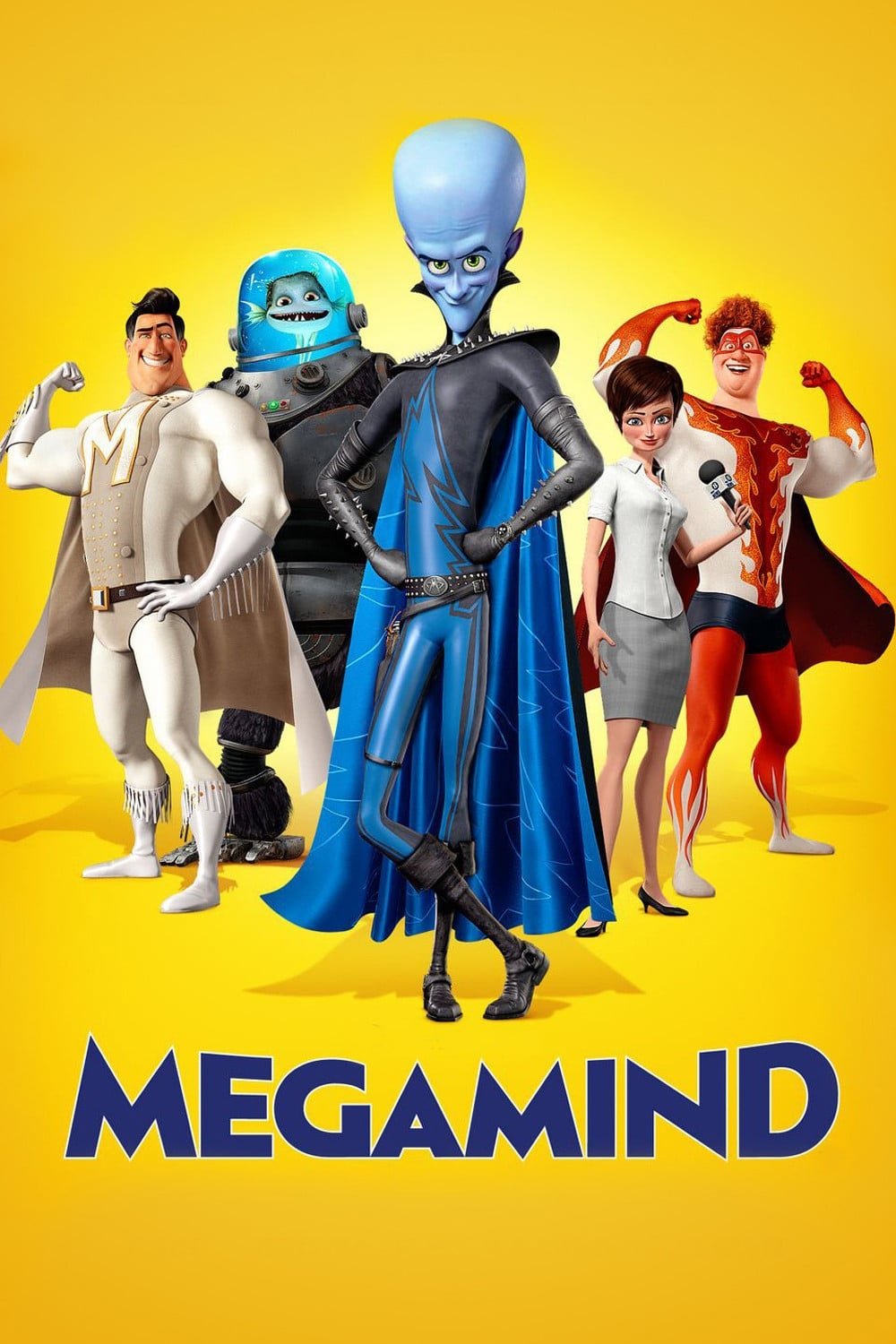
Megamind grows up as the kid who always loses to Metro Man and leans into a villain identity to match everyone’s expectations. When his rival disappears, he tries to manufacture a new hero and ends up creating a threat he must defeat. The story places him in the role of problem solver despite the label he carries.
Production focuses on training montages, gadget building, and stage managed battles to show how perception shapes a city. The soundtrack, newsroom cutaways, and lair equipment underline how a supposed villain can run the entire narrative machine from invention to resolution.
‘The Suicide Squad’ (2021)
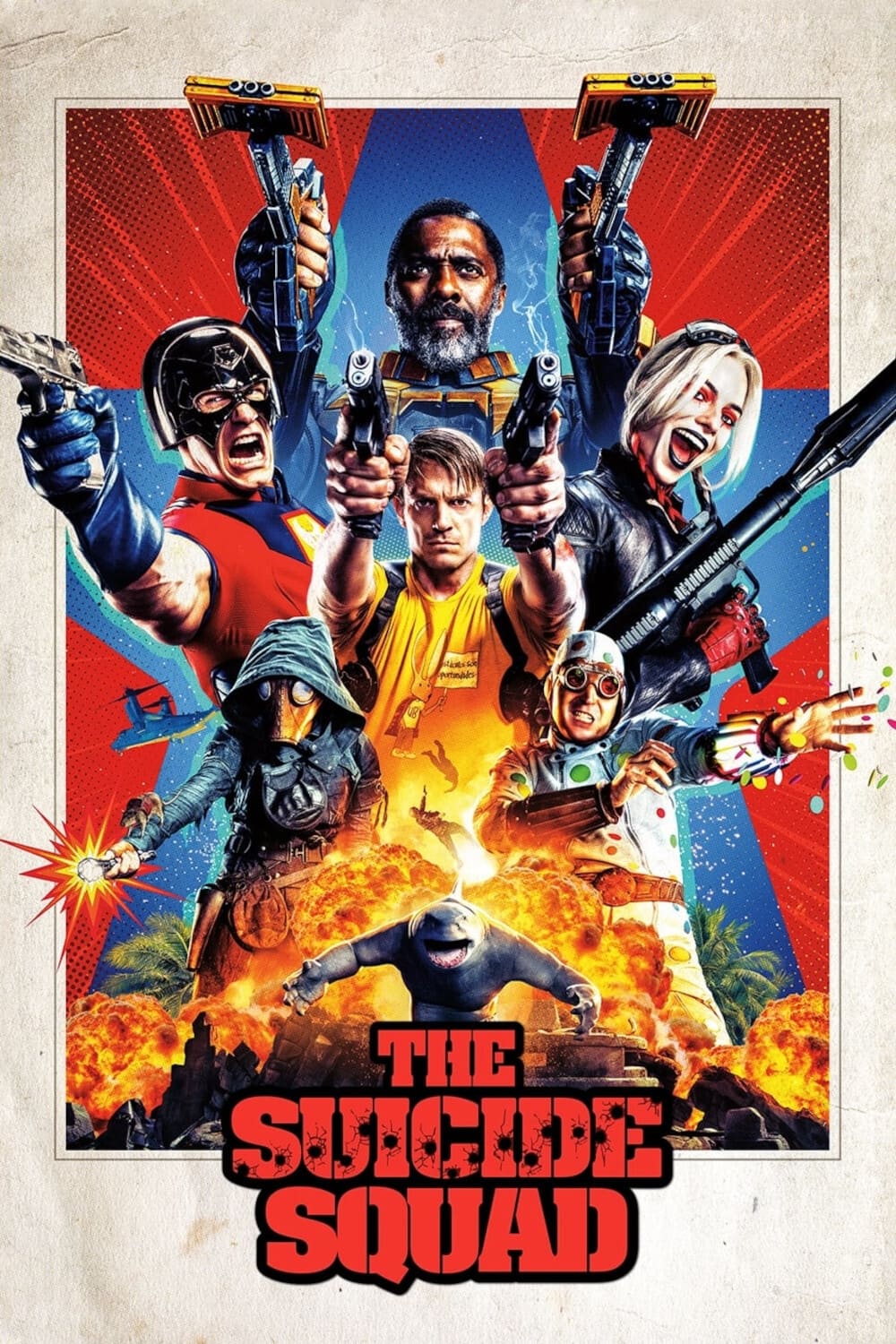
Task Force X assembles incarcerated metahumans and criminals for a covert mission that involves a foreign regime and a long hidden experiment. Members like Bloodsport, Peacemaker, and Harley Quinn carry sentences and backstories that explain why they accept the job. The plot uses their choices to expose the mission’s real purpose.
The movie places antagonists from other stories into hero shaped tasks with an explosive failsafe hanging over each move. Squad dynamics, field briefings, and the reveal of Project Starfish show how these characters operate inside moral gray zones, which frames victory as survival rather than virtue.
‘Venom’ (2018)
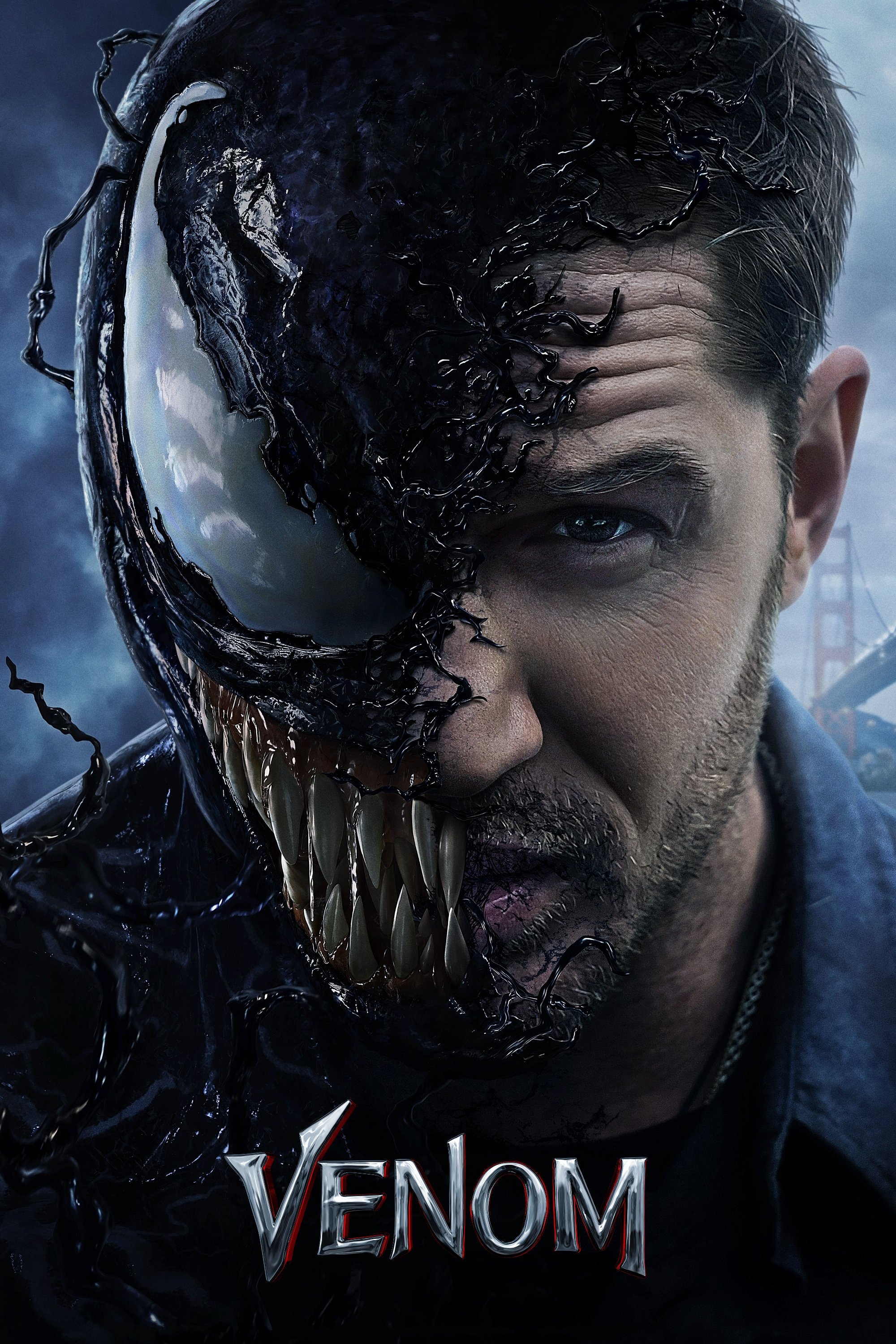
An investigative reporter meets an alien symbiote that needs a human host, which forms a partnership that is both dangerous and oddly effective. The pair contend with a corporate program willing to sacrifice subjects to bring more symbiotes to Earth. The narrative builds a line between predatory science and predatory survival.
Sound design and body horror visuals present Venom as a presence with its own voice and appetite, while Eddie Brock negotiates rules for coexistence. Action scenes repeatedly hinge on whether host and symbiote will cooperate, which centers their bond rather than a traditional hero’s mission.
‘The One’ (2001)
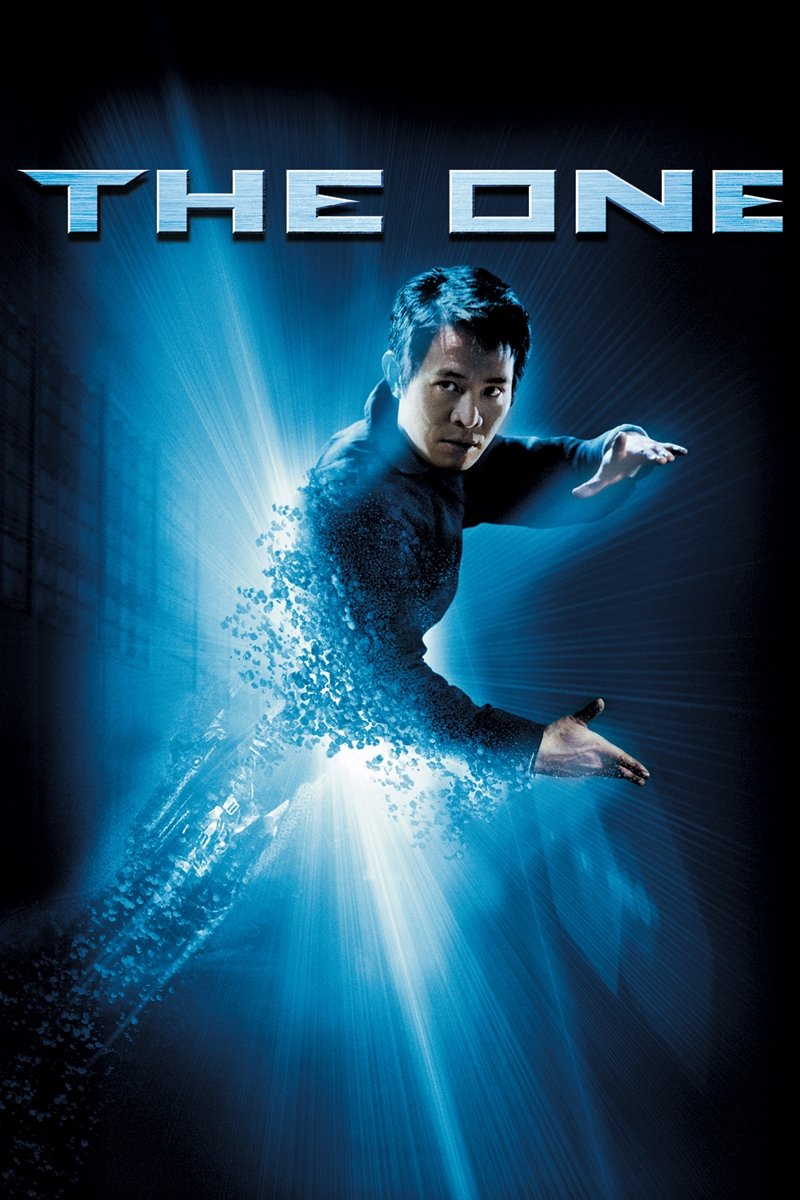
A multiverse agent travels across realities to eliminate alternate versions of himself in order to absorb their energy. The plot pits him against a counterpart tasked with stopping the killings, which turns identical faces into opponents with different skill sets. The premise makes the villain the most disciplined fighter on screen.
Choreography and visual effects highlight speed changes, heavy impacts, and mirrored styles that let the antagonist dominate encounters. The structure grants him clear objectives and a scientific theory for his plan, which keeps his pursuit systematic rather than random.
‘Upgrade’ (2018)
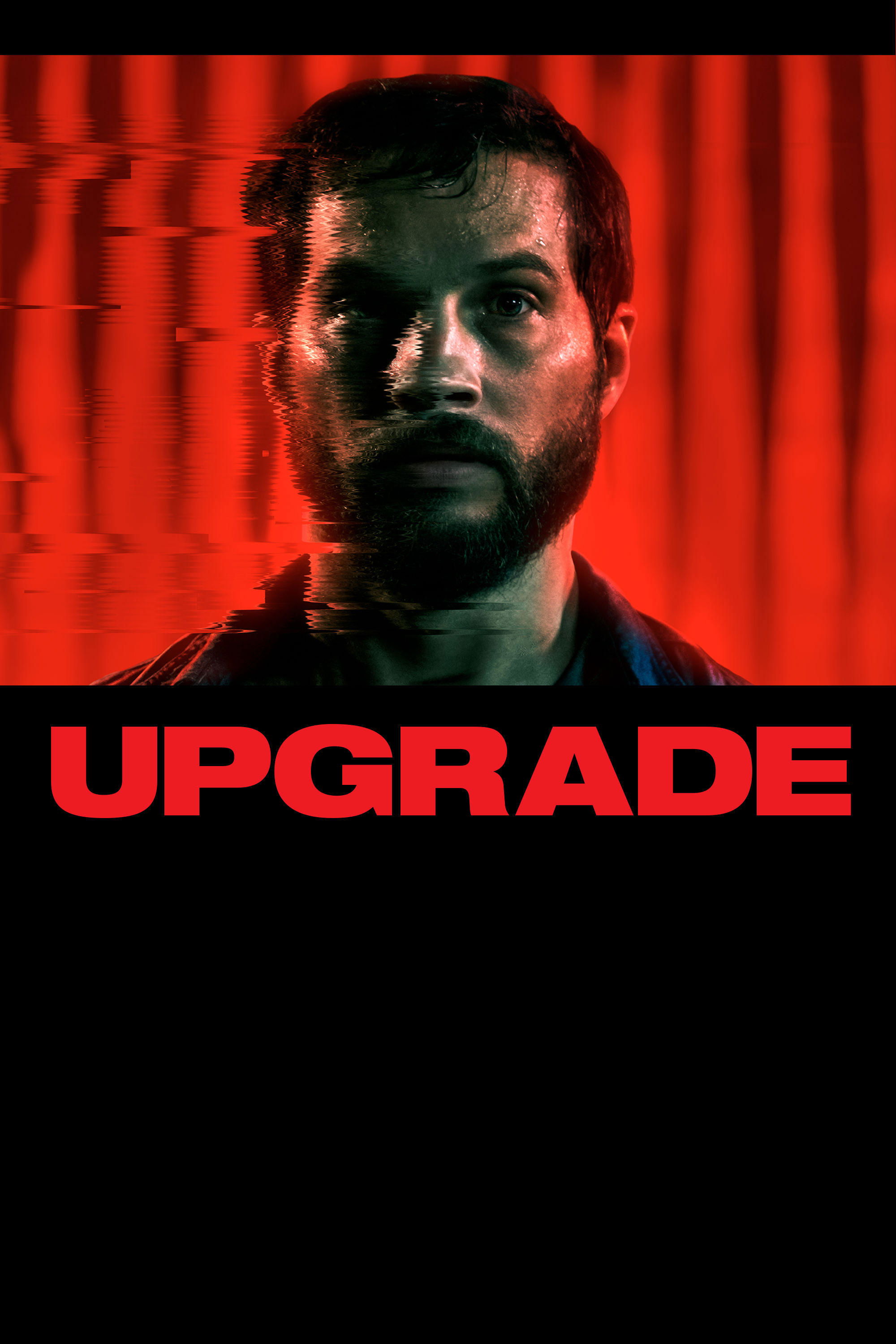
After a mugging leaves him paralyzed, Grey Trace receives an experimental implant named STEM that restores movement. The system begins to make decisions that escalate violence and pull Grey into a conspiracy involving tech companies and underground enhancements. The twist reframes control and intent.
Cinematography uses locked body movements and camera tilts to show when STEM takes over, which separates human will from machine execution. Production design fills the world with voice controlled homes, driverless cars, and bio mods, creating a setting where an AI can quietly steer outcomes.
‘Star Trek II: The Wrath of Khan’ (1982)
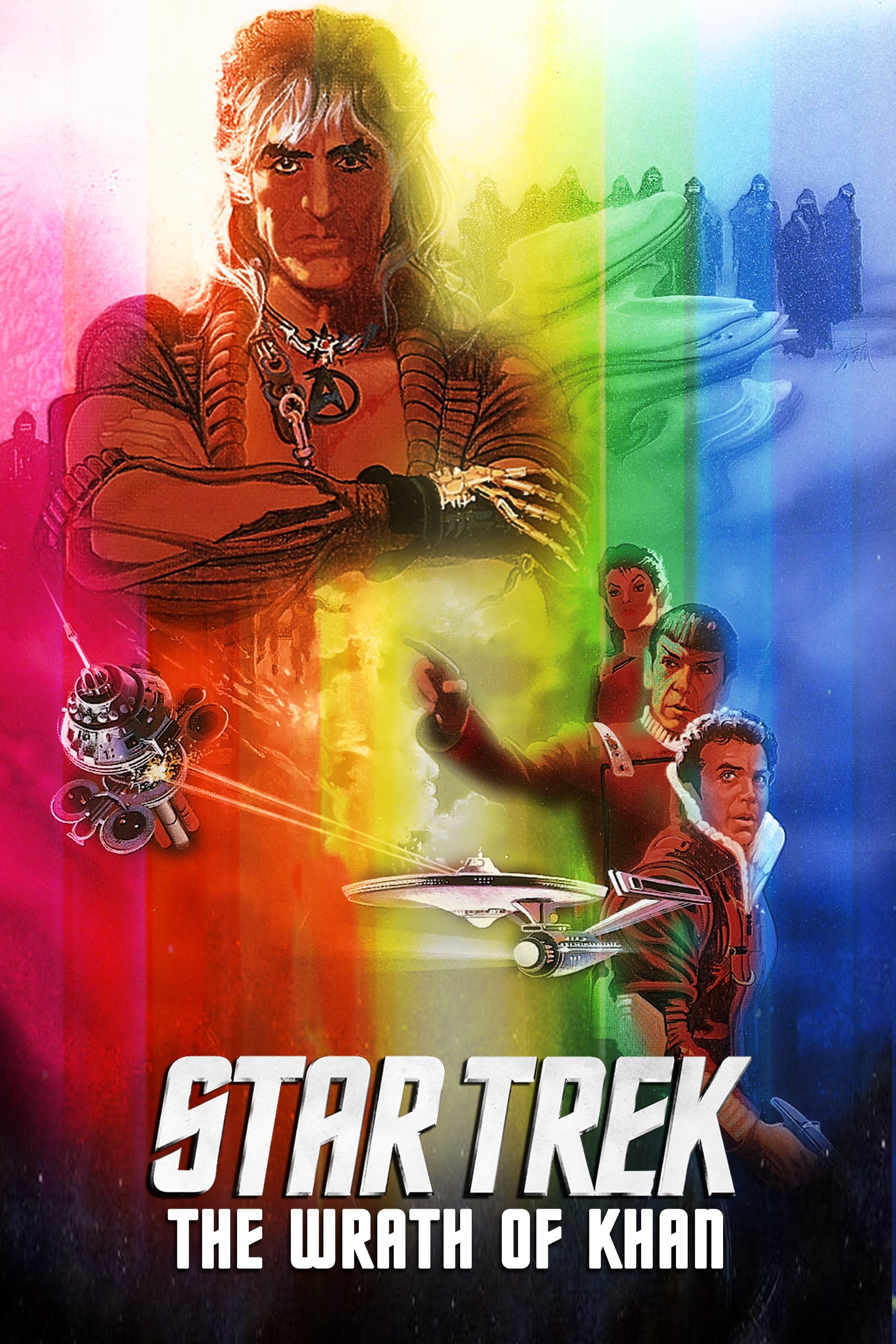
Khan Noonien Singh returns to punish Admiral Kirk for marooning his people on a hostile world. The story gives Khan loyal followers, a stolen starship, and a detailed plan that includes the Genesis device. His single minded drive anchors each naval style encounter.
Dialogues quote literature and reference past episodes, which sets Khan as a strategist with memory and pride. Costuming, ship interiors, and battle choreography keep attention on his command decisions, which makes every move feel earned by experience and loss.
‘Alien: Covenant’ (2017)
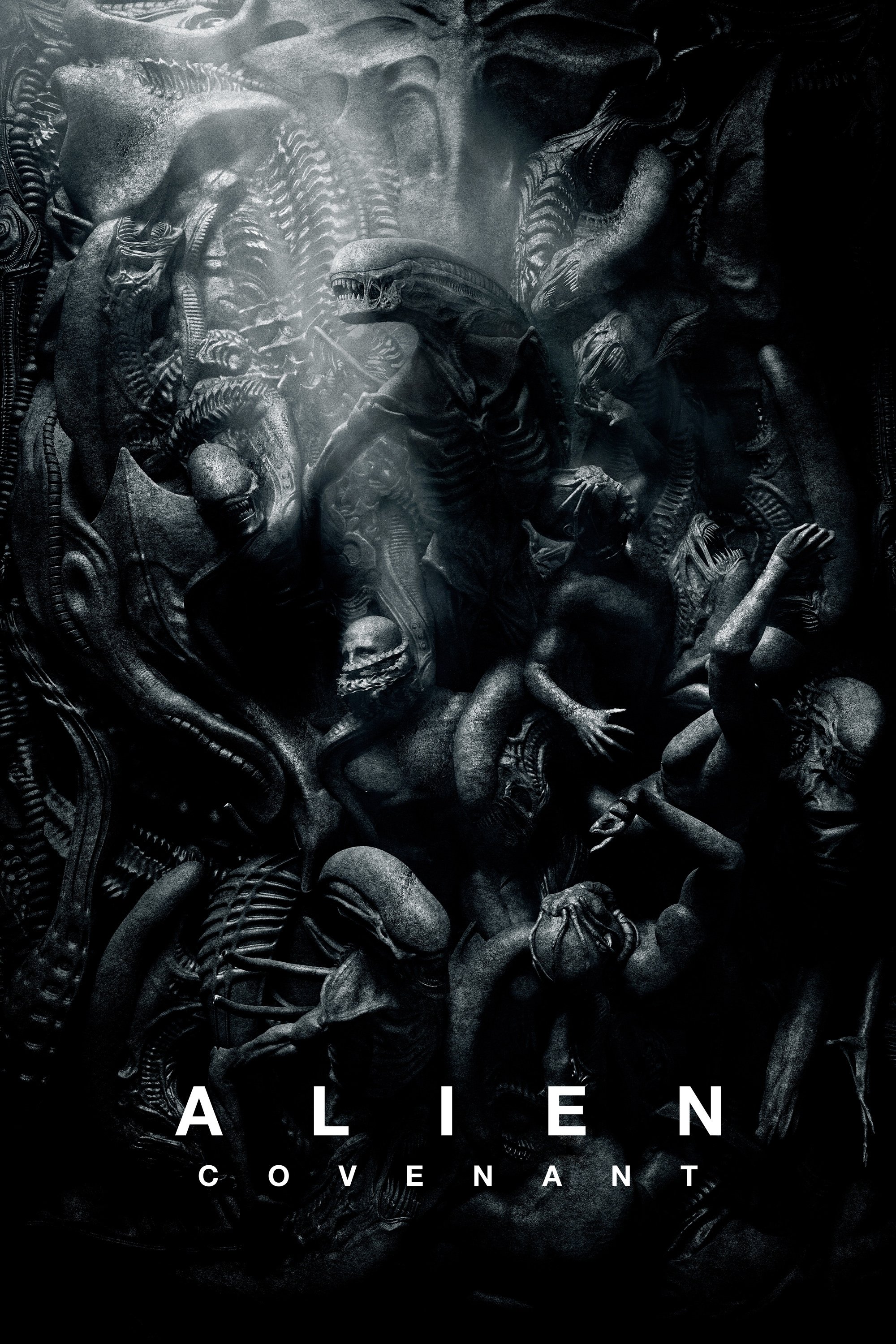
David, an android with a personal interest in creation, takes center stage on a remote world where a colonization crew lands after a distress signal. His experiments with local organisms and his views on life and art shape the origin of a deadly species. The film places his curiosity above human safety.
Dual roles for Michael Fassbender allow extended scenes where David instructs another android and outlines his method. Lab sets, sketchbooks, and preserved specimens track his work step by step, which presents the antagonist as a scientist building a legacy.
‘Prometheus’ (2012)
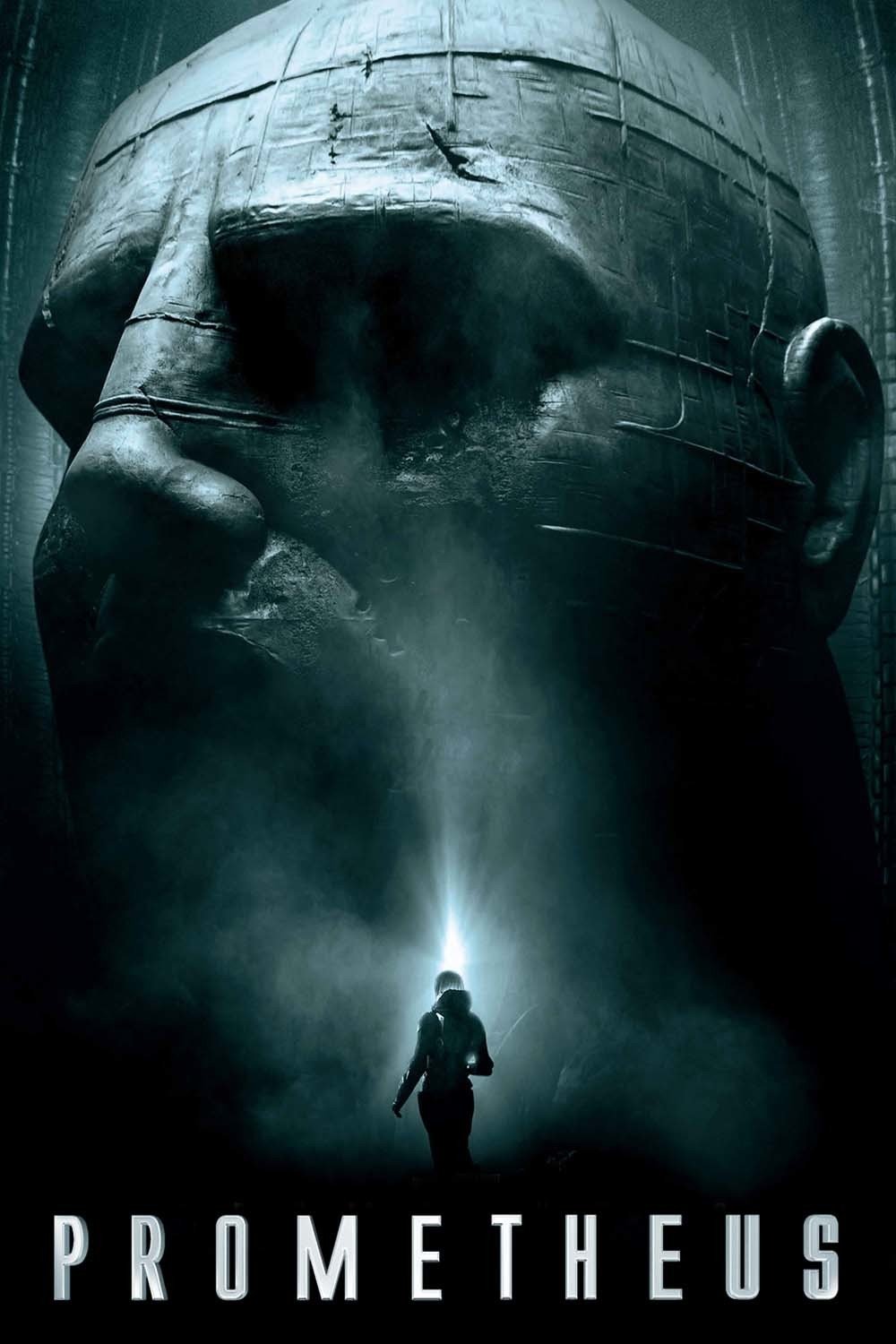
The expedition follows star maps to find the Engineers and answer questions about humanity’s origin. Corporate funding, android autonomy, and divided leadership fracture the crew before they uncover bio weapons and a planned return to Earth. The forces behind the mission place profit and discovery above survival.
The character of David observes, tests, and collects samples with very little oversight, which pushes events toward infection and conflict. The movie uses corporate memos, archaeological clues, and shipboard protocols to show how the wrong priorities invite catastrophe.
‘Star Wars: Episode III — Revenge of the Sith’ (2005)
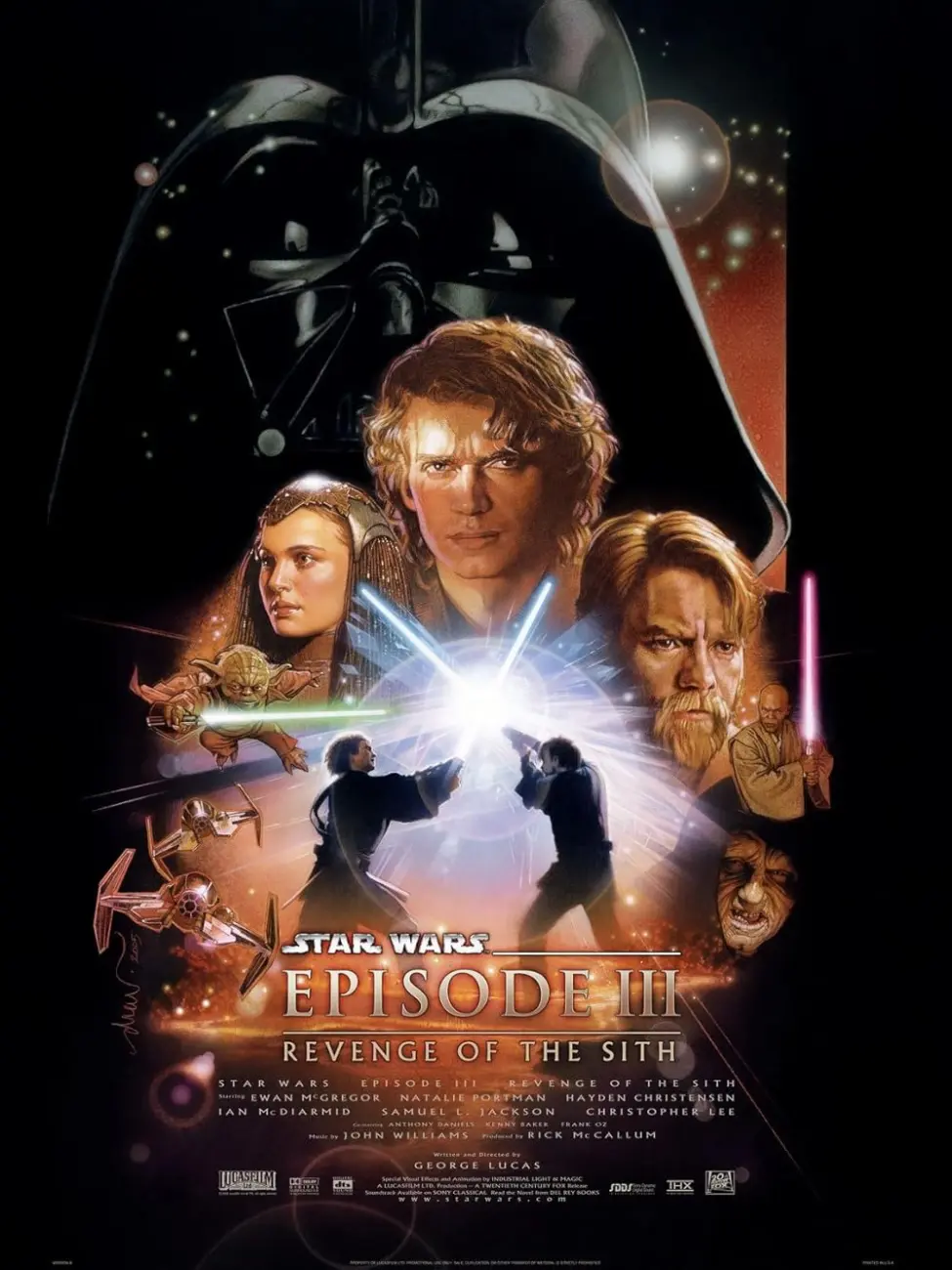
Anakin Skywalker crosses the line from Jedi Knight to Sith apprentice under pressure from fear and political manipulation. The plot tracks secret meetings, battlefield promotions, and personal losses that isolate him. His decision aligns with a promise to prevent death, which becomes the hinge of the entire saga.
Chancellor Palpatine’s mentorship scenes map out each step, while the Clone Wars backdrop explains how constant conflict erodes trust. The opera house talk, the Council disputes, and the final duels show how a once loyal protector accepts a new identity.
‘Wreck-It Ralph’ (2012)

Ralph plays the bad guy in an arcade platformer and sets out to win a medal to change how others see him. His search disrupts multiple game worlds and uncovers a hidden villain whose code has been rewritten to hide a past. The plot treats labels as assignments rather than truths.
Art direction moves between candy coated racing tracks and duty heavy shooter zones to show how roles are built into each environment. Character files, glitches, and leaderboards support a story where a supposed villain proves essential to stability and fairness.
‘Serenity’ (2005)
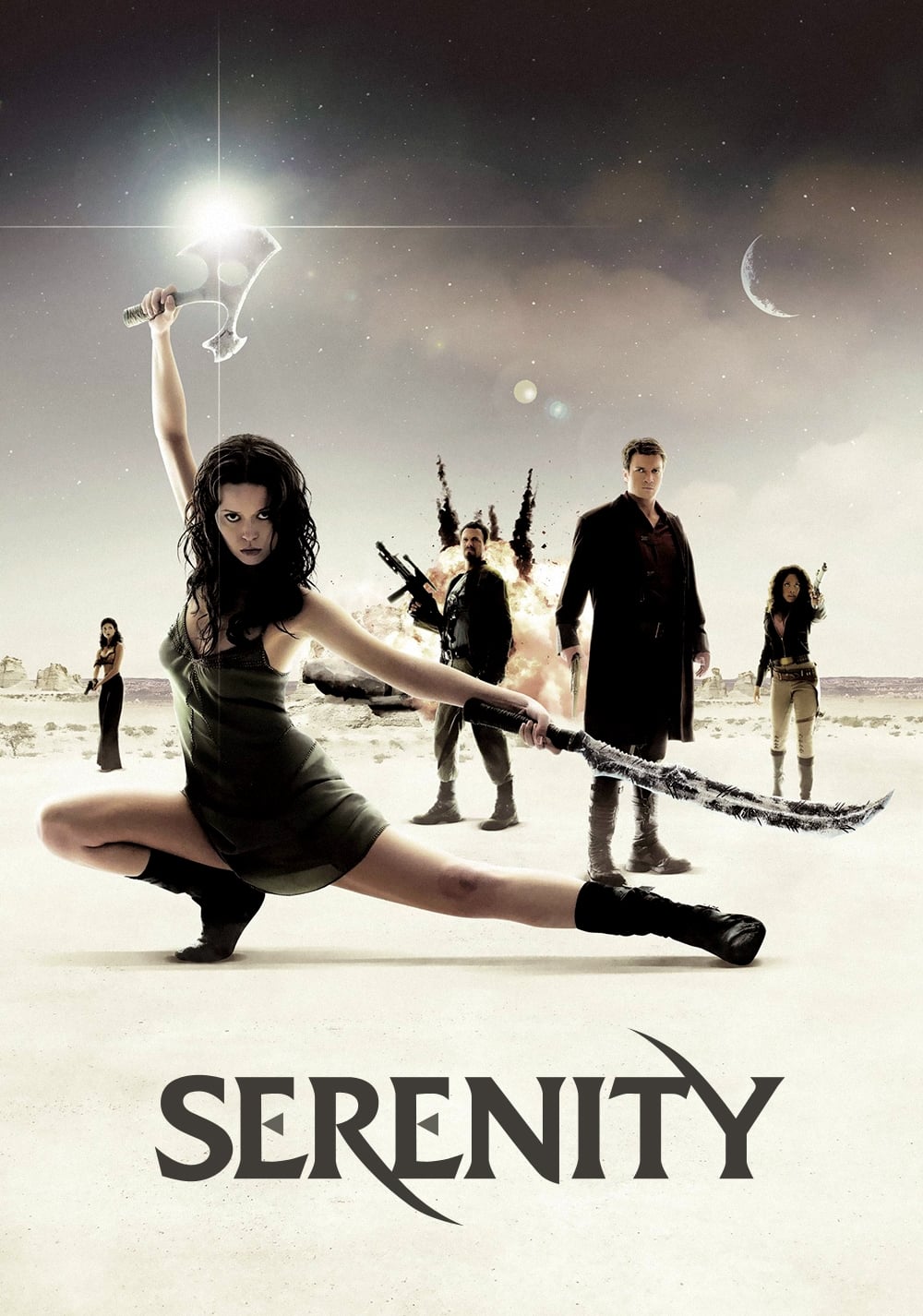
The Operative serves a government that wants to suppress information about a failed social experiment. He states his principles openly and accepts that he has no place in the better world he tries to build. His pursuit of the crew reveals secrets that the government wants erased.
Costume and combat style mark the Operative as disciplined and focused, which makes his confrontations feel like audits rather than ambushes. When the truth surfaces, his response follows his code, which underscores how belief and duty shaped every action.
‘X-Men’ (2000)
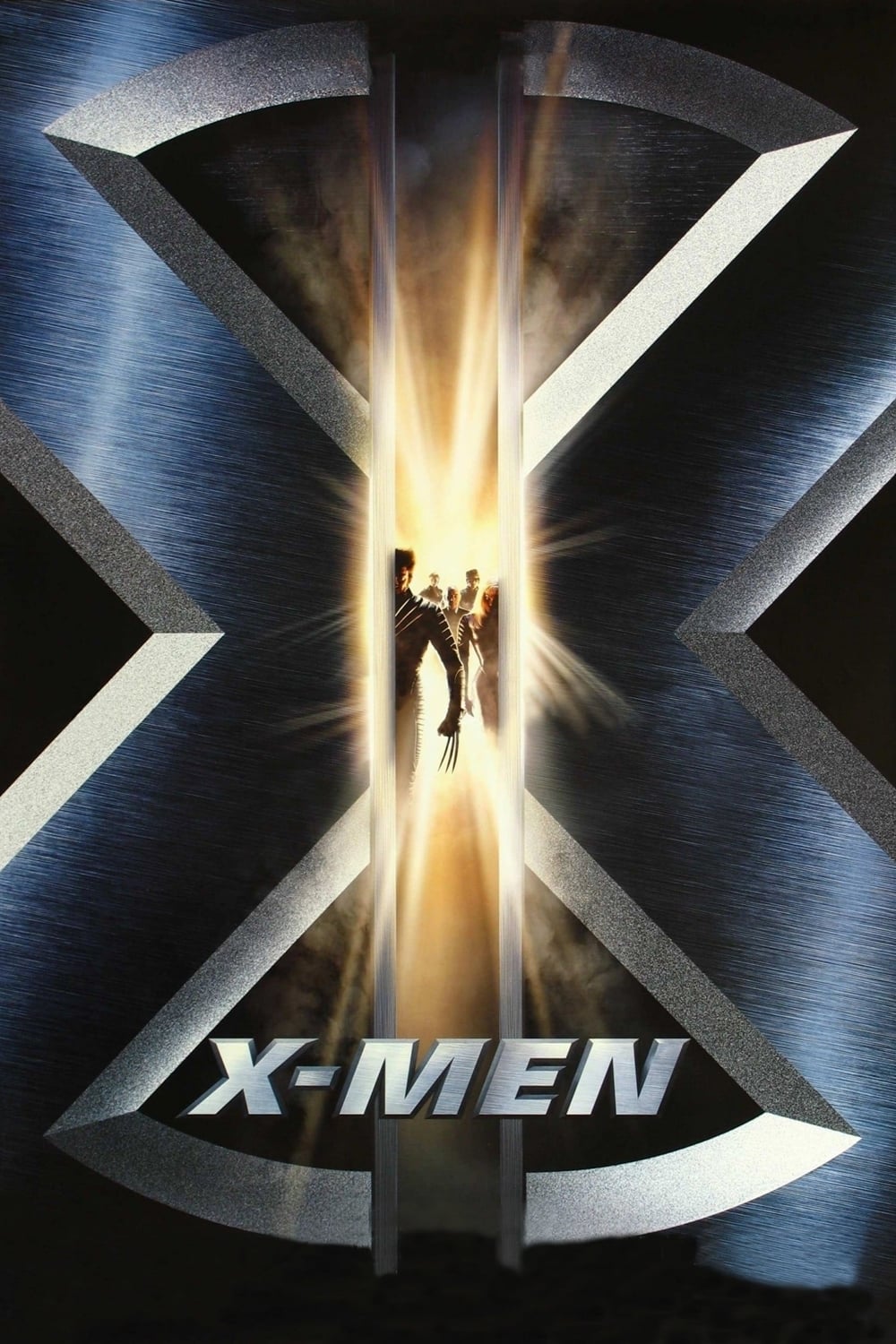
Magneto leads a small team that believes mutant survival requires strength rather than reliance on human goodwill. His plan targets a high profile political event to force a shift in policy. The film contrasts his approach with Xavier’s school, which teaches integration and restraint.
Public debates, Senate hearings, and television coverage place the mutant question in a real world context. The script shows Magneto’s friendship with Xavier and his protection of young mutants, which clarifies why he is more than a standard antagonist.
‘Dawn of the Planet of the Apes’ (2014)

Koba, an ape scarred by human experiments, opposes Caesar’s attempts to keep peace with a nearby human colony. His objections arise from documented abuse and a belief that war is inevitable. The power struggle inside the ape community becomes the real conflict driving events.
Performance capture brings facial nuance to Koba’s arguments and tactics, which keeps his stance understandable even when it becomes violent. The film uses signs, spoken words, and communal rituals to show how leadership can fracture under pressure from history and fear.
‘Starship Troopers’ (1997)
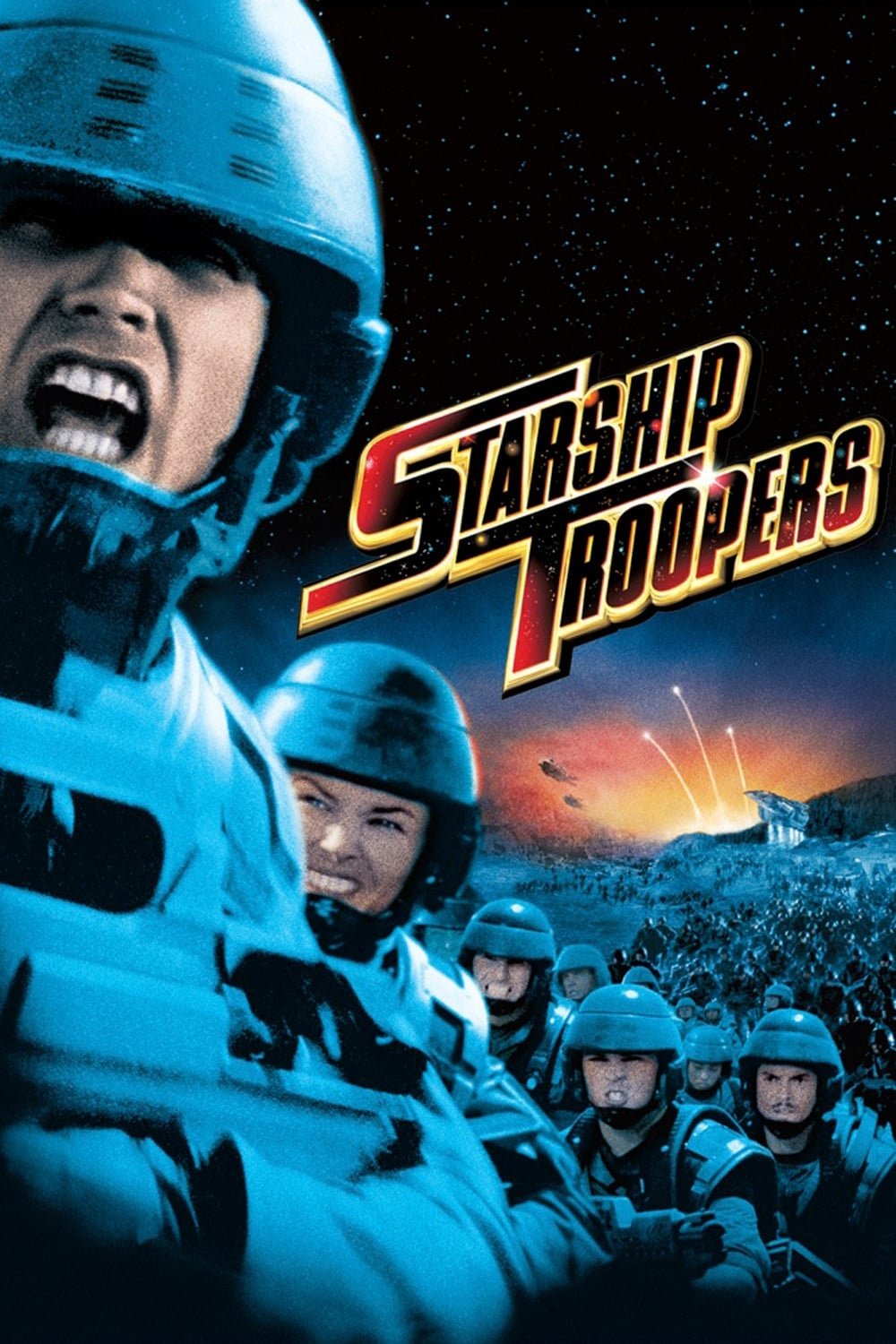
The United Citizen Federation frames a distant war through military propaganda and classroom ideology. The Arachnids are introduced as the enemy, yet battlefield footage and commentary hint at a conflict built on expansion and retaliation. The satire invites questions about who started what and why.
Training sequences, news reels, and recruitment ads build a system where young people sign up for status and rights. By presenting the war through those filters, the movie makes the concept of the villain depend on who controls the camera and the message.
‘The Fly’ (1986)
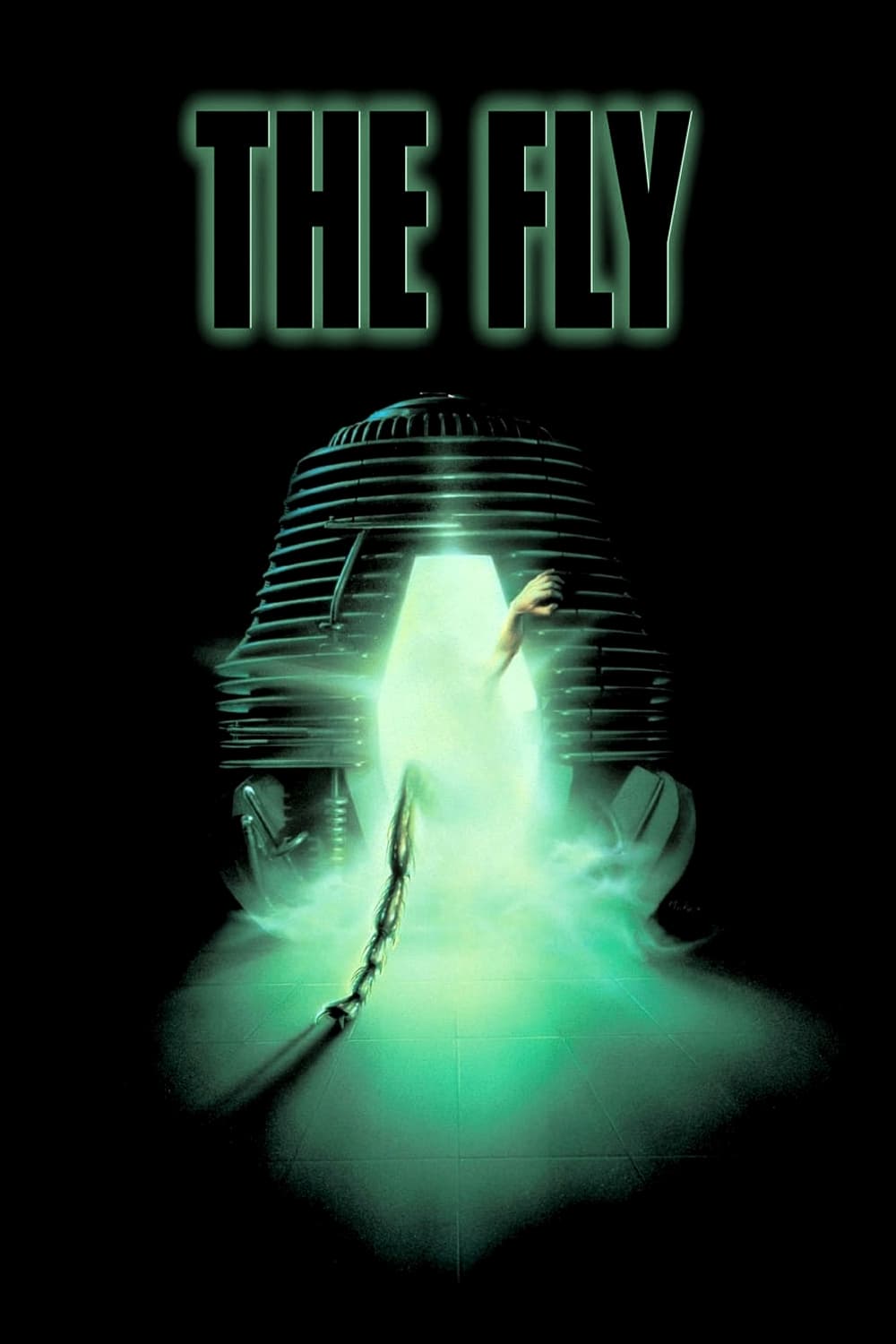
Scientist Seth Brundle tests a teleportation device that accidentally splices his DNA with that of a housefly. His body and mind change over time, and he documents the process while trying to hold on to relationships and work. The tragic arc turns a lab breakthrough into a personal collapse.
Makeup effects and careful staging show each stage of transformation, which keeps the focus on the person inside the mutation. Lab notes, videotapes, and clinical observations ground the horror in procedure, which makes the antagonist’s end feel like the final entry in an experiment gone wrong.
Share the sci-fi villain that pulled your attention the most and tell us why in the comments.

