Should You Watch ‘Spider-Noir’ in Black and White or in Color? Cage Designed His Performance for Black and White — But It Looks Stunning Either Way


There are very few moments in television history where a viewer has to make an aesthetic decision before even pressing play. ‘Spider-Noir’ is one of them, and it arrives on MGM Plus and Prime Video with a genuinely rare creative offer built right into the platform.
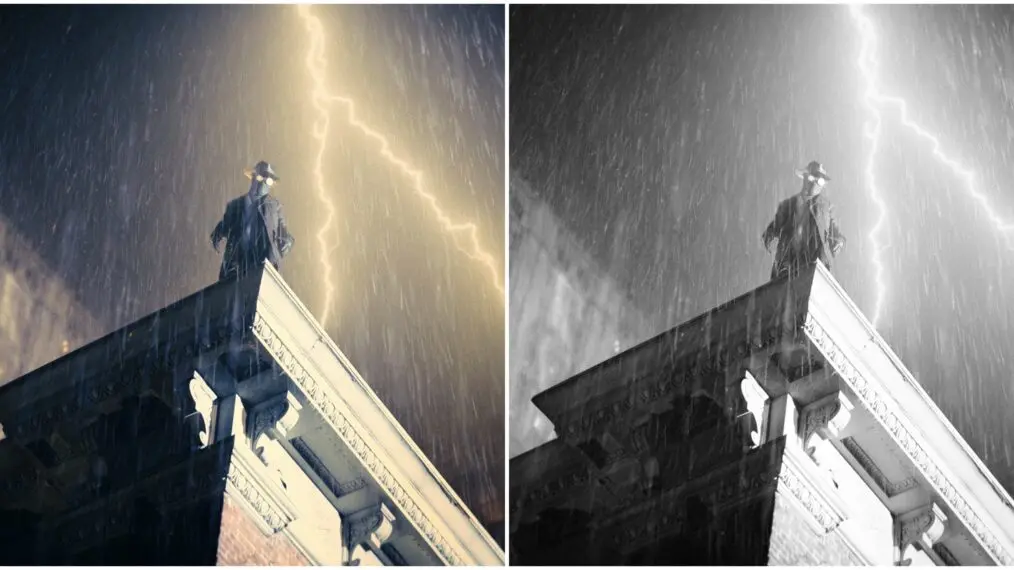
The new superhero show was filmed in color, but on streaming has the option for viewers to select between “Authentic Black and White” and “True-Hue Full Color.” This is because ‘Spider-Noir’ takes place in 1930s New York City, and is inspired by the black-and-white mystery noir movies of the time, with Nicolas Cage starring as Detective Ben Reilly, who has since retired from his days as the city’s resident superhero, the Spider.
How the Dual-Format Decision Was Made
The existence of both versions is not simply a marketing gimmick. A live-action project on the scale of ‘Spider-Noir’ being available in both formats is unprecedented, and all but impossible before the rise of streaming services. And the technical execution behind it is equally impressive.
The production employed specialized cinematography techniques to capture the series in both authentic black-and-white and color simultaneously. Rather than converting footage post-production, the digital footage was processed immediately after capture into two distinct formats, preserving visual integrity in each version.
The authentic black-and-white version features enhanced shadows, contrast ratios, and compositional techniques specific to monochromatic cinematography, while the true-hue full color option reveals production details and environmental storytelling.
Classic shows like ‘The Twilight Zone’ and ‘I Love Lucy’ were originally released in black-and-white, while more modern series have produced special black-and-white episodes before going back to color. ‘Spider-Noir’ goes further than either precedent by offering both simultaneously at launch.
The Case for Watching in Authentic Black and White
If you have even a passing familiarity with the noir genre, the case for the black-and-white format is a compelling one. Film noir was the term that French critics applied to the crime movies that Hollywood made from the 1930s and through the early 1950s, movies such as ‘The Third Man,’ ‘Double Indemnity,’ and ‘The Big Heat,’ and even a cursory look at the trailers for ‘Spider-Noir’ emphasizes the show’s connection to those movies.
The black and white print helps sell the tone of ‘Spider-Noir,’ which functions much more like a hard-boiled detective story than it does a superhero tale. That tonal alignment matters enormously when the whole premise is a retired web-slinger dragging himself back into action through the fog of a Depression-era city.
Critics landed on both sides of the debate, with The Daily Beast’s Nick Schager arguing that black and white is “unquestionably the only way to go,” given that the show was crafted for “maximum chiaroscuro boldness.” Perhaps most persuasively of all, Nicolas Cage has revealed that he crafted his performance specifically for the black-and-white version of ‘Spider-Noir,’ saying “I’m all about the black and white. I designed my performance for black and white. And I’m glad I saw it that way.”
The Case for True-Hue Full Color
Crucially, the color version of ‘Spider-Noir‘ is not simply a fallback option for the aesthetically unadventurous. The production team made a conscious decision to give it a look all its own. Instead of shooting the series in the same flat colors as every other series, the directors work to emulate the bright technicolor of a Hitchcock movie. Everything is oversaturated and unreal, making the show not only visually distinct, but also as heightened as the black and white version.
IndieWire noted that, for their money, the black-and-white is primarily fun for the vibes, but the vibrancy of the costumes, sets, and performances give color the overall edge. That is a meaningful observation from critics who screened the full series before its premiere.
The color version, intentionally styled to evoke 1930s Technicolor comic strips rather than modern color television, is the production team’s recommendation for younger audiences coming from the animated ‘Spider-Verse’ films. Nicolas Cage was actually the person who pushed for this version to exist in the first place.
Nicolas Cage’s Vision for Every Kind of Viewer
The dual-format release traces back directly to Cage’s instinct about his audience. Cage told Esquire in his first interview about the new show, “I understand why they presented it in both, and I suggested it in the beginning. I remember when Amazon was first thinking about doing it, they were nervous about black and white. And I said, ‘You don’t have to only do it in black and white. You could do it in color as well because this is for all ages.'”
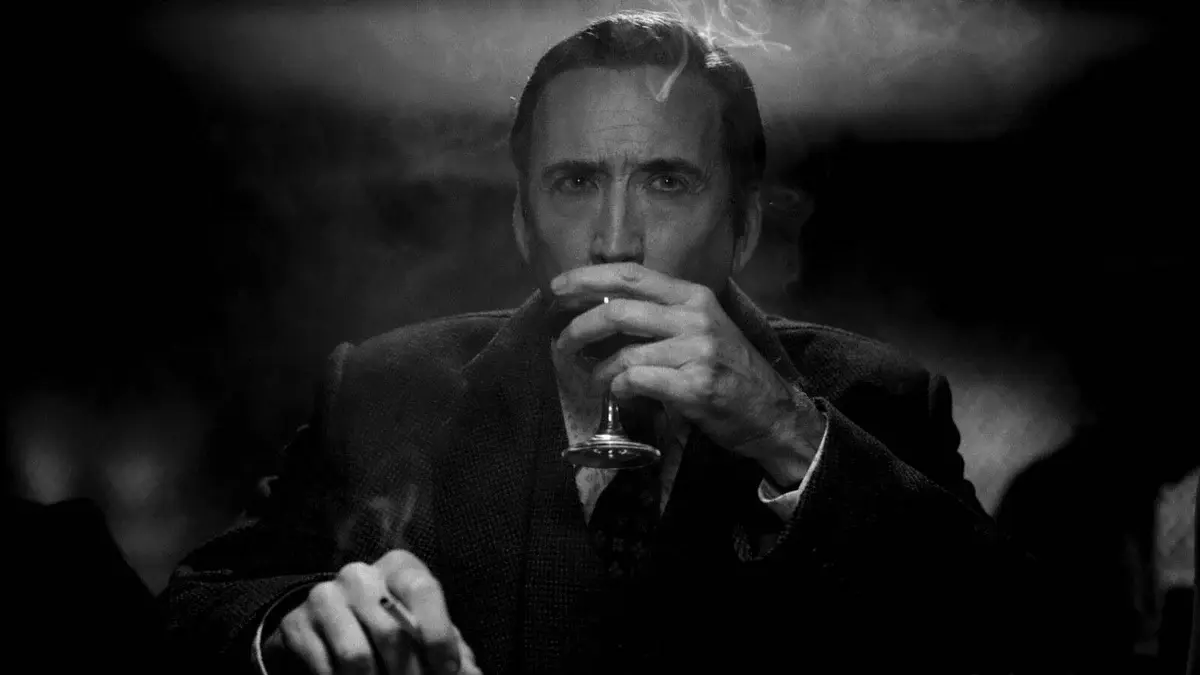
Cage specifically referenced teenage viewers as the core demographic for the color version, adding that “If they want to experience the concept in black and white, maybe that would instill some interest in them to look at earlier movies and enjoy that as an art form as well.” That is a surprisingly generous piece of cultural thinking from a man playing a spider-powered private detective.
The fact that the show is being presented in both formats also evokes the multiverse that has been at the core of the ‘Spider-Verse’ movies that inspired this new series, with the world of Spider-Man having been presented via many different aesthetics in the pages of comic books. In that sense, the dual presentation is not just a technical feat but a thematic one.
The Verdict: Which Format Should You Actually Start With
For first-time viewers, the critical consensus leans toward black and white, but the conversation is far from settled. The “Authentic Black and White” version really does transport viewers to a different time and brings out those old-school vibes, adding to the mystery element and making the stakes feel just a bit higher.
Ultimately, there are a multitude of ways for a discerning viewer to experience the show. This includes watching it first in color and then in black-and-white, vice versa, only picking one to watch and ignoring the other, or even switching formats with every episode.
‘Spider-Noir’ has arrived at the streaming conversation with a 90% score on Rotten Tomatoes across 40 pre-premiere reviews, with critics praising the dual black-and-white and color viewing format alongside the show’s commitment to its Depression-era world.
Whatever version you land on, this is a show that rewards the choice you bring to it, which makes this one of the more genuinely interesting conversations in superhero television right now — so which format are you opening with, and does a performance designed specifically for black and white make that version the only real option for a true ‘Spider-Noir’ experience?