


Spielberg’s Biggest Regret? The Film He Refused to Finish

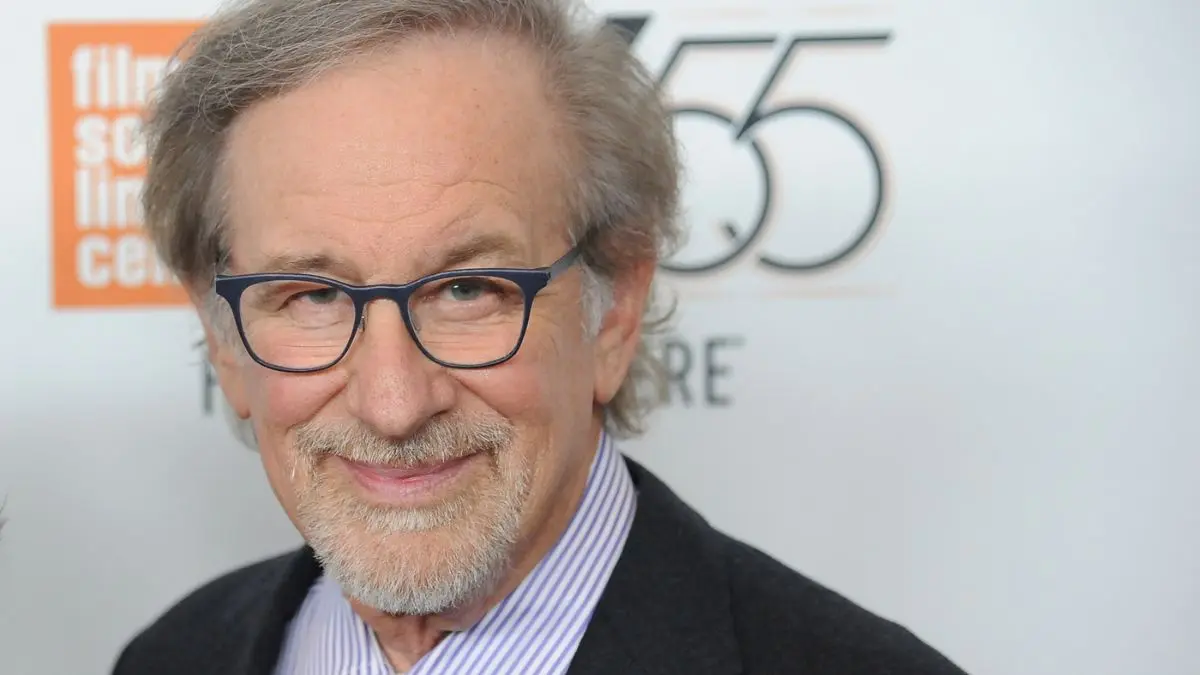


Steven Spielberg is known for making huge blockbusters, but there was a moment early in his career when he almost went in a completely different direction.
After the success of films like Jaws and Close Encounters of the Third Kind, Spielberg wanted to step away from big spectacle. He decided to try something smaller and more personal. To make it happen, he asked writers Bob Gale and Robert Zemeckis to come up with a story.
The idea he gave them was very simple. He just told them to write something about kids. That was all the direction they got. So they created a script for a movie called After School.
This was not a typical Spielberg project. The story focused on teenage life in a very raw way. The characters spoke and behaved more like real kids, not the clean versions usually seen in movies. The plot followed a group of outsiders dealing with school life and clashing with more popular students.
This preview for Steven Spielberg's 1941, was written, shot, directed, and score, music by John Williams, specifically for this trailer, with none of it appearing in the actual movie! pic.twitter.com/aNJsKrGMgh
— Hollywood Horror Museum (@horrormuseum) January 14, 2026
Spielberg was very interested in the project at first. He even saw it as a way to deal with his own past. He called it “my first vendetta film” and said he wanted to “get back at about 20 people I’ve always wanted to get back at.” The film was planned as a small production with a low budget and unknown actors.
But things changed when he showed the script to cinematographer Caleb Deschanel. The reaction was very negative. Deschanel told him the script felt disgusting. That comment had a big impact.
After that, Spielberg started to doubt the project. According to Gale, the story may have been too intense for him at that time. Instead of moving forward, he dropped the film completely.
He then chose to make 1941, a large-scale comedy set during World War II. That decision did not go well. The movie became expensive and was poorly received. It is often seen as one of the weakest films in his career.
Looking back, it is interesting to think about what might have happened if he had stuck with the smaller film instead. It could have taken his career in a very different direction.
Even today, Spielberg continues to work on new projects through his company and remains one of the most important filmmakers in the industry.
This story shows that even the biggest directors can second-guess themselves. Sometimes the safer choice turns out to be the wrong one. It also shows how hard it can be to tell a personal story.
Have something to add? Let us know in the comments!

