


Spy Movies You Are Sleeping On (But Shouldn’t)

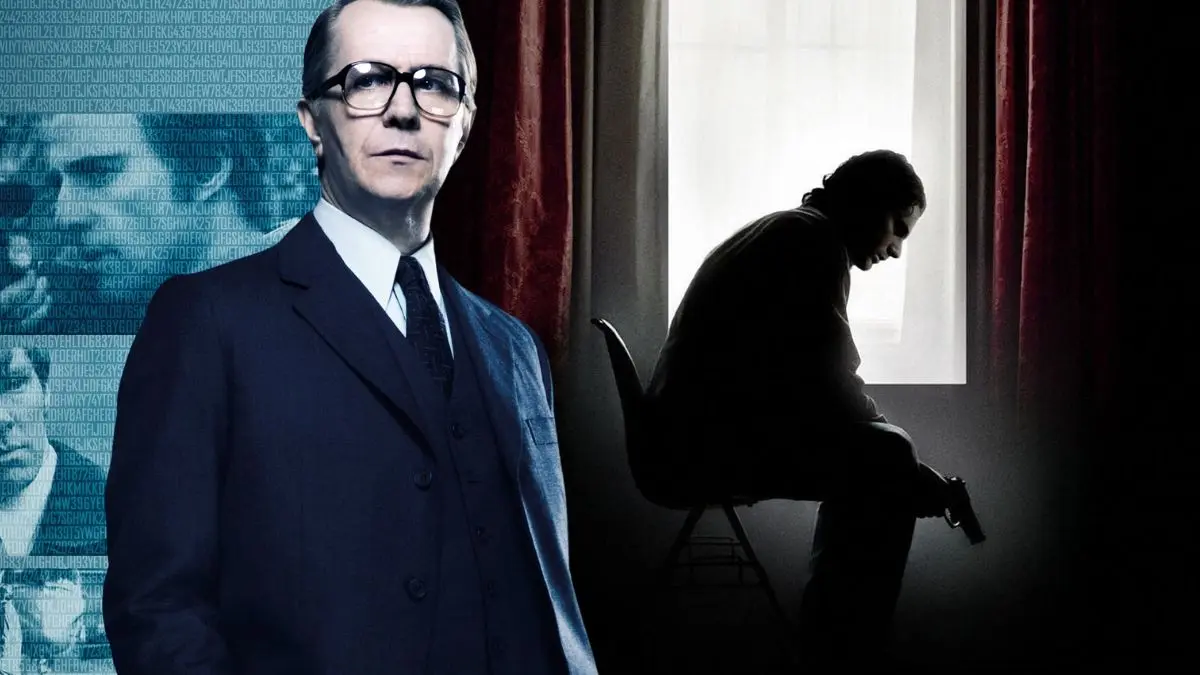


Spy stories cover more than gadgets and car chases. They dig into tradecraft, secrets that change hands in quiet rooms, and the people who risk everything to gather a single piece of information. This list brings together films that explore covert work from many angles, from double agents on the run to analysts buried in files and wiretaps.
You will find cold war dead drops, modern surveillance, and operations that unfold across continents. Each pick highlights who made it, what the mission is about, and where it sits in the larger history of espionage on screen. You will also see a quick note about who brought each film to theaters, mentioned in passing so you can place it in context.
‘The Lives of Others’ (2006)
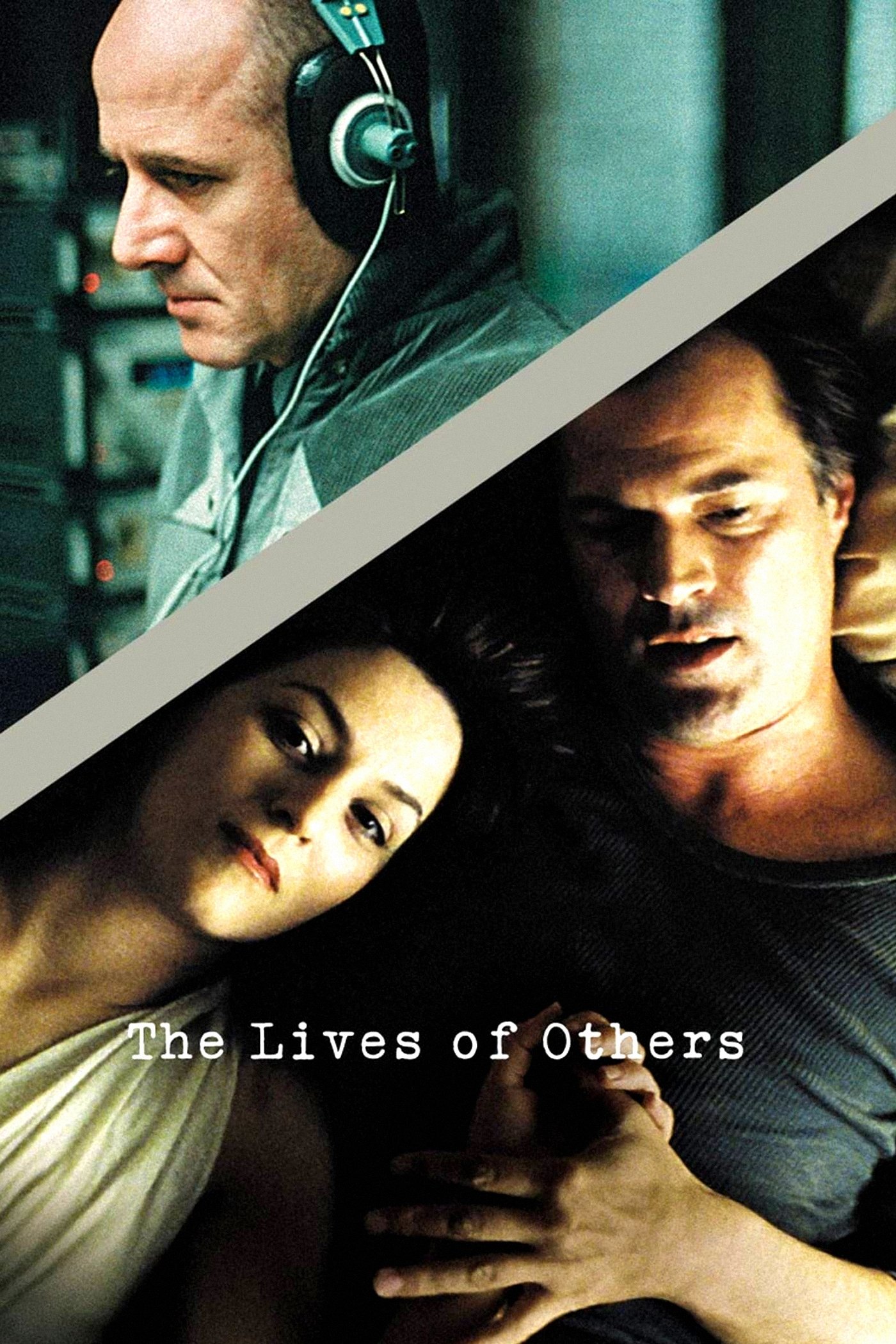
Set in East Berlin, this drama follows a Stasi surveillance officer who monitors a playwright and his partner and becomes entangled in their lives through the very recordings he collects. Writer director Florian Henckel von Donnersmarck builds the operation around bugs, typewritten reports, and the chain of command that controls careers and freedoms.
The film examines how an intelligence service documents art, loyalty, and dissent, with scenes that move from cramped attics to official briefing rooms. It reached American theaters through Sony Pictures Classics, which helped carry its international reception.
‘Tinker Tailor Soldier Spy’ (2011)
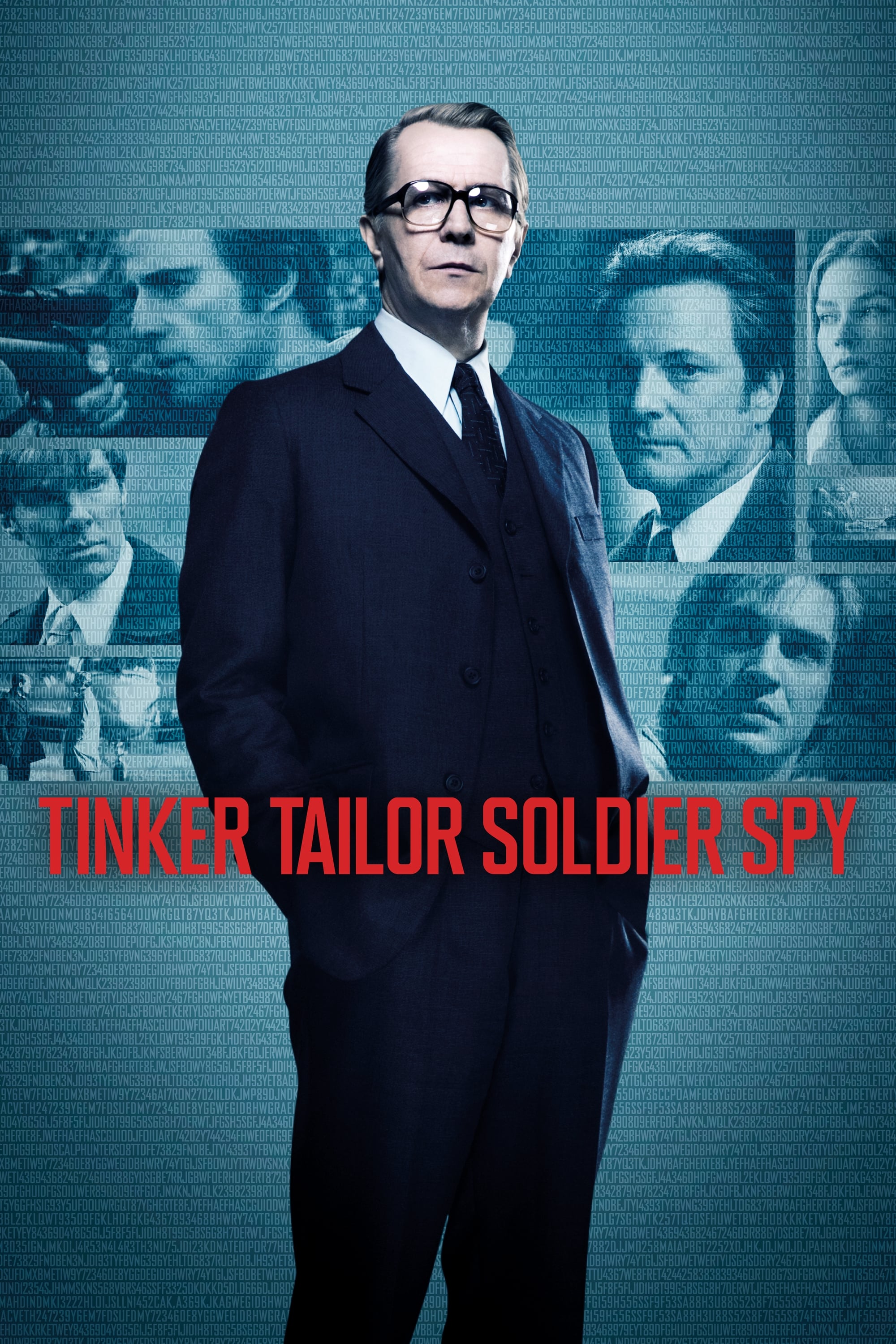
Adapted from John le Carré, this story sends George Smiley into a quiet hunt for a mole inside British intelligence. The investigation is driven by interviews, flashbacks, and the careful reconstruction of a compromised operation.
Director Tomas Alfredson anchors the plot in meetings, safe houses, and a memory of a botched mission that points to the traitor. Focus Features handled the United States release, working alongside StudioCanal and other partners internationally.
‘Ronin’ (1998)
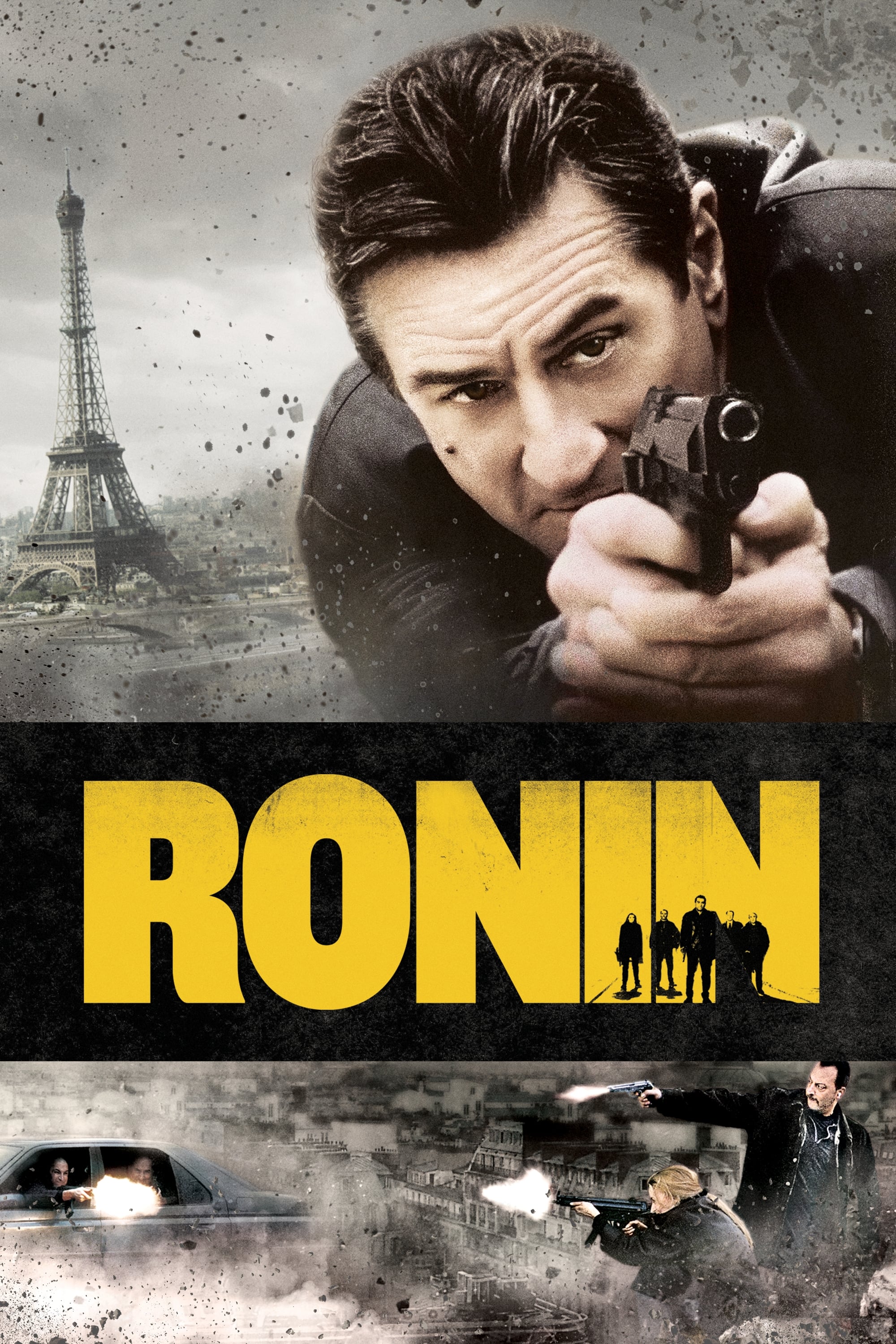
A former spy joins a team of freelancers hired to steal a mysterious case, and their loyalties fracture as the job moves from Paris to the Riviera. Director John Frankenheimer stages tail jobs, surveillance setups, and handoffs that depend on timing and discipline.
The production is known for practical driving sequences and a script that keeps the contents of the case off screen to emphasize tradecraft and trust. United Artists distributed the film, connecting it with audiences who knew Frankenheimer for tense thrillers.
‘The Man from U.N.C.L.E.’ (2015)
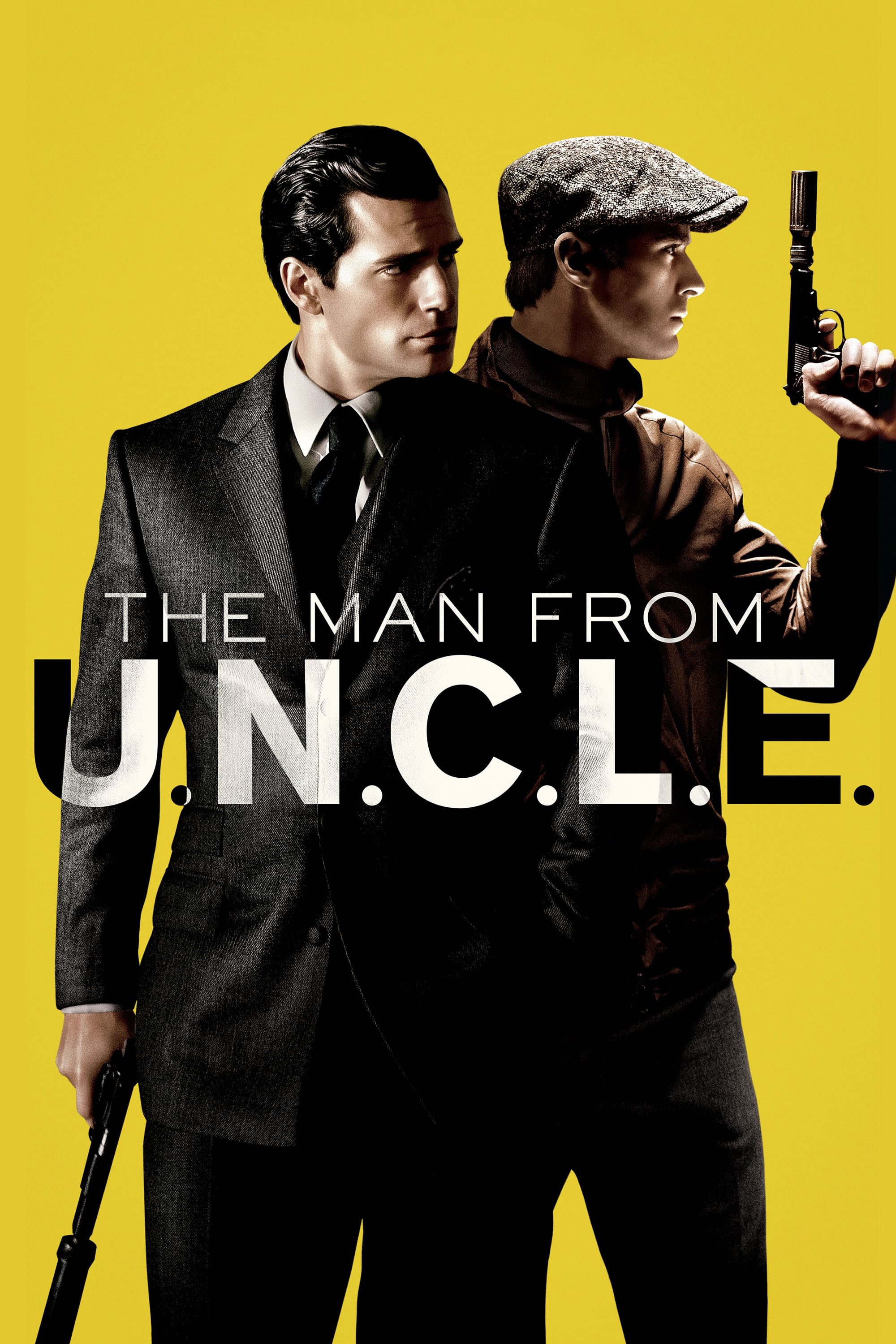
This period adventure pairs an American agent and a KGB operative who must work together to stop a criminal network from obtaining nuclear technology. Director Guy Ritchie brings the story into embassies, black market auctions, and covert labs, with cover identities and social engineering playing key roles.
Costume and production design support the setting, while set pieces follow surveillance, extraction, and deception tactics. Warner Bros. Pictures released the film, introducing a new take on the classic television property.
‘A Most Wanted Man’ (2014)
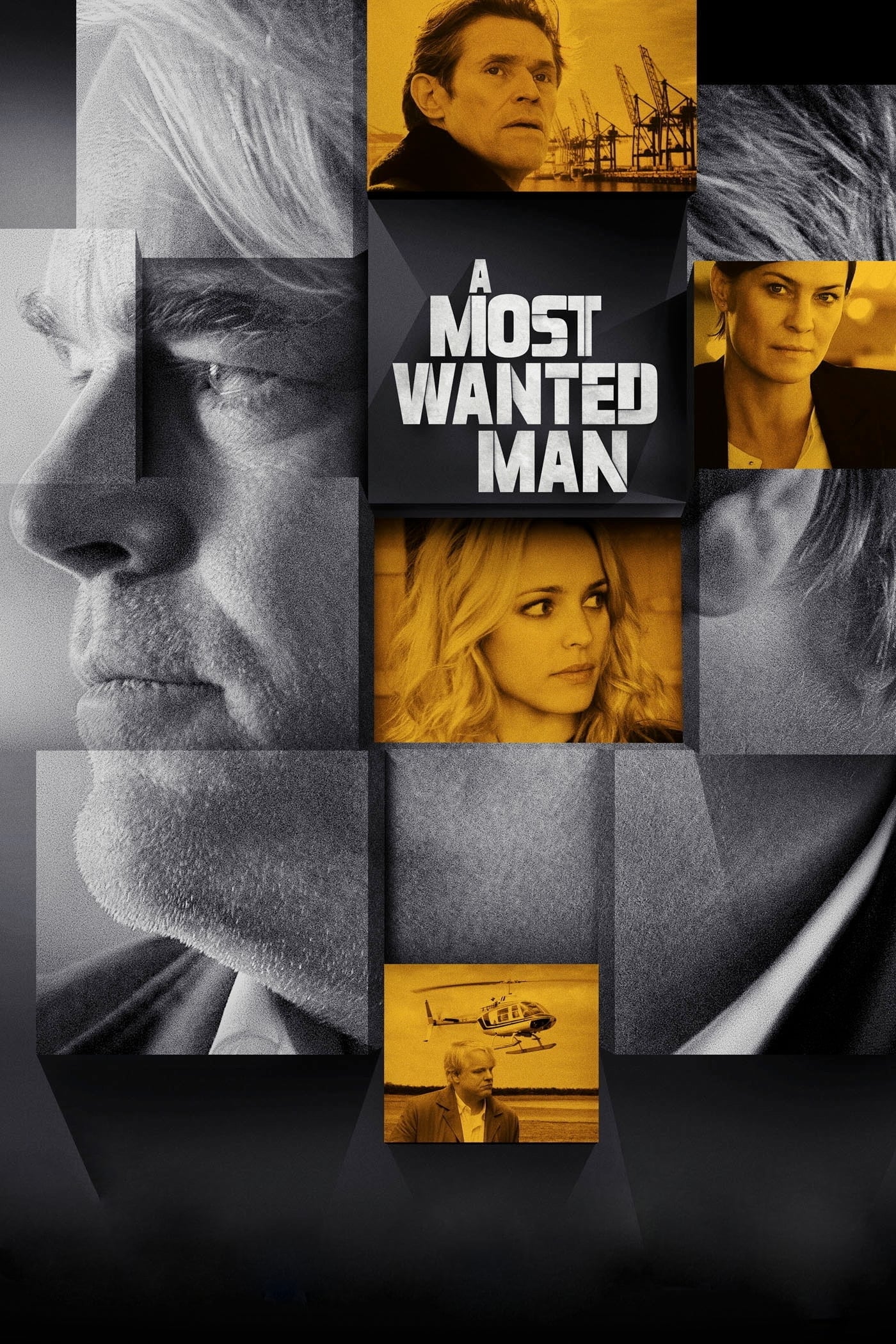
Set in Hamburg, the story follows a small counterterror unit that tracks a Chechen refugee who may be a valuable source or a dangerous asset. The team arranges banking access, legal cover, and safe locations as they seek to build a case that can survive political pressure.
The film focuses on interagency coordination and the limits of human sources when lawyers, bankers, and consulates get involved. Roadside Attractions released it in the United States, bringing this le Carré adaptation to art house and specialty screens.
‘The Tailor of Panama’ (2001)
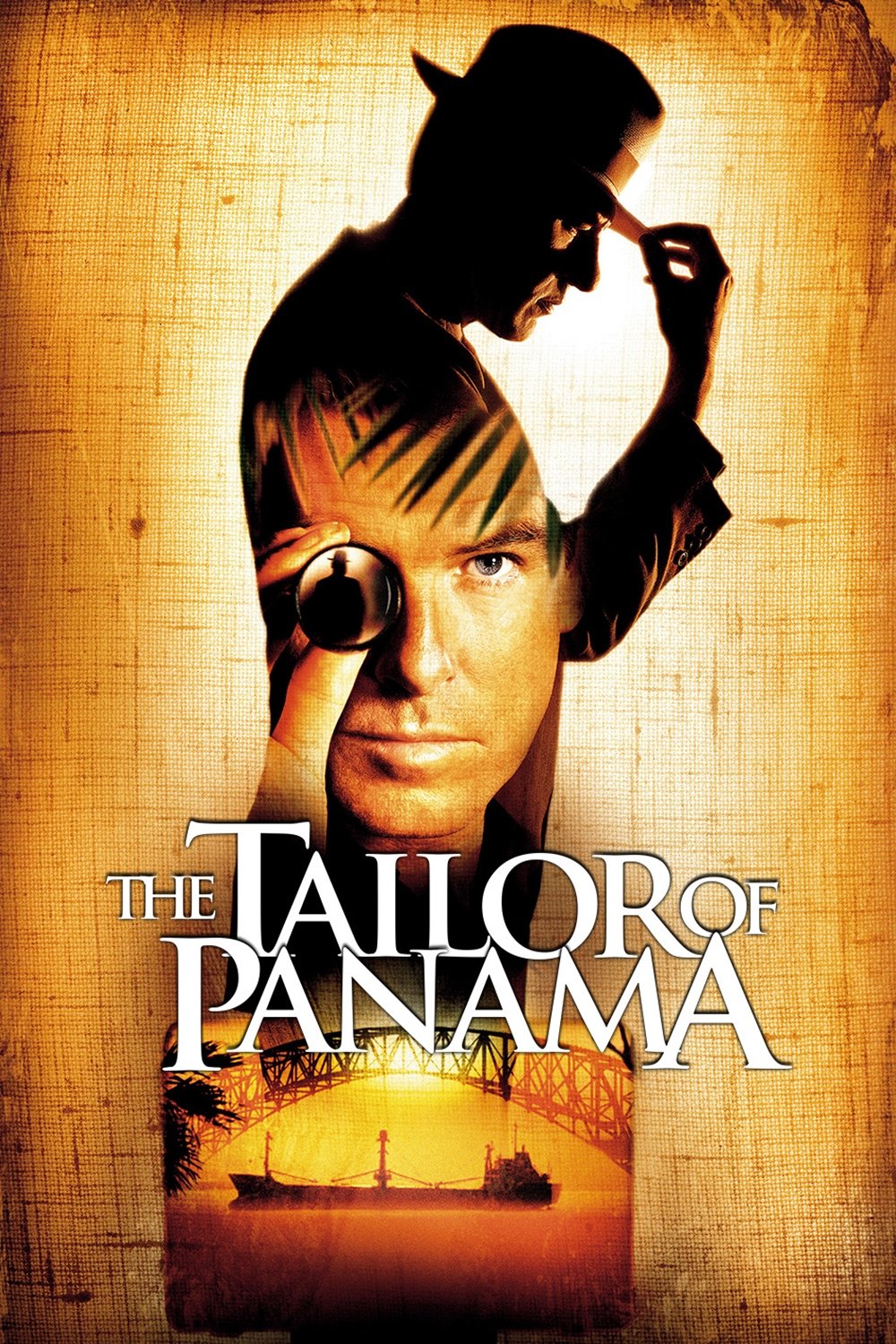
An exiled British agent in Panama coerces a tailor with elite clients into feeding him intelligence, and the stories spiral into a fabricated crisis. John Boorman directs a plot that shows how rumor, debt, and social access can be weaponized when official channels fail.
The narrative uses the tailor shop as a listening post, with gossip turning into reports that move up the chain. Columbia Pictures handled distribution, placing the film in wide release alongside prestige dramas of the time.
‘Spy Game’ (2001)
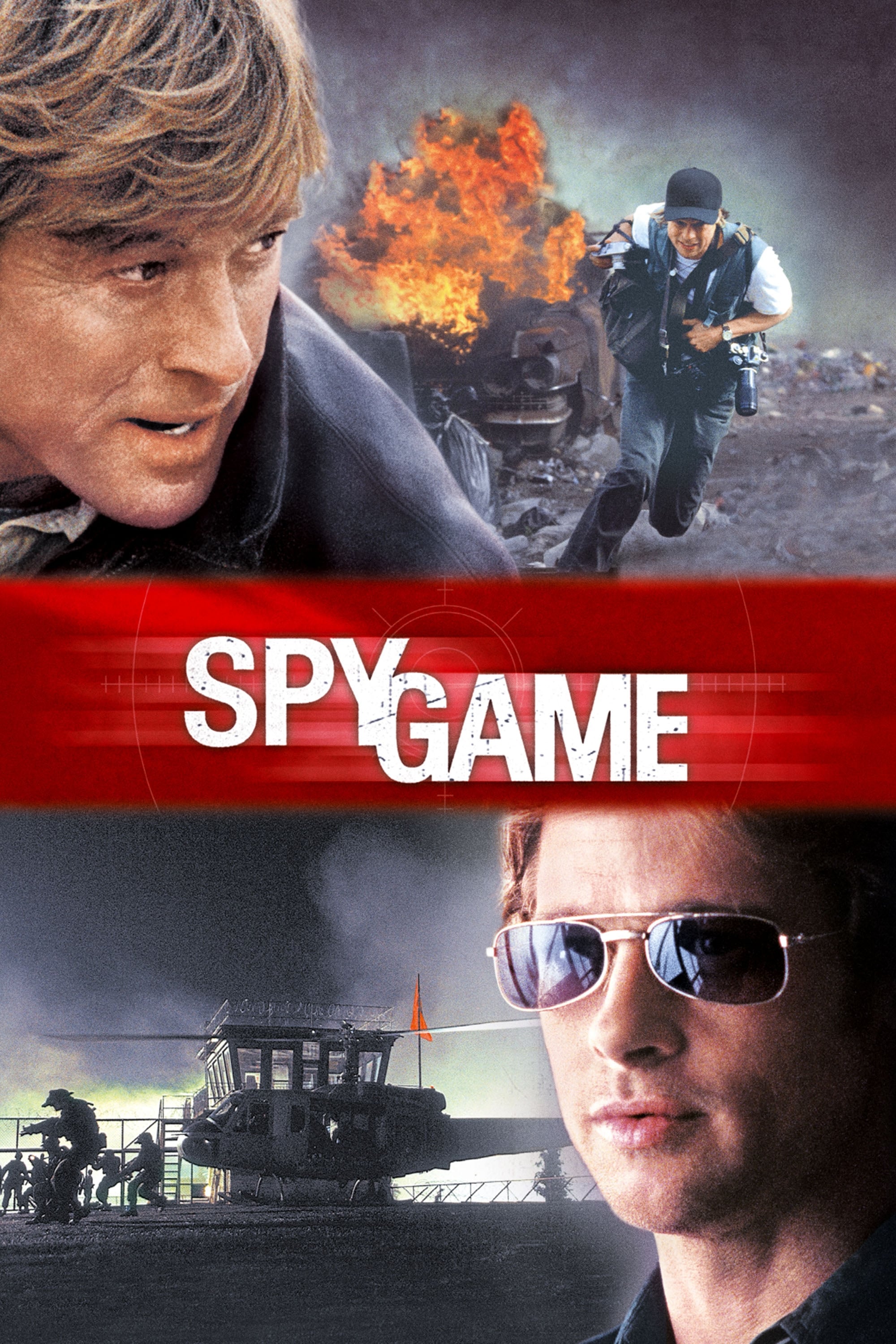
A veteran case officer works from his desk to save a former protégé who has been captured during an off the books mission. The story unfolds through debriefs and flashbacks that detail training, fieldcraft, and the costs of improvisation.
Operations in the Middle East, East Asia, and Europe show how assets are recruited and protected under pressure. Universal Pictures distributed the film, aligning it with large scale studio thrillers.
‘Bridge of Spies’ (2015)
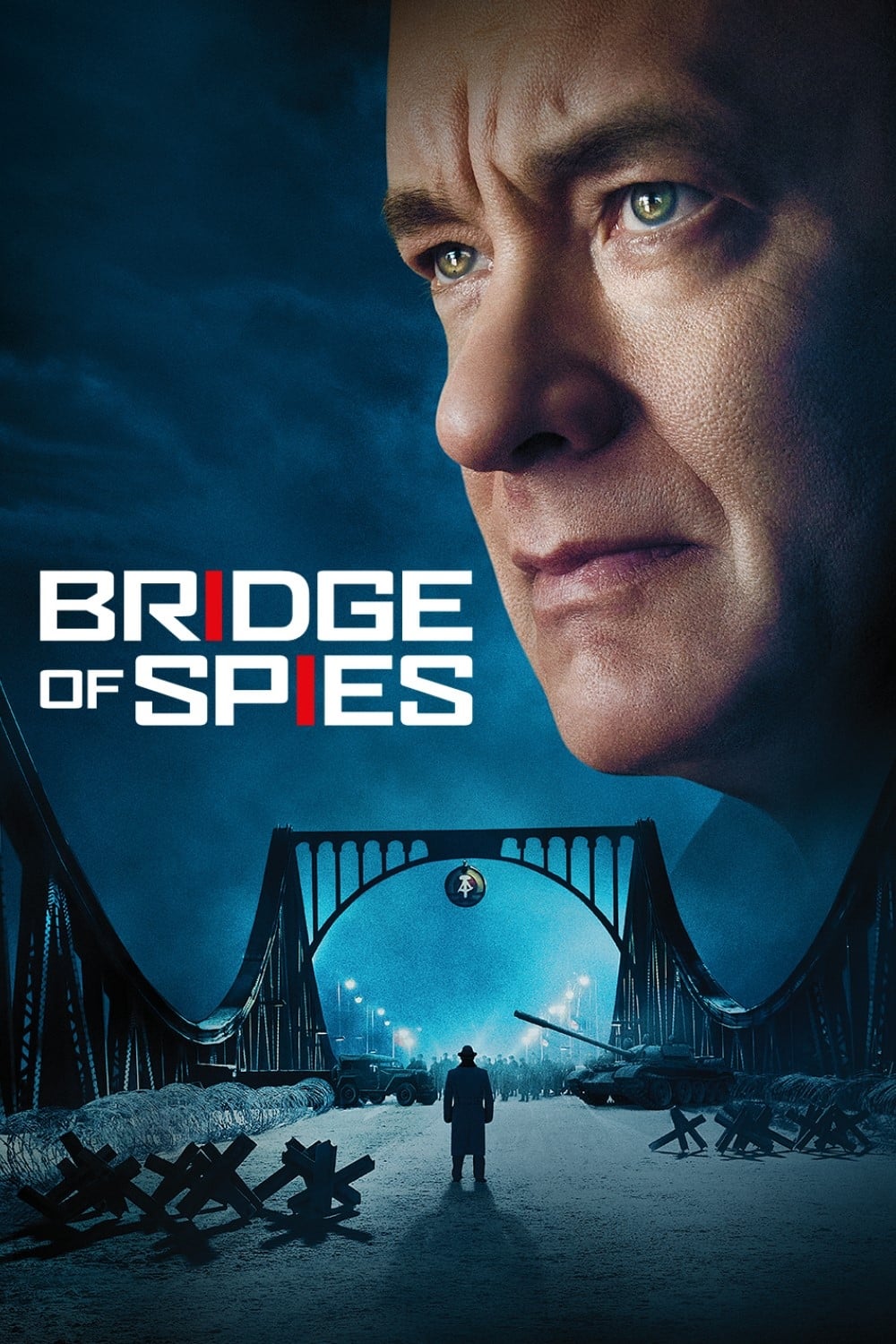
An insurance lawyer is pulled into a prisoner exchange that links a captured U-2 pilot with a Soviet agent held in the United States. Steven Spielberg directs negotiations that move from courtrooms to back channels in Berlin during a tense geopolitical moment.
The film details how unofficial talks, letters, and coded messages can achieve what public statements cannot. Walt Disney Studios Motion Pictures released it domestically through the Touchstone label, with an international rollout through another major studio.
‘Body of Lies’ (2008)
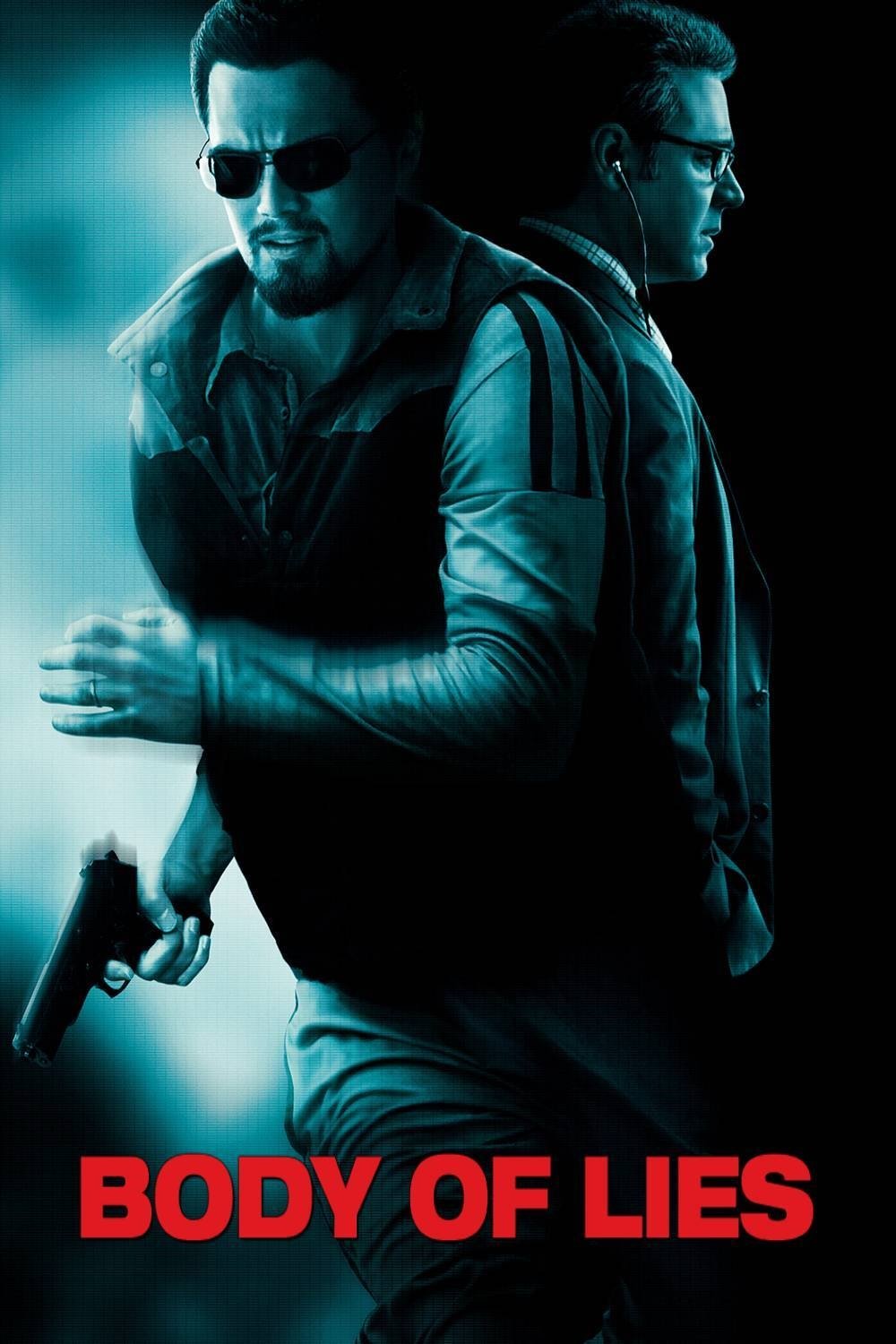
A CIA operative works with a Jordanian intelligence chief to infiltrate a terrorist network, relying on safe houses, false identities, and a manufactured narrative. The plot shows how surveillance feeds, local sources, and cultural knowledge must align for an operation to work.
Director Ridley Scott contrasts headquarters strategies with realities on the ground as the team builds a fake organization to flush out a target. Warner Bros. Pictures distributed the film, positioning it within contemporary espionage releases.
‘Munich’ (2005)
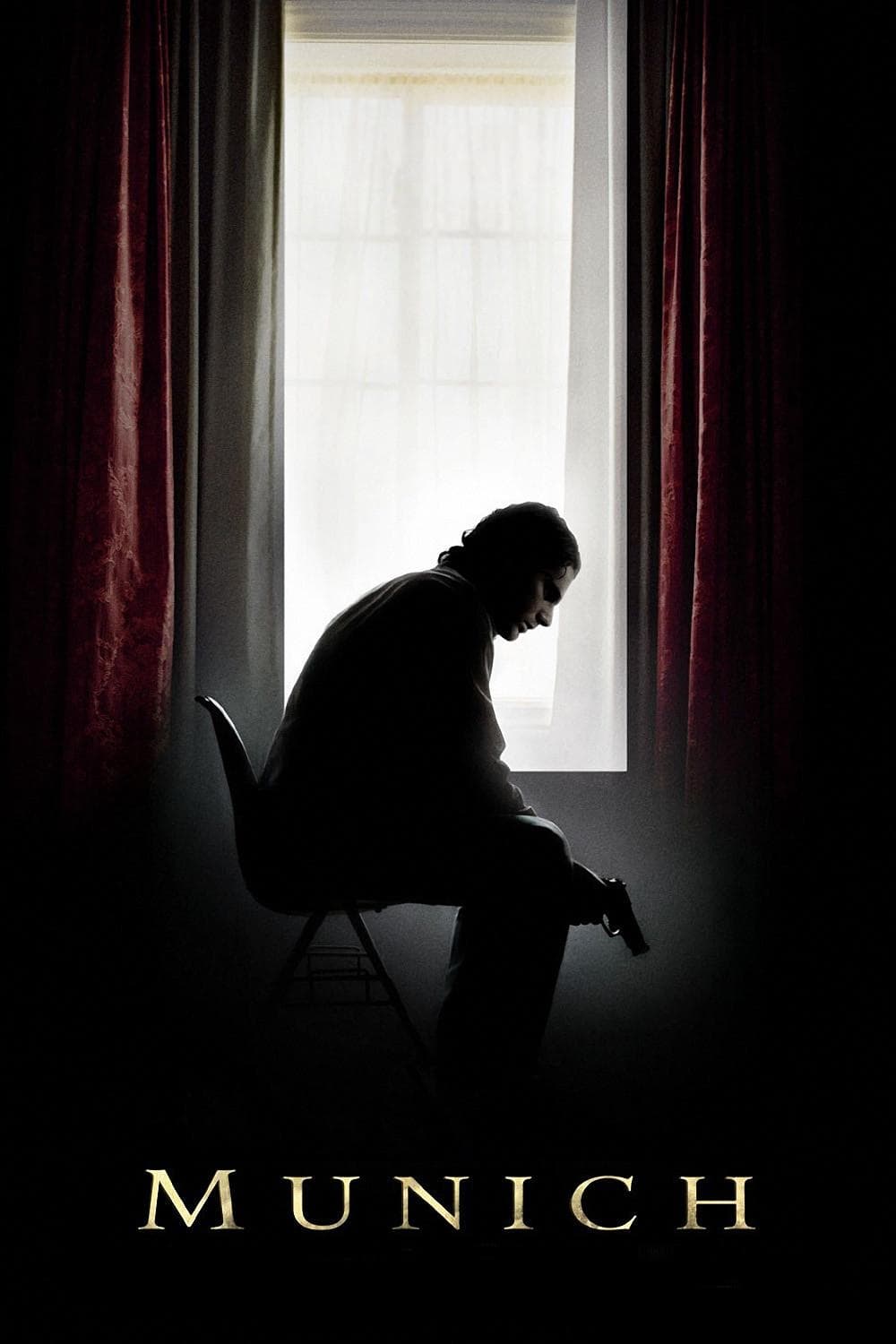
A covert team is formed to track down figures linked to an attack, and the operation unfolds through surveillance, improvised explosives, and safe house networks. Steven Spielberg focuses on logistics, moral strain, and the way intelligence from informants and handlers shapes each move.
The film presents false names, signal protocols, and the danger of rival services that shadow the same targets. Universal Pictures distributed it in North America, supporting a wide awards season presence.
‘Atomic Blonde’ (2017)
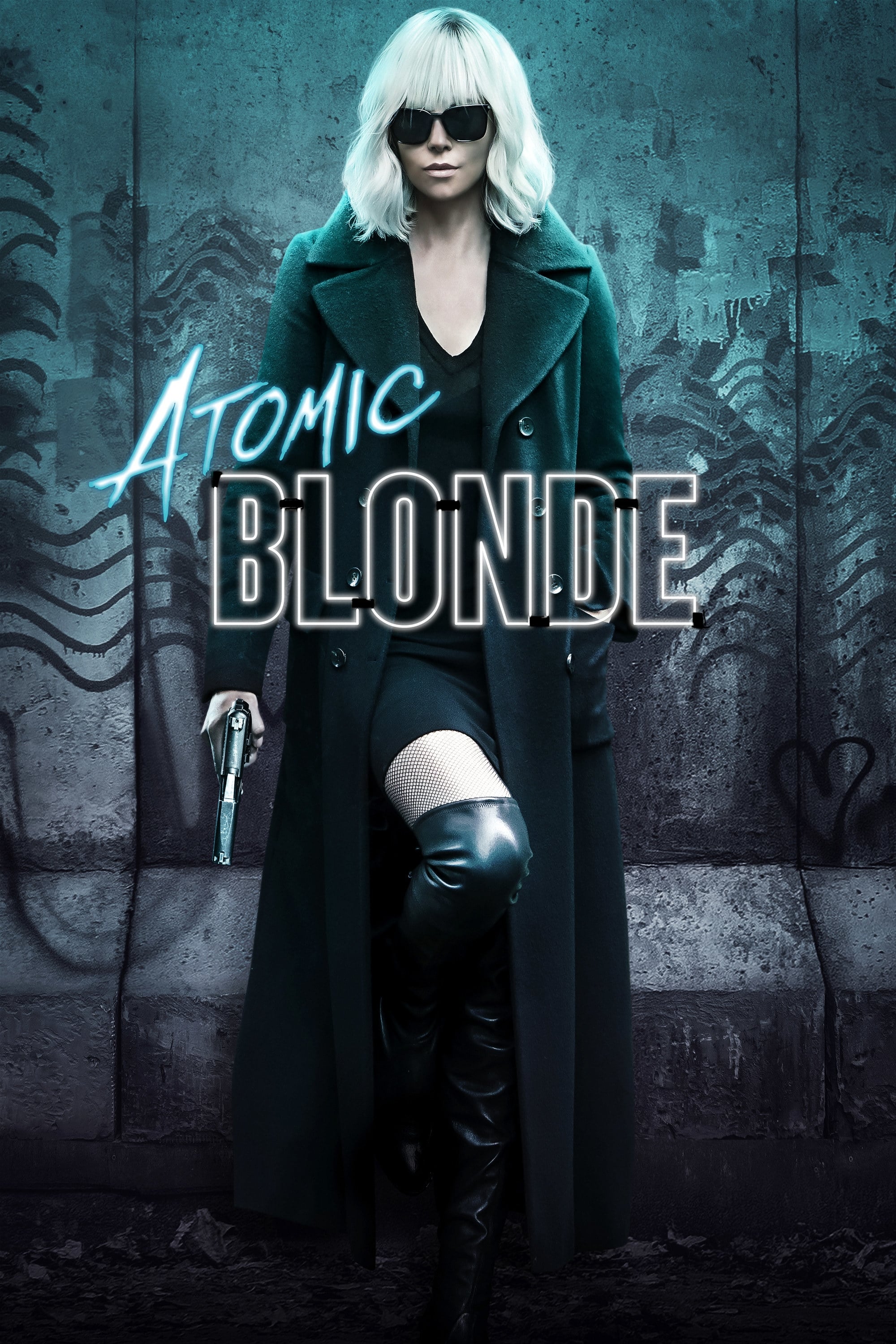
An undercover agent is sent into Berlin to recover a list of compromised operatives, and the mission becomes a struggle to keep cover intact while moving through fractured alliances. The story relies on microfilm handoffs, dead drops, and shifting handlers.
Action sequences are staged around realistic exhaustion and close quarters combat that interrupts surveillance runs. Focus Features released the film in the United States, contributing to its strong presence in modern spy action.
‘Haywire’ (2011)
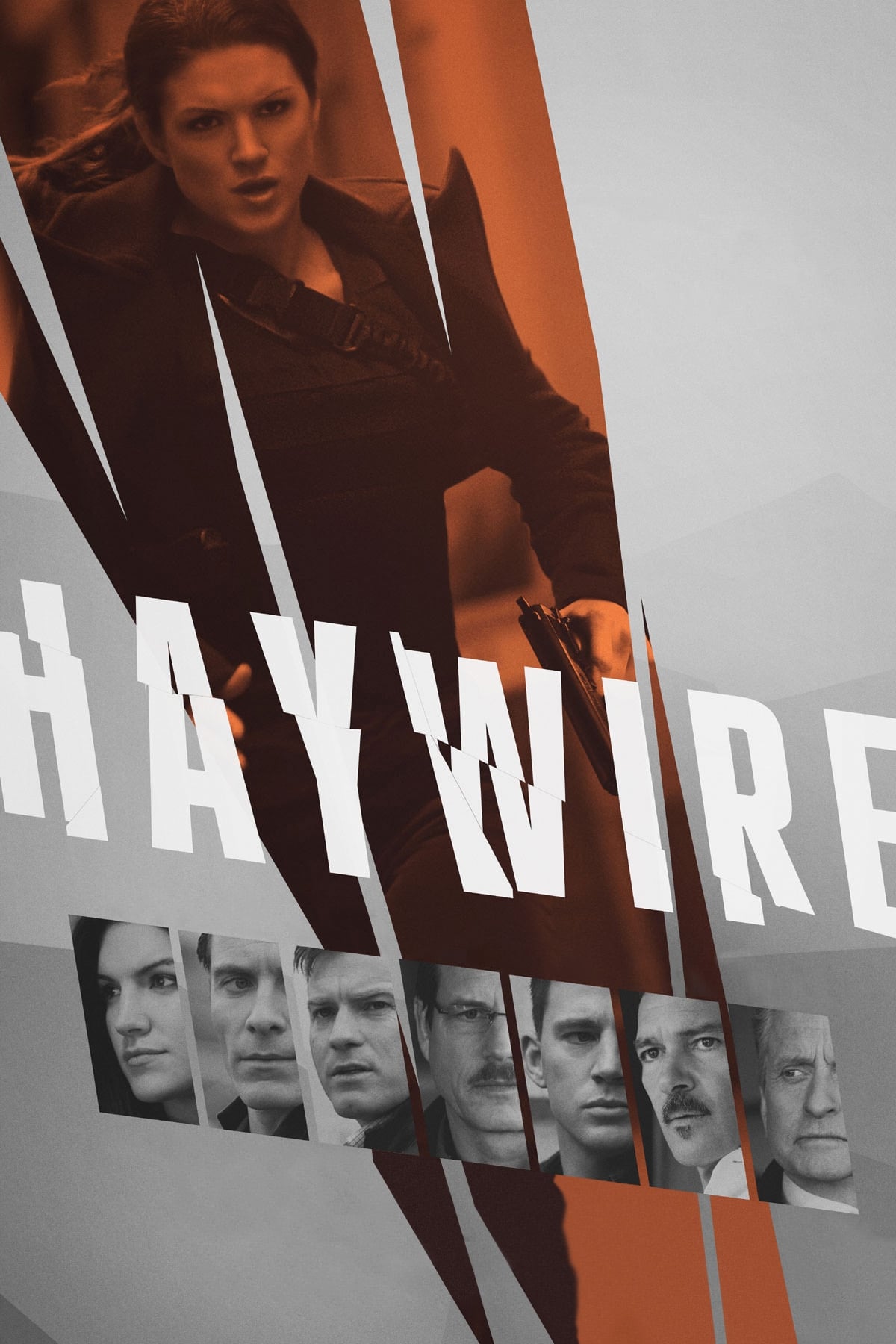
A black ops specialist is betrayed during a mission and must identify who set her up, using tradecraft to move across borders without official support. Director Steven Soderbergh frames the story around choke points like airports, hotels, and safe houses.
The film uses naturalistic fight scenes that reflect training and environment rather than spectacle, and it keeps dialogue clipped and procedural. Relativity Media distributed it domestically, placing it among grounded action thrillers.
‘Confessions of a Dangerous Mind’ (2002)
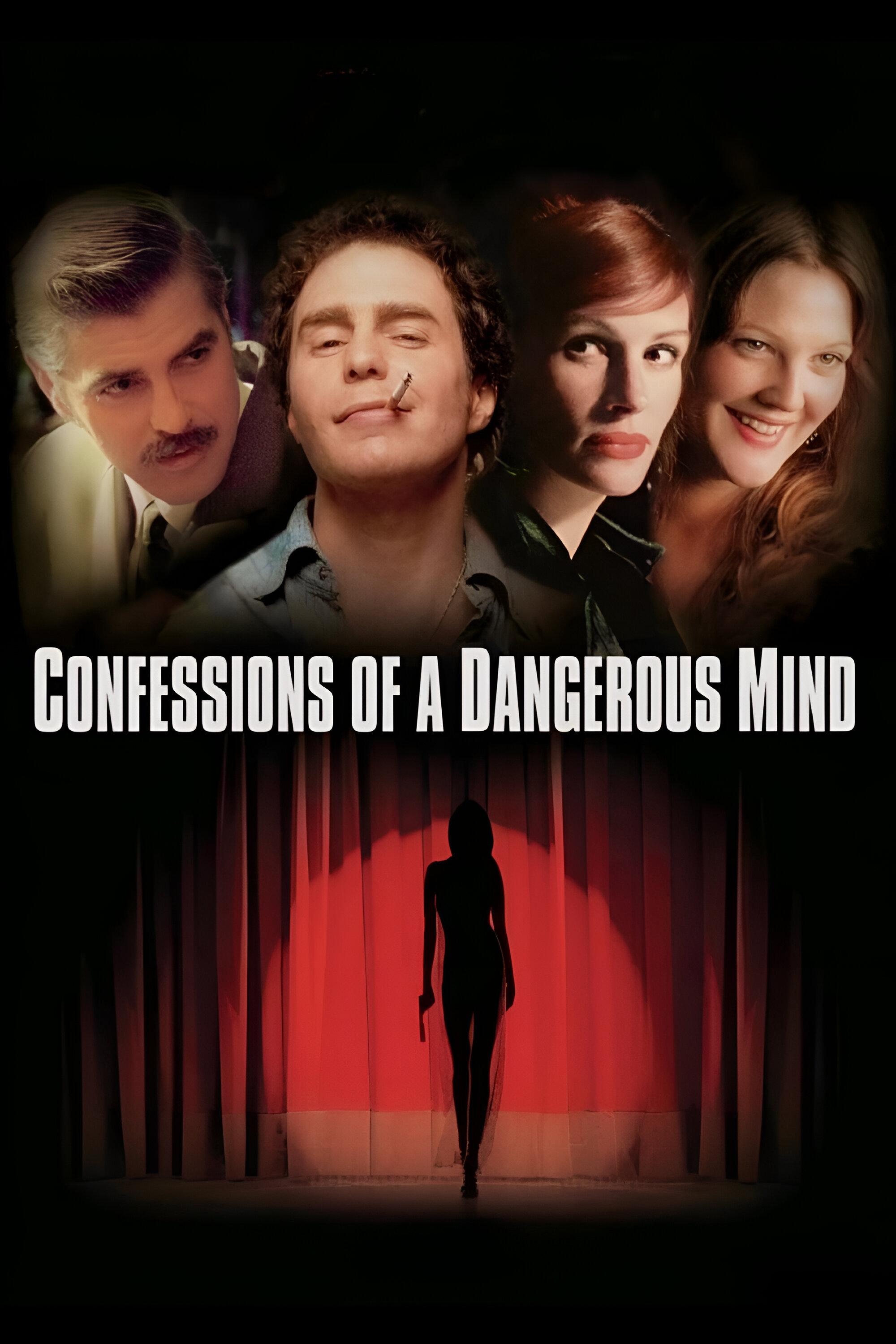
This film adapts a memoir that blends a television career with alleged covert work, and it follows recruitment, training, and assignments that run parallel to show business. George Clooney directs a narrative that treats TV sets and talent shows as unusual covers.
The story uses interludes with handlers and debriefs to tie entertainment schedules to travel and clandestine meetings. Miramax Films released it, drawing attention to its mix of biography and spy craft.
‘The Good Shepherd’ (2006)

The film traces the early development of American intelligence through one operative whose personal life is consumed by secrecy. It follows codebreaking at school, wartime counterintelligence, and postwar bureaucratic building.
The plot tracks internal rivalries, compromised sources, and the creation of procedures that define an agency culture. Universal Pictures distributed the film, aligning it with historical dramas about institutions.
‘The Debt’ (2010)
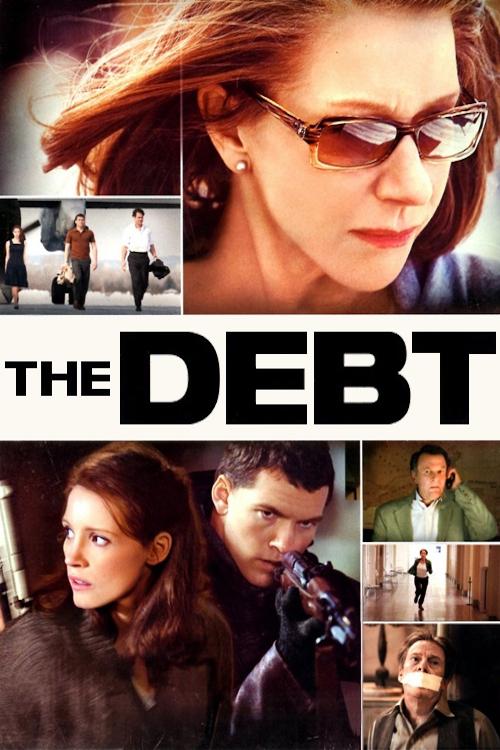
A team of agents undertakes a mission to capture a war criminal, and decades later the operation’s official story begins to unravel. The narrative alternates between fieldwork and later consequences as new information challenges the record.
Details include false identities, doctor visits used as access points, and staged extractions that must look like accidents. Focus Features handled the U.S. release, bringing this remake to a broad audience.
‘No Way Out’ (1987)
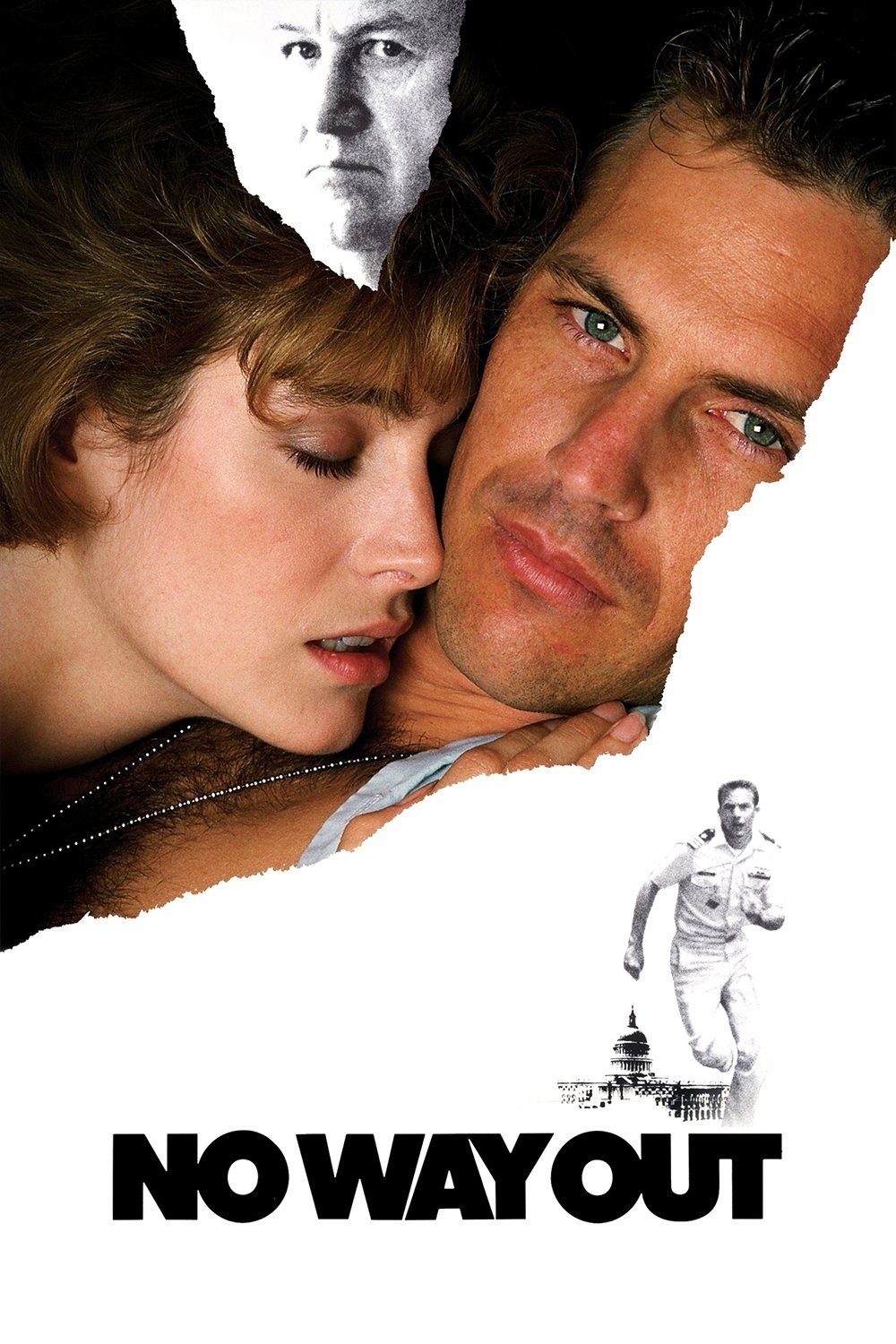
A naval officer becomes trapped in a cover up that uses a fabricated mole hunt to hide a politically explosive crime. The plot hinges on time stamped evidence, a single photograph, and a computer driven face recognition search that closes in.
Much of the tension unfolds inside the Pentagon as the investigation narrows to corridors, offices, and databases. Orion Pictures distributed the film, placing it among late eighties Washington thrillers.
‘Three Days of the Condor’ (1975)
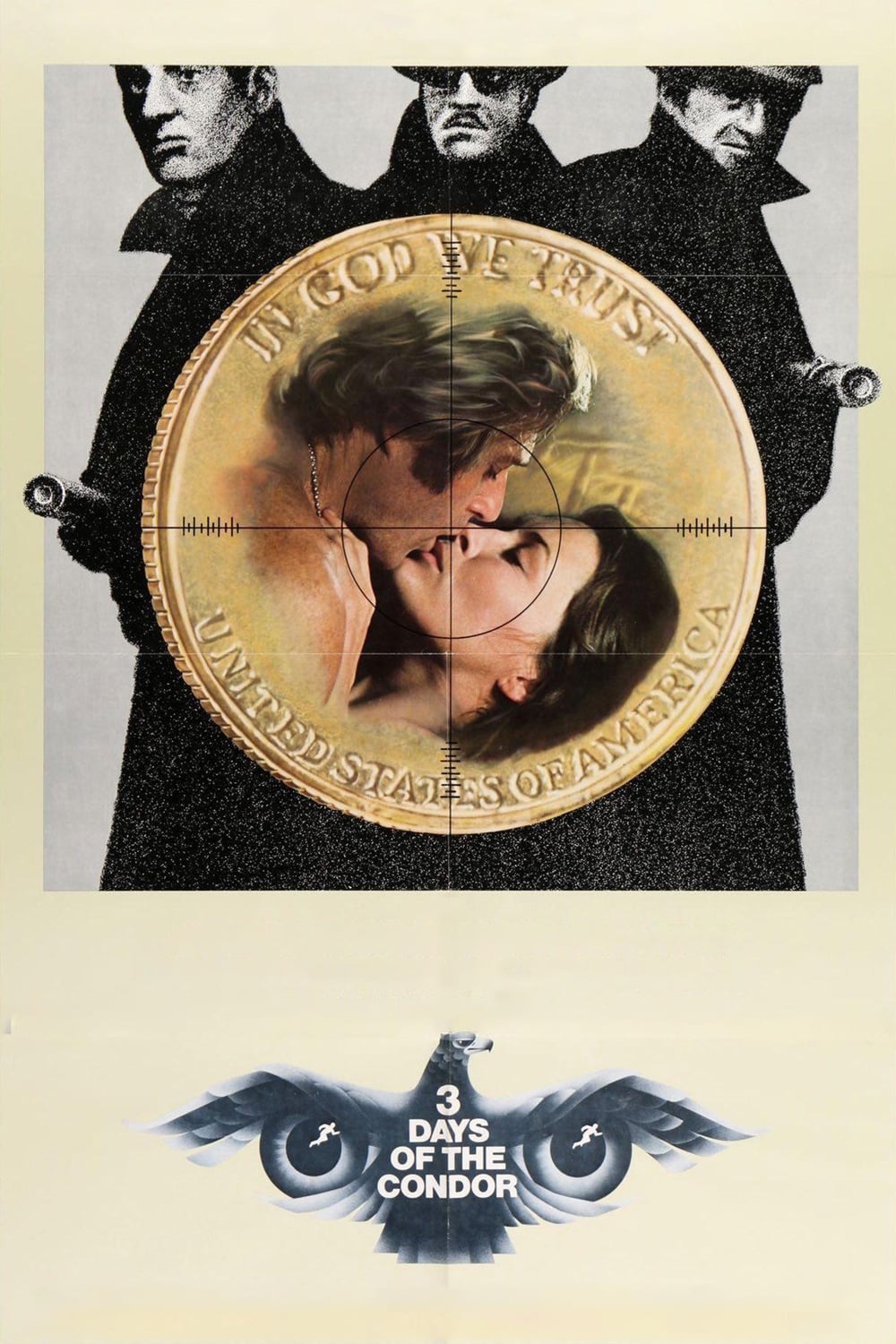
A small research office for the CIA is attacked, and the lone survivor must figure out why a reading program made them a target. The character uses pay phones, mail drops, and contacts on the outside to stay ahead of a cleanup crew.
The film explores how analysis can expose a secret plan that field agents are sent to secure. Paramount Pictures released it, cementing its place in the era of political thrillers.
‘The Conversation’ (1974)
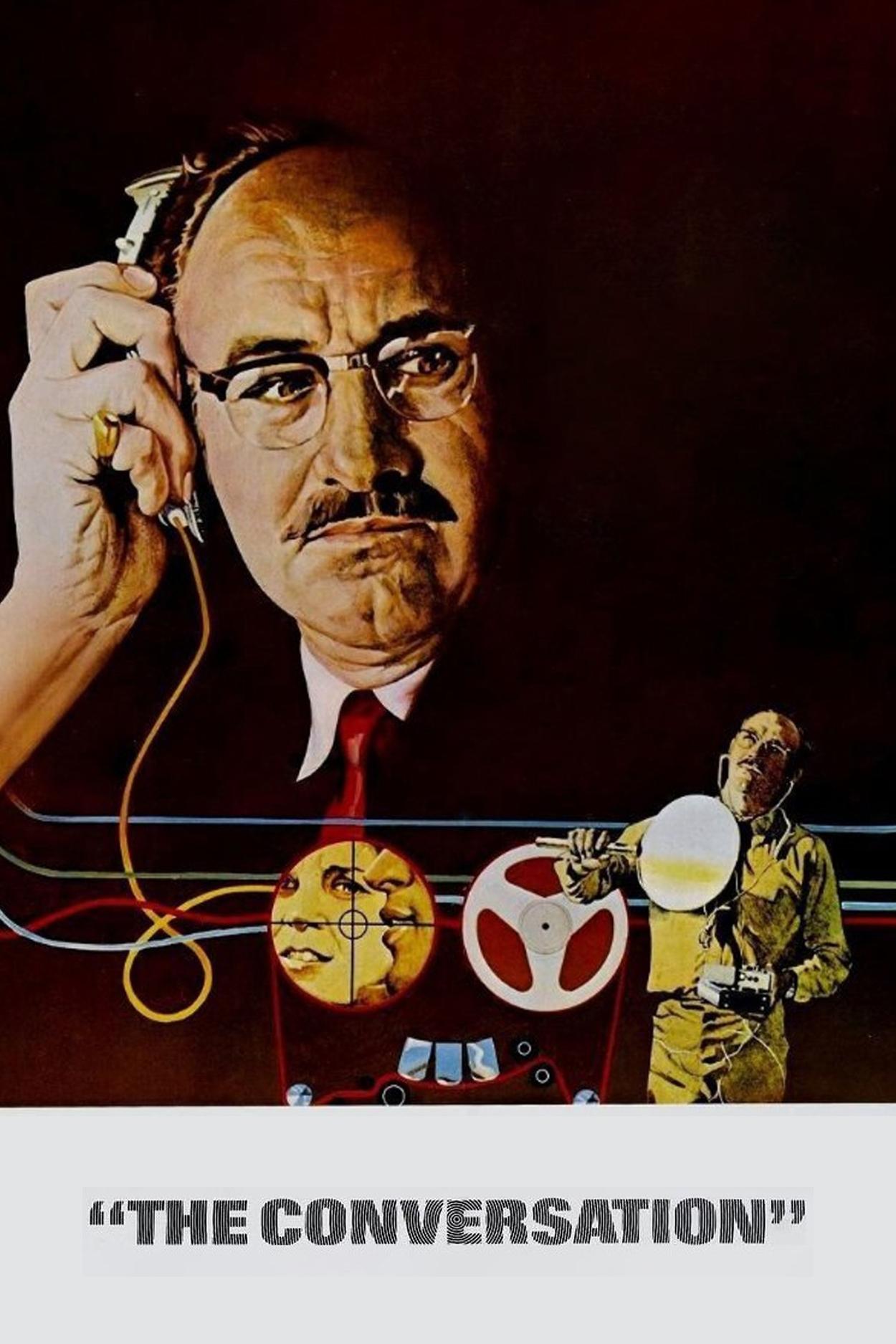
A surveillance expert records a meeting in a public plaza and spends the rest of the film trying to interpret what was said and what it means. Wiretaps, mixers, and reels are central tools as the character rebuilds a conversation from overlapping sources.
The story shows how expertise can become a trap when context is missing and clients are opaque. Paramount Pictures distributed the film, which connected with audiences interested in privacy and eavesdropping.
‘Sneakers’ (1992)
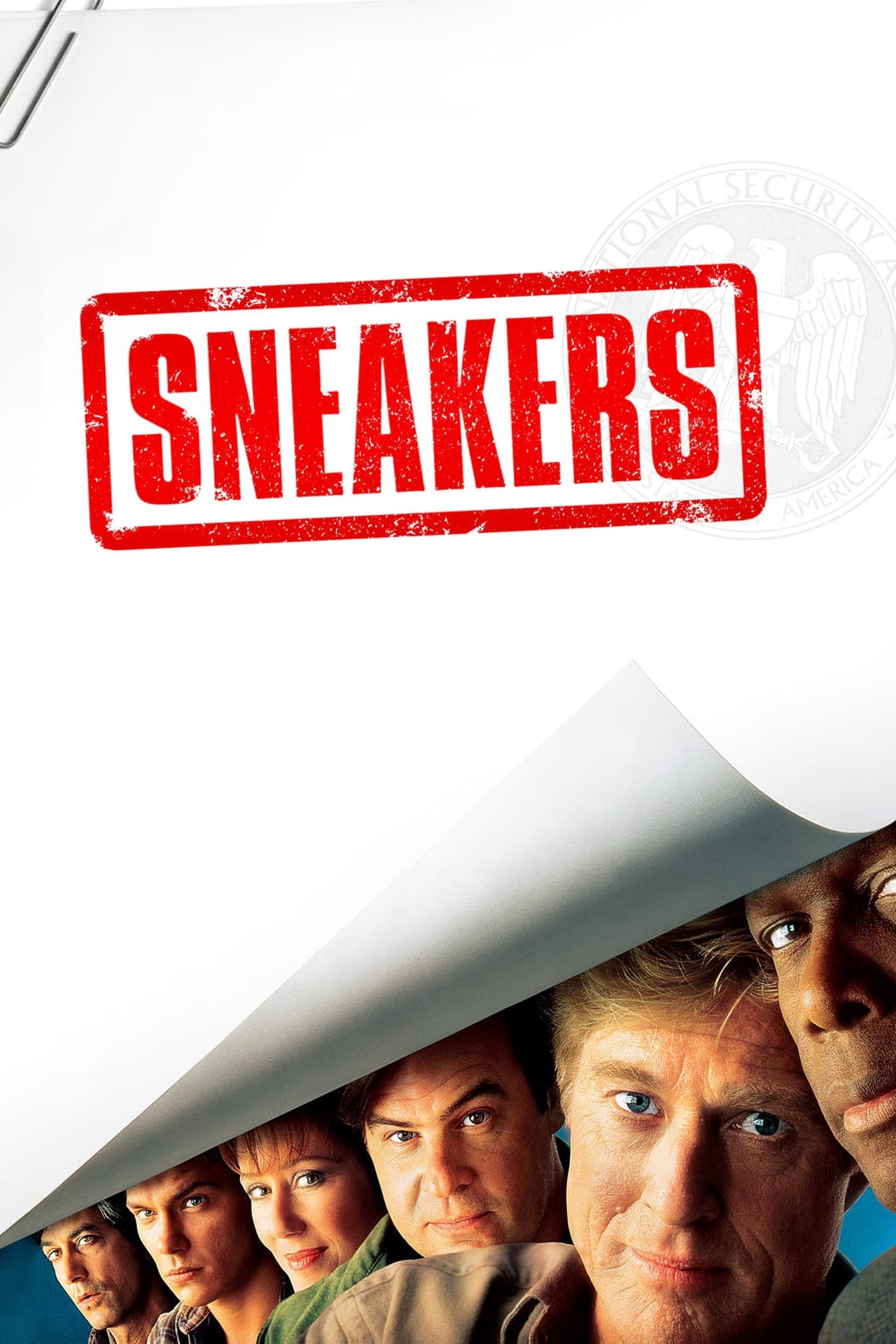
A team of security testers is coerced into stealing a device that can break encryption, and they must outmaneuver both government and criminal interests. The crew uses social engineering, disguises, and carefully planned distractions to defeat physical and digital safeguards.
The script highlights cryptography, data interception, and the importance of human error in secure systems. Universal Pictures released the film, bringing an ensemble heist approach to espionage themes.
‘The Ipcress File’ (1965)
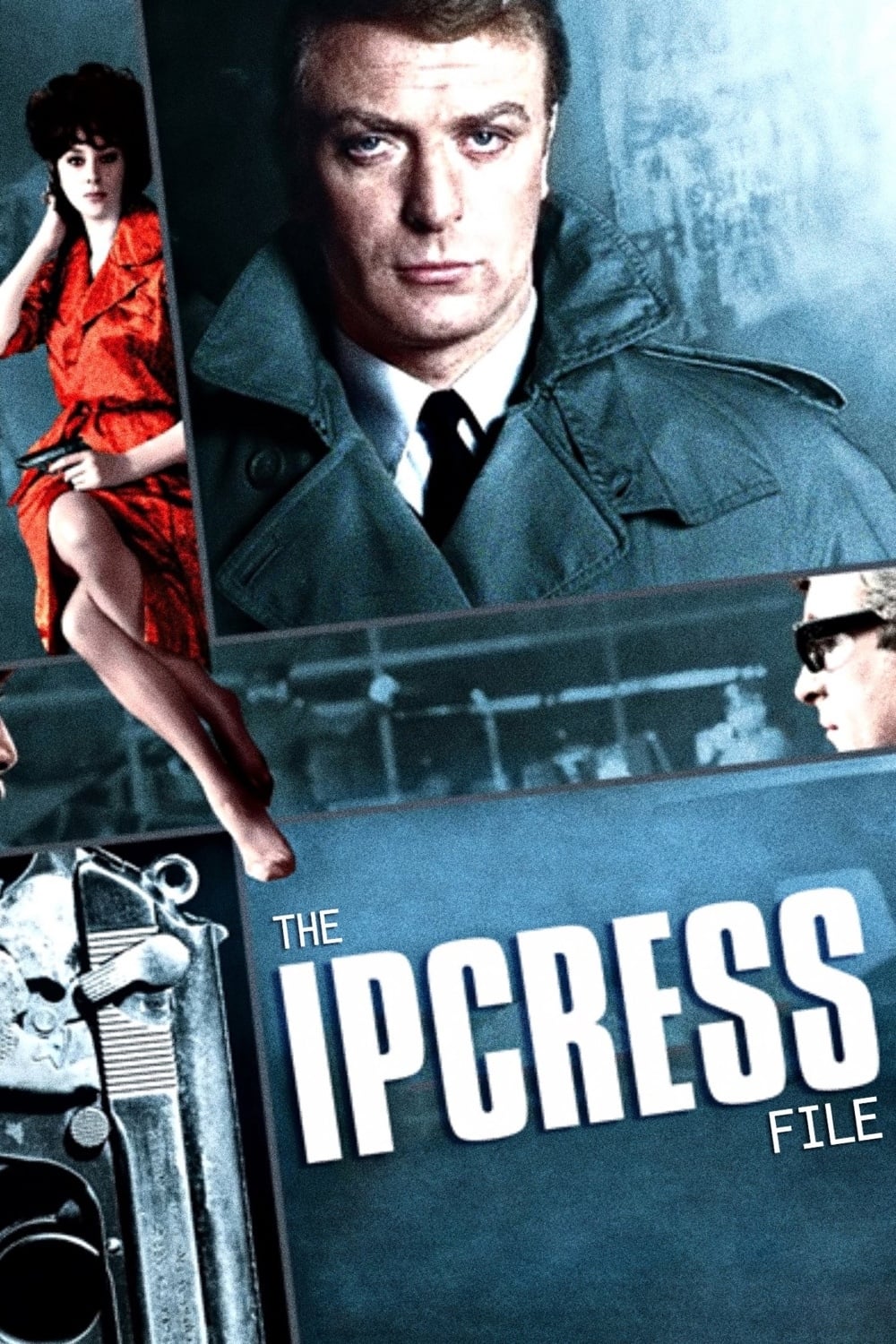
A British intelligence agent is assigned to investigate the disappearance of scientists and uncovers a mind control program. The film presents bureaucratic procedures, rival departments, and the use of mundane cover locations like grocery stores and offices.
Its style emphasizes paperwork, authorization stamps, and supervision that monitors even coffee breaks. United Artists distributed it in the United States, helping the character become a lasting counterpoint to flashier spies.
‘Our Kind of Traitor’ (2016)

A couple on vacation meets a Russian money launderer who seeks asylum, and they are drawn into a negotiation between intelligence officers and organized crime. The story moves through safe meetings, bank transfers, and promises of protection that depend on leverage.
The film focuses on protocols for defection, threats to family members, and the risks civilians face when they become messengers. Lionsgate handled U.S. distribution, guiding it to theaters and home media in tandem with its international partners.
‘The Constant Gardener’ (2005)

A diplomat investigates the death of his activist wife and uncovers a conspiracy that links pharmaceutical trials with government contacts. The investigation relies on letters, travel records, and interviews that piece together a timeline across multiple countries.
The film shows the intersection of corporate interests and intelligence channels that enable movement and secrecy. Focus Features released it domestically, supporting a strong festival and awards run.
‘Syriana’ (2005)
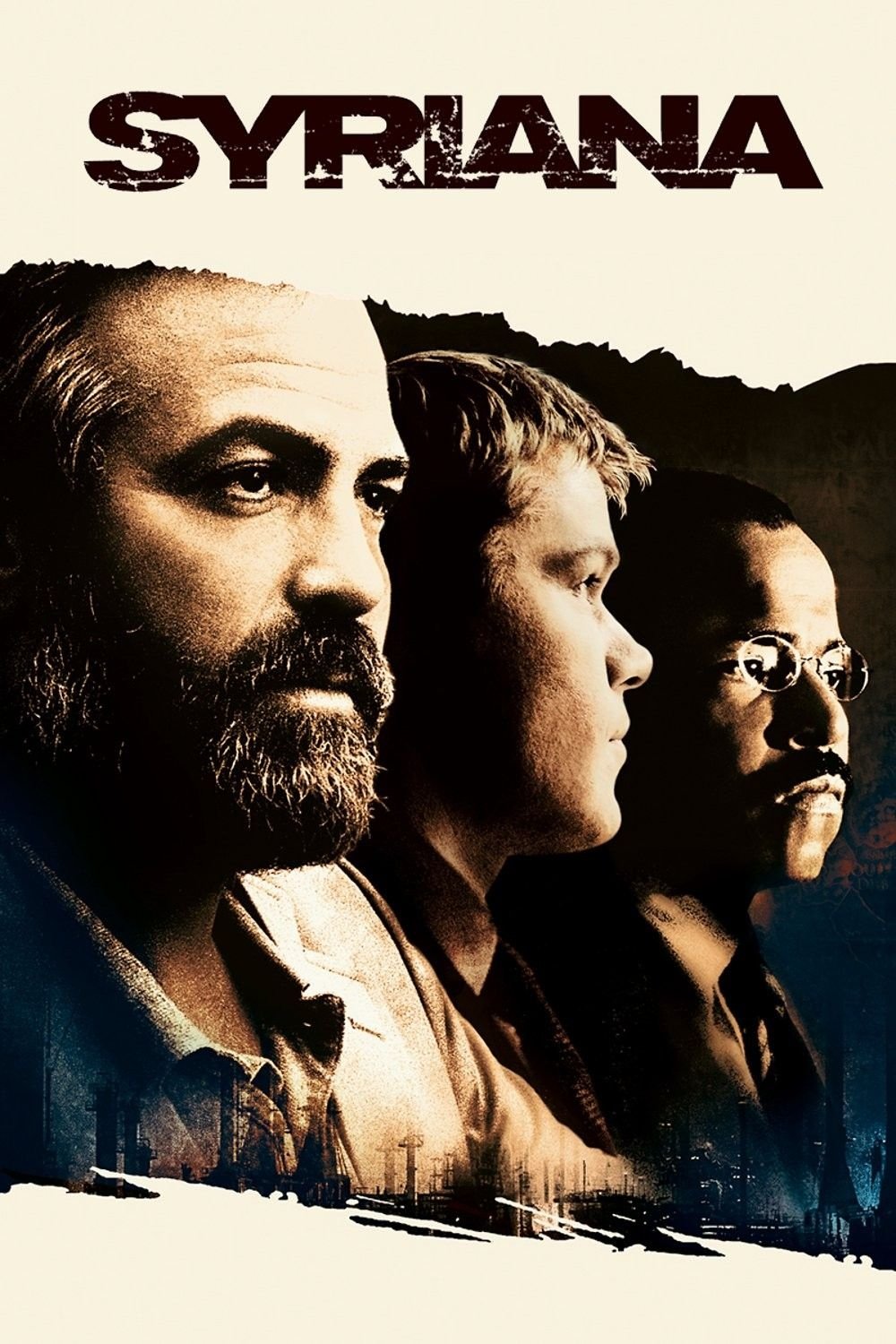
Multiple storylines follow analysts, field agents, lawyers, and executives whose decisions intersect around an energy deal. The film maps how briefings, memos, and covert actions shape outcomes that are framed as business or policy.
It uses parallel scenes to explain jurisdiction, deniability, and the role of contractors who operate outside official chains. Warner Bros. Pictures distributed it, placing a complex geopolitical narrative in mainstream theaters.
‘The November Man’ (2014)
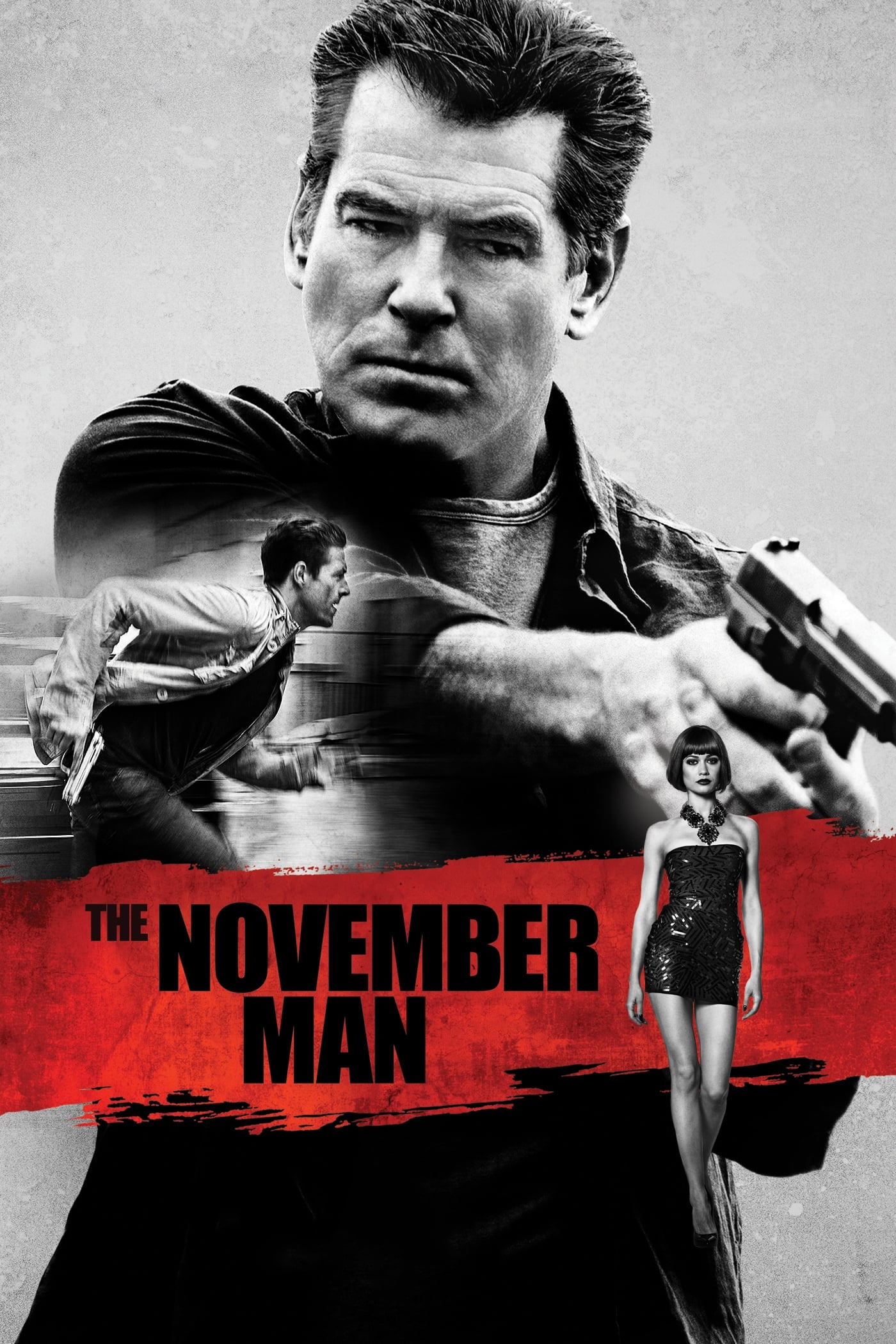
A former operative is pulled back into the field to protect a witness who holds information that could upend an election. The plot leans on disguises, extraction plans, and a trail of past operations that refuse to stay buried.
Set pieces involve apartment raids, embassy pressure, and tradecraft that pits mentor against pupil. Relativity Media handled distribution in the United States, adding it to a slate of contemporary action thrillers.
‘The Courier’ (2020)
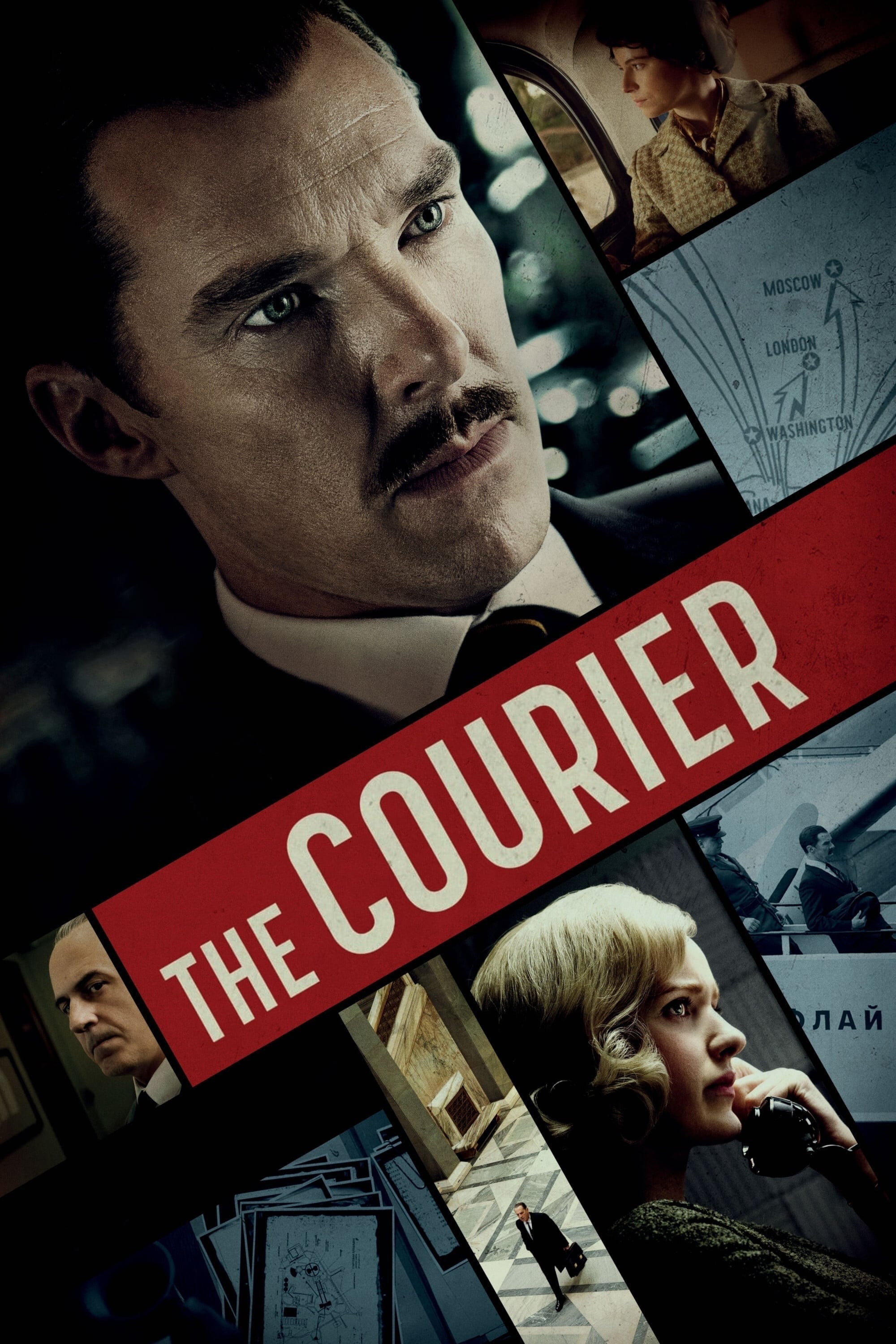
Based on a real British businessman who carried messages between London and Moscow during the cold war, the film follows the creation of a non official cover and the risks that come with it. It shows how a civilian can move intelligence across borders when official channels are compromised.
The production recreates meetings, coded exchanges, and the use of trade exhibitions as a reason to travel. Roadside Attractions released it domestically, connecting a historical spy story with modern audiences.
Share the sleeper spy movies you would add to this list in the comments.

