


Spy Series You Are Sleeping On (But Shouldn’t)




There are plenty of spy shows that slipped under the radar while the big franchise names took up the spotlight. If you like tradecraft, double lives, and tense operations that play out in back rooms and border crossings, this list is packed with shows that deliver exactly that.
You will find stories set in Cold War Berlin, modern Tehran, and the corridors of power in London and Washington. Many of these series come from outside the United States, which means new perspectives on intelligence work and fresh settings that keep the genre feeling alive.
‘Patriot’ (2015–2018)
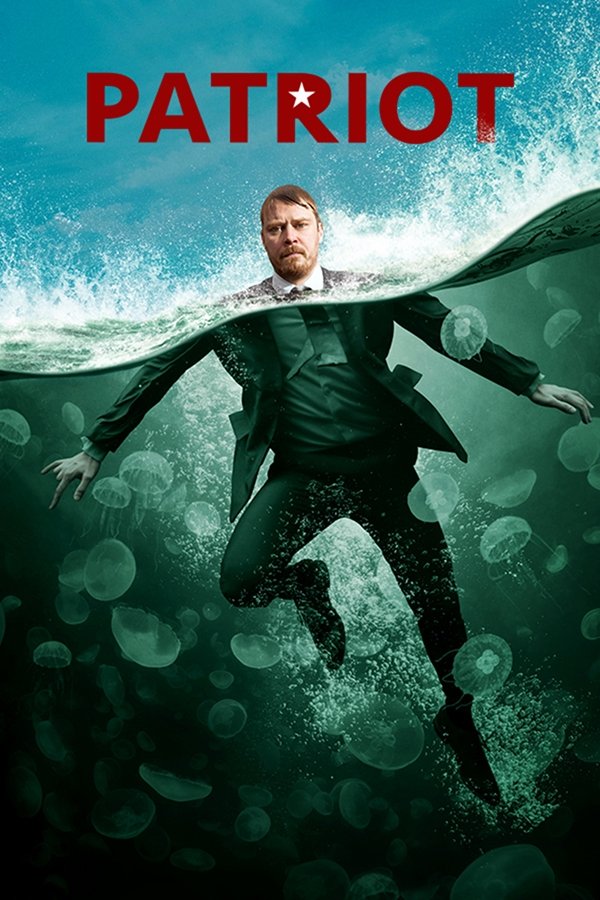
Created by Steven Conrad, this series follows intelligence officer John Tavner as he takes a non official cover job at an industrial piping firm to stop an Iranian nuclear plan. It stars Michael Dorman, with Kurtwood Smith and Terry O’Quinn in key roles, and it streams on Prime Video which quietly championed its offbeat take on espionage.
Episodes weave music, corporate travel, and river walks through Luxembourg and Milwaukee while the character navigates compromised missions and family pressure. The story uses procurement contracts, offshore shells, and interagency handoffs as the nuts and bolts of how the plan is meant to work.
‘Deutschland 83’ (2015)
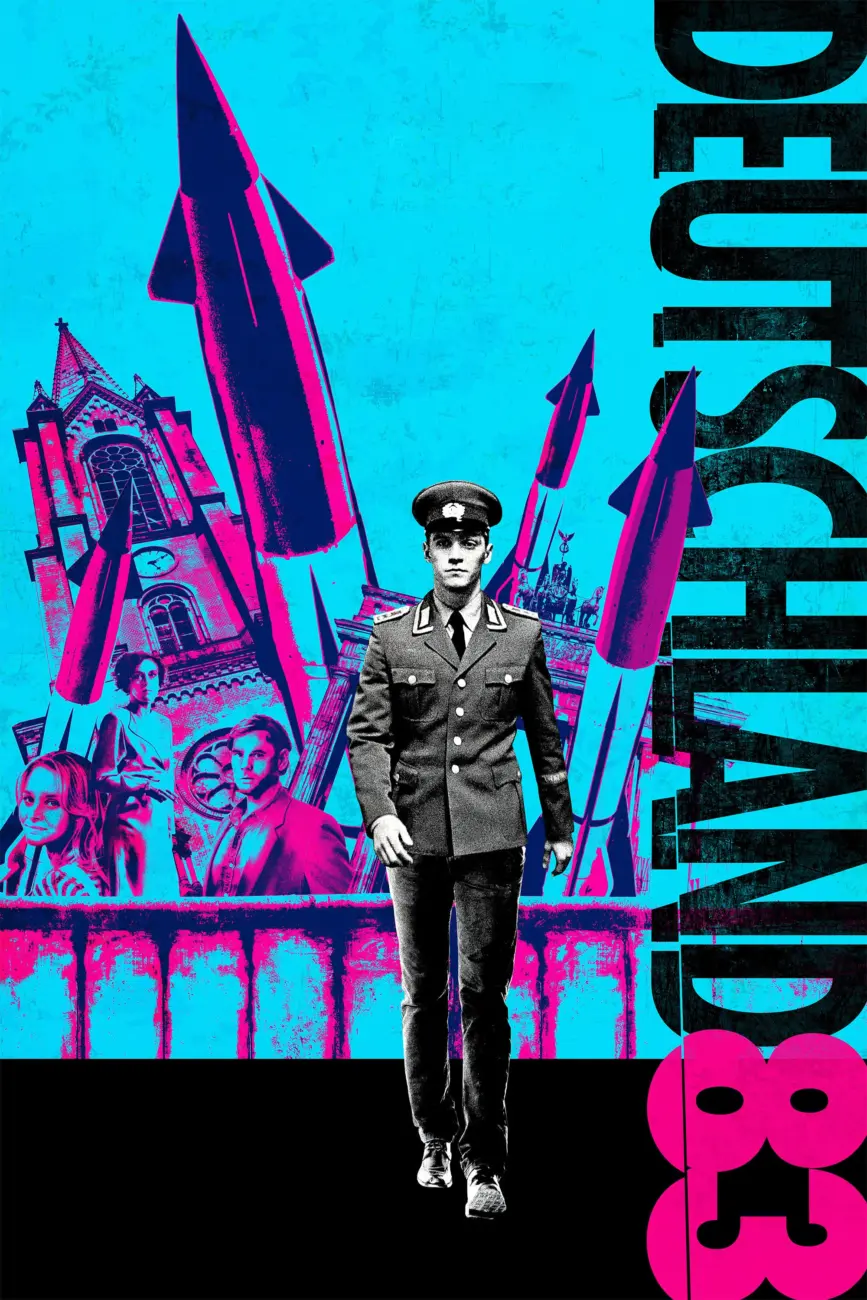
Set at the height of Cold War tension, this German series tracks an East German soldier sent undercover to West Germany to steal NATO secrets. It premiered on RTL in Germany and reached U.S. audiences through SundanceTV, which helped bring German language espionage to a broader crowd.
The show places real military exercises and missile deployments alongside forged identities and dead drops. It later expanded into follow up seasons set in 1986 and 1989, which means the original mission sits inside a longer arc about shifting loyalties and a changing Europe.
‘The Bureau’ (2015–2020)
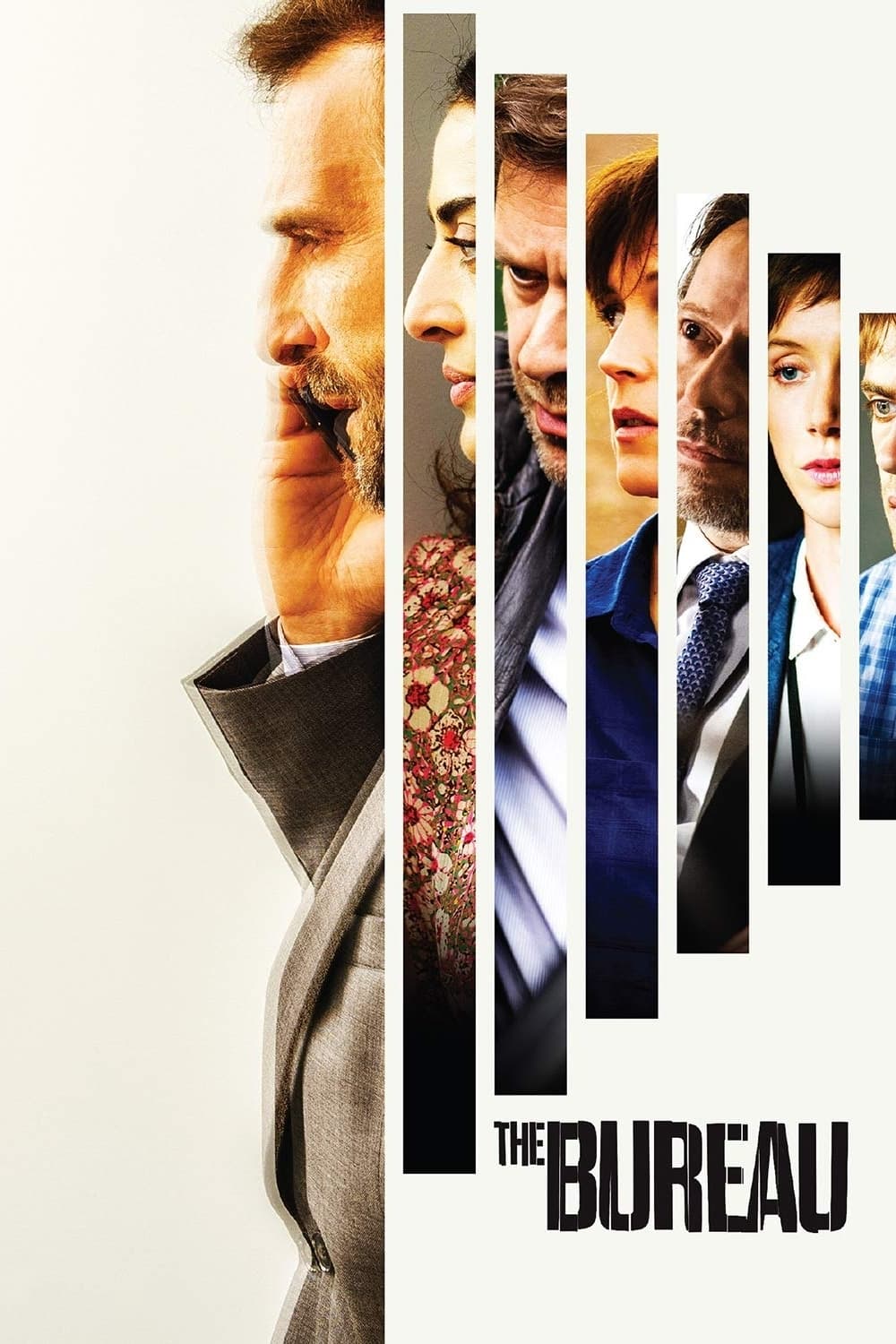
Known in France as ‘Le Bureau des Légendes’, this series focuses on a clandestine division of the DGSE that runs deep cover agents around the world. It aired on Canal+ in France and reached international viewers through services like Sundance Now that highlighted its granular detail.
The story centers on handler officer Guillaume Debailly and his years long identity in the Middle East, with operations in Tehran, Algiers, and Moscow. Tradecraft covers legend building, asset validation, and the risks of coming home when a false life refuses to let go.
‘Counterpart’ (2017–2019)
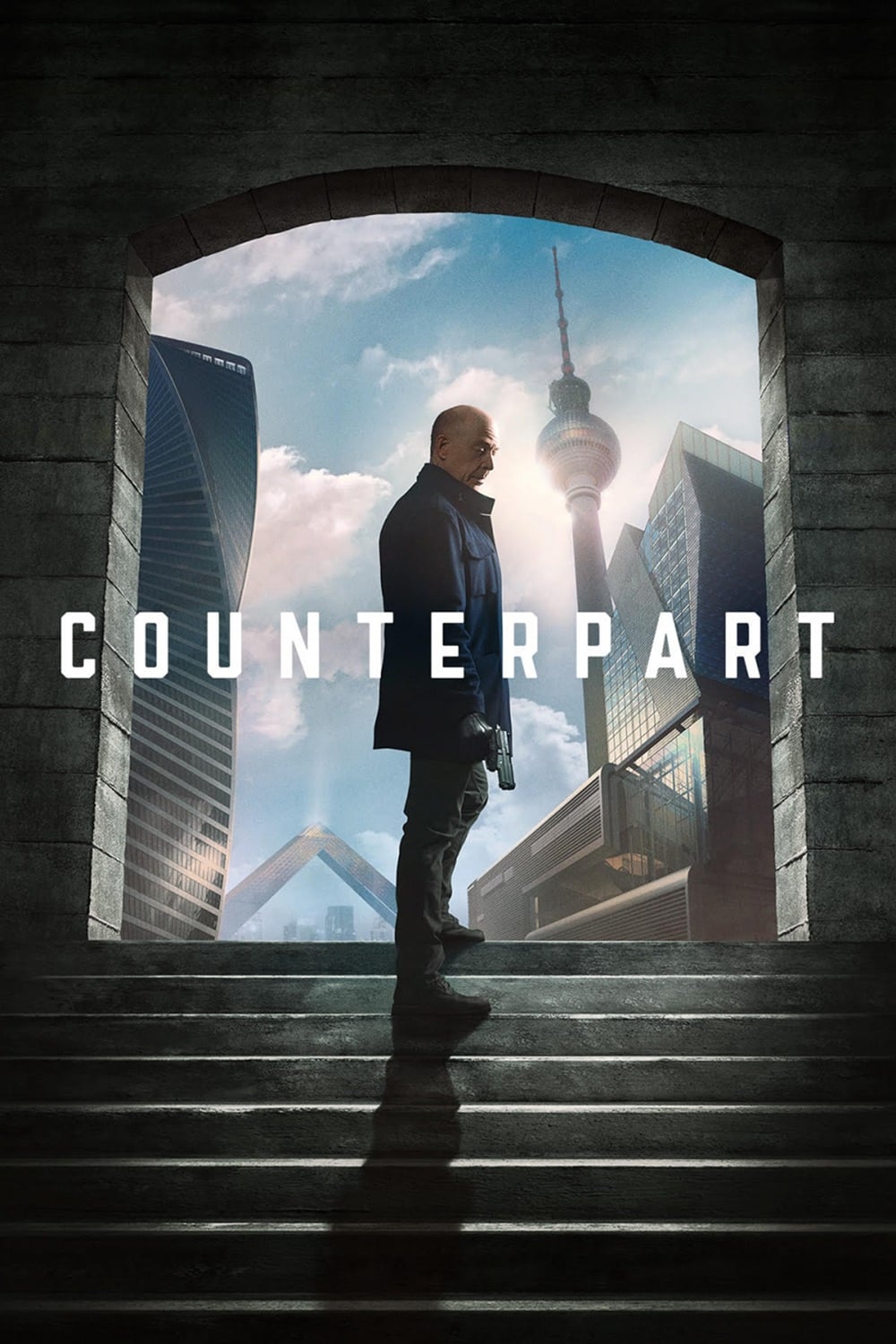
J. K. Simmons leads this Starz series about a Berlin agency guarding a crossing point to a parallel world, which turns a spy thriller into a story about mirrored lives. The network gave the production room to blend security protocols and science fiction while keeping the tone grounded in agency politics.
The plot uses routine document transfers, secure briefings, and cover identities to show how a quiet office job can hide a crisis. Viewers see duplicate operatives, parallel bureaucracies, and the methods both sides use when intelligence and disease flow across the border.
‘Condor’ (2018–2023)
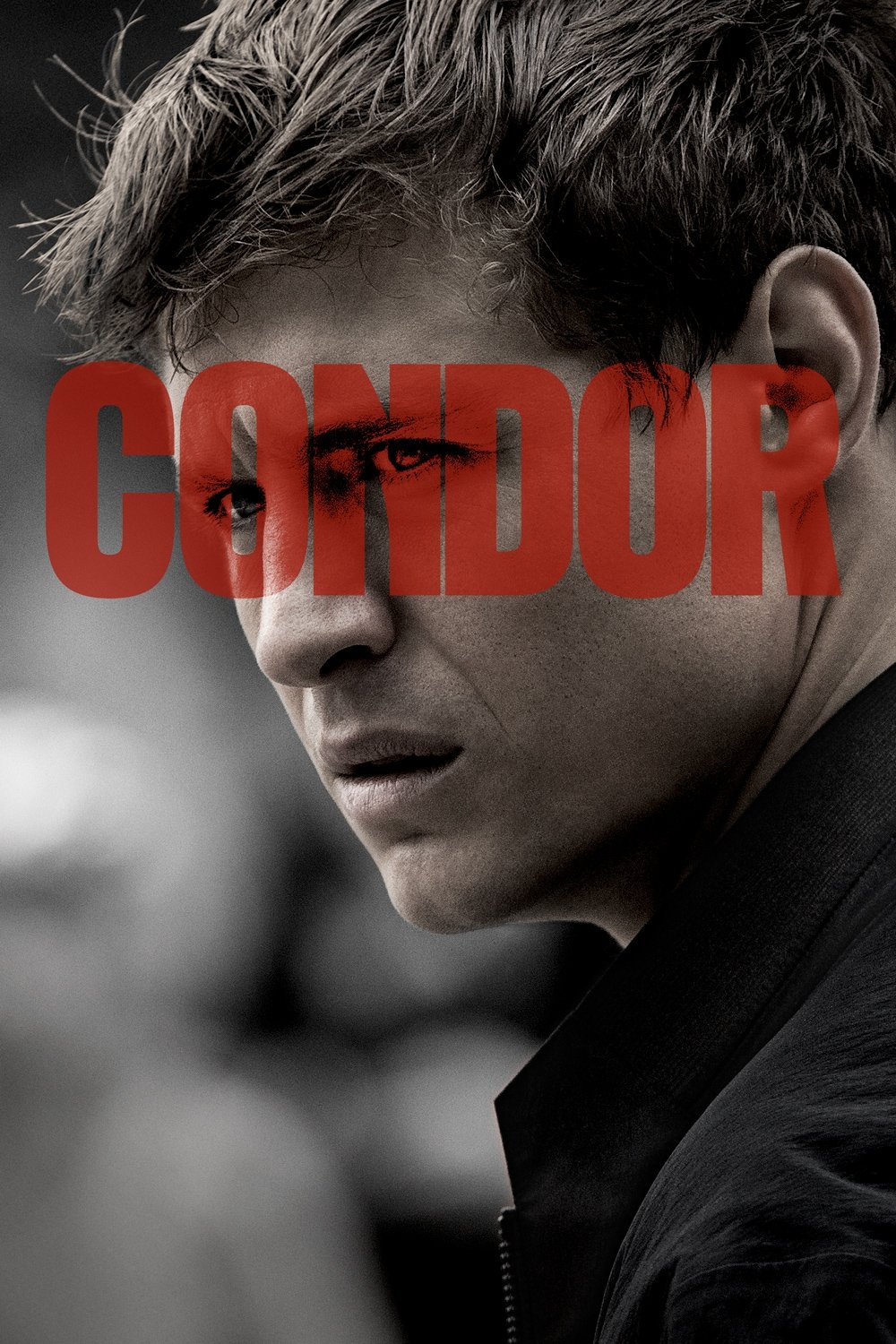
Inspired by the novel and the classic film, this series follows CIA analyst Joe Turner as a decrypted algorithm turns him into the target of a covert program. It launched on Audience Network and later continued on Epix, which kept the show available during its shift between homes.
The story moves from D.C. safe houses to European airfields as Turner hunts the origin of a mass casualty plot. Technical details include SIGINT triggers, watch lists, and contractor cutouts that fund the operation without appearing on books.
‘McMafia’ (2018–2018)

Based on the non fiction book by Misha Glenny, this BBC One and AMC co production follows a London banker pulled into a web of organized crime and state backed influence. The partnership between BBC One in the UK and AMC in the U.S. allowed a global cast and multiple shooting locations.
The series maps money flows across shell companies, trade corridors, and diplomatic fronts. Intelligence services appear as both adversaries and uneasy partners as the main character navigates sanctions busting and covert finance.
‘The Game’ (2014–2014)
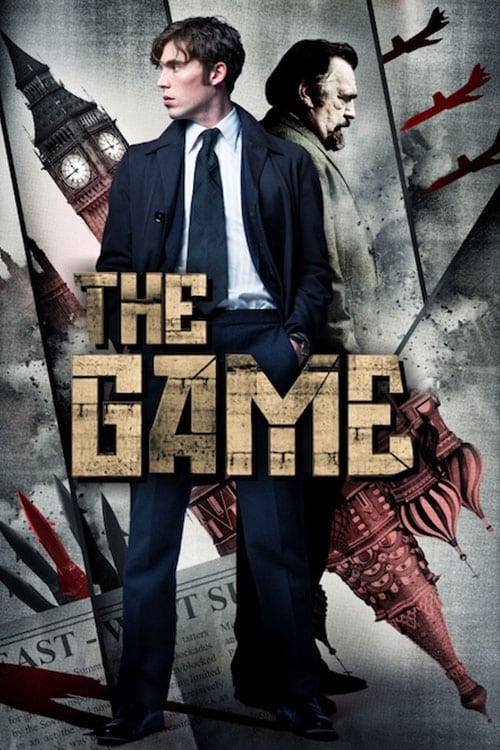
Set in 1970s London, this BBC One drama follows MI5 as it works a Soviet spy ring known as Operation Glass. The period setting uses paper files, wiretaps, and chalk marks to show how slow communication shaped the pace of counterintelligence.
Plots explore disinformation, asset turning, and the pressure that surveillance places on personal lives. Viewers get briefings in bunker rooms, black bag jobs in council flats, and the internal politics that decide who runs an operation.
‘Informer’ (2018–2018)

This BBC One series follows a young man recruited by a counterterrorism officer to work as a confidential human source in London. International viewers found it on Prime Video, which helped the show reach audiences beyond the UK.
The narrative tracks handler protocols, report writing, and the line between public order policing and intelligence work. It shows how tasking, risk assessments, and court disclosure rules affect day to day decisions out on estates and in interview rooms.
‘X Company’ (2015–2017)
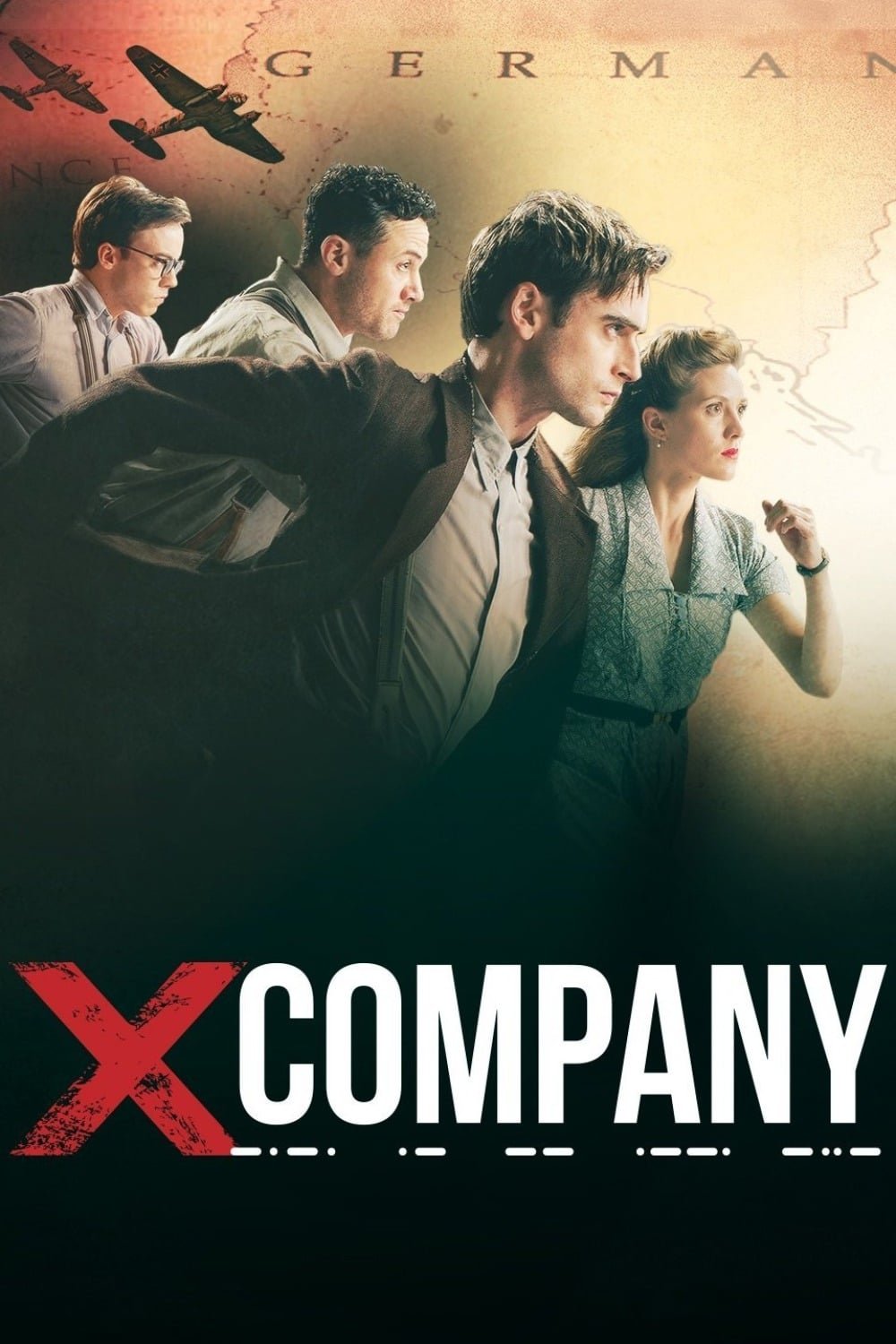
Set during World War II, this CBC series centers on a Canadian run training camp that prepares agents for insertion into occupied Europe. CBC Television backed a production that filmed in Hungary to recreate towns and rail lines used in operations.
Missions involve sabotage, courier routes, and the coordination of resistance cells with Allied command. The show explains how lessons on lock picking, morse, and explosives translate into field work under curfews and patrols.
‘The Sandbaggers’ (1978–1980)
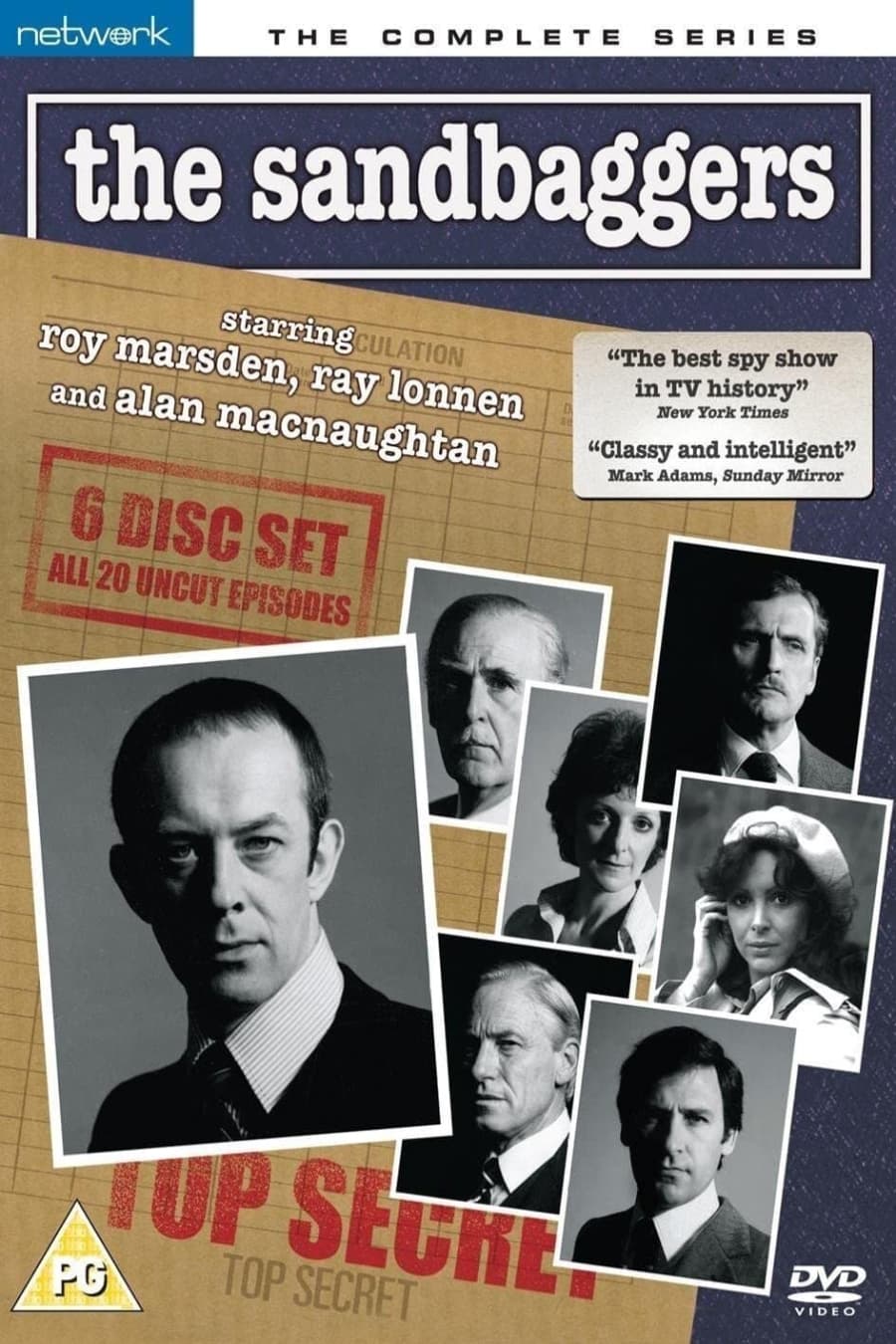
This ITV classic focuses on a small MI6 directorate that runs hazardous operations with limited resources. The network’s studio based approach keeps the focus on planning rooms and embassy corridors where decisions get made.
Storylines deal with flight route extractions, exfiltration by sea, and arguments over whether a mission merits the risk. Budget constraints inside the fiction become part of the plot, which means approvals, aircraft, and diplomatic cover matter as much as bravado.
‘Slow Horses’ (2022–present)

Adapted from Mick Herron’s novels, this Apple TV Plus series follows a team of MI5 castoffs stuck in a backwater office that still gets real cases. The platform’s backing brought recurring seasons and a steady release schedule that kept the books’ structure intact.
Operations dig into money laundering, extremist networks, and Cold War ghosts that spill into modern London. Field craft includes tailing on foot, burner phones, and authority gaps between the main service and the sidelined unit that still knows how to work a lead.
‘Alex Rider’ (2020–2024)
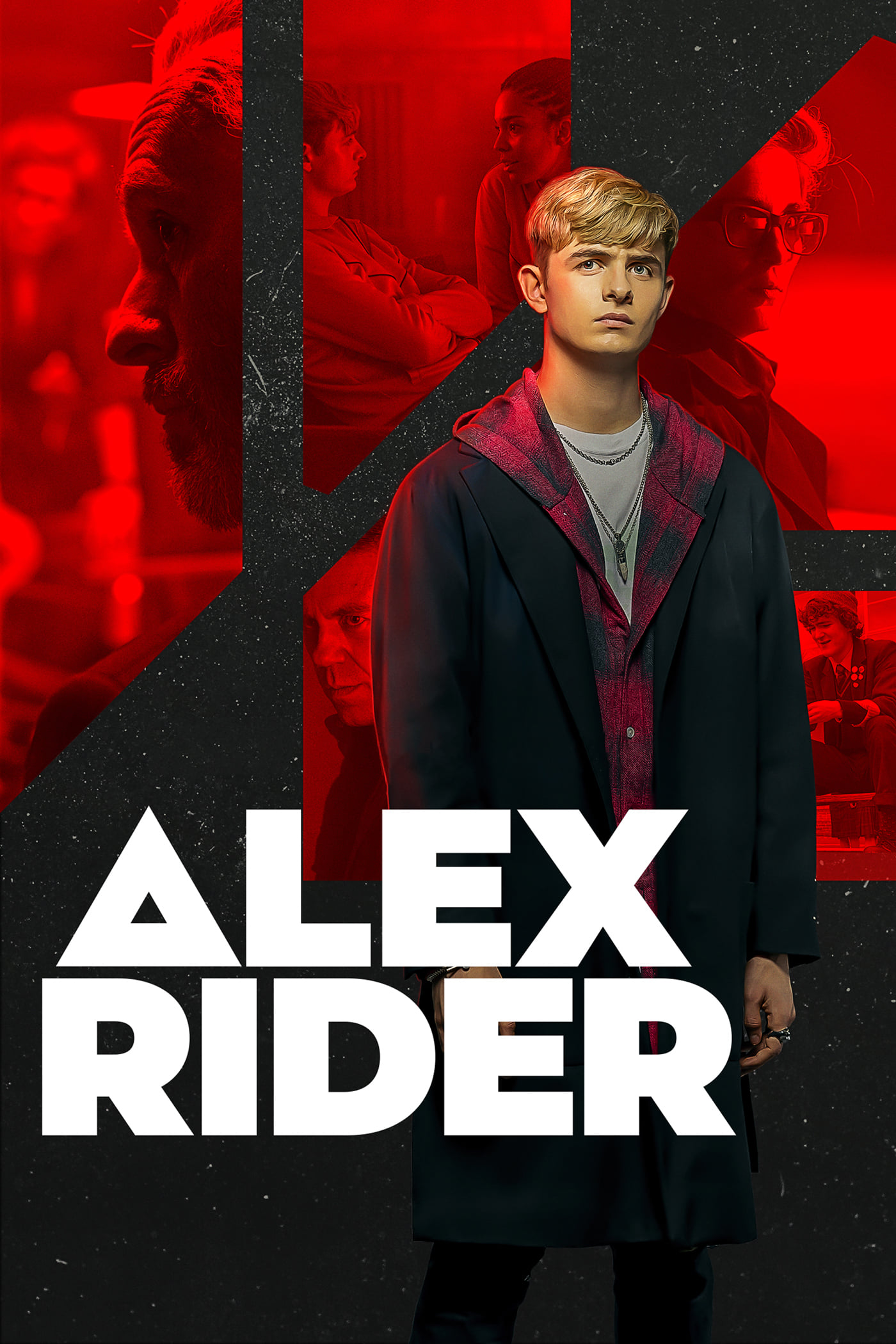
Based on Anthony Horowitz’s novels, this series follows a London teenager recruited by a shadowy wing of British intelligence after a family tragedy. It premiered on Prime Video and later moved to Amazon Freevee, which carried the final season.
Missions send the lead into schools, tech firms, and private islands where corporate security stands in for a hostile state. Gadgets take a back seat to social engineering, stealth entries, and the way young operatives can glide past suspicion.
‘The Night Manager’ (2016–2016)
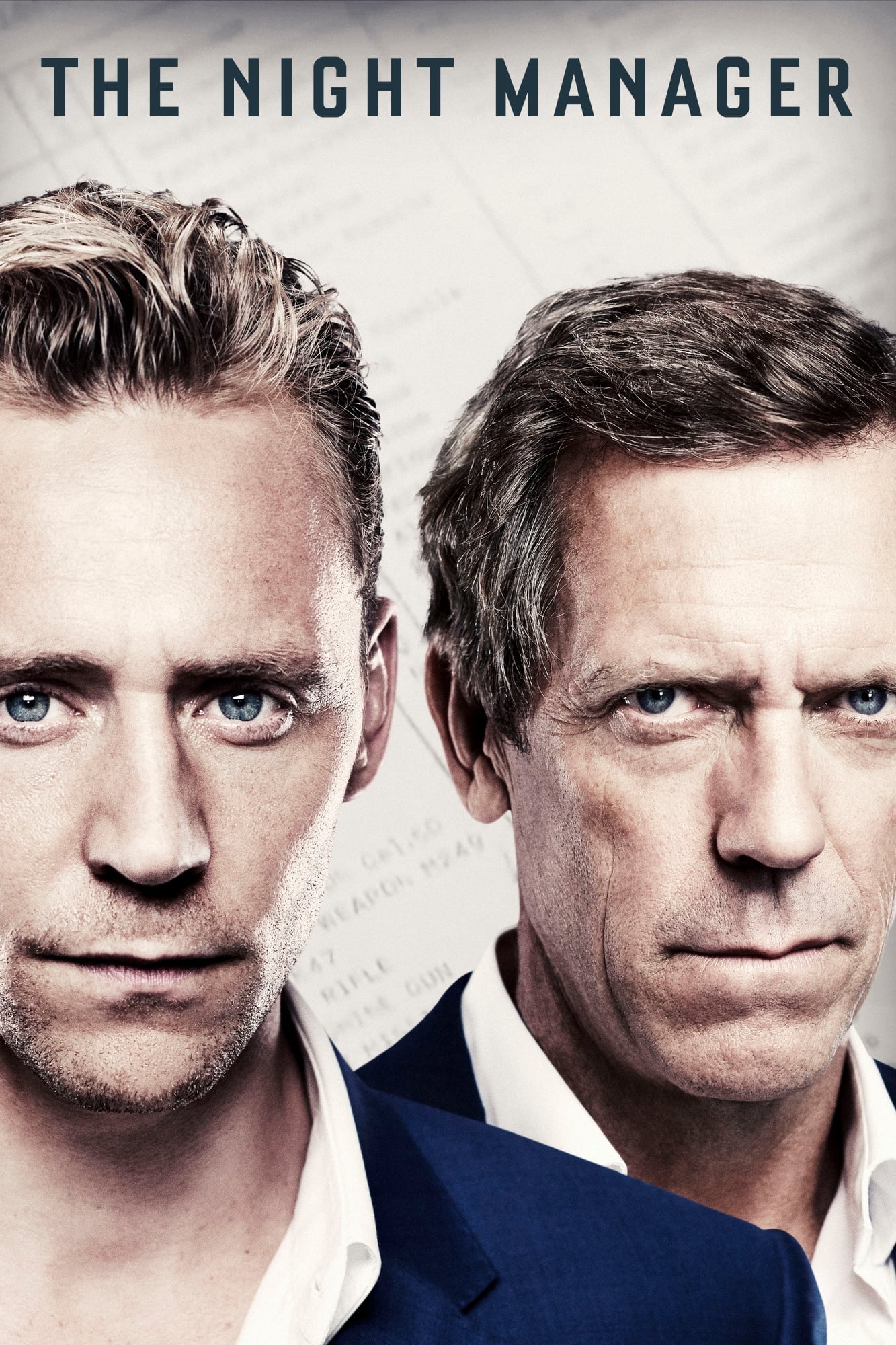
Adapted from John le Carré, this limited series follows a hotel night manager who infiltrates an arms dealer’s inner circle. BBC One and AMC partnered on the production which filmed across Switzerland, Spain, Morocco, and the UK.
Intelligence officers build a front company, bank accounts, and a trading pipeline that draws the target into a controlled buy. The plot explains how export controls, shell firms, and private guards intersect when weapons move across borders.
‘The Honourable Woman’ (2014–2014)
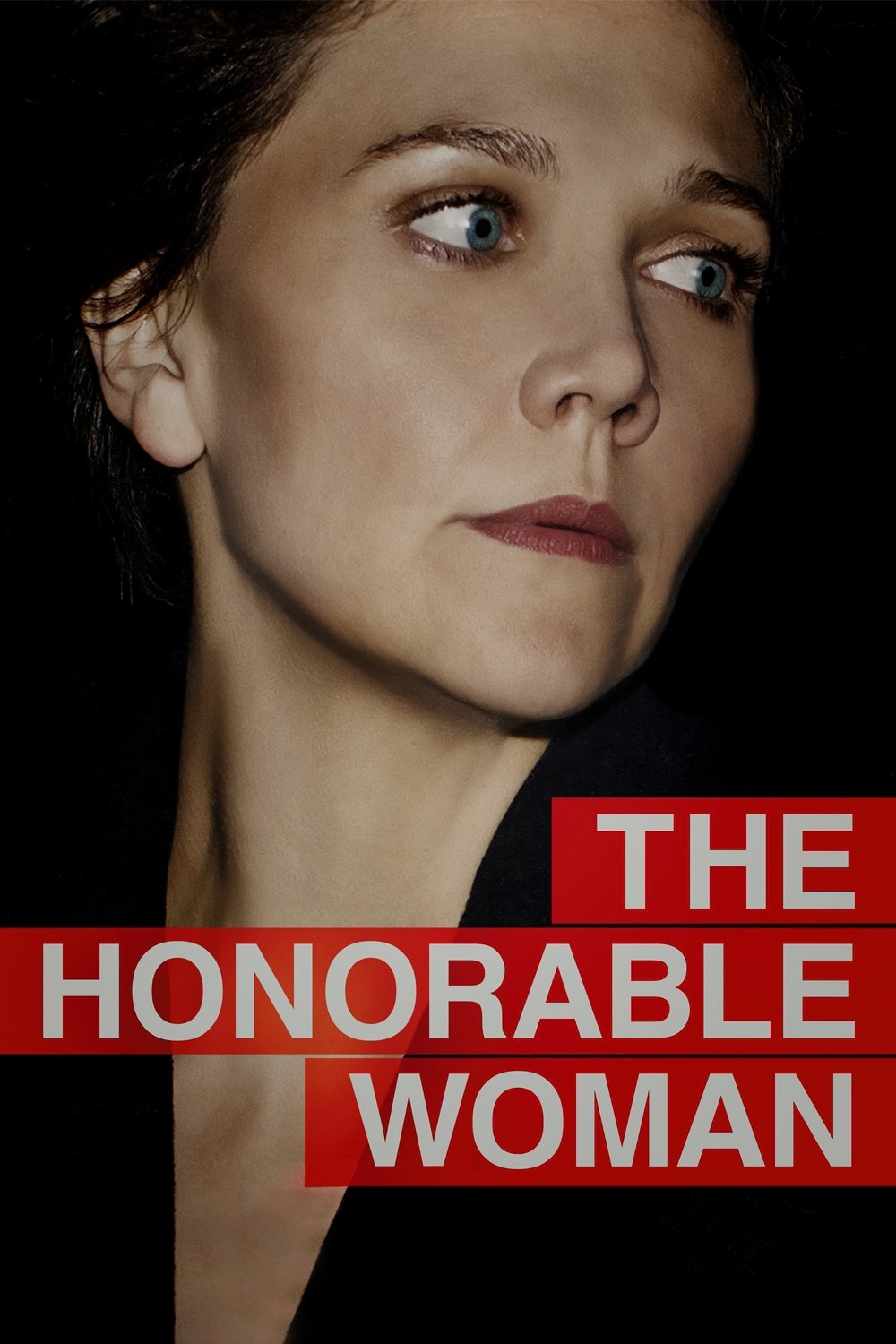
Created by Hugo Blick, this series follows a business leader who inherits a company that sits in the middle of Israeli and Palestinian security interests. BBC Two and SundanceTV shared the release which placed the story in front of viewers on both sides of the Atlantic.
Intelligence units monitor aid programs, telecom projects, and procurement bids that can alter power in the region. The show tracks kidnappings, oversight hearings, and cutouts that link contractors to ministries without a clear line on paper.
‘Pine Gap’ (2018–2018)
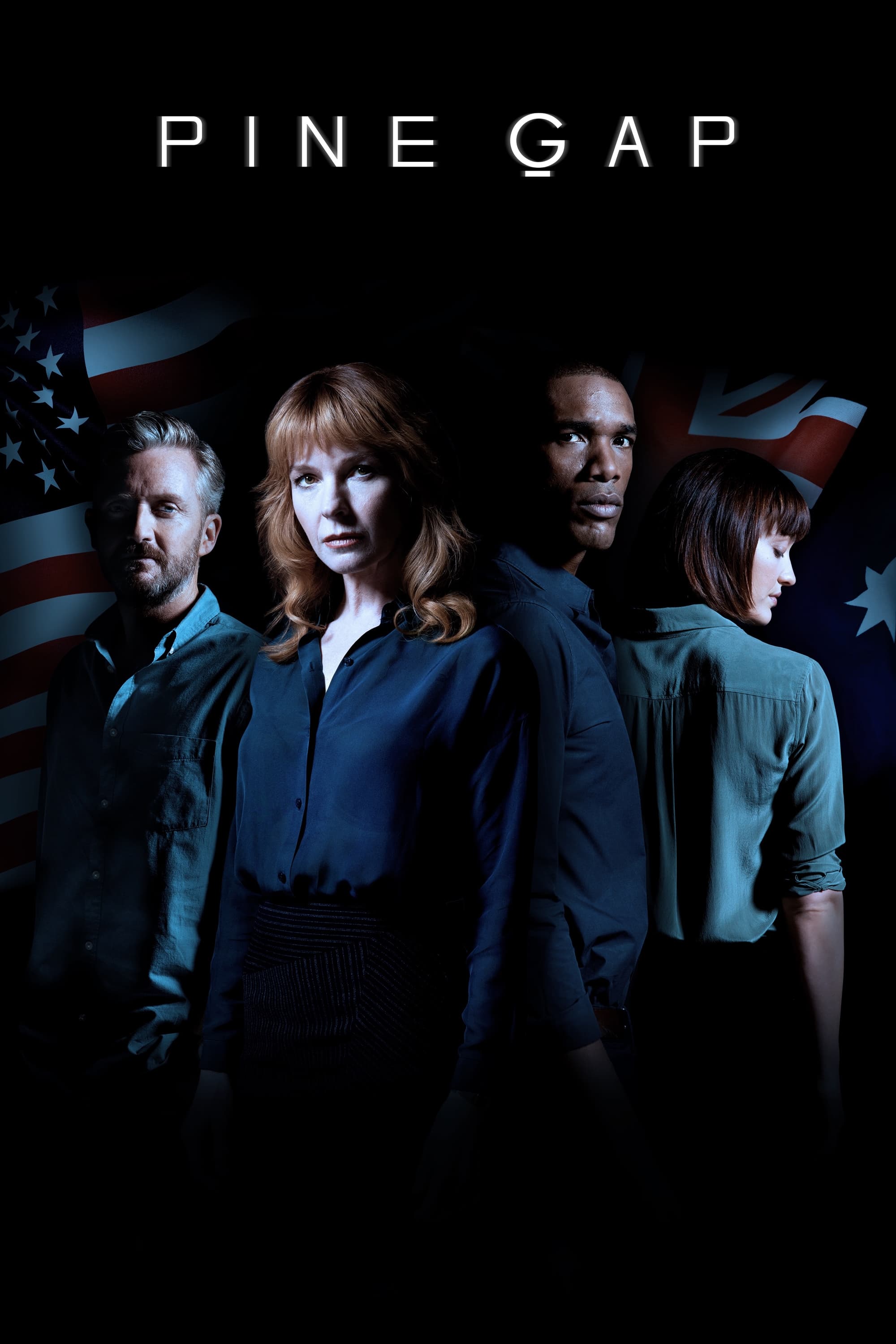
Set around the joint intelligence facility in Australia, this series explores how alliances manage surveillance and crisis response. It aired on ABC in Australia, and Netflix handled international distribution to reach a wider audience.
Analysts sift satellite feeds, radar tracks, and communications intercepts while political leaders press for quick answers. The plot places personal relationships next to compartmentalized data that cannot be shared even inside the same building.
‘Queen Sono’ (2020–2020)

This South African series follows a field operative working cases that connect crime and politics across the continent. Netflix supported the production, which allowed filming in multiple countries and languages.
Operations involve front charities, private military firms, and election interference that plays out on social platforms. The show depicts surveillance in cities from Johannesburg to Zanzibar, with briefings that rely on human sources as much as technical collection.
‘Occupied’ (2015–2020)
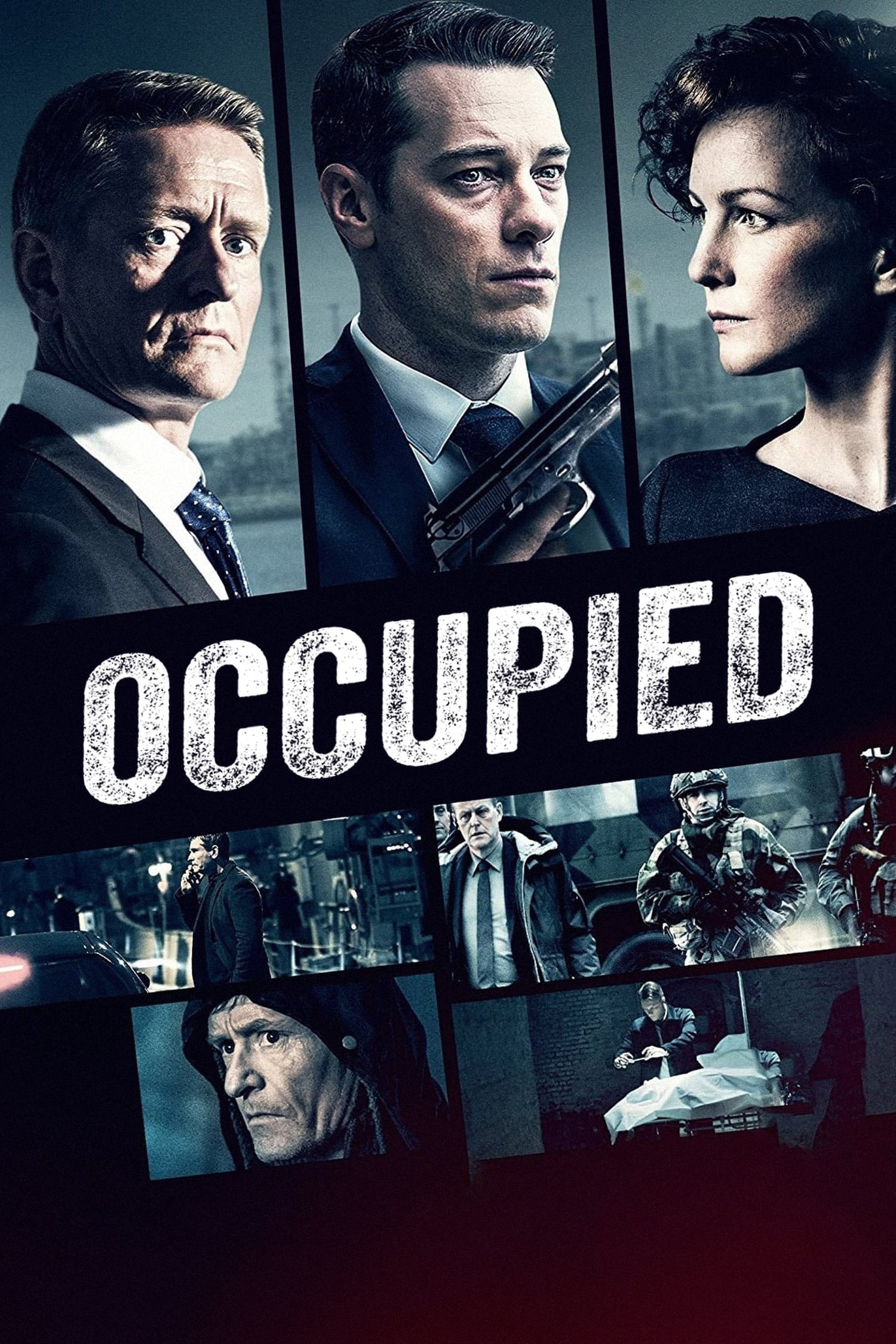
Created with input from Jo Nesbø, this Norwegian series imagines a European energy crisis that triggers pressure and covert moves against Norway. TV 2 in Norway aired the show, and Netflix carried it to international viewers who followed the geopolitical thread.
Intelligence services watch shipping, offshore platforms, and government offices as influence campaigns spread. The story uses ministers, security advisers, and police units to show how policy and covert action meet during a slow motion crisis.
‘Mossad 101’ (2015–2017)
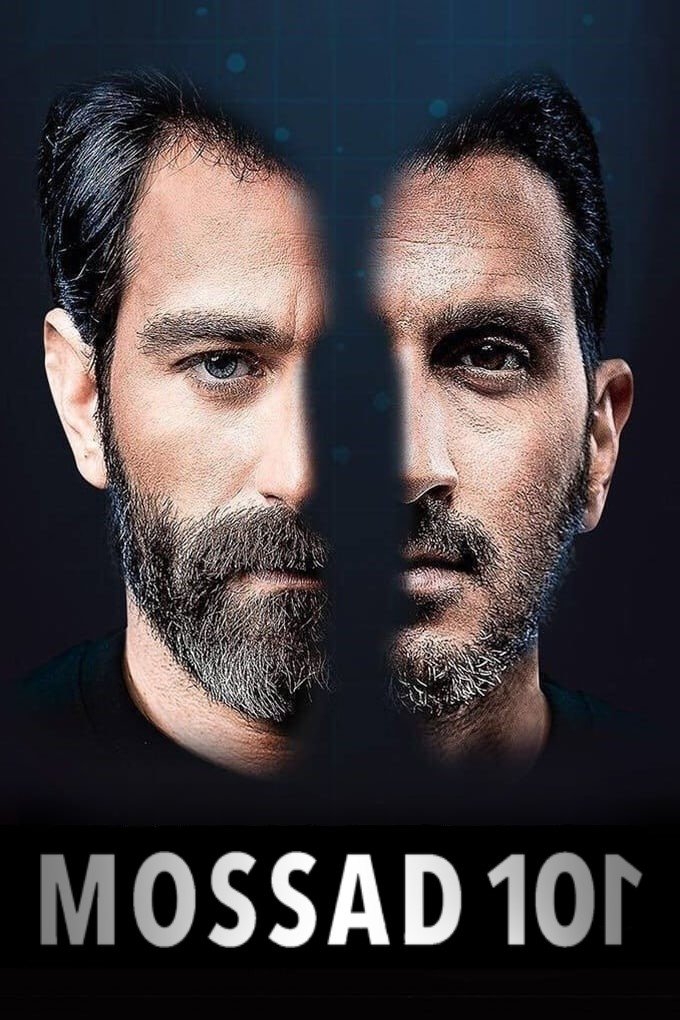
Also known as ‘Mekif Milim’, this Israeli drama follows a training program that pushes recruits through complex simulations. It aired on Channel 2 in Israel and later became available on Netflix, which widened access to a non English language spy story.
The curriculum tests disguise, improvisation, and mission planning under stress. Episodes detail surveillance detection routes, quick costume changes, and the ethics of manipulation in recruiting and running assets.
‘Turn: Washington’s Spies’ (2014–2017)
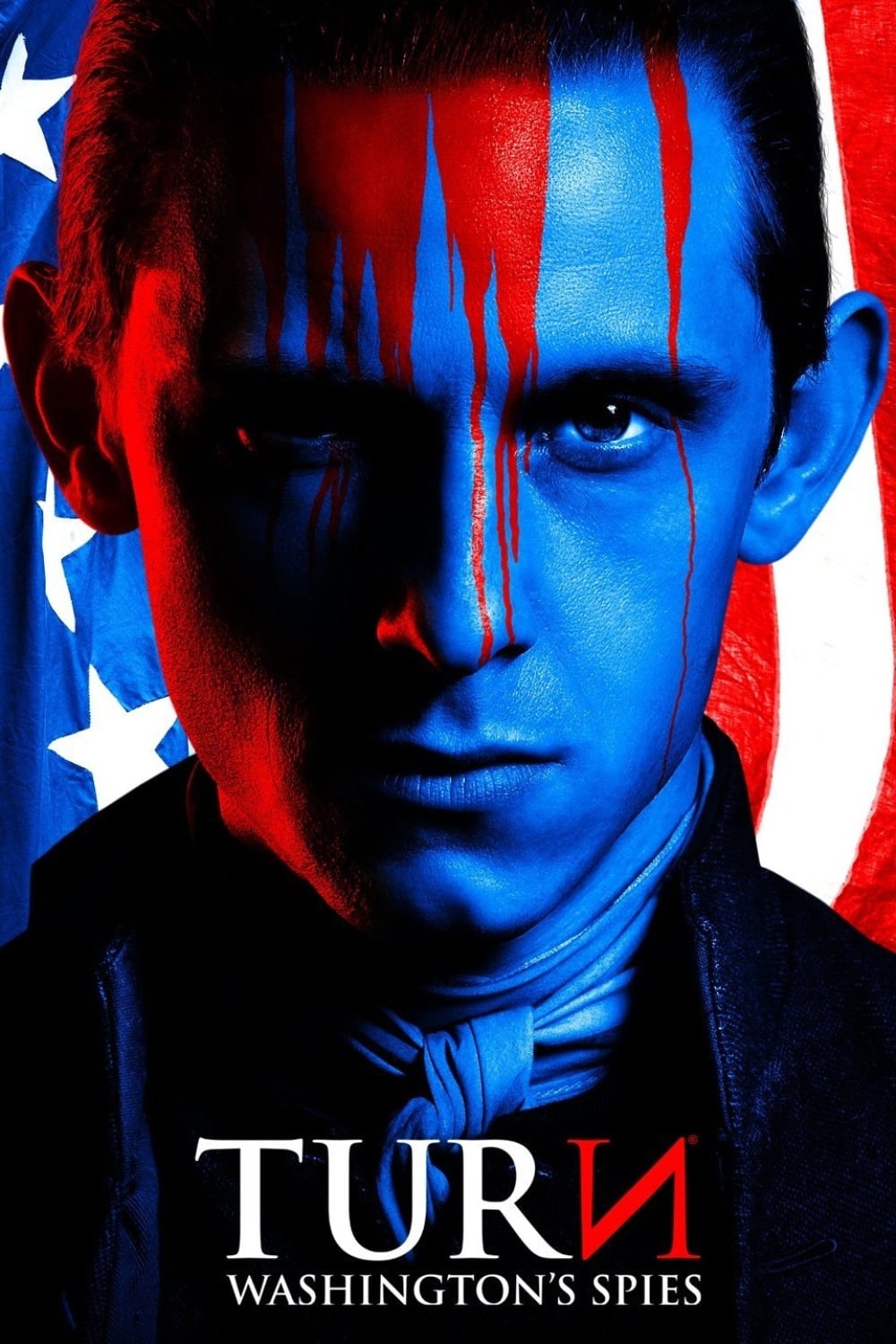
Based on the Culper Ring, this series tracks farmers and merchants who become agents during the American Revolution. AMC backed the production and maintained period detail in sets and costuming across four seasons.
Tradecraft includes coded letters, invisible ink, and courier networks that cross British lines. The series shows how family ties, taverns, and ferry crossings become the infrastructure for an early American intelligence service.
‘The Assets’ (2014–2014)
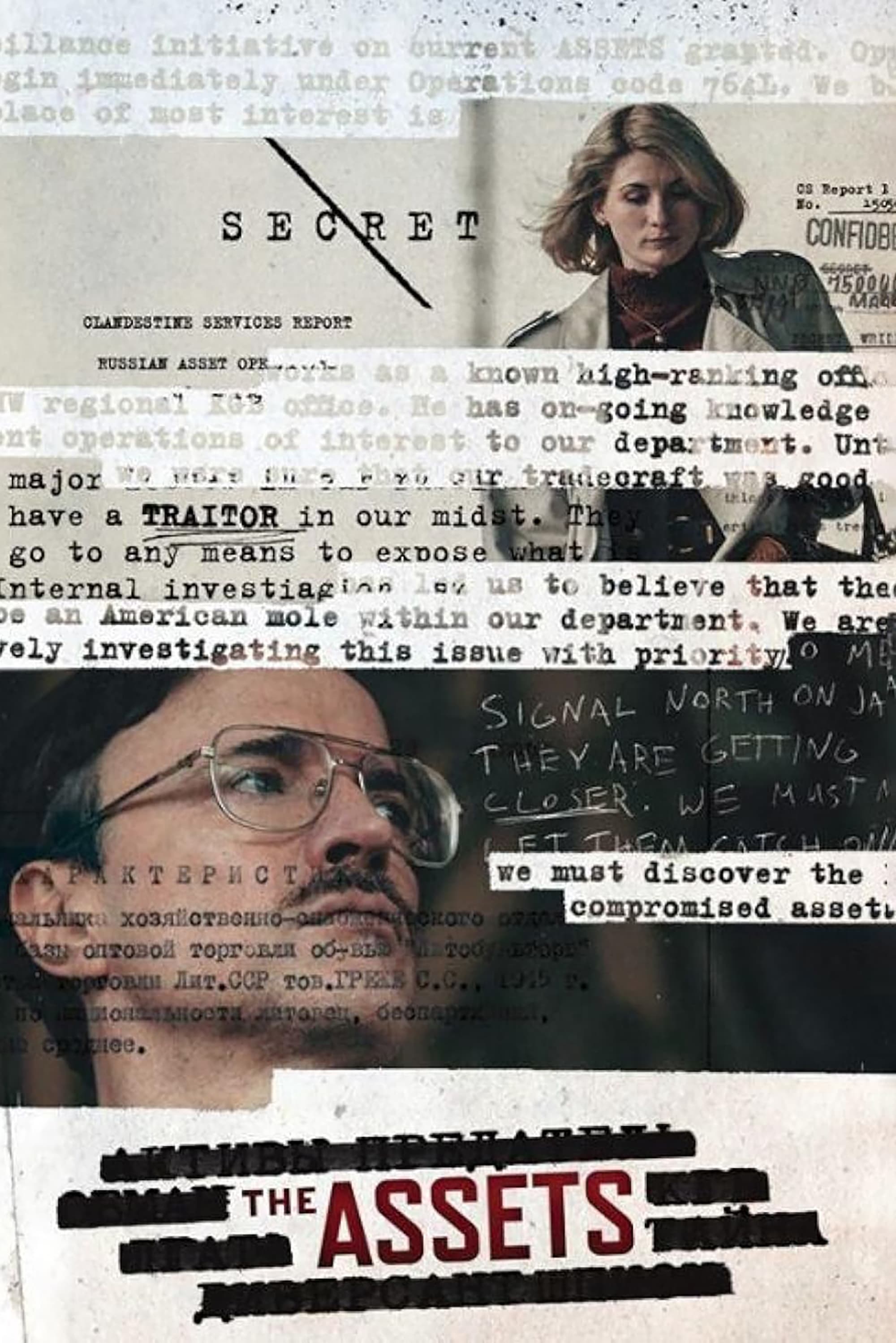
This miniseries tells the true story of the CIA hunt for mole Aldrich Ames during the final years of the Cold War. ABC aired the show, presenting a procedural view of counterintelligence inside Langley.
The investigation moves through anomalies in Soviet agent reporting, polygraphs, and surveillance of financial changes. It records how a single penetrated line can unravel networks and force emergency exfiltrations.
‘Covert Affairs’ (2010–2014)

This USA Network series follows trainee Annie Walker as she moves into field work with a handler who guides her early operations. The cable home gave it a multi season run, which allowed mission types to range from asset recruitment to embassy events.
Episodes cover surveillance, legend building, and the compromises that come with operating under diplomatic cover. The show visits cities across Latin America, Europe, and Asia while tracking interagency coordination on larger cases.
‘Hunted’ (2012–2012)
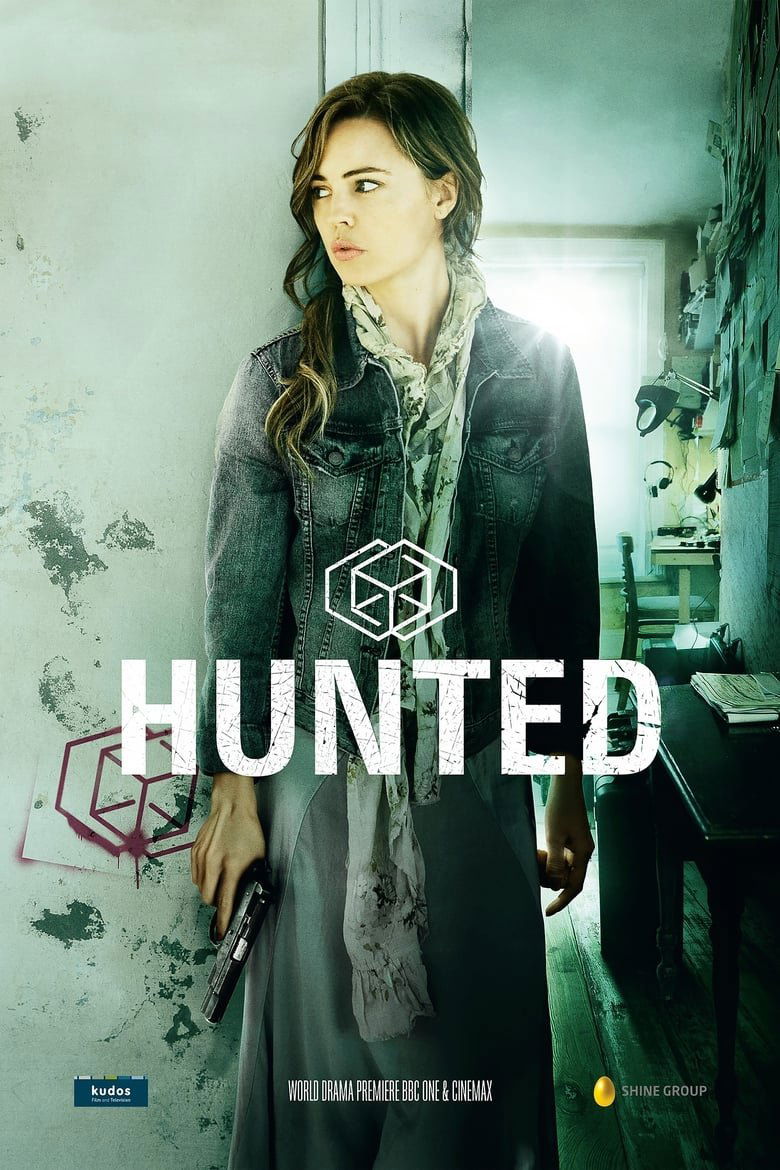
Created by Frank Spotnitz, this BBC One and Cinemax collaboration follows a private security operative who discovers a conspiracy inside her own firm. The dual release put the series in front of audiences in the UK and the U.S. at the same time.
Assignments involve kidnap prevention, corporate espionage, and internal vetting when a team may be compromised. The plot uses safe flats, burner communications, and controlled meets along the Thames to show how contractors work off the books.
‘The Looming Tower’ (2018–2018)
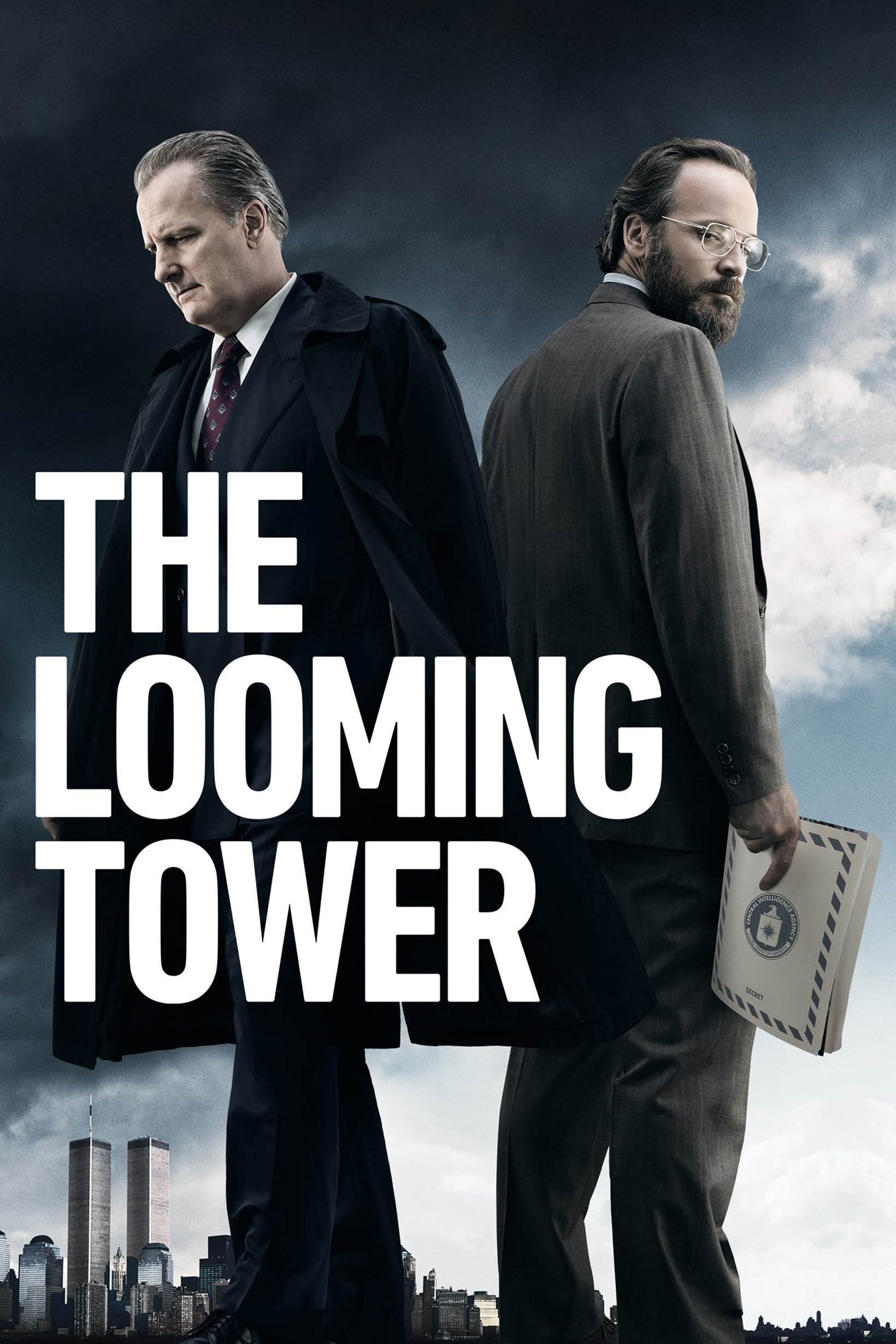
Based on Lawrence Wright’s book, this limited series charts the rivalry between the FBI and the CIA in the years before the September 11 attacks. Hulu distributed the show in the United States and kept the full run available for streaming.
The narrative reconstructs legal authorities, intelligence sharing rules, and field offices from Nairobi to New York. It follows analysts and agents as they track training camps, travel records, and encrypted communications that point to a growing threat.
‘Tehran’ (2020–present)

This Israeli series follows a young Mossad hacker sent into Tehran to disable air defenses ahead of a strike. It debuted on Kan 11 in Israel and reached global audiences through Apple TV Plus, which supported later seasons.
Operations rely on cyber intrusions, social engineering, and quick changes of identity in an environment with heavy surveillance. The show details front apartments, secure messaging, and the risk matrix for teams operating without official cover.
‘Traitors’ (2019–2019)
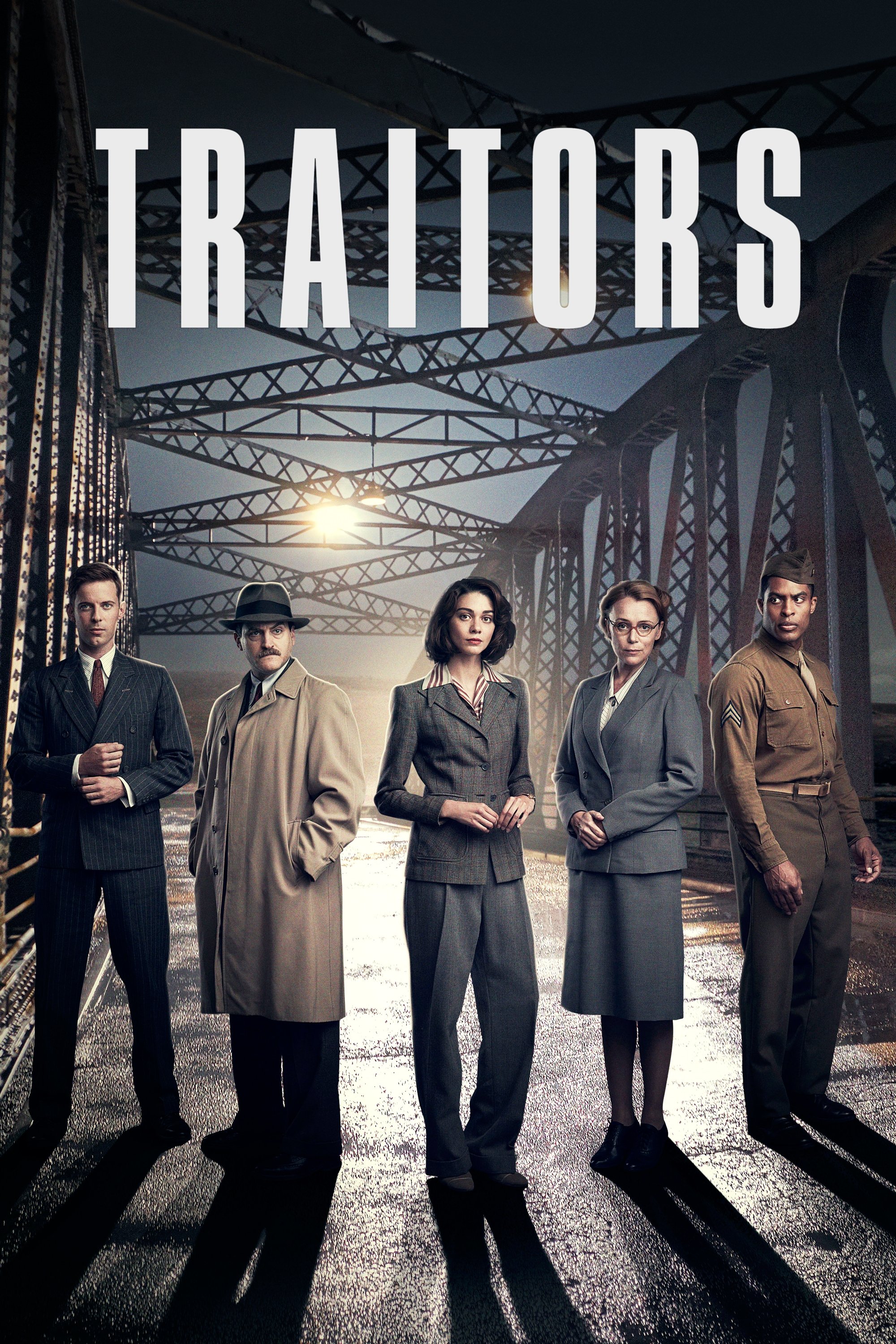
Set in 1945 London, this Channel 4 drama follows a young civil servant recruited by an American agent to spy on her own government. Netflix carried the show to international audiences, which helped this compact story find viewers outside the UK.
Plots deal with postwar elections, shifting alliances, and the early workings of signals intelligence. The series shows how a novice source learns dead drops, contact protocols, and the consequences of a leak inside a government office.
If you have a favorite undercover drama that deserves more love, share your pick in the comments so everyone can add it to their watchlist.

