‘Star City’ Has a Perfect Critics Score — So Why Are Audiences More Divided?

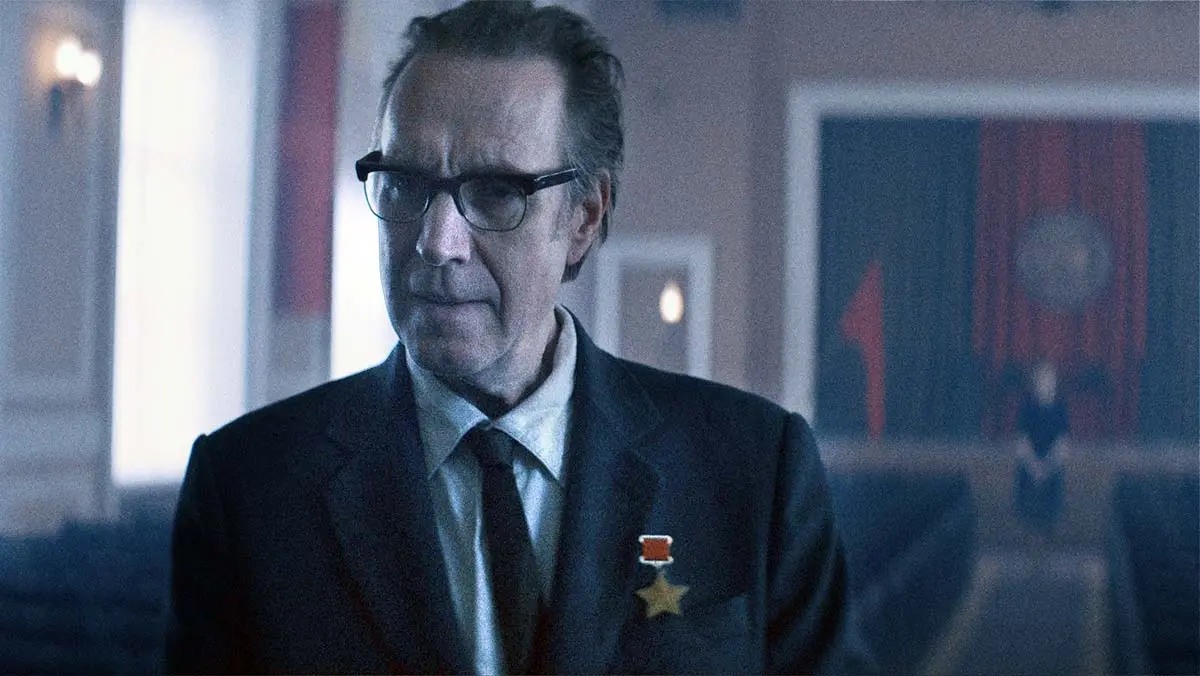

Apple TV’s newest prestige drama arrived just in time to fill the void left by ‘For All Mankind’s’ season finale. ‘Star City,’ the official spinoff set behind the Iron Curtain during the alternate-history Soviet space program, launched on May 29 to the kind of critical response most shows can only dream about. But the divergence between what critics are celebrating and what general audiences seem to be experiencing tells a more complicated, and genuinely interesting, story.
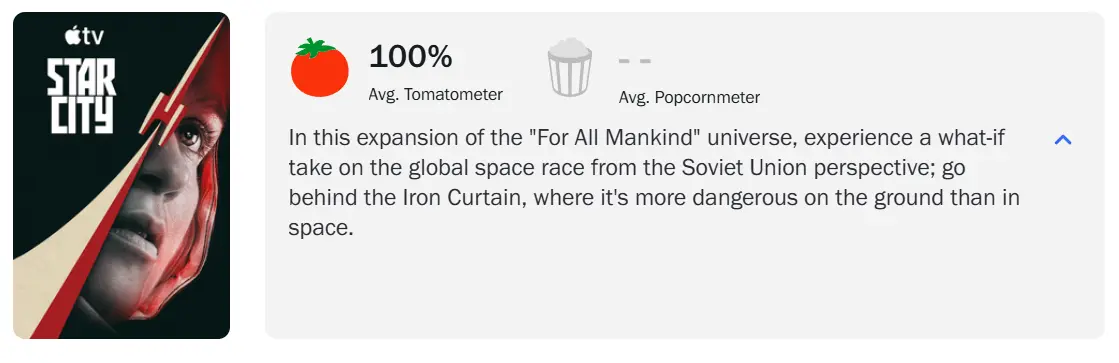
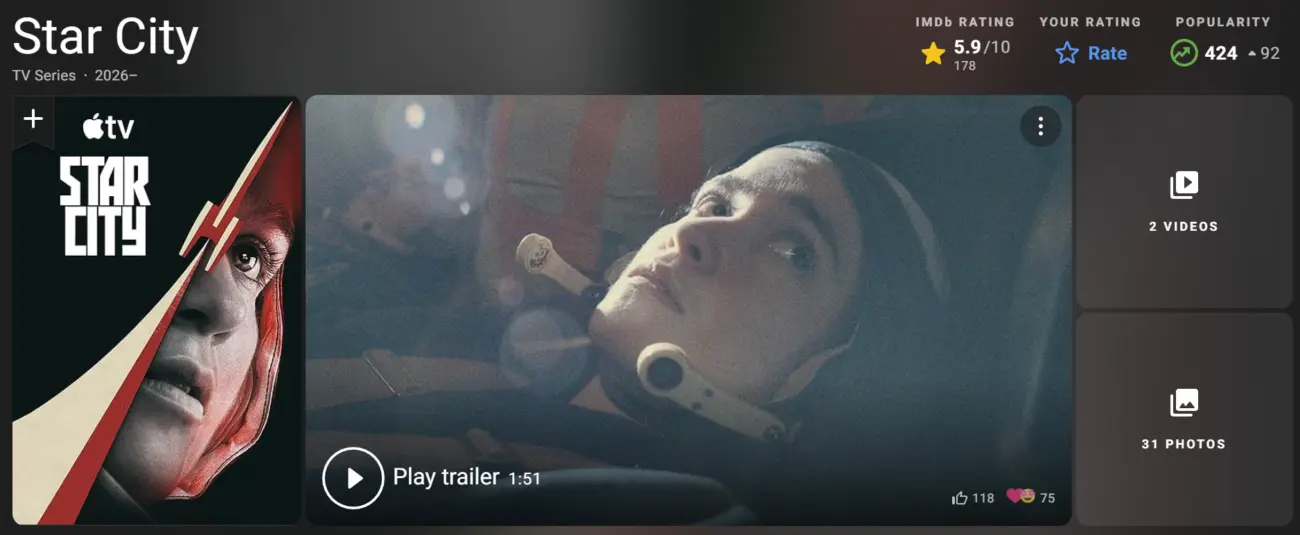
The series currently holds a perfect 100% Tomatometer score on Rotten Tomatoes, based on six early critic reviews, putting it ahead of its parent series, ‘For All Mankind,’ which holds a still-impressive 91% score across all five of its seasons. Yet alongside that pristine critical consensus, the show has landed an early IMDB rating of just 6.2 out of 10 from 102 votes, suggesting a more cautious reception from everyday viewers coming in fresh.
The Cold War Thriller Angle Critics Are Loving
Critics have praised ‘Star City’ for blending Cold War chills with Space Age thrills, positioning it as both a worthy companion to ‘For All Mankind’ and a series fully capable of standing on its own. The show is set at the Yuri Gagarin Cosmonaut Training Center in the late 1960s and early 1970s, relocating the drama behind the Iron Curtain where the same key events from the parent series, including the first woman on the moon, play out from the Soviet perspective.
Despite its more serious tone as a psychological thriller, the show’s creators stick to the same strengths that made ‘For All Mankind’ so appealing, balancing workplace drama and secret love affairs with satisfying sci-fi problem-solving, and a big enough production budget to luxuriate in the retro technology and architecture of its setting.
That tonal shift is precisely what critics have responded to most enthusiastically, framing the series as a smart and necessary evolution rather than a redundant retread.
Inverse praised the show’s ability to balance its characters’ individual hopes and dreams against the scrutiny and pressure of the state, noting that at its best, ‘Star City’ functions as a slow-burning spy show with the subject of optimism under extreme pressure. Filmhounds went even further, with Gavin Spoors awarding five out of five stars, suggesting that if the series sticks its landing with its final three episodes, it could make a genuine case for being the best show of the year.
Where the Audience Score Gap Comes From
The tension between critical enthusiasm and audience hesitation is not entirely surprising once you dig into the specifics of what ‘Star City’ actually is. While the premise immediately appeals, the show does not hit with quite the same emotional force as early ‘For All Mankind,’ as it naturally loses some impact the second time around. For viewers who came in hoping for the same warm, expansive energy of the original series, the colder register of the spinoff can feel like a bait and switch.
Even some critics who praised the show acknowledged that after watching five episodes, it remains difficult to say much about most characters outside their function in the story, making it harder to invest emotionally in what happens to them.
That emotional distance is the kind of thing professional critics are trained to contextualize as an intentional artistic choice, while general audiences are more likely to simply feel it as a barrier.
Pacing also drew measured concern, with the middle episodes becoming heavily invested in atmosphere and procedural tension at the expense of narrative momentum, a slow-burn approach that some viewers appreciated but others found stretched thin. For a fanbase accustomed to the melodrama and momentum of ‘For All Mankind,’ that deliberate restraint requires a recalibration that not every viewer is prepared to make.
The ‘For All Mankind’ Universe Problem
Part of what makes the score gap so revealing is the specific challenge any spinoff faces when it sets out to be distinctly different from its source material. Showrunners Ben Nedivi and Matt Wolpert are clearly interested in exploring darker, less hopeful thematic ground this time around, leaning into the disquieting and the morally thorny rather than the inspirational.
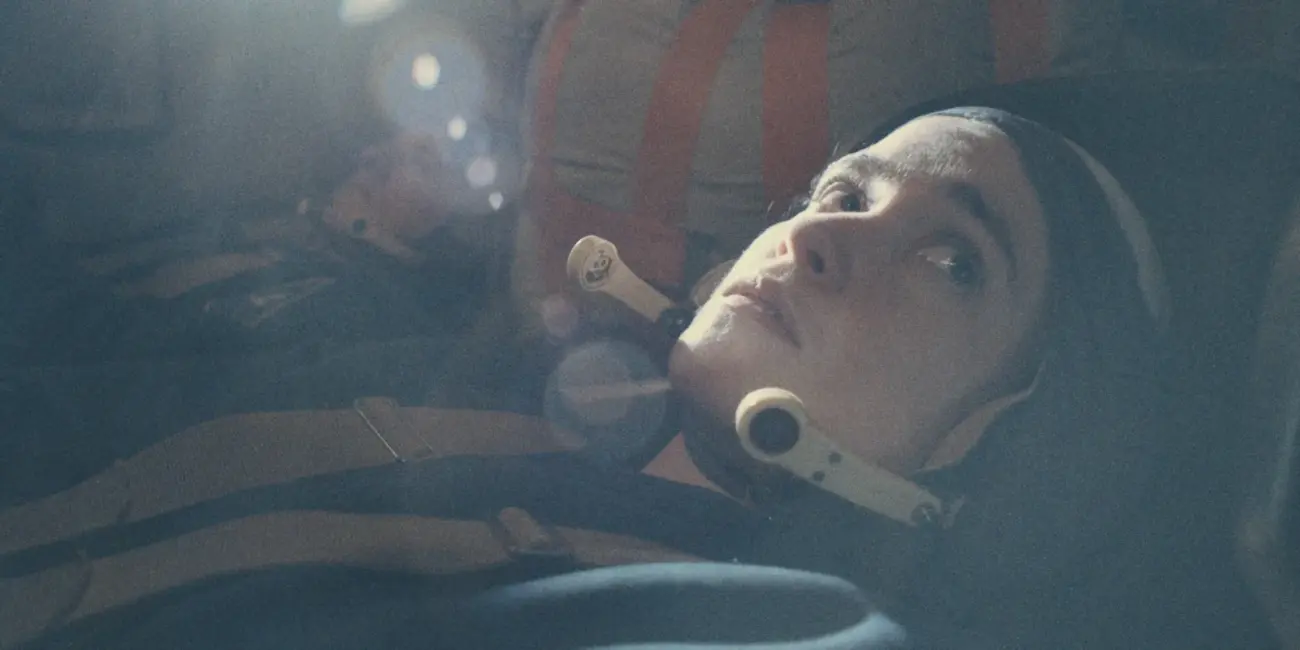
That choice pays off in sequences like the storyline involving Agnes O’Casey’s conflicted KGB recruit, which critics described as feeling more like Francis Ford Coppola’s ‘The Conversation’ than a traditional space drama, and represents some of the most emotionally affecting material in the series.
For fans of series like ‘Succession,’ ‘Slow Horses,’ and ‘Severance,’ the psychological intensity of ‘Star City’ will resonate deeply, but for viewers seeking pure sci-fi adventure, the paranoid-thriller tone might demand patience. That division maps almost perfectly onto the gap between the critic consensus and the more fragmented audience reception taking shape at the IMDB level, where casual fans and newcomers are setting the tone.
What the Scores Are Actually Measuring
It is worth pausing on what each metric is actually tracking here. The 100% Tomatometer simply indicates that every critic who reviewed the show gave it a passing grade, not that every critic called it a masterpiece, and the score will likely fluctuate as more reviews are added.
The IMDB score, by contrast, reflects a far broader and more demographically varied pool of reactions, including casual viewers and those who may have bounced off the show’s deliberately cold atmosphere in the early episodes.
The cast is full of standouts, with Rhys Ifans’ enigmatic Chief Designer and Anna Maxwell Martin’s chilling KGB head among the performances drawing the most attention. Critics tend to reward that kind of controlled, layered work. General audiences sometimes want it to break open a little faster.
The show is smart, tense, and visually excellent, and different enough from ‘For All Mankind’ that it earns its existence rather than simply borrowing goodwill from the parent series. Whether that earns audience patience is the real question the coming weeks will answer.
The divide between critics and viewers on ‘Star City’ is one of the more fascinating early conversations of the streaming season, and if you have been sitting on the fence about the show, now is the perfect time to weigh in: does the Soviet-thriller angle feel like the bold reinvention the ‘For All Mankind’ universe needed, or does the emotional chill leave you longing for the warmth of the original?