


The Absolute Best TV Shows of 2010



It was a year when character driven storytelling and bold genre swings shared the spotlight. Crime sagas, sharp workplace comedies, and lavish period pieces all found big audiences, while cable channels kept pushing ambitious ideas into the mainstream. Plenty of long running favorites hit creative strides, and several debuts arrived fully formed with clear identities.
Across broadcast, cable, and public television, viewers could jump from small town drama to Prohibition era intrigue to undead survival without changing the night’s plans by much. Networks like AMC, HBO, FX, and BBC One leaned into distinctive voices, and that energy spilled over to NBC, ABC, CBS, FOX, PBS, ITV, Starz, and The CW, making the lineups feel packed from weekday evenings to Sunday nights.
‘Breaking Bad’ (2008–2013)
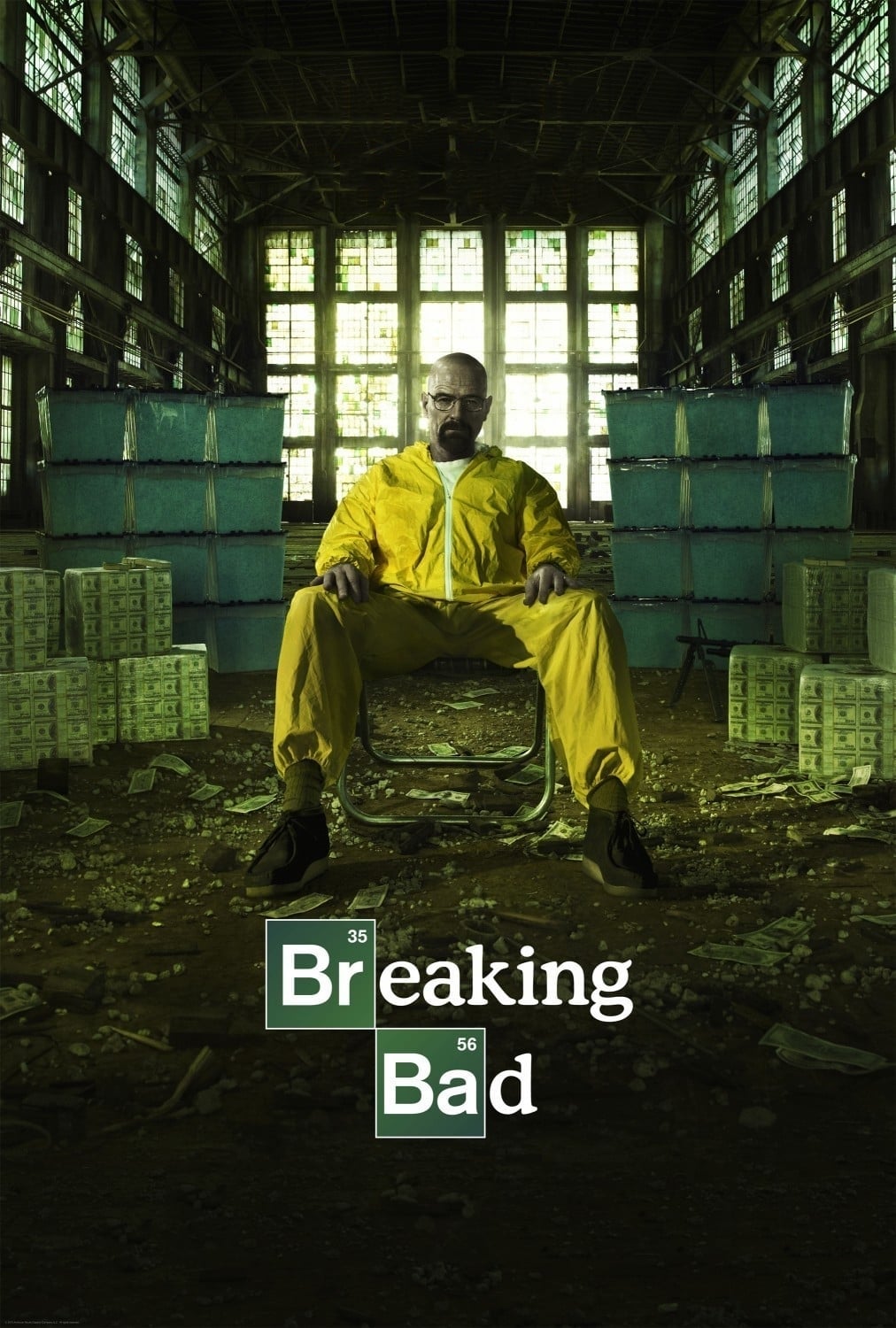
Set in Albuquerque, the series follows a high school chemistry teacher who pairs with a former student to build a meth operation that grows from small batches to multi state distribution. Bryan Cranston and Aaron Paul lead a cast that maps the business and family fallout with careful attention to procedure, from synthesis steps to money laundering fronts. The show aired on AMC.
Episodes track rival cartels, DEA probes, and shifting power inside the makeshift lab partnership. Key arcs introduce meticulous competitors and a fast food empire used as cover, while the desert setting becomes a recurring stage for negotiations and betrayals. Production made frequent use of practical stunts and bottle episodes to intensify pressure without leaving the city.
‘Mad Men’ (2007–2015)
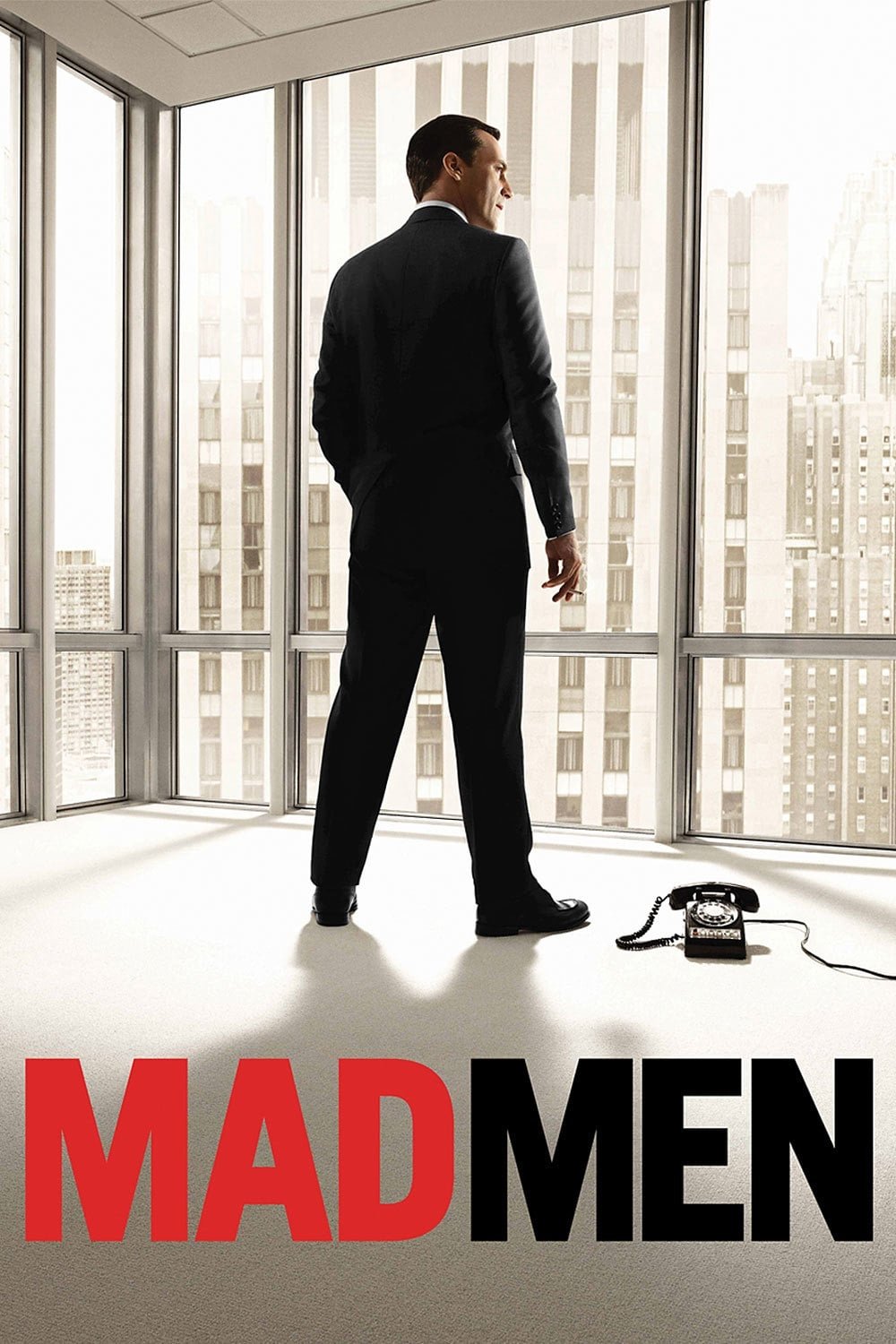
The series centers on an advertising agency where campaigns for cigarettes, airlines, and cars sit next to turbulent office politics. Jon Hamm’s Don Draper anchors storylines that trace client pitches, mergers, and reorganizations that reshape the firm’s name and leadership. The show aired on AMC.
Writers draw from period marketing trends, weaving in real brand slogans and research tactics as the company pursues national accounts. Costume and set departments track evolving hemlines, furniture, and packaging design, while the ensemble explores career ceilings, secret identities, and the constant reinvention demanded by the business.
‘The Good Wife’ (2009–2016)
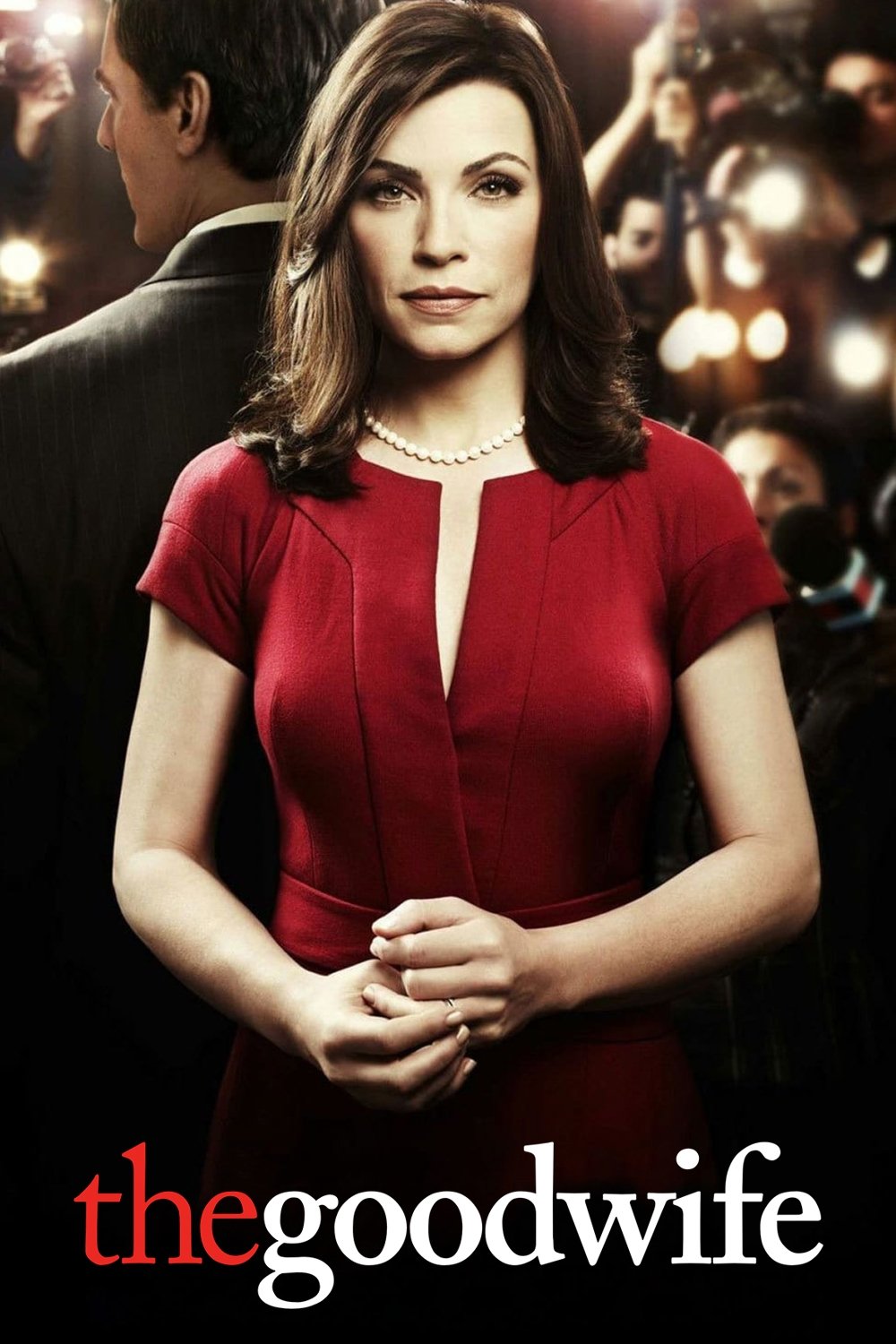
After a public scandal sidelines her spouse, Alicia Florrick returns to law practice and navigates firm politics, courtroom maneuvers, and campaigns that entangle personal and professional alliances. Julianna Margulies leads a cast that integrates tech companies, foreign clients, and state’s attorney offices into weekly and serialized cases. The show aired on CBS.
Episodes often pivot on electronic discovery, NSA footprints, and social media evidence, bringing modern tools into cross examinations and settlement chats. Recurring guest attorneys and judges create a living legal ecosystem, while the firm’s mergers and name changes reflect the shifting leverage of partners and rainmakers.
‘Parks and Recreation’ (2009–2015)
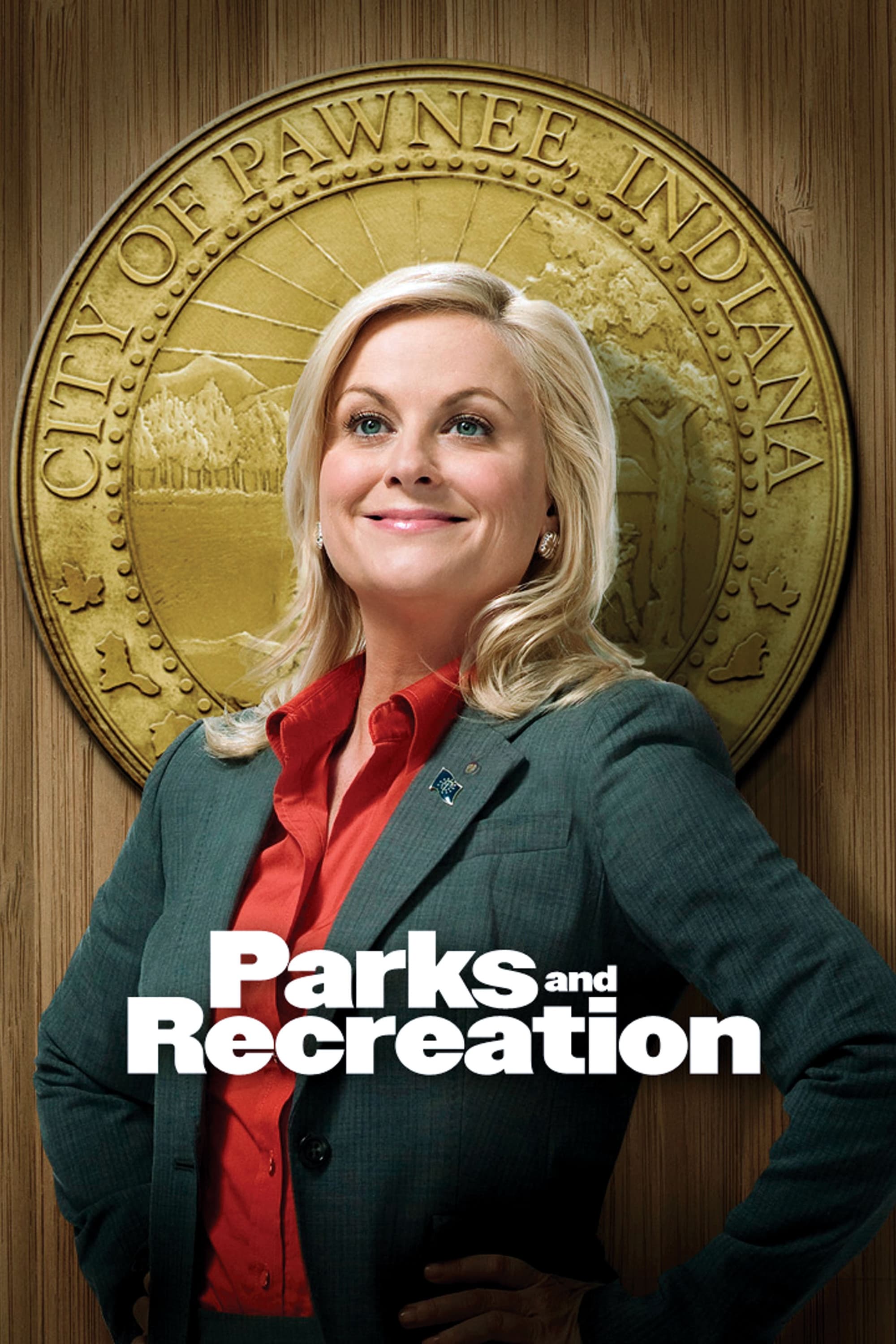
Municipal bureaucracy takes center stage as the parks department of Pawnee tackles public forums, permits, and quirky local traditions. Amy Poehler’s Leslie Knope steers task forces, budget hearings, and city wide projects that move from proposal to ribbon cutting with plenty of paperwork in between. The show aired on NBC.
Storylines chronicle grant applications, harvest festivals, and campaign filing deadlines with mockumentary precision. The ensemble maps career growth through promotions, committee assignments, and new departments, while local businesses and citizen groups return to challenge or champion proposals at town halls.
‘Community’ (2009–2015)
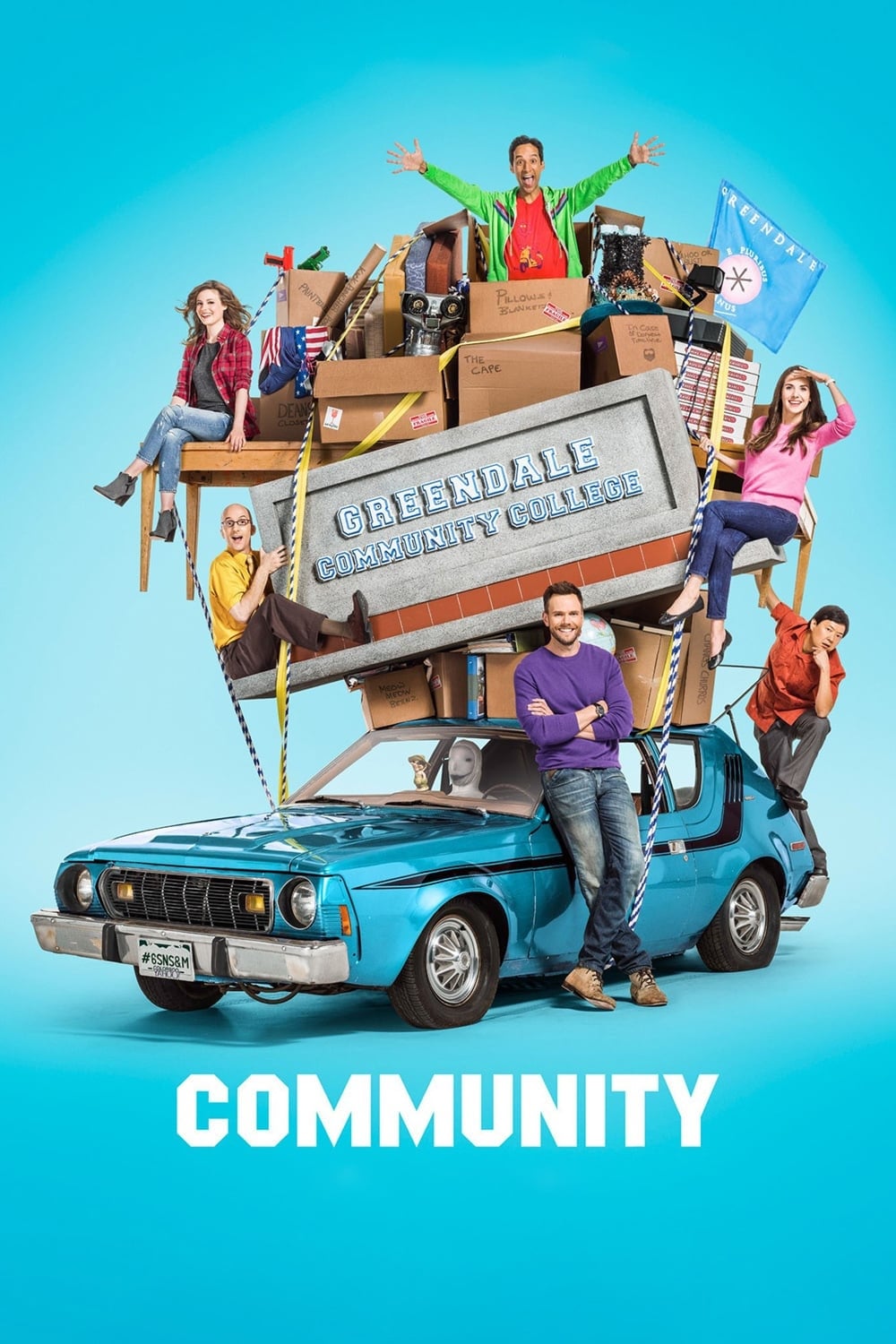
A disbarred lawyer forms a study group at Greendale Community College, and the campus becomes a sandbox for genre experiments and school wide traditions. Joel McHale, Gillian Jacobs, and Donald Glover star in episodes that treat electives, registration chaos, and campus events as catalysts for elaborate riffs. The show aired on NBC.
Paintball tournaments turn into annual institutions, while debates, anthropology projects, and morning announcements spin off into themed adventures. The library, cafeteria, and student lounge function as recurring hubs where class schedules collide with friendship arcs and dean mandated initiatives.
‘Friday Night Lights’ (2006–2011)
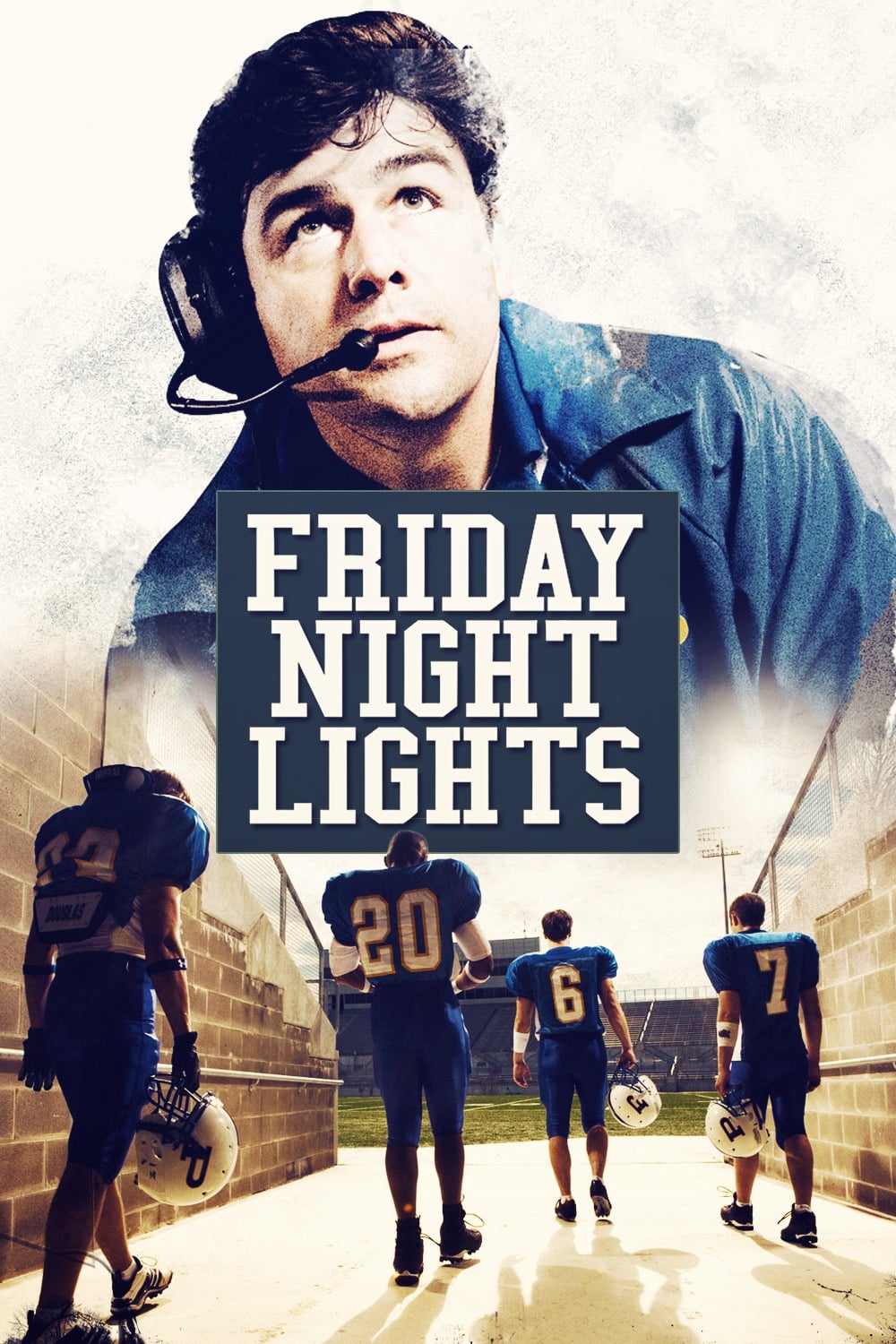
In Dillon, Texas, high school football ties together family life, local politics, and the town economy. Kyle Chandler and Connie Britton anchor stories about recruitment, booster influence, and the pressure of Friday games on players and staff. The show first aired on DirecTV’s 101 Network and later on NBC.
Season arcs follow coaching changes, program funding, and the realities of athletic scholarships, with scouting visits and eligibility rules shaping choices for seniors. Off the field, school board meetings, property development, and small business sponsorships frame how a team’s fortunes ripple through a community.
‘Sherlock’ (2010–2017)
A consulting detective and his army doctor flatmate solve cases across modern London with smartphone forensics, street level informants, and rapid fire deduction. Benedict Cumberbatch and Martin Freeman headline feature length episodes that update classic mysteries with contemporary surveillance and media attention. The show aired on BBC One.
Cases hinge on text trails, GPS logs, and codebreaking, while a shadowy adversary manipulates crime scenes and tabloid headlines. Production favors on screen visualizations of thought processes, turning trains of logic into readable overlays that guide viewers through clues and misdirects.
‘Downton Abbey’ (2010–2015)
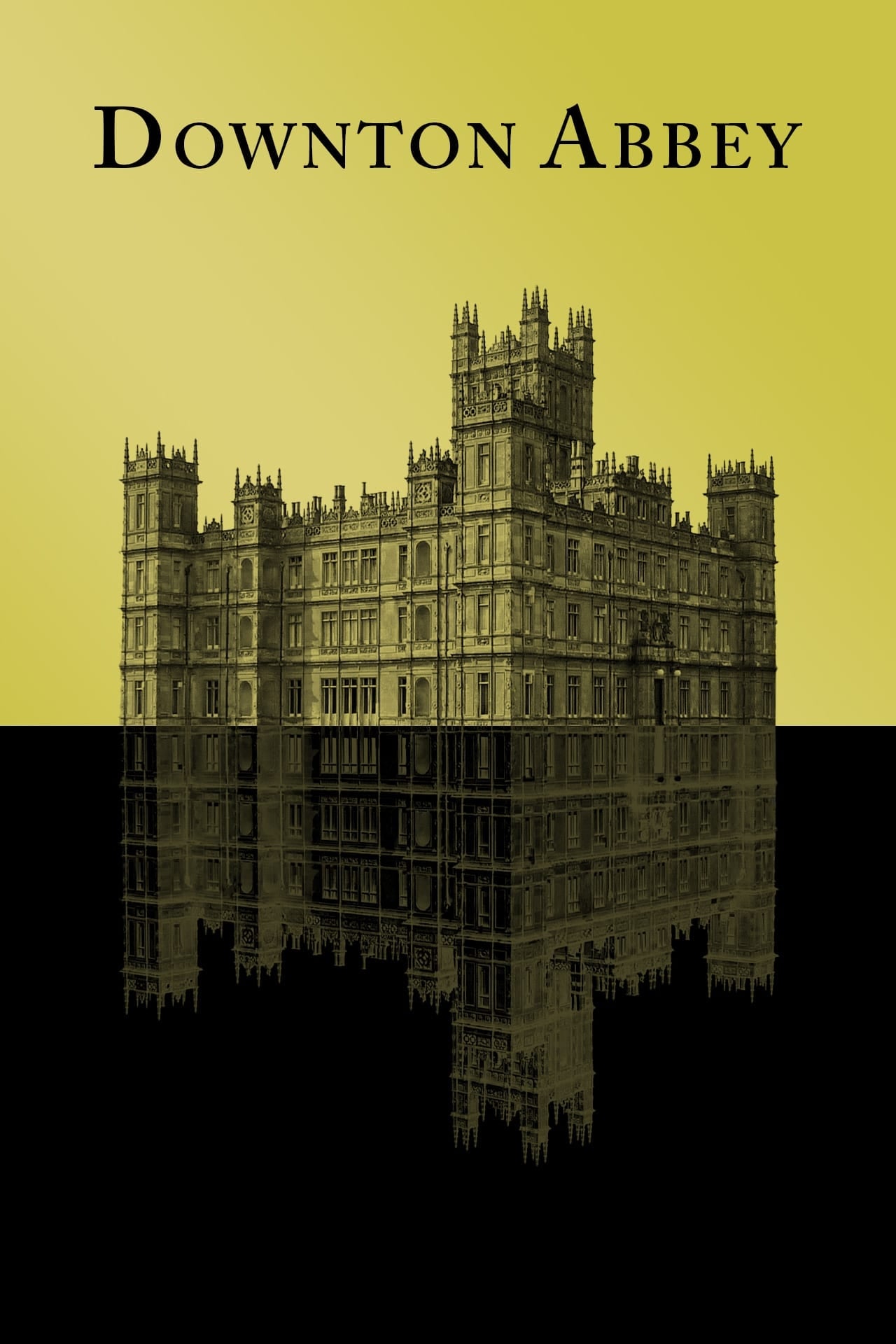
The Crawley family and their household staff navigate inheritance law, social protocol, and the changing role of service in a grand country estate. Hugh Bonneville and Michelle Dockery lead an ensemble that tracks marriage negotiations, entail disputes, and shifts in staff hierarchy. The series aired on ITV in the UK and on PBS Masterpiece in the US.
Storylines move between the servants’ quarters and drawing rooms, with menus, telegrams, and table settings treated as plot relevant details. War relief work, hospital committees, and estate management introduce new responsibilities that challenge tradition while preserving the estate’s daily cadence.
‘Boardwalk Empire’ (2010–2014)
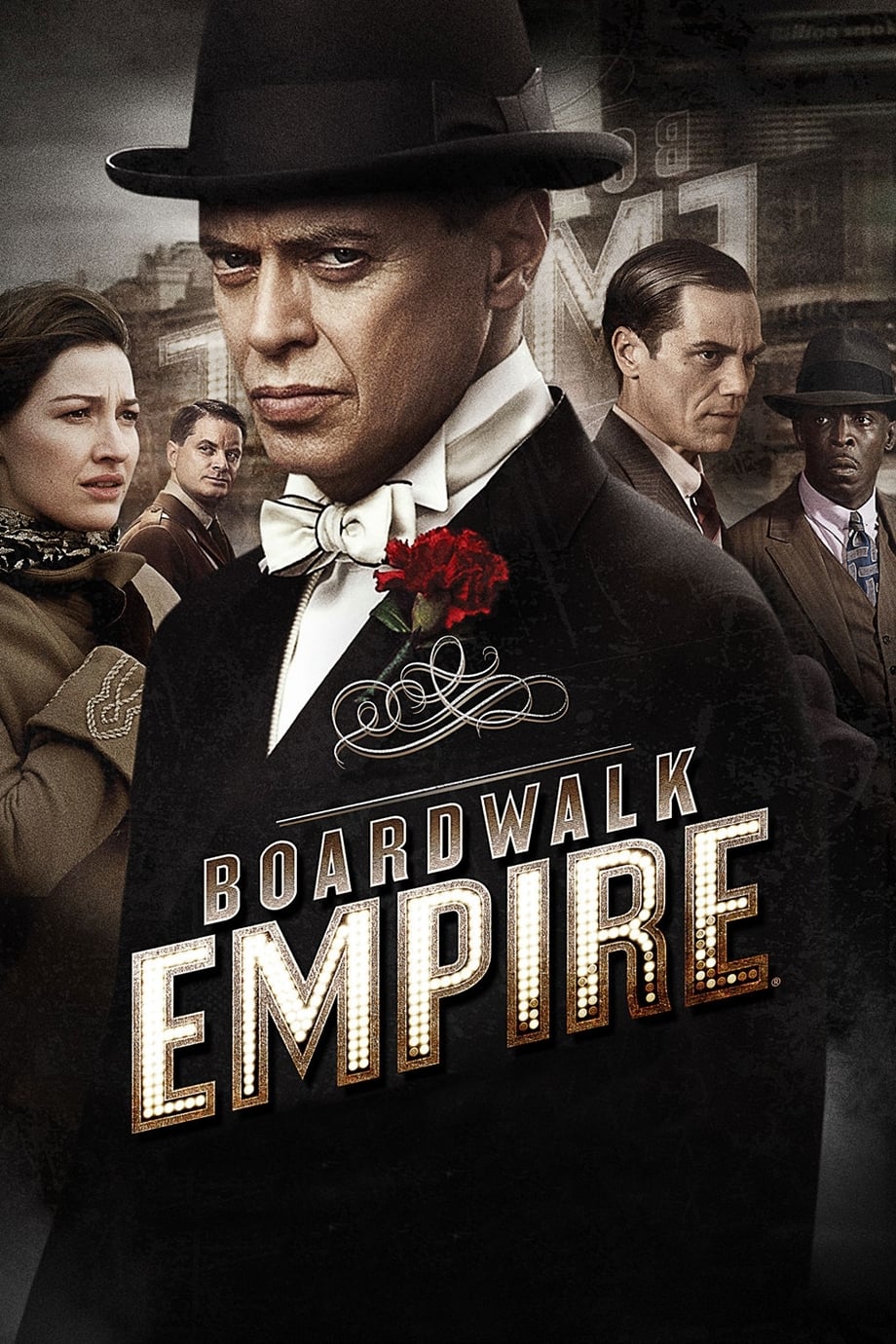
In Atlantic City during Prohibition, a county treasurer leverages political connections to control bootlegging routes and patronage. Steve Buscemi stars in a production that reconstructs boardwalk architecture, ward systems, and federal enforcement strategies. The show aired on HBO.
Historical figures cross paths with fictional operators as shipments move by boat, rail, and truck under shifting protection agreements. Episodes detail speakeasy fronts, wiretaps, and election deals, while costumes and props map the economics of vice from hidden ledgers to custom glassware.
‘The Walking Dead’ (2010–2022)
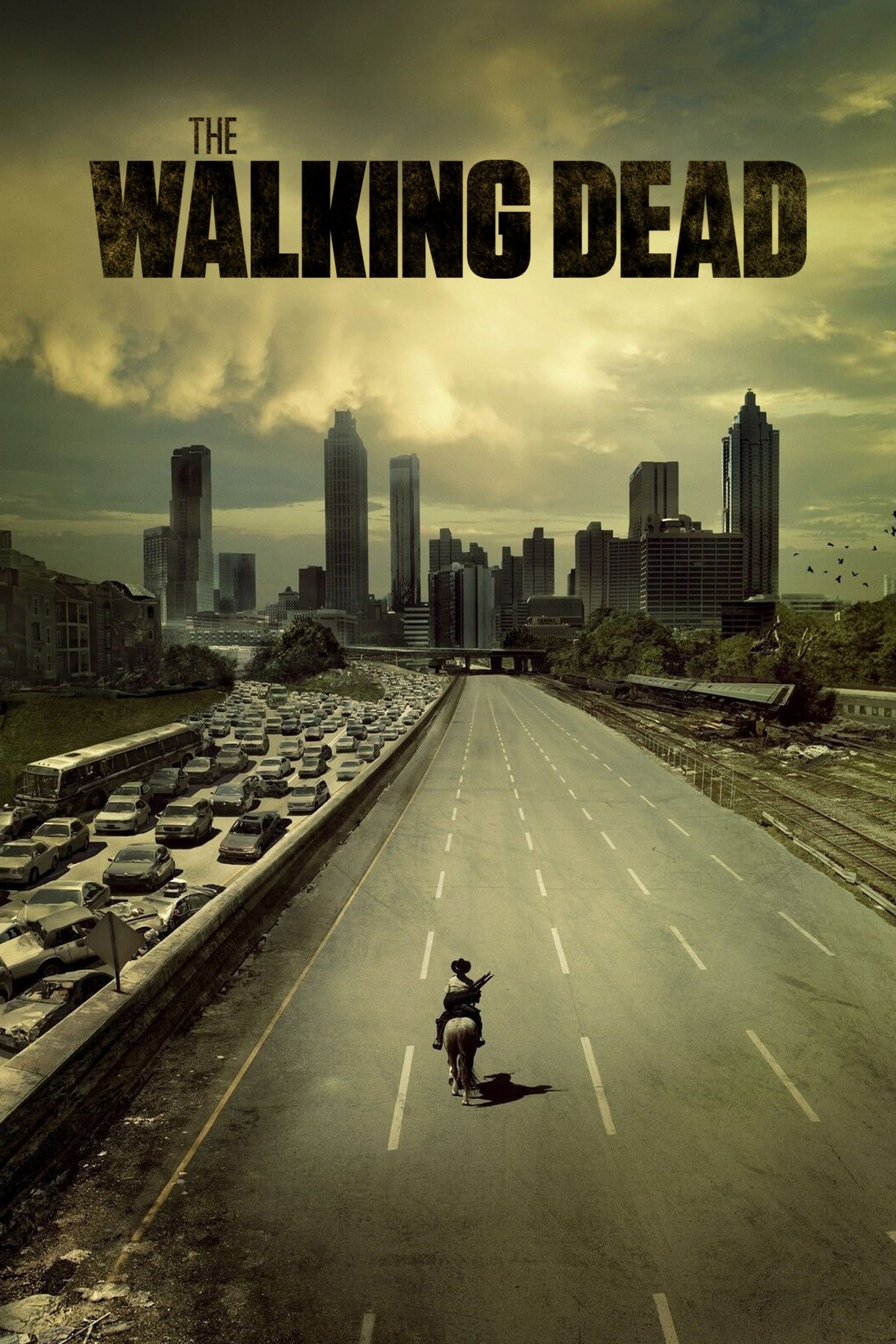
A sheriff’s deputy wakes in a hospital to a world overrun by walkers, and survivors organize around encampments, farms, and fortified towns. Andrew Lincoln leads a rotating ensemble where supply runs, fence repairs, and patrol shifts become routine tasks. The show aired on AMC.
Episodes examine group governance through councils, codes, and exiles, while rival communities impose different rules for labor and justice. Practical effects teams craft makeup and stunts that support set pieces on highways, prisons, and suburban cul de sacs, turning scavenging lists into tense missions.
‘Justified’ (2010–2015)
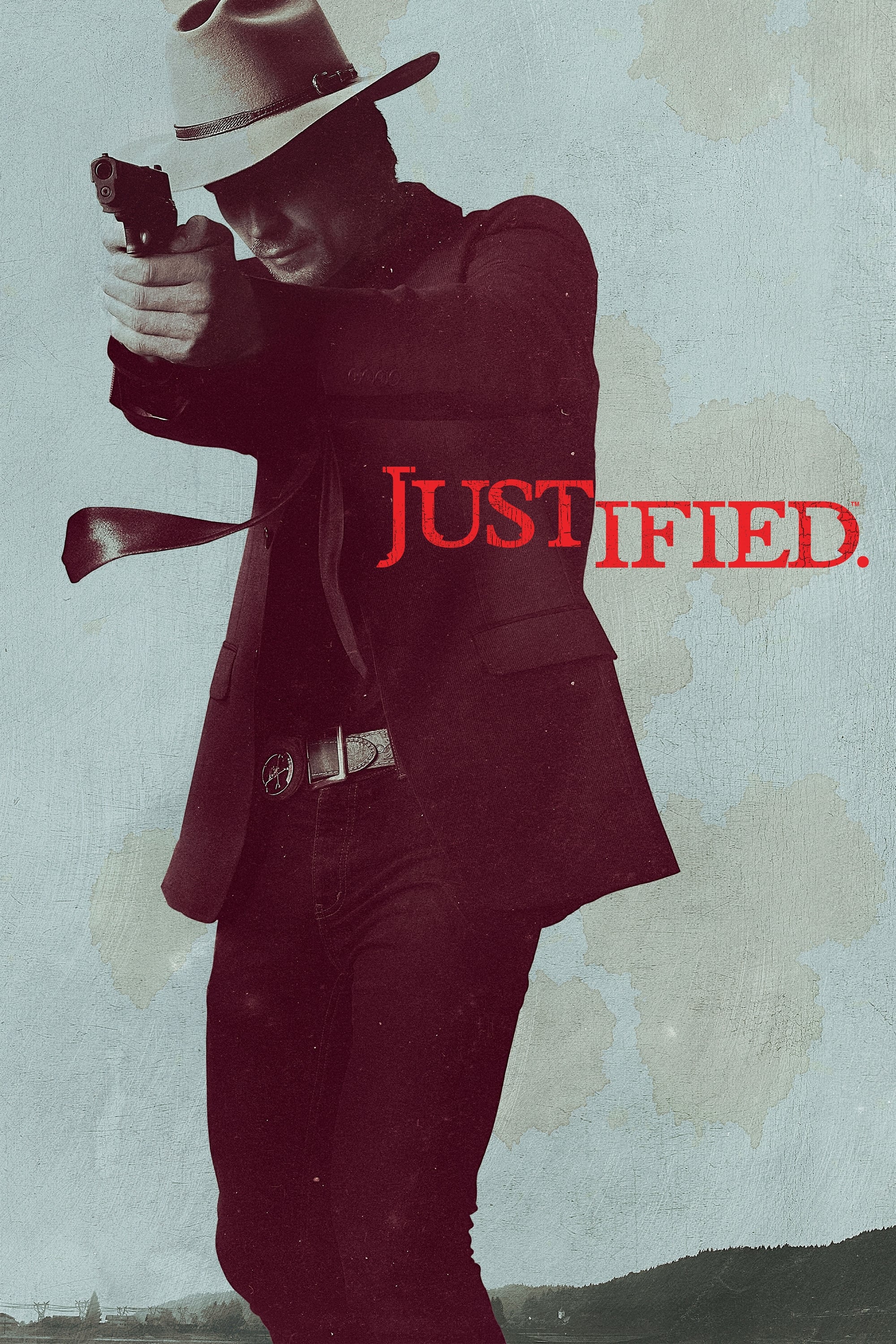
Deputy U.S. Marshal Raylan Givens returns to Kentucky to work cases tied to coal towns, hollers, and organized crews. Timothy Olyphant leads investigations that blend fugitive tracking with gun running probes and family entanglements. The show aired on FX.
Storylines develop around long running feuds, confidential informants, and shifting alliances with local law enforcement. Dialog and procedure reflect marshal service protocols, from warrants to witness protection logistics, while episodes revisit the same bars, motels, and crossroads where deals are struck.
‘Louie’ (2010–2015)
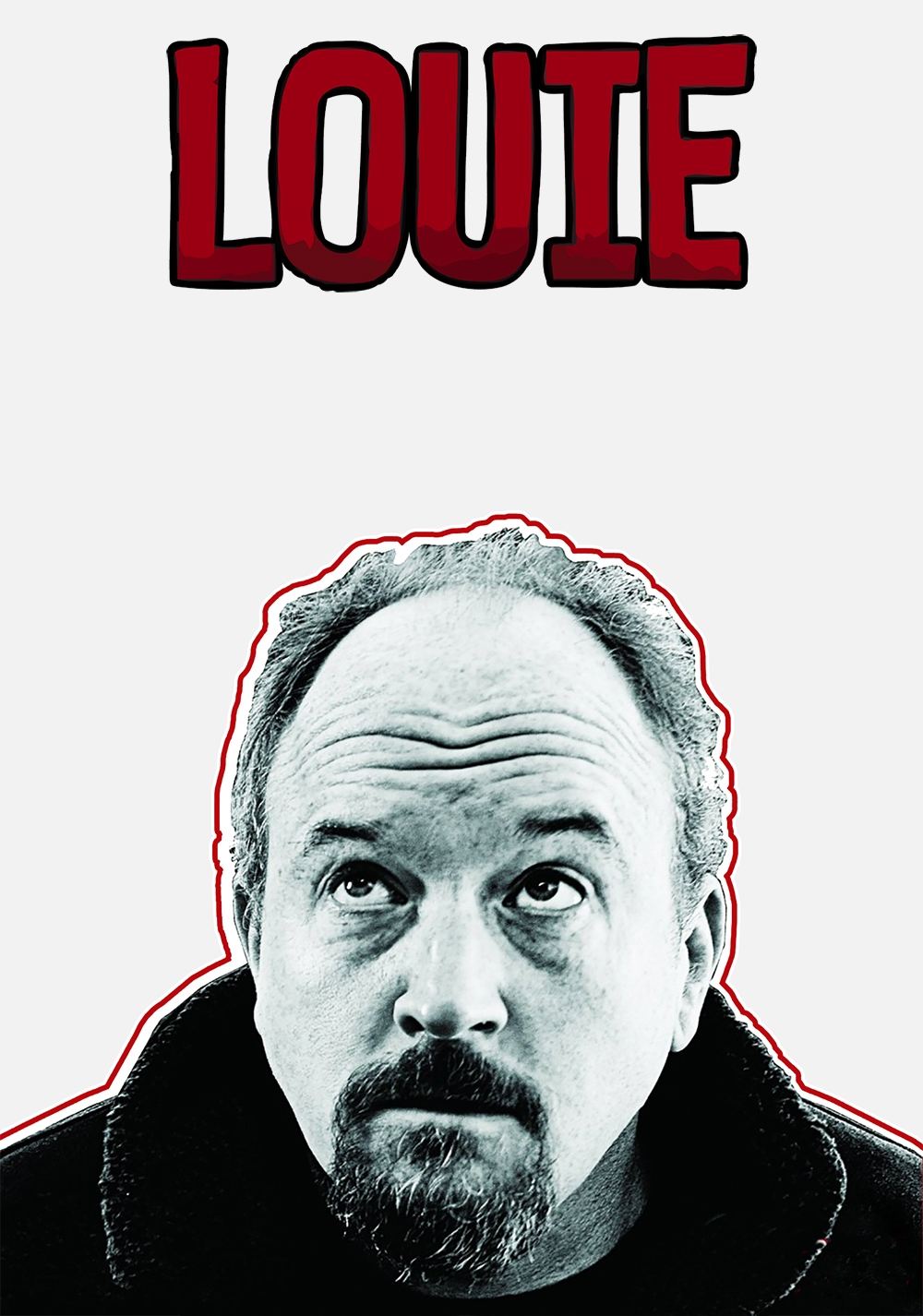
Comedian Louis C.K. plays a version of himself juggling stand up sets, parenting, and awkward encounters across New York City. Episodes mix club performances with vignettes that explore booking politics, school obligations, and day to day hassles. The show aired on FX.
Stories use loosely connected segments to capture the rhythms of club circuits and audition rooms, with real venues and comics appearing as themselves. Editing and sound design favor quiet beats and long takes, letting small misunderstandings and chance street meetings carry entire scenes.
‘Archer’ (2009–2023)
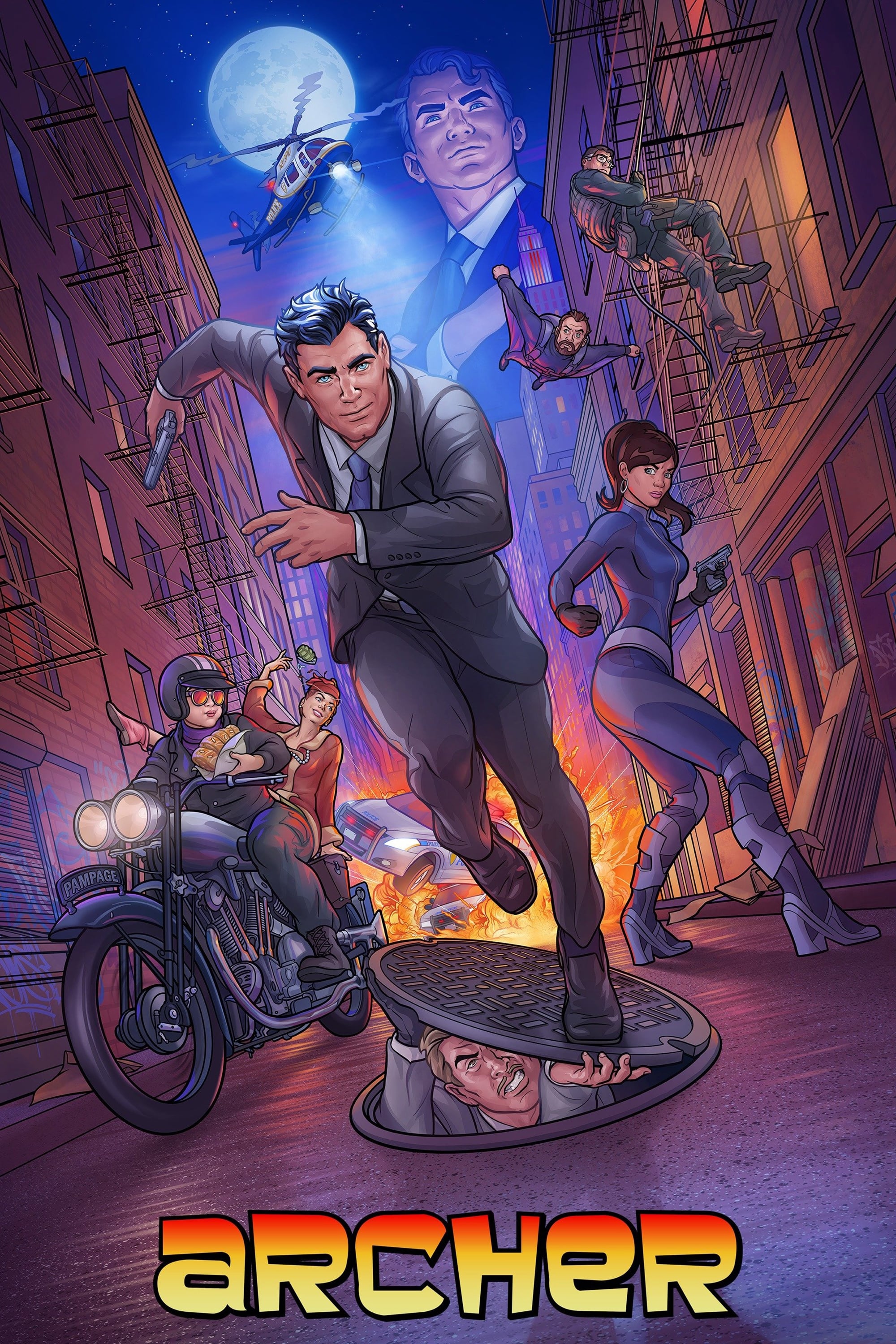
The animated spy comedy follows the employees of a private intelligence agency where missions share space with HR headaches and interoffice rivalries. H. Jon Benjamin voices Sterling Archer, whose field work collides with budget approvals and office memos. The show aired on FX.
Action sequences lean on fast exchanges and gadget parodies, while recurring ops take agents from training ranges to exotic assignments. The art style uses limited animation with bold line work, and episode titles often tease covert objectives that spiral once personal baggage enters the brief.
‘Adventure Time’ (2010–2018)
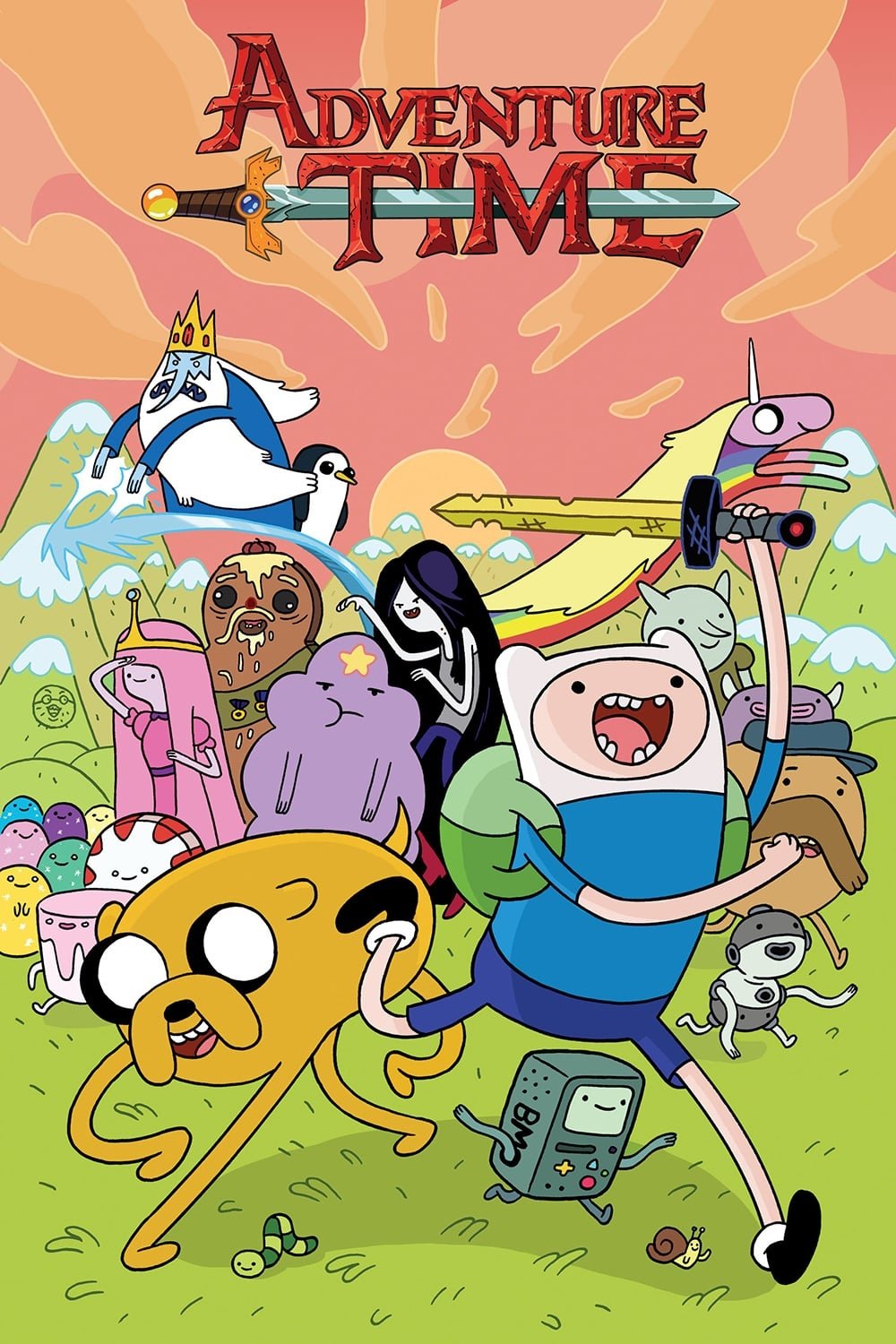
In the Land of Ooo, Finn and Jake set out on quests that blend dungeon crawling with candy kingdom politics. The series builds a deep mythology through short episodes that stack lore about princesses, wizards, and sentient objects. The show aired on Cartoon Network.
Recurring characters like the Ice King and Marceline turn simple missions into world building drops about crowns, curses, and musical history. Visual gags sit alongside serialized clues, encouraging rewatching to track how throwaway lines connect to later arcs and hidden backstories.
‘Modern Family’ (2009–2020)
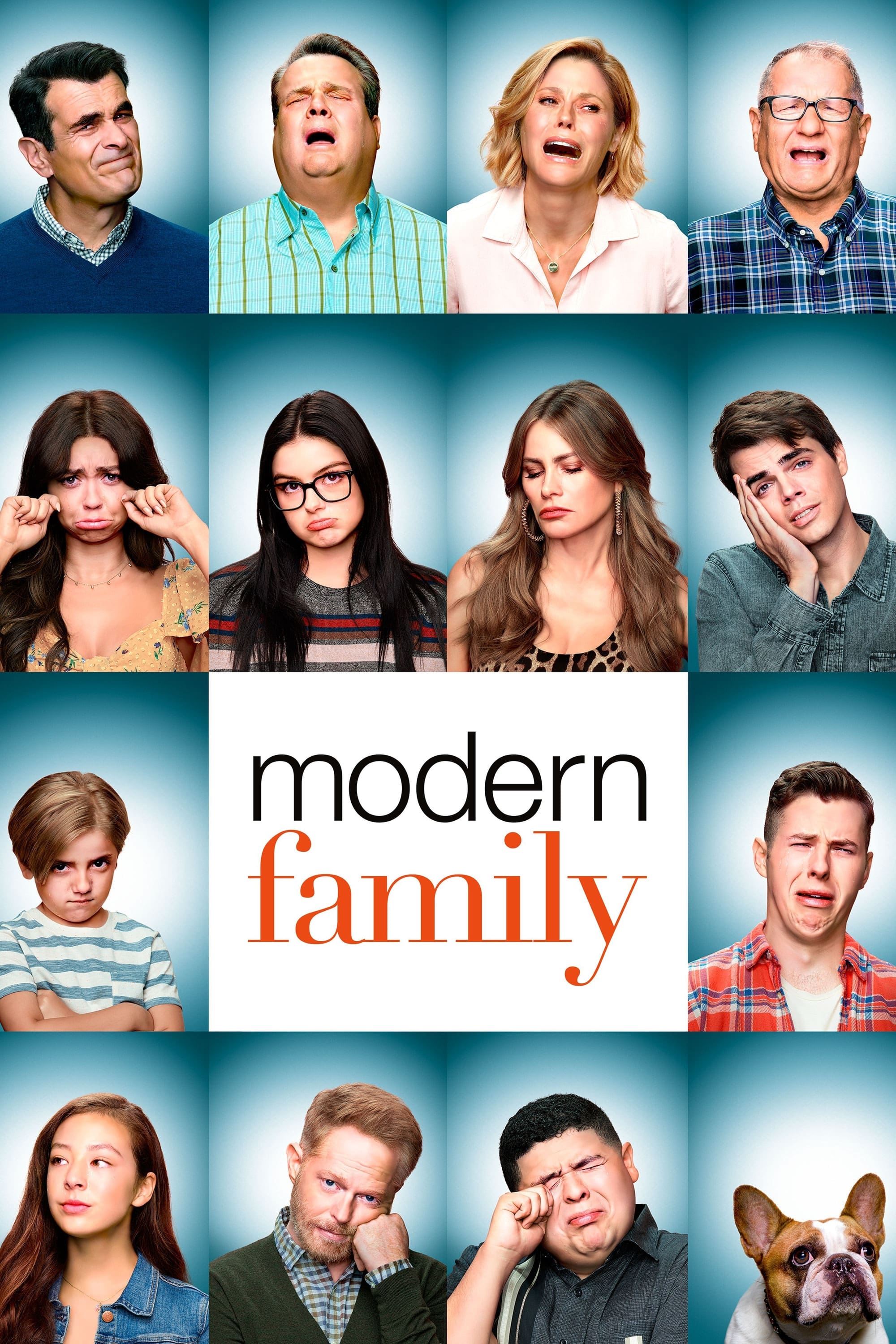
A mockumentary format follows three related households balancing school runs, business projects, and holiday mishaps. Ed O’Neill, Sofia Vergara, Ty Burrell, and Julie Bowen lead stories that move between open houses, cheer practices, and kitchen island strategy sessions. The show aired on ABC.
Plotlines often revolve around real estate listings, class presentations, and family vacations, with talking head segments adding context from each character’s point of view. The series uses interconnected set pieces to bring the families together for milestones that cap the episode’s threads.
‘Doctor Who’ (1963– )

The Doctor travels with companions in the TARDIS, visiting planets and time periods while facing classic foes and new species. Series shifts in showrunner and lead actor keep the character’s regeneration at the center of storytelling resets. The show aired on BBC One.
Adventures fold in UNIT briefings, sonic screwdriver problem solving, and historical figures who tie alien plots to human choices. Iconic enemies like the Daleks and the Weeping Angels reappear with rule sets that challenge companions to learn on the move.
‘The Pacific’ (2010)
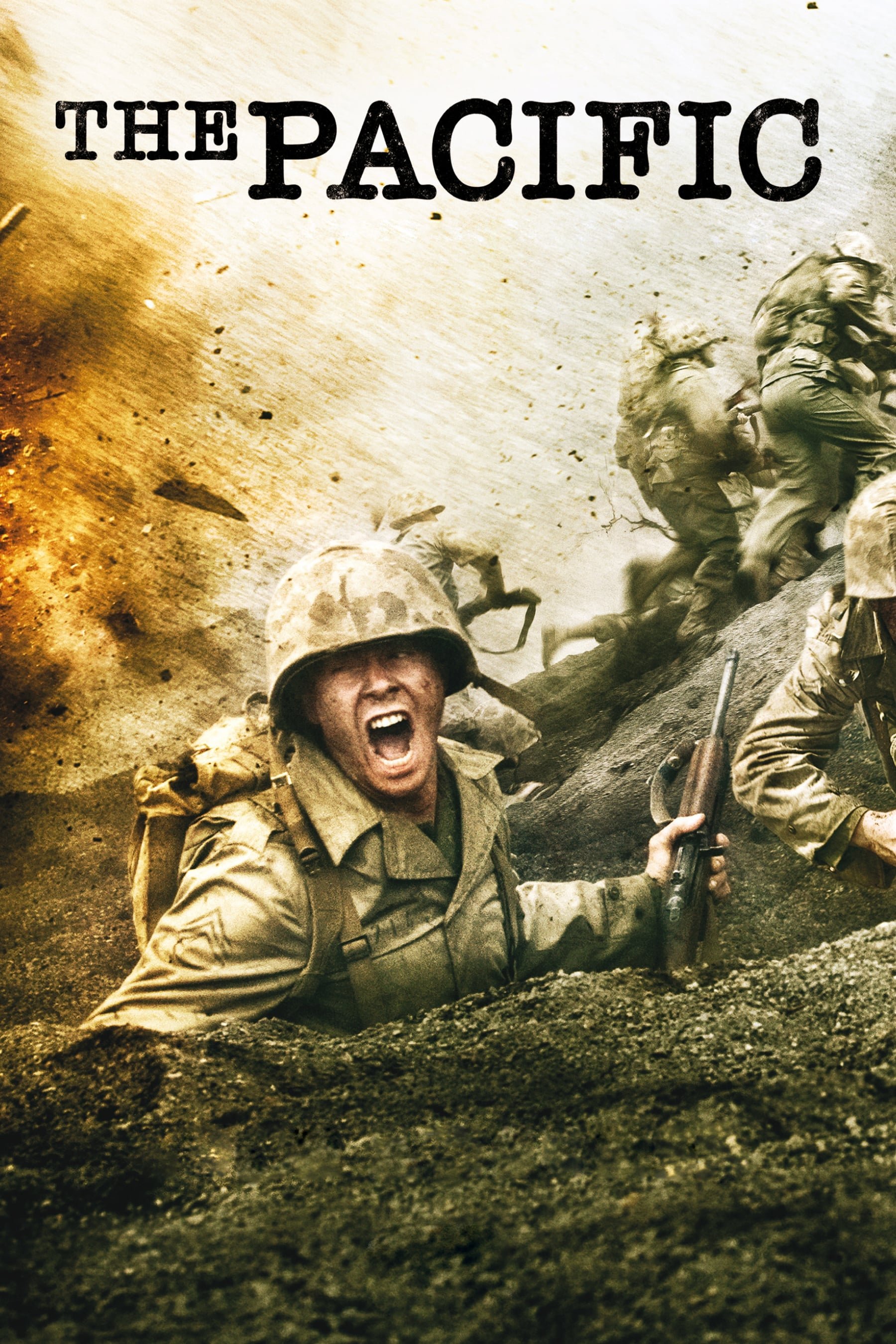
This miniseries chronicles the journeys of U.S. Marines across key campaigns in the Pacific Theater, focusing on personal diaries and letters to frame combat. James Badge Dale, Joseph Mazzello, and Jon Seda star in a production that prioritizes logistics, terrain, and unit movement. The show aired on HBO.
Episodes recreate amphibious landings, jungle patrols, and island fortifications with attention to supply lines and medical stations. The score and sound mix emphasize the environment, from monsoon rains to naval bombardment, giving context to the challenges beyond the battlefield.
‘Treme’ (2010–2013)
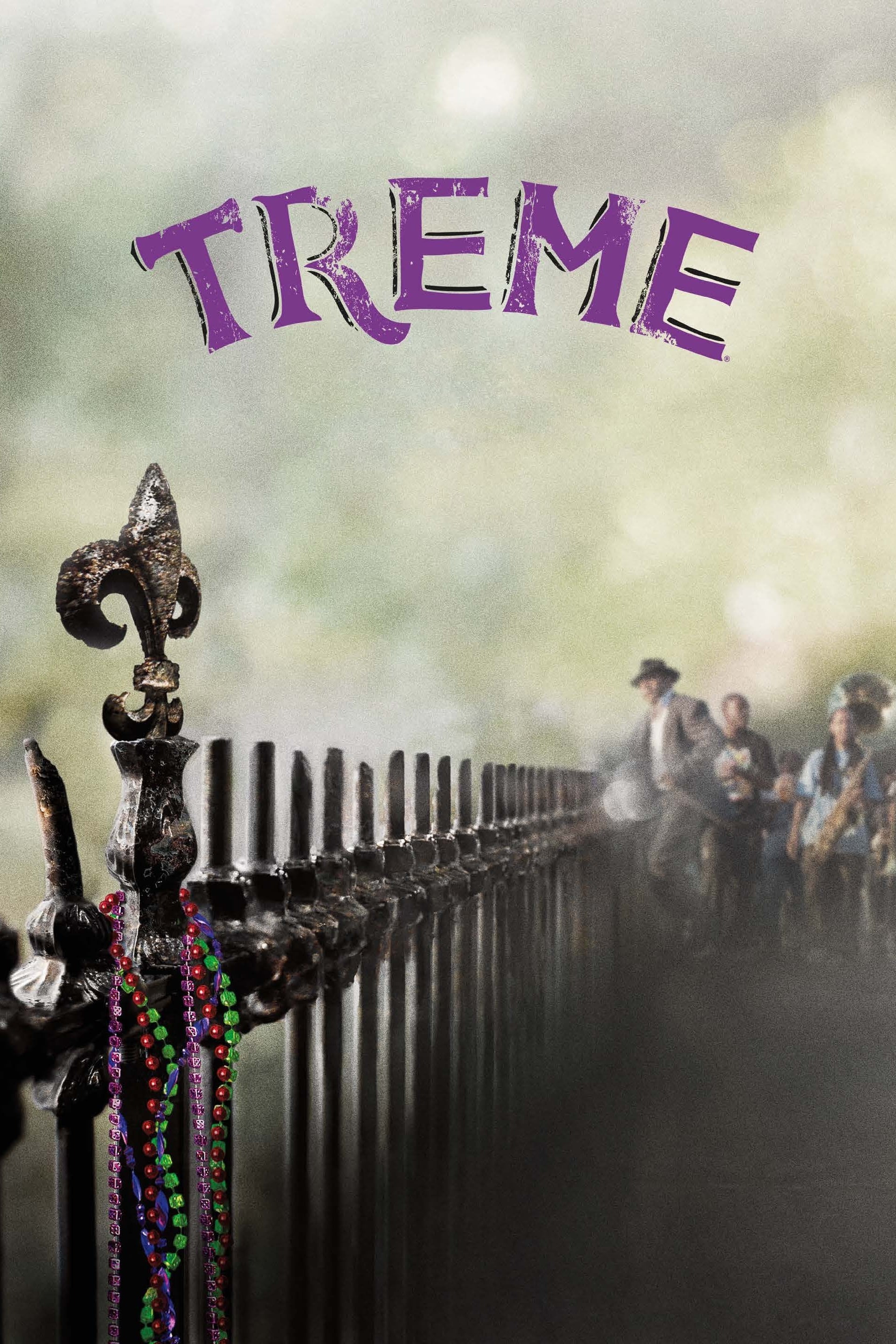
Set in New Orleans, the series follows musicians, chefs, and residents rebuilding neighborhoods and culture after catastrophe. Clarke Peters, Wendell Pierce, and Khandi Alexander lead stories that connect brass band rehearsals to city permitting and school reopenings. The show aired on HBO.
Music licensing and live performance are central, with clubs, second lines, and recording sessions captured in full. Plotlines track federal aid, insurance disputes, and local elections, showing how policy choices shape bars, kitchens, and living rooms.
‘Lost’ (2004–2010)
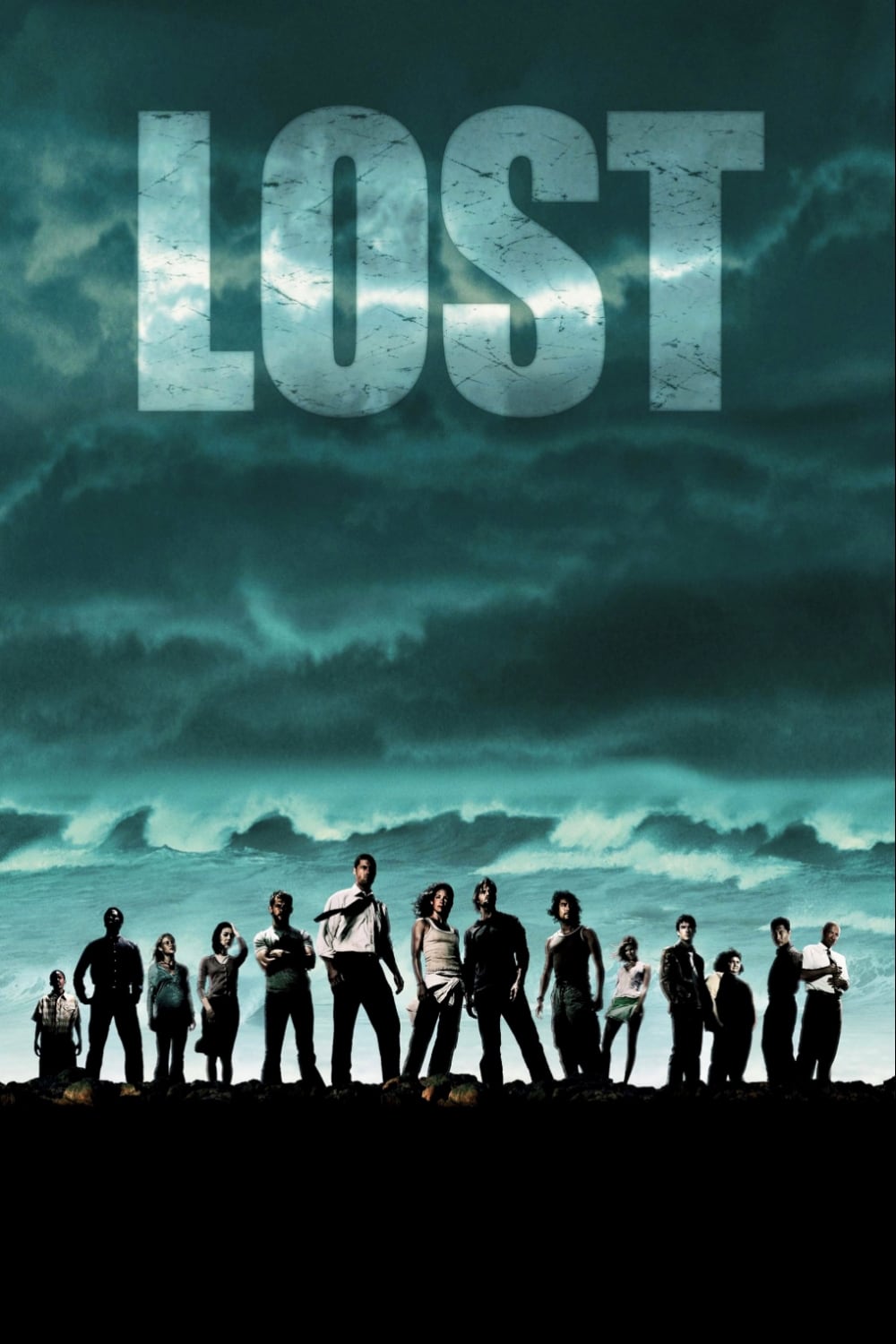
Plane crash survivors unravel the mysteries of an island filled with bunkers, pylons, and secretive groups. Matthew Fox and Evangeline Lilly headline an ensemble that uses flashbacks and other framing devices to reveal character histories alongside new discoveries. The show aired on ABC.
Scientific stations, coded manuals, and leadership councils become recurring anchors for episodes that examine how communities form under pressure. The island’s geography matters, with the beach, the barracks, and inland paths each hosting their own power centers and threats.
‘Spartacus: Blood and Sand’ (2010)
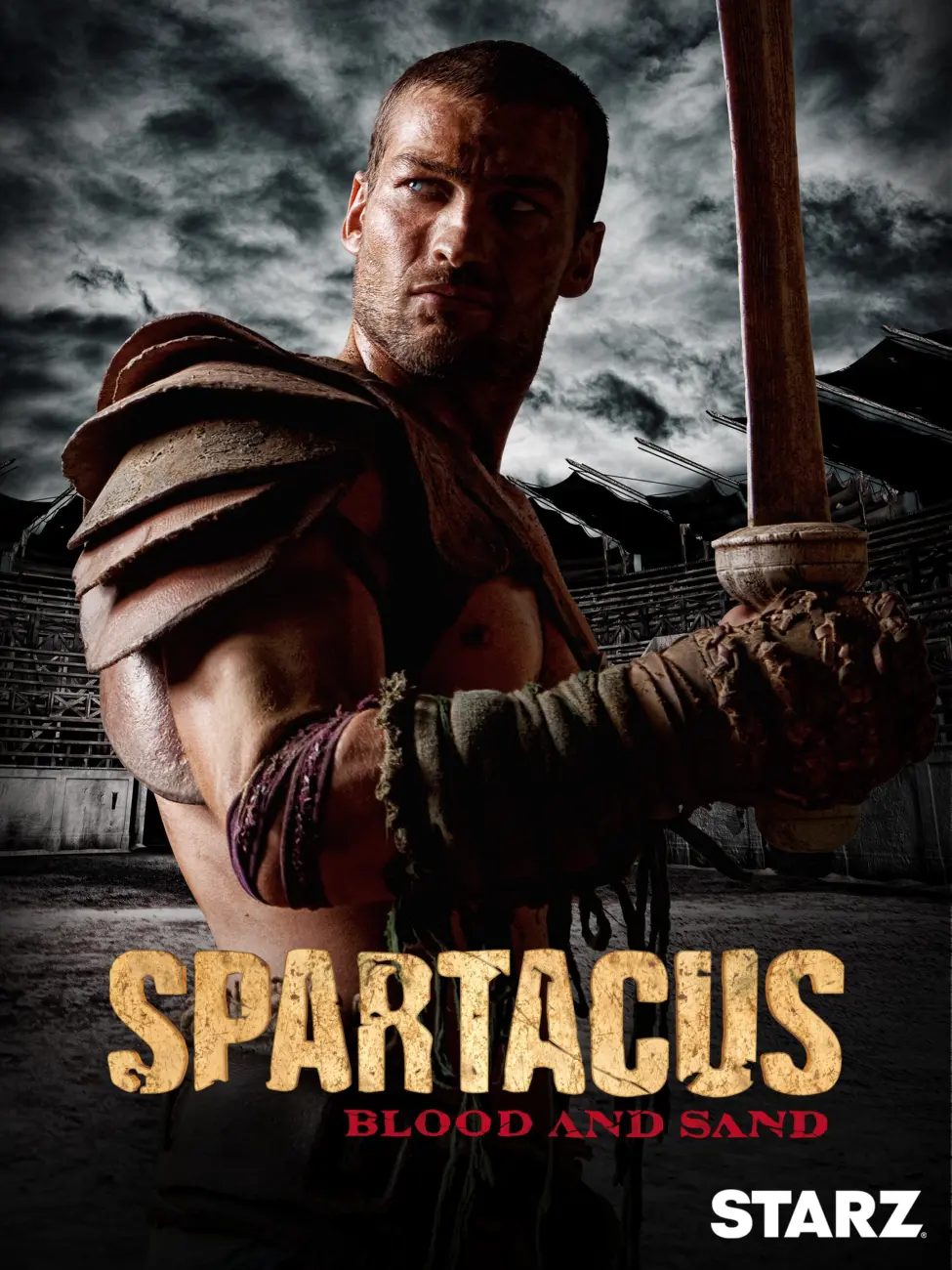
A Thracian warrior is forced into slavery and rises through the gladiatorial ranks under the eye of Roman patrons. Andy Whitfield leads a production that details training regimes, match bookings, and the economics of the arena. The show aired on Starz.
Episodes examine alliances between houses, contracts for fighters, and the politics of exhibition matches. Sets emphasize training yards, dormitories, and viewing galleries, while Latin terminology and hierarchy shape the way characters address one another.
‘Luther’ (2010–2019)
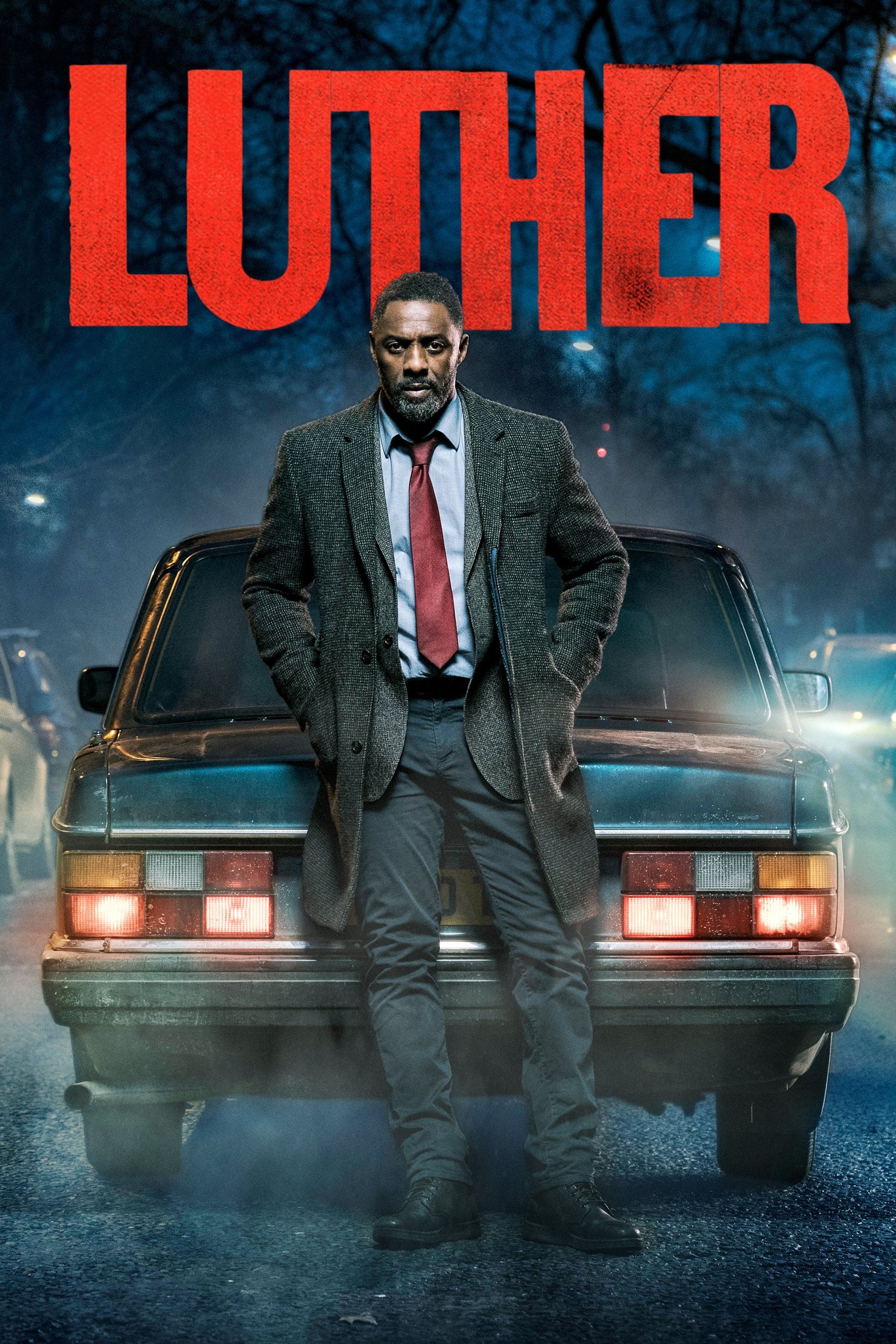
Detective Chief Inspector John Luther pursues violent offenders across London while maintaining a wary rapport with a brilliant killer. Idris Elba anchors investigations that balance forensic detail with psychological profiles. The show aired on BBC One.
Cases layer CCTV pulls, interview techniques, and incident room briefings, with recurring antagonists testing the boundaries of procedure. The city’s bridges, estates, and industrial spaces serve as textured backdrops for chases and stakeouts.
‘Parenthood’ (2010–2015)
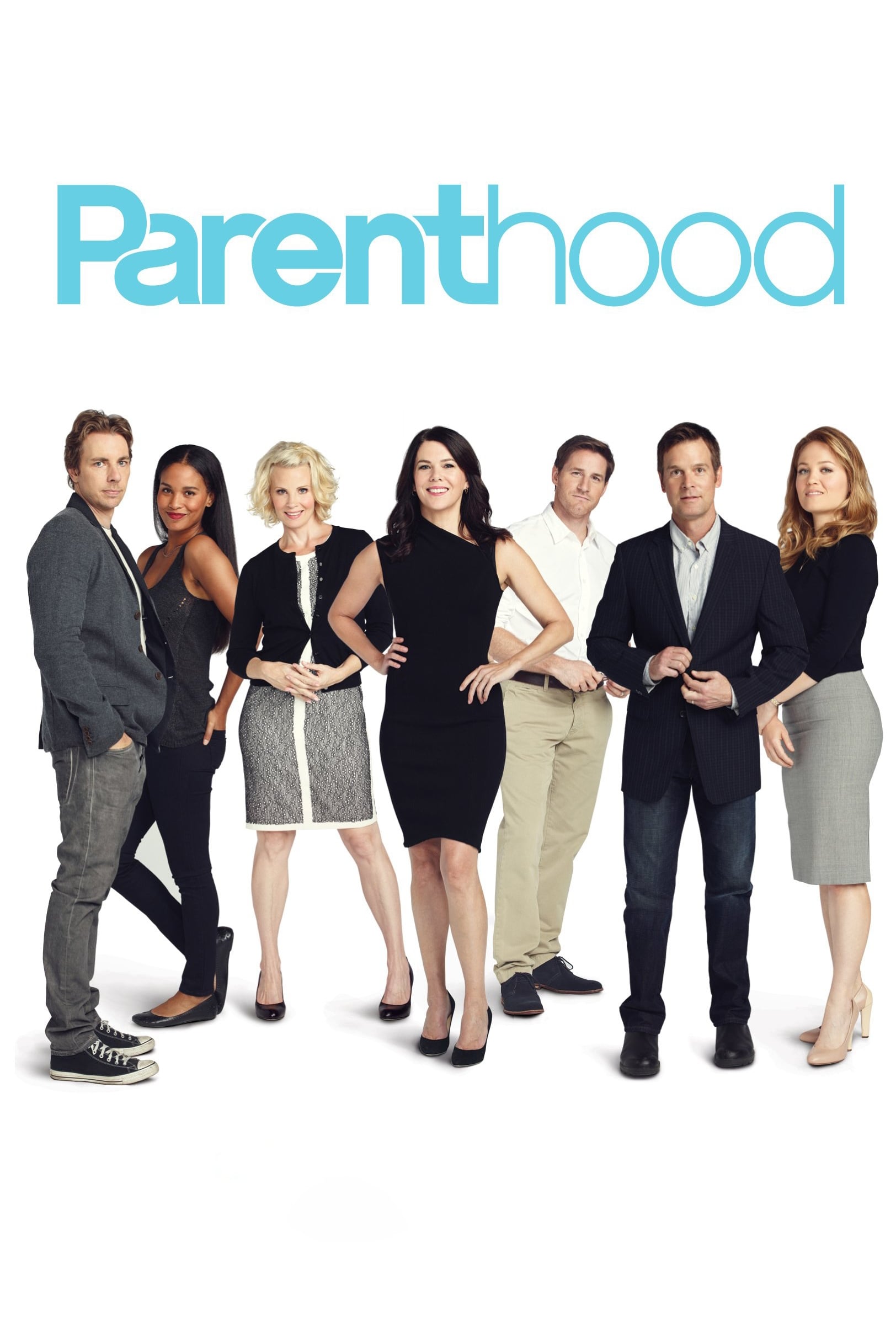
Four adult siblings and their families navigate school placements, medical appointments, and career pivots within a close knit clan. Peter Krause, Lauren Graham, and Monica Potter lead stories that track parent teacher meetings and backyard negotiations in equal measure. The show aired on NBC.
Plotlines include IEP processes, youth sports schedules, and startup funding hurdles, grounding the family’s choices in everyday logistics. The ensemble structure allows episodes to move from nursery pickups to boardrooms without losing sight of how one decision ripples through the group.
‘Fringe’ (2008–2013)
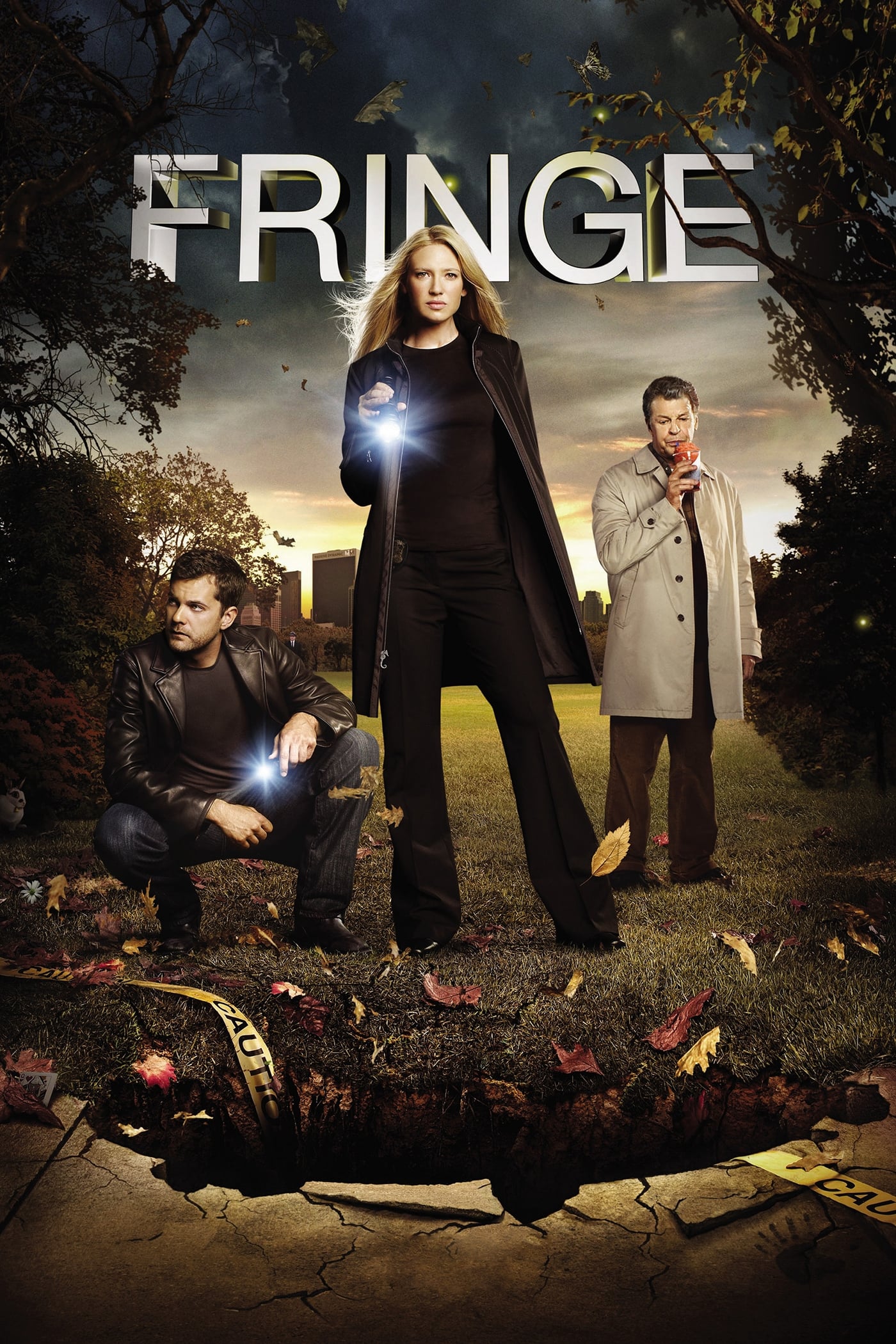
An FBI division investigates unexplained phenomena tied to fringe science, parallel worlds, and corporate research. Anna Torv, Joshua Jackson, and John Noble lead case files that connect lab experiments to crimes and structural anomalies. The show aired on FOX.
Recurring threads involve a biotech conglomerate, a mysterious observer, and a pattern of incidents that suggest a larger design. The Harvard lab and its equipment become a home base where Walter Bishop’s methods turn impossible evidence into workable leads.
‘Sons of Anarchy’ (2008–2014)
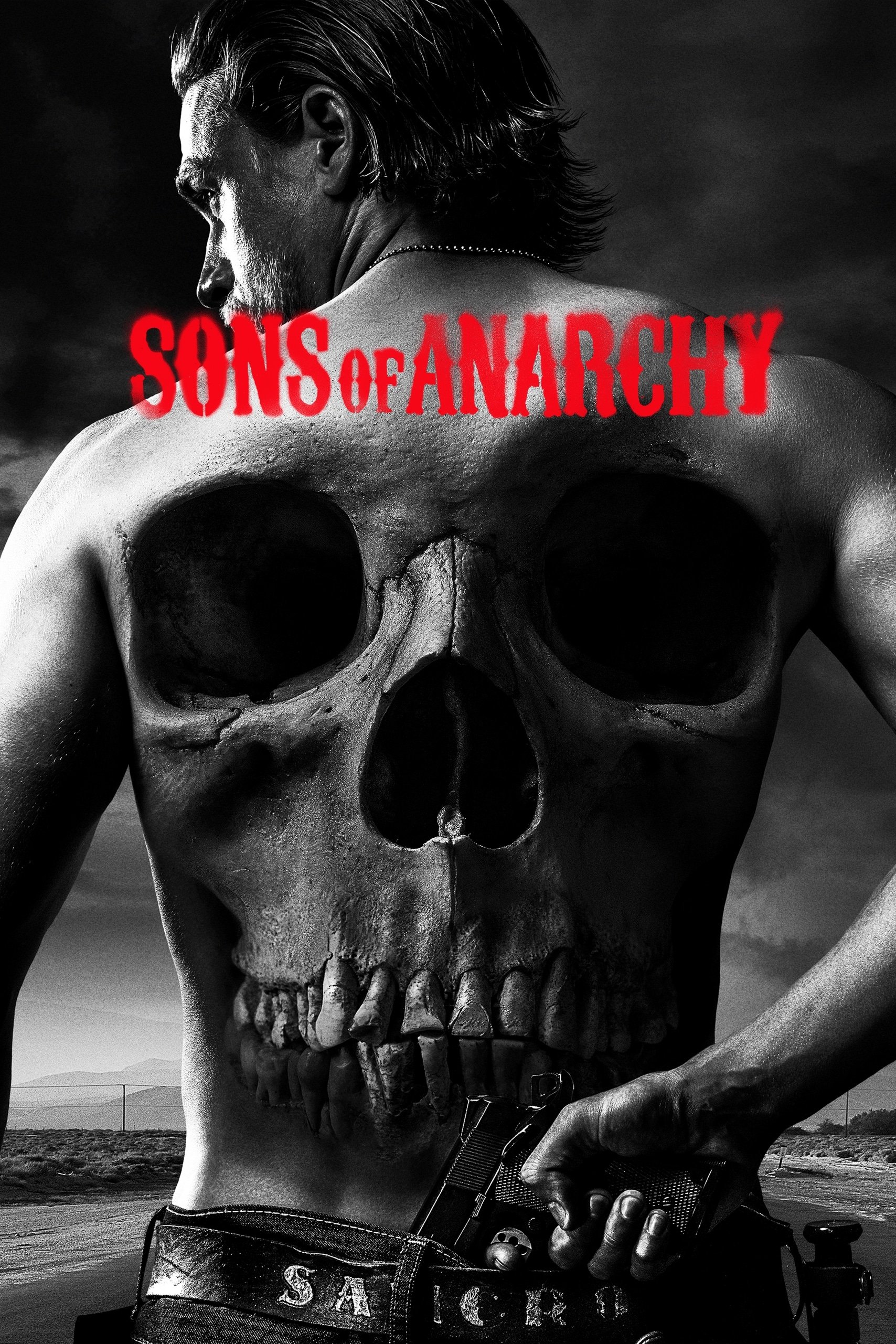
An outlaw motorcycle club manages gun running, alliances, and family business in a California town. Charlie Hunnam and Katey Sagal lead plots that track charter meetings, bylaws, and negotiations with rival groups and law enforcement. The show aired on FX.
Episodes hinge on warehouse raids, transport schedules, and club votes, with legitimate fronts used to shield illegal revenue. The clubhouse, repair shop, and local pub act as recurring arenas where strategy and loyalty are tested.
‘The Vampire Diaries’ (2009–2017)
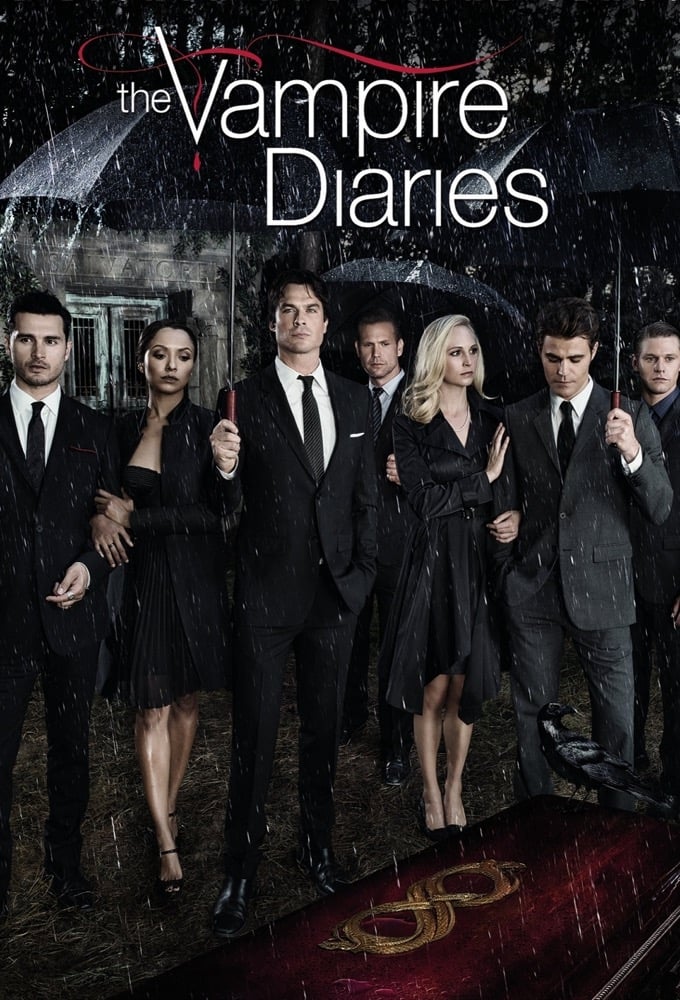
In Mystic Falls, a teen finds herself between two vampire brothers while the town’s history reveals layers of secret councils and supernatural rules. Nina Dobrev, Paul Wesley, and Ian Somerhalder headline a series that integrates witches, werewolves, and ancient bloodlines. The show aired on The CW.
Mystic Falls structures its conflicts around grimoires, daylight rings, and invitation rules, giving characters clear constraints to work against. Founders’ events, school dances, and town rituals serve as recurring settings where alliances shift and spells change the board.
Share your own picks for the year in the comments and tell us which series you would add to the list.

