


The Absolute Best TV Shows of 2016



Some years change television in quiet ways, and some years flip the switch all at once. This was the kind of year when new voices broke through, familiar favorites hit new highs, and ambitious limited series proved what a single perfectly focused story can do. Genres blurred, formats stretched, and audiences found shows that felt built for every mood, from mind bending sci fi to compassionate family drama.
What follows is a snapshot of that moment through the shows that defined it. You will find debuts that landed with instant impact, returning series that sharpened their craft, and singular projects that arrived, told their story, and bowed out. To help you find them again, each entry notes where it lived, whether on Netflix, HBO, FX, network TV, or elsewhere.
‘Stranger Things’ (2016– )
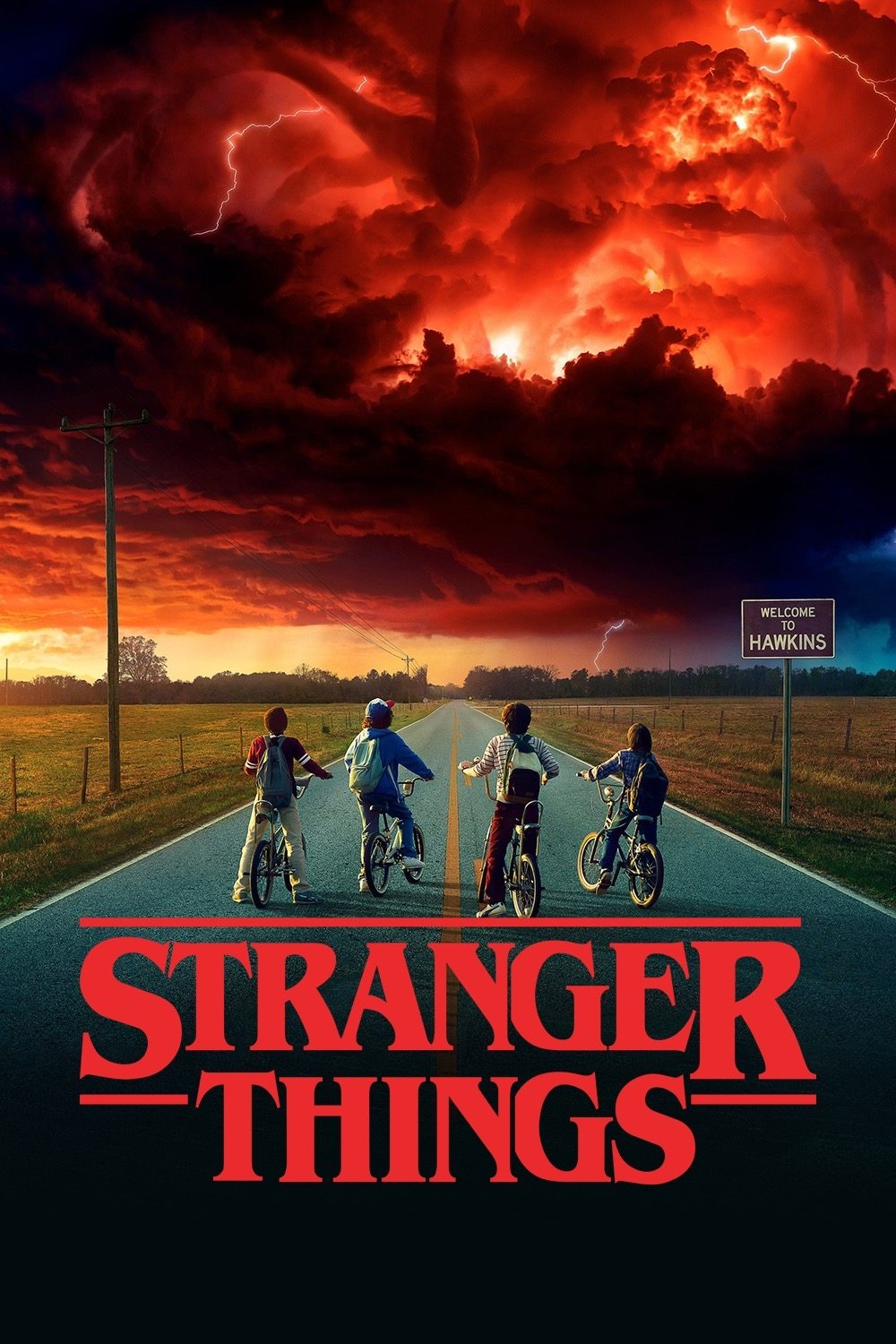
Set in small town Indiana, this series follows a missing boy, a telekinetic girl, and a group of friends drawn into a hidden government experiment and a parallel dimension. The show pairs creature effects and synth heavy music with warm character work around a single mother, a weary police chief, and kids whose curiosity keeps pulling them deeper. Streaming on Netflix, it quickly became known for its ensemble chemistry and cliffhanger pacing that made episodes fly by.
Across its first run, the series built a careful mythology around a lab, a portal, and the forces that spill into the real world. The Duffer Brothers anchor the story with clear rules for powers, memorable creature designs, and an expanding map of Hawkins that includes an eerie forest, a flickering alphabet wall, and a snowball dance that matters more than it seems. Netflix backed the production with cinematic scale, which shows in the practical effects, period props, and needle drops that thread through every chapter.
‘The Crown’ (2016– )
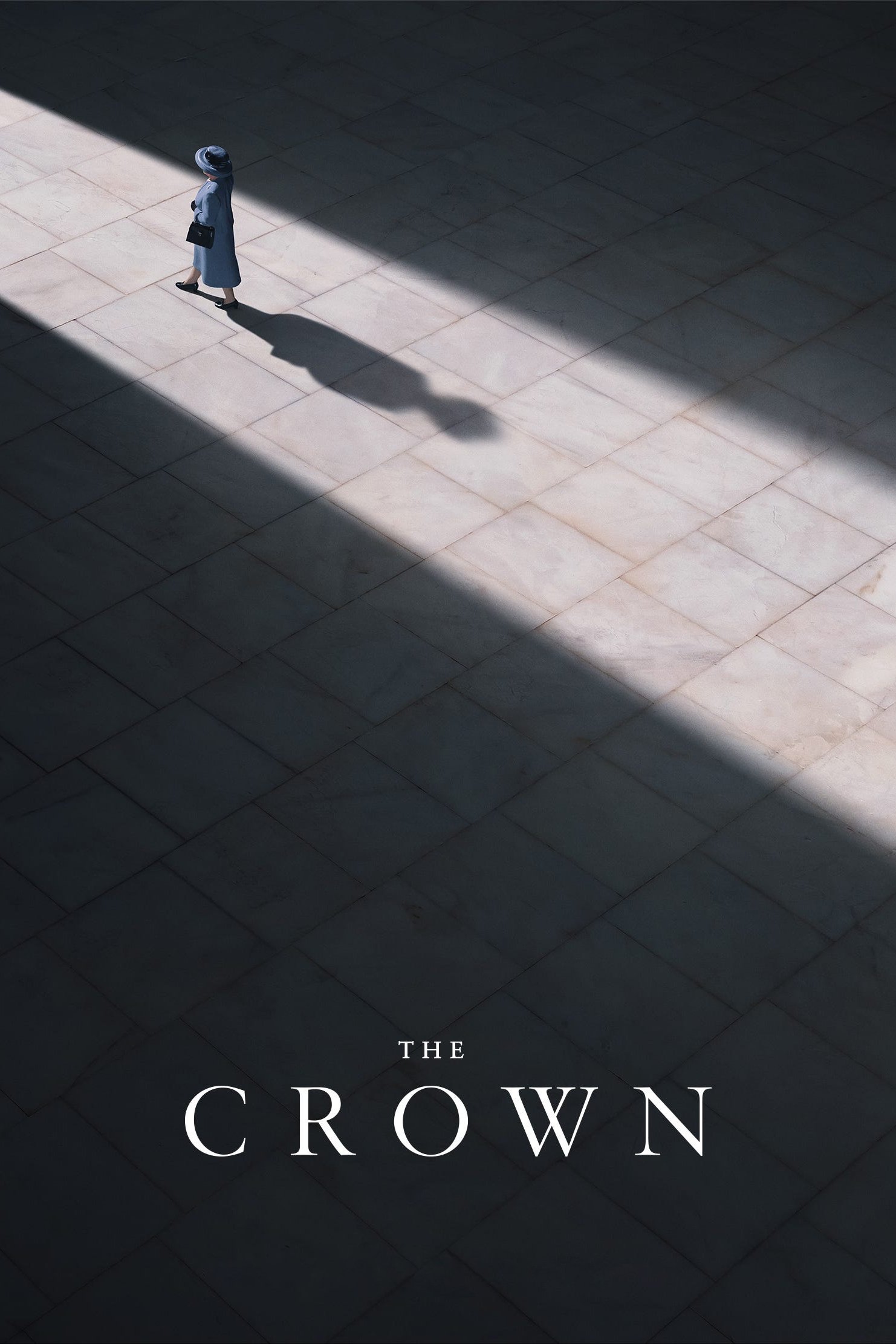
This biographical drama traces the life of Queen Elizabeth II from the early days of her reign through shifting political and family dynamics. It blends intimate conversations with statecraft, showing how private choices ripple into public duty. The series launched on Netflix with a lavish production that recreates palaces, state visits, and press scrutiny in exacting detail.
Each season tracks a specific stretch of the monarch’s life with a new cast stepping in as the characters age. The show is known for technical precision in costume and set design, and for dramatizing constitutional crises alongside quiet personal moments. Netflix’s global reach helped the series spark renewed interest in modern British history while keeping the focus on the human cost of leadership.
‘Westworld’ (2016–2022)
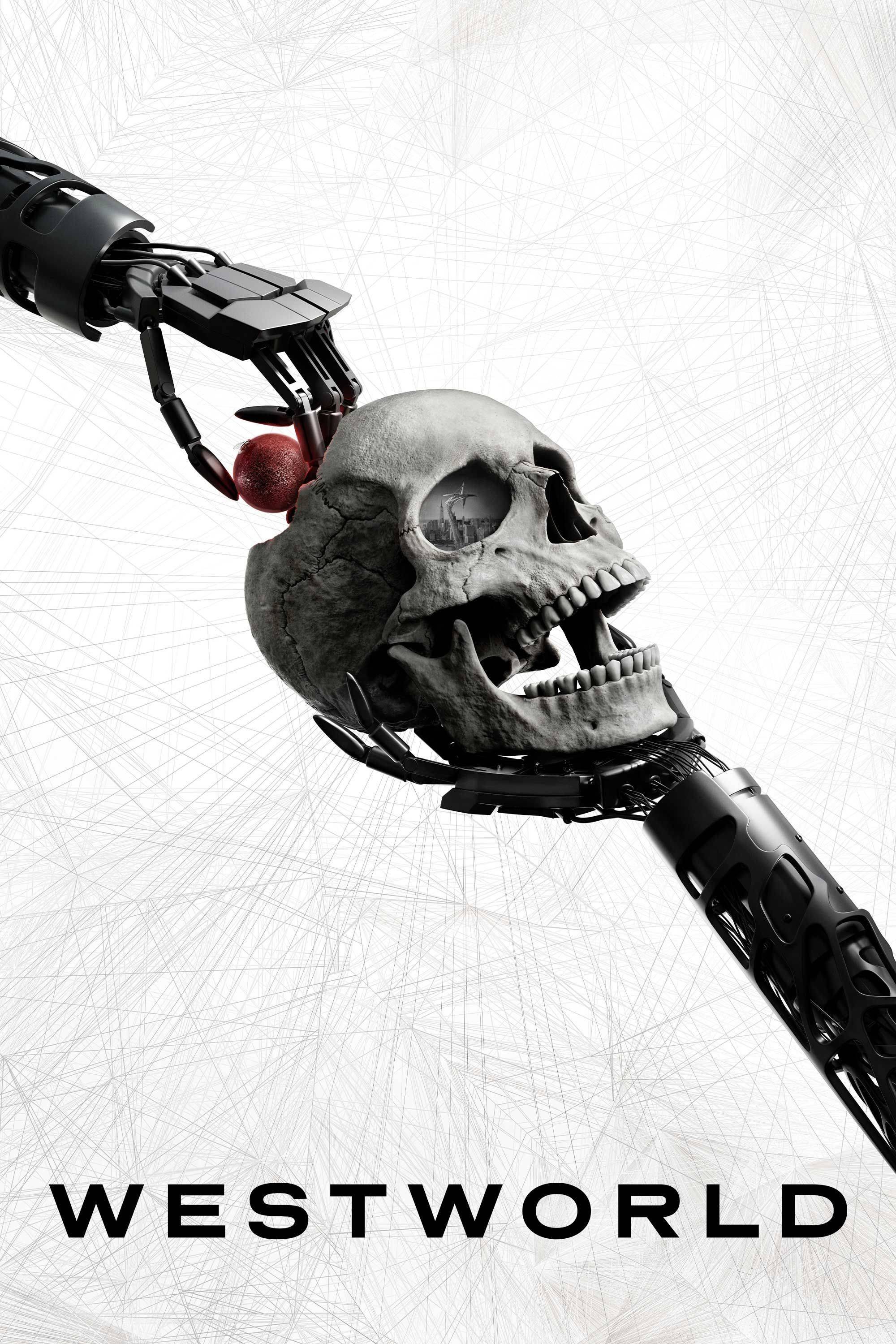
This science fiction drama centers on a high tech theme park where guests live out fantasies among lifelike androids, and on the consequences when those hosts begin to awaken. The first season weaves timelines and unreliable memories into a puzzle box narrative that rewards close attention. HBO positioned the series as a flagship, funding sweeping Western vistas and futuristic control rooms with equal care.
Under the surface, the story examines free will, corporate secrecy, and the looped routines that trap both humans and machines. The show became known for its layered mysteries, rich musical motifs, and a cast that toggles between innocence and menace as identities shift. HBO’s weekly release kept speculation humming, turning each episode into an event.
‘Atlanta’ (2016–2024)
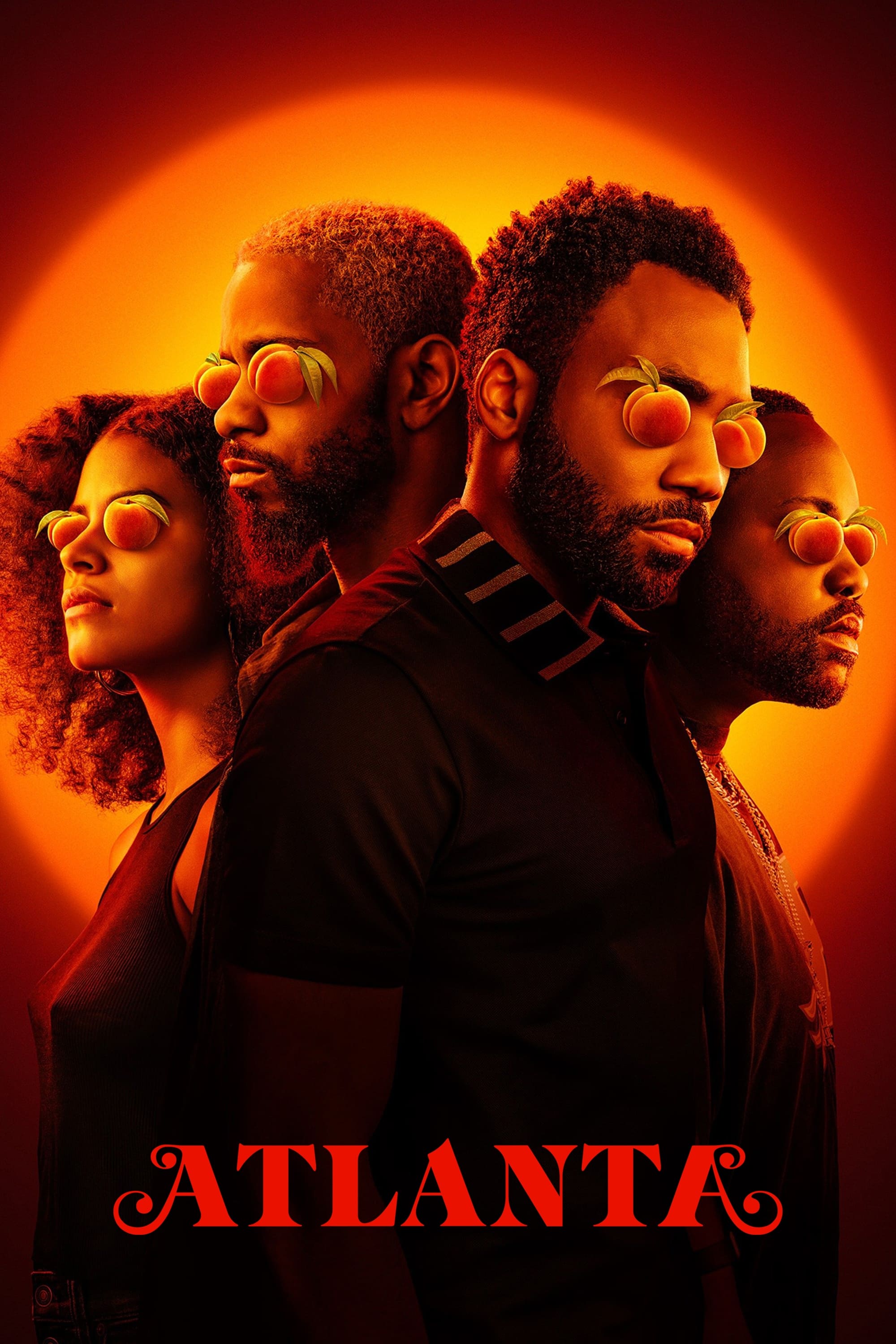
Set around the city’s rap scene, this comedy drama follows two cousins navigating music, money, and everyday absurdities. It mixes standalone fables with character driven arcs, creating episodes that feel like short films. FX gave the show creative freedom to experiment, which led to stories that play with genre while staying grounded in the realities of hustling for a break.
Production makes smart use of real locations, local radio chatter, and deadpan humor to sketch a version of the city that feels lived in. Guest characters drift in and out, reflecting on race, fame, and the cost of chasing opportunity. FX’s support for unconventional storytelling helped the series carve out a distinct space on the TV landscape.
‘The People v. O. J. Simpson: American Crime Story’ (2016)
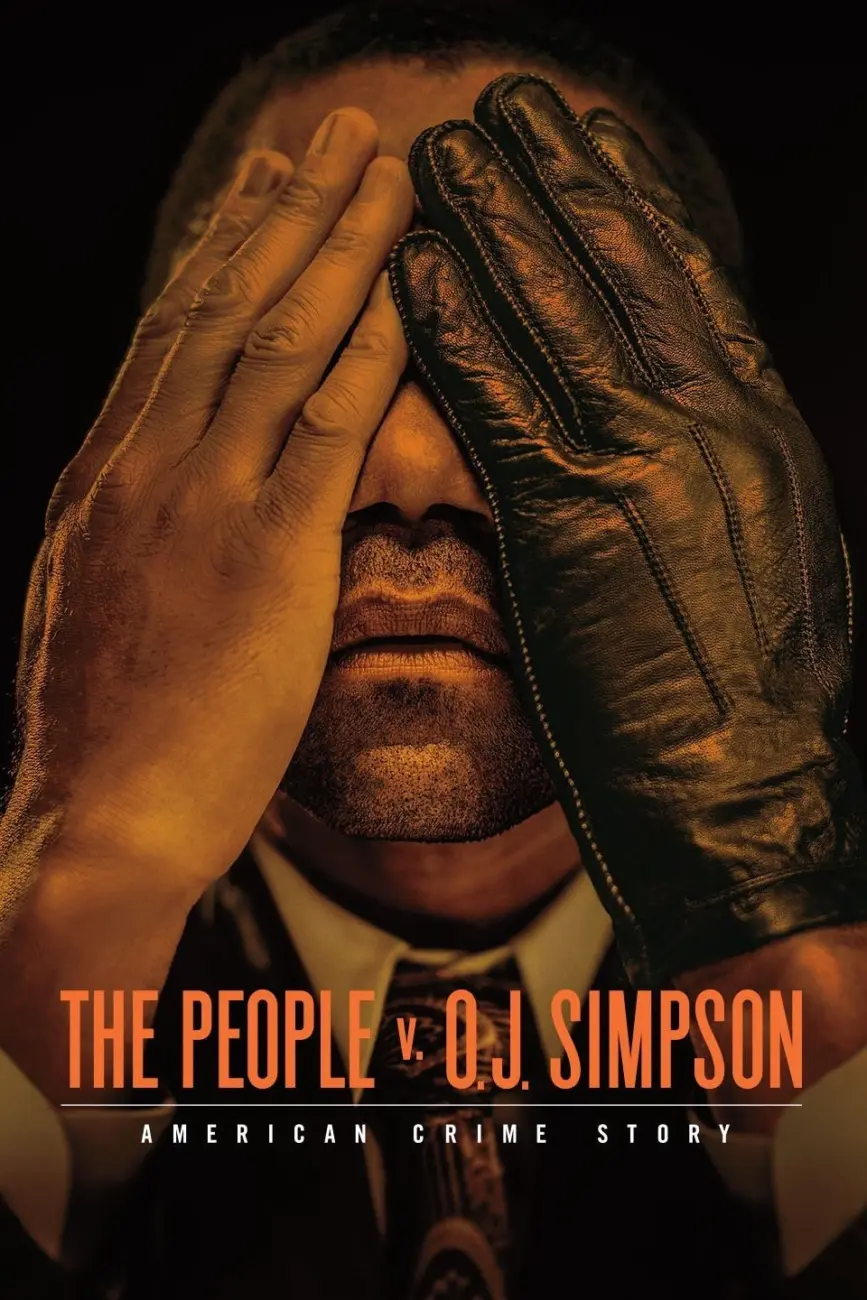
This limited series reconstructs the O. J. Simpson murder trial from the perspectives of prosecutors, defense attorneys, and jurors. It draws from detailed case records to show how strategy, media coverage, and public perception shaped every move in court. FX presented the show as the opening chapter of an anthology, with meticulous attention to casting and period detail.
Episodes track key moments like jury selection, courtroom clashes, and behind the scenes negotiations that never made the nightly news. The production emphasizes how evidence, optics, and racial tensions intertwined to create a national spectacle. FX’s format allowed the story to end with the verdict and its fallout, offering a complete arc without stretching beyond the case.
‘The Night Of’ (2016)
A college student’s chance night out turns into a homicide investigation, and the limited series follows the case through arrest, Rikers Island, and a grueling trial. The camera lingers on small procedures and institutional routines, showing how a system processes one accused person. HBO supported a grounded visual style that favors fluorescent lights, cramped rooms, and street level New York.
As the legal team digs in, the show tracks forensics, plea negotiations, and the strain on a family struggling to keep a small business afloat. Prison scenes focus on survival tactics and alliances rather than sensational violence. HBO’s format allows the story to resolve fully, from first interrogation to final judgment.
‘Fleabag’ (2016–2019)
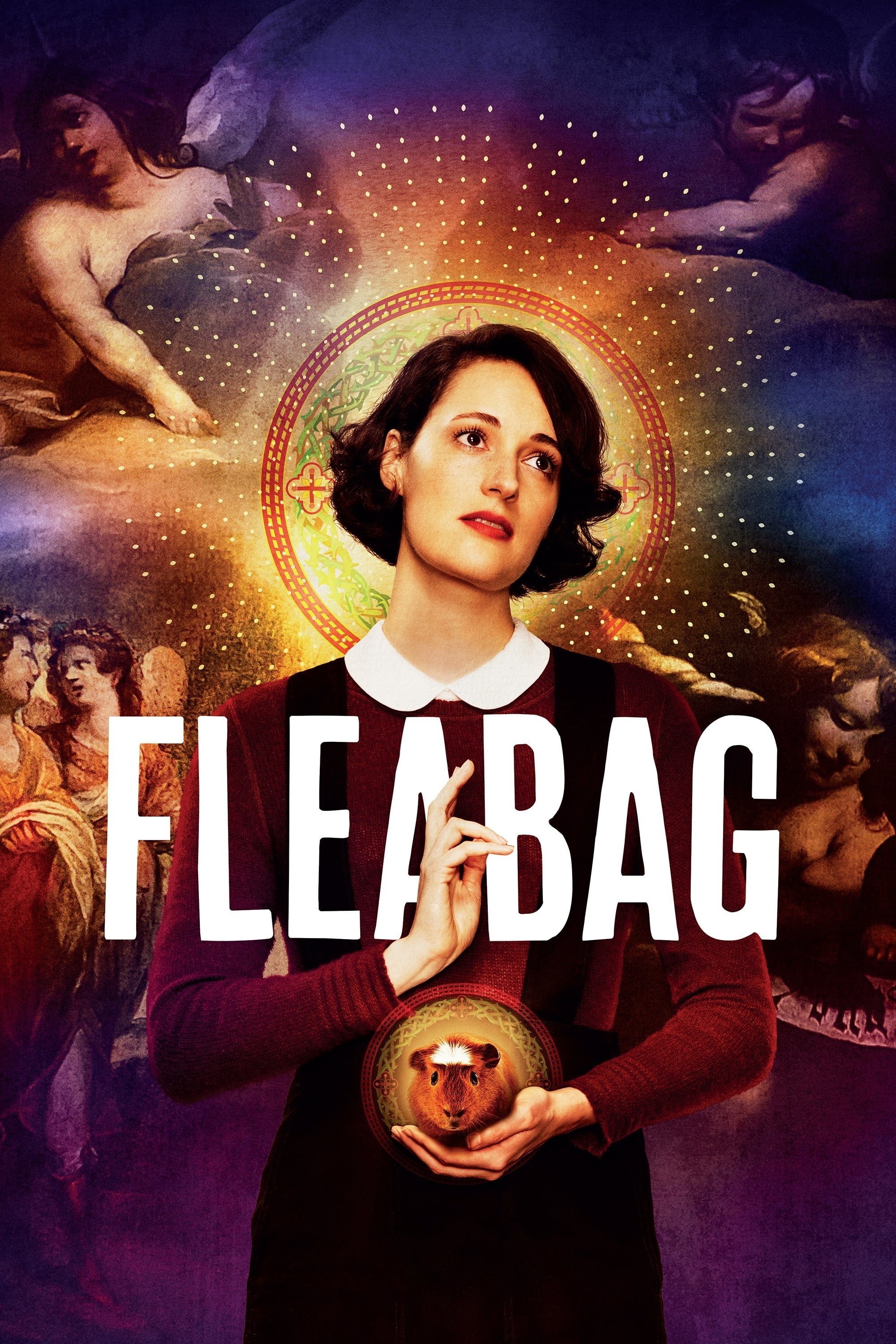
This character study follows a young woman in London who breaks the fourth wall while navigating grief, family friction, and a messy love life. The writing uses asides to the audience as a tool for revealing denial and control, not just for jokes. It began on BBC Three and reached a wider audience through Amazon, which helped the series travel far beyond the UK.
Scenes unfold in small spaces like a café, a bus stop, and a family dinner table, with dialogue that moves quickly but lands with precision. The show balances comedic beats with frank discussions of loss, intimacy, and faith. BBC Three’s incubator model and Amazon’s streaming platform combined to give the series both freedom and reach.
‘This Is Us’ (2016–2022)
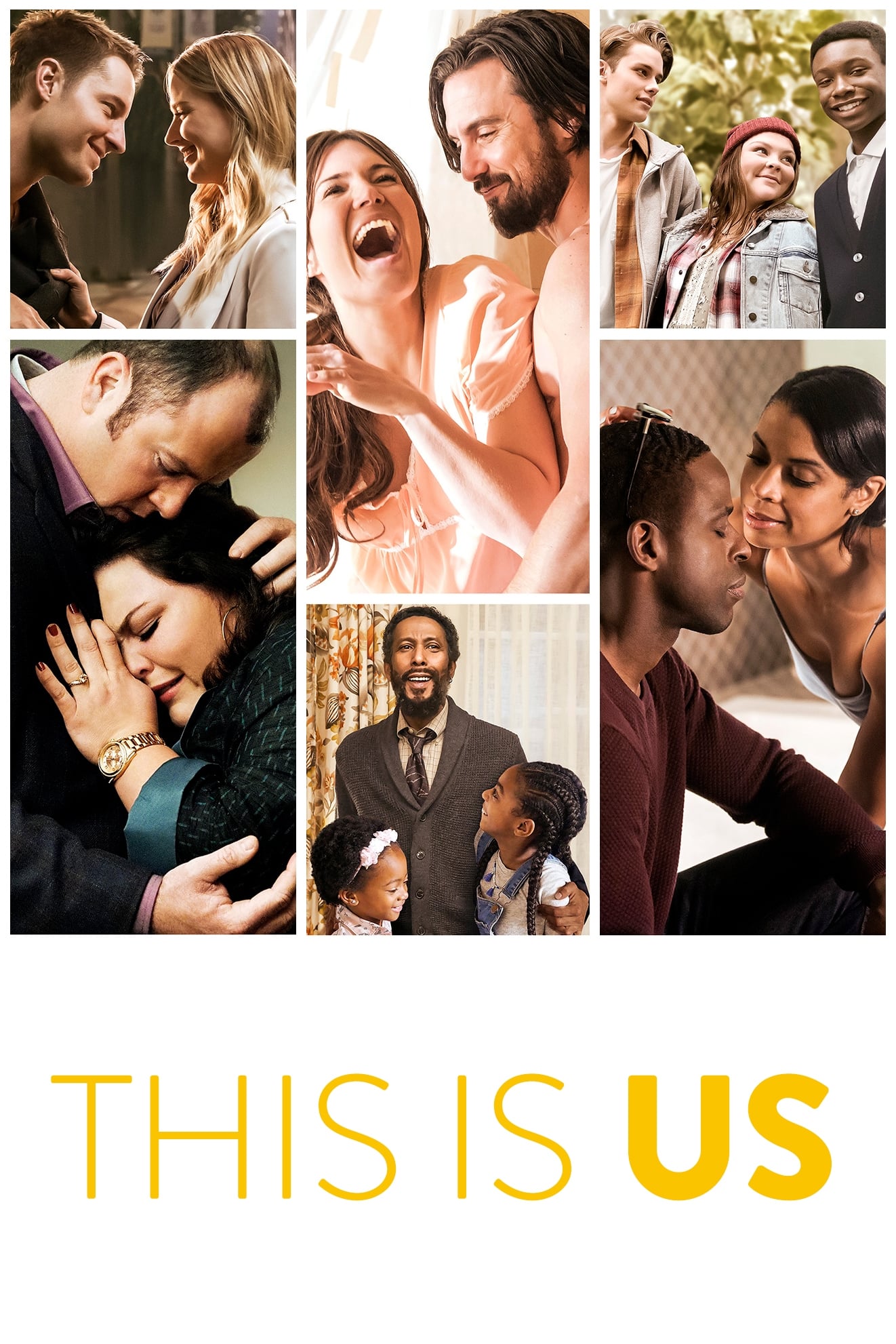
Told across multiple timelines, this family drama follows the Pearson siblings and their parents through milestones that echo across decades. The structure reveals connections slowly, letting small details reframe earlier scenes. NBC positioned the show as a network centerpiece, with a prime timeslot and broad accessibility.
Production emphasizes warm lighting, handheld camerawork, and needle drops that reflect character memories. The writing often pairs past and present scenes to explore how choices ripple through relationships. NBC’s distribution made it a weekly conversation starter for a wide audience.
‘Black Mirror’ (2011– )
This anthology explores the unintended consequences of technology through standalone stories that range from social media scoring to digital consciousness. The move to Netflix brought longer seasons and larger production canvases while keeping the bone deep cautionary themes intact. Each episode shifts setting and cast, which keeps the series fresh without losing its core concerns.
The show’s format allows for tonal variety from satirical to bleak, but it consistently grounds its concepts in plausible devices and behavioral nudges. Netflix’s resources helped the series shoot in multiple countries and experiment with format, including interactive storytelling that put choices in the viewer’s hands.
‘Better Call Saul’ (2015–2022)
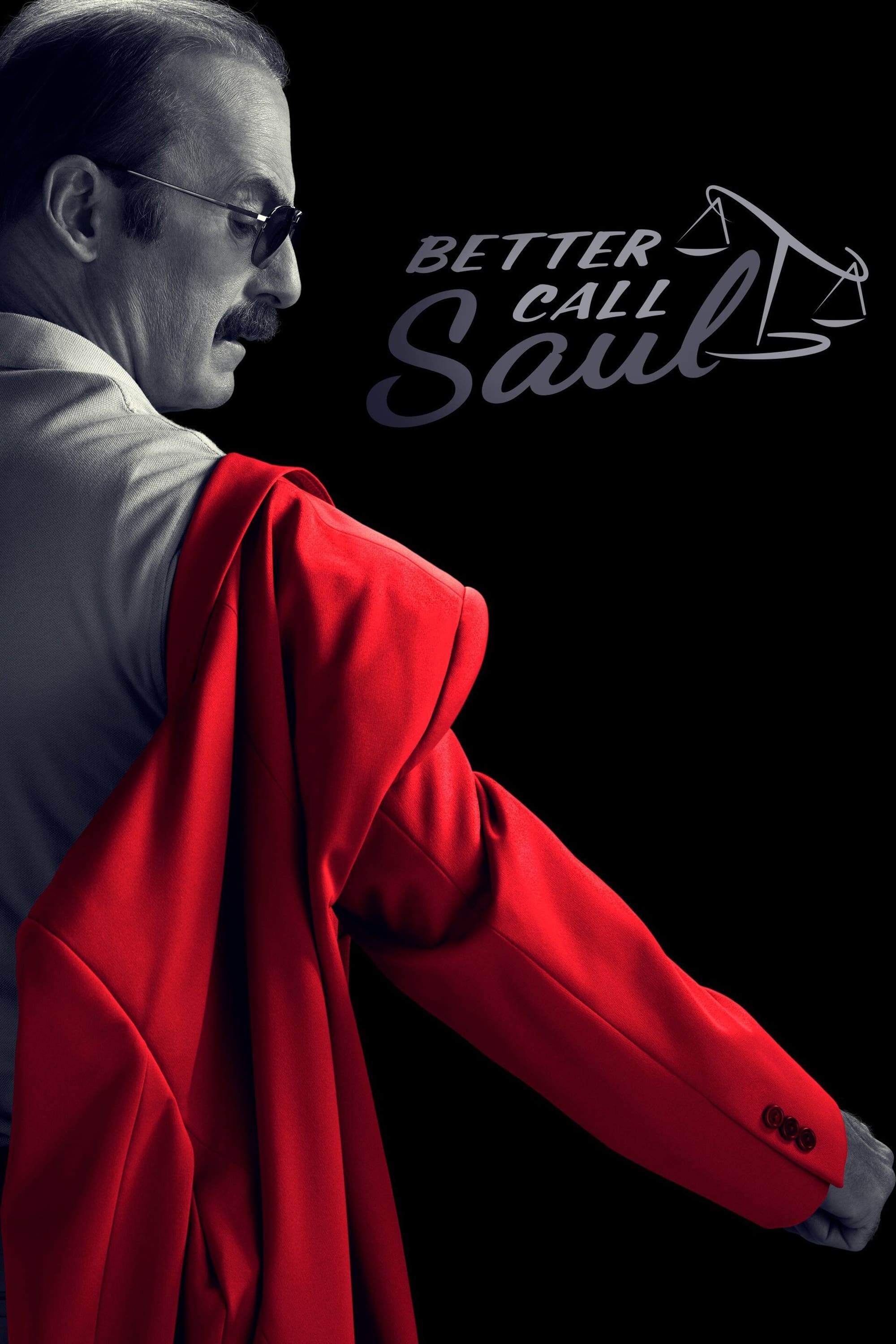
This prequel follows Jimmy McGill’s path from hustling public defender to the lawyer known as Saul Goodman, while tracking the rise of a meticulous enforcer in the city’s underworld. The series uses legal cases, family conflict, and detailed cons to map the slow transformation of its lead. AMC backed the production with the same care for visual composition and quiet tension that defined its predecessor.
Courtrooms, strip malls, and desert scrub become recurring settings that mirror the character’s shifting moral lines. The show is praised for its patient pacing, practical effects, and a sound design that uses silence as much as score. AMC’s weekly schedule let viewers sit with each turn rather than binge past its nuances.
‘Mr. Robot’ (2015–2019)
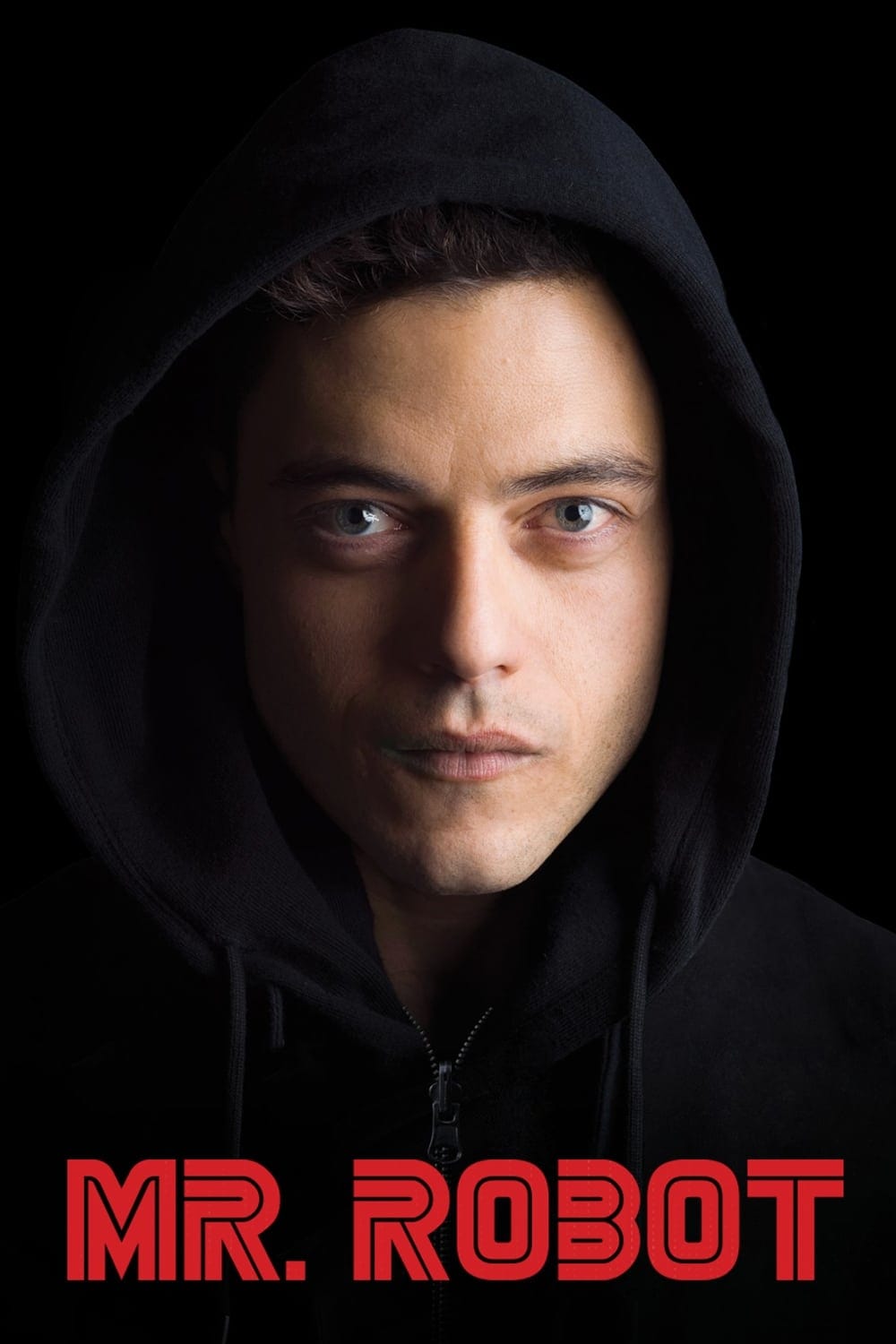
A cybersecurity engineer with dissociative tendencies is recruited to help bring down a powerful conglomerate, and the series follows the fallout from a hack that destabilizes the economy. Its visual language favors off kilter framing and on screen code that reflects real tools. USA Network gave the show room to keep its technical details credible while shaping a thriller that moves between corporate offices and shadowy meetups.
The narrative blends therapy sessions, unreliable voiceover, and shifting identities to show how perception can fracture under pressure. Real world concepts like encryption, social engineering, and honeypots appear as plot mechanics rather than window dressing. USA Network’s backing helped the series maintain a consistent look and feel from pilot to finale.
‘The Good Place’ (2016–2020)
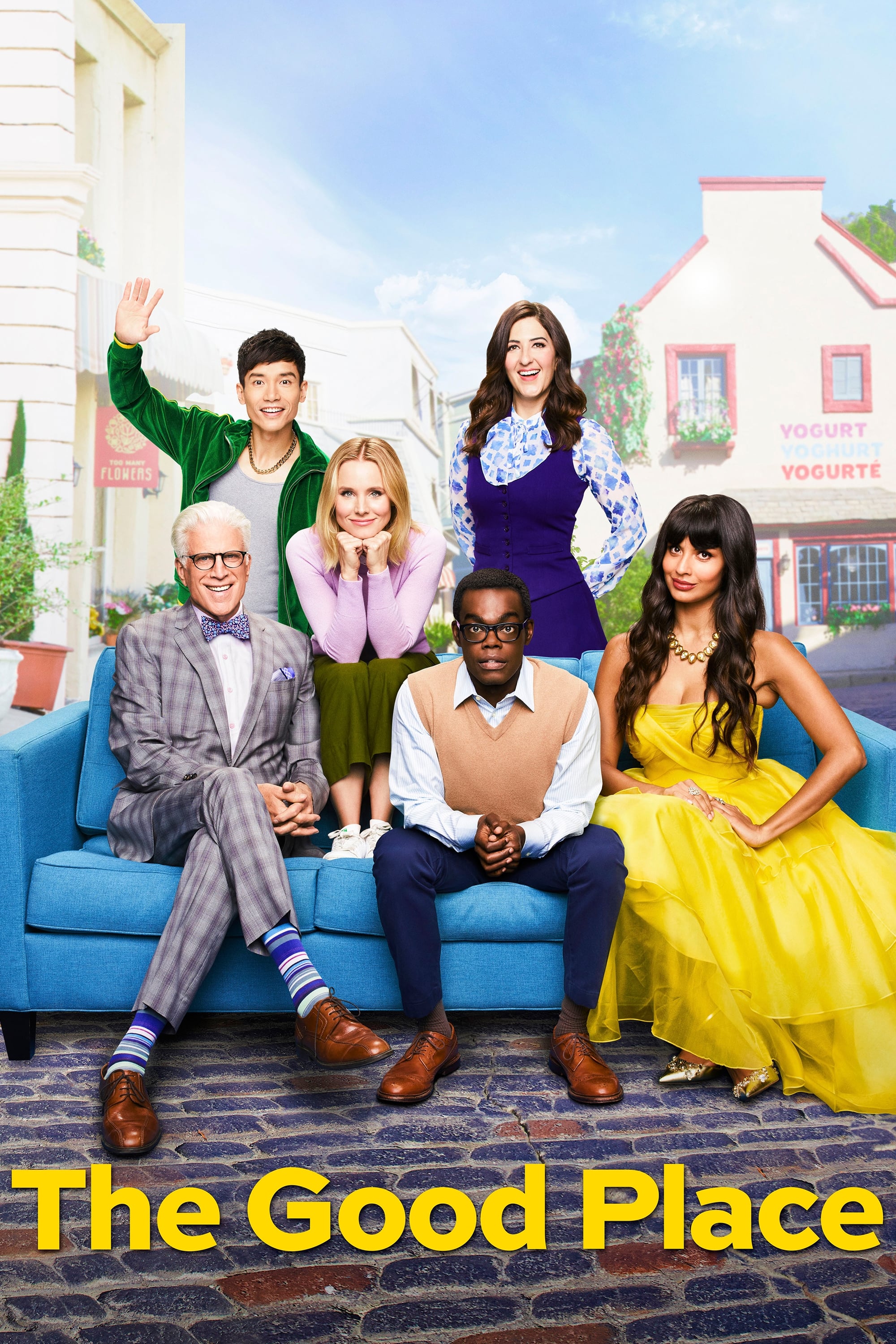
A woman wakes up in the afterlife and realizes she is not supposed to be there, which sets off a chain of ethics lessons wrapped in sitcom timing. The show uses philosophy as story engine, introducing thought experiments and applying them to friendships under stress. NBC supported the ambitious premise with colorful production design and a brisk half hour format.
As the setting changes, the rules of the universe evolve, inviting the audience to learn alongside the characters. The writing treats moral growth as a practical skill rather than an abstract idea. NBC’s wide reach brought a classroom’s worth of concepts to prime time in a way that felt playful and accessible.
‘Narcos’ (2015–2017)
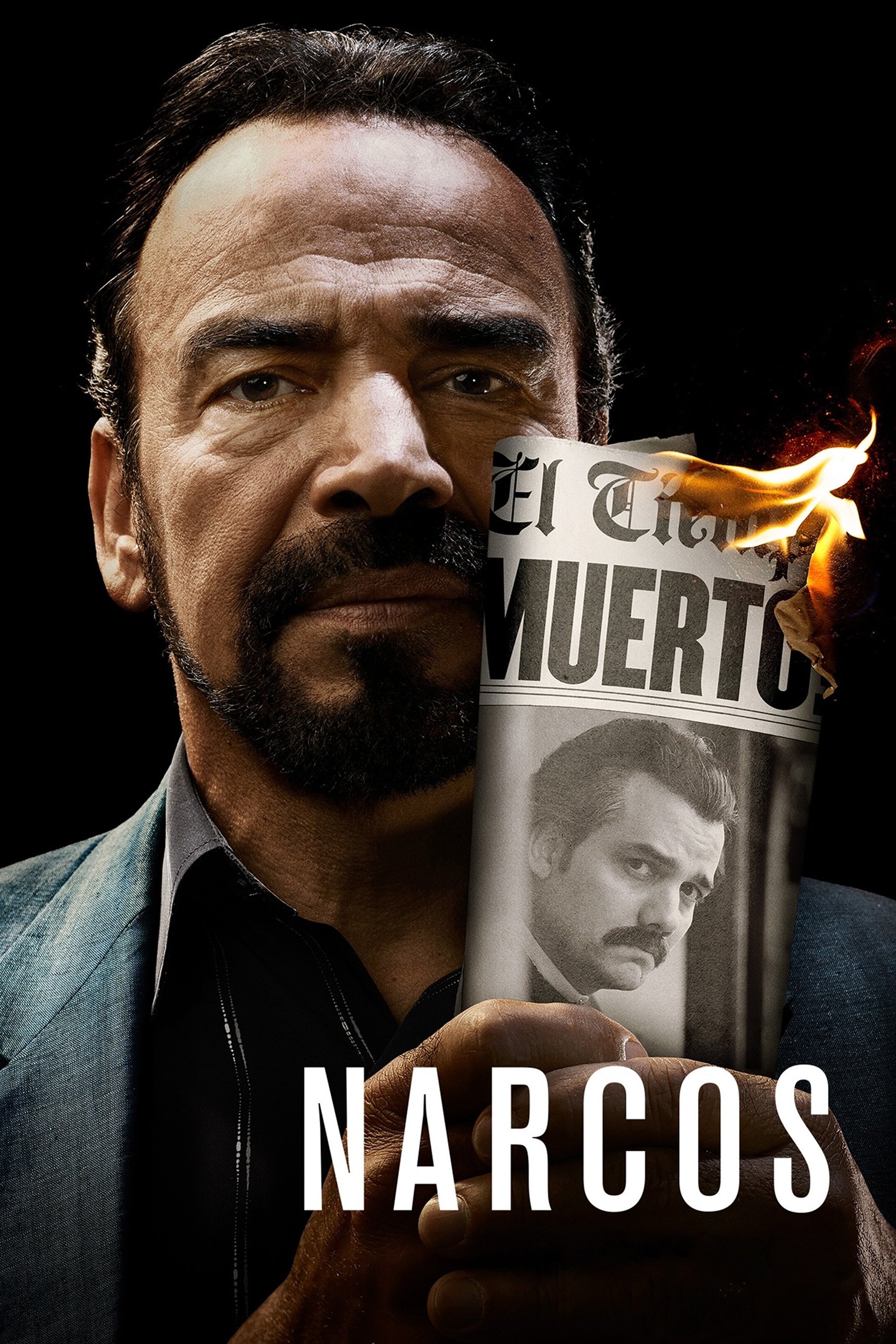
This crime drama chronicles the rise and fall of drug cartels and the law enforcement teams tracking them, mixing dramatization with documentary style narration. It balances scenes inside cartel operations with the bureaucratic grind of building cases. Netflix enabled a bilingual approach that reflects the real locations and institutions depicted.
Production shoots extensively in Colombia, using local crews and a grounded palette that avoids glamorizing violence. The series maps supply routes, political pressures, and rivalries that shape the trade. Netflix’s global platform helped the show reach audiences far beyond typical crime drama circles.
‘The OA’ (2016–2019)
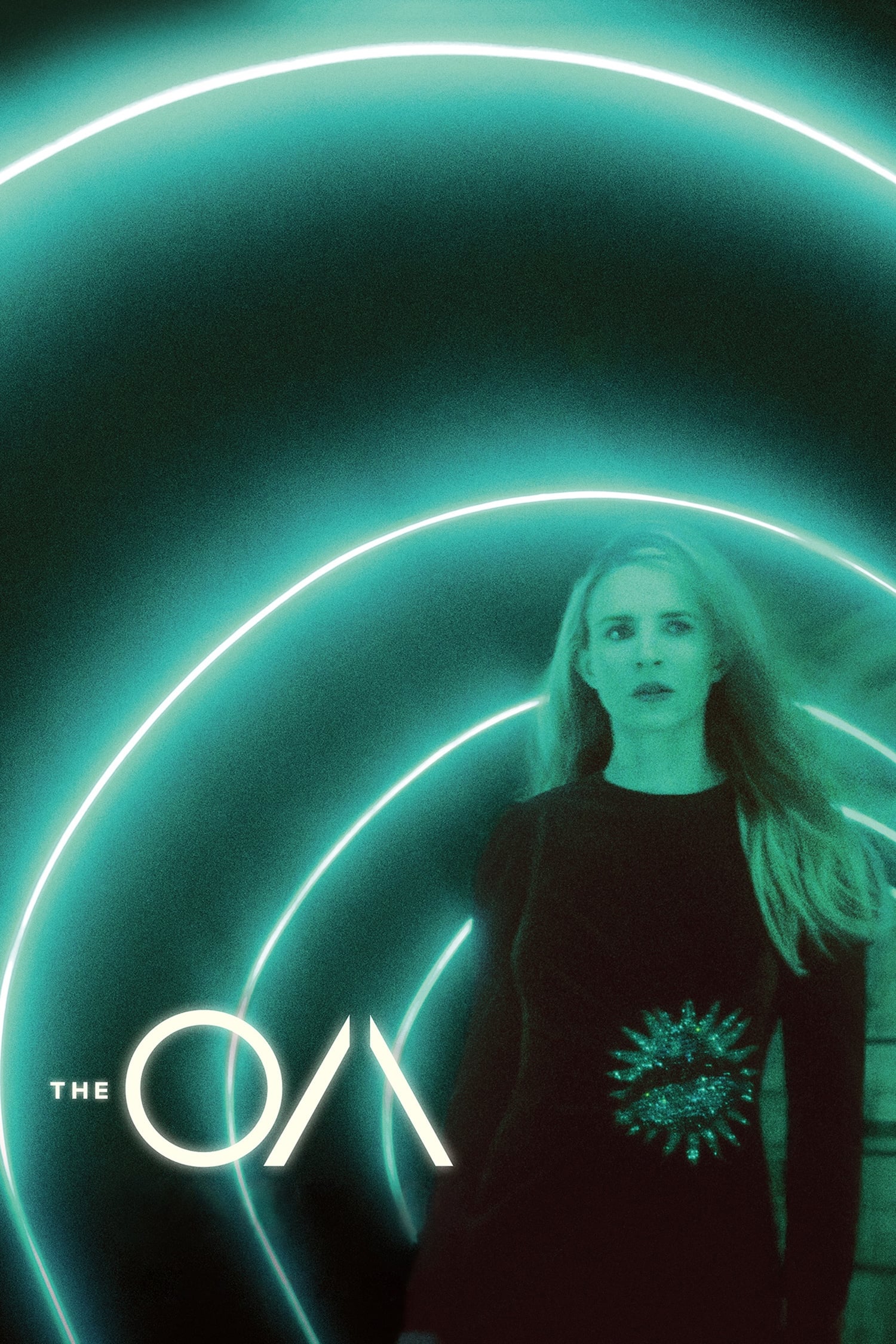
A young woman who vanished returns with scars, a new name, and a mission, and she recruits a group of locals to help her reach an unseen destination. The story blends near death experiences, captivity, and found family into a modern fable. Netflix gave the series a home for long episodes that move between quiet storytelling and sudden bursts of surreal imagery.
The show unfolds like a mystery box, but keeps its focus on belief, healing, and the power of shared ritual. Visual motifs recur through choreography, reflective surfaces, and hand drawn symbols. Netflix’s willingness to back idiosyncratic projects made space for a tone that sits between genre and myth.
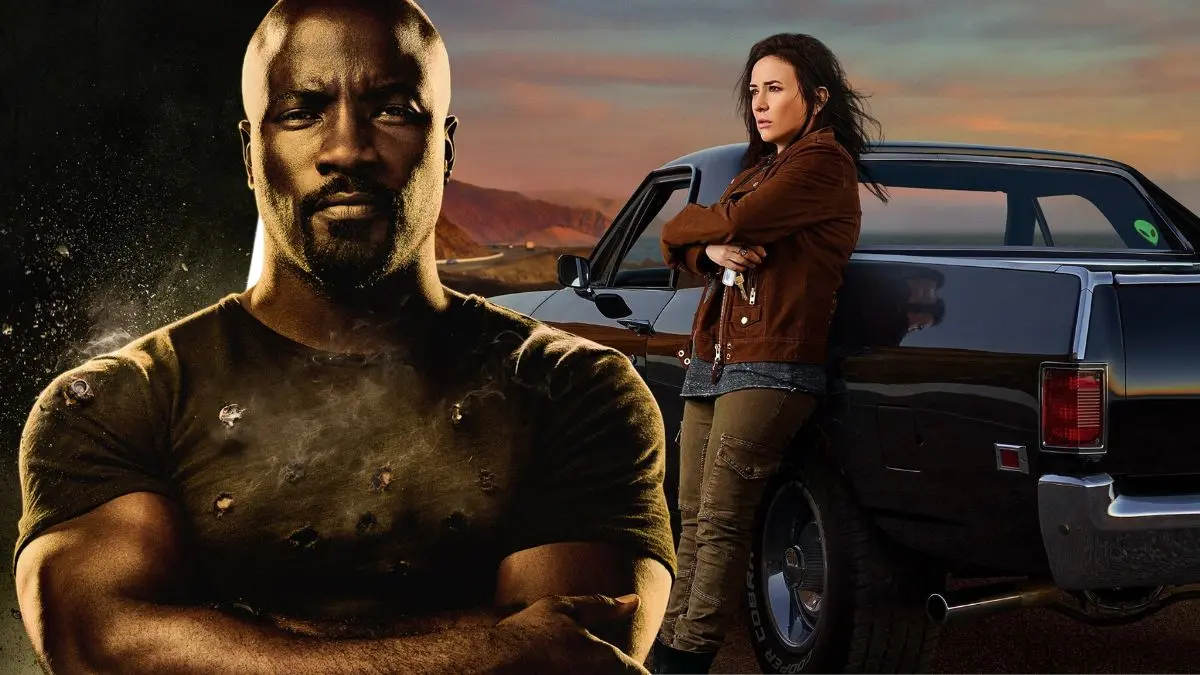
‘Luke Cage’ (2016–2018)
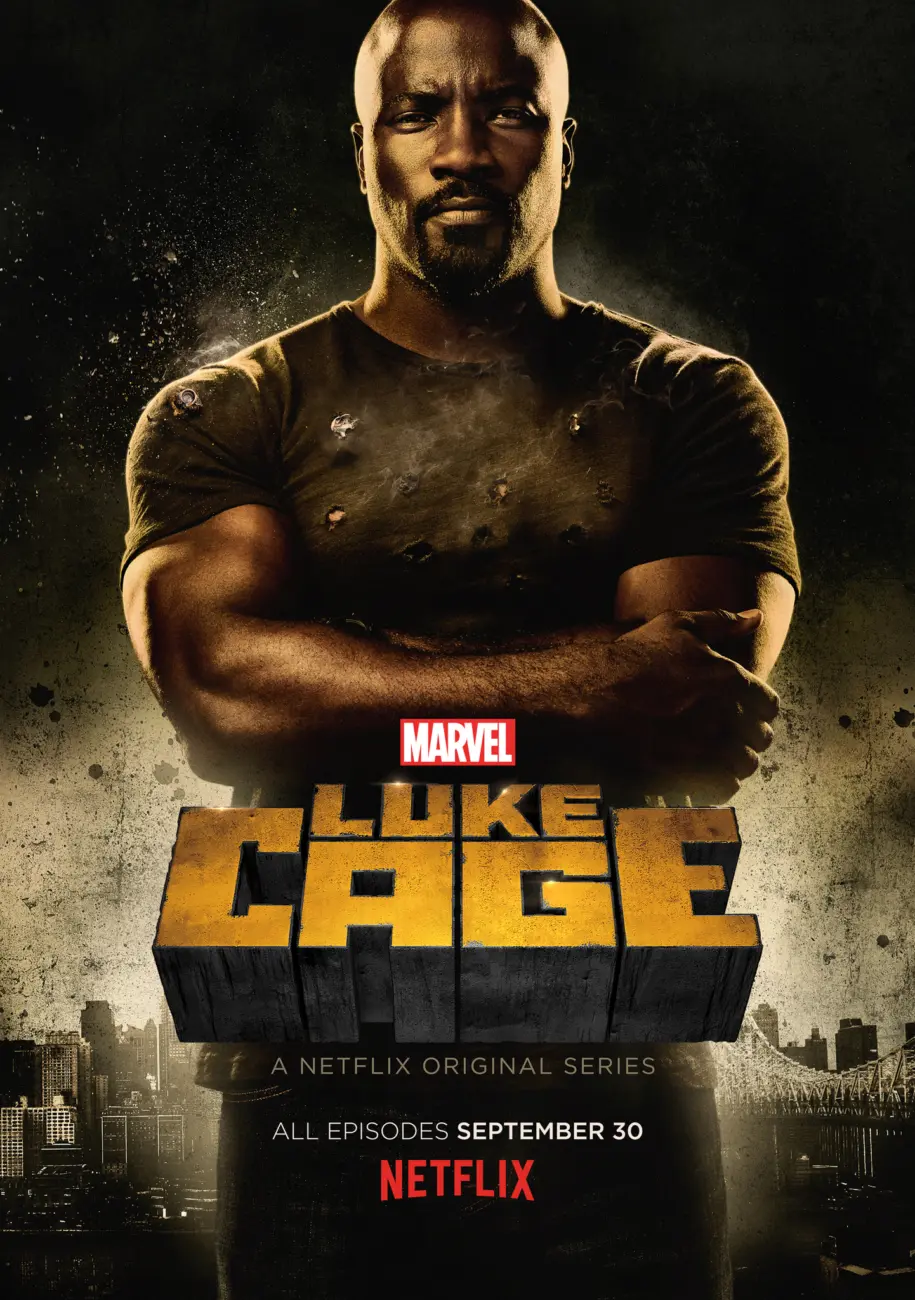
After an experiment gives a wrongfully accused man unbreakable skin and super strength, he tries to keep a low profile in Harlem before being pulled into a fight for the neighborhood. The series leans into soul, hip hop, and club settings to craft its identity. Netflix positioned it within a larger street level superhero collection while letting the show’s musical pulse stand apart.
Production features live performances, barbershop conversations, and local landmarks that ground the action in a specific place. The costume and color choices echo classic comic panels without feeling cartoonish. Netflix’s format allowed for extended arcs that track rivalries, corruption, and community ties.
‘American Crime’ (2015–2017)
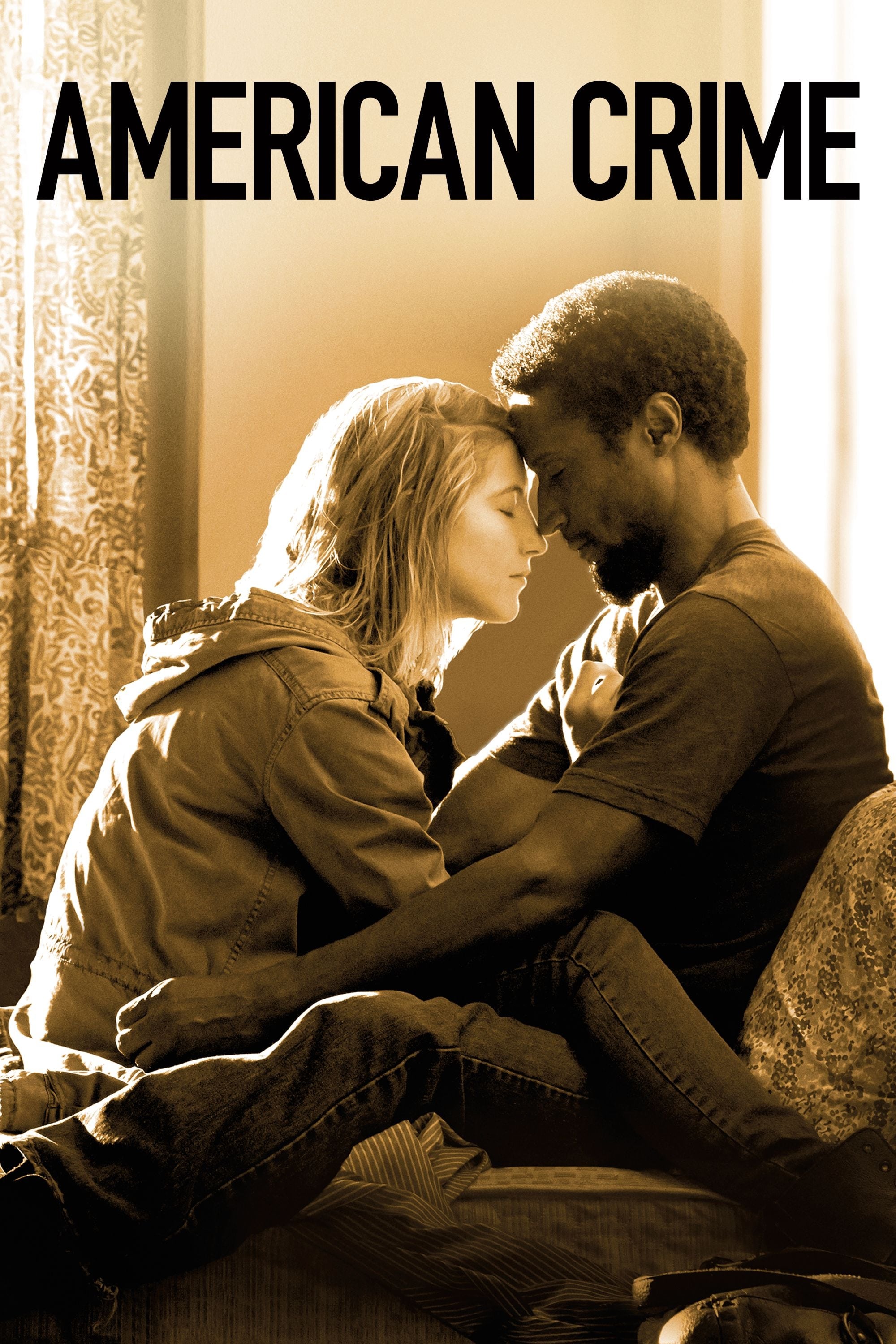
This anthology uses each season to explore a different facet of injustice in the United States, from class and education to labor and exploitation. The writing emphasizes how institutions intersect to shape outcomes for victims and perpetrators. ABC gave the show a rare prime time slot for difficult subject matter and supported a large rotating ensemble.
Scenes often play out in long takes that put performances at the center, with minimal score and naturalistic lighting. The storytelling avoids easy resolutions, choosing instead to show how policy and personal choices tangle together. ABC’s platform brought these conversations into living rooms where they could spark real debate.
‘The Expanse’ (2015–2022)
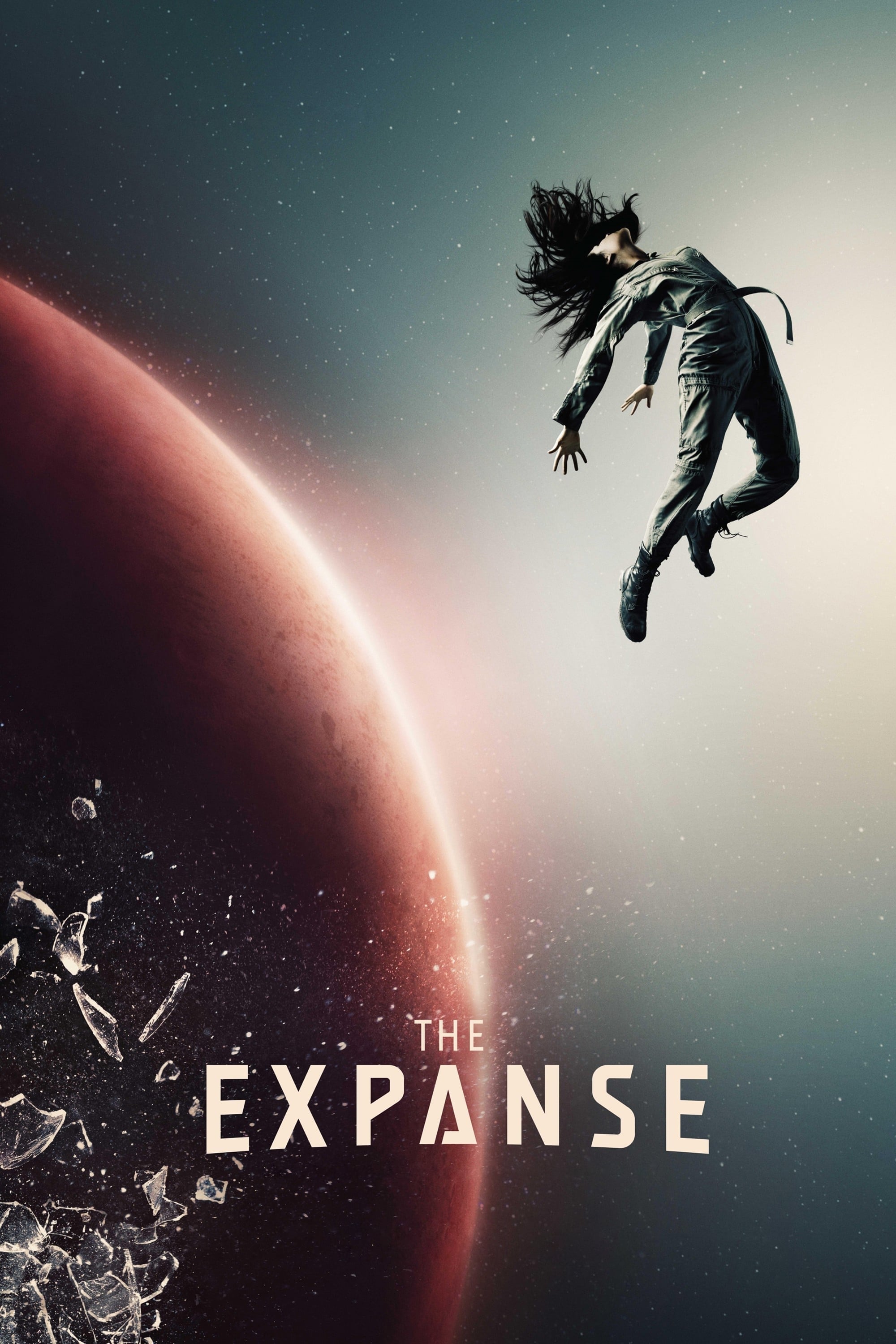
Set in a future where humanity has colonized the solar system, this space opera begins with a missing person case that escalates into an interplanetary crisis. The series is known for physics aware spaceflight, political factions, and a mystery rooted in alien biology. Syfy supported an ambitious production that built believable ships, stations, and belter culture.
The narrative balances a scrappy spaceship crew, a Martian officer, and an Earth diplomat, weaving their choices into a larger conflict. Worldbuilding details like hand terminals, belter creole, and magnetic boots make the setting feel tactile. Syfy’s backing established the foundation that later seasons continued to build on.
‘The Young Pope’ (2016–2017)
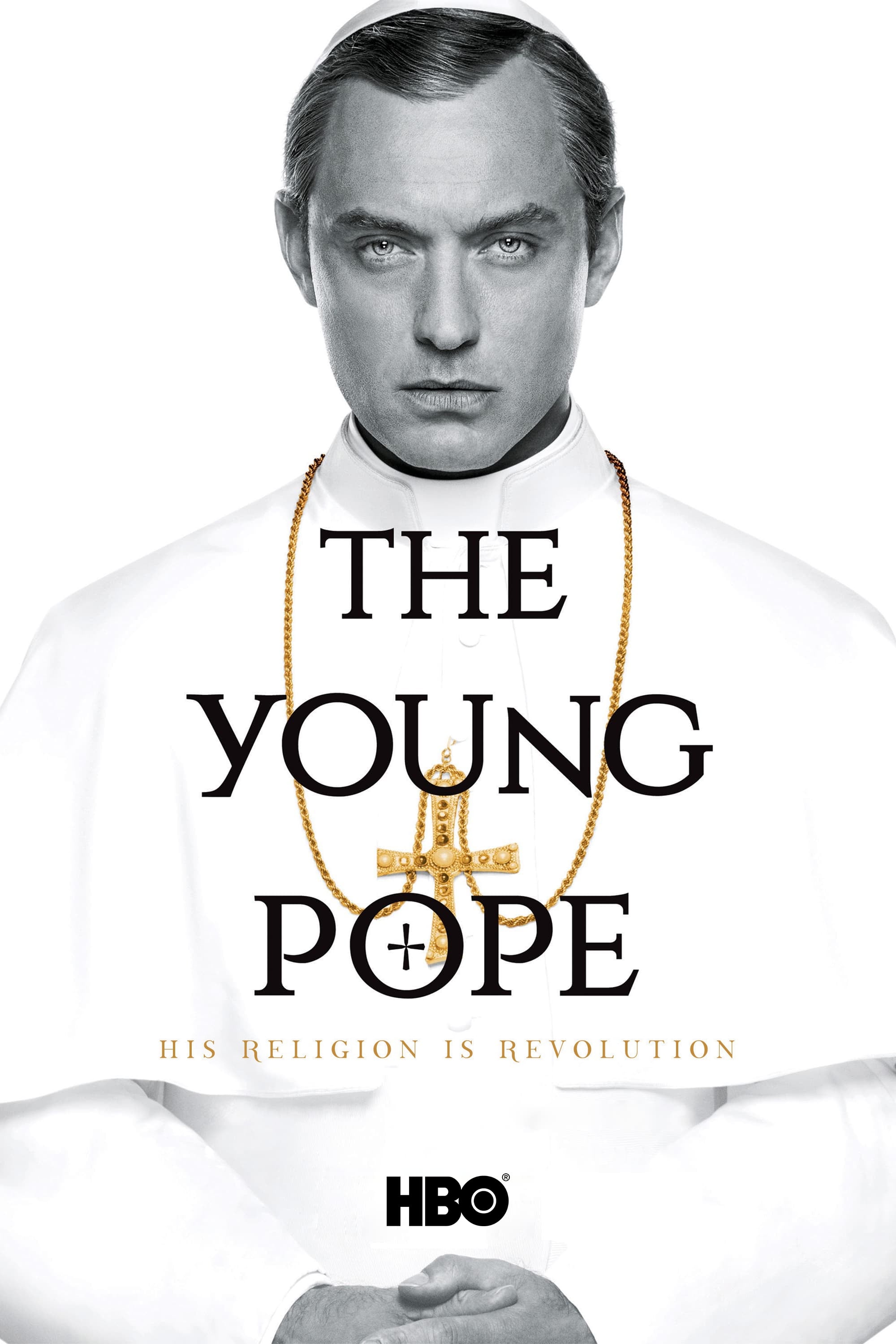
A newly elected pontiff shocks the Vatican with an unpredictable agenda, and the series explores faith, image, and power inside the Holy See. The show pairs sumptuous visuals with sharp dialogue, creating a tone that drifts between satire and reverence. In the United States it aired on HBO, reaching an audience primed for bold auteur driven television.
The production shot inside Italian locations that lend authenticity to corridors, gardens, and public ceremonies. Costuming, choral music, and dream sequences layer meaning onto a story about control and vulnerability. HBO’s presentation introduced a European co production to a wide stateside viewership without losing its distinct voice.
‘Planet Earth II’ (2016)

This natural history series returns to jungles, deserts, mountains, and cities with cutting edge cameras that capture animal behavior rarely seen before. The episodes use long lens cinematography, drones, and gyro stabilized rigs to follow hunts, migrations, and nesting rituals. BBC One showcased the event across primetime, making each chapter feel like an expedition.
Narration guides viewers through ecological challenges and adaptations, linking scenes into a broader look at life on the planet. Sound design and original score heighten the sense of place without overwhelming the images. BBC One’s event style rollout turned wildlife storytelling into appointment viewing.
‘The Get Down’ (2016–2017)
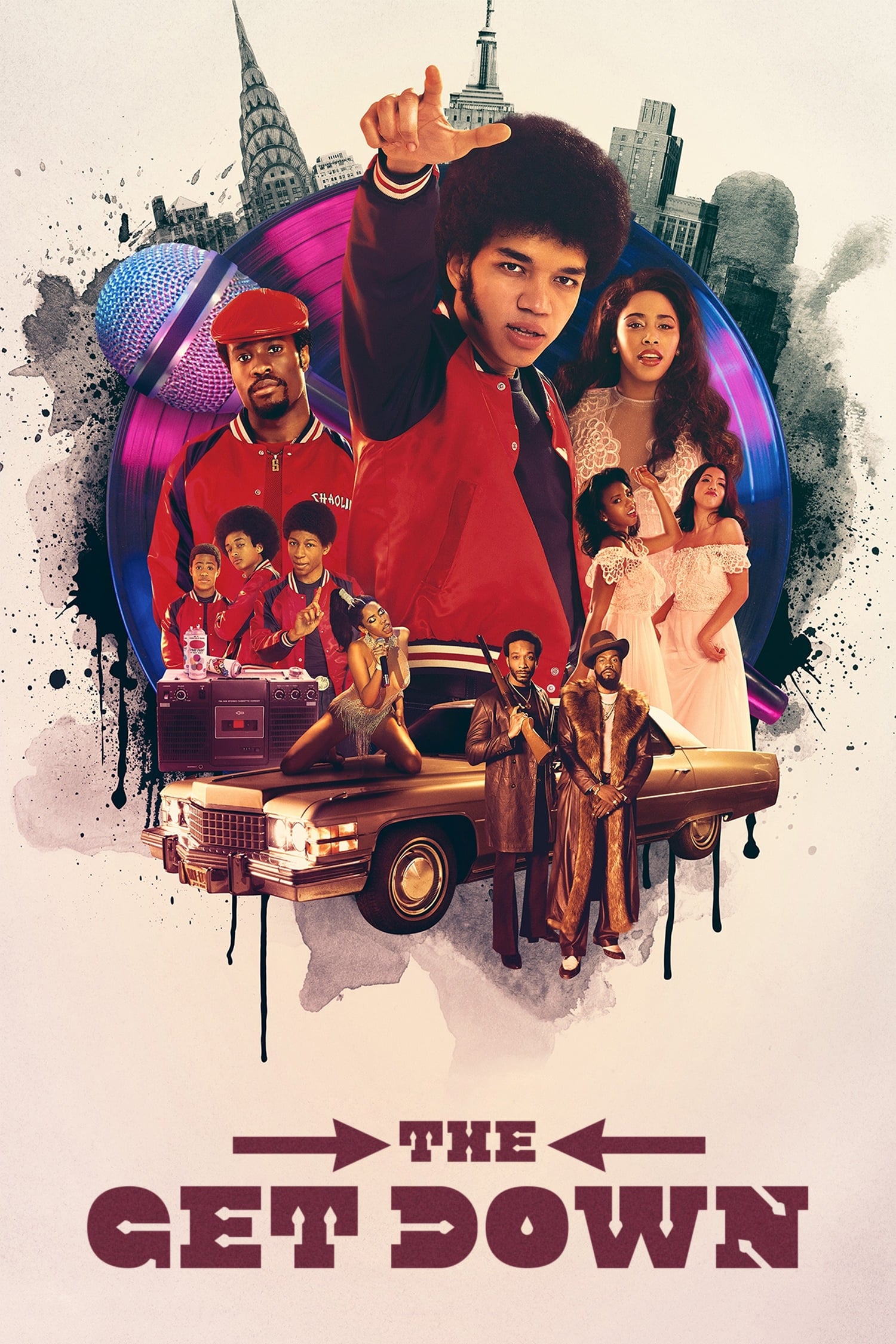
Set in the South Bronx, this musical drama tracks teens who help shape the birth of hip hop alongside the rise of disco in downtown clubs. It blends archival flavor with staged performances to show how DJs, MCs, and dancers learned from one another. Netflix provided the resources for period sets, elaborate musical numbers, and a large ensemble.
The story follows friendships, rivalries, and family pressures while tying personal dreams to a neighborhood’s transformation. Original tracks and choreography sit alongside needle drops that place each scene in a specific cultural moment. Netflix’s two part release schedule gave the series room to breathe.
‘Crazy Ex-Girlfriend’ (2015–2019)
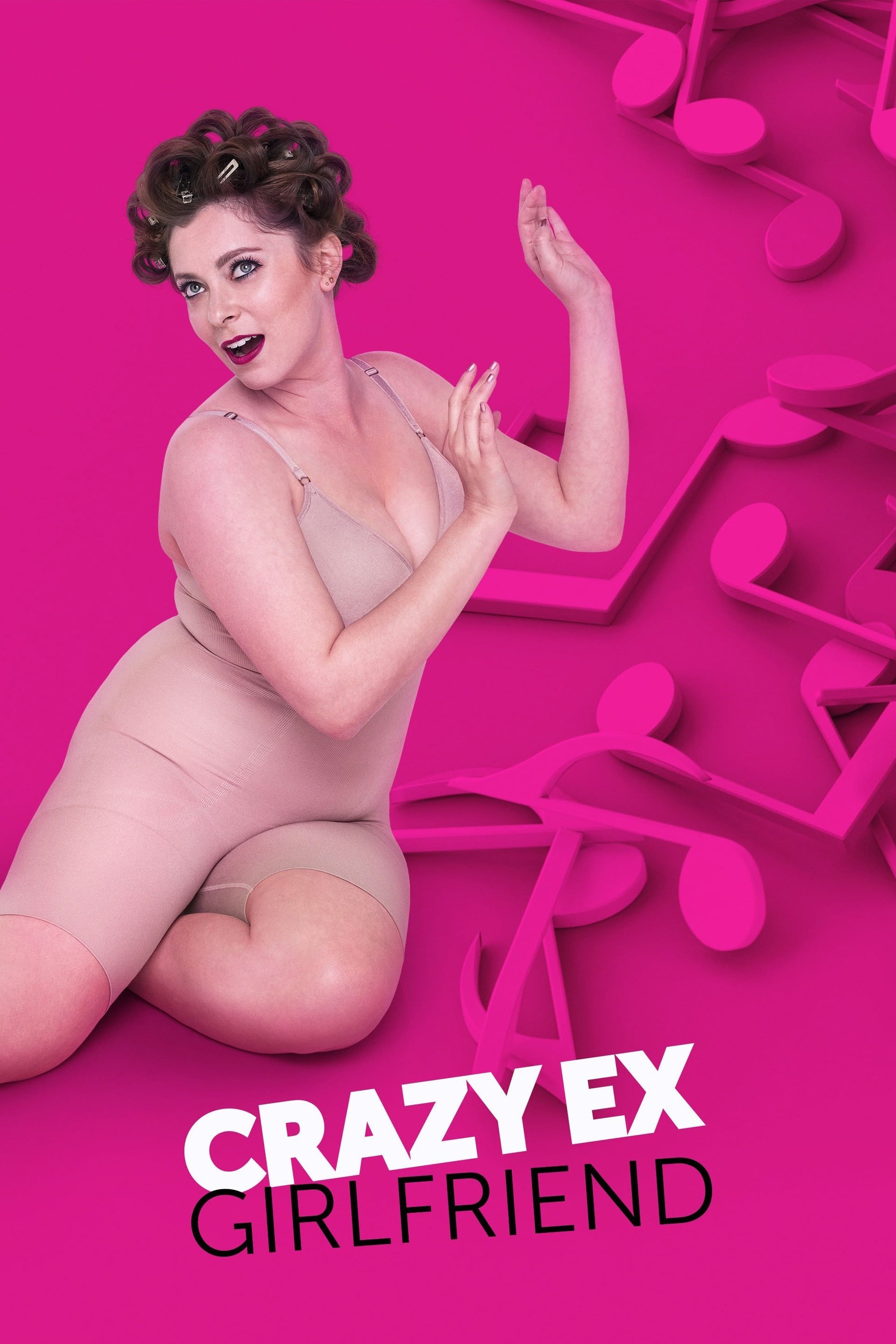
A high achieving lawyer moves across the country in a bid to rewrite her life, and the show turns her inner turmoil into original musical numbers. Songs parody pop styles while advancing character arcs and reframing relationships. The CW supported the series with a loyal timeslot and a creative team free to push into mental health with care.
Staging and costuming shift radically from song to song, matching choreography to each character’s emotional state. The writers revisit motifs through reprises that track growth and setbacks. The CW’s commitment helped an unconventional musical comedy develop a dedicated audience.
‘Veep’ (2012–2019)
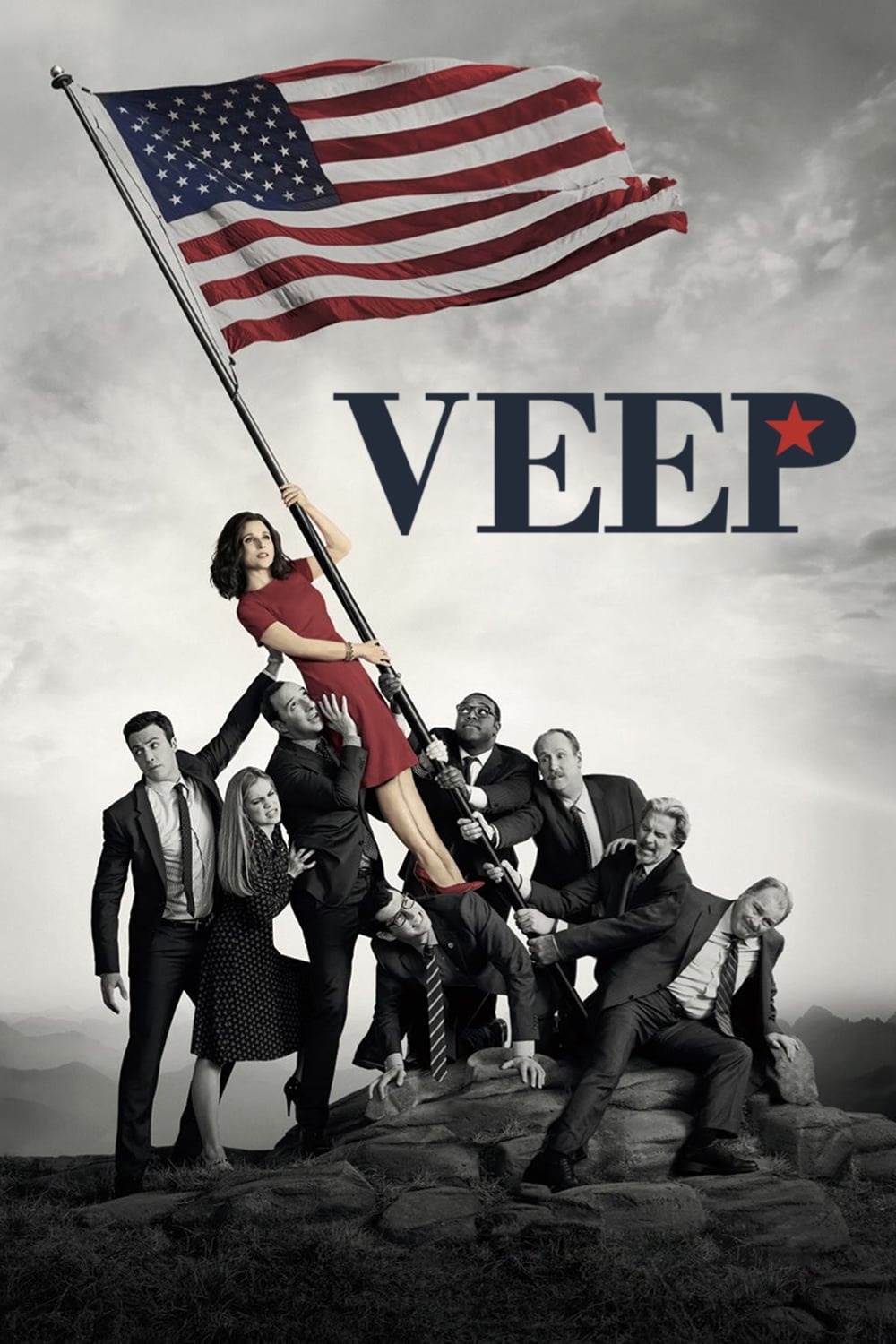
This political satire follows a vice president and her staff as they scramble through crises, gaffes, and ambitions that keep colliding with reality. The show’s hallmark is rapid fire dialogue delivered in cramped offices and motorcades. HBO sustained a sharp production that captures the rhythms of press briefings and donor events.
Storylines lean on misread memos, procedural quirks, and the pressures of polling to create chaos that feels uncomfortably plausible. The ensemble’s overlapping banter mirrors the bustle of a real operation under constant scrutiny. HBO’s support kept the series nimble across changing political winds.
‘Better Things’ (2016–2022)
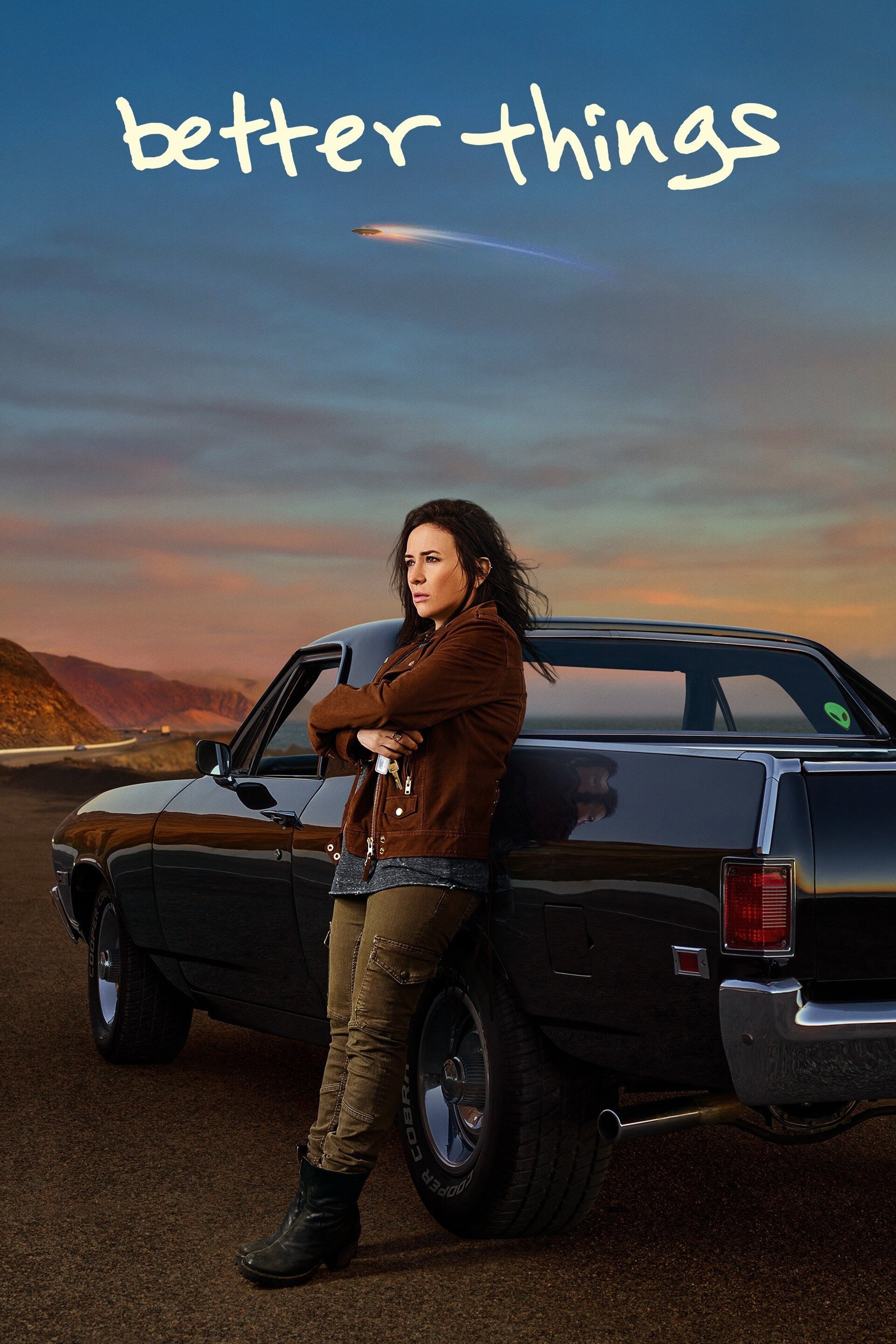
An actor and single mother raises three daughters in Los Angeles, and the series turns everyday moments into small revelations. Episodes flow like vignettes, capturing gig work, caregiving, and friendships with an observant eye. FX backed a personal, semi autobiographical approach that favors authenticity over spectacle.
Music cues, food prep, and quiet drives become anchors for character beats that add up over time. The show is notable for giving each daughter distinct interiority rather than treating them as props. FX’s programming slate made room for this kind of intimate slice of life storytelling.
‘The Night Manager’ (2016)
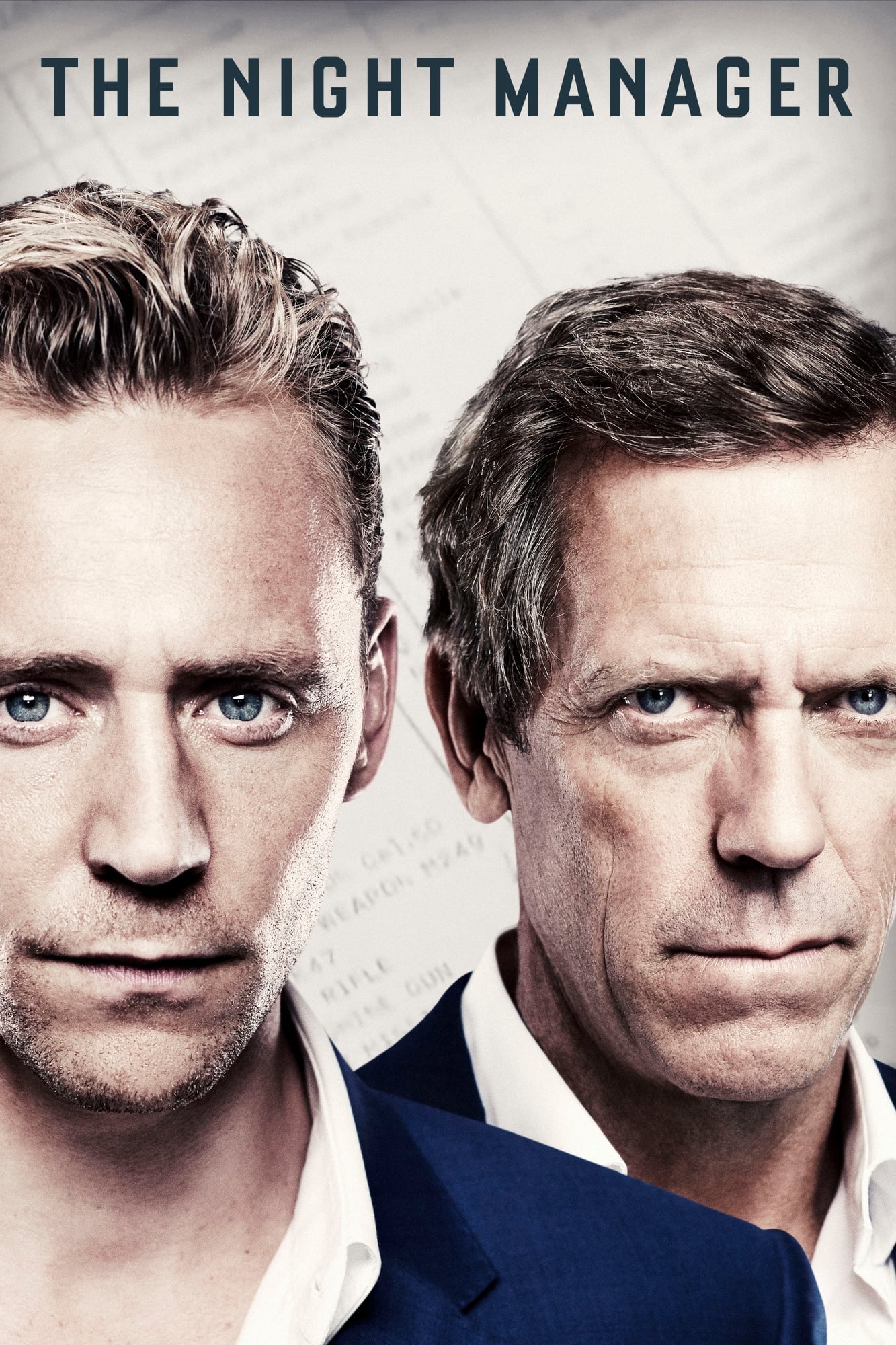
Based on a spy novel, this limited series sends a hotel manager undercover to infiltrate an arms dealer’s inner circle, moving from luxury suites to covert rendezvous. The production travels through multiple countries with a sleek visual style. In the United States it aired on AMC, which introduced the British thriller to a wide cable audience.
The plot hinges on tradecraft like dead drops, safe houses, and layered identities, with stakes that feel both personal and geopolitical. Costumes and set pieces underline how glamour can mask criminal networks. AMC’s partnership with UK broadcasters helped the series keep its tense, high end tone.
‘Queen Sugar’ (2016–2022)
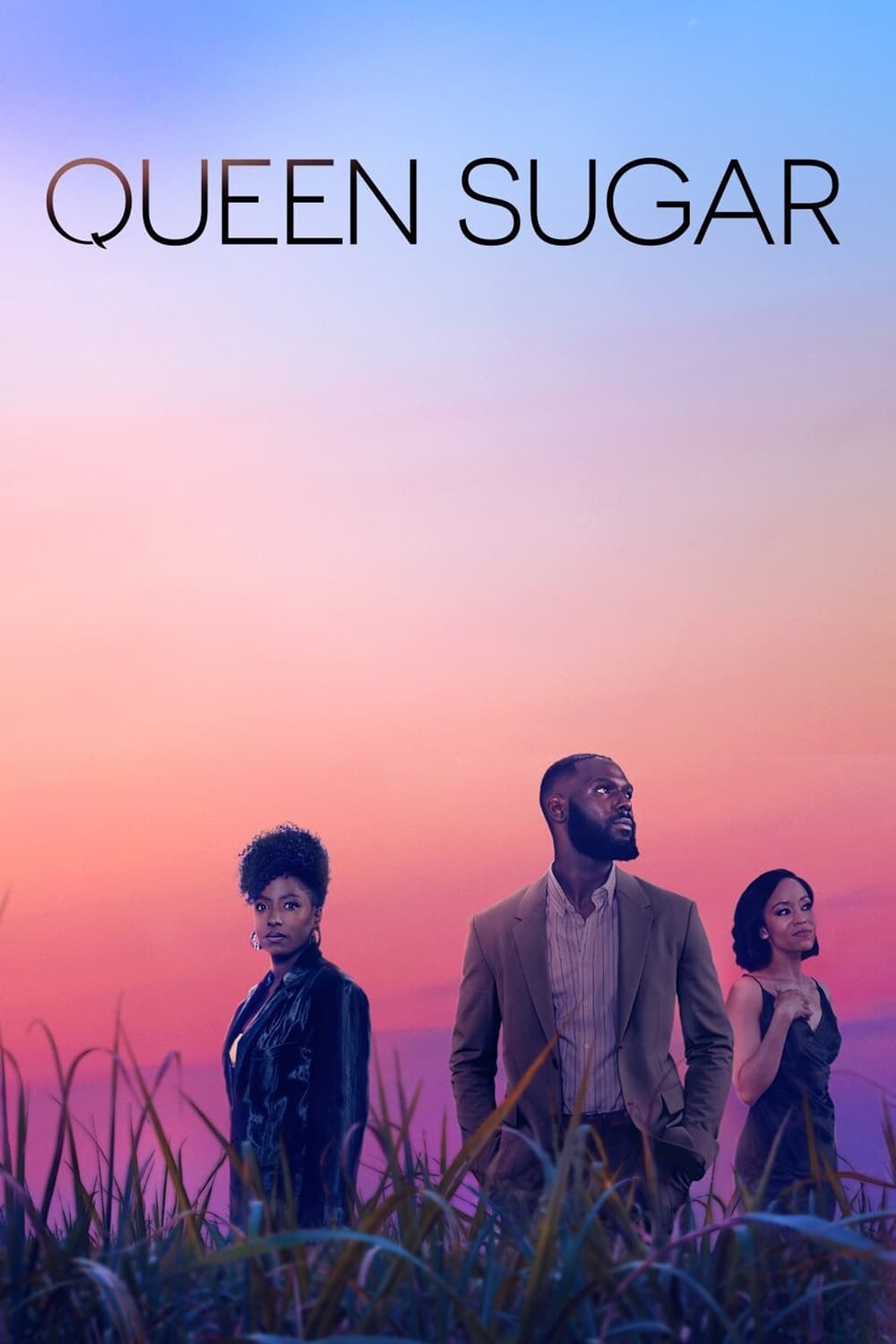
Three siblings inherit a Louisiana sugarcane farm and must learn to run it while navigating grief, relationships, and community ties. The series is known for quiet conversations that carry real weight and for its commitment to authentic regional detail. OWN provided a platform for a drama that foregrounds family, land, and legacy.
Directors bring a soft natural light to fields, kitchens, and porches, letting place shape mood. Storylines address agriculture, criminal justice, and entrepreneurship without losing sight of character. OWN’s support helped a multiseason family saga find its audience.
Share your favorites from this list and the shows we missed in the comments so everyone can build their perfect watchlist.

