


The Absolute Best TV Shows of 2025

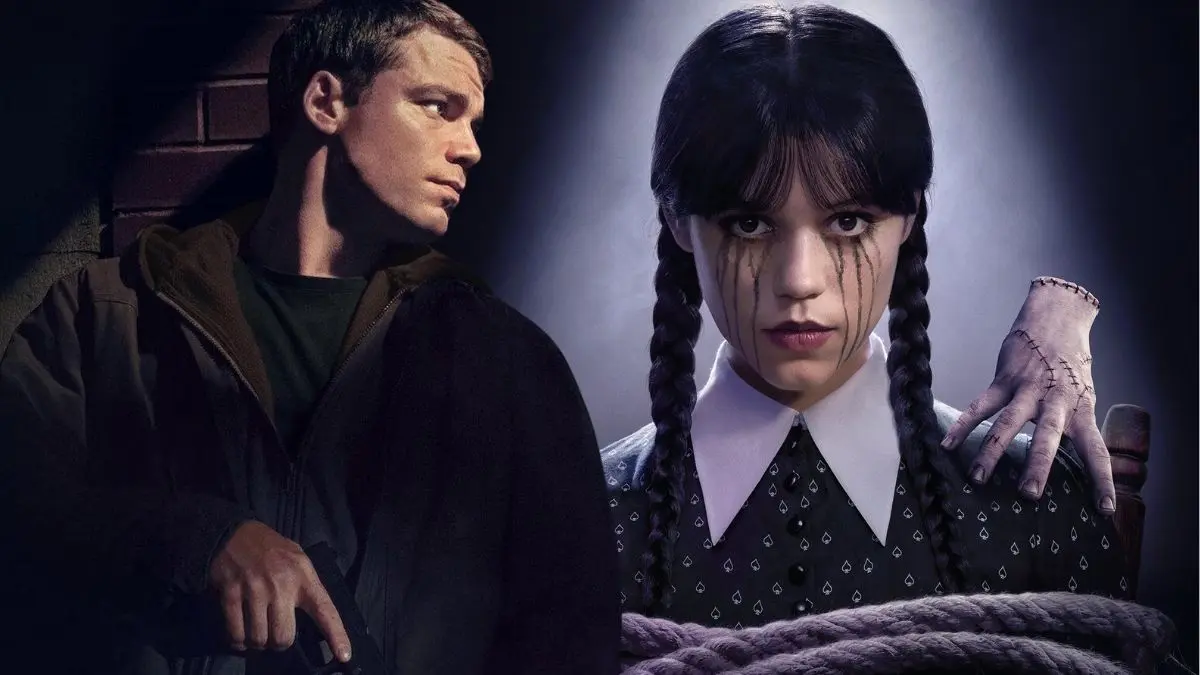


TV this year has been a mix of big franchises expanding their worlds and new voices building unforgettable characters. Between returning favorites and ambitious debuts, there’s been no shortage of gripping stories, bold visuals, and can’t-miss performances that kept weekly watchlists packed.
Below are the standouts that lit up living rooms and group chats alike. Each one carved out a clear identity, from intimate character dramas to sprawling genre epics, and each found a home on a platform that knew how to showcase its strengths.
‘Stranger Things’ (2016–present)
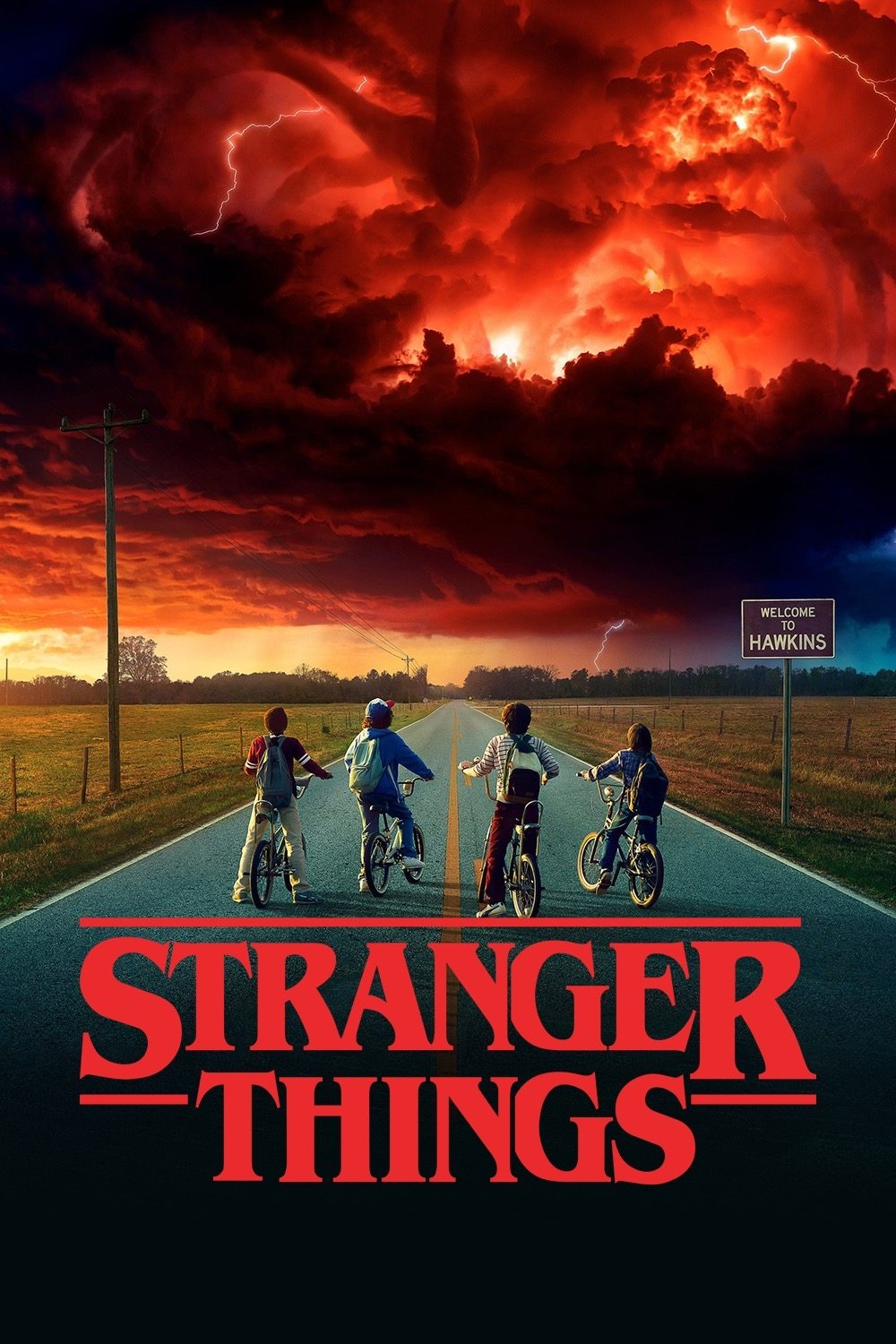
Set in Hawkins and far beyond, ‘Stranger Things’ follows a tight-knit group of friends facing threats from a parallel dimension that bleeds into their everyday lives. The series blends small-town mystery with government intrigue and telekinetic powers, anchored by a young ensemble that grows into larger stakes each season on Netflix.
Behind the scenes, the production leans on practical creature effects balanced with large-scale VFX, with world-building that stretches from suburban basements to otherworldly landscapes. Its soundtrack, arcade-era detail, and recurring collaborations with its creative team have kept continuity tight while expanding the scope of the narrative.
‘The Last of Us’ (2023–present)
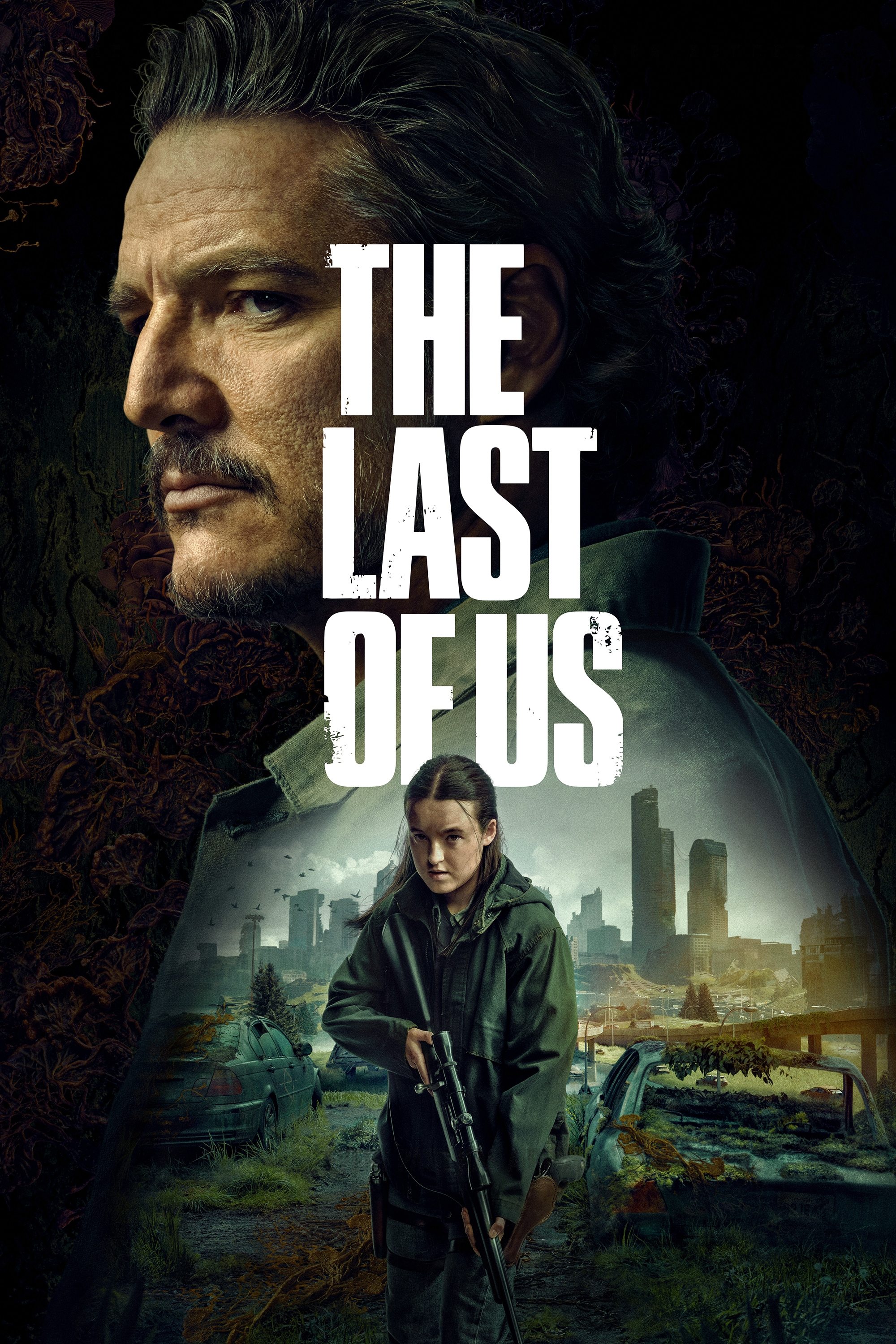
‘The Last of Us’ tracks a hardened smuggler and a teenage girl immune to a devastating fungal outbreak as they cross a fractured United States. HBO’s adaptation preserves the game’s emotional beats while deepening side characters and introducing original stories that fit the world naturally.
Production emphasizes location-heavy shoots and textured set design to sell a lived-in apocalypse, with creature work and stunt coordination supporting intimate character moments. The show’s careful pacing and chapter-like structure make each episode feel self-contained yet essential to the larger journey.
‘Severance’ (2022–present)
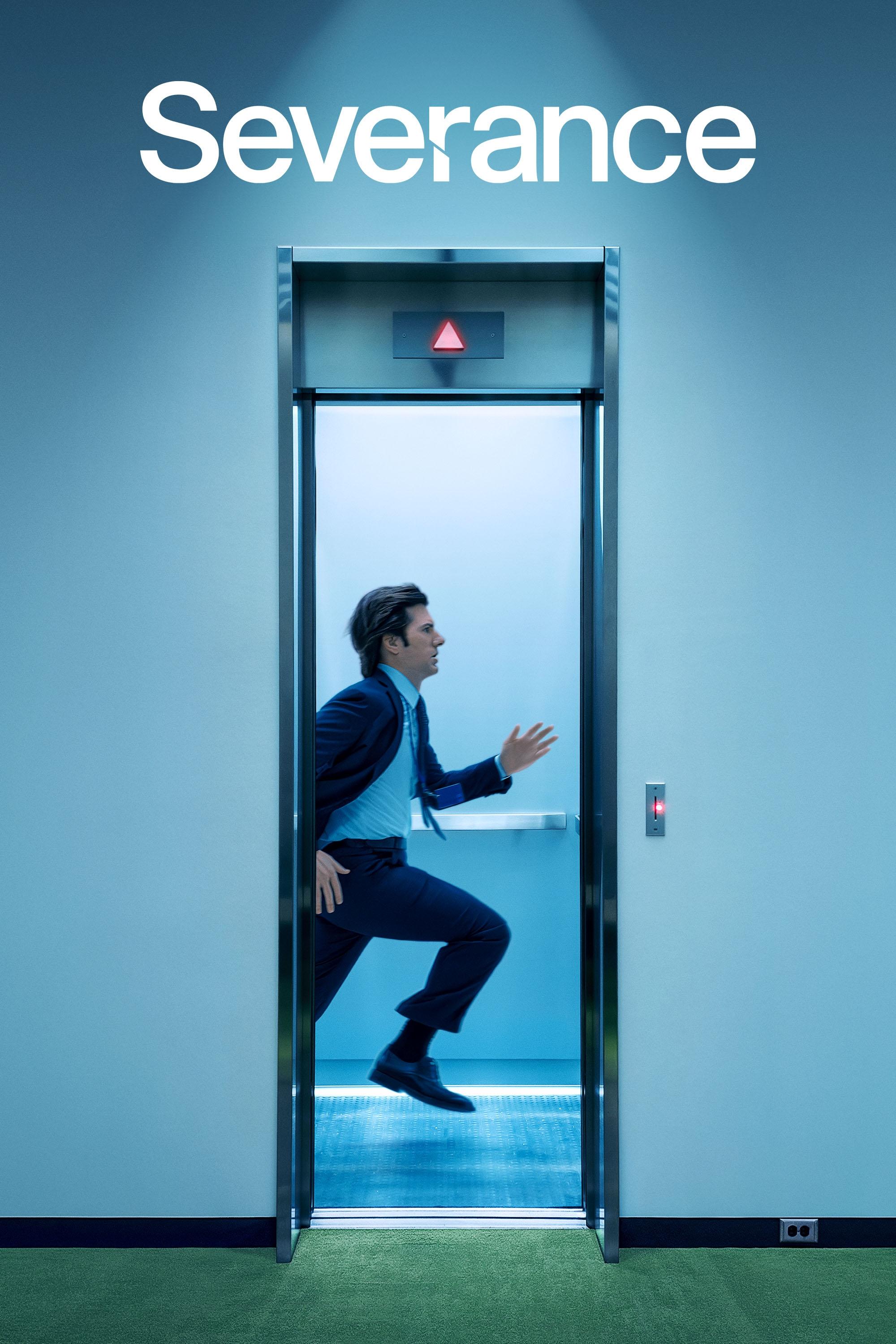
‘Severance’ centers on a biotech company that surgically separates employees’ work memories from their personal lives, creating two versions of each person. Apple TV+ presents a precise corporate satire that doubles as a puzzle-box thriller, driven by a restrained visual language and unnervingly calm office rituals.
Its minimalist production design and geometric framing underline themes of control and identity, while music cues and color choices reinforce shifting perspectives. The series builds mythology through memos, handbooks, and small props that reward attentive viewing without over-explaining its rules.
‘Silo’ (2023–present)
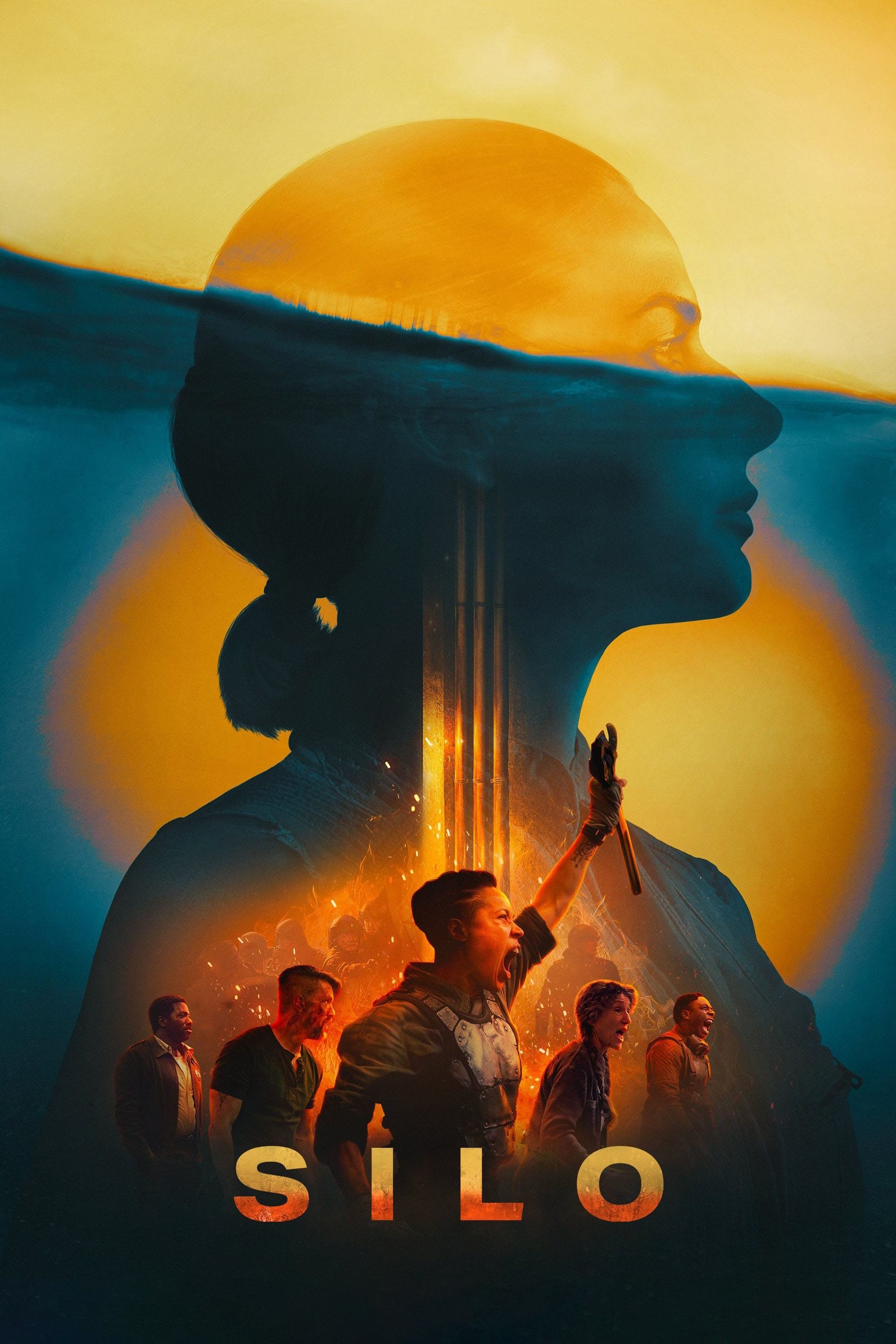
‘Silo’ depicts a society living deep underground after the surface becomes uninhabitable, governed by strict rules that no one can explain. Apple TV+ brings the novels to life with layered sets, weathered textures, and a vertical city that feels functional, from hydroponics to mechanical levels.
The show’s investigation-driven structure unspools secrets through maintenance logs, relics, and restricted archives. Careful sound design, dim industrial lighting, and cramped corridors create a persistent sense of pressure, turning every ladder climb and airlock cycle into a story beat.
‘The Bear’ (2022–present)
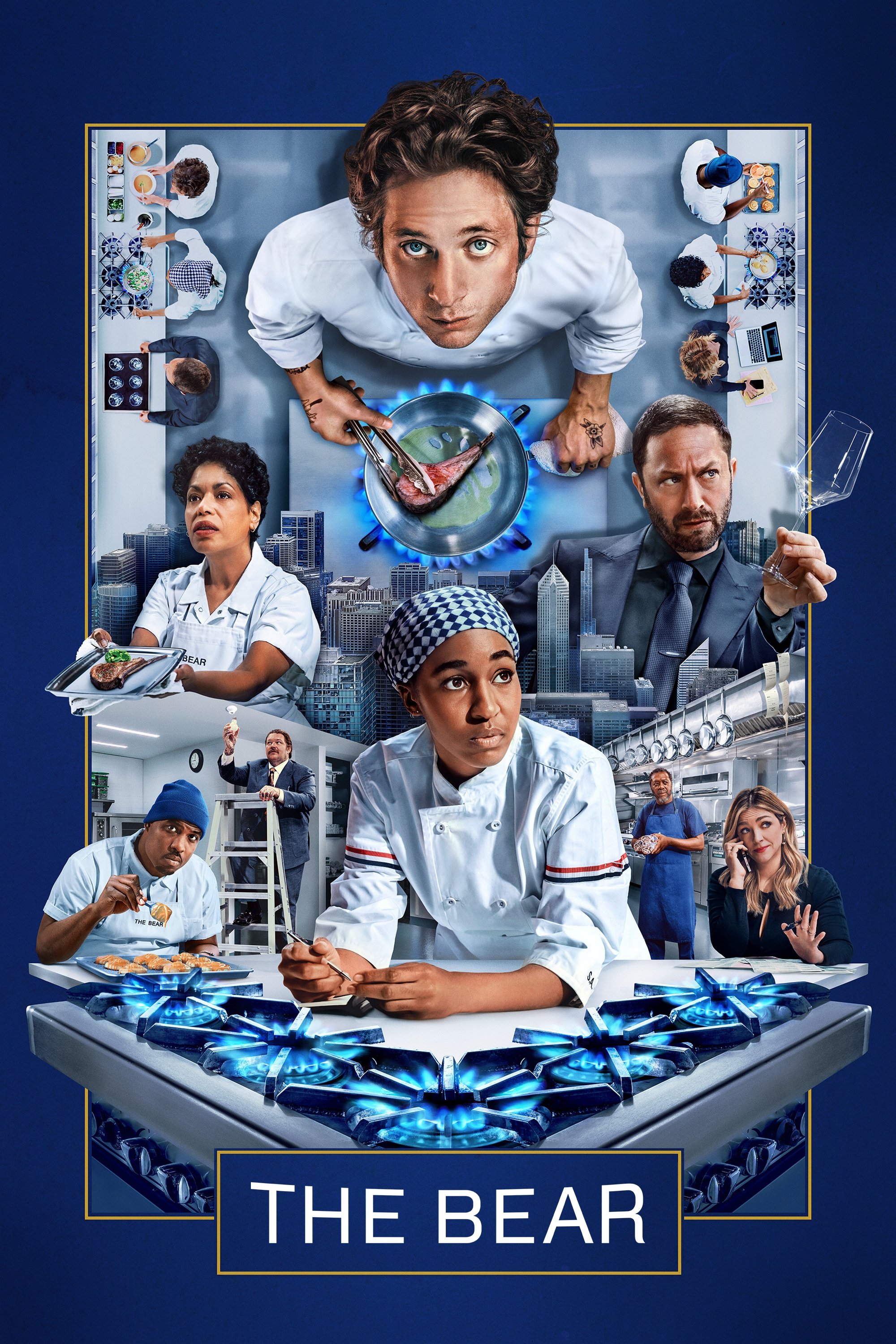
‘The Bear’ follows a fine-dining chef who returns home to run his family’s sandwich shop, reshaping it into a serious kitchen with a driven crew. FX presents the day-to-day grind with tight handheld camera work, overlapping dialogue, and on-the-fly problem solving that mirrors real kitchen dynamics, with episodes often exploring single-service crises.
Recipe testing, vendor negotiations, permits, and training sequences give the series a documentary edge. The show’s attention to mise en place and brigade roles grounds personal arcs in the practical realities of hospitality, from menu costing to front-of-house flow.
‘The Boys’ (2019–present)

‘The Boys’ imagines superheroes as corporate assets whose public heroics hide private chaos, with a vigilante team working to expose the truth. Prime Video pairs satire with explosive set pieces, using mock commercials, social campaigns, and manufactured pop idols to show how branding drives power.
Large-scale stunts, prosthetics, and VFX-heavy sequences are balanced with boardroom plotting and electioneering. The series tracks metrics, market tests, and focus groups as carefully as it tracks body counts, turning media optics into a key battlefield.
‘Daredevil: Born Again’ (2025–present)
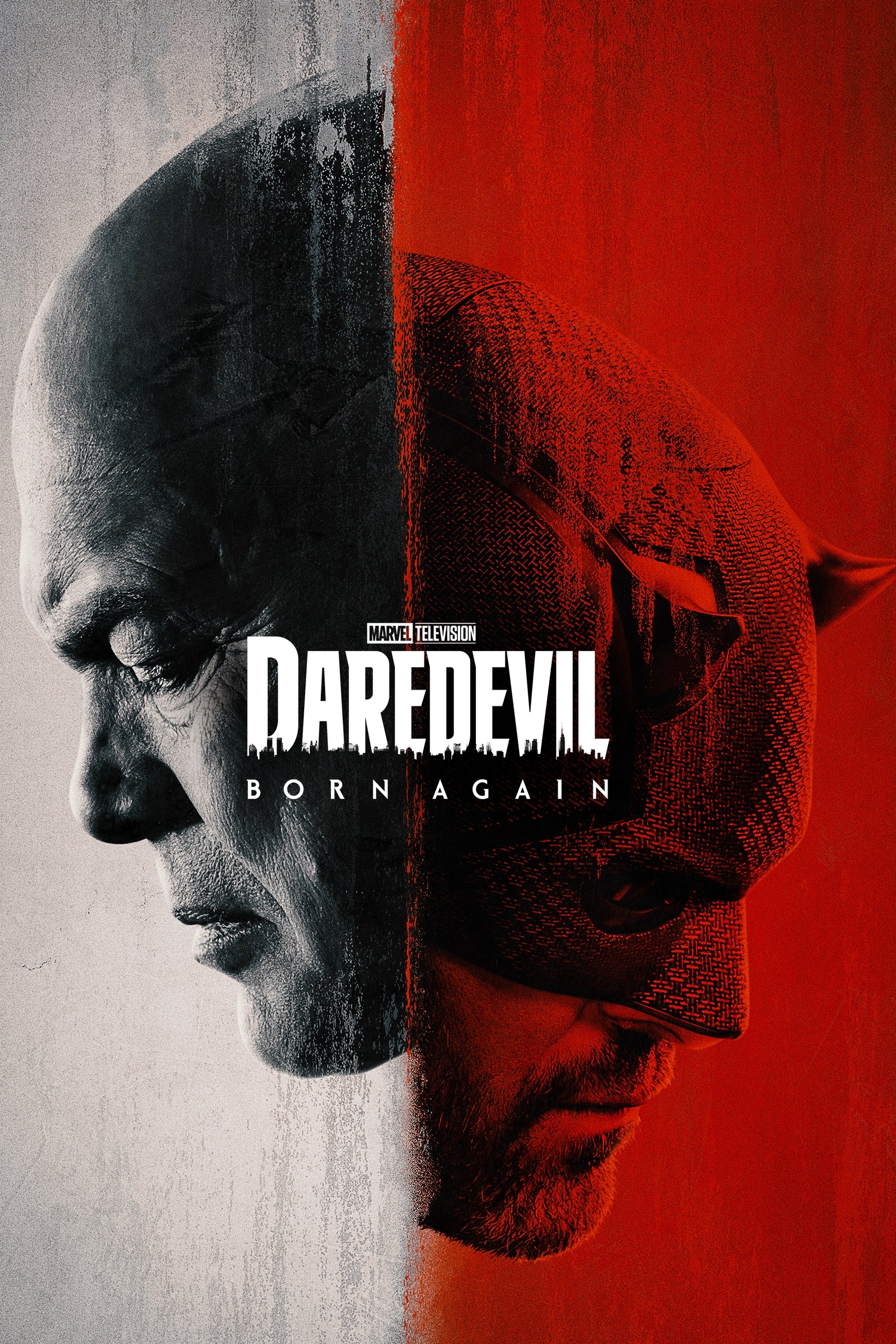
‘Daredevil: Born Again’ returns to Hell’s Kitchen with a lawyer-by-day, vigilante-by-night story that threads courtroom strategy with street-level action. Disney+ leans into grounded combat and neighborhood politics, connecting cases of the week with longer arcs across the city’s legal and criminal networks.
The show’s choreography prioritizes silhouette and geography so fights read clearly, while legal scenes hinge on procedure, precedent, and witness credibility. Production uses practical New York locations and moody interiors to keep the tone intimate and immediate.
‘The White Lotus’ (2021–present)
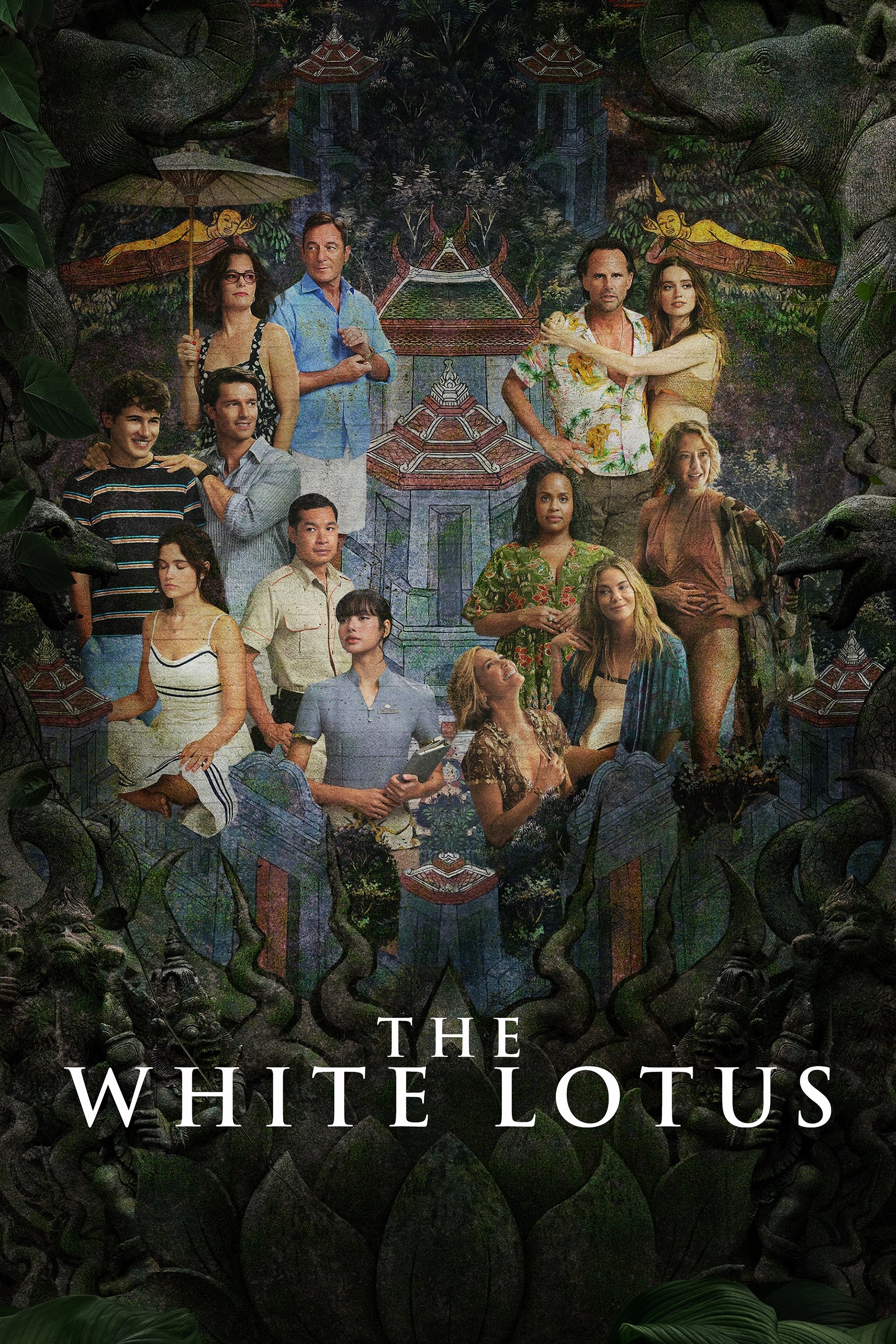
‘The White Lotus’ follows the staff and guests of an upscale resort, where wealth, status, and hidden agendas collide during a lavish vacation. HBO uses a rotating ensemble and a new hotel setting each season to explore social dynamics, power imbalances, and the ripple effects of seemingly small slights.
Location scouting is central, with the resort’s architecture and local customs shaping the narrative. Costume choices, excursion planning, and concierge routines supply the details that drive misunderstandings and alliances as much as the dialogue does.
‘One Piece’ (2023–present)
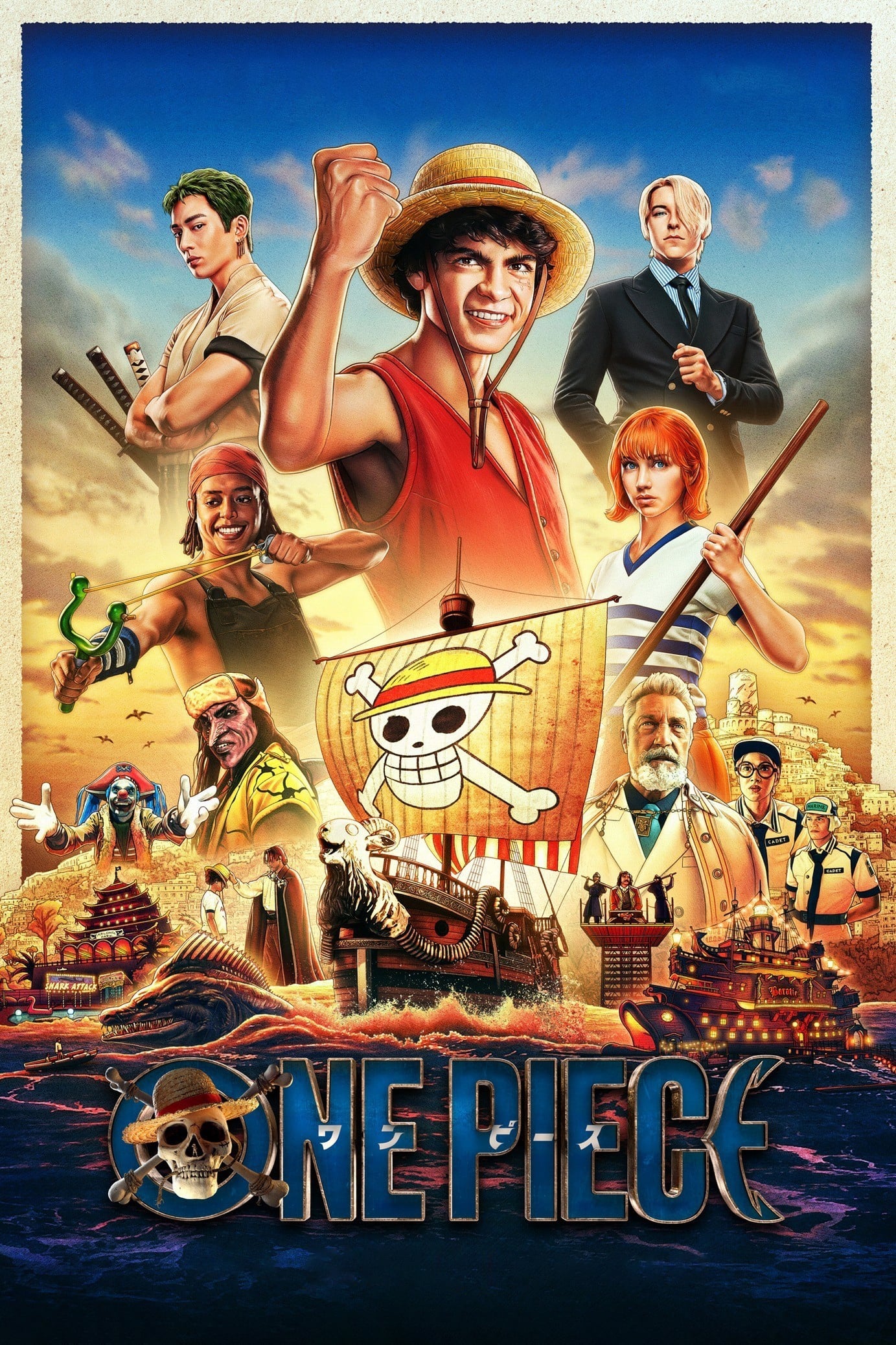
‘One Piece’ sends an optimistic pirate and his crew across the seas in search of a legendary treasure, adapting the long-running manga into a live-action adventure. Netflix emphasizes crew chemistry, shipboard life, and island-by-island world-building, introducing new allies and rival pirates with distinct fighting styles and quirks.
Practical sets like decks, docks, and taverns mix with stylized VFX to bring Devil Fruit powers and larger-than-life creatures to screen. Stunt work and wire-assisted choreography keep battles kinetic, while props such as maps, wanted posters, and relics track progress through the Grand Line.
‘Wednesday’ (2022–present)
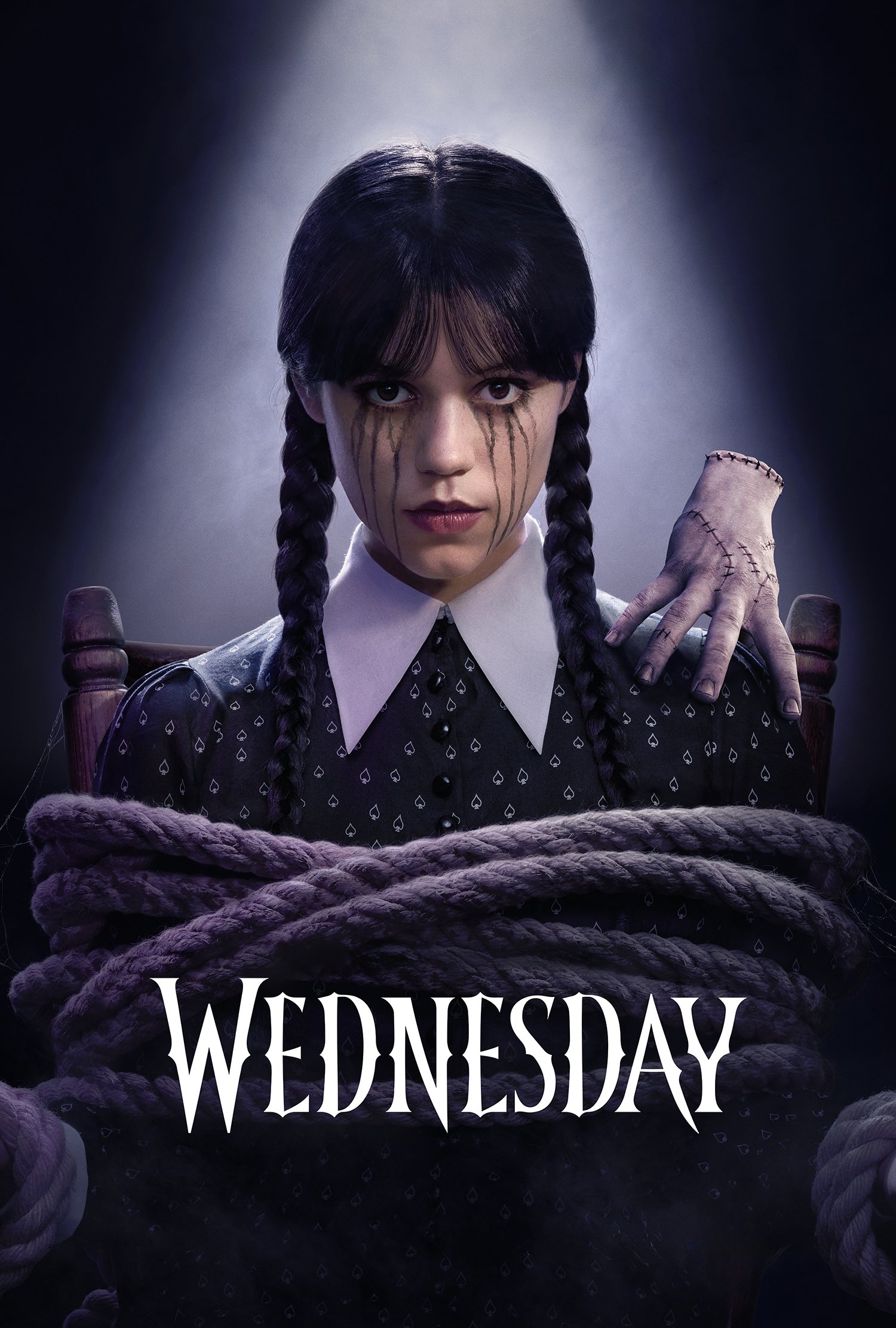
‘Wednesday’ follows a sharp-witted student at a school for outcasts as she investigates mysteries tied to her family and classmates. Netflix blends gothic aesthetic with teen sleuthing, using school clubs, dorm politics, and faculty secrets to feed a steady stream of clues and suspects.
Costuming, black-and-white contrasts, and recurring motifs like cello performances and ravens establish a strong visual identity. Episodes layer in forensic details, coded notes, and folklore references that pay off in later reveals.
‘Only Murders in the Building’ (2021–present)
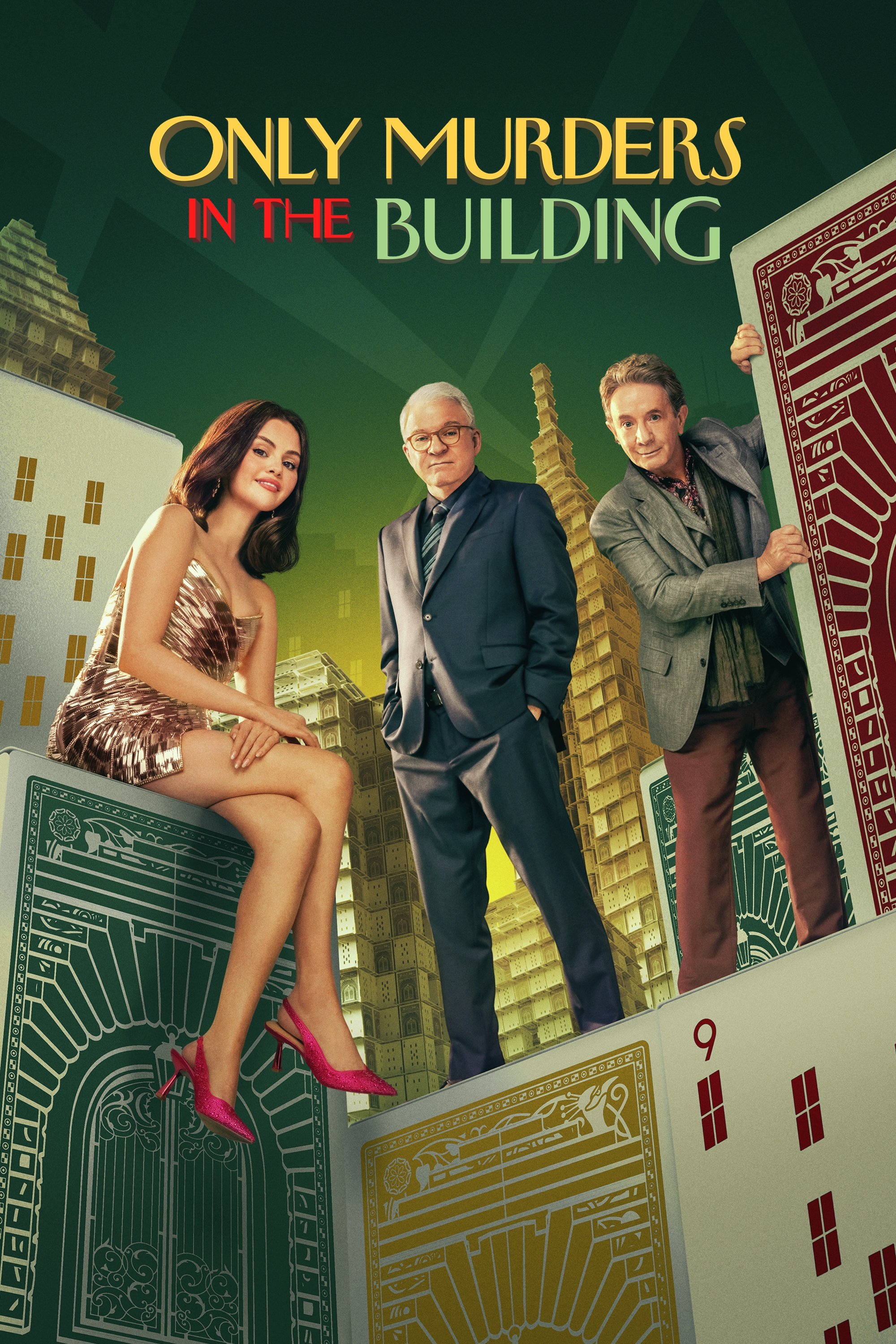
‘Only Murders in the Building’ teams up three neighbors who turn their love of true crime into a podcast about suspicious deaths in their apartment complex. Hulu structures each case through interviews, building lore, and theatrical side quests, with sound design that integrates recordings, voiceovers, and live audio mishaps.
The Arconia’s floor plans, hidden rooms, and neighborly routines act as a map for each investigation. The series often shifts perspective episode by episode, using letters, stage shows, and even silent storytelling to present the same clues in fresh ways.
‘Andor’ (2022–2025)
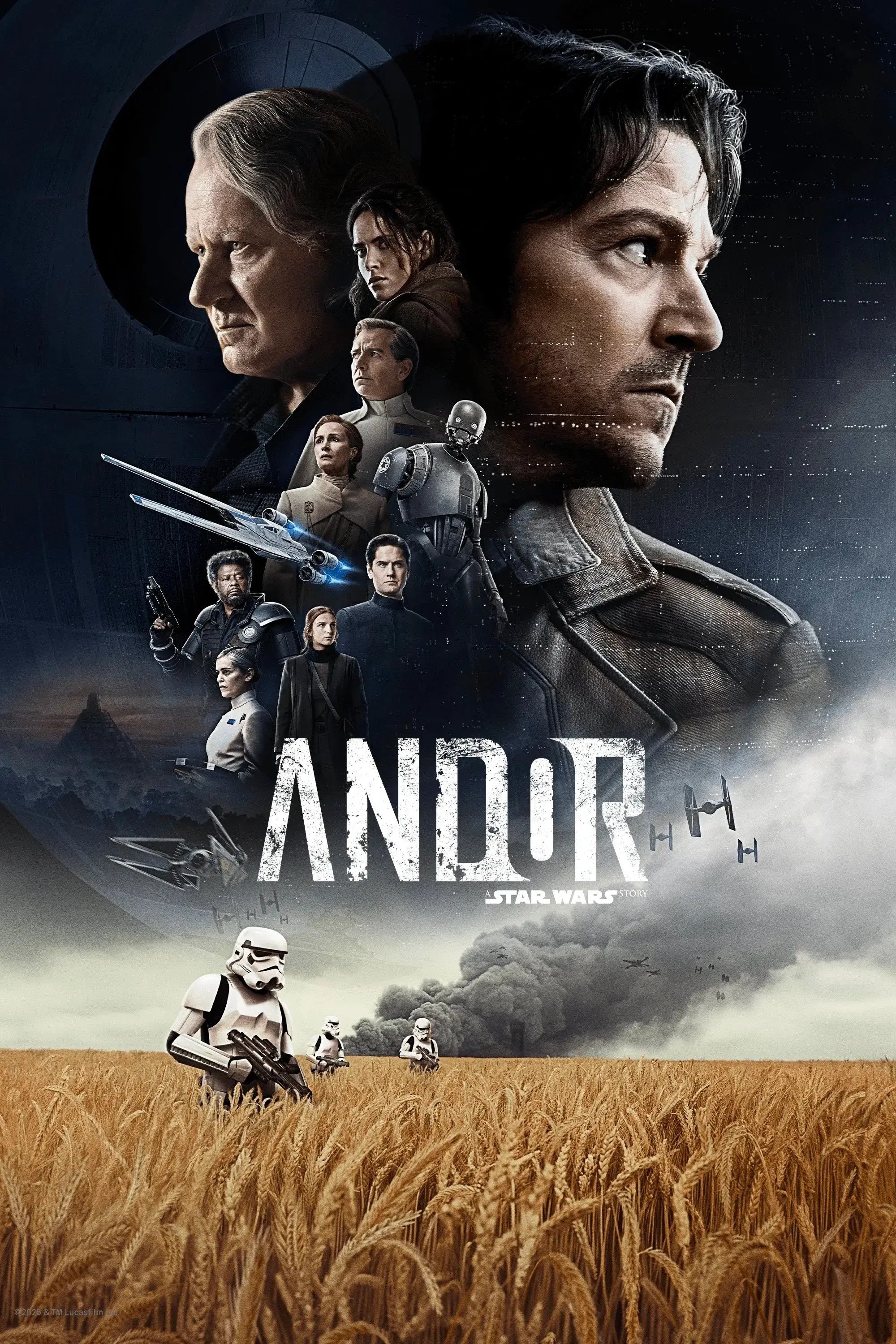
‘Andor’ traces the early steps of a future rebel operative, focusing on the everyday people who build a movement under an empire’s thumb. Disney+ trades space fantasy for grounded espionage, following heists, prison breaks, and bureaucratic maneuvers that reveal how systems are resisted and reformed.
On-location shoots, practical sets, and restrained effects keep the world tactile, with props like manifest logs, security schematics, and forged credentials steering the plot. Dialogue-driven scenes are staged around committee rooms, repair bays, and market stalls to anchor high-stakes choices in ordinary spaces.
‘Slow Horses’ (2022–present)
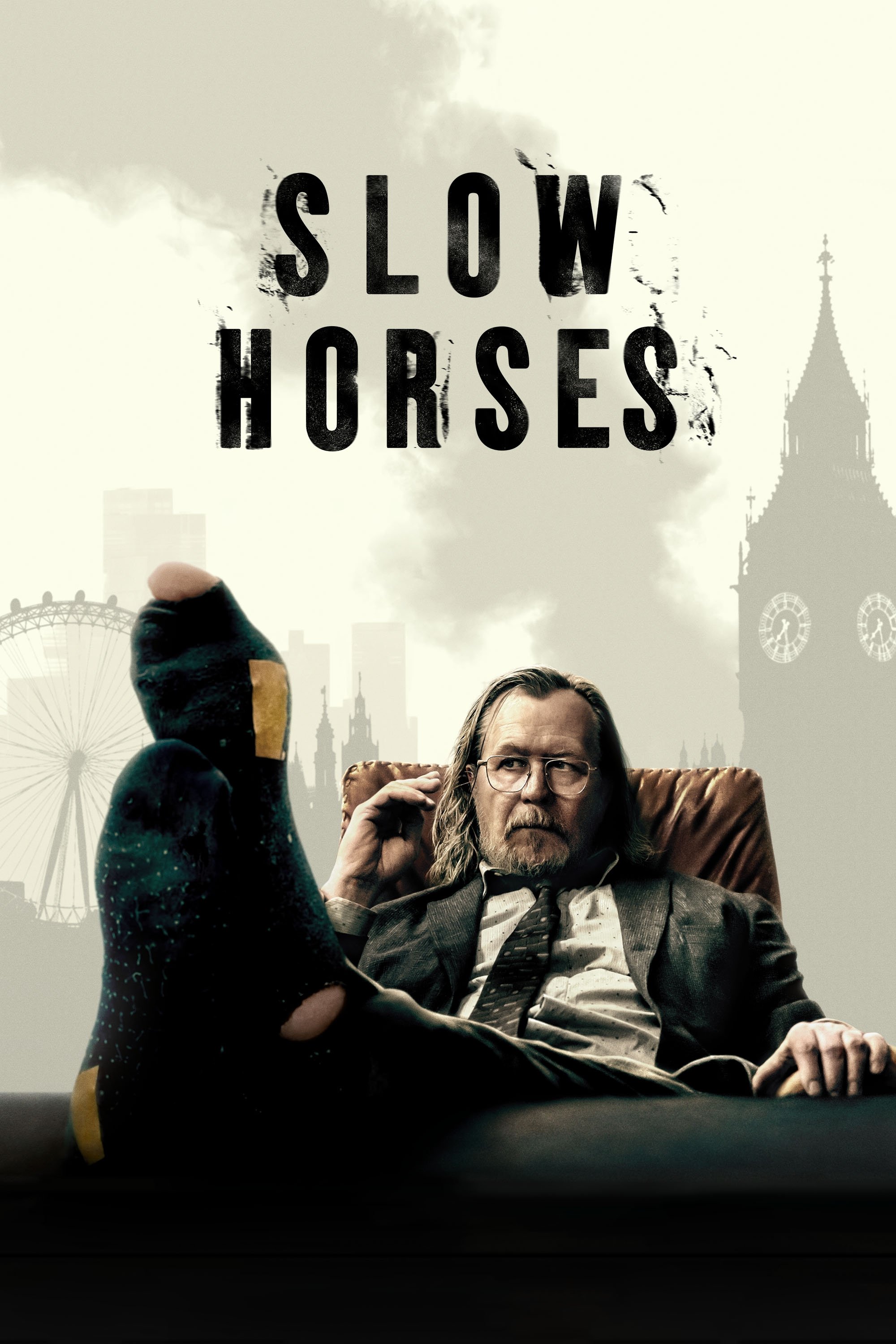
‘Slow Horses’ focuses on a team of sidelined intelligence agents working out of a shabby office, where discarded cases become genuine threats. Apple TV+ leans into procedural mechanics, from surveillance setups to asset handling, while office banter masks meticulous tradecraft.
London geography matters, with stakeouts in ordinary spots like cafes and parks giving way to sudden chases. The show’s paper trails, burner phones, and old-school techniques provide a contrast to high-tech spying, making each operation feel brittle and improvisational.
‘Pachinko’ (2022–present)

‘Pachinko’ follows a Korean family across generations as they navigate migration, identity, and survival in a new country. Apple TV+ uses multiple languages and interwoven timelines, letting family artifacts, business ledgers, and personal letters link characters across eras and locations.
Production design tracks economic shifts through homes, storefronts, and workplaces, while food preparation and seasonal rituals mark changes in fortune. The series treats financial risks, education paths, and community ties as pivotal choices that echo through descendants.
‘The Sandman’ (2022–present)
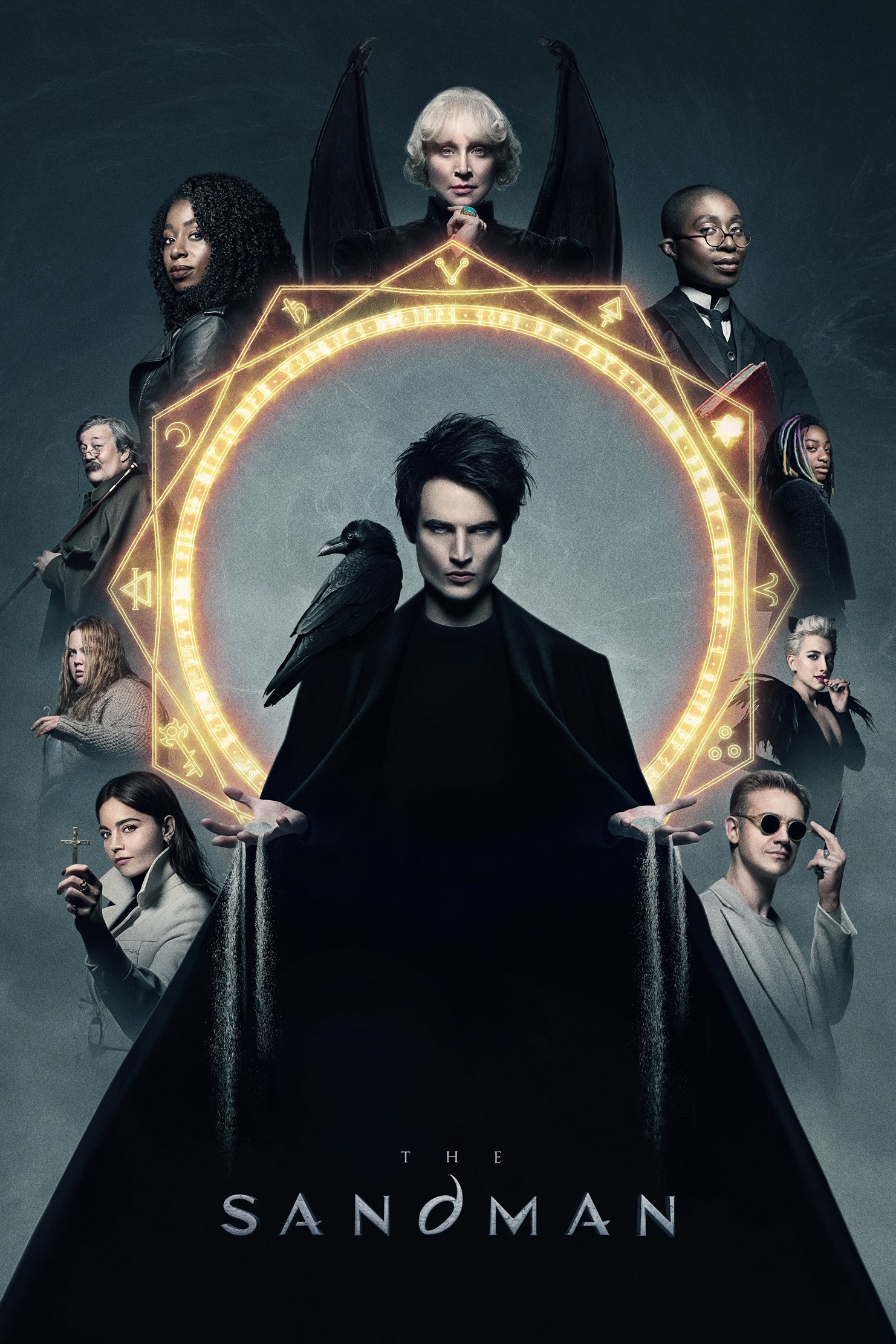
‘The Sandman’ chronicles the Lord of Dreams as he repairs a fractured realm, retrieving lost tools and confronting entities that feed on human fears. Netflix adapts arc by arc, letting stand-alone tales sit alongside epic quests, with visual transitions that move cleanly between the waking world and the Dreaming.
Costumes and set pieces shift styles to match each tale’s tone, from mythic courts to modern city blocks. Practical makeup and CG collaborate to present iconic beings with consistent scale and presence, grounding surreal ideas in tangible imagery.
‘Peacemaker’ (2022–present)
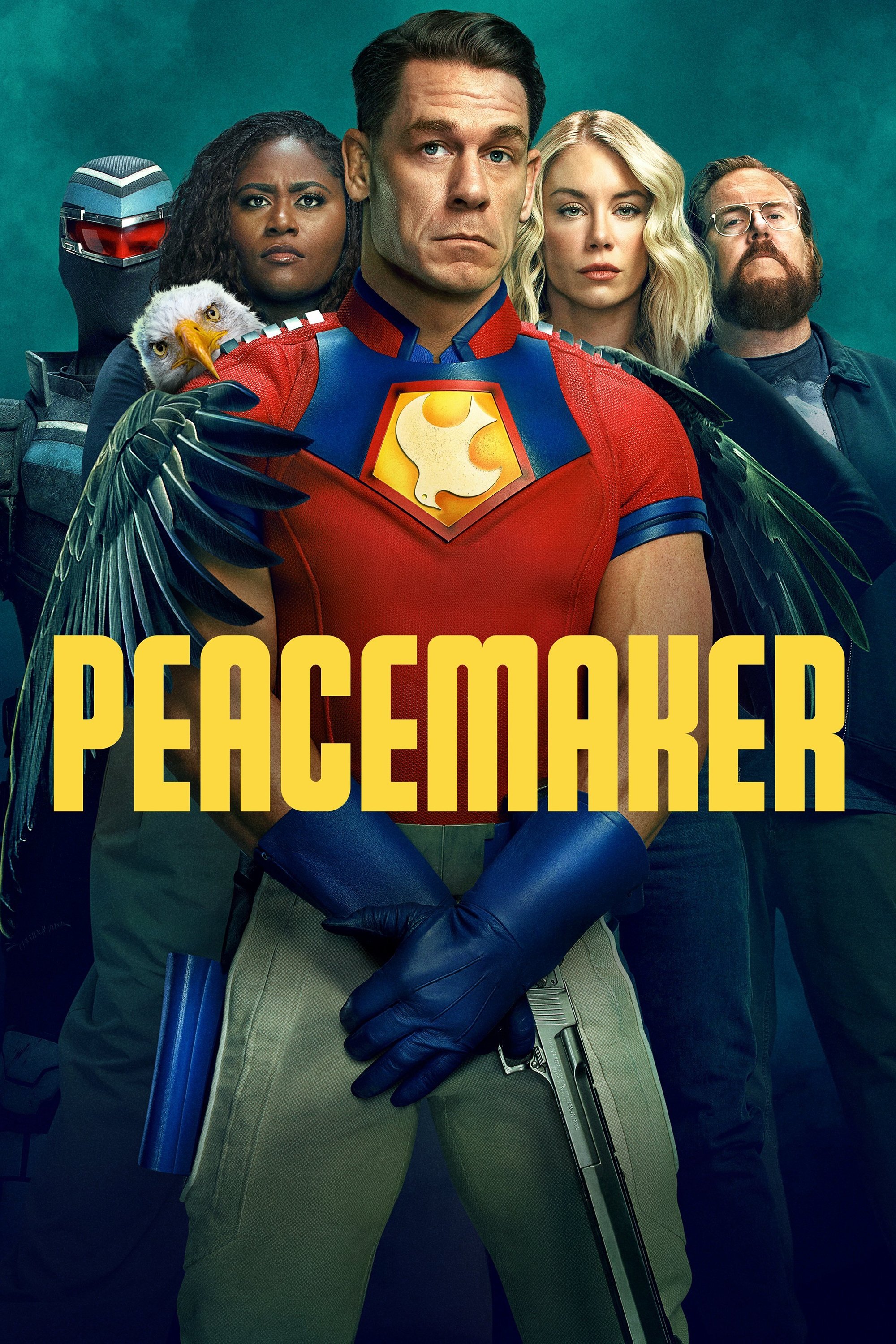
‘Peacemaker’ follows a helmeted antihero trying to reconcile his past while tackling a covert mission with a misfit team. Max blends sharp comedy with action beats, keeping character files, dossiers, and mission briefings front and center as personal history complicates every operation.
Soundtrack drops, title-sequence choreography, and distinctive helmet tech give the series a signature rhythm. Fight scenes play out in cramped apartments and parking lots as often as in open fields, underlining how messy hero work looks outside a glossy spotlight.
‘Blade Runner 2099’ (2025–present)
‘Blade Runner 2099’ continues the franchise’s exploration of replicants, memory, and corporate control, introducing new factions in a sprawling future city. Prime Video focuses on investigative threads, forensic tools, and evidence chains that connect individual cases to bigger off-world ambitions.
Neon-soaked street sets, rain-slick textures, and layered signage support a dense urban ecology. Practical miniatures and digital extensions combine to keep scale consistent, while sound design folds in market noise, traffic, and machine hum for an immersive environment.
‘The Witcher’ (2019–present)
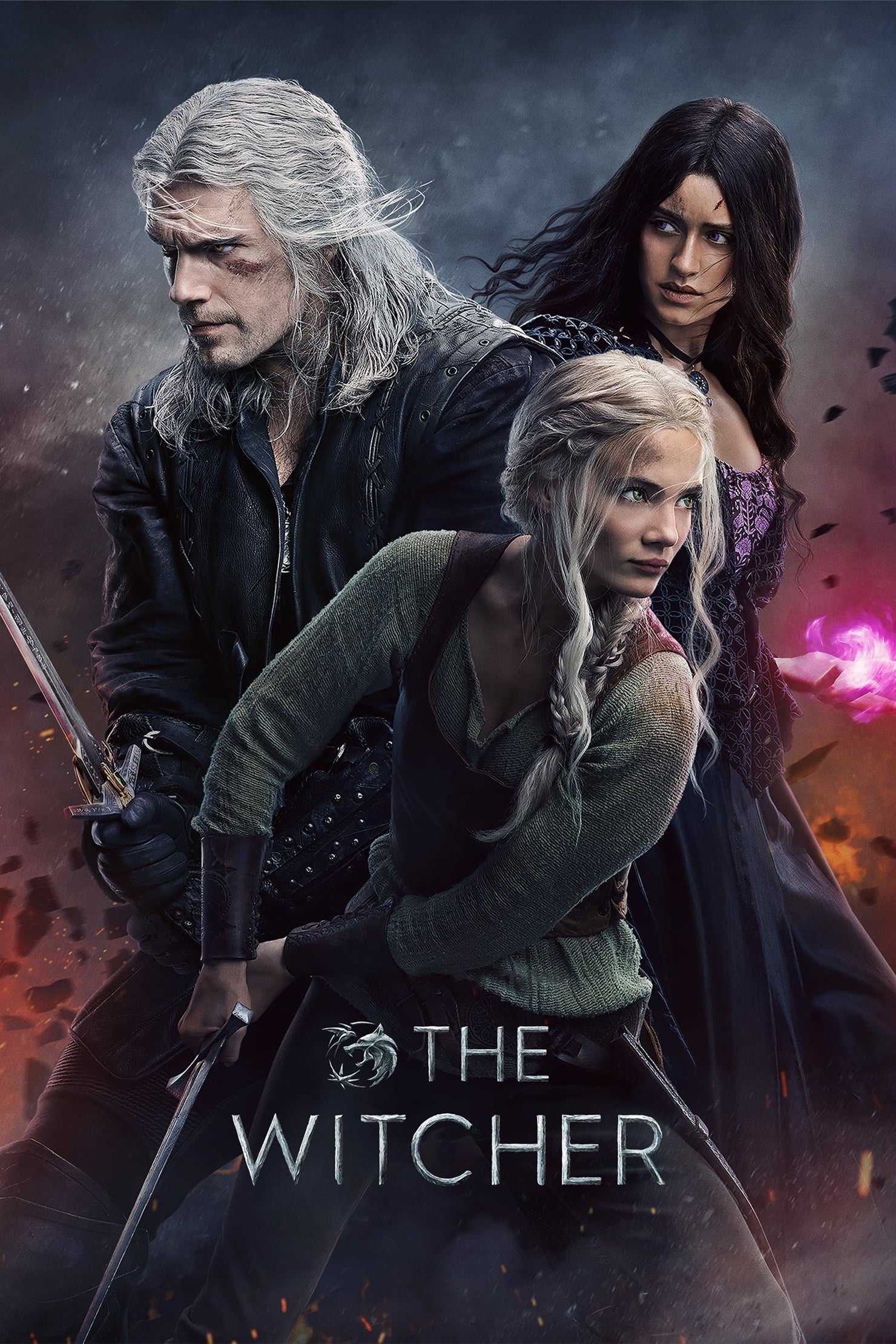
‘The Witcher’ follows a monster hunter whose contracts pull him into shifting alliances, ancient prophecies, and a continent-wide power struggle. Netflix structures its arcs around witcher jobs, court politics, and mage intrigue, with each quest revealing a new corner of the world.
Swordplay emphasizes footwork and weight, while creature encounters mix prosthetics with CG augmentation. Alchemy sets, bestiaries, and sigils lend a tactile logic to magic systems, giving rules that characters exploit or break at pivotal moments.
‘Yellowjackets’ (2021–present)
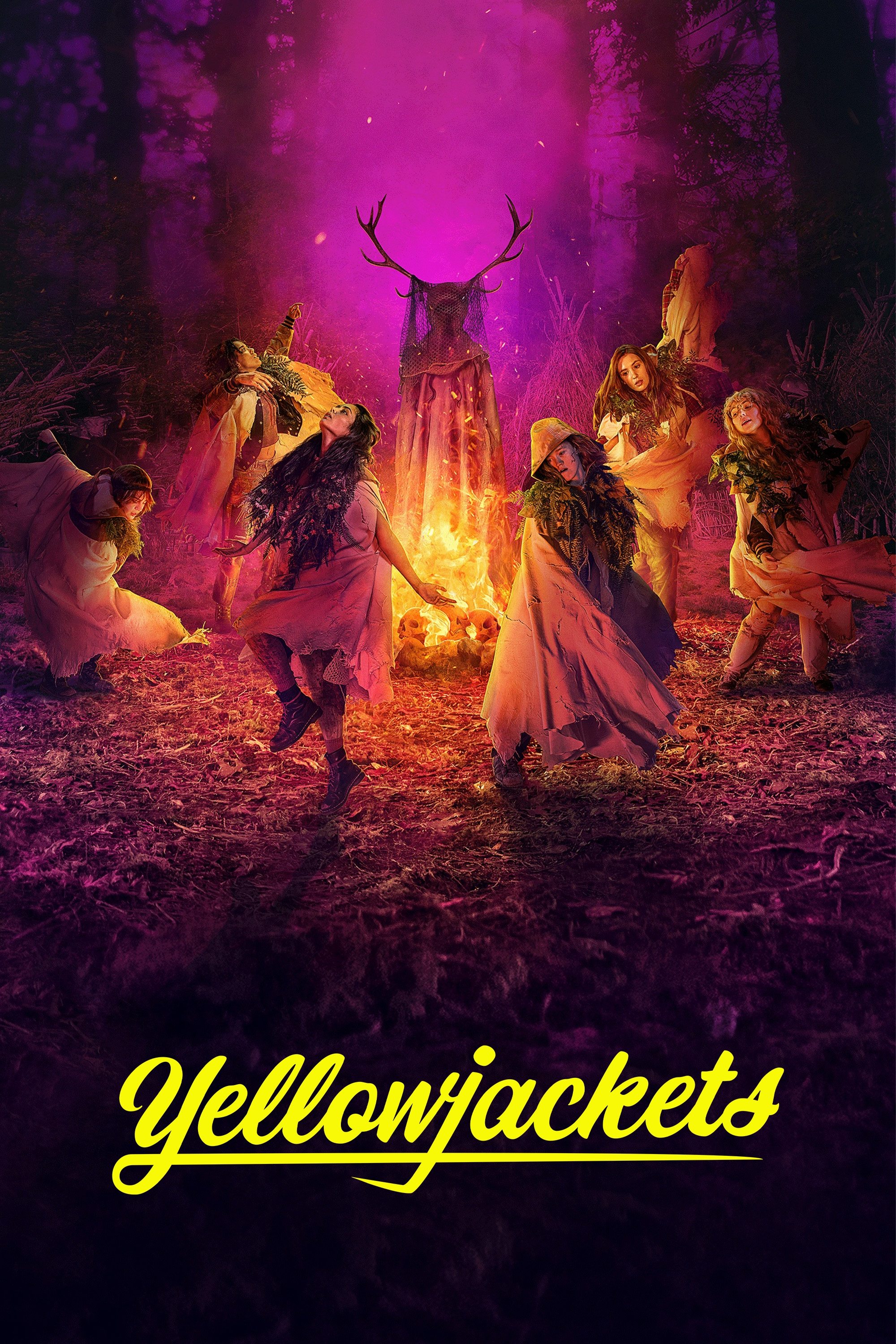
‘Yellowjackets’ intercuts a team’s survival ordeal with the adult lives of those who made it back, as past secrets surface and bonds are tested. Showtime presents parallel timelines that echo each other, using journals, symbols, and recovered artifacts to bridge the gap between then and now.
Cinematography shifts between wilderness grit and suburban unease, with sound cues and blocking highlighting mirroring scenes. The show treats group dynamics, scarcity, and ritual as levers that move the plot more than any single twist.
‘Abbott Elementary’ (2021–present)
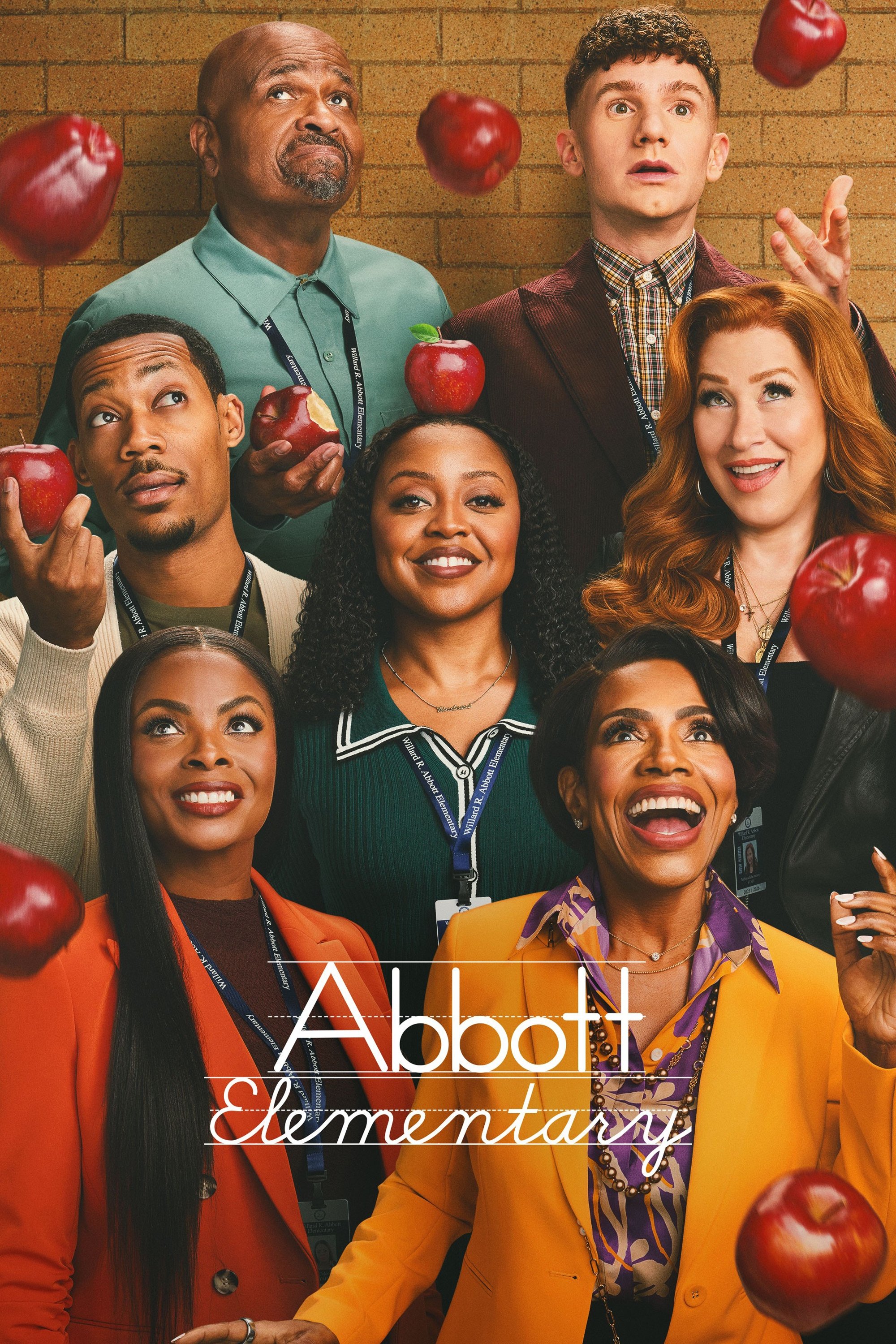
‘Abbott Elementary’ is a mockumentary about teachers at an underfunded public school balancing resourcefulness with relentless paperwork and classroom surprises. ABC airs the series with a steady rhythm of lesson planning, supply scrounging, and parent interactions that frame each episode’s problem-solving.
Cutaways, talking heads, and hallway pass-bys keep the pace brisk. Props like bulletin boards, permission slips, and outdated tech are used for running gags and practical obstacles, showing how small wins keep a school running.
‘The Lord of the Rings: The Rings of Power’ (2022–present)
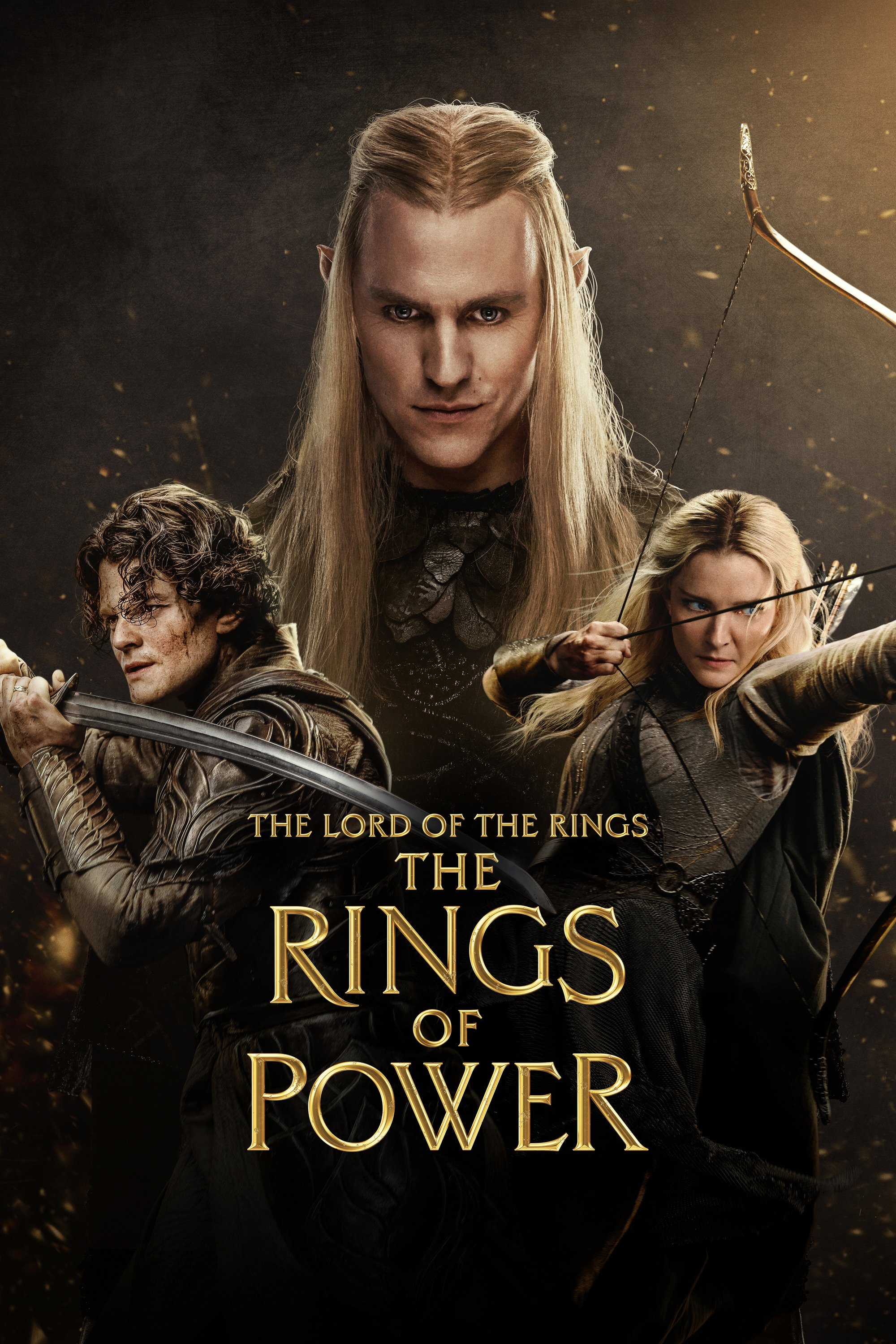
‘The Lord of the Rings: The Rings of Power’ maps the rise of powers that shape Middle-earth, charting migrations, forging projects, and fragile alliances. Prime Video emphasizes culture-building through languages, smithing, and song, with maps and sea routes guiding characters toward converging conflicts.
Armor craft, set dressing, and location shoots across varied terrains create a sense of scale. The show threads political councils with intimate family debates, letting artifacts and oaths carry weight across continents.
‘Fargo’ (2014–present)
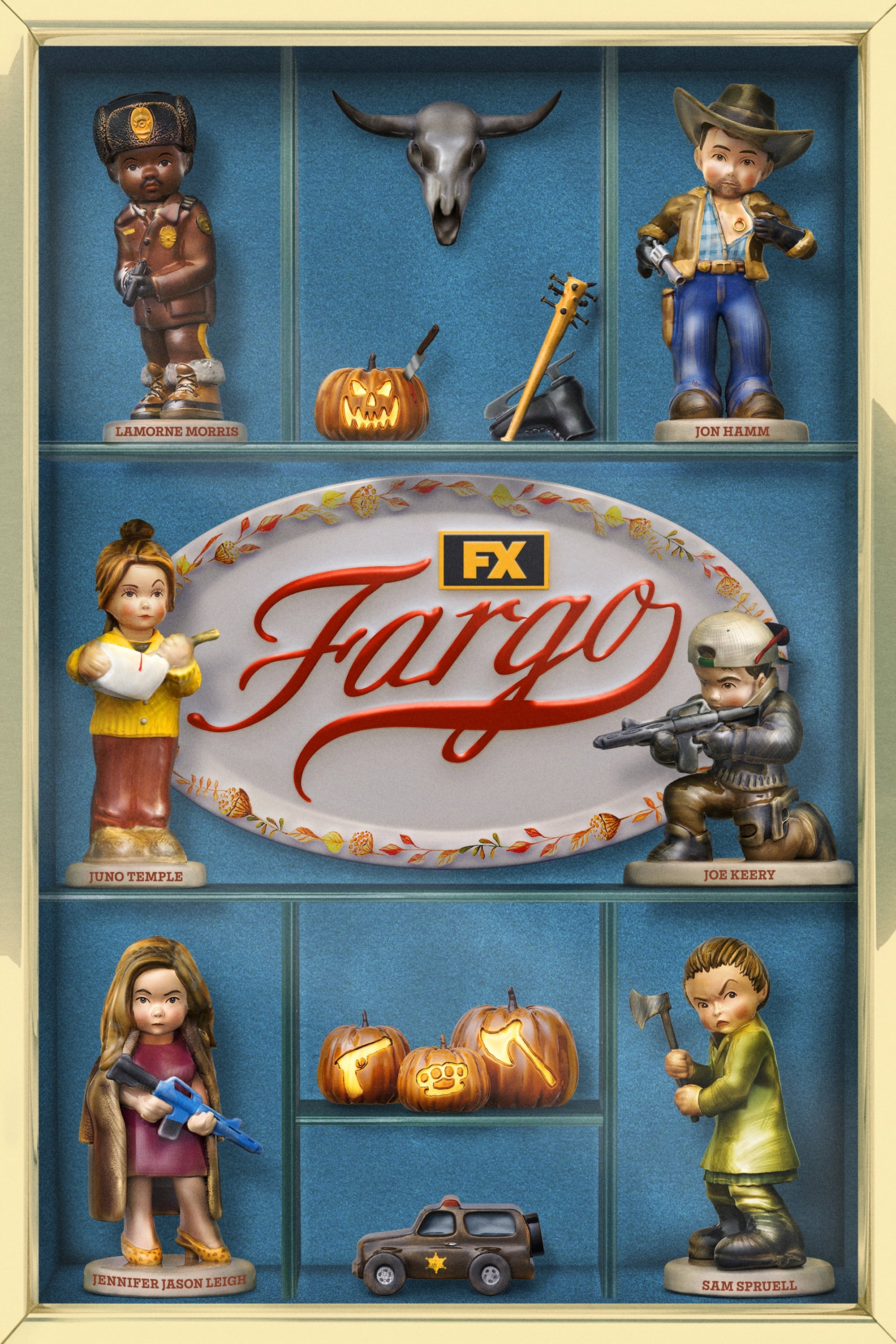
‘Fargo’ tells a new Midwestern crime story each installment, linked by themes of bad choices and stranger-than-fiction coincidences. FX builds each tale with a specific time, place, and local vocabulary, using law enforcement files, criminal ledgers, and community gossip to tighten the net around key players.
The anthology format encourages visual reinvention while preserving a signature tone. Split diopters, chapter cards, and deadpan exchanges work alongside bursts of violence, keeping attention on how ordinary people tumble into extraordinary messes.
‘The Night Agent’ (2023–present)
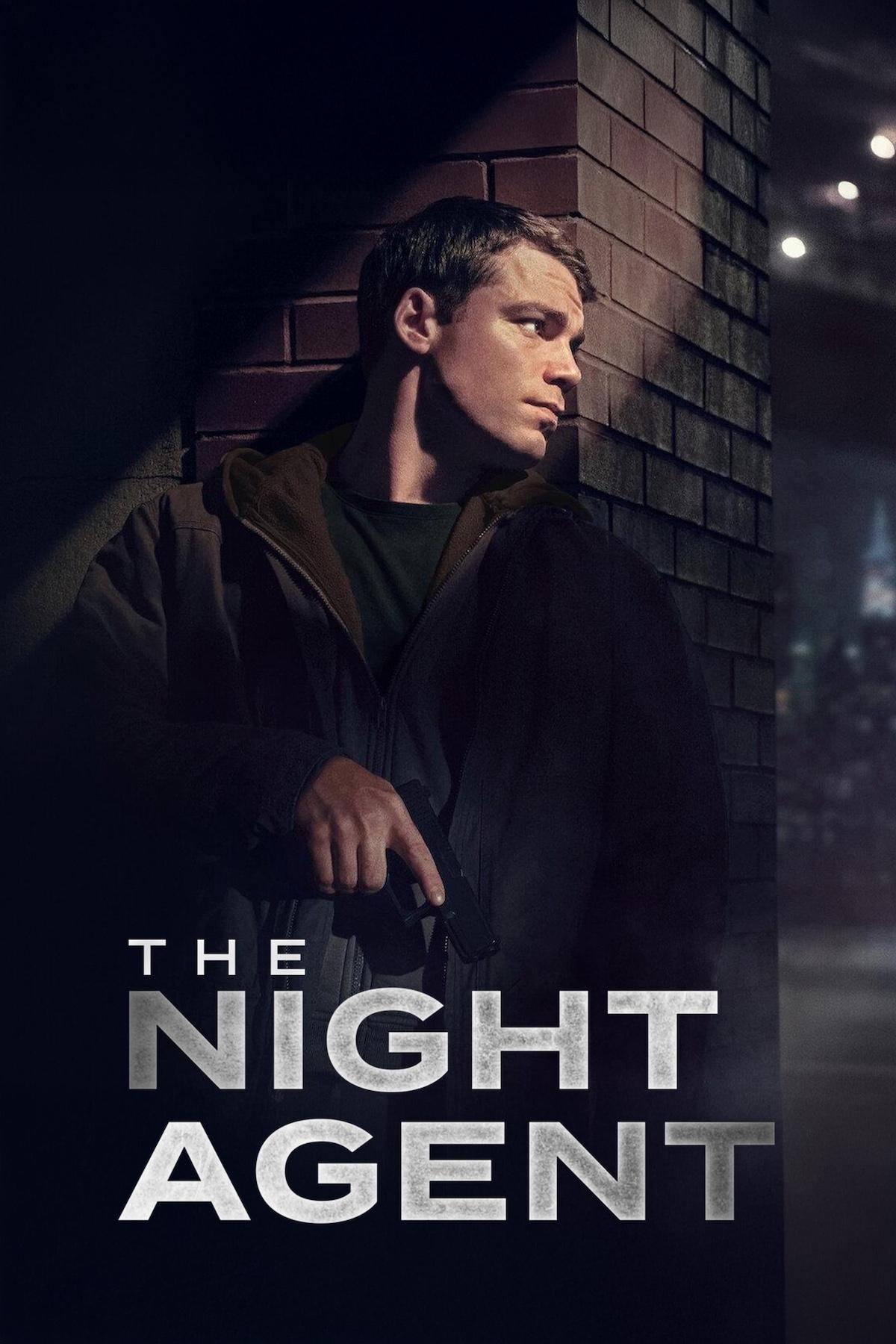
‘The Night Agent’ follows a low-level phone operator thrust into a conspiracy that stretches across agencies and private contractors. Netflix structures the story through codes, burner routes, and safe houses, advancing the plot with constant movement and improvised alliances.
Briefings, metadata scrapes, and security footage play as important a role as shootouts. The series leans on tight timelines and misdirection, using transit hubs and hotel corridors as pressure cookers for quick decisions.
‘Loki’ (2021–present)
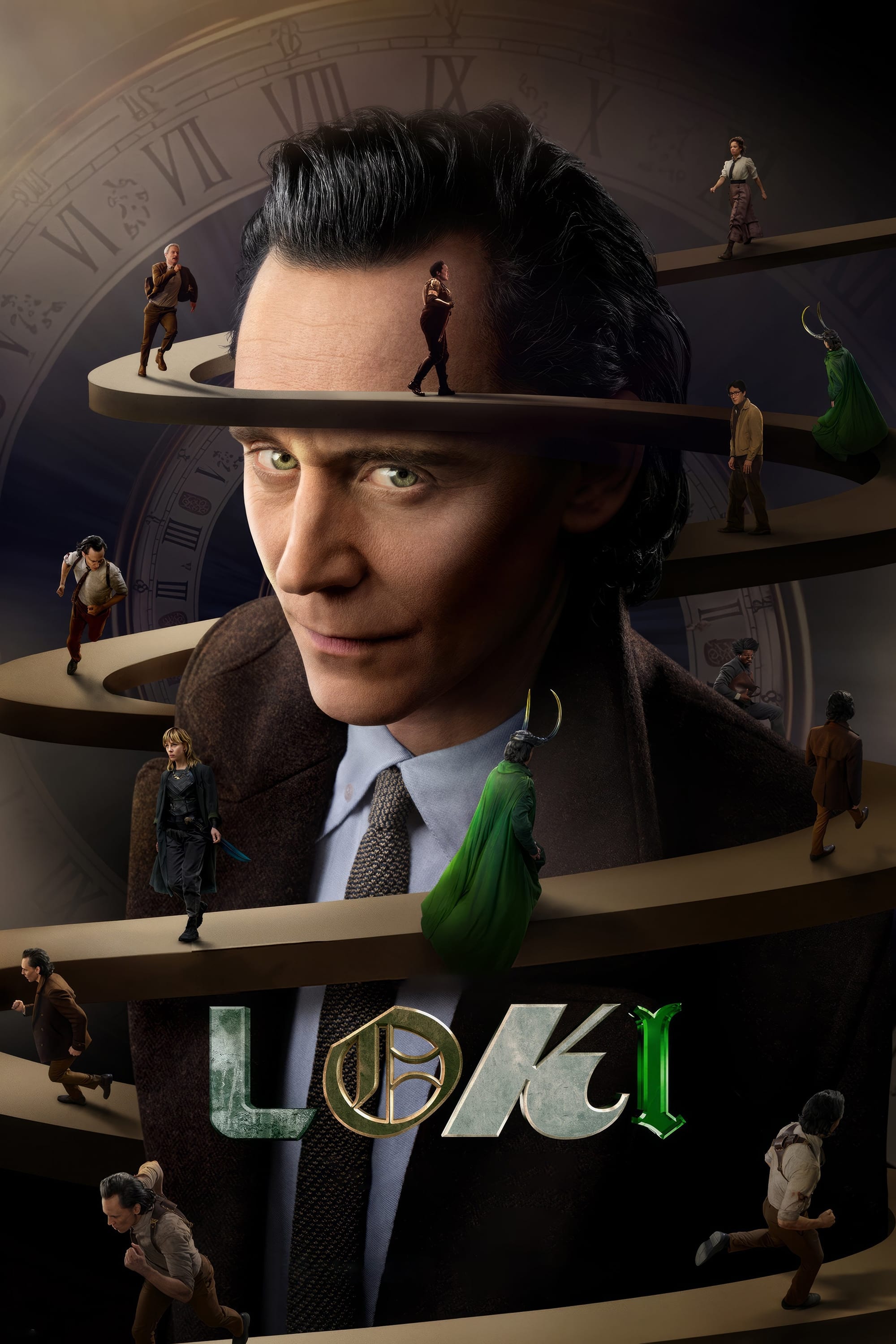
‘Loki’ tracks the God of Mischief through a bureaucracy that manages branching realities, with missions that correct timeline disturbances. Disney+ uses retro-futurist offices, classified case files, and field kits to make abstract time rules feel concrete and playable.
Production design places analog gadgets next to advanced tech, reinforcing the organization’s odd charm. The show treats identity, duplicates, and cause-and-effect as solvable puzzles, letting props like tempads and pruning batons define how scenes unfold.
‘True Detective’ (2014–present)
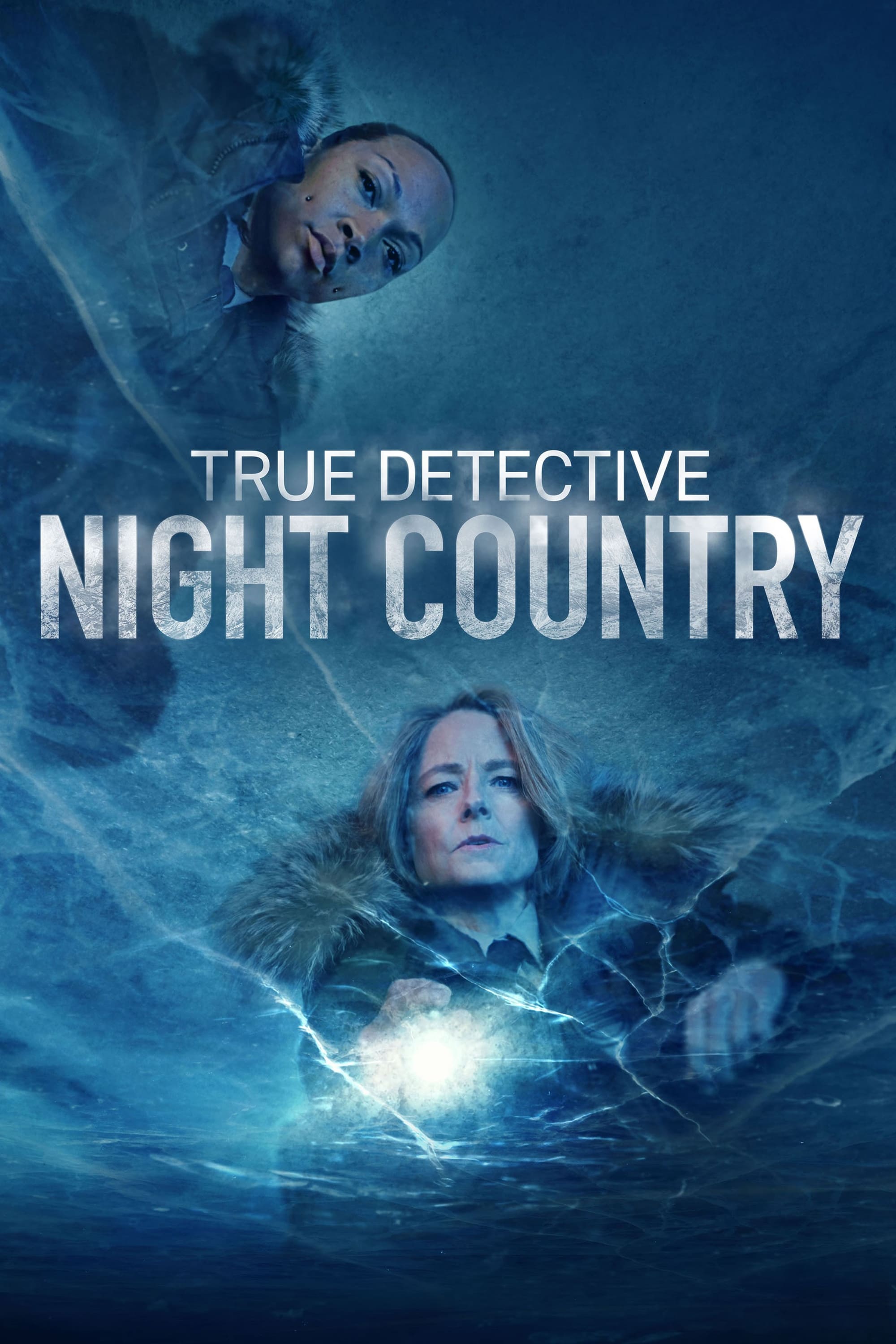
‘True Detective’ returns with new investigators and a fresh case, anchored by a region’s particular history and social web. HBO structures each installment around interviews, evidence boards, and field surveys, letting time-shifted scenes reveal how stories change as pressure mounts.
Distinctive cinematography, soundscapes, and location work make each case feel rooted in a specific place. The series keeps attention on chain-of-custody details, jurisdictional friction, and the way small missed steps can derail an investigation.
Share your own picks for the year’s standouts in the comments and tell us which shows we should add to the next list.

