The Best Live-Action Anime Adaptations


Live action takes on anime can be a fun way to see familiar stories rebuilt with real sets, practical costumes, and new visual effects. This list pulls together films and series that draw directly from well known anime and their manga roots, with quick details to help you find what each one covers and who made it happen.
You will find directors, key cast, story arcs, and production notes for each pick. The aim is to make it easy to decide what to watch next, whether you want swordplay, space opera, sports drama, or school based chaos.
‘Rurouni Kenshin’ Series (2012–2021)

This five film saga adapts major arcs from the ‘Rurouni Kenshin’ anime and manga, including ‘Kyoto Inferno’, ‘The Legend Ends’, ‘The Final’, and ‘The Beginning’. Keishi Ōtomo directs with Takeru Satoh as Himura Kenshin and Emi Takei as Kamiya Kaoru, and action direction comes from Kenji Tanigaki. The production uses extensive location shooting across Japan with period sets that mirror the Meiji era setting from the source.
Warner Bros. Japan handled domestic distribution and later entries launched globally through streaming in many regions. The films track Kenshin’s vow not to kill and detail the conflicts with foes like Shishio Makoto and Enishi Yukishiro, retaining iconic techniques and weapon work seen in the ‘Rurouni Kenshin’ anime.
‘One Piece’ (2023)

This series adapts the East Blue Saga from the ‘One Piece’ anime and manga, covering the formation of the Straw Hat crew and early Grand Line ambitions. Matt Owens and Steven Maeda serve as showrunners with Eiichiro Oda credited as an executive producer. The main cast includes Iñaki Godoy as Monkey D. Luffy, Mackenyu as Roronoa Zoro, Emily Rudd as Nami, Jacob Romero as Usopp, and Taz Skylar as Sanji.
Production built full scale ships at Cape Town Film Studios to stage battles and sea travel with large practical sets. The story follows the crew’s hunt for the world’s ultimate treasure and introduces Marines and pirates that tie back to arcs established in the ‘One Piece’ anime.
‘Alita: Battle Angel’ (2019)
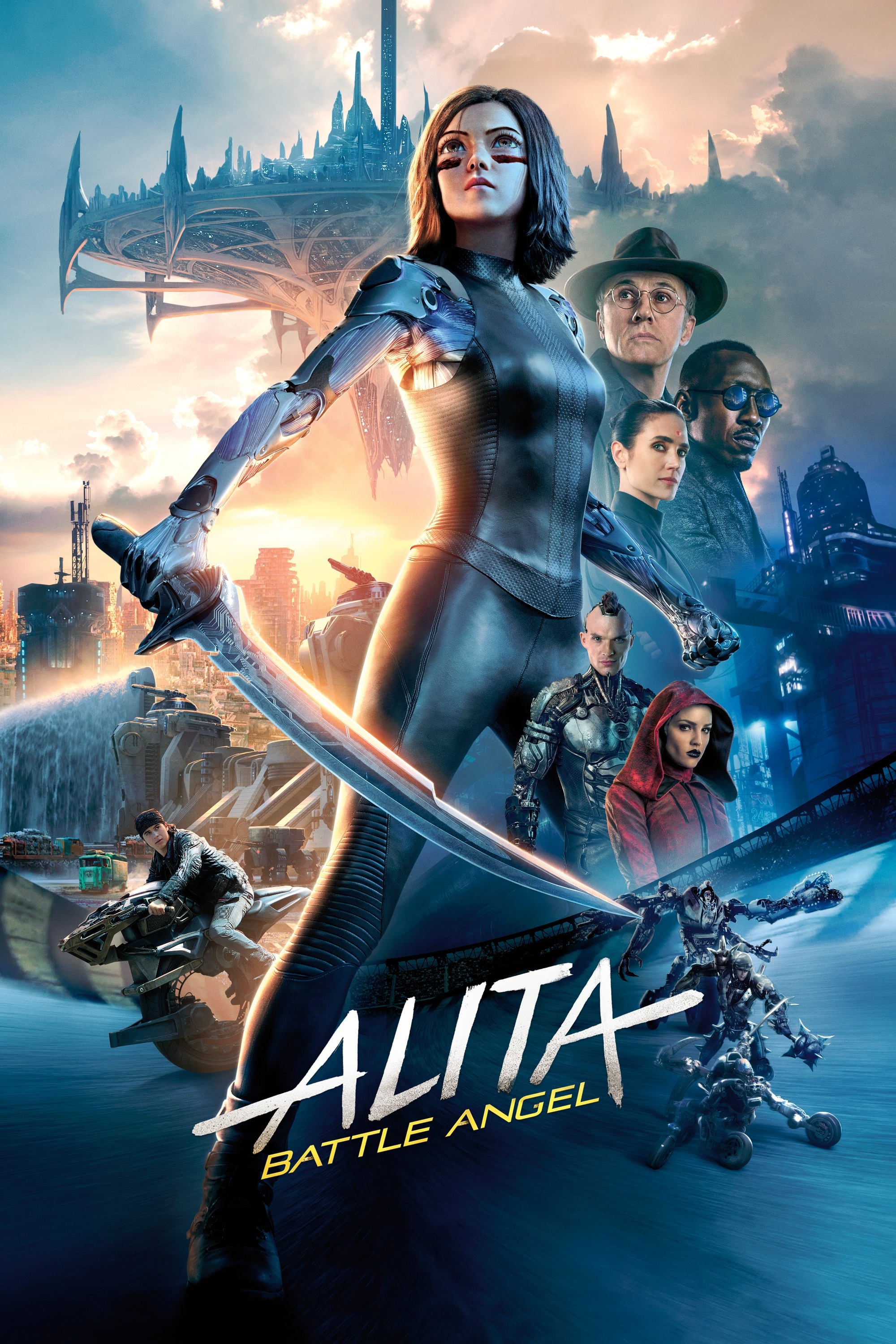
This feature adapts ‘Gunnm’, known to anime viewers as ‘Battle Angel Alita’. Robert Rodriguez directs from a screenplay by James Cameron and Laeta Kalogridis, with Rosa Salazar performing Alita through full performance capture and Christoph Waltz as Dr. Dyson Ido. Wētā FX delivers the cybernetic character work and the film uses large scale sets for Iron City and the Motorball arena.
The plot centers on a cyborg with a lost past who awakens in a scrapyard metropolis and learns combat skills tied to her origin. The production blends practical environments with digital extensions to realize mecha limbs, Panzer Kunst inspired fights, and the Motorball sport that anime fans will recognize from ‘Battle Angel Alita’.
‘Speed Racer’ (2008)
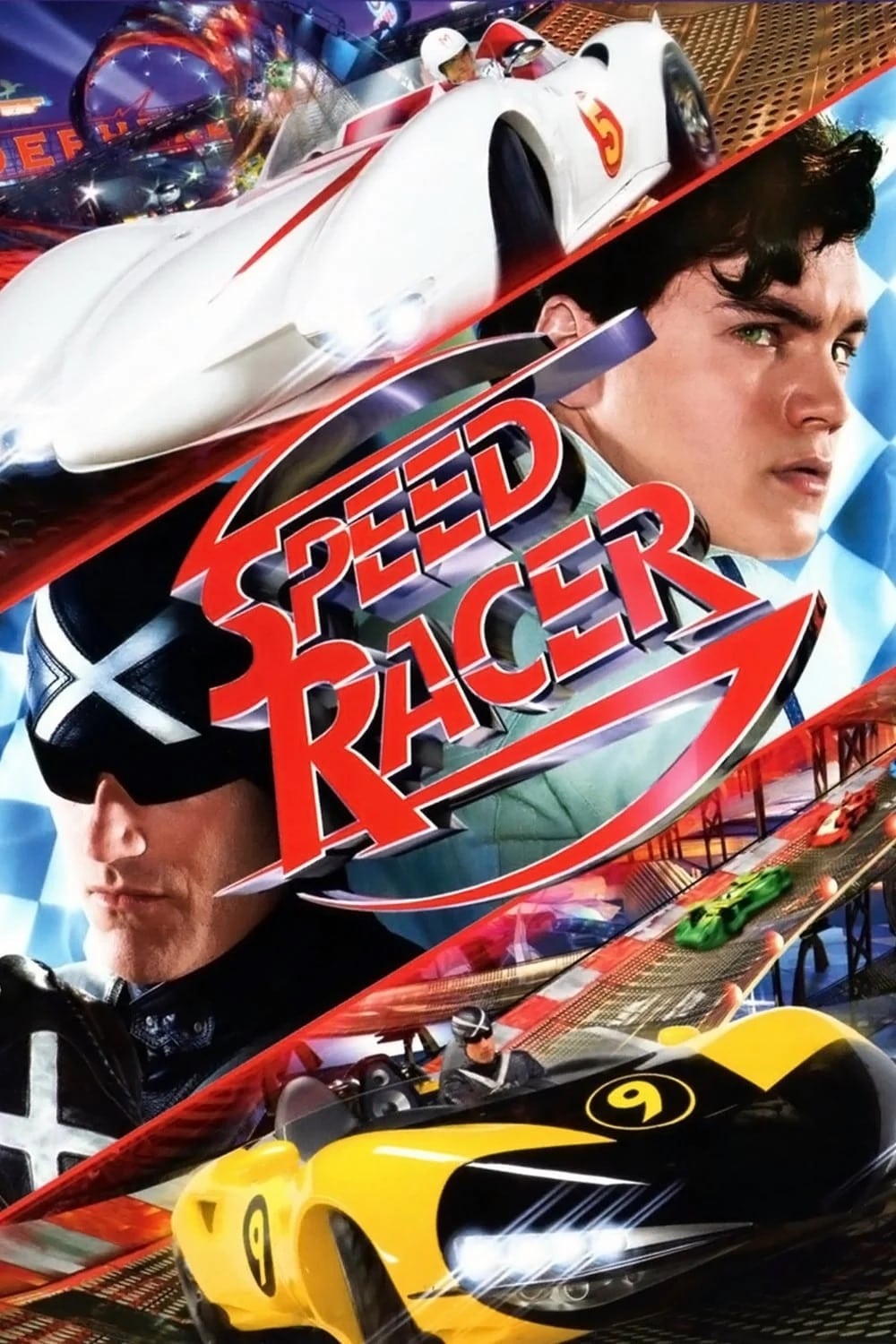
This film adapts the ‘Mach GoGoGo’ anime, retitled as ‘Speed Racer’ for many regions. The Wachowskis direct with Emile Hirsch as Speed, Christina Ricci as Trixie, John Goodman as Pops, and Susan Sarandon as Mom. The production used digital backlot techniques and high frame rate photography to create a stylized racing look that echoes the anime’s bold color and motion.
Babelsberg Studios hosted principal photography while visual effects teams built track environments and car rigs that support drifting and jump maneuvers from the ‘Speed Racer’ anime. The story covers corporate control of the racing world, the Racer family garage, and the mystery around Racer X.
‘Death Note’ (2006)

This Japanese live action adaptation draws from the ‘Death Note’ anime and manga and follows a student who gains a notebook that can kill if a name is written in it. Shusuke Kaneko directs with Tatsuya Fujiwara as Light Yagami and Kenichi Matsuyama as L, and Erika Toda appears as Misa Amane. Practical props, elaborate handwriting inserts, and a grounded visual style support the cat and mouse structure.
The release came in two parts with a spin off focused on L that expands events beyond the main case. The films stage key set pieces from the ‘Death Note’ anime including televised challenges, investigative task force meetings, and rules that govern the supernatural notebook.
‘Gintama’ (2017–2018)

These films adapt arcs from the ‘Gintama’ anime and manga that blend period action with sci fi elements. Yūichi Fukuda directs with Shun Oguri as Sakata Gintoki, Kanna Hashimoto as Kagura, and Masaki Suda as Shinpachi. The production recreates Edo streets alongside alien tech to capture the setting’s mix of samurai life and otherworldly visitors.
The first film centers on the Benizakura Arc while the sequel incorporates Shinsengumi and Shogun material known to viewers of the ‘Gintama’ anime. The scripts include series staples such as the Yorozuya odd jobs trio, sword duels, and fast paced gags that sit next to earnest character beats.
‘Blade of the Immortal’ (2017)
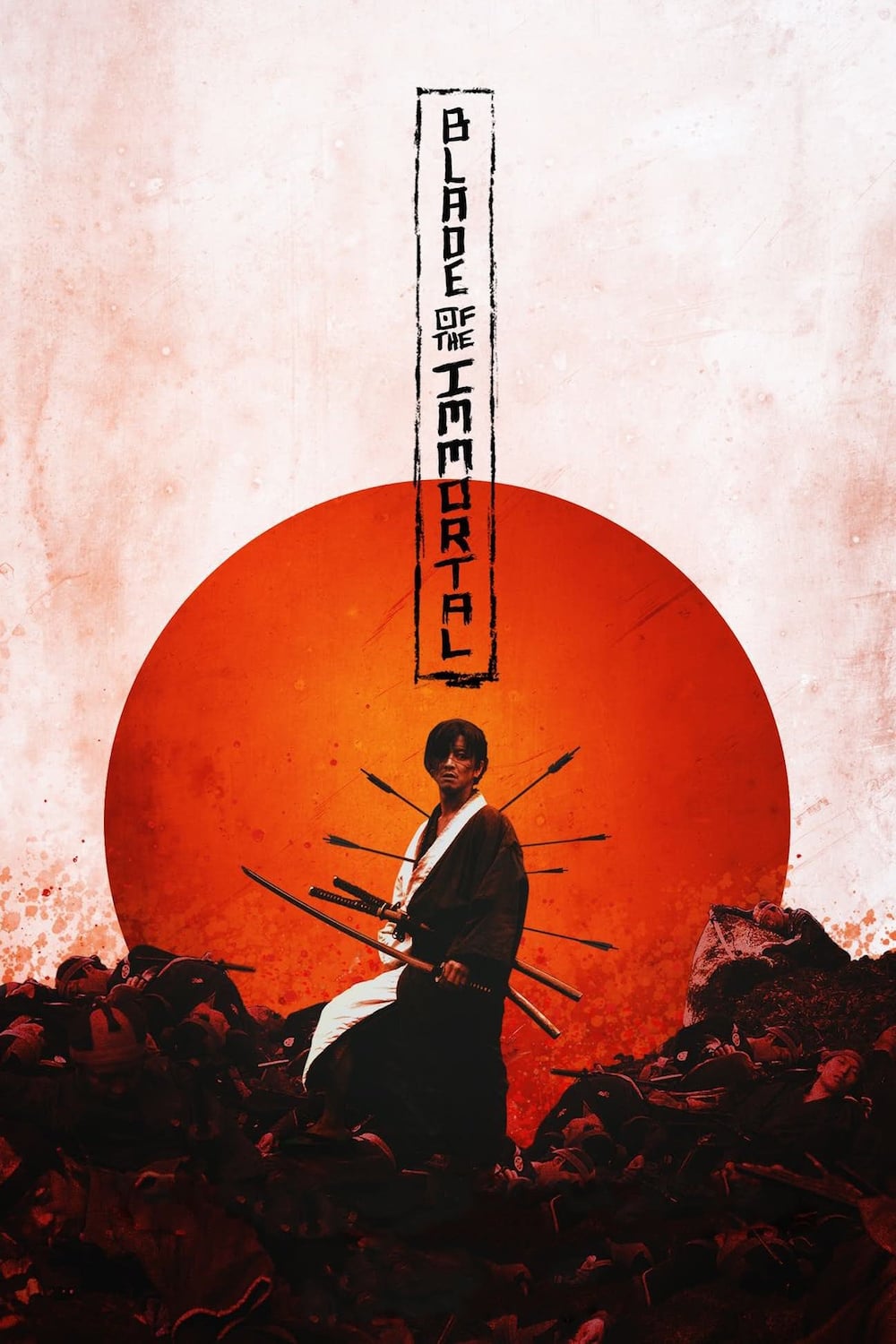
Takashi Miike directs this adaptation of ‘Blade of the Immortal’, which also reached anime format. Takuya Kimura stars as Manji and Hana Sugisaki plays Rin, with choreographed sword fights that highlight Manji’s regenerative abilities. Costumes and makeup effects help visualize the Itto ryu antagonists and the varied weapon styles seen in the source.
The narrative follows Rin’s quest for vengeance and her partnership with Manji as they face assassins and rogue samurai. The film tracks major confrontations and uses wide shot compositions to display the multi opponent battles familiar to fans of the ‘Blade of the Immortal’ anime.
‘Parasyte’ (2014–2015)
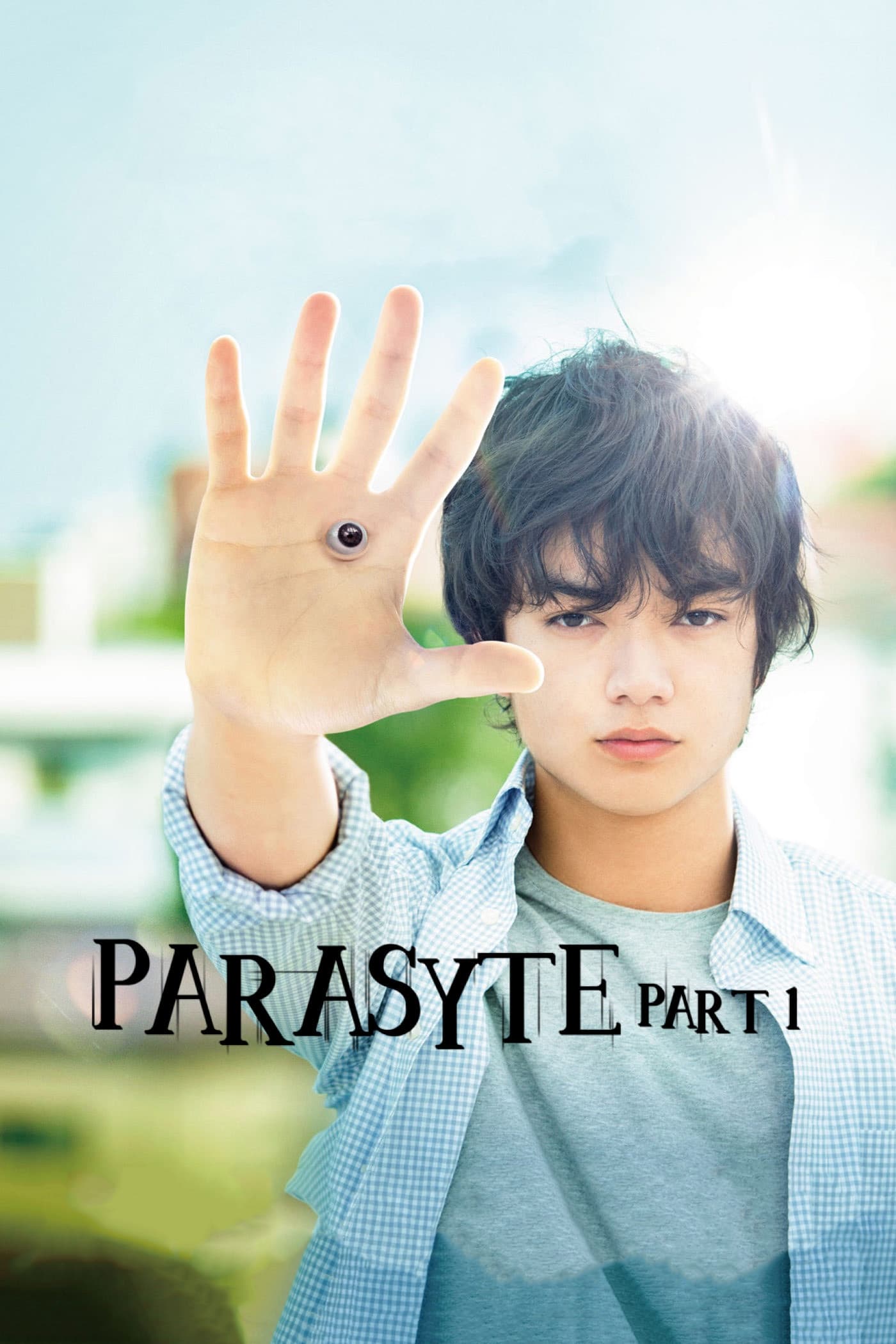
These two films adapt ‘Parasyte’, which has an anime counterpart titled ‘Parasyte the maxim’. Takashi Yamazaki directs and Toho distributes, with Shota Sometani as Shinichi Izumi and Eri Fukatsu as Ryoko Tamiya. Practical creature rigs combine with CGI to depict Migi and the parasitic transformations that define the story.
The plot covers the arrival of alien parasites on Earth and Shinichi’s partial infection that forces human and symbiote to cooperate. The adaptation stages school, city, and lab settings seen in the ‘Parasyte’ anime and follows investigations into the parasites’ spread and their attempts to blend into society.
‘Kingdom’ Series (2019–2024)

This film series adapts ‘Kingdom’, which also streams as an anime. Shinsuke Sato directs entries with Kento Yamazaki as Xin and Ryō Yoshizawa as Ying Zheng. Large scale sets, cavalry work, and armor design bring the Warring States setting to screen, with wide battlefield staging and stunt coordination for infantry clashes.
Across multiple films the story charts Xin’s rise from orphan to soldier and the political push to unify territories under a single rule. The adaptations pull set piece duels, court intrigue, and rival generals from arcs known in the ‘Kingdom’ anime while expanding travel and campaign scenes.
‘Bleach’ (2018)

This feature adapts the ‘Bleach’ anime and manga beginning with the Substitute Shinigami arc. Shinsuke Sato directs with Sota Fukushi as Ichigo Kurosaki, Hana Sugisaki as Rukia Kuchiki, and MIYAVI as Byakuya Kuchiki. Visual effects depict Hollows and Zanpakuto releases while costume and hair styling match Soul Society designs.
The film covers Ichigo’s first battles as a Soul Reaper and the conflict that follows Rukia’s transfer of power. It includes Karakura Town settings, school life, and early confrontations that ‘Bleach’ anime viewers will recognize, along with cues for the Quincy threat that sits in the background.
‘Attack on Titan’ (2015)
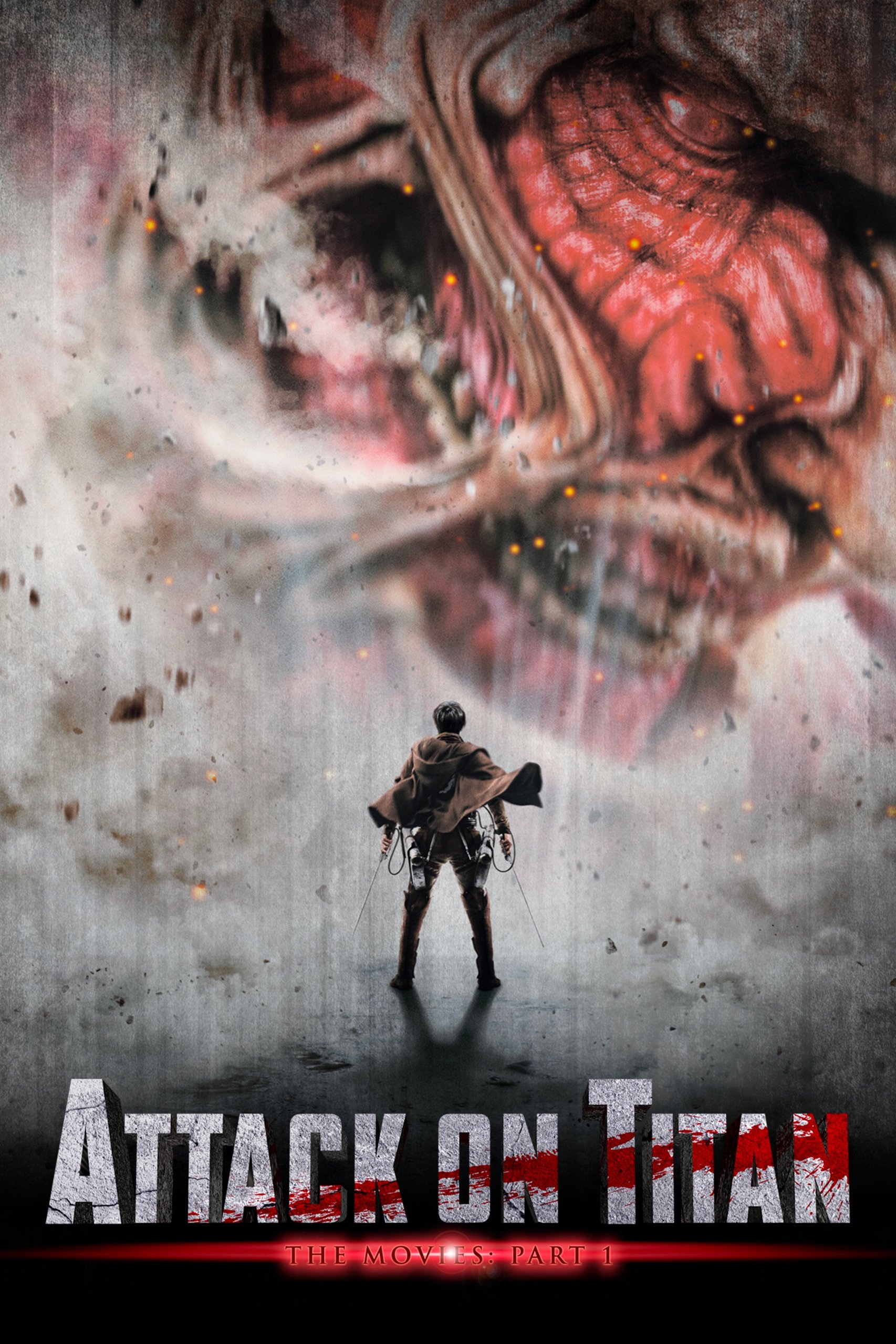
This two part adaptation draws from the ‘Attack on Titan’ anime and manga and focuses on humanity’s last walled cities and the fight against giant Titans. Shinji Higuchi directs with Haruma Miura as Eren, Kiko Mizuhara as Mikasa, and Kanata Hongō as Armin. The production uses extensive prosthetics, wire work, and CGI to stage vertical maneuvering and Titan encounters.
Set pieces include wall breaches, urban evacuations, and military planning that parallel events from the ‘Attack on Titan’ anime. The script introduces experimental weapons and political tensions inside the walls and builds toward confrontations that reveal secrets about certain Titans.
‘Fullmetal Alchemist’ (2017–2022)
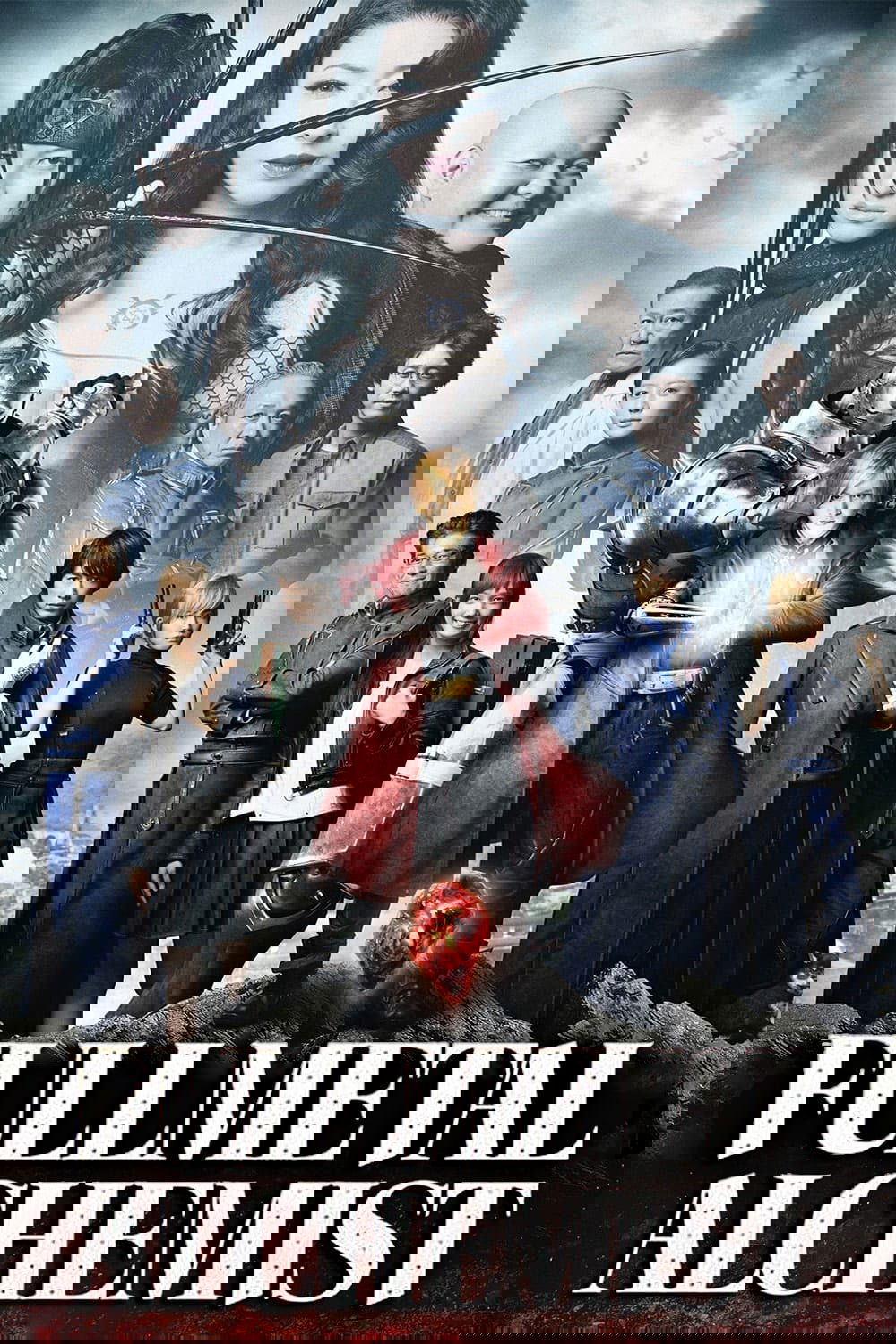
These live action films adapt the ‘Fullmetal Alchemist’ anime and manga with a focus on the Elric brothers and their search for the Philosopher’s Stone. Fumihiko Sori directs with Ryosuke Yamada as Edward and a CG realized Alphonse voiced by Atomu Mizuishi. The production employs large sets for Central and practical costumes for State Alchemists and Homunculi.
The sequels cover arcs that expand Scar’s storyline and the final conflict with Father. Transmutation effects, automail limb work, and creature designs reference visuals familiar to viewers of the ‘Fullmetal Alchemist’ anime while following the canon of Amestris and its military hierarchy.
‘Chihayafuru’ Trilogy (2016–2018)

This trilogy adapts the ‘Chihayafuru’ anime and manga about competitive karuta. Norihiro Koizumi directs with Suzu Hirose as Chihaya Ayase, Shūhei Nomura as Taichi Mashima, and Mackenyu as Arata Wataya. The films shoot tournament halls, school clubs, and training camps with close up card work to show speed and memorization.
The story follows the founding of a high school team and national level competition. Matches use text overlays, commentary, and rhythm to mirror the tension and strategy that ‘Chihayafuru’ anime viewers know, while also tracking friendships and rivalries within the club.
‘The Disastrous Life of Saiki K.’ (2017)

This film and series adapt the ‘The Disastrous Life of Saiki K.’ anime and manga about a teen psychic who wants a quiet life. Yūichi Fukuda directs with Kento Yamazaki as Kusuo Saiki and features classmates like Nendo and Kaido. Visual gags rely on in camera tricks and post production to show telekinesis, clairvoyance, and teleportation.
School settings, family scenes, and club mishaps are drawn from arcs that fans of the ‘The Disastrous Life of Saiki K.’ anime will recognize. The scripts stack powers based problems that spiral into set pieces while keeping the format of short episodic scenarios linked by recurring characters.
‘Assassination Classroom’ Series (2015–2016)
These films adapt the ‘Assassination Classroom’ anime and manga where students are tasked with stopping their superpowered teacher. Eiichiro Hasumi directs with Ryosuke Yamada as Nagisa Shiota and Kazunari Ninomiya voicing Koro sensei. Character designs keep the yellow octopus like teacher distinct through CGI that blends into classroom scenes.
The plot follows training, mock battles, and field trips that double as missions, along with rival classes and military oversight. The adaptation carries over rules for Koro sensei’s weaknesses and abilities known from the ‘Assassination Classroom’ anime and builds toward graduation and final tests.
‘Ping Pong’ (2002)

This film adapts ‘Ping Pong’, which also reached the screen as an anime. Fumihiko Sori directs with Yosuke Kubozuka as Peco and Arata as Smile. Real match footage, table level cameras, and character focused editing show the contrast between freewheeling play and disciplined defense.
The story follows friendship and rivalry through school tournaments and training. It recreates signature serves and mental battles from the ‘Ping Pong’ anime and tracks how coaches and opponents push both players toward different visions of the sport.
‘Space Battleship Yamato’ (2010)
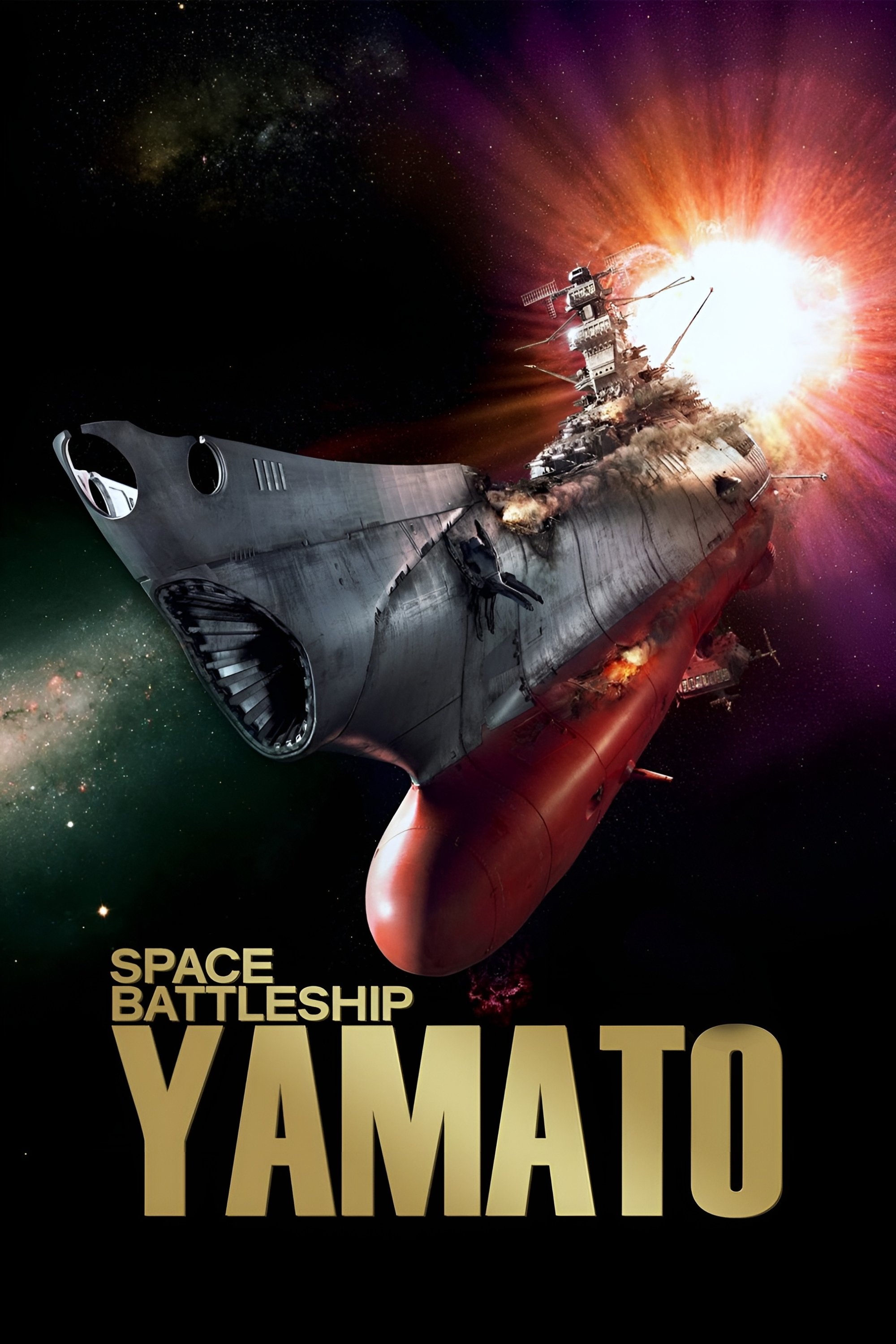
This feature adapts the ‘Space Battleship Yamato’ anime and sends the title ship on a mission to save Earth. Takashi Yamazaki directs with Takuya Kimura as Susumu Kodai and Meisa Kuroki as Yuki Mori. Miniatures, digital models, and cockpit sets combine to stage dogfights and warp jumps.
The plot includes Gamilas encounters, the Wave Motion Gun, and the long range voyage that defines the ‘Space Battleship Yamato’ anime. Uniforms, ship interiors, and bridge layouts reference the original designs while the script condenses a full season’s journey into a single narrative.
‘Nodame Cantabile’ (2006–2010)

This live action series and its follow ups adapt the ‘Nodame Cantabile’ anime and manga about two music students on different paths. Juri Ueno plays Megumi Noda and Hiroshi Tamaki plays Shinichi Chiaki. Orchestral performance scenes use professional musicians and concert halls to present classical pieces in full.
The story begins at a music college and then shifts to international study that opens new opportunities. It mirrors arcs from the ‘Nodame Cantabile’ anime including competitions, teacher relationships, and ensemble growth, and it features real conductors and performers in guest roles.
‘Cowboy Bebop’ (2021)
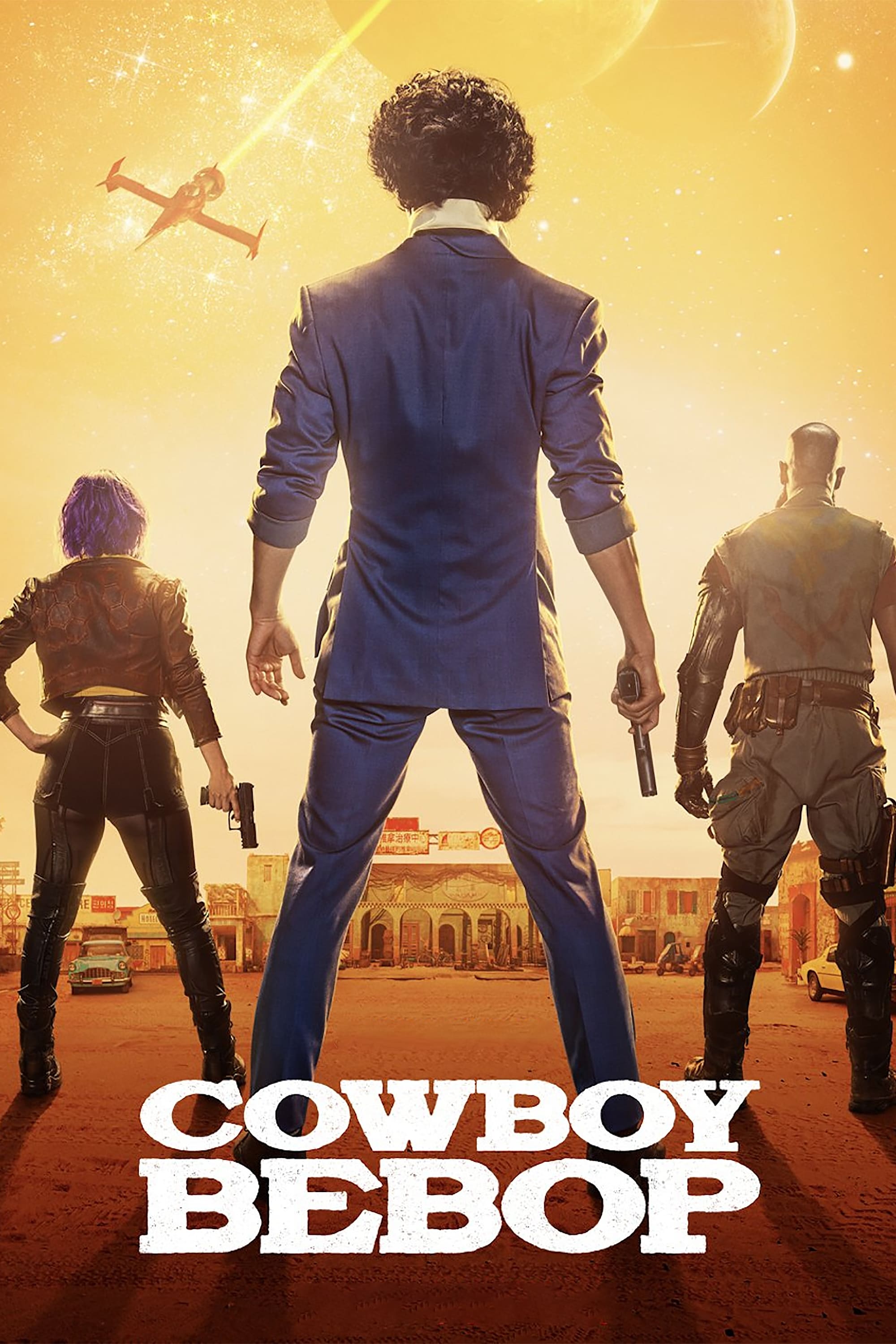
This series adapts the ‘Cowboy Bebop’ anime with André Nemec as showrunner and a cast led by John Cho as Spike Spiegel, Mustafa Shakir as Jet Black, and Daniella Pineda as Faye Valentine. Yoko Kanno returns to compose music with the Seatbelts, and production builds the Bebop ship and key locations as practical sets.
Cases of the week structure the episodes and bring in characters like Vicious and Julia along with Ein the data dog. The show references plotlines and design cues from the ‘Cowboy Bebop’ anime and stages space travel, bounty hunts, and blues and jazz infused action.
‘Yu Yu Hakusho’ (2023)
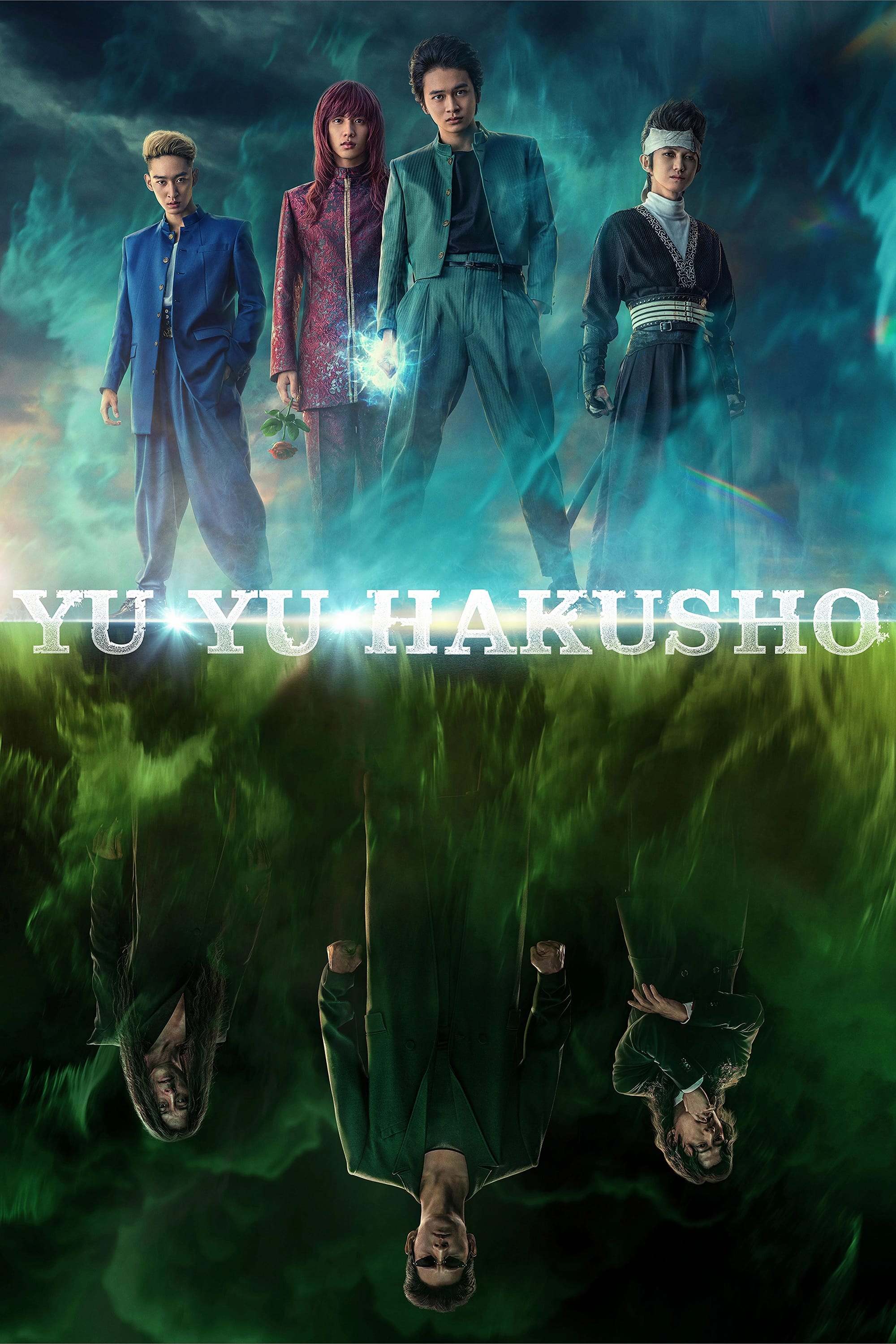
This series adapts the ‘Yu Yu Hakusho’ anime and manga beginning with the Spirit Detective arc. The main cast includes Takumi Kitamura as Yusuke Urameshi, Jun Shison as Kurama, Kanata Hongō as Hiei, and Shuhei Uesugi as Kazuma Kuwabara. The production uses stunt wire work and digital effects to realize Rei Gun blasts and demon forms.
Storylines introduce Botan, Koenma, and the early case files that set up tournaments and larger threats. Costumes, weapons, and location work reflect designs familiar to viewers of the ‘Yu Yu Hakusho’ anime and lay groundwork for the Dark Tournament material.
‘Yatterman’ (2009)
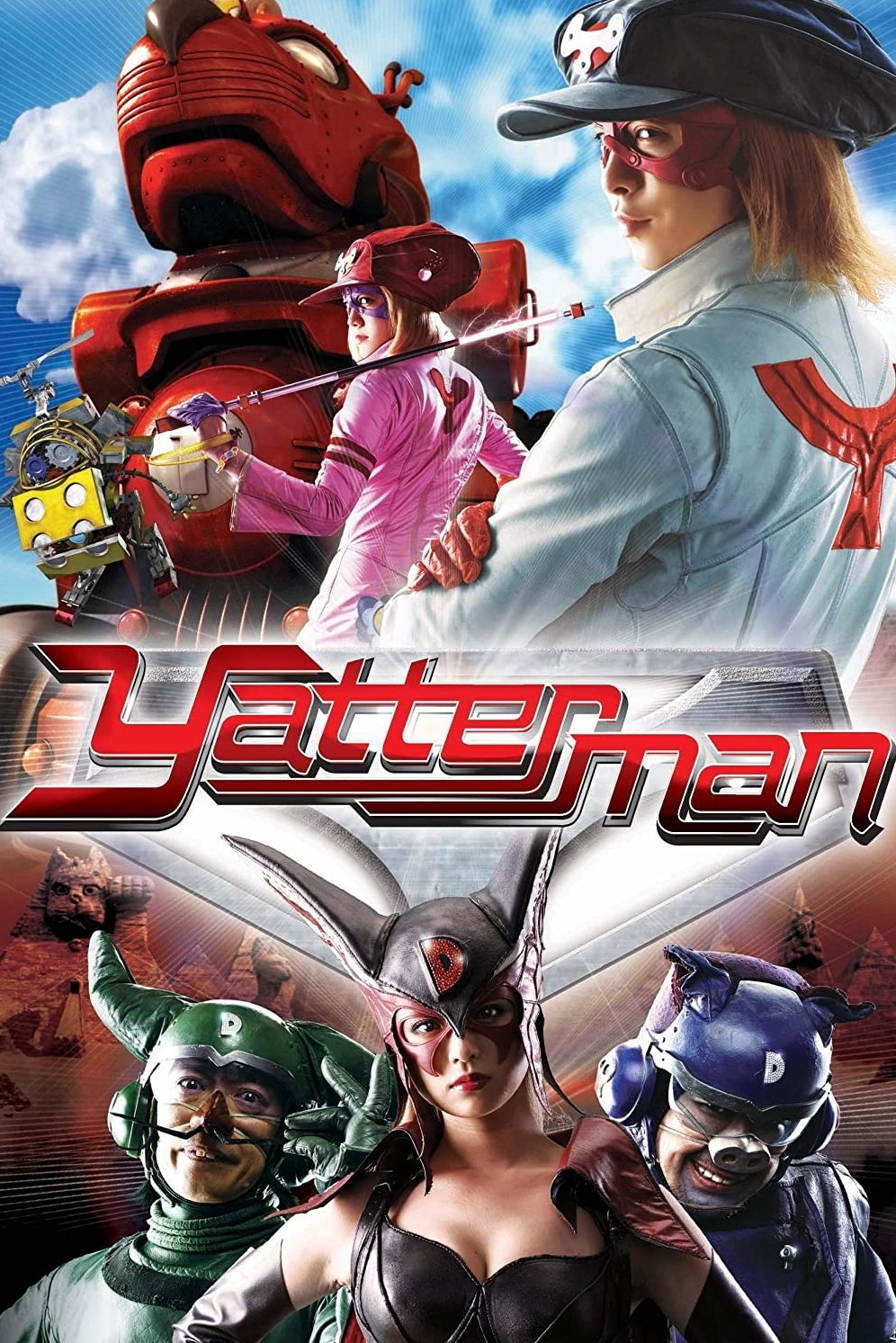
This film adapts the ‘Yatterman’ anime with Takashi Miike directing and a story that pits the Yatterman duo against the Doronbo gang. The production features elaborate costumes, mecha props, and set pieces that echo the playful tone of the source.
Iconic machines like Yatter Wan appear alongside villain gadgets that drive episodic style capers. The adaptation keeps the comedic chase structure from the ‘Yatterman’ anime and builds missions around treasure hunts and showdowns with Doronjo and her henchmen.
‘Pretty Guardian Sailor Moon’ (2003–2004)
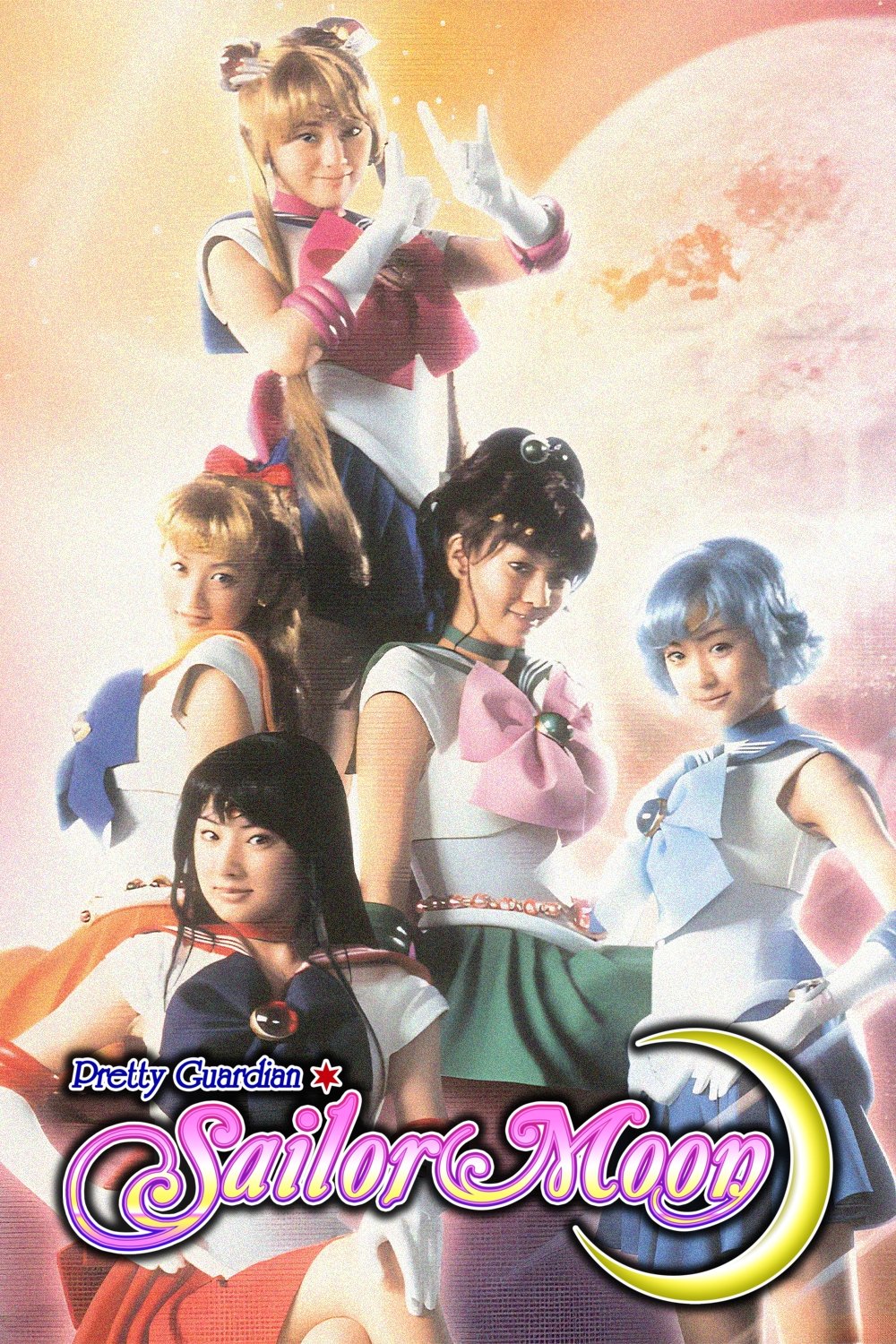
This series adapts the ‘Sailor Moon’ anime and manga and follows Usagi Tsukino as she awakens as a guardian. The cast includes Miyuu Sawai as Usagi and features full suit designs for Sailor Guardians with practical transformation sequences supported by visual effects.
Episodes cover youma battles, team formation, and the Silver Crystal search. It reworks arcs from the ‘Sailor Moon’ anime for a tokusatsu style format with monster of the week encounters and serialized reveals about the Moon Kingdom.
Share your favorites and tell us which live action takes on anime you want to see next in the comments.